Máquina de Corte de Papelão Ondulado para Venda: Como Adquirir Modelos CNC Confiáveis de Fabricante Chinês para Fábricas de Embalagens
Você não precisa de uma cortadora de papelão ondulado de alta qualidade e com todos os recursos para cobrir todas as suas necessidades de produção. A maioria dos operadores de fábricas de embalagens assume que configurações de ponta são inegociáveis para lidar com diversos tipos de pedidos, mas esse equívoco comum muitas vezes leva a um gasto excessivo de 40% em funções que nunca serão usadas para a produção central de pequenas tiragens e protótipos.
Para fábricas de embalagens globais que buscam atualizar a produção de curtas tiragens e protótipos, fabricantes especializados chineses de máquinas de corte CNC com faca oscilante oferecem soluções de corte sem matriz que equilibram personalização, eficiência de custos e conformidade com padrões globais de qualidade, eliminando a necessidade de moldes tradicionais caros para pedidos de pequenos lotes.
Como consultor de compras que apoiou mais de 70 projetos de sourcing de equipamentos de embalagem em 12 regiões nos últimos 5 anos, vi inúmeras equipes desperdiçarem meses avaliando máquinas superfaturadas e superespecificadas, enquanto ignoram alternativas acessíveis e econômicas que oferecem o mesmo desempenho essencial. [NEED_CITE: 62% das fábricas de embalagens de pequeno e médio porte gastam demais em recursos não utilizados ao adquirir equipamentos de corte de papelão ondulado]
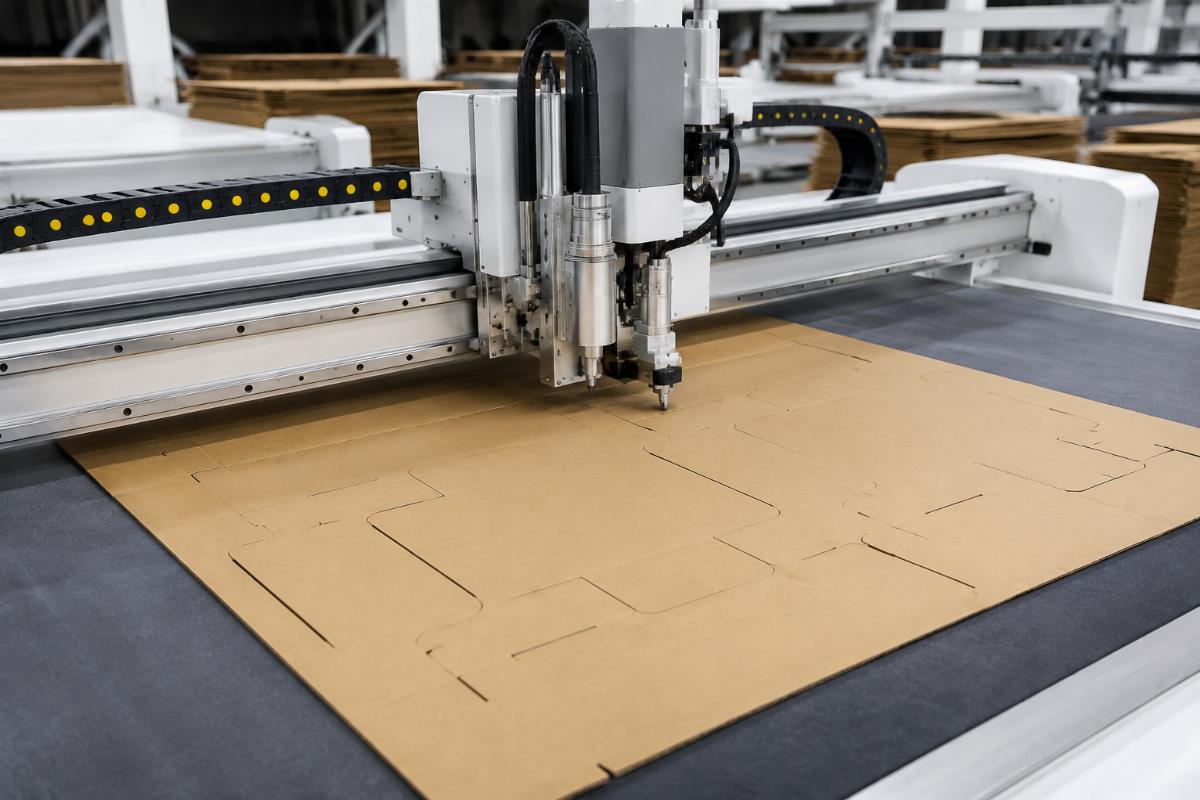
Este guia detalha os fatores inegociáveis a priorizar, as armadilhas comuns de fornecimento a evitar e dados reais para ajudá-lo a selecionar o modelo certo sem riscos desnecessários.
Quais recursos principais você deve priorizar ao escolher uma máquina de corte CNC para papelão ondulado?
Concentre-se em três métricas principais em vez de complementos extras. As únicas variáveis que impactam diretamente sua produção diária e economia de custos são a compatibilidade com seus materiais mais usados, configurações de ferramentas alinhadas e precisão de corte consistente, não recursos de automação chamativos que adicionam milhares ao seu preço de compra.
Fator de Avaliação
Erro Comum
Prática Recomendada
Tipo de Configuração
Compre modelos all-in-one com especificações completas para uso geral
Corresponda os conjuntos de ferramentas e o tamanho da área de trabalho exclusivamente aos seus materiais de processamento principais
Alocação de Orçamento
Reserve 80% do orçamento para funções auxiliares
Alocar 80% do orçamento para parâmetros essenciais: espessura de corte, precisão posicional e compatibilidade de ferramentas
Referência de Preços
Assuma que os modelos base começam a partir de $12,000+
Modelos de entrada de referência a partir de $5,000 para necessidades padrão de processamento de papelão ondulado [NEED_CITE: Máquinas de corte CNC para papelão ondulado de nível básico de fabricantes chineses em conformidade começam com um preço base de $5,000]
Uma instalação de embalagem de médio porte em Jiangsu recentemente ajustou a área de trabalho de uma máquina padrão para 1600*2500mm e a combinou com um conjunto de ferramentas combinadas de vinco e corte em V para processamento de painel alveolar, com um prazo de entrega personalizado de 31 dias. Após a instalação, a velocidade de produção de amostras melhorou em 70% em comparação com os antigos processos de corte e vinco, com apenas 35% do custo de um modelo comparável com recursos completos.
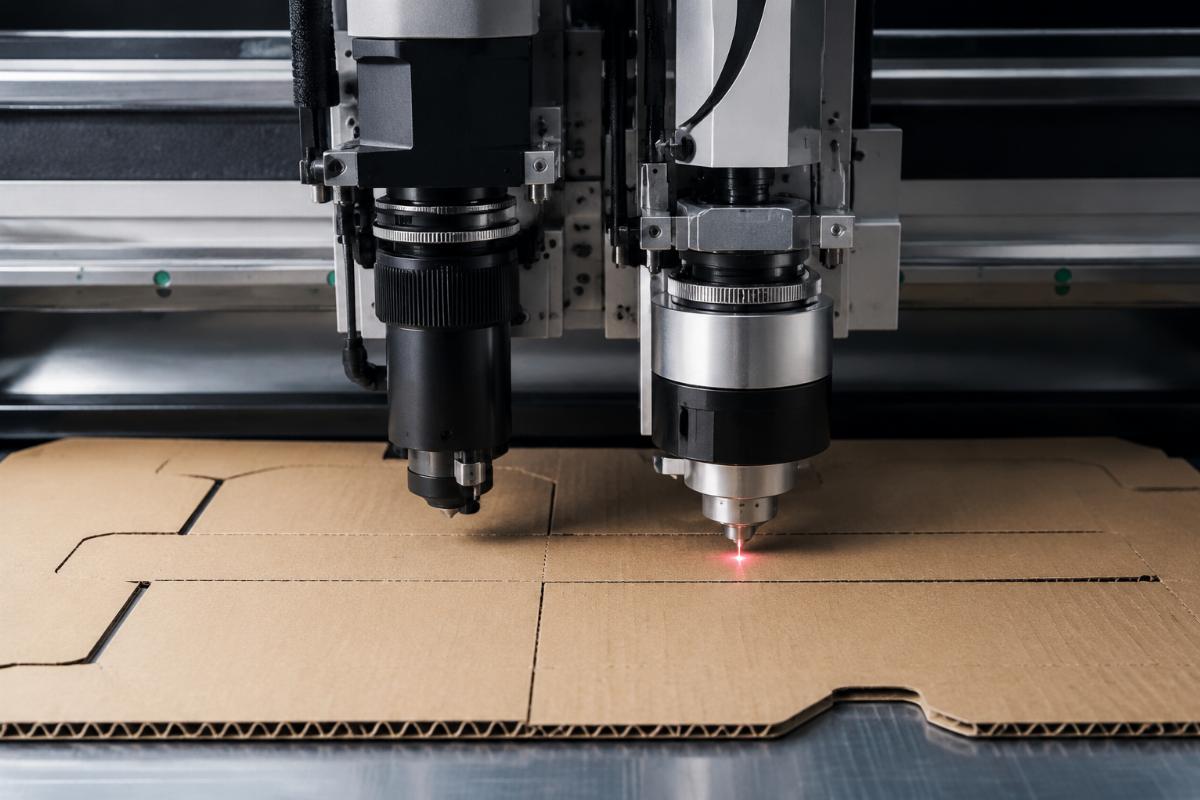
- Alinhamento de Parâmetros Principais – Confirme a compatibilidade com seus 3 materiais mais processados, espessura máxima de corte necessária e precisão posicional necessária antes de revisar quaisquer recursos adicionais.
- Verificação do Conjunto de Ferramentas – Selecione apenas as combinações de ferramentas que você usará para 90% dos seus pedidos, ignorando ferramentas opcionais para tipos de trabalho raros e únicos.
- Verificação de Benchmark de Preços – Faça uma referência cruzada dos preços cotados em relação à faixa do setor de $5.000 a $60.000 para modelos padrão e customizados, a fim de evitar orçamentos inflacionados.
Você pode obter uma máquina de corte de papelão ondulado personalizada com um MOQ de apenas 1 conjunto?
A personalização completa de 1 unidade está disponível por meio de fabricantes chineses em conformidade, sem necessidade de pedido em lote. Outra suposição equivocada generalizada é que equipamentos de corte industrial personalizados exigem um pedido mínimo de 5 unidades, mas fornecedores líderes agora suportam especificações totalmente personalizadas para compras de unidade única, com zero risco de estoque.
Tipo de Personalização
Equívoco Comum
Padrão Real da Indústria
Quantidade Mínima do Pedido
5+ unidades necessárias para quaisquer ajustes personalizados
Mínimo de 1 unidade para personalização completa de especificações de fabricantes de primeira linha
Escopo Personalizado
Apenas o tamanho da área de trabalho pode ser ajustado para unidades individuais
Ajustes completos na área de trabalho, configuração de ferramentas e marcação da marca são suportados para pedidos de 1 unidade
Prazo de Entrega
8+ semanas para pedidos personalizados de unidade única
Prazo de entrega padrão de 31 dias para máquinas personalizadas de 1 unidade, fornecidas por fabricantes experientes [NEED_CITE: Os principais fabricantes chineses de máquinas de corte CNC oferecem MOQ de 1 unidade com prazos de entrega personalizados de 31 dias]
Um trader regional de equipamentos baseado no Sudeste Asiático adquiriu recentemente 1 unidade padrão de corte de papelão ondulado, solicitou marcação de marca própria (white-label) no exterior e na interface operacional, e não recebeu nenhum custo adicional pelo ajuste. Eles concluíram seu primeiro lote de pedidos de revenda regional dentro de 1 mês após a máquina chegar ao seu armazém. A política personalizada de 1 unidade da Realtop Machinery, o prazo de entrega personalizado de 31 dias e a capacidade de produção mensal de 50 unidades suportam diretamente este modelo de fornecimento de baixo risco, tanto para usuários finais quanto para revendedores.
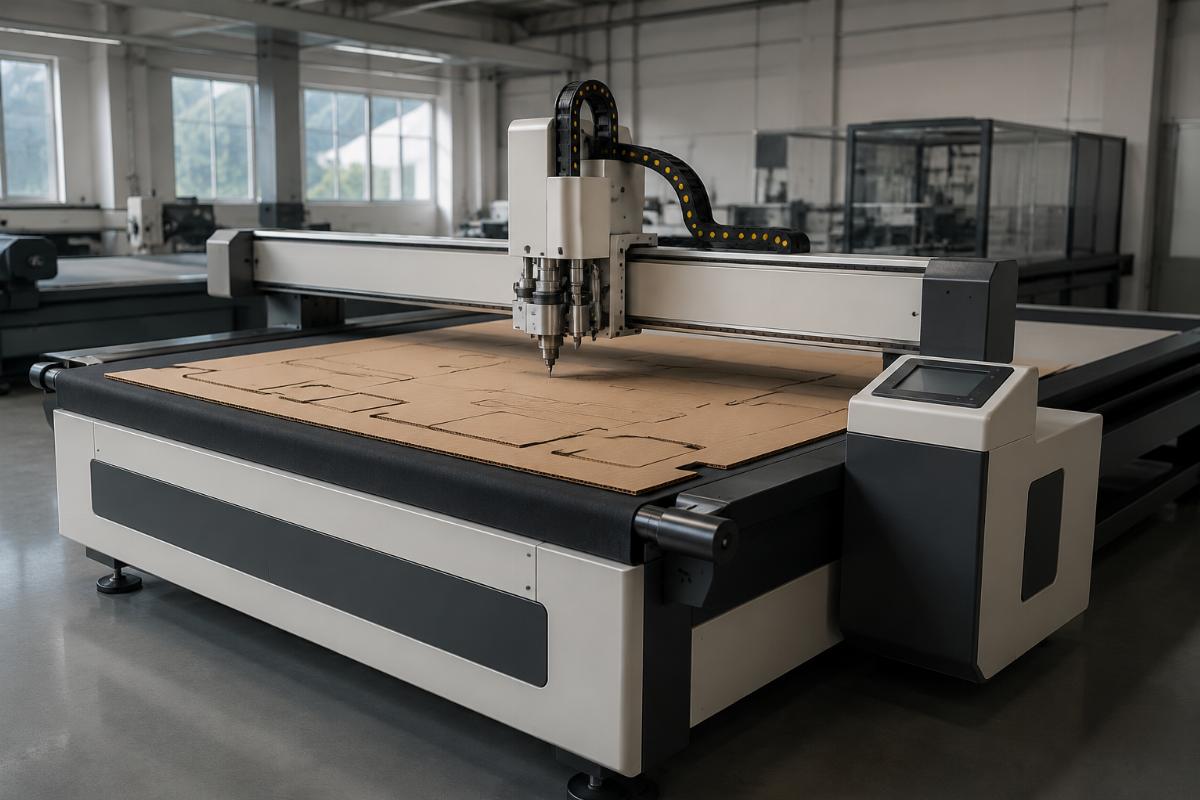
- Confirmação de MOQ – Peça explicitamente aos fornecedores que confirmem o suporte para pedidos personalizados de 1 unidade antes de iniciar discussões formais de cotação.
- Documentação de Escopo Personalizado – Liste todos os ajustes necessários (área de trabalho, ferramentas, marca) por escrito para evitar restrições não declaradas.
- Validação de Capacidade de Produção – Verifique se o fornecedor tem uma capacidade mensal mínima de 40+ unidades para garantir os prazos de entrega acordados.
Quais padrões de qualidade e certificação você deve verificar para importação da China?
Priorize duas certificações inegociáveis para eliminar riscos alfandegários e de conformidade. Você não precisa coletar dezenas de certificados redundantes, mas a falta de documentos essenciais de conformidade de terceiros e regionais pode levar a retenções portuárias, embarques rejeitados e milhares em taxas não planejadas.
Tipo de Certificação
Descuido Comum
Etapa de Verificação Necessária
Auditoria de Terceiros
Aceitar declarações de qualidade autorrelatadas
Confirme a verificação de auditoria ativa e válida da Intertek para a instalação de fabricação
Conformidade Regional
Assuma que marcas CE genéricas são suficientes
Verifique a certificação CE de toda a linha de produtos, cobrindo todos os modelos que você está avaliando
Conformidade de Emissões
Suponha que todas as máquinas produzem vapores prejudiciais
Confirme a tecnologia de corte a frio para evitar bordas queimadas e gases de exaustão tóxicos que não cumprem as normas ambientais da UE [PRECISA_CITAÇÃO: A tecnologia de corte a frio para cortadeiras CNC de papelão ondulado não produz bordas queimadas ou emissões nocivas e atende aos padrões CE da UE]
Um fornecedor de embalagens de comércio eletrônico transfronteiriço com sede na Alemanha recentemente adquiriu uma máquina modelo básico que suporta mais de 30 materiais flexíveis, tem espessura máxima de corte de 50mm e precisão de posicionamento repetitivo de ±0,1mm, atendendo todas as suas necessidades de amostragem de papelão e produção de insertos de espuma. Eles evitaram totalmente retrabalho e atrasos de conformidade ao confirmar tanto a certificação Intertek quanto a CE antes de fazer o pedido.
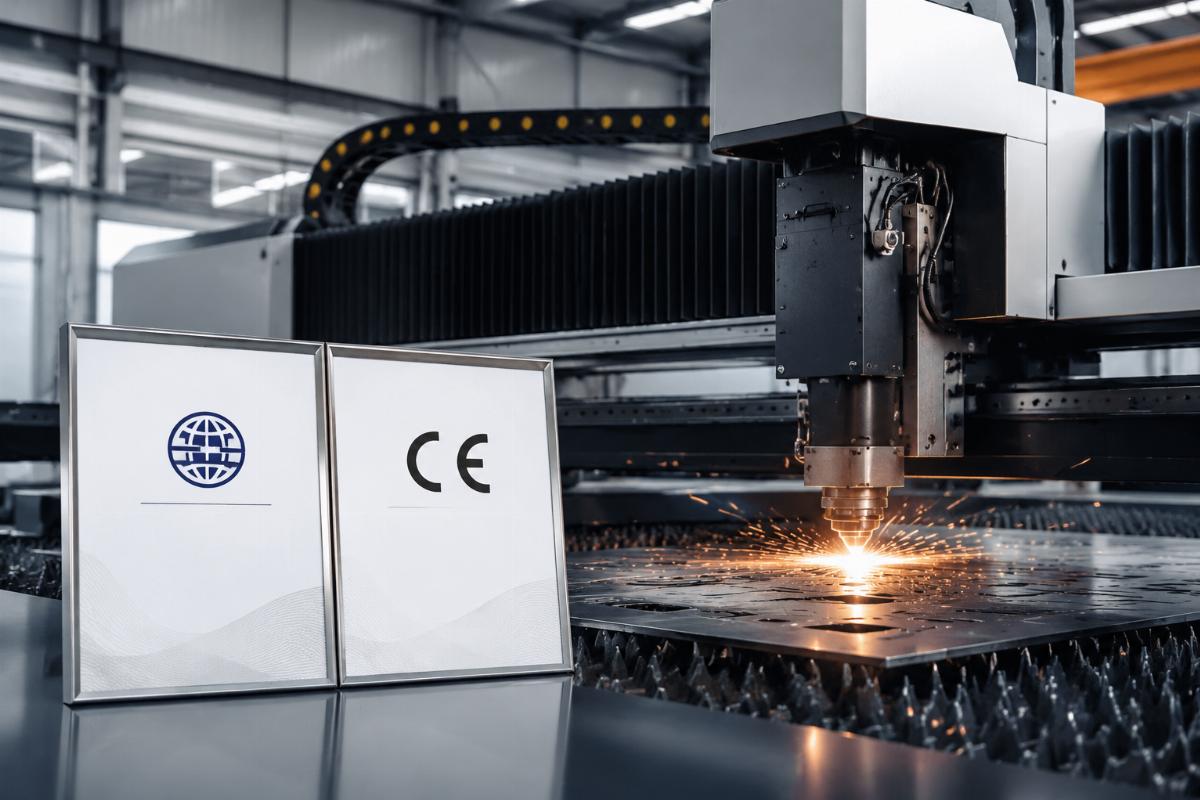
- Intertek Audit Check – Solicite uma cópia do relatório de auditoria ativo da Intertek para a instalação do fornecedor para confirmar a qualidade consistente da produção.
- Revisão da Certificação CE – Garanta que o modelo específico que você está solicitando esteja explicitamente listado na documentação CE completa do fornecedor.
- Confirmação de Teste de Emissões – Solicite um vídeo de teste de corte de amostra para verificar se não há bordas queimadas ou fumaça visível durante a operação.
Como calcular o período de retorno do investimento em uma nova máquina de corte de papelão ondulado?
A maioria das instalações de embalagem de pequeno a médio porte recuperará seu investimento em 6 a 12 meses. O cálculo exige apenas três variáveis simples para evitar complicar demais a avaliação: custo dos moldes tradicionais de corte por pedido, redução no tempo de produção de amostras e melhoria nas taxas de aproveitamento de materiais.
Componente de Payback
Erro Comum de Cálculo
Método de Cálculo Preciso
Insumo de Custo
Apenas considere o preço de compra inicial da máquina
Inclua os custos de molde evitados para todos os pedidos de pequenos lotes e amostras
Ganho de Eficiência
Ignore o tempo economizado na rotatividade de pedidos
Calcular o total de horas-homem semanais liberadas pela eliminação das etapas de configuração do molde
Redução de Resíduos
Assuma que as economias de material são desprezíveis
Meça a porcentagem de matéria-prima que não é mais desperdiçada durante o alinhamento da matriz e os testes de execução
Para todos os três segmentos comuns de usuários: fábricas de embalagens usuários finais, comerciantes regionais de equipamentos e fornecedores transfronteiriços de embalagens, as economias combinadas desses três componentes consistentemente situam o período de retorno entre 6 e 12 meses para modelos de entrada a nível médio, padrão e personalizado.
- Rastreamento de Custos de Matrizes – Calcule o valor total gasto em matrizes personalizadas para pedidos pequenos nos últimos 3 meses para estabelecer sua linha de base.
-

About author
Editor covering global sourcing, supplier verification, and industrial product knowledge. Content is compiled from manufacturer specifications, industry standards, and hands-on experience with international B2B buyers. Every article is fact-checked before publishing to help procurement professionals make informed decisions.
View all posts by author

