
Blog
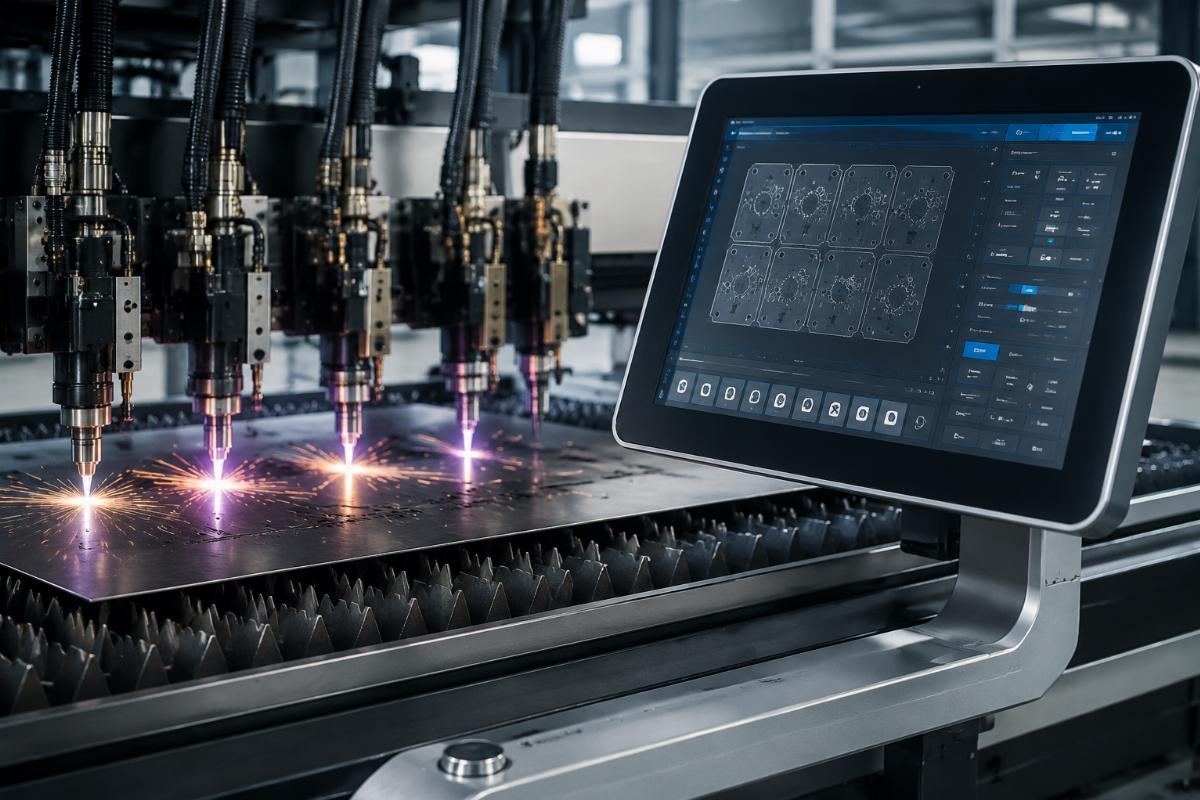
How to Double Production Capacity with Chinese Multi-Head CNC Cutting Machines

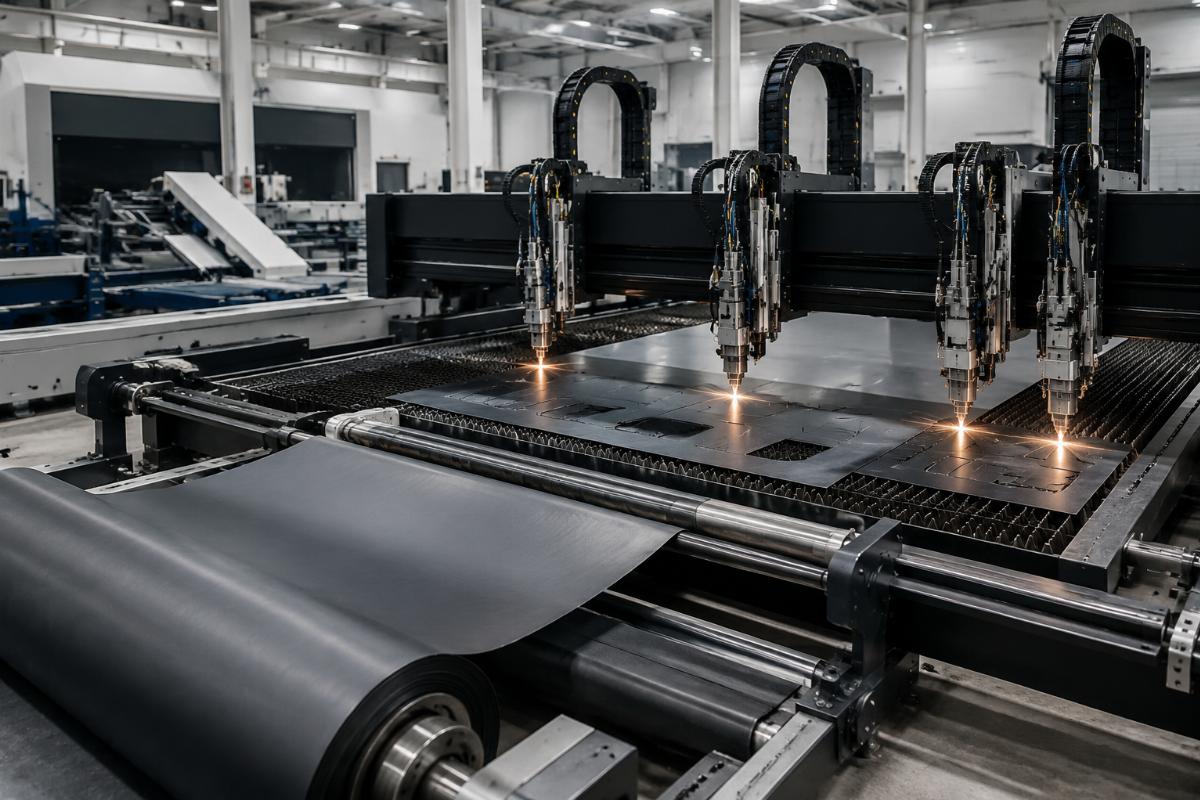
How to Double Production Capacity at Lower Cost When Sourcing Multi-Head CNC Cutting Machines from Chinese Manufacturers
Multi-head CNC cutting equipment does not have to cost a premium to deliver consistent, high-volume output. Most factory operators and sourcing managers assume that scaling production capacity for flexible material cutting means either investing in multiple standalone single-head machines or expensive imported multi-head systems, but this common misconception leads to unnecessary upfront costs and hidden operational waste over the equipment lifecycle.
Specialized Chinese CNC equipment manufacturers deliver tailored multi-head CNC cutting machine configurations that double production capacity while reducing per-unit processing costs for 5 core global industrial user segments.
In my 8 years of supporting cross-border sourcing for manufacturing and trade clients across 27 countries, I have seen this model deliver consistent, measurable results even for small and mid-sized production lines that cannot justify six-figure capital expenditures for cutting equipment. [NEED_CITE: Chinese-manufactured multi-head CNC cutting machines deliver 2x capacity gains at 40% lower total cost of ownership compared to equivalent imported or single-head alternatives for flexible material processing]
Let’s break down exactly how to align this equipment with your production needs, avoid common sourcing pitfalls, and verify that your chosen supplier can deliver on promised performance and service terms.
Why Are Multi-Head CNC Cutting Machines the Fastest Route to Production Capacity Gains?
Traditional die cutting and single-head cutting workflows carry three hidden bottlenecks that cap output even with 24/7 shift operation. These bottlenecks include long die turnaround times for custom orders, material waste from imprecise nesting, and underutilized labor that spends more time changing tools and loading materials than running actual cuts. Multi-head systems eliminate these limits without requiring additional factory floor space, as the parallel cutting action directly scales output per square meter of production area.
| Production Approach | Inefficient Common Practice | Optimized Multi-Head Workflow |
|---|---|---|
| Capacity Scaling | Add 2+ single-head machines, requiring 30% more floor space and separate operator stations | Deploy one multi-head unit with the same footprint as a single-head machine, [NEED_CITE: Multi-head CNC cutting machines deliver 100% capacity gains with zero additional floor space requirement] |
| Die Preparation | Wait 3-7 days for custom die production, holding up small batch order fulfillment | Die-free digital cutting eliminates die lead times entirely |
| Material Utilization | Manual nesting and single-head cutting leads to 12-20% material waste per run | Automated nesting and synchronized multi-head cutting reduces material loss by up to 18% |
A garment textile manufacturer in Turkey that recently replaced two legacy die cutting presses with a 4-head CNC cutting unit with automatic feeding saw their daily production output jump from 450 pieces to 990 pieces, a 120% increase, while per-fabric waste dropped from 17% to 13.9% in their first 3 months of operation. The team was able to fulfill 3x more rush uniform orders per week without adding any extra line staff.
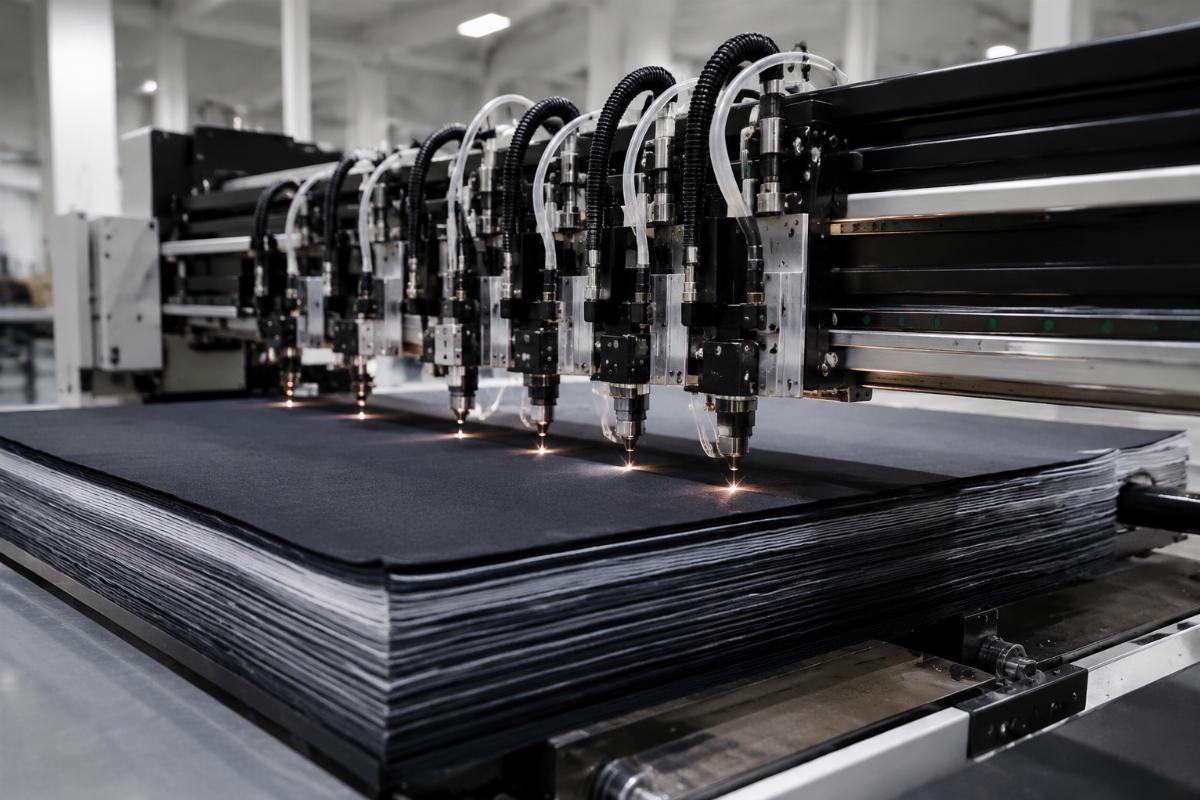
- Calculate Expected Output – Use the standard industry formula: single-head hourly cutting efficiency × number of heads × 92%协同作业效率折损系数 to estimate real-world production capacity before requesting quotes.
- Map Material Compatibility – Confirm the machine supports all material types you process, not just your highest-volume SKUs, to avoid needing additional equipment later.
- Test Nesting Software – Verify that the included nesting tool automatically arranges cut paths to minimize leftover material, as this feature alone can cover 30% of the machine’s purchase cost in annual material savings.
Which Production Scenarios Deliver the Highest ROI for Multi-Head CNC Cutting Machines?
Five core user segments see the fastest payback periods, ranging from 5 months for packaging shops to 14 months for specialty material processing facilities. Each segment has distinct configuration priorities that eliminate overspending on features you will never use, so avoid generic one-size-fits-all machine listings when evaluating options.
| User Segment | Common Misaligned Configuration | Recommended Target Configuration |
|---|---|---|
| Equipment Wholesalers & Traders | Lock into 50+ unit minimum orders for custom branding | Source from suppliers with 1-unit minimum OEM customization, [NEED_CITE: 1-unit minimum OEM customization for multi-head CNC cutting machines cuts entry risk for trade distributors by 90%] |
| Packaging & Corrugated Producers | Purchase heavy-duty machines built for thick material runs only | Prioritize die-free cutting capability for short-run custom order turnaround under 24 hours |
| Leather & Footwear Factories | Select low-cost machines with loose positioning tolerance | Require ±0.1mm repeat positioning accuracy to keep leather waste under 3% |
| Garment & Textile Makers | Buy machines without auto-feed functionality | Specify automatic feeding for 8-10 layer simultaneous fabric cutting |
| Specialty Material Processors | Under-specify machine power for thick composite cuts | Confirm maximum cutting thickness reaches 50mm for carbon fiber, rubber and insulation materials |
A small custom packaging shop in Poland that previously outsourced all small-batch prototype orders brought production in-house with an entry-level multi-head unit priced at $5,000, cutting their per-order production cost by 35% and reducing delivery lead times for 100-unit or smaller custom batches from 7 days to under 24 hours. They recouped the full machine cost in 6 months from reduced outsourcing fees alone.
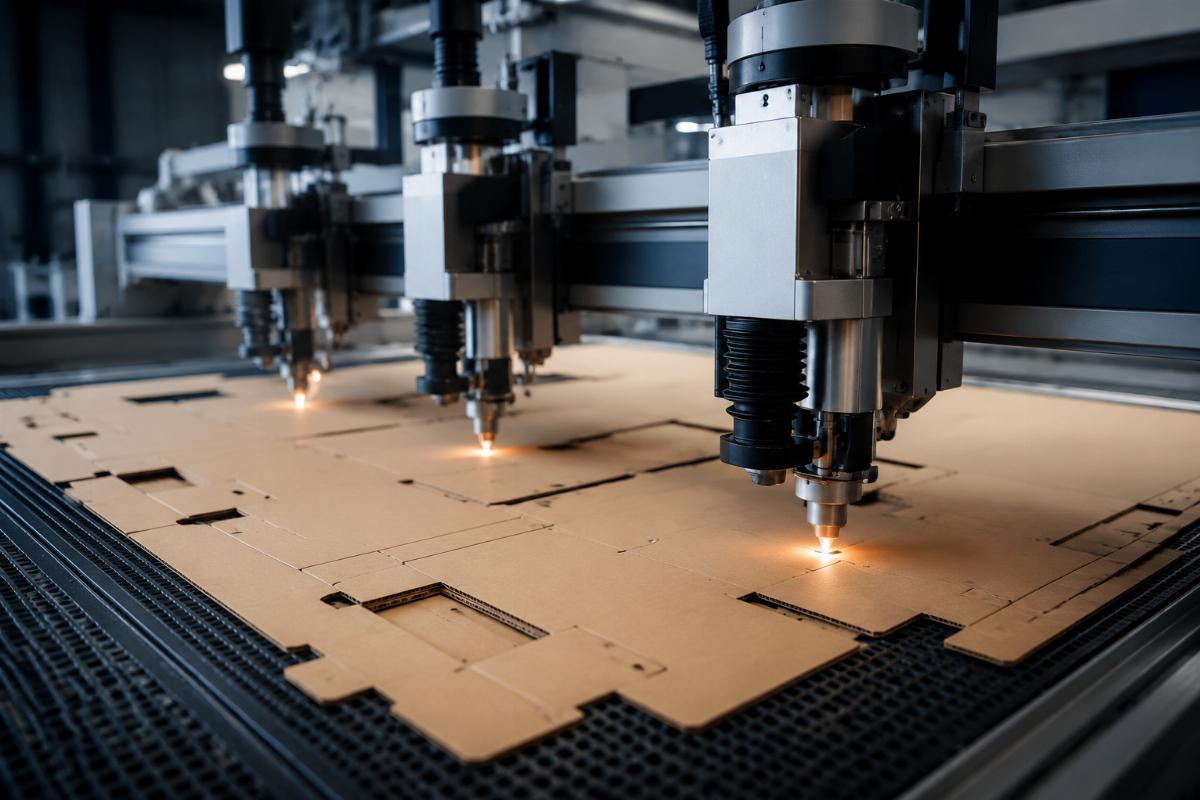
- Prioritize Core Workflow Features – Rank your required features by order of importance: for example, auto-feeding for high-volume garment work, or multi-tool compatibility for packaging shops, to avoid paying for unneeded upgrades.
- Request Free Sample Cuts – Send 2-3 of your most common production material samples to shortlisted suppliers to verify cut quality, edge finish and waste levels before committing to a purchase.
- Calculate Full Lifecycle Cost – Compare not just the upfront purchase price, but also mold costs, labor and maintenance over 3 years to get an accurate total cost comparison.
What Hidden Costs Do Most Buyers Miss When Evaluating Suppliers?
Upfront purchase price only makes up 60% of the total cost of ownership over a 3-year machine lifecycle, with the remaining 40% coming from hidden service, customization and downtime expenses. Many buyers focus exclusively on the listed base unit price and overlook clauses that add tens of thousands of dollars in unplanned costs later.
| Cost Category | Protected Supplier Clause | |
|---|---|---|
| Customization Fees | Pay 20-50% surcharges for even minor adjustments to working area or tooling | Negotiate included OEM customization for working area, tool configuration and branding at no extra cost |
| Pay $150+ per hour for on-site support and training after delivery | Confirm free on-site installation and operator training as part of the standard package | |
| Downtime Risk | Wait 4+ days for support response from overseas suppliers, leading to lost production | Require 24/7 online technical support included in the service agreement |
| Accept 1-year limited warranty that excludes most common wear parts | Lock in a minimum 3-year full machine warranty with lifelong free software upgrades |
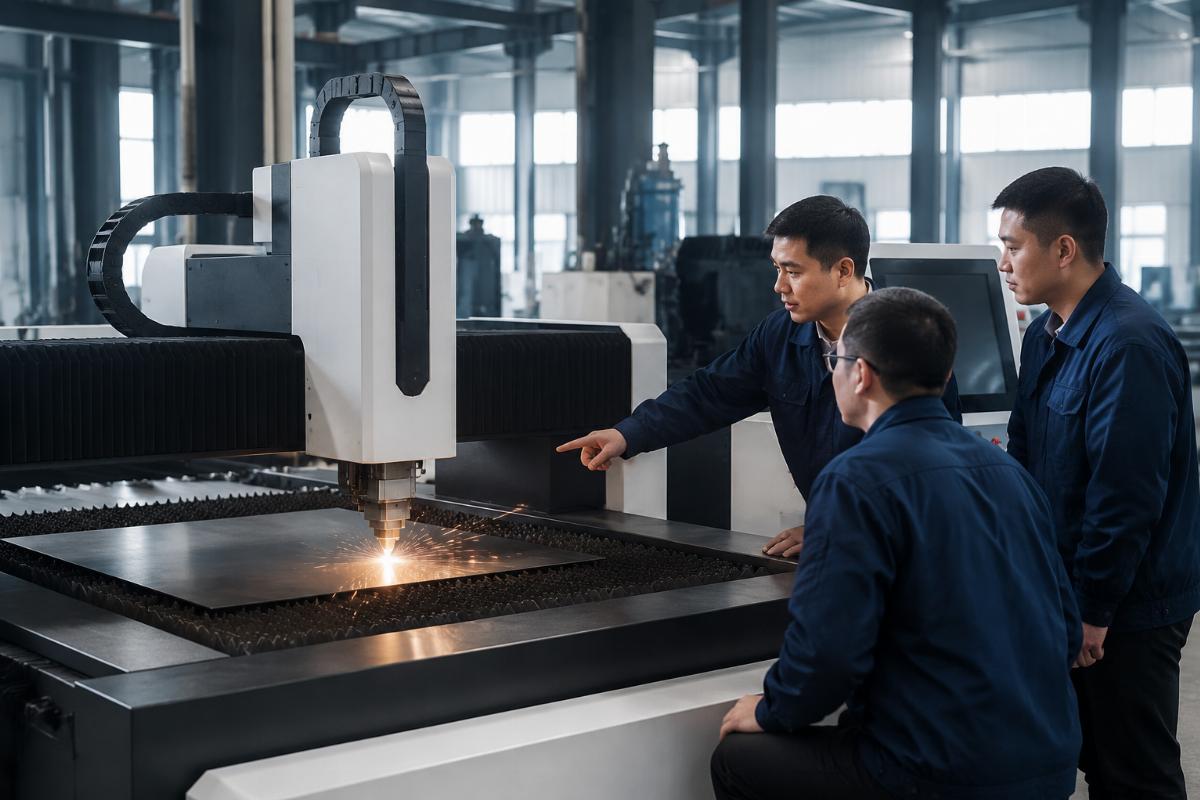
A machinery trader based in Germany who previously sourced from a European supplier found that switching to a Chinese manufacturer with 31-day custom lead times reduced their average delivery window by 40% compared to the industry average, eliminating 2-3 weeks of lost revenue per custom order that previously came from extended production delays. They also saw their after-sales resolution time drop from 4 days to under 12 hours for most common issues.
- Verify Delivery Timelines – Ask for written confirmation of lead times for custom configurations, not just standard off-the-shelf units, to avoid unexpected order hold-ups.
- Check After-Sales Terms – Confirm exactly what is included in the warranty, including whether on-site visits and training are covered at no additional cost.
- Validate Software Compatibility – Ensure the machine software supports the file formats you already use (DXF, PLT, AI, PDF) and offers an interface in your team’s preferred operating language.
Conclusão
Sourcing multi-head CNC cutting machines from specialized Chinese manufacturers does not require choosing between low cost and reliable performance. The core insight most buyers miss is that entry-level models built to handle 30 common flexible materials already deliver the exact capacity and precision most production lines need, at a price point far lower than imported alternatives. By focusing on measurable outcomes for your specific production scenario, verifying supplier service terms in writing, and
