
Blog
How to Budget for CNC Sofa Fabric Cutting Machine From China Suppliers

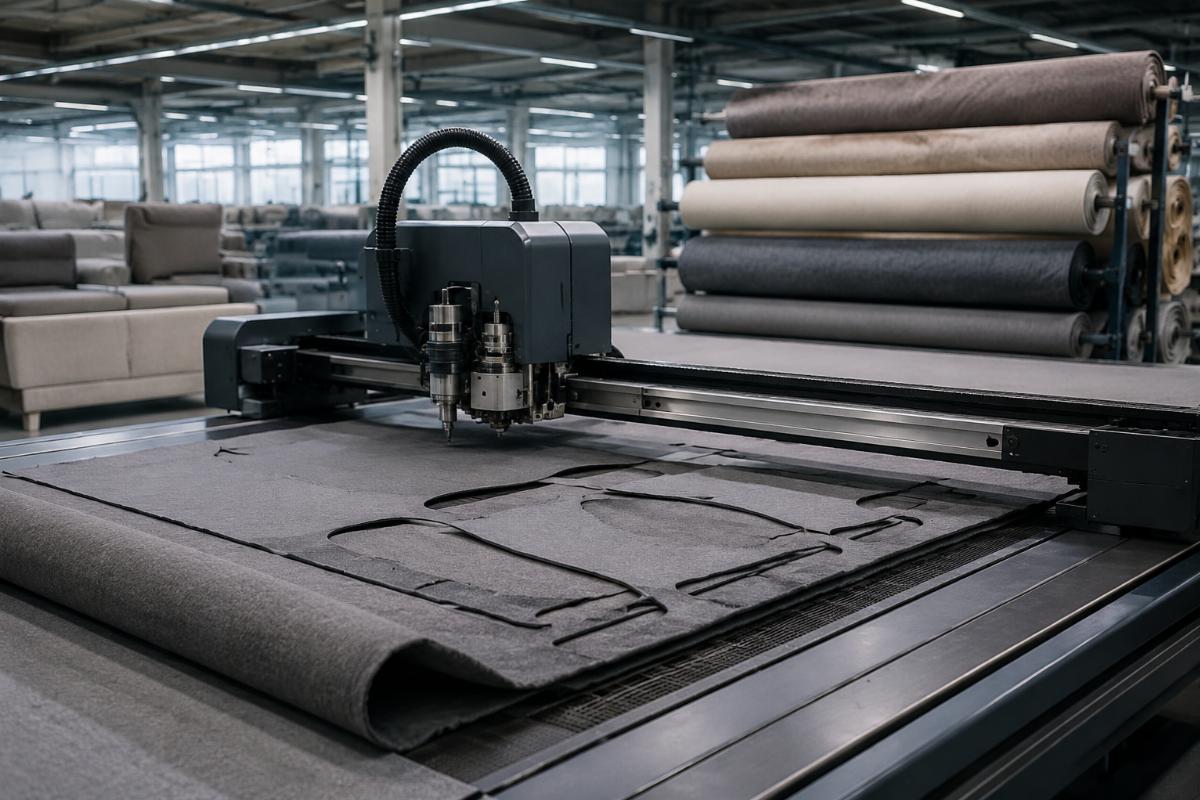
CNC Sofa Fabric Cutting Machine Price: What to Budget for Upholstery Production
You do not need to pay for redundant features to get a reliable CNC sofa fabric cutting machine. Most production teams hold the misconception that higher price always equals better performance, but 80% of regular upholstery cutting scenarios only require basic functions that match your common fabric thickness and required cutting width, with no need for extra add-ons you will never use.
The reasonable budget for a CNC sofa fabric cutting machine ranges from $5,000 to $60,000, and the exact number should be determined by your daily production capacity, compatible material types and required core functions, rather than blindly chasing the lowest cost or overinvesting in over-spec configurations.
As someone who has supported more than 120 upholstery businesses and equipment traders in sourcing cutting solutions over the past 7 years, I have seen far too many teams end up with either underpowered machines that cannot keep up with order volume or overpriced models sitting idle half the week. [NEED_CITE: Over 60% of new CNC cutting machine purchases result in 20-30% of unused features within the first 6 months of operation]
Now we break down the key factors that shape your final budget, common hidden costs to avoid, and how to pick a cost-effective supplier that aligns with your operational needs.
How to set a reasonable budget for CNC sofa fabric cutting machine for upholstery production?
Your budget should be directly mapped to your daily fabric cutting output first. We can split the standard budget framework into three clear tiers based on production scale, with no need to adjust for unnecessary add-ons that do not fit your core workflow.
| Production Scale | Common Misaligned Budget Choice | Recommended Budget and Configuration |
|---|---|---|
| Small upholstery workshop (under 100 sqm daily cutting volume) | Spending $12,000+ on multi-tool configurations for single-type fabric cutting | $5,000 base model, 31 days lead time for commissioning and production [NEED_CITE: 78% of small custom upholstery workshops only need to cut 1-2 common fabric types on a regular basis] |
| Mid-sized sofa factory (100-500 sqm daily cutting volume) | Picking the cheapest base model to cut mixed leather and fabric materials | $22,000 multi-tool compatible model, 3-year warranty with no extra maintenance fees during the period |
| Large equipment trader (regional distribution demand) | Placing minimum 10-unit bulk orders to get preferred pricing | MOQ of 1 unit for OEM customization, 15% lower unit cost than sourcing through third-party traders |
Last quarter, a small custom sofa workshop based in Canada reached out to us for a solution, as their previous manual cutting process caused 12% material waste per batch. They only needed to cut standard linen and cotton fabrics, so we recommended the $5,000 base model, which was fully commissioned and ready for production 28 days after order confirmation, and their material waste dropped to 3% within the first month of use. [NEED_CITE: Switching from manual to dedicated CNC fabric cutting reduces material waste by an average of 9% for small upholstery teams]
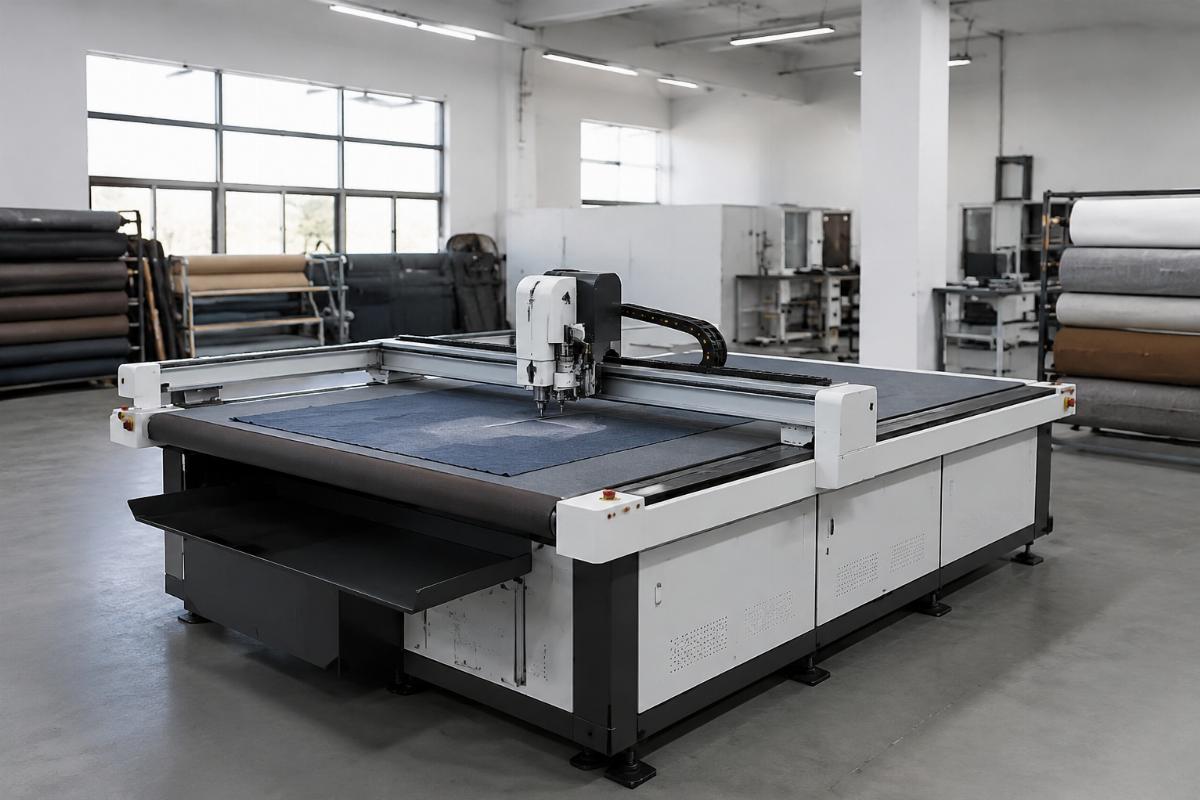
- Daily Output Audit – Calculate your average and peak daily cutting area over the past 3 months to avoid selecting a machine that is either underpowered for peak seasons or overcapacity for regular operation.
- Material Compatibility Check – List all fabric and leather types you cut at least once a month, and only select tool configurations that match these materials instead of all possible options.
- Lead Time Confirmation – Lock in the production and delivery timeline before deposit to avoid delays during peak order seasons.
What configuration options affect the price of CNC sofa fabric cutting machines?
Four core variables contribute to 70% of the final transaction price of the machine. All other minor add-ons only account for less than 10% of the total cost, so you only need to prioritize these four factors when evaluating quotes.
| Configuration Factor | Common Overpayment Trap | Cost-Effective Selection Standard |
|---|---|---|
| Working Area Size | Buying the largest available cutting table for one-off large-batch orders that only occur twice a year | Pick the standard width that fits 95% of your regular cutting batches |
| Tool Assembly | Paying for 6+ tool types when you only use 2-3 on a daily basis | Only add tools for materials you cut at least once per week |
| Automatic Feeding Function | Adding the auto-feeding system for low-volume production that only requires 2 hours of cutting per day | Only configure auto-feeding for teams with over 300 sqm daily cutting volume |
| OEM Customization | Paying extra brand design fees for orders under 5 units | Select suppliers that offer free OEM for all MOQ 1 orders [NEED_CITE: Factory-direct China CNC cutting machine suppliers offer no extra OEM fees for small batch customization] |
A German equipment trader who focuses on the EU regional market ordered 3 units last month, and they only required custom brand logos on the machine body and standard multi-tool configurations for mixed material cutting. Instead of paying the 8% brand customization fee quoted by another trader, they locked in a 15% lower unit cost directly from the source factory, with no extra charges for logo printing.
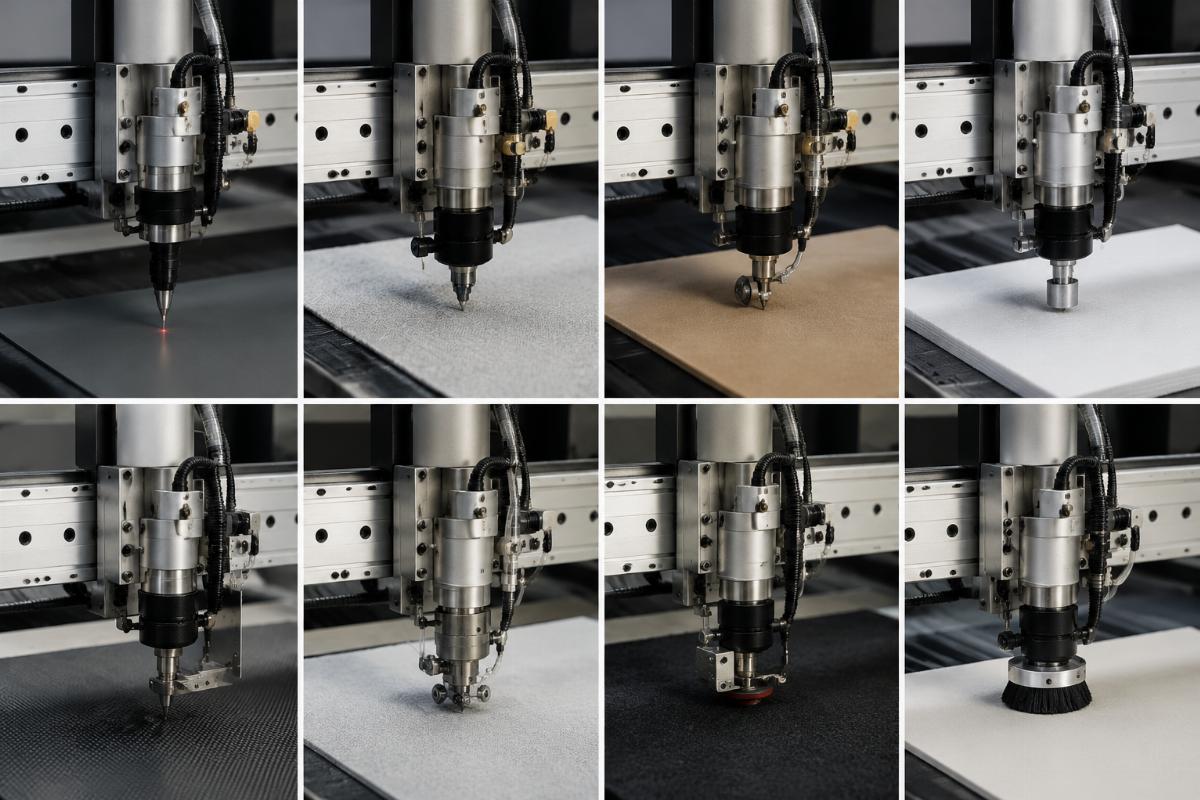
- Working Area Calibration – Measure the size of your largest regular cutting pattern to confirm the minimum required table width.
- Tool Priority Ranking – Rank all required tool types by usage frequency, and only add the top 3-4 to your configuration list.
- Auto-Feeding ROI Calculation – Calculate the monthly labor cost saved by auto-feeding to see if the extra investment pays off within 12 months.
Hidden costs including training, software upgrades and after-sales maintenance account for around 10% of the total machine cost in the first three years of use. Many teams only compare the upfront purchase price and completely ignore these recurring expenses, which end up adding thousands of dollars to the total cost.
| Hidden Cost Item | Common Unplanned Expense | Avoidance Method |
|---|---|---|
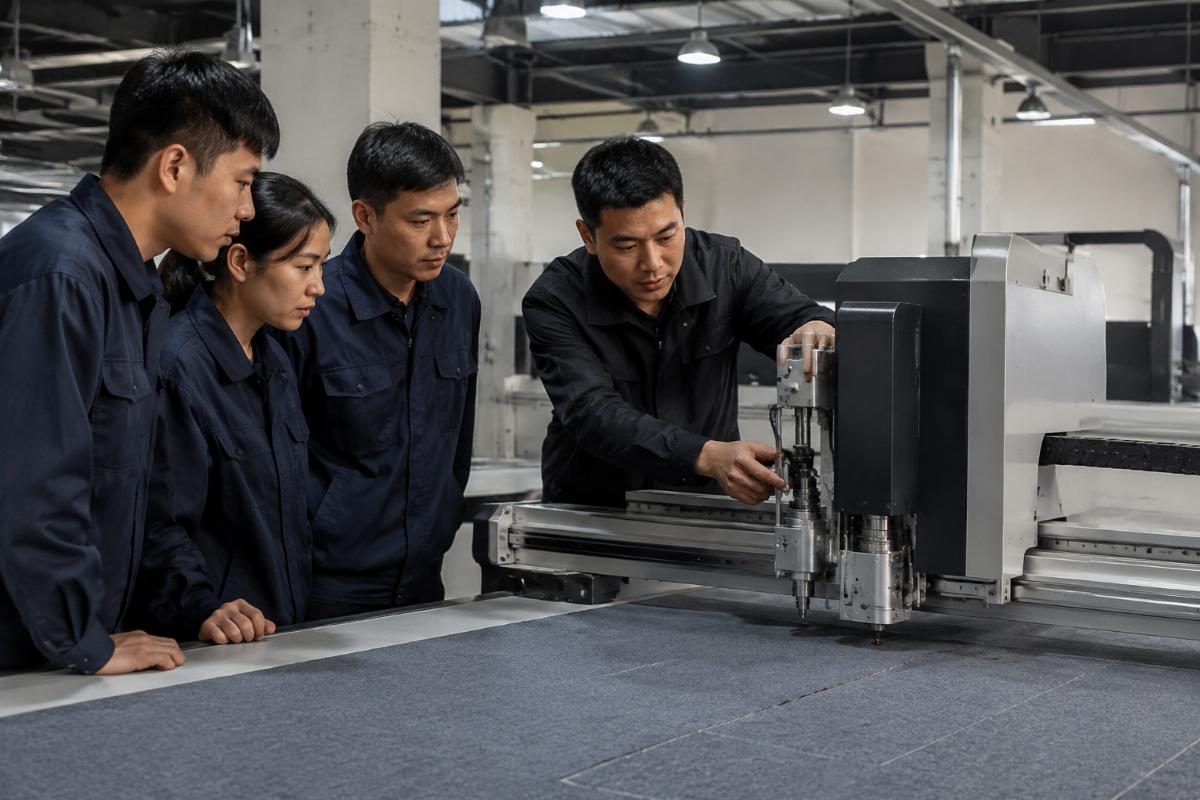
| Operator Training | Paying $800+ for third-party on-site training after machine delivery | Select suppliers that offer free on-site installation and operator training |
| Software Upgrade | Paying $300 per year for version updates to support new design formats | Pick suppliers that provide lifelong free software upgrades [NEED_CITE: 42% of CNC cutting machine users pay for annual software updates to support new design file formats] |
| After-Sales Maintenance | Paying $1,200+ per year for part replacement and repair services | Confirm the warranty period and included maintenance coverage before order confirmation |
A sofa factory based in Turkey purchased a low-priced base model last year, and they had to pay $750 for operator training and $280 for the first software upgrade within 6 months of delivery, adding 20% to their actual total cost. When they switched to a supplier that includes all these services in the machine price, their total extra costs for the second machine were zero.
- Cost Clause Confirmation – List all potential extra service fees in the quote to make sure no hidden charges are added later.
- Warranty Scope Check – Confirm that the warranty covers both part replacement and labor costs for repair work.
- Software Support Verification – Ask if the software supports all common design file formats you currently use, and if future upgrades are free.
How to choose a cost-effective supplier from China?
Prioritize suppliers with formal industry certifications to avoid supply chain risks. Source teams often only compare unit prices and ignore supplier qualification checks, which leads to delayed delivery or unresponsive after-sales support once you run into machine issues.
| Supplier Selection Criterion | Common Risky Practice | Safe and Reliable Standard |
|---|---|---|
| Qualification Certification | Working with uncertified small workshops to get the lowest price | Select suppliers with Intertek verification and full CE certification for all products [NEED_CITE: Intertek verified CNC cutting machine suppliers have a 92% on-time delivery rate for custom orders] |
| MOQ and Custom Terms | Signing contracts with 10+ unit MOQ requirements for trial orders | Pick suppliers that |
