

Fast Delivery
Quick, reliable shipping to any location.

Free & easy returns
Return this item by mail or in store within 90 days for a full refund.
Precision Cutting Method Matching — In-house engineering covers both knife and laser, so you choose the process that fits your sticker, vinyl or paper substrate rather than forcing a single technology across every material.
Technical Specifications
| Parameter | Value |
|---|---|
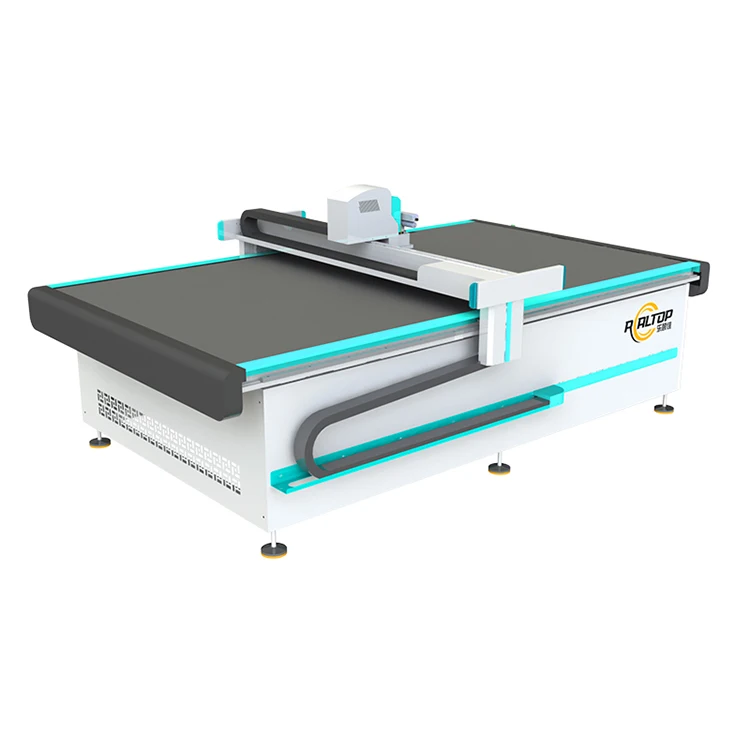
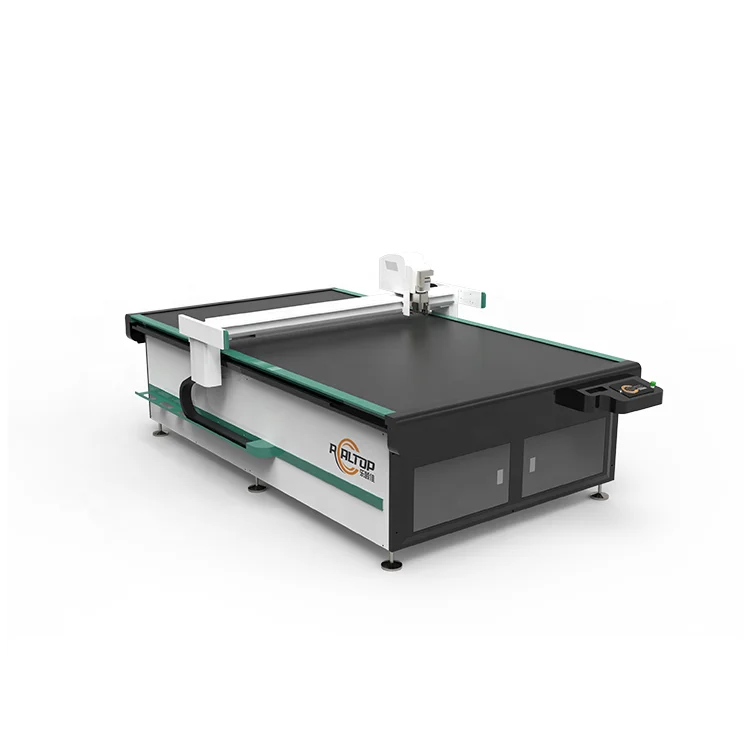
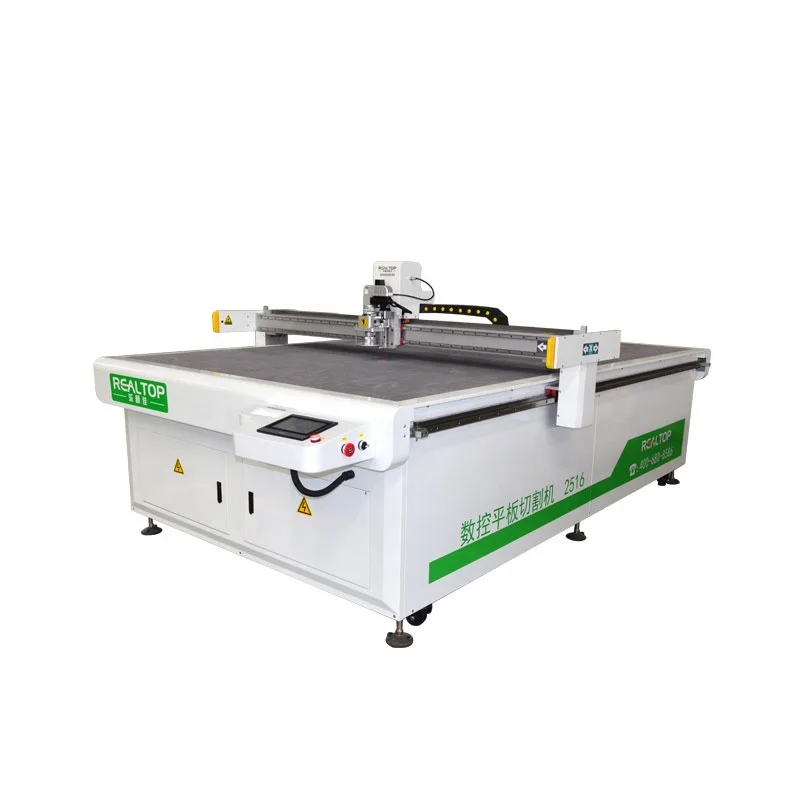
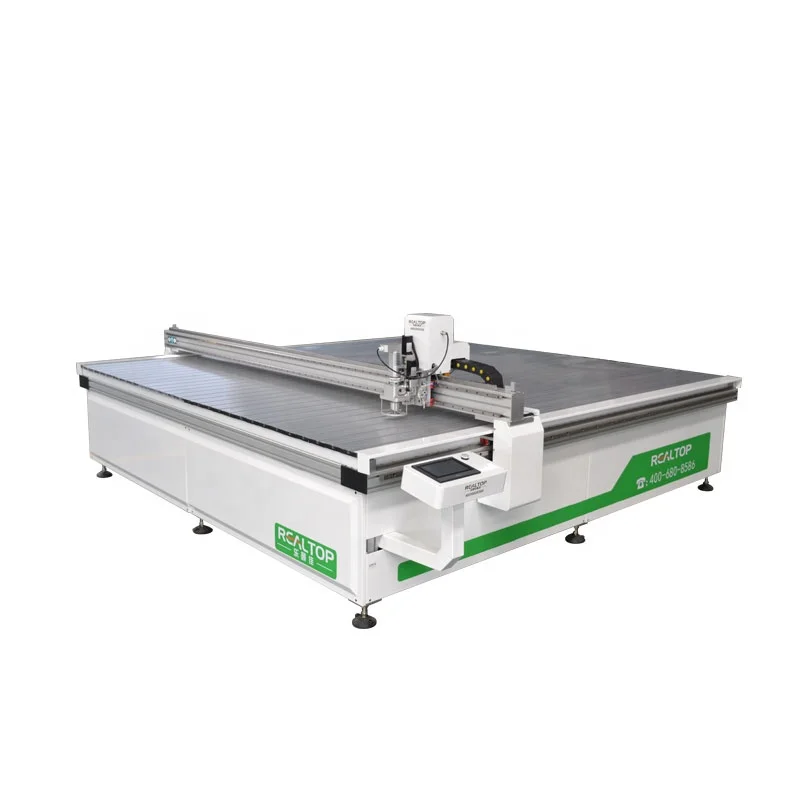
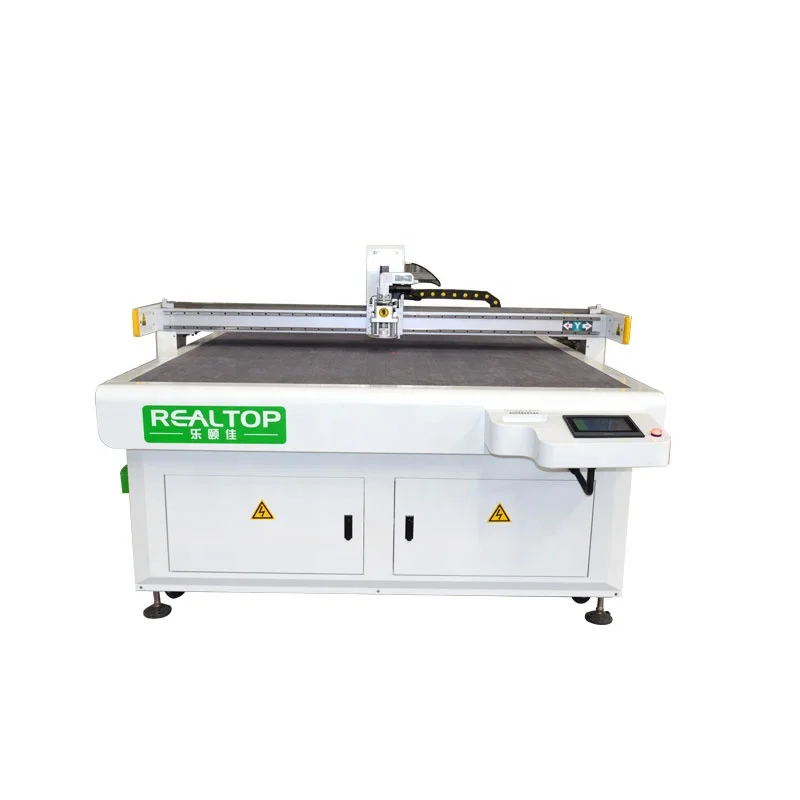
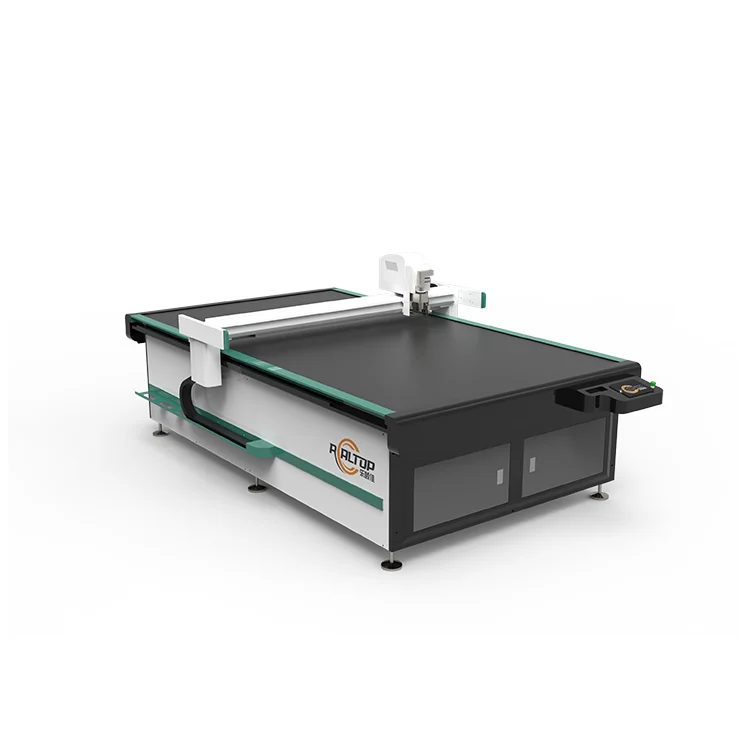
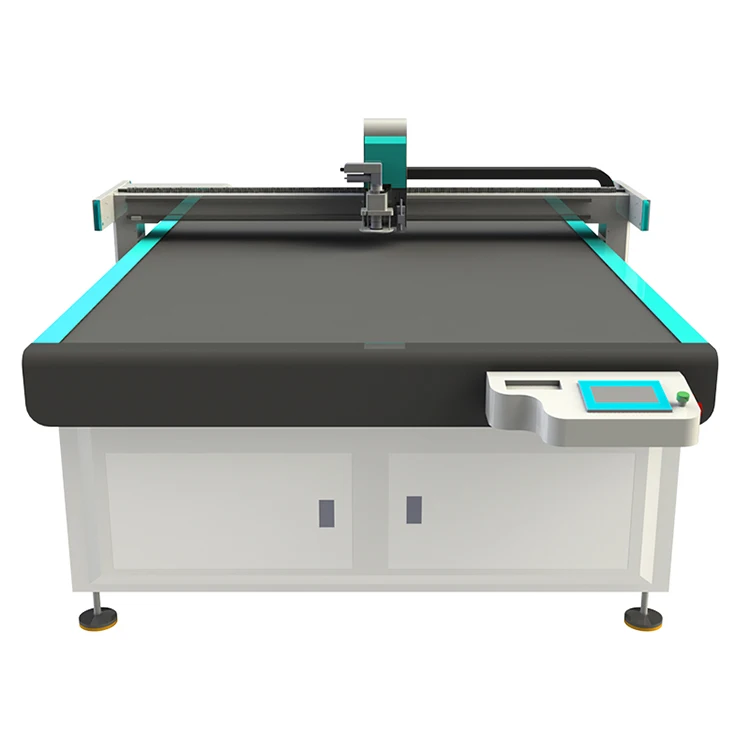
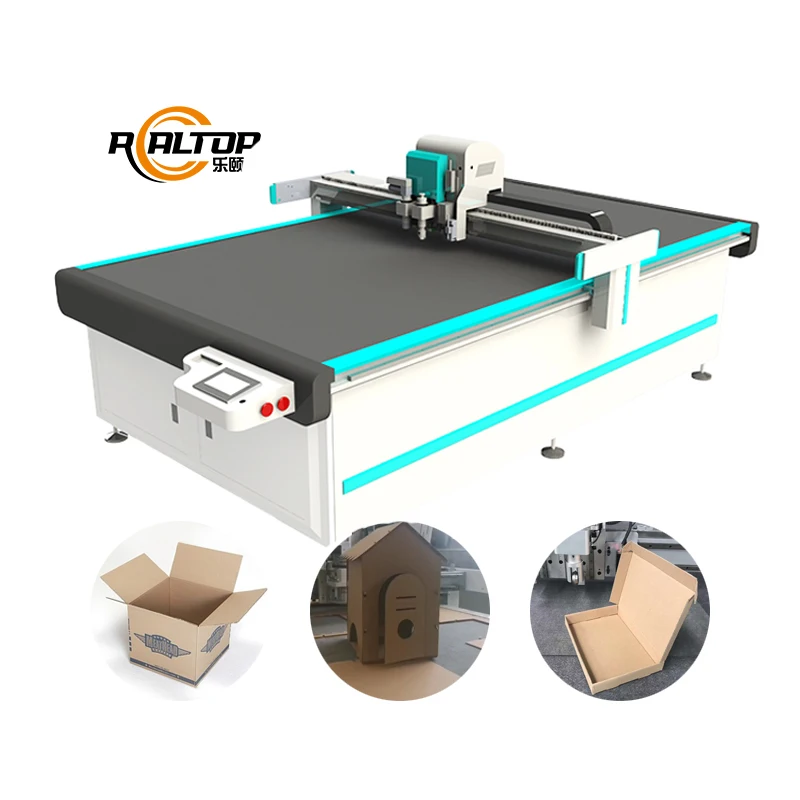
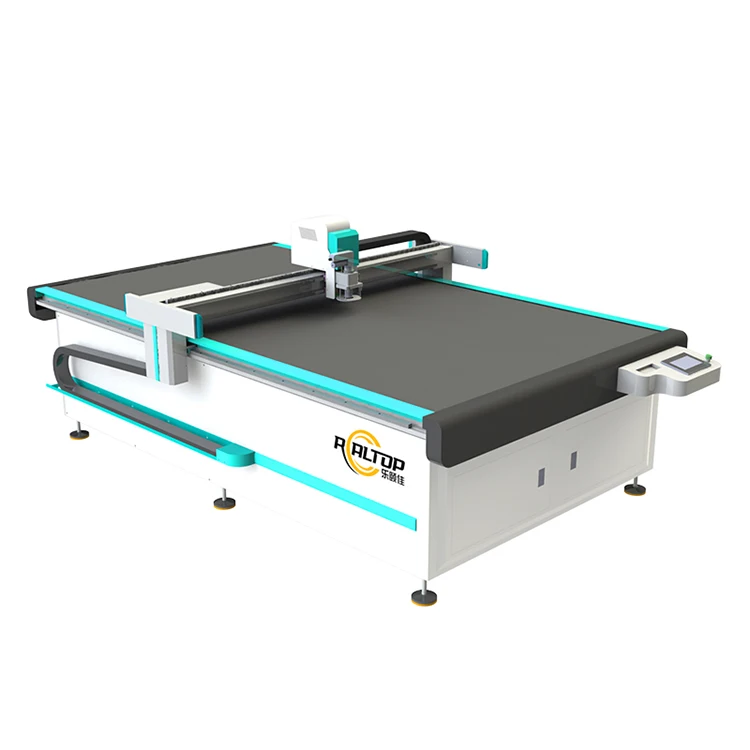
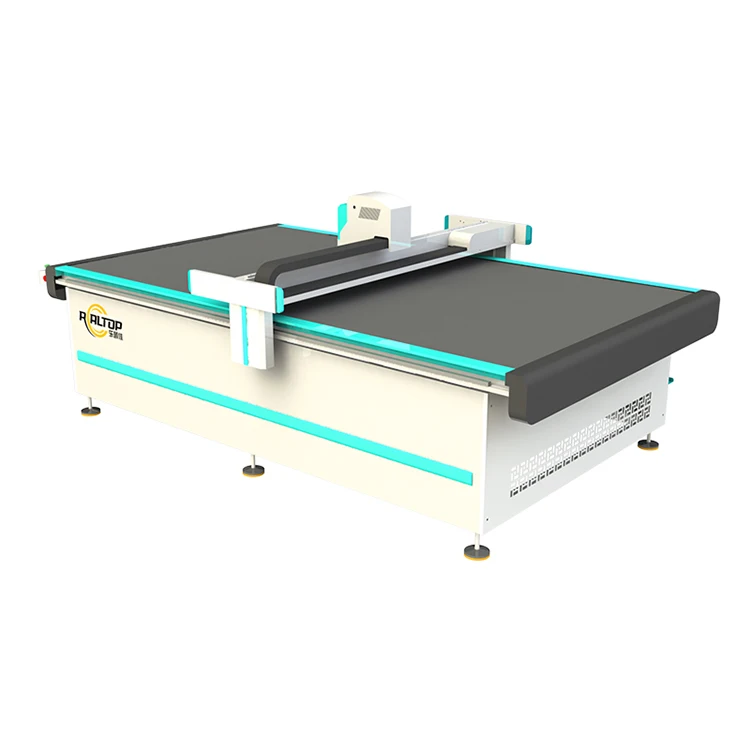
| Product Type | CNC Oscillating Knife Cutting Machine |
| Model | RT-D2516/RT-S2516 |
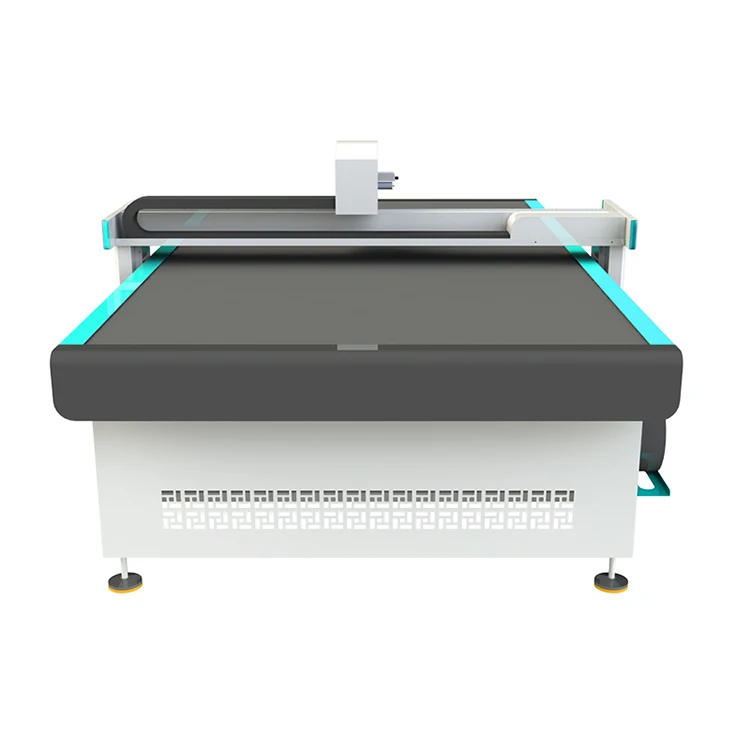
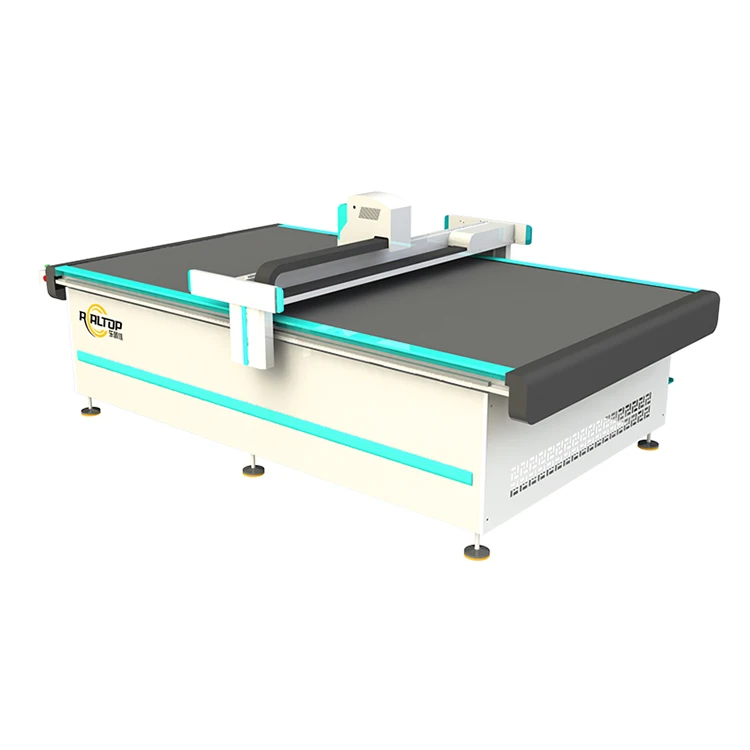
| Working Area | 1600 × 2500 mm |
| Overall Dimensions (L×W×H) | 3450 × 2300 × 1250 mm |
| Rated Power | 9 kW |
| Vacuum Pump | 7.5 kW |
| Table Type | Flatbed vacuum table with auto feeding |
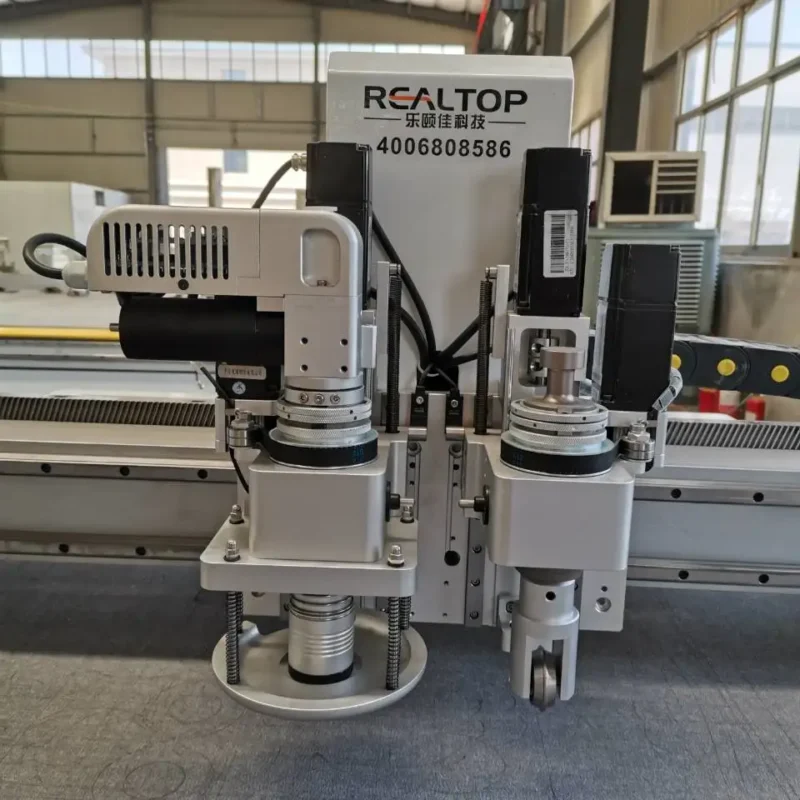
| Tool Head | Swiss imported oscillating knife (vibration full cut, half cut, cursor location) |
| Translational Speed | 800 – 1200 mm/s |
| Cutting Speed | 200 – 800 mm/s (basis not stated in source) |
| Repeatability | ≤0.1 mm |
| Servo Motor | Japanese Yaskawa |
| Linear Guide | Taiwan Hiwin rail |
| Transmission System | Digital servo motor, linear guide, synchronous belt, ball screw |
| Control / Instruction System | HP-GL compatible format |
| Conveyor Belt | Germany imported |
| Safety Device | Infrared sensors |
| Voltage | 380V ±10% |
| Certification | CE |
| Warranty | 12 months whole machine, 3 months consumables |
Application Suitability
| Application | Material or Output |
|---|---|
| Signage and advertising | Self-adhesive vinyl, reflective film, magnetic sheet, sticker rolls |
| Packaging sample making | Corrugated board, folding carton, greyboard, honeycomb paper |
| Garment and footwear | Leather, synthetic leather, sponge composite fabric, textile |
| Automotive interior and gasket | PVC, soft glass, silicon, rubber, composite foam |
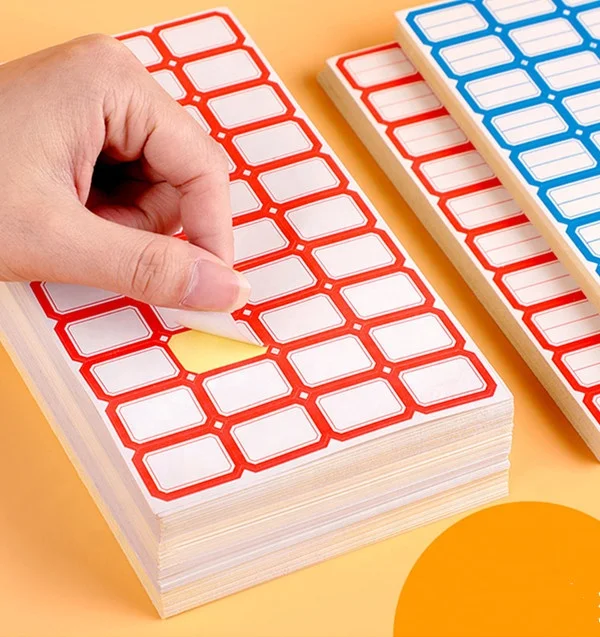
| Sticker contour cutting | Printed vinyl, paper label stock, kiss-cut and through-cut jobs |
Why the Voltage Question Must Precede the Price Tag on a CNC Oscillating Knife Cutting Machine
Confirming destination voltage before quoting prevents three-week fieldwork standstills.
I spent years on the assembly floor watching machines get crated for export, and the most expensive delay I ever witnessed was not a broken part — it was a sticker cutting table sitting idle in a Middle East warehouse because the local supply ran 415V / 60Hz while the motor was wired for 380V / 50Hz. The buyer waited for a step-down transformer that never matched the servo drive curve properly, and the Yaskawa drives threw fault codes every few hours [NEED_CITE: voltage and frequency standards by export market]. That single oversight cost more in penalties than the entire electrical upgrade would have. A CNC oscillating knife cutting machine operates with digital servos and a high-draw vacuum pump that together demand stable three-phase input; when the supply wavers outside ±10%, the drive electronics degrade positional accuracy well before a breaker trips.
Knife Versus Laser: Choosing the Right Process for Sticker and Vinyl Stock
A flatbed CNC oscillating knife cutting machine handles kiss-cut and through-cut jobs on adhesive vinyl, paper label stock and thin magnetic sheet without the thermal edge effects that a CO2 beam introduces on PVC-laden or chlorinated films. The Swiss oscillating head vibrates at high frequency, slicing cleanly through face film and adhesive layers while leaving the release liner intact for half-cut jobs. For thicker gasket rubber or dense foam composites, the same knife platform delivers a compressed mechanical edge that laser cannot replicate without charring. This equipment range keeps both technologies available so the cutting method matches the substrate instead of forcing a compromise.
Continuous Sheet Feeding and Vacuum Zoning for Small Sticker Parts
The 1600 × 2500 mm working area pairs with a Germany-imported conveyor belt and auto-feeding system, allowing roll-fed vinyl to advance between cuts without manual repositioning. The 7.5 kW vacuum pump pulls sheet stock flat across the table surface, but zoning matters more than raw suction when the job involves hundreds of small sticker contours. Inadequate zoning lets lightweight vinyl lift at the edges mid-cut, shifting registration and producing scrap. Before committing to an order, requesting a sample cutting report on your specific adhesive film confirms whether the vacuum zoning holds your smallest part geometry at production translational speeds [NEED_CITE: vacuum table zoning requirements for small-format die-cut parts].
What the Spec Sheet Actually Means on the Shop Floor
The ≤0.1 mm repeatability figure is achievable because the transmission chain combines Yaskawa digital servos with Hiwin linear rails and ball screws on the primary axes — a configuration that resists backlash accumulation over long cutting paths. The 9 kW rated power covers the oscillating knife motor, servo drives and control electronics, while the separate 7.5 kW vacuum pump sits on its own circuit; running both on a shared breaker invites voltage sag during pump startup, which can interrupt servo positioning mid-job. HP-GL compatibility as the instruction format means the controller accepts plot files from most mainstream nesting and graphic software packages, though verifying your exact file workflow against the software licence note before order avoids import failures on the first day of production. The infrared safety sensors flank the gantry travel zone, stopping motion if an operator enters the cutting envelope — a requirement under CE machinery directives for automated flatbed cutters operating unattended during long sticker runs [NEED_CITE: CE machinery directive requirements for automated cutting equipment].
The Hidden Cost of Skipping Configuration Confirmation
Specifying a cutting machine on working area alone and ignoring tool head selection leads to ragged edges on adhesive vinyl or crushed foam layers that fail lamination downstream. A sticker converter who ordered a drag knife head for kiss-cut vinyl discovered at commissioning that the tool could not hold depth consistency across a 2500 mm travel path, producing partial cuts that tore during weeding. Similarly, quoting CCD contour recognition without verifying the camera’s tracking speed against the printed mark size results in a system that locates slowly and forces the operator to reduce throughput to maintain registration. These misconfigurations surface only after installation, when the return shipping window has closed and the buyer faces weeks of remote troubleshooting [NEED_CITE: tool head selection errors in digital cutting procurement].
Why Buyers Source This Equipment Here
The engineering team designs both knife and laser platforms in-house, so a buyer producing mixed work — sticker kiss-cuts on one shift, acrylic engraving on another — receives a process recommendation based on material behaviour rather than a single-product pitch. Every configuration ships with a tool head and table list matched to the buyer’s stated substrate, preventing the generic-build problem. Voltage, plug type and control language are confirmed against the destination market before the electrical cabinet is wired. Sample cutting on the buyer’s own vinyl, leather or foam runs before the order is finalised, producing a physical report that documents edge quality and achievable thickness. CE documentation accompanies export units where applicable, supporting market entry without last-minute certification scrambles.
Documentation & Verification
- Machine specification sheet listing confirmed tool head, table type and voltage for your destination market
- Electrical schematic showing circuit separation between the 9 kW machine load and 7.5 kW vacuum pump
- Sample cutting report performed on your vinyl, sticker or leather stock before production commitment
- Software licence note confirming HP-GL file compatibility with your existing nesting or graphic workflow
- Factory test record documenting repeatability verification across the 1600 × 2500 mm travel range
- Packing photographs showing crating condition prior to container loading
Installation, Commissioning & Support
- Dedicated three-phase 380V ±10% circuit required for the 9 kW rated load plus separate supply for the 7.5 kW vacuum pump
- Floor leveling within tolerance across the 3450 × 2300 mm footprint to maintain rail alignment under vibration
- Machine ships partially assembled; final gantry and conveyor belt installation completed on site with factory guidance
- First-run commissioning includes vacuum zoning adjustment for your specific sticker part geometry and sheet weight
- Operator training covers HP-GL file import, oscillating knife depth setting and half-cut calibration on your material
- Consumable blade replacement schedule provided, with three-month warranty on wear items and twelve months on the full machine
Preparing Your Inquiry
Share the material type, adhesive construction and maximum sheet or roll width you intend to process, along with your daily volume target and the local three-phase voltage and frequency at your facility. If you run a specific nesting software or graphic workflow, name it so the HP-GL compatibility can be confirmed against your exact file chain before the quotation stage.
Frequently Asked Questions
Q: How do I choose between knife cutting and laser for my sticker and vinyl jobs?
A: Knife cutting suits adhesive vinyl, PVC-based films and kiss-cut sticker work where thermal edge sealing would contaminate the adhesive layer. Laser works better on polyester films and woven textiles that benefit from a sealed edge. The manufacturer evaluates your specific material and recommends the method that preserves edge quality and downstream lamination performance.
Q: How is cutting speed verified against my sticker material and layer count?
A: The quoted cutting speed range of 200–800 mm/s depends on material density, adhesive thickness and whether the job is a full cut or kiss cut. A sample cutting run on your actual stock documents achievable speed with acceptable edge quality before the order is confirmed, removing guesswork from throughput planning.
Q: Which tool head handles my vinyl sticker kiss-cut and paper box creasing work?
A: The Swiss oscillating knife head covers vibration full cutting, half cutting and cursor location for contour work. For folding carton creasing, an additional creasing wheel tool head can be specified. Confirming your substrate mix upfront ensures the configuration list includes every head your production requires.
Q: What voltage and control language options are available for my market?
A: Standard configuration runs on 380V ±10% three-phase. Destination voltage, plug type and frequency must be declared at inquiry so the electrical cabinet and servo drive parameters are set before assembly. Control language is confirmed at the same stage to match your operator requirements.
Q: How does auto-feeding and vacuum zoning handle small sticker parts without lift?
A: The Germany-imported conveyor belt advances roll stock between cuts, while the 7.5 kW vacuum pump holds sheet material flat. Zoning configuration is matched to your smallest part geometry during sample testing, confirming that lightweight vinyl edges remain secured at production speed without shifting or lift.
Precision Cutting Method Matching — In-house engineering covers both knife and laser, so you choose the process that fits your sticker, vinyl or paper substrate rather than forcing a single technology across every material.
Technical Specifications
| Parameter | Value |
|---|---|
| Product Type | CNC Oscillating Knife Cutting Machine |
| Model | RT-D2516/RT-S2516 |
| Working Area | 1600 × 2500 mm |
| Overall Dimensions (L×W×H) | 3450 × 2300 × 1250 mm |
| Rated Power | 9 kW |
| Vacuum Pump | 7.5 kW |
| Table Type | Flatbed vacuum table with auto feeding |
| Tool Head | Swiss imported oscillating knife (vibration full cut, half cut, cursor location) |
| Translational Speed | 800 – 1200 mm/s |
| Cutting Speed | 200 – 800 mm/s (basis not stated in source) |
| Repeatability | ≤0.1 mm |
| Servo Motor | Japanese Yaskawa |
| Linear Guide | Taiwan Hiwin rail |
| Transmission System | Digital servo motor, linear guide, synchronous belt, ball screw |
| Control / Instruction System | HP-GL compatible format |
| Conveyor Belt | Germany imported |
| Safety Device | Infrared sensors |
| Voltage | 380V ±10% |
| Certification | CE |
| Warranty | 12 months whole machine, 3 months consumables |
Application Suitability
| Application | Material or Output |
|---|---|
| Signage and advertising | Self-adhesive vinyl, reflective film, magnetic sheet, sticker rolls |
| Packaging sample making | Corrugated board, folding carton, greyboard, honeycomb paper |
| Garment and footwear | Leather, synthetic leather, sponge composite fabric, textile |
| Automotive interior and gasket | PVC, soft glass, silicon, rubber, composite foam |
| Sticker contour cutting | Printed vinyl, paper label stock, kiss-cut and through-cut jobs |
Why the Voltage Question Must Precede the Price Tag on a CNC Oscillating Knife Cutting Machine
Confirming destination voltage before quoting prevents three-week fieldwork standstills.
I spent years on the assembly floor watching machines get crated for export, and the most expensive delay I ever witnessed was not a broken part — it was a sticker cutting table sitting idle in a Middle East warehouse because the local supply ran 415V / 60Hz while the motor was wired for 380V / 50Hz. The buyer waited for a step-down transformer that never matched the servo drive curve properly, and the Yaskawa drives threw fault codes every few hours [NEED_CITE: voltage and frequency standards by export market]. That single oversight cost more in penalties than the entire electrical upgrade would have. A CNC oscillating knife cutting machine operates with digital servos and a high-draw vacuum pump that together demand stable three-phase input; when the supply wavers outside ±10%, the drive electronics degrade positional accuracy well before a breaker trips.
Knife Versus Laser: Choosing the Right Process for Sticker and Vinyl Stock
A flatbed CNC oscillating knife cutting machine handles kiss-cut and through-cut jobs on adhesive vinyl, paper label stock and thin magnetic sheet without the thermal edge effects that a CO2 beam introduces on PVC-laden or chlorinated films. The Swiss oscillating head vibrates at high frequency, slicing cleanly through face film and adhesive layers while leaving the release liner intact for half-cut jobs. For thicker gasket rubber or dense foam composites, the same knife platform delivers a compressed mechanical edge that laser cannot replicate without charring. This equipment range keeps both technologies available so the cutting method matches the substrate instead of forcing a compromise.
Continuous Sheet Feeding and Vacuum Zoning for Small Sticker Parts
The 1600 × 2500 mm working area pairs with a Germany-imported conveyor belt and auto-feeding system, allowing roll-fed vinyl to advance between cuts without manual repositioning. The 7.5 kW vacuum pump pulls sheet stock flat across the table surface, but zoning matters more than raw suction when the job involves hundreds of small sticker contours. Inadequate zoning lets lightweight vinyl lift at the edges mid-cut, shifting registration and producing scrap. Before committing to an order, requesting a sample cutting report on your specific adhesive film confirms whether the vacuum zoning holds your smallest part geometry at production translational speeds [NEED_CITE: vacuum table zoning requirements for small-format die-cut parts].
What the Spec Sheet Actually Means on the Shop Floor
The ≤0.1 mm repeatability figure is achievable because the transmission chain combines Yaskawa digital servos with Hiwin linear rails and ball screws on the primary axes — a configuration that resists backlash accumulation over long cutting paths. The 9 kW rated power covers the oscillating knife motor, servo drives and control electronics, while the separate 7.5 kW vacuum pump sits on its own circuit; running both on a shared breaker invites voltage sag during pump startup, which can interrupt servo positioning mid-job. HP-GL compatibility as the instruction format means the controller accepts plot files from most mainstream nesting and graphic software packages, though verifying your exact file workflow against the software licence note before order avoids import failures on the first day of production. The infrared safety sensors flank the gantry travel zone, stopping motion if an operator enters the cutting envelope — a requirement under CE machinery directives for automated flatbed cutters operating unattended during long sticker runs [NEED_CITE: CE machinery directive requirements for automated cutting equipment].
The Hidden Cost of Skipping Configuration Confirmation
Specifying a cutting machine on working area alone and ignoring tool head selection leads to ragged edges on adhesive vinyl or crushed foam layers that fail lamination downstream. A sticker converter who ordered a drag knife head for kiss-cut vinyl discovered at commissioning that the tool could not hold depth consistency across a 2500 mm travel path, producing partial cuts that tore during weeding. Similarly, quoting CCD contour recognition without verifying the camera’s tracking speed against the printed mark size results in a system that locates slowly and forces the operator to reduce throughput to maintain registration. These misconfigurations surface only after installation, when the return shipping window has closed and the buyer faces weeks of remote troubleshooting [NEED_CITE: tool head selection errors in digital cutting procurement].
Why Buyers Source This Equipment Here
The engineering team designs both knife and laser platforms in-house, so a buyer producing mixed work — sticker kiss-cuts on one shift, acrylic engraving on another — receives a process recommendation based on material behaviour rather than a single-product pitch. Every configuration ships with a tool head and table list matched to the buyer’s stated substrate, preventing the generic-build problem. Voltage, plug type and control language are confirmed against the destination market before the electrical cabinet is wired. Sample cutting on the buyer’s own vinyl, leather or foam runs before the order is finalised, producing a physical report that documents edge quality and achievable thickness. CE documentation accompanies export units where applicable, supporting market entry without last-minute certification scrambles.
Documentation & Verification
- Machine specification sheet listing confirmed tool head, table type and voltage for your destination market
- Electrical schematic showing circuit separation between the 9 kW machine load and 7.5 kW vacuum pump
- Sample cutting report performed on your vinyl, sticker or leather stock before production commitment
- Software licence note confirming HP-GL file compatibility with your existing nesting or graphic workflow
- Factory test record documenting repeatability verification across the 1600 × 2500 mm travel range
- Packing photographs showing crating condition prior to container loading
Installation, Commissioning & Support
- Dedicated three-phase 380V ±10% circuit required for the 9 kW rated load plus separate supply for the 7.5 kW vacuum pump
- Floor leveling within tolerance across the 3450 × 2300 mm footprint to maintain rail alignment under vibration
- Machine ships partially assembled; final gantry and conveyor belt installation completed on site with factory guidance
- First-run commissioning includes vacuum zoning adjustment for your specific sticker part geometry and sheet weight
- Operator training covers HP-GL file import, oscillating knife depth setting and half-cut calibration on your material
- Consumable blade replacement schedule provided, with three-month warranty on wear items and twelve months on the full machine
Preparing Your Inquiry
Share the material type, adhesive construction and maximum sheet or roll width you intend to process, along with your daily volume target and the local three-phase voltage and frequency at your facility. If you run a specific nesting software or graphic workflow, name it so the HP-GL compatibility can be confirmed against your exact file chain before the quotation stage.
Frequently Asked Questions
Q: How do I choose between knife cutting and laser for my sticker and vinyl jobs?
A: Knife cutting suits adhesive vinyl, PVC-based films and kiss-cut sticker work where thermal edge sealing would contaminate the adhesive layer. Laser works better on polyester films and woven textiles that benefit from a sealed edge. The manufacturer evaluates your specific material and recommends the method that preserves edge quality and downstream lamination performance.
Q: How is cutting speed verified against my sticker material and layer count?
A: The quoted cutting speed range of 200–800 mm/s depends on material density, adhesive thickness and whether the job is a full cut or kiss cut. A sample cutting run on your actual stock documents achievable speed with acceptable edge quality before the order is confirmed, removing guesswork from throughput planning.
Q: Which tool head handles my vinyl sticker kiss-cut and paper box creasing work?
A: The Swiss oscillating knife head covers vibration full cutting, half cutting and cursor location for contour work. For folding carton creasing, an additional creasing wheel tool head can be specified. Confirming your substrate mix upfront ensures the configuration list includes every head your production requires.
Q: What voltage and control language options are available for my market?
A: Standard configuration runs on 380V ±10% three-phase. Destination voltage, plug type and frequency must be declared at inquiry so the electrical cabinet and servo drive parameters are set before assembly. Control language is confirmed at the same stage to match your operator requirements.
Q: How does auto-feeding and vacuum zoning handle small sticker parts without lift?
A: The Germany-imported conveyor belt advances roll stock between cuts, while the 7.5 kW vacuum pump holds sheet material flat. Zoning configuration is matched to your smallest part geometry during sample testing, confirming that lightweight vinyl edges remain secured at production speed without shifting or lift.
商品评价
There are no reviews yet.