


Fast Delivery
Quick, reliable shipping to any location.

Free & easy returns
Return this item by mail or in store within 90 days for a full refund.
Tool head matched to material — the 1625 ships with oscillating knife, driven rotary knife, creasing wheel, and pneumatic options configured per buyer material test, not quoted from a generic list.
Technical Specifications
| Parameter | Value |
|---|---|
| Model | 1625 |
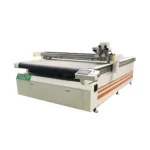
| Product Type | CNC Oscillating Knife Cutting Machine |
| Working Area | 1600×2500 mm |
| Tool Head Options | Oscillating knife, Driven rotary knife, Creasing wheel, Kiss cutting tool, Pneumatic knife, Milling tool, V groove knife |
| Cutting Speed | 0–2000 mm/s |
| Cutting Thickness | ≤ 30 mm (basis to be confirmed for specific material and layer configuration) |
| Cutting Accuracy | ±0.1 mm |
| Vacuum Pump | 9 kW |
| Vacuum Table | Aluminum bellows vacuum table |
| Control System | PLC control panel with intuitive interface |
| Servo Motor Options | Panasonic, Delta, Dorna (source value — verify against manufacturer catalog) |
| Voltage Options | 110V, 220V, 380V |
| Supported File Formats | PLT, DXF, AI, PDF |
| Safety Device | Infrared sensor device and emergency stop device |
| Machine Size | 3300×2100×1350 mm |
| Language Options | English, Russian, Italian, Chinese (special languages customizable) |
| Key Features | Dedicated packaging box structure design software, intelligent nesting system, CE marked |
Application Suitability
| Application | Material or Output |
|---|---|
| Apparel manufacturing | Suits, knitwear, lace, complex woven and knitted fabrics |
| Automotive interiors | Seat fabrics, carpets, PVC mats, headliner textiles |
| Home textiles | Sofa fabrics, curtains, rugs, upholstery layers |
| Composite processing | Carbon fiber prepreg, aramid sheets, specialty reinforcement materials |
Why the "Working Area Only" Approach Fails on Real Textiles
A 1600×2500 mm table tells you nothing about whether the machine will hold your fabric flat or cut your foam without crushing it.
I have watched buyers specify a digital cutting table on bed size alone, then discover their multi-layer fabric stack lifts at the edges during high-speed passes, or their foam compresses under the knife instead of shearing cleanly [NEED_CITE: vacuum zoning requirements for flexible material cutting]. When sourcing a CNC oscillating knife cutting machine manufacturer, the question is never just how large the table is — it is whether the vacuum zones, tool head type, and cutting stroke match your specific textile weight, coating, and layer count. The aluminum bellows table on this 1625 unit provides full-surface adsorption, but zone effectiveness on small pattern pieces depends on the actual part geometry and material porosity.
Matching the Knife Type to the Fabric Behavior
Textile cutting is not a single process. Woven suit fabrics respond to a high-frequency oscillating knife that shears cleanly through multiple plies, while knitted lace requires a driven rotary knife to prevent pulling and distortion at the cut edge. This CNC oscillating knife cutting machine manufacturer configuration includes both options, along with kiss cutting tools for single-ply vinyl and pneumatic knives for dense felt or carpet underlay. The correct selection is determined only after running your actual material on the machine, not from a catalog chart.
Vacuum Hold-Down on Coated and Non-Porous Textiles
Standard woven fabrics allow vacuum to pull through the weave, securing the material firmly. Coated waterproof fabrics, PU-laminated textiles, and synthetic leather do not breathe the same way, which means vacuum force concentrates only at the table holes directly beneath the material [NEED_CITE: vacuum table performance on non-porous flexible materials]. The aluminum bellows vacuum table on the 1625 is designed to maintain consistent suction across its 1600×2500 mm surface, but buyers processing coated or film-backed textiles should verify hold-down adequacy with a sample cut before committing to a configuration.
Reading the Specification Sheet Beyond the Headline Numbers
The 0–2000 mm/s cutting speed range is a traverse maximum, not a production speed for every material — dense multi-layer stacks require slower passes for edge accuracy within the stated ±0.1 mm tolerance. The 9 kW vacuum pump rating indicates the suction capacity available; whether that capacity is sufficient depends on part size, material porosity, and the percentage of table surface the workpiece covers. The PLC control panel supports file import in PLT, DXF, AI, and PDF formats, which covers most pattern workflows, but buyers should confirm nesting software compatibility with their existing marking and grading systems before the order is finalized. The servo motor selection between Panasonic, Delta, and Dorna options affects both positioning response and maintenance parts availability in the buyer’s local market.
The Cost of a Mismatched Configuration
A pneumatic knife specified where an oscillating knife is needed produces frayed edges on woven fabric that require secondary trimming. Conversely, an oscillating knife forced through dense rubber gasket material burns through blade life at a rate that turns consumables into a recurring cost problem [NEED_CITE: tool wear rates by material type in digital knife cutting]. Software that cannot read the buyer’s native DXF nesting files forces manual re-drawing of every marker, negating the throughput advantage of automated cutting entirely. These are not defects — they are specification failures that surface only after the machine is installed and running.
Why Buyers Source This Range Here
The 1625 is built within a product range that covers both oscillating knife and laser cutting technologies, so a buyer processing both fabric and acrylic can match the cutting method to each material rather than forcing one approach. Tool head and table configurations are specified per material test, not quoted from a fixed package. Voltage options at 110V, 220V, and 380V are confirmed with the buyer’s facility electrical plan before production begins. Control language is set to the operator’s requirement — English, Russian, Italian, Chinese, or a customized option — so the interface matches the shop floor, not the exporter’s default.
Documentation & Verification
- Machine specification sheet with tool head and table configuration list matched to your fabric type
- Electrical schematic with voltage and frequency confirmation for your facility supply
- Sample cutting report on your own textile material showing edge quality and accuracy
- Software licence and file format compatibility note for PLT, DXF, AI, and PDF workflows
- Operation and maintenance manual in your specified control language
Installation, Commissioning & Support
- 3300×2100 mm machine footprint requires level concrete floor with clearance for material feed access on the 2500 mm axis
- 9 kW vacuum pump and servo drives require dedicated circuit matching confirmed voltage option at 110V, 220V, or 380V
- PLC control panel configured to buyer language before dispatch, with first-run parameter setting during commissioning
- Oscillating knife and driven rotary knife blades included as initial spare parts, with consumable reorder list provided
- Infrared sensor and emergency stop tested during factory acceptance before crating
What to Include in Your Inquiry
Send your fabric type, coating specification, single-ply or multi-layer cutting requirement, and the maximum sheet size you process daily. Include your facility voltage and frequency, preferred control language, and any nesting software your pattern team currently uses. If your material is coated, laminated, or non-standard, request a sample cutting test on your own roll stock before final configuration is locked in.
Frequently Asked Questions
Q: How do I choose between oscillating knife, driven rotary knife, and pneumatic knife for my fabric?
A: The choice depends on fabric structure and thickness. Woven multi-ply stacks typically suit an oscillating knife for clean shearing. Knitted or stretch fabrics often require a driven rotary knife to prevent distortion. Dense non-woven or carpet materials may need a pneumatic knife for adequate downstroke force. Sample cutting on your actual material confirms the correct selection before order.
Q: What file formats and nesting software compatibility should I verify before ordering?
A: The 1625 accepts PLT, DXF, AI, and PDF files through its intelligent nesting system. Before committing, confirm that your existing marker files import without manual re-drawing and that the nesting software handles your fabric width and defect-avoidance requirements. Request a file compatibility test using your own production patterns.
Q: How does vacuum table zoning affect small part cutting on fabric?
A: Small pattern pieces cover less table surface, reducing the vacuum pull available to hold them flat during cutting. The aluminum bellows table provides full-area suction, but effectiveness on small parts depends on material porosity and part geometry. Buyers cutting many small pieces should verify hold-down performance during the sample cutting stage.
Q: How can I request sample cutting on my own material before machine commitment?
A: Send a roll or sheet sample of your actual production fabric, including any coating or lamination. The sample cutting report documents edge quality, cutting accuracy against the ±0.1 mm specification, and the tool head configuration used. This report forms part of the order documentation, ensuring the machine is built to the tested configuration.










商品评价
There are no reviews yet.