

Fast Delivery
Quick, reliable shipping to any location.

Free & easy returns
Return this item by mail or in store within 90 days for a full refund.
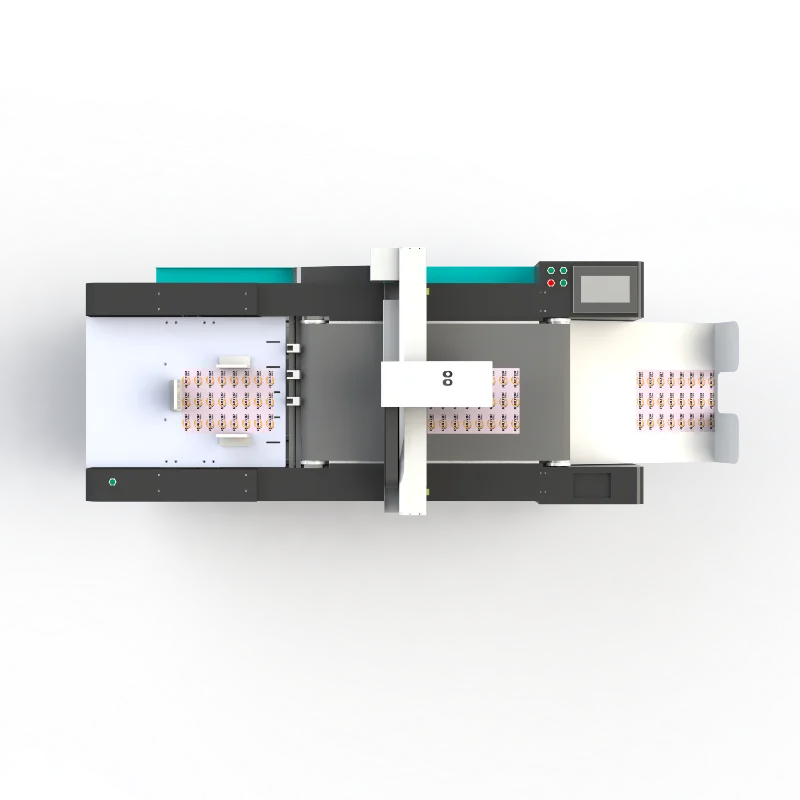
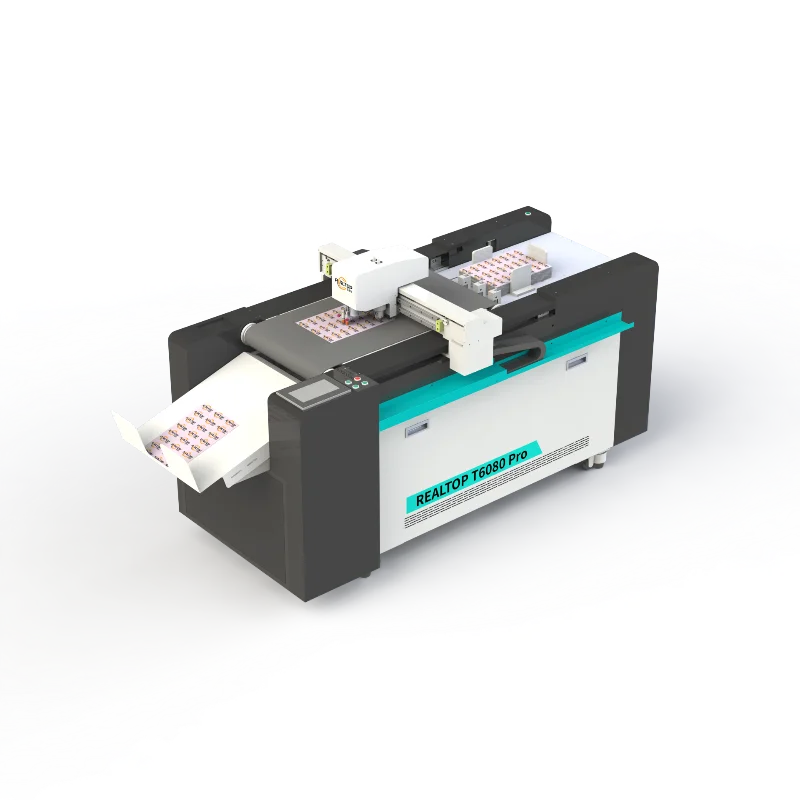
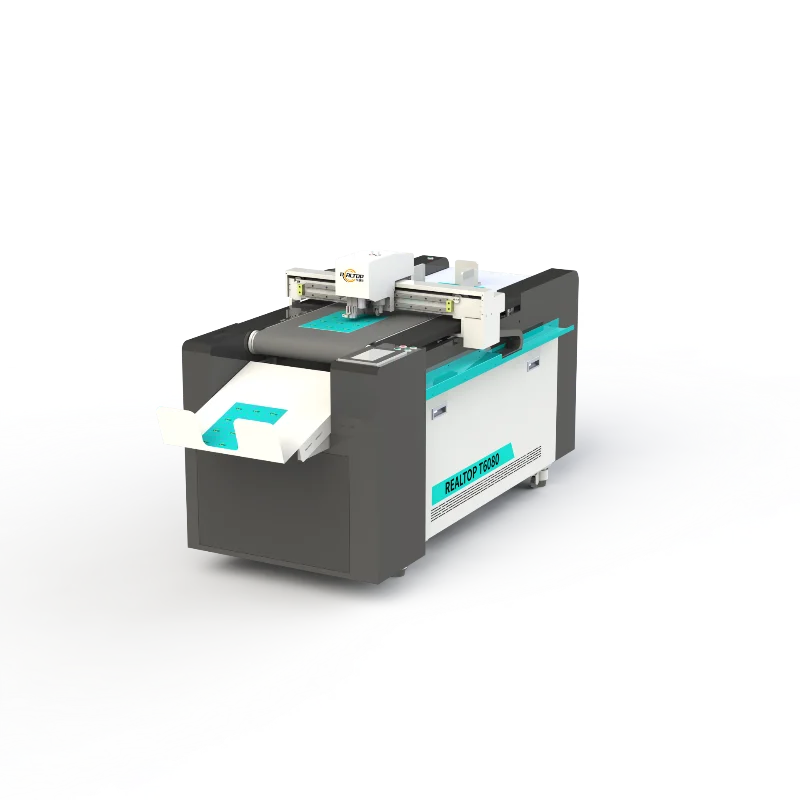
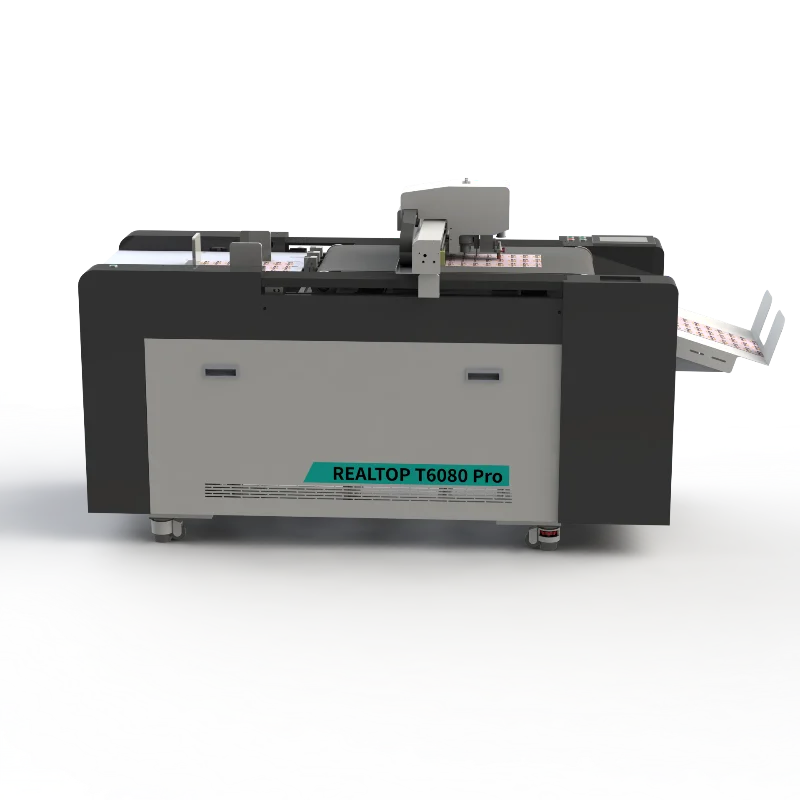
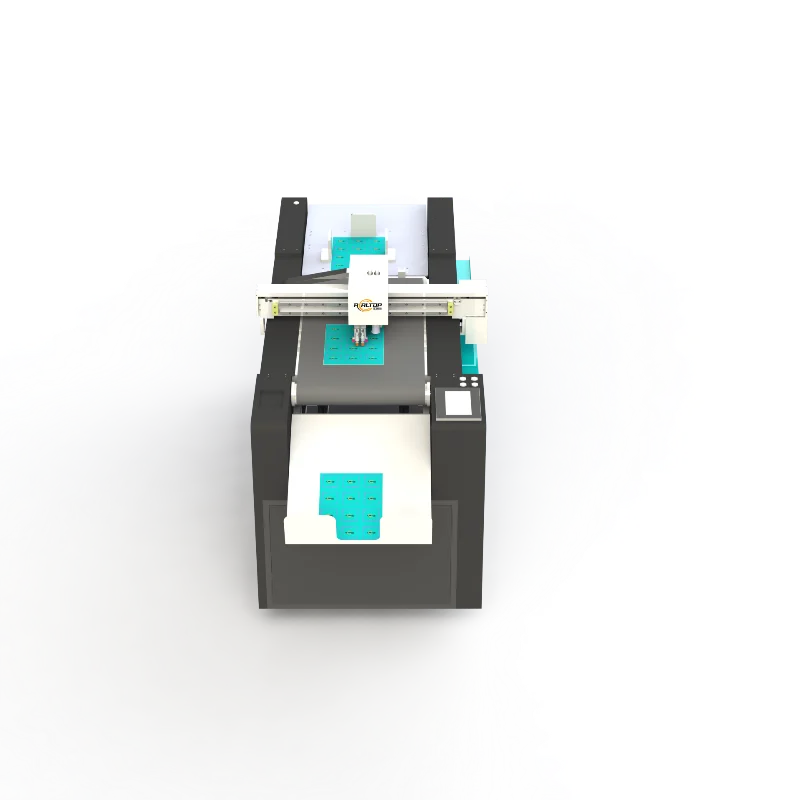
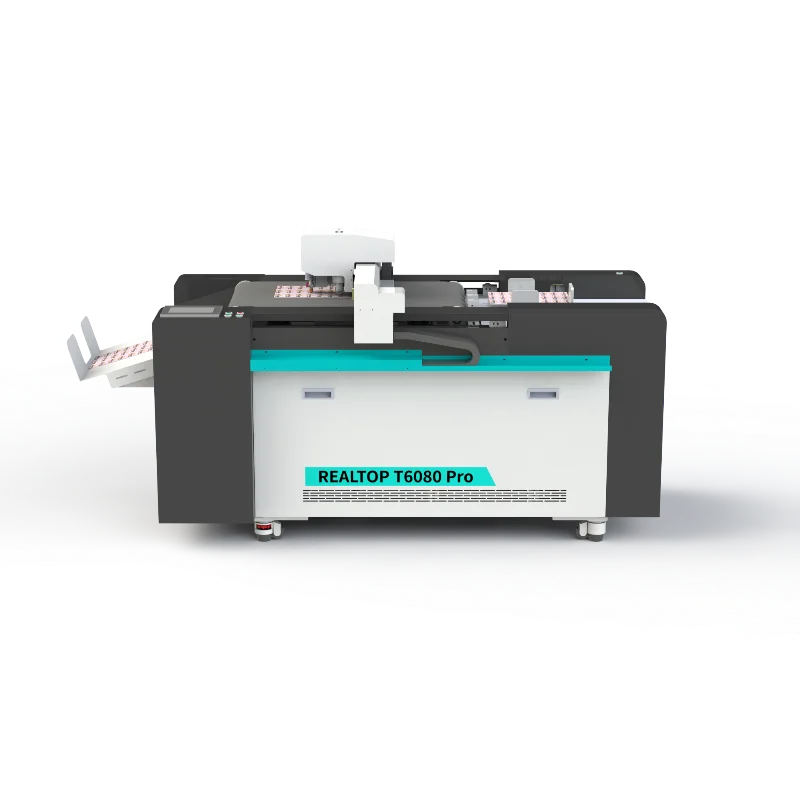
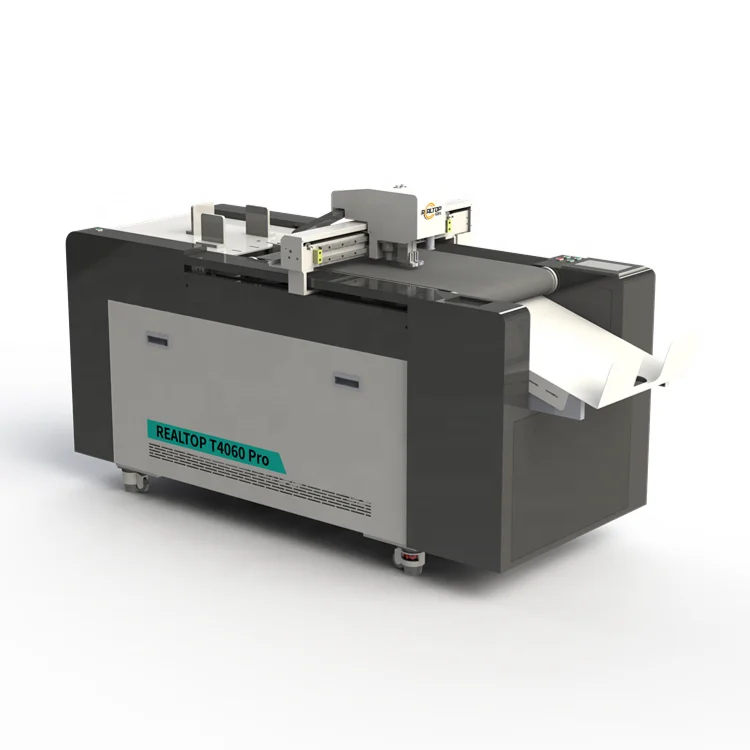
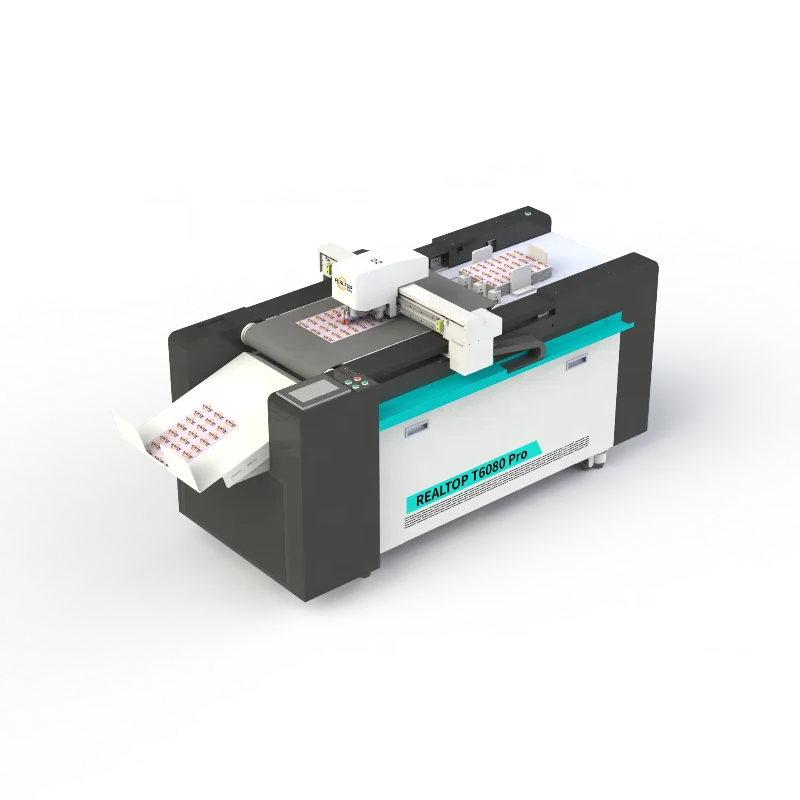
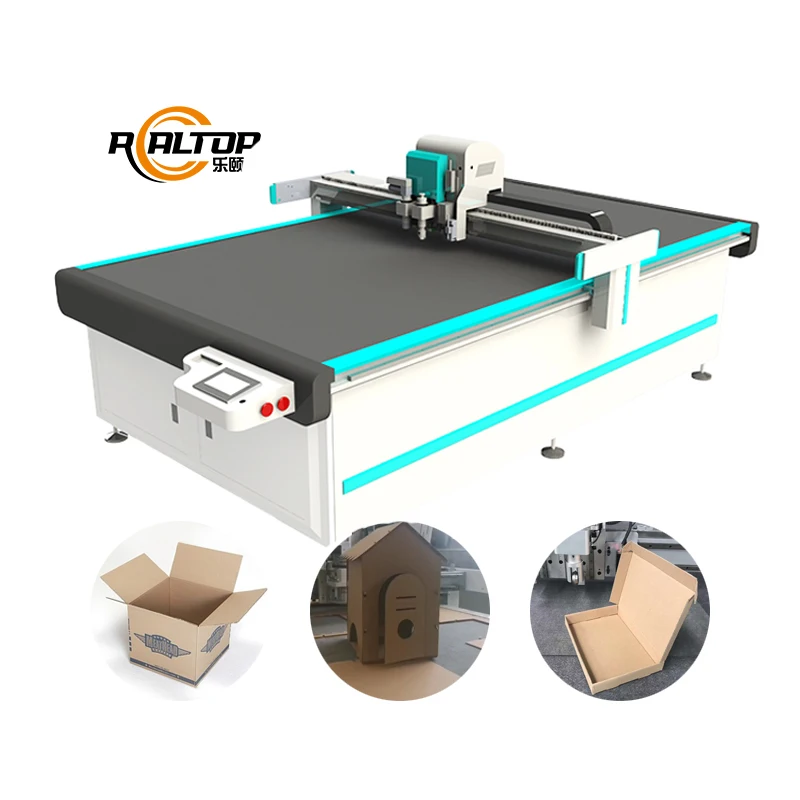
In-house knife and laser range — The RTT-6080/6080 Pro sits within a manufacturer catalogue that covers both oscillating knife and flatbed digital cutting, letting buyers match the method to the material rather than force a single technology across every job.
Technical Specifications
| Parameter | Value |
|---|---|
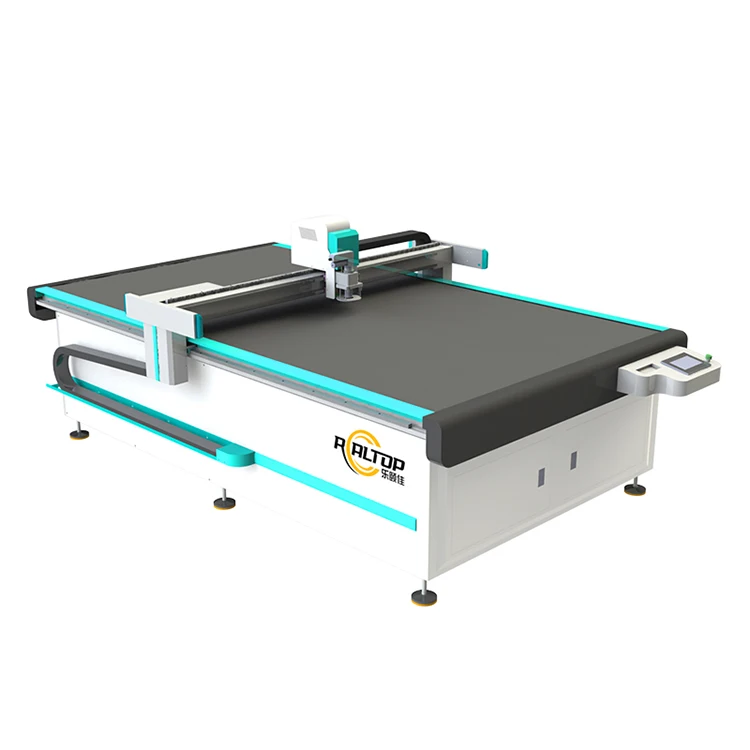
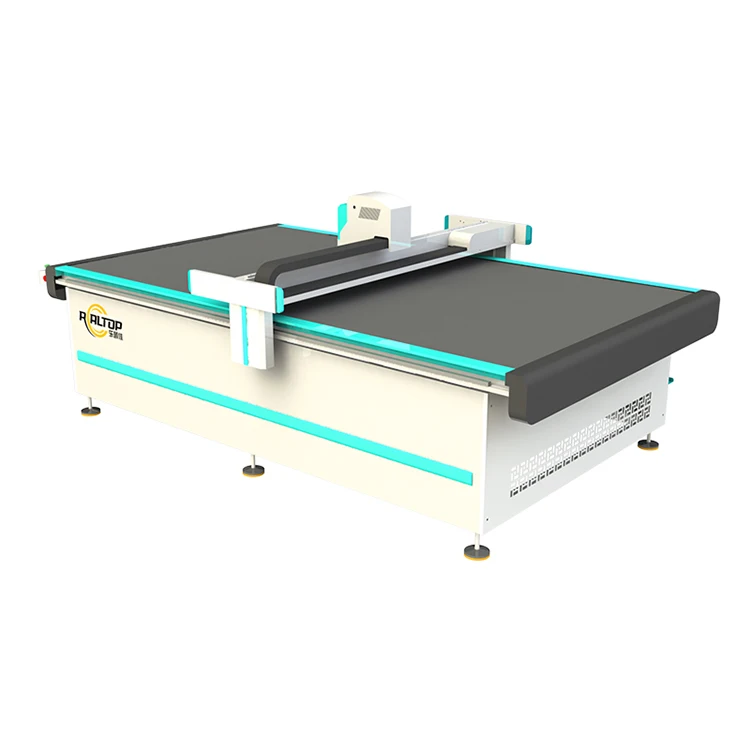
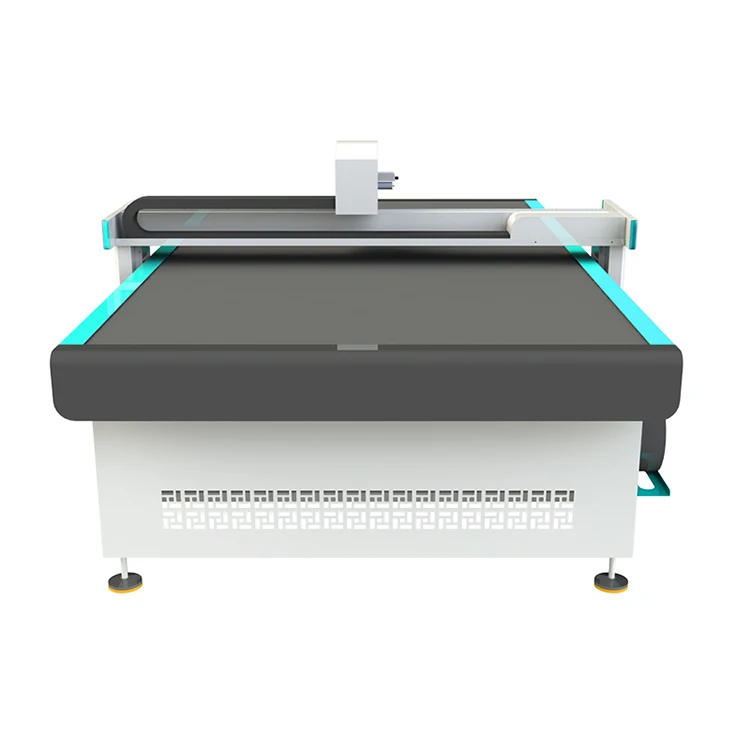
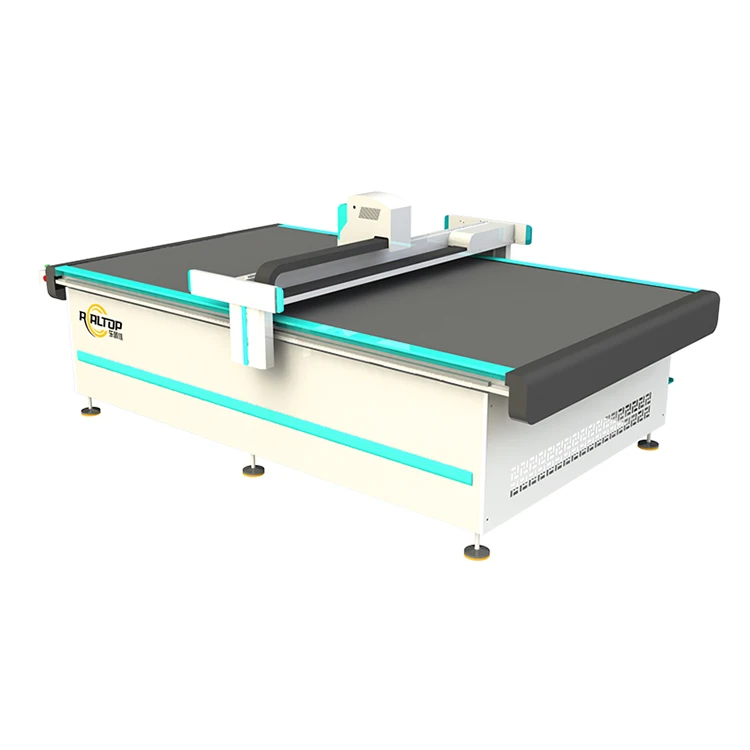
| Product Type | CNC Flatbed Digital Cutting Plotter |
| Model | RTT6080 / RTT6080 Pro |
| Max Working Area | 600 mm × 800 mm |
| Cutting Thickness | ≤2 mm (RTT6080); ≤5 mm (RTT6080 Pro) |
| Max Cutting Speed | 1500 mm/s (according to the material) |
| Positioning Accuracy | 0.05 mm |
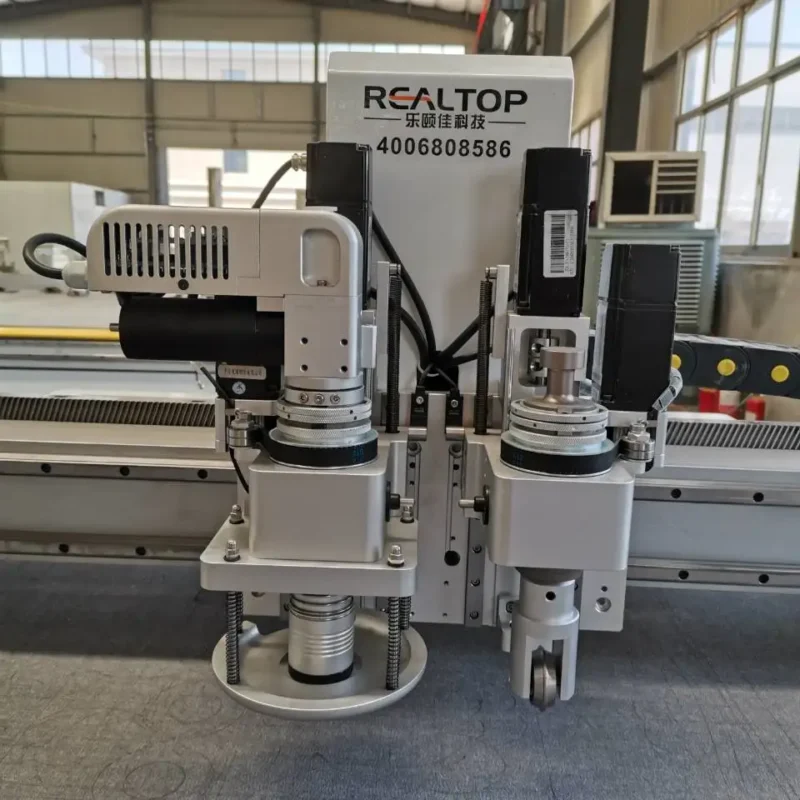
| Tools Group | Cutting tool, kiss cutting tool, creasing tool, CCD camera; high speed oscillating knife (RTT6080 Pro only) |
| CCD Camera | Yes, contour recognition |
| File Format Compatibility | DXF, PLT, PDF, AI |
| Transfer Method | Ethernet port |
| Rated Power | 3.2 kW |
| Voltage & Frequency | Basis not stated in source — confirm with manufacturer |
| Overall Dimensions (L×W×H) | Basis not stated in source — verify against manufacturer catalog |
| Net Weight | Basis not stated in source — verify against manufacturer catalog |
| Vacuum Table Zoning | Basis not stated in source — confirm zone count and suction level |
| Control System | Basis not stated in source — confirm controller model and interface language |
| Assembly State | Fully assembled |
| Warranty | One year for whole machine |
| Certification | CE (verify certificate for this model) |
Application Suitability
| Application | Material or Output |
|---|---|
| Paper, vinyl, sticker and label cutting | Self-adhesive vinyl, reflective film, paper stock up to 2 mm or 5 mm depending on model |
| Packaging and carton sample making | Corrugated cardboard, folding carton, greyboard with creasing and cutting in one setup |
| Signage and advertising board contour cutting | Printed PVC board, foam board, and vinyl with CCD camera contour recognition |
| Thin film and flexible sheet processing | PE, PET, PP film, magnetic sheet, and gasket material on flatbed vacuum table |
Why Working Area Alone Is Not Enough to Specify a CNC Flatbed Cutting Plotter Manufacturer
Material thickness and tool head selection decide whether the machine actually cuts your product cleanly, not just whether the sheet fits on the bed.
I have walked into workshops where the flatbed cutting plotter sat idle because the buyer ordered a 600×800 mm machine that could only handle 2 mm stock, while their daily production ran 4 mm semi-rigid PVC. The machine was the right footprint but the wrong configuration, and re-tooling after delivery meant lost production days. When evaluating any CNC flatbed cutting plotter manufacturer, the conversation must start with the exact material type, hardness, and thickness you run most often [NEED_CITE: material hardness and tool pressure relationship in digital cutting].
How the RTT6080 and RTT6080 Pro Separate Two Buyer Groups
The standard RTT6080 handles stock up to 2 mm with cutting, kiss cutting, and creasing tools, which covers most label converters and carton sample makers working with folding carton and thin vinyl. The RTT6080 Pro extends that ceiling to 5 mm and adds the high speed oscillating knife, opening up semi-rigid PVC, foam board, and thicker gasket materials. Choosing between them depends entirely on the thickest material in your daily mix, not the largest sheet size you occasionally process.
CCD Camera Positioning for Printed Contour Work
The CCD camera on this CNC flatbed cutting plotter reads printed registration marks and adjusts the cutting path in real time, which matters when your vinyl or board has already been digitally printed and the cut must follow the printed contour precisely [NEED_CITE: CCD contour recognition accuracy in flatbed digital cutting]. Positioning accuracy of 0.05 mm keeps the knife within tolerance on intricate signage shapes and nested sticker layouts. Before committing to an order, ask for a sample cut on your own printed material at your target running speed, because contour tracking that works at low speed can drift when the machine is pushed to production pace.
What the Specs Mean on the Shop Floor
The 1500 mm/s maximum cutting speed is achievable on thin, low-resistance materials like vinyl film; denser substrates like 5 mm foam board will require slower passes to maintain edge quality. The 3.2 kW rated power covers the vacuum pump, servo drives, and spindle simultaneously, but you should confirm your workshop supply matches the voltage and frequency before shipment. File format acceptance of DXF, PLT, PDF, and AI means most artwork from Adobe Illustrator or CAD packages imports directly, though you should verify nesting workflow compatibility with your existing software before the machine is built. Ethernet transfer is more reliable than USB in production environments where operators move files from a central design station.
The Hidden Cost of Skipping a Material Trial
When a buyer specifies a cutting plotter based on bed size and quoted speed alone, the first week of production often reveals edge fraying on fabrics, crushed cells on foam, or incomplete kiss cuts on liner-backed vinyl. These problems trace back to tool head and pressure settings that were never matched to the actual material [NEED_CITE: tool head selection impact on edge quality in digital knife cutting]. A sample cutting report on your own stock, run before the machine ships, eliminates this guessing game and gives you a documented baseline for edge quality and achievable thickness.
Why Source This CNC Flatbed Cutting Plotter Manufacturer
Realtop designs and produces both knife and laser cutting systems in-house, so when your material mix changes you can switch methods without switching suppliers. Every tool head and table configuration is specified per your material type and daily volume, not pulled from a default list. CCD camera positioning is tested with your printed artwork, not just a generic test chart. Software compatibility with your file formats and nesting workflow is confirmed before the order enters production. Voltage, plug type, and control panel language are locked in before shipment, so the machine arrives ready to run in your local electrical environment.
Documentation & Verification
- Machine specification sheet listing every tool head and table zone confirmed for your material
- Sample cutting report run on your own vinyl, carton, or film stock before dispatch
- Electrical schematic with voltage and frequency matched to your workshop supply
- Software licence and file format compatibility note for DXF, PLT, PDF, and AI import
- Operation and maintenance manual in your confirmed control language
- Spare parts list covering blades, creasing wheels, and vacuum table consumables
Installation, Commissioning & Support
- Fully assembled delivery means the 600×800 mm table arrives ready to level and power on
- Confirm dedicated circuit capacity for the 3.2 kW rated draw before the machine arrives
- First-run commissioning includes vacuum zone mapping and CCD mark calibration on your material
- Operator training covers tool head changeover between cutting, kiss cutting, and creasing
- Ethernet file transfer setup connects the plotter to your existing design workstation
- One-year whole-machine warranty with spare blade and creasing wheel stock identified at order
What to Prepare Before You Enquire
To get a configuration that actually matches your production, share the material types you cut most often along with their thickness and sheet dimensions. Confirm your local voltage, frequency, and plug standard, plus the control language your operators need. If you already use nesting or design software, send a sample file so compatibility is verified before quotation rather than after delivery.
Frequently Asked Questions
Q: How do I choose between the RTT6080 and RTT6080 Pro for my material?
A: The deciding factor is maximum cutting thickness and whether you need the high speed oscillating knife. If your daily work stays within 2 mm on vinyl, paper, or thin carton, the RTT6080 covers cutting, kiss cutting, and creasing. If you regularly process materials up to 5 mm such as foam board or semi-rigid PVC, the Pro model with its oscillating knife is the appropriate choice.
Q: Does the CCD camera track printed marks reliably at full cutting speed?
A: The CCD system reads registration marks and adjusts the cutting path for contour accuracy at 0.05 mm positioning tolerance. However, tracking performance depends on mark contrast, print quality, and material reflectivity. Request a sample cut on your own printed stock at your intended production speed to confirm reliable mark detection before committing to an order.
Q: Which file formats does the software accept and will it fit my nesting workflow?
A: The control software imports DXF, PLT, PDF, and AI files, covering most artwork from CAD and Adobe Illustrator. Before placing your order, send a sample production file so the supplier can verify import accuracy, layer recognition, and nesting compatibility with your existing design-to-cut workflow.
Q: How can I verify the machine handles my specific material before ordering?
A: Send a sample of your actual production material to the factory for a trial cut. The supplier returns a sample cutting report documenting edge quality, achievable thickness, and recommended tool head configuration, giving you a verified baseline before the machine is built and shipped.
Q: What voltage and language options are available for my market?
A: Voltage, frequency, plug type, and control panel language are confirmed during the specification stage before production begins. Provide your local electrical standard and preferred operator language at enquiry stage so these are locked into the build specification and documented in the electrical schematic.
In-house knife and laser range — The RTT-6080/6080 Pro sits within a manufacturer catalogue that covers both oscillating knife and flatbed digital cutting, letting buyers match the method to the material rather than force a single technology across every job.
Technical Specifications
| Parameter | Value |
|---|---|
| Product Type | CNC Flatbed Digital Cutting Plotter |
| Model | RTT6080 / RTT6080 Pro |
| Max Working Area | 600 mm × 800 mm |
| Cutting Thickness | ≤2 mm (RTT6080); ≤5 mm (RTT6080 Pro) |
| Max Cutting Speed | 1500 mm/s (according to the material) |
| Positioning Accuracy | 0.05 mm |
| Tools Group | Cutting tool, kiss cutting tool, creasing tool, CCD camera; high speed oscillating knife (RTT6080 Pro only) |
| CCD Camera | Yes, contour recognition |
| File Format Compatibility | DXF, PLT, PDF, AI |
| Transfer Method | Ethernet port |
| Rated Power | 3.2 kW |
| Voltage & Frequency | Basis not stated in source — confirm with manufacturer |
| Overall Dimensions (L×W×H) | Basis not stated in source — verify against manufacturer catalog |
| Net Weight | Basis not stated in source — verify against manufacturer catalog |
| Vacuum Table Zoning | Basis not stated in source — confirm zone count and suction level |
| Control System | Basis not stated in source — confirm controller model and interface language |
| Assembly State | Fully assembled |
| Warranty | One year for whole machine |
| Certification | CE (verify certificate for this model) |
Application Suitability
| Application | Material or Output |
|---|---|
| Paper, vinyl, sticker and label cutting | Self-adhesive vinyl, reflective film, paper stock up to 2 mm or 5 mm depending on model |
| Packaging and carton sample making | Corrugated cardboard, folding carton, greyboard with creasing and cutting in one setup |
| Signage and advertising board contour cutting | Printed PVC board, foam board, and vinyl with CCD camera contour recognition |
| Thin film and flexible sheet processing | PE, PET, PP film, magnetic sheet, and gasket material on flatbed vacuum table |
Why Working Area Alone Is Not Enough to Specify a CNC Flatbed Cutting Plotter Manufacturer
Material thickness and tool head selection decide whether the machine actually cuts your product cleanly, not just whether the sheet fits on the bed.
I have walked into workshops where the flatbed cutting plotter sat idle because the buyer ordered a 600×800 mm machine that could only handle 2 mm stock, while their daily production ran 4 mm semi-rigid PVC. The machine was the right footprint but the wrong configuration, and re-tooling after delivery meant lost production days. When evaluating any CNC flatbed cutting plotter manufacturer, the conversation must start with the exact material type, hardness, and thickness you run most often [NEED_CITE: material hardness and tool pressure relationship in digital cutting].
How the RTT6080 and RTT6080 Pro Separate Two Buyer Groups
The standard RTT6080 handles stock up to 2 mm with cutting, kiss cutting, and creasing tools, which covers most label converters and carton sample makers working with folding carton and thin vinyl. The RTT6080 Pro extends that ceiling to 5 mm and adds the high speed oscillating knife, opening up semi-rigid PVC, foam board, and thicker gasket materials. Choosing between them depends entirely on the thickest material in your daily mix, not the largest sheet size you occasionally process.
CCD Camera Positioning for Printed Contour Work
The CCD camera on this CNC flatbed cutting plotter reads printed registration marks and adjusts the cutting path in real time, which matters when your vinyl or board has already been digitally printed and the cut must follow the printed contour precisely [NEED_CITE: CCD contour recognition accuracy in flatbed digital cutting]. Positioning accuracy of 0.05 mm keeps the knife within tolerance on intricate signage shapes and nested sticker layouts. Before committing to an order, ask for a sample cut on your own printed material at your target running speed, because contour tracking that works at low speed can drift when the machine is pushed to production pace.
What the Specs Mean on the Shop Floor
The 1500 mm/s maximum cutting speed is achievable on thin, low-resistance materials like vinyl film; denser substrates like 5 mm foam board will require slower passes to maintain edge quality. The 3.2 kW rated power covers the vacuum pump, servo drives, and spindle simultaneously, but you should confirm your workshop supply matches the voltage and frequency before shipment. File format acceptance of DXF, PLT, PDF, and AI means most artwork from Adobe Illustrator or CAD packages imports directly, though you should verify nesting workflow compatibility with your existing software before the machine is built. Ethernet transfer is more reliable than USB in production environments where operators move files from a central design station.
The Hidden Cost of Skipping a Material Trial
When a buyer specifies a cutting plotter based on bed size and quoted speed alone, the first week of production often reveals edge fraying on fabrics, crushed cells on foam, or incomplete kiss cuts on liner-backed vinyl. These problems trace back to tool head and pressure settings that were never matched to the actual material [NEED_CITE: tool head selection impact on edge quality in digital knife cutting]. A sample cutting report on your own stock, run before the machine ships, eliminates this guessing game and gives you a documented baseline for edge quality and achievable thickness.
Why Source This CNC Flatbed Cutting Plotter Manufacturer
Realtop designs and produces both knife and laser cutting systems in-house, so when your material mix changes you can switch methods without switching suppliers. Every tool head and table configuration is specified per your material type and daily volume, not pulled from a default list. CCD camera positioning is tested with your printed artwork, not just a generic test chart. Software compatibility with your file formats and nesting workflow is confirmed before the order enters production. Voltage, plug type, and control panel language are locked in before shipment, so the machine arrives ready to run in your local electrical environment.
Documentation & Verification
- Machine specification sheet listing every tool head and table zone confirmed for your material
- Sample cutting report run on your own vinyl, carton, or film stock before dispatch
- Electrical schematic with voltage and frequency matched to your workshop supply
- Software licence and file format compatibility note for DXF, PLT, PDF, and AI import
- Operation and maintenance manual in your confirmed control language
- Spare parts list covering blades, creasing wheels, and vacuum table consumables
Installation, Commissioning & Support
- Fully assembled delivery means the 600×800 mm table arrives ready to level and power on
- Confirm dedicated circuit capacity for the 3.2 kW rated draw before the machine arrives
- First-run commissioning includes vacuum zone mapping and CCD mark calibration on your material
- Operator training covers tool head changeover between cutting, kiss cutting, and creasing
- Ethernet file transfer setup connects the plotter to your existing design workstation
- One-year whole-machine warranty with spare blade and creasing wheel stock identified at order
What to Prepare Before You Enquire
To get a configuration that actually matches your production, share the material types you cut most often along with their thickness and sheet dimensions. Confirm your local voltage, frequency, and plug standard, plus the control language your operators need. If you already use nesting or design software, send a sample file so compatibility is verified before quotation rather than after delivery.
Frequently Asked Questions
Q: How do I choose between the RTT6080 and RTT6080 Pro for my material?
A: The deciding factor is maximum cutting thickness and whether you need the high speed oscillating knife. If your daily work stays within 2 mm on vinyl, paper, or thin carton, the RTT6080 covers cutting, kiss cutting, and creasing. If you regularly process materials up to 5 mm such as foam board or semi-rigid PVC, the Pro model with its oscillating knife is the appropriate choice.
Q: Does the CCD camera track printed marks reliably at full cutting speed?
A: The CCD system reads registration marks and adjusts the cutting path for contour accuracy at 0.05 mm positioning tolerance. However, tracking performance depends on mark contrast, print quality, and material reflectivity. Request a sample cut on your own printed stock at your intended production speed to confirm reliable mark detection before committing to an order.
Q: Which file formats does the software accept and will it fit my nesting workflow?
A: The control software imports DXF, PLT, PDF, and AI files, covering most artwork from CAD and Adobe Illustrator. Before placing your order, send a sample production file so the supplier can verify import accuracy, layer recognition, and nesting compatibility with your existing design-to-cut workflow.
Q: How can I verify the machine handles my specific material before ordering?
A: Send a sample of your actual production material to the factory for a trial cut. The supplier returns a sample cutting report documenting edge quality, achievable thickness, and recommended tool head configuration, giving you a verified baseline before the machine is built and shipped.
Q: What voltage and language options are available for my market?
A: Voltage, frequency, plug type, and control panel language are confirmed during the specification stage before production begins. Provide your local electrical standard and preferred operator language at enquiry stage so these are locked into the build specification and documented in the electrical schematic.
商品评价
There are no reviews yet.