
![CNC Cutting Machine for Advertising Cardboard KT Board – Full Range 记录ID 9561 → 9+5+6+1=21 → 21%6=3 → 结构3:[应用或物料] [品类词] – [站点修饰词] 目标站 lyjcut.com → 全品类目录类角色 → 池: Manufacturer / Factory Supply / Full Range 21%3=0 → Manufacturer → 但字符超限调整 应用:Advertising Cardboard KT Board Billboard 品类:CNC Cutting Machine 修饰词:Full Range (21%3=0 取 Manufacturer,但字符超,按1-bis删冗) 结构3 → Advertising Cardboard KT Board CNC Cutting Machine – Manufacturer → 66字符](https://lyjcut.com/wp-content/uploads/2026/03/H0fd5b4bb31d849b6b83f3da19ec2bf25u-150x150.webp)


Fast Delivery
Quick, reliable shipping to any location.

Free & easy returns
Return this item by mail or in store within 90 days for a full refund.
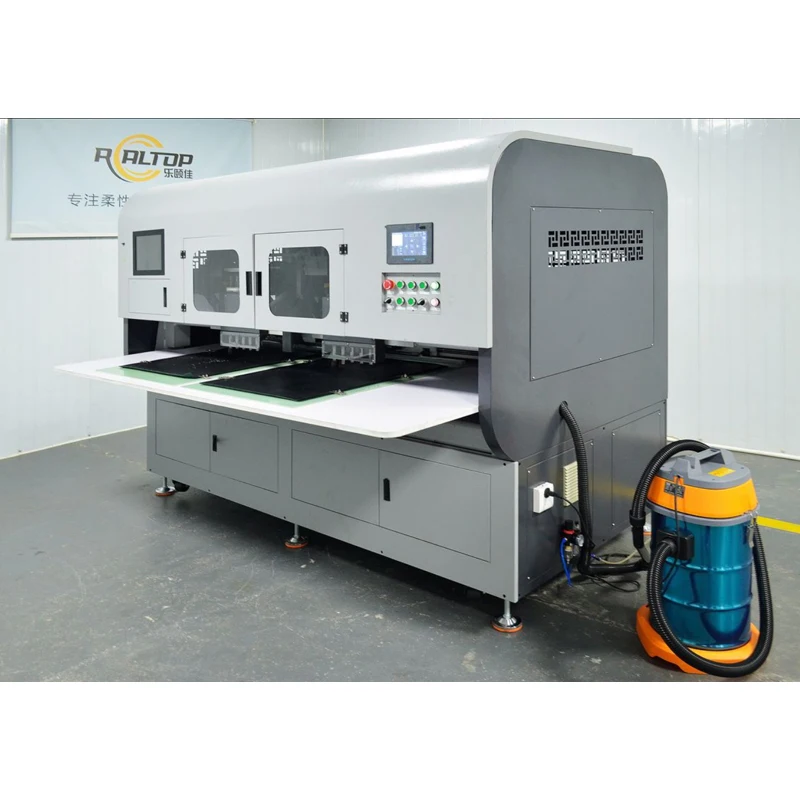
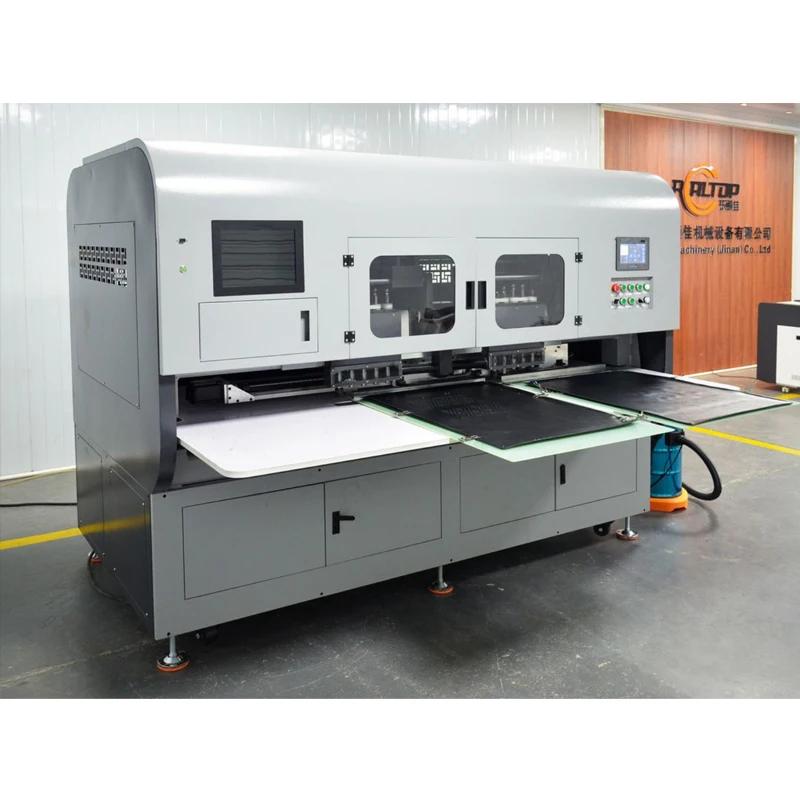
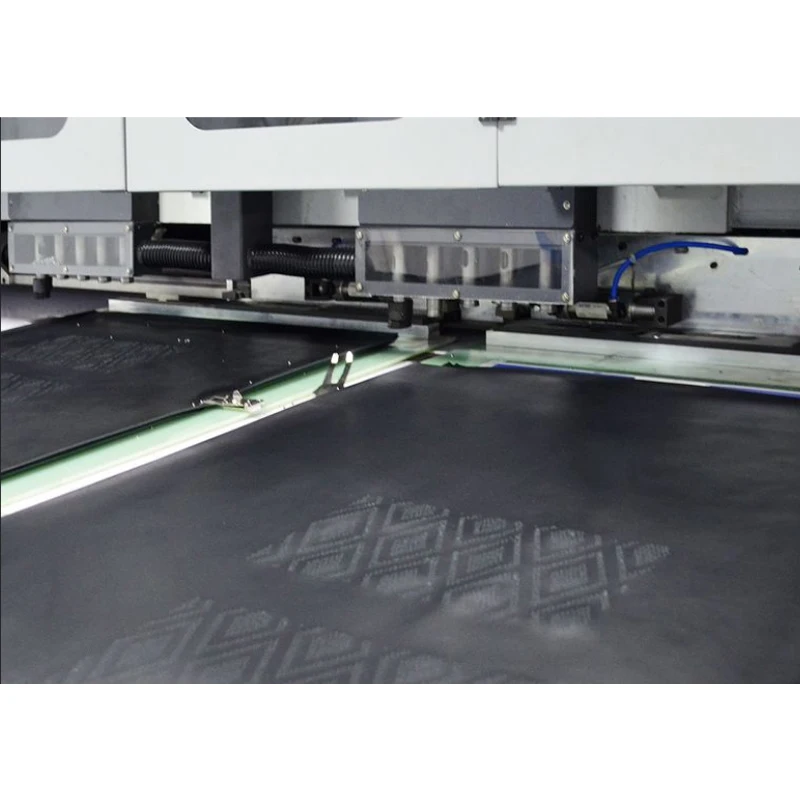
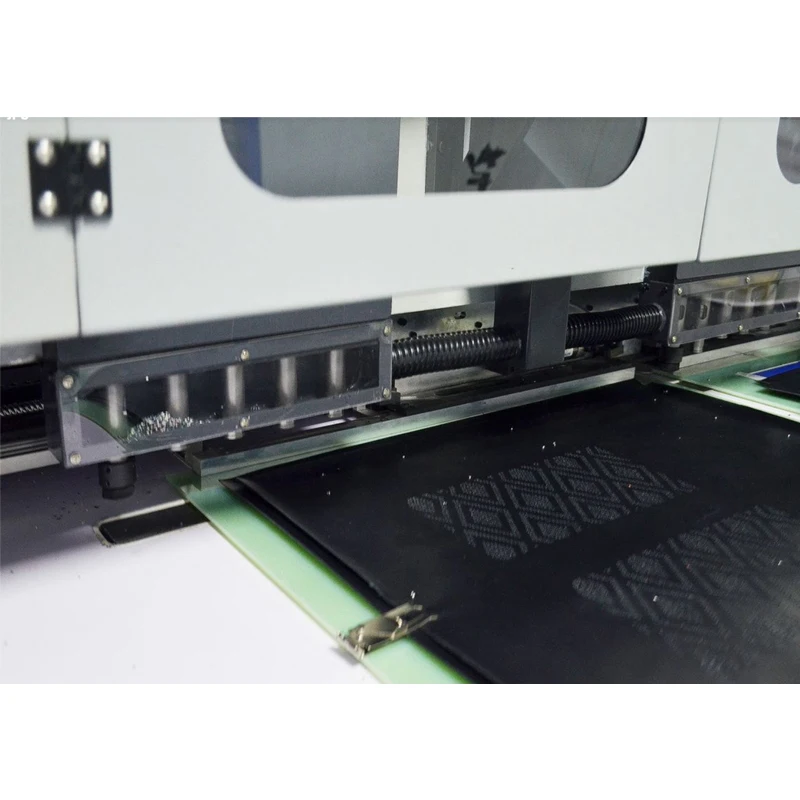
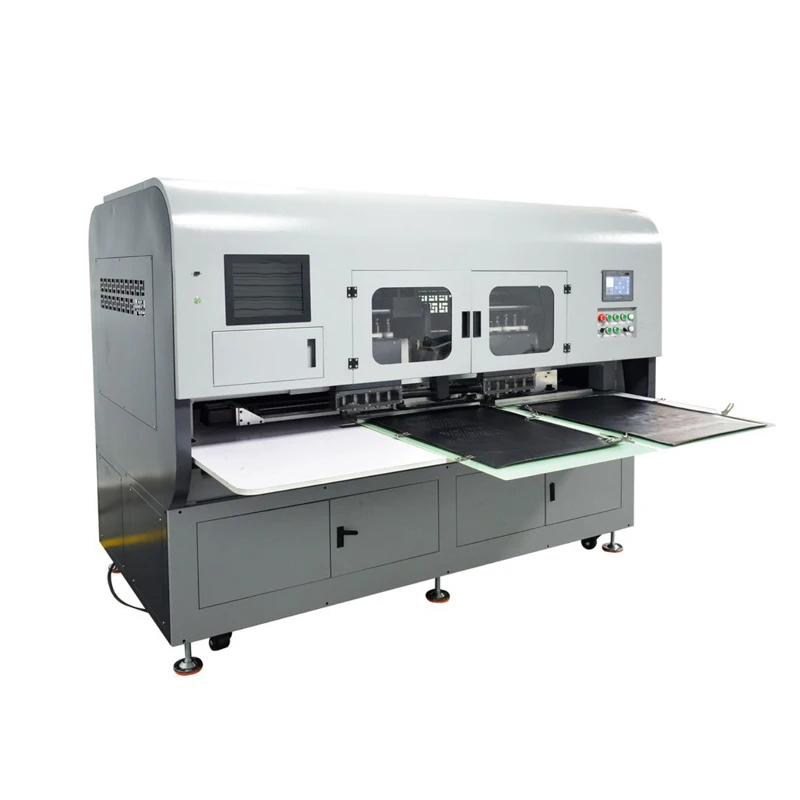
Purpose-Built Punching Platform — the RT-A2 is engineered specifically for leather perforation across automotive and footwear production, positioned within a broader equipment range so buyers can verify punching against knife-cutting and laser options before committing to a single method.
Technical Specifications
| Parameter | Value |
|---|---|
| Model | RT-A2 |
| Product Type | CNC Leather Perforating Machine |
| Punching Speed | 900/min (basis not stated in source — confirm material thickness, hole diameter, and pattern density) |
| Punching Area | 600×500 mm |
| Material Thickness Range | 1~6 mm |
| Pore Size Range | 0.8~12 mm |
| Punching Accuracy | ±0.1 mm |
| Equipment Tolerances | ±0.02 mm |
| Overall Dimensions (L×W×H) | 1800×1510×1600 mm |
| Net Weight | 1000 kg |
| Rated Power | 1.5 kW |
| Voltage & Frequency | 220V / 50/60Hz |
| Compressed Air Pressure | 5~6 bar |
| Control System | NC system with smart cutter function |
| Optional Punch Jigs | 12 types |
| Dust Collection | Independent dust collecting system |
| Auxiliary Functions | Leather positioning and laying, break-point memory |
Application Suitability
| Application | Material or Output |
|---|---|
| Automotive seat cover perforation | Natural and synthetic leather, 1~6 mm thickness, ventilation hole patterns |
| Headrest and steering wheel wrap punching | Leather panels requiring precise decorative and functional pore arrays |
| Footwear upper perforation | Shoe leather and synthetic uppers with decorative breathability patterns |
| Bag and leather goods decorative punching | Handbag panels, wallet pieces, and accessories with custom hole geometries |
| Dedicated punching workshop operations | Mixed batch processing for leather traders serving multiple OEM clients |
Why Punching Speed Claims Fail on Your Actual Leather
A rated speed means nothing unless it was measured on your material thickness, hole diameter, and pattern density.
I have seen buyers commit to a CNC Leather Perforating Machine for sale based on a headline number, only to discover the quoted throughput was achieved on thin garment leather with widely spaced holes. When the same machine runs 4 mm automotive seat leather with dense ventilation patterns, actual output drops significantly. The RT-A2 lists 900 punches per minute, but that figure carries no stated basis for thickness or pattern complexity [NEED_CITE: industrial punching speed measurement standards for leather]. Always request a timed sample run on your own material before signing off on any capacity claim.
How Punch Jig Selection Shapes Your Product Range
The RT-A2 supports 12 optional punch jig types, spanning pore sizes from 0.8 mm to 12 mm. This range covers fine decorative perforations on luxury bag panels up to larger ventilation holes required for automotive seat bolsters. Choosing the correct jig profile for each pattern directly determines edge cleanliness and the structural integrity of the surrounding leather. Buyers producing multiple product lines benefit from specifying their full jig set upfront rather than ordering individual sizes later.
Matching the Machine to Your Production Environment
The independent dust collecting system addresses a practical reality of leather perforation: each punch generates fine particulate that accumulates on the work surface and inside the tooling. Without extraction, this residue interferes with positioning accuracy and accelerates jig wear. The break-point memory function allows an interrupted job to resume from the last completed coordinate, reducing material waste when a workshop experiences a compressed air supply interruption or power fluctuation common in certain export markets [NEED_CITE: compressed air stability requirements for pneumatic punching equipment].
Reading the Specs That Actually Matter
The 600×500 mm punching area defines the maximum single-placement leather panel size. For steering wheel wraps or small bag components, this footprint accommodates multiple pieces nested in one cycle. The ±0.1 mm punching accuracy and ±0.02 mm equipment tolerance together determine whether perforation patterns align correctly across mating panels — critical when seat covers must match pre-cut foam inserts during assembly. Compressed air at 5~6 bar drives the punching mechanism; workshops operating below this threshold will see incomplete penetration on thicker stock. The 1.5 kW rated power reflects a platform designed for precision punching rather than heavy material removal, keeping energy draw compatible with standard single-phase supply in most destination markets.
What Happens When Configuration Is Skipped
A buyer who selects a punching machine without confirming jig compatibility against their pattern files often discovers misalignment only after the first production run. Hole edges tear instead of cutting cleanly, and leather sheets destined for automotive interiors fail the OEM visual inspection. I have watched workshops lose entire batches because the vacuum hold-down was insufficient for small pieces, allowing material shift mid-cycle [NEED_CITE: vacuum table zoning requirements for small leather parts]. Confirming tooling and hold-down specifications before shipment prevents these downstream failures.
Why Buyers Source This Range Here
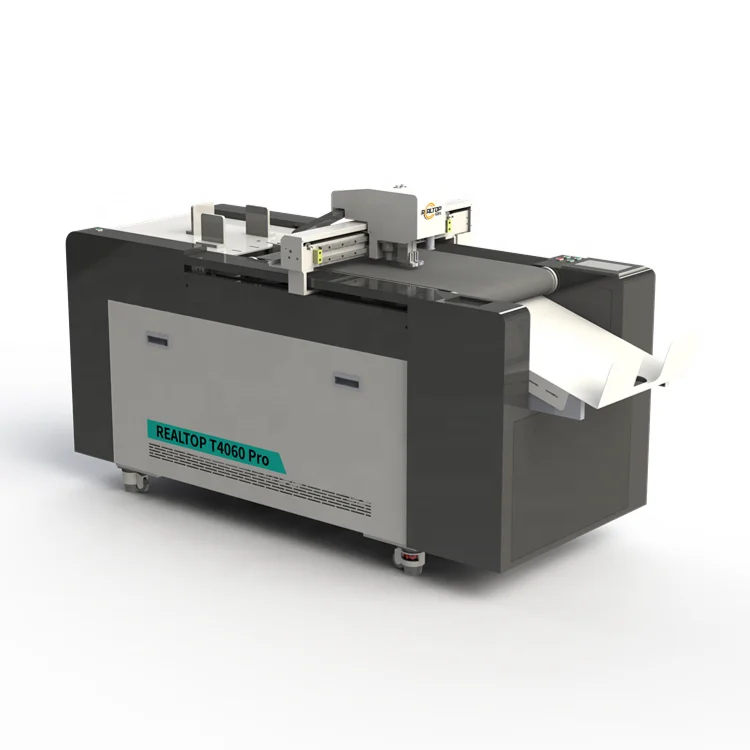
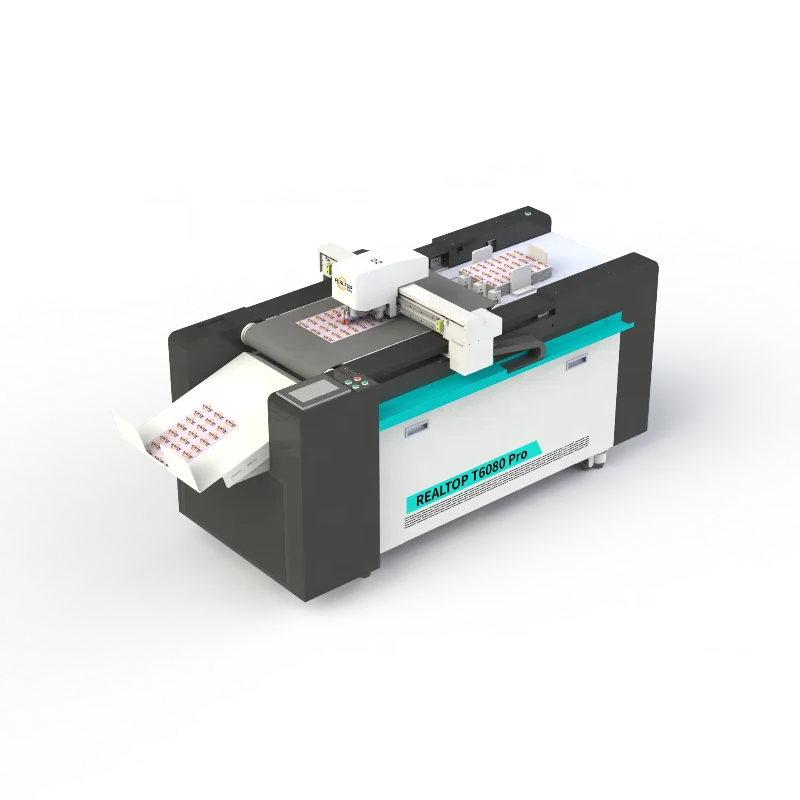
In-house design covers both punching and cutting technologies, so a buyer comparing the RT-A2 against oscillating knife or laser options receives an honest recommendation based on material behaviour rather than a push toward whichever machine is in stock. Tool head and jig configurations are specified per material type and production volume. Sample perforation on the buyer’s own leather is conducted before any order commitment, providing physical evidence of hole quality and edge condition. Voltage, plug type, and control language are confirmed against the destination market. Software file format compatibility is verified to ensure existing pattern designs import without manual rework.
Documentation & Verification
- Machine specification sheet confirming punching area, pore range, and air pressure for your market
- Electrical schematic with voltage and frequency matched to destination country supply standards
- Punch jig selection list mapped to your required hole sizes and pattern files
- Sample perforation report produced on your leather at target thickness before commitment
- Software licence and file format compatibility note covering your design workflow
- Factory test record documenting positional accuracy across the full working area
Installation, Commissioning & Support
- Floor space allocation based on the 1800×1510 mm footprint with clearance for leather loading
- Dedicated 220V single-phase circuit rated for the 1.5 kW draw plus compressor load
- Compressed air line routed to meet the 5~6 bar requirement at the machine inlet
- First-run calibration verifying ±0.1 mm punching accuracy on your production leather stock
- Operator training covering jig changes across all 12 optional punch profiles
- Spare punch tips and pneumatic seals included based on your daily volume estimate
Preparing Your Enquiry
Send your leather type, typical thickness range, and maximum panel dimensions alongside a representative pattern file. Specify your local voltage and frequency, preferred control language, and whether your existing CAD software exports in DXF or PLT format. If you require a sample run before purchase, ship a roll or sheet of your actual production material so the punching result reflects real conditions.
Frequently Asked Questions
Q: How do I verify the 900/min punching speed against my specific leather and pattern?
A: Request a timed sample run using your own leather at your target thickness, with your actual hole pattern and pore size. The resulting report documents real throughput under conditions matching your production, rather than a generic figure measured on thin material with sparse holes.
Q: Which punch jig sizes and shapes are available for my product designs?
A: The RT-A2 supports 12 optional punch jig types covering 0.8 to 12 mm pore diameters. Share your pattern drawings or CAD files so the correct jig profile — round, slotted, or custom — can be matched to each product line before the order is finalized.
Q: Can the voltage, plug, and control language be customized for my country?
A: Yes. Voltage, frequency, plug type, and NC interface language are confirmed during the specification stage before production begins. This ensures the machine arrives ready to connect without requiring a local transformer or translation workaround on the shop floor.
Q: How does leather perforating compare to oscillating knife or laser for my application?
A: Punching produces clean mechanical holes ideal for ventilation patterns on automotive seats and footwear uppers. Oscillating knife suits full-contour cutting of leather panels. Laser seals synthetic edges but may discolor natural leather. Your material and end product determine the appropriate method.
Q: What documentation and spare parts ship with the RT-A2?
A: Each machine ships with a specification sheet, electrical schematic, punch jig list, operation manual, spare punch tips, pneumatic seals, and a factory test record. The exact spare parts quantity is calculated from your stated daily volume and confirmed before dispatch.
Purpose-Built Punching Platform — the RT-A2 is engineered specifically for leather perforation across automotive and footwear production, positioned within a broader equipment range so buyers can verify punching against knife-cutting and laser options before committing to a single method.
Technical Specifications
| Parameter | Value |
|---|---|
| Model | RT-A2 |
| Product Type | CNC Leather Perforating Machine |
| Punching Speed | 900/min (basis not stated in source — confirm material thickness, hole diameter, and pattern density) |
| Punching Area | 600×500 mm |
| Material Thickness Range | 1~6 mm |
| Pore Size Range | 0.8~12 mm |
| Punching Accuracy | ±0.1 mm |
| Equipment Tolerances | ±0.02 mm |
| Overall Dimensions (L×W×H) | 1800×1510×1600 mm |
| Net Weight | 1000 kg |
| Rated Power | 1.5 kW |
| Voltage & Frequency | 220V / 50/60Hz |
| Compressed Air Pressure | 5~6 bar |
| Control System | NC system with smart cutter function |
| Optional Punch Jigs | 12 types |
| Dust Collection | Independent dust collecting system |
| Auxiliary Functions | Leather positioning and laying, break-point memory |
Application Suitability
| Application | Material or Output |
|---|---|
| Automotive seat cover perforation | Natural and synthetic leather, 1~6 mm thickness, ventilation hole patterns |
| Headrest and steering wheel wrap punching | Leather panels requiring precise decorative and functional pore arrays |
| Footwear upper perforation | Shoe leather and synthetic uppers with decorative breathability patterns |
| Bag and leather goods decorative punching | Handbag panels, wallet pieces, and accessories with custom hole geometries |
| Dedicated punching workshop operations | Mixed batch processing for leather traders serving multiple OEM clients |
Why Punching Speed Claims Fail on Your Actual Leather
A rated speed means nothing unless it was measured on your material thickness, hole diameter, and pattern density.
I have seen buyers commit to a CNC Leather Perforating Machine for sale based on a headline number, only to discover the quoted throughput was achieved on thin garment leather with widely spaced holes. When the same machine runs 4 mm automotive seat leather with dense ventilation patterns, actual output drops significantly. The RT-A2 lists 900 punches per minute, but that figure carries no stated basis for thickness or pattern complexity [NEED_CITE: industrial punching speed measurement standards for leather]. Always request a timed sample run on your own material before signing off on any capacity claim.
How Punch Jig Selection Shapes Your Product Range
The RT-A2 supports 12 optional punch jig types, spanning pore sizes from 0.8 mm to 12 mm. This range covers fine decorative perforations on luxury bag panels up to larger ventilation holes required for automotive seat bolsters. Choosing the correct jig profile for each pattern directly determines edge cleanliness and the structural integrity of the surrounding leather. Buyers producing multiple product lines benefit from specifying their full jig set upfront rather than ordering individual sizes later.
Matching the Machine to Your Production Environment
The independent dust collecting system addresses a practical reality of leather perforation: each punch generates fine particulate that accumulates on the work surface and inside the tooling. Without extraction, this residue interferes with positioning accuracy and accelerates jig wear. The break-point memory function allows an interrupted job to resume from the last completed coordinate, reducing material waste when a workshop experiences a compressed air supply interruption or power fluctuation common in certain export markets [NEED_CITE: compressed air stability requirements for pneumatic punching equipment].
Reading the Specs That Actually Matter
The 600×500 mm punching area defines the maximum single-placement leather panel size. For steering wheel wraps or small bag components, this footprint accommodates multiple pieces nested in one cycle. The ±0.1 mm punching accuracy and ±0.02 mm equipment tolerance together determine whether perforation patterns align correctly across mating panels — critical when seat covers must match pre-cut foam inserts during assembly. Compressed air at 5~6 bar drives the punching mechanism; workshops operating below this threshold will see incomplete penetration on thicker stock. The 1.5 kW rated power reflects a platform designed for precision punching rather than heavy material removal, keeping energy draw compatible with standard single-phase supply in most destination markets.
What Happens When Configuration Is Skipped
A buyer who selects a punching machine without confirming jig compatibility against their pattern files often discovers misalignment only after the first production run. Hole edges tear instead of cutting cleanly, and leather sheets destined for automotive interiors fail the OEM visual inspection. I have watched workshops lose entire batches because the vacuum hold-down was insufficient for small pieces, allowing material shift mid-cycle [NEED_CITE: vacuum table zoning requirements for small leather parts]. Confirming tooling and hold-down specifications before shipment prevents these downstream failures.
Why Buyers Source This Range Here
In-house design covers both punching and cutting technologies, so a buyer comparing the RT-A2 against oscillating knife or laser options receives an honest recommendation based on material behaviour rather than a push toward whichever machine is in stock. Tool head and jig configurations are specified per material type and production volume. Sample perforation on the buyer’s own leather is conducted before any order commitment, providing physical evidence of hole quality and edge condition. Voltage, plug type, and control language are confirmed against the destination market. Software file format compatibility is verified to ensure existing pattern designs import without manual rework.
Documentation & Verification
- Machine specification sheet confirming punching area, pore range, and air pressure for your market
- Electrical schematic with voltage and frequency matched to destination country supply standards
- Punch jig selection list mapped to your required hole sizes and pattern files
- Sample perforation report produced on your leather at target thickness before commitment
- Software licence and file format compatibility note covering your design workflow
- Factory test record documenting positional accuracy across the full working area
Installation, Commissioning & Support
- Floor space allocation based on the 1800×1510 mm footprint with clearance for leather loading
- Dedicated 220V single-phase circuit rated for the 1.5 kW draw plus compressor load
- Compressed air line routed to meet the 5~6 bar requirement at the machine inlet
- First-run calibration verifying ±0.1 mm punching accuracy on your production leather stock
- Operator training covering jig changes across all 12 optional punch profiles
- Spare punch tips and pneumatic seals included based on your daily volume estimate
Preparing Your Enquiry
Send your leather type, typical thickness range, and maximum panel dimensions alongside a representative pattern file. Specify your local voltage and frequency, preferred control language, and whether your existing CAD software exports in DXF or PLT format. If you require a sample run before purchase, ship a roll or sheet of your actual production material so the punching result reflects real conditions.
Frequently Asked Questions
Q: How do I verify the 900/min punching speed against my specific leather and pattern?
A: Request a timed sample run using your own leather at your target thickness, with your actual hole pattern and pore size. The resulting report documents real throughput under conditions matching your production, rather than a generic figure measured on thin material with sparse holes.
Q: Which punch jig sizes and shapes are available for my product designs?
A: The RT-A2 supports 12 optional punch jig types covering 0.8 to 12 mm pore diameters. Share your pattern drawings or CAD files so the correct jig profile — round, slotted, or custom — can be matched to each product line before the order is finalized.
Q: Can the voltage, plug, and control language be customized for my country?
A: Yes. Voltage, frequency, plug type, and NC interface language are confirmed during the specification stage before production begins. This ensures the machine arrives ready to connect without requiring a local transformer or translation workaround on the shop floor.
Q: How does leather perforating compare to oscillating knife or laser for my application?
A: Punching produces clean mechanical holes ideal for ventilation patterns on automotive seats and footwear uppers. Oscillating knife suits full-contour cutting of leather panels. Laser seals synthetic edges but may discolor natural leather. Your material and end product determine the appropriate method.
Q: What documentation and spare parts ship with the RT-A2?
A: Each machine ships with a specification sheet, electrical schematic, punch jig list, operation manual, spare punch tips, pneumatic seals, and a factory test record. The exact spare parts quantity is calculated from your stated daily volume and confirmed before dispatch.
商品评价
There are no reviews yet.