

Fast Delivery
Quick, reliable shipping to any location.

Free & easy returns
Return this item by mail or in store within 90 days for a full refund.
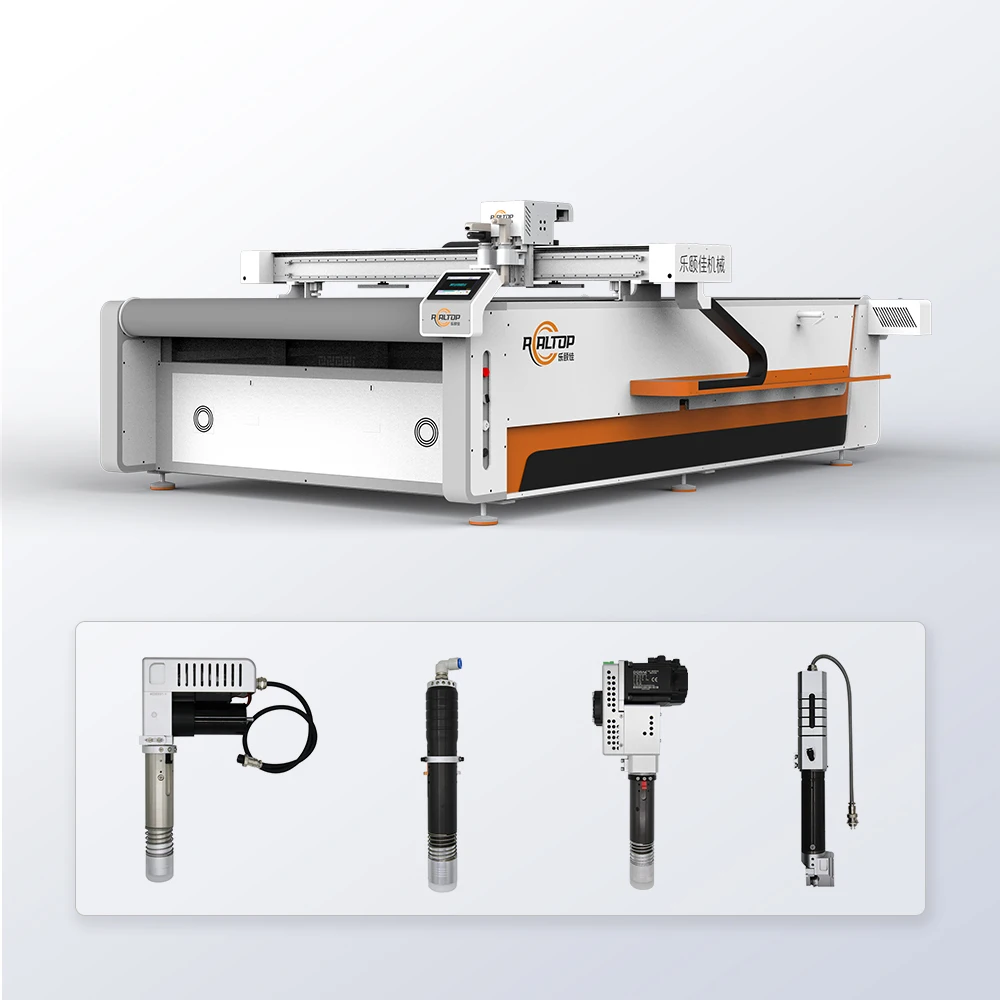
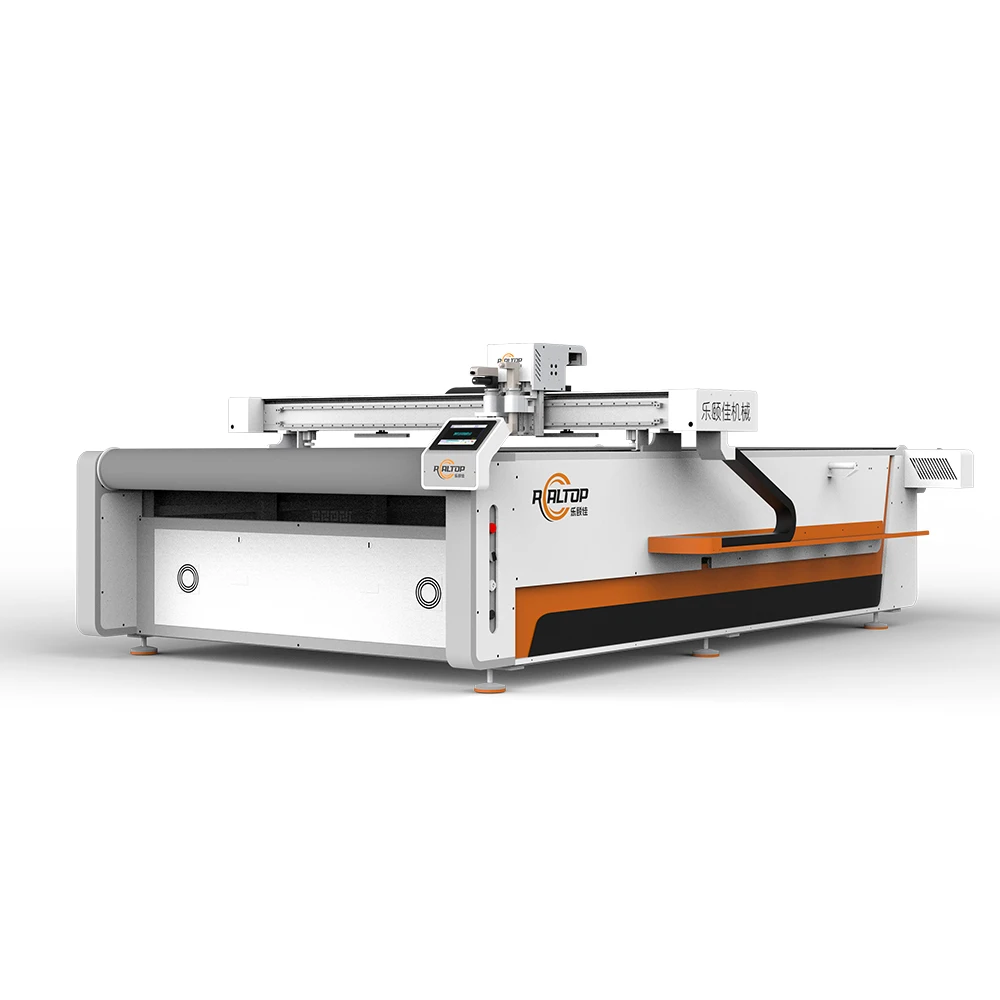
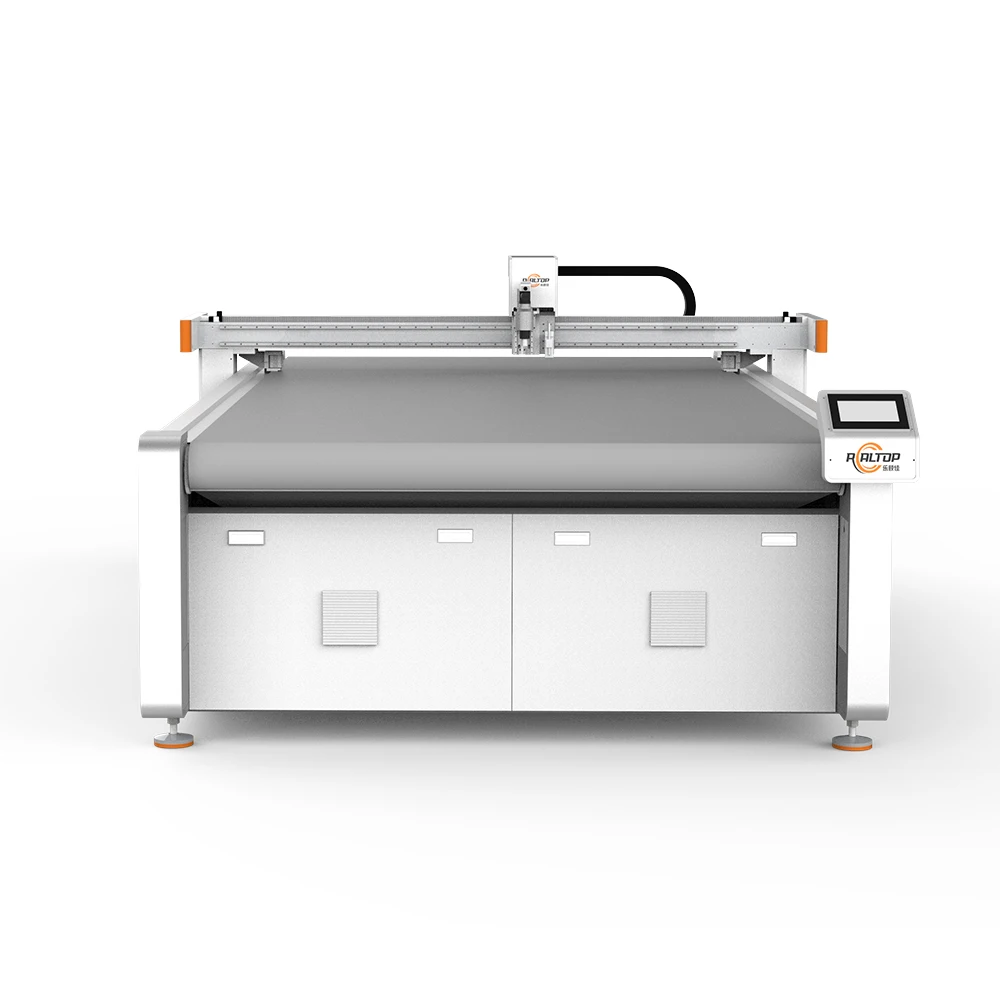
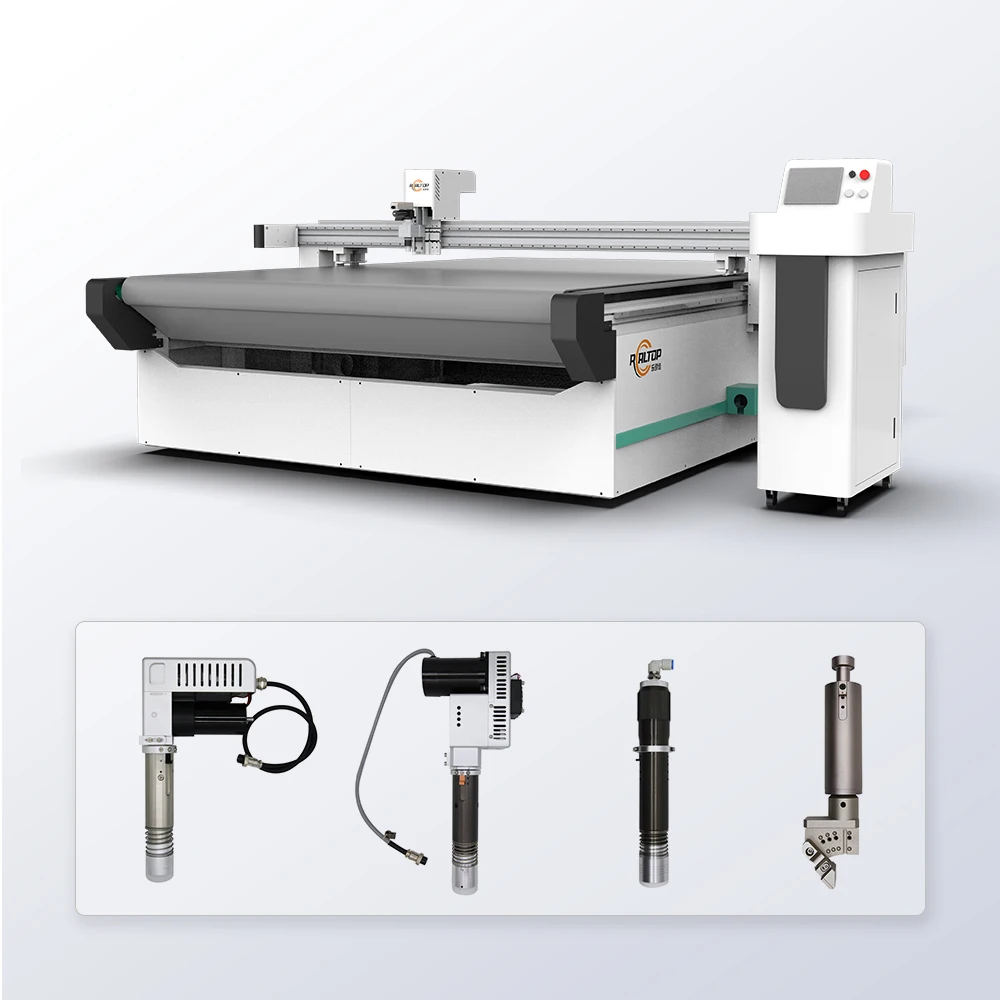
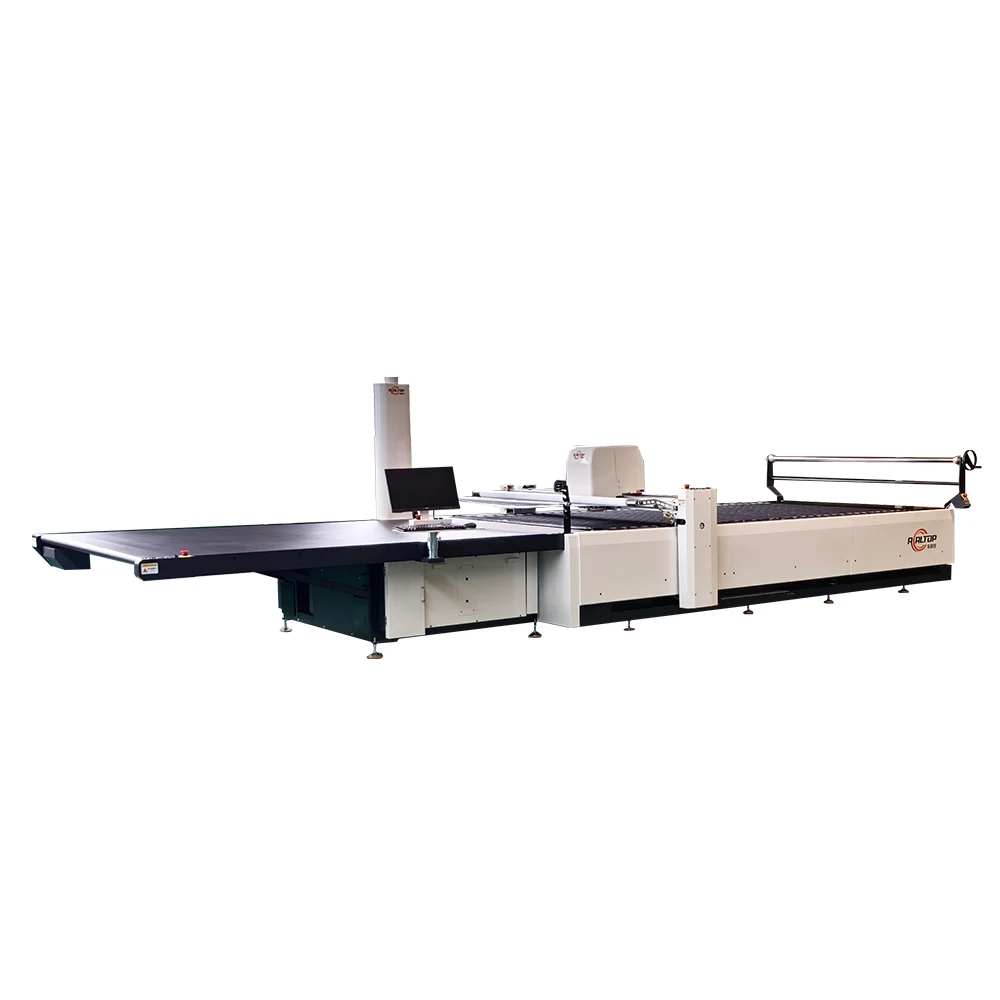
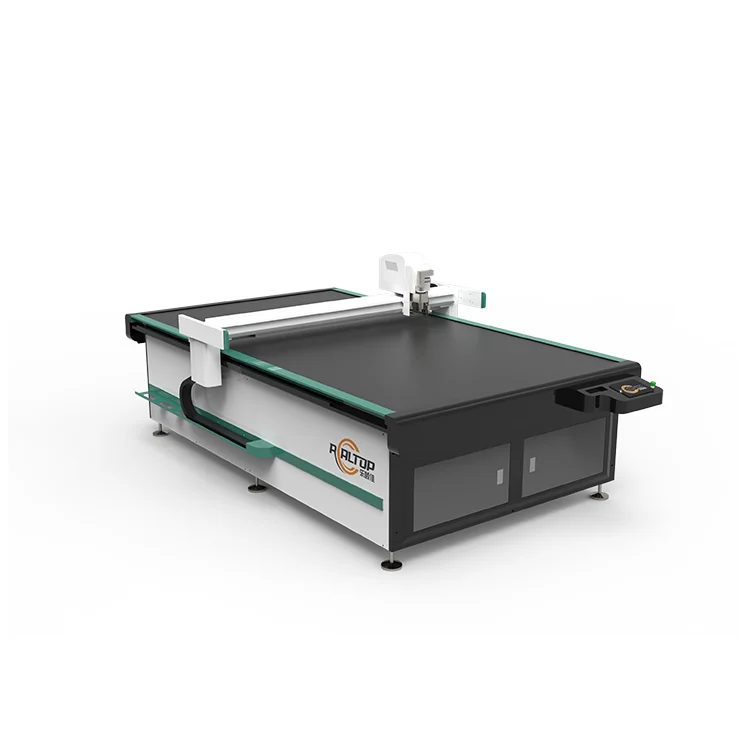
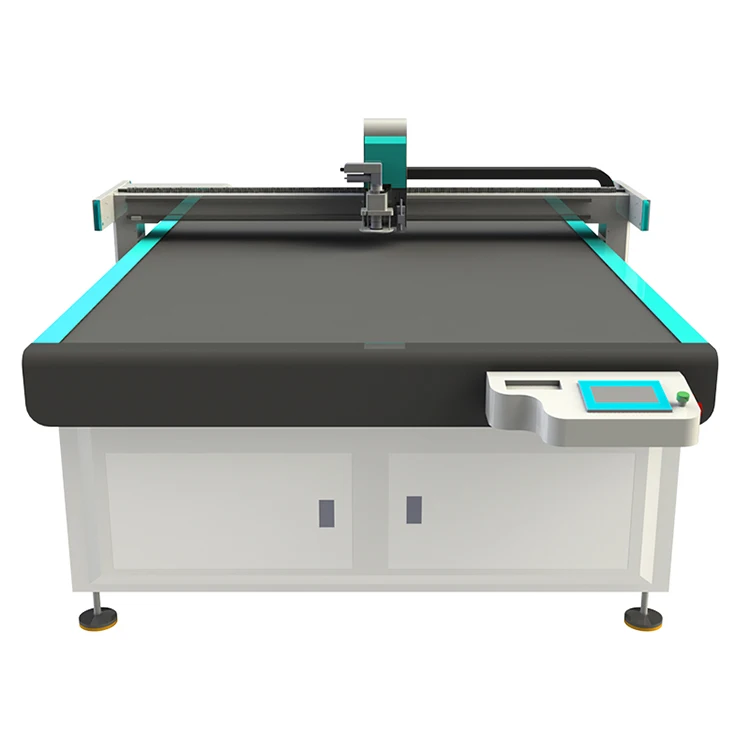
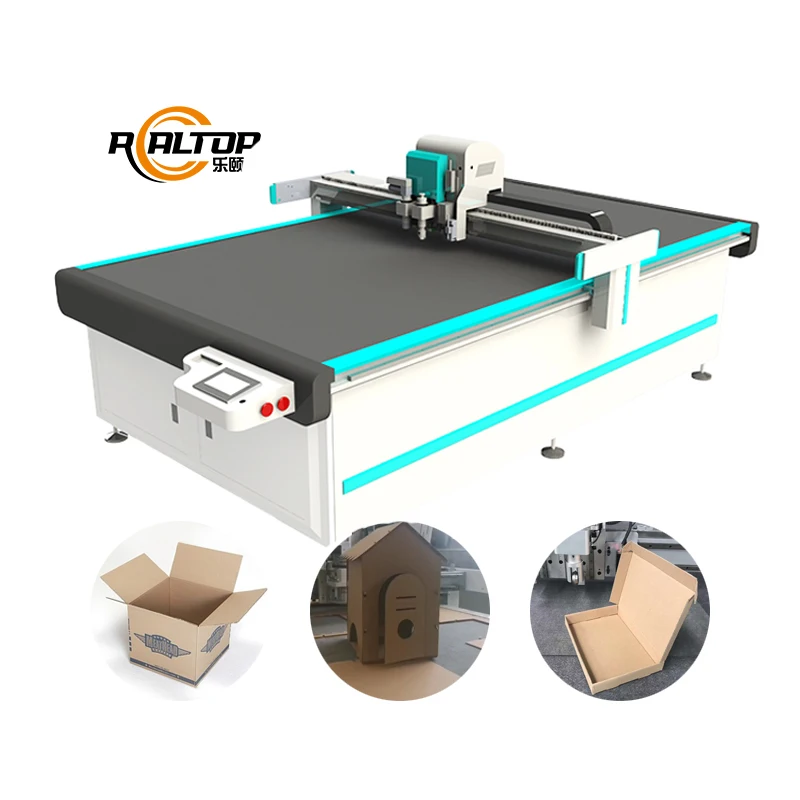
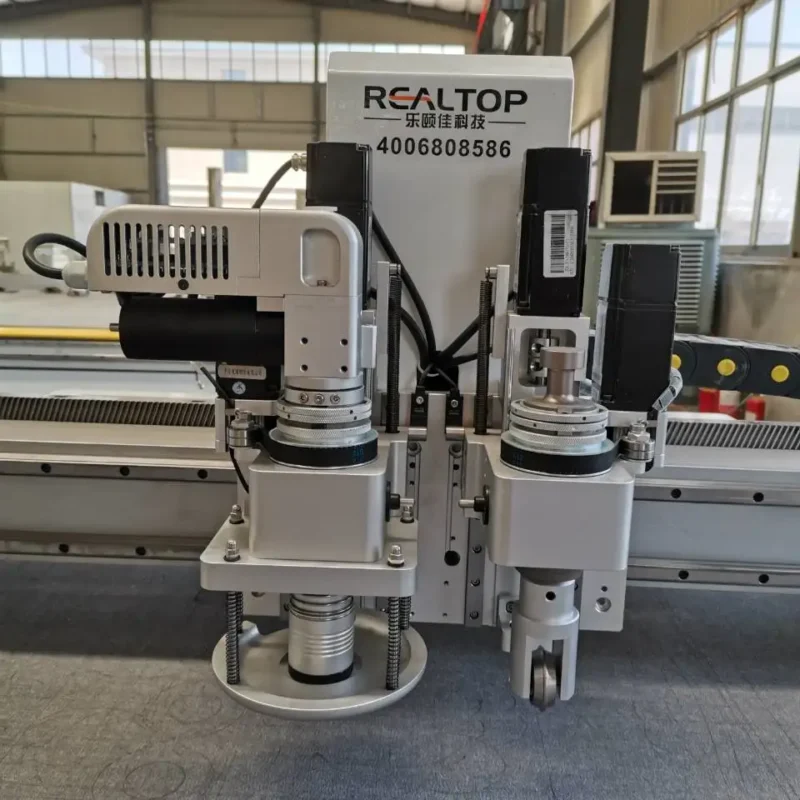
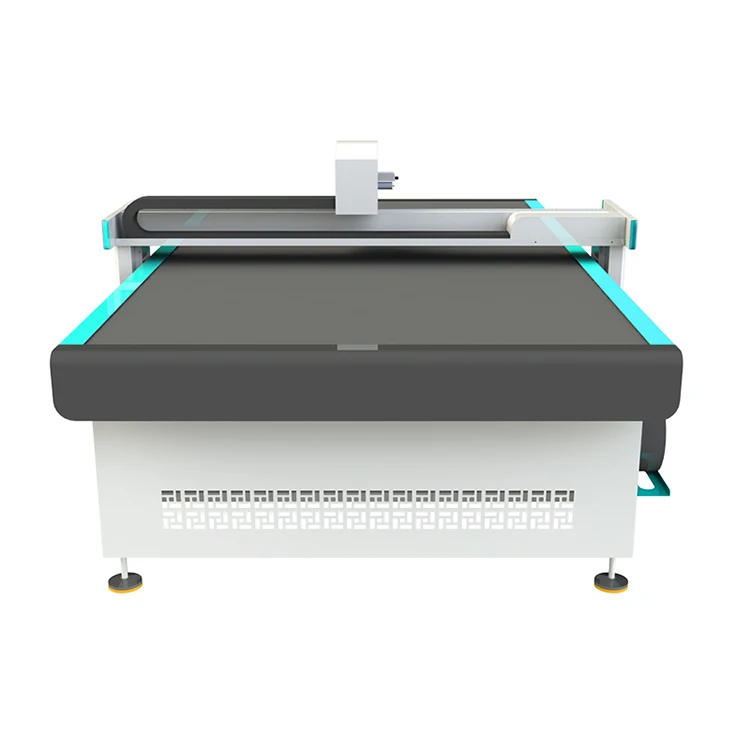
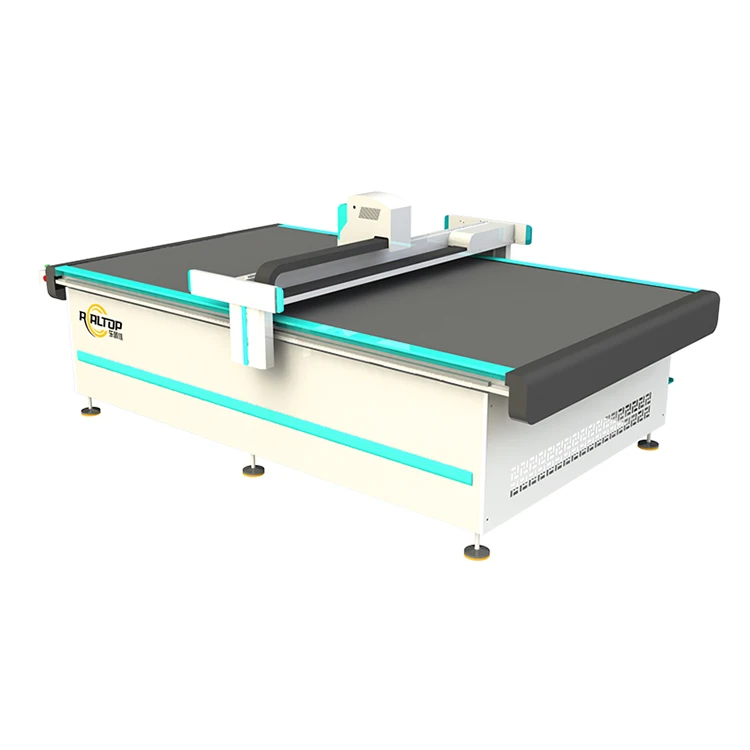
Integrated Tool Head Matrix — A 1600×2500mm flatbed configured with interchangeable knife and creasing tools allows the same machine to process woven fabric, PVC mat, and corrugated board without swapping equipment.
Technical Specifications
| Parameter | Value |
|---|---|
| Model | 1625 |
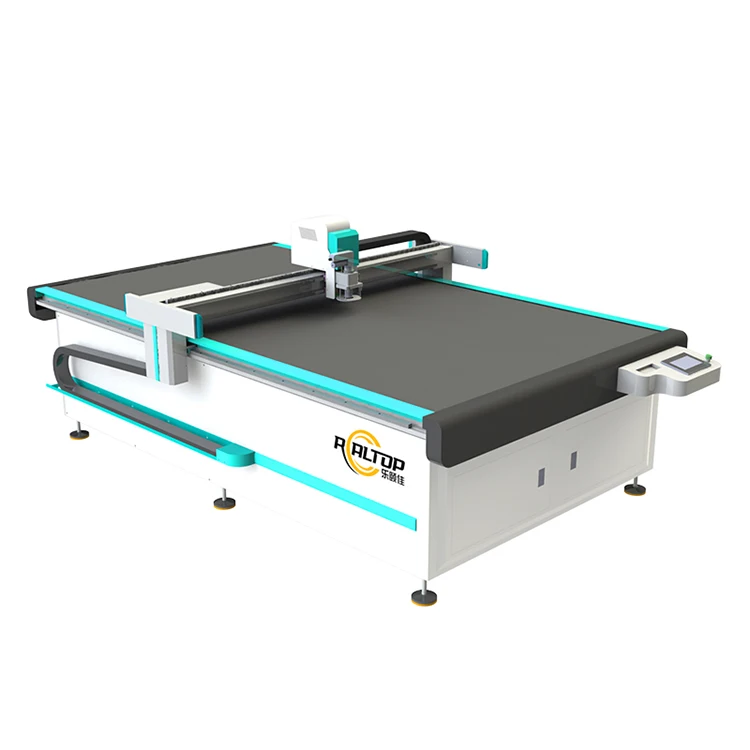
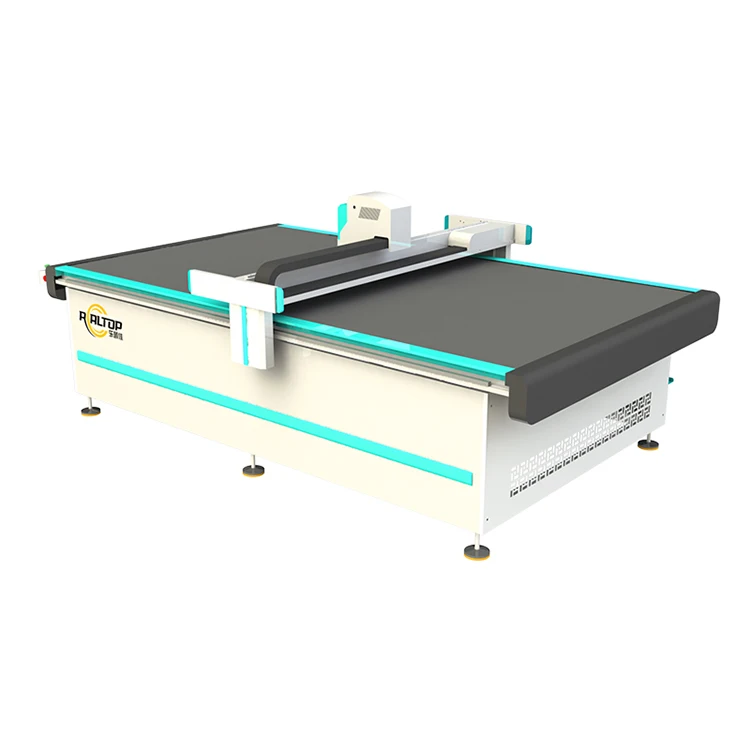
| Product Type | CNC Oscillating Knife Cutting Machine |
| Working Area | 1600 × 2500 mm |
| Cutting Speed | 0–2000 mm/s |
| Cutting Thickness | ≤ 30 mm |
| Cutting Accuracy | ±0.1 mm |
| Repeat Positioning Accuracy | ±0.1 mm |
| Available Tools | Oscillating knife, Driven rotary knife, Creasing wheel, Kiss cutting tool, Pneumatic knife, Milling tool, V groove knife |
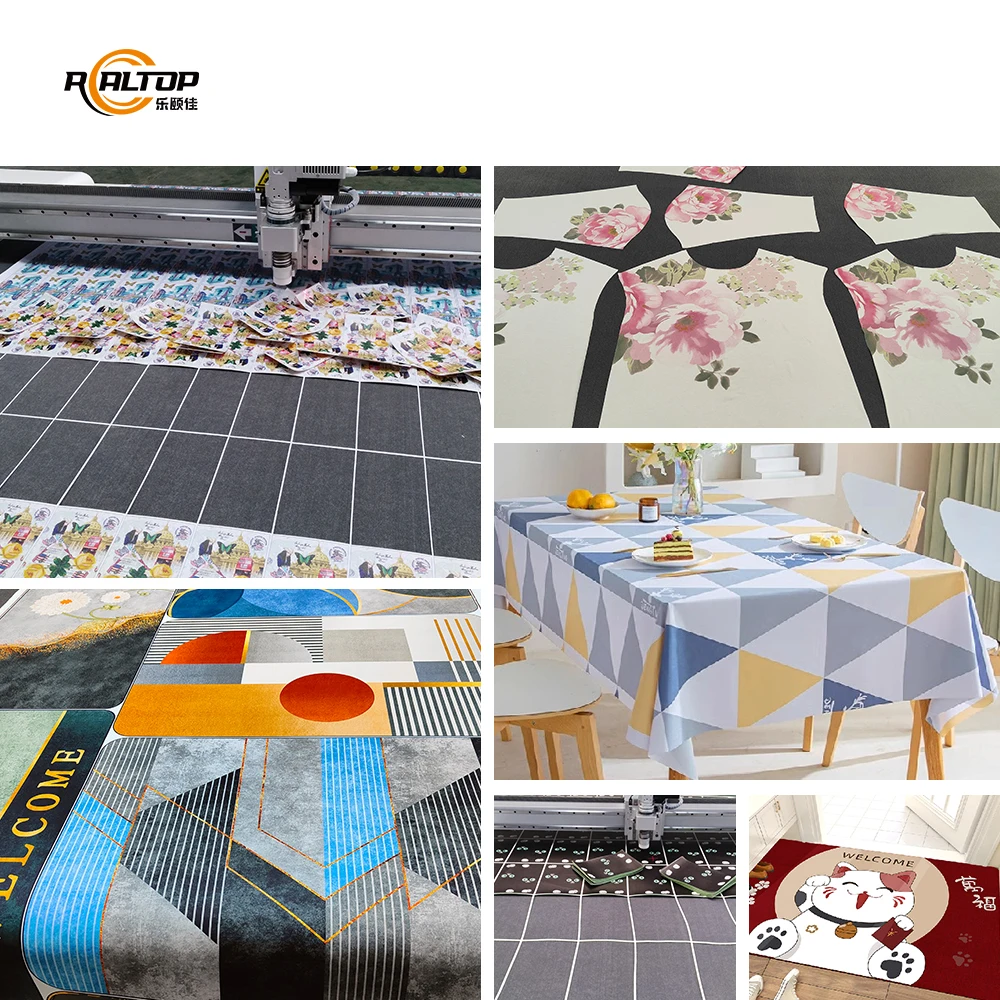
| Applicable Materials | Fabric, Cardboard, Carton, Mats, PVC, EVA, Leather, Acrylic, Foam, PTFE, Rubber |
| Multi-layer Cutting Capacity | up to 30–50 mm thickness (basis not stated in source — confirm material type and layer density) |
| Vacuum Pump | 9 kW |
| Control System | PLC control panel |
| Voltage Options | 110V, 220V, 380V |
| Profile Formats Supported | PLT, DXF, AI, PDF |
| Language Options | English, Russian, Italian, Chinese (special languages customizable) |
| Safety Features | Infrared sensor device, emergency stop device |
| Machine Size | 3300 × 2100 × 1350 mm |
| Standards | CE (implied by documentation list, verify certificate availability) |
Application Suitability
| Application | Material or Output |
|---|---|
| Roller blind and window treatment manufacturing | Multi-layer coated blackout fabric, standard polyester, solar screen mesh on auto-feed conveyor |
| Apparel and garment production | Suits, knitwear, lace, and complex patterned textiles in multi-layer lays |
| Automotive interior trimming | Seat fabrics, headliner material, carpet, and PVC floor mats requiring burr-free edges |
| Home textile fabrication | Sofa upholstery fabrics, heavy curtain materials, area rugs |
| Packaging and carton sample making | Corrugated board, greyboard, and folding carton stock with creasing and kiss-cut |
| Composite material processing | Carbon fiber prepreg and aramid sheets for structural components |
| Advertising and signage | Vinyl, banner material, and foam board for display graphics |
Why a "1625" Working Area Tells You Nothing About Cutting Three Layers of Coated Blackout Cloth
The actual cutting result depends on the tool head selected, the vacuum hold-down configuration, and the material structure — not the footprint of the bed.
I spent years scheduling dispatches for CNC flatbeds across the Pearl River Delta, and the calls I dread most come two days after delivery. One customer ordered a standard configuration for polyester roller blind fabric, which cut cleanly during our test. When the machine arrived at their workshop, they ran three layers of coated blackout cloth with a foam backing. The oscillating knife could not penetrate the full stack, and the coating delaminated along the cut path, leaving a ragged edge that ruined an entire roll. The working area was correct; the tool head and feed rate were not. This is why every production scheduler worth their salt will ask for your exact material construction before confirming an order [NEED_CITE: common causes of edge quality failure in multi-layer technical textiles].
Matching the Tool Head to the Fabric Construction
The 1625 platform carries seven tool options, and the choice between them is not cosmetic. An oscillating knife handles single-ply woven and knit fabrics at high speed, while a driven rotary knife is suited for continuous long cuts on roll-fed material like the polyester used in blinds and curtains. For coated or laminated fabrics — the kind where a foam or PVC layer is bonded to a textile face — a pneumatic knife provides the downforce needed to compress and slice through the full stack without dragging. A CNC oscillating knife cutting machine configured with the wrong tool for a coated blackout cloth will leave fiber pull-out on the bottom ply every time.
The Auto-Feed and Vacuum Relationship on Roll Goods
Roller blind production demands continuous feeding from a roll cradle through the cutting zone. The 9 kW vacuum pump on this system maintains adsorption across the aluminum bellows table surface, which is necessary because the leading edge of the fabric must remain flat as the auto-feed advances the next section. If vacuum zoning is not matched to the width of the blind panel being cut, small offcuts and narrow strips will lift under the knife head, producing dimensional drift or, worse, a knife strike that damages the cutting mat. Confirming vacuum zone layout against your typical panel width avoids this problem before the machine ships [NEED_CITE: vacuum table zoning principles for textile cutting systems].
Reading the Specs That Actually Matter in Production
The ±0.1 mm cutting accuracy and repeat positioning accuracy figures define how well the machine tracks nested patterns across a 1600 × 2500 mm bed. For roller blind panels where the bottom rail channel must align with a printed pattern repeat, this tolerance determines whether you can hold registration across a full lay. The 0–2000 mm/s speed range is a no-load maximum; actual cutting speed on coated or multi-layer fabric drops based on material density and thickness. The PLC control panel manages feed length, knife oscillation frequency, and vacuum sequencing, and the language options mean your floor operators do not have to translate error codes from a foreign interface during a production run.
What Happens When Configuration Is an Afterthought
A buyer who specifies only working area and assumes the rest is standard will eventually discover that their small blind panel sizes lift off the table because the vacuum zones are too large for the part geometry. Coated fabrics generate static during cutting, which attracts dust to the knife path and accelerates blade wear — a problem that surfaces only after the first week of continuous use. Voltage mismatch between the machine and the workshop supply can cause the PLC to fault intermittently, which is difficult to diagnose remotely and halts production until an electrician confirms the phase and frequency [NEED_CITE: effects of voltage and frequency mismatch on PLC-controlled industrial machinery].
Procurement Based on What Is Actually Built
In-house design covering both knife and laser technologies means a buyer can match the cutting method to the material rather than force one process to do everything. Tool head and table configuration is specified per material type and production volume before the order is confirmed. CCD camera positioning is available for printed contour recognition on patterned roller blind fabrics where registration to the print is required. Software compatibility with DXF, PLT, AI, and PDF formats is confirmed against your existing nesting workflow before build. Voltage, plug type, and control language are locked in during the specification review so there are no surprises on arrival.
Documentation & Verification
- Machine specification sheet listing confirmed tool heads and vacuum zone layout for your material
- Electrical schematic with voltage and frequency matched to your workshop supply
- Sample cutting report on your specific roller blind fabric before dispatch commitment
- Tool head and table configuration list tied to your production material and panel sizes
- Software licence and file format compatibility note covering DXF, PLT, AI, and PDF
- Operation and maintenance manual in your selected control language
Installation, Commissioning & Support
- The 3300 × 2100 mm machine footprint requires a level concrete floor with clearance for roll feed entry and offcut exit
- A dedicated circuit matching the confirmed voltage (110V, 220V, or 380V) must be installed before delivery to protect the PLC
- Assembly includes table leveling, vacuum hose connection to the 9 kW pump, and auto-feed cradle alignment
- First-run commissioning covers knife depth calibration, oscillation frequency tuning, and vacuum zone activation for your panel sizes
- Operator training addresses tool changeover between oscillating, rotary, and pneumatic knives for different fabric types
- Spare parts list covers knives, cutting mats, and vacuum seals with recommended reorder intervals
What We Need to Quote the Right Configuration
Send us your exact fabric construction — face material, coating type, backing layer, and total thickness per ply. Include your typical panel dimensions, daily cut volume, and the file formats your design team currently uses. Confirm your workshop voltage and frequency, the language your operators need on the control panel, and whether your roller blind fabrics carry printed patterns requiring CCD contour tracking.
Frequently Asked Questions
Q: How do I choose between an oscillating knife and a driven rotary knife for roller blind fabrics?
A: Oscillating knives work well for single-ply and light multi-layer woven or knit textiles where the cut path includes curves and internal cutouts. Driven rotary knives suit continuous straight or gentle-curve cuts on roll-fed materials like standard polyester blind fabric. For coated or laminated blackout cloth with foam backing, a pneumatic knife provides the compression needed to slice the full stack cleanly. Material sample testing confirms the right choice.
Q: Will the vacuum table hold small blind panel offcuts without lifting?
A: Vacuum hold-down depends on zone size relative to the part being cut. If your panel width is significantly smaller than the table zone, small offcuts and narrow strips can lift during cutting. Confirming your typical panel dimensions and smallest cut piece allows the vacuum zone layout to be matched before the machine is built, preventing lift and edge drift.
Q: What file formats does the control system accept for blind panel nesting?
A: The PLC control panel accepts PLT, DXF, AI, and PDF profile formats. Compatibility with your existing nesting software is confirmed during the specification stage, not after delivery. If your design workflow uses a format outside this list, it should be flagged during the pre-order review so a conversion path or alternative is arranged.
Q: Can the CCD camera track printed patterns on roller blind fabric at full cutting speed?
A: The CCD camera option is designed for printed contour recognition, but tracking reliability depends on mark contrast, print registration consistency, and the cutting speed actually used on your material. Production speed on coated or multi-layer fabric is lower than the no-load maximum, and the camera must be tested on your printed sample at the speed your material requires.
Integrated Tool Head Matrix — A 1600×2500mm flatbed configured with interchangeable knife and creasing tools allows the same machine to process woven fabric, PVC mat, and corrugated board without swapping equipment.
Technical Specifications
| Parameter | Value |
|---|---|
| Model | 1625 |
| Product Type | CNC Oscillating Knife Cutting Machine |
| Working Area | 1600 × 2500 mm |
| Cutting Speed | 0–2000 mm/s |
| Cutting Thickness | ≤ 30 mm |
| Cutting Accuracy | ±0.1 mm |
| Repeat Positioning Accuracy | ±0.1 mm |
| Available Tools | Oscillating knife, Driven rotary knife, Creasing wheel, Kiss cutting tool, Pneumatic knife, Milling tool, V groove knife |
| Applicable Materials | Fabric, Cardboard, Carton, Mats, PVC, EVA, Leather, Acrylic, Foam, PTFE, Rubber |
| Multi-layer Cutting Capacity | up to 30–50 mm thickness (basis not stated in source — confirm material type and layer density) |
| Vacuum Pump | 9 kW |
| Control System | PLC control panel |
| Voltage Options | 110V, 220V, 380V |
| Profile Formats Supported | PLT, DXF, AI, PDF |
| Language Options | English, Russian, Italian, Chinese (special languages customizable) |
| Safety Features | Infrared sensor device, emergency stop device |
| Machine Size | 3300 × 2100 × 1350 mm |
| Standards | CE (implied by documentation list, verify certificate availability) |
Application Suitability
| Application | Material or Output |
|---|---|
| Roller blind and window treatment manufacturing | Multi-layer coated blackout fabric, standard polyester, solar screen mesh on auto-feed conveyor |
| Apparel and garment production | Suits, knitwear, lace, and complex patterned textiles in multi-layer lays |
| Automotive interior trimming | Seat fabrics, headliner material, carpet, and PVC floor mats requiring burr-free edges |
| Home textile fabrication | Sofa upholstery fabrics, heavy curtain materials, area rugs |
| Packaging and carton sample making | Corrugated board, greyboard, and folding carton stock with creasing and kiss-cut |
| Composite material processing | Carbon fiber prepreg and aramid sheets for structural components |
| Advertising and signage | Vinyl, banner material, and foam board for display graphics |
Why a "1625" Working Area Tells You Nothing About Cutting Three Layers of Coated Blackout Cloth
The actual cutting result depends on the tool head selected, the vacuum hold-down configuration, and the material structure — not the footprint of the bed.
I spent years scheduling dispatches for CNC flatbeds across the Pearl River Delta, and the calls I dread most come two days after delivery. One customer ordered a standard configuration for polyester roller blind fabric, which cut cleanly during our test. When the machine arrived at their workshop, they ran three layers of coated blackout cloth with a foam backing. The oscillating knife could not penetrate the full stack, and the coating delaminated along the cut path, leaving a ragged edge that ruined an entire roll. The working area was correct; the tool head and feed rate were not. This is why every production scheduler worth their salt will ask for your exact material construction before confirming an order [NEED_CITE: common causes of edge quality failure in multi-layer technical textiles].
Matching the Tool Head to the Fabric Construction
The 1625 platform carries seven tool options, and the choice between them is not cosmetic. An oscillating knife handles single-ply woven and knit fabrics at high speed, while a driven rotary knife is suited for continuous long cuts on roll-fed material like the polyester used in blinds and curtains. For coated or laminated fabrics — the kind where a foam or PVC layer is bonded to a textile face — a pneumatic knife provides the downforce needed to compress and slice through the full stack without dragging. A CNC oscillating knife cutting machine configured with the wrong tool for a coated blackout cloth will leave fiber pull-out on the bottom ply every time.
The Auto-Feed and Vacuum Relationship on Roll Goods
Roller blind production demands continuous feeding from a roll cradle through the cutting zone. The 9 kW vacuum pump on this system maintains adsorption across the aluminum bellows table surface, which is necessary because the leading edge of the fabric must remain flat as the auto-feed advances the next section. If vacuum zoning is not matched to the width of the blind panel being cut, small offcuts and narrow strips will lift under the knife head, producing dimensional drift or, worse, a knife strike that damages the cutting mat. Confirming vacuum zone layout against your typical panel width avoids this problem before the machine ships [NEED_CITE: vacuum table zoning principles for textile cutting systems].
Reading the Specs That Actually Matter in Production
The ±0.1 mm cutting accuracy and repeat positioning accuracy figures define how well the machine tracks nested patterns across a 1600 × 2500 mm bed. For roller blind panels where the bottom rail channel must align with a printed pattern repeat, this tolerance determines whether you can hold registration across a full lay. The 0–2000 mm/s speed range is a no-load maximum; actual cutting speed on coated or multi-layer fabric drops based on material density and thickness. The PLC control panel manages feed length, knife oscillation frequency, and vacuum sequencing, and the language options mean your floor operators do not have to translate error codes from a foreign interface during a production run.
What Happens When Configuration Is an Afterthought
A buyer who specifies only working area and assumes the rest is standard will eventually discover that their small blind panel sizes lift off the table because the vacuum zones are too large for the part geometry. Coated fabrics generate static during cutting, which attracts dust to the knife path and accelerates blade wear — a problem that surfaces only after the first week of continuous use. Voltage mismatch between the machine and the workshop supply can cause the PLC to fault intermittently, which is difficult to diagnose remotely and halts production until an electrician confirms the phase and frequency [NEED_CITE: effects of voltage and frequency mismatch on PLC-controlled industrial machinery].
Procurement Based on What Is Actually Built
In-house design covering both knife and laser technologies means a buyer can match the cutting method to the material rather than force one process to do everything. Tool head and table configuration is specified per material type and production volume before the order is confirmed. CCD camera positioning is available for printed contour recognition on patterned roller blind fabrics where registration to the print is required. Software compatibility with DXF, PLT, AI, and PDF formats is confirmed against your existing nesting workflow before build. Voltage, plug type, and control language are locked in during the specification review so there are no surprises on arrival.
Documentation & Verification
- Machine specification sheet listing confirmed tool heads and vacuum zone layout for your material
- Electrical schematic with voltage and frequency matched to your workshop supply
- Sample cutting report on your specific roller blind fabric before dispatch commitment
- Tool head and table configuration list tied to your production material and panel sizes
- Software licence and file format compatibility note covering DXF, PLT, AI, and PDF
- Operation and maintenance manual in your selected control language
Installation, Commissioning & Support
- The 3300 × 2100 mm machine footprint requires a level concrete floor with clearance for roll feed entry and offcut exit
- A dedicated circuit matching the confirmed voltage (110V, 220V, or 380V) must be installed before delivery to protect the PLC
- Assembly includes table leveling, vacuum hose connection to the 9 kW pump, and auto-feed cradle alignment
- First-run commissioning covers knife depth calibration, oscillation frequency tuning, and vacuum zone activation for your panel sizes
- Operator training addresses tool changeover between oscillating, rotary, and pneumatic knives for different fabric types
- Spare parts list covers knives, cutting mats, and vacuum seals with recommended reorder intervals
What We Need to Quote the Right Configuration
Send us your exact fabric construction — face material, coating type, backing layer, and total thickness per ply. Include your typical panel dimensions, daily cut volume, and the file formats your design team currently uses. Confirm your workshop voltage and frequency, the language your operators need on the control panel, and whether your roller blind fabrics carry printed patterns requiring CCD contour tracking.
Frequently Asked Questions
Q: How do I choose between an oscillating knife and a driven rotary knife for roller blind fabrics?
A: Oscillating knives work well for single-ply and light multi-layer woven or knit textiles where the cut path includes curves and internal cutouts. Driven rotary knives suit continuous straight or gentle-curve cuts on roll-fed materials like standard polyester blind fabric. For coated or laminated blackout cloth with foam backing, a pneumatic knife provides the compression needed to slice the full stack cleanly. Material sample testing confirms the right choice.
Q: Will the vacuum table hold small blind panel offcuts without lifting?
A: Vacuum hold-down depends on zone size relative to the part being cut. If your panel width is significantly smaller than the table zone, small offcuts and narrow strips can lift during cutting. Confirming your typical panel dimensions and smallest cut piece allows the vacuum zone layout to be matched before the machine is built, preventing lift and edge drift.
Q: What file formats does the control system accept for blind panel nesting?
A: The PLC control panel accepts PLT, DXF, AI, and PDF profile formats. Compatibility with your existing nesting software is confirmed during the specification stage, not after delivery. If your design workflow uses a format outside this list, it should be flagged during the pre-order review so a conversion path or alternative is arranged.
Q: Can the CCD camera track printed patterns on roller blind fabric at full cutting speed?
A: The CCD camera option is designed for printed contour recognition, but tracking reliability depends on mark contrast, print registration consistency, and the cutting speed actually used on your material. Production speed on coated or multi-layer fabric is lower than the no-load maximum, and the camera must be tested on your printed sample at the speed your material requires.
商品评价
There are no reviews yet.