



Fast Delivery
Quick, reliable shipping to any location.

Free & easy returns
Return this item by mail or in store within 90 days for a full refund.
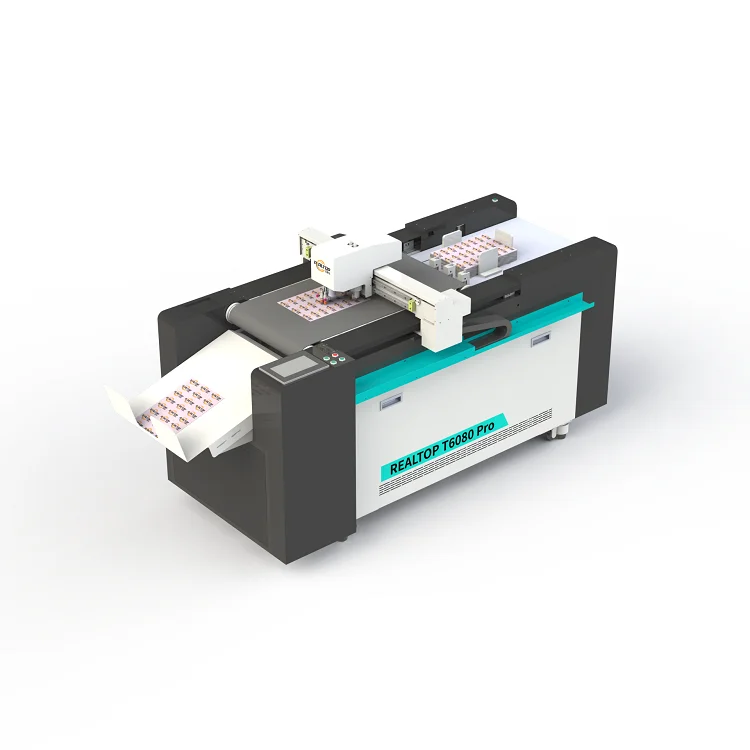
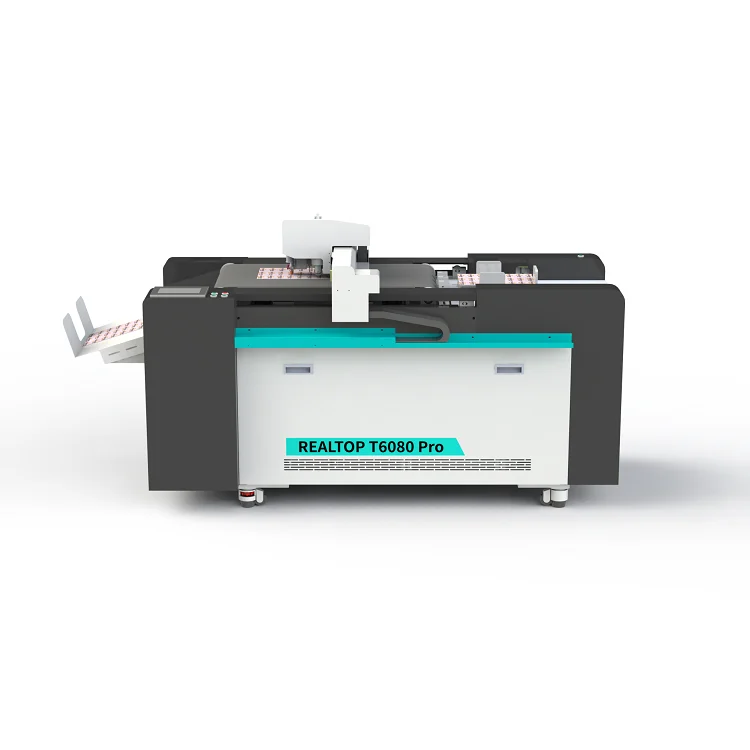
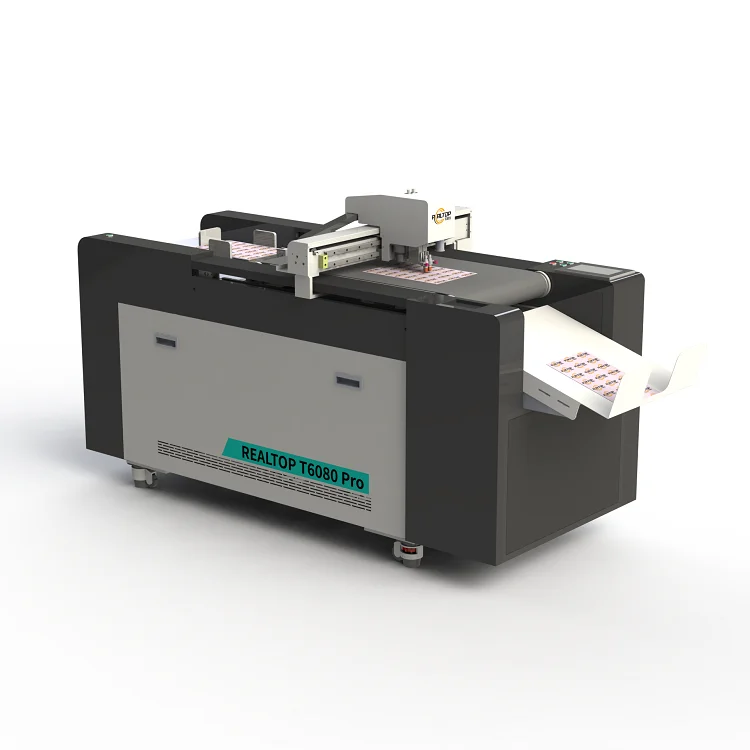
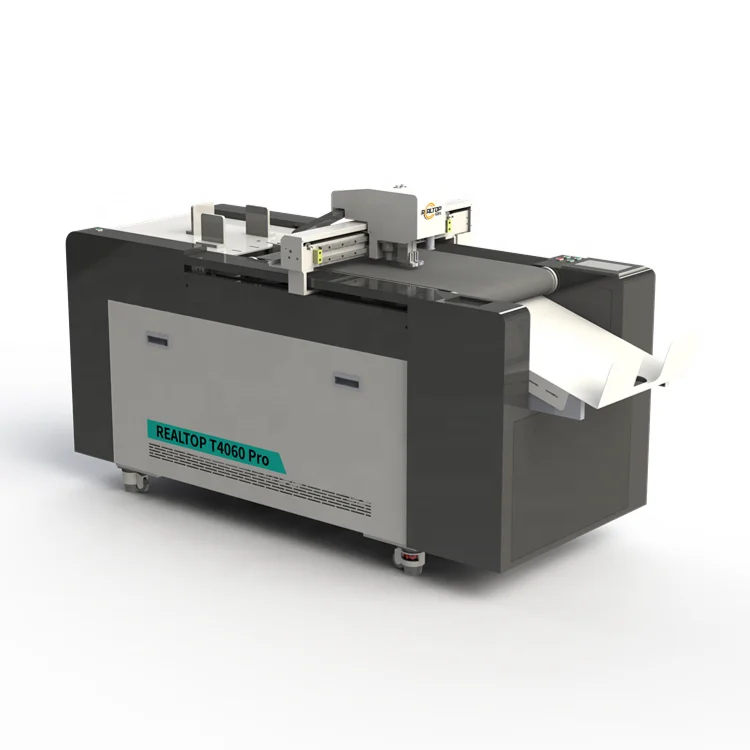
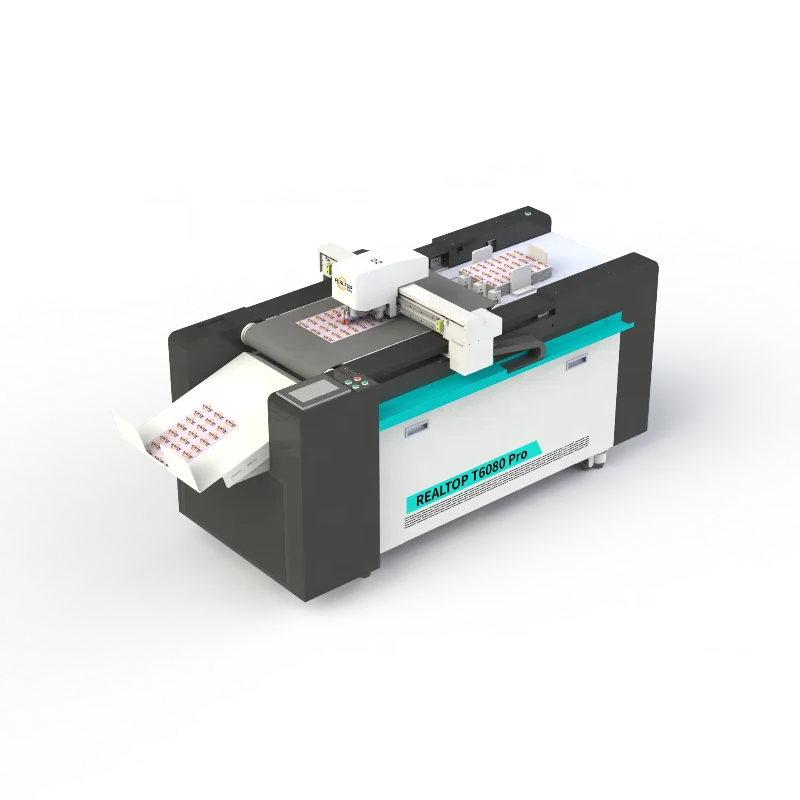
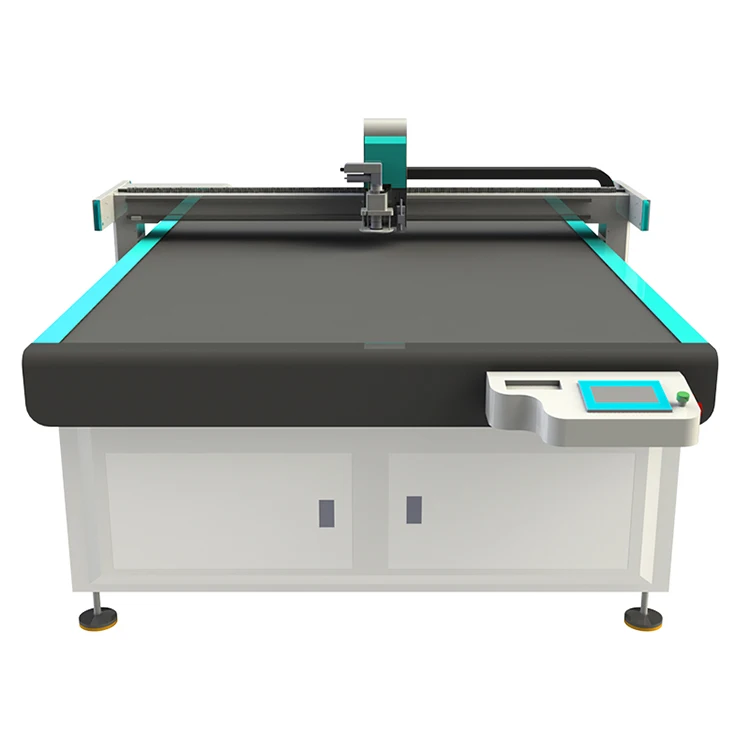
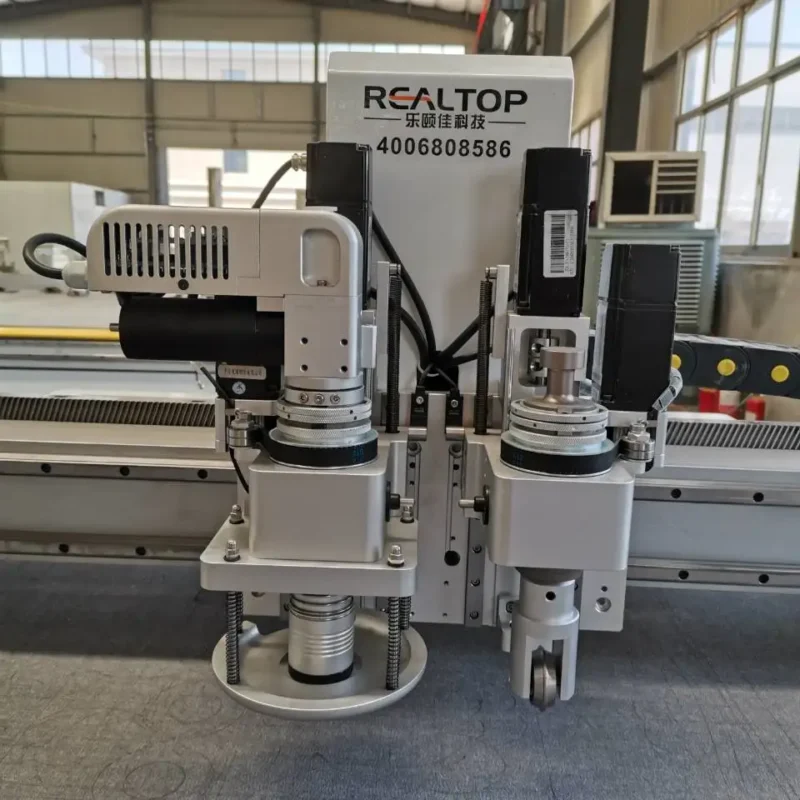
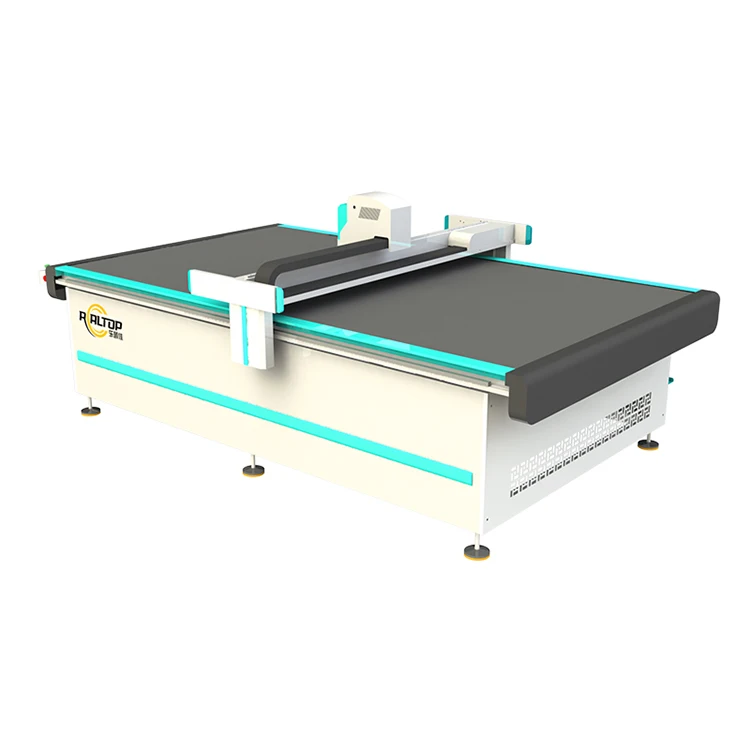
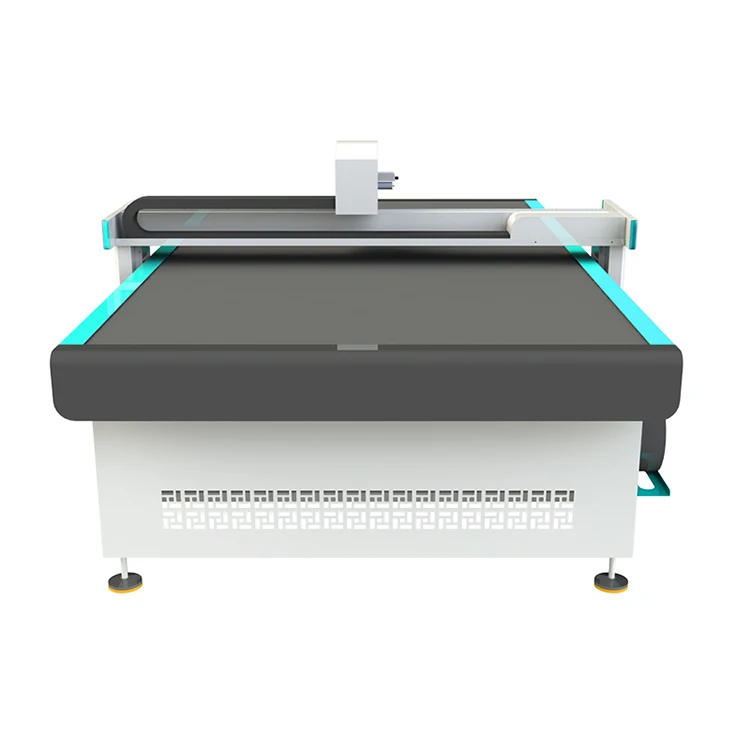
Tool head specification per material — The RTT-6080 series offers multiple tool head configurations including oscillating knife, drag knife, and creasing wheel, with a Pro variant handling thicker stock up to 5mm.
Technical Specifications
| Parameter | Value |
|---|---|
| Model | RTT6080 / RTT6080 Pro |
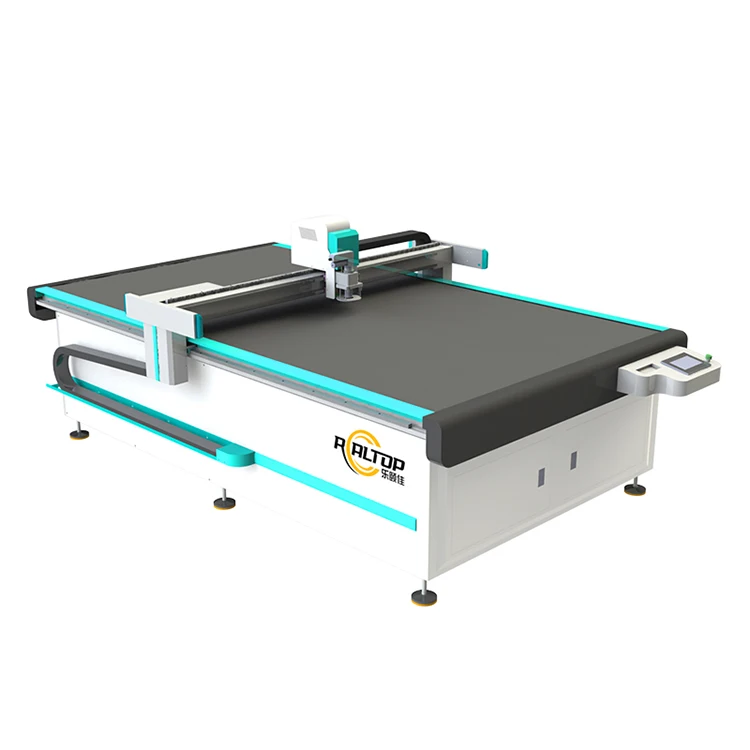
| Product Type | CNC Digital Cutting Plotter |
| Working Area | 600mm × 800mm |
| Tool Head Options | Cutting tool, kiss cutting tool, creasing tool, CCD camera, high speed oscillating knife (Pro model) |
| Max Cutting Speed | 1500mm/s (according to the material) |
| Cutting Thickness | ≤2mm (RTT6080) / ≤5mm (RTT6080 Pro) |
| Positioning Accuracy | 0.05mm |
| File Format Compatibility | DXF, PLT, PDF, AI |
| Transfer Method | Ethernet port |
| Rated Power | 3.2KW |
| CCD Camera | Included for contour recognition |
| Voltage & Frequency | (basis not stated in source — confirm local voltage requirement) |
| Control System | (basis not stated in source — confirm control brand and interface) |
| Overall Dimensions (L×W×H) | (basis not stated in source — confirm machine footprint) |
| Net Weight | (basis not stated in source — verify against manufacturer catalog) |
| Certification | (basis not stated in source — confirm CE or other applicable certification) |
Application Suitability
| Application | Material or Output |
|---|---|
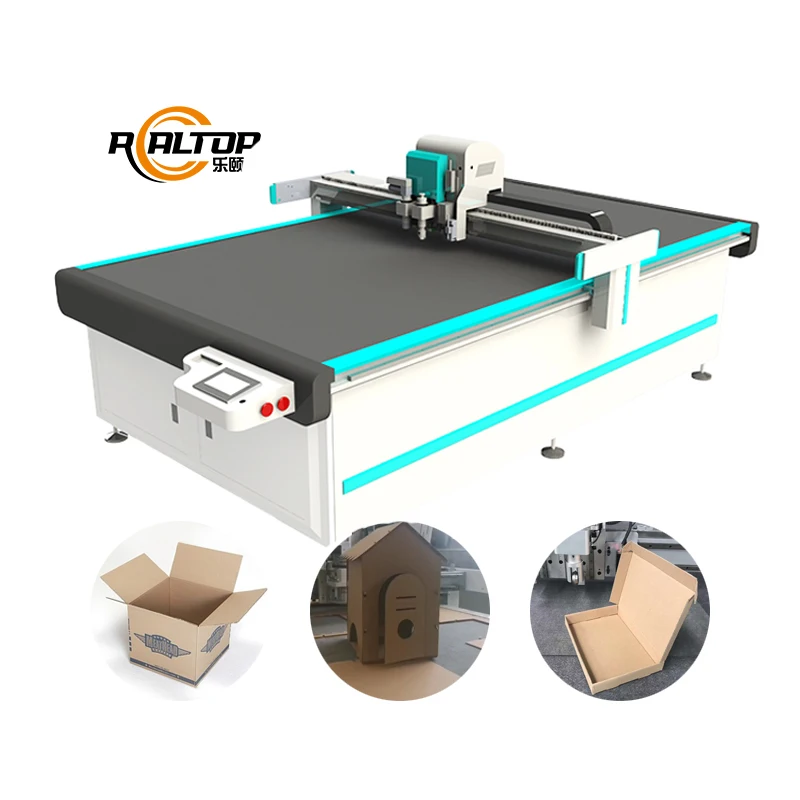
| Packaging and carton sample making | Cardstock, thin corrugated, folding carton board, creasing and cutting in one pass |
| Business card and label production | Coated paper, vinyl, self-adhesive label stock, kiss cutting on backing liner |
| Advertising and signage prototyping | PVC sheet, foam board, cardstock, magnetic sheet |
| Thin material prototyping | Paper, cardstock, thin foam, gasket material up to rated thickness |
Why Material Thickness Dictates Your CNC Digital Cutting Plotter Selection
A machine rated for a working area is not automatically rated for your material density and thickness.
Many buyers specify a small-format plotter based on table size, only to find the oscillating knife stalls or crushes the material when the actual stock exceeds the design range. I recall a packaging sample shop that requested an A3-format cutter for folding carton, then started running 3mm corrugated board through it without adjusting the tool head. The result was ragged edges, delaminated layers, and frequent blade changes. The fix was never about speed or software — it was about matching the knife stroke and downforce to the material stack-up. When sourcing a CNC digital cutting plotter manufacturer, verifying the real cutting thickness on your specific stock is the first technical gate, not the last [NEED_CITE: cutting force requirements across corrugated and solid board grades].
Dual Model Configuration Across Thickness Bands
The RTT6080 handles materials up to 2mm with a standard drag knife and kiss cutting tool, covering the majority of business card, label, and thin packaging sample work. The RTT6080 Pro introduces a high speed oscillating knife for stock up to 5mm, which shifts the machine into corrugated sample making and denser foam gasket territory. Selecting between the two models depends on your thickest regular material, not your average one — a plotter running near its upper limit daily will wear tooling faster and require more frequent blade changes than one operating mid-range.
CCD Camera Positioning for Printed Contour Work
When cutting pre-printed graphics — signage, labels, or packaging mock-ups with registered artwork — the CCD camera reads fiducial marks and adjusts the cut path in real time. This matters most at production speed, where even minor registration drift produces visible misalignment on finished pieces. The camera system on this CNC digital cutting plotter manufacturer range is included as standard, which eliminates the common problem of discovering contour recognition was an optional extra after the machine arrives [NEED_CITE: CCD registration accuracy at varying conveyor speeds].
Reading the Specs That Affect Daily Output
Positioning accuracy at 0.05mm sets the tolerance floor for repeat cuts, which is critical when nesting multiple business card or label layouts on a single sheet — accumulated drift across a full table produces scrap at the sheet edges. The 1500mm/s maximum cutting speed is qualified by material type; dense cardstock and thin foam will cut slower than vinyl or paper, so quoting throughput on speed alone misleads production planning. File format support across DXF, PLT, PDF, and AI covers the standard outputs from Illustrator, CorelDRAW, and most CAD packaging software, but confirming your specific nesting workflow imports cleanly prevents a software bottleneck after installation. Ethernet transfer keeps the machine off the shop floor USB routine, reducing the risk of file corruption from portable drives moving between office and production environments.
What Happens When the Tool Head Does Not Match the Stock
Choosing a drag knife for material that needs an oscillating action produces compressed edges on foam and torn fibers on corrugated board. Conversely, running an oscillating knife on thin vinyl wastes blade life and can score the cutting mat prematurely. I have seen shops attempt to cut 4mm foam gaskets on a standard RTT6080 configuration and spend more time clearing debris and re-cutting failed parts than they would have spent specifying the Pro model upfront. The cost of a wrong tool head is not a single bad batch — it is ongoing scrap, operator frustration, and missed delivery windows that accumulate across every production run [NEED_CITE: tool head wear rates across foam and corrugated substrates].
Sourcing From a CNC Digital Cutting Plotter Manufacturer That Tests Before Shipping
In-house design covering both knife and digital cutting means the tool head recommendation is based on your material sample, not a catalog default. Sample cutting on your own stock confirms edge quality and thickness capability before you commit to a purchase order. Voltage, plug type, and control language are confirmed during the order stage rather than discovered at uncrating. Software compatibility is verified against your existing DXF, PLT, PDF, or AI files so that nesting workflows transfer without manual re-drawing. The specification sheet you receive lists the exact tool head and table configuration matched to your application, not a generic machine description [NEED_CITE: sample testing protocols for CNC cutting equipment manufacturers].
Documentation & Verification
- Machine specification sheet listing RTT6080 or RTT6080 Pro tool head and table configuration
- Sample cutting report run on your specific cardstock, vinyl, or foam material
- Software licence and file format note confirming DXF, PLT, PDF, AI compatibility
- Electrical schematic with voltage and frequency confirmed for your local supply
- Operation and maintenance manual in your specified control language
- Spare parts list identifying blades, cutting mats, and CCD calibration targets
Installation, Commissioning & Support
- Confirm floor space for 600mm × 800mm working area plus operator clearance on all sides
- Dedicated circuit for 3.2KW rated power with correct voltage and frequency verified before connection
- Machine arrives assembled; level the frame and calibrate the vacuum table zoning on site
- First-run parameter setting includes CCD camera mark recognition tuning for your print registration
- Operator training covers tool head changeover between cutting, kiss cutting, and creasing tools
- Blade and cutting mat replacement schedule based on your material abrasiveness and daily volume
Preparing Your Specification Brief
Send the material type, maximum thickness, and sheet size you run most frequently — this determines whether the RTT6080 or RTT6080 Pro is the correct configuration. Confirm your local voltage and frequency, along with the control interface language your operators need. If you work from specific nesting software or file formats beyond standard DXF and AI, include a sample file so compatibility is checked before the order is released.
Frequently Asked Questions
Q: How is the real cutting thickness verified for my material before I order?
A: You send a sample of your actual stock — cardstock, foam, vinyl, or thin board — and we run a test cut on the RTT6080 or RTT6080 Pro depending on your thickness range. The sample cutting report documents edge quality, tool head used, and number of passes required, so you see the result before committing.
Q: Which model should I choose if my materials vary between 1mm and 4mm?
A: The RTT6080 Pro covers up to 5mm with its high speed oscillating knife, making it the safer choice when your material range spans both thin cardstock and thicker foam or corrugated. Running a standard RTT6080 at its 2mm upper limit daily accelerates blade wear and limits your material flexibility.
Q: Does the CCD camera track printed marks reliably at full cutting speed?
A: The camera reads fiducial marks and adjusts the cut path during operation. Reliability depends on mark contrast, print quality, and lighting conditions in your shop. We confirm tracking performance on your printed sample during the pre-order test cut so there are no surprises on your production floor.
Q: Will my existing design files import without manual re-drawing?
A: The control software accepts DXF, PLT, PDF, and AI formats. Before the order is finalized, we verify compatibility with a sample file from your current workflow. If your nesting software outputs a non-standard variant, we identify any conversion steps needed so file transfer is resolved before installation.
Tool head specification per material — The RTT-6080 series offers multiple tool head configurations including oscillating knife, drag knife, and creasing wheel, with a Pro variant handling thicker stock up to 5mm.
Technical Specifications
| Parameter | Value |
|---|---|
| Model | RTT6080 / RTT6080 Pro |
| Product Type | CNC Digital Cutting Plotter |
| Working Area | 600mm × 800mm |
| Tool Head Options | Cutting tool, kiss cutting tool, creasing tool, CCD camera, high speed oscillating knife (Pro model) |
| Max Cutting Speed | 1500mm/s (according to the material) |
| Cutting Thickness | ≤2mm (RTT6080) / ≤5mm (RTT6080 Pro) |
| Positioning Accuracy | 0.05mm |
| File Format Compatibility | DXF, PLT, PDF, AI |
| Transfer Method | Ethernet port |
| Rated Power | 3.2KW |
| CCD Camera | Included for contour recognition |
| Voltage & Frequency | (basis not stated in source — confirm local voltage requirement) |
| Control System | (basis not stated in source — confirm control brand and interface) |
| Overall Dimensions (L×W×H) | (basis not stated in source — confirm machine footprint) |
| Net Weight | (basis not stated in source — verify against manufacturer catalog) |
| Certification | (basis not stated in source — confirm CE or other applicable certification) |
Application Suitability
| Application | Material or Output |
|---|---|
| Packaging and carton sample making | Cardstock, thin corrugated, folding carton board, creasing and cutting in one pass |
| Business card and label production | Coated paper, vinyl, self-adhesive label stock, kiss cutting on backing liner |
| Advertising and signage prototyping | PVC sheet, foam board, cardstock, magnetic sheet |
| Thin material prototyping | Paper, cardstock, thin foam, gasket material up to rated thickness |
Why Material Thickness Dictates Your CNC Digital Cutting Plotter Selection
A machine rated for a working area is not automatically rated for your material density and thickness.
Many buyers specify a small-format plotter based on table size, only to find the oscillating knife stalls or crushes the material when the actual stock exceeds the design range. I recall a packaging sample shop that requested an A3-format cutter for folding carton, then started running 3mm corrugated board through it without adjusting the tool head. The result was ragged edges, delaminated layers, and frequent blade changes. The fix was never about speed or software — it was about matching the knife stroke and downforce to the material stack-up. When sourcing a CNC digital cutting plotter manufacturer, verifying the real cutting thickness on your specific stock is the first technical gate, not the last [NEED_CITE: cutting force requirements across corrugated and solid board grades].
Dual Model Configuration Across Thickness Bands
The RTT6080 handles materials up to 2mm with a standard drag knife and kiss cutting tool, covering the majority of business card, label, and thin packaging sample work. The RTT6080 Pro introduces a high speed oscillating knife for stock up to 5mm, which shifts the machine into corrugated sample making and denser foam gasket territory. Selecting between the two models depends on your thickest regular material, not your average one — a plotter running near its upper limit daily will wear tooling faster and require more frequent blade changes than one operating mid-range.
CCD Camera Positioning for Printed Contour Work
When cutting pre-printed graphics — signage, labels, or packaging mock-ups with registered artwork — the CCD camera reads fiducial marks and adjusts the cut path in real time. This matters most at production speed, where even minor registration drift produces visible misalignment on finished pieces. The camera system on this CNC digital cutting plotter manufacturer range is included as standard, which eliminates the common problem of discovering contour recognition was an optional extra after the machine arrives [NEED_CITE: CCD registration accuracy at varying conveyor speeds].
Reading the Specs That Affect Daily Output
Positioning accuracy at 0.05mm sets the tolerance floor for repeat cuts, which is critical when nesting multiple business card or label layouts on a single sheet — accumulated drift across a full table produces scrap at the sheet edges. The 1500mm/s maximum cutting speed is qualified by material type; dense cardstock and thin foam will cut slower than vinyl or paper, so quoting throughput on speed alone misleads production planning. File format support across DXF, PLT, PDF, and AI covers the standard outputs from Illustrator, CorelDRAW, and most CAD packaging software, but confirming your specific nesting workflow imports cleanly prevents a software bottleneck after installation. Ethernet transfer keeps the machine off the shop floor USB routine, reducing the risk of file corruption from portable drives moving between office and production environments.
What Happens When the Tool Head Does Not Match the Stock
Choosing a drag knife for material that needs an oscillating action produces compressed edges on foam and torn fibers on corrugated board. Conversely, running an oscillating knife on thin vinyl wastes blade life and can score the cutting mat prematurely. I have seen shops attempt to cut 4mm foam gaskets on a standard RTT6080 configuration and spend more time clearing debris and re-cutting failed parts than they would have spent specifying the Pro model upfront. The cost of a wrong tool head is not a single bad batch — it is ongoing scrap, operator frustration, and missed delivery windows that accumulate across every production run [NEED_CITE: tool head wear rates across foam and corrugated substrates].
Sourcing From a CNC Digital Cutting Plotter Manufacturer That Tests Before Shipping
In-house design covering both knife and digital cutting means the tool head recommendation is based on your material sample, not a catalog default. Sample cutting on your own stock confirms edge quality and thickness capability before you commit to a purchase order. Voltage, plug type, and control language are confirmed during the order stage rather than discovered at uncrating. Software compatibility is verified against your existing DXF, PLT, PDF, or AI files so that nesting workflows transfer without manual re-drawing. The specification sheet you receive lists the exact tool head and table configuration matched to your application, not a generic machine description [NEED_CITE: sample testing protocols for CNC cutting equipment manufacturers].
Documentation & Verification
- Machine specification sheet listing RTT6080 or RTT6080 Pro tool head and table configuration
- Sample cutting report run on your specific cardstock, vinyl, or foam material
- Software licence and file format note confirming DXF, PLT, PDF, AI compatibility
- Electrical schematic with voltage and frequency confirmed for your local supply
- Operation and maintenance manual in your specified control language
- Spare parts list identifying blades, cutting mats, and CCD calibration targets
Installation, Commissioning & Support
- Confirm floor space for 600mm × 800mm working area plus operator clearance on all sides
- Dedicated circuit for 3.2KW rated power with correct voltage and frequency verified before connection
- Machine arrives assembled; level the frame and calibrate the vacuum table zoning on site
- First-run parameter setting includes CCD camera mark recognition tuning for your print registration
- Operator training covers tool head changeover between cutting, kiss cutting, and creasing tools
- Blade and cutting mat replacement schedule based on your material abrasiveness and daily volume
Preparing Your Specification Brief
Send the material type, maximum thickness, and sheet size you run most frequently — this determines whether the RTT6080 or RTT6080 Pro is the correct configuration. Confirm your local voltage and frequency, along with the control interface language your operators need. If you work from specific nesting software or file formats beyond standard DXF and AI, include a sample file so compatibility is checked before the order is released.
Frequently Asked Questions
Q: How is the real cutting thickness verified for my material before I order?
A: You send a sample of your actual stock — cardstock, foam, vinyl, or thin board — and we run a test cut on the RTT6080 or RTT6080 Pro depending on your thickness range. The sample cutting report documents edge quality, tool head used, and number of passes required, so you see the result before committing.
Q: Which model should I choose if my materials vary between 1mm and 4mm?
A: The RTT6080 Pro covers up to 5mm with its high speed oscillating knife, making it the safer choice when your material range spans both thin cardstock and thicker foam or corrugated. Running a standard RTT6080 at its 2mm upper limit daily accelerates blade wear and limits your material flexibility.
Q: Does the CCD camera track printed marks reliably at full cutting speed?
A: The camera reads fiducial marks and adjusts the cut path during operation. Reliability depends on mark contrast, print quality, and lighting conditions in your shop. We confirm tracking performance on your printed sample during the pre-order test cut so there are no surprises on your production floor.
Q: Will my existing design files import without manual re-drawing?
A: The control software accepts DXF, PLT, PDF, and AI formats. Before the order is finalized, we verify compatibility with a sample file from your current workflow. If your nesting software outputs a non-standard variant, we identify any conversion steps needed so file transfer is resolved before installation.
商品评价
There are no reviews yet.