


Fast Delivery
Quick, reliable shipping to any location.

Free & easy returns
Return this item by mail or in store within 90 days for a full refund.
Material-First Configuration — we specify the cutting method by your gasket material type and thickness rather than forcing every job through a single tool head.
Technical Specifications
| Parameter | Value |
|---|---|
| Model | RT-D2516/RT-S2516 |
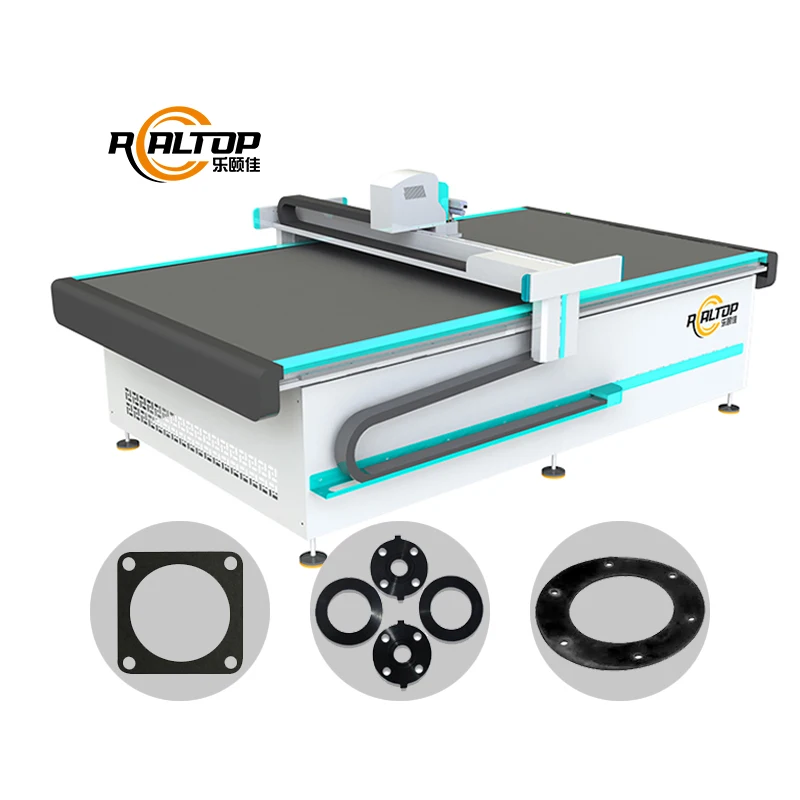
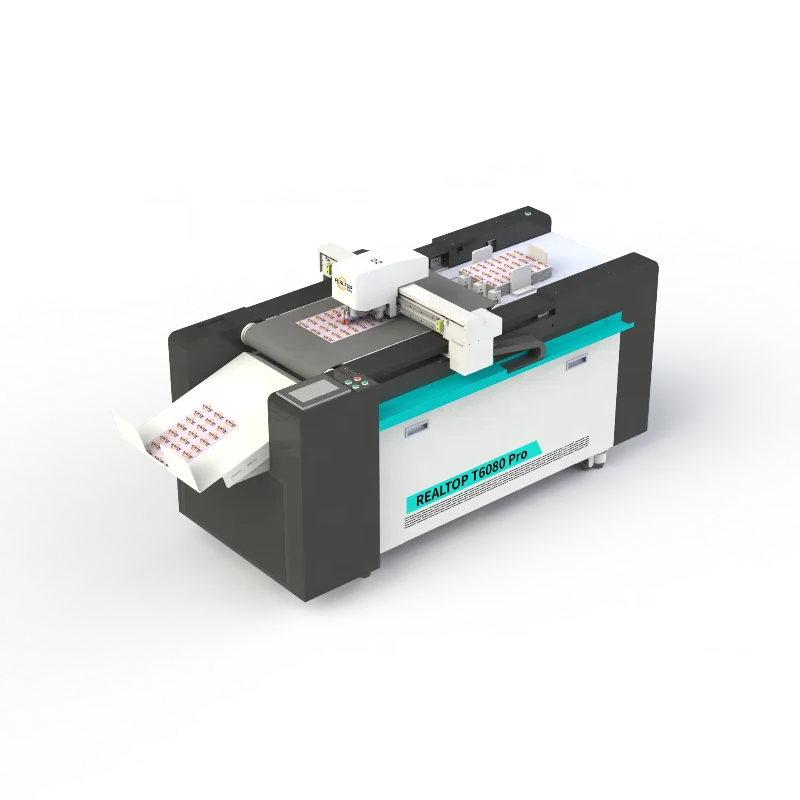
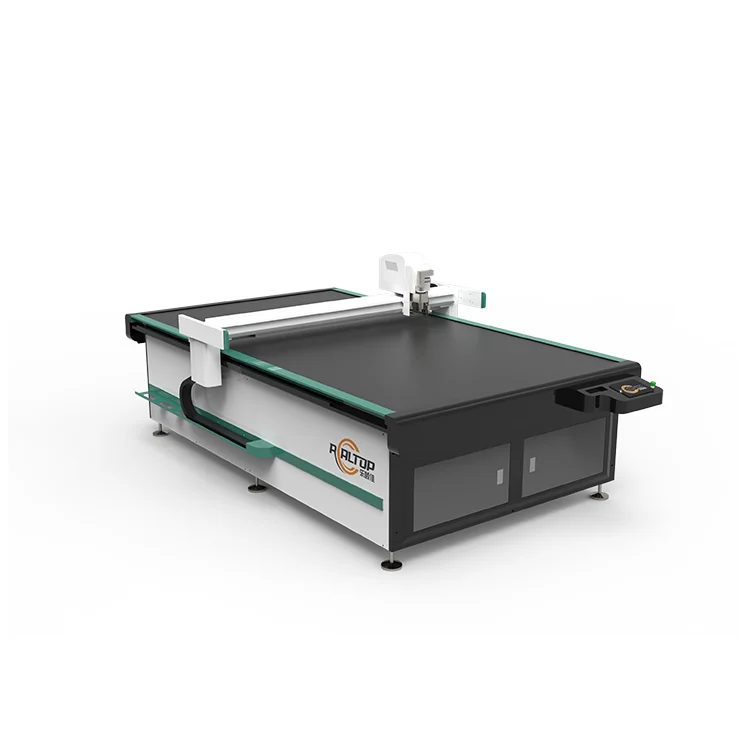
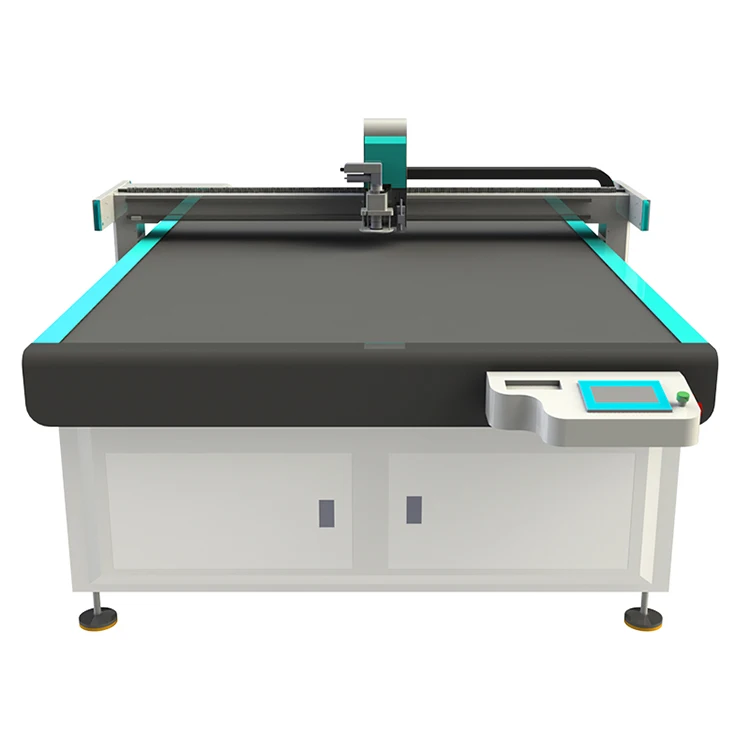
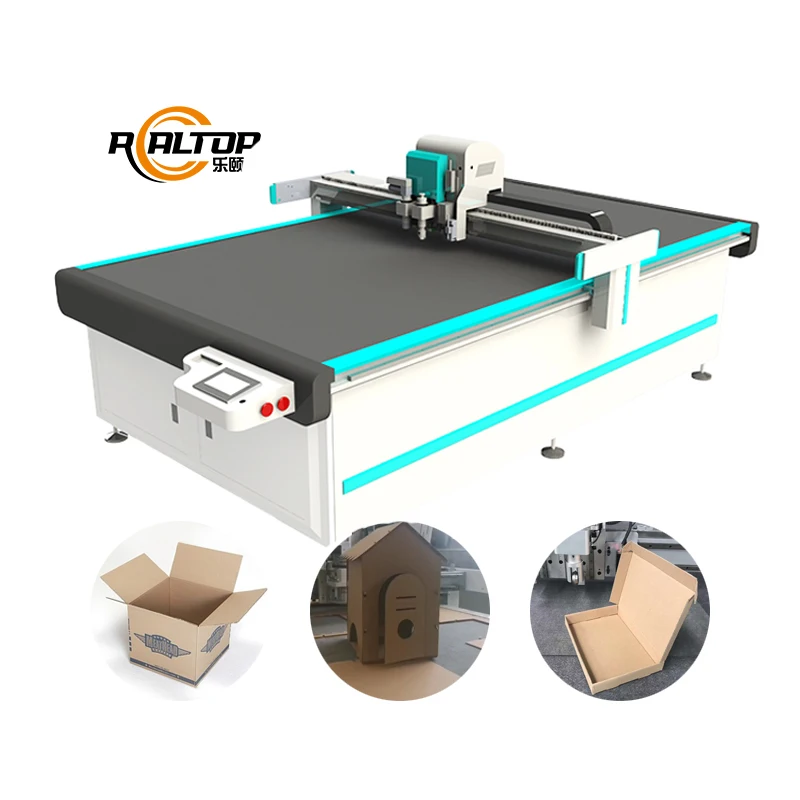
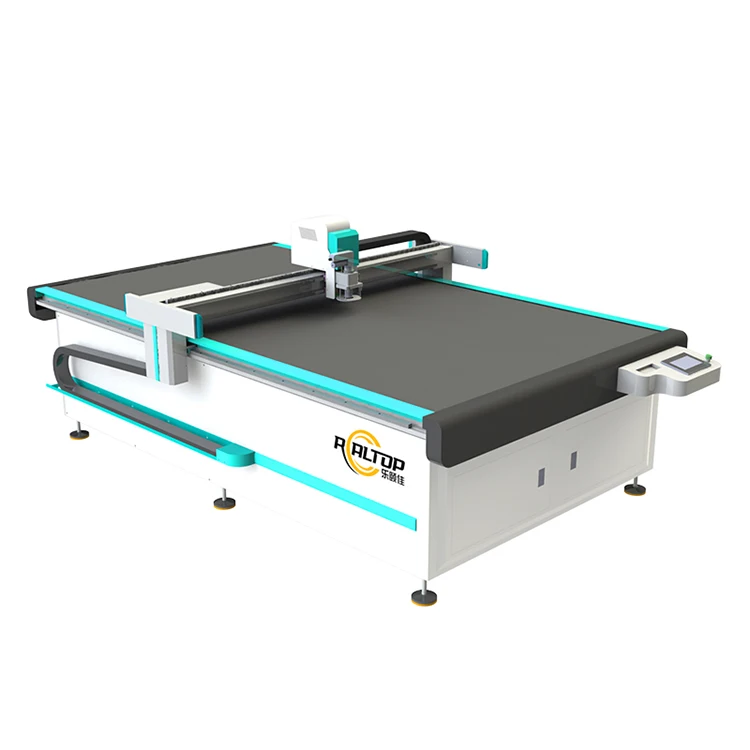
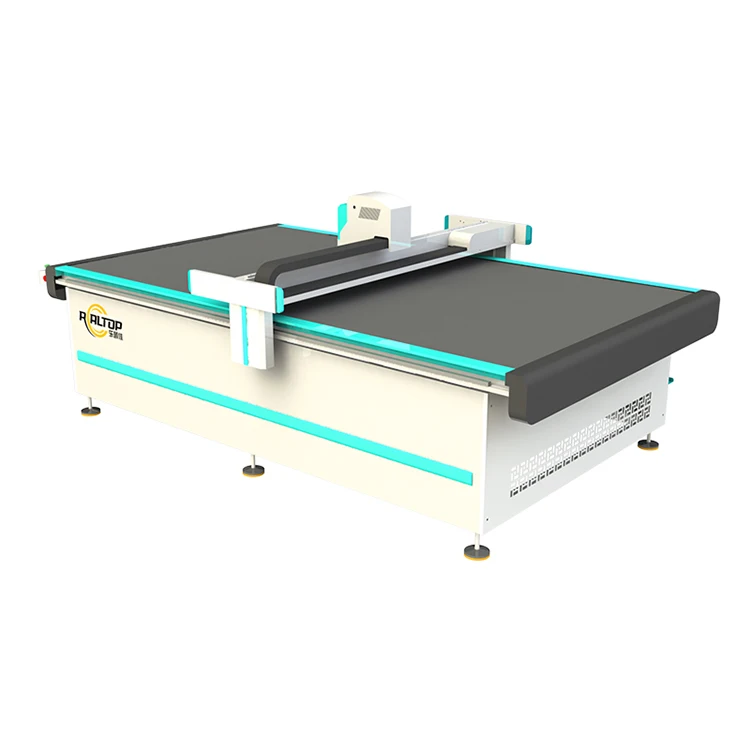
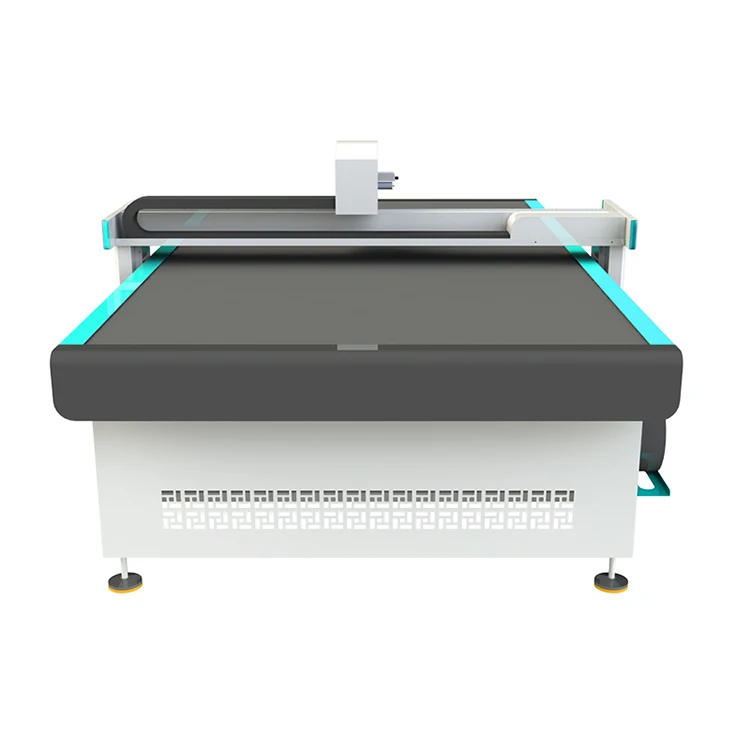
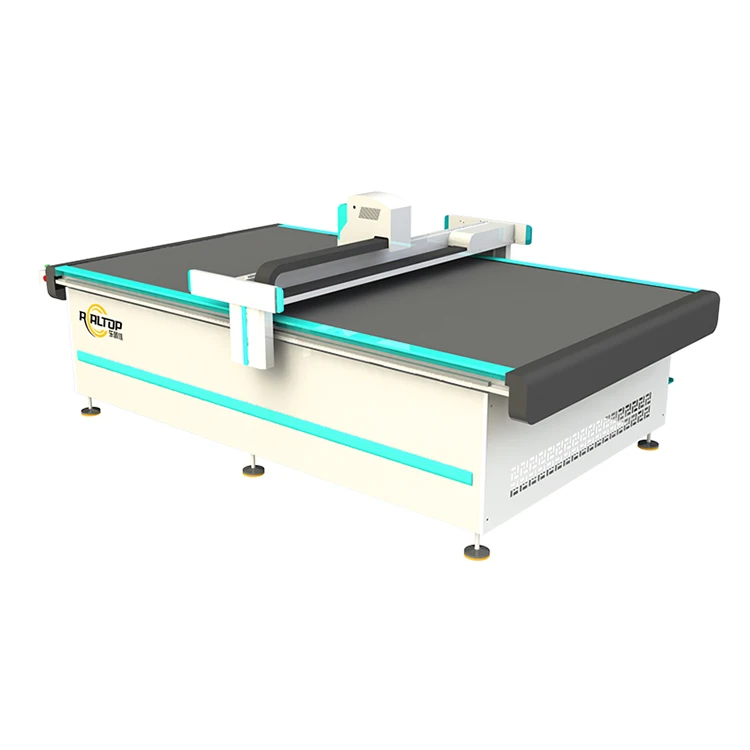
| Product Type | CNC Flatbed Digital Cutting Machine |
| Working Area | 1600 × 2500 mm |
| Machine Size | 3450 × 2300 × 1250 mm |
| Rated Power | 9 kW |
| Voltage | 380 V ±10% |
| Cutting Thickness | ≤100 mm (varies with material) |
| Translational Velocity | 800–1200 mm/s |
| Cutting Speed | 200–800 mm/s (according to different cutting materials) |
| Repeated Accuracy | ≤0.1 mm |
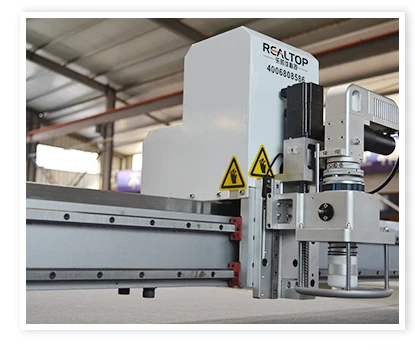
| Transmission System | Digital servo motor, linear guide, synchronous belt, imported ball screw |
| Servo Motor Brand | Delta (Panasonic optional) |
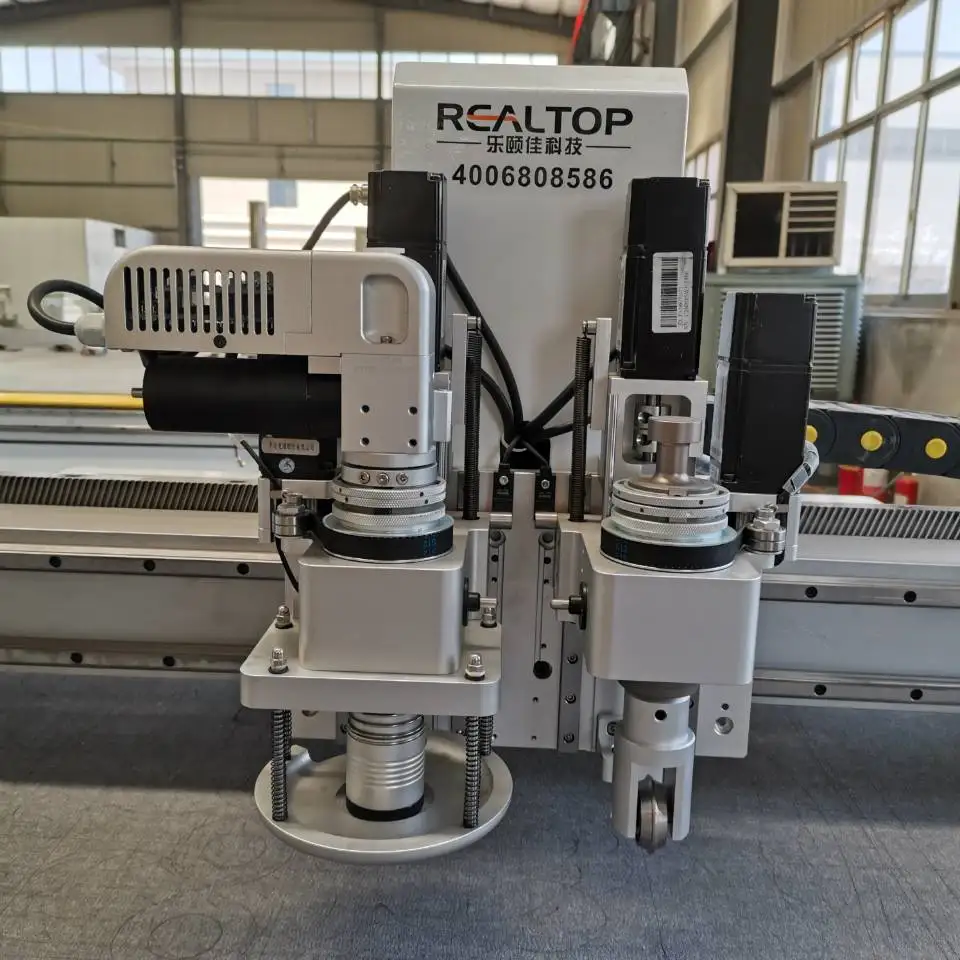
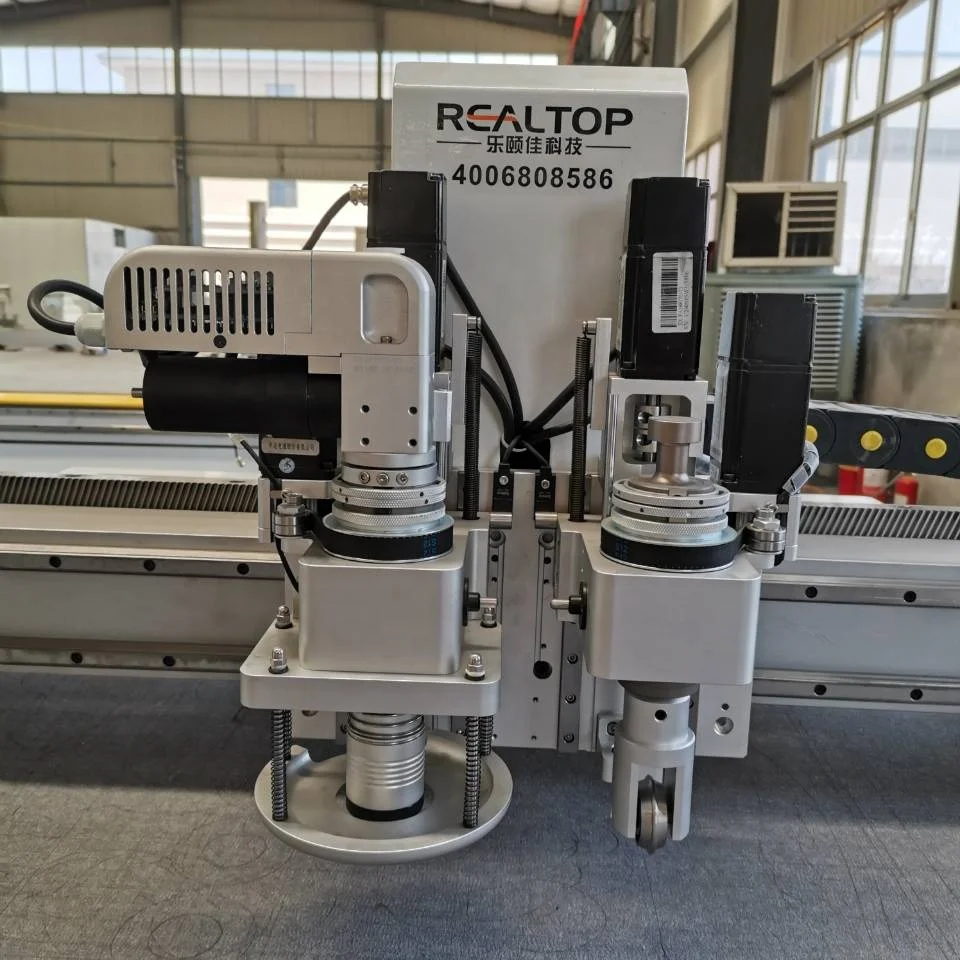
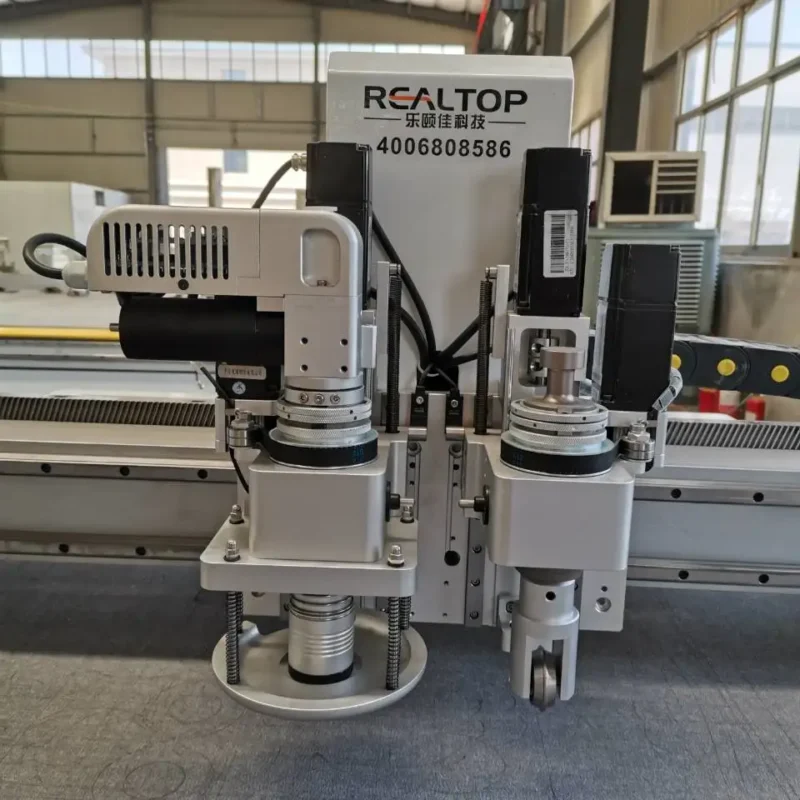
| Multifunctional Tool Head | Swiss imported knife with vibration full/half cutting; options include pneumatic knife, high-power vibrating knife, circular knife, V-cutting knife, drag knife, creasing wheel, dotted-line knife, punching, brush |
| Visual Positioning Options | Small CCD mark-point positioning, panoramic camera recognition, projection positioning |
| Vacuum Table | Magnesium-aluminum alloy with fluorocarbon PVDF powder spraying, anodic and hard oxidation |
| Vacuum Pump | 7.5 kW, integrated aviation aluminum shell with built-in silencer sponge |
| Safety Device | Infrared sensors, anti-collision, emergency stop |
| Control System | CNC with HP-GL compatible format |
| Table Type | Flat working table (conveyor belt optional) |
| Language Options | English, Russian, Italian, Chinese (customizable) |
| Assembly State | Fully assembled |
| Warranty | 1 year |
Application Suitability
| Application | Material or Output |
|---|---|
| Industrial gasket and sealing pad fabrication | Rubber, PTFE, ETFE, graphite composite, aramid fiber sheet |
| Automotive interior and acoustic insulation | PU foam, EVA, XPE, non-woven fabric, composite panels |
| Packaging sample and carton prototyping | Corrugated cardboard, grey board, plastic box stock |
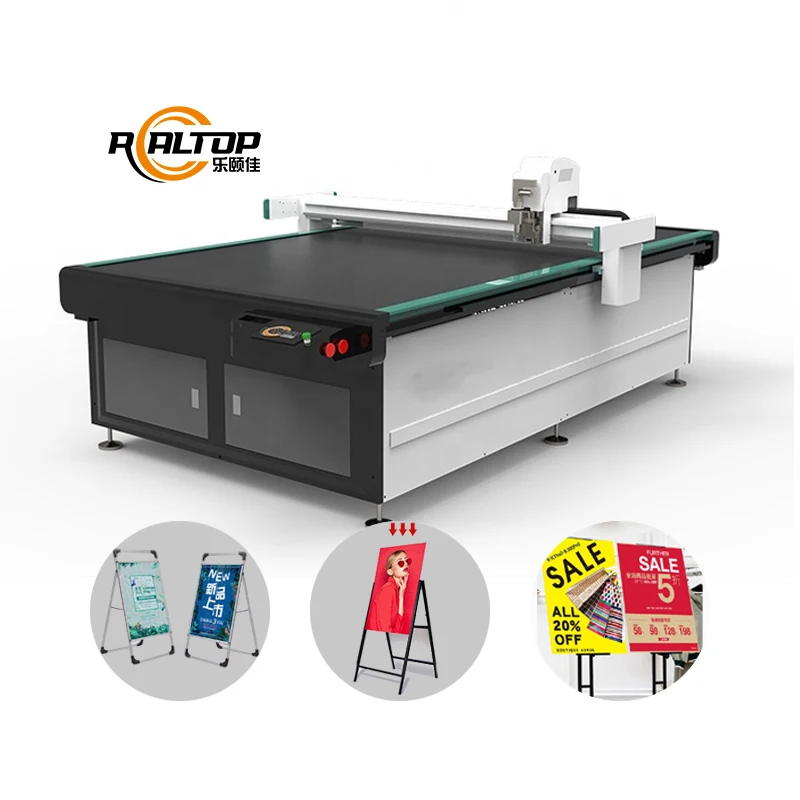
| Signage and graphic contour cutting | Self-adhesive vinyl, PVC film, foam board |
| Footwear and leather goods pre-production | Leather, synthetic leather, shoe sole board, luggage material |
Why Material Thickness Should Drive Your Machine Choice, Not Just Bed Size
Picking a CNC digital cutting machine for sale on working area alone is the most common mistake gasket producers make.
A 1600 × 2500 mm table sounds right until the first sheet of 6 mm PTFE-loaded composite refuses to cut cleanly. Edge quality on dense gasket materials depends on the interplay between tool head selection, vacuum hold-down pressure, and servo torque — none of which a spec sheet reveals when it lists only bed dimensions. I once configured a unit for a plant running graphite-reinforced material; sample cuts on the standard formulation were perfect, but the production batch used a slightly different binder and every edge came out feathered. The parameter set had to be rebuilt from scratch. Before any CNC digital cutting machine for sale gets loaded onto a truck, the buyer’s actual material needs to run on that exact configuration. [NEED_CITE:]
Mapping Knife Options to Gasket Material Families
Gasket stock spans a wide spectrum — soft cork-rubber blends sit at one end, while compressed aramid or PTFE-filled sheets sit at the other. An oscillating knife handles thicker, softer composites by vibrating through the material in rapid strokes, leaving a clean shear edge without crushing the core. For denser or thinner gasket sheets, a drag knife provides a continuous scoring action that prevents delamination at the edges. The Swiss imported vibration tool on this platform supports both full-depth and half-depth cutting passes, giving operators flexibility when the same machine must switch between a 2 mm cork strip and a 15 mm foam-rubber seal. Matching the correct CNC digital cutting machine for sale to your material family prevents the ragged-edge problem that forces secondary trimming.
Vacuum Zoning and Small-Part Hold-Down on Gasket Sheets
Cutting large gasket blanks is straightforward; cutting dozens of small O-ring profiles from the same sheet is where hold-down fails. Once the knife penetrates the material, vacuum suction escapes through the kerf and adjacent pieces can lift. The magnesium-aluminum alloy table on this machine carries a fluorocarbon PVDF coating that resists chemical attack from oil-soaked gasket stock. When combined with the 7.5 kW pump and zoned suction layout, the system maintains grip on parts smaller than a credit card even as surrounding material is progressively removed. For high-volume gasket shops running nesting software, this zoning matters more than raw pump wattage. [NEED_CITE:]
How Key Parameters Translate on the Shop Floor
The Delta servo motors and imported ball screws deliver a repeated accuracy of ≤0.1 mm — critical when a gasket must seat against a machined flange with tight bolt-hole registration. Translational velocity reaches 800–1200 mm/s between cuts, while actual cutting speed sits between 200 and 800 mm/s depending on material density; a soft foam gasket runs at the upper end, while compressed non-asbestos fiber demands the lower range. The 9 kW total rated power accounts for the servo drives, vacuum pump, and control electronics running simultaneously on a 380 V ±10% supply, which suits most industrial three-phase grids in export markets. HP-GL compatible control means the machine accepts tool paths from standard nesting software without proprietary file conversion, reducing the risk of geometry errors when importing complex gasket profiles.
The Hidden Cost of a Wrong Tool Head Choice
Selecting a drag knife for a 20 mm foam-rubber gasket will compress the material before the blade reaches the backing, producing a wedge-shaped cross-section instead of a square edge. The part looks acceptable on top but fails dimensional check at the base. Conversely, running a high-power oscillating head on a thin PTFE film creates excessive vibration that wanders the cut path by fractions of a millimeter — enough to misalign bolt holes on a cylinder-head gasket. These mismatches rarely show up on the sample report because the initial test uses a middle-of-the-road material. [NEED_CITE:] They surface weeks into production when the operator switches stock and discovers the edge profile is out of tolerance.
Why Source This Configuration Here
In-house design covers both knife and laser platforms, so gasket producers can compare methods side by side before committing. Tool head and table layout are specified per material, not pulled from a default list. CCD camera positioning and panoramic vision options are validated on the buyer’s printed stock before shipment. Voltage, plug format, and control language are confirmed at order stage, not discovered during unpacking. Sample cutting on the buyer’s own gasket material is standard procedure, and a written cutting report accompanies the documentation package.
Documentation & Verification
- Machine specification sheet detailing your selected tool head combination and vacuum zone layout
- Electrical schematic confirming 380 V wiring and circuit protection for your market
- Sample cutting report produced on your gasket material with measured edge and dimensional data
- HP-GL software license and file format compatibility note matched to your nesting workflow
- Packing photographs showing table surface condition and tool head mounting before crating
- Operation and maintenance manual with language option confirmed at order
Installation, Commissioning & Support
- Machine arrives fully assembled at 3450 × 2300 × 1250 mm; verify doorway and overhead clearance before delivery
- 380 V ±10% three-phase dedicated circuit required; confirm local frequency at order stage
- First-run parameter tuning performed on your gasket stock with documented speed and depth settings
- Operator training covers tool head changeover, vacuum zone adjustment, and CCD calibration
- Spare parts list includes oscillating blades, drag knife holders, and PVDF table coating touch-up material
- Annual preventive maintenance schedule covers linear guide lubrication and ball screw inspection
Before You Request a Quote
Share your gasket material data sheet — composition, density, and thickness range — along with the largest and smallest part profiles you intend to cut. Confirm your local three-phase voltage and frequency so the electrical package matches from day one. If your nesting workflow relies on a specific file format, send a sample file so we verify import compatibility before the build starts.
Frequently Asked Questions
Q: How do I decide between knife cutting and laser for my gasket material?
A: Knife cutting avoids the heat-affected zone that lasers create on rubber and composite gasket stock, which can harden edges and compromise seal integrity. Laser may suit very thin or film-based gaskets where a blade would drag the material. We recommend running both methods on your sample stock so you can compare edge quality and choose objectively.
Q: What determines the right tool head for my material thickness?
A: Material density and thickness together set the choice. Oscillating knives handle thicker, softer composites with clean vertical edges. Drag knives score thinner, denser sheets without delamination. High-power vibrating heads sit in between. The selection is confirmed during sample cutting on your actual stock before the tool head is finalized for production.
Q: Does the vacuum table handle very small gasket parts?
A: The 7.5 kW pump feeds zoned suction channels across the magnesium-aluminum table. When small parts are nested close together, adjacent zones maintain hold-down even as kerf opens around each profile. During sample cutting we verify that the smallest part in your nesting layout stays flat through the entire cutting cycle.
Q: Can one machine run both flexible rubber and semi-rigid fiber gaskets?
A: Yes, when the tool head options include both an oscillating knife for the softer material and a drag knife or pneumatic knife for the denser fiber sheet. Changeover between heads takes minutes on the multifunctional carriage. We configure the tool list and store separate parameter sets for each material family during commissioning.
Q: How do I confirm the software accepts my existing nesting files?
A: Send a representative DXF, PLT, or HP-GL file from your current nesting system. We load it into the control software, verify geometry import, and run the tool path on sample material. A compatibility note is included in the documentation package so your production team has a recorded reference of tested formats.
Material-First Configuration — we specify the cutting method by your gasket material type and thickness rather than forcing every job through a single tool head.
Technical Specifications
| Parameter | Value |
|---|---|
| Model | RT-D2516/RT-S2516 |
| Product Type | CNC Flatbed Digital Cutting Machine |
| Working Area | 1600 × 2500 mm |
| Machine Size | 3450 × 2300 × 1250 mm |
| Rated Power | 9 kW |
| Voltage | 380 V ±10% |
| Cutting Thickness | ≤100 mm (varies with material) |
| Translational Velocity | 800–1200 mm/s |
| Cutting Speed | 200–800 mm/s (according to different cutting materials) |
| Repeated Accuracy | ≤0.1 mm |
| Transmission System | Digital servo motor, linear guide, synchronous belt, imported ball screw |
| Servo Motor Brand | Delta (Panasonic optional) |
| Multifunctional Tool Head | Swiss imported knife with vibration full/half cutting; options include pneumatic knife, high-power vibrating knife, circular knife, V-cutting knife, drag knife, creasing wheel, dotted-line knife, punching, brush |
| Visual Positioning Options | Small CCD mark-point positioning, panoramic camera recognition, projection positioning |
| Vacuum Table | Magnesium-aluminum alloy with fluorocarbon PVDF powder spraying, anodic and hard oxidation |
| Vacuum Pump | 7.5 kW, integrated aviation aluminum shell with built-in silencer sponge |
| Safety Device | Infrared sensors, anti-collision, emergency stop |
| Control System | CNC with HP-GL compatible format |
| Table Type | Flat working table (conveyor belt optional) |
| Language Options | English, Russian, Italian, Chinese (customizable) |
| Assembly State | Fully assembled |
| Warranty | 1 year |
Application Suitability
| Application | Material or Output |
|---|---|
| Industrial gasket and sealing pad fabrication | Rubber, PTFE, ETFE, graphite composite, aramid fiber sheet |
| Automotive interior and acoustic insulation | PU foam, EVA, XPE, non-woven fabric, composite panels |
| Packaging sample and carton prototyping | Corrugated cardboard, grey board, plastic box stock |
| Signage and graphic contour cutting | Self-adhesive vinyl, PVC film, foam board |
| Footwear and leather goods pre-production | Leather, synthetic leather, shoe sole board, luggage material |
Why Material Thickness Should Drive Your Machine Choice, Not Just Bed Size
Picking a CNC digital cutting machine for sale on working area alone is the most common mistake gasket producers make.
A 1600 × 2500 mm table sounds right until the first sheet of 6 mm PTFE-loaded composite refuses to cut cleanly. Edge quality on dense gasket materials depends on the interplay between tool head selection, vacuum hold-down pressure, and servo torque — none of which a spec sheet reveals when it lists only bed dimensions. I once configured a unit for a plant running graphite-reinforced material; sample cuts on the standard formulation were perfect, but the production batch used a slightly different binder and every edge came out feathered. The parameter set had to be rebuilt from scratch. Before any CNC digital cutting machine for sale gets loaded onto a truck, the buyer’s actual material needs to run on that exact configuration. [NEED_CITE:]
Mapping Knife Options to Gasket Material Families
Gasket stock spans a wide spectrum — soft cork-rubber blends sit at one end, while compressed aramid or PTFE-filled sheets sit at the other. An oscillating knife handles thicker, softer composites by vibrating through the material in rapid strokes, leaving a clean shear edge without crushing the core. For denser or thinner gasket sheets, a drag knife provides a continuous scoring action that prevents delamination at the edges. The Swiss imported vibration tool on this platform supports both full-depth and half-depth cutting passes, giving operators flexibility when the same machine must switch between a 2 mm cork strip and a 15 mm foam-rubber seal. Matching the correct CNC digital cutting machine for sale to your material family prevents the ragged-edge problem that forces secondary trimming.
Vacuum Zoning and Small-Part Hold-Down on Gasket Sheets
Cutting large gasket blanks is straightforward; cutting dozens of small O-ring profiles from the same sheet is where hold-down fails. Once the knife penetrates the material, vacuum suction escapes through the kerf and adjacent pieces can lift. The magnesium-aluminum alloy table on this machine carries a fluorocarbon PVDF coating that resists chemical attack from oil-soaked gasket stock. When combined with the 7.5 kW pump and zoned suction layout, the system maintains grip on parts smaller than a credit card even as surrounding material is progressively removed. For high-volume gasket shops running nesting software, this zoning matters more than raw pump wattage. [NEED_CITE:]
How Key Parameters Translate on the Shop Floor
The Delta servo motors and imported ball screws deliver a repeated accuracy of ≤0.1 mm — critical when a gasket must seat against a machined flange with tight bolt-hole registration. Translational velocity reaches 800–1200 mm/s between cuts, while actual cutting speed sits between 200 and 800 mm/s depending on material density; a soft foam gasket runs at the upper end, while compressed non-asbestos fiber demands the lower range. The 9 kW total rated power accounts for the servo drives, vacuum pump, and control electronics running simultaneously on a 380 V ±10% supply, which suits most industrial three-phase grids in export markets. HP-GL compatible control means the machine accepts tool paths from standard nesting software without proprietary file conversion, reducing the risk of geometry errors when importing complex gasket profiles.
The Hidden Cost of a Wrong Tool Head Choice
Selecting a drag knife for a 20 mm foam-rubber gasket will compress the material before the blade reaches the backing, producing a wedge-shaped cross-section instead of a square edge. The part looks acceptable on top but fails dimensional check at the base. Conversely, running a high-power oscillating head on a thin PTFE film creates excessive vibration that wanders the cut path by fractions of a millimeter — enough to misalign bolt holes on a cylinder-head gasket. These mismatches rarely show up on the sample report because the initial test uses a middle-of-the-road material. [NEED_CITE:] They surface weeks into production when the operator switches stock and discovers the edge profile is out of tolerance.
Why Source This Configuration Here
In-house design covers both knife and laser platforms, so gasket producers can compare methods side by side before committing. Tool head and table layout are specified per material, not pulled from a default list. CCD camera positioning and panoramic vision options are validated on the buyer’s printed stock before shipment. Voltage, plug format, and control language are confirmed at order stage, not discovered during unpacking. Sample cutting on the buyer’s own gasket material is standard procedure, and a written cutting report accompanies the documentation package.
Documentation & Verification
- Machine specification sheet detailing your selected tool head combination and vacuum zone layout
- Electrical schematic confirming 380 V wiring and circuit protection for your market
- Sample cutting report produced on your gasket material with measured edge and dimensional data
- HP-GL software license and file format compatibility note matched to your nesting workflow
- Packing photographs showing table surface condition and tool head mounting before crating
- Operation and maintenance manual with language option confirmed at order
Installation, Commissioning & Support
- Machine arrives fully assembled at 3450 × 2300 × 1250 mm; verify doorway and overhead clearance before delivery
- 380 V ±10% three-phase dedicated circuit required; confirm local frequency at order stage
- First-run parameter tuning performed on your gasket stock with documented speed and depth settings
- Operator training covers tool head changeover, vacuum zone adjustment, and CCD calibration
- Spare parts list includes oscillating blades, drag knife holders, and PVDF table coating touch-up material
- Annual preventive maintenance schedule covers linear guide lubrication and ball screw inspection
Before You Request a Quote
Share your gasket material data sheet — composition, density, and thickness range — along with the largest and smallest part profiles you intend to cut. Confirm your local three-phase voltage and frequency so the electrical package matches from day one. If your nesting workflow relies on a specific file format, send a sample file so we verify import compatibility before the build starts.
Frequently Asked Questions
Q: How do I decide between knife cutting and laser for my gasket material?
A: Knife cutting avoids the heat-affected zone that lasers create on rubber and composite gasket stock, which can harden edges and compromise seal integrity. Laser may suit very thin or film-based gaskets where a blade would drag the material. We recommend running both methods on your sample stock so you can compare edge quality and choose objectively.
Q: What determines the right tool head for my material thickness?
A: Material density and thickness together set the choice. Oscillating knives handle thicker, softer composites with clean vertical edges. Drag knives score thinner, denser sheets without delamination. High-power vibrating heads sit in between. The selection is confirmed during sample cutting on your actual stock before the tool head is finalized for production.
Q: Does the vacuum table handle very small gasket parts?
A: The 7.5 kW pump feeds zoned suction channels across the magnesium-aluminum table. When small parts are nested close together, adjacent zones maintain hold-down even as kerf opens around each profile. During sample cutting we verify that the smallest part in your nesting layout stays flat through the entire cutting cycle.
Q: Can one machine run both flexible rubber and semi-rigid fiber gaskets?
A: Yes, when the tool head options include both an oscillating knife for the softer material and a drag knife or pneumatic knife for the denser fiber sheet. Changeover between heads takes minutes on the multifunctional carriage. We configure the tool list and store separate parameter sets for each material family during commissioning.
Q: How do I confirm the software accepts my existing nesting files?
A: Send a representative DXF, PLT, or HP-GL file from your current nesting system. We load it into the control software, verify geometry import, and run the tool path on sample material. A compatibility note is included in the documentation package so your production team has a recorded reference of tested formats.
商品评价
There are no reviews yet.