

Fast Delivery
Quick, reliable shipping to any location.

Free & easy returns
Return this item by mail or in store within 90 days for a full refund.
Configured Per Material — Tool head, vacuum zoning and software confirmed against your actual corrugated grade before production begins, not after the machine arrives.
Technical Specifications
| Parameter | Value |
|---|---|
| Model | 1625 |
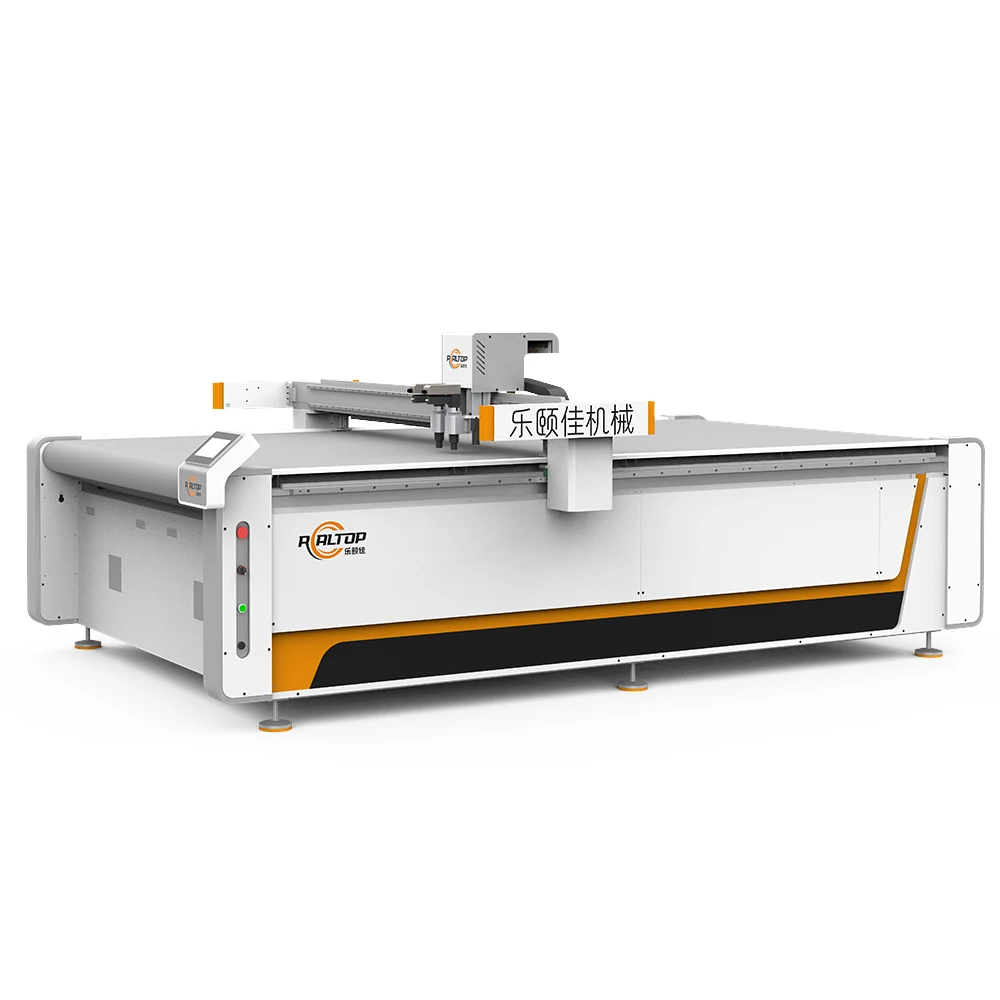
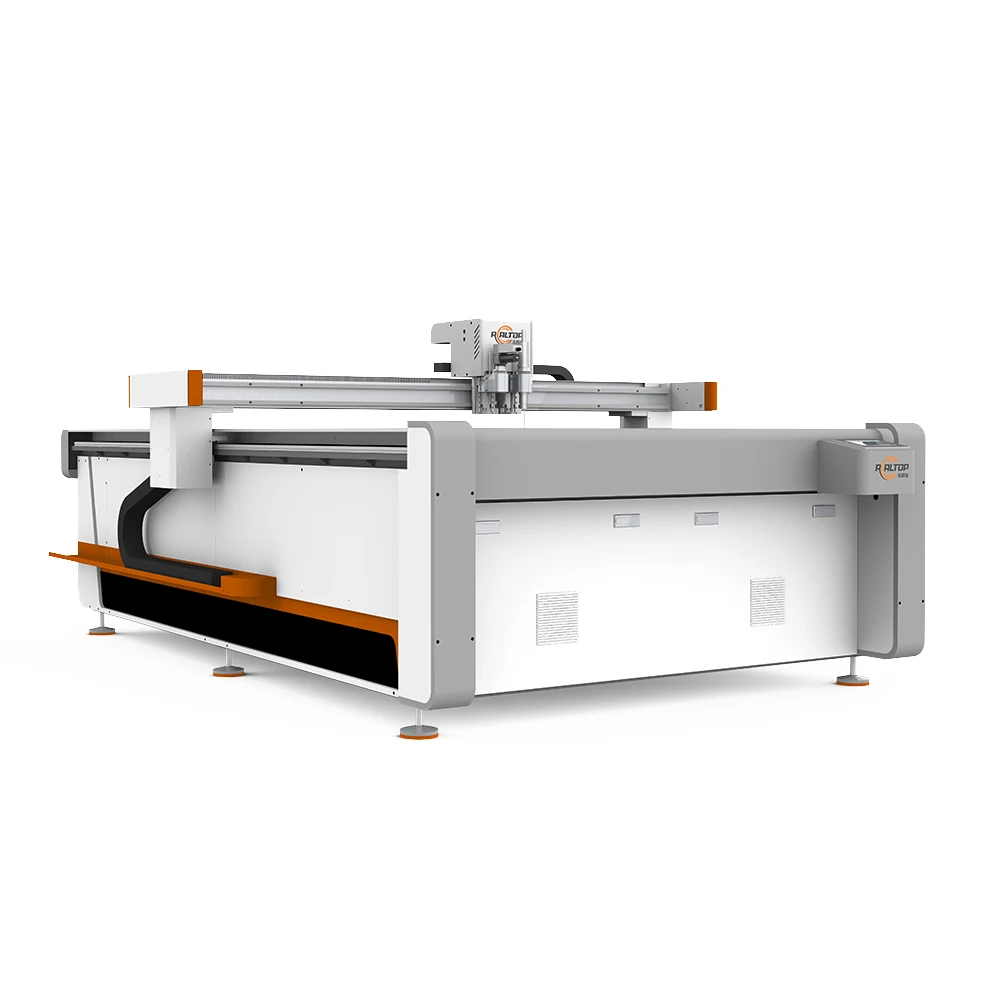
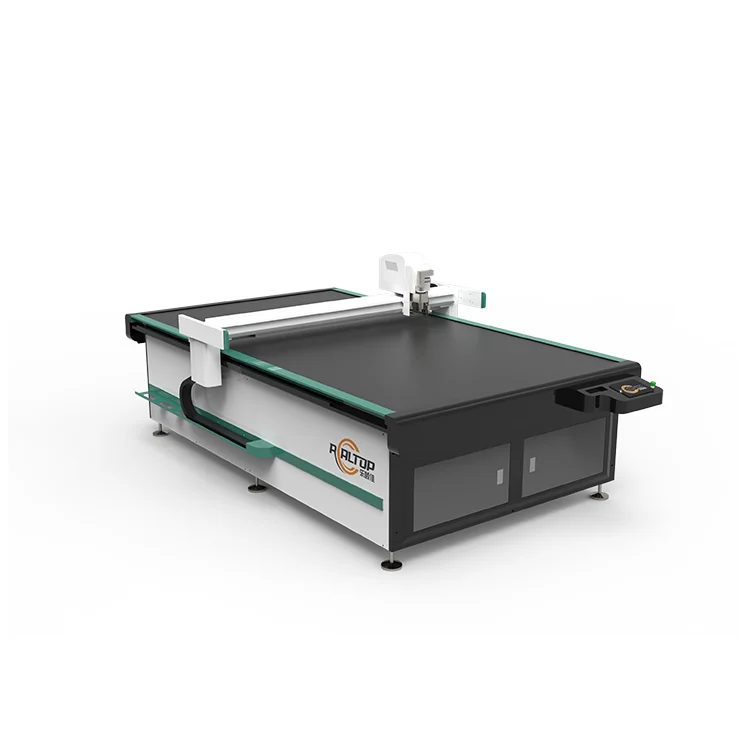
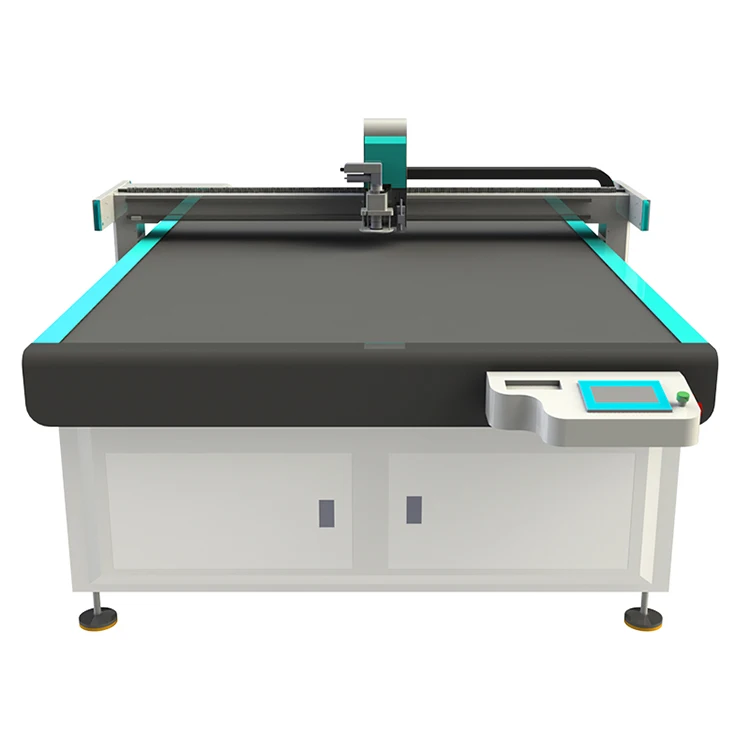
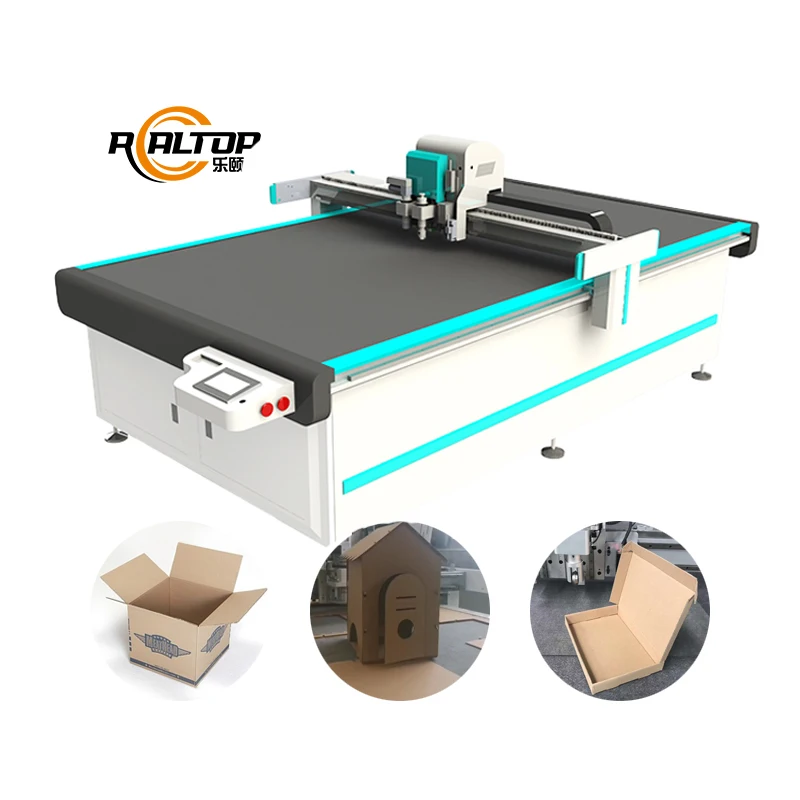
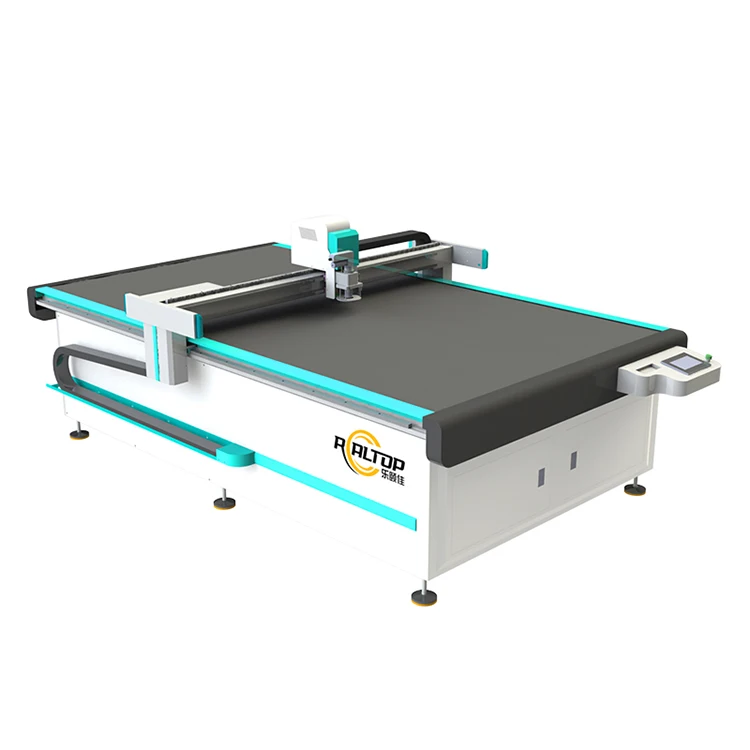
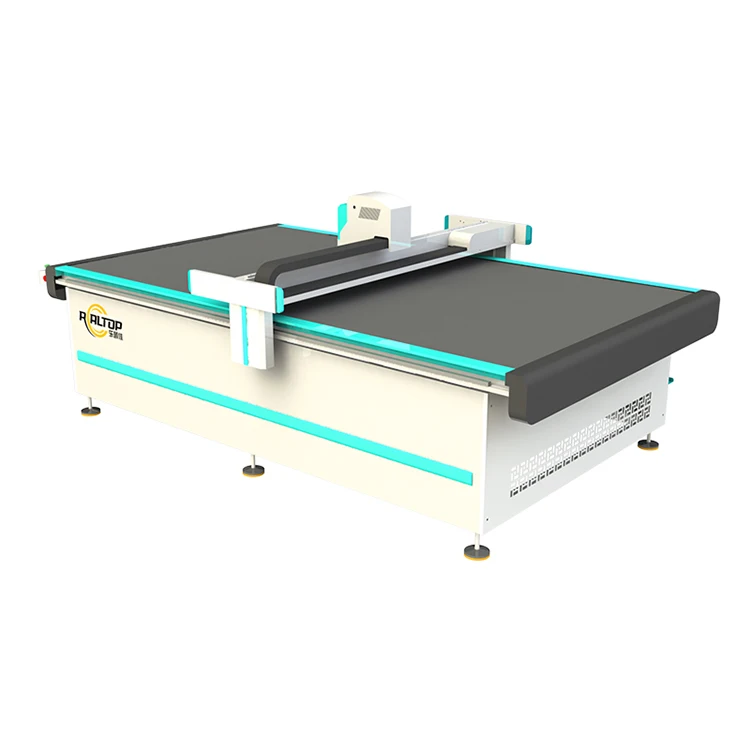
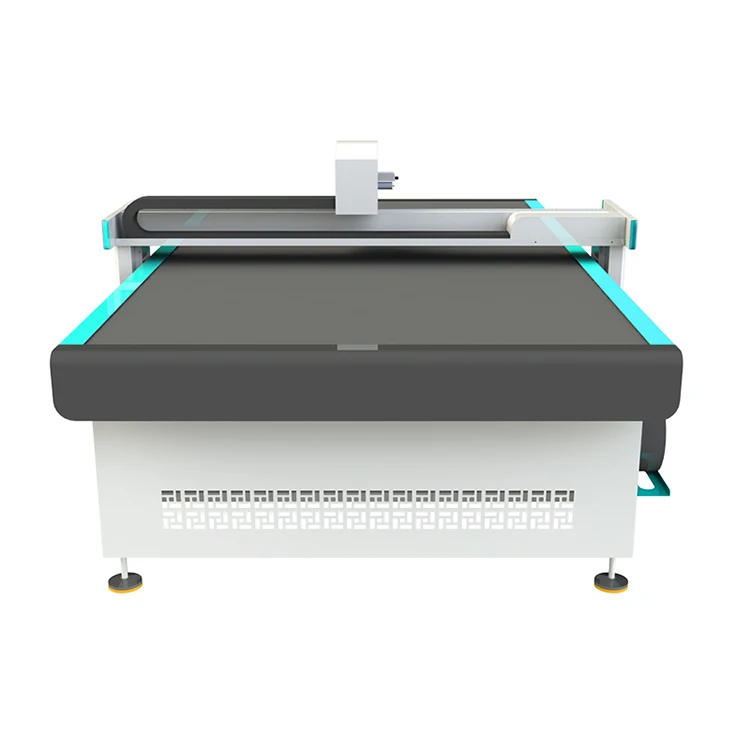
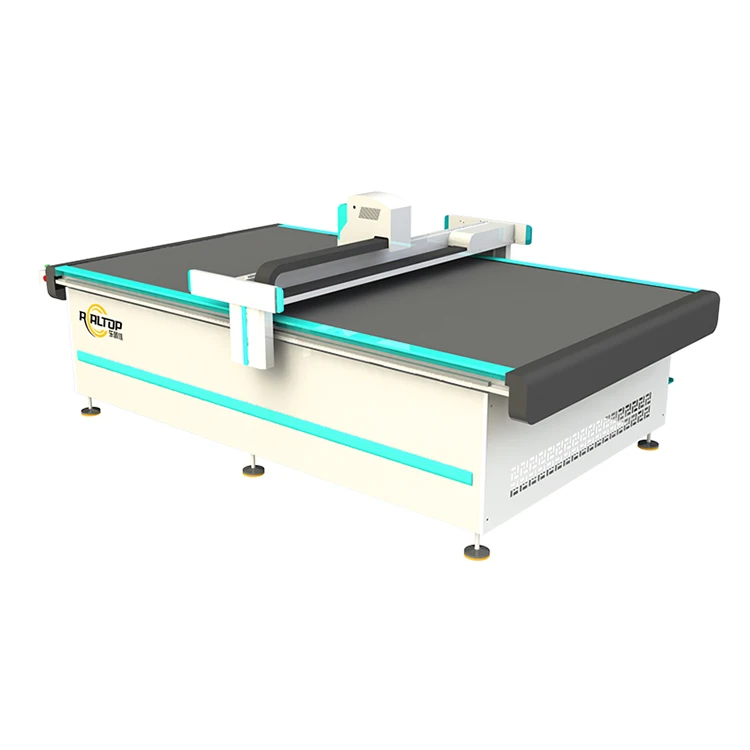
| Product Type | CNC Oscillating Knife Cutting Machine |
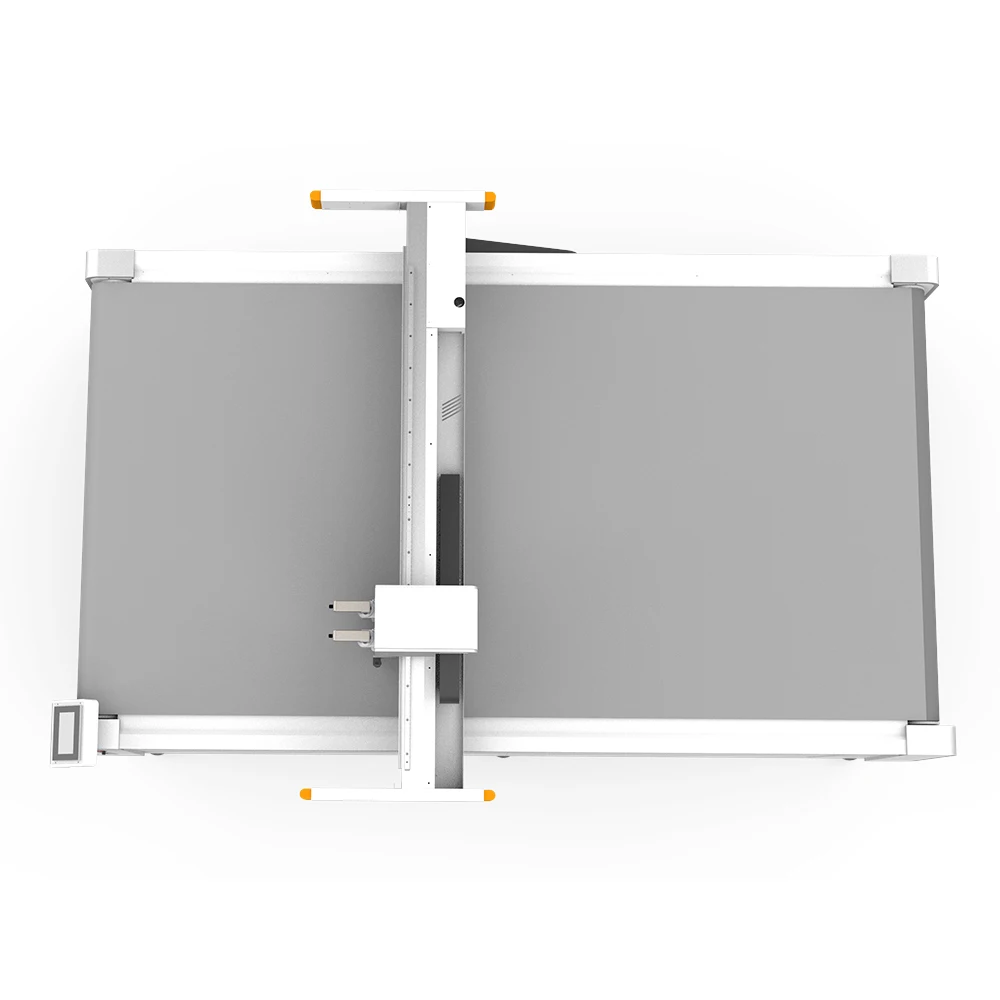
| Working Area | 1600 × 2500 mm |
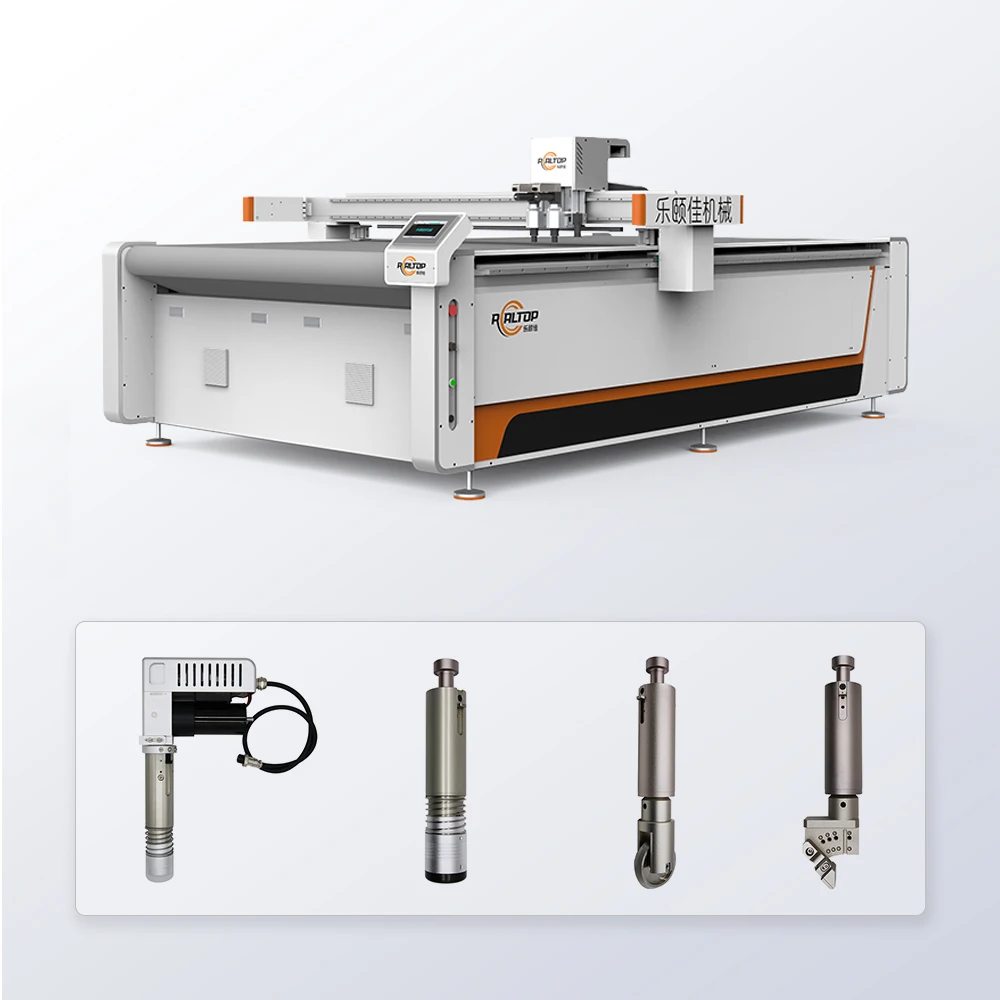
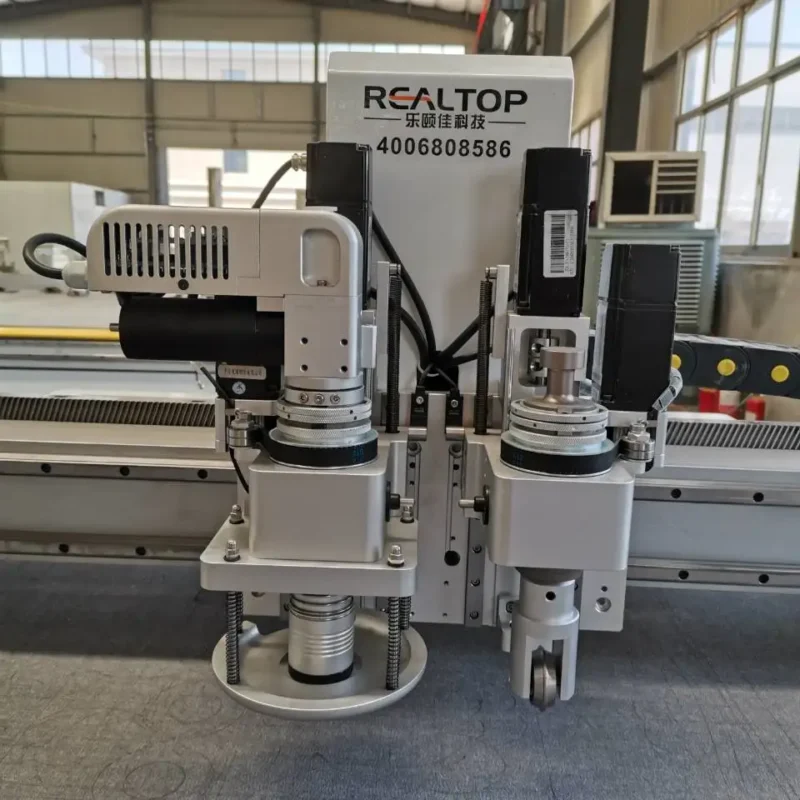
| Tool Head Options | Oscillating knife, Driven rotary knife, Creasing wheel, Kiss cutting tool, Pneumatic knife, Milling tool, V groove knife |
| Cutting Speed | 0–1500 mm/s |
| Cutting Thickness | ≤ 40 mm (basis not stated in source — confirm material and flute type) |
| Cutting Accuracy | ±0.1 mm |
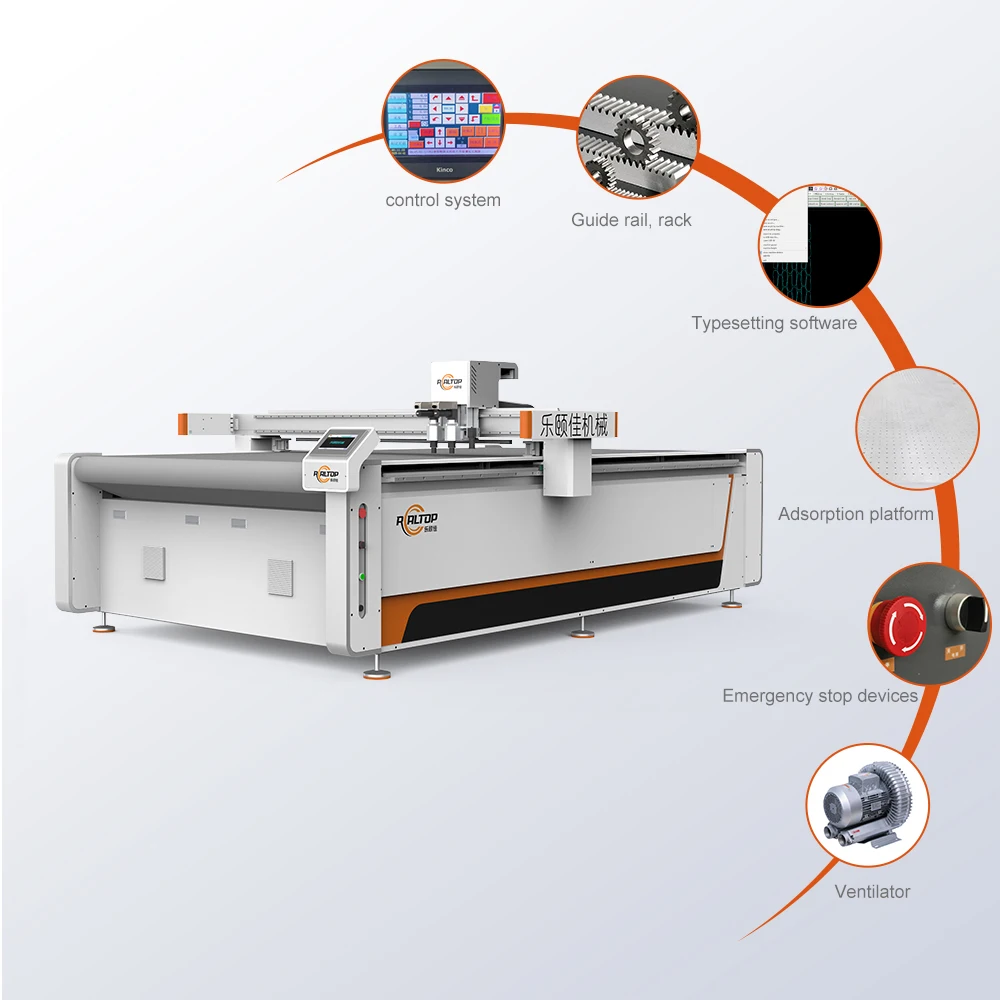
| Vacuum Table | Aluminum bellows vacuum table |
| Vacuum Pump Power | 9 kW |
| Servo Motors | Options: Panasonic, Delta, Dorna |
| Control System | PLC control panel with intuitive interface |
| Voltage Options | 110V, 220V, 380V |
| Software Compatibility | PLT, DXF, AI, PDF; dedicated packaging box structure design software |
| Language Options | English, Russian, Italian, Chinese, customizable |
| Machine Size | 3300 × 2100 × 1350 mm |
| Safety Devices | Infrared sensor device and emergency stop |
| Certification | CE |
Application Suitability
| Application | Material or Output |
|---|---|
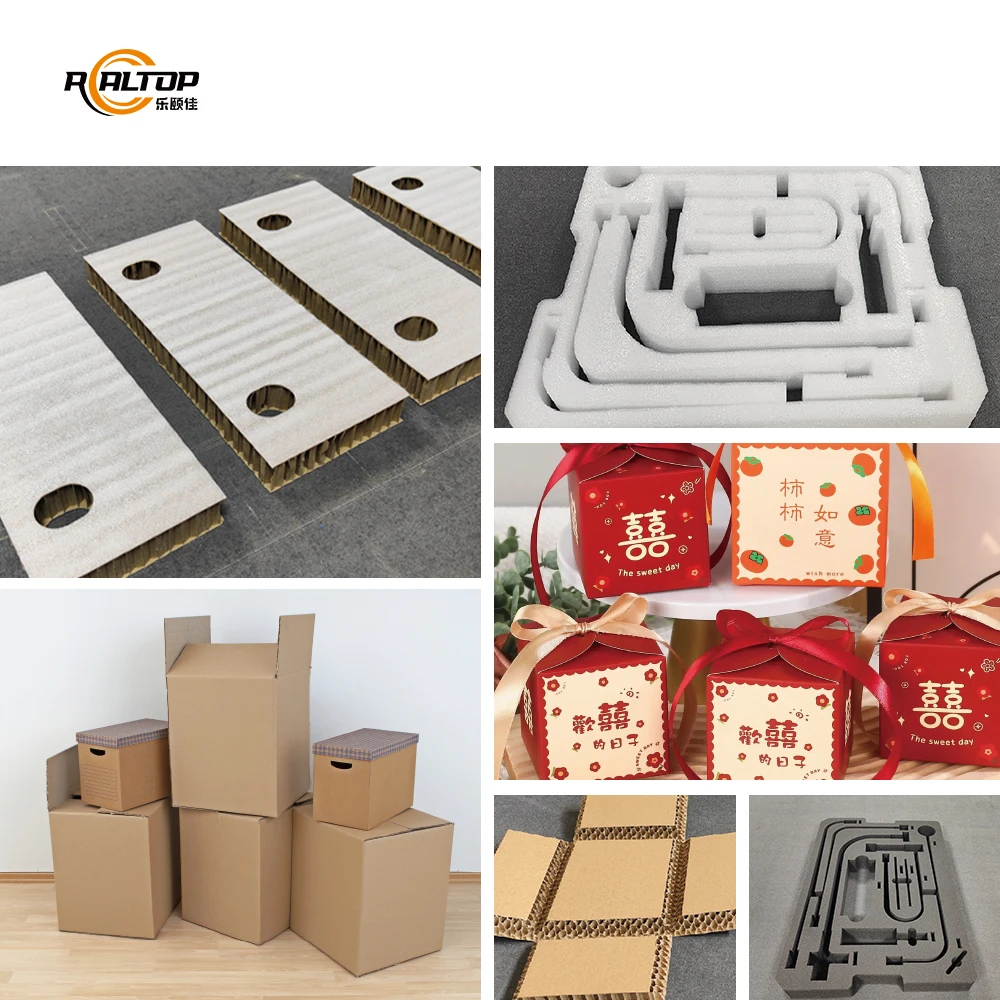
| Carton box and packaging sample making | Corrugated cardboard (E-flute, B-flute, BC-flute), greyboard, cardstock |
| Advertising and signage production | PVC foam board, thin plastic sheets, art paper |
| Gasket and seal prototyping | Rubber mats, EVA foam, EPE foam, composite sheets |
| Leather goods and textile sampling | Leather, synthetic leather, velvet, fleece fabric, non-woven fabric |
| Protective packaging inserts | PU foam, EPE foam, adhesive-backed composite materials |
When Working Area Alone Is Not Enough to Specify a CNC Oscillating Knife Cutting Machine for Sale
The real question is whether the tool head and vacuum hold-down match your specific board grade and flute profile.
I once shipped a carton sample cutter configured purely on sheet dimensions. The buyer’s corrugated stock carried higher moisture than standard test conditions, and the oscillating knife produced ragged edges across an entire day’s output. The machine was dimensionally correct but functionally wrong for that production environment [NEED_CITE: moisture content effect on corrugated board cutting quality]. A CNC oscillating knife cutting machine for sale should be validated against your actual substrate before the order is finalized, not after installation reveals a mismatch.
Matching Tool Heads to Packaging Substrates
The 1625 supports seven tool head types on a single flatbed platform. Oscillating knife handles standard and double-wall corrugated cleanly, while the driven rotary knife suits continuous-profile cuts on thinner cardstock. The creasing wheel scores fold lines without breaking the outer liner, and the V groove knife produces folded-edge constructions for rigid box work. Buyers switching between short-run samples and small-batch production can load the tool sequence that each job requires rather than compromise with a single blade type.
Vacuum Hold-Down Across the Full Bed Area
The 9 kW pump paired with an aluminum bellows vacuum table provides full-surface suction across the 1600 × 2500 mm working area. This matters when cutting nested layouts of small carton components, where insufficient hold-down in the center zones allows material lift at the knife exit point [NEED_CITE: vacuum zoning requirements for small-part digital cutting]. The system maintains registration accuracy through the cut cycle so that kiss-cut labels and crease lines stay within the ±0.1 mm tolerance band.
Reading the Specification Sheet Beyond Working Area
The cutting thickness rating of ≤ 40 mm applies across a range of material densities, and the usable depth on a given flute type must be verified by sample test. Cutting speed reaches 1500 mm/s, but actual feed rate depends on tool head selection and substrate resistance. The servo motor brand choice — Panasonic, Delta, or Dorna — affects interpolation smoothness during contour work. The PLC panel accepts DXF, AI, PDF and PLT files through dedicated packaging structure software, so your existing design workflow carries over without format conversion. Voltage is configurable at 110V, 220V or 380V to match your facility supply.
What Happens When Configuration Is Skipped
When the tool head is selected without testing the buyer’s actual board stock, the result ranges from crushed flute edges to incomplete kiss cuts that leave backing material attached. A vacuum table without adequate zoning for small parts causes lift during high-speed contour passes, shifting registration by enough to scrap an entire sheet. Voltage mismatch at arrival delays commissioning by weeks while transformers are sourced locally [NEED_CITE: voltage and frequency standards by export market]. These are not warranty issues — they are specification gaps that sample cutting before order would have prevented.
Why Buyers Source This Platform Here
Tool head and table configuration are specified per material type and production volume, so a carton sample maker running E-flute and greyboard gets a different setup than a signage producer cutting PVC foam. Both knife and laser cutting technologies are developed in-house, allowing buyers to compare methods against their substrate rather than force one technology to cover everything. CCD camera positioning is available for printed contour work where registration to a printed mark is required. Software compatibility is verified against the buyer’s existing file formats before the order is placed. Sample cutting on the buyer’s own material is standard practice, not an optional extra.
Documentation & Verification
- Machine specification sheet confirming tool head and table setup matched to your board grade
- Sample cutting report produced on your corrugated stock before production authorization
- Electrical schematic and voltage confirmation for your local supply standard
- Software licence with DXF, AI, PDF and PLT file format compatibility verified
- Factory test record documenting cutting accuracy across your specified flute types
- Packing photographs showing crate condition and component inventory before dispatch
Installation, Commissioning & Support
- Foundation must support 3300 × 2100 mm footprint with level tolerance for the aluminum vacuum table
- Dedicated circuit required matching confirmed voltage at 110V, 220V or 380V with the 9 kW vacuum pump load
- Machine ships partially assembled; gantry and tool carriage are aligned on-site during commissioning
- First-run parameter tuning performed on your corrugated grades and thicknesses at installation
- Operator training covers PLC interface, packaging software import and tool head changeover sequence
- Spare parts list covers oscillating blades, creasing wheels and vacuum seals with replacement intervals
Before You Request a Quote
To specify the 1625 correctly, send the corrugated flute types and board thicknesses you run most frequently, along with typical sheet dimensions and daily sample volume. Confirm your facility voltage and frequency so the electrical system is built for your market. If you currently design in specific software, share a sample DXF or AI file so compatibility is verified before production starts.
Frequently Asked Questions
Q: How do I confirm cutting quality on my specific corrugated flute before ordering?
A: We run a sample cutting test on your actual board stock, using your specified flute type and thickness. The test covers oscillating knife edge quality, creasing wheel fold accuracy and kiss-cut depth. You receive a sample report with measured tolerances and edge photographs before authorizing production.
Q: Which tool head handles which packaging material?
A: Oscillating knife suits standard and double-wall corrugated cardboard. Driven rotary knife works on thinner cardstock and continuous contours. Creasing wheel scores fold lines without liner damage. V groove knife handles rigid box constructions. The correct tool is confirmed during the sample test on your material.
Q: Will my existing DXF and AI files import into the packaging software?
A: The dedicated packaging design software accepts PLT, DXF, AI and PDF formats. Before order confirmation, we verify import compatibility using your actual design files to ensure layer structure, line weights and dimension data transfer correctly into the cutting sequence.
Q: How is voltage and control language confirmed before shipment?
A: During the specification phase, we confirm your facility voltage at 110V, 220V or 380V and the required plug type. The PLC control panel language is set to English, Russian, Italian or Chinese, with additional languages available on request. An electrical schematic is sent for your approval before production.
Q: How do I choose the right working area for my sheet sizes?
A: The 1600 × 2500 mm bed accommodates most standard packaging sheet sizes with room for nested layouts. We review your typical sheet dimensions and nesting patterns to confirm that the working area supports your material yield requirements without unnecessary oversizing.
Configured Per Material — Tool head, vacuum zoning and software confirmed against your actual corrugated grade before production begins, not after the machine arrives.
Technical Specifications
| Parameter | Value |
|---|---|
| Model | 1625 |
| Product Type | CNC Oscillating Knife Cutting Machine |
| Working Area | 1600 × 2500 mm |
| Tool Head Options | Oscillating knife, Driven rotary knife, Creasing wheel, Kiss cutting tool, Pneumatic knife, Milling tool, V groove knife |
| Cutting Speed | 0–1500 mm/s |
| Cutting Thickness | ≤ 40 mm (basis not stated in source — confirm material and flute type) |
| Cutting Accuracy | ±0.1 mm |
| Vacuum Table | Aluminum bellows vacuum table |
| Vacuum Pump Power | 9 kW |
| Servo Motors | Options: Panasonic, Delta, Dorna |
| Control System | PLC control panel with intuitive interface |
| Voltage Options | 110V, 220V, 380V |
| Software Compatibility | PLT, DXF, AI, PDF; dedicated packaging box structure design software |
| Language Options | English, Russian, Italian, Chinese, customizable |
| Machine Size | 3300 × 2100 × 1350 mm |
| Safety Devices | Infrared sensor device and emergency stop |
| Certification | CE |
Application Suitability
| Application | Material or Output |
|---|---|
| Carton box and packaging sample making | Corrugated cardboard (E-flute, B-flute, BC-flute), greyboard, cardstock |
| Advertising and signage production | PVC foam board, thin plastic sheets, art paper |
| Gasket and seal prototyping | Rubber mats, EVA foam, EPE foam, composite sheets |
| Leather goods and textile sampling | Leather, synthetic leather, velvet, fleece fabric, non-woven fabric |
| Protective packaging inserts | PU foam, EPE foam, adhesive-backed composite materials |
When Working Area Alone Is Not Enough to Specify a CNC Oscillating Knife Cutting Machine for Sale
The real question is whether the tool head and vacuum hold-down match your specific board grade and flute profile.
I once shipped a carton sample cutter configured purely on sheet dimensions. The buyer’s corrugated stock carried higher moisture than standard test conditions, and the oscillating knife produced ragged edges across an entire day’s output. The machine was dimensionally correct but functionally wrong for that production environment [NEED_CITE: moisture content effect on corrugated board cutting quality]. A CNC oscillating knife cutting machine for sale should be validated against your actual substrate before the order is finalized, not after installation reveals a mismatch.
Matching Tool Heads to Packaging Substrates
The 1625 supports seven tool head types on a single flatbed platform. Oscillating knife handles standard and double-wall corrugated cleanly, while the driven rotary knife suits continuous-profile cuts on thinner cardstock. The creasing wheel scores fold lines without breaking the outer liner, and the V groove knife produces folded-edge constructions for rigid box work. Buyers switching between short-run samples and small-batch production can load the tool sequence that each job requires rather than compromise with a single blade type.
Vacuum Hold-Down Across the Full Bed Area
The 9 kW pump paired with an aluminum bellows vacuum table provides full-surface suction across the 1600 × 2500 mm working area. This matters when cutting nested layouts of small carton components, where insufficient hold-down in the center zones allows material lift at the knife exit point [NEED_CITE: vacuum zoning requirements for small-part digital cutting]. The system maintains registration accuracy through the cut cycle so that kiss-cut labels and crease lines stay within the ±0.1 mm tolerance band.
Reading the Specification Sheet Beyond Working Area
The cutting thickness rating of ≤ 40 mm applies across a range of material densities, and the usable depth on a given flute type must be verified by sample test. Cutting speed reaches 1500 mm/s, but actual feed rate depends on tool head selection and substrate resistance. The servo motor brand choice — Panasonic, Delta, or Dorna — affects interpolation smoothness during contour work. The PLC panel accepts DXF, AI, PDF and PLT files through dedicated packaging structure software, so your existing design workflow carries over without format conversion. Voltage is configurable at 110V, 220V or 380V to match your facility supply.
What Happens When Configuration Is Skipped
When the tool head is selected without testing the buyer’s actual board stock, the result ranges from crushed flute edges to incomplete kiss cuts that leave backing material attached. A vacuum table without adequate zoning for small parts causes lift during high-speed contour passes, shifting registration by enough to scrap an entire sheet. Voltage mismatch at arrival delays commissioning by weeks while transformers are sourced locally [NEED_CITE: voltage and frequency standards by export market]. These are not warranty issues — they are specification gaps that sample cutting before order would have prevented.
Why Buyers Source This Platform Here
Tool head and table configuration are specified per material type and production volume, so a carton sample maker running E-flute and greyboard gets a different setup than a signage producer cutting PVC foam. Both knife and laser cutting technologies are developed in-house, allowing buyers to compare methods against their substrate rather than force one technology to cover everything. CCD camera positioning is available for printed contour work where registration to a printed mark is required. Software compatibility is verified against the buyer’s existing file formats before the order is placed. Sample cutting on the buyer’s own material is standard practice, not an optional extra.
Documentation & Verification
- Machine specification sheet confirming tool head and table setup matched to your board grade
- Sample cutting report produced on your corrugated stock before production authorization
- Electrical schematic and voltage confirmation for your local supply standard
- Software licence with DXF, AI, PDF and PLT file format compatibility verified
- Factory test record documenting cutting accuracy across your specified flute types
- Packing photographs showing crate condition and component inventory before dispatch
Installation, Commissioning & Support
- Foundation must support 3300 × 2100 mm footprint with level tolerance for the aluminum vacuum table
- Dedicated circuit required matching confirmed voltage at 110V, 220V or 380V with the 9 kW vacuum pump load
- Machine ships partially assembled; gantry and tool carriage are aligned on-site during commissioning
- First-run parameter tuning performed on your corrugated grades and thicknesses at installation
- Operator training covers PLC interface, packaging software import and tool head changeover sequence
- Spare parts list covers oscillating blades, creasing wheels and vacuum seals with replacement intervals
Before You Request a Quote
To specify the 1625 correctly, send the corrugated flute types and board thicknesses you run most frequently, along with typical sheet dimensions and daily sample volume. Confirm your facility voltage and frequency so the electrical system is built for your market. If you currently design in specific software, share a sample DXF or AI file so compatibility is verified before production starts.
Frequently Asked Questions
Q: How do I confirm cutting quality on my specific corrugated flute before ordering?
A: We run a sample cutting test on your actual board stock, using your specified flute type and thickness. The test covers oscillating knife edge quality, creasing wheel fold accuracy and kiss-cut depth. You receive a sample report with measured tolerances and edge photographs before authorizing production.
Q: Which tool head handles which packaging material?
A: Oscillating knife suits standard and double-wall corrugated cardboard. Driven rotary knife works on thinner cardstock and continuous contours. Creasing wheel scores fold lines without liner damage. V groove knife handles rigid box constructions. The correct tool is confirmed during the sample test on your material.
Q: Will my existing DXF and AI files import into the packaging software?
A: The dedicated packaging design software accepts PLT, DXF, AI and PDF formats. Before order confirmation, we verify import compatibility using your actual design files to ensure layer structure, line weights and dimension data transfer correctly into the cutting sequence.
Q: How is voltage and control language confirmed before shipment?
A: During the specification phase, we confirm your facility voltage at 110V, 220V or 380V and the required plug type. The PLC control panel language is set to English, Russian, Italian or Chinese, with additional languages available on request. An electrical schematic is sent for your approval before production.
Q: How do I choose the right working area for my sheet sizes?
A: The 1600 × 2500 mm bed accommodates most standard packaging sheet sizes with room for nested layouts. We review your typical sheet dimensions and nesting patterns to confirm that the working area supports your material yield requirements without unnecessary oversizing.
商品评价
There are no reviews yet.