

Fast Delivery
Quick, reliable shipping to any location.

Free & easy returns
Return this item by mail or in store within 90 days for a full refund.
Specification Before Commitment — Every cutting method and tool head is matched to your material sample first, ensuring the configuration handles your actual thickness and edge requirement before production begins.
Technical Specifications
| Parameter | Value |
|---|---|
| Model | RT-D2516/RT-S2516 |
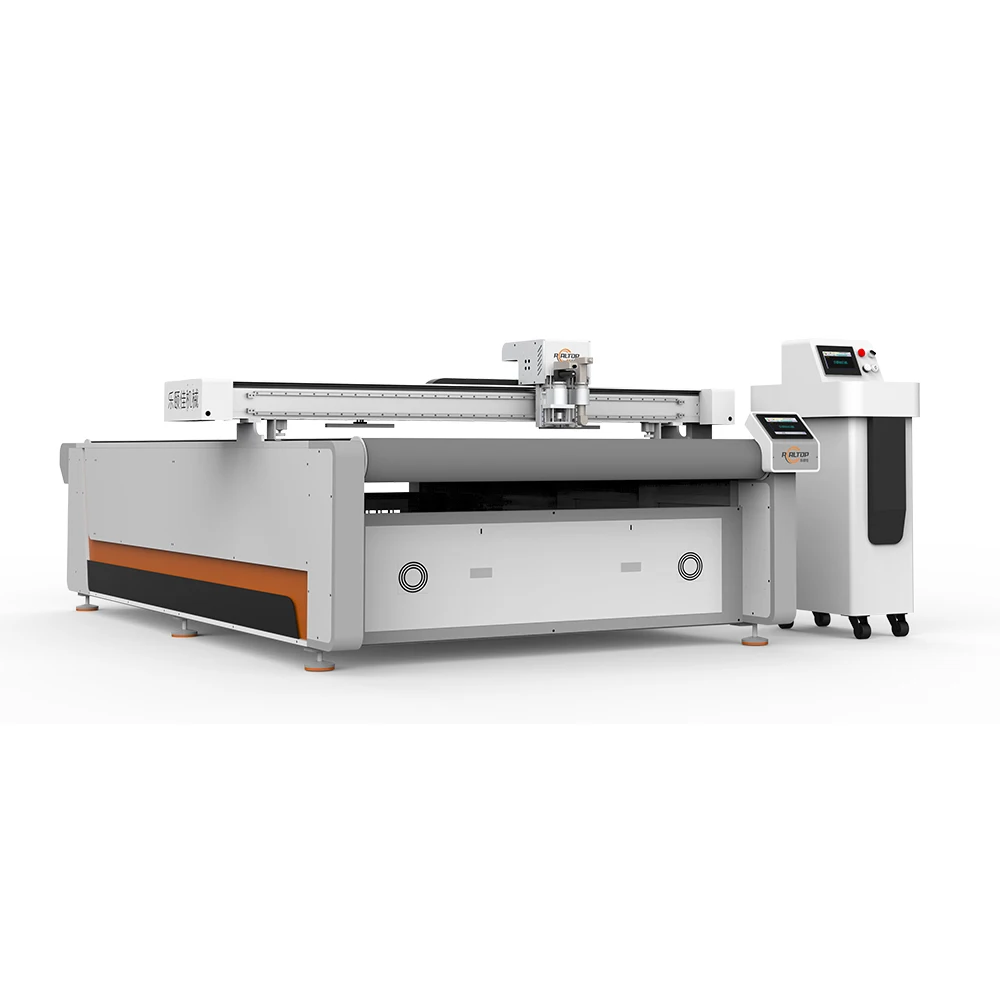
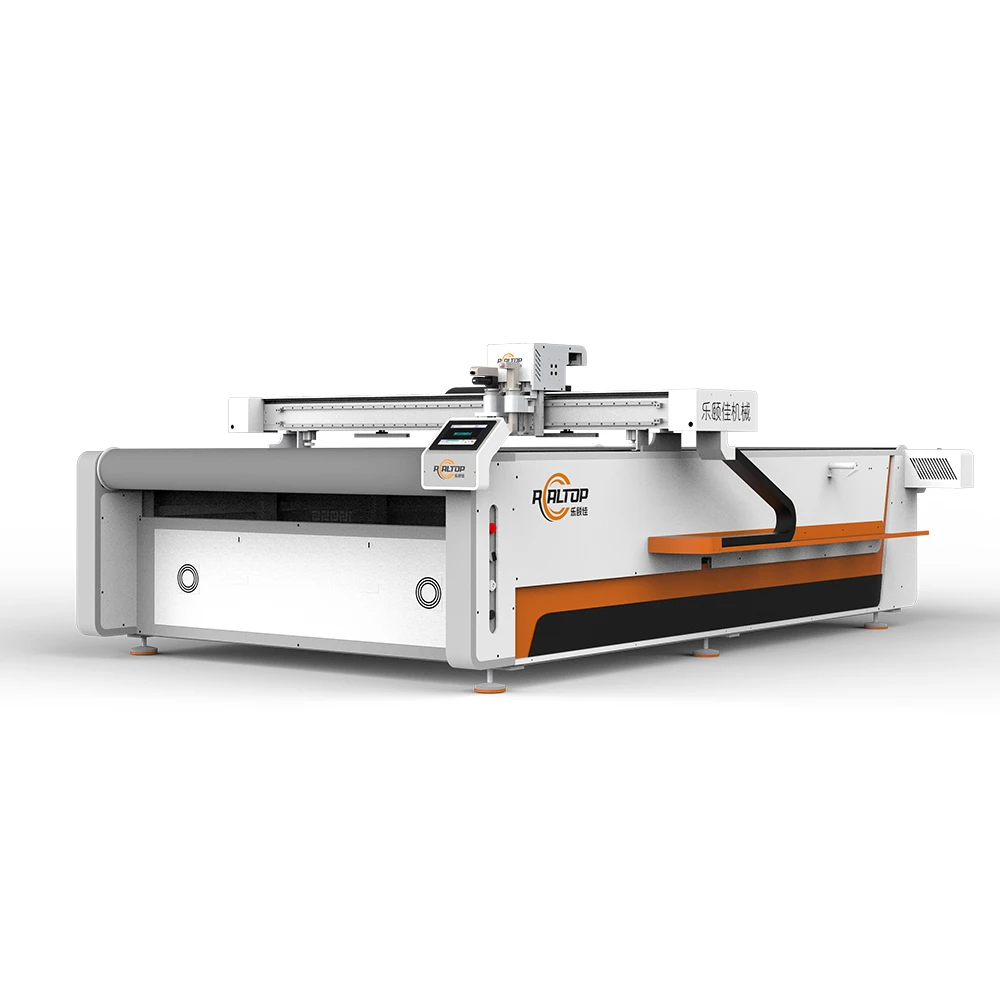
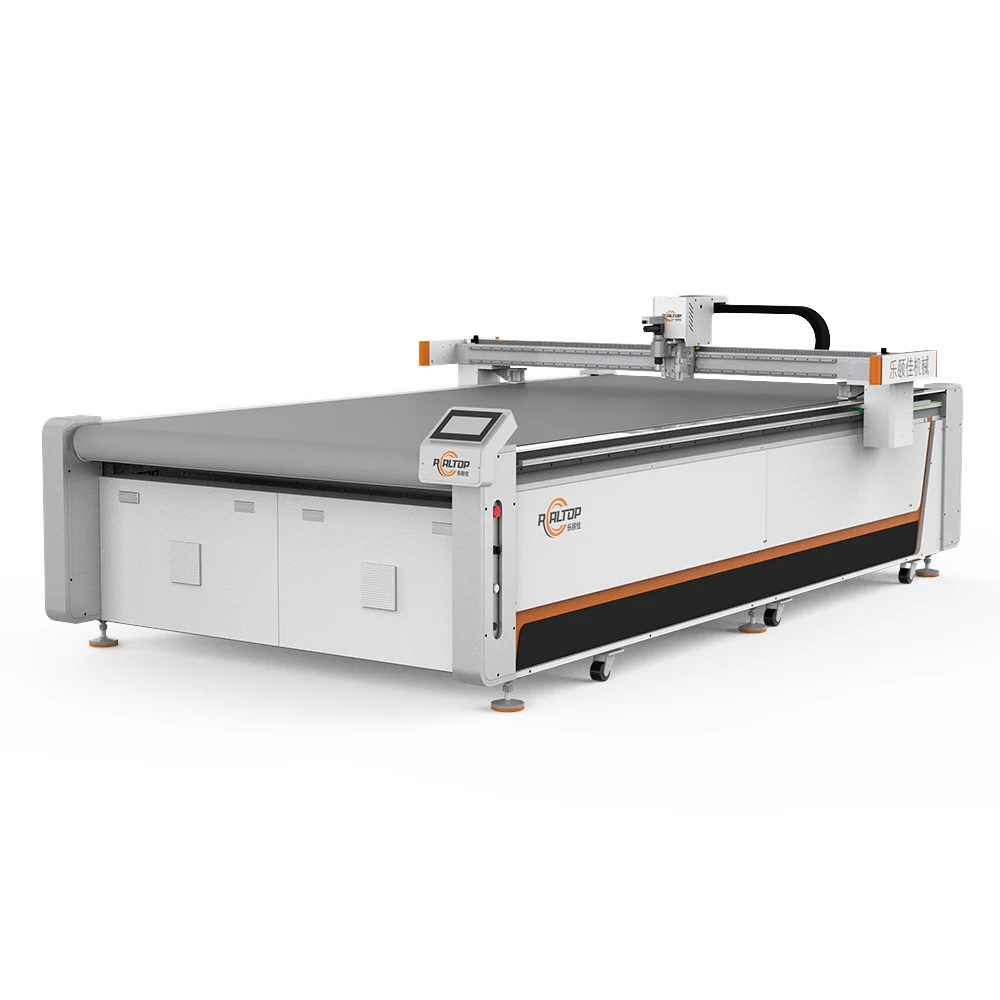
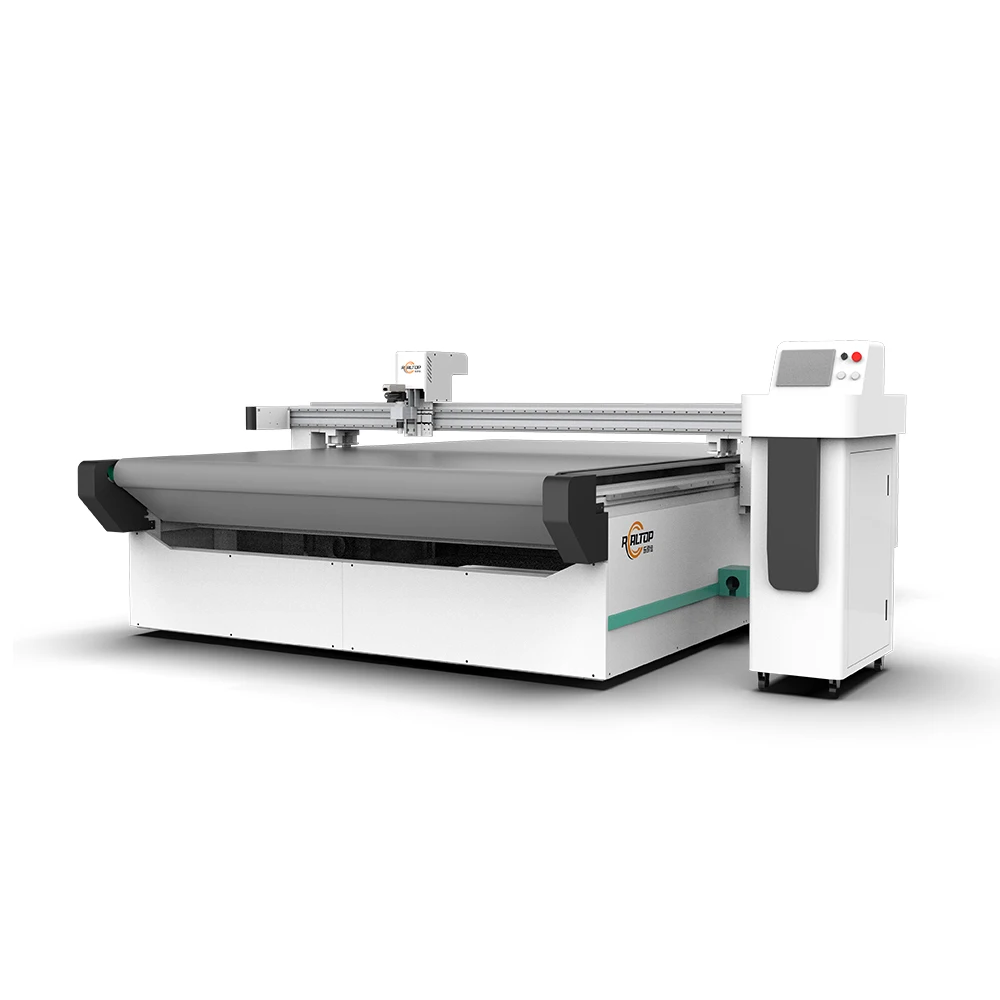
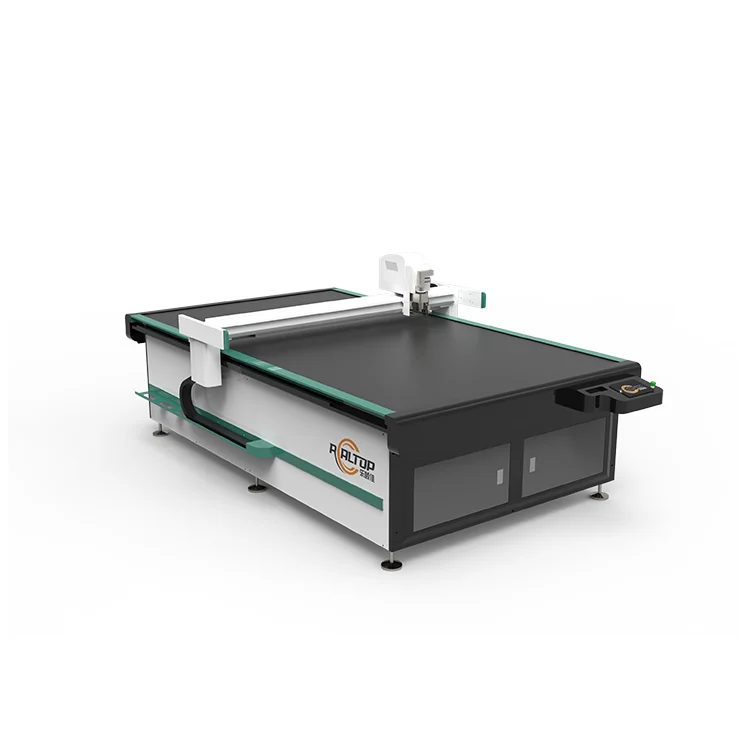
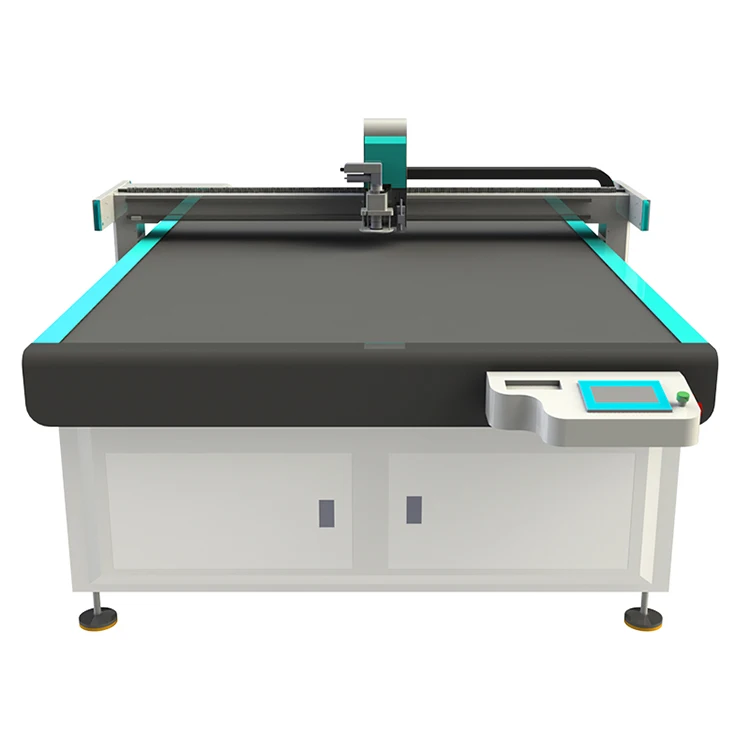
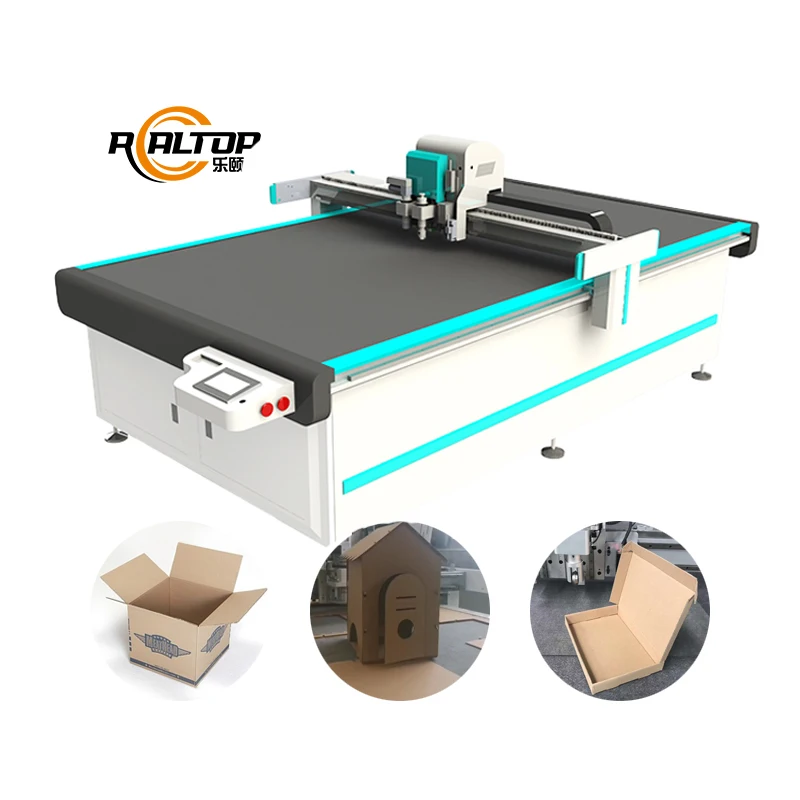
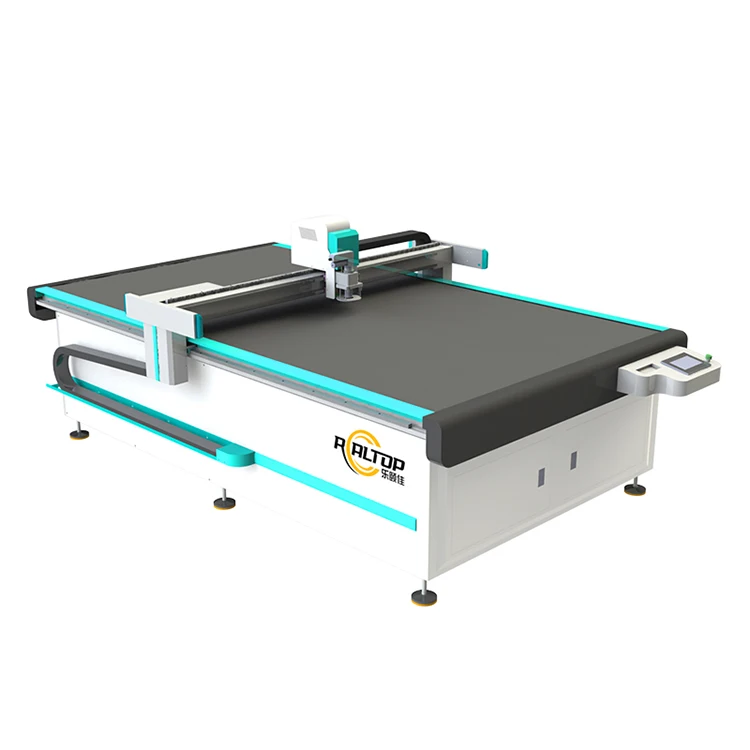
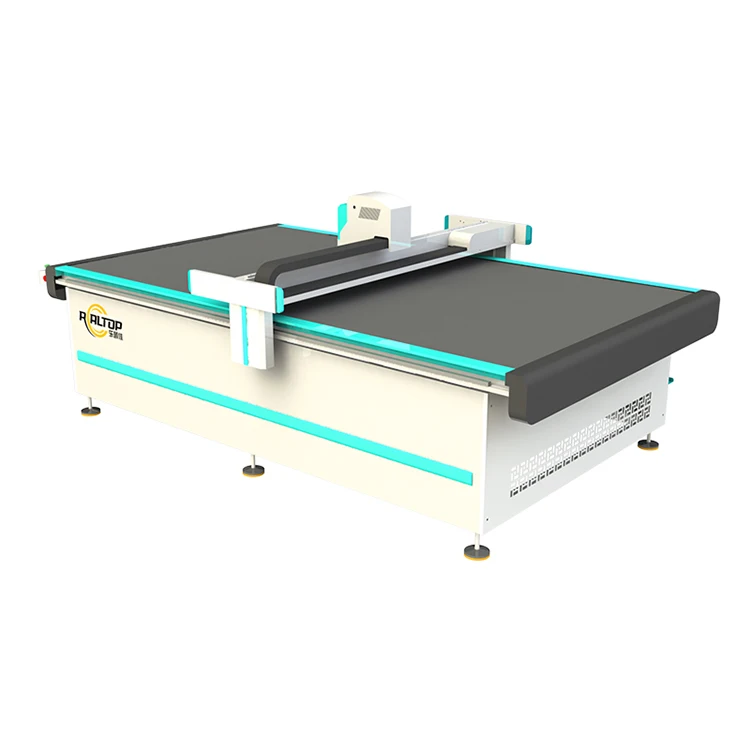
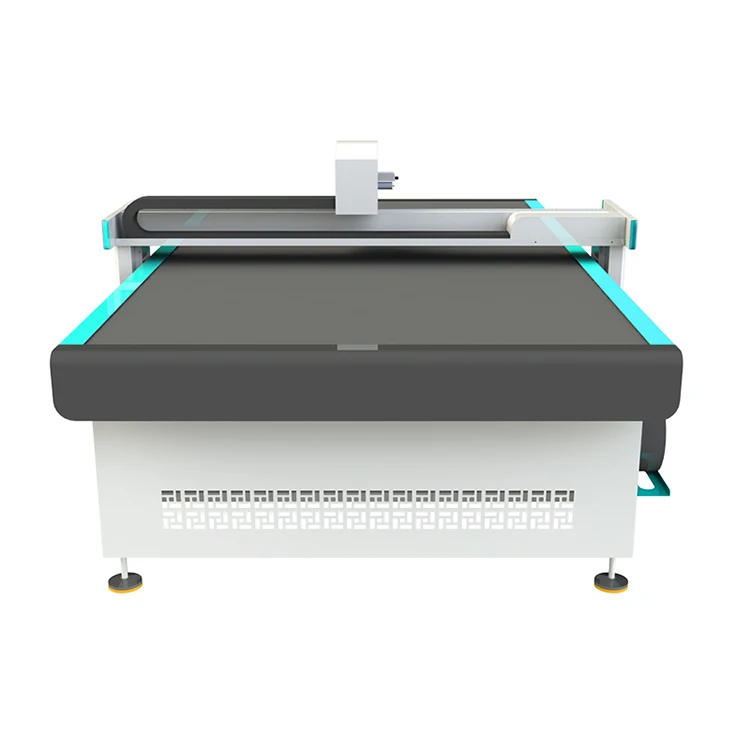
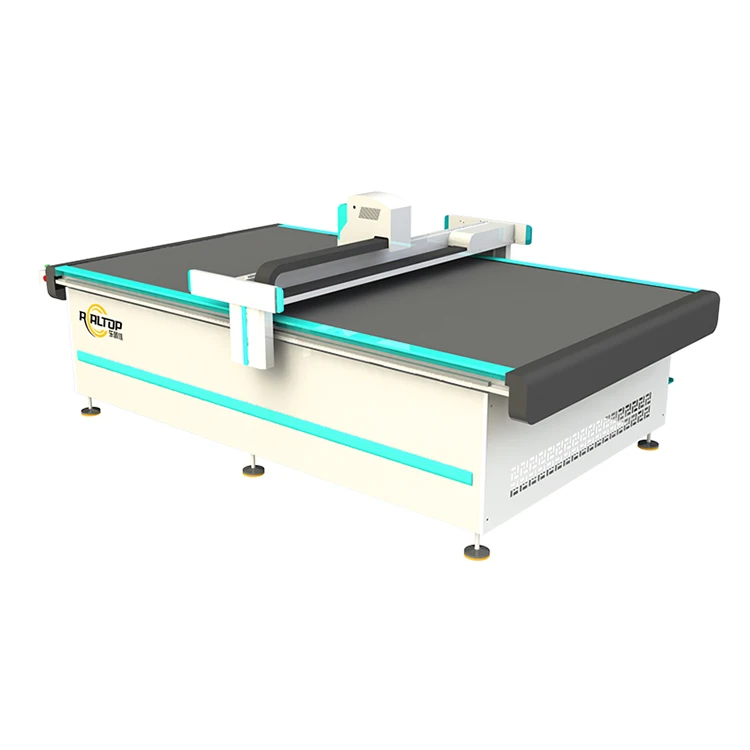
| Product Type | CNC Oscillating Knife Cutting Machine |
| Working Area | 1600 × 2500 mm |
| Machine Dimensions | 3450 × 2300 × 1250 mm |
| Rated Power | 9 kW |
| Translational Velocity | 800–2000 mm/s |
| Cutting Speed | 200–800 mm/s (varies with material) |
| Cutting Thickness | ≤100 mm (basis to be confirmed) |
| Repeated Accuracy | ≤0.1 mm |
| Transmission System | Digital servo motor, linear guide, synchronous belt, ball screw |
| Servo Motor | Delta or Panasonic (optional), IP67 waterproof |
| Vacuum Pump | 7.5 kW, aviation aluminum shell with built-in silencer sponge |
| Vacuum Table | Magnesium-aluminum alloy, fluorocarbon PVDF powder spraying, anodic oxidation |
| Linear Rail | Taiwan Hiwin |
| Control Panel | Touch screen, multi-language support |
| Instruction System | HP-GL compatible format |
| Software | Auto typesetting; supports PLT, DXF, AI |
| Visual Positioning | Small CCD camera, panoramic camera, projection positioning (optional) |
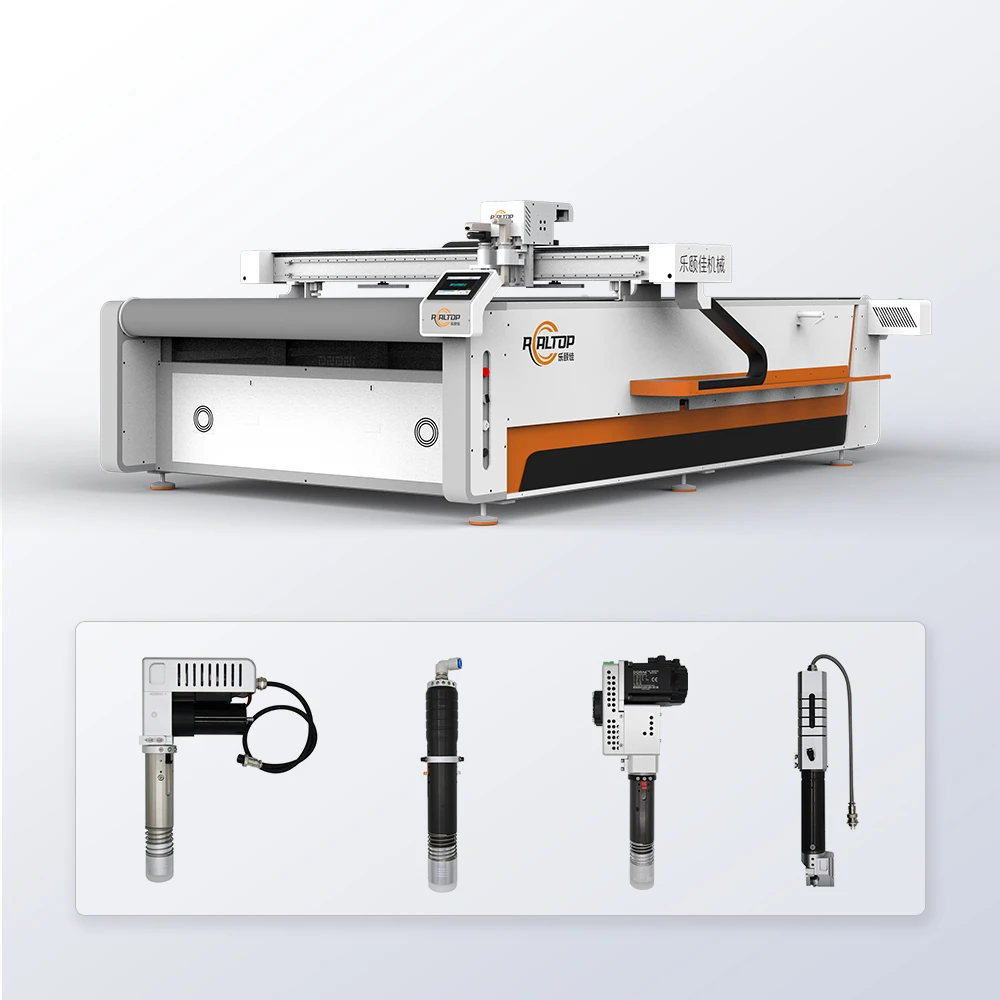
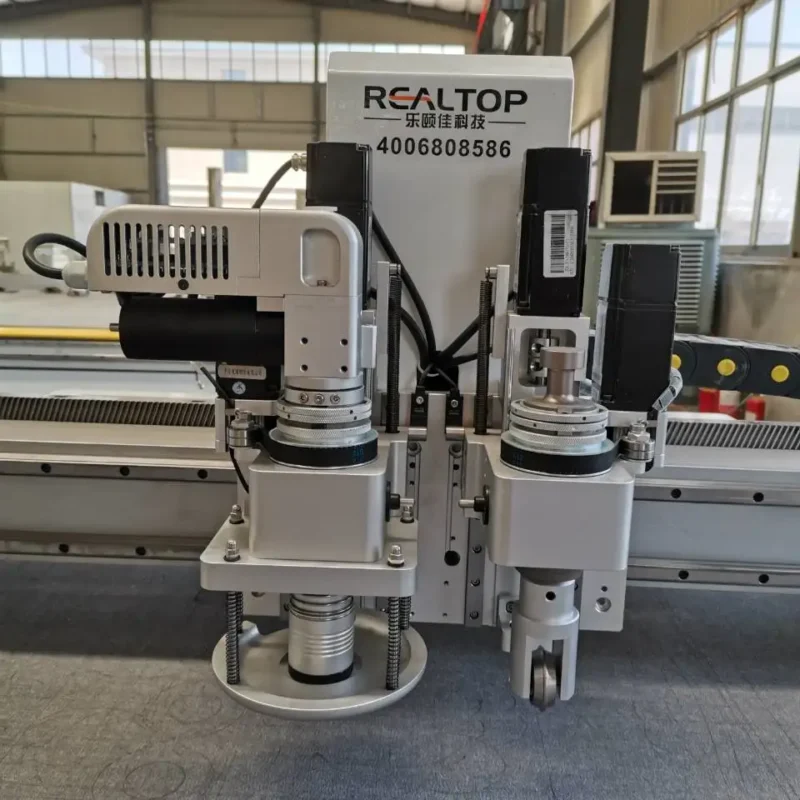
| Tool Head Options | Oscillating knife, pneumatic knife, high-power vibrating knife, circular knife, V-cutting knife, drag knife, creasing wheel, dotted line knife, punching, brush |
| Safety Devices | Infrared sensors, anti-collision, emergency stop |
| Voltage | 380V ± 10% |
| Frame | Thick-walled seamless steel structure, high-temperature tempering, CNC machining center finished |
Application Suitability
| Application | Material or Output |
|---|---|
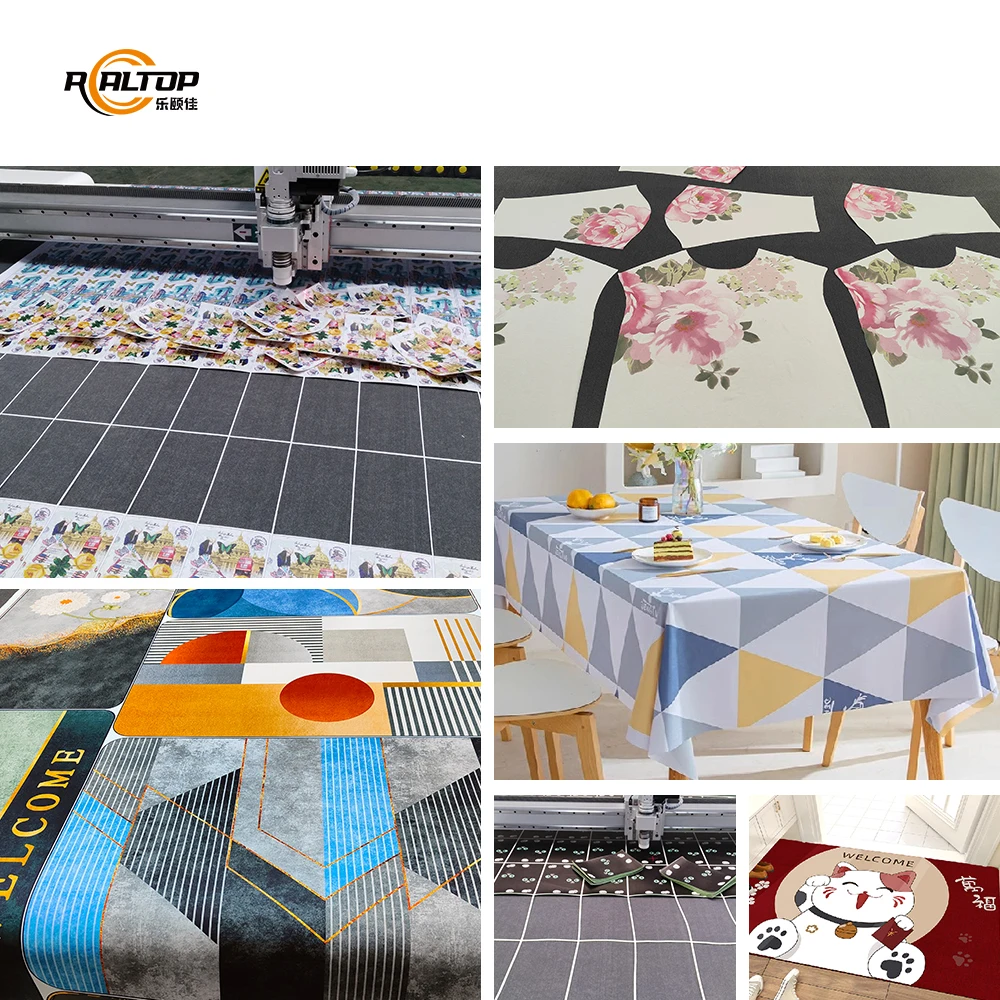
| Nonwoven table cloth and soft furnishing production | Non-woven fabric, textile, clothing cloth |
| Footwear and luggage manufacturing | Leather, PU, EVA, shoe material, luggage material |
| Automotive interior component fabrication | Composite materials, sponge, foam board, gasket material |
| Advertising and signage processing | PVC, sticker, film, corrugated cardboard |
| Packaging sample making | Corrugated cardboard, foam board, sticker |
| Sealing and industrial gasket production | Rubber, PTFE, ETFE, fiberglass, XPE |
Why "Cutting Thickness ≤100mm" Is Only Half the Answer When Selecting a CNC Cutting Machine Manufacturer
The number on the spec sheet means nothing without the material name beside it.
I started on the assembly floor in the Yangtze Delta, tightening bolts on CNC cutting frames, before moving into equipment selection. One nonwoven table cloth customer ran samples on 30gsm fabric — the machine cut clean, they signed. First week on 80gsm stock, the straight knife couldn’t get through, and half the output was scrap. Now I always ask for the heaviest material before specifying anything. A CNC flatbed cutting table for sale might list a maximum thickness, but that figure assumes a specific density and tool head combination [NEED_CITE: material density and tool head compatibility in digital cutting specifications]. What cuts through 5mm foam cleanly may stall on 3mm rubber if the wrong oscillating frequency is applied.
Knife Versus Laser: Matching the Method to Non-Woven and Textile Stock
For nonwoven table cloth and similar textile materials, an oscillating knife avoids the sealed-edge problem that a CO2 laser creates on synthetics. Laser heat melts polypropylene and polyester fibers, leaving a hardened bead along the cut line that can affect drape and downstream sewing. The CNC cutting machine manufacturer configures the RT-D2516/RT-S2516 with tool heads that mechanically shear fibers, producing a clean edge without thermal distortion.
Multifunctional Head Configuration Across a Single Work Area
The working area of 1600 × 2500 mm accommodates standard roll widths used in nonwoven and textile production. The multifunctional head accepts oscillating knife, circular knife, drag knife, and creasing wheel modules, allowing a single CNC flatbed cutting table for sale to handle cutting, creasing, and marking in one pass. Switching between tool heads is managed through the control panel without mechanical recalibration of the gantry. [NEED_CITE: multifunctional tool head configuration in flatbed digital cutting systems]
Reading the Specs That Determine Daily Output Quality
The 7.5 kW vacuum pump paired with the magnesium-aluminum alloy table is designed to hold lightweight nonwoven material flat during high-speed traversal at up to 2000 mm/s. Insufficient vacuum on thin fabric causes material lift at the cutting head, producing jagged edges and miscuts. Taiwan Hiwin linear rails maintain the ≤0.1 mm repeated accuracy necessary for nesting patterns where pieces sit millimeters apart. The Delta or Panasonic IP67 servo motors are specified to withstand workshop dust from composite and foam cutting without degradation. The auto-typesetting software accepts PLT, DXF, and AI files, reducing the gap between design output and machine-ready nesting layouts.
The Cost of Skipping the Material Sample Stage
When a buyer specifies a machine on working area alone, the first production run often reveals problems that a sample test would have caught. A vacuum table without adequate zoning lets small nonwoven parts lift during the final cut, ruining the piece and wasting material. The wrong knife frequency on layered fabric produces fused edges or incomplete cuts through the bottom ply [NEED_CITE: oscillating knife frequency and material ply interaction]. These issues surface only after the machine is installed, when reconfiguration means downtime and additional tooling costs.
Why Production Managers Source This Configuration Here
In-house design covers both knife and laser cutting technologies, so the cutting method is selected to suit the material rather than forcing one method across every application. Tool head and table configuration are specified per material type and production volume, not quoted as a single default package. CCD camera positioning for printed contour work is available as an option for buyers cutting pre-printed nonwoven or textile products. Software compatibility with existing PLT, DXF, and AI workflows is confirmed before the order is placed. Sample cutting on the buyer’s own material is standard practice, providing a physical report before commitment.
Documentation & Verification
- Machine specification sheet with tool head and table configuration matched to your nonwoven grade
- Electrical schematic and 380V ± 10% voltage confirmation for your facility supply
- Sample cutting report on your heaviest fabric weight before order confirmation
- Software licence and PLT, DXF, AI file format compatibility note included
- Factory test record documenting accuracy and cutting speed on your material
- Spare parts list covering knife blades, vacuum seals, and belt segments
Installation, Commissioning & Support
- 3450 × 2300 × 1250 mm footprint requires level concrete floor with clearance for material feed
- 9 kW rated power plus 7.5 kW vacuum pump need dedicated 380V three-phase circuit
- Machine ships partially assembled; gantry and control panel mounted on-site
- First-day commissioning includes vacuum zone calibration and servo tuning
- Operator training covers tool head changeover and nesting software workflow
- IP67 servo motors reduce maintenance intervals in dusty cutting environments
What to Include in Your Inquiry
Provide the specific nonwoven or textile material type, the heaviest gsm weight you will run, and the maximum sheet or roll width. Confirm your facility voltage and frequency, the control language your operators require, and whether CCD positioning is needed for printed contour work. If you have existing nesting files, share a sample so software compatibility can be verified before quotation.
Frequently Asked Questions
Q: How do I decide between oscillating knife and laser for nonwoven table cloth?
A: Oscillating knife cuts without heat, leaving a soft edge suitable for sewing and draping. Laser seals edges on synthetics, which is useful for preventing fraying on some woven fabrics but creates a hardened bead on nonwoven polypropylene. Submit your material for sample cutting on both methods to compare edge quality before choosing.
Q: Does the 1600 × 2500 mm working area handle standard nonwoven roll widths?
A: The 1600 mm width accommodates most nonwoven rolls used in table cloth production. For wider rolls, an auto-feeding table variant is available. Confirm your roll width and whether continuous feeding is required so the correct table configuration is specified.
Q: Which tool heads are necessary for cutting and creasing packaging samples?
A: An oscillating knife handles cutting through corrugated cardboard and foam board, while a creasing wheel scores fold lines without cutting through. The multifunctional head accepts both modules, allowing cutting and creasing in a single workflow without manual repositioning.
Q: What voltage and language options are available before shipment?
A: The standard configuration is 380V ± 10%, with control panel languages including English, Russian, Italian, and Chinese. Special languages and alternative voltage requirements are customizable. Confirm these details before production begins to avoid reconfiguration delays.
Q: Can I see a cutting sample on my own material before ordering?
A: Sample cutting on your specific material is conducted before commitment. You receive a sample cutting report documenting edge quality, cutting speed, and tool head selection. This ensures the configuration handles your actual production material, not just a generic test stock.
Specification Before Commitment — Every cutting method and tool head is matched to your material sample first, ensuring the configuration handles your actual thickness and edge requirement before production begins.
Technical Specifications
| Parameter | Value |
|---|---|
| Model | RT-D2516/RT-S2516 |
| Product Type | CNC Oscillating Knife Cutting Machine |
| Working Area | 1600 × 2500 mm |
| Machine Dimensions | 3450 × 2300 × 1250 mm |
| Rated Power | 9 kW |
| Translational Velocity | 800–2000 mm/s |
| Cutting Speed | 200–800 mm/s (varies with material) |
| Cutting Thickness | ≤100 mm (basis to be confirmed) |
| Repeated Accuracy | ≤0.1 mm |
| Transmission System | Digital servo motor, linear guide, synchronous belt, ball screw |
| Servo Motor | Delta or Panasonic (optional), IP67 waterproof |
| Vacuum Pump | 7.5 kW, aviation aluminum shell with built-in silencer sponge |
| Vacuum Table | Magnesium-aluminum alloy, fluorocarbon PVDF powder spraying, anodic oxidation |
| Linear Rail | Taiwan Hiwin |
| Control Panel | Touch screen, multi-language support |
| Instruction System | HP-GL compatible format |
| Software | Auto typesetting; supports PLT, DXF, AI |
| Visual Positioning | Small CCD camera, panoramic camera, projection positioning (optional) |
| Tool Head Options | Oscillating knife, pneumatic knife, high-power vibrating knife, circular knife, V-cutting knife, drag knife, creasing wheel, dotted line knife, punching, brush |
| Safety Devices | Infrared sensors, anti-collision, emergency stop |
| Voltage | 380V ± 10% |
| Frame | Thick-walled seamless steel structure, high-temperature tempering, CNC machining center finished |
Application Suitability
| Application | Material or Output |
|---|---|
| Nonwoven table cloth and soft furnishing production | Non-woven fabric, textile, clothing cloth |
| Footwear and luggage manufacturing | Leather, PU, EVA, shoe material, luggage material |
| Automotive interior component fabrication | Composite materials, sponge, foam board, gasket material |
| Advertising and signage processing | PVC, sticker, film, corrugated cardboard |
| Packaging sample making | Corrugated cardboard, foam board, sticker |
| Sealing and industrial gasket production | Rubber, PTFE, ETFE, fiberglass, XPE |
Why "Cutting Thickness ≤100mm" Is Only Half the Answer When Selecting a CNC Cutting Machine Manufacturer
The number on the spec sheet means nothing without the material name beside it.
I started on the assembly floor in the Yangtze Delta, tightening bolts on CNC cutting frames, before moving into equipment selection. One nonwoven table cloth customer ran samples on 30gsm fabric — the machine cut clean, they signed. First week on 80gsm stock, the straight knife couldn’t get through, and half the output was scrap. Now I always ask for the heaviest material before specifying anything. A CNC flatbed cutting table for sale might list a maximum thickness, but that figure assumes a specific density and tool head combination [NEED_CITE: material density and tool head compatibility in digital cutting specifications]. What cuts through 5mm foam cleanly may stall on 3mm rubber if the wrong oscillating frequency is applied.
Knife Versus Laser: Matching the Method to Non-Woven and Textile Stock
For nonwoven table cloth and similar textile materials, an oscillating knife avoids the sealed-edge problem that a CO2 laser creates on synthetics. Laser heat melts polypropylene and polyester fibers, leaving a hardened bead along the cut line that can affect drape and downstream sewing. The CNC cutting machine manufacturer configures the RT-D2516/RT-S2516 with tool heads that mechanically shear fibers, producing a clean edge without thermal distortion.
Multifunctional Head Configuration Across a Single Work Area
The working area of 1600 × 2500 mm accommodates standard roll widths used in nonwoven and textile production. The multifunctional head accepts oscillating knife, circular knife, drag knife, and creasing wheel modules, allowing a single CNC flatbed cutting table for sale to handle cutting, creasing, and marking in one pass. Switching between tool heads is managed through the control panel without mechanical recalibration of the gantry. [NEED_CITE: multifunctional tool head configuration in flatbed digital cutting systems]
Reading the Specs That Determine Daily Output Quality
The 7.5 kW vacuum pump paired with the magnesium-aluminum alloy table is designed to hold lightweight nonwoven material flat during high-speed traversal at up to 2000 mm/s. Insufficient vacuum on thin fabric causes material lift at the cutting head, producing jagged edges and miscuts. Taiwan Hiwin linear rails maintain the ≤0.1 mm repeated accuracy necessary for nesting patterns where pieces sit millimeters apart. The Delta or Panasonic IP67 servo motors are specified to withstand workshop dust from composite and foam cutting without degradation. The auto-typesetting software accepts PLT, DXF, and AI files, reducing the gap between design output and machine-ready nesting layouts.
The Cost of Skipping the Material Sample Stage
When a buyer specifies a machine on working area alone, the first production run often reveals problems that a sample test would have caught. A vacuum table without adequate zoning lets small nonwoven parts lift during the final cut, ruining the piece and wasting material. The wrong knife frequency on layered fabric produces fused edges or incomplete cuts through the bottom ply [NEED_CITE: oscillating knife frequency and material ply interaction]. These issues surface only after the machine is installed, when reconfiguration means downtime and additional tooling costs.
Why Production Managers Source This Configuration Here
In-house design covers both knife and laser cutting technologies, so the cutting method is selected to suit the material rather than forcing one method across every application. Tool head and table configuration are specified per material type and production volume, not quoted as a single default package. CCD camera positioning for printed contour work is available as an option for buyers cutting pre-printed nonwoven or textile products. Software compatibility with existing PLT, DXF, and AI workflows is confirmed before the order is placed. Sample cutting on the buyer’s own material is standard practice, providing a physical report before commitment.
Documentation & Verification
- Machine specification sheet with tool head and table configuration matched to your nonwoven grade
- Electrical schematic and 380V ± 10% voltage confirmation for your facility supply
- Sample cutting report on your heaviest fabric weight before order confirmation
- Software licence and PLT, DXF, AI file format compatibility note included
- Factory test record documenting accuracy and cutting speed on your material
- Spare parts list covering knife blades, vacuum seals, and belt segments
Installation, Commissioning & Support
- 3450 × 2300 × 1250 mm footprint requires level concrete floor with clearance for material feed
- 9 kW rated power plus 7.5 kW vacuum pump need dedicated 380V three-phase circuit
- Machine ships partially assembled; gantry and control panel mounted on-site
- First-day commissioning includes vacuum zone calibration and servo tuning
- Operator training covers tool head changeover and nesting software workflow
- IP67 servo motors reduce maintenance intervals in dusty cutting environments
What to Include in Your Inquiry
Provide the specific nonwoven or textile material type, the heaviest gsm weight you will run, and the maximum sheet or roll width. Confirm your facility voltage and frequency, the control language your operators require, and whether CCD positioning is needed for printed contour work. If you have existing nesting files, share a sample so software compatibility can be verified before quotation.
Frequently Asked Questions
Q: How do I decide between oscillating knife and laser for nonwoven table cloth?
A: Oscillating knife cuts without heat, leaving a soft edge suitable for sewing and draping. Laser seals edges on synthetics, which is useful for preventing fraying on some woven fabrics but creates a hardened bead on nonwoven polypropylene. Submit your material for sample cutting on both methods to compare edge quality before choosing.
Q: Does the 1600 × 2500 mm working area handle standard nonwoven roll widths?
A: The 1600 mm width accommodates most nonwoven rolls used in table cloth production. For wider rolls, an auto-feeding table variant is available. Confirm your roll width and whether continuous feeding is required so the correct table configuration is specified.
Q: Which tool heads are necessary for cutting and creasing packaging samples?
A: An oscillating knife handles cutting through corrugated cardboard and foam board, while a creasing wheel scores fold lines without cutting through. The multifunctional head accepts both modules, allowing cutting and creasing in a single workflow without manual repositioning.
Q: What voltage and language options are available before shipment?
A: The standard configuration is 380V ± 10%, with control panel languages including English, Russian, Italian, and Chinese. Special languages and alternative voltage requirements are customizable. Confirm these details before production begins to avoid reconfiguration delays.
Q: Can I see a cutting sample on my own material before ordering?
A: Sample cutting on your specific material is conducted before commitment. You receive a sample cutting report documenting edge quality, cutting speed, and tool head selection. This ensures the configuration handles your actual production material, not just a generic test stock.
商品评价
There are no reviews yet.