

Fast Delivery
Quick, reliable shipping to any location.

Free & easy returns
Return this item by mail or in store within 90 days for a full refund.
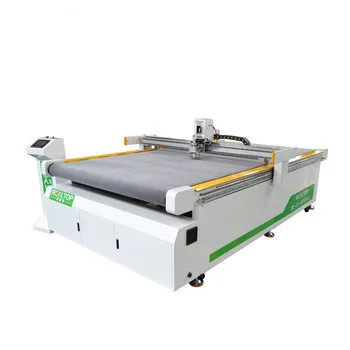
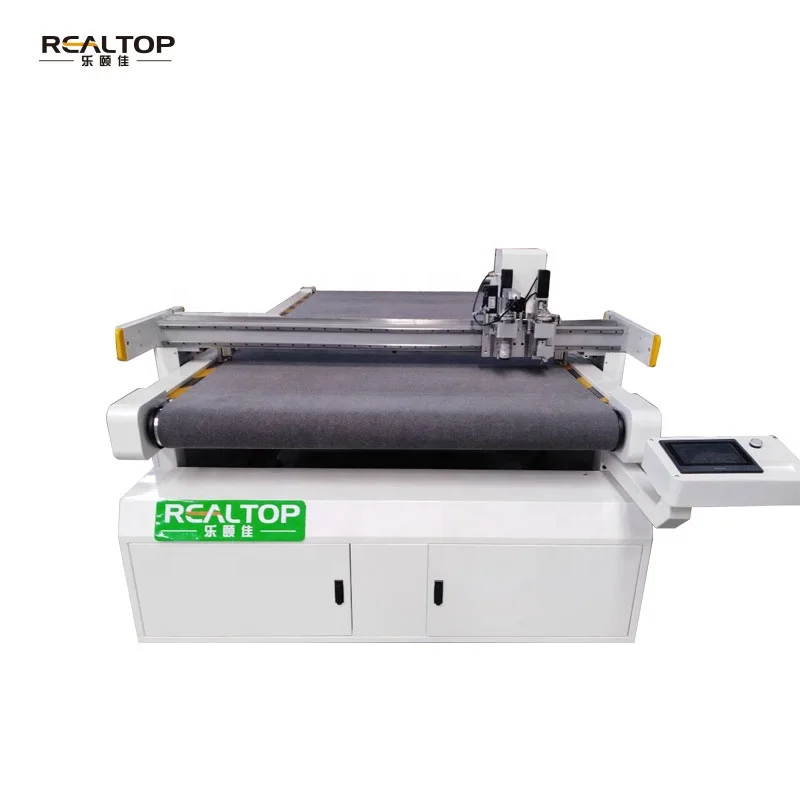
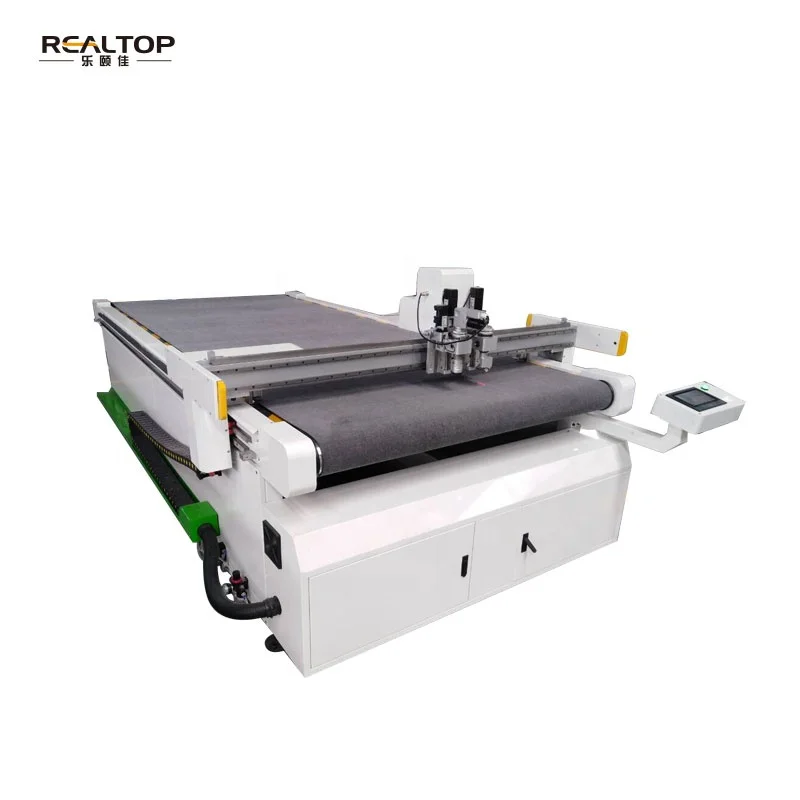
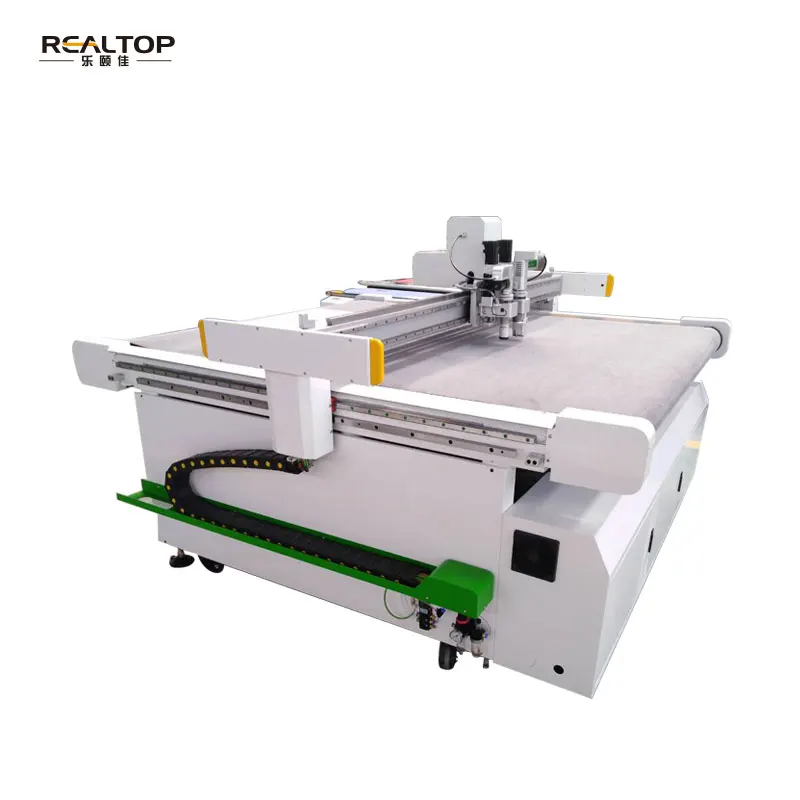
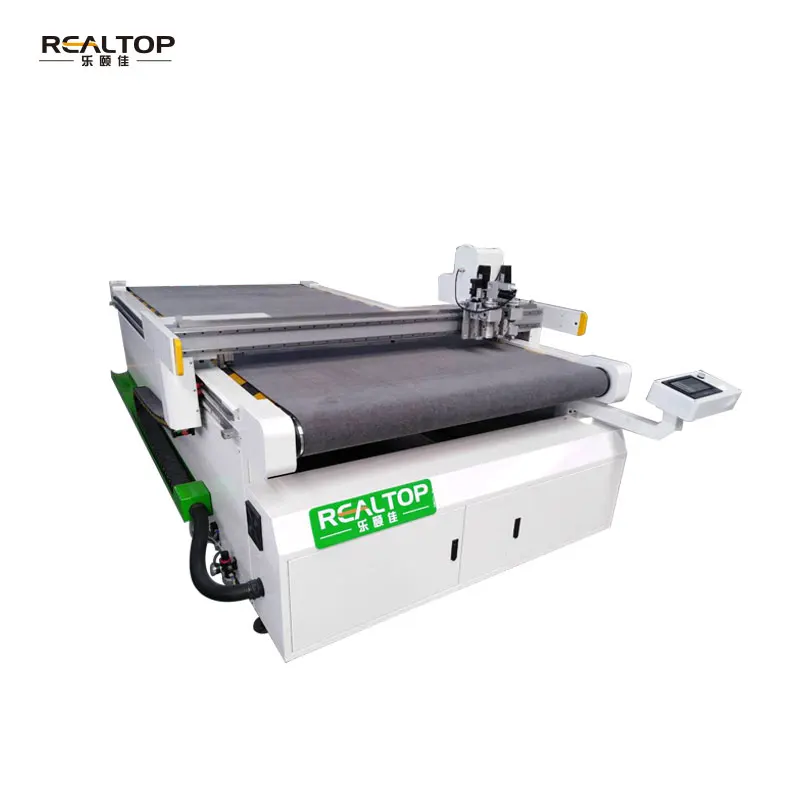
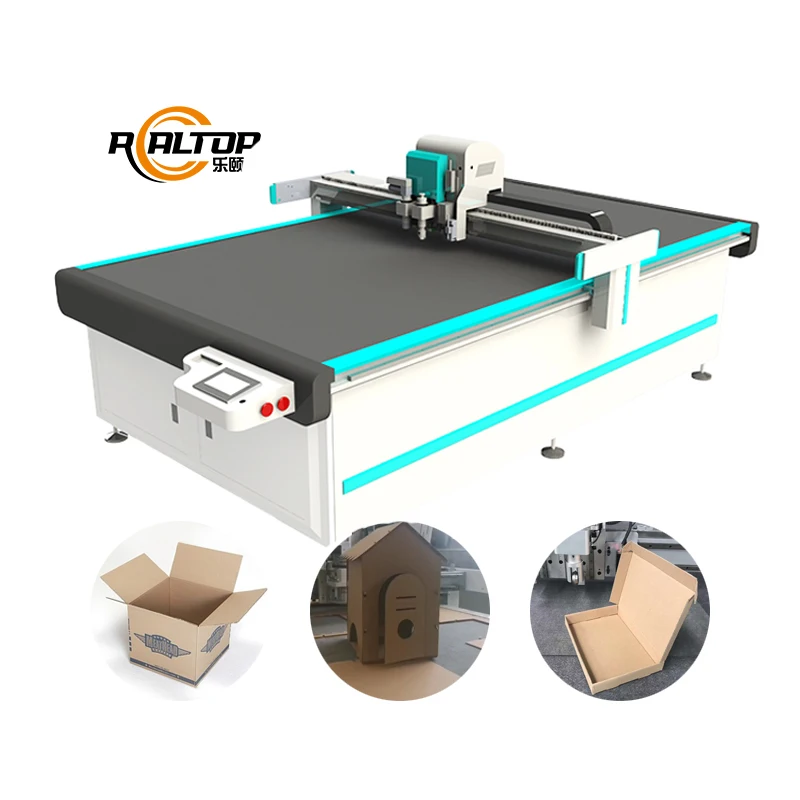
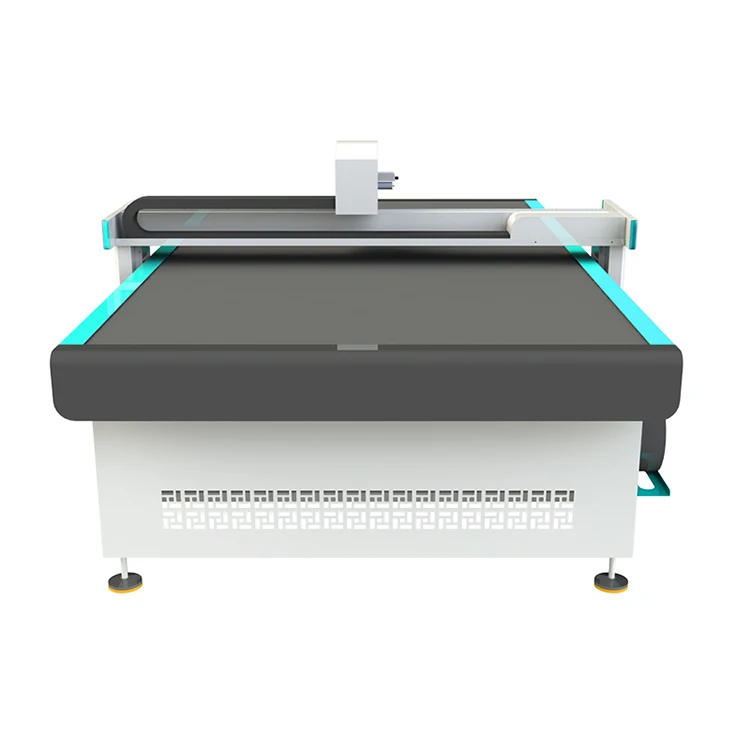
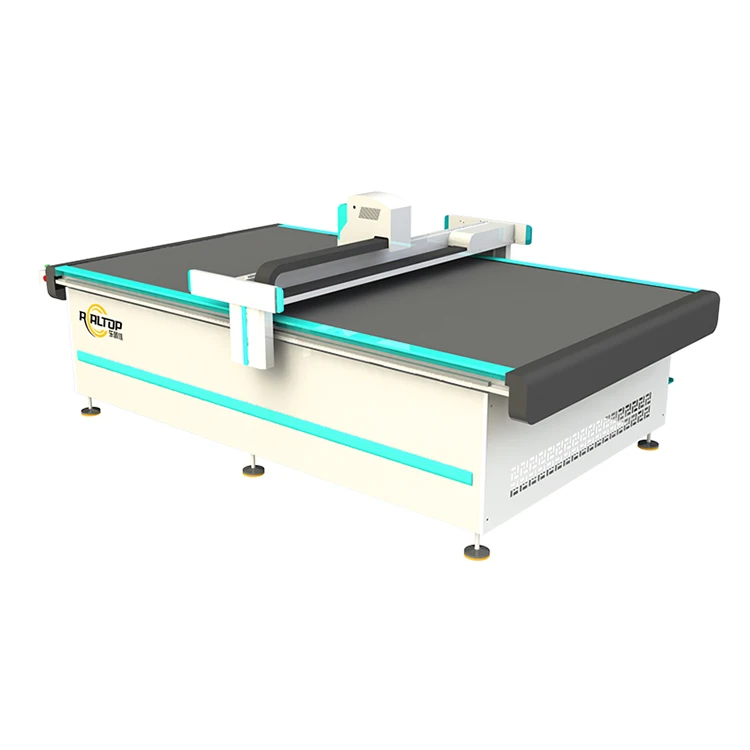
Configurable tool head and table setup — matching the cutting method to your fabric stack rather than forcing a single approach across varying ply heights and material blends.
Technical Specifications
| Parameter | Value |
|---|---|
| Product Type | Multi-layer Fabric CNC Cutting Machine |
| Model | RT-D2516/RT-S2516 |
| Working Area | 1600 × 2500 mm |
| Machine Size (L × W × H) | 3450 × 2300 × 1250 mm |
| Rated Power | 9 kW |
| Voltage & Frequency | 380V ±10% |
| Control / Instruction System | HP-GL compatible format |
| Servo Motor | Japanese Yaskawa |
| Transmission | Linear guide, synchronous belt, ball screw (imported) |
| Rail | Taiwan Hiwin |
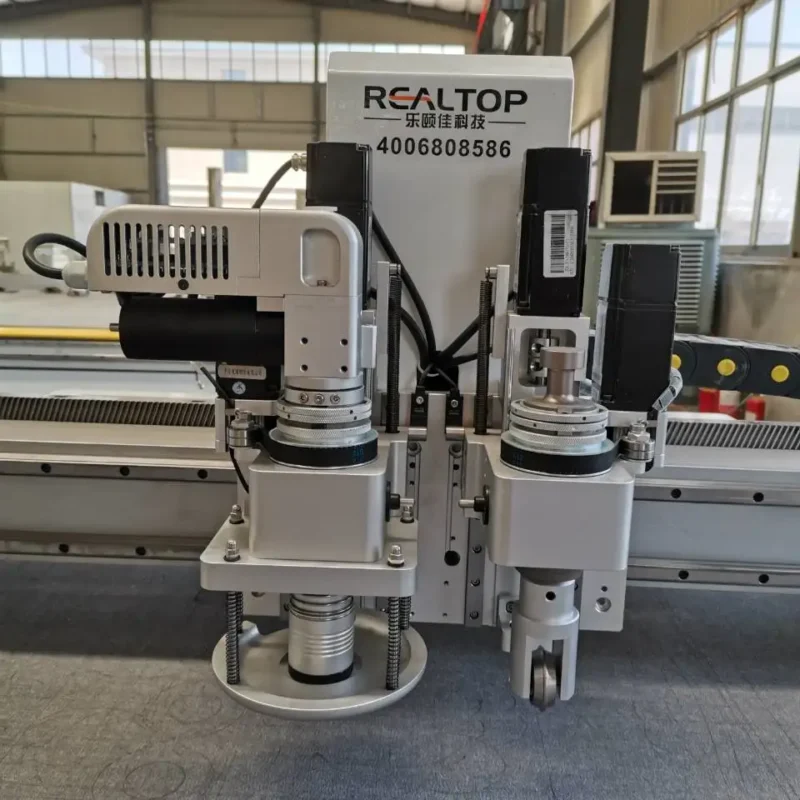
| Tool Head | Swiss imported knife — vibration full cutting, vibration half cutting, cursor location |
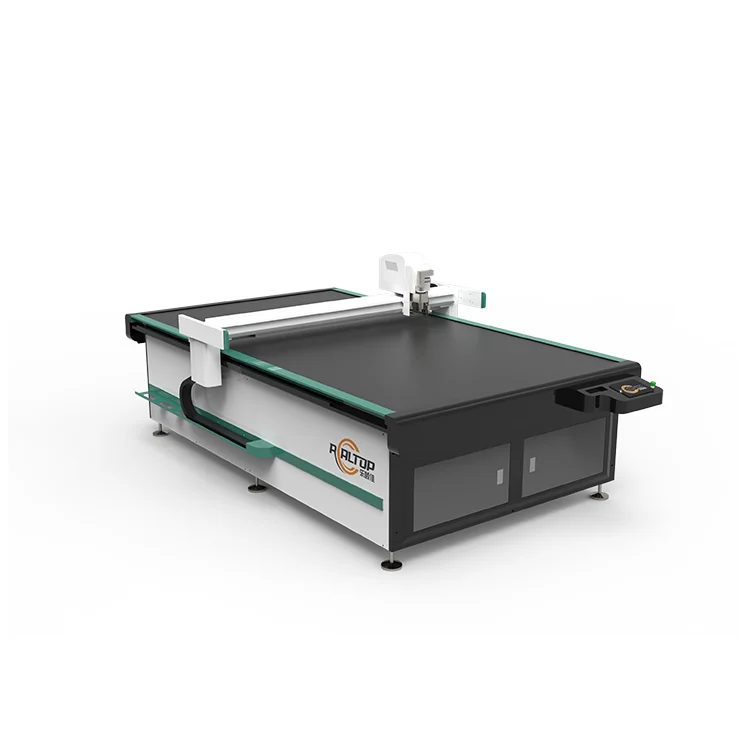
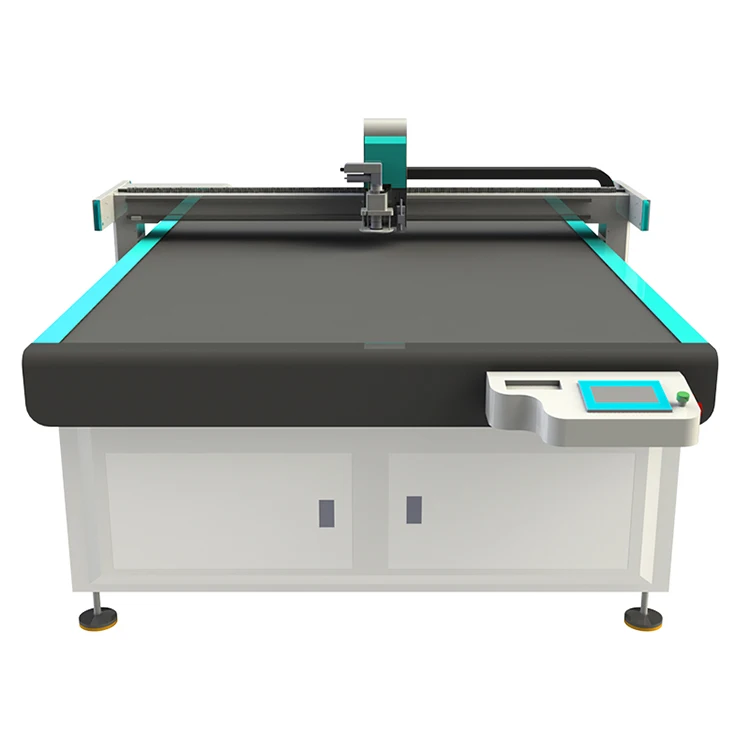
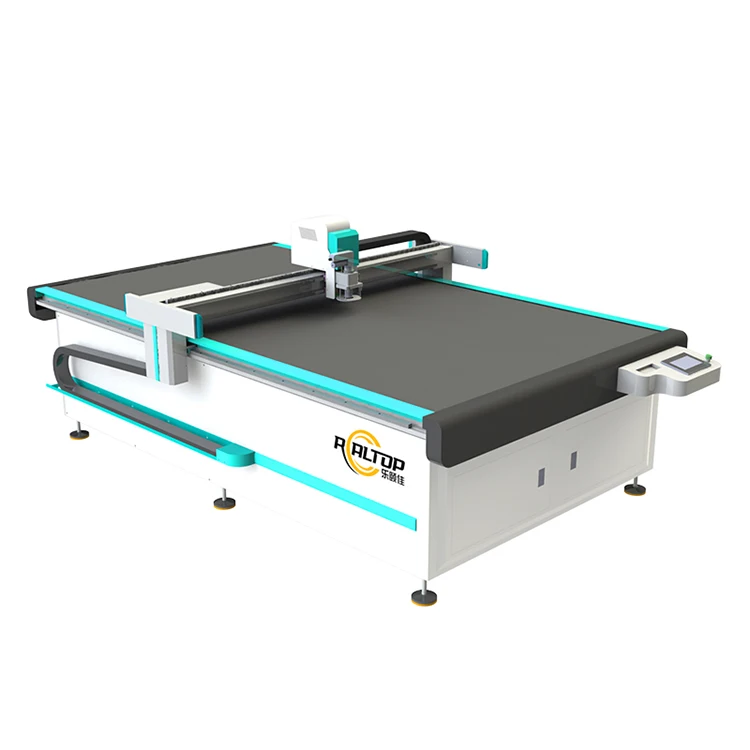
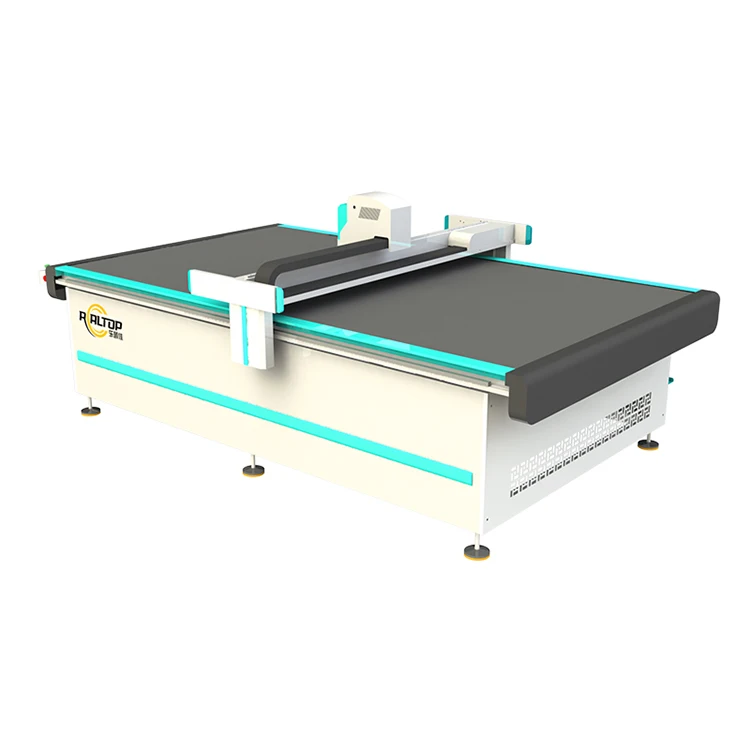
| Table Type | Flat working table with vacuum, Germany imported conveyor belt, auto feeding |
| Vacuum Pump | 7.5 kW |
| Translational Velocity | 800–1200 mm/s |
| Cutting Speed | 200–800 mm/s (varies by material) |
| Repeated Accuracy | ≤0.1 mm |
| Safety Device | Infrared sensors |
Application Suitability
| Application | Material or Output |
|---|---|
| Garment and suit manufacturing | Multi-layer woven, knitted and blended fabric stacks |
| Leather goods and footwear | Genuine leather, synthetic PU/PVC, composite sponge leather |
| Automotive interior trimming | Soft trim fabrics, foam-backed composites, headliner materials |
| Flexible industrial materials | PVC sheets, soft glass, silicone rubber, gasket compounds |
When "Working Area" Is Not Enough: Specifying for Actual Fabric Stacks
A Multi-layer Fabric CNC Cutting Machine manufacturer often quotes based on table dimensions alone, but a 1600×2500 mm bed tells you nothing about whether the vacuum will hold a 60 mm stack of stretch-blend suiting in place while the knife traverses at production speed. Configuration must follow the material, not the catalogue.
I once supplied a multi-layer cutter to a garment factory that ran high-elastane blends. The sample they sent was a basic polyester weave — it cut cleanly, they signed off, and we shipped. On their actual production floor, the elastane layers shifted under the knife and frayed at the edges. We spent weeks adjusting vacuum zoning and knife oscillation frequency remotely before the line ran stable. Now I insist on seeing the real fabric stack, at the real ply height, before any machine leaves the shop [NEED_CITE: material behavior under high-frequency oscillating knife cutting].
How the Catalogue Breaks Down: Knife Versus Laser for Fabric
The full cutting equipment range covers both oscillating knife and laser methods, and choosing between them starts with the material and the edge requirement. Knife cutting handles multi-layer stacks of woven, knitted and composite fabrics without melting or sealing the edge — critical when downstream sewing operations need a clean, un-fused perimeter for stitching. Laser cutting seals synthetic edges as it cuts, which suits single-layer applications like technical textiles or filter media where fraying must be prevented.
Within the knife family, machines range from single-head sample cutters for pattern rooms to conveyor-fed multi-layer systems like the RT-D2516/RT-S2516 for volume production. The deciding factors are daily piece count, ply height and whether the fabric is spread manually or by an upstream automatic spreader.
Why Auto Feeding and Conveyor Integration Matter at Volume
For garment factories producing hundreds or thousands of cut pieces per shift, stopping to load and unload each ply stack introduces dead time that compounds across a shift. The Germany imported conveyor belt on this model works with the vacuum table to advance material continuously: once one cutting zone completes, the conveyor indexes the next section of spread fabric into position while the operator unloads the finished pieces from the exit side [NEED_CITE: continuous versus static cutting workflow throughput differences].
The 7.5 kW vacuum pump must generate sufficient hold-down force across the entire 1600×2500 mm bed, including zones where the fabric stack is thin or absent. Zoned vacuum valves let the operator activate only the sections under the cutting head, concentrating suction where it is needed and preventing small cut pieces from lifting during high-speed knife travel.
Reading the Specs: What the Numbers Mean on the Shop Floor
The Yaskawa servo motors paired with Hiwin linear guides deliver ≤0.1 mm repeated accuracy — in practice, this means pattern pieces cut at the beginning and end of a long multi-layer run will match within a tolerance that sewing operators can absorb without rework. The Swiss imported oscillating knife head runs at high frequency to slice through dense stacks rather than tearing them; the vibration full cut, half cut and cursor location modes let a single tool head handle perimeter cutting, kiss-cutting for peel-and-stick applications and notch marking without a tool change.
HP-GL compatibility means the control system accepts plot files from most garment CAD and nesting software packages already in use at apparel factories. The 380V ±10% electrical supply is standard for industrial facilities in most export markets, but frequency, plug type and control panel language should all be confirmed against the destination country’s standards before the machine ships [NEED_CITE: voltage and frequency standards by export market].
The Cost of Getting the Vacuum and Tool Head Wrong
When vacuum zoning is too coarse for the part size being cut, small pattern pieces — collar stands, pocket flaps, cuff panels — lift off the table as the knife exits the cut. The operator then has to stop, reposition and re-cut, which damages yield and breaks the production rhythm. This failure mode is invisible during a factory demonstration where the sample part is large and the stack is thin.
Choosing the wrong knife profile for the material creates a different problem: a straight drag knife will crush foam-backed composites rather than slice them, leaving a compressed edge that will not sew flat. An oscillating knife set at the wrong frequency for the ply height will produce ragged layers in the middle of the stack even though the top and bottom plies look clean [NEED_CITE: oscillation frequency selection for multi-layer fabric stacks].
Why Procurement Starts with a Test on Your Own Material
In-house design covers both knife and laser cutting methods, so the cutting technology is matched to your fabric rather than the other way around. Tool head and table configuration are specified per material type and production volume after reviewing your actual spread and ply data.
CCD camera positioning is available for printed contour work where the knife must follow registered marks on dyed or printed fabric. Software compatibility is confirmed before order — the nesting workflow you already use is tested against the machine’s HP-GL interface. Voltage, language and machine specifications are customized to the destination facility. Sample cutting on your own fabric stack is completed and documented before any commitment is made.
Documentation & Verification
- Machine specification sheet listing working area, tool head options, vacuum pump rating and configured voltage
- Electrical schematic and voltage confirmation matched to destination frequency and plug type
- Tool head and table configuration list specifying knife profile, oscillation frequency and vacuum zone count
- Sample cutting report on buyer-supplied fabric stack showing ply height, edge quality and cycle time
- HP-GL file format compatibility note confirming integration with buyer’s nesting software
- Spare parts list covering knife blades, conveyor belt segments and vacuum seals
Installation, Commissioning & Support
- Floor space allocation for the 3450×2300 mm footprint plus operator clearance and material staging zones
- Dedicated 380V circuit sized for the combined 9 kW machine and 7.5 kW vacuum pump load
- Assembly of conveyor frame and auto-feeding section on site after transport in modular sections
- First-run parameter tuning: knife oscillation frequency, vacuum zone pressure and cutting speed set to buyer’s fabric
- Operator training on HP-GL file loading, nesting layout import and tool head mode switching
- Scheduled replacement intervals for oscillating knife blades, conveyor belt wear strips and vacuum pump filters
Preparing Your Inquiry
To get a configuration that fits your cutting room, share your primary fabric types with typical ply heights, the daily cut-piece volume your line must sustain, and the electrical supply specification at your facility including voltage, frequency and plug standard. If you have an existing nesting software workflow, provide a sample output file so compatibility can be verified before the quotation stage.
Frequently Asked Questions
Q: How is multi-layer cutting capacity verified before the machine ships?
A: The buyer supplies a representative fabric stack at the intended ply height and blend ratio. A sample cutting report is generated documenting edge quality, layer shift measurement and cycle time. Configuration adjustments to vacuum zoning, knife oscillation frequency and cutting speed are recorded and locked before dispatch.
Q: Where does knife cutting sit versus laser in the full catalogue?
A: Oscillating knife handles multi-layer stacks of woven, knitted and composite fabrics where an un-fused edge is required for downstream sewing. Laser cutting suits single-layer synthetics where edge sealing prevents fraying. The choice depends on material type, ply count and the sewing or finishing process that follows.
Q: What electrical details must be confirmed before shipment?
A: The destination facility’s voltage, frequency, plug type and available circuit capacity must be verified against the machine’s 380V ±10% requirement and the 7.5 kW vacuum pump. A dedicated circuit is recommended. The electrical schematic is reviewed and signed off before production begins.
Q: Will the machine accept files from our existing nesting software?
A: The HP-GL compatible control system integrates with most garment CAD and nesting platforms. A sample file from the buyer’s software is tested during the pre-order verification stage, and a compatibility note is included in the documentation package confirming accepted formats and any required export settings.
Configurable tool head and table setup — matching the cutting method to your fabric stack rather than forcing a single approach across varying ply heights and material blends.
Technical Specifications
| Parameter | Value |
|---|---|
| Product Type | Multi-layer Fabric CNC Cutting Machine |
| Model | RT-D2516/RT-S2516 |
| Working Area | 1600 × 2500 mm |
| Machine Size (L × W × H) | 3450 × 2300 × 1250 mm |
| Rated Power | 9 kW |
| Voltage & Frequency | 380V ±10% |
| Control / Instruction System | HP-GL compatible format |
| Servo Motor | Japanese Yaskawa |
| Transmission | Linear guide, synchronous belt, ball screw (imported) |
| Rail | Taiwan Hiwin |
| Tool Head | Swiss imported knife — vibration full cutting, vibration half cutting, cursor location |
| Table Type | Flat working table with vacuum, Germany imported conveyor belt, auto feeding |
| Vacuum Pump | 7.5 kW |
| Translational Velocity | 800–1200 mm/s |
| Cutting Speed | 200–800 mm/s (varies by material) |
| Repeated Accuracy | ≤0.1 mm |
| Safety Device | Infrared sensors |
Application Suitability
| Application | Material or Output |
|---|---|
| Garment and suit manufacturing | Multi-layer woven, knitted and blended fabric stacks |
| Leather goods and footwear | Genuine leather, synthetic PU/PVC, composite sponge leather |
| Automotive interior trimming | Soft trim fabrics, foam-backed composites, headliner materials |
| Flexible industrial materials | PVC sheets, soft glass, silicone rubber, gasket compounds |
When "Working Area" Is Not Enough: Specifying for Actual Fabric Stacks
A Multi-layer Fabric CNC Cutting Machine manufacturer often quotes based on table dimensions alone, but a 1600×2500 mm bed tells you nothing about whether the vacuum will hold a 60 mm stack of stretch-blend suiting in place while the knife traverses at production speed. Configuration must follow the material, not the catalogue.
I once supplied a multi-layer cutter to a garment factory that ran high-elastane blends. The sample they sent was a basic polyester weave — it cut cleanly, they signed off, and we shipped. On their actual production floor, the elastane layers shifted under the knife and frayed at the edges. We spent weeks adjusting vacuum zoning and knife oscillation frequency remotely before the line ran stable. Now I insist on seeing the real fabric stack, at the real ply height, before any machine leaves the shop [NEED_CITE: material behavior under high-frequency oscillating knife cutting].
How the Catalogue Breaks Down: Knife Versus Laser for Fabric
The full cutting equipment range covers both oscillating knife and laser methods, and choosing between them starts with the material and the edge requirement. Knife cutting handles multi-layer stacks of woven, knitted and composite fabrics without melting or sealing the edge — critical when downstream sewing operations need a clean, un-fused perimeter for stitching. Laser cutting seals synthetic edges as it cuts, which suits single-layer applications like technical textiles or filter media where fraying must be prevented.
Within the knife family, machines range from single-head sample cutters for pattern rooms to conveyor-fed multi-layer systems like the RT-D2516/RT-S2516 for volume production. The deciding factors are daily piece count, ply height and whether the fabric is spread manually or by an upstream automatic spreader.
Why Auto Feeding and Conveyor Integration Matter at Volume
For garment factories producing hundreds or thousands of cut pieces per shift, stopping to load and unload each ply stack introduces dead time that compounds across a shift. The Germany imported conveyor belt on this model works with the vacuum table to advance material continuously: once one cutting zone completes, the conveyor indexes the next section of spread fabric into position while the operator unloads the finished pieces from the exit side [NEED_CITE: continuous versus static cutting workflow throughput differences].
The 7.5 kW vacuum pump must generate sufficient hold-down force across the entire 1600×2500 mm bed, including zones where the fabric stack is thin or absent. Zoned vacuum valves let the operator activate only the sections under the cutting head, concentrating suction where it is needed and preventing small cut pieces from lifting during high-speed knife travel.
Reading the Specs: What the Numbers Mean on the Shop Floor
The Yaskawa servo motors paired with Hiwin linear guides deliver ≤0.1 mm repeated accuracy — in practice, this means pattern pieces cut at the beginning and end of a long multi-layer run will match within a tolerance that sewing operators can absorb without rework. The Swiss imported oscillating knife head runs at high frequency to slice through dense stacks rather than tearing them; the vibration full cut, half cut and cursor location modes let a single tool head handle perimeter cutting, kiss-cutting for peel-and-stick applications and notch marking without a tool change.
HP-GL compatibility means the control system accepts plot files from most garment CAD and nesting software packages already in use at apparel factories. The 380V ±10% electrical supply is standard for industrial facilities in most export markets, but frequency, plug type and control panel language should all be confirmed against the destination country’s standards before the machine ships [NEED_CITE: voltage and frequency standards by export market].
The Cost of Getting the Vacuum and Tool Head Wrong
When vacuum zoning is too coarse for the part size being cut, small pattern pieces — collar stands, pocket flaps, cuff panels — lift off the table as the knife exits the cut. The operator then has to stop, reposition and re-cut, which damages yield and breaks the production rhythm. This failure mode is invisible during a factory demonstration where the sample part is large and the stack is thin.
Choosing the wrong knife profile for the material creates a different problem: a straight drag knife will crush foam-backed composites rather than slice them, leaving a compressed edge that will not sew flat. An oscillating knife set at the wrong frequency for the ply height will produce ragged layers in the middle of the stack even though the top and bottom plies look clean [NEED_CITE: oscillation frequency selection for multi-layer fabric stacks].
Why Procurement Starts with a Test on Your Own Material
In-house design covers both knife and laser cutting methods, so the cutting technology is matched to your fabric rather than the other way around. Tool head and table configuration are specified per material type and production volume after reviewing your actual spread and ply data.
CCD camera positioning is available for printed contour work where the knife must follow registered marks on dyed or printed fabric. Software compatibility is confirmed before order — the nesting workflow you already use is tested against the machine’s HP-GL interface. Voltage, language and machine specifications are customized to the destination facility. Sample cutting on your own fabric stack is completed and documented before any commitment is made.
Documentation & Verification
- Machine specification sheet listing working area, tool head options, vacuum pump rating and configured voltage
- Electrical schematic and voltage confirmation matched to destination frequency and plug type
- Tool head and table configuration list specifying knife profile, oscillation frequency and vacuum zone count
- Sample cutting report on buyer-supplied fabric stack showing ply height, edge quality and cycle time
- HP-GL file format compatibility note confirming integration with buyer’s nesting software
- Spare parts list covering knife blades, conveyor belt segments and vacuum seals
Installation, Commissioning & Support
- Floor space allocation for the 3450×2300 mm footprint plus operator clearance and material staging zones
- Dedicated 380V circuit sized for the combined 9 kW machine and 7.5 kW vacuum pump load
- Assembly of conveyor frame and auto-feeding section on site after transport in modular sections
- First-run parameter tuning: knife oscillation frequency, vacuum zone pressure and cutting speed set to buyer’s fabric
- Operator training on HP-GL file loading, nesting layout import and tool head mode switching
- Scheduled replacement intervals for oscillating knife blades, conveyor belt wear strips and vacuum pump filters
Preparing Your Inquiry
To get a configuration that fits your cutting room, share your primary fabric types with typical ply heights, the daily cut-piece volume your line must sustain, and the electrical supply specification at your facility including voltage, frequency and plug standard. If you have an existing nesting software workflow, provide a sample output file so compatibility can be verified before the quotation stage.
Frequently Asked Questions
Q: How is multi-layer cutting capacity verified before the machine ships?
A: The buyer supplies a representative fabric stack at the intended ply height and blend ratio. A sample cutting report is generated documenting edge quality, layer shift measurement and cycle time. Configuration adjustments to vacuum zoning, knife oscillation frequency and cutting speed are recorded and locked before dispatch.
Q: Where does knife cutting sit versus laser in the full catalogue?
A: Oscillating knife handles multi-layer stacks of woven, knitted and composite fabrics where an un-fused edge is required for downstream sewing. Laser cutting suits single-layer synthetics where edge sealing prevents fraying. The choice depends on material type, ply count and the sewing or finishing process that follows.
Q: What electrical details must be confirmed before shipment?
A: The destination facility’s voltage, frequency, plug type and available circuit capacity must be verified against the machine’s 380V ±10% requirement and the 7.5 kW vacuum pump. A dedicated circuit is recommended. The electrical schematic is reviewed and signed off before production begins.
Q: Will the machine accept files from our existing nesting software?
A: The HP-GL compatible control system integrates with most garment CAD and nesting platforms. A sample file from the buyer’s software is tested during the pre-order verification stage, and a compatibility note is included in the documentation package confirming accepted formats and any required export settings.
商品评价
There are no reviews yet.