

Fast Delivery
Quick, reliable shipping to any location.

Free & easy returns
Return this item by mail or in store within 90 days for a full refund.
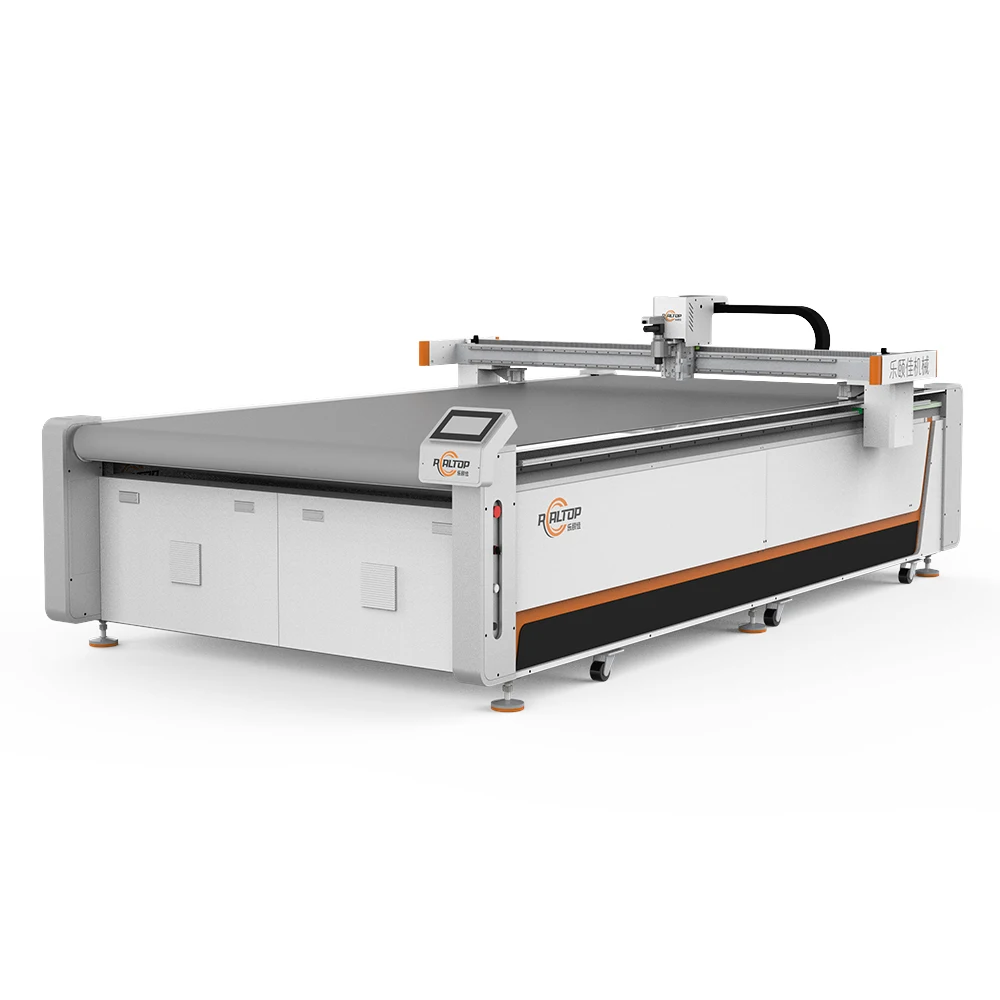
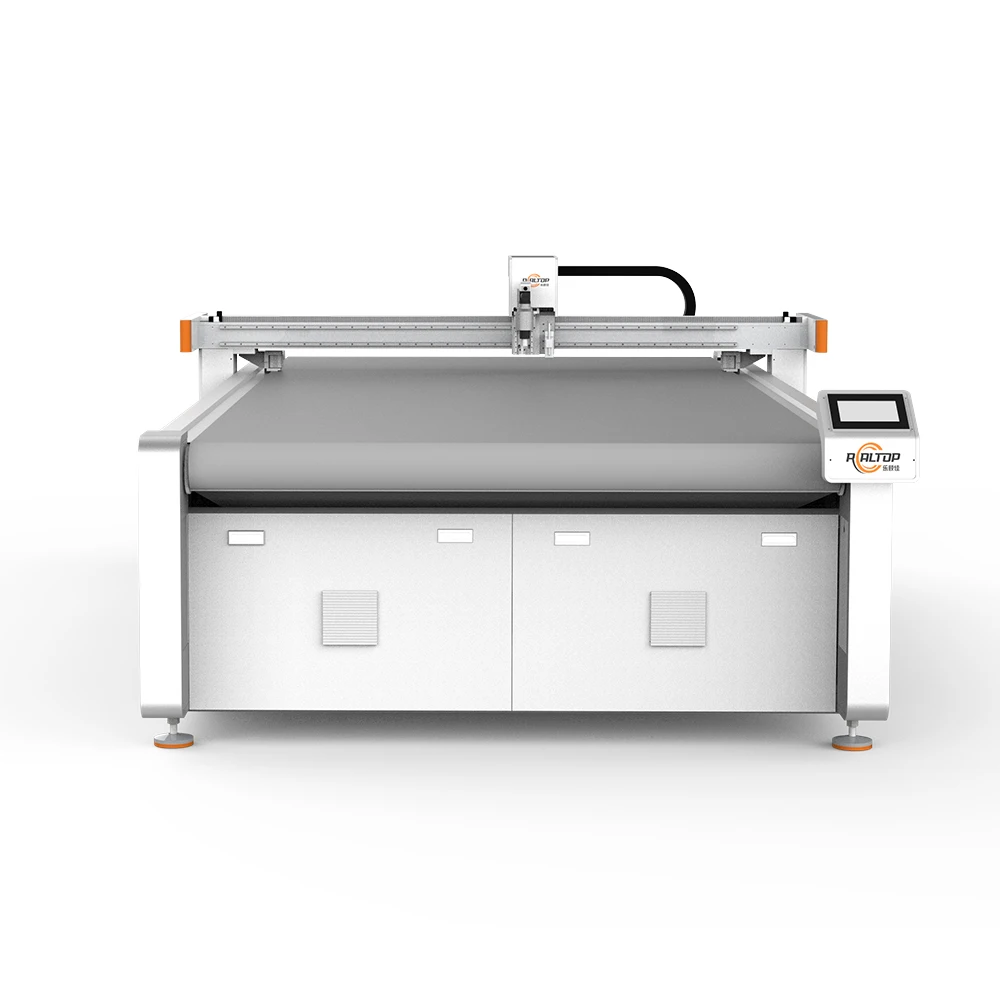
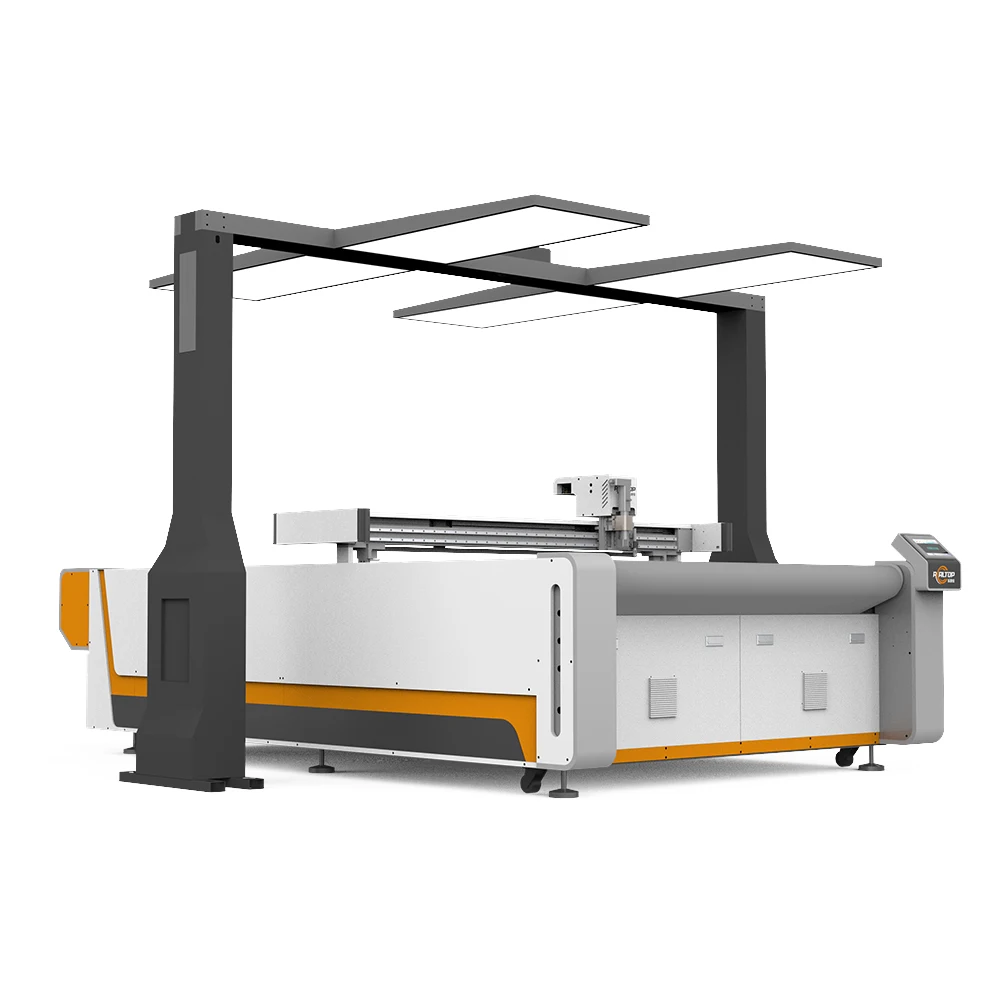
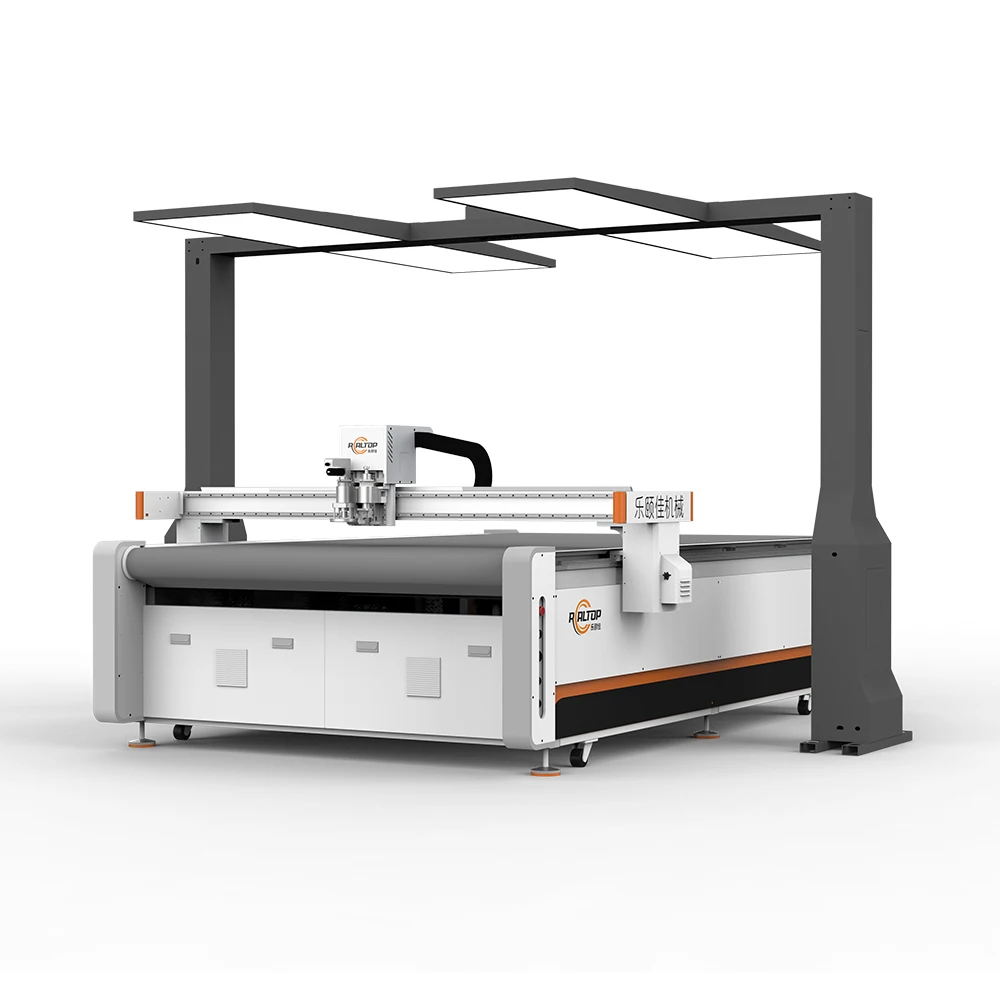
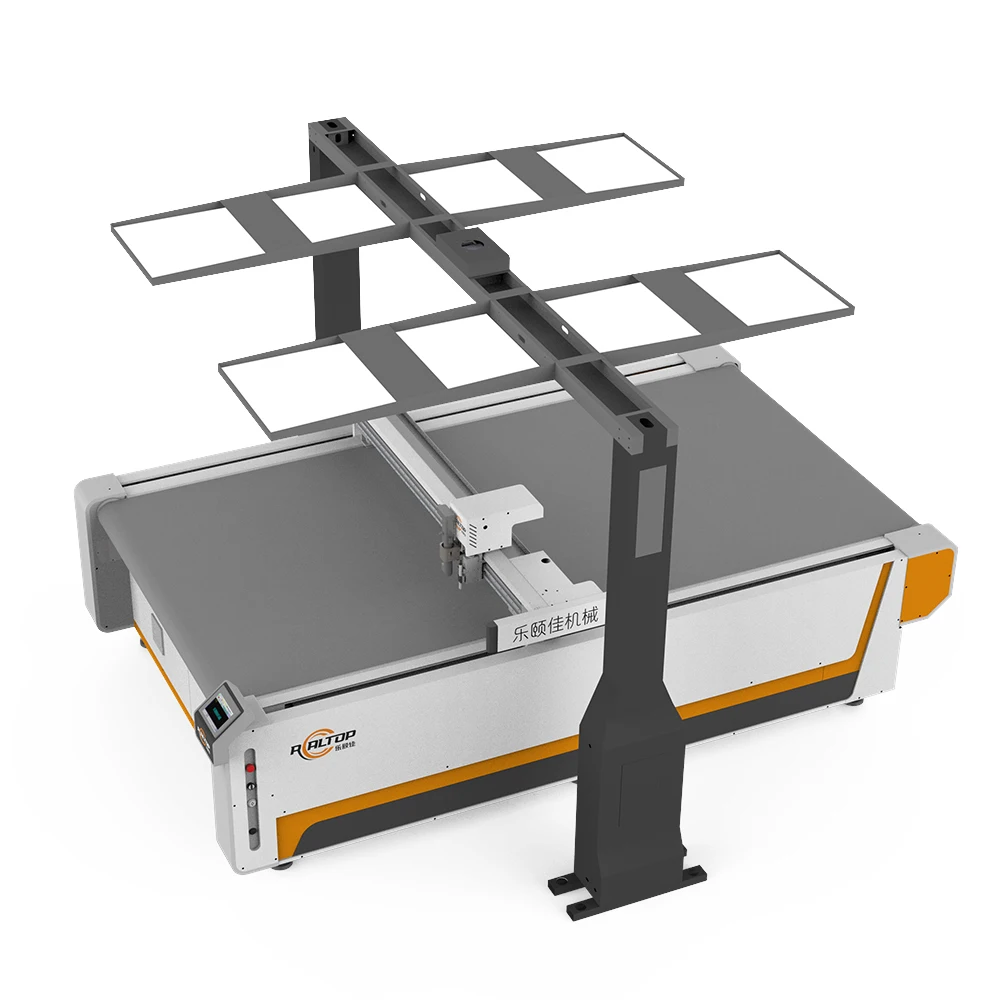
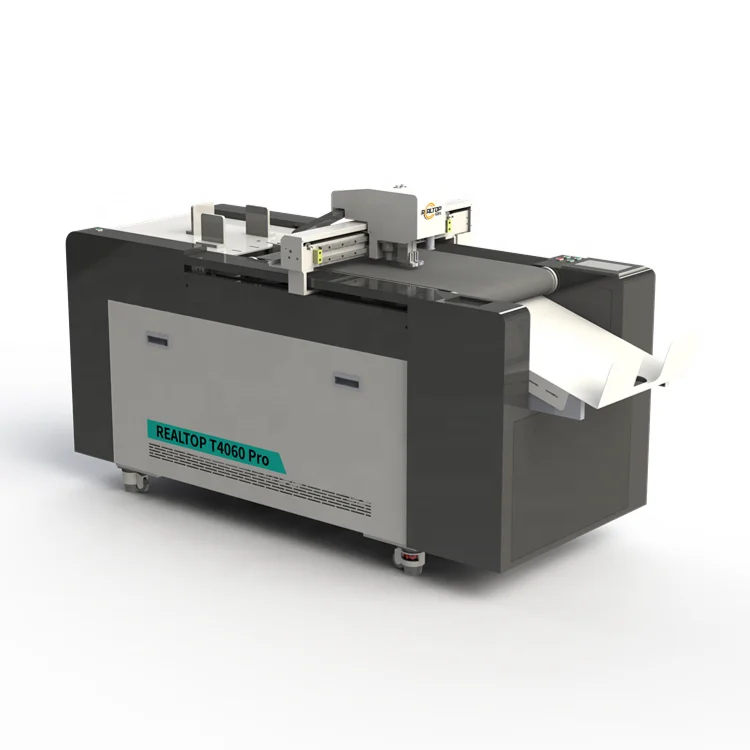
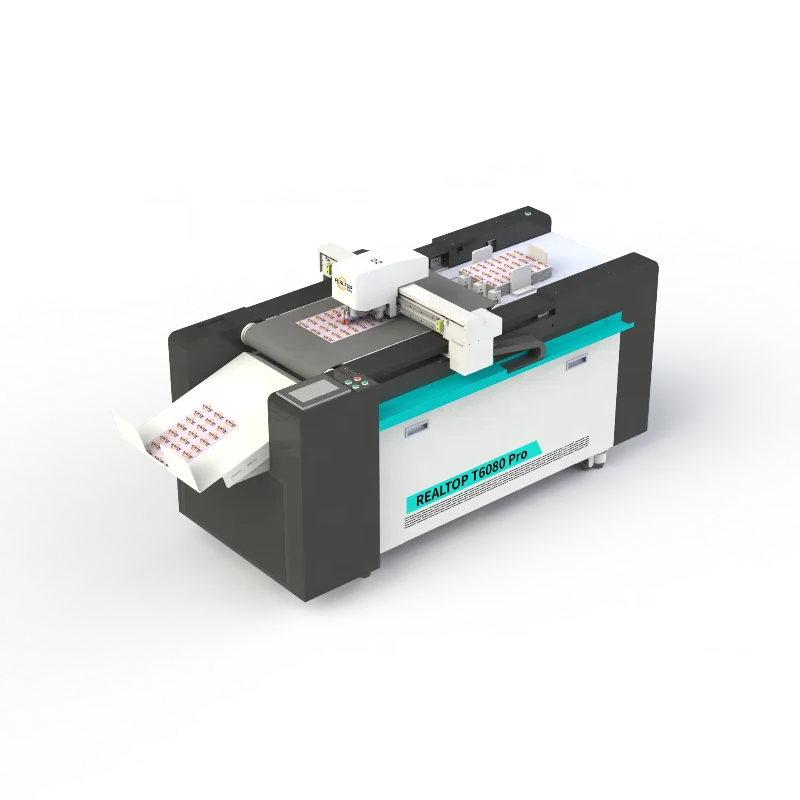
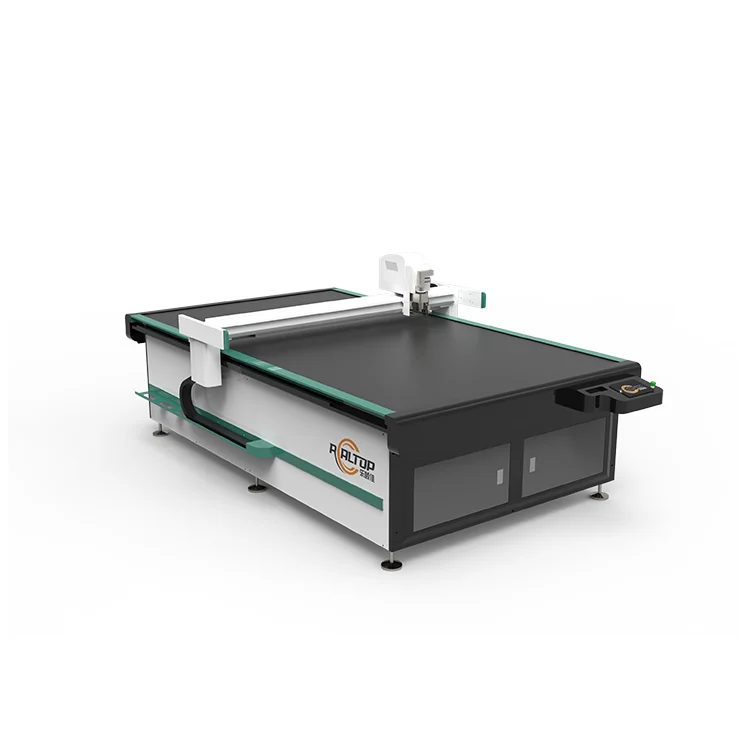
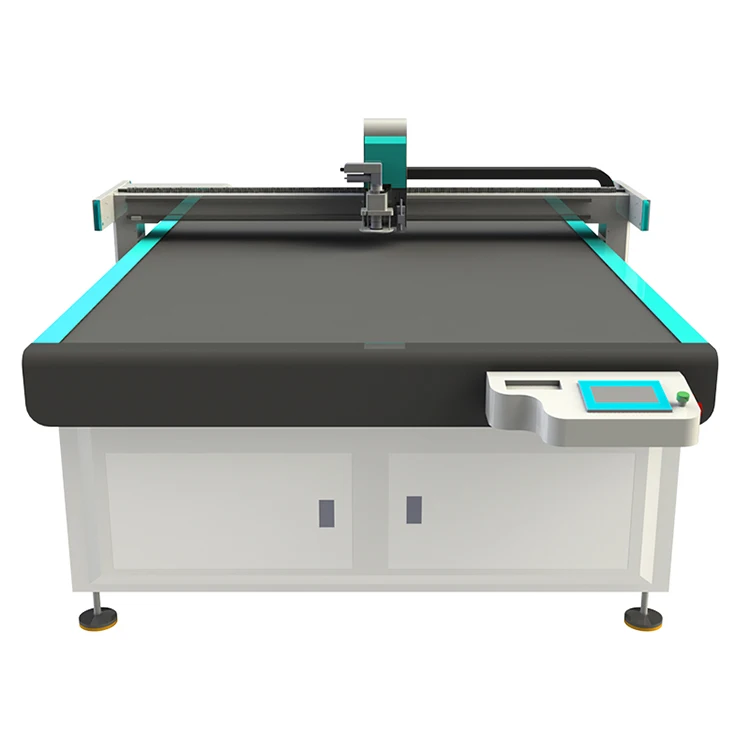
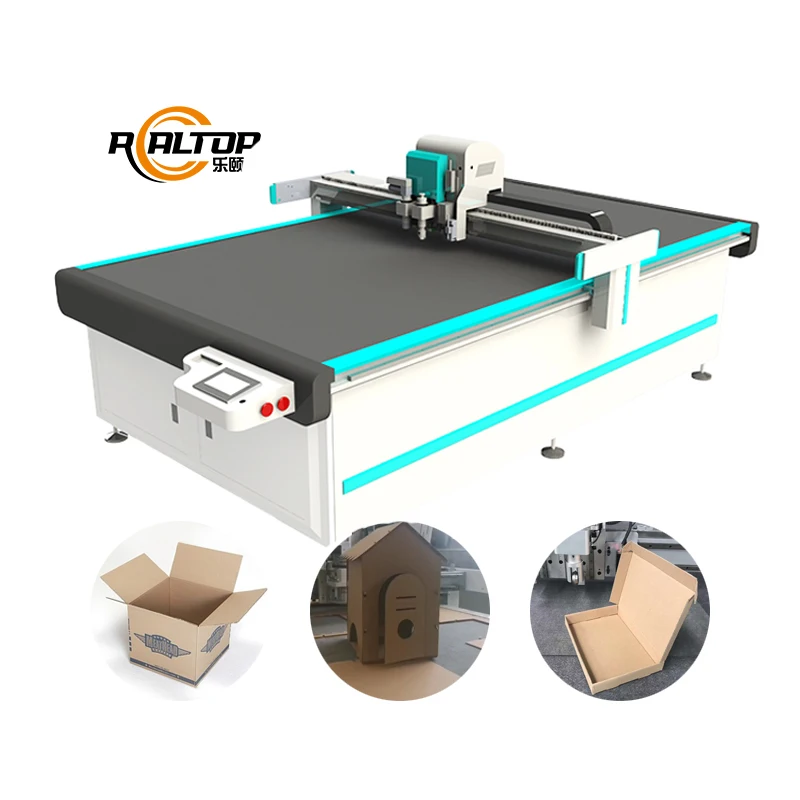
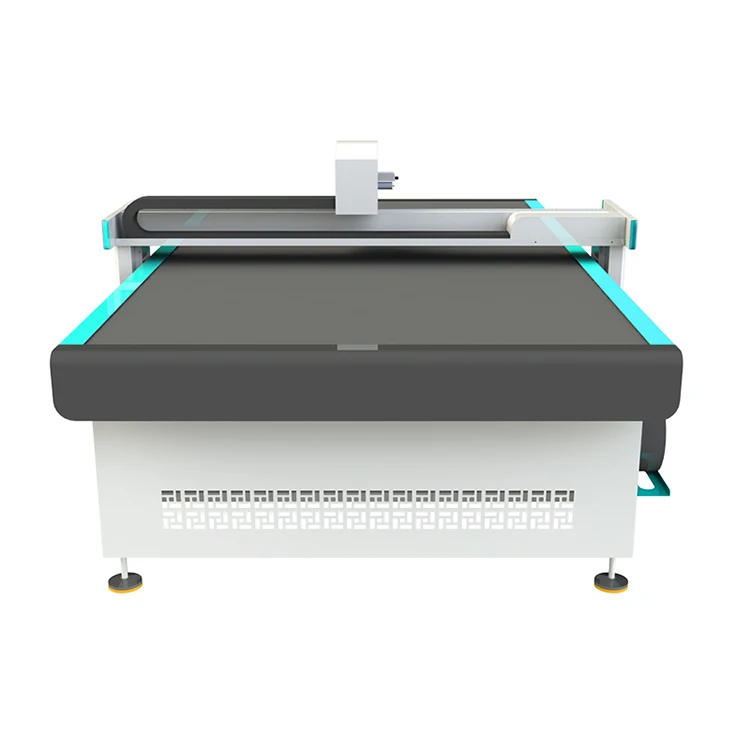
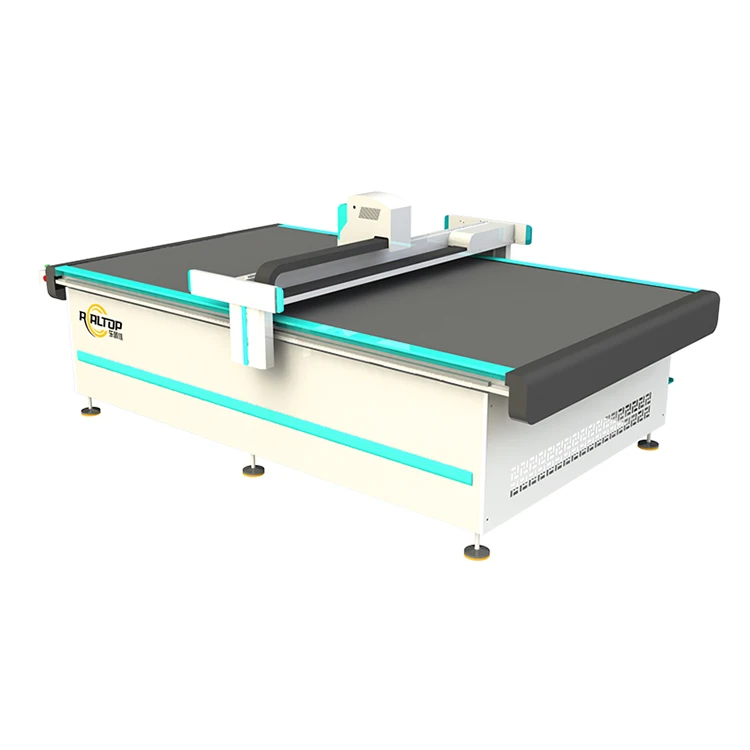
Complete Equipment Range Visibility — A full spectrum of knife cutting configurations across working areas and tool heads, letting you match the exact method to your leather hide thickness and daily volume before narrowing down.
Technical Specifications
| Parameter | Value |
|---|---|
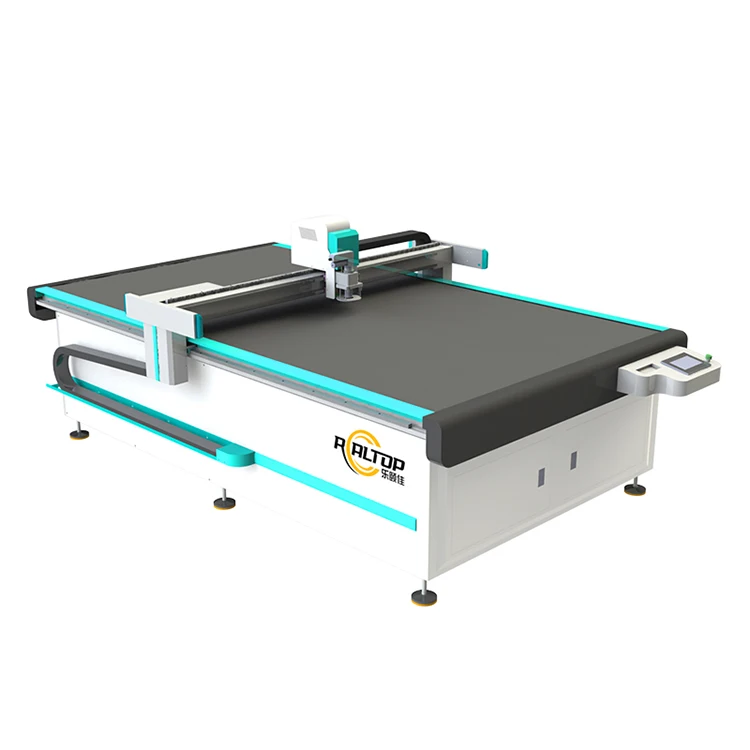
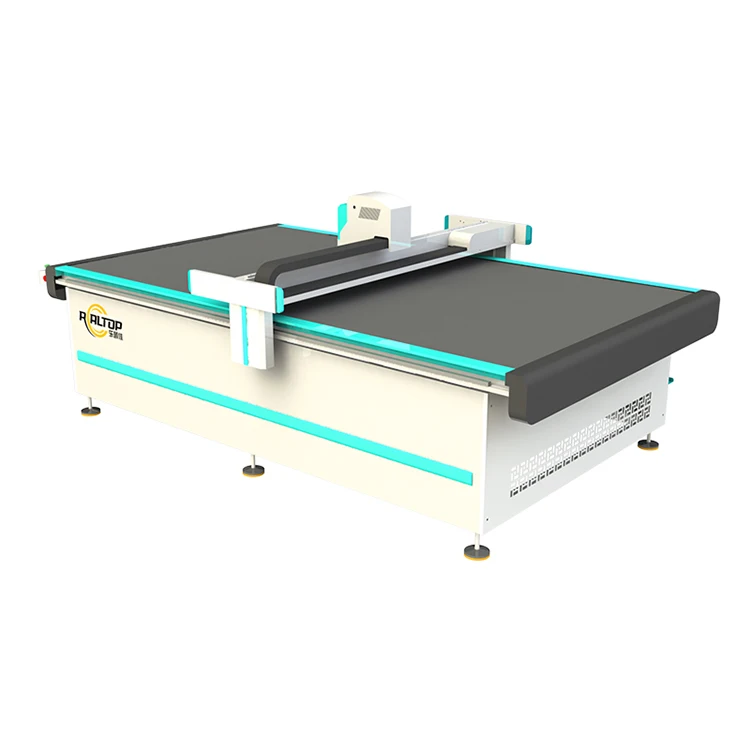
| Product Type | CNC Oscillating Knife Cutting Machine |
| Working Area | 1600×2500 mm |
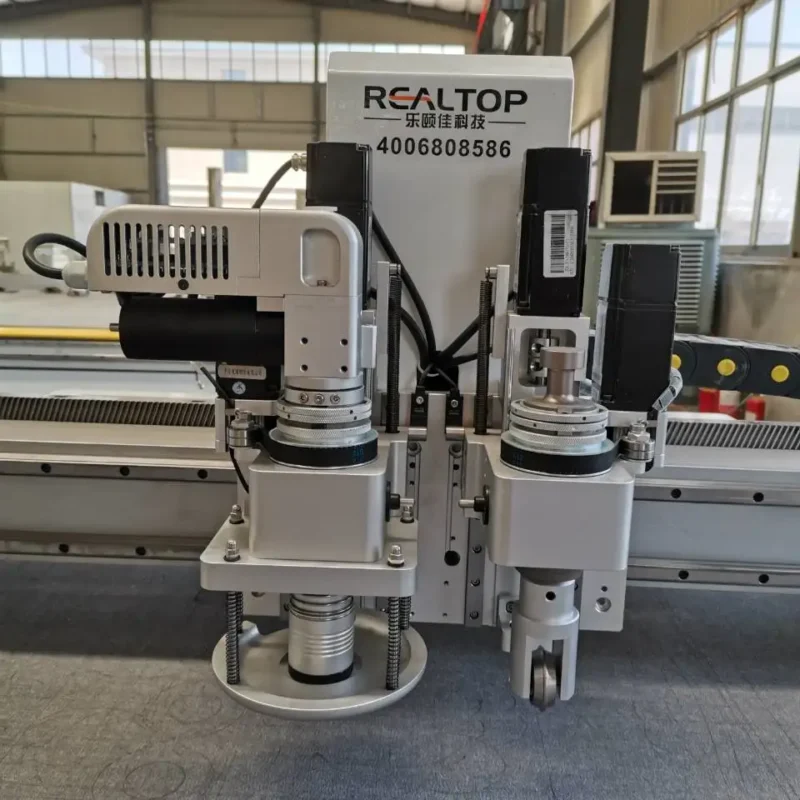
| Tool Head Options | Oscillating knife, Driven rotary knife, Creasing wheel, Kiss cutting tool, Pneumatic knife, Milling tool, V groove knife |
| Cutting Speed | 0-2000 mm/s |
| Cutting Thickness | ≤ 30mm (basis not stated in source — confirm material type / density) |
| Cutting Accuracy | ±0.1 mm |
| Vacuum Table | Aluminum bellows vacuum table |
| Vacuum Pump Power | 9 kW |
| Servo Motor Options | Panasonic, Delta, Dorna |
| Control System | PLC control panel |
| Supported File Formats | PLT, DXF, AI, PDF |
| CCD Camera | Contour recognition and positioning for printed materials |
| Voltage Options | 110V, 220V, 380V (frequency to be confirmed: 50/60Hz) |
| Safety Devices | Infrared sensor device and emergency stop device |
| Machine Dimensions | 3300×2100×1350 mm |
| Language Options | English, Russian, Italian, Chinese (special languages customizable) |
| Certification | CE (specific standard number to be verified) |
Application Suitability
| Application | Material or Output |
|---|---|
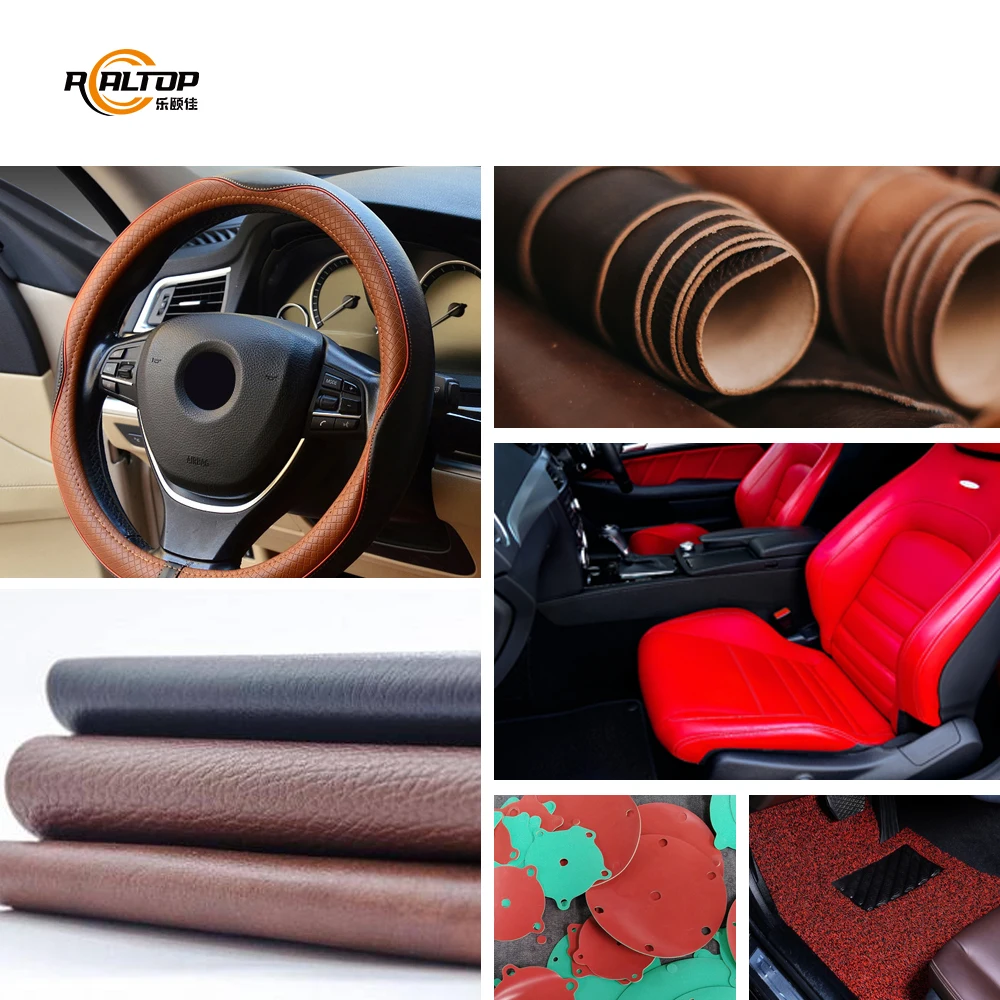
| Shoe upper and footwear production | Natural leather, synthetic PU/PVC leather, split leather |
| Bag and leather goods manufacturing | Full-grain hides, bonded leather, textile linings |
| Automotive seat cover and interior trimming | Automotive upholstery leather, synthetic seat fabrics, foam composites |
| Sofa and upholstery fabrication | Thick furniture leather, velvet, chenille, composite textiles |
| Packaging sample making and signage | Foam boards, adhesive vinyl, corrugated carton, PVC sheets |
Why Working Area Alone Is the Wrong Starting Point for a CNC Oscillating Knife Cutting Machine Manufacturer
A cutting table must be specified around the material’s behavior under the blade, not just the sheet dimensions you intend to place on it.
I once recommended a configuration for an automotive interior buyer based on sample swatches. When production started on full-thickness hides, the knife dulled within days and output dropped sharply because the material was denser than the samples suggested. A machine selected purely on bed size ignores thickness, density, fiber direction, and the tool head required to hold an edge through a full shift [NEED_CITE: material density effects on oscillating knife wear rates]. This is where surveying the complete range of tool heads and vacuum configurations matters before committing to a single model.
Mapping Tool Heads to Leather Types Across the Range
The catalogue spans seven interchangeable tool types, each addressing a distinct leather processing requirement. An oscillating knife handles dense natural hides with a reciprocating blade motion that prevents material dragging, while a driven rotary knife suits thinner synthetic leathers and textile linings where a continuous cut produces a cleaner edge. For leather goods requiring fold lines or stitch grooves, the creasing wheel and V groove knife offer scoring without full penetration.
Selecting the correct tool head depends on leather type, thickness, and whether the operation involves full cutting, kiss cutting, or scoring. This is why a CNC oscillating knife cutting machine manufacturer offering the full spectrum allows you to test each option on your actual hide before locking in a configuration.
Vacuum Holding and CCD Positioning for Irregular Hide Geometry
Natural leather hides arrive in irregular shapes with varying thickness zones, making uniform vacuum adhesion critical. The aluminum bellows vacuum table paired with a 9 kW pump provides the suction needed to prevent hide lift during high-speed oscillating cuts. Without adequate holding, even a sharp blade produces deviation at the edges [NEED_CITE: vacuum adhesion requirements for natural leather hides on flatbed cutting tables].
For printed leather or patterned materials, the integrated CCD camera recognizes contour marks and adjusts the cutting path in real time. This matters when nesting software must align cuts to pre-printed grain patterns or logos, maintaining ±0.1 mm accuracy across the 1600×2500 mm working area.
Reading the Specifications That Actually Affect Leather Cutting Quality
Cutting speed rated at 0-2000 mm/s represents the maximum travel rate, but actual throughput on thick leather depends on how the oscillating frequency and blade stroke interact with material density. A dense 4 mm cowhide requires slower travel and higher oscillation frequency than a 1 mm PU synthetic, meaning the same machine produces different output rates across material types.
The PLC control panel manages tool head selection, vacuum zoning, and feed rate in a single interface, with language options including English, Russian, Italian, and Chinese. Voltage configurable from 110V to 380V accommodates different facility power supplies, though the frequency must be confirmed as 50Hz or 60Hz depending on your local grid standard.
Servo motor options from Panasonic, Delta, and Dorna allow buyers to align motion components with existing maintenance capabilities or regional service availability. File format support for PLT, DXF, AI, and PDF ensures compatibility with common nesting software workflows used in leather goods and footwear production.
The Hidden Cost of Skipping Material Trials Before Purchase
Choosing a configuration without cutting your actual leather leads to compounding problems on the production floor. A blade that performs well on sample swatches may chatter on full-thickness hides, producing ragged edges that require secondary trimming. Insufficient vacuum zoning causes small cut pieces to shift before the knife completes the path, ruining nested layouts and wasting hide area.
Software that cannot import your existing nesting files forces operators to rebuild patterns manually, adding setup time to every job [NEED_CITE: file format compatibility issues in digital cutting workflows]. These issues surface only after the machine is installed, when returning or reconfiguring becomes costly.
What Buying from This Range Actually Means
The design team covers both knife and laser cutting technologies in-house, so you can compare methods side by side rather than being locked into one approach. Tool head and table configurations are specified per your leather type and production volume, not selected from a fixed menu.
CCD camera positioning is validated on your printed materials before the order is finalized. Software compatibility with your existing file formats is confirmed during the inquiry stage. Voltage, control language, and safety device specifications are matched to your facility requirements and documented before production begins. Sample cutting on your own leather or composite material is standard practice, not an optional extra.
Documentation & Verification
- Machine specification sheet listing working area, tool head configuration, and confirmed voltage for your facility
- Sample cutting report on your specific leather type showing edge quality and thickness capability
- Tool head and vacuum table configuration list documenting included knives and zone layout
- Software licence and file format compatibility note for PLT, DXF, AI, and PDF workflows
- Electrical schematic with voltage and frequency confirmation matching your local grid standard
- Factory test record demonstrating cutting accuracy and vacuum holding before dispatch
Installation, Commissioning & Support
- Floor space allocation for 3300×2100×1350 mm footprint with clearance for material loading on both sides
- Dedicated power circuit matching confirmed voltage and frequency with appropriate breaker rating for the 9 kW vacuum pump
- Machine arrives partially assembled requiring table leveling, vacuum line connection, and tool head calibration on site
- First-run parameter setting for oscillation frequency, cutting speed, and vacuum pressure based on your leather thickness
- Operator training covering tool head changeover, CCD camera calibration, and nesting file import procedures
- Spare parts list including replacement blades, vacuum seals, and drive belt specifications for local sourcing
What to Share Before Requesting a Quotation
To narrow down the right configuration from this range, start by describing your primary leather type, typical hide thickness range, and daily cutting volume. Include your facility voltage and frequency, preferred control language, and the nesting software you currently use. If your work involves printed or patterned leather, note whether contour recognition is required.
Frequently Asked Questions
Q: How do I choose between oscillating knife, driven rotary knife, and pneumatic knife for my leather type?
A: The oscillating knife suits dense natural hides where reciprocating motion prevents material drag. The driven rotary knife works on thinner synthetics and linings where a continuous cut yields a cleaner edge. The pneumatic knife handles thicker, softer composites. We run sample cuts on your actual material to compare edge quality and blade wear before finalizing the tool head selection.
Q: What working area sizes are available, and how do they relate to standard leather hide dimensions?
A: The standard 1600×2500 mm working area accommodates most full cattle hides and allows efficient nesting of shoe upper or bag components. Other sizes across the catalogue cover compact formats for small leather goods and large formats for automotive upholstery. Hide dimensions vary, so we review your typical hide size and nesting patterns to recommend the optimal bed size.
Q: How does CCD camera contour recognition work for printed leather at production speed?
A: The CCD camera reads printed registration marks on the leather surface and adjusts the cutting path to match the printed contour. This is essential for patterned leather where cuts must align with pre-printed grain or logos. Accuracy holds at ±0.1 mm, though actual recognition speed depends on mark contrast and print quality on your specific material.
Q: Can I request sample cutting on my own leather before committing to a configuration?
A: Sample cutting on your actual material is a standard step in the process. Send us your leather hides or composite sheets, and we test the recommended tool head, vacuum setting, and cutting speed. You receive a cutting report documenting edge quality, accuracy, and the configuration used, so you can evaluate results before placing an order.
Complete Equipment Range Visibility — A full spectrum of knife cutting configurations across working areas and tool heads, letting you match the exact method to your leather hide thickness and daily volume before narrowing down.
Technical Specifications
| Parameter | Value |
|---|---|
| Product Type | CNC Oscillating Knife Cutting Machine |
| Working Area | 1600×2500 mm |
| Tool Head Options | Oscillating knife, Driven rotary knife, Creasing wheel, Kiss cutting tool, Pneumatic knife, Milling tool, V groove knife |
| Cutting Speed | 0-2000 mm/s |
| Cutting Thickness | ≤ 30mm (basis not stated in source — confirm material type / density) |
| Cutting Accuracy | ±0.1 mm |
| Vacuum Table | Aluminum bellows vacuum table |
| Vacuum Pump Power | 9 kW |
| Servo Motor Options | Panasonic, Delta, Dorna |
| Control System | PLC control panel |
| Supported File Formats | PLT, DXF, AI, PDF |
| CCD Camera | Contour recognition and positioning for printed materials |
| Voltage Options | 110V, 220V, 380V (frequency to be confirmed: 50/60Hz) |
| Safety Devices | Infrared sensor device and emergency stop device |
| Machine Dimensions | 3300×2100×1350 mm |
| Language Options | English, Russian, Italian, Chinese (special languages customizable) |
| Certification | CE (specific standard number to be verified) |
Application Suitability
| Application | Material or Output |
|---|---|
| Shoe upper and footwear production | Natural leather, synthetic PU/PVC leather, split leather |
| Bag and leather goods manufacturing | Full-grain hides, bonded leather, textile linings |
| Automotive seat cover and interior trimming | Automotive upholstery leather, synthetic seat fabrics, foam composites |
| Sofa and upholstery fabrication | Thick furniture leather, velvet, chenille, composite textiles |
| Packaging sample making and signage | Foam boards, adhesive vinyl, corrugated carton, PVC sheets |
Why Working Area Alone Is the Wrong Starting Point for a CNC Oscillating Knife Cutting Machine Manufacturer
A cutting table must be specified around the material’s behavior under the blade, not just the sheet dimensions you intend to place on it.
I once recommended a configuration for an automotive interior buyer based on sample swatches. When production started on full-thickness hides, the knife dulled within days and output dropped sharply because the material was denser than the samples suggested. A machine selected purely on bed size ignores thickness, density, fiber direction, and the tool head required to hold an edge through a full shift [NEED_CITE: material density effects on oscillating knife wear rates]. This is where surveying the complete range of tool heads and vacuum configurations matters before committing to a single model.
Mapping Tool Heads to Leather Types Across the Range
The catalogue spans seven interchangeable tool types, each addressing a distinct leather processing requirement. An oscillating knife handles dense natural hides with a reciprocating blade motion that prevents material dragging, while a driven rotary knife suits thinner synthetic leathers and textile linings where a continuous cut produces a cleaner edge. For leather goods requiring fold lines or stitch grooves, the creasing wheel and V groove knife offer scoring without full penetration.
Selecting the correct tool head depends on leather type, thickness, and whether the operation involves full cutting, kiss cutting, or scoring. This is why a CNC oscillating knife cutting machine manufacturer offering the full spectrum allows you to test each option on your actual hide before locking in a configuration.
Vacuum Holding and CCD Positioning for Irregular Hide Geometry
Natural leather hides arrive in irregular shapes with varying thickness zones, making uniform vacuum adhesion critical. The aluminum bellows vacuum table paired with a 9 kW pump provides the suction needed to prevent hide lift during high-speed oscillating cuts. Without adequate holding, even a sharp blade produces deviation at the edges [NEED_CITE: vacuum adhesion requirements for natural leather hides on flatbed cutting tables].
For printed leather or patterned materials, the integrated CCD camera recognizes contour marks and adjusts the cutting path in real time. This matters when nesting software must align cuts to pre-printed grain patterns or logos, maintaining ±0.1 mm accuracy across the 1600×2500 mm working area.
Reading the Specifications That Actually Affect Leather Cutting Quality
Cutting speed rated at 0-2000 mm/s represents the maximum travel rate, but actual throughput on thick leather depends on how the oscillating frequency and blade stroke interact with material density. A dense 4 mm cowhide requires slower travel and higher oscillation frequency than a 1 mm PU synthetic, meaning the same machine produces different output rates across material types.
The PLC control panel manages tool head selection, vacuum zoning, and feed rate in a single interface, with language options including English, Russian, Italian, and Chinese. Voltage configurable from 110V to 380V accommodates different facility power supplies, though the frequency must be confirmed as 50Hz or 60Hz depending on your local grid standard.
Servo motor options from Panasonic, Delta, and Dorna allow buyers to align motion components with existing maintenance capabilities or regional service availability. File format support for PLT, DXF, AI, and PDF ensures compatibility with common nesting software workflows used in leather goods and footwear production.
The Hidden Cost of Skipping Material Trials Before Purchase
Choosing a configuration without cutting your actual leather leads to compounding problems on the production floor. A blade that performs well on sample swatches may chatter on full-thickness hides, producing ragged edges that require secondary trimming. Insufficient vacuum zoning causes small cut pieces to shift before the knife completes the path, ruining nested layouts and wasting hide area.
Software that cannot import your existing nesting files forces operators to rebuild patterns manually, adding setup time to every job [NEED_CITE: file format compatibility issues in digital cutting workflows]. These issues surface only after the machine is installed, when returning or reconfiguring becomes costly.
What Buying from This Range Actually Means
The design team covers both knife and laser cutting technologies in-house, so you can compare methods side by side rather than being locked into one approach. Tool head and table configurations are specified per your leather type and production volume, not selected from a fixed menu.
CCD camera positioning is validated on your printed materials before the order is finalized. Software compatibility with your existing file formats is confirmed during the inquiry stage. Voltage, control language, and safety device specifications are matched to your facility requirements and documented before production begins. Sample cutting on your own leather or composite material is standard practice, not an optional extra.
Documentation & Verification
- Machine specification sheet listing working area, tool head configuration, and confirmed voltage for your facility
- Sample cutting report on your specific leather type showing edge quality and thickness capability
- Tool head and vacuum table configuration list documenting included knives and zone layout
- Software licence and file format compatibility note for PLT, DXF, AI, and PDF workflows
- Electrical schematic with voltage and frequency confirmation matching your local grid standard
- Factory test record demonstrating cutting accuracy and vacuum holding before dispatch
Installation, Commissioning & Support
- Floor space allocation for 3300×2100×1350 mm footprint with clearance for material loading on both sides
- Dedicated power circuit matching confirmed voltage and frequency with appropriate breaker rating for the 9 kW vacuum pump
- Machine arrives partially assembled requiring table leveling, vacuum line connection, and tool head calibration on site
- First-run parameter setting for oscillation frequency, cutting speed, and vacuum pressure based on your leather thickness
- Operator training covering tool head changeover, CCD camera calibration, and nesting file import procedures
- Spare parts list including replacement blades, vacuum seals, and drive belt specifications for local sourcing
What to Share Before Requesting a Quotation
To narrow down the right configuration from this range, start by describing your primary leather type, typical hide thickness range, and daily cutting volume. Include your facility voltage and frequency, preferred control language, and the nesting software you currently use. If your work involves printed or patterned leather, note whether contour recognition is required.
Frequently Asked Questions
Q: How do I choose between oscillating knife, driven rotary knife, and pneumatic knife for my leather type?
A: The oscillating knife suits dense natural hides where reciprocating motion prevents material drag. The driven rotary knife works on thinner synthetics and linings where a continuous cut yields a cleaner edge. The pneumatic knife handles thicker, softer composites. We run sample cuts on your actual material to compare edge quality and blade wear before finalizing the tool head selection.
Q: What working area sizes are available, and how do they relate to standard leather hide dimensions?
A: The standard 1600×2500 mm working area accommodates most full cattle hides and allows efficient nesting of shoe upper or bag components. Other sizes across the catalogue cover compact formats for small leather goods and large formats for automotive upholstery. Hide dimensions vary, so we review your typical hide size and nesting patterns to recommend the optimal bed size.
Q: How does CCD camera contour recognition work for printed leather at production speed?
A: The CCD camera reads printed registration marks on the leather surface and adjusts the cutting path to match the printed contour. This is essential for patterned leather where cuts must align with pre-printed grain or logos. Accuracy holds at ±0.1 mm, though actual recognition speed depends on mark contrast and print quality on your specific material.
Q: Can I request sample cutting on my own leather before committing to a configuration?
A: Sample cutting on your actual material is a standard step in the process. Send us your leather hides or composite sheets, and we test the recommended tool head, vacuum setting, and cutting speed. You receive a cutting report documenting edge quality, accuracy, and the configuration used, so you can evaluate results before placing an order.
商品评价
There are no reviews yet.