

Fast Delivery
Quick, reliable shipping to any location.

Free & easy returns
Return this item by mail or in store within 90 days for a full refund.
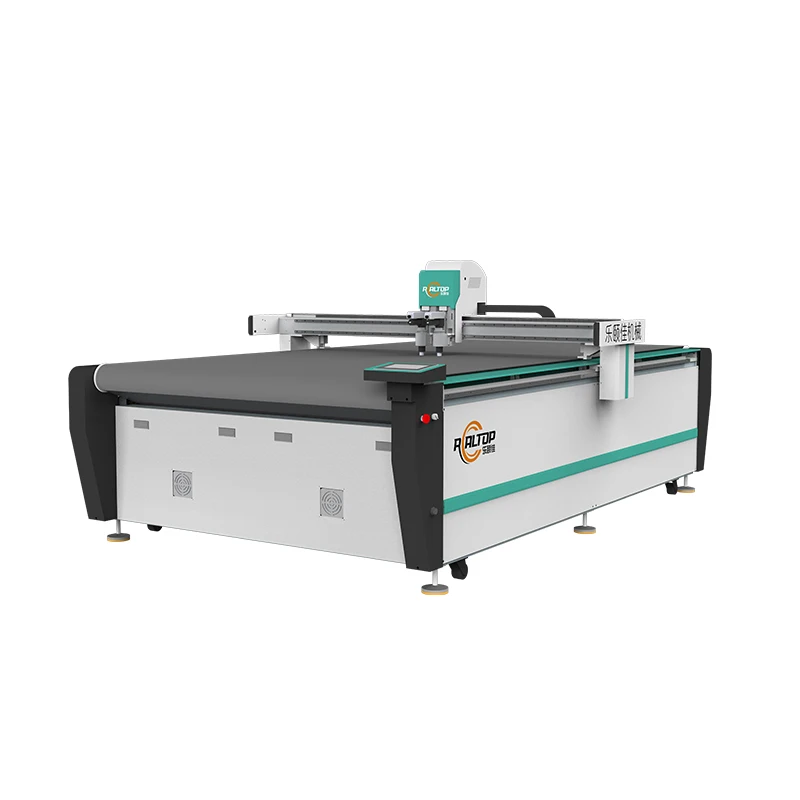
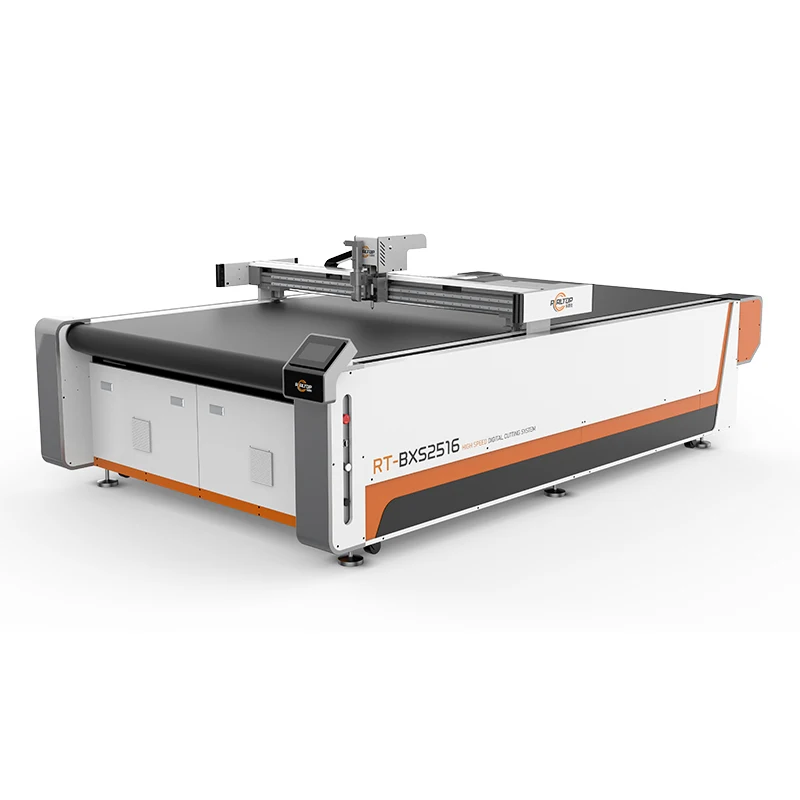
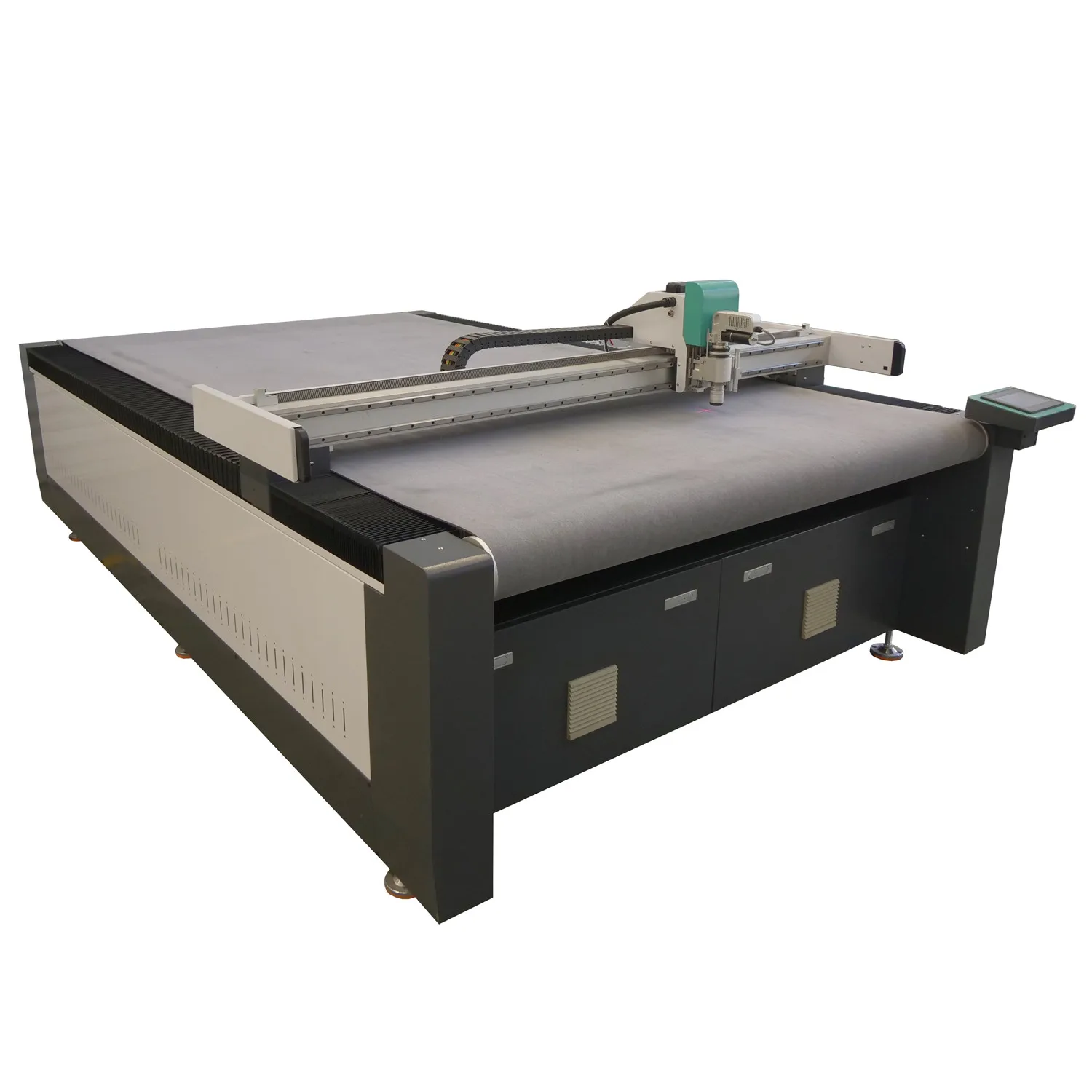
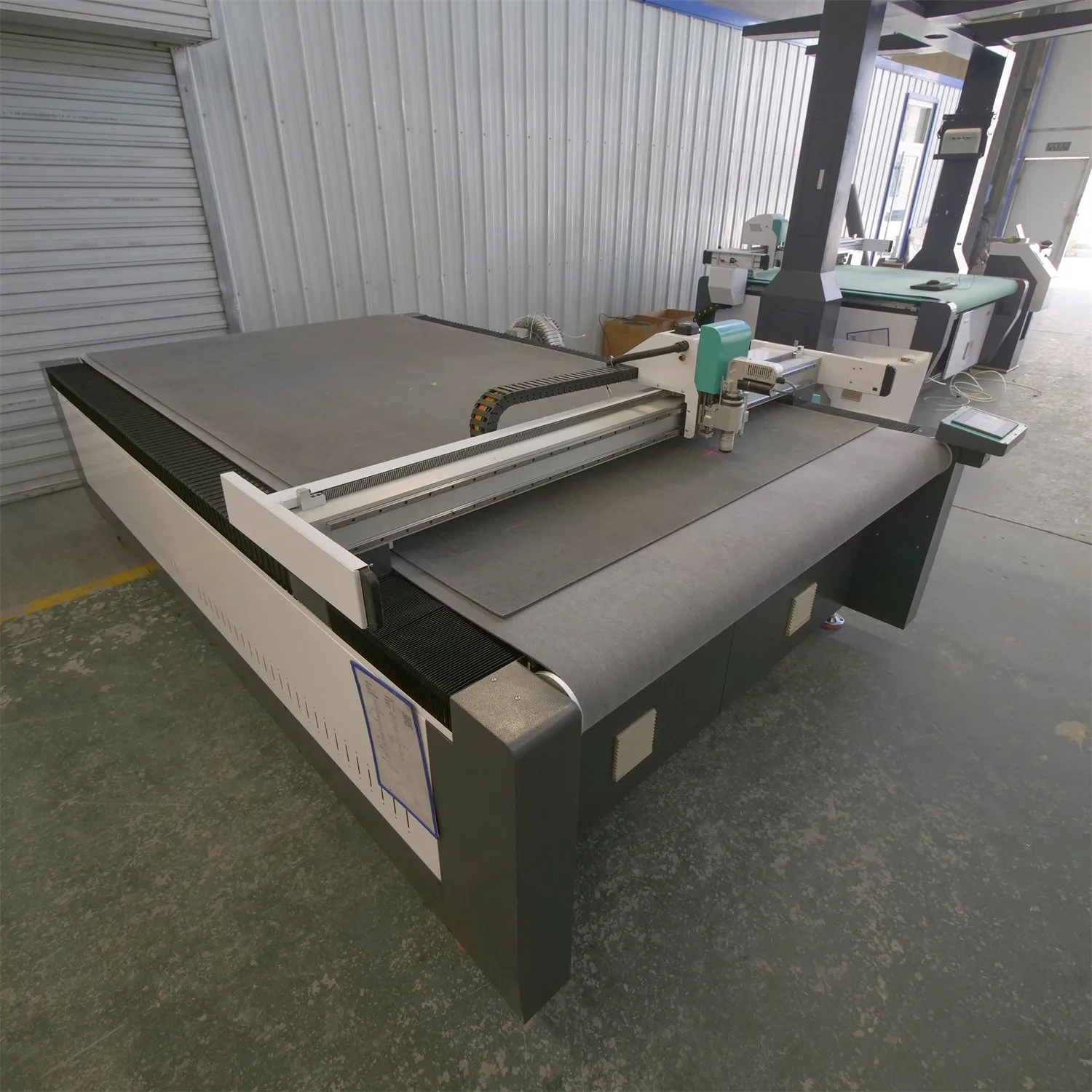
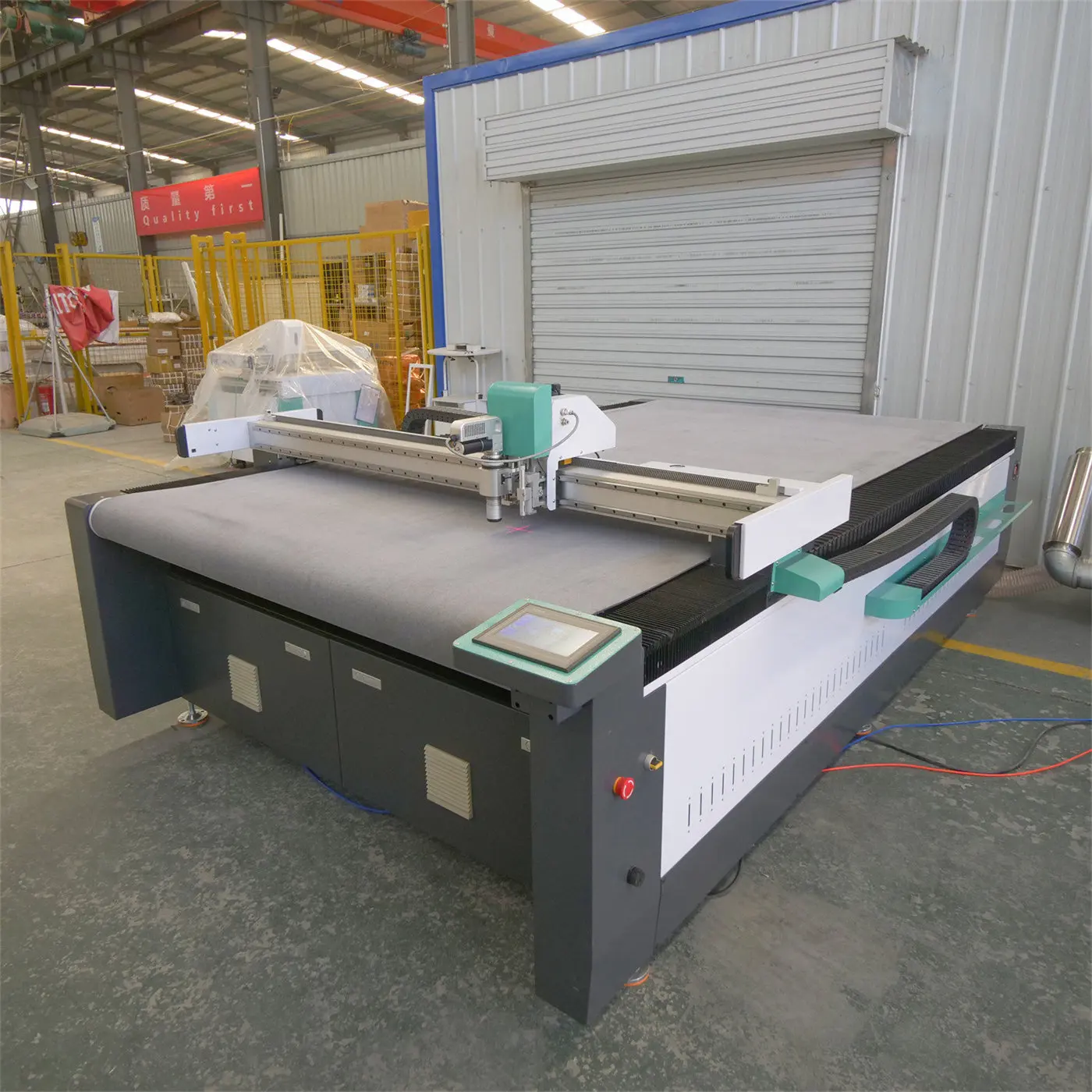
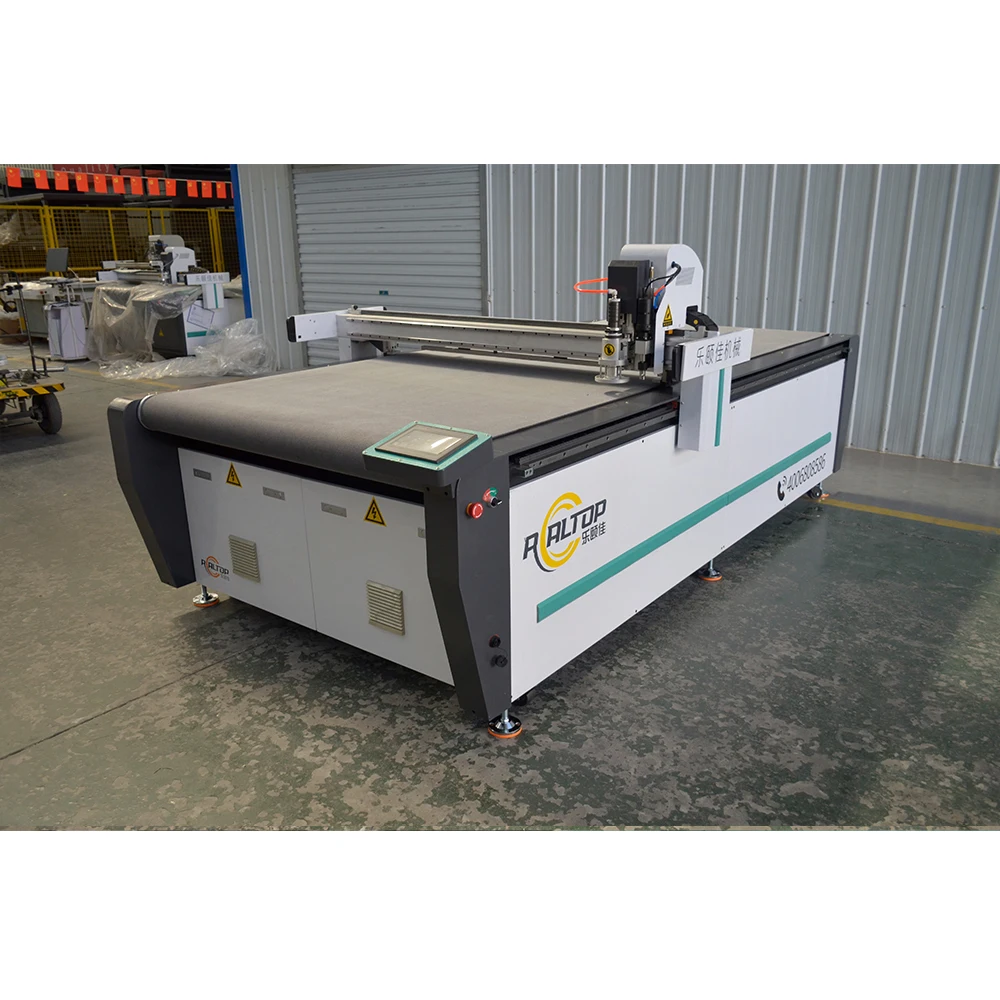
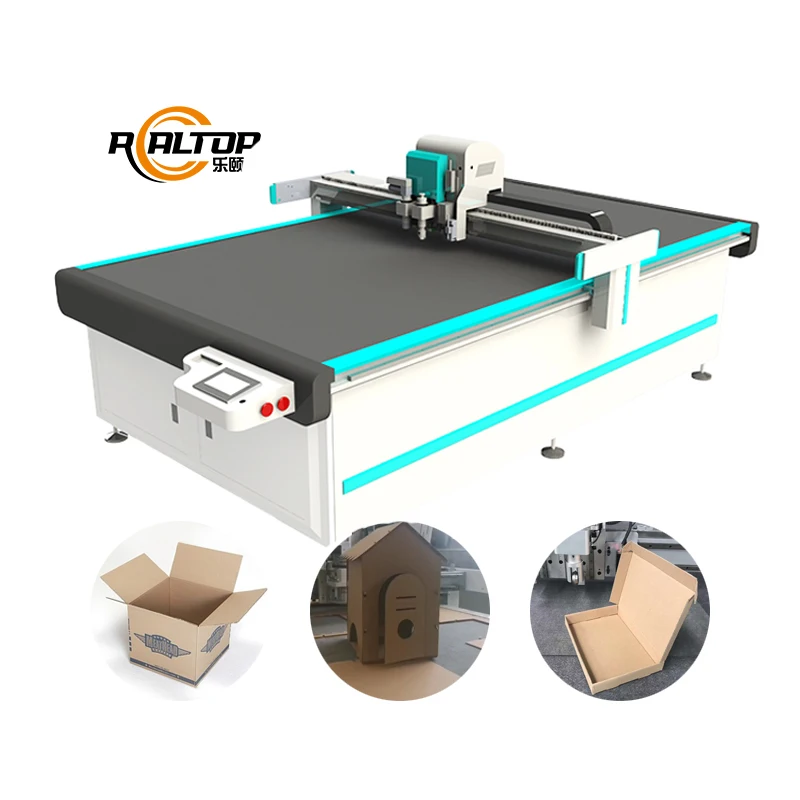
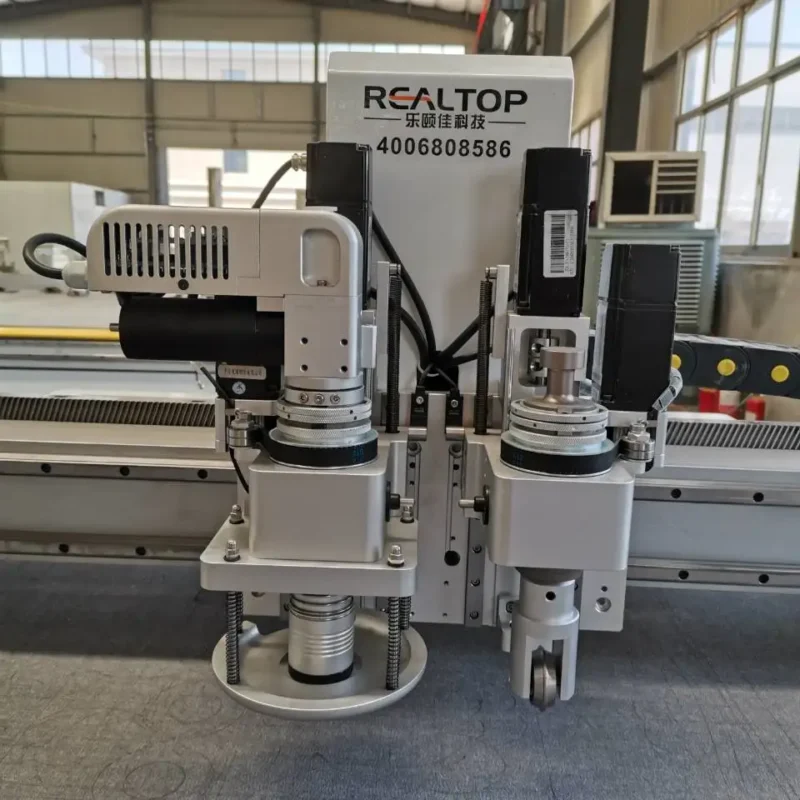
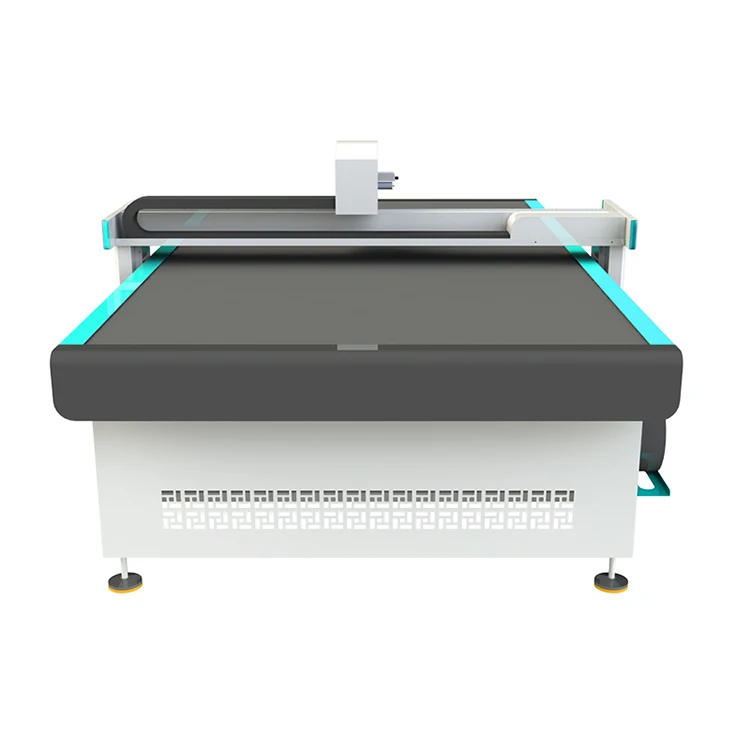
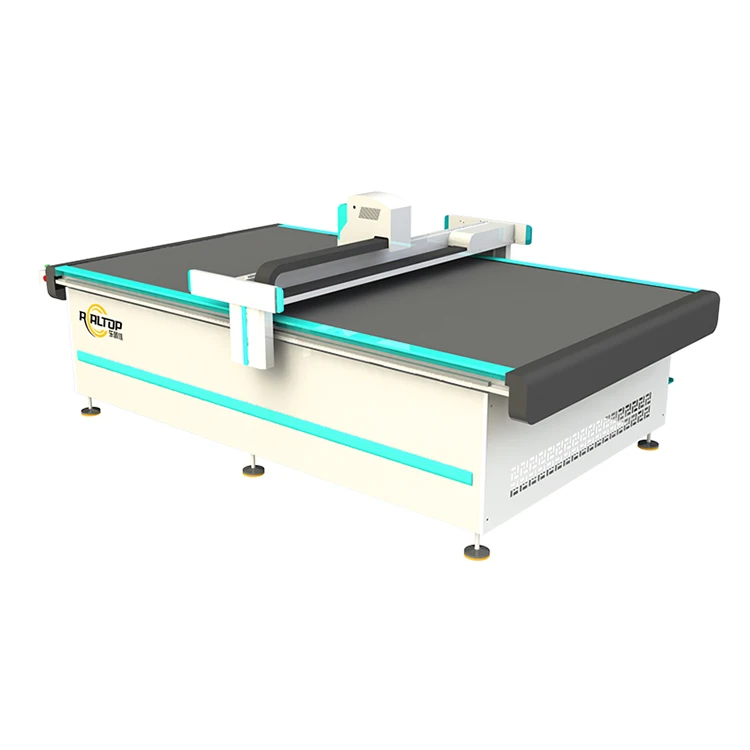
Tool Head Matched to Material Thickness — Multifunctional workstation combining oscillating knife, drag knife and creasing wheel options ensures leather and composite hides are cut without crushed edges or delamination, with configuration locked before shipment.
Technical Specifications
| Parameter | Value |
|---|---|
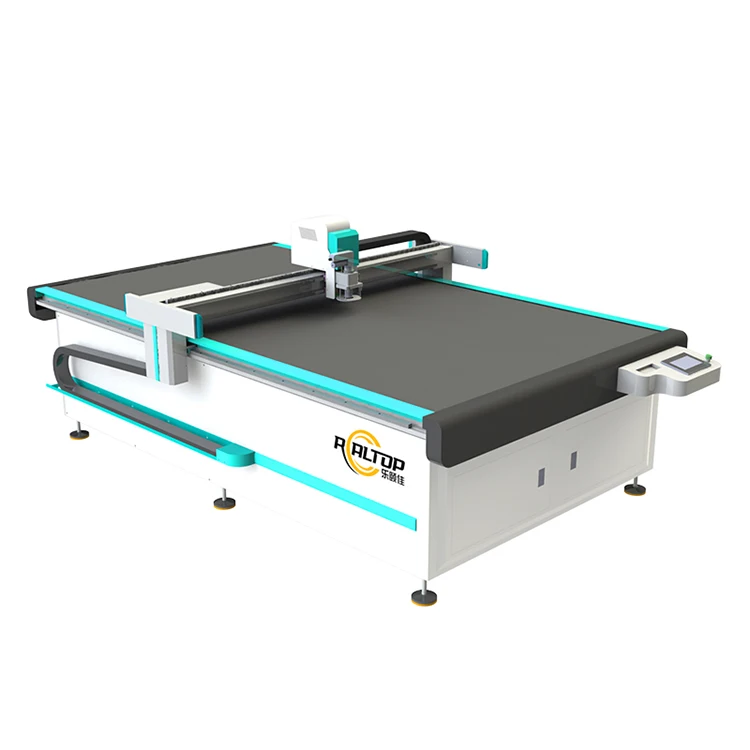
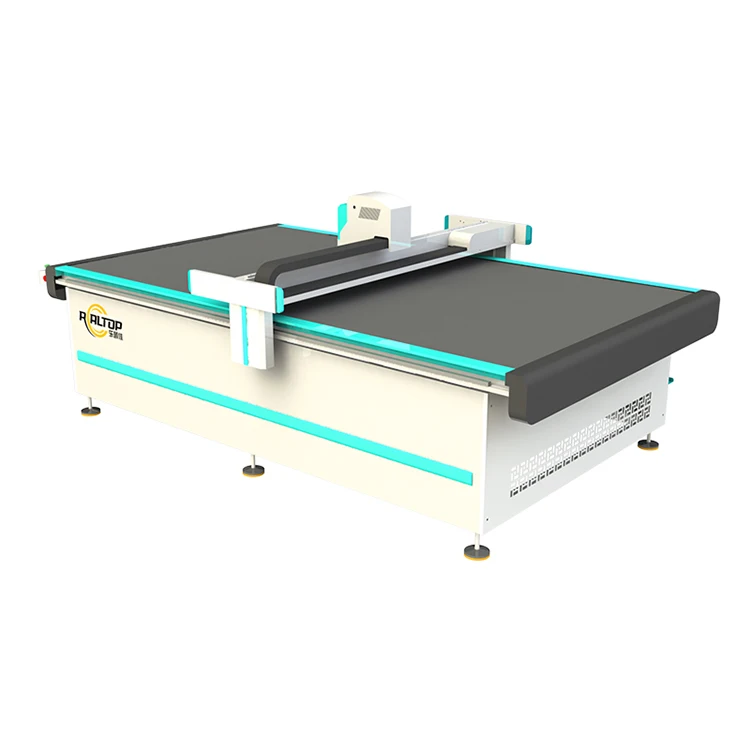
| Product Type | CNC Oscillating Knife Cutting Machine |
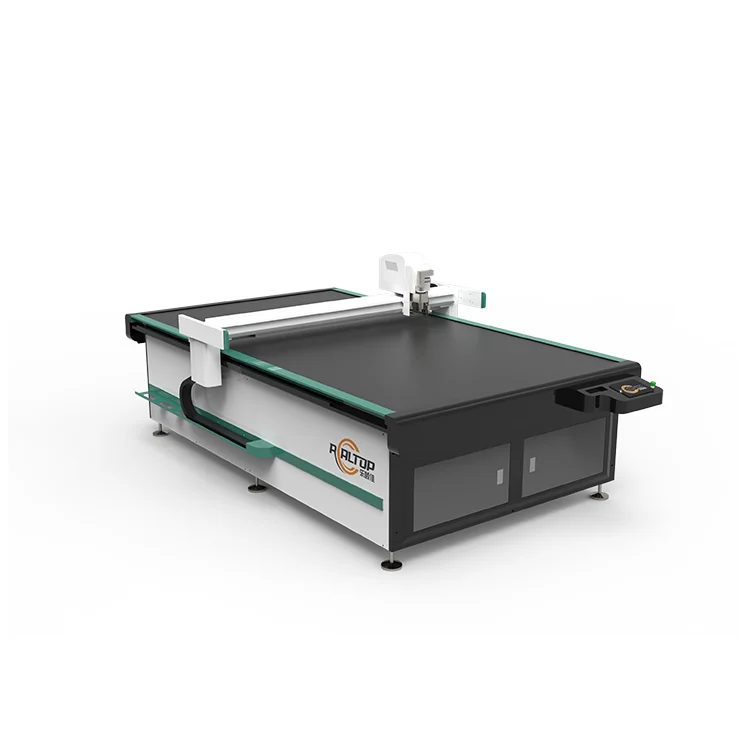
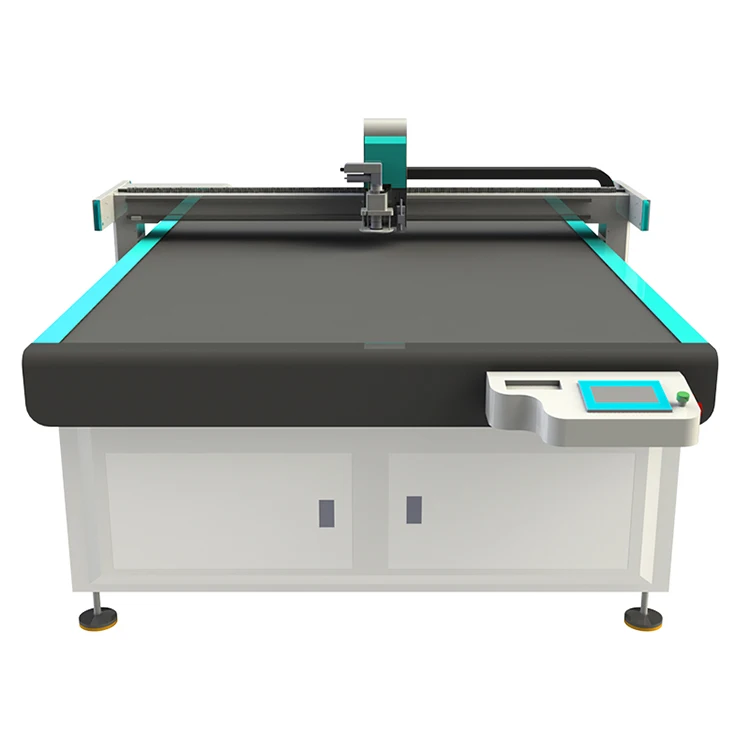
| Working Area | 1600 × 2500 mm |
| Machine Dimensions | 3450 × 2300 × 1250 mm |
| Rated Power | 9 kW |
| Vacuum Pump | 7.5 kW |
| Translational Velocity | 800 – 1200 mm/s |
| Repeated Accuracy | ≤ 0.1 mm |
| Cutting Thickness Range | 20 – 80 mm (basis not stated in source — confirm material type and density) |
| Multifunctional Tool Head | Swiss imported knife with oscillating full/half cutting; options include pneumatic knife, high-power oscillating knife, circular knife, V-cutting knife, drag knife, creasing wheel, dotted line knife, punching, brush |
| Transmission System | Digital servo motor, linear guide, synchronous belt, ball screw |
| Servo Motor Brand | Delta (Panasonic optional) |
| Linear Rail | Taiwan Hiwin |
| Conveyor Belt | Germany imported |
| Instruction System | HP-GL compatible format |
| Visual Positioning Options | Small CCD mark point, panoramic camera recognition, projection positioning |
| Voltage | 380V ± 10% |
| Safety Devices | Infrared sensors, anti-collision on beam sides, emergency stop |
| Language Options | English, Russian, Italian, Chinese (customizable) |
| Certification | CE |
Application Suitability
| Application | Material or Output |
|---|---|
| Bag and handbag manufacturing | Natural leather, PU and PVC synthetic hides, sponge composite leather |
| Footwear upper and insole cutting | Split leather, bonded leather, flexible textile composites |
| Garment and leather apparel | Soft nappa, suede, garment-weight flexible materials |
| Gasket and seal fabrication | Rubber, silicon, soft glass, PVC sheet |
| Automotive interior trim | Composite leather panels, foam-backed vinyl |
What Buyers Miss When They Specify Only the Working Area
Matching the tool head to the material stack-up prevents downtime that no amount of working area can solve.
A buyer once told me they needed a 1600 × 2500 mm bed and nothing else mattered. The machine arrived, sample leather cut fine, then production switched to a batch of coated, stiff hide. The oscillation frequency and feed rate had to be re-tuned from scratch, and the line stood idle while we worked it out [NEED_CITE: effect of coating stiffness on oscillating knife parameters]. That is why every leather CNC cutting machine for sale in this range is specified starting from the actual production material, not just the sheet size. The cutting thickness of 20 – 80 mm shown in the draft assumes a certain density and layer composition; real-world leather varies widely, so confirming the exact stock before order is essential.
Surveying the Complete Equipment Line-Up
This CNC oscillating knife cutting machine for sale sits within the full REALTOP catalogue alongside drag knife and laser options, giving buyers a single reference to compare methods. Knife cutting produces a clean, burr-free section without burnt edges or discoloration — a critical difference when the finished edge is visible on a bag or shoe.
Matching Cutting Method to Material Family
Natural leather responds differently to blade contact than to thermal cutting. The physical blade leaves a straight, tidy section on full-grain and split hides, while synthetic layers with foam backing need the right oscillation amplitude to avoid delamination. Buyers comparing methods can shortlist with confidence once the material family and daily volume tier are known [NEED_CITE: knife versus laser edge quality on natural and synthetic leather].
Reading the Specifications Against Your Production Needs
The Swiss imported oscillating knife delivers full and half cutting in a single head, so a single pass can score a fold line and cut the outline without a tool change. Servo drive from Delta, or Panasonic as an option, pairs with Taiwan Hiwin linear rails to hold repeated accuracy within 0.1 mm — important when nesting patterns across a full hide where every millimetre of yield counts. The 7.5 kW vacuum pump on a flat table must be zoned correctly; small cut pieces lift if the zone is too large, so zone layout should be confirmed against your typical part size. HP-GL compatibility means files from common leather CAD and nesting software import without conversion, reducing pre-production steps.
The Hidden Cost of a Misconfigured Vacuum Zone
When the vacuum table zones are too broad for the parts being cut, small leather pieces shift mid-cut, ruining the nest and wasting the hide. The problem only appears once production starts — sample cutting on a large, simple shape never reveals it [NEED_CITE: vacuum zone sizing for small leather cut parts]. Correct zoning matched to your part geometry is a configuration decision, not a machine option to add later.
Why Source This Range Here
In-house design covers both knife and laser technologies, so the cutting method is matched to the leather type rather than forced into one approach. Tool head and table configurations are specified per material and production volume before the order is placed. CCD camera positioning — available as mark point, panoramic or projection — is tested against your printed leather to confirm contour tracking at speed. Software compatibility and file format are verified against your existing nesting workflow. Voltage, plug type and control language are confirmed for the destination market, and sample cutting runs on your actual material before commitment.
Documentation & Verification
- Machine specification sheet confirming tool head, bed size and servo brand selection
- Electrical schematic and voltage confirmation matched to 380V ± 10% supply
- Tool head and vacuum table zone configuration list per your part geometry
- Sample cutting report run on your leather or composite material
- Software licence and HP-GL file format compatibility note
- Factory test record signed before dispatch
Installation, Commissioning & Support
- 3450 × 2300 × 1250 mm footprint requires level concrete floor with clearance for material feed on the conveyor side
- 380V ± 10% dedicated circuit with separate breaker for the 9 kW rated load and 7.5 kW vacuum pump
- Flat table and beam arrive assembled; conveyor belt and tool head calibrated on site
- First-run parameter tuning on your leather stock, covering oscillation frequency and feed rate
- Operator training in selected language covering HP-GL file import and nesting workflow
- Spare parts list including Swiss knife blades and Hiwin rail carriages
Preparing Your Enquiry
Share the exact leather type, thickness and coating status you will run in daily production, along with your typical hide or sheet dimensions. Confirm the local voltage and frequency, the preferred control language, and whether your nesting software outputs HP-GL or another format. If printed contour cutting is part of your workflow, send a sample print file so CCD or projection positioning can be tested before the quotation is finalized.
Frequently Asked Questions
Q: How does this oscillating knife model fit within the full REALTOP range?
A: The full catalogue covers oscillating knife, drag knife and laser machines. This model targets leather and flexible materials where a clean, unburnt edge is required. Buyers can compare it against laser options for their specific material and daily volume before selecting the cutting method that fits their production.
Q: Which tool head option suits a given leather thickness and composite lay-up?
A: The multifunctional head offers oscillating knife, drag knife, creasing wheel and punching options. Selection depends on whether the stock is single-layer natural leather or a foam-backed composite. Sample cutting on your actual material confirms the right tool and oscillation setting before the order is finalized.
Q: What vacuum zone configuration is needed for full-hide versus cut-piece work?
A: Full hides need broad vacuum coverage for initial holding, while small cut pieces require tighter zoning to prevent lift during cutting. The 7.5 kW pump output is distributed through the table zones, and the layout is specified based on your typical part geometry and nesting pattern.
Q: Can the CCD system track printed marks on natural leather at production speed?
A: Three positioning options are available — CCD mark point, panoramic camera and projection. Natural leather grain and surface variation can affect mark recognition, so a sample print file is tested at full translational velocity to confirm tracking accuracy before the configuration is locked.
Q: Which voltage and control language combinations are available for export?
A: The standard supply is 380V ± 10%, and electrical schematics are confirmed for the destination market. Control language options include English, Russian, Italian and Chinese, with other languages customizable. Plug type and wiring standards are matched to local requirements before shipment.
Tool Head Matched to Material Thickness — Multifunctional workstation combining oscillating knife, drag knife and creasing wheel options ensures leather and composite hides are cut without crushed edges or delamination, with configuration locked before shipment.
Technical Specifications
| Parameter | Value |
|---|---|
| Product Type | CNC Oscillating Knife Cutting Machine |
| Working Area | 1600 × 2500 mm |
| Machine Dimensions | 3450 × 2300 × 1250 mm |
| Rated Power | 9 kW |
| Vacuum Pump | 7.5 kW |
| Translational Velocity | 800 – 1200 mm/s |
| Repeated Accuracy | ≤ 0.1 mm |
| Cutting Thickness Range | 20 – 80 mm (basis not stated in source — confirm material type and density) |
| Multifunctional Tool Head | Swiss imported knife with oscillating full/half cutting; options include pneumatic knife, high-power oscillating knife, circular knife, V-cutting knife, drag knife, creasing wheel, dotted line knife, punching, brush |
| Transmission System | Digital servo motor, linear guide, synchronous belt, ball screw |
| Servo Motor Brand | Delta (Panasonic optional) |
| Linear Rail | Taiwan Hiwin |
| Conveyor Belt | Germany imported |
| Instruction System | HP-GL compatible format |
| Visual Positioning Options | Small CCD mark point, panoramic camera recognition, projection positioning |
| Voltage | 380V ± 10% |
| Safety Devices | Infrared sensors, anti-collision on beam sides, emergency stop |
| Language Options | English, Russian, Italian, Chinese (customizable) |
| Certification | CE |
Application Suitability
| Application | Material or Output |
|---|---|
| Bag and handbag manufacturing | Natural leather, PU and PVC synthetic hides, sponge composite leather |
| Footwear upper and insole cutting | Split leather, bonded leather, flexible textile composites |
| Garment and leather apparel | Soft nappa, suede, garment-weight flexible materials |
| Gasket and seal fabrication | Rubber, silicon, soft glass, PVC sheet |
| Automotive interior trim | Composite leather panels, foam-backed vinyl |
What Buyers Miss When They Specify Only the Working Area
Matching the tool head to the material stack-up prevents downtime that no amount of working area can solve.
A buyer once told me they needed a 1600 × 2500 mm bed and nothing else mattered. The machine arrived, sample leather cut fine, then production switched to a batch of coated, stiff hide. The oscillation frequency and feed rate had to be re-tuned from scratch, and the line stood idle while we worked it out [NEED_CITE: effect of coating stiffness on oscillating knife parameters]. That is why every leather CNC cutting machine for sale in this range is specified starting from the actual production material, not just the sheet size. The cutting thickness of 20 – 80 mm shown in the draft assumes a certain density and layer composition; real-world leather varies widely, so confirming the exact stock before order is essential.
Surveying the Complete Equipment Line-Up
This CNC oscillating knife cutting machine for sale sits within the full REALTOP catalogue alongside drag knife and laser options, giving buyers a single reference to compare methods. Knife cutting produces a clean, burr-free section without burnt edges or discoloration — a critical difference when the finished edge is visible on a bag or shoe.
Matching Cutting Method to Material Family
Natural leather responds differently to blade contact than to thermal cutting. The physical blade leaves a straight, tidy section on full-grain and split hides, while synthetic layers with foam backing need the right oscillation amplitude to avoid delamination. Buyers comparing methods can shortlist with confidence once the material family and daily volume tier are known [NEED_CITE: knife versus laser edge quality on natural and synthetic leather].
Reading the Specifications Against Your Production Needs
The Swiss imported oscillating knife delivers full and half cutting in a single head, so a single pass can score a fold line and cut the outline without a tool change. Servo drive from Delta, or Panasonic as an option, pairs with Taiwan Hiwin linear rails to hold repeated accuracy within 0.1 mm — important when nesting patterns across a full hide where every millimetre of yield counts. The 7.5 kW vacuum pump on a flat table must be zoned correctly; small cut pieces lift if the zone is too large, so zone layout should be confirmed against your typical part size. HP-GL compatibility means files from common leather CAD and nesting software import without conversion, reducing pre-production steps.
The Hidden Cost of a Misconfigured Vacuum Zone
When the vacuum table zones are too broad for the parts being cut, small leather pieces shift mid-cut, ruining the nest and wasting the hide. The problem only appears once production starts — sample cutting on a large, simple shape never reveals it [NEED_CITE: vacuum zone sizing for small leather cut parts]. Correct zoning matched to your part geometry is a configuration decision, not a machine option to add later.
Why Source This Range Here
In-house design covers both knife and laser technologies, so the cutting method is matched to the leather type rather than forced into one approach. Tool head and table configurations are specified per material and production volume before the order is placed. CCD camera positioning — available as mark point, panoramic or projection — is tested against your printed leather to confirm contour tracking at speed. Software compatibility and file format are verified against your existing nesting workflow. Voltage, plug type and control language are confirmed for the destination market, and sample cutting runs on your actual material before commitment.
Documentation & Verification
- Machine specification sheet confirming tool head, bed size and servo brand selection
- Electrical schematic and voltage confirmation matched to 380V ± 10% supply
- Tool head and vacuum table zone configuration list per your part geometry
- Sample cutting report run on your leather or composite material
- Software licence and HP-GL file format compatibility note
- Factory test record signed before dispatch
Installation, Commissioning & Support
- 3450 × 2300 × 1250 mm footprint requires level concrete floor with clearance for material feed on the conveyor side
- 380V ± 10% dedicated circuit with separate breaker for the 9 kW rated load and 7.5 kW vacuum pump
- Flat table and beam arrive assembled; conveyor belt and tool head calibrated on site
- First-run parameter tuning on your leather stock, covering oscillation frequency and feed rate
- Operator training in selected language covering HP-GL file import and nesting workflow
- Spare parts list including Swiss knife blades and Hiwin rail carriages
Preparing Your Enquiry
Share the exact leather type, thickness and coating status you will run in daily production, along with your typical hide or sheet dimensions. Confirm the local voltage and frequency, the preferred control language, and whether your nesting software outputs HP-GL or another format. If printed contour cutting is part of your workflow, send a sample print file so CCD or projection positioning can be tested before the quotation is finalized.
Frequently Asked Questions
Q: How does this oscillating knife model fit within the full REALTOP range?
A: The full catalogue covers oscillating knife, drag knife and laser machines. This model targets leather and flexible materials where a clean, unburnt edge is required. Buyers can compare it against laser options for their specific material and daily volume before selecting the cutting method that fits their production.
Q: Which tool head option suits a given leather thickness and composite lay-up?
A: The multifunctional head offers oscillating knife, drag knife, creasing wheel and punching options. Selection depends on whether the stock is single-layer natural leather or a foam-backed composite. Sample cutting on your actual material confirms the right tool and oscillation setting before the order is finalized.
Q: What vacuum zone configuration is needed for full-hide versus cut-piece work?
A: Full hides need broad vacuum coverage for initial holding, while small cut pieces require tighter zoning to prevent lift during cutting. The 7.5 kW pump output is distributed through the table zones, and the layout is specified based on your typical part geometry and nesting pattern.
Q: Can the CCD system track printed marks on natural leather at production speed?
A: Three positioning options are available — CCD mark point, panoramic camera and projection. Natural leather grain and surface variation can affect mark recognition, so a sample print file is tested at full translational velocity to confirm tracking accuracy before the configuration is locked.
Q: Which voltage and control language combinations are available for export?
A: The standard supply is 380V ± 10%, and electrical schematics are confirmed for the destination market. Control language options include English, Russian, Italian and Chinese, with other languages customizable. Plug type and wiring standards are matched to local requirements before shipment.
商品评价
There are no reviews yet.