

Fast Delivery
Quick, reliable shipping to any location.

Free & easy returns
Return this item by mail or in store within 90 days for a full refund.
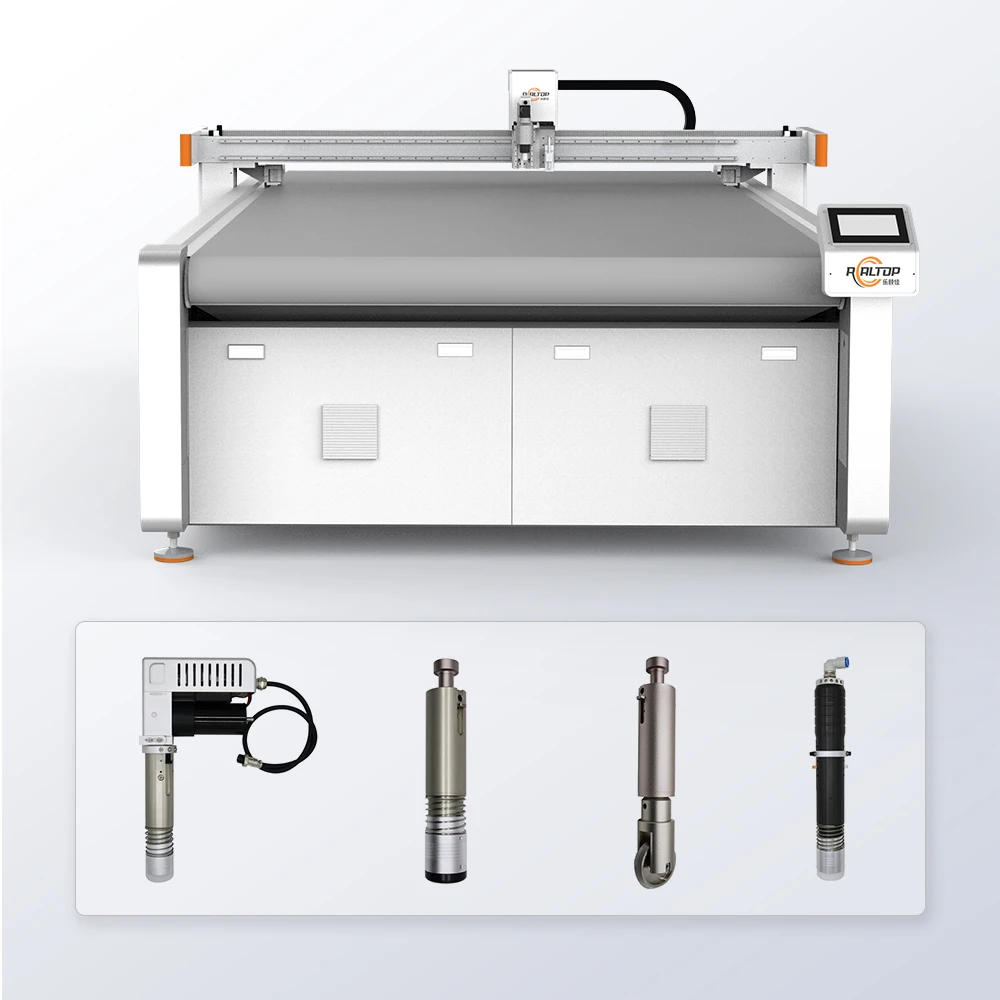
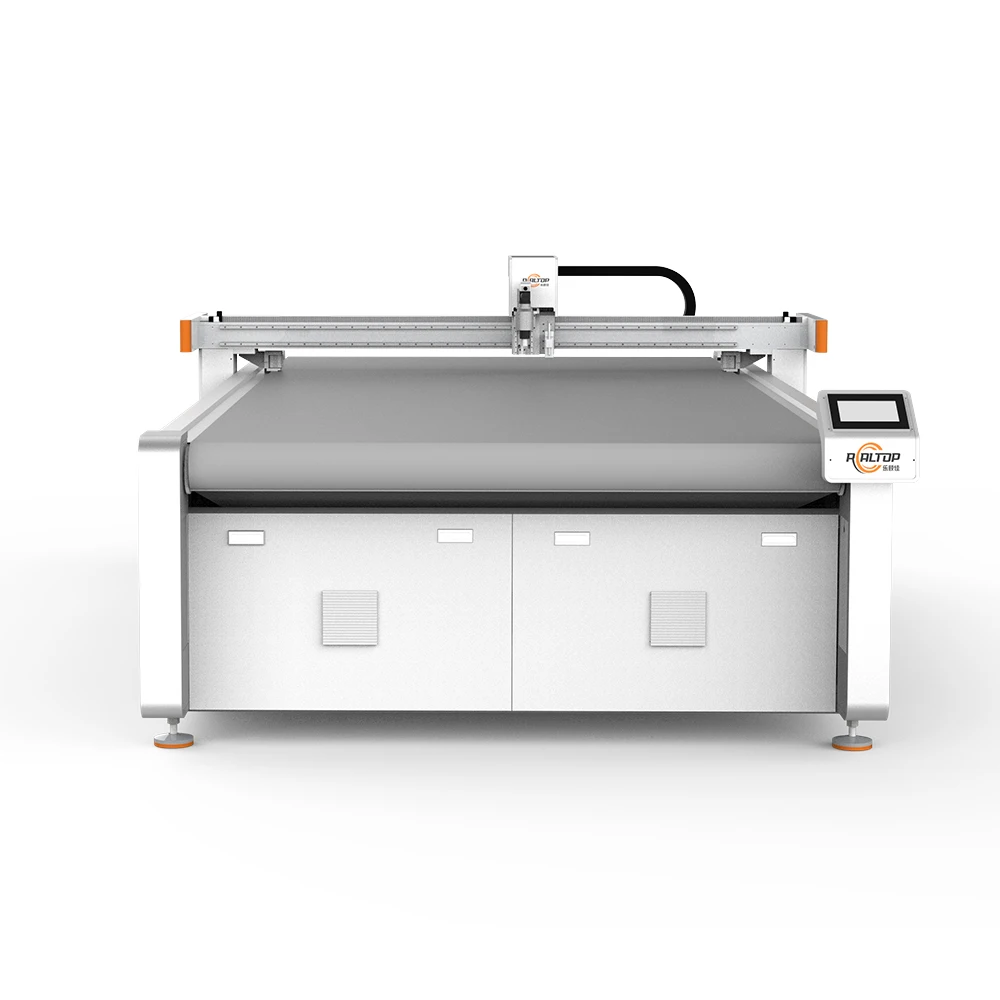
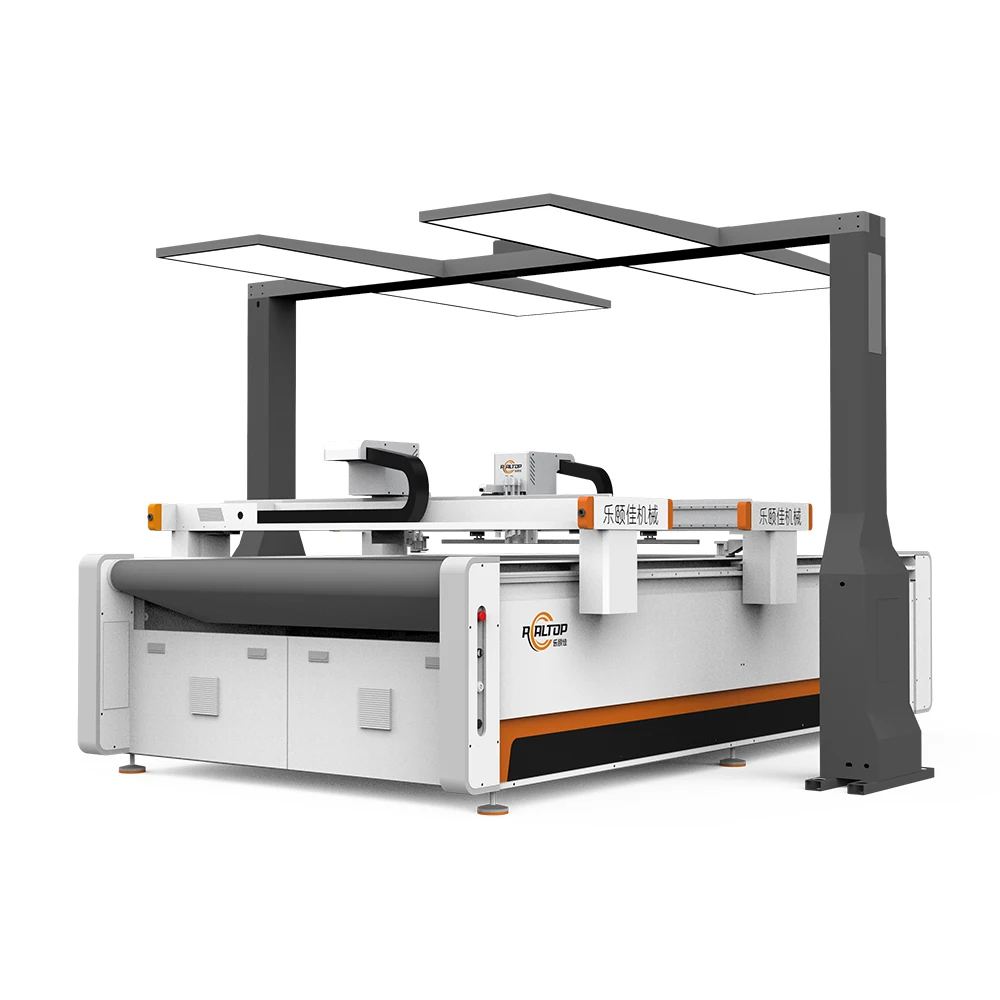
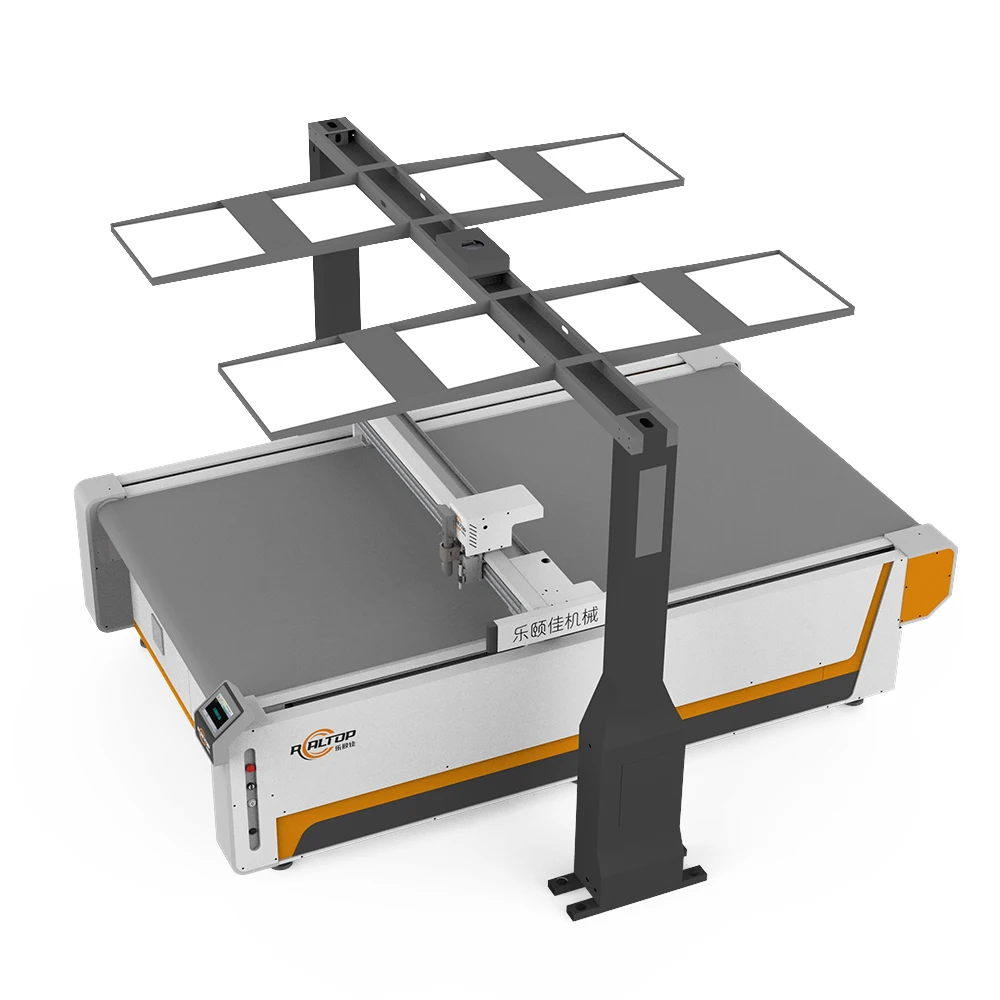
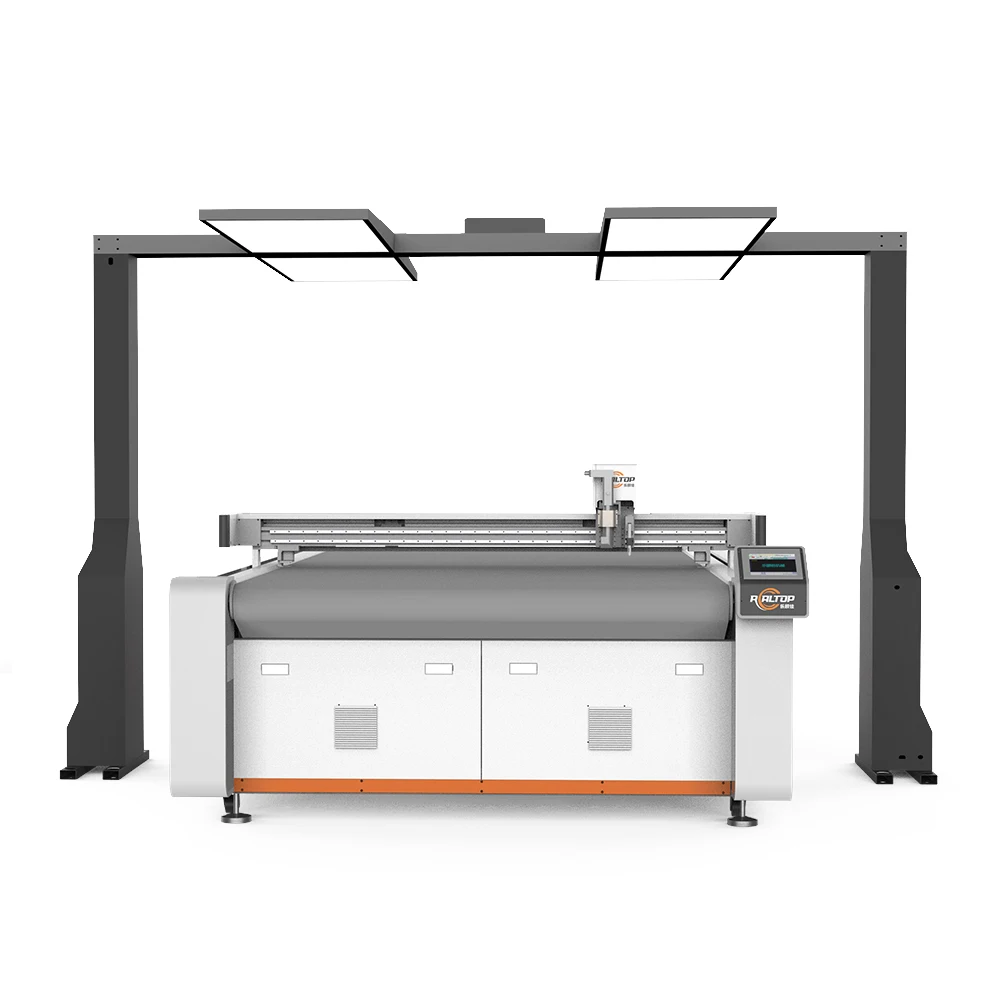
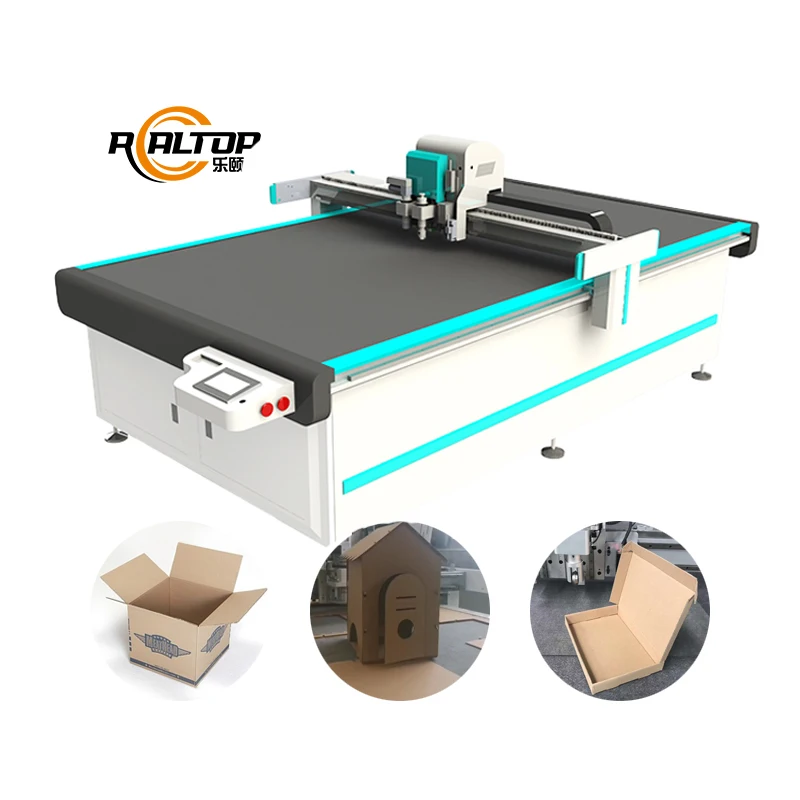
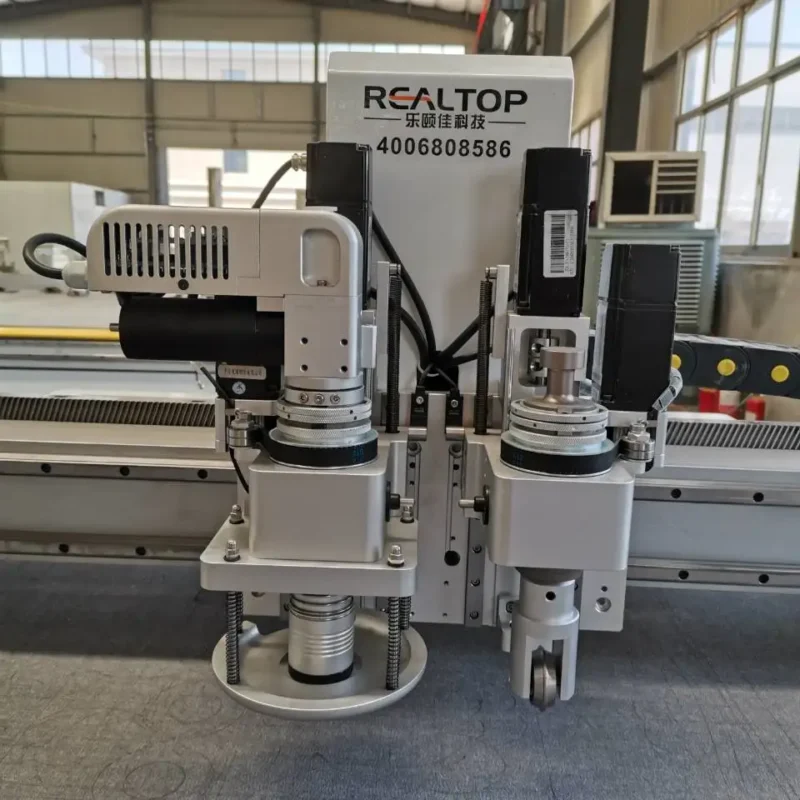
Tool Head Matching — this 1625 platform lets buyers swap between seven knife options instead of forcing a single cutting method across incompatible leathers and composites.
Technical Specifications
| Parameter | Value |
|---|---|
| Product Type | CNC Oscillating Knife Cutting Machine |
| Model | 1625 |
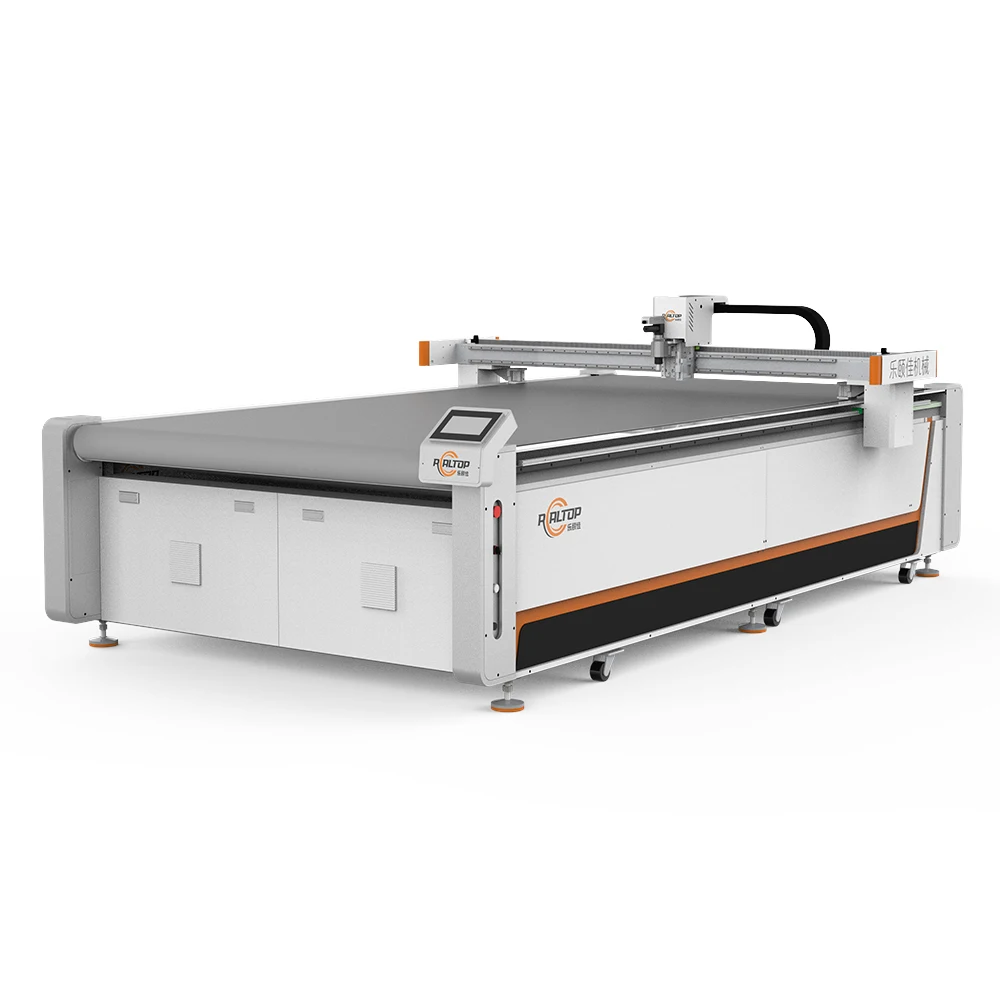
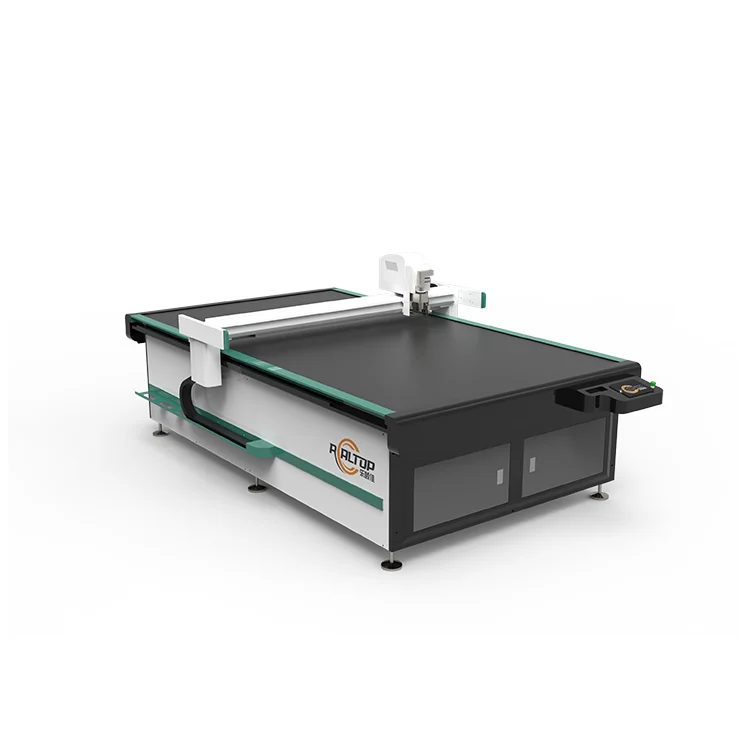
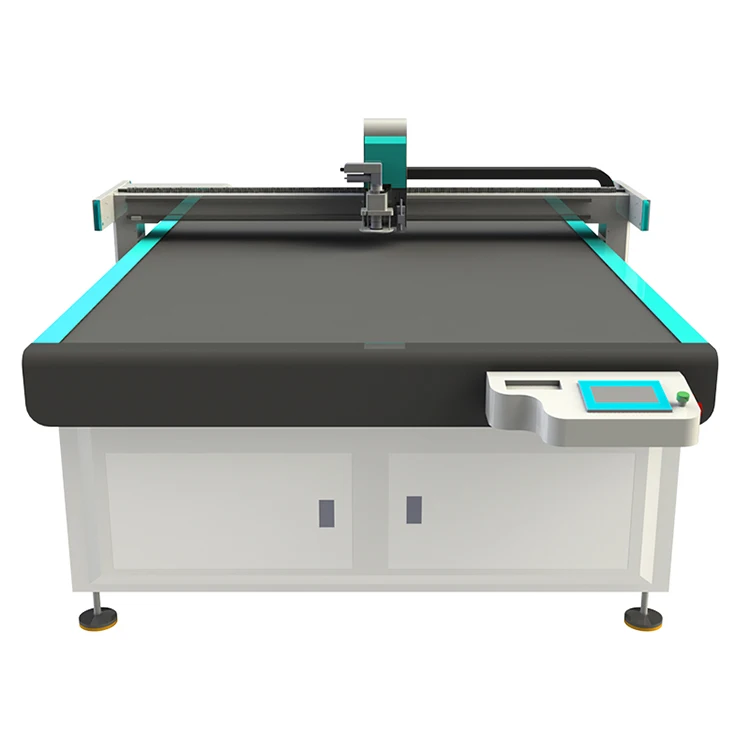
| Working Area | 1600 × 2500 mm |
| Cutting Speed | 0 – 2000 mm/s |
| Cutting Thickness | ≤ 30 mm (basis not stated in source — confirm block format / material / thickness) |
| Cutting Accuracy | ±0.1 mm |
| Tool Head Options | Oscillating knife, Driven rotary knife, Creasing wheel, Kiss cutting tool, Pneumatic knife, Milling tool, V groove knife |
| Vacuum Table | Aluminum bellows vacuum table |
| Vacuum Pump | 9 kW |
| Control System | PLC control panel |
| CCD Camera | Yes (contour recognition and positioning) |
| Safety Device | Infrared sensor device and emergency stop device |
| Servo Drive Options | Panasonic, Delta, Dorna (rated or peak not specified in source) |
| Voltage Options | 110V, 220V, 380V (frequency not specified in source) |
| Language Options | English, Russian, Italian, Chinese (custom languages available) |
| Software & File Formats | PLT, DXF, AI, PDF |
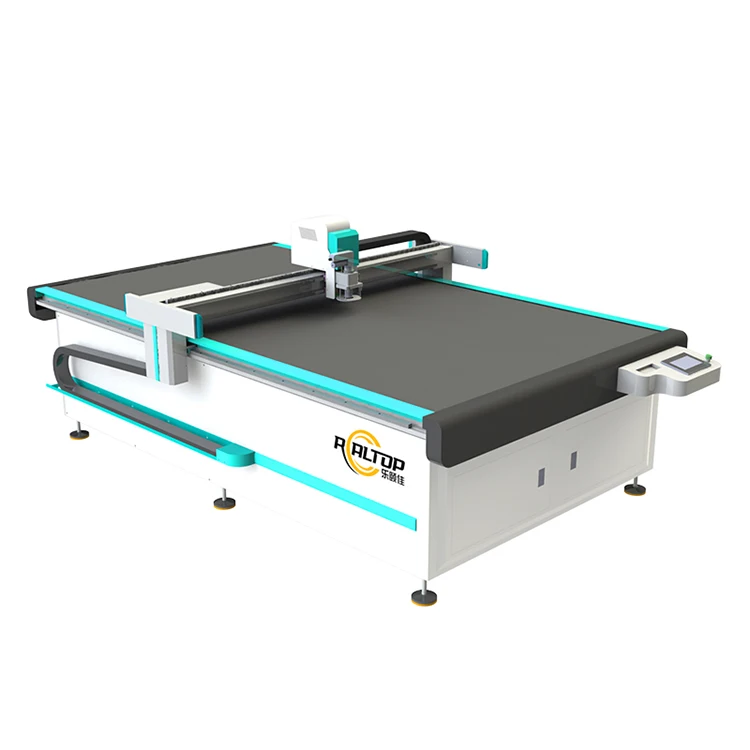
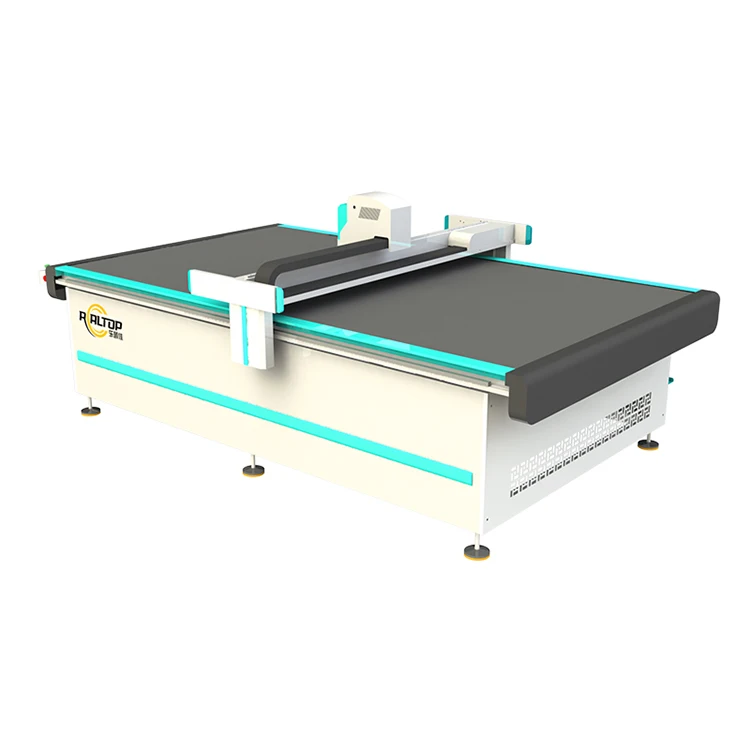
| Machine Size | 3300 × 2100 × 1350 mm |
| Assembly State | Fully assembled |
| Standards | CE declaration where applicable |
Application Suitability
| Application | Material or Output |
|---|---|
| Luggage and leather goods | Genuine leather, chrome-tanned soft hide, PU leather for bags and wallets |
| Footwear uppers and components | Shoe upper leather, lining fabric, synthetic insoles |
| Automotive seat covers and interiors | Automotive upholstery fabric, synthetic leather, headliner material |
| Sofa and soft furniture upholstery | Heavy textile, bonded leather, multi-layer fabric |
| Apparel pattern cutting | Garment fabric, layered textile rolls |
| Advertising and signage | PVC sheets, adhesive stickers, foam boards, vehicle wraps |
| Packaging sample making | Cardboard, carton, corrugated board, foam board with creasing |
| Gasket and industrial parts | PTFE, rubber, EVA, EPE foam, insulating materials |
Why the Material Sample Must Arrive Before the Quote
Specifying a CNC Oscillating Knife Cutting Machine by working area alone leaves the cutting method, tool head, and vacuum hold-down unverified against the actual material.
I have watched luggage factories receive a machine configured for standard vegetable-tanned leather, only to find their production floor runs chrome-tanned soft hides that require different oscillation frequency and hold-down pressure — producing frayed edges and forcing manual rework. The mismatch rarely shows on the supplier’s sample because the sample material is never the buyer’s material [NEED_CITE: material-specific tool head and vacuum configuration for CNC knife cutting]. A machine that cuts clean contours on rigid board may crush soft foam or drag through layered textile if the tool head was chosen without seeing the buyer’s stock.
Where Knife Cutting Sits in the Full Equipment Range
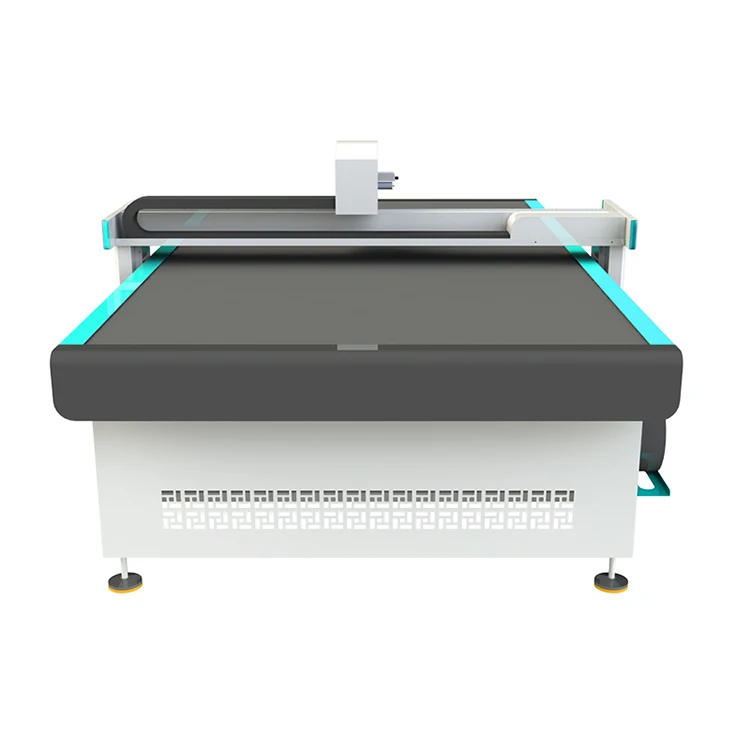
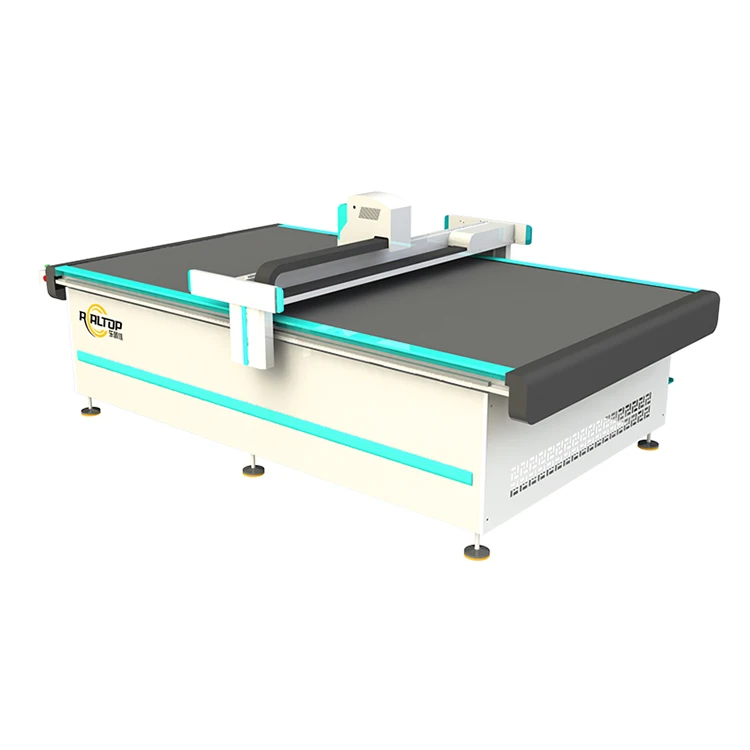
This 1625 CNC Oscillating Knife Cutting Machine occupies the knife cutting line within the broader REALTOP equipment family. Knife cutting handles materials that cannot be processed by CO2 or fiber laser — materials that melt, delaminate, or produce toxic fumes under a laser beam. Genuine leather, multi-layer textile, foam gaskets, and PTFE seals all belong on a knife table. The buyer surveying options across the full catalogue should match cutting method to material first, then narrow down working area and tool head configuration.
Seven Tool Heads on One Platform
The 1625 supports seven interchangeable tool heads — oscillating knife, driven rotary knife, creasing wheel, kiss cutting, pneumatic knife, milling, and V groove — so a single platform can shift from leather contour cutting to cardboard creasing without buying a second machine [NEED_CITE: tool head interchangeability across CNC flatbed cutting systems]. This matters for factories running mixed product lines: a packaging sample shop may need creasing and milling in the morning and oscillating knife on foam board in the afternoon. The tool head swap is a mechanical change, not a full machine changeover.
Reading the Specs That Actually Affect Production
Cutting speed of 0 – 2000 mm/s defines the upper envelope, but real throughput depends on material density, layer count, and contour complexity — a tight shoe upper pattern on chrome-tanned leather runs slower than a straight cut on foam board. The ±0.1 mm cutting accuracy determines whether nesting software can place pieces close enough to minimize leather waste without risking overlap into the next part. The 9 kW vacuum pump paired with an aluminum bellows vacuum table provides full-surface hold-down, which is critical when cutting small leather components that tend to lift at the edges once the knife breaks through. CCD camera contour recognition automates alignment on printed materials and patterned fabric rolls, reducing the manual positioning errors that compound across a long production run.
The Hidden Cost of a Missed Configuration Detail
A vacuum table without adequate zoning leaves small leather parts lifting during the final pass of the oscillating knife, producing incomplete cuts that require hand trimming [NEED_CITE: vacuum table zoning requirements for small-part CNC cutting]. Software that cannot import the buyer’s existing PLT or DXF nesting files forces the operator to redraw every pattern from scratch, adding hours to each new job. Voltage and plug confirmed after shipment rather than before means the machine sits idle in the receiving warehouse while a transformer or rewiring is arranged.
Why Source This Line Through the Full Catalogue
In-house design covers both knife and laser cutting, so the buyer can match the cutting method to the material rather than force one technology across everything. Tool head and table configuration are specified per material type and production volume, not sold as a default package. CCD camera positioning is confirmed against the buyer’s actual printed marks before the order is finalized. Software compatibility with PLT, DXF, AI, and PDF file formats is verified to match the buyer’s existing workflow. Sample cutting on the buyer’s own material takes place before commitment, catching frequency and pressure mismatches that specification sheets alone cannot predict.
Documentation & Verification
- Machine specification sheet confirming 1600 × 2500 mm working area and tool head list
- Electrical schematic with voltage and frequency matched to your local supply standard
- Sample cutting report produced on your leather or textile before order confirmation
- Factory test record documenting cutting accuracy and vacuum hold-down on your material
- Software licence note confirming PLT, DXF, AI, and PDF file format compatibility
- Spare parts list covering blades, vacuum seals, and wear items for the 1625 platform
Installation, Commissioning & Support
- Fully assembled 3300 × 2100 × 1350 mm frame arrives without on-site structural welding
- Dedicated circuit required matching confirmed voltage option (110V, 220V, or 380V)
- 9 kW vacuum pump connection verified and table zoning tested on your material at startup
- PLC control panel language set to operator preference from available options before training
- CCD camera calibrated against your printed registration marks during commissioning
- Spare blades and vacuum seals supplied per the documented spare parts list
What We Need to Match the Right Configuration
To recommend the correct tool head and vacuum setup, provide the material type, thickness range, maximum sheet or hide size, and the daily volume your line must sustain. Share a sample of the actual material — including any chrome-tanned leather, layered textile, or foam composite — so cutting tests confirm edge quality before the machine is built. Confirm your workshop voltage, frequency, and preferred control language to avoid post-delivery delays.
Frequently Asked Questions
Q: How do I decide between knife cutting and laser cutting for my material?
A: Knife cutting handles materials that melt, delaminate, or emit fumes under laser heat — genuine leather, multi-layer textile, foam, PTFE, and rubber all belong on a knife table. Laser suits acrylic, wood, and thin sheet metal. The full equipment family includes both, so the choice depends on material behavior, not machine availability.
Q: How is the tool head selected for my specific material?
A: Each of the seven tool heads suits different material families — oscillating knife for leather and textile, driven rotary for woven fabric, creasing wheel for cardboard, pneumatic knife for thick foam. Selection is confirmed by sample cutting on your actual stock before the order is finalized.
Q: Can the voltage, plug, and control language be customized before shipment?
A: Yes. Voltage options include 110V, 220V, and 380V with frequency confirmed to your market standard. Plug type and PLC control panel language — English, Russian, Italian, Chinese, or a custom language — are locked in during the specification confirmation step before production begins.
Q: Where does the 1625 fit relative to other sizes in the knife cutting range?
A: The 1625 offers a 1600 × 2500 mm working area, suited for hides, fabric rolls, and board stock in that size envelope. Other working area sizes and multi-head configurations exist within the same knife cutting family for higher-volume or larger-format production needs.
Q: What does sample cutting on my material cover?
A: You send a sample of your actual material — leather, fabric, foam, or composite — and we run cutting tests to verify tool head choice, oscillation frequency, vacuum hold-down, and edge quality. The results are documented in a sample cutting report shared before you commit to the order.
Tool Head Matching — this 1625 platform lets buyers swap between seven knife options instead of forcing a single cutting method across incompatible leathers and composites.
Technical Specifications
| Parameter | Value |
|---|---|
| Product Type | CNC Oscillating Knife Cutting Machine |
| Model | 1625 |
| Working Area | 1600 × 2500 mm |
| Cutting Speed | 0 – 2000 mm/s |
| Cutting Thickness | ≤ 30 mm (basis not stated in source — confirm block format / material / thickness) |
| Cutting Accuracy | ±0.1 mm |
| Tool Head Options | Oscillating knife, Driven rotary knife, Creasing wheel, Kiss cutting tool, Pneumatic knife, Milling tool, V groove knife |
| Vacuum Table | Aluminum bellows vacuum table |
| Vacuum Pump | 9 kW |
| Control System | PLC control panel |
| CCD Camera | Yes (contour recognition and positioning) |
| Safety Device | Infrared sensor device and emergency stop device |
| Servo Drive Options | Panasonic, Delta, Dorna (rated or peak not specified in source) |
| Voltage Options | 110V, 220V, 380V (frequency not specified in source) |
| Language Options | English, Russian, Italian, Chinese (custom languages available) |
| Software & File Formats | PLT, DXF, AI, PDF |
| Machine Size | 3300 × 2100 × 1350 mm |
| Assembly State | Fully assembled |
| Standards | CE declaration where applicable |
Application Suitability
| Application | Material or Output |
|---|---|
| Luggage and leather goods | Genuine leather, chrome-tanned soft hide, PU leather for bags and wallets |
| Footwear uppers and components | Shoe upper leather, lining fabric, synthetic insoles |
| Automotive seat covers and interiors | Automotive upholstery fabric, synthetic leather, headliner material |
| Sofa and soft furniture upholstery | Heavy textile, bonded leather, multi-layer fabric |
| Apparel pattern cutting | Garment fabric, layered textile rolls |
| Advertising and signage | PVC sheets, adhesive stickers, foam boards, vehicle wraps |
| Packaging sample making | Cardboard, carton, corrugated board, foam board with creasing |
| Gasket and industrial parts | PTFE, rubber, EVA, EPE foam, insulating materials |
Why the Material Sample Must Arrive Before the Quote
Specifying a CNC Oscillating Knife Cutting Machine by working area alone leaves the cutting method, tool head, and vacuum hold-down unverified against the actual material.
I have watched luggage factories receive a machine configured for standard vegetable-tanned leather, only to find their production floor runs chrome-tanned soft hides that require different oscillation frequency and hold-down pressure — producing frayed edges and forcing manual rework. The mismatch rarely shows on the supplier’s sample because the sample material is never the buyer’s material [NEED_CITE: material-specific tool head and vacuum configuration for CNC knife cutting]. A machine that cuts clean contours on rigid board may crush soft foam or drag through layered textile if the tool head was chosen without seeing the buyer’s stock.
Where Knife Cutting Sits in the Full Equipment Range
This 1625 CNC Oscillating Knife Cutting Machine occupies the knife cutting line within the broader REALTOP equipment family. Knife cutting handles materials that cannot be processed by CO2 or fiber laser — materials that melt, delaminate, or produce toxic fumes under a laser beam. Genuine leather, multi-layer textile, foam gaskets, and PTFE seals all belong on a knife table. The buyer surveying options across the full catalogue should match cutting method to material first, then narrow down working area and tool head configuration.
Seven Tool Heads on One Platform
The 1625 supports seven interchangeable tool heads — oscillating knife, driven rotary knife, creasing wheel, kiss cutting, pneumatic knife, milling, and V groove — so a single platform can shift from leather contour cutting to cardboard creasing without buying a second machine [NEED_CITE: tool head interchangeability across CNC flatbed cutting systems]. This matters for factories running mixed product lines: a packaging sample shop may need creasing and milling in the morning and oscillating knife on foam board in the afternoon. The tool head swap is a mechanical change, not a full machine changeover.
Reading the Specs That Actually Affect Production
Cutting speed of 0 – 2000 mm/s defines the upper envelope, but real throughput depends on material density, layer count, and contour complexity — a tight shoe upper pattern on chrome-tanned leather runs slower than a straight cut on foam board. The ±0.1 mm cutting accuracy determines whether nesting software can place pieces close enough to minimize leather waste without risking overlap into the next part. The 9 kW vacuum pump paired with an aluminum bellows vacuum table provides full-surface hold-down, which is critical when cutting small leather components that tend to lift at the edges once the knife breaks through. CCD camera contour recognition automates alignment on printed materials and patterned fabric rolls, reducing the manual positioning errors that compound across a long production run.
The Hidden Cost of a Missed Configuration Detail
A vacuum table without adequate zoning leaves small leather parts lifting during the final pass of the oscillating knife, producing incomplete cuts that require hand trimming [NEED_CITE: vacuum table zoning requirements for small-part CNC cutting]. Software that cannot import the buyer’s existing PLT or DXF nesting files forces the operator to redraw every pattern from scratch, adding hours to each new job. Voltage and plug confirmed after shipment rather than before means the machine sits idle in the receiving warehouse while a transformer or rewiring is arranged.
Why Source This Line Through the Full Catalogue
In-house design covers both knife and laser cutting, so the buyer can match the cutting method to the material rather than force one technology across everything. Tool head and table configuration are specified per material type and production volume, not sold as a default package. CCD camera positioning is confirmed against the buyer’s actual printed marks before the order is finalized. Software compatibility with PLT, DXF, AI, and PDF file formats is verified to match the buyer’s existing workflow. Sample cutting on the buyer’s own material takes place before commitment, catching frequency and pressure mismatches that specification sheets alone cannot predict.
Documentation & Verification
- Machine specification sheet confirming 1600 × 2500 mm working area and tool head list
- Electrical schematic with voltage and frequency matched to your local supply standard
- Sample cutting report produced on your leather or textile before order confirmation
- Factory test record documenting cutting accuracy and vacuum hold-down on your material
- Software licence note confirming PLT, DXF, AI, and PDF file format compatibility
- Spare parts list covering blades, vacuum seals, and wear items for the 1625 platform
Installation, Commissioning & Support
- Fully assembled 3300 × 2100 × 1350 mm frame arrives without on-site structural welding
- Dedicated circuit required matching confirmed voltage option (110V, 220V, or 380V)
- 9 kW vacuum pump connection verified and table zoning tested on your material at startup
- PLC control panel language set to operator preference from available options before training
- CCD camera calibrated against your printed registration marks during commissioning
- Spare blades and vacuum seals supplied per the documented spare parts list
What We Need to Match the Right Configuration
To recommend the correct tool head and vacuum setup, provide the material type, thickness range, maximum sheet or hide size, and the daily volume your line must sustain. Share a sample of the actual material — including any chrome-tanned leather, layered textile, or foam composite — so cutting tests confirm edge quality before the machine is built. Confirm your workshop voltage, frequency, and preferred control language to avoid post-delivery delays.
Frequently Asked Questions
Q: How do I decide between knife cutting and laser cutting for my material?
A: Knife cutting handles materials that melt, delaminate, or emit fumes under laser heat — genuine leather, multi-layer textile, foam, PTFE, and rubber all belong on a knife table. Laser suits acrylic, wood, and thin sheet metal. The full equipment family includes both, so the choice depends on material behavior, not machine availability.
Q: How is the tool head selected for my specific material?
A: Each of the seven tool heads suits different material families — oscillating knife for leather and textile, driven rotary for woven fabric, creasing wheel for cardboard, pneumatic knife for thick foam. Selection is confirmed by sample cutting on your actual stock before the order is finalized.
Q: Can the voltage, plug, and control language be customized before shipment?
A: Yes. Voltage options include 110V, 220V, and 380V with frequency confirmed to your market standard. Plug type and PLC control panel language — English, Russian, Italian, Chinese, or a custom language — are locked in during the specification confirmation step before production begins.
Q: Where does the 1625 fit relative to other sizes in the knife cutting range?
A: The 1625 offers a 1600 × 2500 mm working area, suited for hides, fabric rolls, and board stock in that size envelope. Other working area sizes and multi-head configurations exist within the same knife cutting family for higher-volume or larger-format production needs.
Q: What does sample cutting on my material cover?
A: You send a sample of your actual material — leather, fabric, foam, or composite — and we run cutting tests to verify tool head choice, oscillation frequency, vacuum hold-down, and edge quality. The results are documented in a sample cutting report shared before you commit to the order.
商品评价
There are no reviews yet.