


Fast Delivery
Quick, reliable shipping to any location.

Free & easy returns
Return this item by mail or in store within 90 days for a full refund.
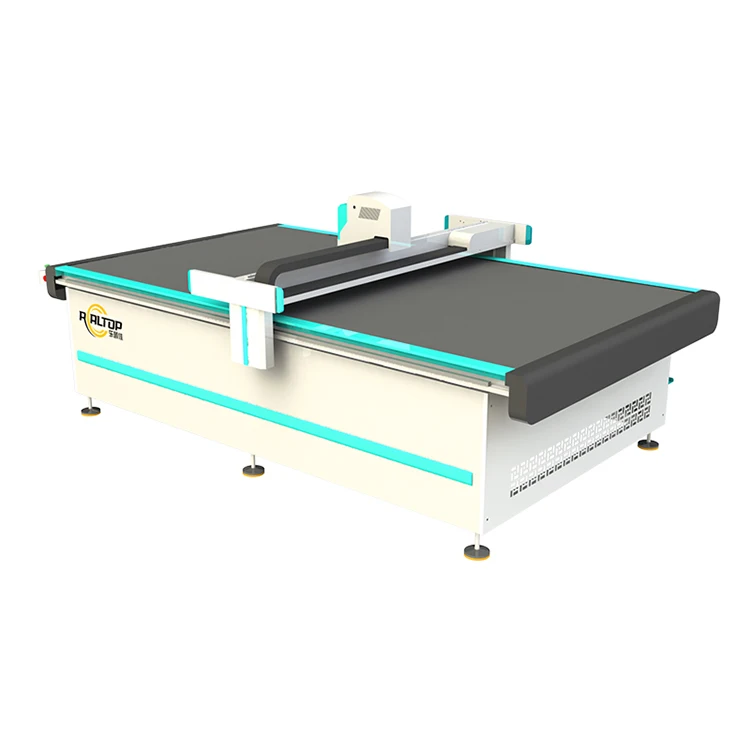
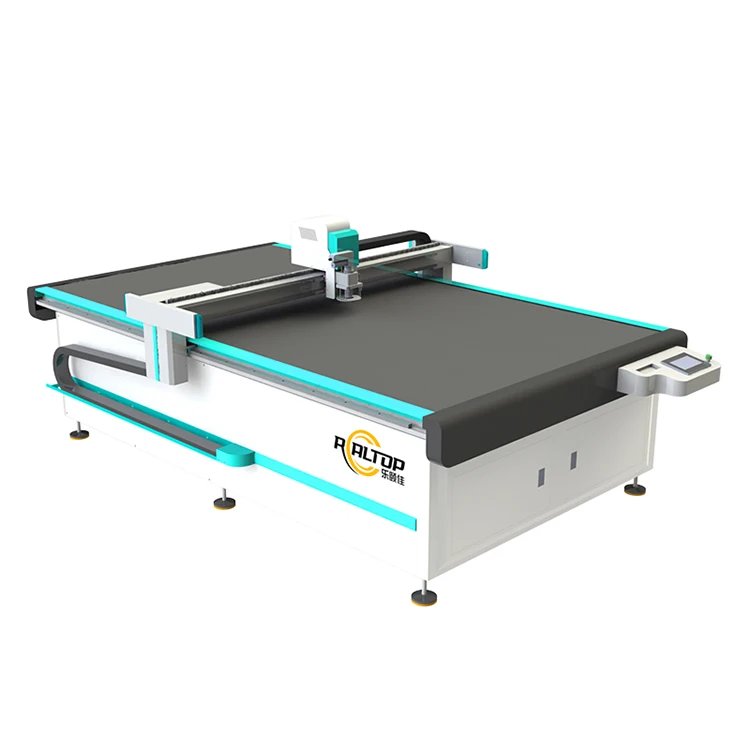
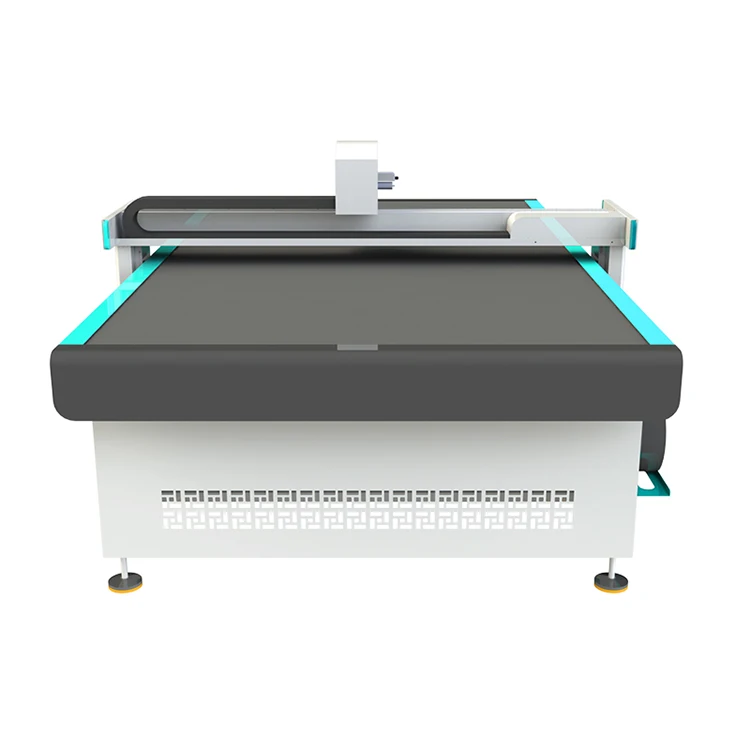
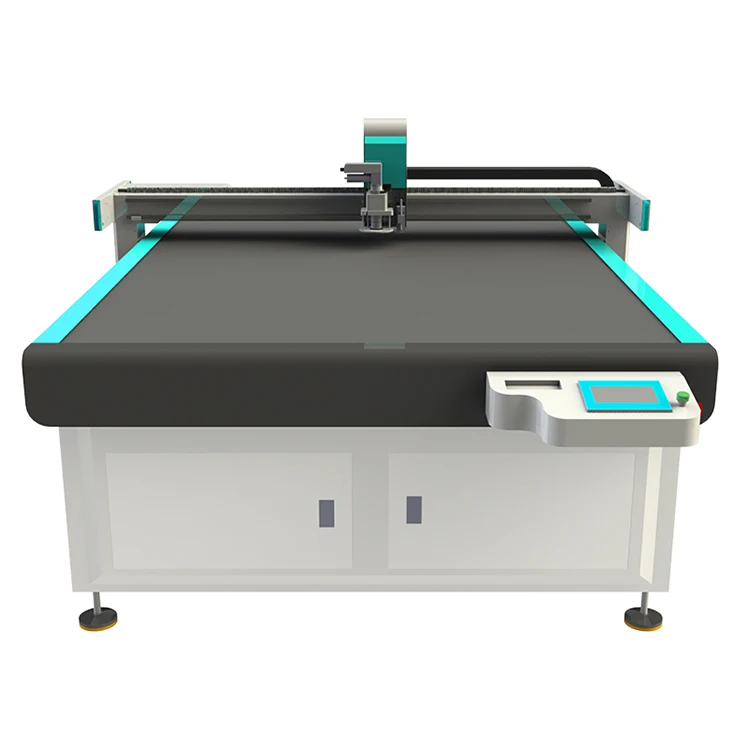
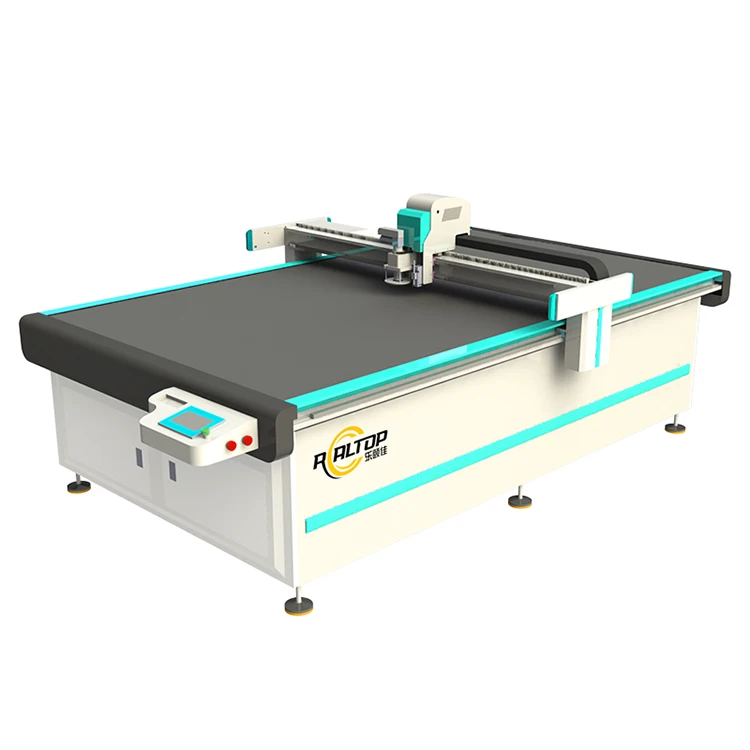
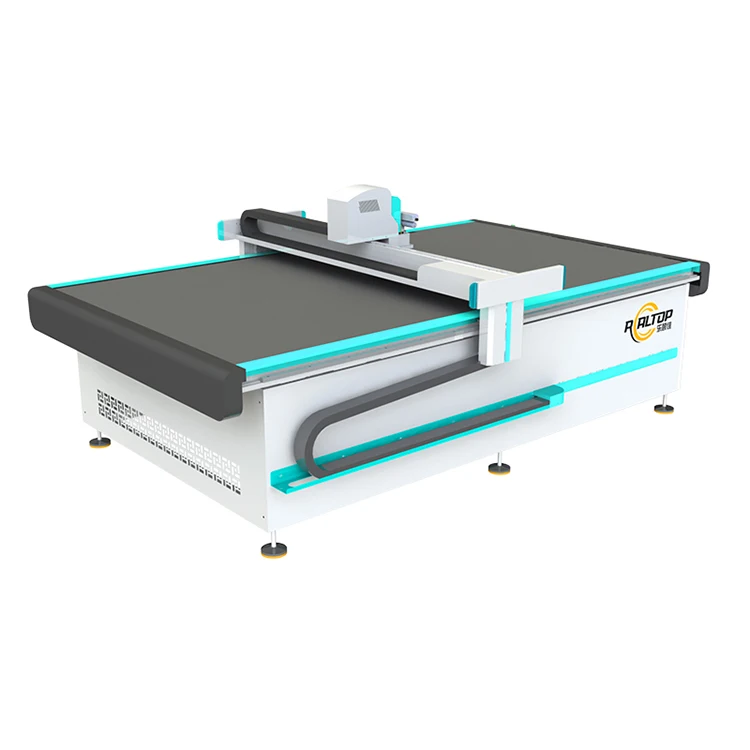
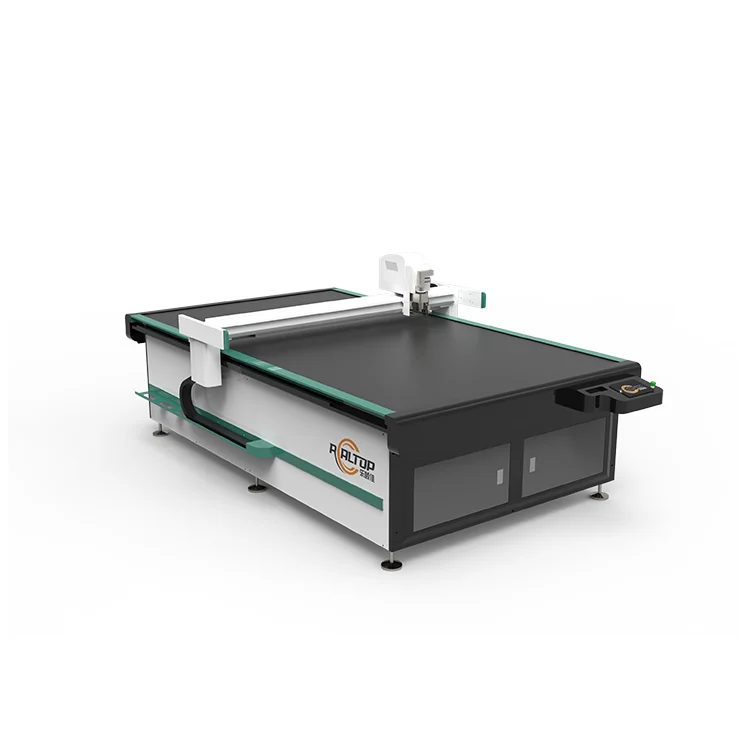
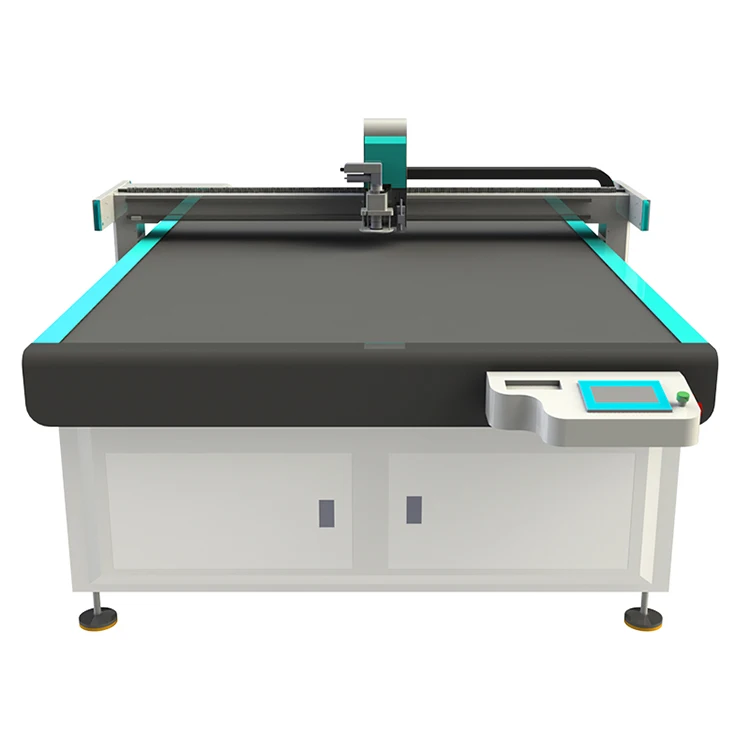
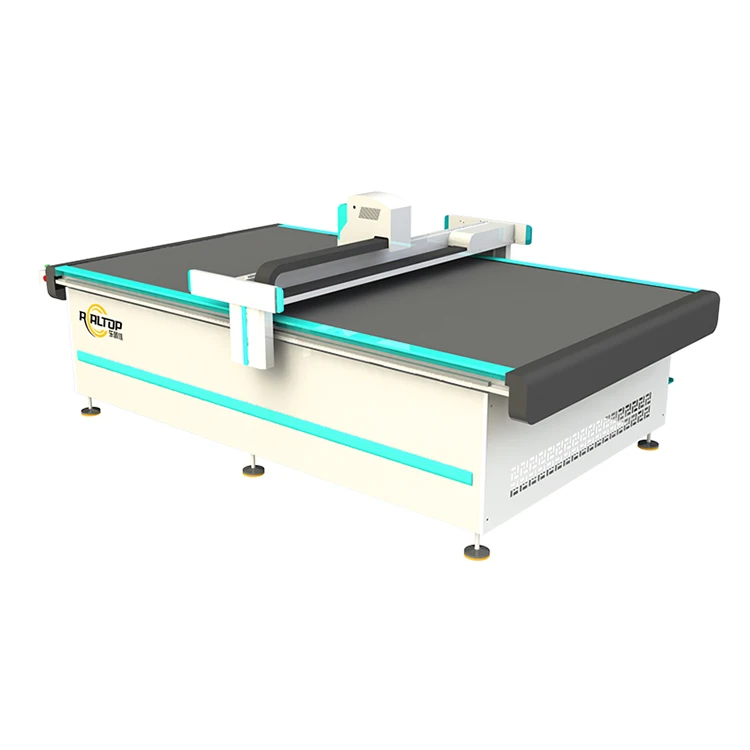
Precision Configuration Matching — Every RT-D2516/RT-S2516 leaving our Jinan factory undergoes material-specific tool head selection and vacuum zoning calibrated to the buyer’s actual production stock, not generic sample materials.
Technical Specifications
| Parameter | Value |
|---|---|
| Model | RT-D2516/RT-S2516 |
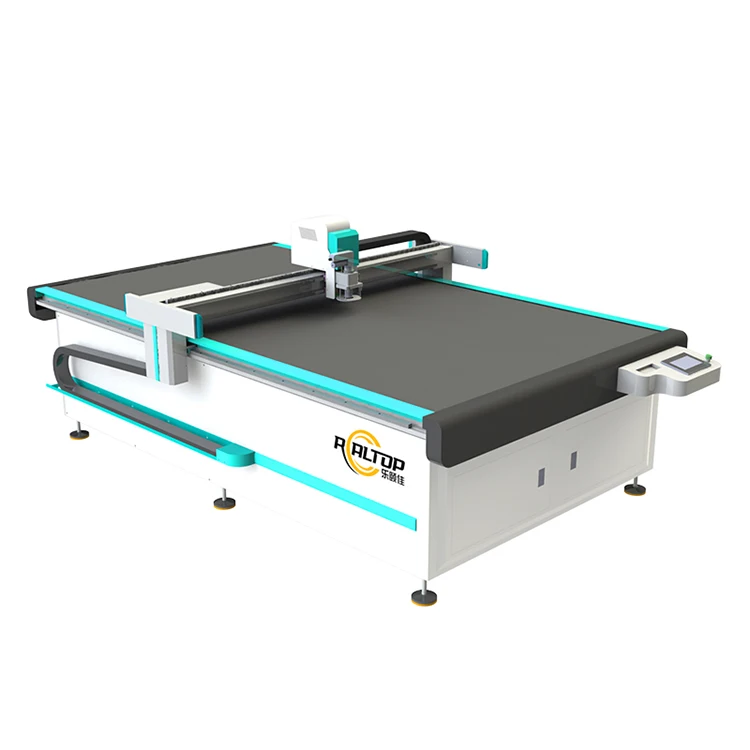
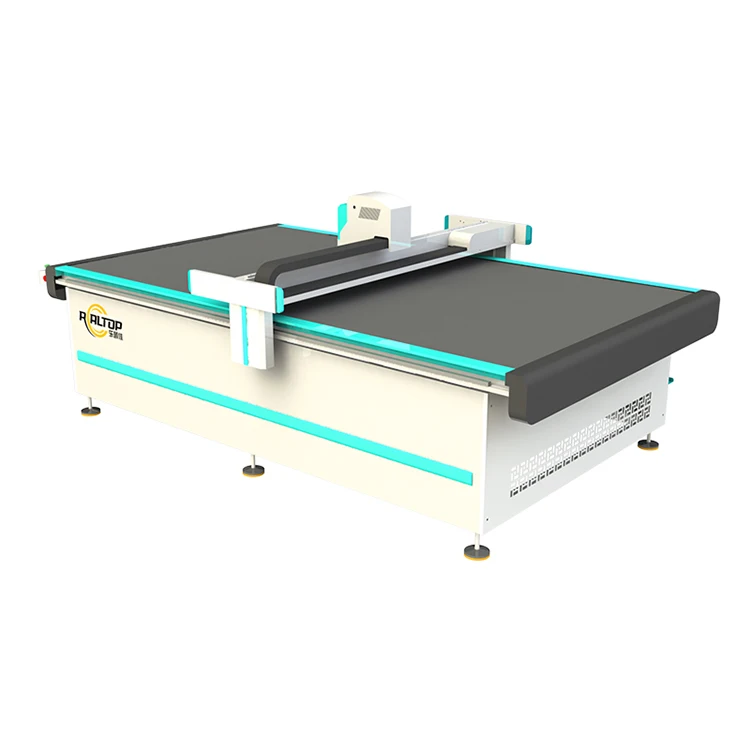
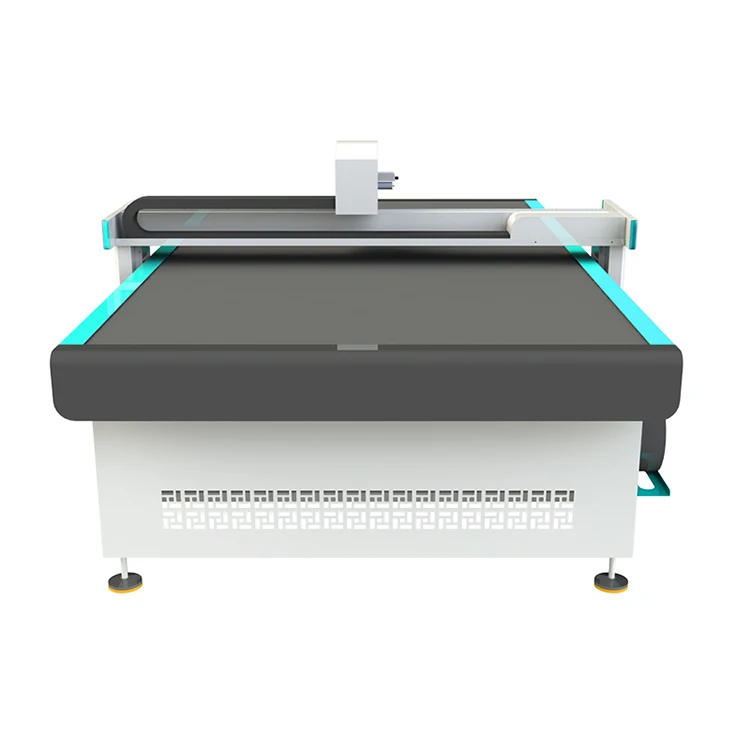
| Product Type | CNC Oscillating Knife Cutting Machine |
| Working Area | 1600 × 2500 mm |
| Machine Dimensions | 3450 × 2300 × 1250 mm |
| Rated Power | 9 kW |
| Vacuum Pump | 7.5 kW |
| Table Type | Flat working table with auto feeding and conveyor belt (Germany imported) |
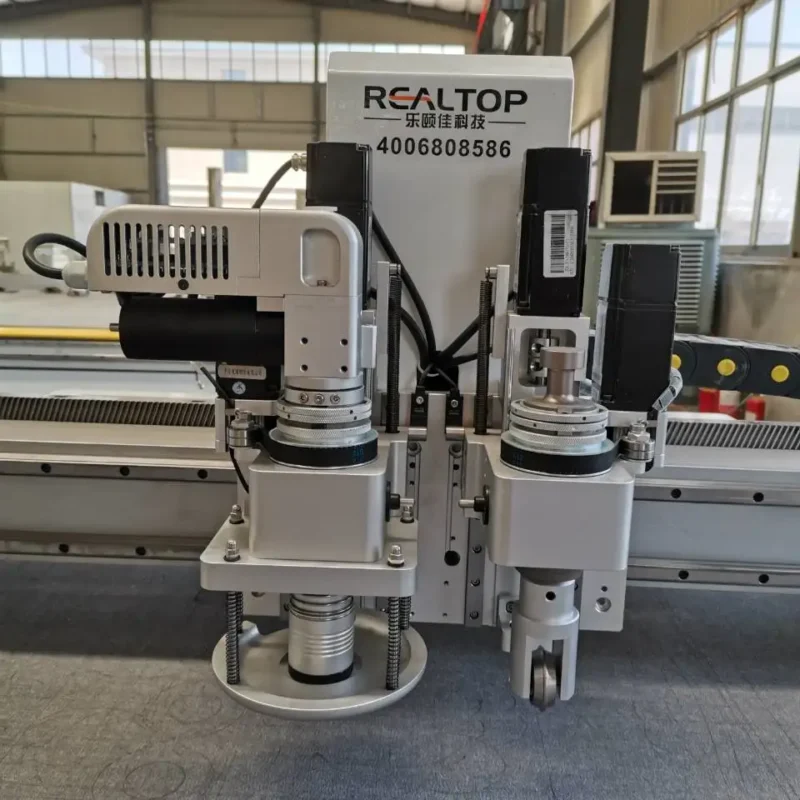
| Tool Head | Swiss imported knife with vibration full cutting, half cutting and cursor location |
| Safety Device | Infrared sensors |
| Translational Velocity | 800–1200 mm/s |
| Cutting Speed | 200–800 mm/s (according to different cutting materials) |
| Repeated Accuracy | ≤0.1 mm |
| Transmission System | Digital servo motor, linear guide, synchronous belt, ball screw (imported) |
| Servo Motor | Japanese Yaskawa |
| Guide Rail | Taiwan Hiwin |
| Instruction System | HP-GL compatible format |
| Voltage | 380V ± 10% |
| Warranty | 12 months for whole machine |
Application Suitability
| Application | Material or Output |
|---|---|
| Sofa and Upholstered Furniture Production | Multi-layer composite suede, velvet, linen, cotton blends, sponge-backed leather |
| Automotive Interior Trim | Synthetic leather, headliner fabric, carpet, acoustic insulation foam |
| Garment and Footwear Manufacturing | Technical textiles, non-woven fabrics, PU/EVA sheets, pattern nesting |
| Gasket and Seal Fabrication | Rubber, PTFE, ETFE, silicone, soft composite sheets |
| Signage and Soft Display | PVC flex banner, vinyl, self-adhesive film, sticker stock |
Why Material Thickness Changes Everything in Oscillating Knife Selection
A machine rated by working area alone will not tell you whether it can cut your material at production speed.
I spent weeks in Chile reconfiguring a line because the buyer tested the machine on standard polyester, then switched to multi-layer composite suede with bonded foam on arrival. The oscillating knife pressure was insufficient, edges were ragged, and the entire cutting cell became a bottleneck. This is the gap that a full-range CNC Oscillating Knife Cutting Machine manufacturer must close before shipment: matching tool head stroke, blade geometry, and vacuum hold-down to the actual stock the buyer runs daily, not the demo material [NEED_CITE: industrial cutting tool load variation across composite textiles].
Where This Platform Sits in a Full Cutting Equipment Range
Buyers surveying both knife and laser options need to understand where oscillating knife technology delivers the strongest return. The RT-D2516/RT-S2516 occupies the mid-to-large format CNC Oscillating Knife Cutting Machine manufacturer offering for producers handling flexible and semi-rigid sheet materials up to moderate thickness. For fabrics that fray under laser heat or composites that delaminate under drag knife pressure, the vibration action of the Swiss imported oscillating head produces clean edges without thermal sealing or material crushing.
Comparing Knife and Laser Methods for Fabric Sofa Cutting
Laser cutting seals edges on synthetics, which is valuable for certain non-woven and fleece materials. However, multi-layer natural fabrics, bonded foam laminates, and coated textiles often respond better to mechanical cutting. The full-cut and half-cut capability on this platform allows producers to kiss-cut through face fabric while leaving the backing intact for easier handling downstream. This flexibility is a defining reason buyers evaluate a complete range before committing to one cutting method [NEED_CITE: comparative edge quality between oscillating knife and CO2 laser on laminated textiles].
Reading the Specifications Against Your Production Reality
The 1600 × 2500 mm working area accommodates standard roll widths used in upholstery and automotive interior production, while the Japanese Yaskawa servo motors and Taiwan Hiwin guide rails maintain the ≤0.1 mm repeated accuracy required for tight nesting patterns. Cutting speed varies between 200 and 800 mm/s depending on material density and layer count, which is why sample cutting on the buyer’s own stock is the only way to validate throughput expectations. The HP-GL compatible instruction system ensures that most nesting and CAD workflows export directly without format conversion, and the 7.5 kW vacuum pump paired with the flat working table holds small pattern pieces firmly during high-speed contour cuts. The 9 kW rated power and 380V ± 10% supply requirement dictate the electrical infrastructure needed at the installation site.
What Happens When Configuration Is Chosen Blindly
Selecting a drag knife for closed-cell foam or specifying vacuum zoning designed for large panels when your production runs small gaskets leads to predictable failures. Small parts lift off the table mid-cut, blade deflection produces dimensional drift, and operators spend hours re-cutting rejected pieces. These are not warranty claims; they are specification errors that surface only when the machine meets real production material [NEED_CITE: vacuum hold-down requirements for small-format parts on flatbed cutting tables].
Why Buyers Evaluate the Full Range Before Committing
Our design team covers both knife and laser platforms in-house, which means the cutting method is matched to the material rather than forced onto a single machine family. Tool head and table configuration are specified per material type and daily production volume. CCD camera positioning is available on compatible models for printed contour work. Software compatibility and file format support are confirmed before the order is finalized. Voltage, control language, and electrical standards are aligned to the destination market before the machine enters assembly.
Documentation & Verification
- Machine specification sheet listing every available working area size and tool head option
- Electrical schematic confirming voltage, frequency, and plug type for the destination market
- Tool head and vacuum table configuration list matched to the buyer’s declared material
- Sample cutting report produced on the buyer’s own material before order confirmation
- Factory test record documenting dimensional accuracy and edge quality under load
- Operation manual and spare parts list with part numbers for consumable blades and belts
Installation, Commissioning & Support
- Floor space planning based on the 3450 × 2300 × 1250 mm machine footprint plus material feed clearance
- Dedicated 380V ± 10% circuit with appropriate breaker sizing for the 9 kW rated load and 7.5 kW vacuum pump
- Auto-feeding conveyor alignment and vacuum table seal verification during on-site commissioning
- Parameter tuning for cutting speed, oscillation frequency, and vacuum zoning on the buyer’s material
- Operator training covering HP-GL file import, nesting layout, tool change, and blade replacement
- Scheduled maintenance intervals for Yaskawa servo inspection, Hiwin rail lubrication, and belt tension
Starting the Specification Conversation
To move from catalogue browsing to a firm configuration, share the material type, thickness, and layer count you intend to cut, along with your typical sheet or roll dimensions. Include your workshop voltage and frequency, preferred control language, and whether your current nesting software outputs HP-GL or requires format bridging. If your material is unconventional or heavily laminated, request sample cutting before finalizing the tool head and table specification.
Frequently Asked Questions
Q: How do I decide between oscillating knife and laser cutting for my fabric sofa materials?
A: Oscillating knife cutting avoids thermal edge sealing, which is preferable for natural fabrics and multi-layer laminates where bonded edges would stiffen the finished seam. Laser cutting seals edges on synthetics and prevents fraying on non-woven materials. Share your exact material composition and layer stack so we can recommend the appropriate method.
Q: What working area sizes are available across the full equipment range?
A: The range spans compact formats for sample making through large-format tables for roll-fed production. The RT-D2516/RT-S2516 provides a 1600 × 2500 mm working area suited to standard upholstery roll widths. Smaller and larger platforms exist within the catalogue for different production volumes.
Q: How is software compatibility confirmed before the machine ships?
A: We request sample files from your existing nesting or CAD workflow and run them through the control system during factory testing. File format, layer interpretation, and tool path output are verified and documented in a software licence and compatibility note included with the machine documentation.
Q: Can I see cutting results on my own material before placing an order?
A: Yes. Send a representative sample of your production stock, including any laminated or bonded layers. We run sample cuts, document edge quality, dimensional accuracy, and achievable speed, and include the report with the quotation so you evaluate real performance data.
Q: How does the oscillating knife method affect edge quality on composites and foam?
A: The vibrating blade action slices through layered composites and foam without crushing or delaminating the material stack. Full-cut and half-cut modes allow selective depth control, which is critical when separating face fabric from a backing layer during sofa panel production.
Precision Configuration Matching — Every RT-D2516/RT-S2516 leaving our Jinan factory undergoes material-specific tool head selection and vacuum zoning calibrated to the buyer’s actual production stock, not generic sample materials.
Technical Specifications
| Parameter | Value |
|---|---|
| Model | RT-D2516/RT-S2516 |
| Product Type | CNC Oscillating Knife Cutting Machine |
| Working Area | 1600 × 2500 mm |
| Machine Dimensions | 3450 × 2300 × 1250 mm |
| Rated Power | 9 kW |
| Vacuum Pump | 7.5 kW |
| Table Type | Flat working table with auto feeding and conveyor belt (Germany imported) |
| Tool Head | Swiss imported knife with vibration full cutting, half cutting and cursor location |
| Safety Device | Infrared sensors |
| Translational Velocity | 800–1200 mm/s |
| Cutting Speed | 200–800 mm/s (according to different cutting materials) |
| Repeated Accuracy | ≤0.1 mm |
| Transmission System | Digital servo motor, linear guide, synchronous belt, ball screw (imported) |
| Servo Motor | Japanese Yaskawa |
| Guide Rail | Taiwan Hiwin |
| Instruction System | HP-GL compatible format |
| Voltage | 380V ± 10% |
| Warranty | 12 months for whole machine |
Application Suitability
| Application | Material or Output |
|---|---|
| Sofa and Upholstered Furniture Production | Multi-layer composite suede, velvet, linen, cotton blends, sponge-backed leather |
| Automotive Interior Trim | Synthetic leather, headliner fabric, carpet, acoustic insulation foam |
| Garment and Footwear Manufacturing | Technical textiles, non-woven fabrics, PU/EVA sheets, pattern nesting |
| Gasket and Seal Fabrication | Rubber, PTFE, ETFE, silicone, soft composite sheets |
| Signage and Soft Display | PVC flex banner, vinyl, self-adhesive film, sticker stock |
Why Material Thickness Changes Everything in Oscillating Knife Selection
A machine rated by working area alone will not tell you whether it can cut your material at production speed.
I spent weeks in Chile reconfiguring a line because the buyer tested the machine on standard polyester, then switched to multi-layer composite suede with bonded foam on arrival. The oscillating knife pressure was insufficient, edges were ragged, and the entire cutting cell became a bottleneck. This is the gap that a full-range CNC Oscillating Knife Cutting Machine manufacturer must close before shipment: matching tool head stroke, blade geometry, and vacuum hold-down to the actual stock the buyer runs daily, not the demo material [NEED_CITE: industrial cutting tool load variation across composite textiles].
Where This Platform Sits in a Full Cutting Equipment Range
Buyers surveying both knife and laser options need to understand where oscillating knife technology delivers the strongest return. The RT-D2516/RT-S2516 occupies the mid-to-large format CNC Oscillating Knife Cutting Machine manufacturer offering for producers handling flexible and semi-rigid sheet materials up to moderate thickness. For fabrics that fray under laser heat or composites that delaminate under drag knife pressure, the vibration action of the Swiss imported oscillating head produces clean edges without thermal sealing or material crushing.
Comparing Knife and Laser Methods for Fabric Sofa Cutting
Laser cutting seals edges on synthetics, which is valuable for certain non-woven and fleece materials. However, multi-layer natural fabrics, bonded foam laminates, and coated textiles often respond better to mechanical cutting. The full-cut and half-cut capability on this platform allows producers to kiss-cut through face fabric while leaving the backing intact for easier handling downstream. This flexibility is a defining reason buyers evaluate a complete range before committing to one cutting method [NEED_CITE: comparative edge quality between oscillating knife and CO2 laser on laminated textiles].
Reading the Specifications Against Your Production Reality
The 1600 × 2500 mm working area accommodates standard roll widths used in upholstery and automotive interior production, while the Japanese Yaskawa servo motors and Taiwan Hiwin guide rails maintain the ≤0.1 mm repeated accuracy required for tight nesting patterns. Cutting speed varies between 200 and 800 mm/s depending on material density and layer count, which is why sample cutting on the buyer’s own stock is the only way to validate throughput expectations. The HP-GL compatible instruction system ensures that most nesting and CAD workflows export directly without format conversion, and the 7.5 kW vacuum pump paired with the flat working table holds small pattern pieces firmly during high-speed contour cuts. The 9 kW rated power and 380V ± 10% supply requirement dictate the electrical infrastructure needed at the installation site.
What Happens When Configuration Is Chosen Blindly
Selecting a drag knife for closed-cell foam or specifying vacuum zoning designed for large panels when your production runs small gaskets leads to predictable failures. Small parts lift off the table mid-cut, blade deflection produces dimensional drift, and operators spend hours re-cutting rejected pieces. These are not warranty claims; they are specification errors that surface only when the machine meets real production material [NEED_CITE: vacuum hold-down requirements for small-format parts on flatbed cutting tables].
Why Buyers Evaluate the Full Range Before Committing
Our design team covers both knife and laser platforms in-house, which means the cutting method is matched to the material rather than forced onto a single machine family. Tool head and table configuration are specified per material type and daily production volume. CCD camera positioning is available on compatible models for printed contour work. Software compatibility and file format support are confirmed before the order is finalized. Voltage, control language, and electrical standards are aligned to the destination market before the machine enters assembly.
Documentation & Verification
- Machine specification sheet listing every available working area size and tool head option
- Electrical schematic confirming voltage, frequency, and plug type for the destination market
- Tool head and vacuum table configuration list matched to the buyer’s declared material
- Sample cutting report produced on the buyer’s own material before order confirmation
- Factory test record documenting dimensional accuracy and edge quality under load
- Operation manual and spare parts list with part numbers for consumable blades and belts
Installation, Commissioning & Support
- Floor space planning based on the 3450 × 2300 × 1250 mm machine footprint plus material feed clearance
- Dedicated 380V ± 10% circuit with appropriate breaker sizing for the 9 kW rated load and 7.5 kW vacuum pump
- Auto-feeding conveyor alignment and vacuum table seal verification during on-site commissioning
- Parameter tuning for cutting speed, oscillation frequency, and vacuum zoning on the buyer’s material
- Operator training covering HP-GL file import, nesting layout, tool change, and blade replacement
- Scheduled maintenance intervals for Yaskawa servo inspection, Hiwin rail lubrication, and belt tension
Starting the Specification Conversation
To move from catalogue browsing to a firm configuration, share the material type, thickness, and layer count you intend to cut, along with your typical sheet or roll dimensions. Include your workshop voltage and frequency, preferred control language, and whether your current nesting software outputs HP-GL or requires format bridging. If your material is unconventional or heavily laminated, request sample cutting before finalizing the tool head and table specification.
Frequently Asked Questions
Q: How do I decide between oscillating knife and laser cutting for my fabric sofa materials?
A: Oscillating knife cutting avoids thermal edge sealing, which is preferable for natural fabrics and multi-layer laminates where bonded edges would stiffen the finished seam. Laser cutting seals edges on synthetics and prevents fraying on non-woven materials. Share your exact material composition and layer stack so we can recommend the appropriate method.
Q: What working area sizes are available across the full equipment range?
A: The range spans compact formats for sample making through large-format tables for roll-fed production. The RT-D2516/RT-S2516 provides a 1600 × 2500 mm working area suited to standard upholstery roll widths. Smaller and larger platforms exist within the catalogue for different production volumes.
Q: How is software compatibility confirmed before the machine ships?
A: We request sample files from your existing nesting or CAD workflow and run them through the control system during factory testing. File format, layer interpretation, and tool path output are verified and documented in a software licence and compatibility note included with the machine documentation.
Q: Can I see cutting results on my own material before placing an order?
A: Yes. Send a representative sample of your production stock, including any laminated or bonded layers. We run sample cuts, document edge quality, dimensional accuracy, and achievable speed, and include the report with the quotation so you evaluate real performance data.
Q: How does the oscillating knife method affect edge quality on composites and foam?
A: The vibrating blade action slices through layered composites and foam without crushing or delaminating the material stack. Full-cut and half-cut modes allow selective depth control, which is critical when separating face fabric from a backing layer during sofa panel production.
商品评价
There are no reviews yet.