

Fast Delivery
Quick, reliable shipping to any location.

Free & easy returns
Return this item by mail or in store within 90 days for a full refund.
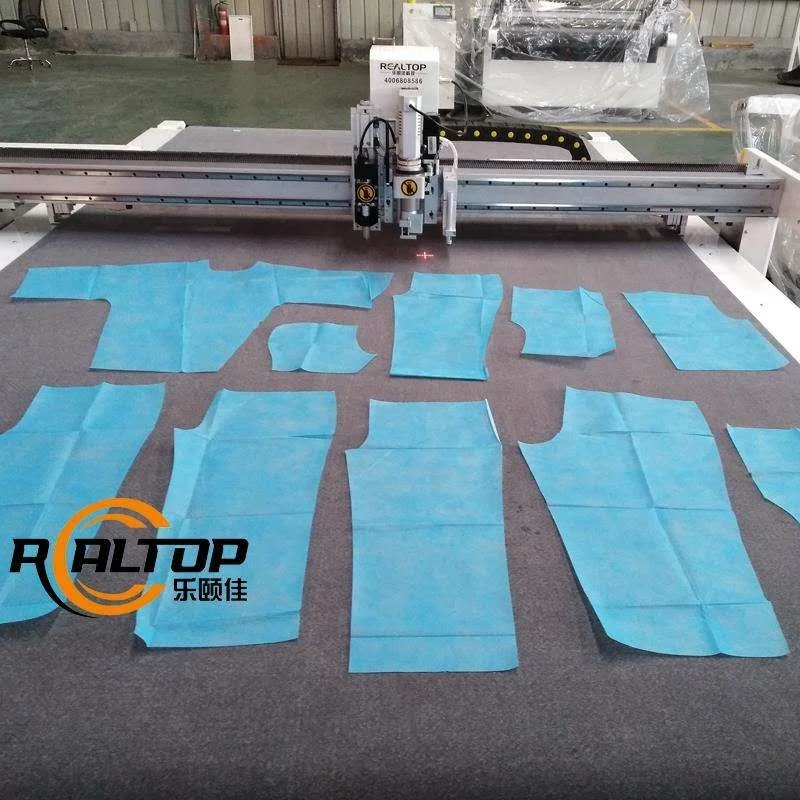
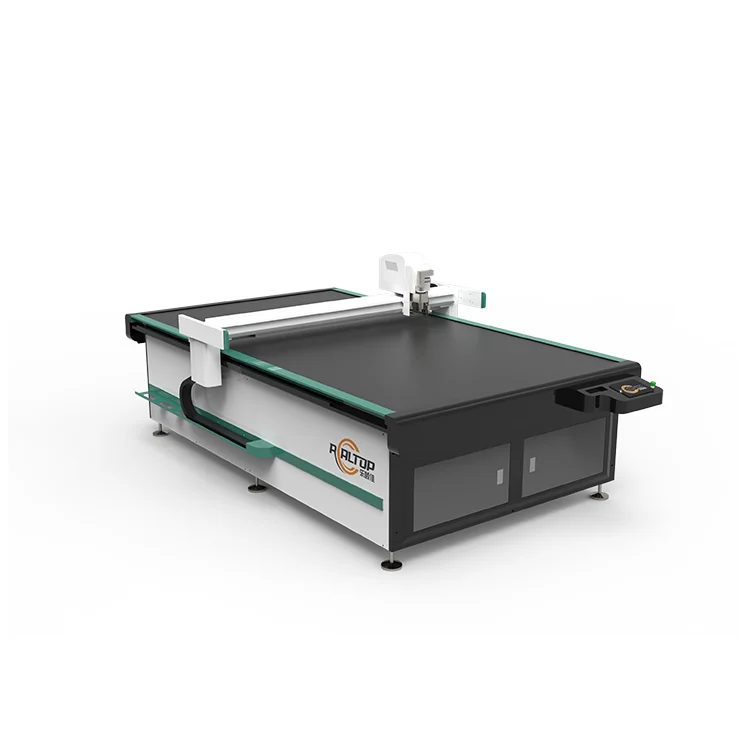
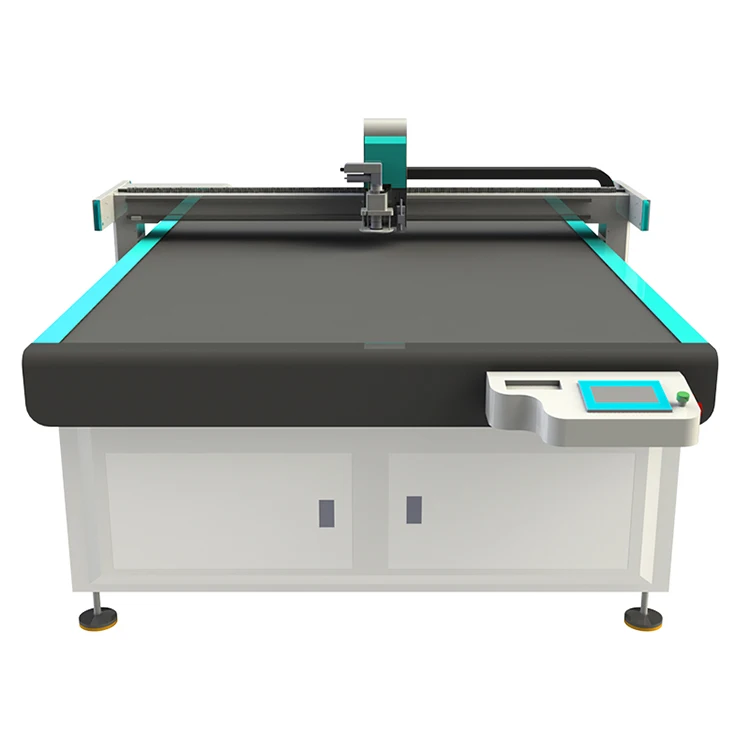
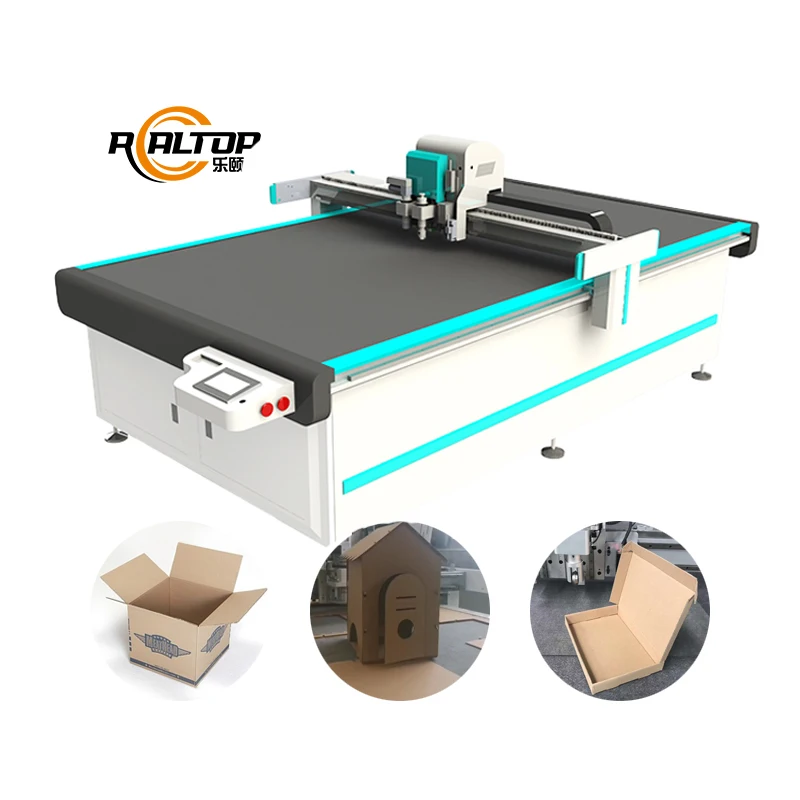
In-house cutting technology coverage — A buyer sourcing a flatbed digital cutting table for sale can match the oscillating knife method to flexible and composite materials rather than forcing laser across every application.
Technical Specifications
| Parameter | Value |
|---|---|
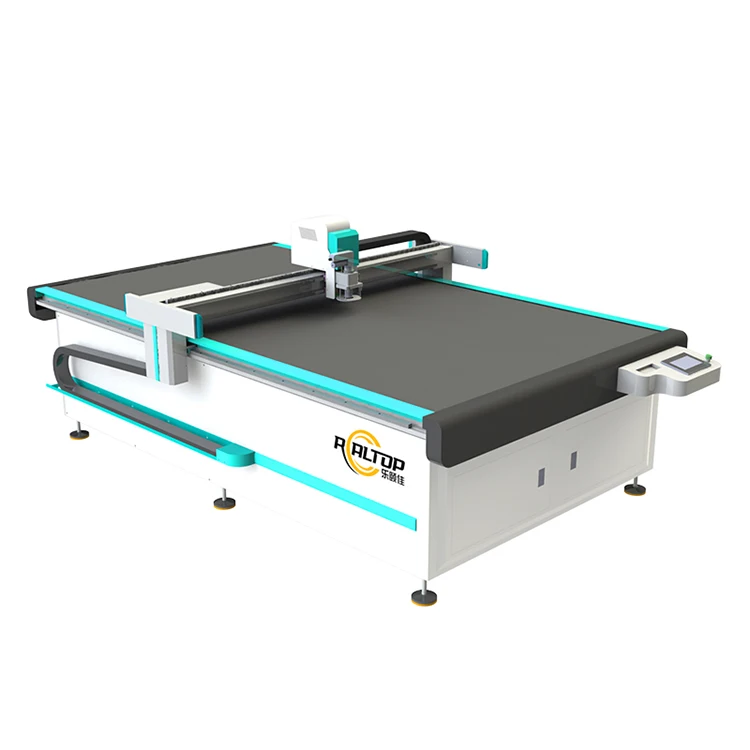
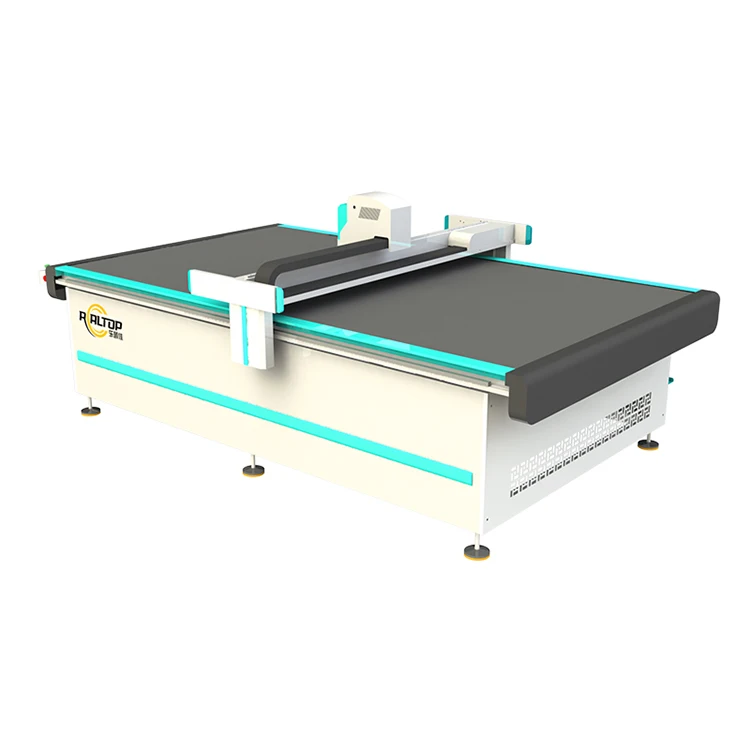
| Product Type | CNC Oscillating Knife Cutting Machine |
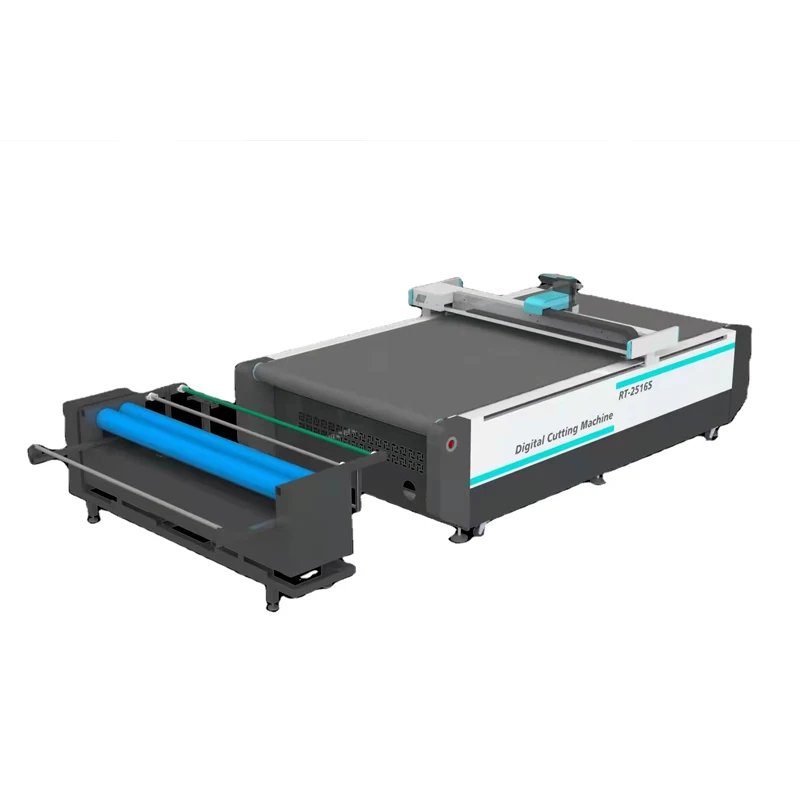
| Model | RT-D2516/RT-S2516 |
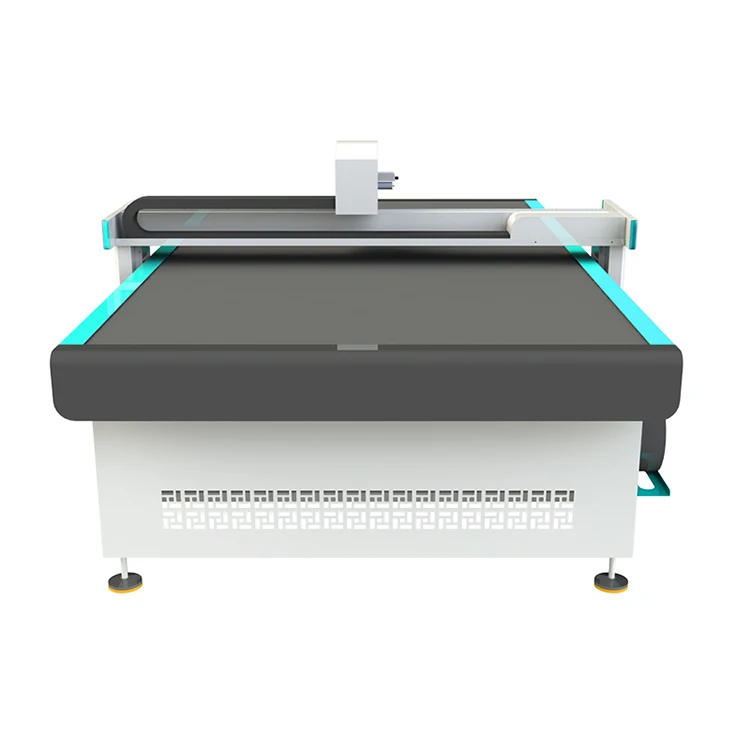
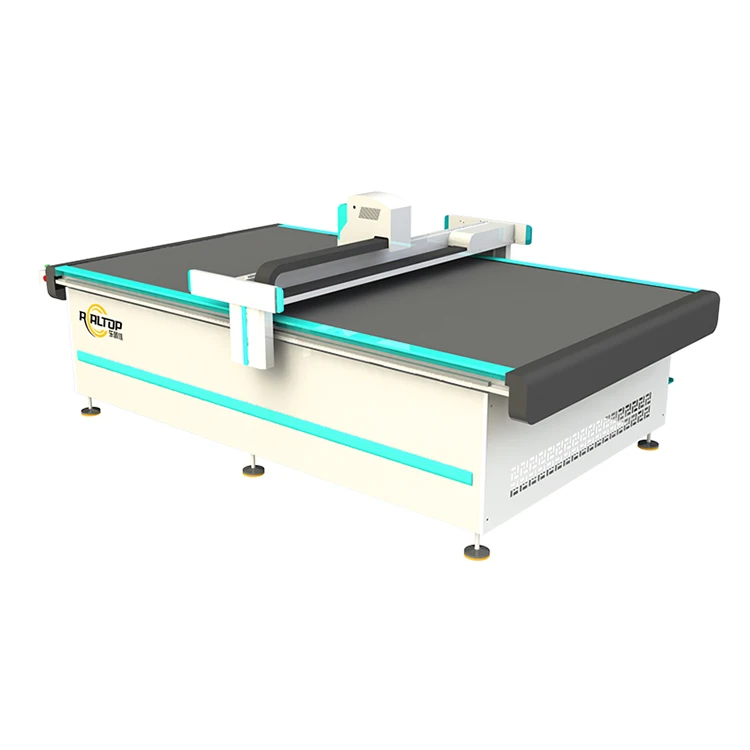
| Working Area | 1600 × 2500 mm |
| Machine Size | 3450 × 2300 × 1250 mm |
| Rated Power | 9 kW |
| Cutting Thickness | ≤ 50 mm (according to different cutting materials) |
| Repeated Accuracy | ≤ 0.1 mm |
| Translational Velocity | 800–1200 mm/s |
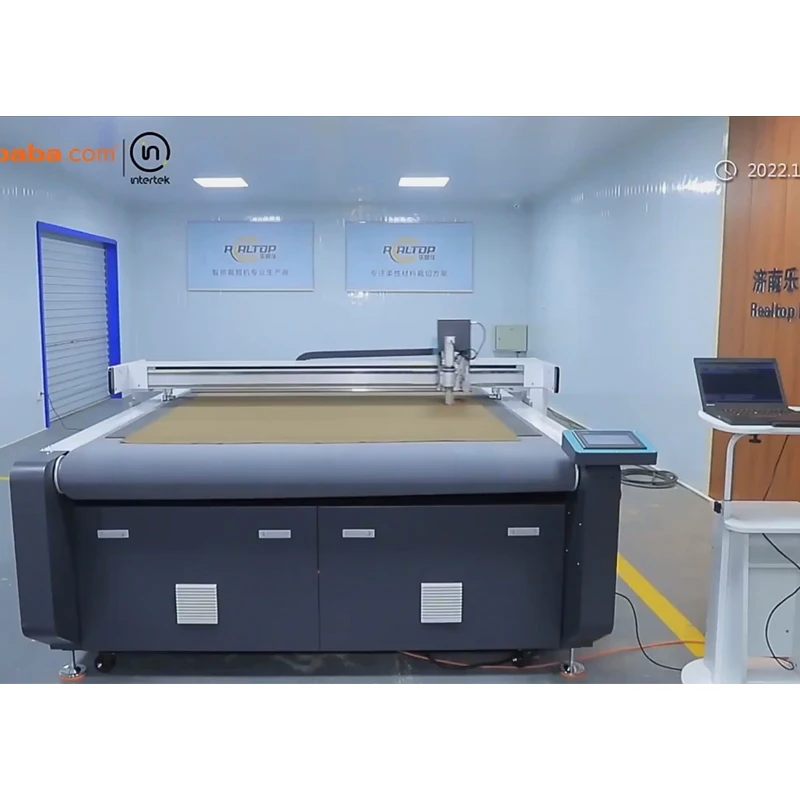
| Table Type | Flat working table with high-density felt surface |
| Vacuum Pump | 7.5 kW |
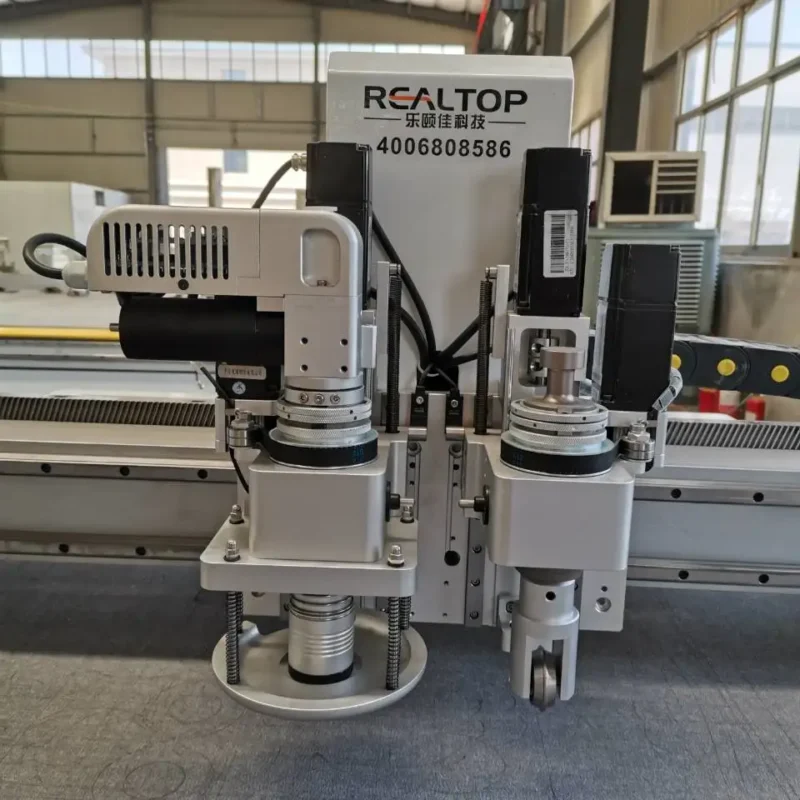
| Multifunctional Head | Swiss imported knife with vibration full cutting, half cutting and cursor location |
| Transmission System | Digital servo motor, linear guide, synchronous belt, ball screw |
| Linear Guide | Taiwan Hiwin rail |
| Conveyor Belt | Germany imported |
| Frame | Overall welding process, imported milling machine processing |
| Instruction System | HP-GL compatible format |
| Voltage | 380 V ± 10 % |
| Language Options | English, Russian, Italian, Chinese, special languages customizable |
| Safety Device | Infrared sensors |
| Standards | CE |
Application Suitability
| Application | Material or Output |
|---|---|
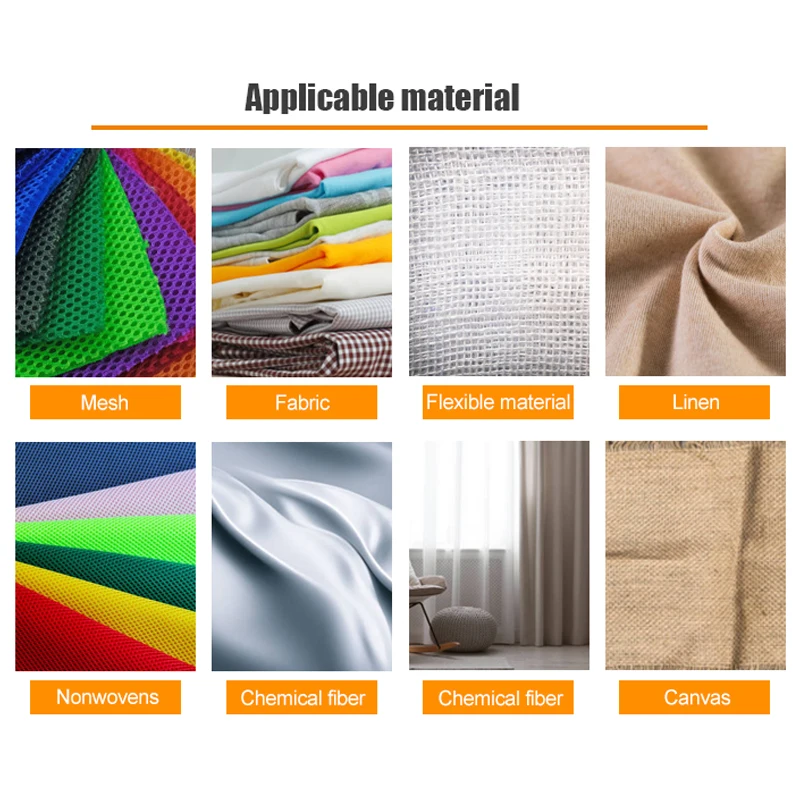
| Garment and footwear cutting | Single and multi-layer fabric, natural and synthetic leather, textile composites |
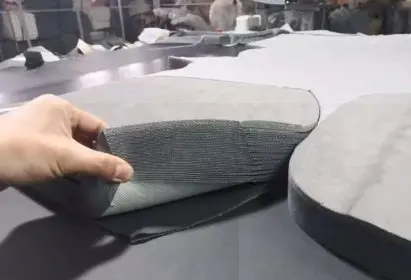
| Automotive interior and gasket production | Sponge composite leather, PVC sheets, rubber compounds, soft insulation |
| Signage and advertising fabrication | Vinyl films, soft signage substrates, flexible board materials |
| Packaging sample making | Corrugated board, carton stock, folding carton prototypes |
| Home furnishings and interior design | Upholstery fabric, curtain material, cushion foam layers |
| Bags and leather goods | Full-grain and bonded leather, coated textile, PU composites |
Why "Working Area" Alone Fails Flexible Material Buyers
A flatbed digital cutting table for sale specified only on bed size leaves the buyer discovering after delivery that the machine cannot hold small leather pieces flat or cut through dense composite layers without crushing the foam core.
Buyers routinely request a 1600 × 2500 mm bed and assume the rest will follow. What actually determines cutting quality on flexible and composite stock is the combination of tool head frequency, vacuum zoning density and felt surface condition. A large table with a single vacuum zone will let small patterned garment pieces lift during the final cuts, producing ragged edges that require manual trimming downstream. The oscillating knife frequency that works cleanly on garment-weight fabric may tear through sponge composite leather used in automotive interiors, requiring a separate tool profile or a different blade geometry altogether [NEED_CITE: material-specific tooling profiles for oscillating knife cutting]. These mismatches surface only when the buyer runs their own production material, which is why sample cutting on the actual stock should precede any order confirmation.
Matching Tool Head to Material Rather Than Forcing One Blade
The RT-D2516/RT-S2516 carries a Swiss imported multifunctional head that handles full cutting, half cutting and cursor location within a single tool station. For garment producers running cotton, polyester and technical textiles, the oscillating mode at higher frequency gives clean edge separation without fraying. For leather and sponge composite materials, switching to a drag knife or adjusted oscillation profile prevents the delamination that occurs when the blade vibrates through adhesive-bonded layers. This CNC oscillating knife cutting machine manufacturer approach lets one machine cover both material families without the buyer investing in separate dedicated lines.
Vacuum Zoning and Felt Surface as Part of the Cutting System
The 7.5 kW vacuum pump paired with a high-density felt table surface creates the hold-down force needed across the full 1600 × 2500 mm working area. However, vacuum effectiveness depends on zone segmentation. Large sheet materials such as PVC rolls for signage benefit from full-table suction, while small footwear upper patterns require localized zones that maintain grip on pieces as small as a few centimetres. The Germany imported conveyor belt supports continuous feeding for high-volume fabric runs, reducing the manual repositioning that interrupts nesting yield on static tables [NEED_CITE: vacuum hold-down requirements for small-part CNC knife cutting].
Reading the Specification Sheet Against Your Production Reality
The ≤ 50 mm cutting thickness figure is qualified by material type: a 50 mm block of low-density sponge composite leather cuts differently from a 50 mm stack of tightly woven garment fabric. Repeated accuracy of ≤ 0.1 mm depends on the Taiwan Hiwin linear guides maintaining preload across the full travel, which in turn requires the overall-welded frame to remain stable under continuous reciprocating load. The 800–1200 mm/s translational velocity range means the operator can slow travel for intricate footwear contours and accelerate for long straight cuts on signage vinyl. Voltage at 380 V ± 10 % must be confirmed against the buyer’s facility supply, because a 50 Hz versus 60 Hz mismatch affects servo motor behaviour and vacuum pump output. The HP-GL compatible instruction system must accept the buyer’s existing nesting software file format before the order is placed.
The Hidden Cost of Skipping Material-Specific Configuration
When a buyer selects a flatbed digital cutting table for sale based on price and bed size alone, the first production run often reveals that the vacuum zones do not cover the area where small parts nest, causing pieces to drift mid-cut. Ragged edges on sponge composite leather force the downstream sewing operation to add a trimming step that was never planned. Incorrect blade selection for coated textile produces heat marks along the cut line, ruining material that was already printed [NEED_CITE: coated textile cutting defects from incorrect tool selection]. These problems are not machine defects but configuration errors, and they compound across every shift until the tool head, vacuum map and blade profile are corrected for the actual material list.
Why Buyers Source This Equipment Range Here
Tool head and table configuration are specified per material type and production volume, not quoted as a standard package. The buyer’s own material is sample-cut before commitment, so the cutting profile is validated against real stock rather than assumed from generic test sheets. Software compatibility and file format import are confirmed before the order, preventing the situation where nesting workflows from existing CAD systems cannot transfer. Voltage, plug type and control language options including English, Russian, Italian and custom languages are locked in before shipment to match the receiving facility. The design and production of both knife and laser systems within one manufacturer means a buyer can evaluate which cutting method genuinely suits each material rather than being directed toward whichever machine is in stock.
Documentation & Verification
- Machine specification sheet listing every confirmed parameter for the RT-D2516/RT-S2516 configuration
- Electrical schematic and voltage confirmation document matched to buyer facility supply
- Sample cutting report produced on buyer-supplied material and thickness before dispatch
- Tool head and table configuration list detailing installed blade profiles and vacuum zone map
- Software licence and file format compatibility note confirming nesting workflow import
- Operation and maintenance manual with language matching the confirmed control interface
Installation, Commissioning & Support
- 3450 × 2300 × 1250 mm machine footprint requires level concrete floor with clearance for conveyor feed and material staging
- 9 kW rated power plus 7.5 kW vacuum pump demand dedicated circuit at confirmed 380 V ± 10 % supply
- Frame arrives as overall-welded unit; Taiwan Hiwin rails and servo motors are calibrated at factory and verified on site
- First-run commissioning includes cutting buyer material to validate tool head profiles and vacuum zone performance
- Operator training covers HP-GL file import, nesting layout and tool head changeover for different material types
- Spare parts list includes Swiss imported knife blades, high-density felt replacement sections and high-flexibility cables
Starting the Specification Conversation
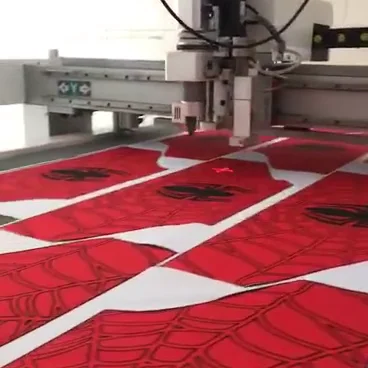
Provide the material types, sheet thicknesses and maximum sheet dimensions you intend to cut, along with the daily volume target for each material family. Confirm the voltage and frequency at your facility, the preferred control language, and whether your existing nesting software outputs in HP-GL compatible format. If printed contour cutting is part of your workflow, specify the mark type and print registration method so the correct positioning system can be included in the configuration.
Frequently Asked Questions
Q: How do I decide between oscillating knife and laser for my material?
A: Oscillating knife suits flexible and composite materials like fabric, leather, sponge and PVC where heat from a laser would melt edges or delaminate bonded layers. Laser suits acrylic, wood and certain textiles where edge sealing is beneficial. A sample cut on your actual material confirms which method produces the required edge quality before you commit to a configuration.
Q: What determines the real cutting thickness on my specific material?
A: The stated ≤ 50 mm capacity varies by material density and layer composition. Low-density sponge cuts through at full depth, while dense rubber or tightly woven multi-layer fabric requires reduced depth or multiple passes. A sample cutting report on your stock establishes the actual achievable thickness and the blade profile needed.
Q: How is vacuum table zoning configured for small versus large parts?
A: Large sheet materials use full-table vacuum coverage, while small patterned pieces like footwear uppers require localized zones that maintain suction on individual nested parts. The zoning layout is specified during configuration based on the buyer’s part size range and nesting layout, not left as a default single-zone setup.
Q: Will my existing nesting software files import correctly?
A: The instruction system accepts HP-GL compatible format, but file compatibility depends on the nesting software’s output settings. Software licence and file format compatibility are confirmed before the order, and a test import using your actual production files validates the workflow before the machine is built.
In-house cutting technology coverage — A buyer sourcing a flatbed digital cutting table for sale can match the oscillating knife method to flexible and composite materials rather than forcing laser across every application.
Technical Specifications
| Parameter | Value |
|---|---|
| Product Type | CNC Oscillating Knife Cutting Machine |
| Model | RT-D2516/RT-S2516 |
| Working Area | 1600 × 2500 mm |
| Machine Size | 3450 × 2300 × 1250 mm |
| Rated Power | 9 kW |
| Cutting Thickness | ≤ 50 mm (according to different cutting materials) |
| Repeated Accuracy | ≤ 0.1 mm |
| Translational Velocity | 800–1200 mm/s |
| Table Type | Flat working table with high-density felt surface |
| Vacuum Pump | 7.5 kW |
| Multifunctional Head | Swiss imported knife with vibration full cutting, half cutting and cursor location |
| Transmission System | Digital servo motor, linear guide, synchronous belt, ball screw |
| Linear Guide | Taiwan Hiwin rail |
| Conveyor Belt | Germany imported |
| Frame | Overall welding process, imported milling machine processing |
| Instruction System | HP-GL compatible format |
| Voltage | 380 V ± 10 % |
| Language Options | English, Russian, Italian, Chinese, special languages customizable |
| Safety Device | Infrared sensors |
| Standards | CE |
Application Suitability
| Application | Material or Output |
|---|---|
| Garment and footwear cutting | Single and multi-layer fabric, natural and synthetic leather, textile composites |
| Automotive interior and gasket production | Sponge composite leather, PVC sheets, rubber compounds, soft insulation |
| Signage and advertising fabrication | Vinyl films, soft signage substrates, flexible board materials |
| Packaging sample making | Corrugated board, carton stock, folding carton prototypes |
| Home furnishings and interior design | Upholstery fabric, curtain material, cushion foam layers |
| Bags and leather goods | Full-grain and bonded leather, coated textile, PU composites |
Why "Working Area" Alone Fails Flexible Material Buyers
A flatbed digital cutting table for sale specified only on bed size leaves the buyer discovering after delivery that the machine cannot hold small leather pieces flat or cut through dense composite layers without crushing the foam core.
Buyers routinely request a 1600 × 2500 mm bed and assume the rest will follow. What actually determines cutting quality on flexible and composite stock is the combination of tool head frequency, vacuum zoning density and felt surface condition. A large table with a single vacuum zone will let small patterned garment pieces lift during the final cuts, producing ragged edges that require manual trimming downstream. The oscillating knife frequency that works cleanly on garment-weight fabric may tear through sponge composite leather used in automotive interiors, requiring a separate tool profile or a different blade geometry altogether [NEED_CITE: material-specific tooling profiles for oscillating knife cutting]. These mismatches surface only when the buyer runs their own production material, which is why sample cutting on the actual stock should precede any order confirmation.
Matching Tool Head to Material Rather Than Forcing One Blade
The RT-D2516/RT-S2516 carries a Swiss imported multifunctional head that handles full cutting, half cutting and cursor location within a single tool station. For garment producers running cotton, polyester and technical textiles, the oscillating mode at higher frequency gives clean edge separation without fraying. For leather and sponge composite materials, switching to a drag knife or adjusted oscillation profile prevents the delamination that occurs when the blade vibrates through adhesive-bonded layers. This CNC oscillating knife cutting machine manufacturer approach lets one machine cover both material families without the buyer investing in separate dedicated lines.
Vacuum Zoning and Felt Surface as Part of the Cutting System
The 7.5 kW vacuum pump paired with a high-density felt table surface creates the hold-down force needed across the full 1600 × 2500 mm working area. However, vacuum effectiveness depends on zone segmentation. Large sheet materials such as PVC rolls for signage benefit from full-table suction, while small footwear upper patterns require localized zones that maintain grip on pieces as small as a few centimetres. The Germany imported conveyor belt supports continuous feeding for high-volume fabric runs, reducing the manual repositioning that interrupts nesting yield on static tables [NEED_CITE: vacuum hold-down requirements for small-part CNC knife cutting].
Reading the Specification Sheet Against Your Production Reality
The ≤ 50 mm cutting thickness figure is qualified by material type: a 50 mm block of low-density sponge composite leather cuts differently from a 50 mm stack of tightly woven garment fabric. Repeated accuracy of ≤ 0.1 mm depends on the Taiwan Hiwin linear guides maintaining preload across the full travel, which in turn requires the overall-welded frame to remain stable under continuous reciprocating load. The 800–1200 mm/s translational velocity range means the operator can slow travel for intricate footwear contours and accelerate for long straight cuts on signage vinyl. Voltage at 380 V ± 10 % must be confirmed against the buyer’s facility supply, because a 50 Hz versus 60 Hz mismatch affects servo motor behaviour and vacuum pump output. The HP-GL compatible instruction system must accept the buyer’s existing nesting software file format before the order is placed.
The Hidden Cost of Skipping Material-Specific Configuration
When a buyer selects a flatbed digital cutting table for sale based on price and bed size alone, the first production run often reveals that the vacuum zones do not cover the area where small parts nest, causing pieces to drift mid-cut. Ragged edges on sponge composite leather force the downstream sewing operation to add a trimming step that was never planned. Incorrect blade selection for coated textile produces heat marks along the cut line, ruining material that was already printed [NEED_CITE: coated textile cutting defects from incorrect tool selection]. These problems are not machine defects but configuration errors, and they compound across every shift until the tool head, vacuum map and blade profile are corrected for the actual material list.
Why Buyers Source This Equipment Range Here
Tool head and table configuration are specified per material type and production volume, not quoted as a standard package. The buyer’s own material is sample-cut before commitment, so the cutting profile is validated against real stock rather than assumed from generic test sheets. Software compatibility and file format import are confirmed before the order, preventing the situation where nesting workflows from existing CAD systems cannot transfer. Voltage, plug type and control language options including English, Russian, Italian and custom languages are locked in before shipment to match the receiving facility. The design and production of both knife and laser systems within one manufacturer means a buyer can evaluate which cutting method genuinely suits each material rather than being directed toward whichever machine is in stock.
Documentation & Verification
- Machine specification sheet listing every confirmed parameter for the RT-D2516/RT-S2516 configuration
- Electrical schematic and voltage confirmation document matched to buyer facility supply
- Sample cutting report produced on buyer-supplied material and thickness before dispatch
- Tool head and table configuration list detailing installed blade profiles and vacuum zone map
- Software licence and file format compatibility note confirming nesting workflow import
- Operation and maintenance manual with language matching the confirmed control interface
Installation, Commissioning & Support
- 3450 × 2300 × 1250 mm machine footprint requires level concrete floor with clearance for conveyor feed and material staging
- 9 kW rated power plus 7.5 kW vacuum pump demand dedicated circuit at confirmed 380 V ± 10 % supply
- Frame arrives as overall-welded unit; Taiwan Hiwin rails and servo motors are calibrated at factory and verified on site
- First-run commissioning includes cutting buyer material to validate tool head profiles and vacuum zone performance
- Operator training covers HP-GL file import, nesting layout and tool head changeover for different material types
- Spare parts list includes Swiss imported knife blades, high-density felt replacement sections and high-flexibility cables
Starting the Specification Conversation
Provide the material types, sheet thicknesses and maximum sheet dimensions you intend to cut, along with the daily volume target for each material family. Confirm the voltage and frequency at your facility, the preferred control language, and whether your existing nesting software outputs in HP-GL compatible format. If printed contour cutting is part of your workflow, specify the mark type and print registration method so the correct positioning system can be included in the configuration.
Frequently Asked Questions
Q: How do I decide between oscillating knife and laser for my material?
A: Oscillating knife suits flexible and composite materials like fabric, leather, sponge and PVC where heat from a laser would melt edges or delaminate bonded layers. Laser suits acrylic, wood and certain textiles where edge sealing is beneficial. A sample cut on your actual material confirms which method produces the required edge quality before you commit to a configuration.
Q: What determines the real cutting thickness on my specific material?
A: The stated ≤ 50 mm capacity varies by material density and layer composition. Low-density sponge cuts through at full depth, while dense rubber or tightly woven multi-layer fabric requires reduced depth or multiple passes. A sample cutting report on your stock establishes the actual achievable thickness and the blade profile needed.
Q: How is vacuum table zoning configured for small versus large parts?
A: Large sheet materials use full-table vacuum coverage, while small patterned pieces like footwear uppers require localized zones that maintain suction on individual nested parts. The zoning layout is specified during configuration based on the buyer’s part size range and nesting layout, not left as a default single-zone setup.
Q: Will my existing nesting software files import correctly?
A: The instruction system accepts HP-GL compatible format, but file compatibility depends on the nesting software’s output settings. Software licence and file format compatibility are confirmed before the order, and a test import using your actual production files validates the workflow before the machine is built.
商品评价
There are no reviews yet.