


Fast Delivery
Quick, reliable shipping to any location.

Free & easy returns
Return this item by mail or in store within 90 days for a full refund.
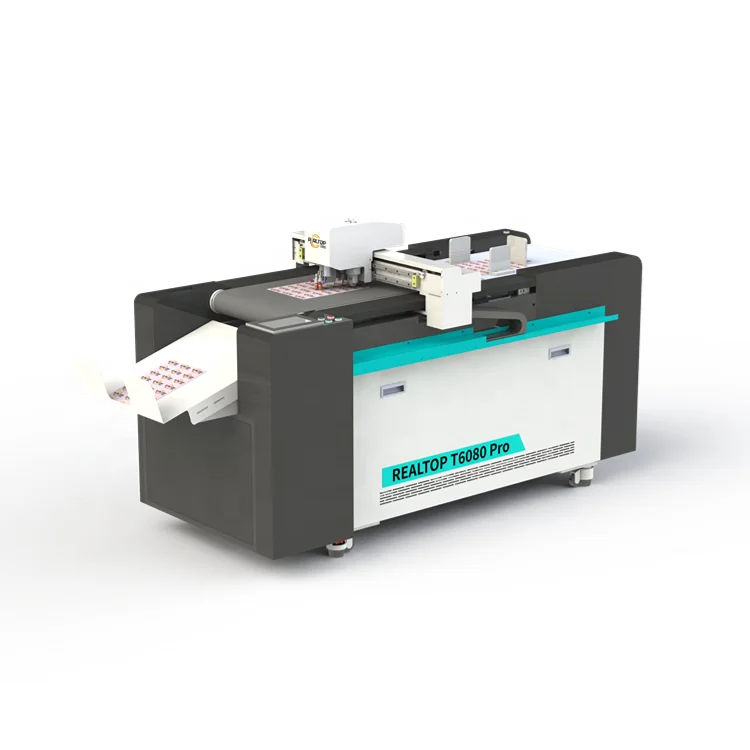
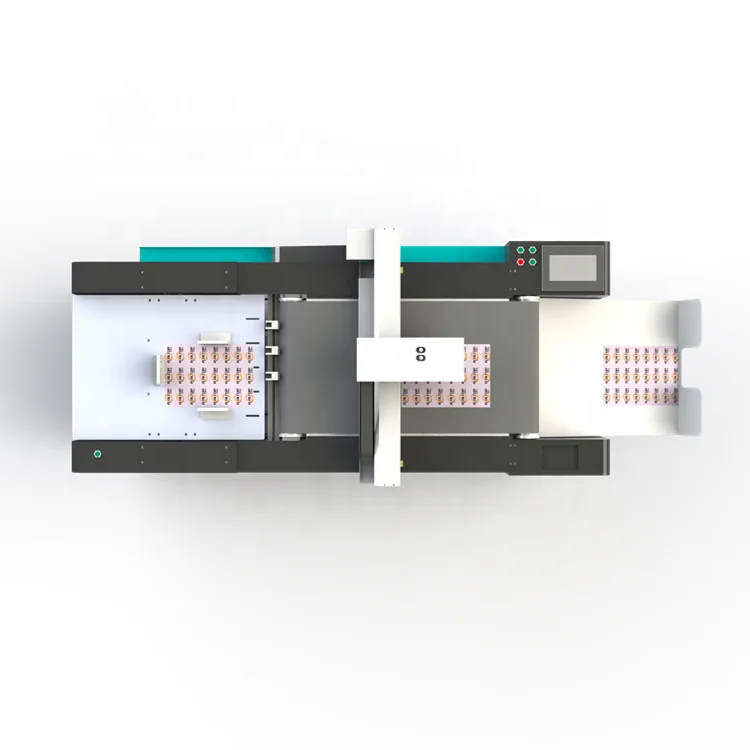
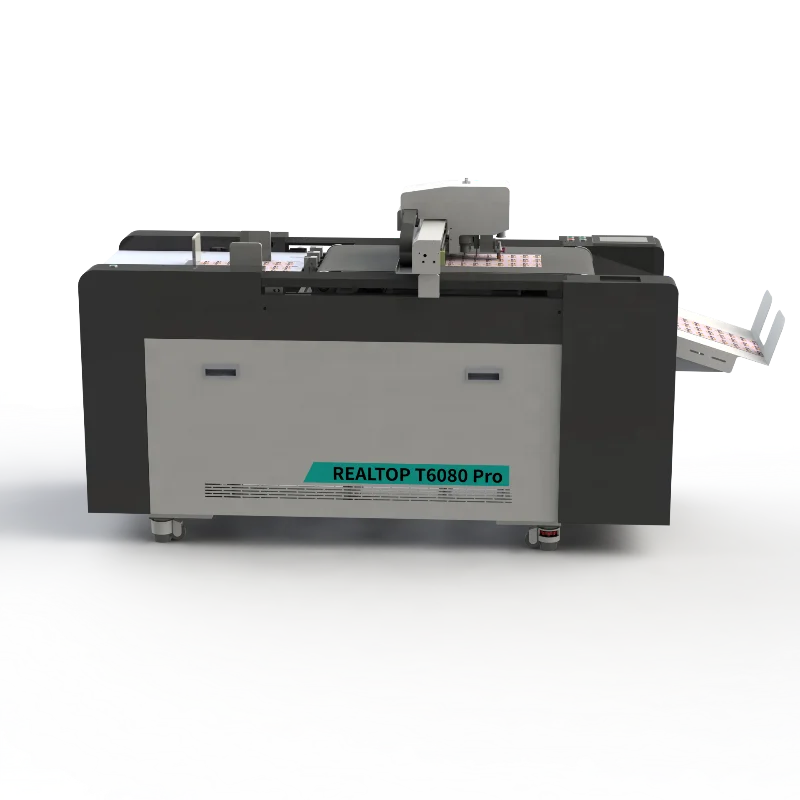
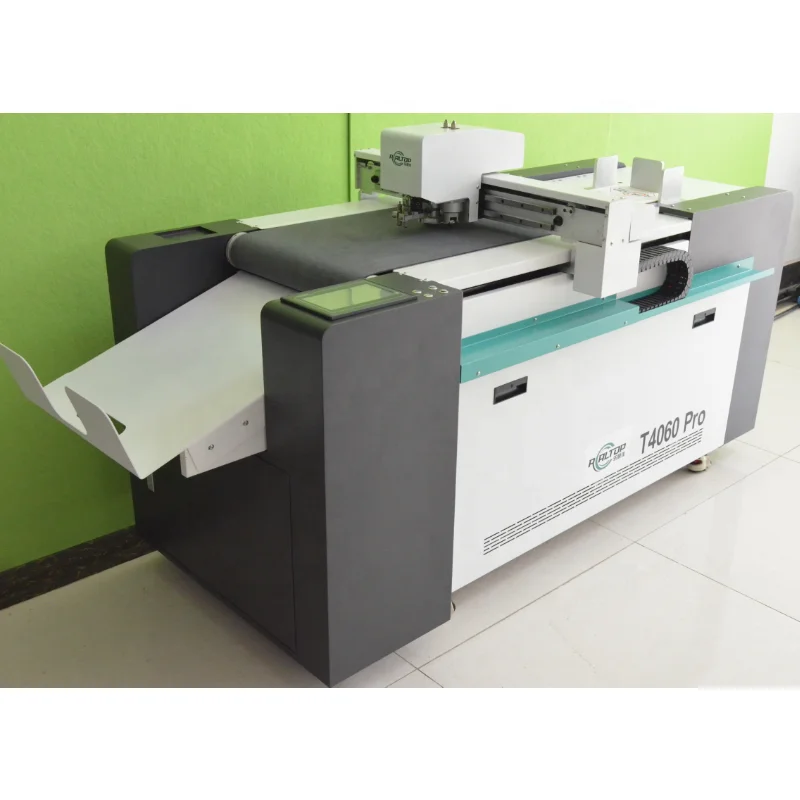
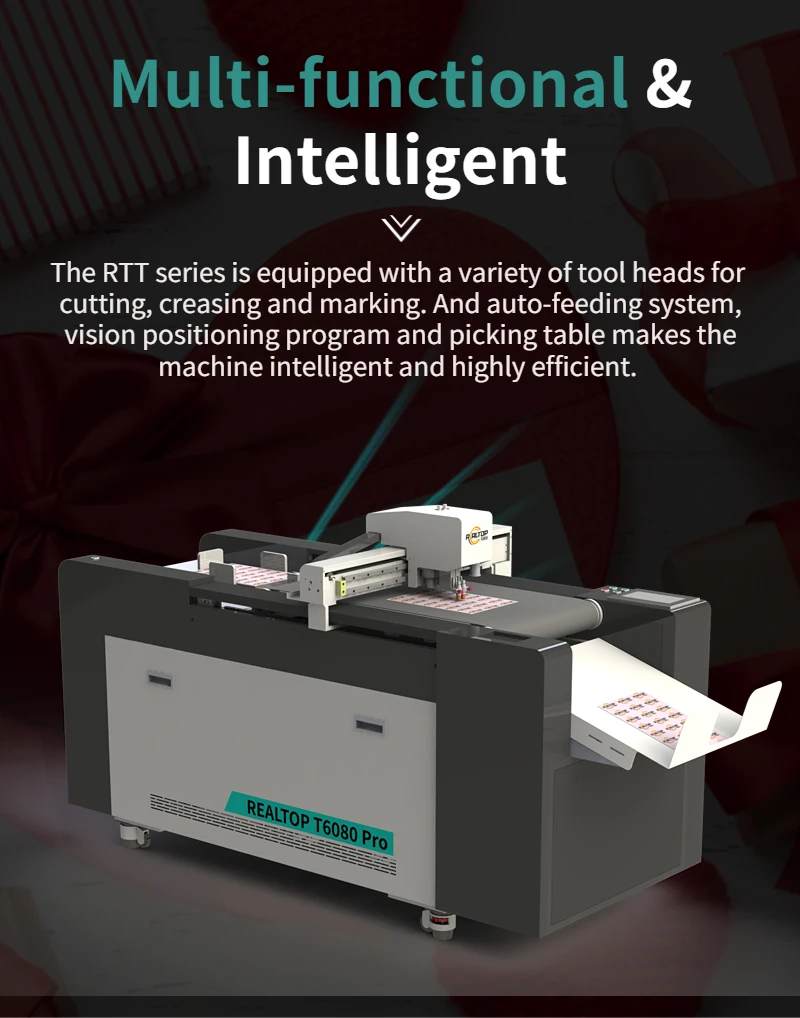
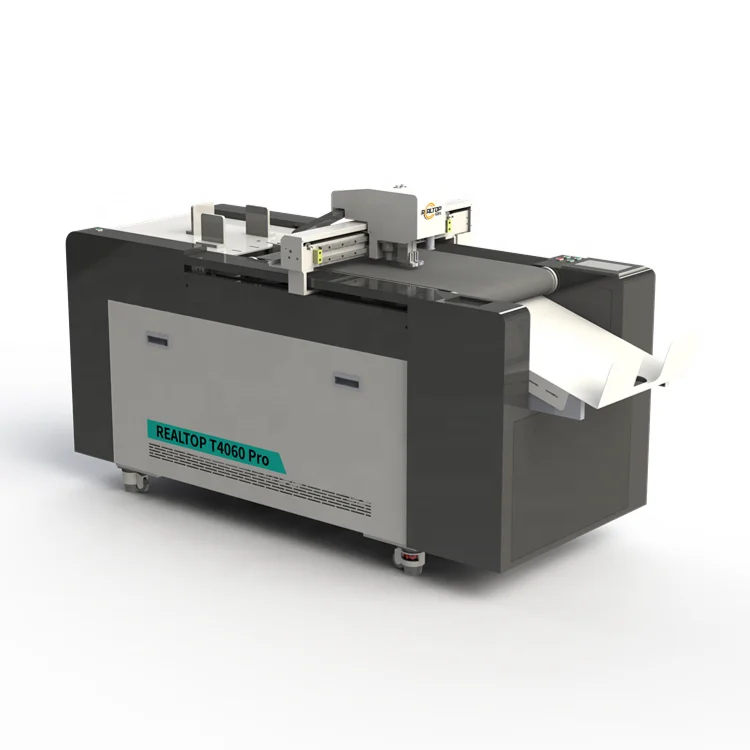
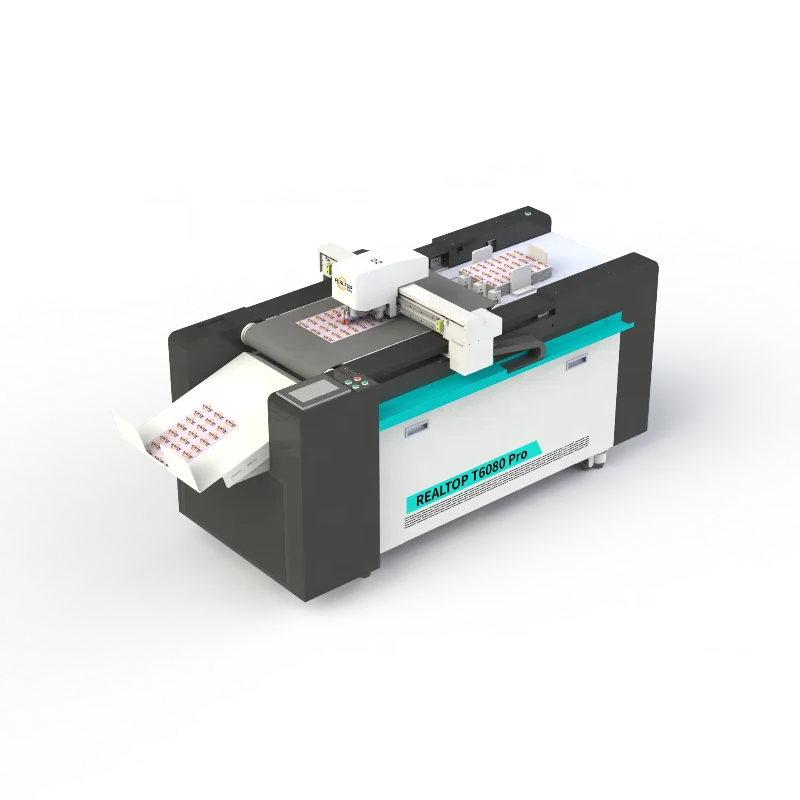
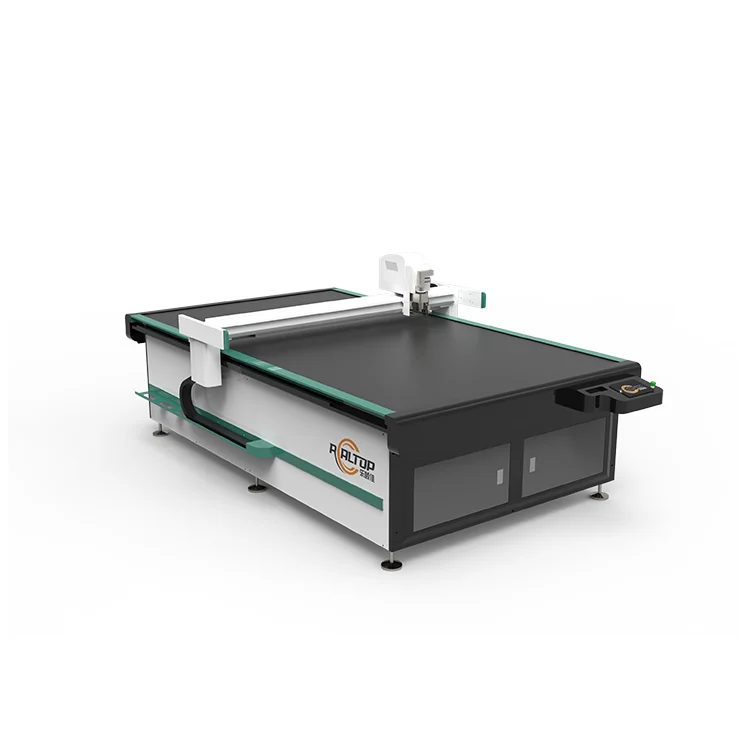
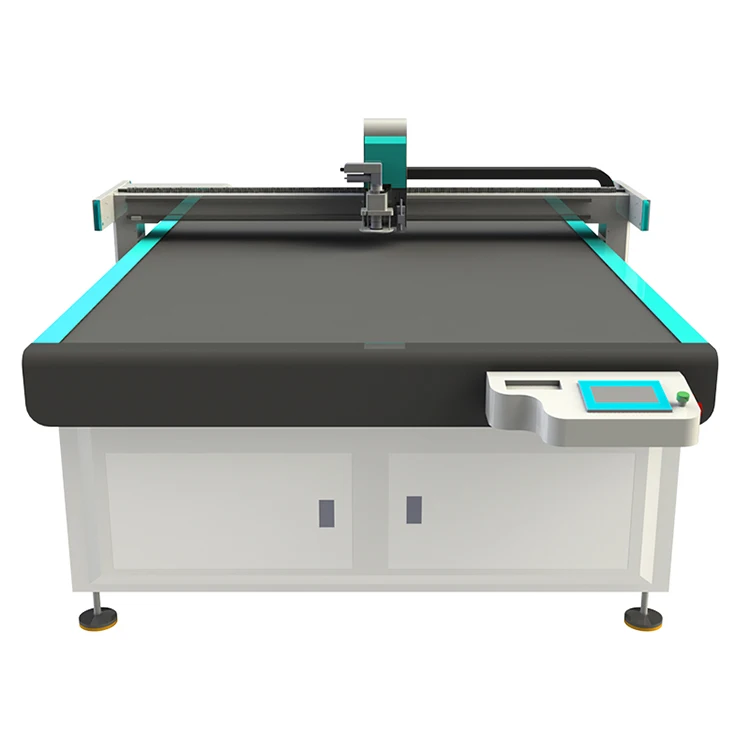
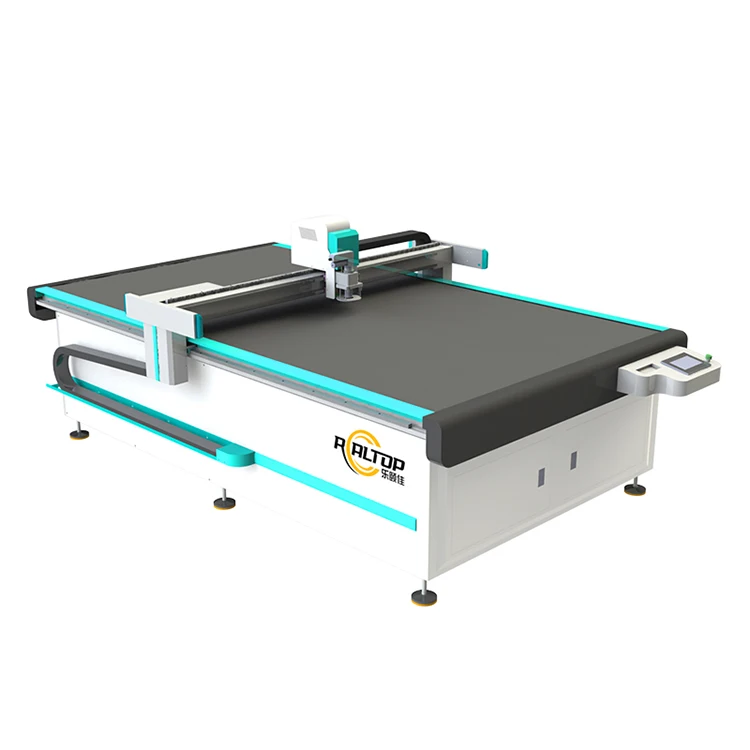
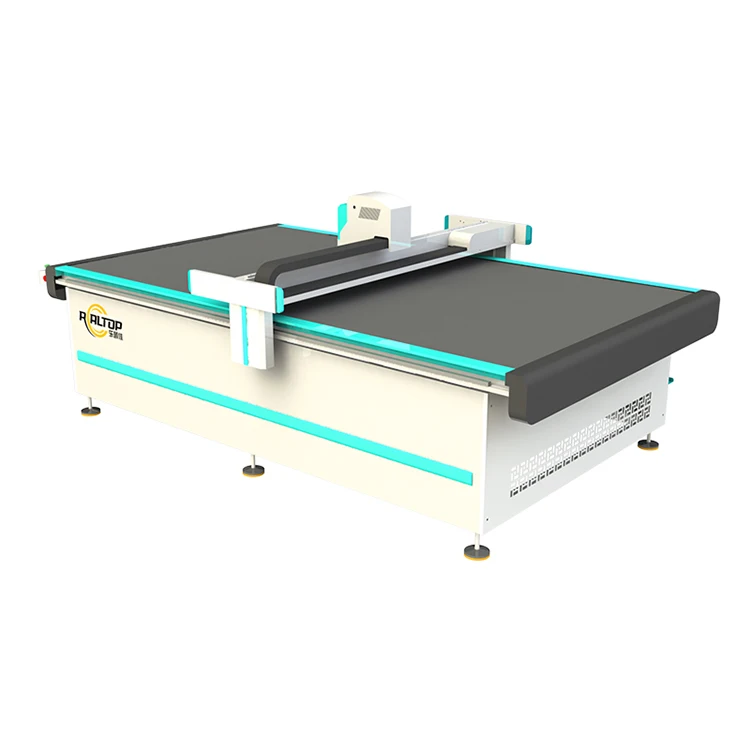
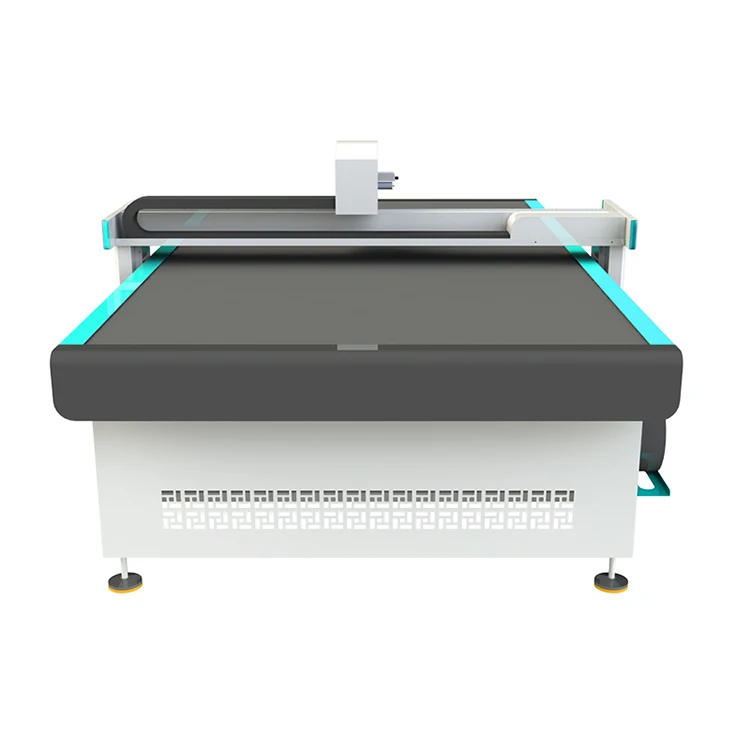
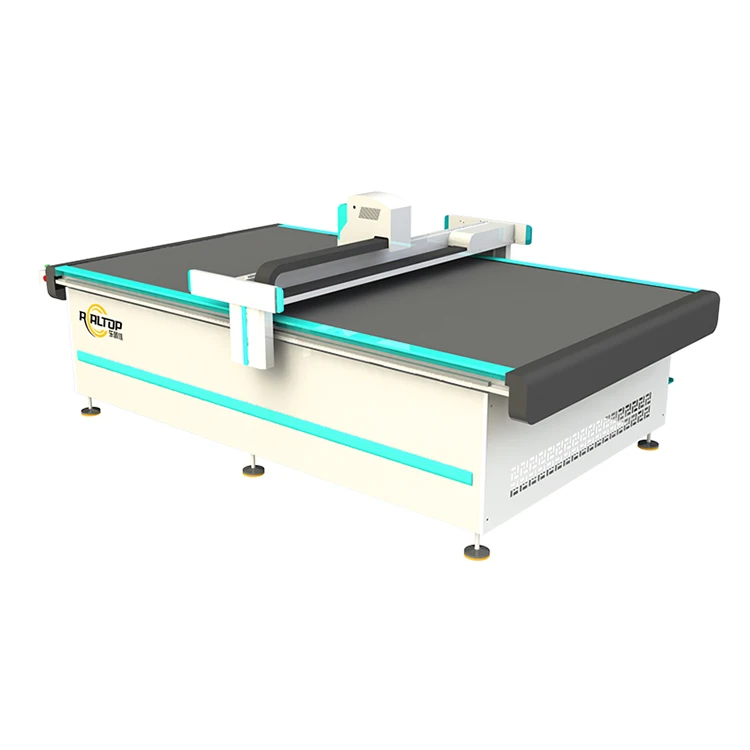
Compact Footprint Precision — The RTT6080 series maps each knife and creasing toolhead directly to paper weight, board grade, and die-stock thickness rather than quoting a single working area and leaving compatibility to chance.
Technical Specifications
| Parameter | Value |
|---|---|
| Model | RTT6080 / RTT6080 Pro |
| Product Type | CNC Paper Cutting Machine |
| Max Working Area | 600 mm × 800 mm |
| Cutting Thickness | ≤ 2 mm (RTT6080); ≤ 5 mm (RTT6080 Pro) |
| Max Cutting Speed | 1500 mm/s according to the material (basis to be confirmed) |
| Positioning Accuracy | 0.05 mm |
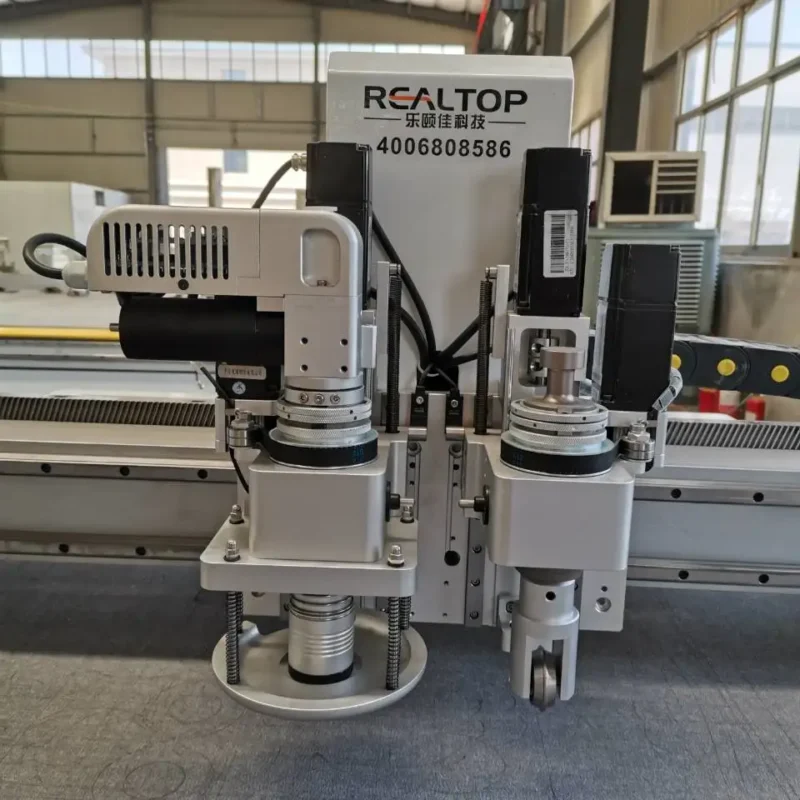
| Tools Group | Cutting tool, kiss cutting tool, creasing tool, CCD camera, high speed oscillating knife (RTT6080 Pro) |
| File Format | DXF, PLT, PDF, AI |
| Transfer Method | Ethernet port |
| Rated Power | 3.2 kW |
| Voltage & Frequency | 220V / 380V, 50 Hz |
| Control System | CNC |
| Standards | CE |
Application Suitability
| Application | Material or Output |
|---|---|
| A3 / A4 packaging sample prototyping | Coated and uncoated card stock up to 350 gsm |
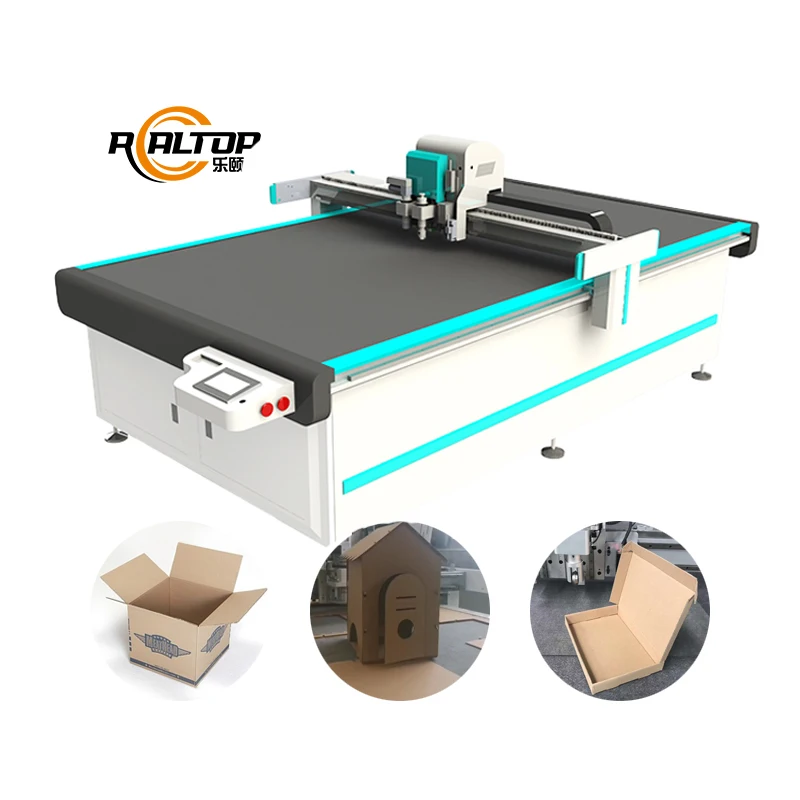
| Folding carton structure mock-ups | Single-face corrugated and micro-flute board |
| Short-run die product making | Paper, thin greyboard, and die-making stock |
| Print finishing and signage trimming | Vinyl sheets, laminated card, and self-adhesive film |
Why "Working Area" Alone Misleads Paper and Board Buyers
Cutting a 5 mm greyboard on a table rated only for 2 mm paper crushes the edge and dulls the blade within the first sheet.
Many procurement teams filter CNC knife cutting machine options by bed size first, assuming toolhead compatibility will follow. In practice, a 600 × 800 mm table paired with a standard drag knife will slice through A4 copy paper cleanly but fold and tear when it meets dense carton stock. The failure shows up on the very first prototype, not in the brochure. A CNC paper cutting machine manufacturer that specifies thickness envelopes per model — rather than a single blanket number — lets you match the variant to the actual substrate before the purchase order is signed [NEED_CITE: material thickness and toolhead compatibility in flatbed digital cutting].
Dual-Model Envelope: Matching Thickness to the Right Variant
The RTT6080 handles paper, thin card, and light die-making stock up to 2 mm, where a standard cutting tool or kiss cutting tool produces a clean shear without fibre tear. Once a job calls for micro-flute board or multi-ply greyboard approaching 5 mm, the RTT6080 Pro steps in with its high speed oscillating knife that slices through denser stock in a reciprocating stroke, preventing the crushed edge that a static drag knife leaves behind. Selecting the correct model at the quoting stage avoids on-site re-tooling and material waste.
CCD Camera Registration for Printed Contour Work
When a packaging studio sends pre-printed sheets that need contour trimming along registration marks, the CCD camera reads each mark and adjusts the cut path in real time. This matters for short-run die products and sample cartons where even a slight drift between print and cut line is visible on the finished mock-up. The system supports DXF, PLT, PDF, and AI files transferred over Ethernet, fitting directly into the design workflow most packaging studios already run [NEED_CITE: CCD contour recognition accuracy in flatbed cutting applications].
Reading the Specs That Actually Affect Cut Quality
Positioning accuracy of 0.05 mm ensures that repeated passes — cut, crease, kiss-cut — land on the same coordinate, which is essential when a folding carton requires both a through-cut and a scored fold line on the same sheet. The creasing tool compresses the fibre rather than cutting it, producing a clean hinge that folds without cracking coated surfaces. Rated power of 3.2 kW is sufficient for continuous oscillating knife operation across an eight-hour shift without thermal derating. Voltage configurability between 220 V and 380 V at 50 Hz means the same CNC paper cutting machine platform can ship to markets with different supply standards without a transformer retrofit.
What Happens When the Wrong Toolhead Ships
A drag knife that works perfectly on 200 gsm card will crush 4 mm foam-board instead of slicing it, leaving a ragged edge that requires hand-trimming on every piece. If the vacuum table zoning does not match the small part geometry, lightweight paper lifts during oscillating strokes, producing dimensional drift across the sheet. These problems compound when a studio runs mixed substrates through the same machine in a single shift, and they are far more expensive to correct after installation than during the specification phase [NEED_CITE: vacuum table zoning and small-part fixturing in digital cutting].
What Buyers Gain by Specifying Here
In-house design covers both knife and creasing toolheads under one roof, so a buyer prototyping folding cartons can source cutting and creasing from the same platform instead of splitting the workflow across two machines. Every RTT6080 or RTT6080 Pro ships with a toolhead and table configuration list matched to the buyer’s declared substrate, removing guesswork at the receiving dock. CCD camera positioning is factory-calibrated against the buyer’s own printed marks before dispatch. Software licence and file format compatibility are confirmed against the buyer’s existing design suite, preventing a post-delivery discovery that AI or PDF imports fail. Sample cutting on the buyer’s actual paper or board stock is completed and documented before the production run begins.
Documentation & Verification
- Machine specification sheet confirming RTT6080 or RTT6080 Pro variant and toolhead list
- Electrical schematic with voltage and frequency locked to destination market
- Sample cutting report produced on buyer-supplied paper or board stock
- Software licence note covering DXF, PLT, PDF, and AI format compatibility
- Factory test record documenting positioning accuracy across the full 600 × 800 mm travel
- Operation manual in the control language specified at order confirmation
Installation, Commissioning & Support
- Dedicated 3.2 kW circuit with correct breaker rating for continuous oscillating knife duty
- Ethernet drop within cable reach for direct file transfer from the design workstation
- Table levelling on a rigid bench to maintain 0.05 mm positioning accuracy across the bed
- First-run parameter tuning on buyer’s actual paper weight and board thickness
- Operator training covering tool change between cutting, kiss cutting, and creasing heads
- Spare blade and creasing wheel inventory sized to the buyer’s projected weekly volume
What to Send with Your Enquiry
Provide the exact paper weight, board grade, and maximum thickness you plan to run, along with sample sheets if available. Confirm your local voltage and frequency, preferred control language, and the design software your studio currently uses. If your workflow involves printed contour trimming, include a sample printed sheet with registration marks so CCD recognition can be validated before shipment.
Frequently Asked Questions
Q: How do I confirm the cutting-thickness rating fits my specific board grade?
A: Send a sample of your actual paper or board stock. We run a cut test on the RTT6080 or RTT6080 Pro — whichever variant matches your declared thickness — and issue a sample cutting report showing edge quality, dimensional accuracy, and recommended toolhead before you commit to an order.
Q: Which toolhead suits my folding carton and die-making workflow?
A: Standard cutting tools handle through-cuts on paper and thin card, the kiss cutting tool scores self-adhesive layers without penetrating the liner, and the creasing tool compresses fibres for clean folds. The high speed oscillating knife on the RTT6080 Pro addresses denser board up to 5 mm that a drag knife would crush.
Q: Will the CCD camera track my registration marks at production speed?
A: The CCD camera reads printed marks and adjusts the cut path in real time. We validate recognition against your own printed sheets during the factory test, confirming that mark detection holds at the cutting speed your job requires before the machine leaves the production floor.
Q: Can the CNC paper cutting machine accept my existing design files?
A: The control system imports DXF, PLT, PDF, and AI formats transferred via Ethernet. Before order confirmation, we verify compatibility with your specific design software version and nesting workflow to prevent file-import issues after delivery.
Q: What voltage and language options are available before shipment?
A: The platform supports 220 V or 380 V at 50 Hz. Voltage, plug type, and control-panel language are confirmed at the quoting stage so the machine arrives wired for your local supply and readable by your operators without additional configuration.
Compact Footprint Precision — The RTT6080 series maps each knife and creasing toolhead directly to paper weight, board grade, and die-stock thickness rather than quoting a single working area and leaving compatibility to chance.
Technical Specifications
| Parameter | Value |
|---|---|
| Model | RTT6080 / RTT6080 Pro |
| Product Type | CNC Paper Cutting Machine |
| Max Working Area | 600 mm × 800 mm |
| Cutting Thickness | ≤ 2 mm (RTT6080); ≤ 5 mm (RTT6080 Pro) |
| Max Cutting Speed | 1500 mm/s according to the material (basis to be confirmed) |
| Positioning Accuracy | 0.05 mm |
| Tools Group | Cutting tool, kiss cutting tool, creasing tool, CCD camera, high speed oscillating knife (RTT6080 Pro) |
| File Format | DXF, PLT, PDF, AI |
| Transfer Method | Ethernet port |
| Rated Power | 3.2 kW |
| Voltage & Frequency | 220V / 380V, 50 Hz |
| Control System | CNC |
| Standards | CE |
Application Suitability
| Application | Material or Output |
|---|---|
| A3 / A4 packaging sample prototyping | Coated and uncoated card stock up to 350 gsm |
| Folding carton structure mock-ups | Single-face corrugated and micro-flute board |
| Short-run die product making | Paper, thin greyboard, and die-making stock |
| Print finishing and signage trimming | Vinyl sheets, laminated card, and self-adhesive film |
Why "Working Area" Alone Misleads Paper and Board Buyers
Cutting a 5 mm greyboard on a table rated only for 2 mm paper crushes the edge and dulls the blade within the first sheet.
Many procurement teams filter CNC knife cutting machine options by bed size first, assuming toolhead compatibility will follow. In practice, a 600 × 800 mm table paired with a standard drag knife will slice through A4 copy paper cleanly but fold and tear when it meets dense carton stock. The failure shows up on the very first prototype, not in the brochure. A CNC paper cutting machine manufacturer that specifies thickness envelopes per model — rather than a single blanket number — lets you match the variant to the actual substrate before the purchase order is signed [NEED_CITE: material thickness and toolhead compatibility in flatbed digital cutting].
Dual-Model Envelope: Matching Thickness to the Right Variant
The RTT6080 handles paper, thin card, and light die-making stock up to 2 mm, where a standard cutting tool or kiss cutting tool produces a clean shear without fibre tear. Once a job calls for micro-flute board or multi-ply greyboard approaching 5 mm, the RTT6080 Pro steps in with its high speed oscillating knife that slices through denser stock in a reciprocating stroke, preventing the crushed edge that a static drag knife leaves behind. Selecting the correct model at the quoting stage avoids on-site re-tooling and material waste.
CCD Camera Registration for Printed Contour Work
When a packaging studio sends pre-printed sheets that need contour trimming along registration marks, the CCD camera reads each mark and adjusts the cut path in real time. This matters for short-run die products and sample cartons where even a slight drift between print and cut line is visible on the finished mock-up. The system supports DXF, PLT, PDF, and AI files transferred over Ethernet, fitting directly into the design workflow most packaging studios already run [NEED_CITE: CCD contour recognition accuracy in flatbed cutting applications].
Reading the Specs That Actually Affect Cut Quality
Positioning accuracy of 0.05 mm ensures that repeated passes — cut, crease, kiss-cut — land on the same coordinate, which is essential when a folding carton requires both a through-cut and a scored fold line on the same sheet. The creasing tool compresses the fibre rather than cutting it, producing a clean hinge that folds without cracking coated surfaces. Rated power of 3.2 kW is sufficient for continuous oscillating knife operation across an eight-hour shift without thermal derating. Voltage configurability between 220 V and 380 V at 50 Hz means the same CNC paper cutting machine platform can ship to markets with different supply standards without a transformer retrofit.
What Happens When the Wrong Toolhead Ships
A drag knife that works perfectly on 200 gsm card will crush 4 mm foam-board instead of slicing it, leaving a ragged edge that requires hand-trimming on every piece. If the vacuum table zoning does not match the small part geometry, lightweight paper lifts during oscillating strokes, producing dimensional drift across the sheet. These problems compound when a studio runs mixed substrates through the same machine in a single shift, and they are far more expensive to correct after installation than during the specification phase [NEED_CITE: vacuum table zoning and small-part fixturing in digital cutting].
What Buyers Gain by Specifying Here
In-house design covers both knife and creasing toolheads under one roof, so a buyer prototyping folding cartons can source cutting and creasing from the same platform instead of splitting the workflow across two machines. Every RTT6080 or RTT6080 Pro ships with a toolhead and table configuration list matched to the buyer’s declared substrate, removing guesswork at the receiving dock. CCD camera positioning is factory-calibrated against the buyer’s own printed marks before dispatch. Software licence and file format compatibility are confirmed against the buyer’s existing design suite, preventing a post-delivery discovery that AI or PDF imports fail. Sample cutting on the buyer’s actual paper or board stock is completed and documented before the production run begins.
Documentation & Verification
- Machine specification sheet confirming RTT6080 or RTT6080 Pro variant and toolhead list
- Electrical schematic with voltage and frequency locked to destination market
- Sample cutting report produced on buyer-supplied paper or board stock
- Software licence note covering DXF, PLT, PDF, and AI format compatibility
- Factory test record documenting positioning accuracy across the full 600 × 800 mm travel
- Operation manual in the control language specified at order confirmation
Installation, Commissioning & Support
- Dedicated 3.2 kW circuit with correct breaker rating for continuous oscillating knife duty
- Ethernet drop within cable reach for direct file transfer from the design workstation
- Table levelling on a rigid bench to maintain 0.05 mm positioning accuracy across the bed
- First-run parameter tuning on buyer’s actual paper weight and board thickness
- Operator training covering tool change between cutting, kiss cutting, and creasing heads
- Spare blade and creasing wheel inventory sized to the buyer’s projected weekly volume
What to Send with Your Enquiry
Provide the exact paper weight, board grade, and maximum thickness you plan to run, along with sample sheets if available. Confirm your local voltage and frequency, preferred control language, and the design software your studio currently uses. If your workflow involves printed contour trimming, include a sample printed sheet with registration marks so CCD recognition can be validated before shipment.
Frequently Asked Questions
Q: How do I confirm the cutting-thickness rating fits my specific board grade?
A: Send a sample of your actual paper or board stock. We run a cut test on the RTT6080 or RTT6080 Pro — whichever variant matches your declared thickness — and issue a sample cutting report showing edge quality, dimensional accuracy, and recommended toolhead before you commit to an order.
Q: Which toolhead suits my folding carton and die-making workflow?
A: Standard cutting tools handle through-cuts on paper and thin card, the kiss cutting tool scores self-adhesive layers without penetrating the liner, and the creasing tool compresses fibres for clean folds. The high speed oscillating knife on the RTT6080 Pro addresses denser board up to 5 mm that a drag knife would crush.
Q: Will the CCD camera track my registration marks at production speed?
A: The CCD camera reads printed marks and adjusts the cut path in real time. We validate recognition against your own printed sheets during the factory test, confirming that mark detection holds at the cutting speed your job requires before the machine leaves the production floor.
Q: Can the CNC paper cutting machine accept my existing design files?
A: The control system imports DXF, PLT, PDF, and AI formats transferred via Ethernet. Before order confirmation, we verify compatibility with your specific design software version and nesting workflow to prevent file-import issues after delivery.
Q: What voltage and language options are available before shipment?
A: The platform supports 220 V or 380 V at 50 Hz. Voltage, plug type, and control-panel language are confirmed at the quoting stage so the machine arrives wired for your local supply and readable by your operators without additional configuration.
商品评价
There are no reviews yet.