

Fast Delivery
Quick, reliable shipping to any location.

Free & easy returns
Return this item by mail or in store within 90 days for a full refund.
Configuration specified per textile job — tool head, vacuum zoning and software workflow are matched to fabric type, ply count and daily volume before order confirmation.
Technical Specifications
| Parameter | Value |
|---|---|
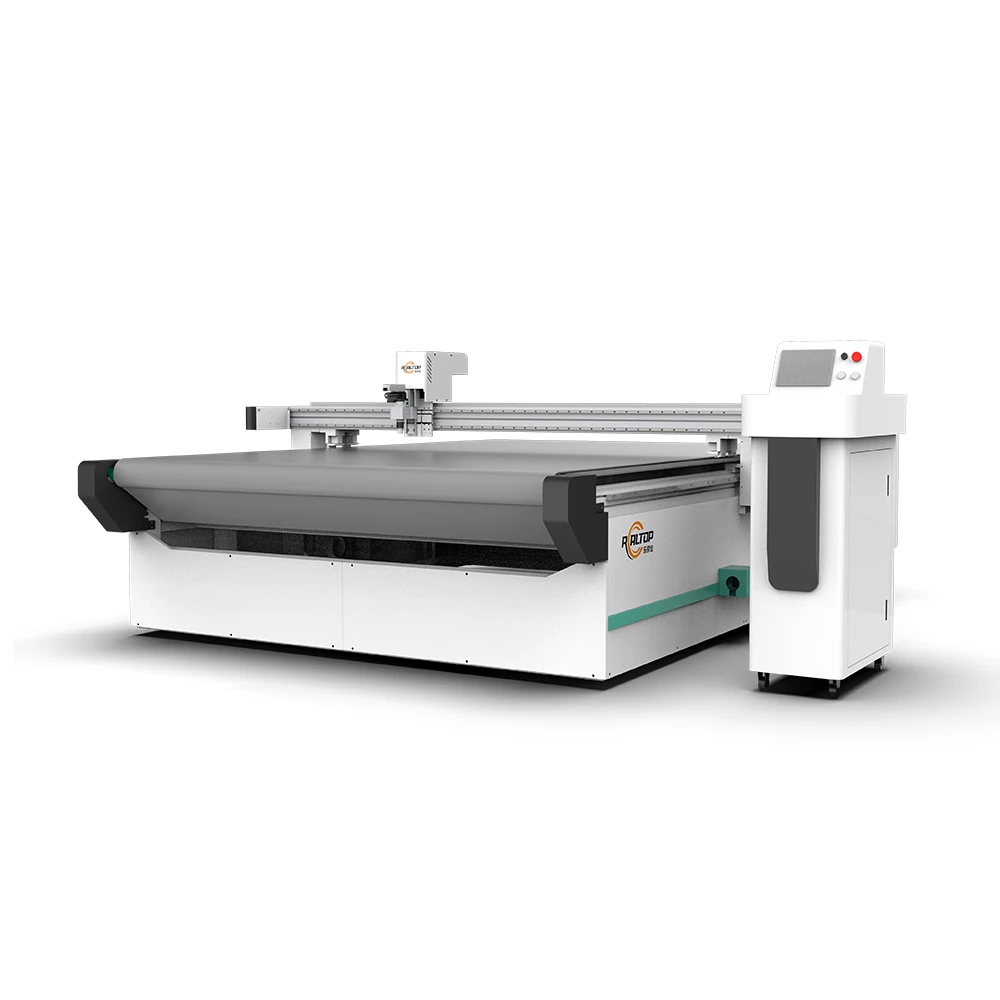
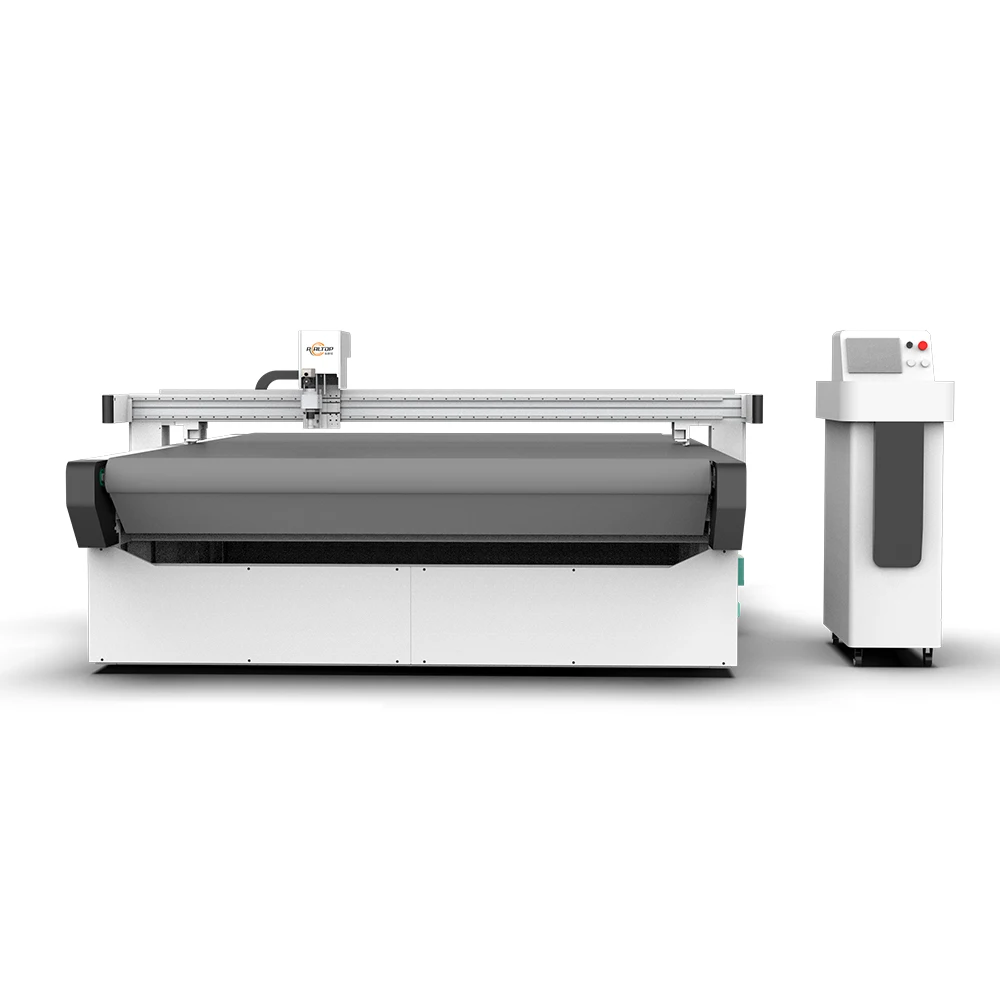
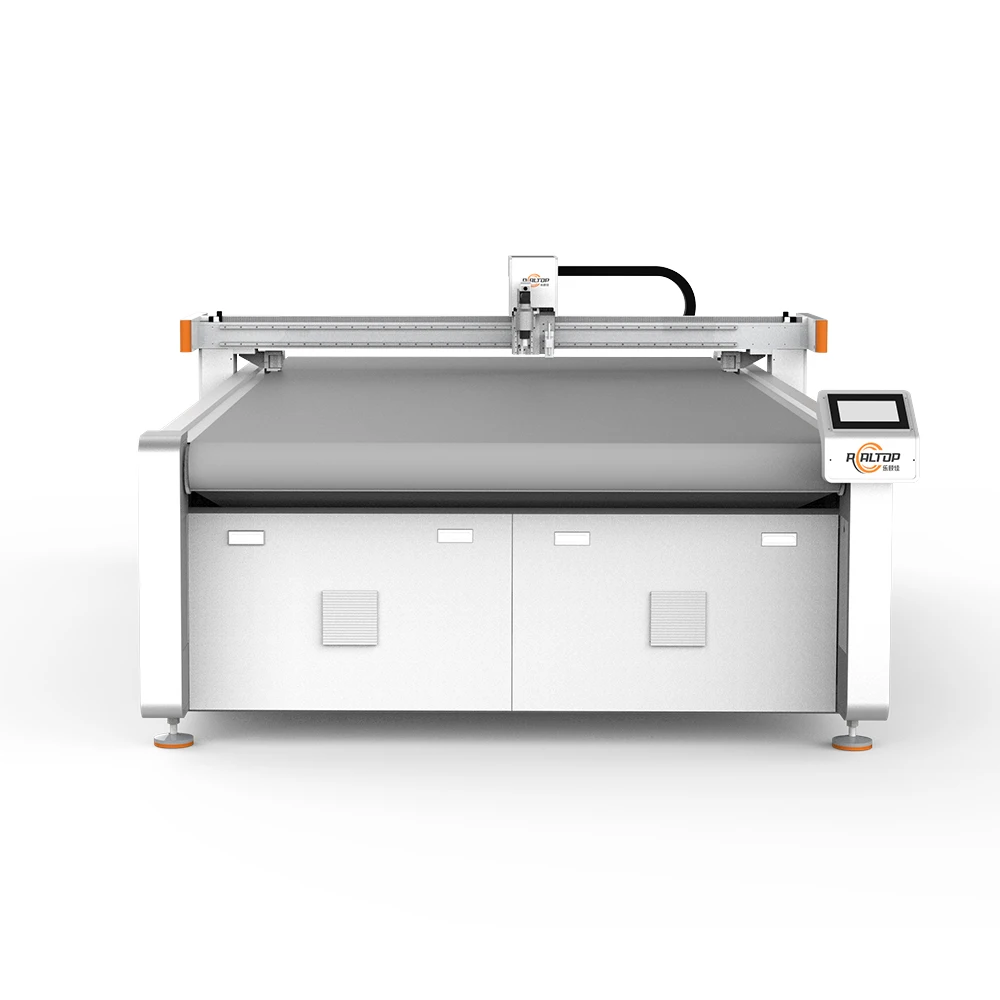
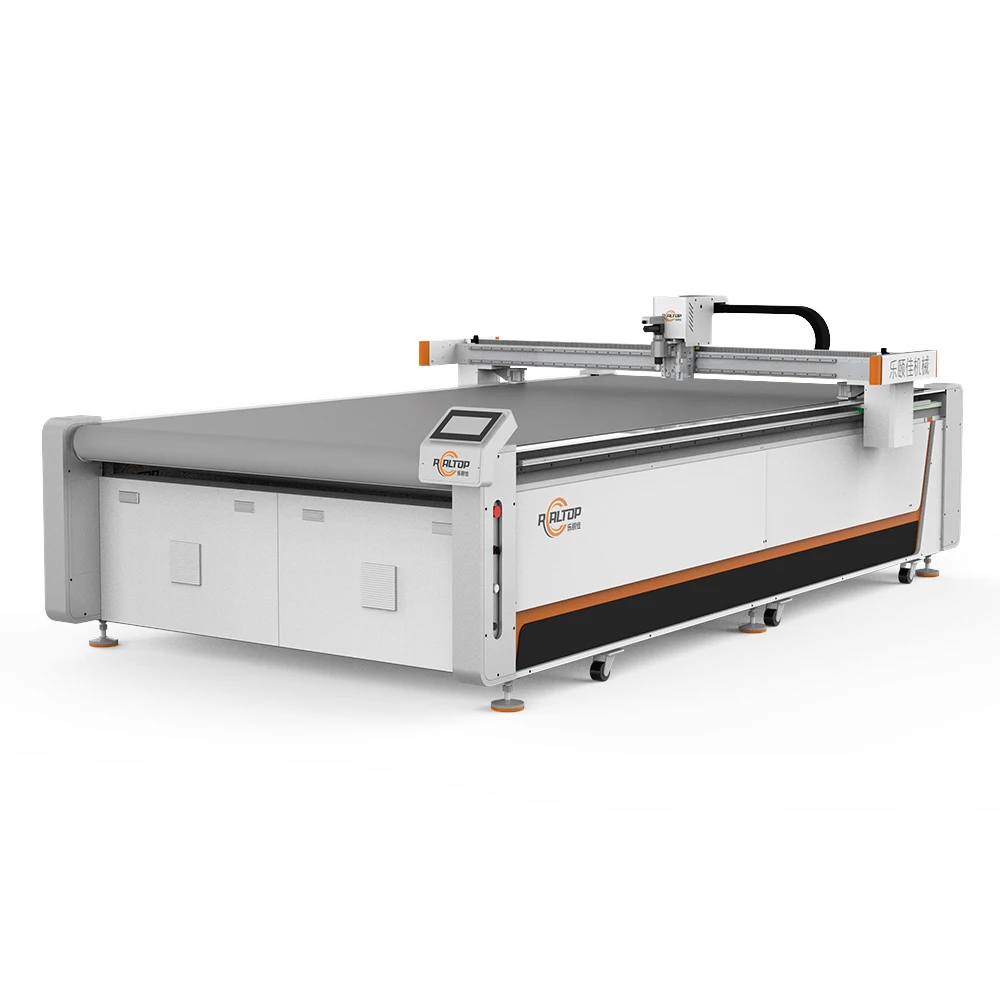
| Product Type | Cloth CNC Cutting Machine |
| Model | 1625 |
| Working Area | 1600 × 2500 mm |
| Overall Dimensions | 3300 × 2100 × 1350 mm |
| Cutting Speed | 0 – 2000 mm/s |
| Cutting Thickness | ≤ 30 mm (basis to be confirmed on material type and ply count) |
| Positioning Accuracy | ±0.1 mm |
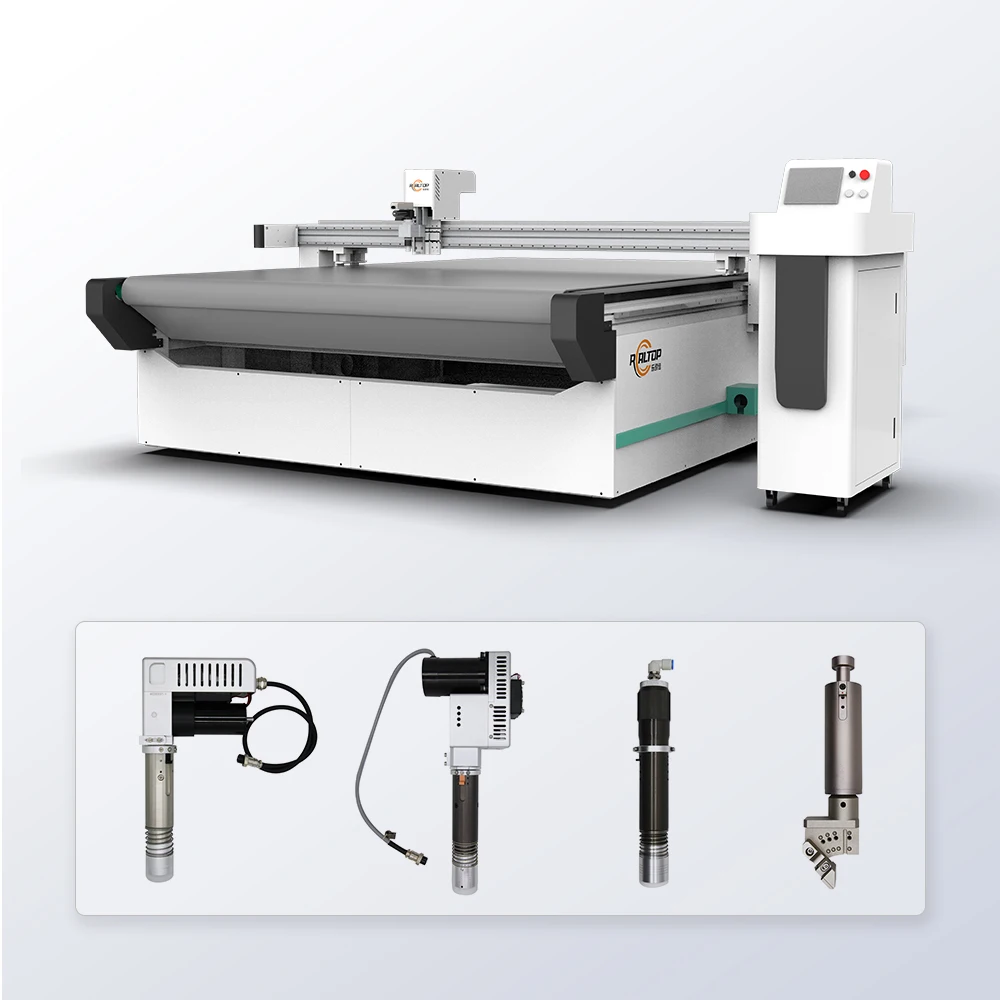
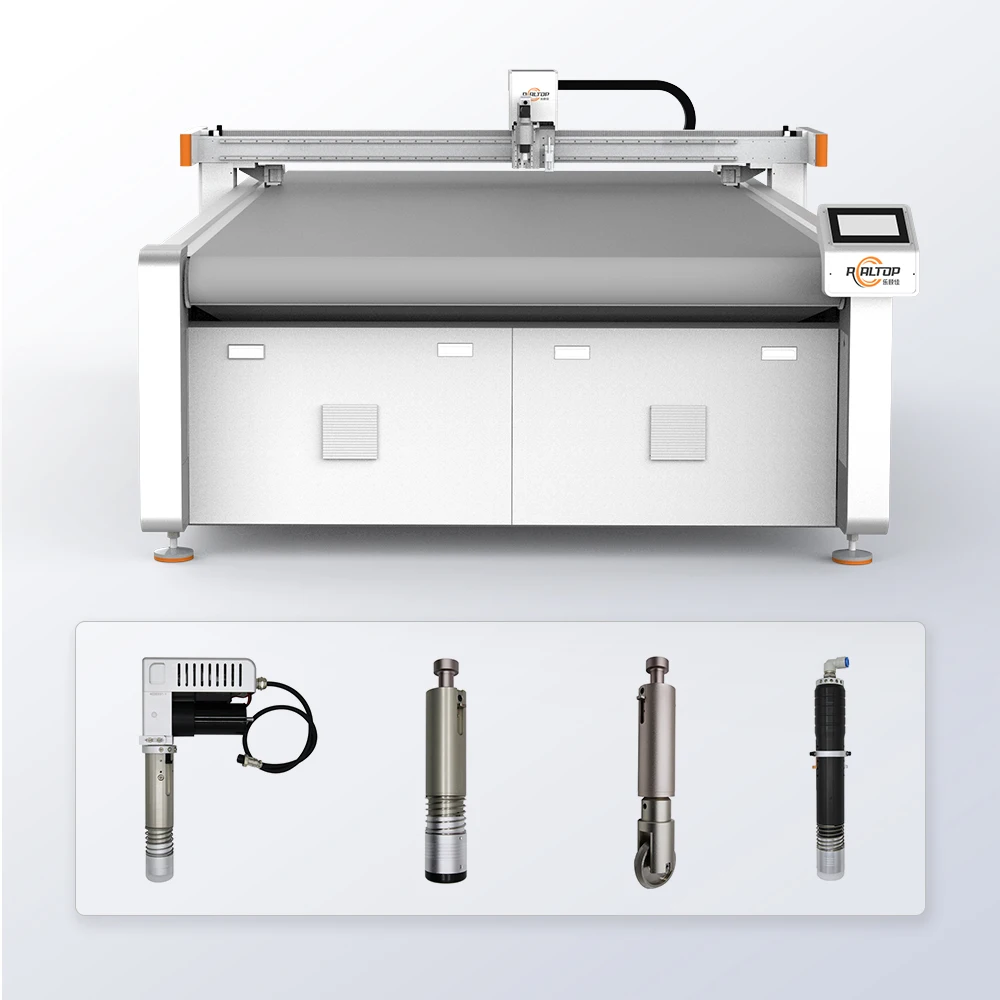
| Tool Head Options | Oscillating knife, Driven rotary knife, Creasing wheel, Kiss cutting tool, Pneumatic knife, Milling tool, V groove knife |
| Vacuum Table | Aluminum bellows vacuum platform |
| Vacuum Pump Power | 9 kW |
| Servo Motor Options | Panasonic, Delta, Dorna |
| Control System | PLC control panel with multi-language display |
| Supported File Formats | PLT, DXF, AI, PDF |
| Voltage Options | 110V / 220V / 380V |
| Safety Devices | Infrared sensor, Emergency stop |
| Nesting Software | Intelligent nesting with defect avoidance |
Application Suitability
| Application | Material or Output |
|---|---|
| Apparel manufacturing | Suits, knitwear, lace, complex patterned fabrics |
| Automotive interiors | Seat fabrics, carpets, PVC mats |
| Home textiles | Sofa fabrics, curtains, rugs (multi-layer cutting) |
| Composite materials | Carbon fiber prepreg, aramid, specialty flexible materials |
Why Working Area Alone Fails Textile Buyers
When a Cloth CNC Cutting Machine for sale is specified on bed size alone, the machine often fails to handle the actual ply height at production speed. The real constraint is vacuum holding power combined with the correct tool head for the specific fabric weave.
I have seen garment workshops receive flatbed digital tables that looked right on paper, only to watch the top fabric layers shift during high-speed cornering because the vacuum zoning was too coarse for small pattern pieces. The blade then drags the material, and the entire batch is ruined [NEED_CITE:]. Sourcing a textile cutter requires defining the exact ply count, fabric composition, and daily volume before locking in the machine dimensions.
Matching Cutting Technology to Fabric Behavior
Textile processing demands a clear view of the complete equipment range so that the cutting method aligns with the material. Woven cotton responds differently to an oscillating blade than a stretch knit does to a rotary knife. A comprehensive catalogue approach allows buyers to evaluate knife versus laser options, ensuring that synthetic materials requiring edge sealing are routed to CO2 systems, while multi-layer natural fabrics remain on flatbed knife tables.
Aligning Tool Heads with Material Ply Counts
The 1625 platform accepts a variety of interchangeable tool heads, but selection is driven by the production job. A pneumatic knife cuts through dense, multi-layer stacks of upholstery fabric, whereas a kiss cutting tool is necessary for vinyl or single-ply appliqué work. Specifying the correct tool prevents crushed foam edges or frayed technical textiles, keeping the output consistent across long production runs.
Reading the Specs for Real Workshop Impact
The 9 kW vacuum pump is necessary to maintain adsorption across the aluminum bellows platform, especially when cutting small automotive interior pieces that easily lift under the oscillating blade. Servo motor selection—whether Panasonic, Delta, or Dorna—determines how smoothly the machine tracks tight corners in complex lace patterns. The PLC control panel with multi-language display ensures operators can adjust parameters locally, and the intelligent nesting software optimizes fabric yield by recognizing defects in raw rolls [NEED_CITE:].
The Cost of Skipping the Vacuum Zone Layout
If the vacuum table zoning is insufficient for the typical pattern piece size, the fabric lifts during the return stroke of the knife. This causes ragged edges and forces manual sorting downstream. Buyers who ignore the relationship between their nesting layout and the table’s vacuum grid often find the machine technically capable but practically unusable for their specific small-part production [NEED_CITE:].
Why Sourcing From a Full-Range Catalogue Matters
Evaluating a full range of cutting equipment prevents forcing a single technology onto every textile job. Tool head and table configurations are specified per material and production volume rather than sold as standard packages. CCD camera positioning is integrated for printed contour work on sublimated fabrics. Software compatibility with existing DXF or PLT workflows is confirmed before the order. Finally, sample cutting on the buyer’s own material validates the configuration before the machine is built.
Documentation & Verification
- Machine specification sheet confirming voltage, plug type, and multi-language control options
- Tool head and vacuum zone configuration list matched to your specific fabric ply count
- Factory test record demonstrating cutting accuracy and edge quality on your supplied material
- Intelligent nesting software license with file format compatibility note for DXF, PLT, AI, and PDF
- CE declaration and electrical schematic for your local import compliance requirements
Installation, Commissioning & Support
- Verify workshop floor space for the 3300 × 2100 mm overall dimensions and conveyor feed clearance
- Ensure dedicated electrical circuit matches the 9 kW vacuum pump and selected 110V/220V/380V voltage
- Level the aluminum bellows vacuum platform during assembly to maintain uniform adsorption across the 1600 × 2500 mm bed
- Calibrate the PLC control panel and safety infrared sensors during initial commissioning
- Train operators on intelligent nesting software and tool head changeover for different fabric types
Preparing Your Project for Quotation
To evaluate the correct configuration, we need details on the fabric type, maximum ply count, and typical sheet dimensions. Please also specify your local voltage, frequency, and required control language. Providing your standard DXF or PLT files allows us to confirm software compatibility and run a sample cutting test.
Frequently Asked Questions
Q: How do I choose between an oscillating knife and a laser for my textile production?
A: Oscillating knives are specified for multi-ply stacks of natural fabrics, automotive carpets, and composites where cold cutting and high throughput are required. Laser systems are selected for synthetic textiles that benefit from edge sealing to prevent fraying. The full catalogue approach ensures the cutting method is matched to your specific material properties and daily volume.
Q: What vacuum zoning is needed for small pattern pieces versus large panels?
A: Small apparel pieces require high-density vacuum zoning to prevent material lifting during high-speed cutting. Large home textile panels need broad, consistent adsorption. The aluminum bellows vacuum platform is configured based on your specific pattern nesting layout to ensure the 9 kW pump delivers holding power exactly where the knife head operates.
Q: Can I test my specific fabric on the 1625 machine before ordering?
A: Sample cutting on your own material is standard procedure before order confirmation. We run your specific fabric at production speed, testing the ply count and thickness against the selected tool head. The resulting factory test record and sample pieces are sent to you for approval to validate edge quality and dimensional accuracy.
Q: What voltage and control language options are confirmed before shipment?
A: The system is configurable for 110V, 220V, or 380V supplies. The PLC control panel supports English, Russian, Italian, and Chinese, with custom languages available. These specifications, along with the local plug type, are locked into the electrical schematic and machine specification sheet before the machine enters production.










商品评价
There are no reviews yet.