

Fast Delivery
Quick, reliable shipping to any location.

Free & easy returns
Return this item by mail or in store within 90 days for a full refund.
Tooling versatility across knife and laser platforms — a single catalogue maps every oscillating knife, drag knife, CO2 and fiber laser configuration to the composite materials and daily volumes they actually handle.
Technical Specifications
| Parameter | Value |
|---|---|
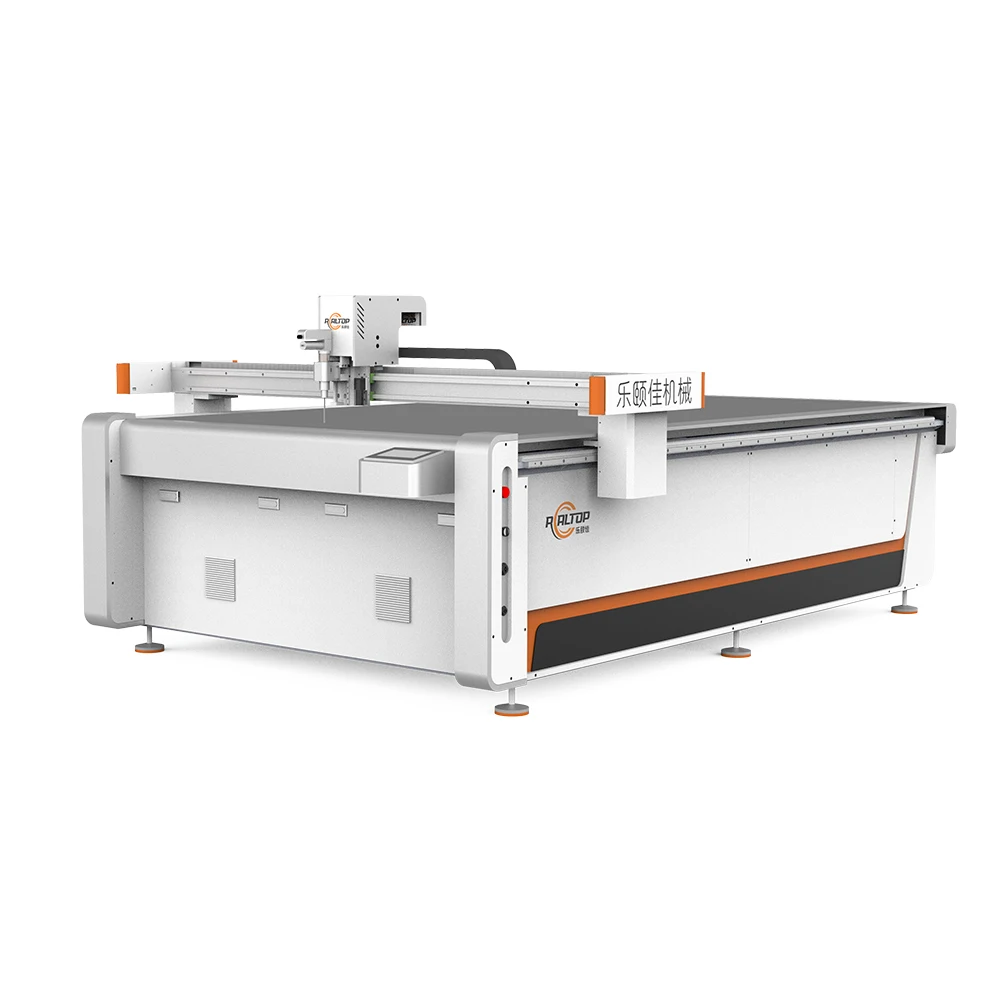
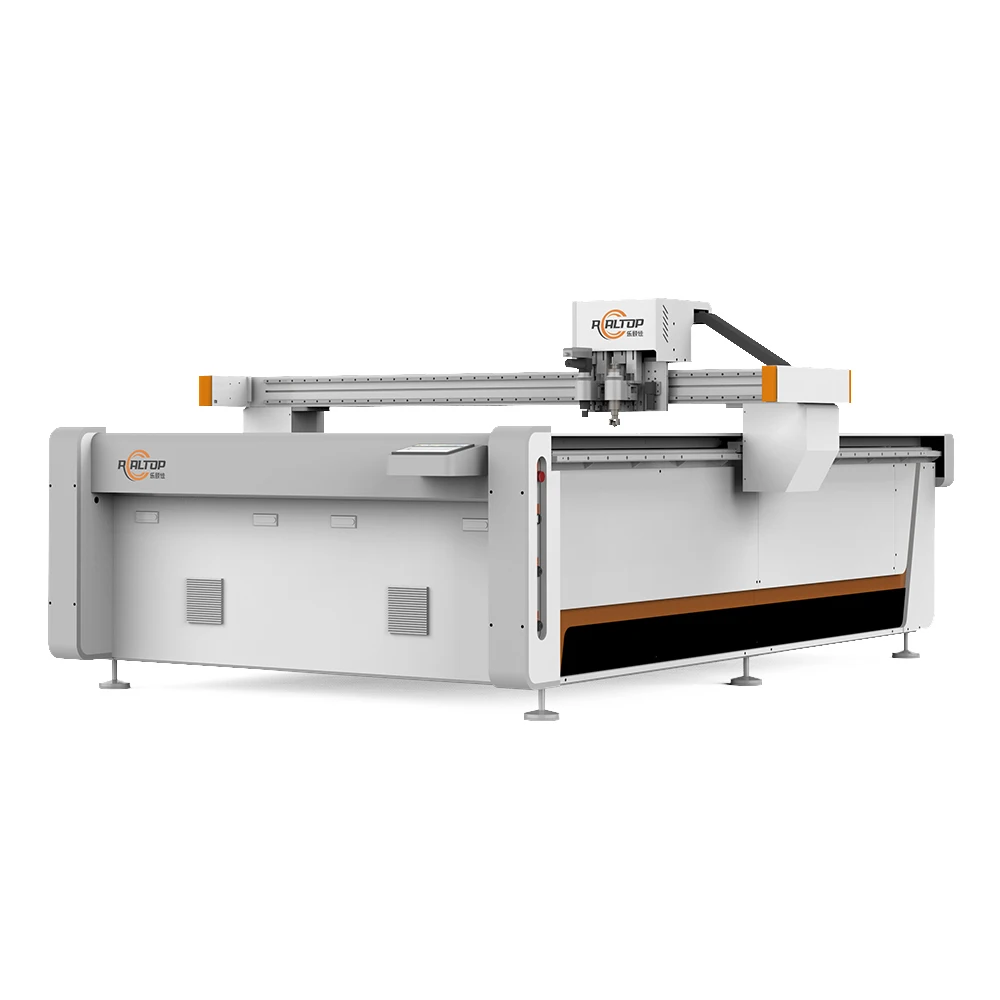
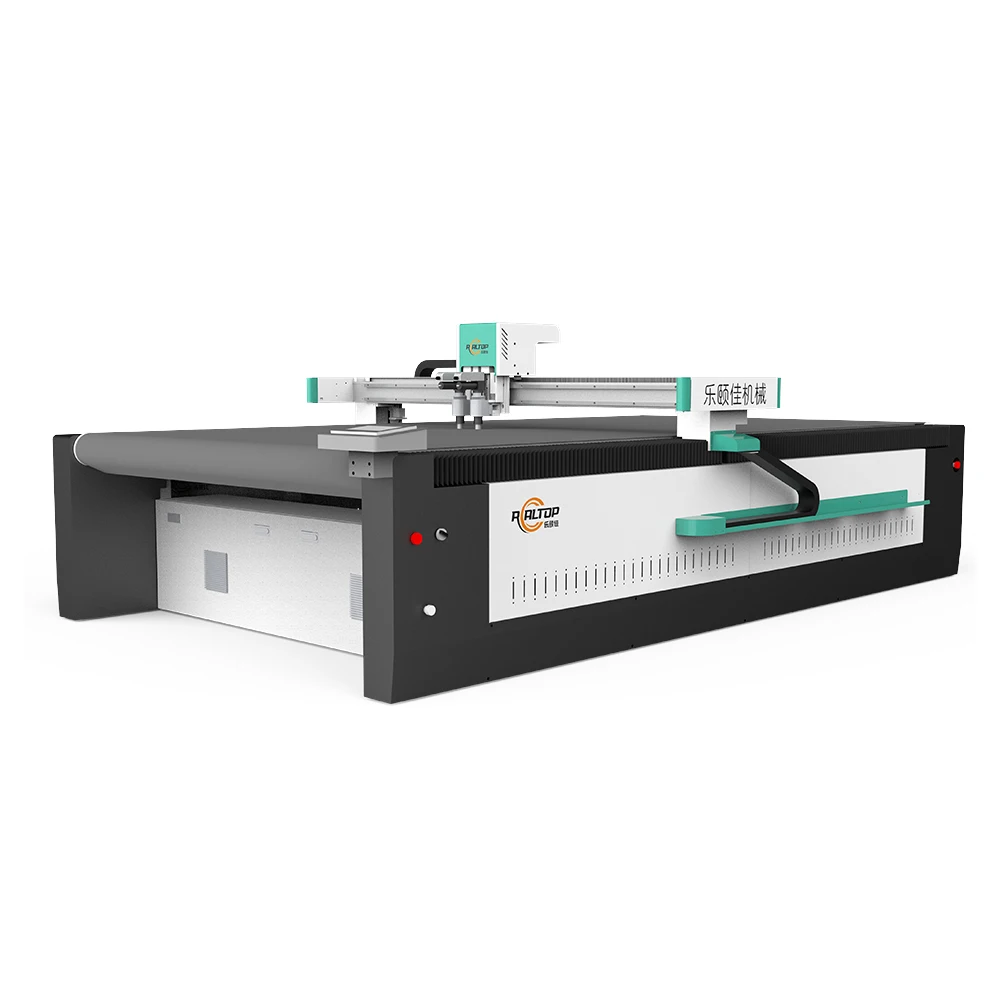
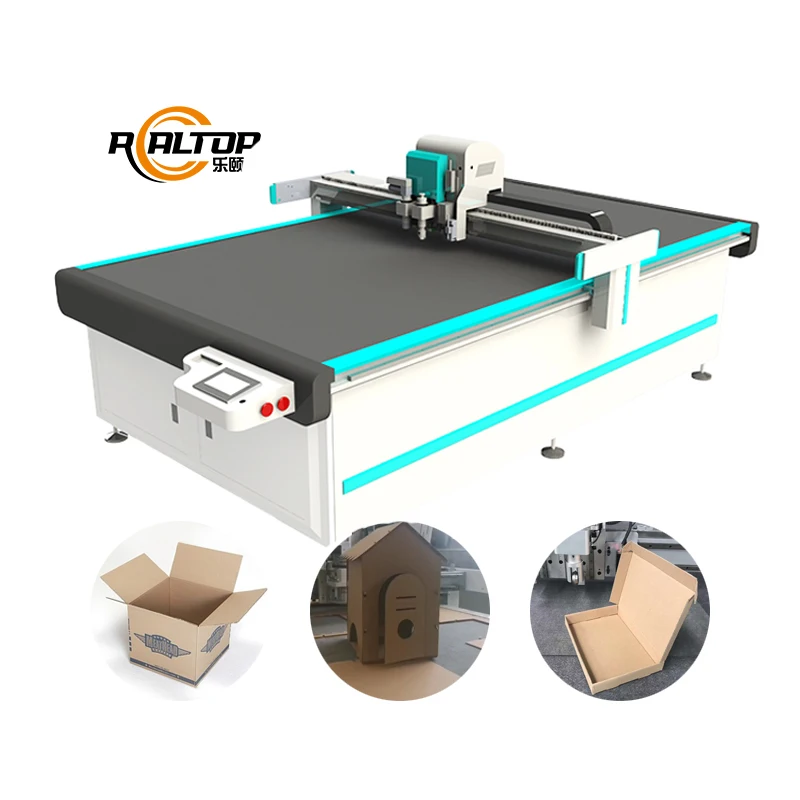
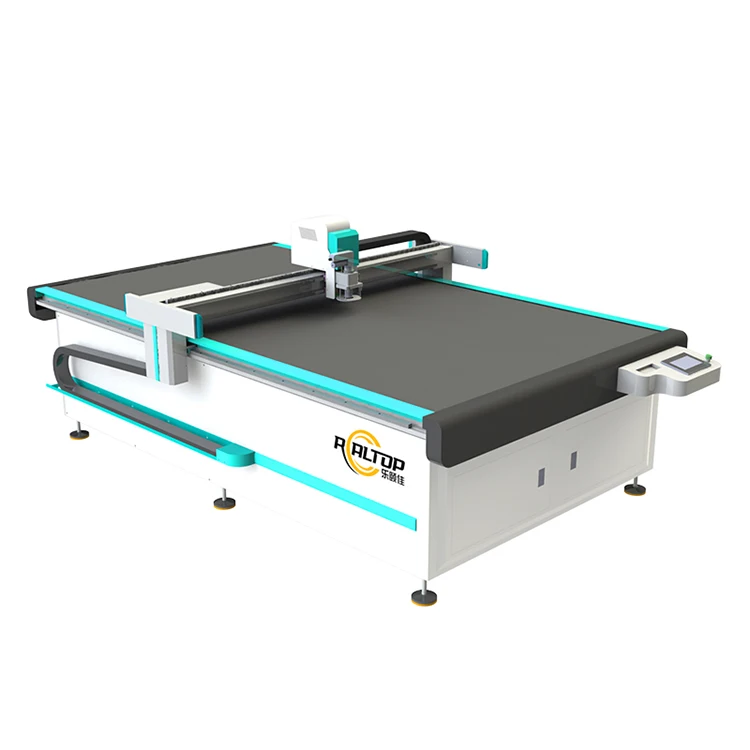
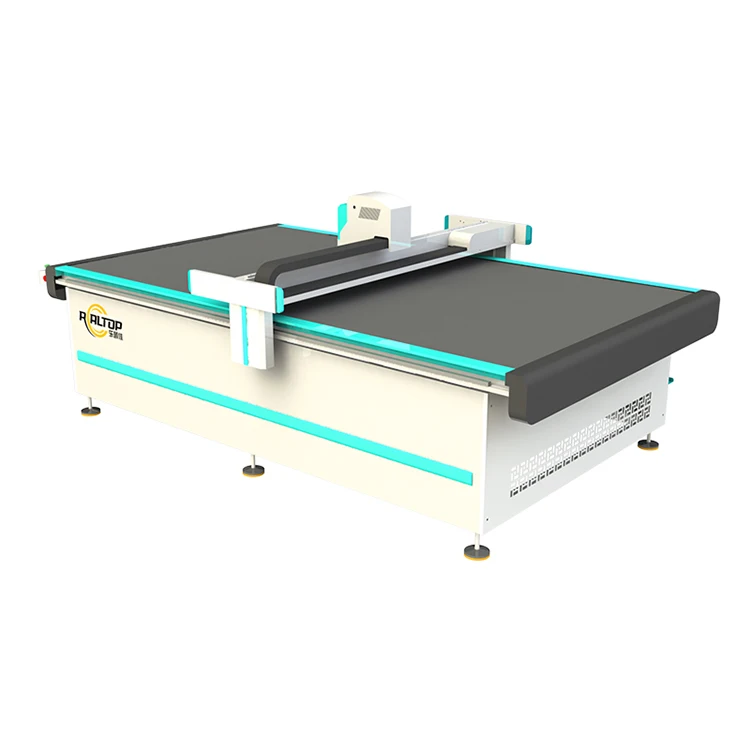
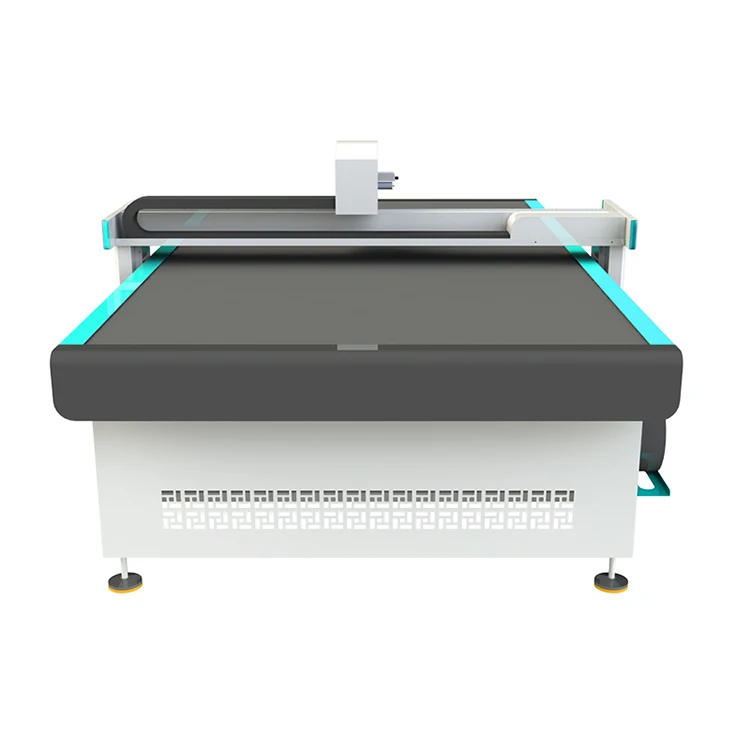
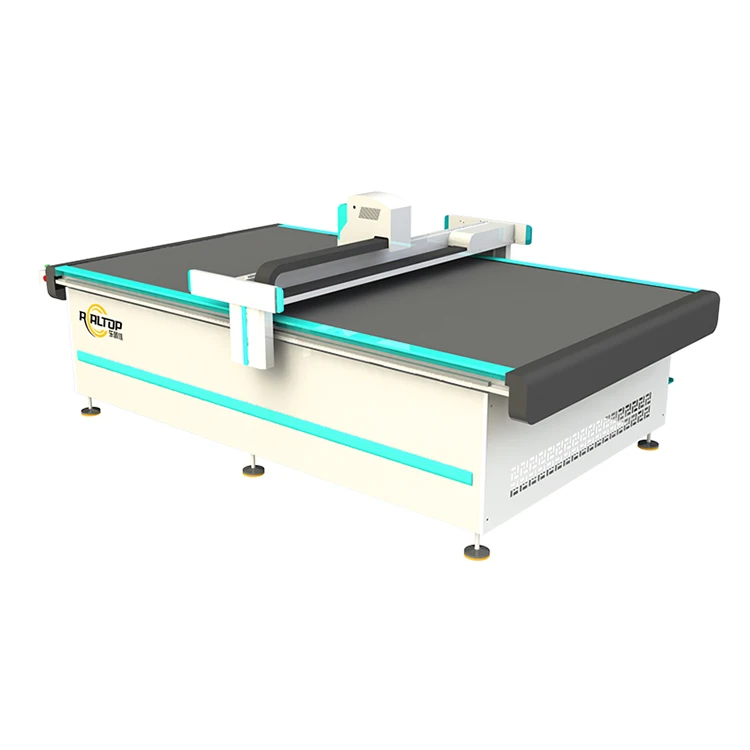
| Product Type | CNC Oscillating Knife Cutting Machine |
| Working Area | 1600×2500 mm |
| Cutting Speed | 0–2000 mm/s |
| Cutting Thickness Capacity | Up to 30 mm (basis not stated in source — confirm block format / material / thickness) |
| Cutting Accuracy | ±0.1 mm |
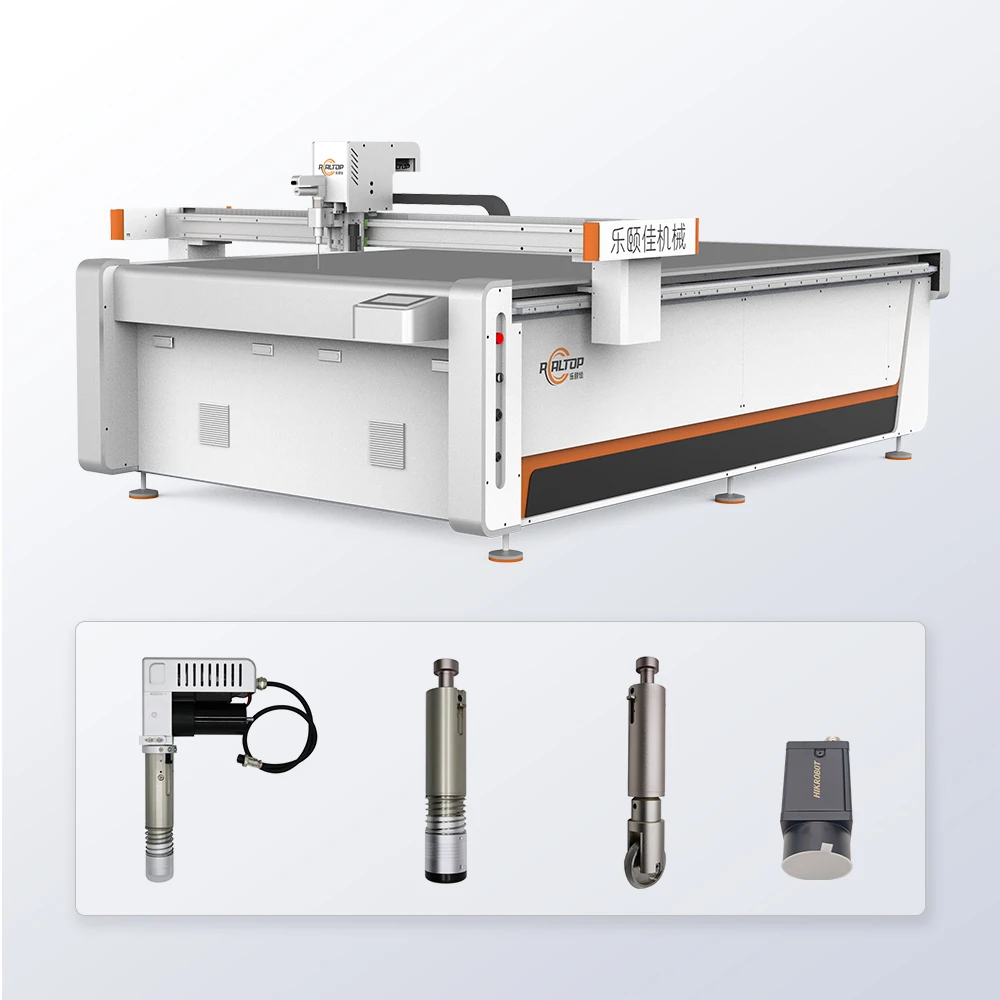
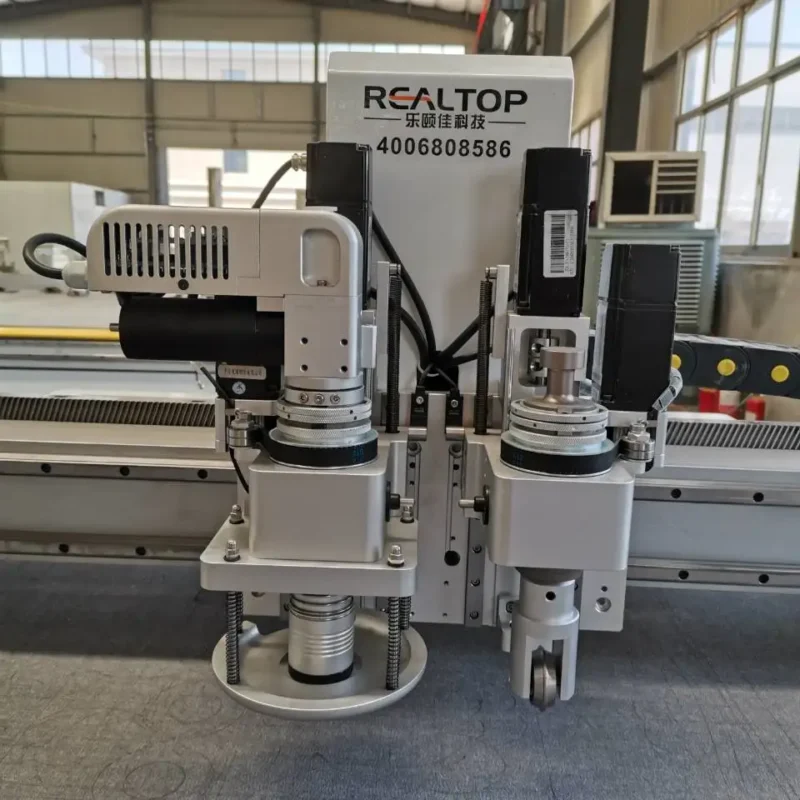
| Tool Head Options | Oscillating knife, Driven rotary knife, Creasing wheel, Kiss cutting tool, Pneumatic knife, Milling tool, V groove knife |
| Vacuum Pump Power | 9 kW |
| Voltage Options | 110V / 220V / 380V |
| Control System | PLC control panel with intuitive interface |
| Software File Formats | PLT, DXF, AI, PDF |
| Safety Features | Infrared sensor device and emergency stop device |
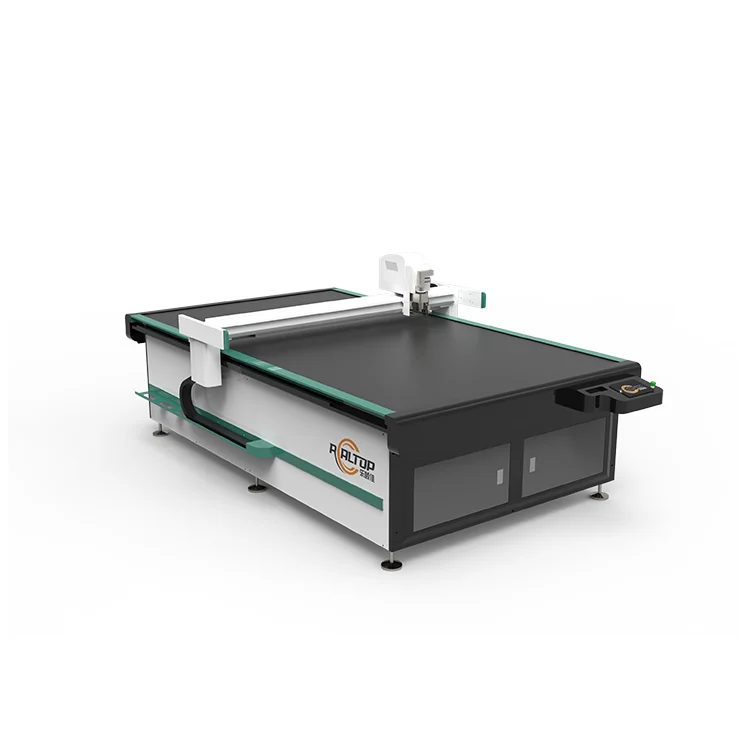
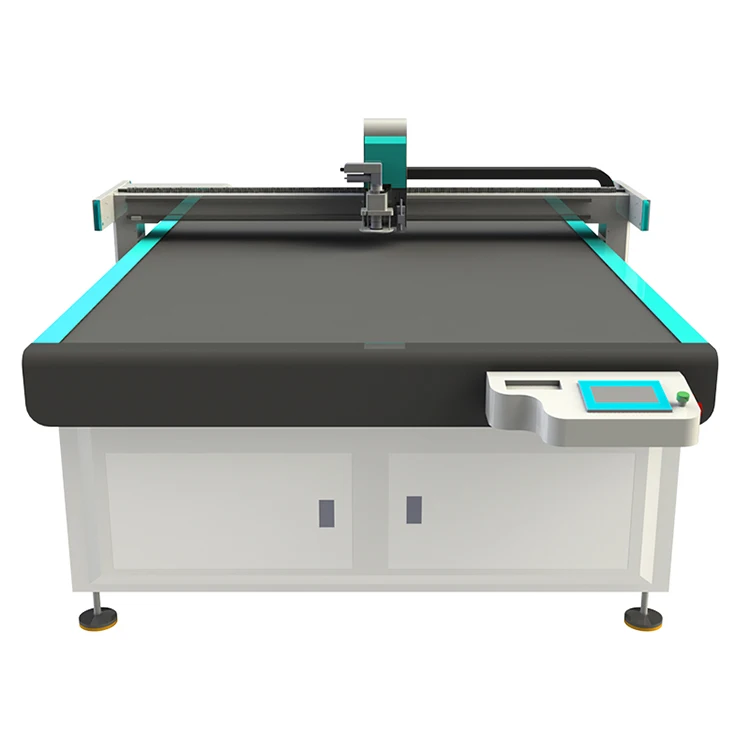
| Machine Dimensions (L×W×H) | 3300×2100×1350 mm |
| Vacuum Table | Aluminum bellows vacuum table with high flatness |
| Servo Drive Options | Panasonic, Delta, Dorna |
| Machine Frame | Heavy-duty frame with precision-ground surface |
| Language Options | English, Russian, Italian, Chinese (custom languages available) |
| Included Software | Packaging box structure design software |
| Certification | CE |
Application Suitability
| Application | Material or Output |
|---|---|
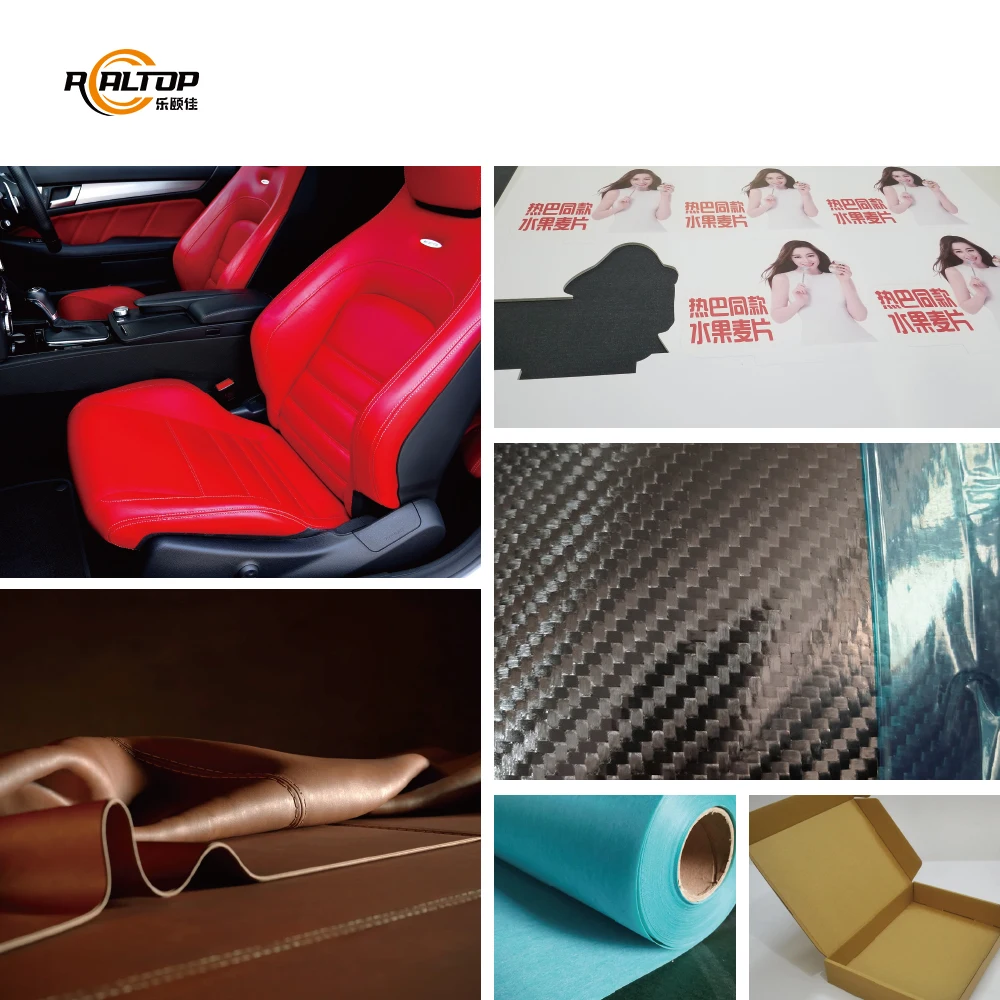
| Aerospace interior and structural trim | Carbon fiber prepreg, aramid honeycomb (Nomex), fiberglass cloth, ceramic fiber blankets, thermal and acoustic insulation foam |
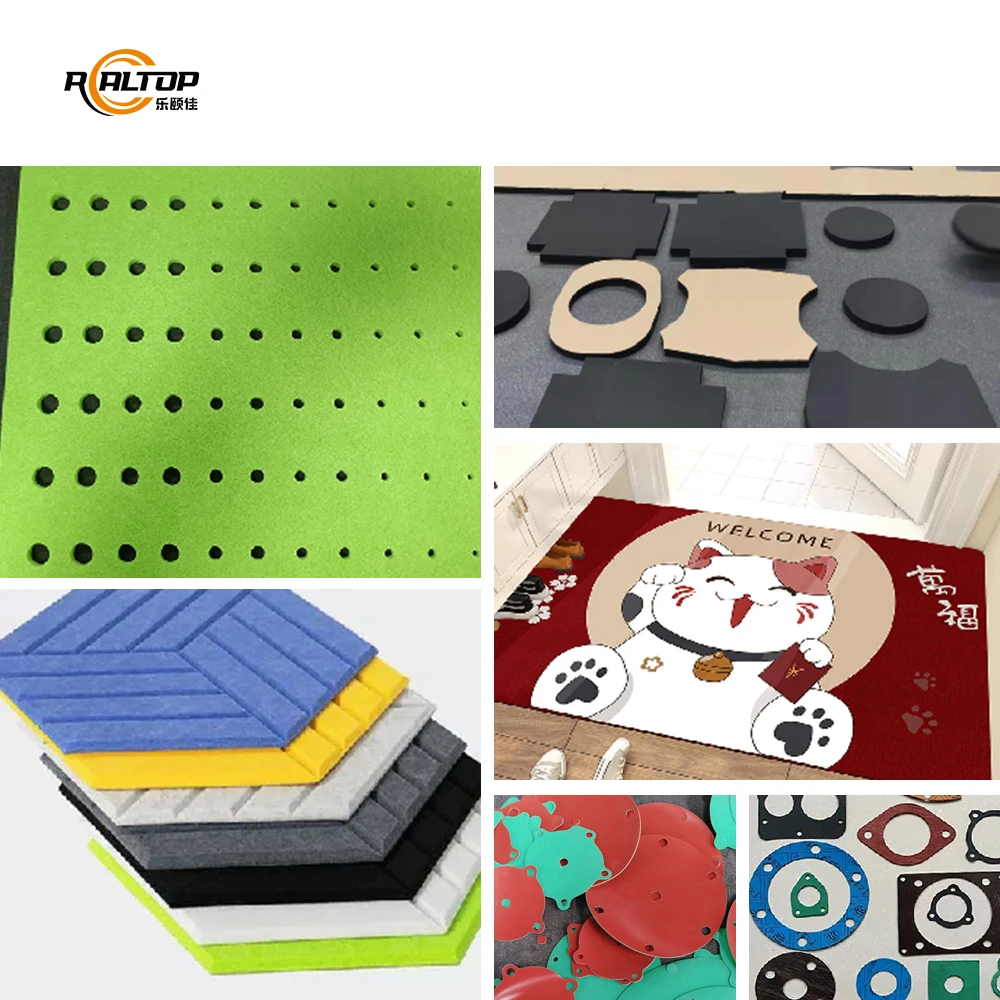
| Automotive and rail vehicle interiors | Carbon fiber covers, FRP panels, acoustic felt, damping pads, carpets, sealing strips, headliners, battery insulation pads |
| Wind power and new energy components | Fiberglass cloth, carbon fiber cloth, vacuum infusion mesh, PET and PVC foam core, insulating materials for turbine blades and battery packs |
| Sporting goods and leisure equipment | Carbon fiber sheets and fabric, fiberglass, Kevlar, high-performance foam for bicycle frames, helmet liners, surfboards, skis |
| General soft material fabrication | Felt, PVC, EVA, leather, rubber, soft glass, table mat materials, cardboard, carton |
Why Working Area Alone Does Not Guarantee a Clean Cut
Specifying a CNC oscillating knife cutting machine for sale by bed size without confirming tool head, vacuum zoning and material hardness is the most common cause of underperforming installations.
I have walked into workshops where the machine footprint matched the sheet dimensions perfectly, yet the operator was fighting lifted edges on small gasket pieces and crushed foam cores on every second pass. The vacuum pump was running flat out, but the table zoning was never matched to the nesting pattern. On composite stacks, the oscillating knife was specified for a thickness the material exceeded once compressed density was factored in [NEED_CITE: oscillating knife cutting depth versus composite density]. These mismatches surface weeks after commissioning, not during the factory acceptance test.
Mapping Cutting Method to Composite Behaviour
Composite materials do not respond to cutting energy the way homogeneous sheets do. Carbon fiber prepreg requires a clean shear without fraying the weave, while aramid honeycomb crushes under excessive downward pressure. An oscillating knife handles most fabric and foam layers cleanly, whereas a driven rotary knife suits continuous textile cuts where edge fusion is acceptable. The platform here lets a buyer switch tool heads on the same gantry, so the cutting method follows the material rather than forcing one blade type across every job.
Comparing Knife and Laser Across the Full Catalogue
When buyers survey the complete equipment range, the decision between knife and laser usually comes down to edge condition and thermal tolerance. CO2 laser seals synthetic edges and handles intricate contours on acrylic and wood, but it melts thermoplastic composites and generates fumes on PVC-containing laminates [NEED_CITE: thermal cutting effects on composite matrix materials]. Oscillating knife cutting avoids thermal damage entirely, keeping resin matrices intact and producing no harmful vapour. The catalogue comparison helps production managers see which machine family preserves mechanical properties for structural aerospace parts versus which suits decorative signage work.
What the Specification Sheet Actually Means for Your Floor
The 1600×2500 mm working area accommodates standard composite prepreg rolls and large automotive interior panels without repositioning. The 9 kW vacuum pump paired with the aluminum bellows table provides the hold-down force needed for porous materials like fiberglass cloth and acoustic felt, where air leakage through the material can defeat weaker vacuum systems. Cutting accuracy of ±0.1 mm matters most in nested gasket production, where a tenth of a millimetre drift across a long cut path accumulates into misaligned bolt holes. The PLC control panel accepts PLT, DXF, AI and PDF files directly, so buyers importing designs from common CAD and vector software do not need an intermediate conversion step. Servo drive options from Panasonic, Delta and Dorna let buyers match motion components to their existing maintenance supply chain.
The Cost of Skipping the Material Trial
When a buyer commits to a configuration based on a brochure thickness figure rather than a trial cut on their actual composite stack, the consequences appear on the first production day. A knife that slices cleanly through sample foam may stall on a denser grade, leaving ragged edges that require secondary trimming. Vacuum zoning that holds a full sheet may release small nested pieces mid-cut, shifting them into the blade path. These problems compound across shifts, turning a machine rated for a given output into one that requires constant operator intervention [NEED_CITE: composite cutting trial versus production reality].
What This Supplier Brings to the Table
The in-house design team covers both knife and laser technologies under one roof, so buyers comparing methods for a mixed-material production line get recommendations based on actual cutting physics rather than a single-product sales pitch. Tool head and table configuration is specified per material type and daily volume, not pulled from a standard list. CCD camera positioning is available for printed contour work where registration marks must be tracked at production speed. Voltage, plug type and control language are confirmed on a dedicated sheet before the machine enters assembly, preventing the arrival of a 380V unit in a 220V workshop. Sample cutting on the buyer’s own material is conducted before the order is finalised, so edge quality and throughput are verified on the actual composite being processed.
Documentation & Verification
- Machine specification sheet listing every configured tool head and table zone against your material type
- Electrical schematic and voltage confirmation sheet matched to your facility power supply before assembly
- Sample cutting report documenting edge quality and dimensional accuracy on your actual composite material
- Software licence and file format compatibility note confirming PLT, DXF, AI and PDF workflow with your design files
- Factory test record showing machine performance across your specified thickness range before dispatch
Installation, Commissioning & Support
- Heavy-duty frame with precision-ground surface requires level concrete flooring capable of supporting the 3300×2100×1350 mm footprint
- Dedicated electrical circuit matching your confirmed voltage option (110V, 220V or 380V) with correct plug type installed before delivery
- 9 kW vacuum pump requires independent extraction routing to prevent composite dust accumulation in the workshop environment
- PLC control panel configured in your selected language before commissioning, with operator training on tool head changeover procedures
- Spare parts list covering oscillating knife blades, vacuum seals and servo drive components specific to your chosen configuration
Before Requesting a Quotation
Send through the specific composite material type, layer count and maximum thickness you plan to cut, along with your typical sheet dimensions and nesting pattern. Include your workshop voltage and frequency, preferred control language, and whether your existing design files are in PLT, DXF, AI or PDF format. If you are comparing knife cutting against laser for your application, note the edge finish requirement and any thermal sensitivity of the resin matrix.
Frequently Asked Questions
Q: How do I choose between oscillating knife and laser cutting for my composite material?
A: The choice depends on whether your material tolerates heat. Oscillating knife cuts carbon fiber prepreg, aramid honeycomb and fiberglass cloth without thermal damage or fumes, preserving the resin matrix. CO2 laser seals synthetic edges and suits acrylic or wood but melts thermoplastic composites. Requesting sample cuts on your actual material with both methods is the fastest way to compare edge quality and determine which CNC oscillating knife cutting machine for sale configuration matches your production requirements.
Q: What working area size do I need based on my sheet dimensions and nesting requirements?
A: The 1600×2500 mm bed handles standard prepreg rolls and large automotive interior panels without repositioning. If your nesting software groups small gasket pieces across a full sheet, this area maximises material yield per cycle. For smaller dedicated products, a more compact format reduces vacuum pump load and floor space while maintaining the same tool head options. Match the bed to your largest regular sheet, not your occasional maximum.
Q: Which tool head should I use for my specific material thickness and edge quality requirement?
A: Oscillating knife suits most composite fabrics and foams up to the confirmed cutting thickness, delivering clean shear cuts. Driven rotary knife works for continuous textile cuts where slight edge fusion is acceptable. Pneumatic knife handles denser stacks, and the V groove knife creates fold lines on packaging materials. The tool head selection is finalised during the sample cutting phase, where edge quality is evaluated on your actual material before the configuration is locked in.
Q: Can I see the full machine range compared by material type and production volume?
A: The complete catalogue maps each machine family — oscillating knife, drag knife, CO2 laser and fiber laser — to the materials and daily volumes they handle. This comparison helps buyers who process mixed composites identify which cutting method preserves mechanical properties for structural parts versus which suits high-speed decorative work. The goal is matching the method to the production job rather than forcing one platform across every material.
Q: What voltage, language and software options are available across the catalogue?
A: Voltage is configurable at 110V, 220V or 380V with plug type confirmed before shipment. Control panel language options include English, Russian, Italian and Chinese, with custom languages available on request. The PLC control system accepts PLT, DXF, AI and PDF files, and included packaging box structure design software covers carton sample workflows. All specifications are documented on a confirmation sheet signed off before the machine enters production.
Tooling versatility across knife and laser platforms — a single catalogue maps every oscillating knife, drag knife, CO2 and fiber laser configuration to the composite materials and daily volumes they actually handle.
Technical Specifications
| Parameter | Value |
|---|---|
| Product Type | CNC Oscillating Knife Cutting Machine |
| Working Area | 1600×2500 mm |
| Cutting Speed | 0–2000 mm/s |
| Cutting Thickness Capacity | Up to 30 mm (basis not stated in source — confirm block format / material / thickness) |
| Cutting Accuracy | ±0.1 mm |
| Tool Head Options | Oscillating knife, Driven rotary knife, Creasing wheel, Kiss cutting tool, Pneumatic knife, Milling tool, V groove knife |
| Vacuum Pump Power | 9 kW |
| Voltage Options | 110V / 220V / 380V |
| Control System | PLC control panel with intuitive interface |
| Software File Formats | PLT, DXF, AI, PDF |
| Safety Features | Infrared sensor device and emergency stop device |
| Machine Dimensions (L×W×H) | 3300×2100×1350 mm |
| Vacuum Table | Aluminum bellows vacuum table with high flatness |
| Servo Drive Options | Panasonic, Delta, Dorna |
| Machine Frame | Heavy-duty frame with precision-ground surface |
| Language Options | English, Russian, Italian, Chinese (custom languages available) |
| Included Software | Packaging box structure design software |
| Certification | CE |
Application Suitability
| Application | Material or Output |
|---|---|
| Aerospace interior and structural trim | Carbon fiber prepreg, aramid honeycomb (Nomex), fiberglass cloth, ceramic fiber blankets, thermal and acoustic insulation foam |
| Automotive and rail vehicle interiors | Carbon fiber covers, FRP panels, acoustic felt, damping pads, carpets, sealing strips, headliners, battery insulation pads |
| Wind power and new energy components | Fiberglass cloth, carbon fiber cloth, vacuum infusion mesh, PET and PVC foam core, insulating materials for turbine blades and battery packs |
| Sporting goods and leisure equipment | Carbon fiber sheets and fabric, fiberglass, Kevlar, high-performance foam for bicycle frames, helmet liners, surfboards, skis |
| General soft material fabrication | Felt, PVC, EVA, leather, rubber, soft glass, table mat materials, cardboard, carton |
Why Working Area Alone Does Not Guarantee a Clean Cut
Specifying a CNC oscillating knife cutting machine for sale by bed size without confirming tool head, vacuum zoning and material hardness is the most common cause of underperforming installations.
I have walked into workshops where the machine footprint matched the sheet dimensions perfectly, yet the operator was fighting lifted edges on small gasket pieces and crushed foam cores on every second pass. The vacuum pump was running flat out, but the table zoning was never matched to the nesting pattern. On composite stacks, the oscillating knife was specified for a thickness the material exceeded once compressed density was factored in [NEED_CITE: oscillating knife cutting depth versus composite density]. These mismatches surface weeks after commissioning, not during the factory acceptance test.
Mapping Cutting Method to Composite Behaviour
Composite materials do not respond to cutting energy the way homogeneous sheets do. Carbon fiber prepreg requires a clean shear without fraying the weave, while aramid honeycomb crushes under excessive downward pressure. An oscillating knife handles most fabric and foam layers cleanly, whereas a driven rotary knife suits continuous textile cuts where edge fusion is acceptable. The platform here lets a buyer switch tool heads on the same gantry, so the cutting method follows the material rather than forcing one blade type across every job.
Comparing Knife and Laser Across the Full Catalogue
When buyers survey the complete equipment range, the decision between knife and laser usually comes down to edge condition and thermal tolerance. CO2 laser seals synthetic edges and handles intricate contours on acrylic and wood, but it melts thermoplastic composites and generates fumes on PVC-containing laminates [NEED_CITE: thermal cutting effects on composite matrix materials]. Oscillating knife cutting avoids thermal damage entirely, keeping resin matrices intact and producing no harmful vapour. The catalogue comparison helps production managers see which machine family preserves mechanical properties for structural aerospace parts versus which suits decorative signage work.
What the Specification Sheet Actually Means for Your Floor
The 1600×2500 mm working area accommodates standard composite prepreg rolls and large automotive interior panels without repositioning. The 9 kW vacuum pump paired with the aluminum bellows table provides the hold-down force needed for porous materials like fiberglass cloth and acoustic felt, where air leakage through the material can defeat weaker vacuum systems. Cutting accuracy of ±0.1 mm matters most in nested gasket production, where a tenth of a millimetre drift across a long cut path accumulates into misaligned bolt holes. The PLC control panel accepts PLT, DXF, AI and PDF files directly, so buyers importing designs from common CAD and vector software do not need an intermediate conversion step. Servo drive options from Panasonic, Delta and Dorna let buyers match motion components to their existing maintenance supply chain.
The Cost of Skipping the Material Trial
When a buyer commits to a configuration based on a brochure thickness figure rather than a trial cut on their actual composite stack, the consequences appear on the first production day. A knife that slices cleanly through sample foam may stall on a denser grade, leaving ragged edges that require secondary trimming. Vacuum zoning that holds a full sheet may release small nested pieces mid-cut, shifting them into the blade path. These problems compound across shifts, turning a machine rated for a given output into one that requires constant operator intervention [NEED_CITE: composite cutting trial versus production reality].
What This Supplier Brings to the Table
The in-house design team covers both knife and laser technologies under one roof, so buyers comparing methods for a mixed-material production line get recommendations based on actual cutting physics rather than a single-product sales pitch. Tool head and table configuration is specified per material type and daily volume, not pulled from a standard list. CCD camera positioning is available for printed contour work where registration marks must be tracked at production speed. Voltage, plug type and control language are confirmed on a dedicated sheet before the machine enters assembly, preventing the arrival of a 380V unit in a 220V workshop. Sample cutting on the buyer’s own material is conducted before the order is finalised, so edge quality and throughput are verified on the actual composite being processed.
Documentation & Verification
- Machine specification sheet listing every configured tool head and table zone against your material type
- Electrical schematic and voltage confirmation sheet matched to your facility power supply before assembly
- Sample cutting report documenting edge quality and dimensional accuracy on your actual composite material
- Software licence and file format compatibility note confirming PLT, DXF, AI and PDF workflow with your design files
- Factory test record showing machine performance across your specified thickness range before dispatch
Installation, Commissioning & Support
- Heavy-duty frame with precision-ground surface requires level concrete flooring capable of supporting the 3300×2100×1350 mm footprint
- Dedicated electrical circuit matching your confirmed voltage option (110V, 220V or 380V) with correct plug type installed before delivery
- 9 kW vacuum pump requires independent extraction routing to prevent composite dust accumulation in the workshop environment
- PLC control panel configured in your selected language before commissioning, with operator training on tool head changeover procedures
- Spare parts list covering oscillating knife blades, vacuum seals and servo drive components specific to your chosen configuration
Before Requesting a Quotation
Send through the specific composite material type, layer count and maximum thickness you plan to cut, along with your typical sheet dimensions and nesting pattern. Include your workshop voltage and frequency, preferred control language, and whether your existing design files are in PLT, DXF, AI or PDF format. If you are comparing knife cutting against laser for your application, note the edge finish requirement and any thermal sensitivity of the resin matrix.
Frequently Asked Questions
Q: How do I choose between oscillating knife and laser cutting for my composite material?
A: The choice depends on whether your material tolerates heat. Oscillating knife cuts carbon fiber prepreg, aramid honeycomb and fiberglass cloth without thermal damage or fumes, preserving the resin matrix. CO2 laser seals synthetic edges and suits acrylic or wood but melts thermoplastic composites. Requesting sample cuts on your actual material with both methods is the fastest way to compare edge quality and determine which CNC oscillating knife cutting machine for sale configuration matches your production requirements.
Q: What working area size do I need based on my sheet dimensions and nesting requirements?
A: The 1600×2500 mm bed handles standard prepreg rolls and large automotive interior panels without repositioning. If your nesting software groups small gasket pieces across a full sheet, this area maximises material yield per cycle. For smaller dedicated products, a more compact format reduces vacuum pump load and floor space while maintaining the same tool head options. Match the bed to your largest regular sheet, not your occasional maximum.
Q: Which tool head should I use for my specific material thickness and edge quality requirement?
A: Oscillating knife suits most composite fabrics and foams up to the confirmed cutting thickness, delivering clean shear cuts. Driven rotary knife works for continuous textile cuts where slight edge fusion is acceptable. Pneumatic knife handles denser stacks, and the V groove knife creates fold lines on packaging materials. The tool head selection is finalised during the sample cutting phase, where edge quality is evaluated on your actual material before the configuration is locked in.
Q: Can I see the full machine range compared by material type and production volume?
A: The complete catalogue maps each machine family — oscillating knife, drag knife, CO2 laser and fiber laser — to the materials and daily volumes they handle. This comparison helps buyers who process mixed composites identify which cutting method preserves mechanical properties for structural parts versus which suits high-speed decorative work. The goal is matching the method to the production job rather than forcing one platform across every material.
Q: What voltage, language and software options are available across the catalogue?
A: Voltage is configurable at 110V, 220V or 380V with plug type confirmed before shipment. Control panel language options include English, Russian, Italian and Chinese, with custom languages available on request. The PLC control system accepts PLT, DXF, AI and PDF files, and included packaging box structure design software covers carton sample workflows. All specifications are documented on a confirmation sheet signed off before the machine enters production.
商品评价
There are no reviews yet.