

Fast Delivery
Quick, reliable shipping to any location.

Free & easy returns
Return this item by mail or in store within 90 days for a full refund.
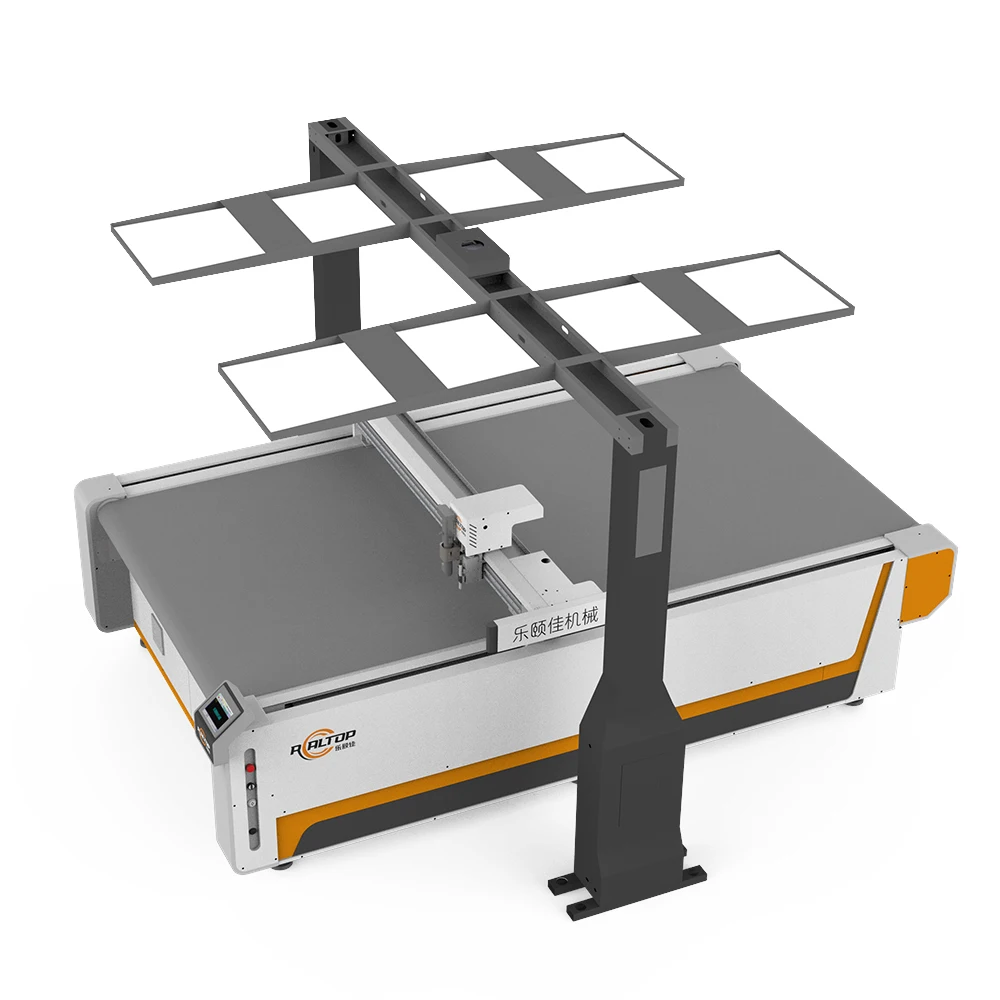
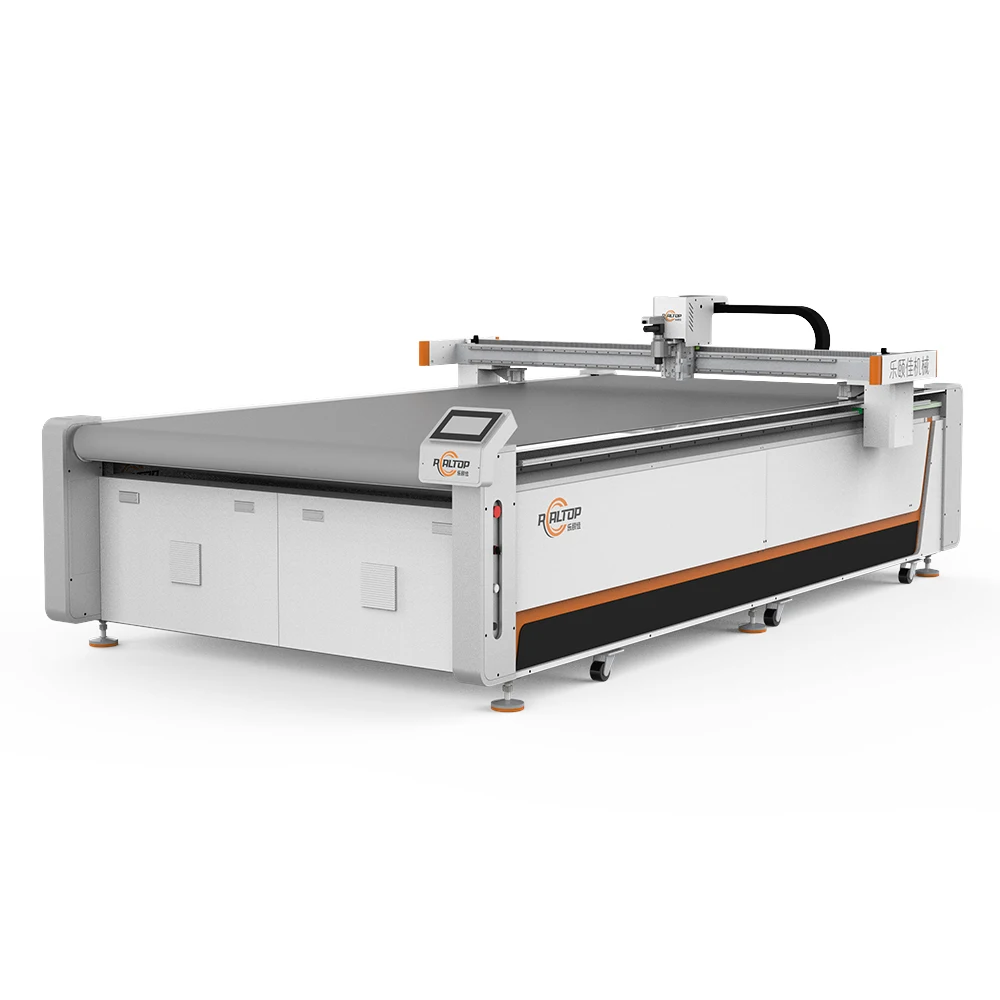
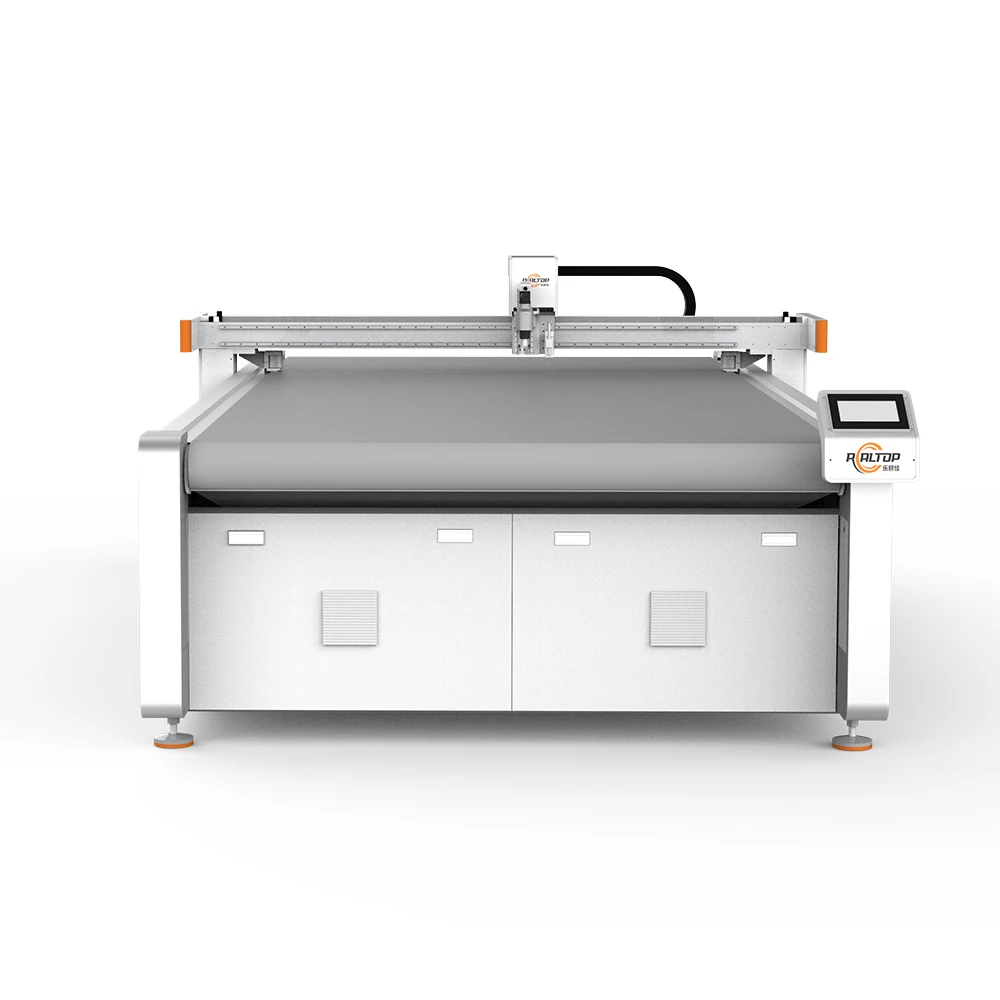
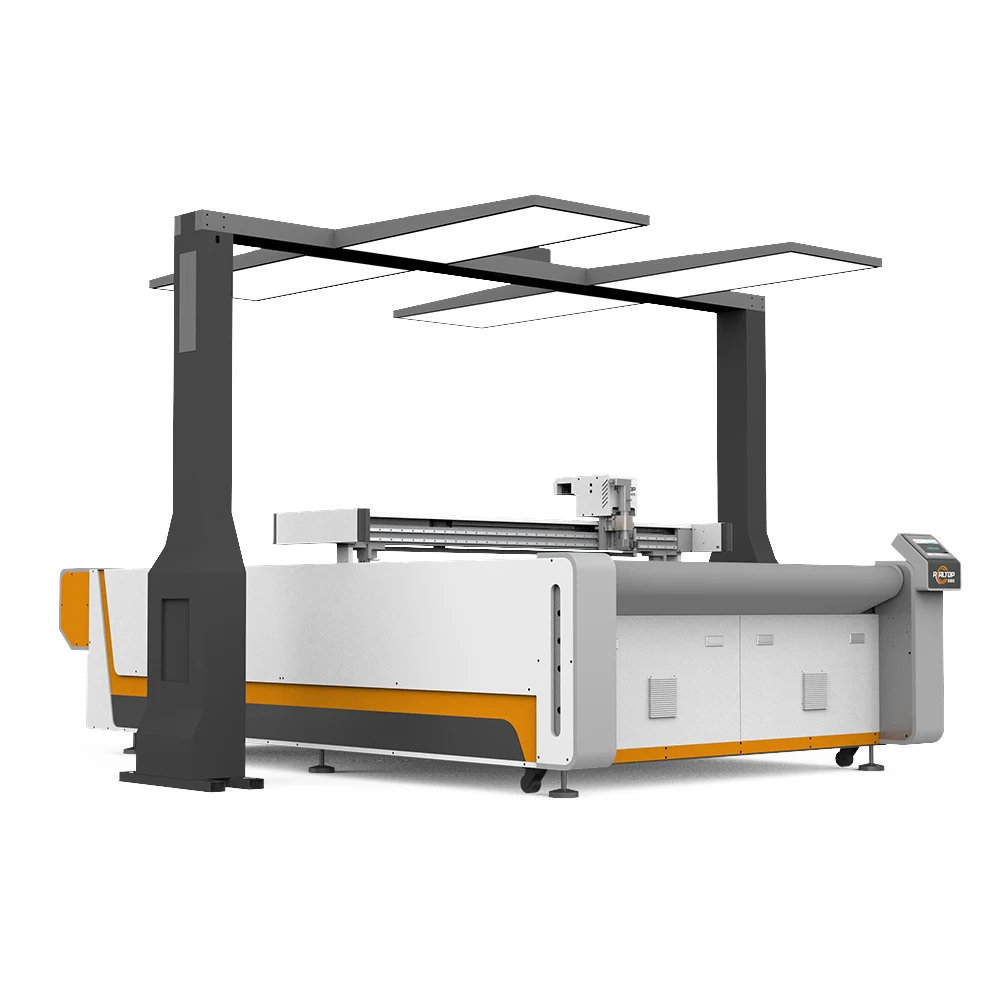
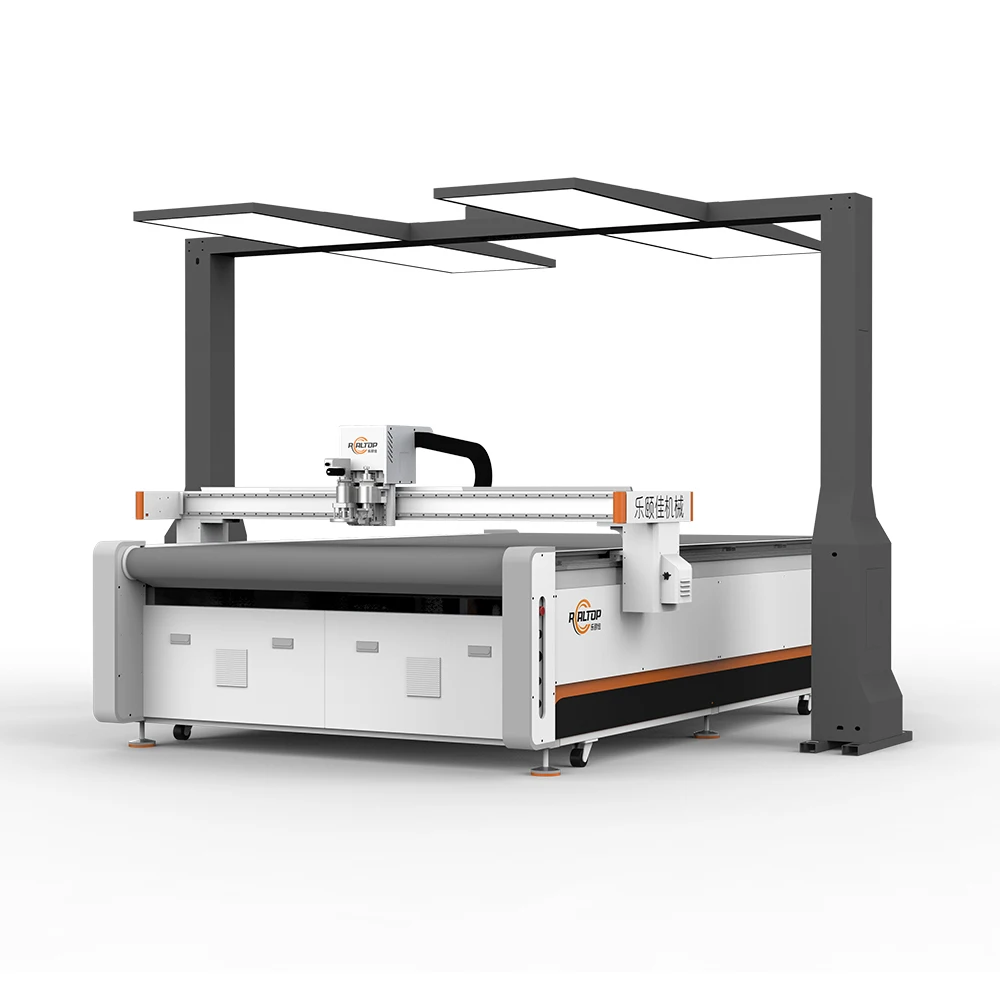
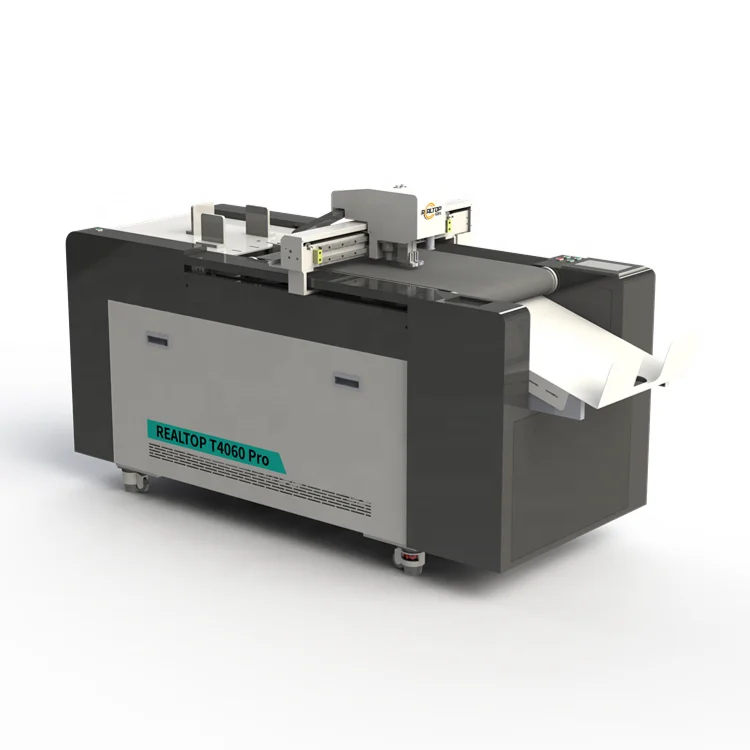
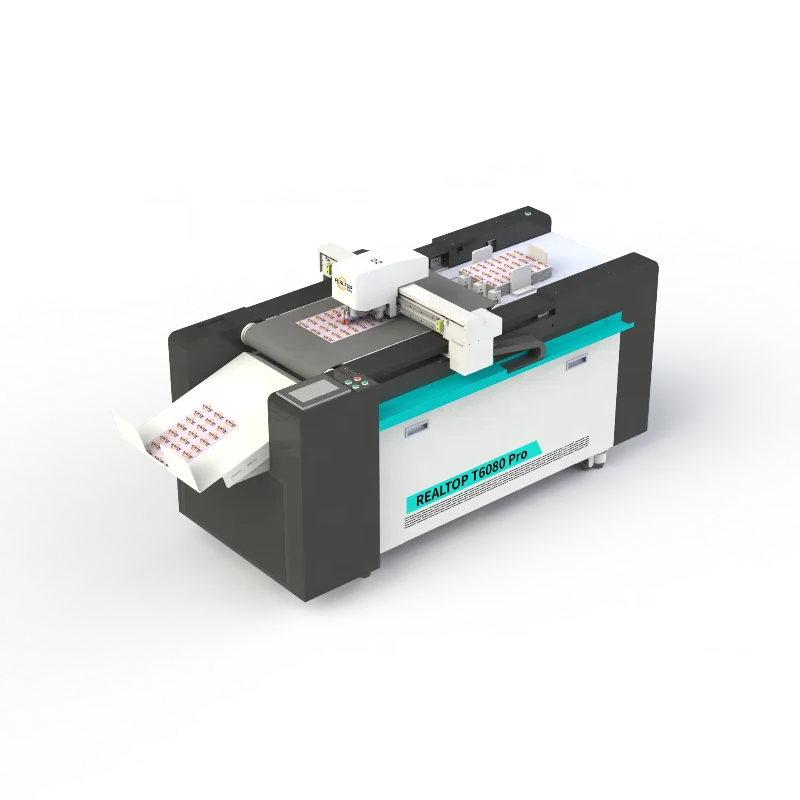
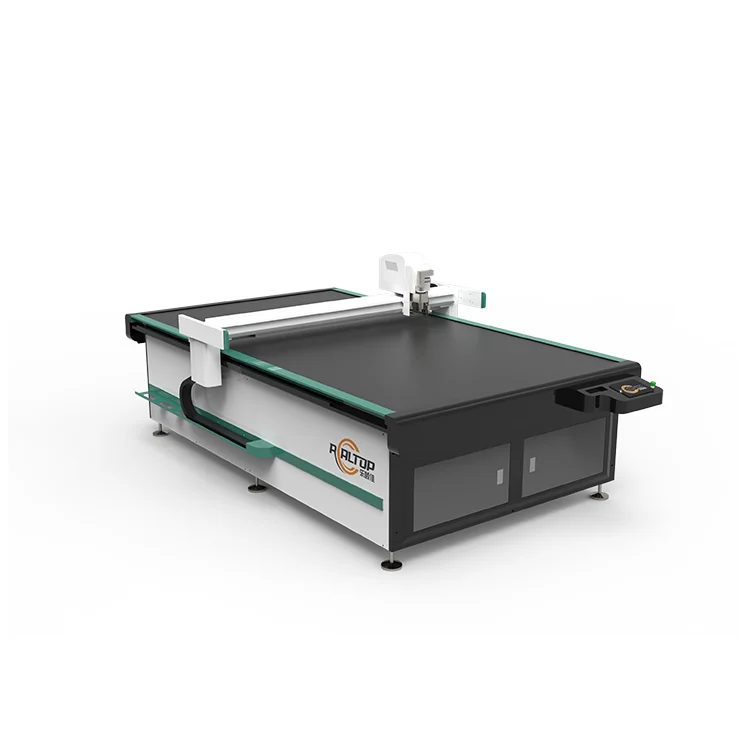
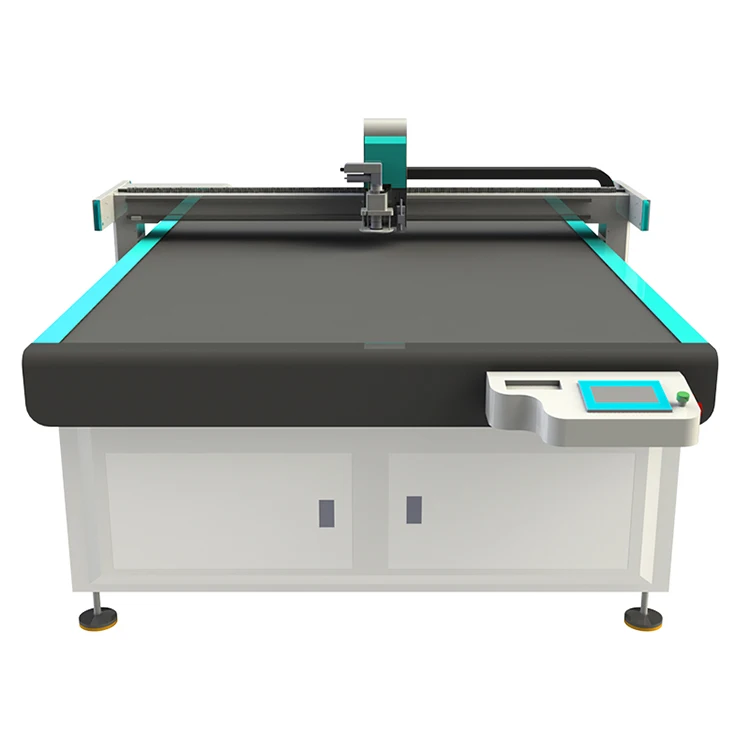
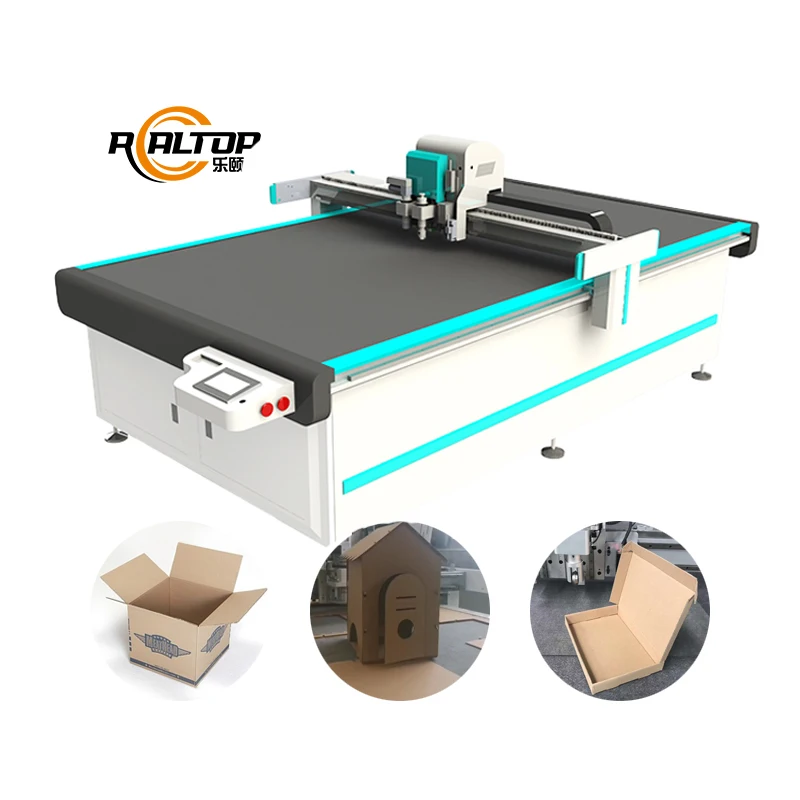
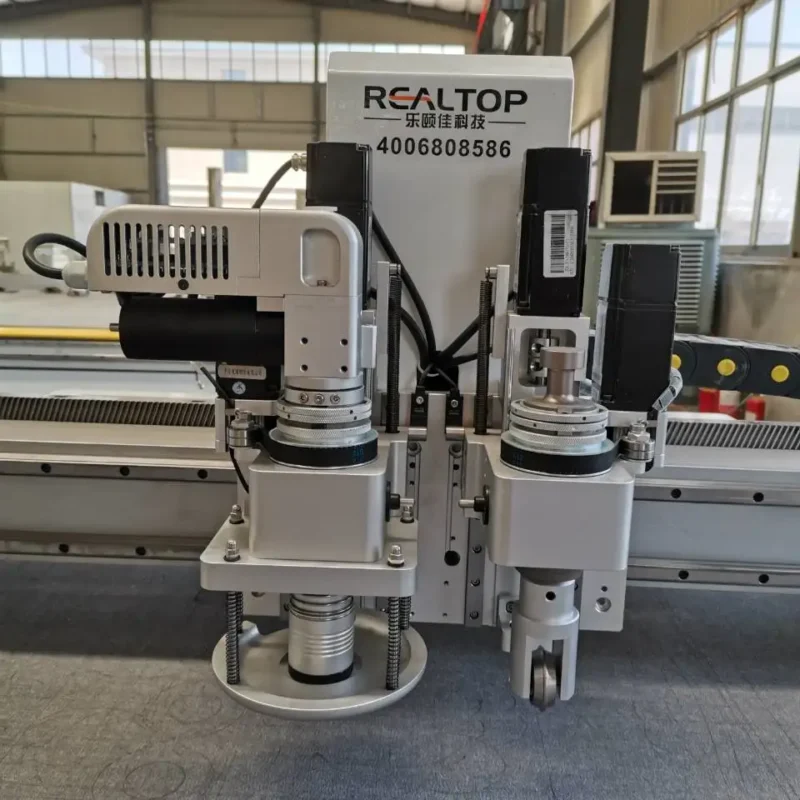
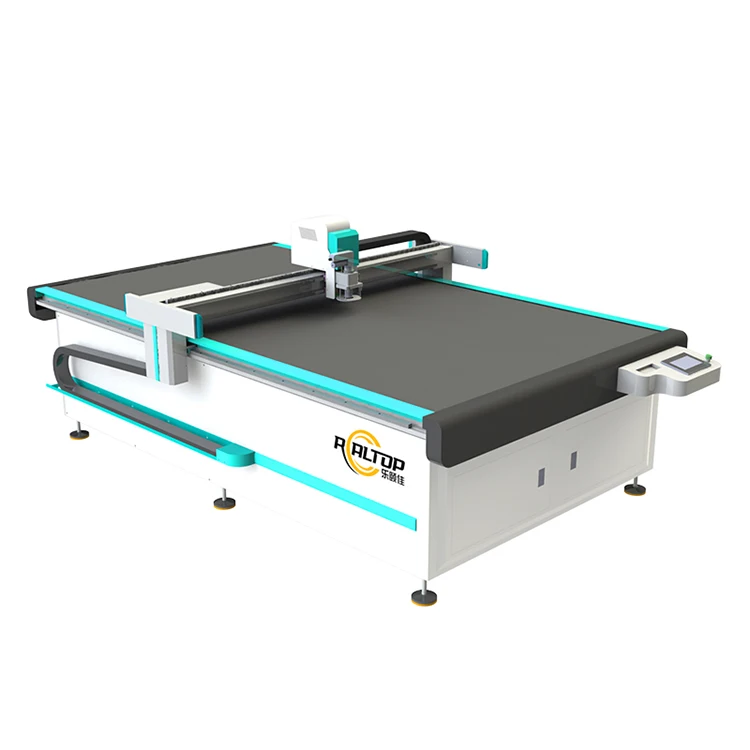
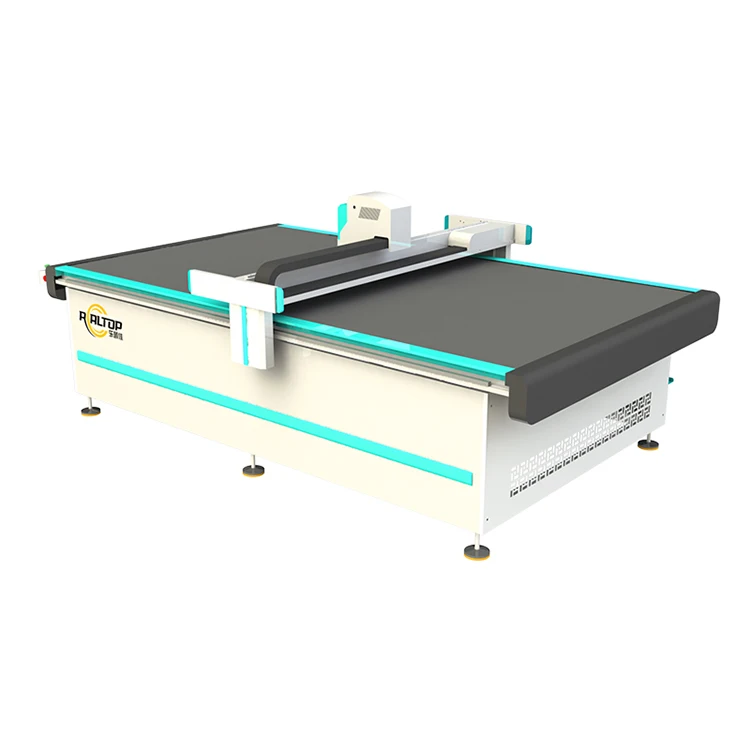
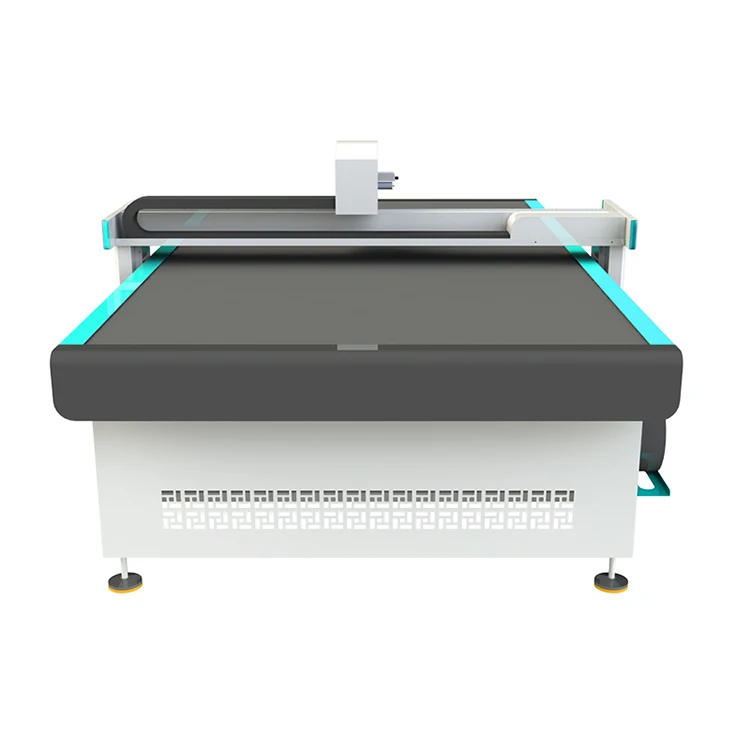
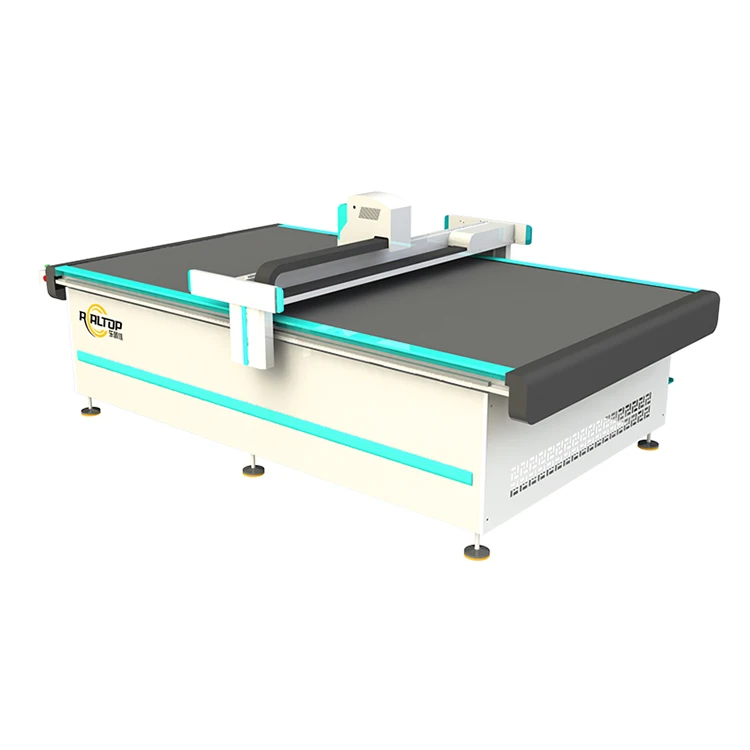
Configurable cutting platform — A single flatbed supports oscillating knife, driven rotary, and creasing tool heads so leather, foam, and carton producers can change the cutting method instead of replacing the machine.
Technical Specifications
| Parameter | Value |
|---|---|
| Product Type | CNC Oscillating Knife Flatbed Cutting Machine |
| Working Area | 1600 × 2500 mm |
| Cutting Thickness Capacity | ≤ 30 mm (material dependent) |
| Positioning Accuracy | ±0.1 mm |
| Tool Head Options | Oscillating knife, Driven rotary knife, Creasing wheel, Kiss cutting tool, Pneumatic knife, Milling tool, V groove knife |
| Cutting Speed | 0–2000 mm/s (basis not stated in source) |
| Vacuum Table | Aluminum bellows vacuum table with 9 kW pump |
| Control System | PLC control panel with optional display languages |
| Supported File Formats | PLT, DXF, AI, PDF |
| Voltage Options | 110V, 220V, 380V (verify frequency for target market) |
| Servo Drive Options | Panasonic, Delta, Dorna (source value — verify against manufacturer catalog) |
| Safety Features | Infrared sensor and emergency stop |
| Machine Dimensions | 3300 × 2100 × 1350 mm |
Application Suitability
| Application | Material or Output |
|---|---|
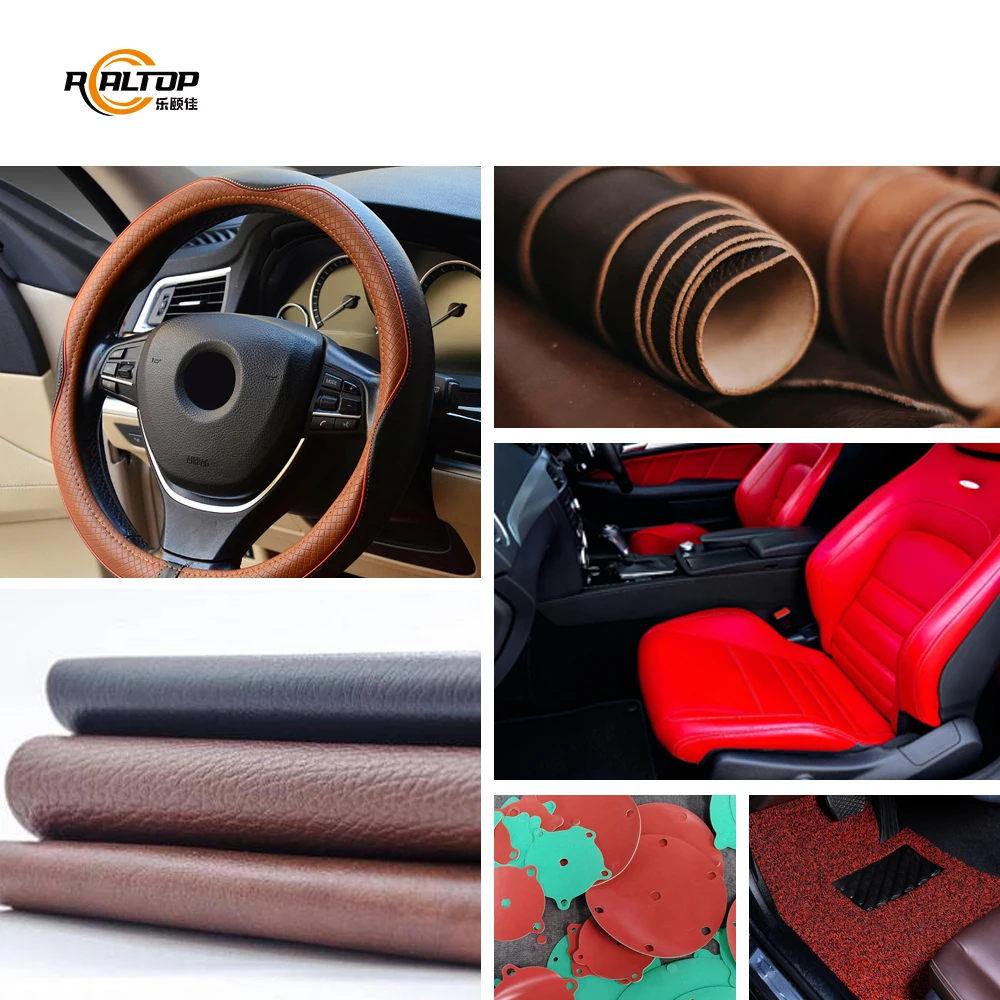
| Footwear and leather goods manufacturing | Shoe uppers, bags, and apparel components cut from genuine or synthetic leather |
| Automotive interior production | Seat covers, car mats, and interior trim from fabric, leather, and composite materials |
| Packaging and carton sample making | Cardboard, foam board, and gift box prototypes using creasing and kiss-cut tooling |
| Signage and advertising production | PVC sheets, acrylic panels, vehicle wraps, and adhesive stickers |
| Soft furniture and home composites | Sofa fabrics, lampshades, and home composite materials |
Why the Voltage Question Must Precede the Machine Order
Confirming site voltage, phase, and frequency before signing the contract prevents servo drive failure and production stoppages.
A machine specified purely on working area often arrives at a facility only to trip the main breaker or burn the servo board on first power-up. I once helped source oscillating knife cutters for a Dubai furniture plant; the purchase order listed 380V, but the workshop ran on 440V/60Hz. The servo board failed immediately, and the factory waited three weeks for an air-freighted transformer while the cutting line sat idle. That kind of downtime is entirely preventable when the electrical schematic and the buyer’s single-line diagram are reconciled before the CNC oscillating knife cutting machine manufacturer begins assembly [NEED_CITE: voltage and frequency standards by export market]. Voltage mismatch is not the only electrical surprise — phase sequence errors and inadequate grounding can damage control boards just as reliably as overvoltage.
Matching the Tool Head to the Material Profile
Leather cutting demands a different tool head than foam gasket production, and forcing a single blade type across all materials is the most common reason buyers report ragged edges or crushed stock. The oscillating knife handles dense genuine leather and multi-layer synthetic hides by vibrating at high frequency to slice cleanly through fibrous grain. For thinner materials like vehicle wraps or adhesive stickers, the kiss cutting tool scores the top layer without penetrating the backing paper, which keeps small decals flat on the conveyor. When the production mix includes both leather uppers and cardboard packaging samples, the creasing wheel folds carton stock along scored lines without severing the sheet, so the same CNC oscillating knife cutting machine manufacturer platform handles both the cut and the fold in a single pass.
Contour Recognition for Printed Leather and Patterned Rolls
Genuine leather hides carry natural grain variations and irregular edges, which means a fixed cutting path wastes usable material. A CCD camera mounted above the work surface reads printed fiducial marks or detects the natural hide boundary, then adjusts the cutting path in real time to maximize yield. This is especially relevant for patterned rolls used in automotive seat covers, where the printed motif must align precisely with the cut contour across hundreds of panels per batch [NEED_CITE: CCD contour recognition in digital cutting systems]. The PLC control panel accepts files in PLT, DXF, AI, and PDF formats, which means the nesting layout prepared in the buyer’s existing CAD environment transfers directly to the machine without intermediate conversion steps.
How Core Parameters Translate to Production Results
The 1600 × 2500 mm working area accommodates full hides and standard sheet stock without repositioning, which matters when cutting long automotive interior panels or large-format signage. The aluminum bellows vacuum table, driven by a 9 kW pump, holds thin and flexible materials flat against the cutting surface; without adequate vacuum pressure, lightweight synthetic leather lifts during the blade stroke and produces dimensionally inaccurate parts. Positioning accuracy of ±0.1 mm ensures that nested patterns — such as dozens of shoe upper pieces cut from a single hide — maintain consistent edge-to-edge spacing, reducing material waste. The cutting thickness capacity of up to 30 mm covers dense foam boards and stacked leather layers, though actual depth depends on material density and the selected tool head. Servo drive selection from Panasonic, Delta, or Dorna affects acceleration response and path-following precision during high-speed contour cuts [NEED_CITE: servo drive influence on CNC motion accuracy].
The Hidden Cost of Skipping Configuration Verification
A buyer who selects a vacuum table without zoning often discovers that small leather patches lift off the table during cutting because the vacuum is distributed across the entire surface rather than concentrated under the workpiece. Similarly, specifying a machine without confirming software compatibility means the buyer’s nesting workflow — which may rely on proprietary file formats or third-party optimization plugins — cannot communicate with the PLC controller. These configuration gaps do not show up in the quotation; they surface weeks after installation when production supervisors realize that the machine runs but cannot integrate into their existing workflow. I have seen importers spend as much time retrofitting software interfaces as they originally spent on the equipment itself [NEED_CITE: CNC machine integration challenges in manufacturing environments].
What Distinguishes the Build Behind This Platform
In-house design covering both knife and laser cutting technologies means the CNC oscillating knife cutting machine manufacturer can recommend the correct cutting method for each material rather than forcing every application through a single blade. Tool head and table configuration are specified per material type and daily volume, so a high-throughput automotive interior line receives a different setup than a bespoke leather goods workshop. Sample cutting on the buyer’s own material is completed before the order is finalized, producing a report that documents tool head selection, speed settings, and edge quality on the actual stock. Voltage, plug type, and control language are confirmed against the buyer’s facility specifications before the machine leaves the factory, which eliminates the electrical mismatch scenario that causes the most severe post-delivery downtime.
Documentation & Verification
- Machine specification sheet listing selected tool heads, table zoning layout, and confirmed voltage
- Electrical schematic cross-referenced with buyer’s facility single-line diagram before assembly
- Sample cutting report on buyer-supplied leather documenting blade type, speed, and edge finish
- Software licence and file format compatibility note confirming PLT, DXF, AI, and PDF support
- Factory test record with video evidence of cutting accuracy and vacuum hold-down performance
- CE declaration with documented scope covering the configured machine variant
Installation, Commissioning & Support
- 3300 × 2100 × 1350 mm footprint requires a level concrete floor with clearance for material loading on at least two sides
- Dedicated electrical circuit matching confirmed voltage (110V, 220V, or 380V) with verified phase sequence and grounding
- Vacuum pump rated at 9 kW requires its own breaker; shared circuits risk tripping during simultaneous blade and pump startup
- PLC control panel language set to operator preference (English, Russian, Italian, Chinese, or custom) before first power-up
- Oscillating knife and driven rotary knife blades included in spare parts kit for initial production runs
- Aluminum bellows vacuum table seals inspected during commissioning to confirm full-surface hold-down on thin leather
Preparing Your Inquiry
Provide the leather type or composite material name, the thickness range you cut most frequently, and the maximum sheet or hide dimensions your workshop handles. Include your facility’s supply voltage, phase configuration, and frequency so the electrical schematic can be matched before production begins. If your design team works in a specific CAD environment or nesting software, list the file formats and any optimization plugins currently in use to confirm software compatibility upfront.
Frequently Asked Questions
Q: How do I choose the right tool head for my leather type without getting ragged edges?
A: Dense genuine leather typically requires the oscillating knife, which vibrates at high frequency to slice through fibrous grain cleanly. Thinner synthetic leathers and adhesive-backed materials work better with the kiss cutting tool, which scores without penetrating the backing. Request sample cutting on your actual stock before ordering so the tool head, speed, and edge quality are documented in advance.
Q: What voltage and frequency confirmation steps happen before shipment?
A: Your facility’s single-line diagram is reviewed against the machine’s electrical schematic to verify voltage, phase, and frequency compatibility. The control panel language is set to your operator’s preference. A voltage confirmation document is signed by both parties before assembly begins, preventing the servo board failures that occur when site power does not match the machine specification.
Q: Can the software read my existing nesting files without conversion?
A: The PLC controller accepts PLT, DXF, AI, and PDF formats directly. Before the order is confirmed, a file format compatibility note documents which formats transfer cleanly and whether your current nesting workflow requires any adjustment. This avoids discovering software incompatibility after the machine arrives at your facility.
Q: What does the sample cutting process involve before I commit to an order?
A: You send a representative sample of your leather or composite material to the factory. The machine cuts your parts using the recommended tool head and speed settings, then a report is returned with cutting video, edge quality photographs, and the exact configuration used. This lets you evaluate results on your own stock before signing the purchase contract.
Configurable cutting platform — A single flatbed supports oscillating knife, driven rotary, and creasing tool heads so leather, foam, and carton producers can change the cutting method instead of replacing the machine.
Technical Specifications
| Parameter | Value |
|---|---|
| Product Type | CNC Oscillating Knife Flatbed Cutting Machine |
| Working Area | 1600 × 2500 mm |
| Cutting Thickness Capacity | ≤ 30 mm (material dependent) |
| Positioning Accuracy | ±0.1 mm |
| Tool Head Options | Oscillating knife, Driven rotary knife, Creasing wheel, Kiss cutting tool, Pneumatic knife, Milling tool, V groove knife |
| Cutting Speed | 0–2000 mm/s (basis not stated in source) |
| Vacuum Table | Aluminum bellows vacuum table with 9 kW pump |
| Control System | PLC control panel with optional display languages |
| Supported File Formats | PLT, DXF, AI, PDF |
| Voltage Options | 110V, 220V, 380V (verify frequency for target market) |
| Servo Drive Options | Panasonic, Delta, Dorna (source value — verify against manufacturer catalog) |
| Safety Features | Infrared sensor and emergency stop |
| Machine Dimensions | 3300 × 2100 × 1350 mm |
Application Suitability
| Application | Material or Output |
|---|---|
| Footwear and leather goods manufacturing | Shoe uppers, bags, and apparel components cut from genuine or synthetic leather |
| Automotive interior production | Seat covers, car mats, and interior trim from fabric, leather, and composite materials |
| Packaging and carton sample making | Cardboard, foam board, and gift box prototypes using creasing and kiss-cut tooling |
| Signage and advertising production | PVC sheets, acrylic panels, vehicle wraps, and adhesive stickers |
| Soft furniture and home composites | Sofa fabrics, lampshades, and home composite materials |
Why the Voltage Question Must Precede the Machine Order
Confirming site voltage, phase, and frequency before signing the contract prevents servo drive failure and production stoppages.
A machine specified purely on working area often arrives at a facility only to trip the main breaker or burn the servo board on first power-up. I once helped source oscillating knife cutters for a Dubai furniture plant; the purchase order listed 380V, but the workshop ran on 440V/60Hz. The servo board failed immediately, and the factory waited three weeks for an air-freighted transformer while the cutting line sat idle. That kind of downtime is entirely preventable when the electrical schematic and the buyer’s single-line diagram are reconciled before the CNC oscillating knife cutting machine manufacturer begins assembly [NEED_CITE: voltage and frequency standards by export market]. Voltage mismatch is not the only electrical surprise — phase sequence errors and inadequate grounding can damage control boards just as reliably as overvoltage.
Matching the Tool Head to the Material Profile
Leather cutting demands a different tool head than foam gasket production, and forcing a single blade type across all materials is the most common reason buyers report ragged edges or crushed stock. The oscillating knife handles dense genuine leather and multi-layer synthetic hides by vibrating at high frequency to slice cleanly through fibrous grain. For thinner materials like vehicle wraps or adhesive stickers, the kiss cutting tool scores the top layer without penetrating the backing paper, which keeps small decals flat on the conveyor. When the production mix includes both leather uppers and cardboard packaging samples, the creasing wheel folds carton stock along scored lines without severing the sheet, so the same CNC oscillating knife cutting machine manufacturer platform handles both the cut and the fold in a single pass.
Contour Recognition for Printed Leather and Patterned Rolls
Genuine leather hides carry natural grain variations and irregular edges, which means a fixed cutting path wastes usable material. A CCD camera mounted above the work surface reads printed fiducial marks or detects the natural hide boundary, then adjusts the cutting path in real time to maximize yield. This is especially relevant for patterned rolls used in automotive seat covers, where the printed motif must align precisely with the cut contour across hundreds of panels per batch [NEED_CITE: CCD contour recognition in digital cutting systems]. The PLC control panel accepts files in PLT, DXF, AI, and PDF formats, which means the nesting layout prepared in the buyer’s existing CAD environment transfers directly to the machine without intermediate conversion steps.
How Core Parameters Translate to Production Results
The 1600 × 2500 mm working area accommodates full hides and standard sheet stock without repositioning, which matters when cutting long automotive interior panels or large-format signage. The aluminum bellows vacuum table, driven by a 9 kW pump, holds thin and flexible materials flat against the cutting surface; without adequate vacuum pressure, lightweight synthetic leather lifts during the blade stroke and produces dimensionally inaccurate parts. Positioning accuracy of ±0.1 mm ensures that nested patterns — such as dozens of shoe upper pieces cut from a single hide — maintain consistent edge-to-edge spacing, reducing material waste. The cutting thickness capacity of up to 30 mm covers dense foam boards and stacked leather layers, though actual depth depends on material density and the selected tool head. Servo drive selection from Panasonic, Delta, or Dorna affects acceleration response and path-following precision during high-speed contour cuts [NEED_CITE: servo drive influence on CNC motion accuracy].
The Hidden Cost of Skipping Configuration Verification
A buyer who selects a vacuum table without zoning often discovers that small leather patches lift off the table during cutting because the vacuum is distributed across the entire surface rather than concentrated under the workpiece. Similarly, specifying a machine without confirming software compatibility means the buyer’s nesting workflow — which may rely on proprietary file formats or third-party optimization plugins — cannot communicate with the PLC controller. These configuration gaps do not show up in the quotation; they surface weeks after installation when production supervisors realize that the machine runs but cannot integrate into their existing workflow. I have seen importers spend as much time retrofitting software interfaces as they originally spent on the equipment itself [NEED_CITE: CNC machine integration challenges in manufacturing environments].
What Distinguishes the Build Behind This Platform
In-house design covering both knife and laser cutting technologies means the CNC oscillating knife cutting machine manufacturer can recommend the correct cutting method for each material rather than forcing every application through a single blade. Tool head and table configuration are specified per material type and daily volume, so a high-throughput automotive interior line receives a different setup than a bespoke leather goods workshop. Sample cutting on the buyer’s own material is completed before the order is finalized, producing a report that documents tool head selection, speed settings, and edge quality on the actual stock. Voltage, plug type, and control language are confirmed against the buyer’s facility specifications before the machine leaves the factory, which eliminates the electrical mismatch scenario that causes the most severe post-delivery downtime.
Documentation & Verification
- Machine specification sheet listing selected tool heads, table zoning layout, and confirmed voltage
- Electrical schematic cross-referenced with buyer’s facility single-line diagram before assembly
- Sample cutting report on buyer-supplied leather documenting blade type, speed, and edge finish
- Software licence and file format compatibility note confirming PLT, DXF, AI, and PDF support
- Factory test record with video evidence of cutting accuracy and vacuum hold-down performance
- CE declaration with documented scope covering the configured machine variant
Installation, Commissioning & Support
- 3300 × 2100 × 1350 mm footprint requires a level concrete floor with clearance for material loading on at least two sides
- Dedicated electrical circuit matching confirmed voltage (110V, 220V, or 380V) with verified phase sequence and grounding
- Vacuum pump rated at 9 kW requires its own breaker; shared circuits risk tripping during simultaneous blade and pump startup
- PLC control panel language set to operator preference (English, Russian, Italian, Chinese, or custom) before first power-up
- Oscillating knife and driven rotary knife blades included in spare parts kit for initial production runs
- Aluminum bellows vacuum table seals inspected during commissioning to confirm full-surface hold-down on thin leather
Preparing Your Inquiry
Provide the leather type or composite material name, the thickness range you cut most frequently, and the maximum sheet or hide dimensions your workshop handles. Include your facility’s supply voltage, phase configuration, and frequency so the electrical schematic can be matched before production begins. If your design team works in a specific CAD environment or nesting software, list the file formats and any optimization plugins currently in use to confirm software compatibility upfront.
Frequently Asked Questions
Q: How do I choose the right tool head for my leather type without getting ragged edges?
A: Dense genuine leather typically requires the oscillating knife, which vibrates at high frequency to slice through fibrous grain cleanly. Thinner synthetic leathers and adhesive-backed materials work better with the kiss cutting tool, which scores without penetrating the backing. Request sample cutting on your actual stock before ordering so the tool head, speed, and edge quality are documented in advance.
Q: What voltage and frequency confirmation steps happen before shipment?
A: Your facility’s single-line diagram is reviewed against the machine’s electrical schematic to verify voltage, phase, and frequency compatibility. The control panel language is set to your operator’s preference. A voltage confirmation document is signed by both parties before assembly begins, preventing the servo board failures that occur when site power does not match the machine specification.
Q: Can the software read my existing nesting files without conversion?
A: The PLC controller accepts PLT, DXF, AI, and PDF formats directly. Before the order is confirmed, a file format compatibility note documents which formats transfer cleanly and whether your current nesting workflow requires any adjustment. This avoids discovering software incompatibility after the machine arrives at your facility.
Q: What does the sample cutting process involve before I commit to an order?
A: You send a representative sample of your leather or composite material to the factory. The machine cuts your parts using the recommended tool head and speed settings, then a report is returned with cutting video, edge quality photographs, and the exact configuration used. This lets you evaluate results on your own stock before signing the purchase contract.
商品评价
There are no reviews yet.