

Fast Delivery
Quick, reliable shipping to any location.

Free & easy returns
Return this item by mail or in store within 90 days for a full refund.
Full Cutting Range Available — Realtop produces both oscillating knife and laser systems in-house, so your leather, textile or composite job gets the method that fits rather than forcing one technology across every material.
Technical Specifications
| Parameter | Value |
|---|---|
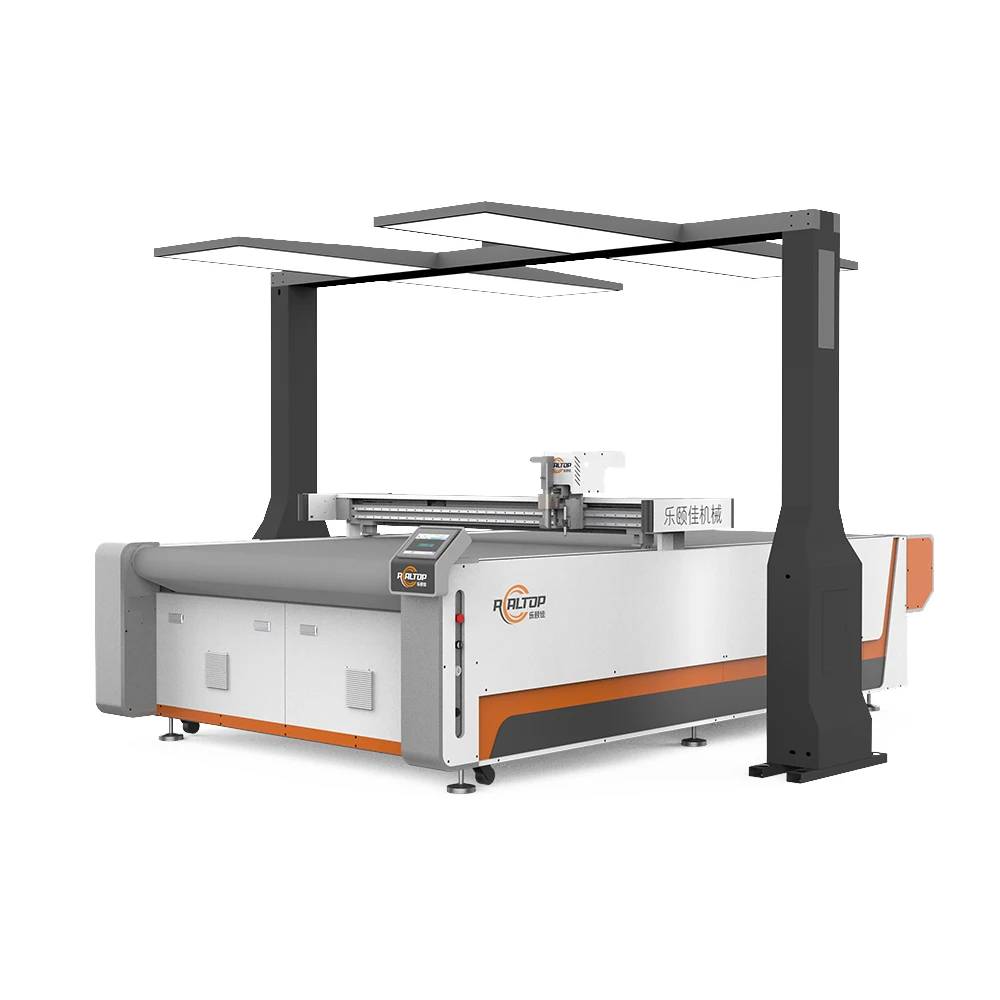
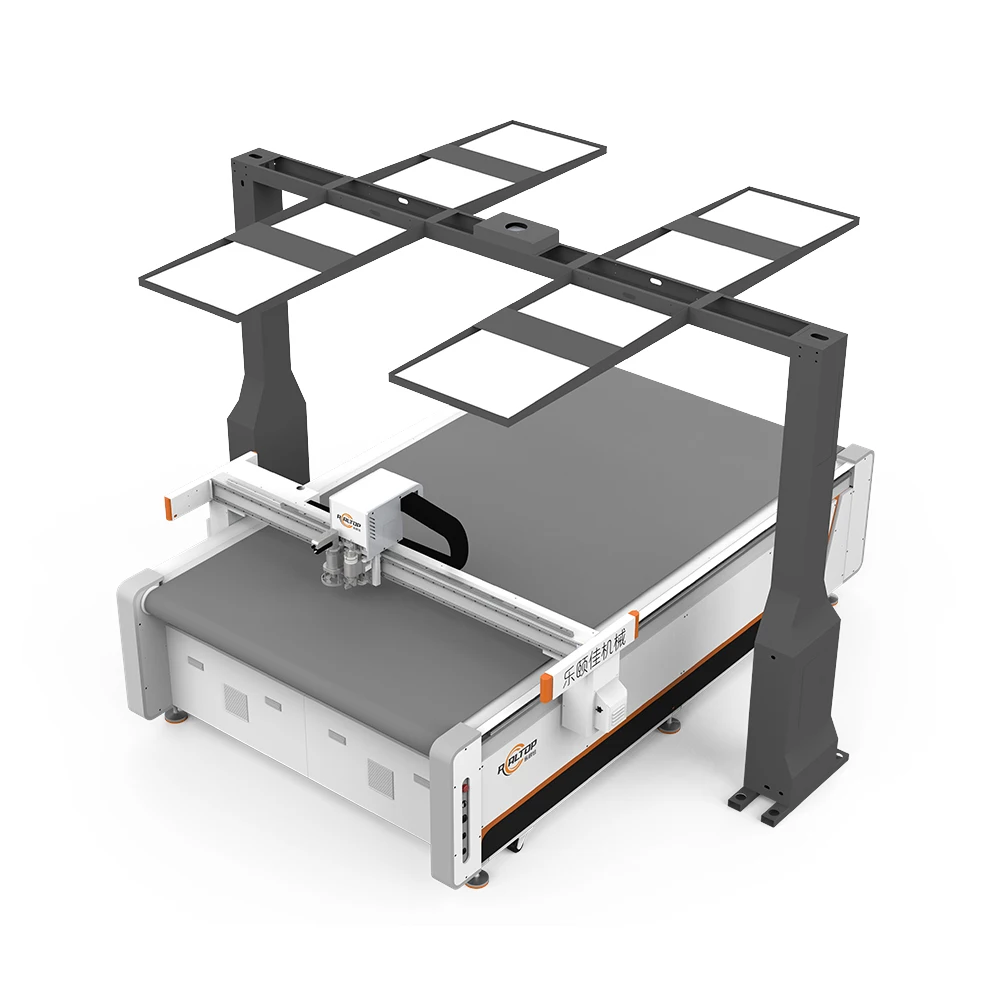
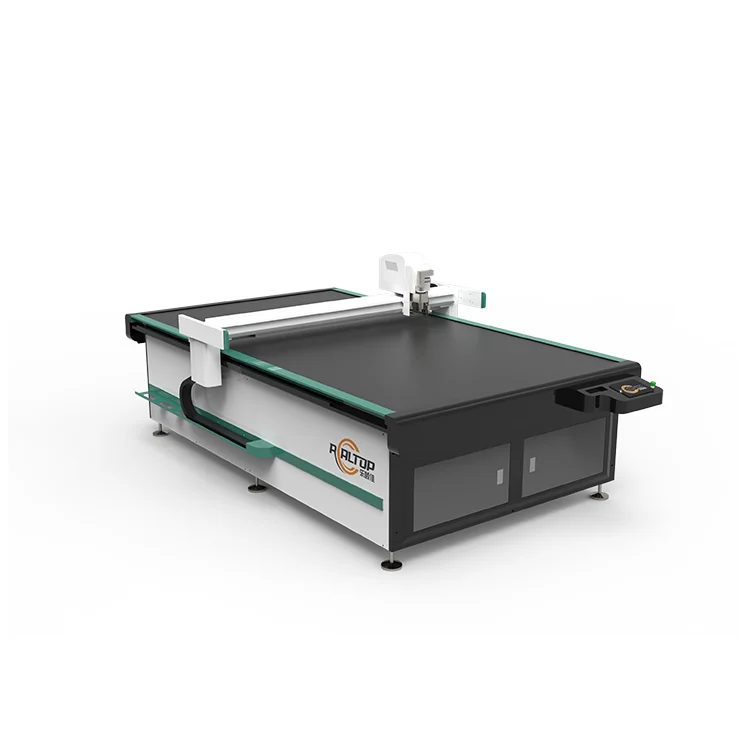
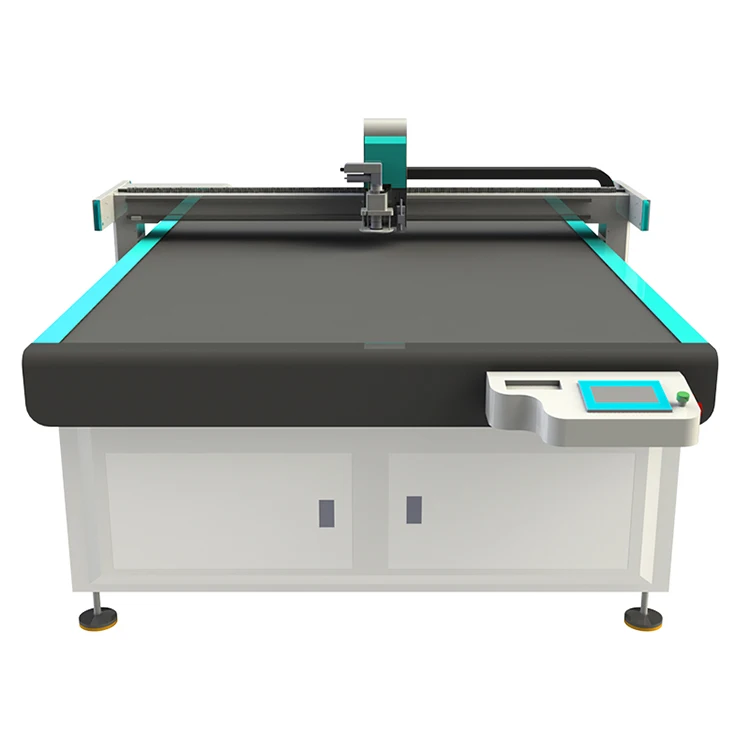
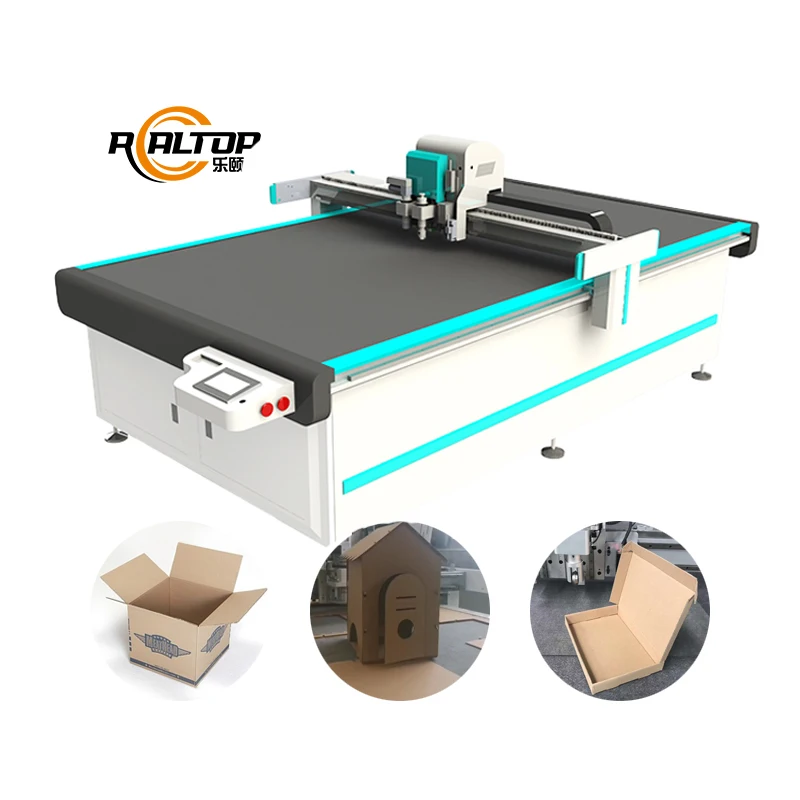
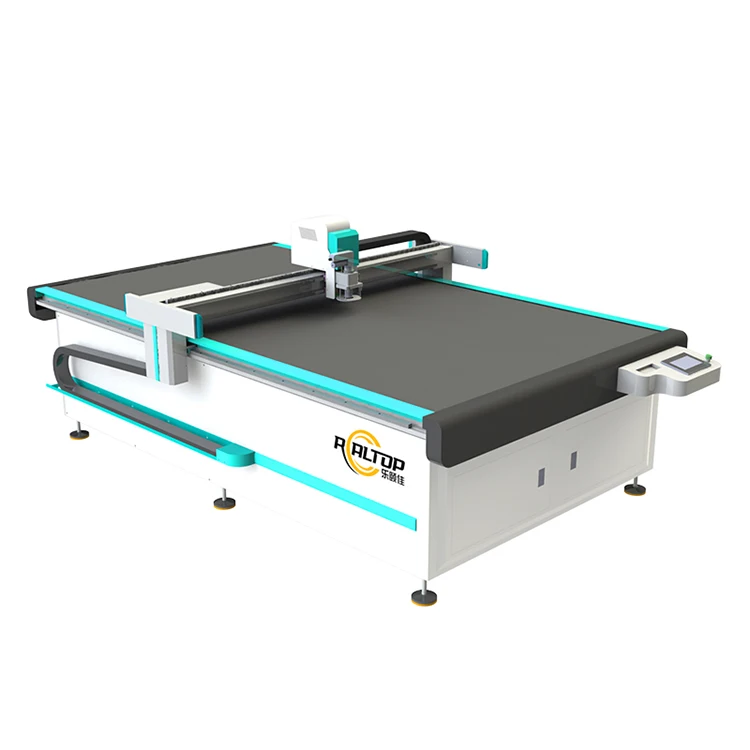
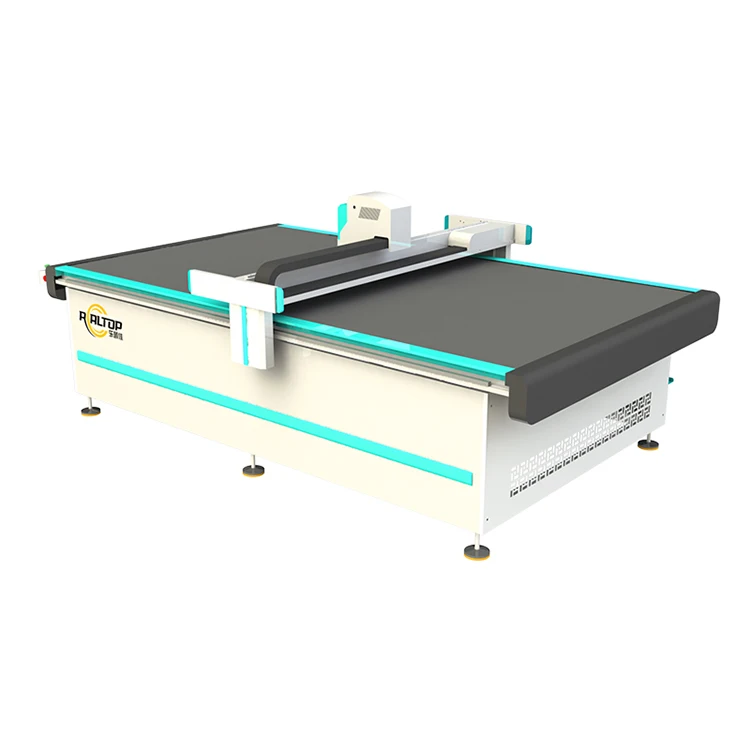
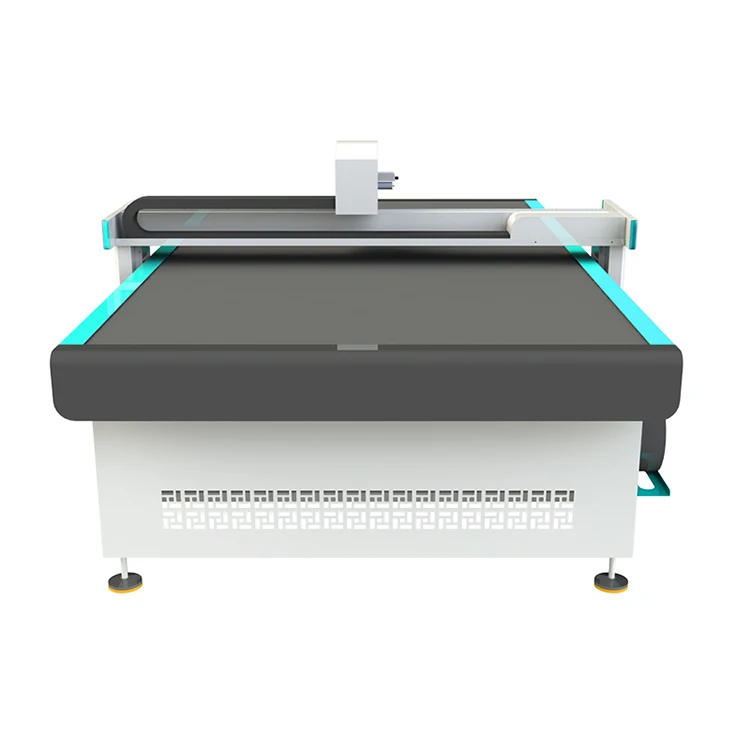
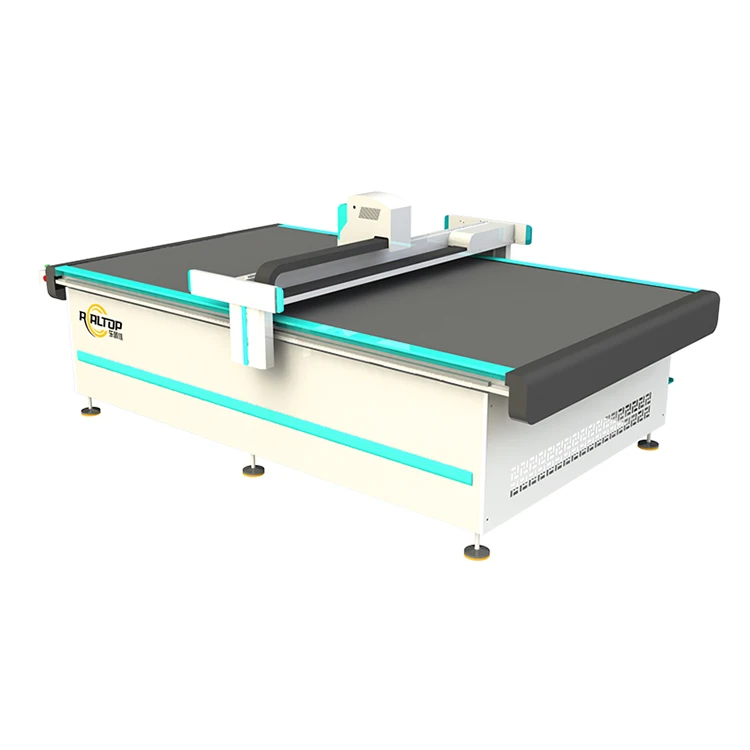
| Product Type | CNC Oscillating Knife Cutting Machine for Leather |
| Working Area | 1600 × 2500 mm |
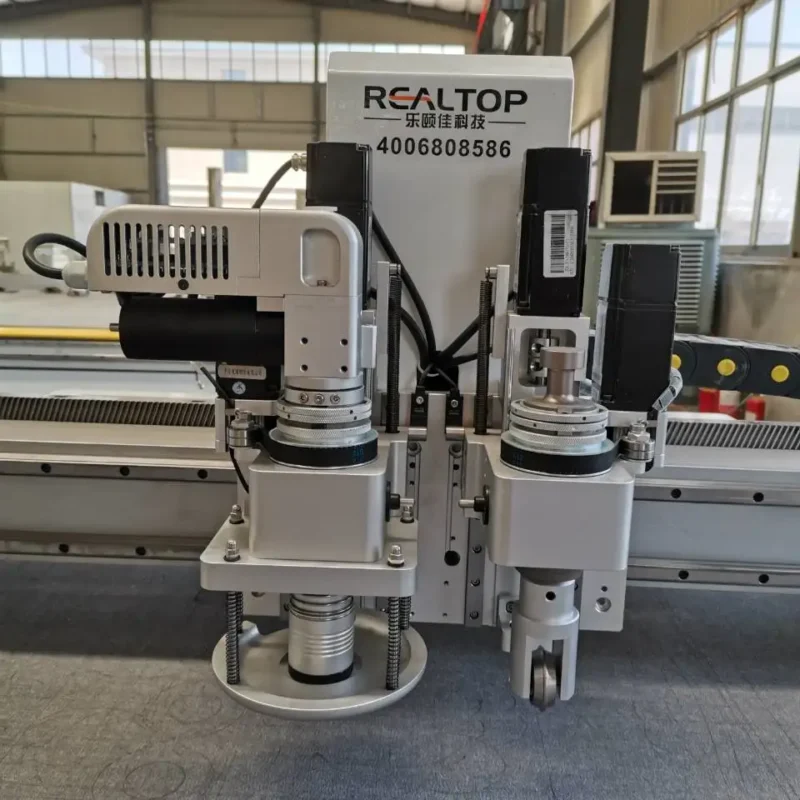
| Tool Head Options | Oscillating knife, Driven rotary knife, Creasing wheel, Kiss cutting tool, Pneumatic knife, Milling tool, V-groove knife |
| Cutting Speed | 0 – 2000 mm/s |
| Cutting Thickness | Up to 30 mm (basis to be confirmed) |
| Cutting Accuracy | ±0.1 mm |
| Vacuum Pump Power | 9 kW |
| Vacuum Table | Aluminum bellows type, full-surface adsorption |
| Control System | PLC with dedicated packaging box structure design software |
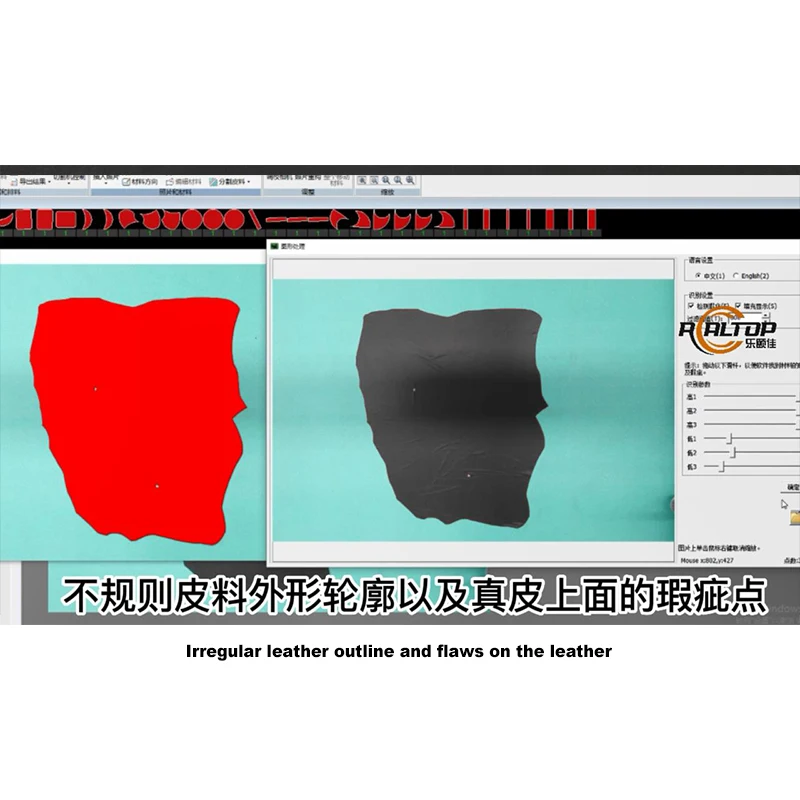
| CCD Camera | Contour recognition and positioning for printed / patterned materials |
| Auto-Nesting System | Camera-based defect detection and path optimization |
| Servo Drive Options | Panasonic, Delta, Dorna |
| File Format Compatibility | PLT, DXF, AI, PDF |
| Voltage Options | 110 V / 220 V / 380 V |
| Language Options | English, Russian, Italian, Chinese (custom languages available) |
| Safety Device | Infrared sensor, emergency stop |
| Machine Dimensions (L × W × H) | 3300 × 2100 × 1350 mm |
| Certification | CE |
Application Suitability
| Application | Material or Output |
|---|---|
| Footwear and leather goods | Shoe uppers, genuine and synthetic leather hides, bag panels |
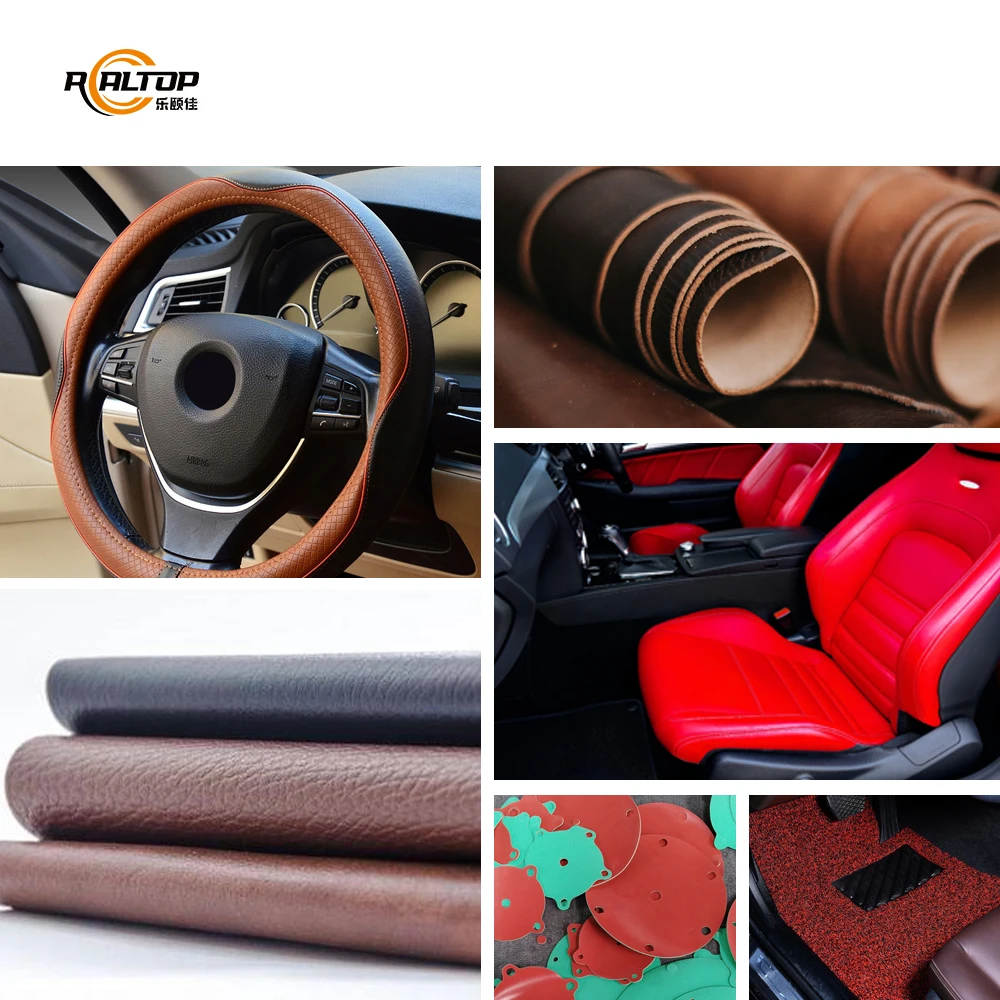
| Automotive interiors | Seat covers, door panel inserts, car mats from leather and composite layers |
| Apparel and soft furnishings | Garment patterns, sofa fabrics, multi-layer textile lays |
| Advertising and signage | Foam boards, adhesive stickers, vehicle wraps, PVC sheets |
| Packaging sample making | Cartons, gift boxes, corrugated board prototypes |
Why the Wrong Tool Head Ruins More Leather Than the Blade Itself
Edge quality on leather is decided by the tool head selection, not just the blade.
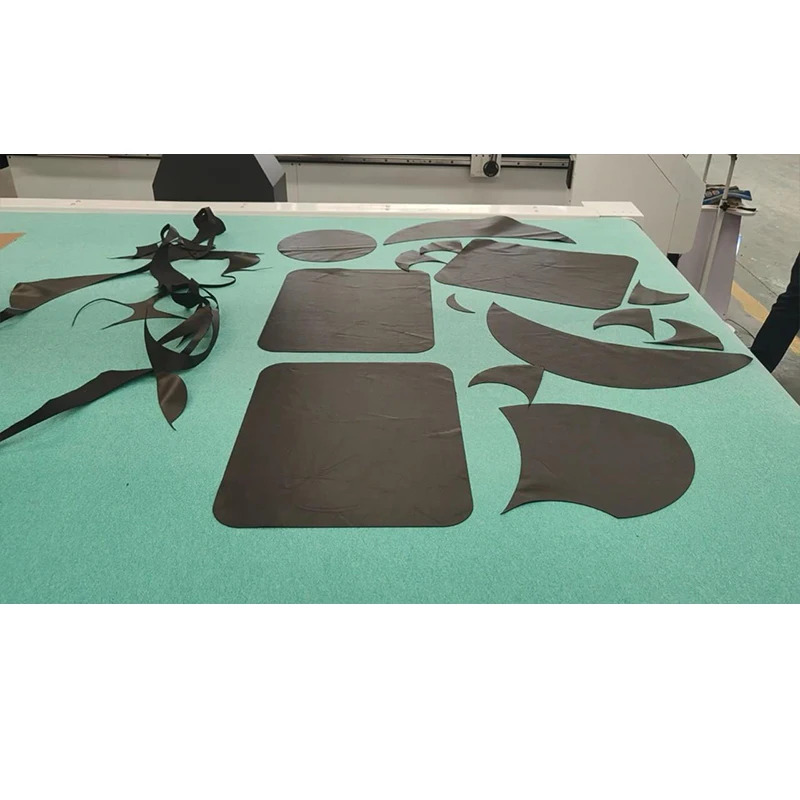
A driven rotary knife slices through thick automotive seat hides cleanly, while an oscillating knife handles thinner garment leather at higher traverse speeds. Choose the wrong one and you get frayed edges on curves or crushed foam backing that fails downstream inspection. I have seen upholstery shops in Southeast Asia run multi-layer leather lays on a single-head oscillating setup meant for single-ply work; the result was ragged edges on every piece below the top layer and a bottleneck that kept the sewing floor waiting [NEED_CITE: cutting tool selection criteria for multi-layer leather and composite hides].
Matching the Cutting Method to the Material Mix
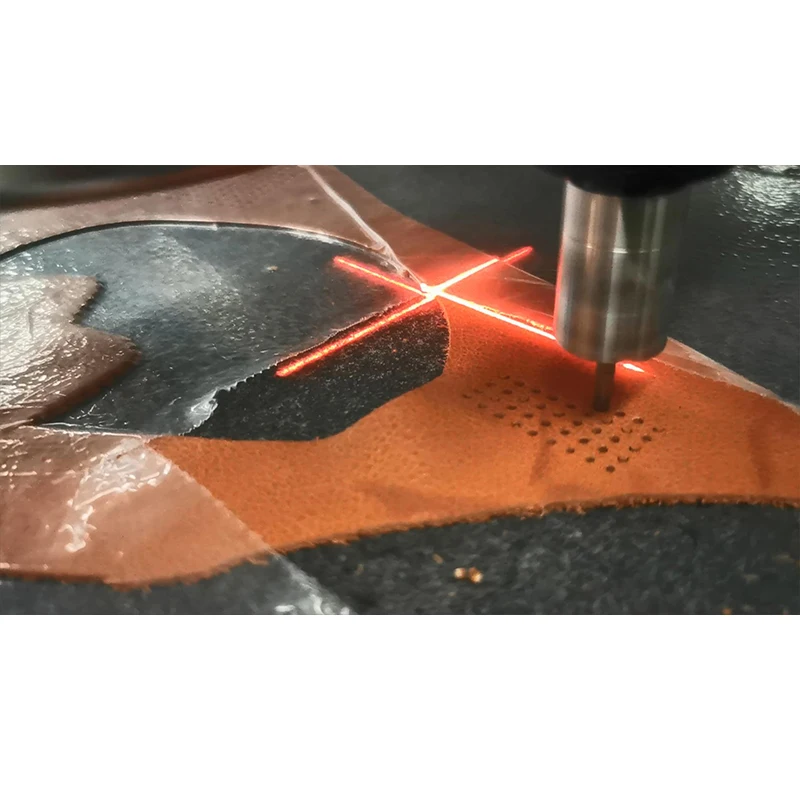
Buyers evaluating a CNC oscillating knife cutting machine for leather often start with the work area, but the real decision is whether knife or laser serves the material mix better. Knife cutting leaves no burnt edge on natural leather and avoids the fume extraction burden that CO2 lasers demand. Laser, however, seals synthetic edges and handles intricate perforation patterns that a blade cannot trace. Realtop builds both systems in-house, which means the recommendation comes from comparing your actual hide types and daily volume rather than pushing one technology forward.
CCD Contour Recognition for Printed and Patterned Rolls
When leather or textile arrives pre-printed with grain patterns or branding, the cutting path must follow the printed contour rather than the theoretical CAD outline. The CCD camera on this table captures printed marks and adjusts the tool path in real time, maintaining alignment across the full 1600 × 2500 mm bed. This matters for automotive leather where stitch-line registration cannot drift by more than a millimetre [NEED_CITE: CCD positioning accuracy standards for printed contour cutting]. Without it, nested pieces cut slightly off-pattern waste expensive hides and trigger rejection at the assembly station.
Reading the Spec Sheet Beyond Table Size
The 9 kW vacuum pump drives full-surface adsorption through an aluminum bellows table, but the zoning configuration determines whether small parts stay flat during cutting. A full-bed vacuum zone works for large hide panels, yet shoe-upper nests with dozens of small pieces need partitioned zones to prevent lift. Cutting thickness reaches up to 30 mm depending on material density; confirm this against your specific leather type and backing thickness before committing to an order. The ±0.1 mm accuracy figure is achievable when the servo drive system — selectable among Panasonic, Delta or Dorna — is matched to the cutting speed and material resistance of your production job.
The Cost of Skipping a Sample Cut on Your Own Material
Specifying a machine from a brochure alone leaves blind spots that only appear on the production floor. A vacuum table that holds a large panel firmly may let small gasket pieces lift at 2000 mm/s traverse speed. A CCD system that tracks high-contrast marks in testing may lose registration on low-contrast printed leather under workshop lighting. Requesting a sample cut on your actual hide thickness and print pattern before commitment exposes these issues early, rather than discovering them after installation [NEED_CITE: pre-purchase material testing protocols for CNC cutting equipment].
What Separates This Source from Trading Houses
In-house design covers both knife and laser platforms, so the cutting method recommendation comes from engineering comparison rather than inventory pressure. Tool head and vacuum zone configurations are specified per your material thickness and part size, not shipped as a default package. CCD camera positioning and auto-nesting with defect detection are validated on your printed rolls before the order is finalised. Voltage, plug type and control language are confirmed in writing before production starts, avoiding the 380 V machine arriving at a 220 V workshop. Sample cutting reports on your own leather or composite material are standard, not an optional extra.
Documentation & Verification
- Machine specification sheet covering every tool head and table option included in your order
- Electrical schematic with voltage, frequency and plug type confirmed for your facility
- Sample cutting report on your leather hide type and thickness before dispatch
- Software licence and file format compatibility note for PLT, DXF, AI and PDF workflows
- Factory test record showing cutting accuracy and vacuum hold-down on your material
Installation, Commissioning & Support
- 9 kW vacuum pump requires a dedicated circuit separate from the PLC control and servo drives
- 3300 × 2100 mm footprint needs clear access on three sides for material loading and maintenance
- First-run calibration of CCD camera positioning against your printed leather patterns on site
- Tool head changeover training for oscillating, rotary and kiss-cutting attachments included
- Spare parts list with wear items specific to your configured knife and wheel selection
- Control language set to your preference from English, Russian, Italian, Chinese or a custom option
What to Include in Your Inquiry
Share the specific leather type, hide thickness and whether you cut single-ply or multi-layer lays. Confirm the daily nesting volume and whether printed contour tracking is needed for patterned materials. State the local voltage and frequency, the preferred control language, and whether your existing CAD workflow outputs in PLT, DXF, AI or PDF so software compatibility is verified before quotation.
Frequently Asked Questions
Q: How do I decide between knife cutting and laser for my leather products?
A: Natural leather generally suits knife cutting because it avoids burnt edges and the fume extraction infrastructure a CO2 laser requires. Laser works better for synthetic leather where edge sealing is desired or for intricate perforation patterns. Providing your material mix and daily volume allows a direct comparison on the right platform.
Q: Which tool head prevents ragged edges on thick automotive leather?
A: A driven rotary knife typically handles dense, multi-layer automotive hides more cleanly than an oscillating knife, which can struggle past 10 mm of layered material. The correct head depends on your exact hide thickness, backing type and lay count, all of which should be tested on your own material before order commitment.
Q: Will the CCD camera track printed patterns at full production speed?
A: The CCD system recognises printed contour marks and adjusts the cutting path dynamically, but performance depends on mark contrast and lighting conditions in your workshop. A sample cut on your actual printed leather at target speed is the only reliable validation before you sign off on the configuration.
Q: What electrical and software details should I confirm before shipment?
A: Voltage, frequency, plug type and control language must all be locked in writing before production begins. On the software side, confirm that your existing file formats — PLT, DXF, AI or PDF — import correctly and that the nesting workflow matches your current production planning system.
Full Cutting Range Available — Realtop produces both oscillating knife and laser systems in-house, so your leather, textile or composite job gets the method that fits rather than forcing one technology across every material.
Technical Specifications
| Parameter | Value |
|---|---|
| Product Type | CNC Oscillating Knife Cutting Machine for Leather |
| Working Area | 1600 × 2500 mm |
| Tool Head Options | Oscillating knife, Driven rotary knife, Creasing wheel, Kiss cutting tool, Pneumatic knife, Milling tool, V-groove knife |
| Cutting Speed | 0 – 2000 mm/s |
| Cutting Thickness | Up to 30 mm (basis to be confirmed) |
| Cutting Accuracy | ±0.1 mm |
| Vacuum Pump Power | 9 kW |
| Vacuum Table | Aluminum bellows type, full-surface adsorption |
| Control System | PLC with dedicated packaging box structure design software |
| CCD Camera | Contour recognition and positioning for printed / patterned materials |
| Auto-Nesting System | Camera-based defect detection and path optimization |
| Servo Drive Options | Panasonic, Delta, Dorna |
| File Format Compatibility | PLT, DXF, AI, PDF |
| Voltage Options | 110 V / 220 V / 380 V |
| Language Options | English, Russian, Italian, Chinese (custom languages available) |
| Safety Device | Infrared sensor, emergency stop |
| Machine Dimensions (L × W × H) | 3300 × 2100 × 1350 mm |
| Certification | CE |
Application Suitability
| Application | Material or Output |
|---|---|
| Footwear and leather goods | Shoe uppers, genuine and synthetic leather hides, bag panels |
| Automotive interiors | Seat covers, door panel inserts, car mats from leather and composite layers |
| Apparel and soft furnishings | Garment patterns, sofa fabrics, multi-layer textile lays |
| Advertising and signage | Foam boards, adhesive stickers, vehicle wraps, PVC sheets |
| Packaging sample making | Cartons, gift boxes, corrugated board prototypes |
Why the Wrong Tool Head Ruins More Leather Than the Blade Itself
Edge quality on leather is decided by the tool head selection, not just the blade.
A driven rotary knife slices through thick automotive seat hides cleanly, while an oscillating knife handles thinner garment leather at higher traverse speeds. Choose the wrong one and you get frayed edges on curves or crushed foam backing that fails downstream inspection. I have seen upholstery shops in Southeast Asia run multi-layer leather lays on a single-head oscillating setup meant for single-ply work; the result was ragged edges on every piece below the top layer and a bottleneck that kept the sewing floor waiting [NEED_CITE: cutting tool selection criteria for multi-layer leather and composite hides].
Matching the Cutting Method to the Material Mix
Buyers evaluating a CNC oscillating knife cutting machine for leather often start with the work area, but the real decision is whether knife or laser serves the material mix better. Knife cutting leaves no burnt edge on natural leather and avoids the fume extraction burden that CO2 lasers demand. Laser, however, seals synthetic edges and handles intricate perforation patterns that a blade cannot trace. Realtop builds both systems in-house, which means the recommendation comes from comparing your actual hide types and daily volume rather than pushing one technology forward.
CCD Contour Recognition for Printed and Patterned Rolls
When leather or textile arrives pre-printed with grain patterns or branding, the cutting path must follow the printed contour rather than the theoretical CAD outline. The CCD camera on this table captures printed marks and adjusts the tool path in real time, maintaining alignment across the full 1600 × 2500 mm bed. This matters for automotive leather where stitch-line registration cannot drift by more than a millimetre [NEED_CITE: CCD positioning accuracy standards for printed contour cutting]. Without it, nested pieces cut slightly off-pattern waste expensive hides and trigger rejection at the assembly station.
Reading the Spec Sheet Beyond Table Size
The 9 kW vacuum pump drives full-surface adsorption through an aluminum bellows table, but the zoning configuration determines whether small parts stay flat during cutting. A full-bed vacuum zone works for large hide panels, yet shoe-upper nests with dozens of small pieces need partitioned zones to prevent lift. Cutting thickness reaches up to 30 mm depending on material density; confirm this against your specific leather type and backing thickness before committing to an order. The ±0.1 mm accuracy figure is achievable when the servo drive system — selectable among Panasonic, Delta or Dorna — is matched to the cutting speed and material resistance of your production job.
The Cost of Skipping a Sample Cut on Your Own Material
Specifying a machine from a brochure alone leaves blind spots that only appear on the production floor. A vacuum table that holds a large panel firmly may let small gasket pieces lift at 2000 mm/s traverse speed. A CCD system that tracks high-contrast marks in testing may lose registration on low-contrast printed leather under workshop lighting. Requesting a sample cut on your actual hide thickness and print pattern before commitment exposes these issues early, rather than discovering them after installation [NEED_CITE: pre-purchase material testing protocols for CNC cutting equipment].
What Separates This Source from Trading Houses
In-house design covers both knife and laser platforms, so the cutting method recommendation comes from engineering comparison rather than inventory pressure. Tool head and vacuum zone configurations are specified per your material thickness and part size, not shipped as a default package. CCD camera positioning and auto-nesting with defect detection are validated on your printed rolls before the order is finalised. Voltage, plug type and control language are confirmed in writing before production starts, avoiding the 380 V machine arriving at a 220 V workshop. Sample cutting reports on your own leather or composite material are standard, not an optional extra.
Documentation & Verification
- Machine specification sheet covering every tool head and table option included in your order
- Electrical schematic with voltage, frequency and plug type confirmed for your facility
- Sample cutting report on your leather hide type and thickness before dispatch
- Software licence and file format compatibility note for PLT, DXF, AI and PDF workflows
- Factory test record showing cutting accuracy and vacuum hold-down on your material
Installation, Commissioning & Support
- 9 kW vacuum pump requires a dedicated circuit separate from the PLC control and servo drives
- 3300 × 2100 mm footprint needs clear access on three sides for material loading and maintenance
- First-run calibration of CCD camera positioning against your printed leather patterns on site
- Tool head changeover training for oscillating, rotary and kiss-cutting attachments included
- Spare parts list with wear items specific to your configured knife and wheel selection
- Control language set to your preference from English, Russian, Italian, Chinese or a custom option
What to Include in Your Inquiry
Share the specific leather type, hide thickness and whether you cut single-ply or multi-layer lays. Confirm the daily nesting volume and whether printed contour tracking is needed for patterned materials. State the local voltage and frequency, the preferred control language, and whether your existing CAD workflow outputs in PLT, DXF, AI or PDF so software compatibility is verified before quotation.
Frequently Asked Questions
Q: How do I decide between knife cutting and laser for my leather products?
A: Natural leather generally suits knife cutting because it avoids burnt edges and the fume extraction infrastructure a CO2 laser requires. Laser works better for synthetic leather where edge sealing is desired or for intricate perforation patterns. Providing your material mix and daily volume allows a direct comparison on the right platform.
Q: Which tool head prevents ragged edges on thick automotive leather?
A: A driven rotary knife typically handles dense, multi-layer automotive hides more cleanly than an oscillating knife, which can struggle past 10 mm of layered material. The correct head depends on your exact hide thickness, backing type and lay count, all of which should be tested on your own material before order commitment.
Q: Will the CCD camera track printed patterns at full production speed?
A: The CCD system recognises printed contour marks and adjusts the cutting path dynamically, but performance depends on mark contrast and lighting conditions in your workshop. A sample cut on your actual printed leather at target speed is the only reliable validation before you sign off on the configuration.
Q: What electrical and software details should I confirm before shipment?
A: Voltage, frequency, plug type and control language must all be locked in writing before production begins. On the software side, confirm that your existing file formats — PLT, DXF, AI or PDF — import correctly and that the nesting workflow matches your current production planning system.
商品评价
There are no reviews yet.