



Fast Delivery
Quick, reliable shipping to any location.

Free & easy returns
Return this item by mail or in store within 90 days for a full refund.
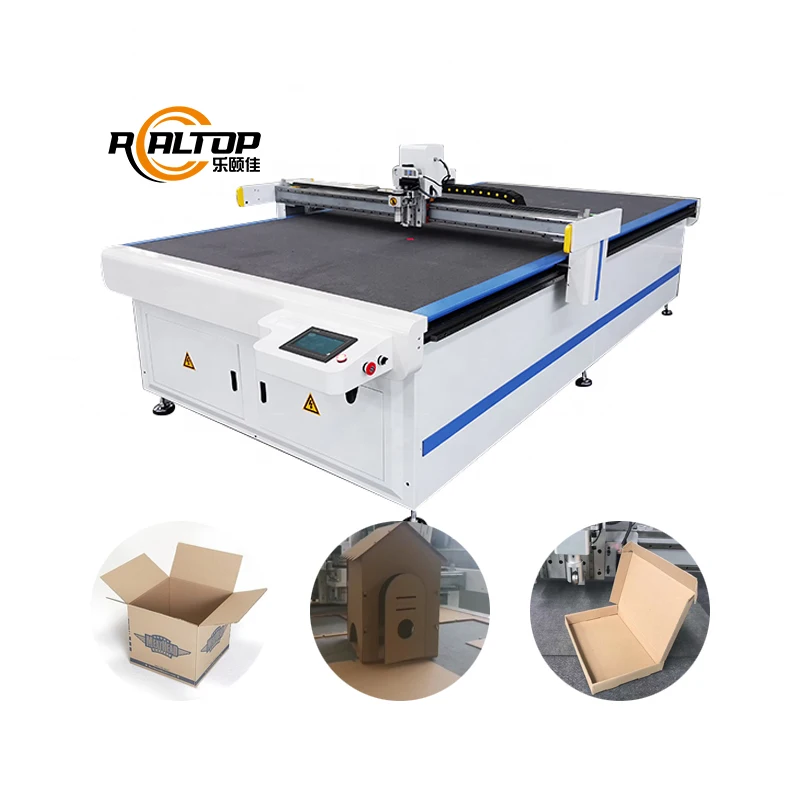
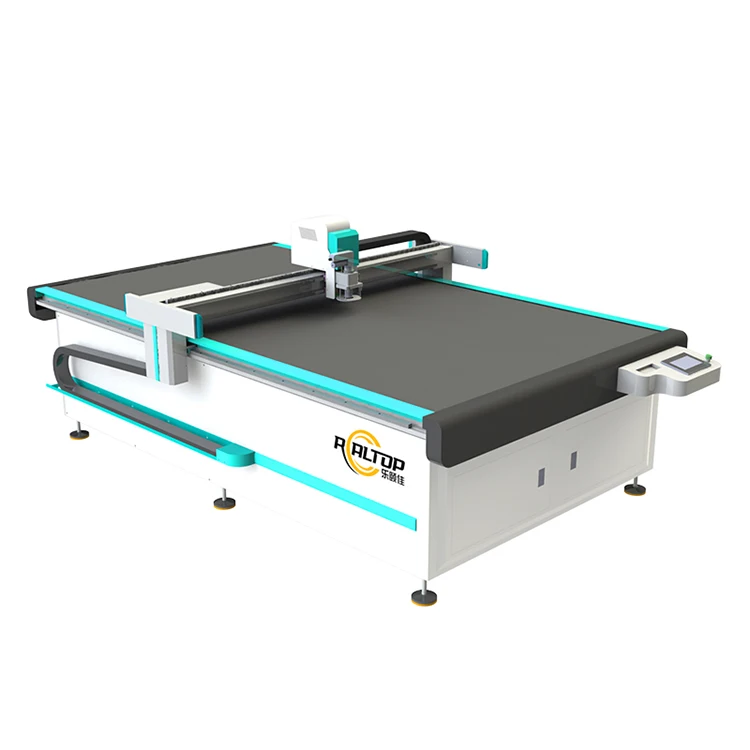
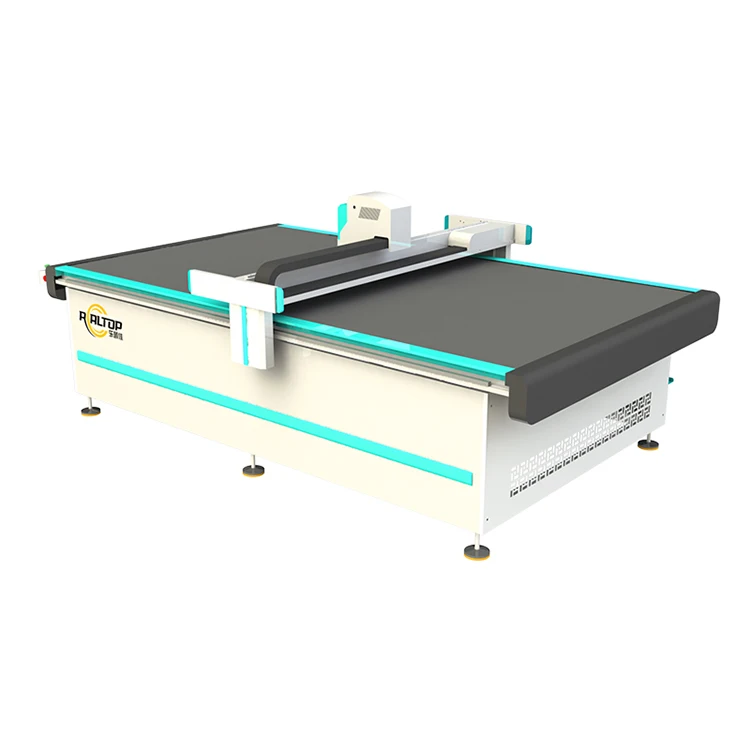
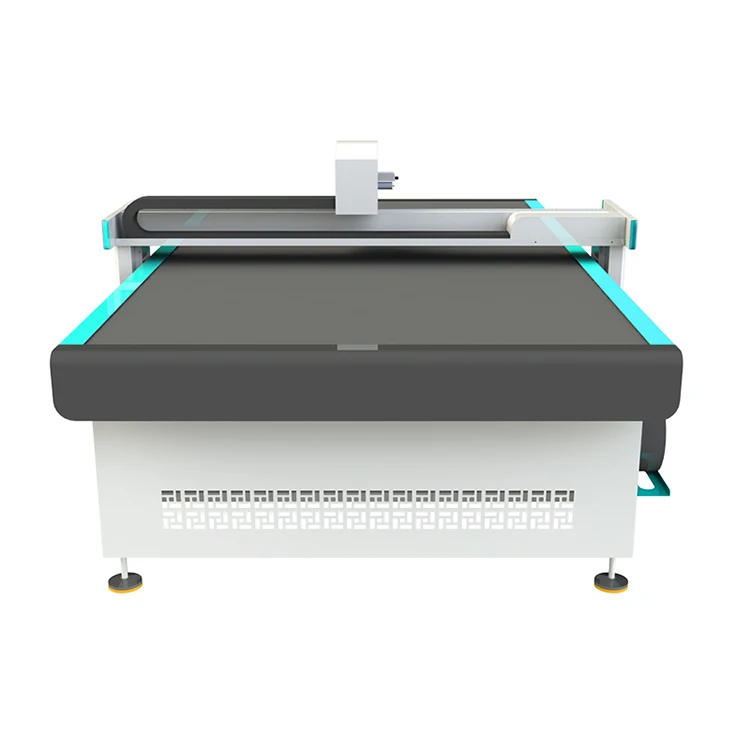
Configured per material — Every RT-D2516/RT-S2516 flatbed digital cutting machine ships with a documented sample cutting report on the buyer’s own substrate, ensuring vacuum zoning, tool head selection and knife amplitude are verified before the crate is sealed.
Technical Specifications
| Parameter | Value |
|---|---|
| Model | RT-D2516/RT-S2516 |
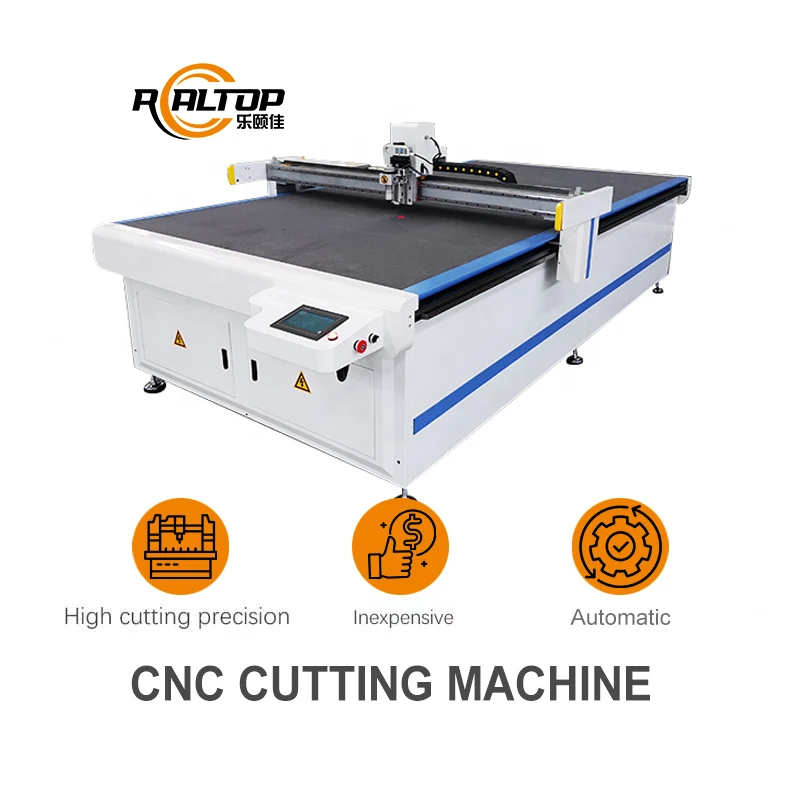
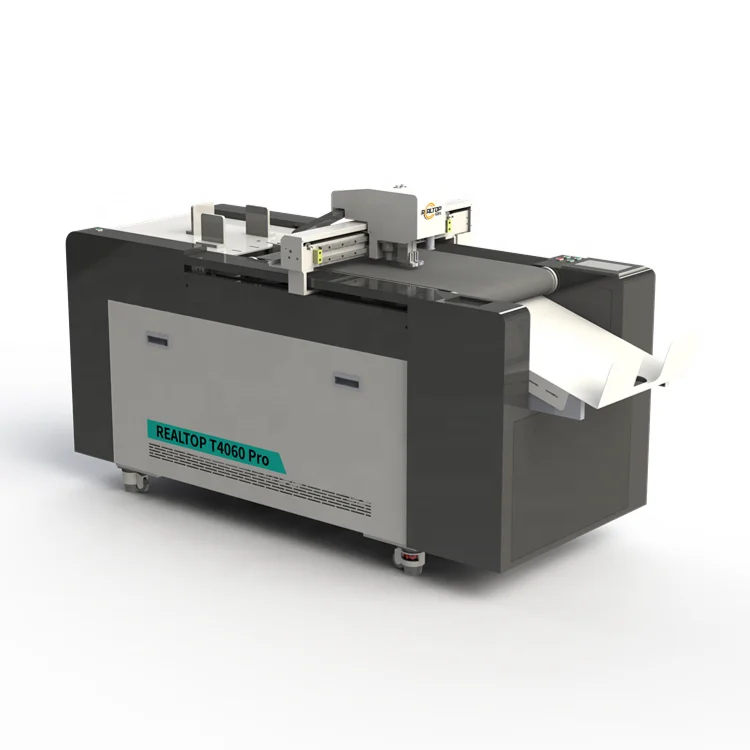
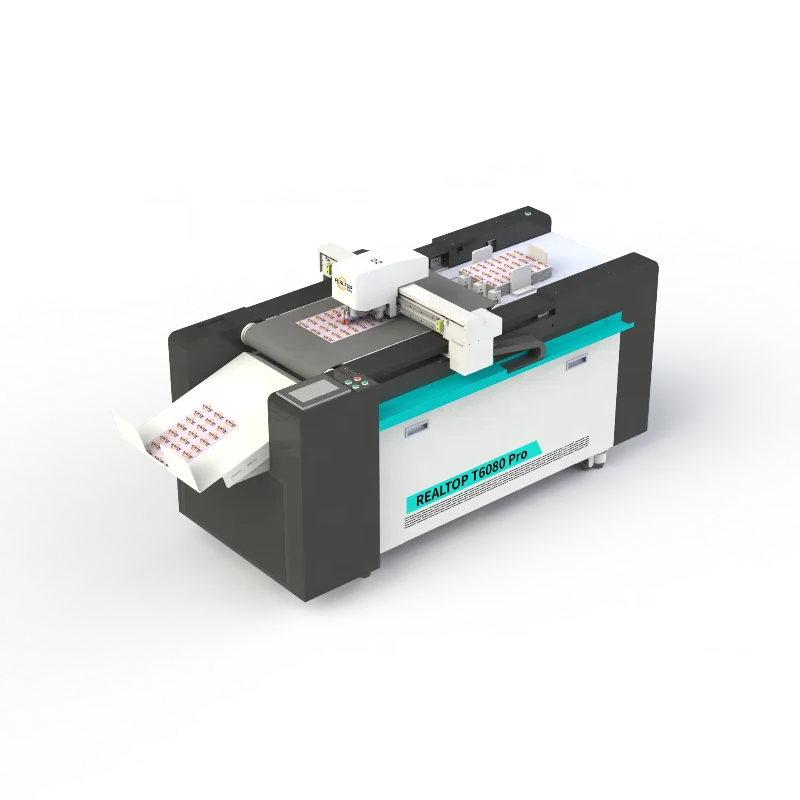
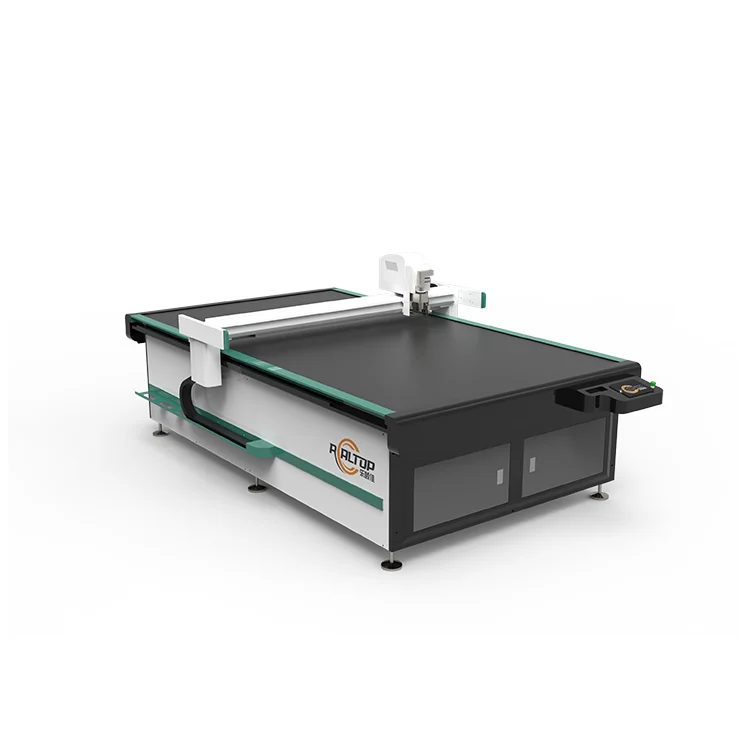
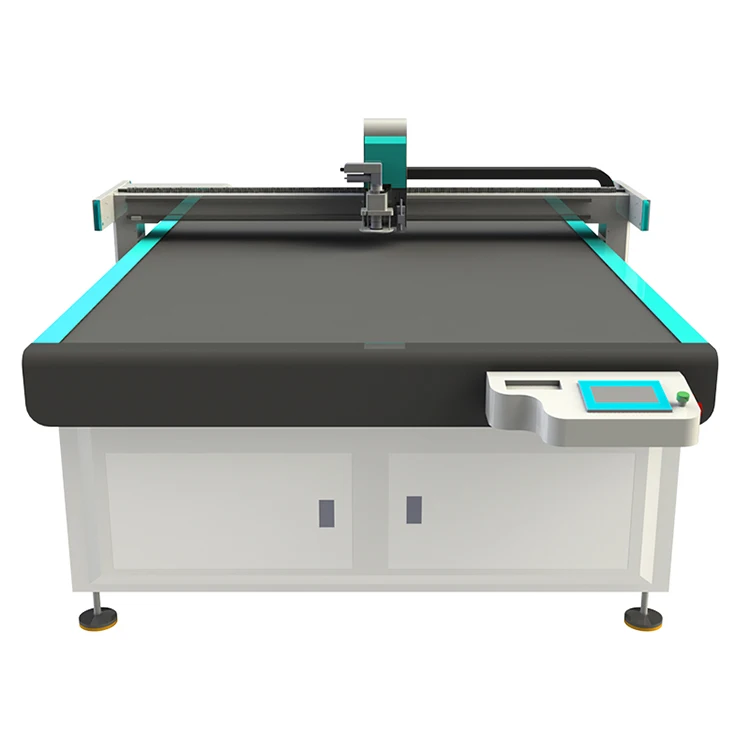
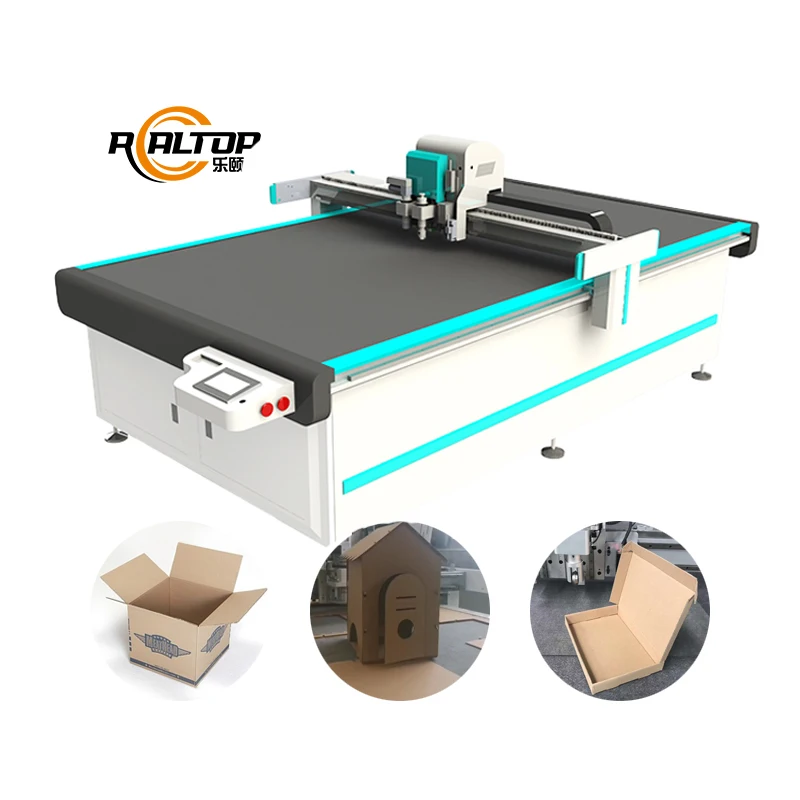
| Product Type | CNC Flatbed Digital Cutting Machine |
| Working Area | 1600 × 2500 mm |
| Machine Size | 3450 × 2300 × 1250 mm |
| Rated Power | 9 kW |
| Table Type | Flat working table with vacuum adsorption |
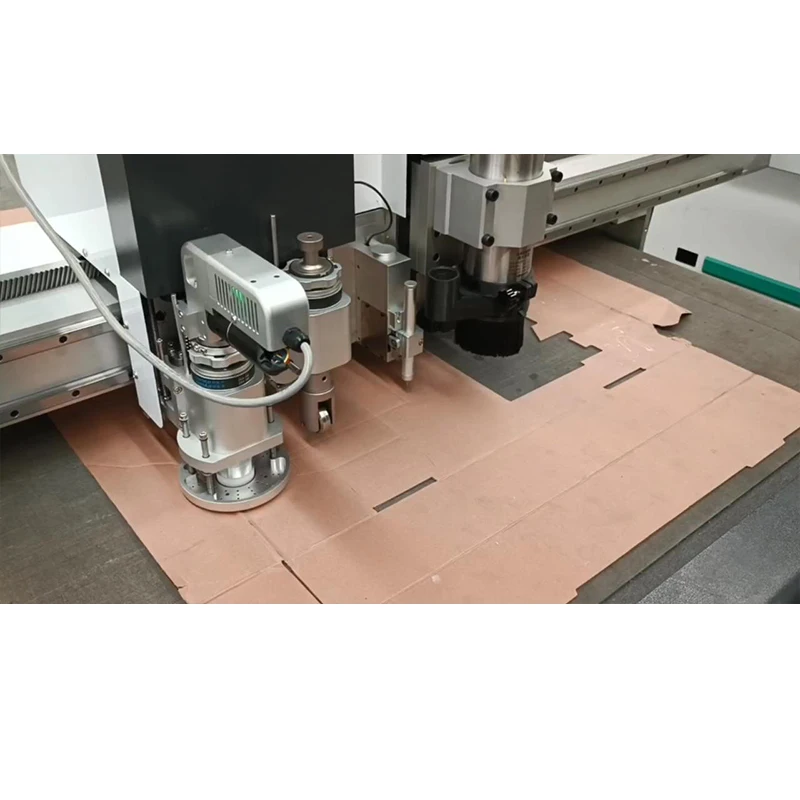
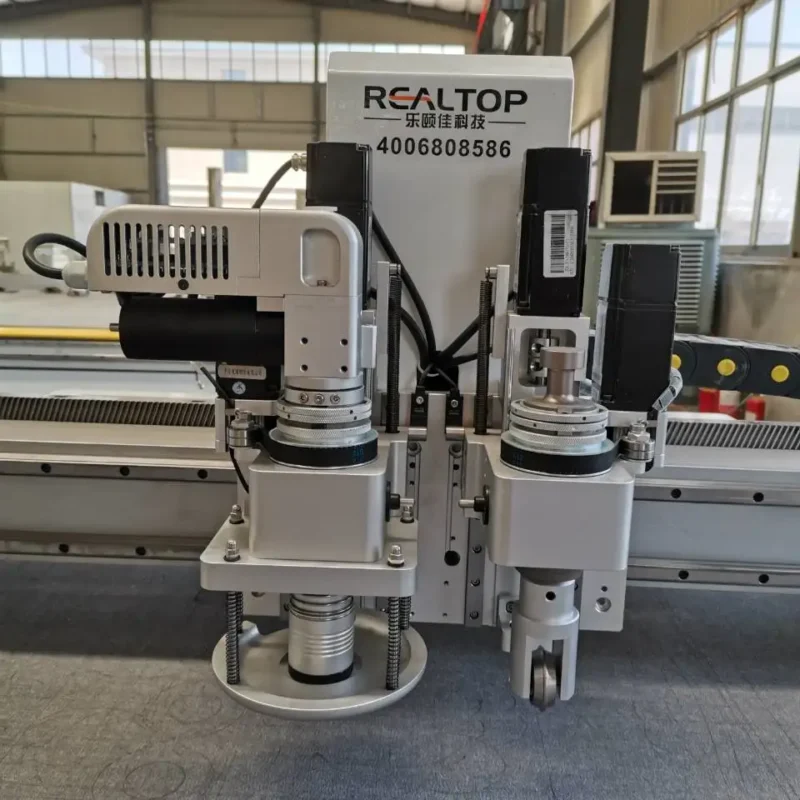
| Multifunctional Head | Swiss imported knife: vibration full cutting, vibration half cutting, cursor location |
| Safety Device | Infrared sensors |
| Translational Velocity | 800–1200 mm/s |
| Cutting Thickness | 200–800 mm (source value — verify against manufacturer catalog; likely typo for mm, not mm/s) |
| Cutting Materials | Leather, clothing flexible material, sponge composite leather, PVC, soft glass, silicon, rubber |
| Repeated Accuracy | ≤0.1 mm |
| Transmission System | Digital servo motor, linear guide, synchronous belt, ball screw (imported) |
| Instruction System | HP-GL compatible format |
| Voltage | 380V ±10% |
| Additional Configuration | Delta servo motor, Germany imported conveyor belt, auto feeding, Taiwan Hiwin rail, 7.5 kW vacuum pump |
| Certification | CE (where applicable) |
Application Suitability
| Application | Material or Output |
|---|---|
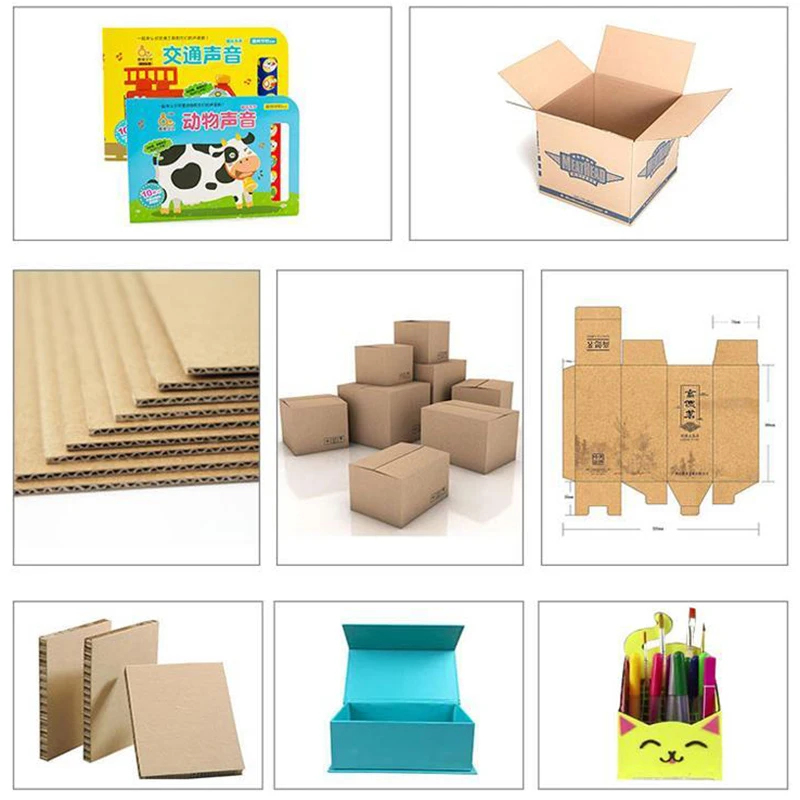
| Packaging and carton sample making | Corrugated board, folding carton stock, gift box prototypes |
| Sticker and label contour cutting | Self-adhesive vinyl, printed sticker sheets on release liner |
| Billboard and signage production | PVC foam board, soft glass, flexible banner material |
| Leather goods manufacturing | Natural and synthetic leather, sponge composite leather |
| Garment and footwear prototyping | Clothing flexible fabrics, rubber gasket stock, silicon sheet |
| Tag and business card finishing | Card stock, laminated tag material, thin plastic sheet |
What "Working Area" Alone Fails to Tell You About a CNC Flatbed Digital Cutting Machine
Cutting area is the least important specification if the vacuum table cannot hold your smallest part flat at production speed.
Buyers frequently shortlist a CNC flatbed digital cutting machine for sale based on bed size, then discover during commissioning that the vacuum zoning does not match their part geometry. Small stickers and narrow carton panels lift off the table mid-cut, producing ragged edges and wasted material. I have walked into workshops where the operator was manually re-positioning sheets every few minutes because the vacuum zones were sized for large-format work only. [NEED_CITE: vacuum table zoning requirements for small-format die-free cutting]
How the Vacuum Platform Changes the Cut Quality on Thin Flexible Stock
The aluminum honeycomb vacuum platform on the RT-D2516/RT-S2516 is paired with a 7.5 kW vacuum pump and zone-following capability. When cutting small sticker outlines or narrow gasket profiles, the active zone shrinks to the contour of the part, concentrating suction exactly where the knife is working. This matters more than total suction area because a wide-open zone spreads the holding force across empty space. For a CNC flatbed digital cutting machine for sale in the flexible material segment, vacuum zone strategy often separates a clean edge from a lifted, torn one.
Swiss Knife Head and What Vibration Amplitude Means for Sponge Composite
The Swiss imported oscillating knife supports both full-depth and half-depth vibration cutting plus cursor location. Half cutting is critical for kiss-cutting sticker sheets where the blade must sever the vinyl face without scoring the silicone release liner underneath. Full vibration mode handles sponge composite leather and thicker PVC where a static drag knife would crush rather than slice the material. The oscillation frequency allows the blade to part the fibers cleanly instead of dragging them. [NEED_CITE: oscillating knife versus drag knife on composite flexible materials]
Reading the Specification Sheet Like a Production Engineer
The 800–1200 mm/s translational velocity is the speed at which the head travels between cuts, not the cutting speed through material — a distinction that directly affects daily throughput. The Taiwan Hiwin linear rail and ball screw transmission deliver ≤0.1 mm repeated accuracy, which is the tolerance that determines whether nested carton patterns will slot together without hand-trimming on the assembly bench. The 380V ±10% supply requirement means buyers in regions with unstable industrial grids need to confirm transformer availability before installation. Delta servo motors provide closed-loop position feedback, so a skipped step during a long unattended run will trigger an alarm rather than silently producing scrap. The HP-GL compatible instruction system accepts standard vector files, but nesting software compatibility with the buyer’s existing DXF or AI workflow must still be confirmed file by file.
The Cost of Skipping the Material Trial Before Shipment
A machine configured for single-wall corrugated will struggle with high-density double-wall board if the vacuum zoning and knife amplitude are not adjusted accordingly. I have seen small-format sticker jobs scrapped at nearly a third of the run because the vacuum table zones were left in large-format mode and the parts floated during the final contour pass. Ragged edges on sponge composite often trace back to the wrong tool head being specified from a brochure rather than from an actual sample test. These are not warranty issues — they are specification gaps that could have been closed with a sample cutting report before the machine left the factory. [NEED_CITE: material trial protocols for CNC knife cutting equipment before dispatch]
Why the RT-D2516/RT-S2516 Is Specified This Way
In-house design covers both knife and laser cutting methods, so the buyer is guided toward the correct process for the material rather than forced into a single technology. The tool head and table configuration on each RT-D2516/RT-S2516 is specified against the buyer’s material type, thickness and daily volume before quotation is issued. Software compatibility is confirmed with sample files before the order is locked, avoiding format surprises during commissioning. Sample cutting on the buyer’s own material produces a documented report that travels with the machine. Voltage, plug type and control language are verified against the destination market’s industrial standards before the electrical cabinet is wired. [NEED_CITE: CE machinery directive compliance for exported CNC cutting equipment]
Documentation & Verification
- Machine specification sheet listing confirmed tool head and vacuum zone configuration
- Electrical schematic with voltage and frequency matched to destination market
- Sample cutting report on the buyer’s own material before dispatch
- HP-GL file format compatibility note covering nesting software workflow
- Spare parts list covering Swiss knife blades, vacuum seals and belt segments
- Factory test record with repeated accuracy measurement logged before crating
Installation, Commissioning & Support
- 3450 × 2300 mm footprint requires level concrete floor with clearance for auto-feeding conveyor on the infeed side
- 9 kW rated power demands a dedicated 380V ±10% three-phase circuit with isolated earth
- Machine ships with table and gantry separated; re-assembly requires alignment of Hiwin rails on site
- First-run commissioning includes vacuum zone mapping to the buyer’s typical part geometry
- Operator training covers half-cut versus full-cut knife amplitude selection per material
- 7.5 kW vacuum pump filter and conveyor belt tension require scheduled inspection each quarter
What We Need to Quote Accurately
Send the material type, maximum sheet size, thickest gauge you plan to cut and the typical daily volume so we can specify vacuum zoning and knife configuration correctly. Confirm the industrial voltage and frequency at your facility, the control language your operators need, and whether your existing design files are in DXF, AI or another vector format. If you are cutting printed contours for stickers or tags, let us know the registration mark style so we can confirm recognition capability before building the machine.
Frequently Asked Questions
Q: How is the cutting method and tool head matched to my material type and thickness?
A: We run a sample cutting test on your actual material before the order is confirmed. The test determines whether vibration full cutting, half cutting or a drag knife produces the cleanest edge. The resulting sample cutting report documents the knife amplitude, blade type and vacuum zone setting, and those values become the baseline configuration shipped with the machine.
Q: What working area and vacuum table zoning options are available for my sheet size?
A: The RT-D2516/RT-S2516 provides a 1600 × 2500 mm bed with zone-following vacuum adsorption. Active zones can be restricted to the contour of the part being cut, which is essential when processing small stickers or narrow carton panels that would otherwise lift on a wide-open zone. The exact zone map is configured during factory testing against your part geometry.
Q: Does the software support my existing file formats and nesting workflow?
A: The instruction system accepts HP-GL compatible format, and the included nesting software handles standard vector files. Before the order is finalized we request a sample file from your existing workflow — DXF, AI or equivalent — and verify import, nesting output and toolpath generation. Any format gap is resolved before production starts.
Q: What voltage, plug and control language options are available for my destination market?
A: The standard supply is 380V ±10% three-phase, and the electrical cabinet is wired to match the confirmed destination voltage and frequency. Plug type and control panel language are specified at order. The electrical schematic provided before shipment documents the exact configuration for your local electrician and compliance inspector.
Configured per material — Every RT-D2516/RT-S2516 flatbed digital cutting machine ships with a documented sample cutting report on the buyer’s own substrate, ensuring vacuum zoning, tool head selection and knife amplitude are verified before the crate is sealed.
Technical Specifications
| Parameter | Value |
|---|---|
| Model | RT-D2516/RT-S2516 |
| Product Type | CNC Flatbed Digital Cutting Machine |
| Working Area | 1600 × 2500 mm |
| Machine Size | 3450 × 2300 × 1250 mm |
| Rated Power | 9 kW |
| Table Type | Flat working table with vacuum adsorption |
| Multifunctional Head | Swiss imported knife: vibration full cutting, vibration half cutting, cursor location |
| Safety Device | Infrared sensors |
| Translational Velocity | 800–1200 mm/s |
| Cutting Thickness | 200–800 mm (source value — verify against manufacturer catalog; likely typo for mm, not mm/s) |
| Cutting Materials | Leather, clothing flexible material, sponge composite leather, PVC, soft glass, silicon, rubber |
| Repeated Accuracy | ≤0.1 mm |
| Transmission System | Digital servo motor, linear guide, synchronous belt, ball screw (imported) |
| Instruction System | HP-GL compatible format |
| Voltage | 380V ±10% |
| Additional Configuration | Delta servo motor, Germany imported conveyor belt, auto feeding, Taiwan Hiwin rail, 7.5 kW vacuum pump |
| Certification | CE (where applicable) |
Application Suitability
| Application | Material or Output |
|---|---|
| Packaging and carton sample making | Corrugated board, folding carton stock, gift box prototypes |
| Sticker and label contour cutting | Self-adhesive vinyl, printed sticker sheets on release liner |
| Billboard and signage production | PVC foam board, soft glass, flexible banner material |
| Leather goods manufacturing | Natural and synthetic leather, sponge composite leather |
| Garment and footwear prototyping | Clothing flexible fabrics, rubber gasket stock, silicon sheet |
| Tag and business card finishing | Card stock, laminated tag material, thin plastic sheet |
What "Working Area" Alone Fails to Tell You About a CNC Flatbed Digital Cutting Machine
Cutting area is the least important specification if the vacuum table cannot hold your smallest part flat at production speed.
Buyers frequently shortlist a CNC flatbed digital cutting machine for sale based on bed size, then discover during commissioning that the vacuum zoning does not match their part geometry. Small stickers and narrow carton panels lift off the table mid-cut, producing ragged edges and wasted material. I have walked into workshops where the operator was manually re-positioning sheets every few minutes because the vacuum zones were sized for large-format work only. [NEED_CITE: vacuum table zoning requirements for small-format die-free cutting]
How the Vacuum Platform Changes the Cut Quality on Thin Flexible Stock
The aluminum honeycomb vacuum platform on the RT-D2516/RT-S2516 is paired with a 7.5 kW vacuum pump and zone-following capability. When cutting small sticker outlines or narrow gasket profiles, the active zone shrinks to the contour of the part, concentrating suction exactly where the knife is working. This matters more than total suction area because a wide-open zone spreads the holding force across empty space. For a CNC flatbed digital cutting machine for sale in the flexible material segment, vacuum zone strategy often separates a clean edge from a lifted, torn one.
Swiss Knife Head and What Vibration Amplitude Means for Sponge Composite
The Swiss imported oscillating knife supports both full-depth and half-depth vibration cutting plus cursor location. Half cutting is critical for kiss-cutting sticker sheets where the blade must sever the vinyl face without scoring the silicone release liner underneath. Full vibration mode handles sponge composite leather and thicker PVC where a static drag knife would crush rather than slice the material. The oscillation frequency allows the blade to part the fibers cleanly instead of dragging them. [NEED_CITE: oscillating knife versus drag knife on composite flexible materials]
Reading the Specification Sheet Like a Production Engineer
The 800–1200 mm/s translational velocity is the speed at which the head travels between cuts, not the cutting speed through material — a distinction that directly affects daily throughput. The Taiwan Hiwin linear rail and ball screw transmission deliver ≤0.1 mm repeated accuracy, which is the tolerance that determines whether nested carton patterns will slot together without hand-trimming on the assembly bench. The 380V ±10% supply requirement means buyers in regions with unstable industrial grids need to confirm transformer availability before installation. Delta servo motors provide closed-loop position feedback, so a skipped step during a long unattended run will trigger an alarm rather than silently producing scrap. The HP-GL compatible instruction system accepts standard vector files, but nesting software compatibility with the buyer’s existing DXF or AI workflow must still be confirmed file by file.
The Cost of Skipping the Material Trial Before Shipment
A machine configured for single-wall corrugated will struggle with high-density double-wall board if the vacuum zoning and knife amplitude are not adjusted accordingly. I have seen small-format sticker jobs scrapped at nearly a third of the run because the vacuum table zones were left in large-format mode and the parts floated during the final contour pass. Ragged edges on sponge composite often trace back to the wrong tool head being specified from a brochure rather than from an actual sample test. These are not warranty issues — they are specification gaps that could have been closed with a sample cutting report before the machine left the factory. [NEED_CITE: material trial protocols for CNC knife cutting equipment before dispatch]
Why the RT-D2516/RT-S2516 Is Specified This Way
In-house design covers both knife and laser cutting methods, so the buyer is guided toward the correct process for the material rather than forced into a single technology. The tool head and table configuration on each RT-D2516/RT-S2516 is specified against the buyer’s material type, thickness and daily volume before quotation is issued. Software compatibility is confirmed with sample files before the order is locked, avoiding format surprises during commissioning. Sample cutting on the buyer’s own material produces a documented report that travels with the machine. Voltage, plug type and control language are verified against the destination market’s industrial standards before the electrical cabinet is wired. [NEED_CITE: CE machinery directive compliance for exported CNC cutting equipment]
Documentation & Verification
- Machine specification sheet listing confirmed tool head and vacuum zone configuration
- Electrical schematic with voltage and frequency matched to destination market
- Sample cutting report on the buyer’s own material before dispatch
- HP-GL file format compatibility note covering nesting software workflow
- Spare parts list covering Swiss knife blades, vacuum seals and belt segments
- Factory test record with repeated accuracy measurement logged before crating
Installation, Commissioning & Support
- 3450 × 2300 mm footprint requires level concrete floor with clearance for auto-feeding conveyor on the infeed side
- 9 kW rated power demands a dedicated 380V ±10% three-phase circuit with isolated earth
- Machine ships with table and gantry separated; re-assembly requires alignment of Hiwin rails on site
- First-run commissioning includes vacuum zone mapping to the buyer’s typical part geometry
- Operator training covers half-cut versus full-cut knife amplitude selection per material
- 7.5 kW vacuum pump filter and conveyor belt tension require scheduled inspection each quarter
What We Need to Quote Accurately
Send the material type, maximum sheet size, thickest gauge you plan to cut and the typical daily volume so we can specify vacuum zoning and knife configuration correctly. Confirm the industrial voltage and frequency at your facility, the control language your operators need, and whether your existing design files are in DXF, AI or another vector format. If you are cutting printed contours for stickers or tags, let us know the registration mark style so we can confirm recognition capability before building the machine.
Frequently Asked Questions
Q: How is the cutting method and tool head matched to my material type and thickness?
A: We run a sample cutting test on your actual material before the order is confirmed. The test determines whether vibration full cutting, half cutting or a drag knife produces the cleanest edge. The resulting sample cutting report documents the knife amplitude, blade type and vacuum zone setting, and those values become the baseline configuration shipped with the machine.
Q: What working area and vacuum table zoning options are available for my sheet size?
A: The RT-D2516/RT-S2516 provides a 1600 × 2500 mm bed with zone-following vacuum adsorption. Active zones can be restricted to the contour of the part being cut, which is essential when processing small stickers or narrow carton panels that would otherwise lift on a wide-open zone. The exact zone map is configured during factory testing against your part geometry.
Q: Does the software support my existing file formats and nesting workflow?
A: The instruction system accepts HP-GL compatible format, and the included nesting software handles standard vector files. Before the order is finalized we request a sample file from your existing workflow — DXF, AI or equivalent — and verify import, nesting output and toolpath generation. Any format gap is resolved before production starts.
Q: What voltage, plug and control language options are available for my destination market?
A: The standard supply is 380V ±10% three-phase, and the electrical cabinet is wired to match the confirmed destination voltage and frequency. Plug type and control panel language are specified at order. The electrical schematic provided before shipment documents the exact configuration for your local electrician and compliance inspector.
商品评价
There are no reviews yet.