


Fast Delivery
Quick, reliable shipping to any location.

Free & easy returns
Return this item by mail or in store within 90 days for a full refund.
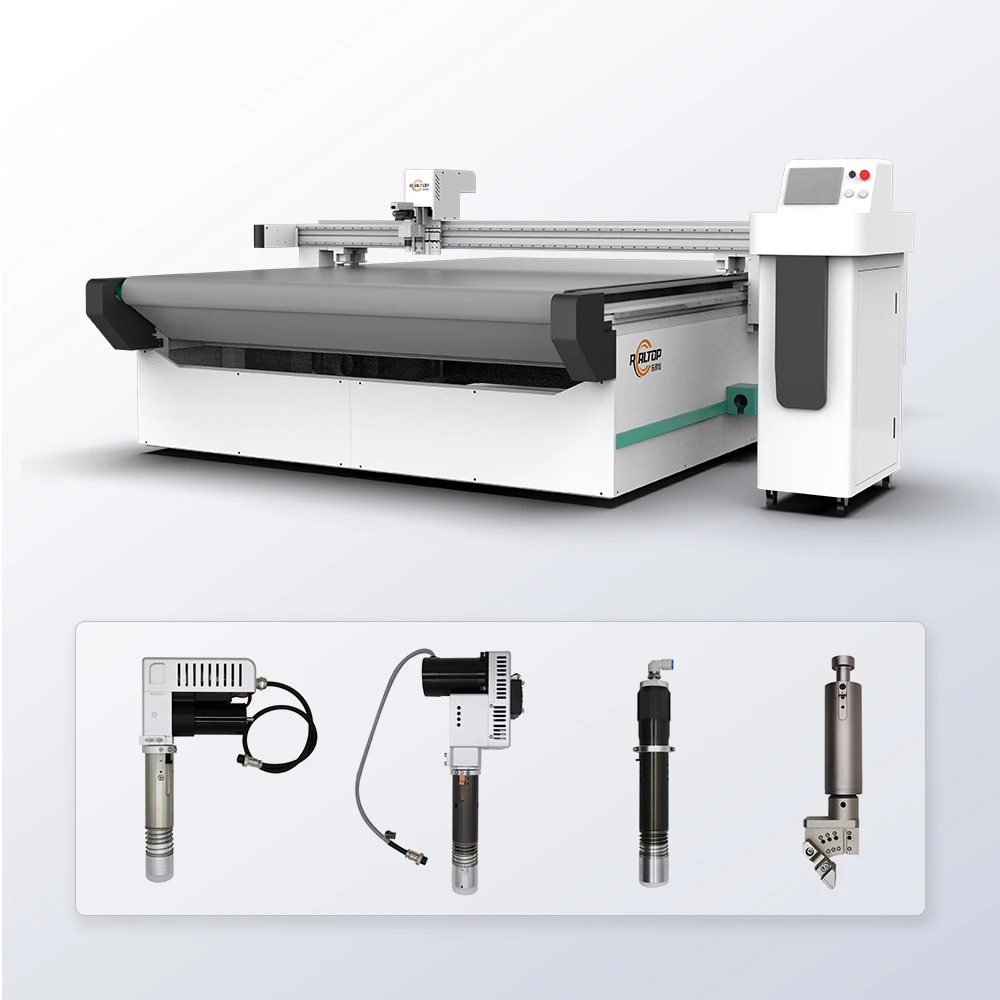
Method-First Configuration — In-house design covers both knife and laser technologies across the RT-D2516/RT-S2516 range, allowing the cutting method to match the material rather than forcing a single approach across every fabric, composite, or non-woven job.
Technical Specifications
| Parameter | Value |
|---|---|
| Model | RT-D2516/RT-S2516 |
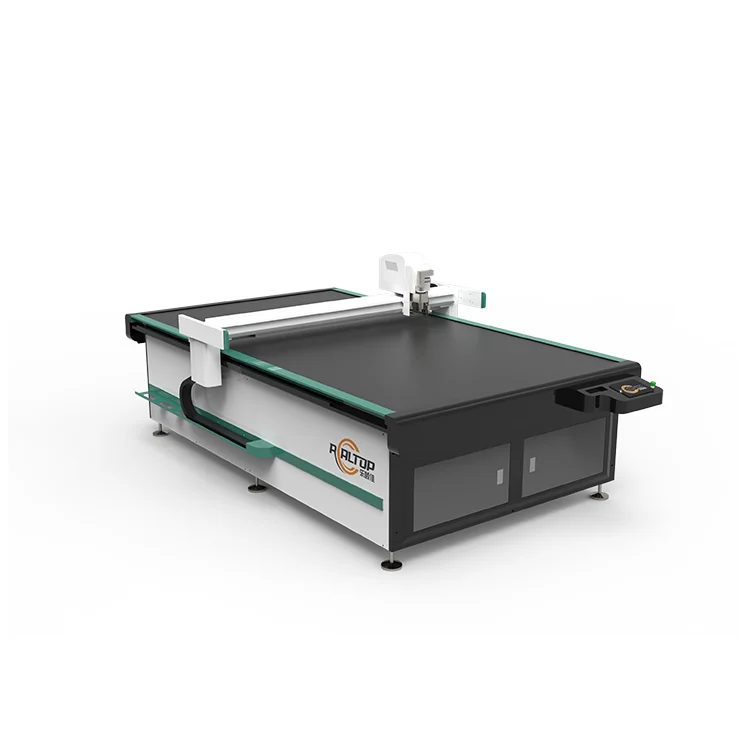
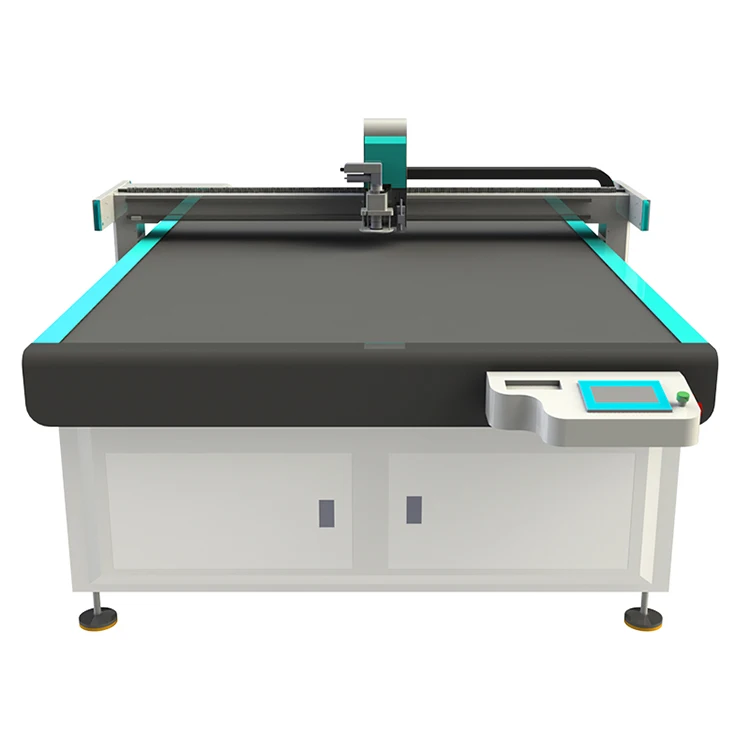
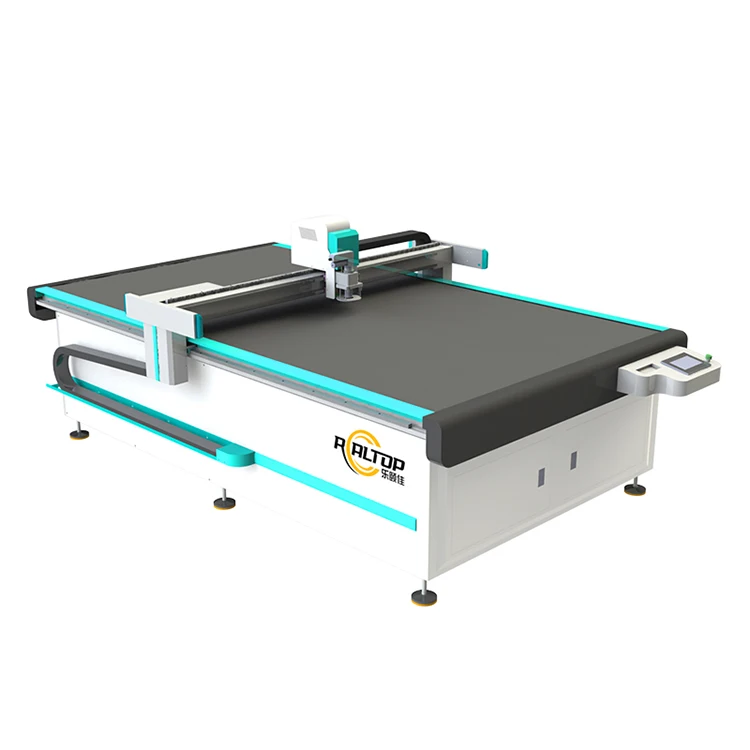
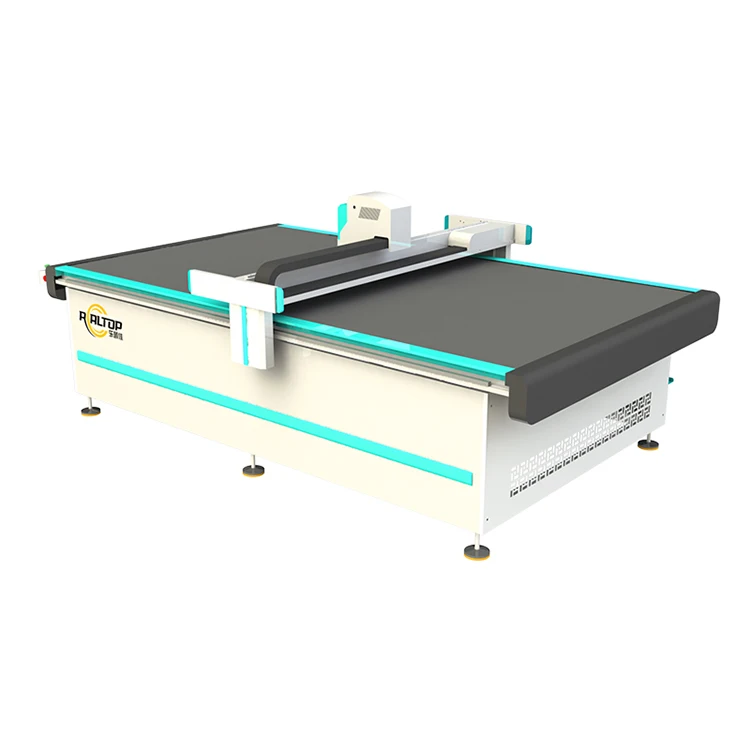
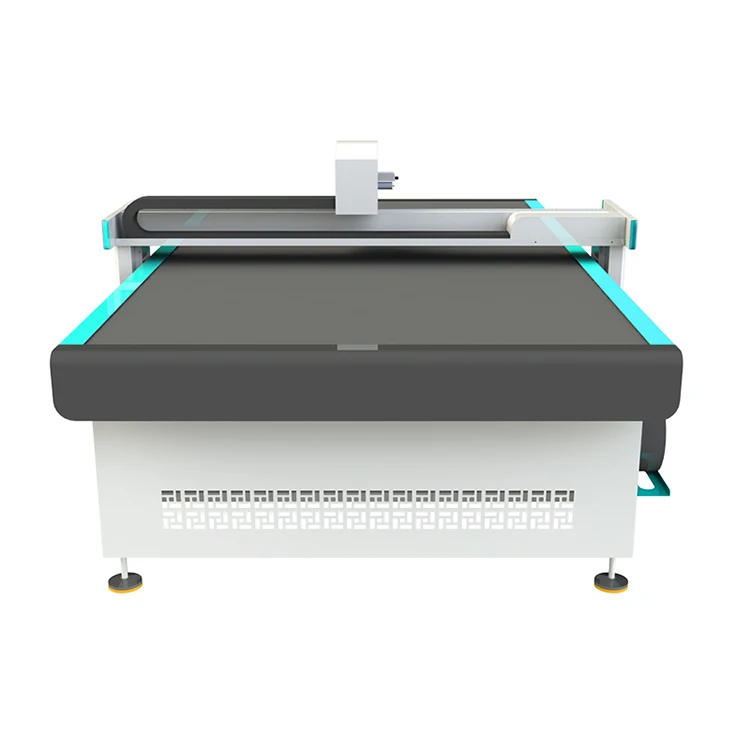
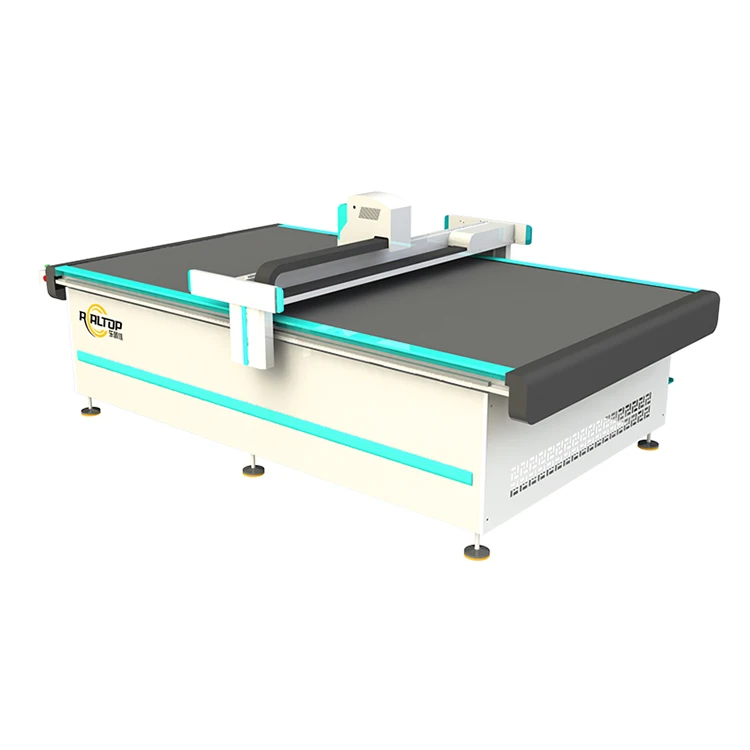
| Product Type | CNC Oscillating Knife Cutting Machine |
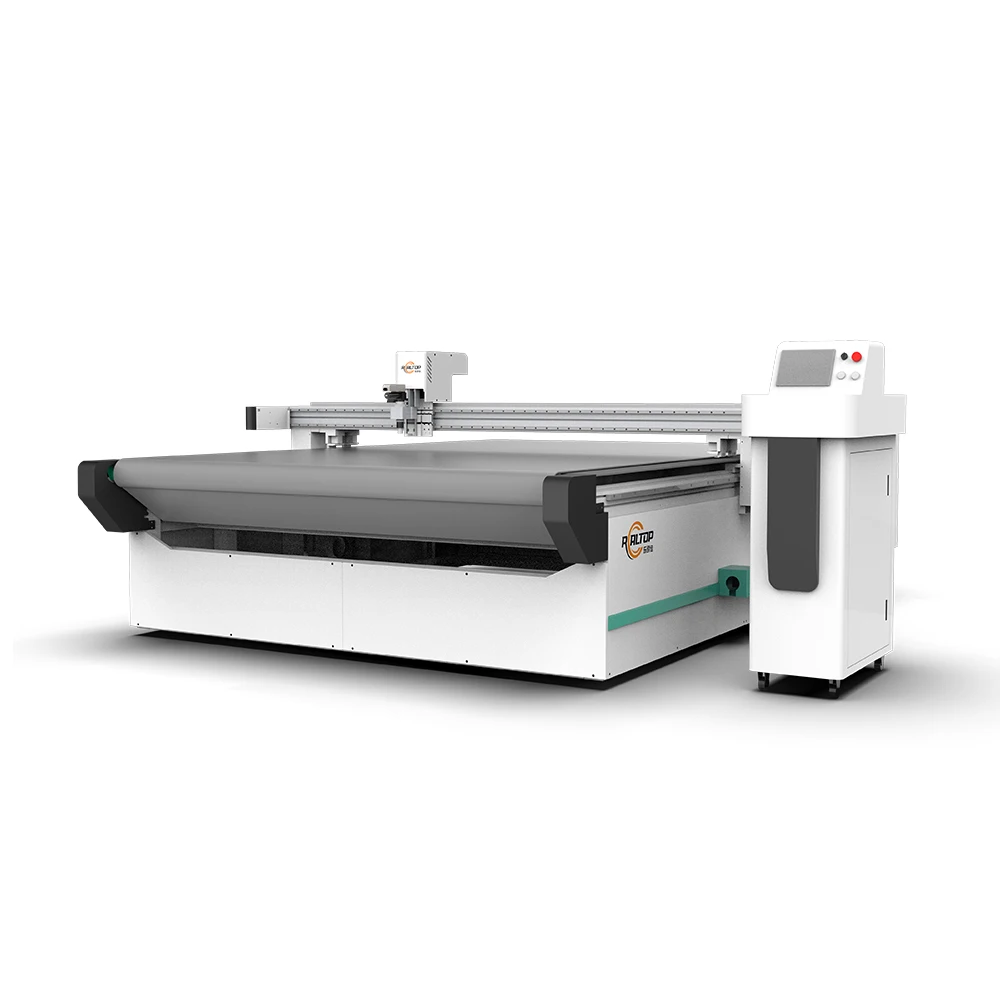
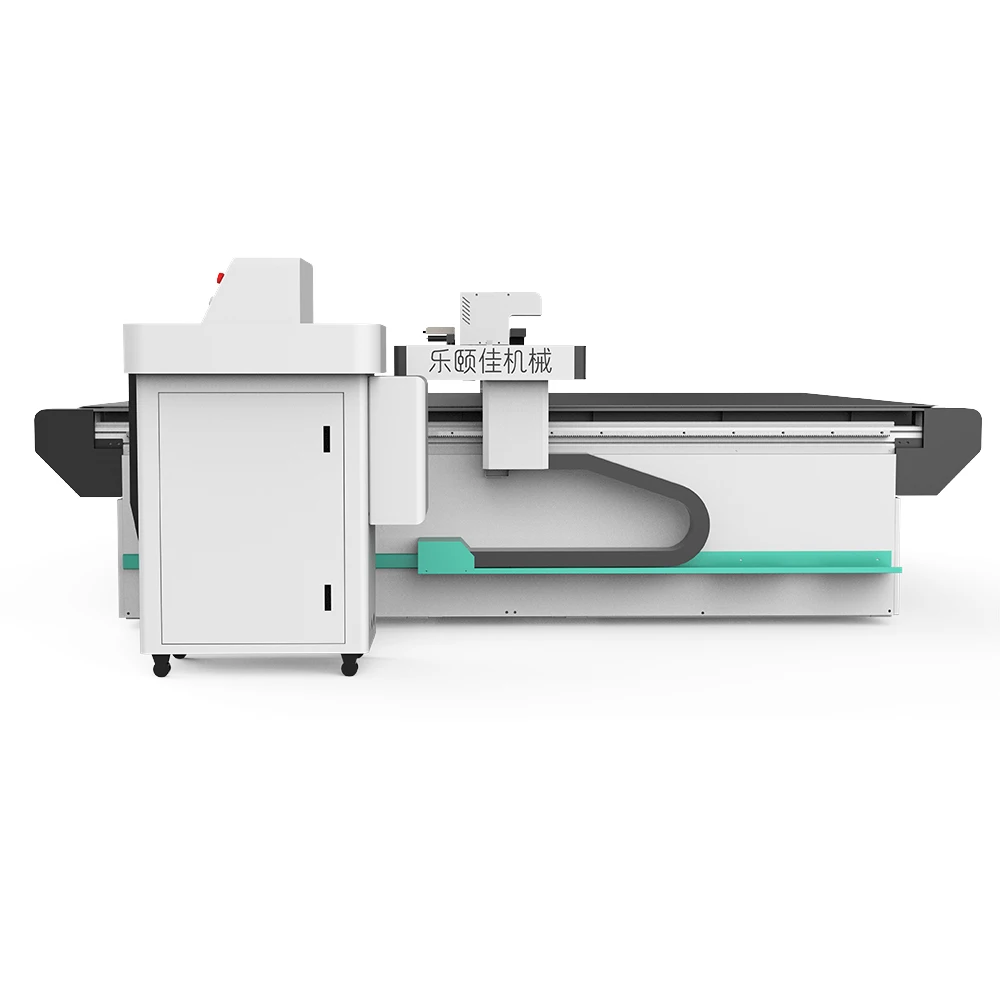
| Working Area | 1600×2500 mm |
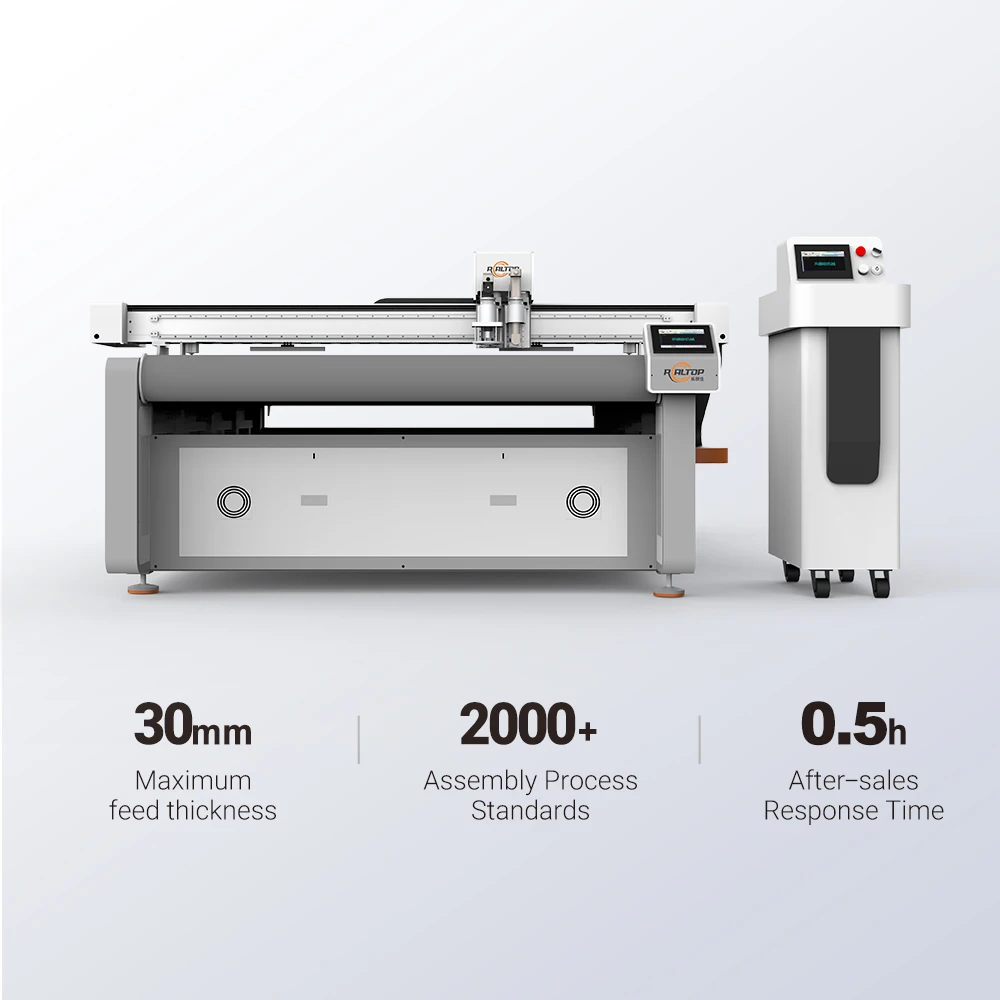
| Machine Size (Overall Dimensions) | 3450×2300×1250 mm |
| Rated Power | 9 kW |
| Voltage | 380V±10% |
| Table Type | Flat working table / Auto feeding table |
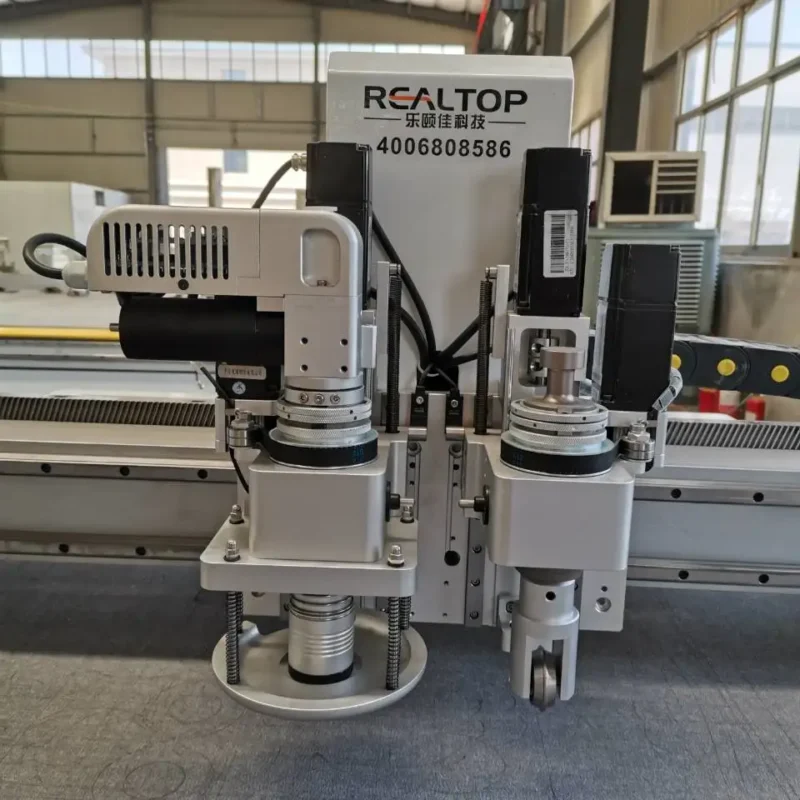
| Multifunctional Head | Swiss imported knife (vibration full cutting, vibration half cutting, cursor location) |
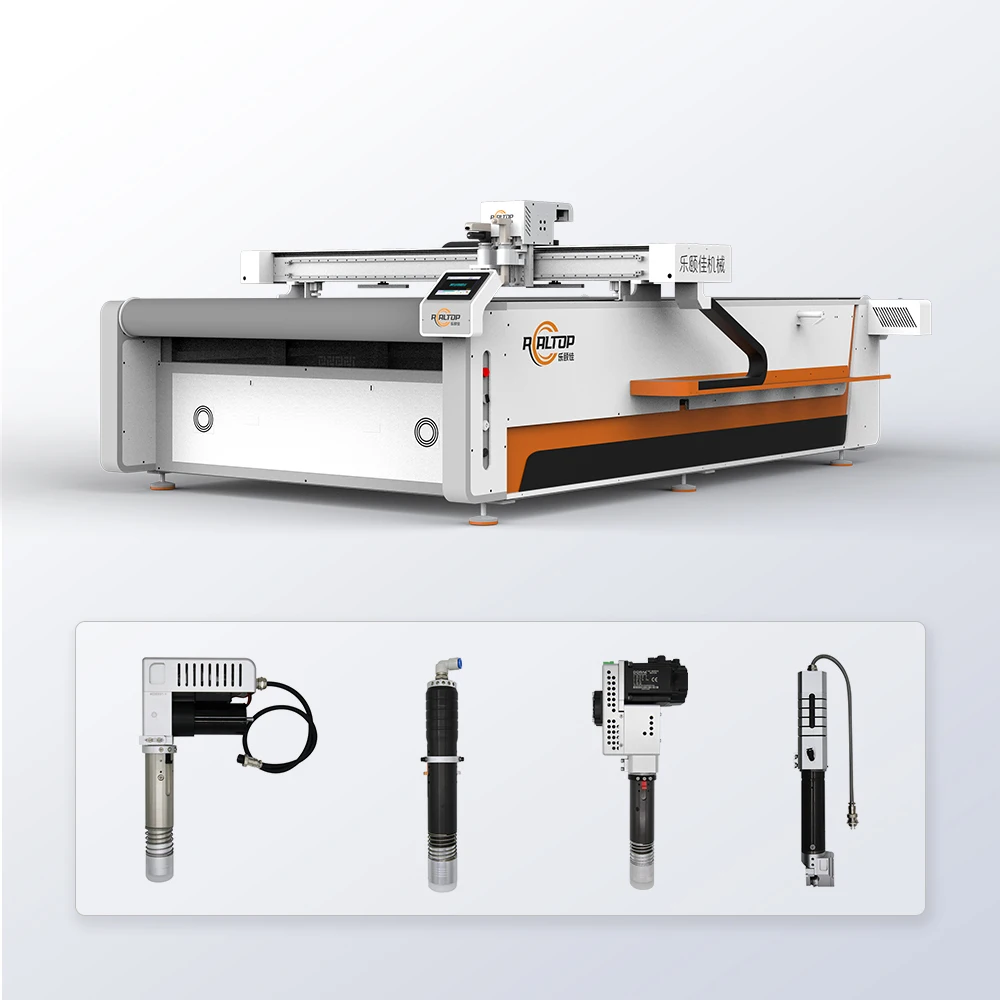
| Tool Head Options | Oscillating knife, pneumatic knife, high-power vibrating knife, circular knife, V-cutting knife, drag knife, creasing wheel, dotted line knife, punching, brush |
| Visual Positioning Options | Small CCD camera mark point positioning, panoramic camera recognition positioning, projection positioning |
| Translational Velocity | 800–2000 mm/s |
| Cutting Speed | 200–800 mm/s (basis not stated in source — confirm material, thickness and ply count) |
| Cutting Thickness | ≤100 mm (varies with material — verify against target fabric or composite) |
| Repeated Accuracy | ≤0.1 mm |
| Transmission System | Imported digital servo motor, linear guide, synchronous belt, ball screw |
| Servo Motor Brand Options | Delta (China) or Panasonic (Japan) |
| Vacuum Table | Magnesium-aluminum alloy with PVDF coating, integrated or split box design, 7.5 kW vacuum pump |
| Conveyor Belt | Germany imported |
| Linear Guide | Taiwan Hiwin rail |
| Control Panel | Touch screen, multiple languages supported |
| Software | Auto typesetting software, supports PLT, DXF, AI formats |
| Language Options | English, Russian, Italian, Chinese (special languages customizable) |
| Safety Device | Infrared sensors, anti-collision beam sensors, emergency stop button |
| Instruction System | HP-GL compatible format |
| Standards | CE |
Application Suitability
| Application | Material or Output |
|---|---|
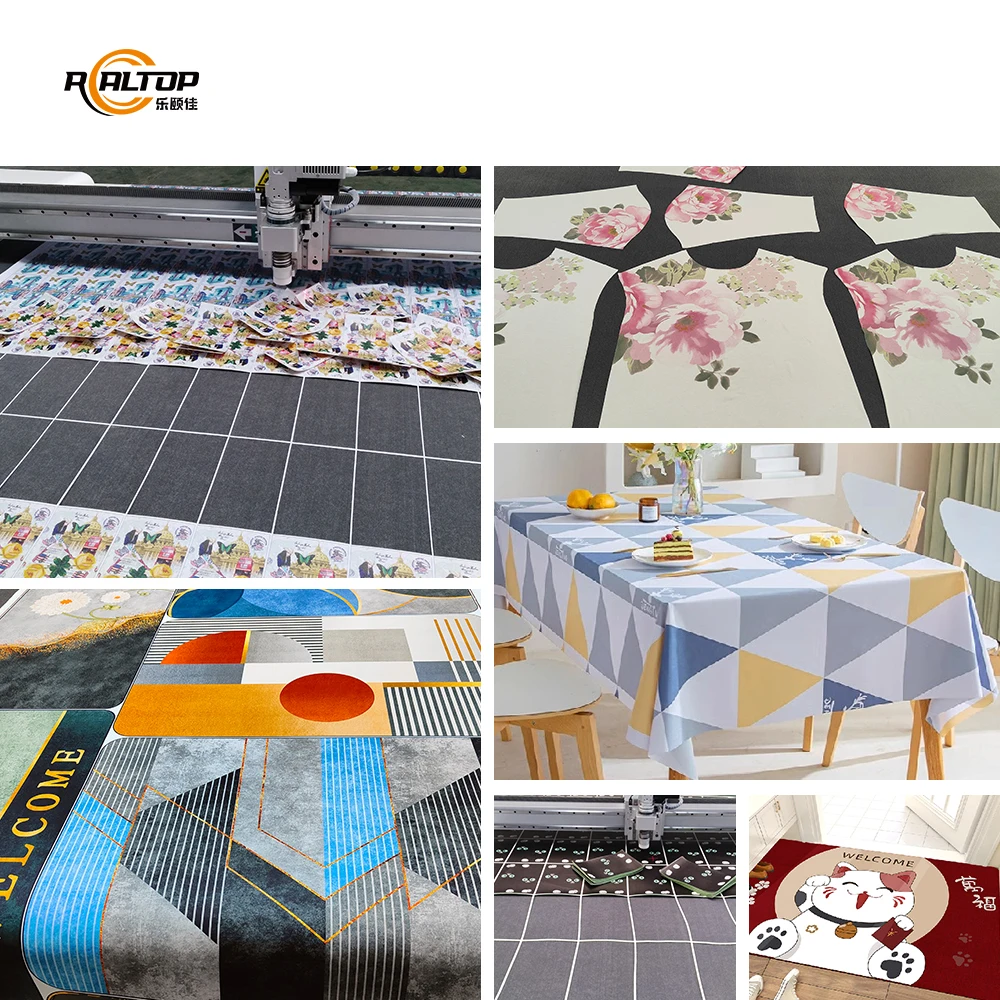
| Surgical gown and medical textile cutting | Non-woven fabric, multi-layer composite non-woven, SMS/SMMS fabrics |
| Garment and footwear production | Woven fabric, knit textile, leather, shoe material, luggage material |
| Automotive interior fabrication | Carpet, sponge, PU, EVA, XPE composite panels |
| Gasket and seal production | Rubber, PTFE, ETFE, fiberglass, composite gasket sheet |
| Carpet and floor mat manufacturing | Carpet, sponge, foam board, PVC, PP, PE |
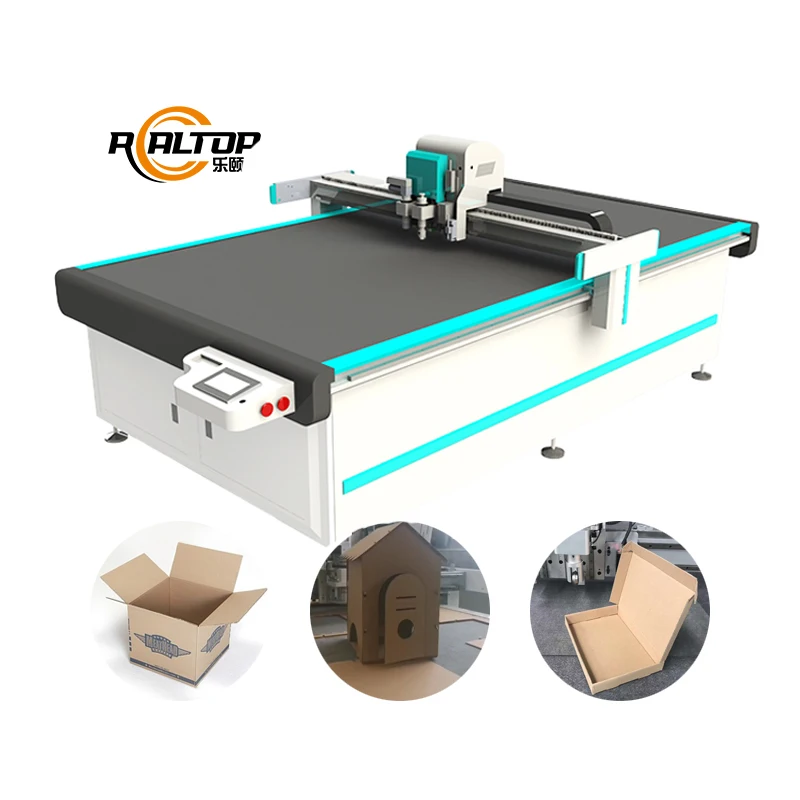
| Packaging and carton sample making | Cardboard, corrugated cardboard, sticker, film |
| Advertising and signage contour cutting | Vinyl, sticker, printed film with CCD registration |
Why "Working Area" Alone Misses the Real Problem on Fabric Lines
A 1600×2500 mm bed only matters if the tool head, vacuum zoning, and feed system are matched to the specific fabric weight, ply count, and edge quality your product demands.
I spent two days on-site with a Middle Eastern customer who had ordered a CNC oscillating knife cutting machine based purely on table size. Standard polyester ran fine during the factory test, but their actual production material was a multi-layer composite non-woven used for surgical gowns. The knife frequency that sliced single-ply polyester cleanly crushed the layered non-woven into ragged, delaminated edges. Parameters had to be rebuilt from scratch. Since then, every machine I send out gets a cutting trial on the buyer’s own roll before it leaves the floor [NEED_CITE: material-specific cutting trials before shipment].
Knife Frequency, Tool Head Selection, and Fabric Behaviour
The RT-D2516/RT-S2516 platform supports a full tool head range — oscillating knife, pneumatic knife, high-power vibrating knife, circular knife, V-cutting knife, drag knife, and creasing wheel — each producing different edge results depending on whether the material is woven, knit, non-woven, or a bonded composite. A high-frequency oscillating knife handles tightly woven garment fabric at speed, while a pneumatic knife delivers the downward force needed for thicker sponge or EVA sheets used in automotive interiors. Selecting the wrong head for a given textile is the most common reason buyers report ragged edges or ply separation after delivery.
Vacuum Zoning, CCD Registration, and Small-Piece Stability
The magnesium-aluminum alloy vacuum table with PVDF coating is available in integrated or split box design, which directly affects how well small pattern pieces stay flat during cutting. When a surgical gown line produces dozens of small collar or cuff pieces nested across the 1600×2500 mm bed, a split-box table lets the vacuum concentrate only under the active cutting zone, preventing lift without wasting pump capacity on empty areas. For printed textile contour work, the CCD camera mark point positioning and panoramic camera recognition positioning options allow the CNC digital cutting table for sale to track registration marks and adjust the cut path in real time, which is critical when fabric stretches or shifts slightly on the conveyor [NEED_CITE: CCD contour recognition accuracy on deformable textile substrates].
Reading the Specs That Actually Affect Your Output
The repeated accuracy of ≤0.1 mm is maintained by the Taiwan Hiwin linear guide and imported digital servo motor combination, which matters most when nested pattern pieces share tight kerf lines and any deviation causes cumulative misalignment across a full lay. The 7.5 kW vacuum pump must be matched to the table zoning configuration — an undersized pump on a large un-zoned table will leave outer zones weak, allowing lightweight non-woven to drift during high-speed passes. The Swiss imported multifunctional knife assembly supports vibration full cutting and half cutting modes, giving operators control over whether a kiss-cut leaves the backing intact for sticker and appliqué work or penetrates fully through multi-layer composite fabric. Available servo options between Delta and Panasonic let buyers align maintenance sourcing with their existing workshop inventory, which simplifies long-term spare parts planning.
The Hidden Cost of Skipping the Material Trial
When a buyer specifies a CNC oscillating knife cutting machine manufacturer based on catalogue working area without running their actual fabric, the consequences show up on day one of production. Ply separation on multi-layer non-woven, crushed edges on foam, and registration drift on printed textiles each require different tool head and vacuum combinations that a generic spec sheet cannot predict. Re-commissioning a machine on-site after shipment costs more in lost production time than a pre-shipment sample cut ever would, and some edge quality problems cannot be fully resolved without swapping the tool head or reconfiguring the vacuum zones [NEED_CITE: on-site re-commissioning costs versus factory sample testing].
Why Source This Range Through REALTOP
The RT-D2516/RT-S2516 is built within a product family that covers both knife and laser cutting, so a buyer producing mixed materials can match each line to the correct method rather than forcing knife cutting on a job that needs laser edge sealing. Tool head and vacuum table configurations are specified per material and production volume before the order is placed. CCD camera positioning is validated against the buyer’s actual printed registration marks, not a generic test chart. Software compatibility with PLT, DXF, and AI formats is confirmed alongside the nesting workflow the buyer already uses. Voltage, plug type, and control panel language are locked down before production begins, eliminating on-site electrical surprises. Every machine ships with a sample cutting report produced on the buyer’s own material, providing a documented baseline for acceptance.
Documentation & Verification
- Machine specification sheet with confirmed tool head and table configuration per target material
- Electrical schematic and voltage confirmation matching destination country supply standards
- Sample cutting report produced on buyer-supplied fabric or composite before dispatch
- Software licence and file format compatibility note covering PLT, DXF, and AI workflows
- Factory test record documenting repeated accuracy and cutting speed on agreed material
- CE declaration included with applicable machinery directive compliance documentation
Installation, Commissioning & Support
- Floor space planning based on 3450×2300×1250 mm overall dimensions plus material feed clearance
- Dedicated 380V±10% circuit rated for 9 kW total draw including the 7.5 kW vacuum pump
- Flat or auto-feeding table assembly with conveyor belt tensioning and vacuum zone verification
- First-run parameter setup on buyer’s material covering knife frequency, vacuum pressure, and feed speed
- Touch screen control panel training in confirmed language covering nesting software and file import
- Spare parts list including Swiss knife blades, vacuum seals, and linear guide lubrication schedule
What We Need From Your Side
To move from catalogue review to a firm configuration, share the specific fabric or composite type, single-ply thickness, and whether you run single-layer or multi-layer lays. Confirm your daily cutting volume and the largest sheet or roll width entering the machine. Let us know your local voltage and frequency standard, the control panel language you need, and whether your existing nesting files are in PLT, DXF, or AI format so we can verify software compatibility before the order.
Frequently Asked Questions
Q: How do I match the correct tool head to my fabric type and thickness?
A: Woven garment fabrics typically suit a high-frequency oscillating knife for clean edges at speed, while multi-layer non-woven composites often require a pneumatic knife with higher downward force. Sponge and EVA sheets above 20 mm generally need a high-power vibrating knife. We run a sample cut on your actual material to confirm tool head selection before the order is finalized.
Q: What is the difference between knife cutting and laser cutting for textile work?
A: Knife cutting produces no heat-affected zone, keeping fabric edges soft and unsealed, which is preferred for garment and surgical gown panels that will be sewn. Laser cutting seals synthetic edges to prevent fraying, suiting technical textiles and appliqué work. Our range covers both methods, so the choice follows the material and the downstream process requirement.
Q: How accurate is CCD camera positioning on stretchy fabric at production speed?
A: The CCD camera mark point positioning and panoramic camera recognition options track printed registration marks and adjust the cut path dynamically. Accuracy depends on mark contrast, fabric stretch, and conveyor feed consistency. We validate CCD tracking using your actual printed material during the pre-shipment sample test to confirm it holds tolerance at your target speed.
Q: How does vacuum table zoning prevent small pieces from lifting during cutting?
A: A split box vacuum design concentrates suction only under the active cutting zone, maintaining strong hold-down on small nested pieces while the rest of the table remains inactive. This is critical when cutting collar, cuff, or gasket pieces from lightweight non-woven where full-table vacuum spread would dilute pressure and allow material drift.
Method-First Configuration — In-house design covers both knife and laser technologies across the RT-D2516/RT-S2516 range, allowing the cutting method to match the material rather than forcing a single approach across every fabric, composite, or non-woven job.
Technical Specifications
| Parameter | Value |
|---|---|
| Model | RT-D2516/RT-S2516 |
| Product Type | CNC Oscillating Knife Cutting Machine |
| Working Area | 1600×2500 mm |
| Machine Size (Overall Dimensions) | 3450×2300×1250 mm |
| Rated Power | 9 kW |
| Voltage | 380V±10% |
| Table Type | Flat working table / Auto feeding table |
| Multifunctional Head | Swiss imported knife (vibration full cutting, vibration half cutting, cursor location) |
| Tool Head Options | Oscillating knife, pneumatic knife, high-power vibrating knife, circular knife, V-cutting knife, drag knife, creasing wheel, dotted line knife, punching, brush |
| Visual Positioning Options | Small CCD camera mark point positioning, panoramic camera recognition positioning, projection positioning |
| Translational Velocity | 800–2000 mm/s |
| Cutting Speed | 200–800 mm/s (basis not stated in source — confirm material, thickness and ply count) |
| Cutting Thickness | ≤100 mm (varies with material — verify against target fabric or composite) |
| Repeated Accuracy | ≤0.1 mm |
| Transmission System | Imported digital servo motor, linear guide, synchronous belt, ball screw |
| Servo Motor Brand Options | Delta (China) or Panasonic (Japan) |
| Vacuum Table | Magnesium-aluminum alloy with PVDF coating, integrated or split box design, 7.5 kW vacuum pump |
| Conveyor Belt | Germany imported |
| Linear Guide | Taiwan Hiwin rail |
| Control Panel | Touch screen, multiple languages supported |
| Software | Auto typesetting software, supports PLT, DXF, AI formats |
| Language Options | English, Russian, Italian, Chinese (special languages customizable) |
| Safety Device | Infrared sensors, anti-collision beam sensors, emergency stop button |
| Instruction System | HP-GL compatible format |
| Standards | CE |
Application Suitability
| Application | Material or Output |
|---|---|
| Surgical gown and medical textile cutting | Non-woven fabric, multi-layer composite non-woven, SMS/SMMS fabrics |
| Garment and footwear production | Woven fabric, knit textile, leather, shoe material, luggage material |
| Automotive interior fabrication | Carpet, sponge, PU, EVA, XPE composite panels |
| Gasket and seal production | Rubber, PTFE, ETFE, fiberglass, composite gasket sheet |
| Carpet and floor mat manufacturing | Carpet, sponge, foam board, PVC, PP, PE |
| Packaging and carton sample making | Cardboard, corrugated cardboard, sticker, film |
| Advertising and signage contour cutting | Vinyl, sticker, printed film with CCD registration |
Why "Working Area" Alone Misses the Real Problem on Fabric Lines
A 1600×2500 mm bed only matters if the tool head, vacuum zoning, and feed system are matched to the specific fabric weight, ply count, and edge quality your product demands.
I spent two days on-site with a Middle Eastern customer who had ordered a CNC oscillating knife cutting machine based purely on table size. Standard polyester ran fine during the factory test, but their actual production material was a multi-layer composite non-woven used for surgical gowns. The knife frequency that sliced single-ply polyester cleanly crushed the layered non-woven into ragged, delaminated edges. Parameters had to be rebuilt from scratch. Since then, every machine I send out gets a cutting trial on the buyer’s own roll before it leaves the floor [NEED_CITE: material-specific cutting trials before shipment].
Knife Frequency, Tool Head Selection, and Fabric Behaviour
The RT-D2516/RT-S2516 platform supports a full tool head range — oscillating knife, pneumatic knife, high-power vibrating knife, circular knife, V-cutting knife, drag knife, and creasing wheel — each producing different edge results depending on whether the material is woven, knit, non-woven, or a bonded composite. A high-frequency oscillating knife handles tightly woven garment fabric at speed, while a pneumatic knife delivers the downward force needed for thicker sponge or EVA sheets used in automotive interiors. Selecting the wrong head for a given textile is the most common reason buyers report ragged edges or ply separation after delivery.
Vacuum Zoning, CCD Registration, and Small-Piece Stability
The magnesium-aluminum alloy vacuum table with PVDF coating is available in integrated or split box design, which directly affects how well small pattern pieces stay flat during cutting. When a surgical gown line produces dozens of small collar or cuff pieces nested across the 1600×2500 mm bed, a split-box table lets the vacuum concentrate only under the active cutting zone, preventing lift without wasting pump capacity on empty areas. For printed textile contour work, the CCD camera mark point positioning and panoramic camera recognition positioning options allow the CNC digital cutting table for sale to track registration marks and adjust the cut path in real time, which is critical when fabric stretches or shifts slightly on the conveyor [NEED_CITE: CCD contour recognition accuracy on deformable textile substrates].
Reading the Specs That Actually Affect Your Output
The repeated accuracy of ≤0.1 mm is maintained by the Taiwan Hiwin linear guide and imported digital servo motor combination, which matters most when nested pattern pieces share tight kerf lines and any deviation causes cumulative misalignment across a full lay. The 7.5 kW vacuum pump must be matched to the table zoning configuration — an undersized pump on a large un-zoned table will leave outer zones weak, allowing lightweight non-woven to drift during high-speed passes. The Swiss imported multifunctional knife assembly supports vibration full cutting and half cutting modes, giving operators control over whether a kiss-cut leaves the backing intact for sticker and appliqué work or penetrates fully through multi-layer composite fabric. Available servo options between Delta and Panasonic let buyers align maintenance sourcing with their existing workshop inventory, which simplifies long-term spare parts planning.
The Hidden Cost of Skipping the Material Trial
When a buyer specifies a CNC oscillating knife cutting machine manufacturer based on catalogue working area without running their actual fabric, the consequences show up on day one of production. Ply separation on multi-layer non-woven, crushed edges on foam, and registration drift on printed textiles each require different tool head and vacuum combinations that a generic spec sheet cannot predict. Re-commissioning a machine on-site after shipment costs more in lost production time than a pre-shipment sample cut ever would, and some edge quality problems cannot be fully resolved without swapping the tool head or reconfiguring the vacuum zones [NEED_CITE: on-site re-commissioning costs versus factory sample testing].
Why Source This Range Through REALTOP
The RT-D2516/RT-S2516 is built within a product family that covers both knife and laser cutting, so a buyer producing mixed materials can match each line to the correct method rather than forcing knife cutting on a job that needs laser edge sealing. Tool head and vacuum table configurations are specified per material and production volume before the order is placed. CCD camera positioning is validated against the buyer’s actual printed registration marks, not a generic test chart. Software compatibility with PLT, DXF, and AI formats is confirmed alongside the nesting workflow the buyer already uses. Voltage, plug type, and control panel language are locked down before production begins, eliminating on-site electrical surprises. Every machine ships with a sample cutting report produced on the buyer’s own material, providing a documented baseline for acceptance.
Documentation & Verification
- Machine specification sheet with confirmed tool head and table configuration per target material
- Electrical schematic and voltage confirmation matching destination country supply standards
- Sample cutting report produced on buyer-supplied fabric or composite before dispatch
- Software licence and file format compatibility note covering PLT, DXF, and AI workflows
- Factory test record documenting repeated accuracy and cutting speed on agreed material
- CE declaration included with applicable machinery directive compliance documentation
Installation, Commissioning & Support
- Floor space planning based on 3450×2300×1250 mm overall dimensions plus material feed clearance
- Dedicated 380V±10% circuit rated for 9 kW total draw including the 7.5 kW vacuum pump
- Flat or auto-feeding table assembly with conveyor belt tensioning and vacuum zone verification
- First-run parameter setup on buyer’s material covering knife frequency, vacuum pressure, and feed speed
- Touch screen control panel training in confirmed language covering nesting software and file import
- Spare parts list including Swiss knife blades, vacuum seals, and linear guide lubrication schedule
What We Need From Your Side
To move from catalogue review to a firm configuration, share the specific fabric or composite type, single-ply thickness, and whether you run single-layer or multi-layer lays. Confirm your daily cutting volume and the largest sheet or roll width entering the machine. Let us know your local voltage and frequency standard, the control panel language you need, and whether your existing nesting files are in PLT, DXF, or AI format so we can verify software compatibility before the order.
Frequently Asked Questions
Q: How do I match the correct tool head to my fabric type and thickness?
A: Woven garment fabrics typically suit a high-frequency oscillating knife for clean edges at speed, while multi-layer non-woven composites often require a pneumatic knife with higher downward force. Sponge and EVA sheets above 20 mm generally need a high-power vibrating knife. We run a sample cut on your actual material to confirm tool head selection before the order is finalized.
Q: What is the difference between knife cutting and laser cutting for textile work?
A: Knife cutting produces no heat-affected zone, keeping fabric edges soft and unsealed, which is preferred for garment and surgical gown panels that will be sewn. Laser cutting seals synthetic edges to prevent fraying, suiting technical textiles and appliqué work. Our range covers both methods, so the choice follows the material and the downstream process requirement.
Q: How accurate is CCD camera positioning on stretchy fabric at production speed?
A: The CCD camera mark point positioning and panoramic camera recognition options track printed registration marks and adjust the cut path dynamically. Accuracy depends on mark contrast, fabric stretch, and conveyor feed consistency. We validate CCD tracking using your actual printed material during the pre-shipment sample test to confirm it holds tolerance at your target speed.
Q: How does vacuum table zoning prevent small pieces from lifting during cutting?
A: A split box vacuum design concentrates suction only under the active cutting zone, maintaining strong hold-down on small nested pieces while the rest of the table remains inactive. This is critical when cutting collar, cuff, or gasket pieces from lightweight non-woven where full-table vacuum spread would dilute pressure and allow material drift.
商品评价
There are no reviews yet.