

Fast Delivery
Quick, reliable shipping to any location.

Free & easy returns
Return this item by mail or in store within 90 days for a full refund.
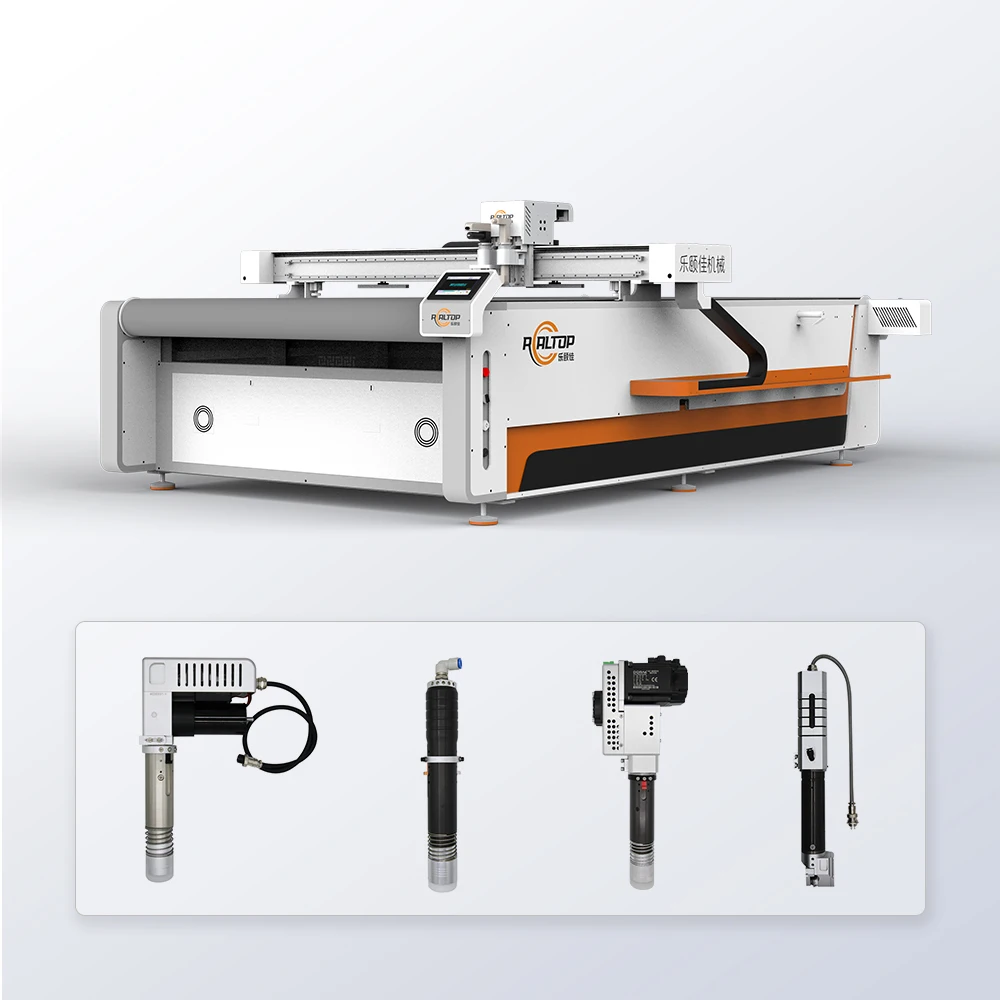
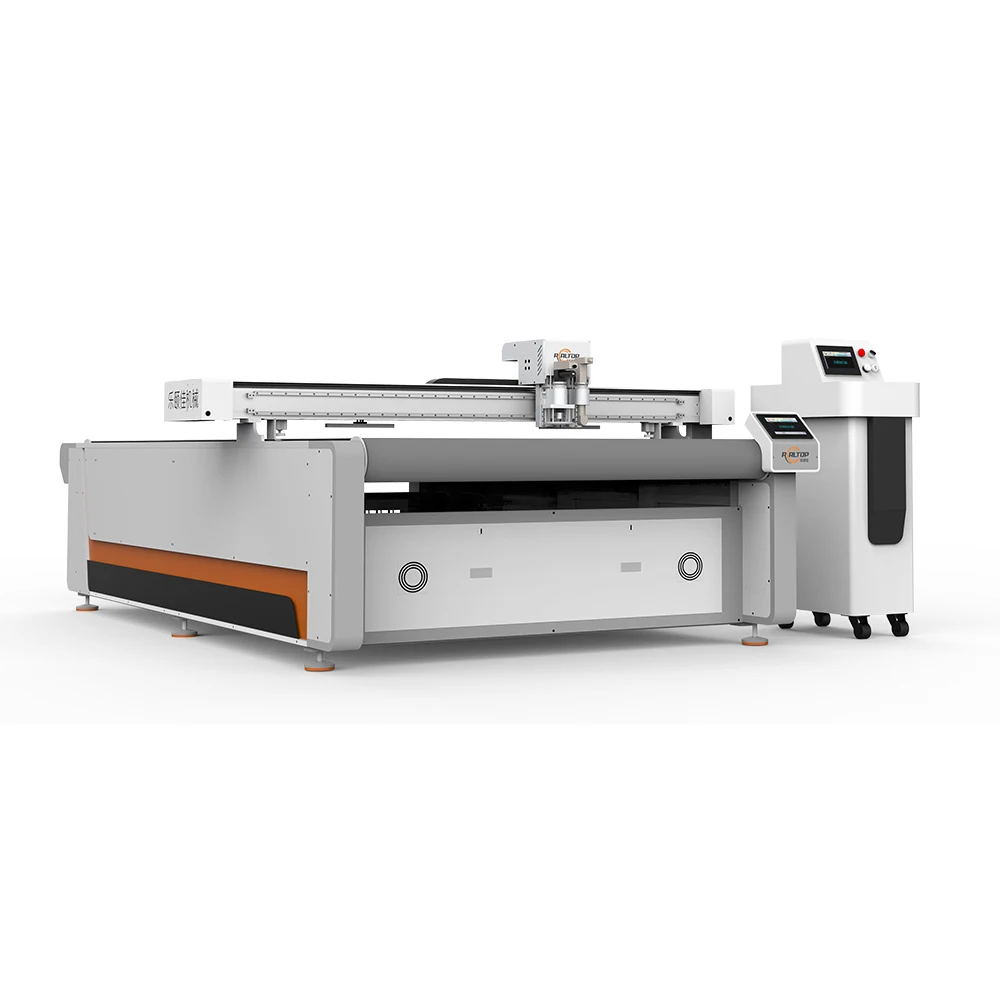
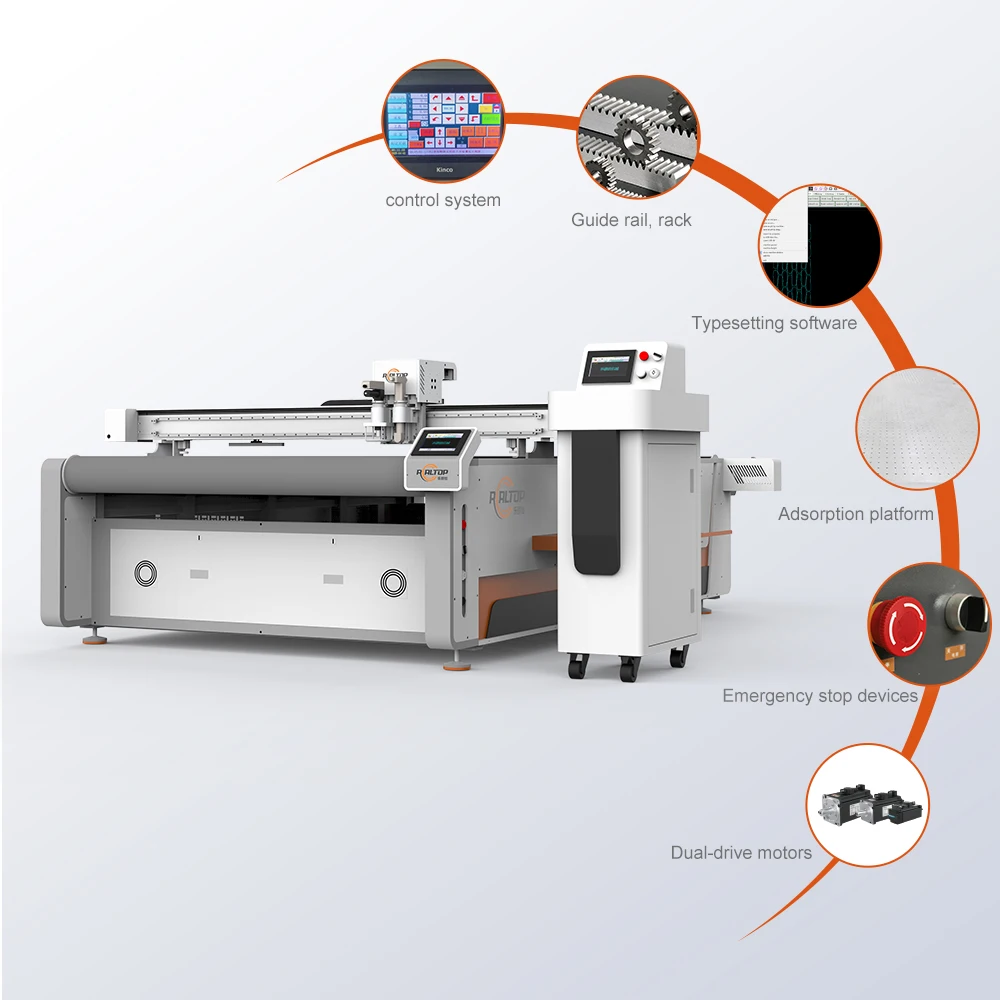
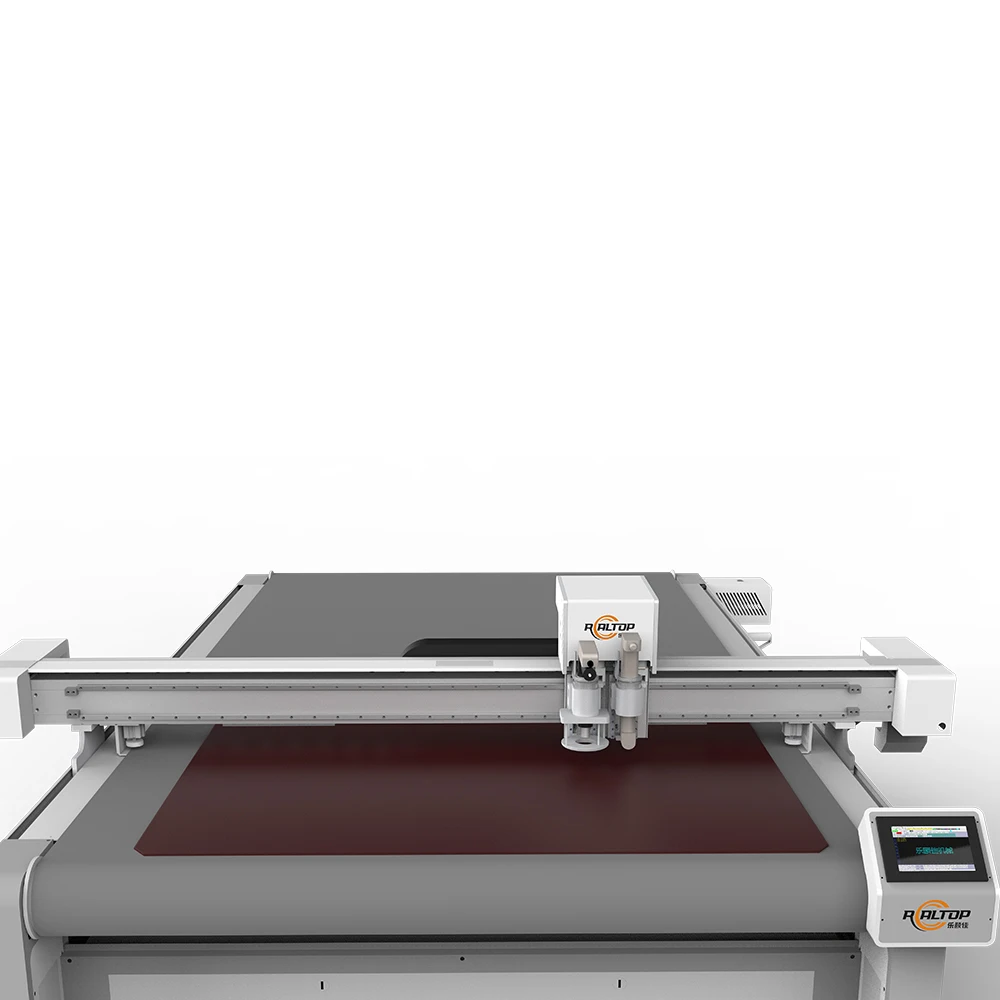
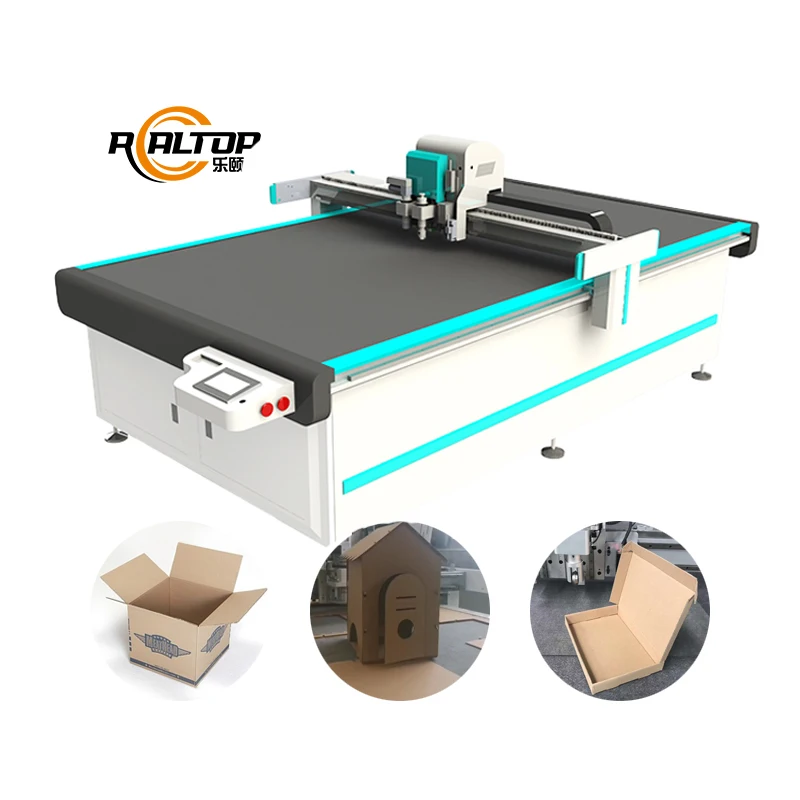
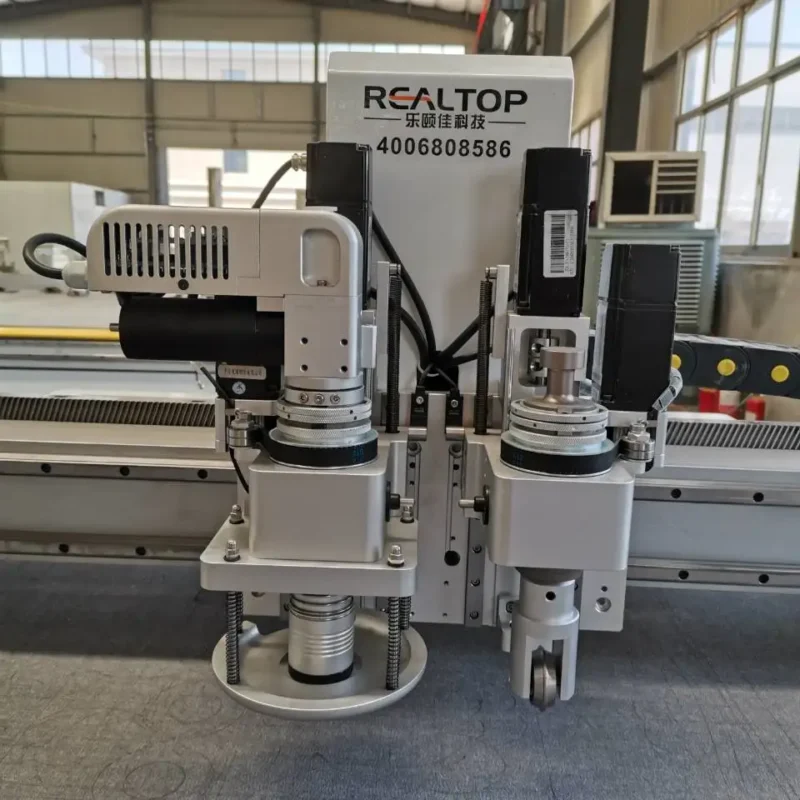
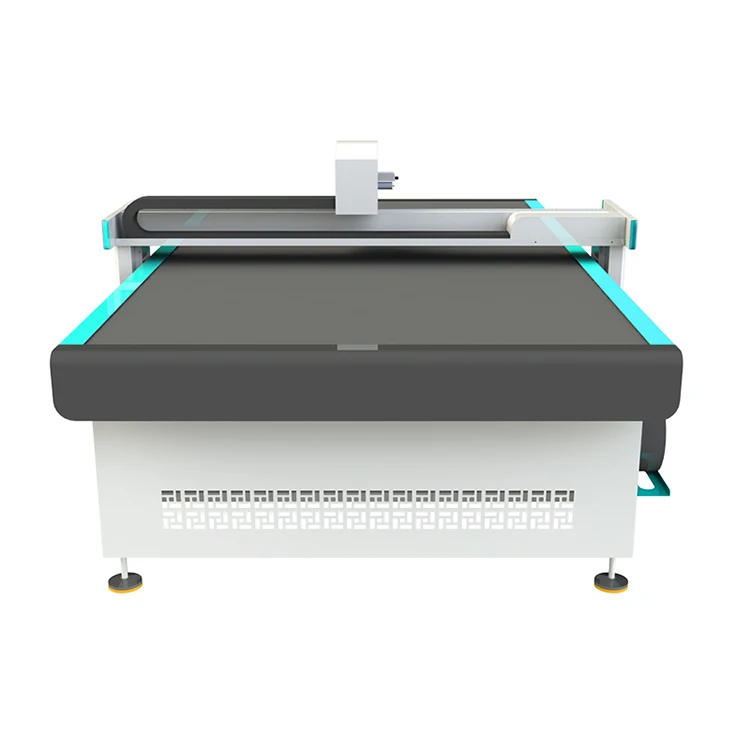
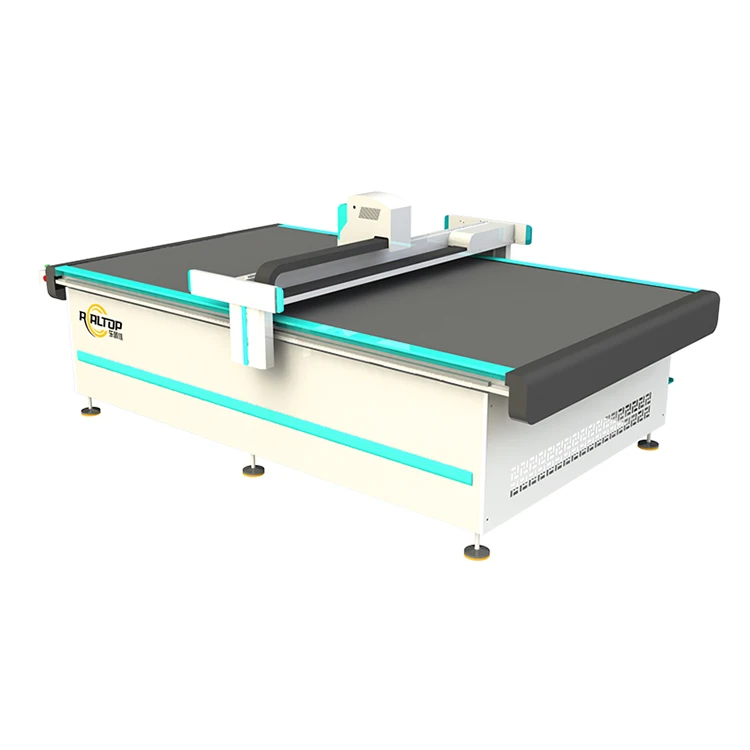
Configurable Tool Heads for Textile and Composite Processing — The RT-D2516/RT-S2516 platform offers oscillating, drag, circular, and punching tool heads on one chassis, so fabric producers select the cutting method that matches their material instead of forcing one technology across every job.
Technical Specifications
| Parameter | Value |
|---|---|
| Model | RT-D2516/RT-S2516 |
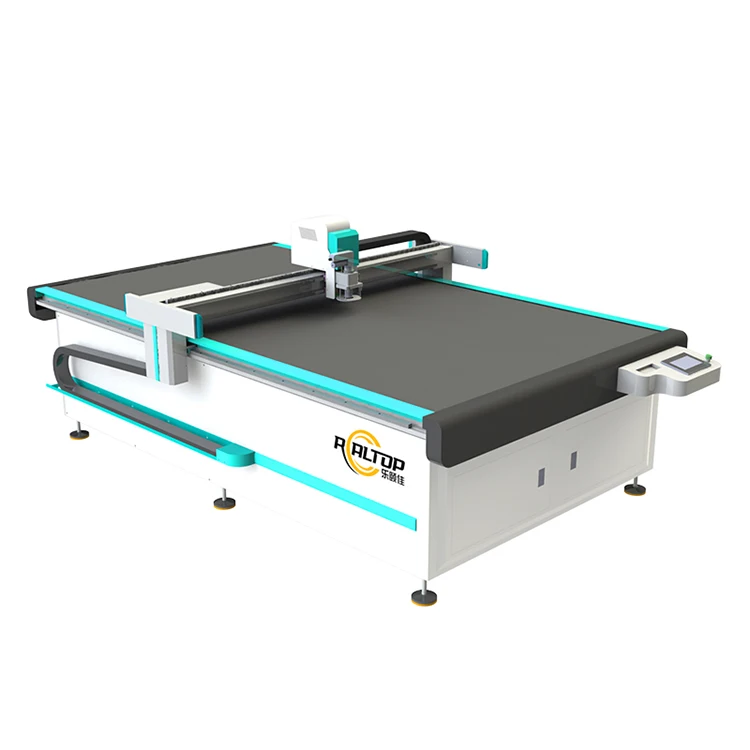
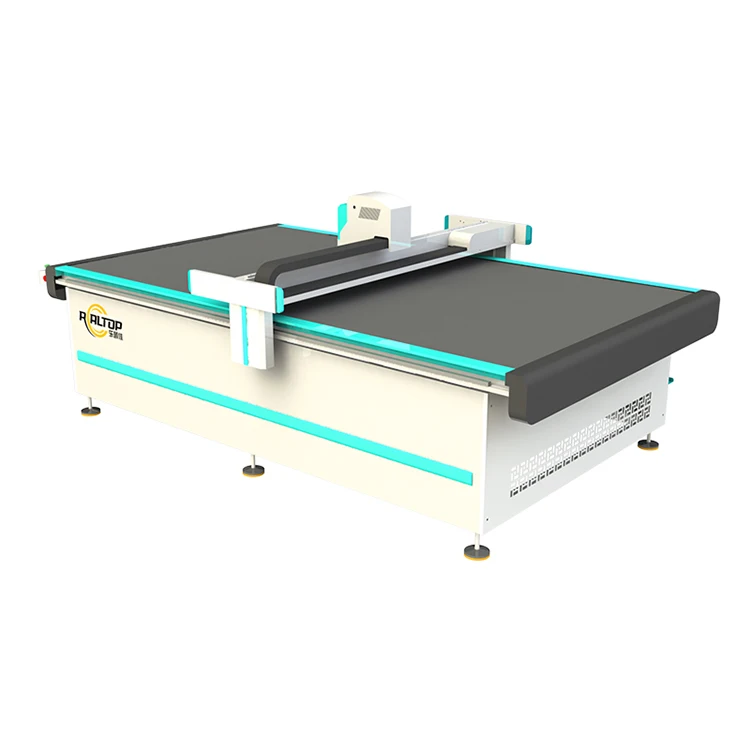
| Product Type | CNC Fabric Cutting Machine |
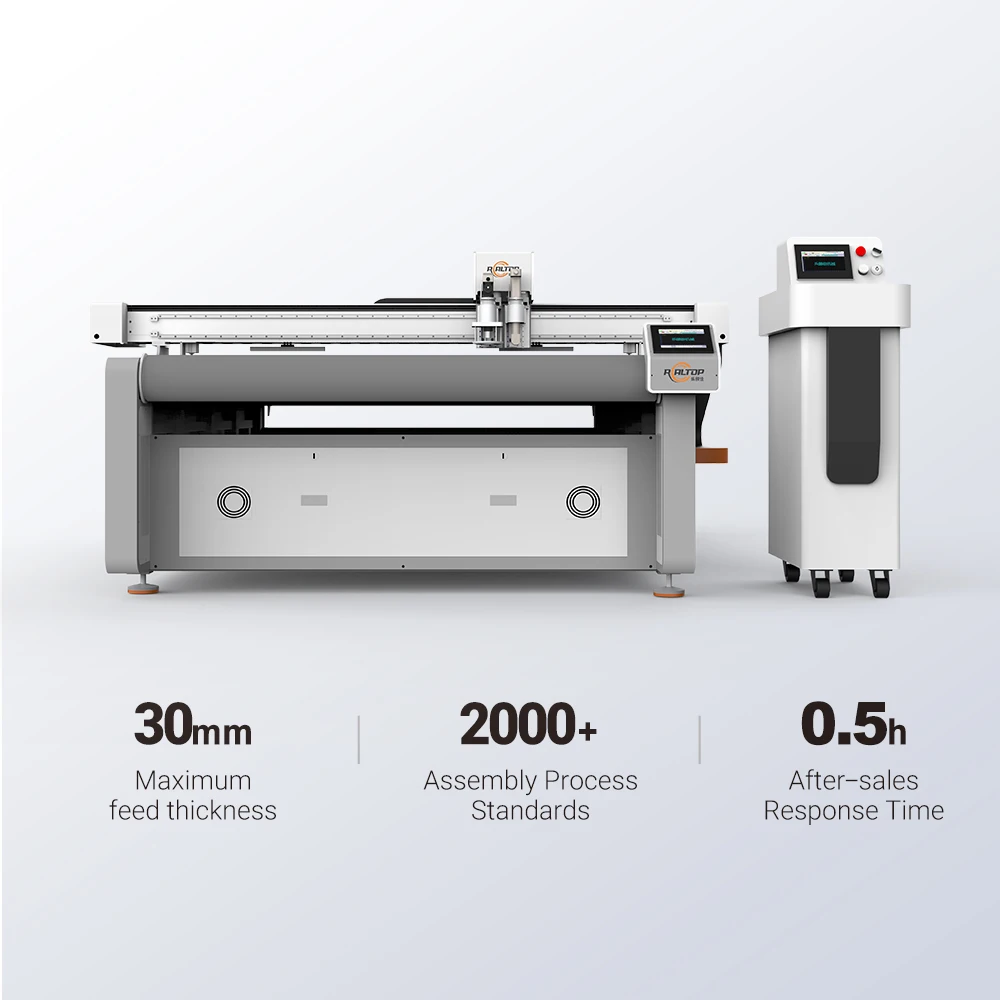
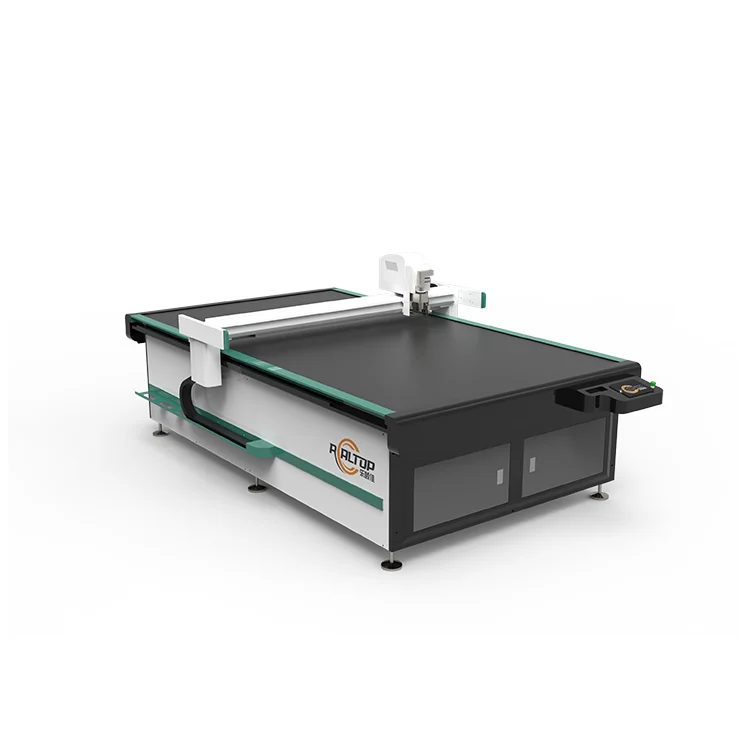
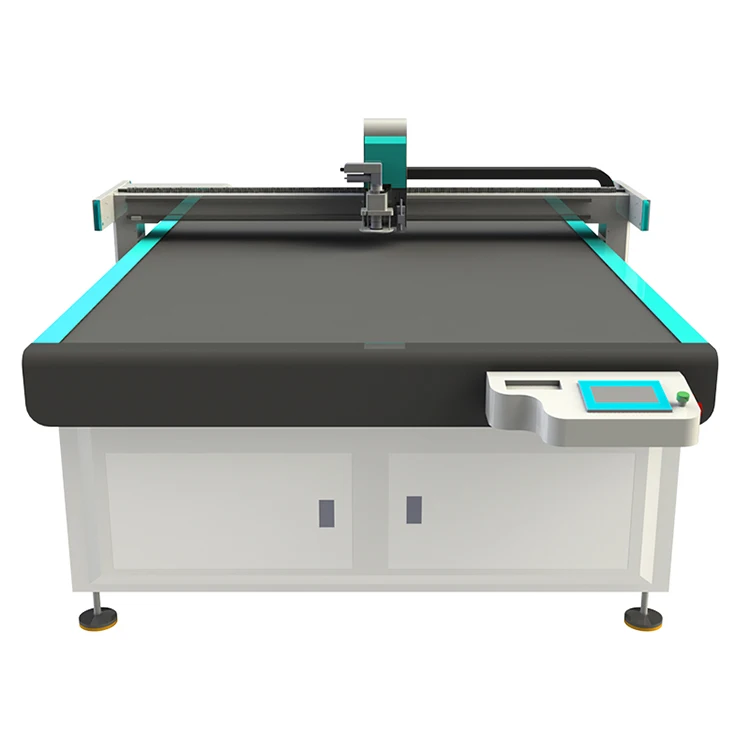
| Working Area | 1600×2500 mm |
| Machine Dimensions (L×W×H) | 3450×2300×1250 mm |
| Rated Power | 9 kW |
| Voltage | 380V±10% (frequency to be confirmed: 50/60 Hz) |
| Translational Velocity | 800–2000 mm/s |
| Cutting Speed | 200–800 mm/s (varies according to material type and density) |
| Cutting Thickness | ≤100 mm (basis to be confirmed — depends on material and tool head) |
| Repeated Accuracy | ≤0.1 mm |
| Positioning System | Small CCD camera / panoramic camera / projection positioning (options) |
| Tool Head Options | Swiss imported knife, oscillating knife, pneumatic knife, high-power vibrating knife, circular knife, V-cutting knife, drag knife, creasing wheel, punching, brush |
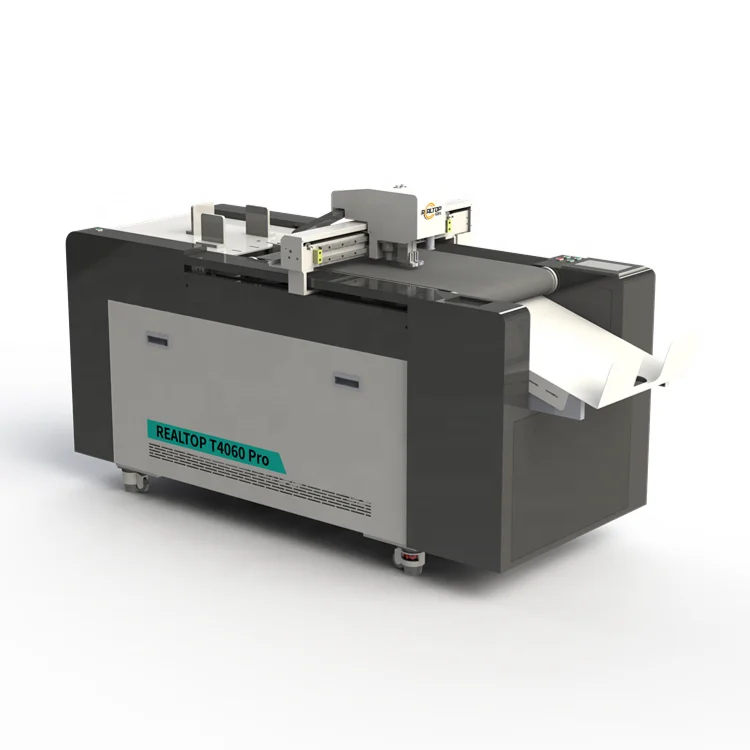
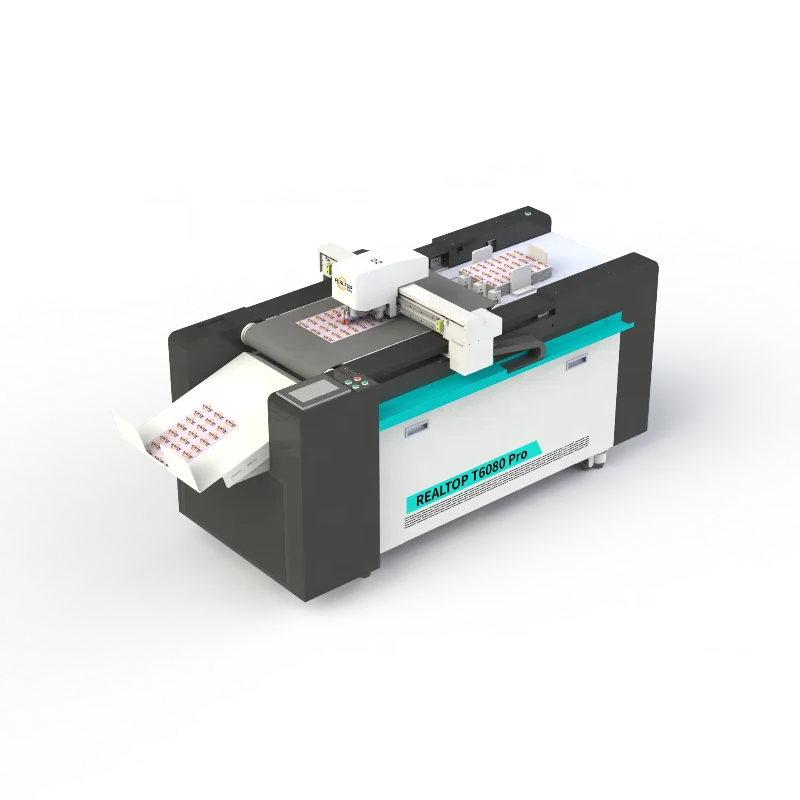
| Table Type | Flat working table or auto feeding table (options) |
| Vacuum Platform | Magnesium-aluminum alloy with PVDF powder spraying, anodic oxidation |
| Vacuum Pump | 7.5 kW integrated aviation aluminum shell pump with built-in silencer sponge |
| Transmission System | Digital servo motor, linear guide, synchronous belt, ball screw |
| Servo Motor Options | Delta (China) or Panasonic (Japan) |
| Control Panel | Touch screen, multi-language supported |
| Instruction System | HP-GL compatible format |
| Supported File Formats | PLT, DXF, AI with auto nesting |
| Safety Devices | Infrared induction blocking, anti-collision sensors, emergency stop, in-situ resume |
| Linear Guide | Taiwan Hiwin rail |
| Conveyor Belt | Germany imported (option) |
| Language Options | English, Russian, Italian, Chinese, others customizable |
Application Suitability
| Application | Material or Output |
|---|---|
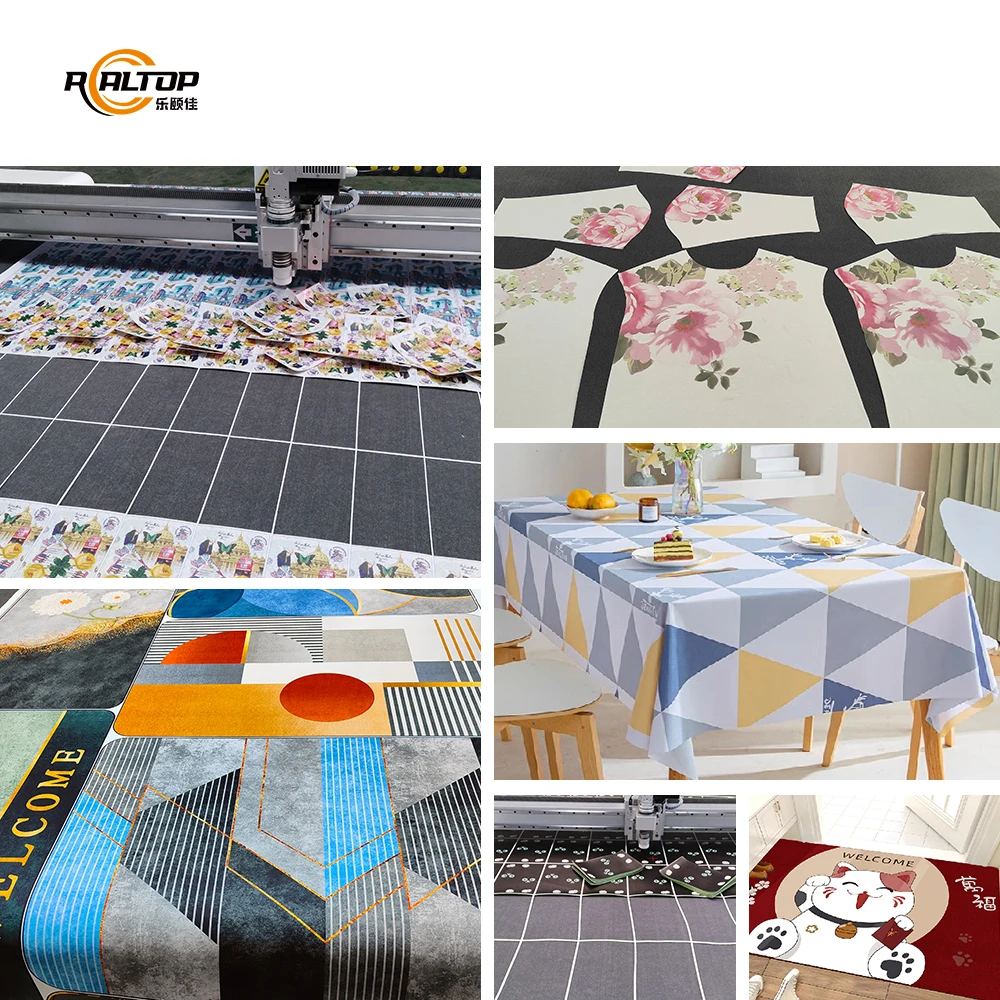
| Shirt and dress pattern cutting | Woven cotton, polyester blends, linen, silk, stretchy knit fabrics |
| Footwear and luggage component cutting | Leather, composite leather, PU, synthetic uppers |
| Sofa and soft furnishing panel cutting | Upholstery fabrics, heavy canvas, carpet, non-woven fabric |
| Technical textile processing | Fiberglass cloth, carbon fiber fabric, aramid textiles |
| Automotive interior component cutting | Headliner fabric, seat cover textiles, sound insulation composites |
| Foam and gasket fabrication | EVA, XPE, sponge, rubber sheet, PTFE, ETFE |
| Signage and flexible display cutting | Vinyl, sticker film, PVC sheet, banner material |
Why Fabric Buyers Discover the Wrong Method After Paying
A CNC fabric cutting machine manufacturer must test on your exact material before quoting a configuration.
Garment workshops frequently specify a cutting table based on working area and maximum speed, then discover the blade cannot handle their particular blend weight or stretch ratio. I have watched machines arrive in Lagos and Dhaka only to sit idle because the factory tested on standard cotton while the customer’s actual stock was a high-elastane dress fabric that required different oscillation frequency, blade geometry, and vacuum zoning [NEED_CITE: material-dependent cutting parameters in textile CNC equipment]. The consequence is not just a delayed installation — it forces a re-negotiation of tool heads, sometimes a different machine class entirely, weeks after the container has cleared customs.
Knife Versus Laser in a Single Catalogue
When a CNC fabric cutting machine manufacturer produces both knife and laser platforms, the buyer can evaluate which cutting physics suit each material in the production line. Oscillating knife leaves no burn mark on natural fibres and handles multi-ply lay-ups, while a CO₂ laser seals synthetic edges on polyester fleece and prevents fraying on technical textiles used in outdoor gear. The RT-D2516/RT-S2516 covers the knife side of that comparison, leaving laser options open for the synthetics that demand thermal edge sealing.
Matching the Tool Head to the Fabric Behaviour
The catalogue lists oscillating, drag, circular, pneumatic, and punching heads as distinct options rather than bundled defaults. Drag knife follows tight curves on single-layer woven materials for shirt collars and cuffs, while the high-power vibrating knife pushes through compressed foam or multi-layer denim stacks where a standard oscillating blade stalls. Creasing wheels and dotted line knives add folding guides and tear-off perforations in the same pass, eliminating a secondary operation in the packaging or sample-making workflow [NEED_CITE: tool head selection criteria for woven and non-woven textiles].
Reading the Specification Sheet Beyond Working Area
Translational velocity reaches 2000 mm/s, but that number describes empty travel, not cutting speed under load. The stated 200–800 mm/s cutting speed range reflects different material resistance; dense composite gasket material sits at the lower end while single-layer polyester lining runs near the upper limit. The 7.5 kW vacuum pump and magnesium-aluminum alloy platform with zoned adsorption keep lightweight single-ply fabrics from lifting during high-speed contour cuts — a factor that matters more than peak velocity when cutting small sleeve plackets or collar points. Repeated accuracy of ≤0.1 mm, driven by Taiwan Hiwin linear guides and imported ball screws, holds pattern alignment across long production runs of nested garment panels.
What Happens When Vacuum Zoning Is Ignored
Small garment pieces — pocket flaps, cuff strips, collar stands — cover only a fraction of the bed surface. Without zoned vacuum adsorption, the uncovered areas lose suction, and the air bleed lifts the fabric edge just enough for the oscillating knife to catch and drag the material rather than slice it cleanly [NEED_CITE: vacuum zoning requirements for small-part CNC cutting]. The result is a frayed edge that the sewing line rejects, and operators spend more time repositioning sheets than they save from automated cutting.
Why This Range Stands Behind the Configuration
The tool head and table configuration is specified per material and production volume, not offered as a single default package. Sample cutting on the buyer’s own fabric is completed before order commitment, so blade pressure, oscillation frequency, and vacuum zone mapping are validated on the actual stock. CCD camera positioning for printed contour work is confirmed on the buyer’s specific print registration marks at production speed. Voltage, plug type, and control language are documented and signed off before the machine enters production. The design team covers both knife and laser cutting technologies under one roof, so if material testing reveals that a laser process suits part of the product mix better, the recommendation shifts accordingly rather than forcing a knife solution onto unsuitable fabric.
Documentation & Verification
- Machine specification sheet listing confirmed tool head and table configuration per your fabric type
- Electrical schematic with voltage, frequency, and plug type validated for your local grid
- Sample cutting report produced on your own material with edge quality and speed parameters recorded
- Software licence note confirming PLT, DXF, AI file format compatibility with your existing nesting workflow
- Factory test record showing repeated accuracy measurement before dispatch
Installation, Commissioning & Support
- Floor space must accommodate 3450×2300 mm footprint plus operator clearance on the feed side
- Dedicated 380V±10% circuit required to support the 9 kW machine load and 7.5 kW vacuum pump simultaneously
- Machine ships fully assembled; vacuum pump and conveyor belt connected on-site during commissioning
- First-run parameter tuning covers blade pressure, oscillation frequency, and vacuum zone mapping for your material
- Touch screen control panel configured to operator language before or during on-site training
- Swiss imported knife blades and Hiwin linear guide blocks listed as primary consumables in the spare parts kit
- Vacuum platform PVDF coating inspected and re-certified during the annual maintenance visit
What to Share When Requesting a Quotation
Provide the specific fabric composition, weight per square metre, and whether the stock arrives on rolls or flat sheets. Confirm your local voltage standard and frequency, along with the preferred control panel language. If printed contour cutting is part of the workflow, send sample printed sheets so the CCD camera recognition can be tested against your actual registration mark size and colour contrast before the machine is configured.
Frequently Asked Questions
Q: How do I choose between oscillating knife, drag knife, and laser cutting for my fabric?
A: Oscillating knife handles multi-ply lay-ups and leaves clean edges on natural fibres without thermal damage. Drag knife suits single-layer woven materials with tight curves. Laser seals synthetic edges to prevent fraying. A CNC fabric cutting machine manufacturer offering both knife and laser technologies lets you match the process to each material in your range rather than forcing one method.
Q: What CCD camera and vision positioning options are available for printed contour work?
A: Three positioning systems are available as options: small CCD camera mark point positioning, panoramic camera recognition, and projection positioning. The correct choice depends on your print registration mark size, colour contrast, and whether the camera must track marks at full cutting speed on continuous roll-fed material.
Q: How is cutting thickness capacity determined for different materials?
A: The ≤100 mm figure applies under specific material and density conditions that must be confirmed. Compressed gasket material, multi-layer denim stacks, and low-density foam all interact with the blade differently. Sample cutting on your exact stock establishes the real thickness limit for your application and tool head selection.
Q: Which table configuration fits single-layer versus multi-layer production?
A: Flat working tables suit single-layer contour cutting with CCD registration, common in printed garment panels. Auto feeding tables with conveyor belts support continuous roll-fed production for higher volume. Vacuum zone mapping must be configured differently for each setup to prevent fabric lift on small parts.
Q: Where does this model sit in the full REALTOP cutting equipment range?
A: The RT-D2516/RT-S2516 covers a 1600×2500 mm knife cutting format. The full catalogue includes other working area sizes, multi-head configurations for high-volume textile production, CO₂ laser machines for synthetic edge sealing, and fibre laser machines for sheet metal, allowing buyers to survey the complete range before narrowing to one method.
Configurable Tool Heads for Textile and Composite Processing — The RT-D2516/RT-S2516 platform offers oscillating, drag, circular, and punching tool heads on one chassis, so fabric producers select the cutting method that matches their material instead of forcing one technology across every job.
Technical Specifications
| Parameter | Value |
|---|---|
| Model | RT-D2516/RT-S2516 |
| Product Type | CNC Fabric Cutting Machine |
| Working Area | 1600×2500 mm |
| Machine Dimensions (L×W×H) | 3450×2300×1250 mm |
| Rated Power | 9 kW |
| Voltage | 380V±10% (frequency to be confirmed: 50/60 Hz) |
| Translational Velocity | 800–2000 mm/s |
| Cutting Speed | 200–800 mm/s (varies according to material type and density) |
| Cutting Thickness | ≤100 mm (basis to be confirmed — depends on material and tool head) |
| Repeated Accuracy | ≤0.1 mm |
| Positioning System | Small CCD camera / panoramic camera / projection positioning (options) |
| Tool Head Options | Swiss imported knife, oscillating knife, pneumatic knife, high-power vibrating knife, circular knife, V-cutting knife, drag knife, creasing wheel, punching, brush |
| Table Type | Flat working table or auto feeding table (options) |
| Vacuum Platform | Magnesium-aluminum alloy with PVDF powder spraying, anodic oxidation |
| Vacuum Pump | 7.5 kW integrated aviation aluminum shell pump with built-in silencer sponge |
| Transmission System | Digital servo motor, linear guide, synchronous belt, ball screw |
| Servo Motor Options | Delta (China) or Panasonic (Japan) |
| Control Panel | Touch screen, multi-language supported |
| Instruction System | HP-GL compatible format |
| Supported File Formats | PLT, DXF, AI with auto nesting |
| Safety Devices | Infrared induction blocking, anti-collision sensors, emergency stop, in-situ resume |
| Linear Guide | Taiwan Hiwin rail |
| Conveyor Belt | Germany imported (option) |
| Language Options | English, Russian, Italian, Chinese, others customizable |
Application Suitability
| Application | Material or Output |
|---|---|
| Shirt and dress pattern cutting | Woven cotton, polyester blends, linen, silk, stretchy knit fabrics |
| Footwear and luggage component cutting | Leather, composite leather, PU, synthetic uppers |
| Sofa and soft furnishing panel cutting | Upholstery fabrics, heavy canvas, carpet, non-woven fabric |
| Technical textile processing | Fiberglass cloth, carbon fiber fabric, aramid textiles |
| Automotive interior component cutting | Headliner fabric, seat cover textiles, sound insulation composites |
| Foam and gasket fabrication | EVA, XPE, sponge, rubber sheet, PTFE, ETFE |
| Signage and flexible display cutting | Vinyl, sticker film, PVC sheet, banner material |
Why Fabric Buyers Discover the Wrong Method After Paying
A CNC fabric cutting machine manufacturer must test on your exact material before quoting a configuration.
Garment workshops frequently specify a cutting table based on working area and maximum speed, then discover the blade cannot handle their particular blend weight or stretch ratio. I have watched machines arrive in Lagos and Dhaka only to sit idle because the factory tested on standard cotton while the customer’s actual stock was a high-elastane dress fabric that required different oscillation frequency, blade geometry, and vacuum zoning [NEED_CITE: material-dependent cutting parameters in textile CNC equipment]. The consequence is not just a delayed installation — it forces a re-negotiation of tool heads, sometimes a different machine class entirely, weeks after the container has cleared customs.
Knife Versus Laser in a Single Catalogue
When a CNC fabric cutting machine manufacturer produces both knife and laser platforms, the buyer can evaluate which cutting physics suit each material in the production line. Oscillating knife leaves no burn mark on natural fibres and handles multi-ply lay-ups, while a CO₂ laser seals synthetic edges on polyester fleece and prevents fraying on technical textiles used in outdoor gear. The RT-D2516/RT-S2516 covers the knife side of that comparison, leaving laser options open for the synthetics that demand thermal edge sealing.
Matching the Tool Head to the Fabric Behaviour
The catalogue lists oscillating, drag, circular, pneumatic, and punching heads as distinct options rather than bundled defaults. Drag knife follows tight curves on single-layer woven materials for shirt collars and cuffs, while the high-power vibrating knife pushes through compressed foam or multi-layer denim stacks where a standard oscillating blade stalls. Creasing wheels and dotted line knives add folding guides and tear-off perforations in the same pass, eliminating a secondary operation in the packaging or sample-making workflow [NEED_CITE: tool head selection criteria for woven and non-woven textiles].
Reading the Specification Sheet Beyond Working Area
Translational velocity reaches 2000 mm/s, but that number describes empty travel, not cutting speed under load. The stated 200–800 mm/s cutting speed range reflects different material resistance; dense composite gasket material sits at the lower end while single-layer polyester lining runs near the upper limit. The 7.5 kW vacuum pump and magnesium-aluminum alloy platform with zoned adsorption keep lightweight single-ply fabrics from lifting during high-speed contour cuts — a factor that matters more than peak velocity when cutting small sleeve plackets or collar points. Repeated accuracy of ≤0.1 mm, driven by Taiwan Hiwin linear guides and imported ball screws, holds pattern alignment across long production runs of nested garment panels.
What Happens When Vacuum Zoning Is Ignored
Small garment pieces — pocket flaps, cuff strips, collar stands — cover only a fraction of the bed surface. Without zoned vacuum adsorption, the uncovered areas lose suction, and the air bleed lifts the fabric edge just enough for the oscillating knife to catch and drag the material rather than slice it cleanly [NEED_CITE: vacuum zoning requirements for small-part CNC cutting]. The result is a frayed edge that the sewing line rejects, and operators spend more time repositioning sheets than they save from automated cutting.
Why This Range Stands Behind the Configuration
The tool head and table configuration is specified per material and production volume, not offered as a single default package. Sample cutting on the buyer’s own fabric is completed before order commitment, so blade pressure, oscillation frequency, and vacuum zone mapping are validated on the actual stock. CCD camera positioning for printed contour work is confirmed on the buyer’s specific print registration marks at production speed. Voltage, plug type, and control language are documented and signed off before the machine enters production. The design team covers both knife and laser cutting technologies under one roof, so if material testing reveals that a laser process suits part of the product mix better, the recommendation shifts accordingly rather than forcing a knife solution onto unsuitable fabric.
Documentation & Verification
- Machine specification sheet listing confirmed tool head and table configuration per your fabric type
- Electrical schematic with voltage, frequency, and plug type validated for your local grid
- Sample cutting report produced on your own material with edge quality and speed parameters recorded
- Software licence note confirming PLT, DXF, AI file format compatibility with your existing nesting workflow
- Factory test record showing repeated accuracy measurement before dispatch
Installation, Commissioning & Support
- Floor space must accommodate 3450×2300 mm footprint plus operator clearance on the feed side
- Dedicated 380V±10% circuit required to support the 9 kW machine load and 7.5 kW vacuum pump simultaneously
- Machine ships fully assembled; vacuum pump and conveyor belt connected on-site during commissioning
- First-run parameter tuning covers blade pressure, oscillation frequency, and vacuum zone mapping for your material
- Touch screen control panel configured to operator language before or during on-site training
- Swiss imported knife blades and Hiwin linear guide blocks listed as primary consumables in the spare parts kit
- Vacuum platform PVDF coating inspected and re-certified during the annual maintenance visit
What to Share When Requesting a Quotation
Provide the specific fabric composition, weight per square metre, and whether the stock arrives on rolls or flat sheets. Confirm your local voltage standard and frequency, along with the preferred control panel language. If printed contour cutting is part of the workflow, send sample printed sheets so the CCD camera recognition can be tested against your actual registration mark size and colour contrast before the machine is configured.
Frequently Asked Questions
Q: How do I choose between oscillating knife, drag knife, and laser cutting for my fabric?
A: Oscillating knife handles multi-ply lay-ups and leaves clean edges on natural fibres without thermal damage. Drag knife suits single-layer woven materials with tight curves. Laser seals synthetic edges to prevent fraying. A CNC fabric cutting machine manufacturer offering both knife and laser technologies lets you match the process to each material in your range rather than forcing one method.
Q: What CCD camera and vision positioning options are available for printed contour work?
A: Three positioning systems are available as options: small CCD camera mark point positioning, panoramic camera recognition, and projection positioning. The correct choice depends on your print registration mark size, colour contrast, and whether the camera must track marks at full cutting speed on continuous roll-fed material.
Q: How is cutting thickness capacity determined for different materials?
A: The ≤100 mm figure applies under specific material and density conditions that must be confirmed. Compressed gasket material, multi-layer denim stacks, and low-density foam all interact with the blade differently. Sample cutting on your exact stock establishes the real thickness limit for your application and tool head selection.
Q: Which table configuration fits single-layer versus multi-layer production?
A: Flat working tables suit single-layer contour cutting with CCD registration, common in printed garment panels. Auto feeding tables with conveyor belts support continuous roll-fed production for higher volume. Vacuum zone mapping must be configured differently for each setup to prevent fabric lift on small parts.
Q: Where does this model sit in the full REALTOP cutting equipment range?
A: The RT-D2516/RT-S2516 covers a 1600×2500 mm knife cutting format. The full catalogue includes other working area sizes, multi-head configurations for high-volume textile production, CO₂ laser machines for synthetic edge sealing, and fibre laser machines for sheet metal, allowing buyers to survey the complete range before narrowing to one method.
商品评价
There are no reviews yet.