



Fast Delivery
Quick, reliable shipping to any location.

Free & easy returns
Return this item by mail or in store within 90 days for a full refund.
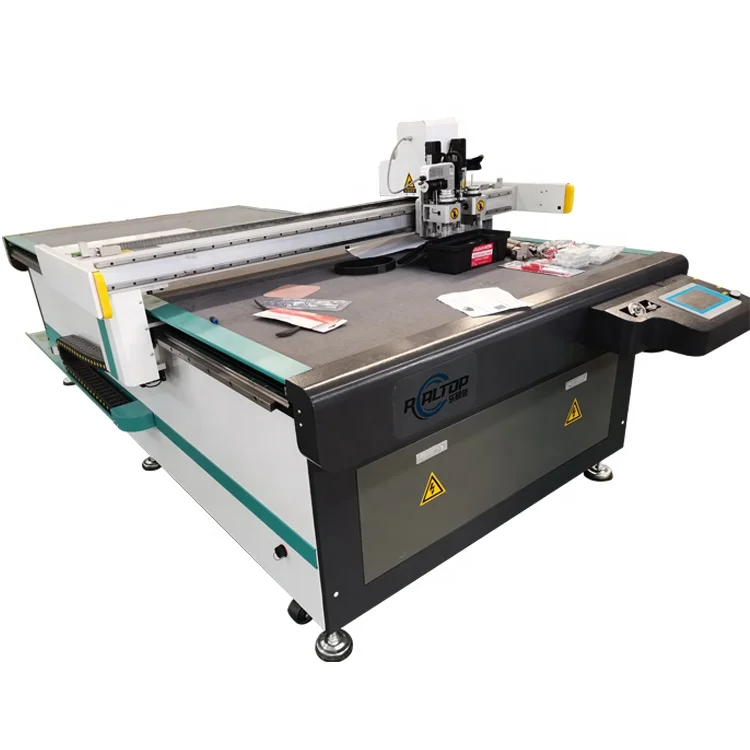
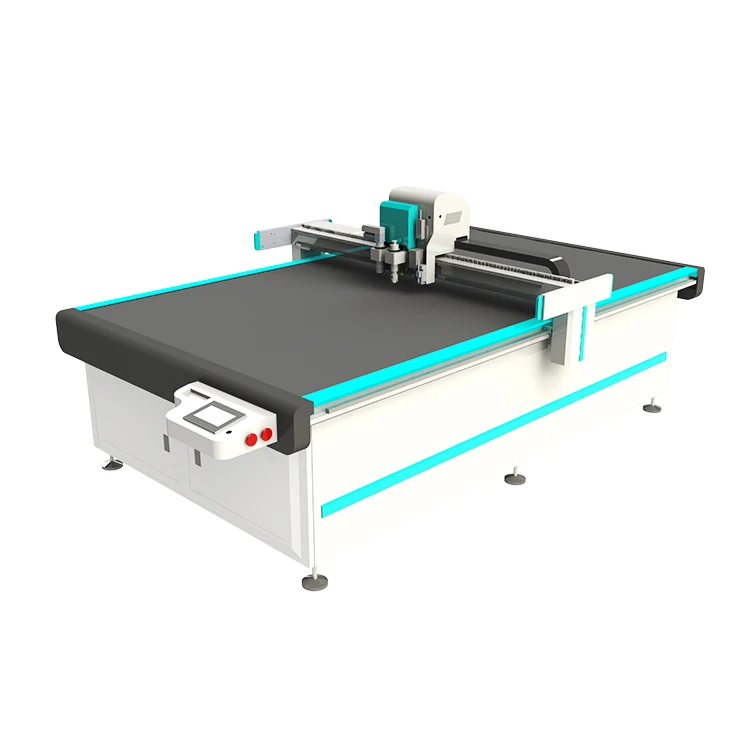
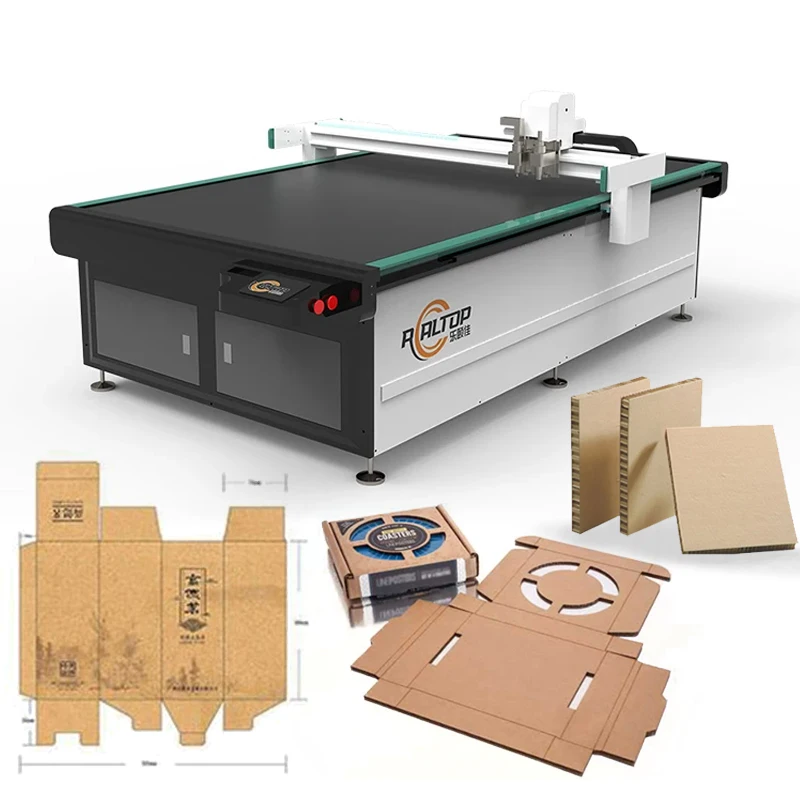
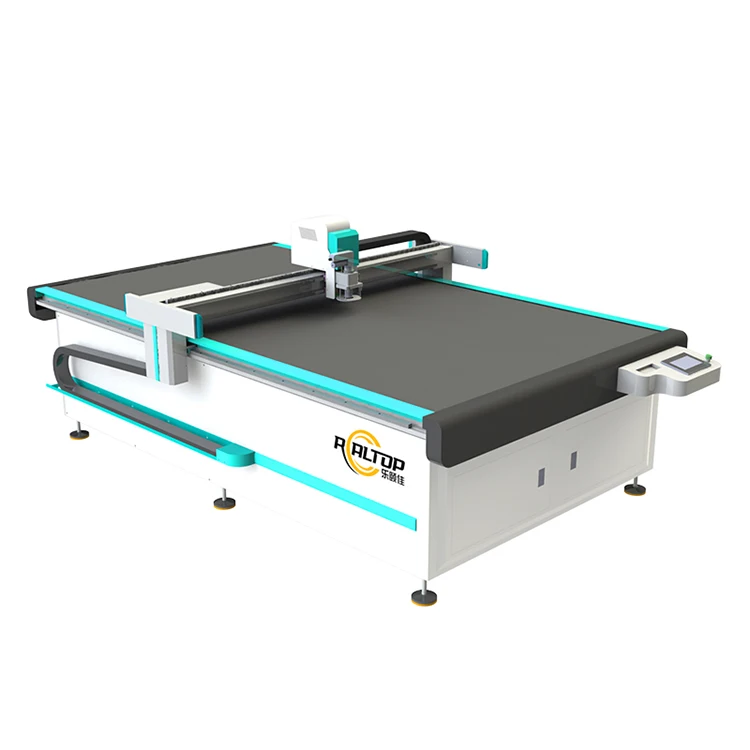
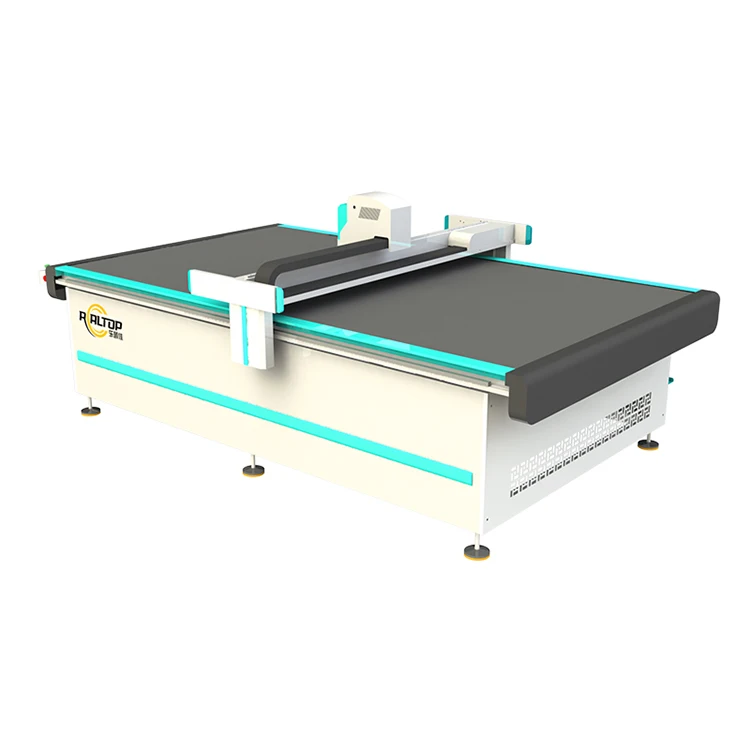
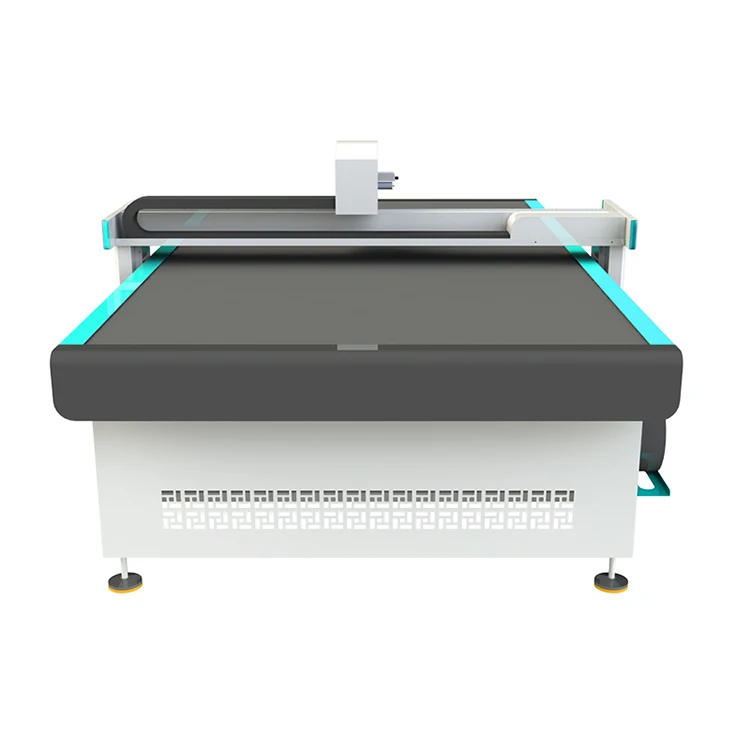
Specification matched to material — the RT-D2516/RT-S2516 is configured after cutting tests on your actual corrugated grades and box formats, not quoted from a generic working-area chart.
Technical Specifications
| Parameter | Value |
|---|---|
| Model | RT-D2516/RT-S2516 |
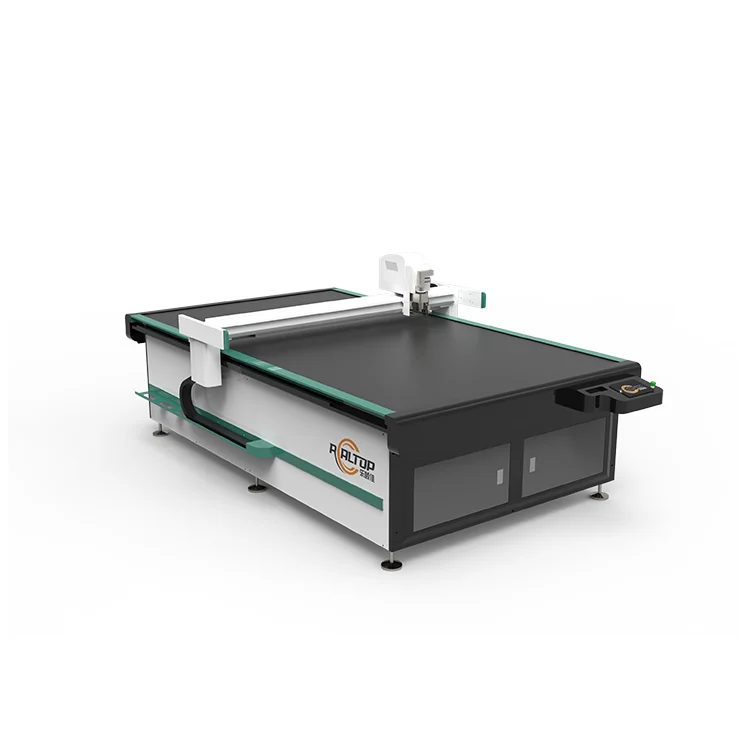
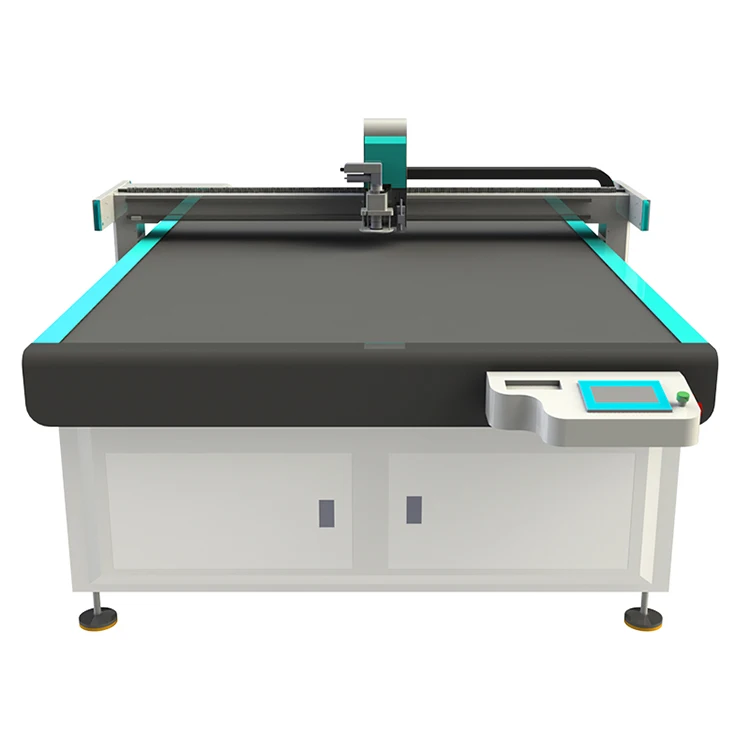
| Product Type | Digital Flatbed Carton Cutting Machine |
| Working Area | 1600×2500 mm |
| Machine Size | 3450×2300×1250 mm |
| Rated Power | 9 kW |
| Vacuum Pump | 7.5 kW |
| Table Type | Aluminum alloy honeycomb flatbed with vacuum adsorption |
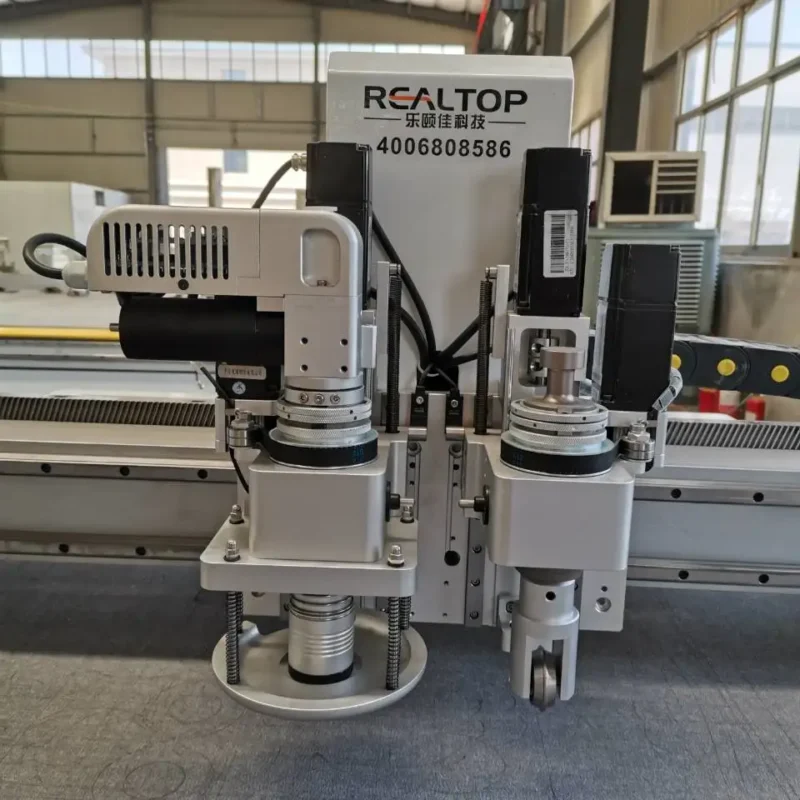
| Multifunctional Head | Swiss imported knife — vibration full cut, half cut, cursor location |
| Translational Velocity | 800–2000 mm/s |
| Cutting Speed | 200–800 mm/s (according to different cutting materials) |
| Cutting Thickness | ≤100 mm (varies by material) |
| Repeatability | ≤0.1 mm |
| Servo Motor | Taiwan Delta servo motors and drivers |
| Linear Guide | Taiwan Hiwin rail |
| Transmission | Synchronous belt, ball screw |
| Conveyor Belt | Germany imported (basis to be confirmed) |
| Instruction System | HP-GL compatible format |
| Software | Professional carton nesting software, multi-format file import, automatic positioning for cutting, marking, creasing |
| Language Options | English, Russian, Italian, Chinese; special languages customizable |
| Voltage | 380V ±10% (50/60 Hz to be confirmed) |
| Safety Device | Infrared sensors and emergency stop |
| Feed System | Auto feeding available in configuration |
| Certification | CE (model-specific declaration to be confirmed) |
Application Suitability
| Application | Material or Output |
|---|---|
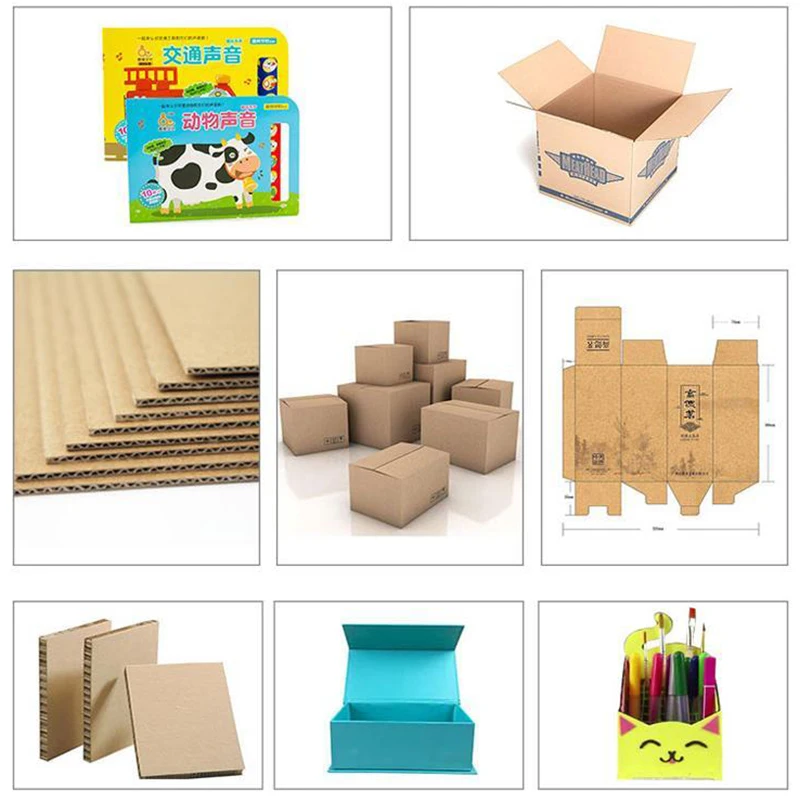
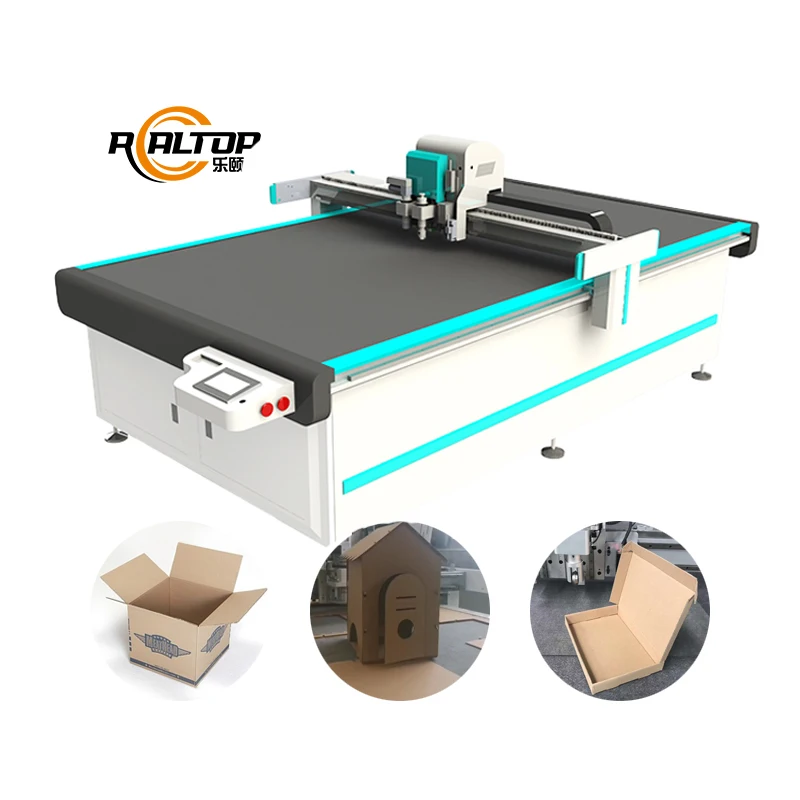
| Packaging carton sample making | Single, double and triple-wall corrugated board, folding carton stock |
| Corrugated box cutting and creasing | E-flute, B-flute, C-flute and BC-flute corrugated sheets |
| Sticker and label contour cutting | Self-adhesive vinyl, coated label stock, magnetic sheet |
| Cardboard display and signage | Greyboard, honeycomb paperboard, foam board, PP corrugated |
| Gift box and express packaging prototyping | Kraft board, coated art paper, rigid box board |
Why Specifying a Digital Box Cutting Machine for Sale on Working Area Alone Fails the First Test Cut
A flatbed that fits your sheet size but cannot hold it flat will produce ragged creases on the second pass.
Many packaging buyers shortlist a digital box cutting machine for sale based on the 1600×2500 mm footprint, assuming every corrugated flute will cut cleanly within that envelope. In practice, double-wall and triple-wall boards demand more vacuum pressure per square centimetre than the standard pump delivers, and small offcut pieces lift during the return stroke. The result is crushed flutes on the inside of the crease line and a blade that chatters through the top liner. I have seen sample rooms reject machines of this class after the first week because the vacuum zoning was designed for full-sheet nesting only [NEED_CITE: vacuum hold-down requirements for corrugated board grades].
Matching the Knife Head to Board Grade and Flute Profile
A digital box cutting machine for sale configured with a single oscillating knife will cut E-flute cleanly but struggle through BC-flute at production speed. The RT-D2516/RT-S2516 multifunctional head carries a Swiss imported vibration knife that handles full cutting, half cutting and cursor location within the same tool station. Half-cut depth control is what allows kiss-cutting the top liner for tear-strip openings without penetrating the bottom sheet, a requirement that separates sample-quality output from production-grade carton finishing.
Vacuum Zoning Across the 1600×2500 mm Honeycomb Platform
The aluminum alloy honeycomb table is divided into independently controlled zones so that a small display-stand prototype occupying one corner of the bed still receives full vacuum hold-down without air leaking across the unused area. This zoning matters when you run short-run gift box prototypes on 2 mm greyboard alongside full-sheet corrugated layouts. Without it, the vacuum pump works against open cells at the far end of the table and the sheet shifts mid-crease [NEED_CITE: flatbed vacuum table zoning principles for digital cutting].
Reading the Specs That Actually Affect Your Daily Output
The Taiwan Delta servo motors paired with Hiwin linear guides hold ≤0.1 mm repeatability across the full travel, which means a crease line scored at the start of a 2500 mm stroke still aligns with the corresponding slot at the far end. Cutting speed of 200–800 mm/s is material-dependent — three-layer corrugated runs slower than single-face board because the oscillating knife must penetrate deeper on each stroke. The 9 kW rated power and 7.5 kW vacuum pump together define the electrical supply requirement; both must be on a dedicated circuit sized for the combined draw plus start-up inrush. HP-GL instruction compatibility means your existing CAD output from packaging design software imports without an intermediate conversion step that could shift crease positions by fractions of a millimetre.
The Hidden Cost of Skipping Material-Specific Configuration
Choosing the lowest-quoted tool head to save on the initial invoice often surfaces as crushed flute edges on double-wall board within the first production run. The oscillating knife then requires more frequent replacement, and the vacuum table cannot compensate for a blade that drags rather than slices. I have watched sample rooms lose repeat orders because the crease quality degraded gradually and the operator blamed the board supplier [NEED_CITE: tool wear patterns in oscillating knife cutting of corrugated materials].
Why Procurement Teams Source This Range from Jinan
In-house design covers both oscillating knife and laser cutting technologies, so the same engineering team can recommend whether your corrugated workflow belongs on a knife table or a CO2 laser platform. Tool head and vacuum configuration are specified per material thickness and daily sheet volume, not pulled from a standard catalogue row. CCD camera positioning is evaluated during the sample-cutting stage to confirm that your printed registration marks track at production speed. Voltage and control language are locked in before the build begins, and software file format compatibility is verified against your existing nesting workflow so the machine arrives ready for your first job.
Documentation & Verification
- Machine specification sheet listing every configured tool head and vacuum zone
- Electrical schematic with confirmed voltage and frequency for your target market
- Sample cutting report on your corrugated board grade and flute type
- Software licence with file format compatibility note for your nesting system
- Factory test record documenting repeatability across the full 1600×2500 mm travel
- Spare parts list identifying Swiss knife blades and vacuum seals by part number
Installation, Commissioning & Support
- 3450×2300 mm footprint requires level concrete floor with clearance for the 7.5 kW vacuum pump hose routing
- 380V ±10% dedicated circuit with breaker rated for 9 kW continuous plus motor start-up surge
- Machine ships as a single frame assembly; table leveling and belt tension set during commissioning
- Servo tuning and crease-depth calibration performed on your supplied board samples
- Operator training covers half-cut adjustment, nesting software import and daily knife inspection
- First-year parts supply included; on-site engineer dispatch available with travel covered by buyer
What We Need from You Before Quoting
Send the corrugated flute types and board thicknesses you run most often, along with your typical sheet size and daily volume. Confirm the local voltage and frequency at your facility, and the control language your operators need. If you already use nesting software, share a sample file so we verify format compatibility before the machine enters production.
Frequently Asked Questions
Q: How do I confirm cutting thickness for my specific corrugated flute type?
A: The ≤100 mm cutting capacity varies by board density and flute profile. We run sample cuts on your actual corrugated sheets — E-flute, B-flute, C-flute or double-wall — and record the knife penetration, speed and edge quality in a test report before you commit to the build.
Q: Can the voltage and control language be set for my country?
A: Voltage is configurable within the 380V ±10% range, and the frequency must be confirmed as 50 Hz or 60 Hz for your grid. Control language options include English, Russian, Italian and Chinese, with additional languages available on request before the control panel is assembled.
Q: How does this knife machine compare to a laser for packaging work?
A: Oscillating knife cutting produces no heat-affected edge, which keeps corrugated fibres intact for folding and gluing. Laser cutting seals synthetic edges but chars paper-based board. We evaluate your material mix and recommend the method that matches your finishing requirements.
Q: Will my existing nesting files import without conversion?
A: The HP-GL compatible instruction system and professional carton nesting software accept multiple file formats. Before order confirmation, we test your sample files to verify that crease lines, cut paths and registration marks transfer without positional drift.
Q: Are other working area sizes available beyond 1600×2500 mm?
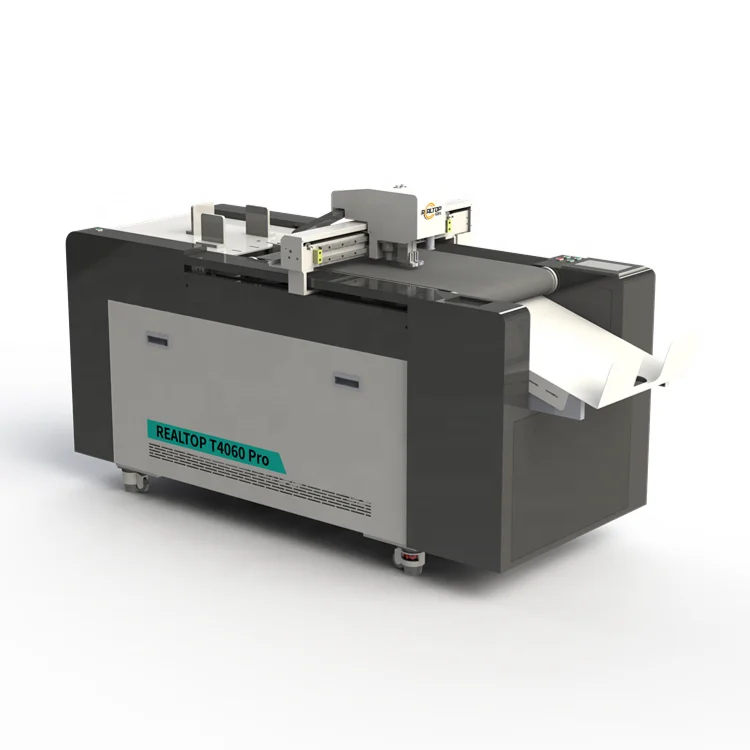
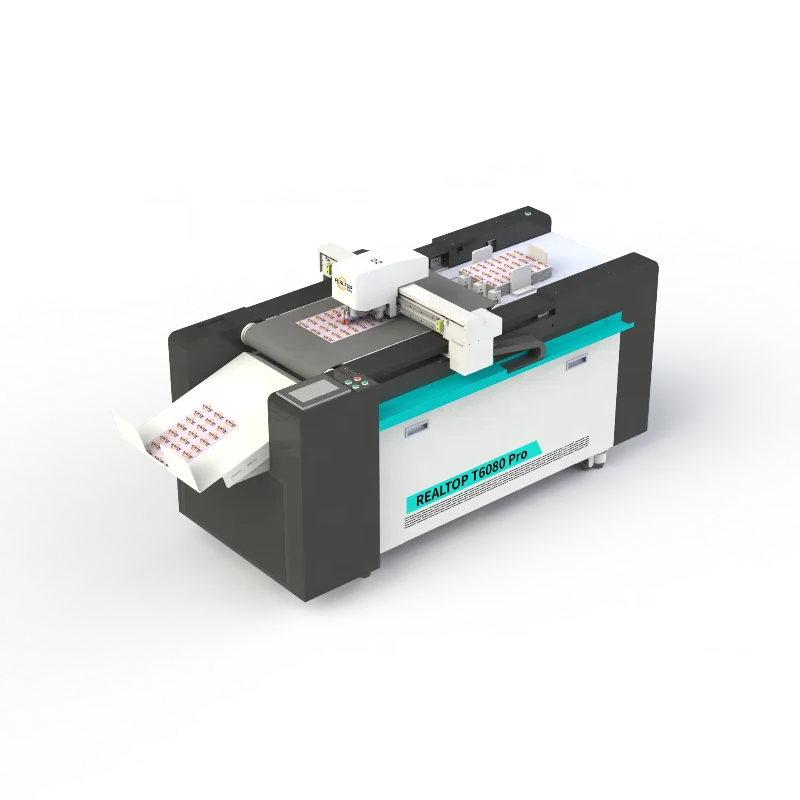
A: This model sits within a broader catalogue of flatbed cutting tables. Compact and large-format options, as well as multi-head configurations, are available depending on your sheet size and production volume. Share your requirements and we map the suitable format.
Specification matched to material — the RT-D2516/RT-S2516 is configured after cutting tests on your actual corrugated grades and box formats, not quoted from a generic working-area chart.
Technical Specifications
| Parameter | Value |
|---|---|
| Model | RT-D2516/RT-S2516 |
| Product Type | Digital Flatbed Carton Cutting Machine |
| Working Area | 1600×2500 mm |
| Machine Size | 3450×2300×1250 mm |
| Rated Power | 9 kW |
| Vacuum Pump | 7.5 kW |
| Table Type | Aluminum alloy honeycomb flatbed with vacuum adsorption |
| Multifunctional Head | Swiss imported knife — vibration full cut, half cut, cursor location |
| Translational Velocity | 800–2000 mm/s |
| Cutting Speed | 200–800 mm/s (according to different cutting materials) |
| Cutting Thickness | ≤100 mm (varies by material) |
| Repeatability | ≤0.1 mm |
| Servo Motor | Taiwan Delta servo motors and drivers |
| Linear Guide | Taiwan Hiwin rail |
| Transmission | Synchronous belt, ball screw |
| Conveyor Belt | Germany imported (basis to be confirmed) |
| Instruction System | HP-GL compatible format |
| Software | Professional carton nesting software, multi-format file import, automatic positioning for cutting, marking, creasing |
| Language Options | English, Russian, Italian, Chinese; special languages customizable |
| Voltage | 380V ±10% (50/60 Hz to be confirmed) |
| Safety Device | Infrared sensors and emergency stop |
| Feed System | Auto feeding available in configuration |
| Certification | CE (model-specific declaration to be confirmed) |
Application Suitability
| Application | Material or Output |
|---|---|
| Packaging carton sample making | Single, double and triple-wall corrugated board, folding carton stock |
| Corrugated box cutting and creasing | E-flute, B-flute, C-flute and BC-flute corrugated sheets |
| Sticker and label contour cutting | Self-adhesive vinyl, coated label stock, magnetic sheet |
| Cardboard display and signage | Greyboard, honeycomb paperboard, foam board, PP corrugated |
| Gift box and express packaging prototyping | Kraft board, coated art paper, rigid box board |
Why Specifying a Digital Box Cutting Machine for Sale on Working Area Alone Fails the First Test Cut
A flatbed that fits your sheet size but cannot hold it flat will produce ragged creases on the second pass.
Many packaging buyers shortlist a digital box cutting machine for sale based on the 1600×2500 mm footprint, assuming every corrugated flute will cut cleanly within that envelope. In practice, double-wall and triple-wall boards demand more vacuum pressure per square centimetre than the standard pump delivers, and small offcut pieces lift during the return stroke. The result is crushed flutes on the inside of the crease line and a blade that chatters through the top liner. I have seen sample rooms reject machines of this class after the first week because the vacuum zoning was designed for full-sheet nesting only [NEED_CITE: vacuum hold-down requirements for corrugated board grades].
Matching the Knife Head to Board Grade and Flute Profile
A digital box cutting machine for sale configured with a single oscillating knife will cut E-flute cleanly but struggle through BC-flute at production speed. The RT-D2516/RT-S2516 multifunctional head carries a Swiss imported vibration knife that handles full cutting, half cutting and cursor location within the same tool station. Half-cut depth control is what allows kiss-cutting the top liner for tear-strip openings without penetrating the bottom sheet, a requirement that separates sample-quality output from production-grade carton finishing.
Vacuum Zoning Across the 1600×2500 mm Honeycomb Platform
The aluminum alloy honeycomb table is divided into independently controlled zones so that a small display-stand prototype occupying one corner of the bed still receives full vacuum hold-down without air leaking across the unused area. This zoning matters when you run short-run gift box prototypes on 2 mm greyboard alongside full-sheet corrugated layouts. Without it, the vacuum pump works against open cells at the far end of the table and the sheet shifts mid-crease [NEED_CITE: flatbed vacuum table zoning principles for digital cutting].
Reading the Specs That Actually Affect Your Daily Output
The Taiwan Delta servo motors paired with Hiwin linear guides hold ≤0.1 mm repeatability across the full travel, which means a crease line scored at the start of a 2500 mm stroke still aligns with the corresponding slot at the far end. Cutting speed of 200–800 mm/s is material-dependent — three-layer corrugated runs slower than single-face board because the oscillating knife must penetrate deeper on each stroke. The 9 kW rated power and 7.5 kW vacuum pump together define the electrical supply requirement; both must be on a dedicated circuit sized for the combined draw plus start-up inrush. HP-GL instruction compatibility means your existing CAD output from packaging design software imports without an intermediate conversion step that could shift crease positions by fractions of a millimetre.
The Hidden Cost of Skipping Material-Specific Configuration
Choosing the lowest-quoted tool head to save on the initial invoice often surfaces as crushed flute edges on double-wall board within the first production run. The oscillating knife then requires more frequent replacement, and the vacuum table cannot compensate for a blade that drags rather than slices. I have watched sample rooms lose repeat orders because the crease quality degraded gradually and the operator blamed the board supplier [NEED_CITE: tool wear patterns in oscillating knife cutting of corrugated materials].
Why Procurement Teams Source This Range from Jinan
In-house design covers both oscillating knife and laser cutting technologies, so the same engineering team can recommend whether your corrugated workflow belongs on a knife table or a CO2 laser platform. Tool head and vacuum configuration are specified per material thickness and daily sheet volume, not pulled from a standard catalogue row. CCD camera positioning is evaluated during the sample-cutting stage to confirm that your printed registration marks track at production speed. Voltage and control language are locked in before the build begins, and software file format compatibility is verified against your existing nesting workflow so the machine arrives ready for your first job.
Documentation & Verification
- Machine specification sheet listing every configured tool head and vacuum zone
- Electrical schematic with confirmed voltage and frequency for your target market
- Sample cutting report on your corrugated board grade and flute type
- Software licence with file format compatibility note for your nesting system
- Factory test record documenting repeatability across the full 1600×2500 mm travel
- Spare parts list identifying Swiss knife blades and vacuum seals by part number
Installation, Commissioning & Support
- 3450×2300 mm footprint requires level concrete floor with clearance for the 7.5 kW vacuum pump hose routing
- 380V ±10% dedicated circuit with breaker rated for 9 kW continuous plus motor start-up surge
- Machine ships as a single frame assembly; table leveling and belt tension set during commissioning
- Servo tuning and crease-depth calibration performed on your supplied board samples
- Operator training covers half-cut adjustment, nesting software import and daily knife inspection
- First-year parts supply included; on-site engineer dispatch available with travel covered by buyer
What We Need from You Before Quoting
Send the corrugated flute types and board thicknesses you run most often, along with your typical sheet size and daily volume. Confirm the local voltage and frequency at your facility, and the control language your operators need. If you already use nesting software, share a sample file so we verify format compatibility before the machine enters production.
Frequently Asked Questions
Q: How do I confirm cutting thickness for my specific corrugated flute type?
A: The ≤100 mm cutting capacity varies by board density and flute profile. We run sample cuts on your actual corrugated sheets — E-flute, B-flute, C-flute or double-wall — and record the knife penetration, speed and edge quality in a test report before you commit to the build.
Q: Can the voltage and control language be set for my country?
A: Voltage is configurable within the 380V ±10% range, and the frequency must be confirmed as 50 Hz or 60 Hz for your grid. Control language options include English, Russian, Italian and Chinese, with additional languages available on request before the control panel is assembled.
Q: How does this knife machine compare to a laser for packaging work?
A: Oscillating knife cutting produces no heat-affected edge, which keeps corrugated fibres intact for folding and gluing. Laser cutting seals synthetic edges but chars paper-based board. We evaluate your material mix and recommend the method that matches your finishing requirements.
Q: Will my existing nesting files import without conversion?
A: The HP-GL compatible instruction system and professional carton nesting software accept multiple file formats. Before order confirmation, we test your sample files to verify that crease lines, cut paths and registration marks transfer without positional drift.
Q: Are other working area sizes available beyond 1600×2500 mm?
A: This model sits within a broader catalogue of flatbed cutting tables. Compact and large-format options, as well as multi-head configurations, are available depending on your sheet size and production volume. Share your requirements and we map the suitable format.
商品评价
There are no reviews yet.