


Fast Delivery
Quick, reliable shipping to any location.

Free & easy returns
Return this item by mail or in store within 90 days for a full refund.
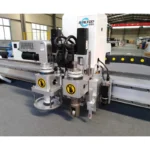
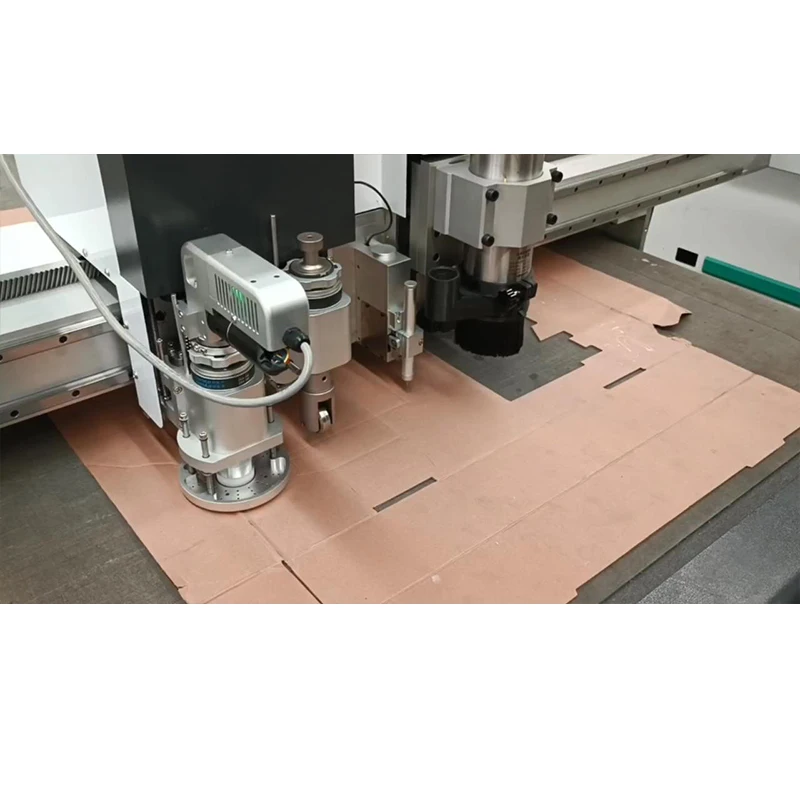
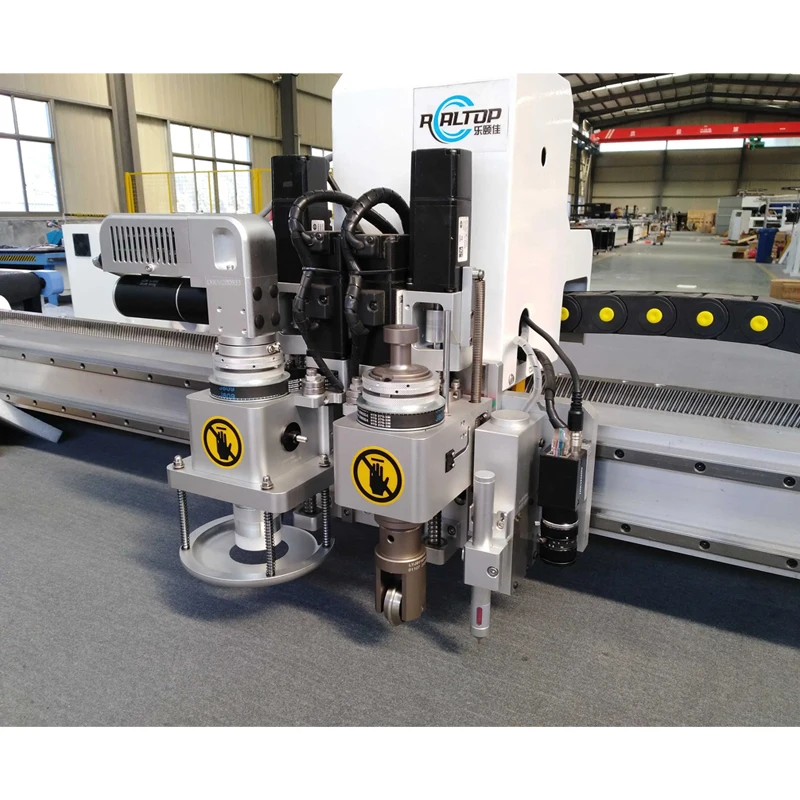
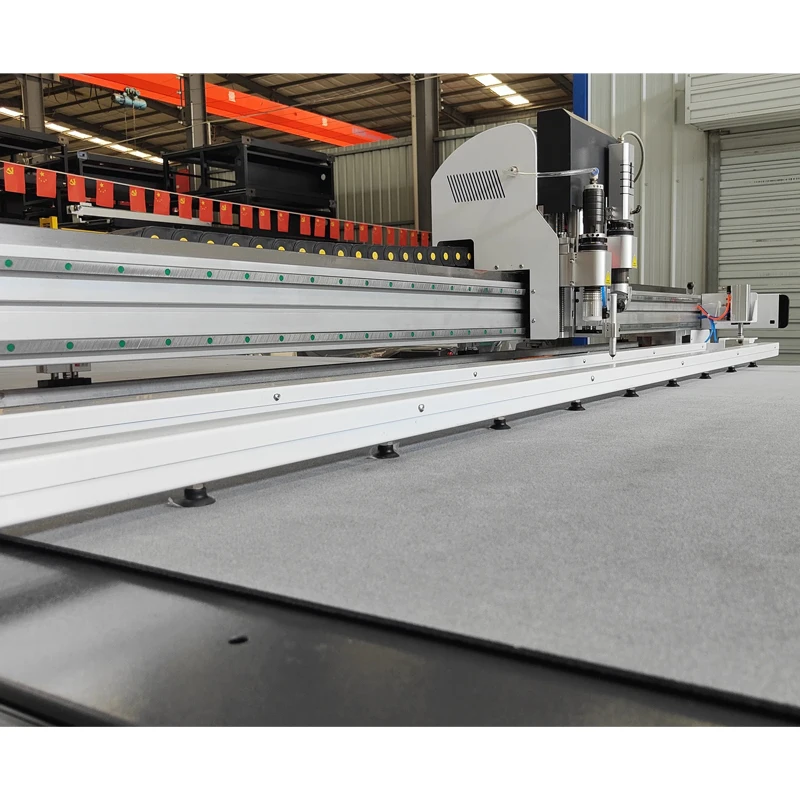
Precision Tool Head Matching — The CLD2516 is configured with a Swiss imported oscillating knife station after we verify your corrugated grade, gasket density, or foam thickness, not before.
Technical Specifications
| Parameter | Value |
|---|---|
| Model | CLD2516 |
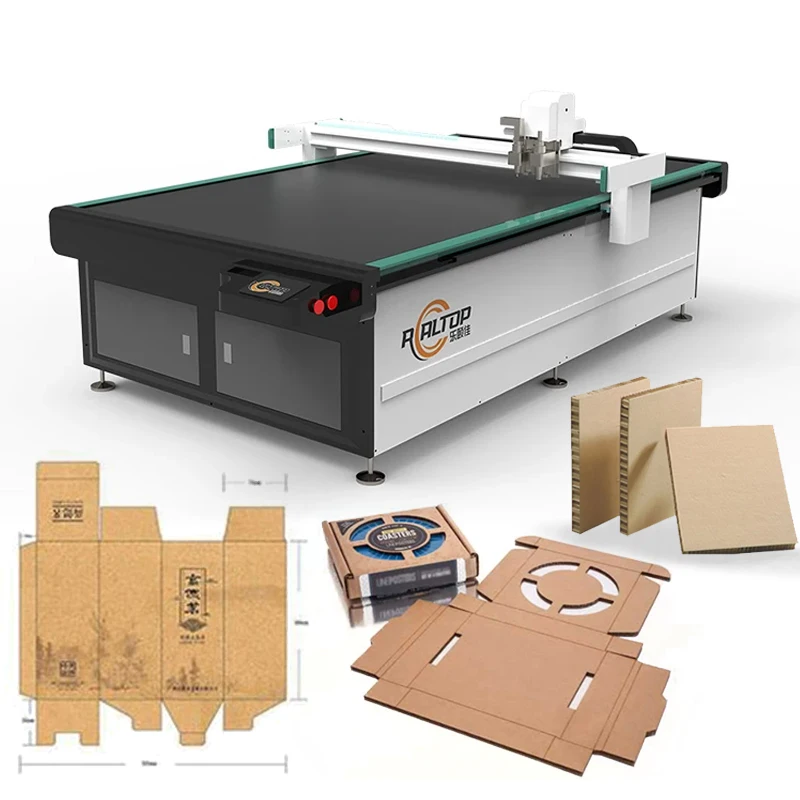
| Product Type | CNC Oscillating Knife Cutting Machine |
| Working Area | 1600mm × 2500mm |
| Overall Dimensions | 3450 × 2300 × 1250 mm |
| Rated Power | 6.6 kW |
| Voltage | 380V ±10% (50/60 Hz to be confirmed per site) |
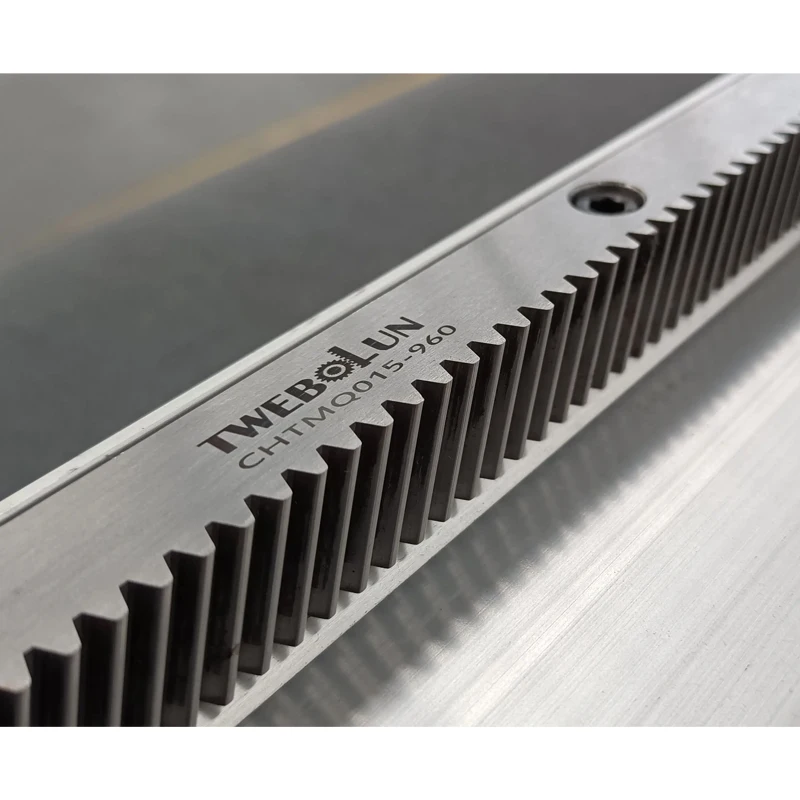
| Transmission System | Digital servo motor, linear guide, synchronous belt, ball screw |
| Servo Motor Brand | Delta |
| Linear Guide Brand | Taiwan Hiwin |
| Translational Velocity | 800–1200 mm/s |
| Cutting Thickness | 20–80mm (depends on material type and density — confirm with sample) |
| Repeated Accuracy | ≤0.1mm |
| Tool Head | Swiss imported knife with vibration full-cut, half-cut, and cursor location |
| Vacuum Pump | 7.5 kW |
| Material Fixing Method | Vacuum partition adsorption |
| Table Structure | Aluminum alloy honeycomb structure |
| Conveyor Belt | Germany imported |
| Safety Device | Infrared sensors, emergency stop |
| Support File Formats | PLT, DXF |
| Instruction System | HP-GL compatible format |
| Control Language | Customizable (English, Russian, Italian, Chinese available) |
| Software | Professional carton nesting software included |
| Machine Frame | Welded thick square seamless steel with high-temperature treatment |
| Assembly State | Fully assembled flatbed (auto-feeding available as option) |
Application Suitability
| Application | Material or Output |
|---|---|
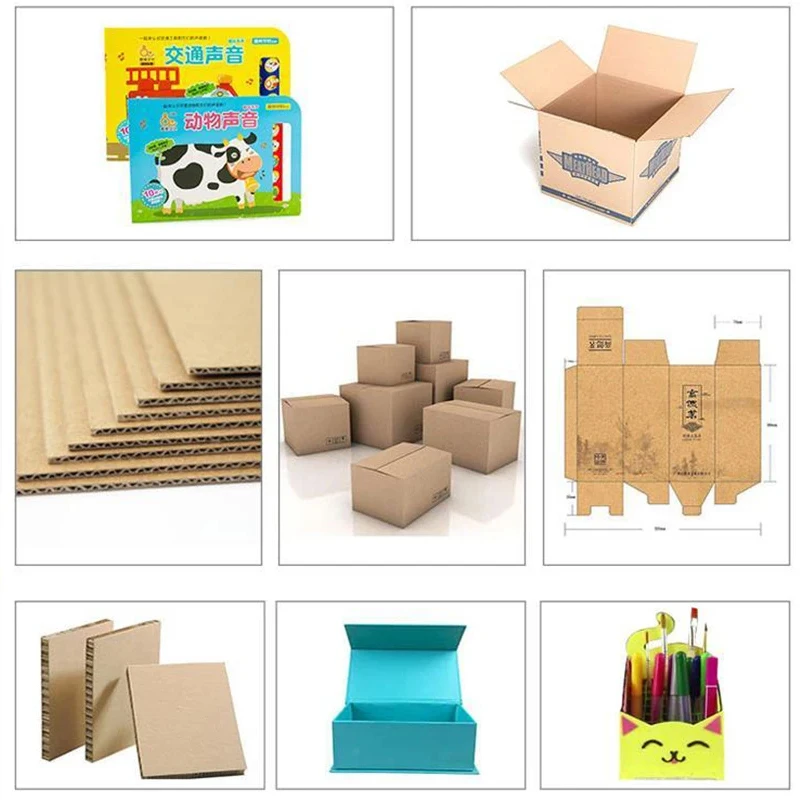
| Carton and packaging sample making | Single, double, and triple-wall corrugated board, greyboard, folding carton stock |
| Sticker and label contour cutting | Self-adhesive vinyl, label stock, reflective sheeting |
| Paper-based gift and display packaging | Honeycomb paper board, foam board, corrugated PP |
| Express and snack food packaging | Coated corrugated, wax-impregnated board, laminated carton |
| Flexible material cutting | Leather, fabric, PVC, soft glass, silicone, rubber, sponge composite leather |
Why "Working Area" Alone Ruins Your First Short Run
A machine specified on table size alone often fails when the real material hits the bed — cutting depth must be confirmed against your actual stock before the purchase order is signed.
I have watched buyers receive a machine with a generous 1600 × 2500mm bed, only to discover the oscillating knife cannot penetrate their five-layer glued corrugated board at production speed. The edges crush, the vacuum zone lets small parts drift, and the first batch becomes scrap. The problem was never the working area; it was the assumption that thickness capacity is a single number [NEED_CITE: corrugated board density variation by ply count and adhesive type]. A CNC oscillating knife cutting machine manufacturer should always run your exact material before quoting depth figures.
Knife Versus Laser — Picking the Right Method for Packaging Stock
The CLD2516 sits inside a broader catalogue that includes both knife and laser platforms, so the first decision is which cutting method your material actually needs. Oscillating knife handles corrugated, foam board, and laminated carton without thermal edge marking, while laser suits acrylic templates and thin film overlays. Forcing laser onto thick corrugated leaves burn lines and char dust; forcing knife onto thin self-adhesive vinyl without a drag knife or half-cut setting risks liner penetration. Matching method to substrate is the reason we keep both families under one roof rather than pushing a single technology onto every inquiry.
What Vacuum Partition Adsorption Solves on a 1600 × 2500mm Bed
A large-format flatbed is wasted if small die-cut parts lift off the table during the final contour pass. The aluminum honeycomb surface on the CLD2516 is divided into independently valved zones, so a 100 × 80mm carton blank in the corner still sees full holding force without wasting suction on empty bed area. This matters on short-run packaging where the nesting software packs irregular shapes across the entire sheet — every zone must seal, or the part chatters under the knife and ruins the edge [NEED_CITE: vacuum zoning principles for flatbed digital cutting tables]. The 7.5 kW pump is sized to maintain suction across active zones even when the German-imported conveyor belt is cycling fresh sheets underneath.
Reading the Specs That Actually Govern Your Edge Quality
The Swiss imported oscillating knife head carries three functions in one station — full-cut, half-cut, and cursor location — which eliminates tool-change pauses between scoring a fold line and cutting the outer contour. Delta servo drives paired with Taiwan Hiwin linear guides hold ≤0.1mm repeatability, so a fold line scored at the start of a 2500mm traverse stays aligned with its matching slot at the far end. Translational velocity of 800–1200 mm/s is a travel figure; actual cutting speed depends on material density and knife frequency, which is why we treat it as a positioning ceiling rather than a throughput guarantee. The 6.6 kW rated power covers motion, spindle oscillation, and control — separate from the 7.5 kW vacuum circuit — so your electrical plan needs both feeds on dedicated breakers. Frame rigidity from the welded thick square steel structure with high-temperature stress relief keeps that guide accuracy intact after months of full-bed vibration cycles.
The Hidden Cost of Skipping a Material Sample Run
Buyers who approve a configuration on paper and skip the sample cut frequently discover problems only when production material arrives at their own facility. Ragged edges on dense gasket stock, incomplete cuts through multi-layer corrugated, and crushed foam cores are all symptoms of a tool head chosen from a catalog instead of tested against a real sheet [NEED_CITE: oscillating knife behavior on composite and foam substrates]. Rework costs, missed delivery windows, and damaged buyer confidence add up fast — far past whatever was saved by rushing the order.
Why Buyers Spec the CLD2516 Within the Full Range
The in-house design team covers both knife and laser technology, so a packaging producer can compare methods on the same material rather than accept whichever method a single-technology vendor offers. Tool head and table zones are configured per the exact substrate and daily volume you share during inquiry. CCD camera positioning is available across the catalogue for printed contour work, but only added when your artwork actually needs it. Software compatibility is verified against your PLT or DXF files before the order is confirmed. Voltage, plug type, and control language are locked in writing to match your facility’s supply and operator preference. Sample cutting on your own material runs before commitment, producing a physical report you can measure and fold yourself.
Documentation & Verification
- Machine specification sheet listing working area, tool head options, and confirmed cutting thickness per material
- Electrical schematic with 380V ±10% feed diagram and 50/60 Hz setting for your local grid
- Tool head and vacuum zone configuration list tied to your substrate sample
- Sample cutting report on your corrugated grade with measured edge and fold quality
- Factory test record capturing repeatability and traverse speed across the full 2500mm bed
- Software licence and PLT/DXF file format compatibility note signed before dispatch
Installation, Commissioning & Support
- Floor must be level to within 2mm across the 3450 × 2300mm footprint before positioning the flatbed
- Dedicated 380V ±10% circuit with separate breaker for the 6.6 kW machine and 7.5 kW vacuum pump
- Machine ships fully assembled; only conveyor belt tension and vacuum hose routing require on-site work
- First power-on includes servo tuning, vacuum zone mapping, and oscillation frequency calibration for your material
- Operator training covers nesting software import, HP-GL instruction set, and chosen control language
- Spare knife blades and vacuum seals shipped in the initial parts kit matched to your substrate
Before You Request a Quote
Send us the exact material type, ply count, and sheet thickness you plan to cut, along with your target daily output in sheets or finished parts. Tell us your local voltage and frequency, the control language your operators prefer, and whether your existing design workflow exports PLT or DXF files. If your facility already runs upstream printers or downstream folder-gluers, share those models so we can match feed height and cycle timing.
Frequently Asked Questions
Q: How do I decide between oscillating knife and laser for my packaging material?
A: Oscillating knife cuts corrugated, foam board, and laminated carton without thermal damage or char dust, making it the default for structural packaging. Laser suits thin film overlays and acrylic templates where a sealed edge is preferred. We run both methods on your sample material so you can compare edge quality before selecting a platform.
Q: What table size and vacuum zoning do I actually need?
A: The 1600 × 2500mm bed handles most corrugated and carton sheets, but vacuum zoning is what keeps small die-cut parts flat. We map zone valves to your nesting layout so every part, regardless of position, sees full adsorption force during the final contour pass.
Q: Which tool head fits my substrate?
A: Oscillating knife handles thick corrugated and foam. Drag knife suits thin vinyl and label stock. Creasing wheel scores fold lines without cutting through. The CLD2516 supports multiple heads in one station, and we recommend the combination based on your sample cut results.
Q: Will the software accept my existing nesting files?
A: The included carton nesting software imports PLT and DXF formats and outputs HP-GL compatible instructions. We verify compatibility against your actual design files before the order is confirmed, not after delivery.
Q: What voltage and language options are confirmed before shipment?
A: The standard supply is 380V ±10%, but frequency and plug type are confirmed in writing to match your facility. Control language options include English, Russian, Italian, and Chinese, selectable before the machine leaves the factory.










商品评价
There are no reviews yet.