

Fast Delivery
Quick, reliable shipping to any location.

Free & easy returns
Return this item by mail or in store within 90 days for a full refund.
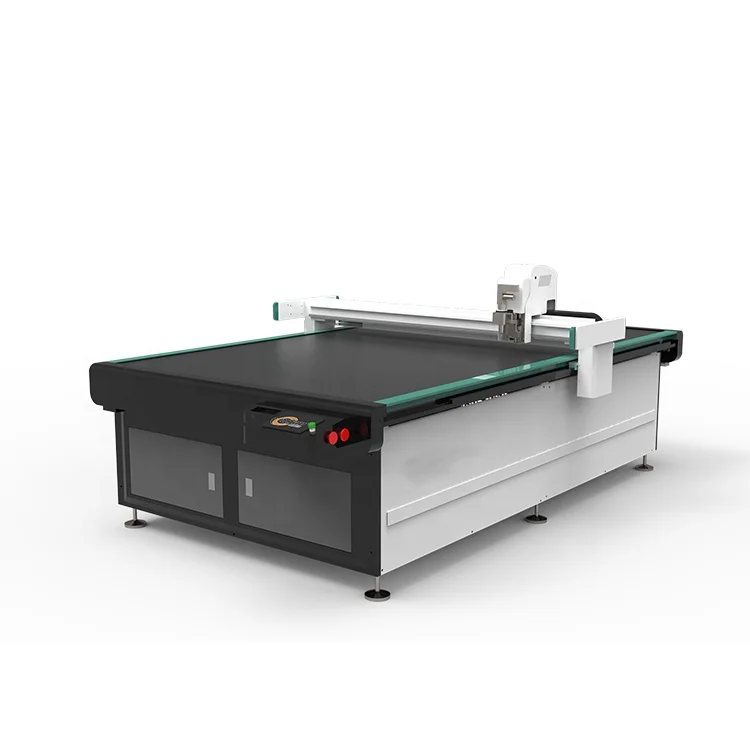
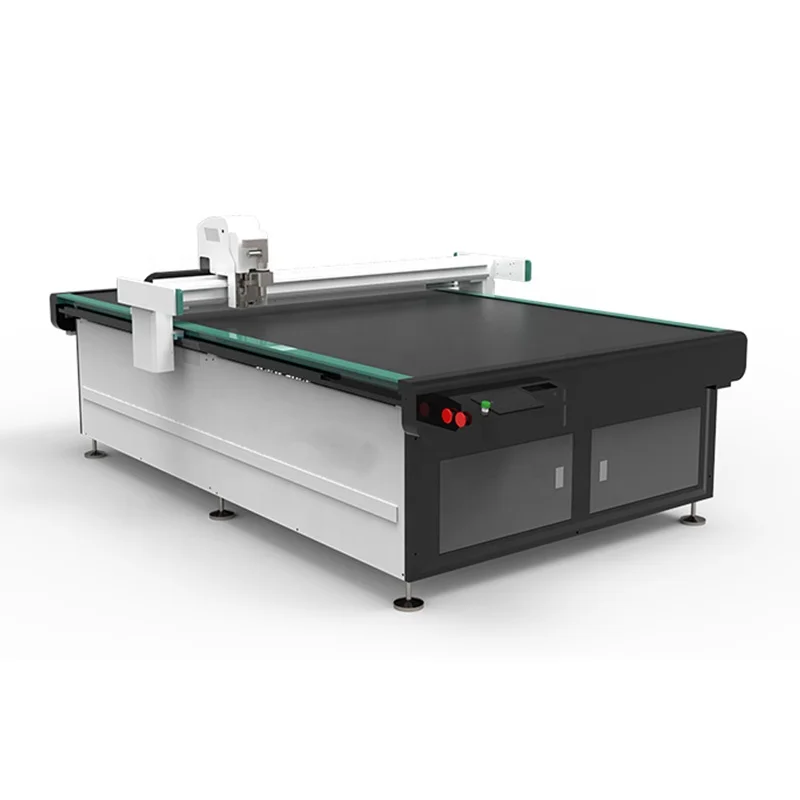
Tool head matched to material — We configure the oscillating knife, vacuum zoning and table type based on the composite layup you actually run, not just the sheet size you quote.
Technical Specifications
| Parameter | Value |
|---|---|
| Model | RT-D2516/RT-S2516 |
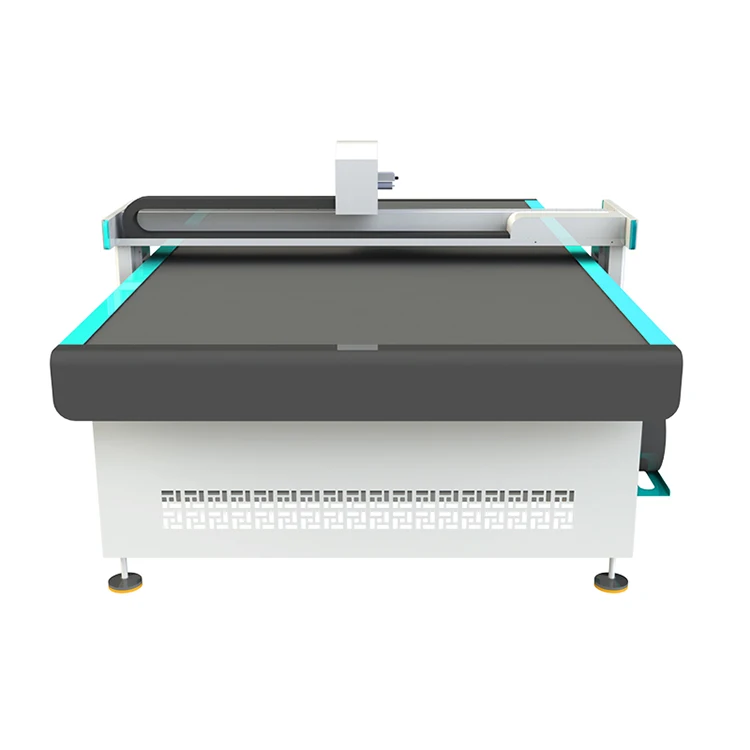
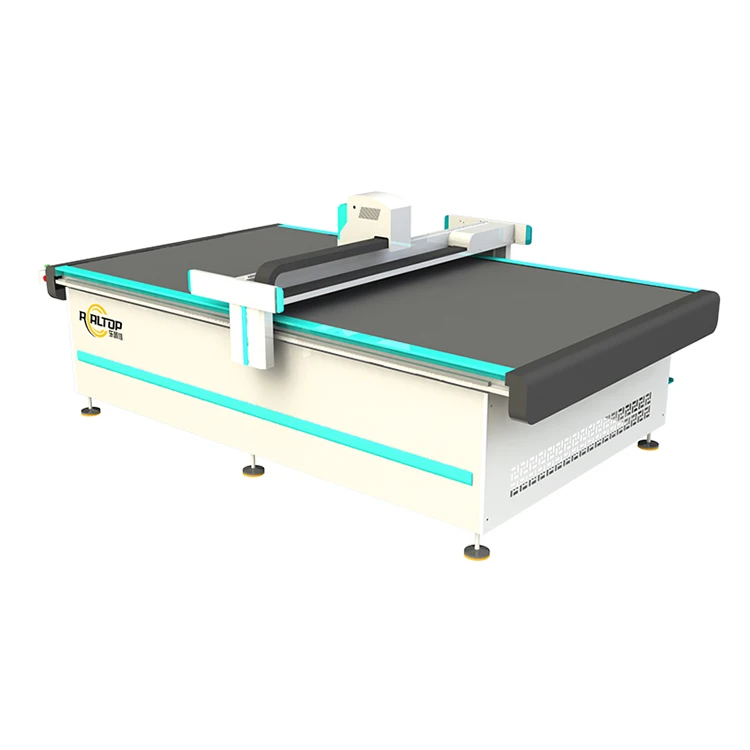
| Product Type | CNC Oscillating Knife Cutting Machine |
| Working Area | 1600 × 2500 mm |
| Machine Size | 3450 × 2300 × 1250 mm |
| Rated Power | 9 kW |
| Cutting Speed | 200–800 mm/s (according to different cutting materials) |
| Translational Velocity | 800–1200 mm/s |
| Repeated Accuracy | ≤0.1 mm |
| Transmission System | Digital servo motor, linear guide, synchronous belt, ball screw (imported) |
| Servo Motor | Japanese Yaskawa |
| Linear Rail | Taiwan Hiwin |
| Conveyor Belt | Germany imported |
| Vacuum Pump | 7.5 kW |
| Table Type | Vacuum table with auto feeding |
| Multifunctional Head | Swiss imported knife with vibration full cutting, vibration half cutting and cursor location function |
| Instruction System | HP-GL compatible format |
| Voltage | 380V ± 10% |
| Safety Device | Infrared sensors |
Application Suitability
| Application | Material or Output |
|---|---|
| Composite layup trimming | Carbon fiber prepreg, fiberglass cloth, aramid fabric |
| Gasket and seal production | Rubber sheet, silicone, cork-rubber composite |
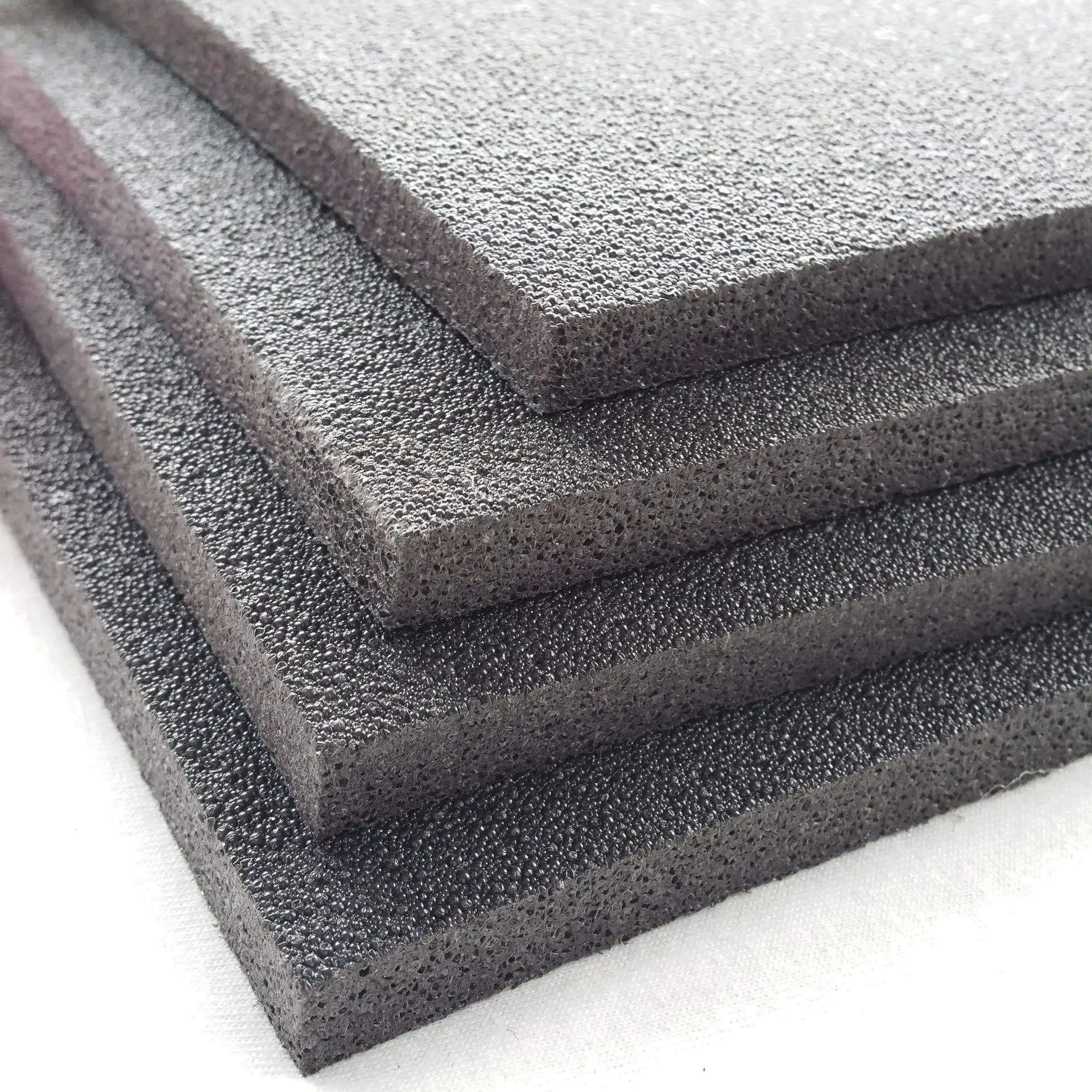
| Automotive interior panels | PU foam, sponge composite leather, acoustic insulation |
| Protective and packaging inserts | PVC foam board, soft glass, cross-linked PE foam |
| Technical textile fabrication | Coated fabric, industrial felt, multi-layer flexible material |
Why Specifying Working Area Alone Leads to the Wrong CNC Oscillating Knife Cutting Machine Manufacturer Choice
Cutting depth, not table size, determines whether the machine can handle your material stack.
I have watched buyers focus on the 1600 × 2500 mm envelope, sign the paperwork, then discover the knife cannot get through their six-layer prepreg stack without delaminating the bottom plies. A CNC oscillating knife cutting machine manufacturer that only asks for sheet dimensions is missing the part of the conversation that actually matters. The resin content, the backing film, the interleave paper — all of these change the blade load and the vacuum hold-down requirement. [NEED_CITE:]
Blade Behavior Across Composite Types
Prepreg materials behave nothing like dry fiberglass or aramid weaves. The resin tack creates drag on the blade wall, and if the oscillation frequency is too low, the knife pulls fibers instead of shearing them cleanly. The Swiss imported oscillating head on the RT-D2516/RT-S2516 delivers full-cut and half-cut strokes, which matters when you need to kiss-cut a release liner without scoring the ply below. A CNC oscillating knife cutting machine manufacturer worth talking to will ask for a sample roll before they recommend a blade profile.
Vacuum Zoning and Small Part Hold-Down
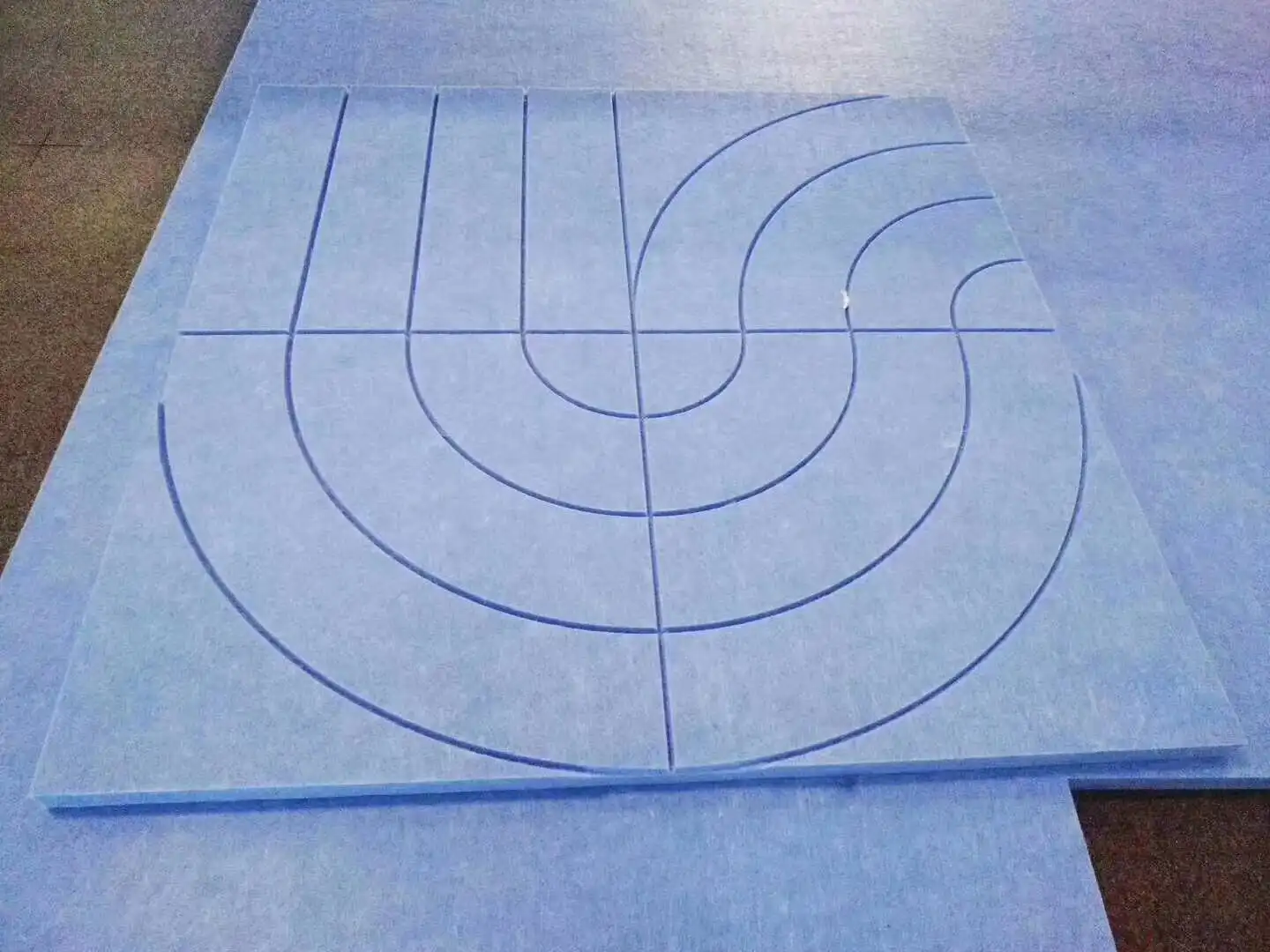
When a nesting layout includes gaskets smaller than a hand, the vacuum table has to be zoned so that suction concentrates under each part. Without zoning, small composite pieces lift during the final passes, and you get ragged edges or worse — the part shifts and ruins the nest. The 7.5 kW vacuum pump paired with the auto-feeding conveyor table on this platform addresses both high-volume blanket cutting and small-part runs, though the zoning configuration must be confirmed per job. [NEED_CITE:]
What the Transmission Components Mean for Edge Quality
Repeat accuracy of ≤0.1 mm sounds like a datasheet number until you see what it does on a carbon fiber layup where the ply boundary is only 0.3 mm wide. The Yaskawa servo motors and Hiwin linear rails keep the knife path tight on contours, which is where most oscillating knife machines drift. On straight cuts, any machine looks good. On the curved edges of an automotive interior trim panel, the drive system either holds position or it does not. Synchronous belt and ball screw combinations are common in this class, but the sourcing grade determines whether that accuracy holds after two shifts of continuous running.
The Hidden Cost of Skipping a Material Test
Buyers who skip sample cutting on their own material often discover the problem after the machine arrives. The blade that worked on the supplier’s demo fabric tears through a high-tack prepreg, leaving fuzzed edges that fail visual inspection. The vacuum level that held standard fiberglass cloth lets a multi-layer silicone sandwich lift at the trailing edge. These issues are solvable — blade angle, stroke frequency, vacuum zone map — but solving them on your production floor costs far more than solving them in the factory before shipment. [NEED_CITE:]
Why Source This Platform from a Manufacturer That Builds Both Knife and Laser Systems
The design team covers oscillating knife and laser cutting under one roof, so the conversation starts with which method fits the composite, not which machine is in stock. In-house production means the frame, motion system and vacuum table are built together rather than sourced from separate integrators and bolted up. The HP-GL compatible instruction system is confirmed against your nesting software before the order goes to the floor, avoiding the file-format surprise that stalls commissioning. Voltage and control language are locked in during the specification stage, not discovered when the crate is opened. Sample cutting on your actual composite material is standard, and the test report ships with the documentation package.
Documentation & Verification
- Machine specification sheet covering the 1600 × 2500 mm working area and tool head options
- Electrical schematic with 380V ± 10% circuit and breaker sizing for your facility
- Factory test record showing ≤0.1 mm repeatability on your composite sample
- Software licence and HP-GL file format compatibility confirmation before dispatch
- Sample cutting report on your own prepreg, foam or gasket material
Installation, Commissioning & Support
- Floor space planning around the 3450 × 2300 mm machine footprint with conveyor infeed clearance
- Dedicated 380V circuit sized for the 9 kW rated load plus the 7.5 kW vacuum pump
- Knife head calibration and vacuum zone mapping performed during on-site commissioning
- Operator training on full-cut versus half-cut modes and blade change procedures
- Spare blade inventory and wear-part list matched to your daily cutting volume
What to Include in Your Inquiry
Send a sample of the composite material you intend to cut, including the exact layup sequence and backing type. Specify your local voltage and frequency, the control panel language your operators need, and whether your existing nesting software exports HP-GL or requires a different post-processor. If your production mix includes both large blanket cuts and small gasket parts, note the smallest part dimension so we can configure vacuum zoning before the build starts.
Frequently Asked Questions
Q: Should I choose an oscillating knife or a laser for my composite material?
A: It depends on the resin system and fiber type. Oscillating knife works well on prepreg, dry fiber and foam composites where heat from a laser would melt the resin or leave a sealed edge you do not want. Laser suits certain thin technical textiles where edge sealing is a benefit. We test both methods on your sample material and recommend based on the cut edge result, not a default catalog page.
Q: Can the machine handle printed contour cutting on composite sheets?
A: CCD camera contour recognition is available as a configuration option for printed registration marks on composite sheets. The camera must be matched to your print contrast and mark size. We confirm tracking reliability during the sample cutting stage before the machine is finalized.
Q: What file formats does the control system accept?
A: The instruction system is HP-GL compatible, which covers most mainstream nesting and CAD platforms used in composite fabrication. If your workflow uses a different output format, we confirm conversion compatibility before the order so there are no surprises at commissioning.
Q: How is the vacuum table configured for small gasket parts?
A: The vacuum table can be divided into zones so that suction concentrates under each nested part. This prevents small composite gaskets from lifting during the final cutting passes. The zone layout is defined based on your typical nesting pattern and confirmed during the material test.
Q: What voltage and language options are available before shipment?
A: The standard voltage is 380V ± 10%, but other voltages are configurable for your local supply. Control panel language is set before production so your operators can navigate the interface from day one. Both are confirmed in writing during the specification stage.
Tool head matched to material — We configure the oscillating knife, vacuum zoning and table type based on the composite layup you actually run, not just the sheet size you quote.
Technical Specifications
| Parameter | Value |
|---|---|
| Model | RT-D2516/RT-S2516 |
| Product Type | CNC Oscillating Knife Cutting Machine |
| Working Area | 1600 × 2500 mm |
| Machine Size | 3450 × 2300 × 1250 mm |
| Rated Power | 9 kW |
| Cutting Speed | 200–800 mm/s (according to different cutting materials) |
| Translational Velocity | 800–1200 mm/s |
| Repeated Accuracy | ≤0.1 mm |
| Transmission System | Digital servo motor, linear guide, synchronous belt, ball screw (imported) |
| Servo Motor | Japanese Yaskawa |
| Linear Rail | Taiwan Hiwin |
| Conveyor Belt | Germany imported |
| Vacuum Pump | 7.5 kW |
| Table Type | Vacuum table with auto feeding |
| Multifunctional Head | Swiss imported knife with vibration full cutting, vibration half cutting and cursor location function |
| Instruction System | HP-GL compatible format |
| Voltage | 380V ± 10% |
| Safety Device | Infrared sensors |
Application Suitability
| Application | Material or Output |
|---|---|
| Composite layup trimming | Carbon fiber prepreg, fiberglass cloth, aramid fabric |
| Gasket and seal production | Rubber sheet, silicone, cork-rubber composite |
| Automotive interior panels | PU foam, sponge composite leather, acoustic insulation |
| Protective and packaging inserts | PVC foam board, soft glass, cross-linked PE foam |
| Technical textile fabrication | Coated fabric, industrial felt, multi-layer flexible material |
Why Specifying Working Area Alone Leads to the Wrong CNC Oscillating Knife Cutting Machine Manufacturer Choice
Cutting depth, not table size, determines whether the machine can handle your material stack.
I have watched buyers focus on the 1600 × 2500 mm envelope, sign the paperwork, then discover the knife cannot get through their six-layer prepreg stack without delaminating the bottom plies. A CNC oscillating knife cutting machine manufacturer that only asks for sheet dimensions is missing the part of the conversation that actually matters. The resin content, the backing film, the interleave paper — all of these change the blade load and the vacuum hold-down requirement. [NEED_CITE:]
Blade Behavior Across Composite Types
Prepreg materials behave nothing like dry fiberglass or aramid weaves. The resin tack creates drag on the blade wall, and if the oscillation frequency is too low, the knife pulls fibers instead of shearing them cleanly. The Swiss imported oscillating head on the RT-D2516/RT-S2516 delivers full-cut and half-cut strokes, which matters when you need to kiss-cut a release liner without scoring the ply below. A CNC oscillating knife cutting machine manufacturer worth talking to will ask for a sample roll before they recommend a blade profile.
Vacuum Zoning and Small Part Hold-Down
When a nesting layout includes gaskets smaller than a hand, the vacuum table has to be zoned so that suction concentrates under each part. Without zoning, small composite pieces lift during the final passes, and you get ragged edges or worse — the part shifts and ruins the nest. The 7.5 kW vacuum pump paired with the auto-feeding conveyor table on this platform addresses both high-volume blanket cutting and small-part runs, though the zoning configuration must be confirmed per job. [NEED_CITE:]
What the Transmission Components Mean for Edge Quality
Repeat accuracy of ≤0.1 mm sounds like a datasheet number until you see what it does on a carbon fiber layup where the ply boundary is only 0.3 mm wide. The Yaskawa servo motors and Hiwin linear rails keep the knife path tight on contours, which is where most oscillating knife machines drift. On straight cuts, any machine looks good. On the curved edges of an automotive interior trim panel, the drive system either holds position or it does not. Synchronous belt and ball screw combinations are common in this class, but the sourcing grade determines whether that accuracy holds after two shifts of continuous running.
The Hidden Cost of Skipping a Material Test
Buyers who skip sample cutting on their own material often discover the problem after the machine arrives. The blade that worked on the supplier’s demo fabric tears through a high-tack prepreg, leaving fuzzed edges that fail visual inspection. The vacuum level that held standard fiberglass cloth lets a multi-layer silicone sandwich lift at the trailing edge. These issues are solvable — blade angle, stroke frequency, vacuum zone map — but solving them on your production floor costs far more than solving them in the factory before shipment. [NEED_CITE:]
Why Source This Platform from a Manufacturer That Builds Both Knife and Laser Systems
The design team covers oscillating knife and laser cutting under one roof, so the conversation starts with which method fits the composite, not which machine is in stock. In-house production means the frame, motion system and vacuum table are built together rather than sourced from separate integrators and bolted up. The HP-GL compatible instruction system is confirmed against your nesting software before the order goes to the floor, avoiding the file-format surprise that stalls commissioning. Voltage and control language are locked in during the specification stage, not discovered when the crate is opened. Sample cutting on your actual composite material is standard, and the test report ships with the documentation package.
Documentation & Verification
- Machine specification sheet covering the 1600 × 2500 mm working area and tool head options
- Electrical schematic with 380V ± 10% circuit and breaker sizing for your facility
- Factory test record showing ≤0.1 mm repeatability on your composite sample
- Software licence and HP-GL file format compatibility confirmation before dispatch
- Sample cutting report on your own prepreg, foam or gasket material
Installation, Commissioning & Support
- Floor space planning around the 3450 × 2300 mm machine footprint with conveyor infeed clearance
- Dedicated 380V circuit sized for the 9 kW rated load plus the 7.5 kW vacuum pump
- Knife head calibration and vacuum zone mapping performed during on-site commissioning
- Operator training on full-cut versus half-cut modes and blade change procedures
- Spare blade inventory and wear-part list matched to your daily cutting volume
What to Include in Your Inquiry
Send a sample of the composite material you intend to cut, including the exact layup sequence and backing type. Specify your local voltage and frequency, the control panel language your operators need, and whether your existing nesting software exports HP-GL or requires a different post-processor. If your production mix includes both large blanket cuts and small gasket parts, note the smallest part dimension so we can configure vacuum zoning before the build starts.
Frequently Asked Questions
Q: Should I choose an oscillating knife or a laser for my composite material?
A: It depends on the resin system and fiber type. Oscillating knife works well on prepreg, dry fiber and foam composites where heat from a laser would melt the resin or leave a sealed edge you do not want. Laser suits certain thin technical textiles where edge sealing is a benefit. We test both methods on your sample material and recommend based on the cut edge result, not a default catalog page.
Q: Can the machine handle printed contour cutting on composite sheets?
A: CCD camera contour recognition is available as a configuration option for printed registration marks on composite sheets. The camera must be matched to your print contrast and mark size. We confirm tracking reliability during the sample cutting stage before the machine is finalized.
Q: What file formats does the control system accept?
A: The instruction system is HP-GL compatible, which covers most mainstream nesting and CAD platforms used in composite fabrication. If your workflow uses a different output format, we confirm conversion compatibility before the order so there are no surprises at commissioning.
Q: How is the vacuum table configured for small gasket parts?
A: The vacuum table can be divided into zones so that suction concentrates under each nested part. This prevents small composite gaskets from lifting during the final cutting passes. The zone layout is defined based on your typical nesting pattern and confirmed during the material test.
Q: What voltage and language options are available before shipment?
A: The standard voltage is 380V ± 10%, but other voltages are configurable for your local supply. Control panel language is set before production so your operators can navigate the interface from day one. Both are confirmed in writing during the specification stage.










商品评价
There are no reviews yet.