

Fast Delivery
Quick, reliable shipping to any location.

Free & easy returns
Return this item by mail or in store within 90 days for a full refund.
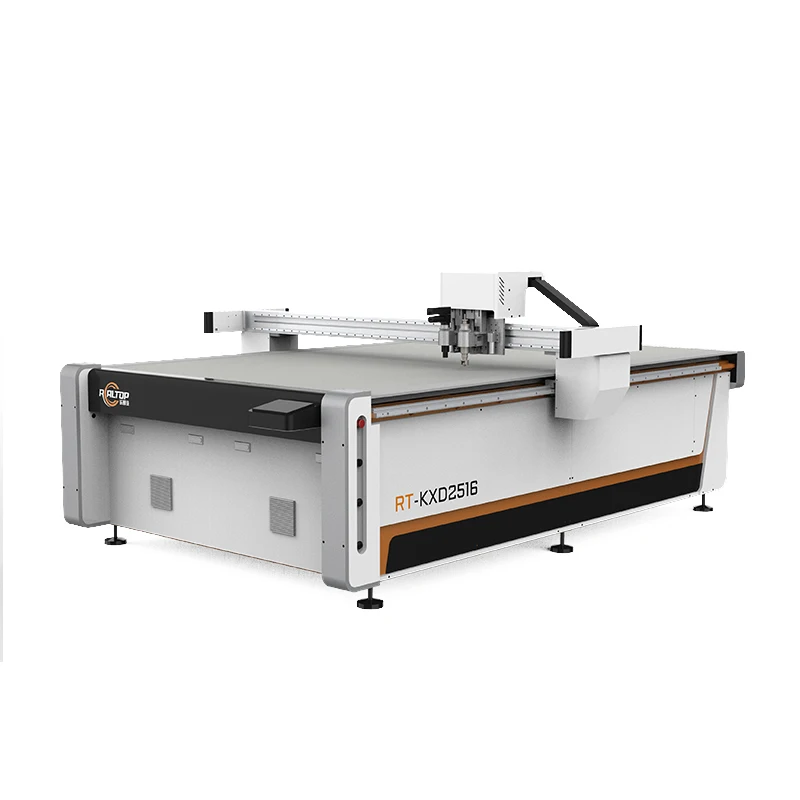
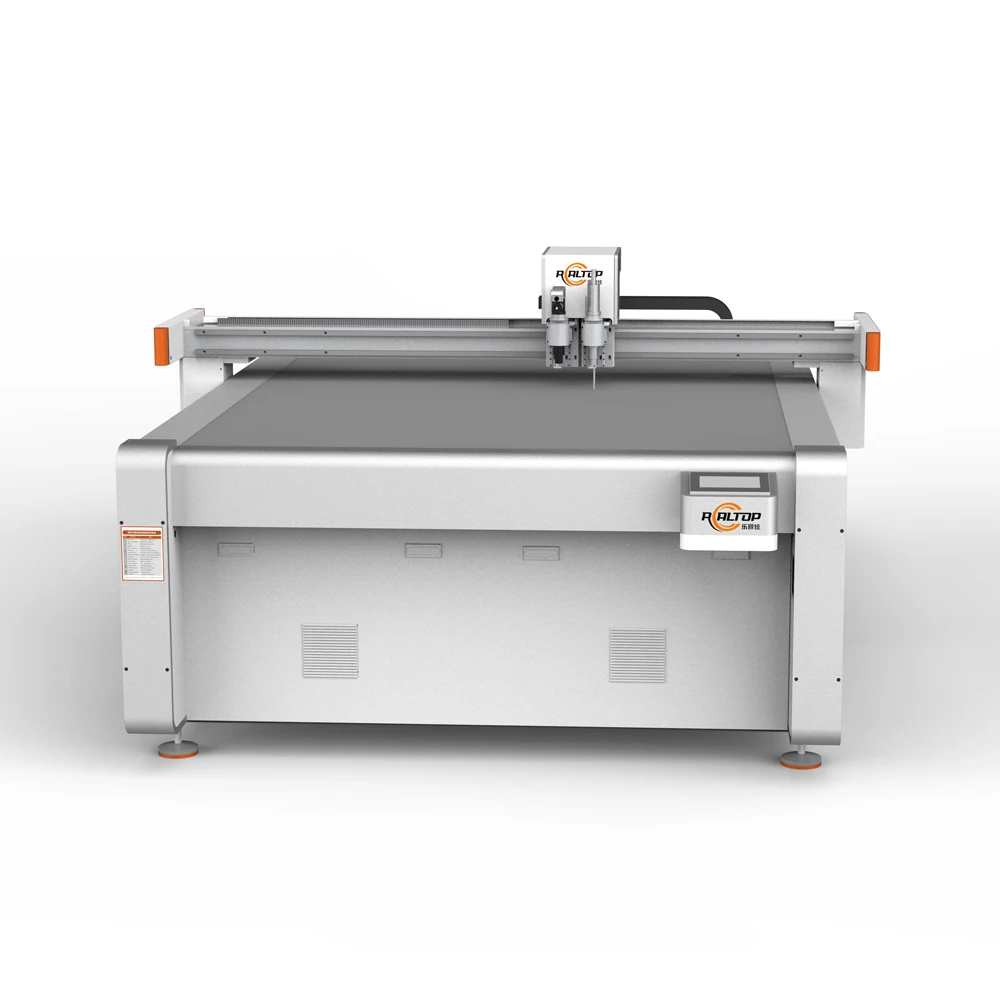
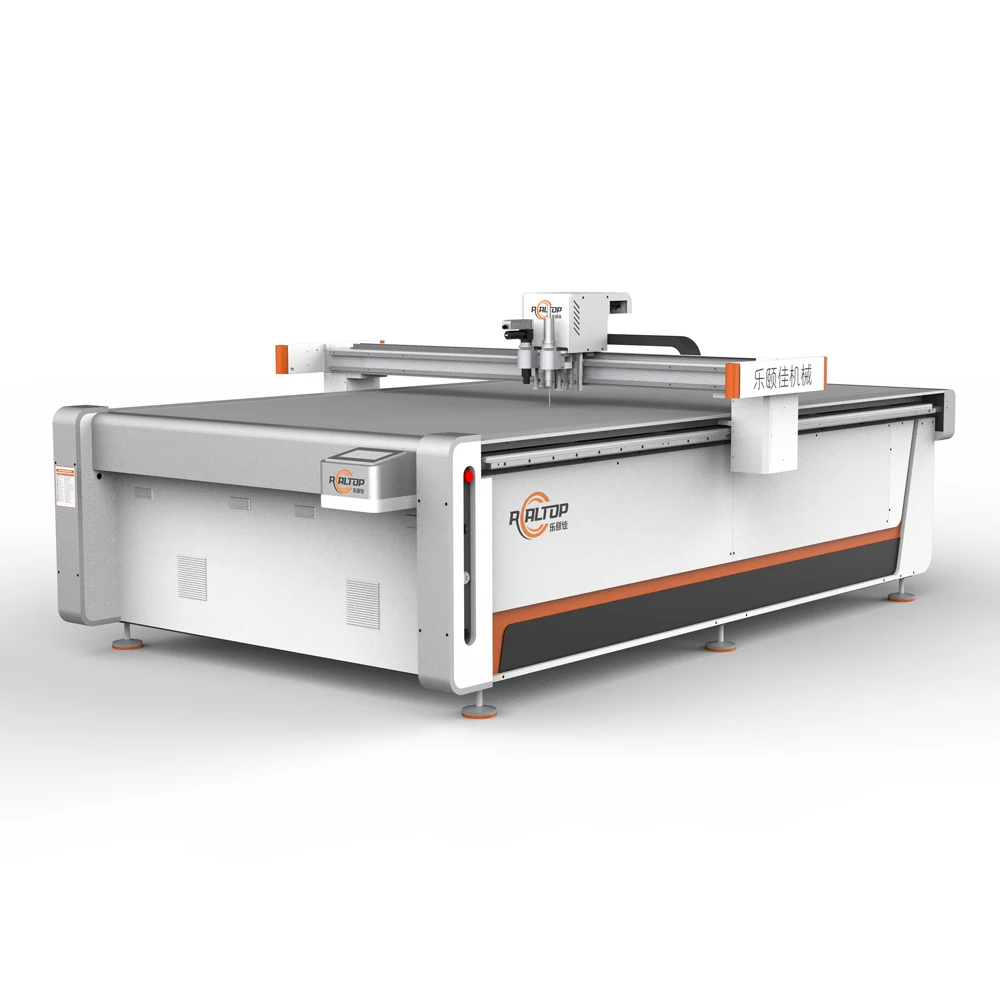
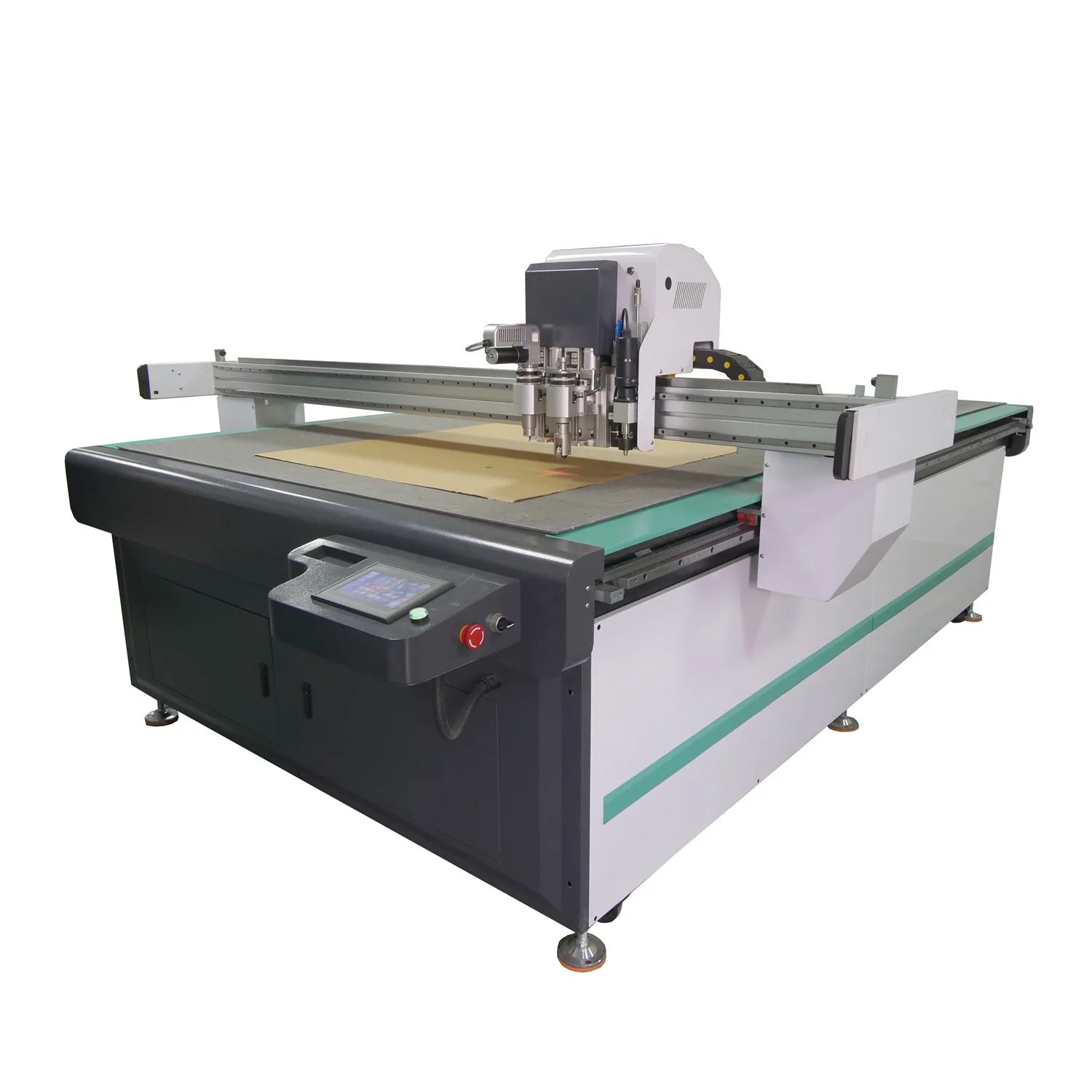
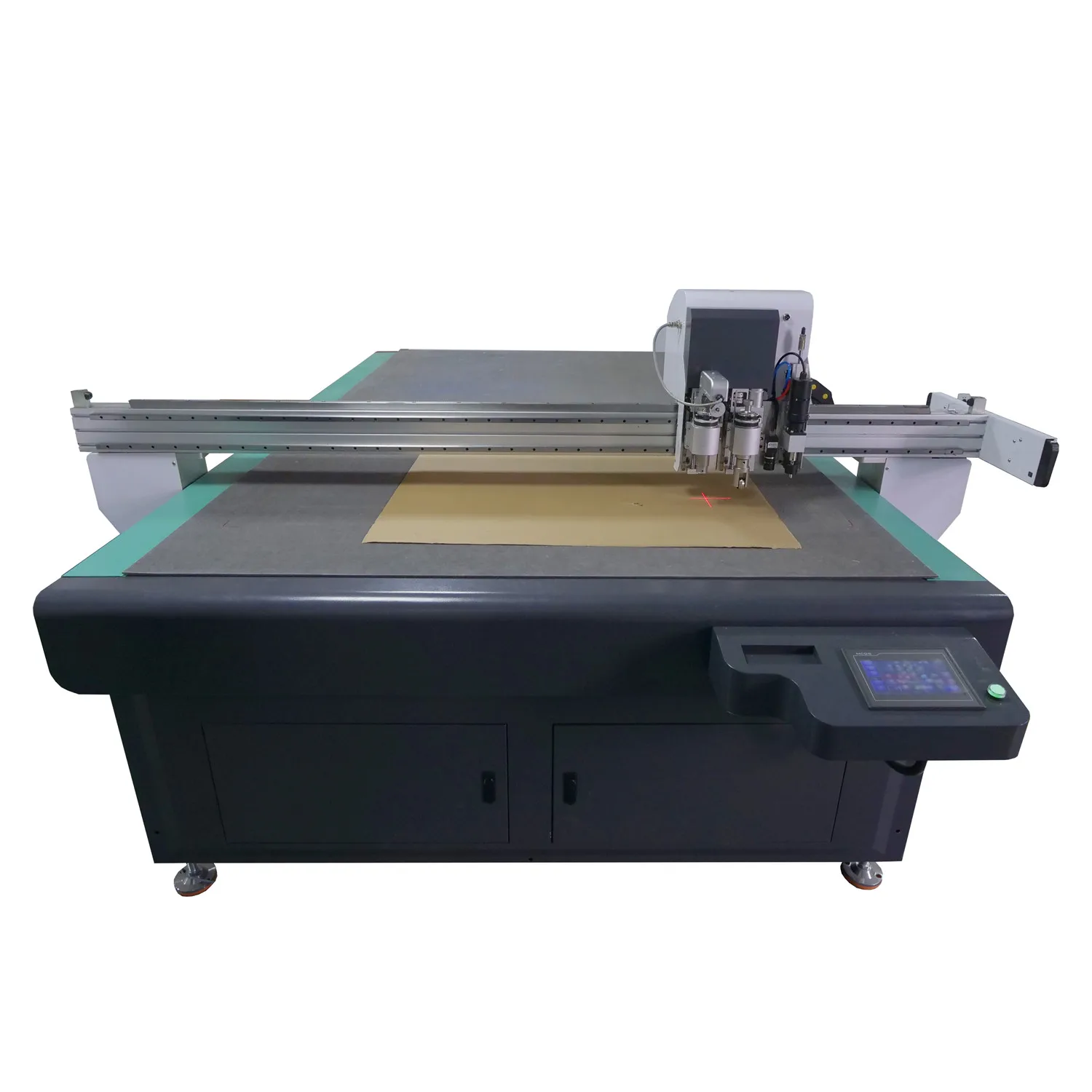
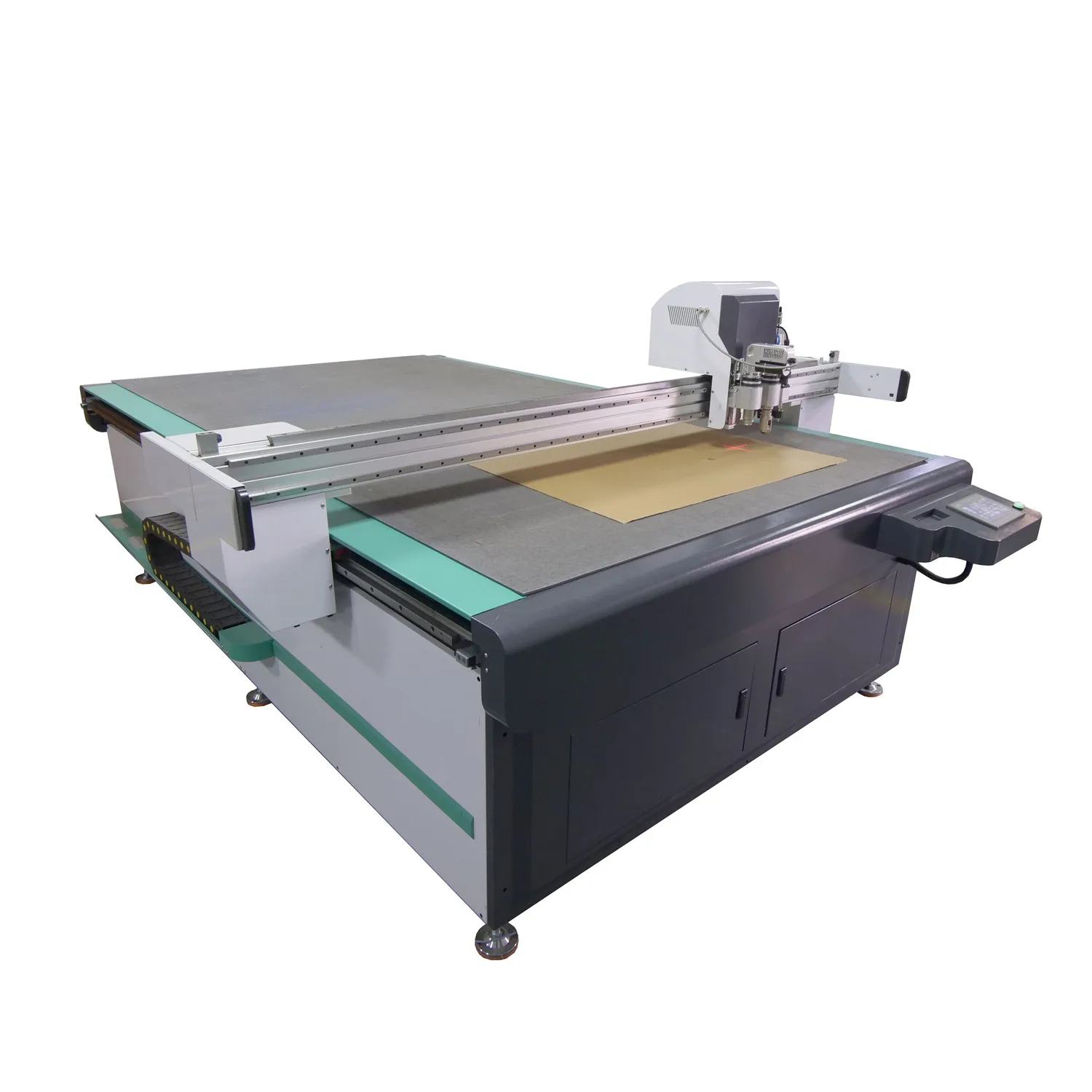
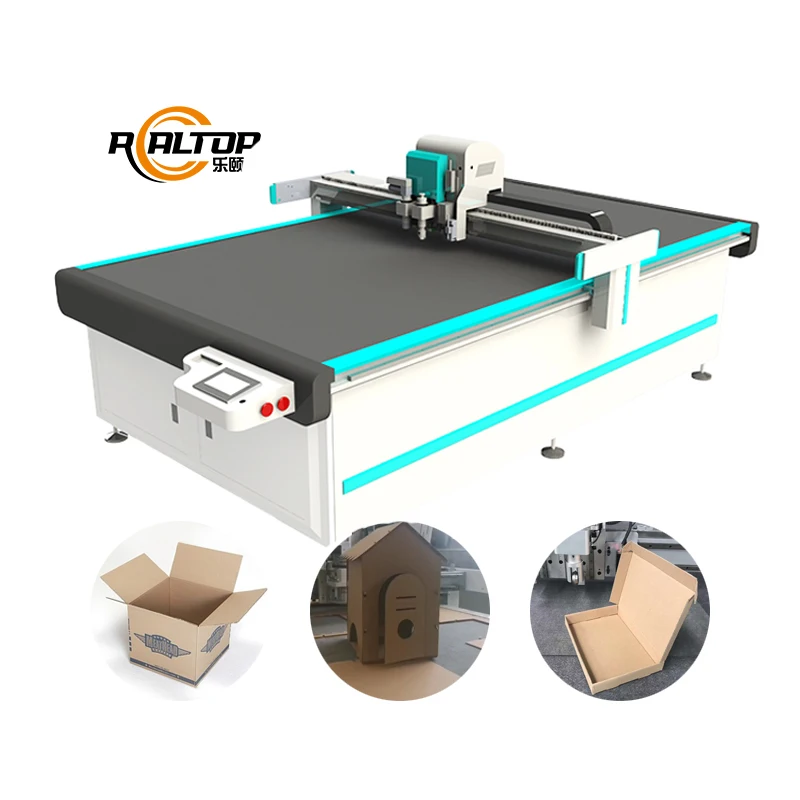
Precision Tooling Configuration — Every RT-D2516/RT-S2516 leaves our Jinan facility with the oscillating knife head, vacuum table zoning, and software language verified against your specific corrugated grade and file workflow before crate closure.
Technical Specifications
| Parameter | Value |
|---|---|
| Model | RT-D2516/RT-S2516 |
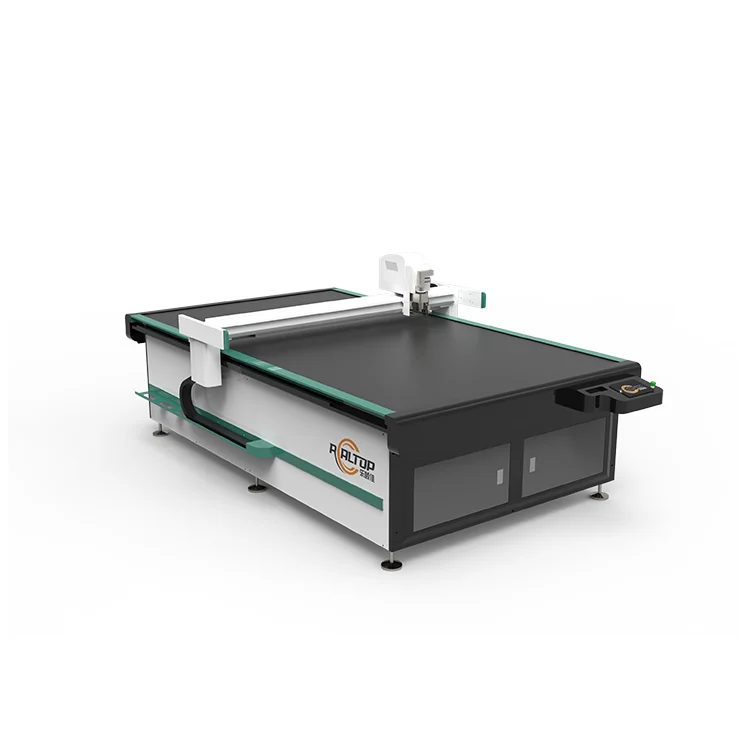
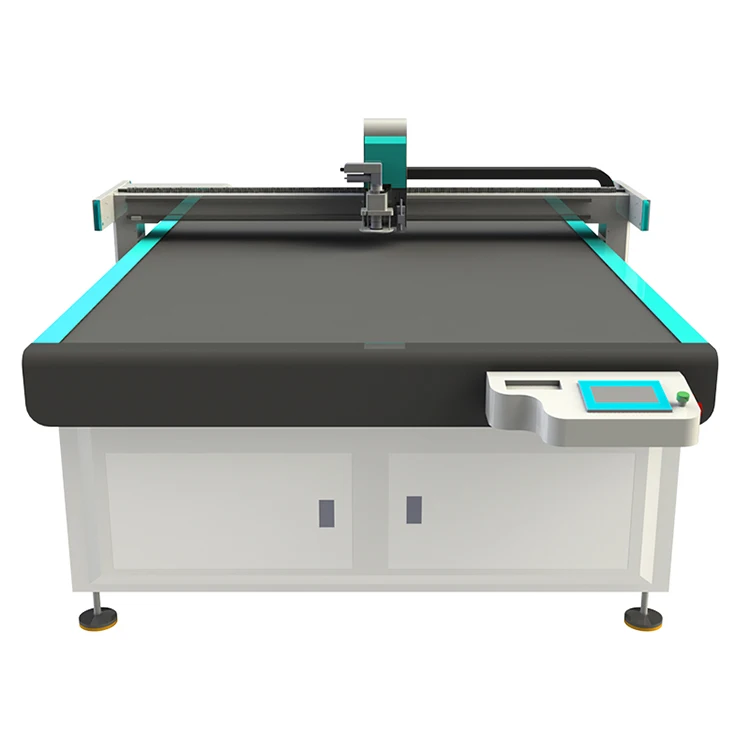
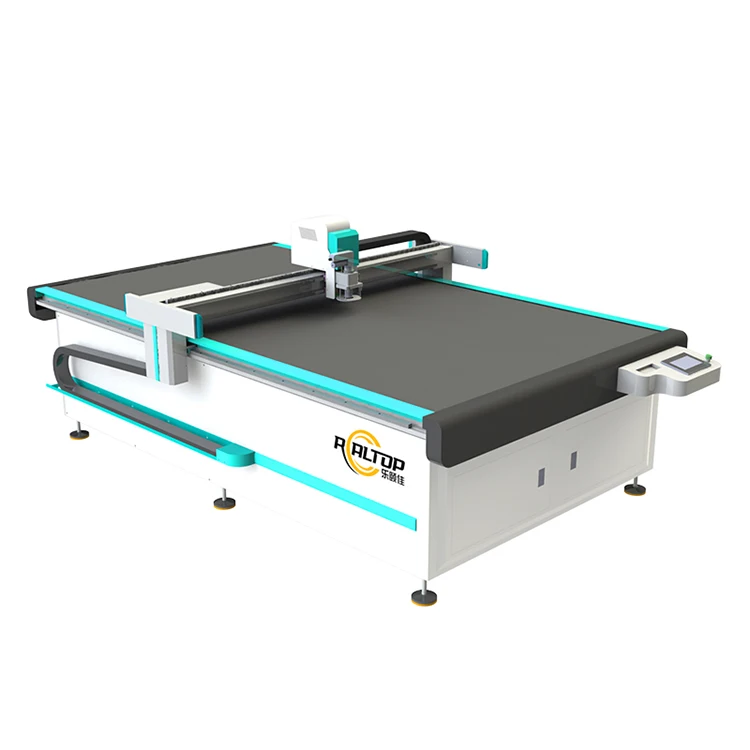
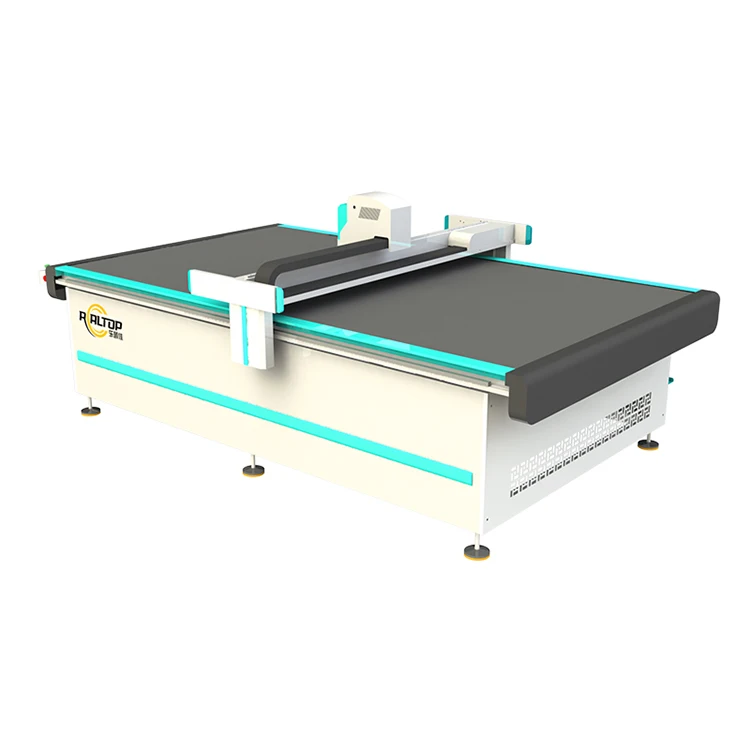
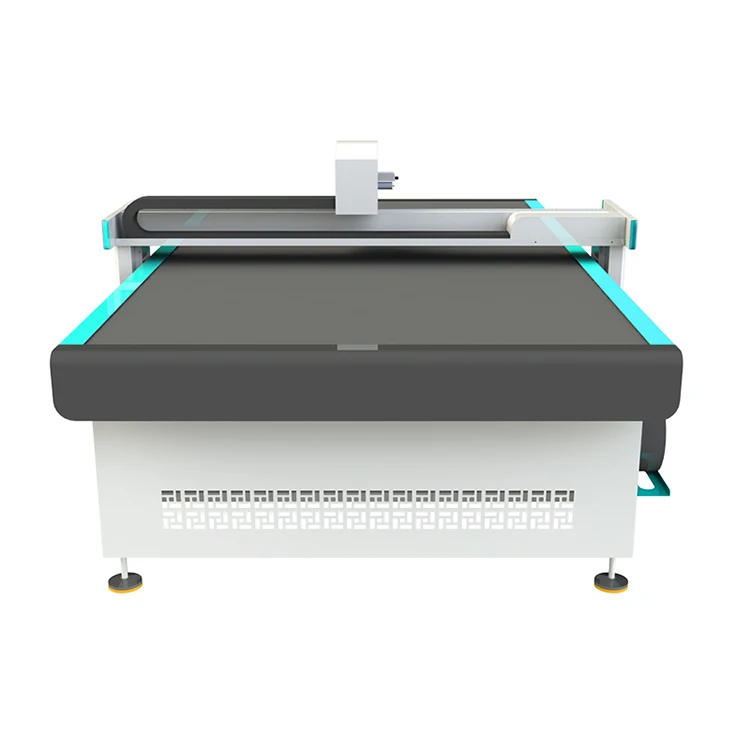
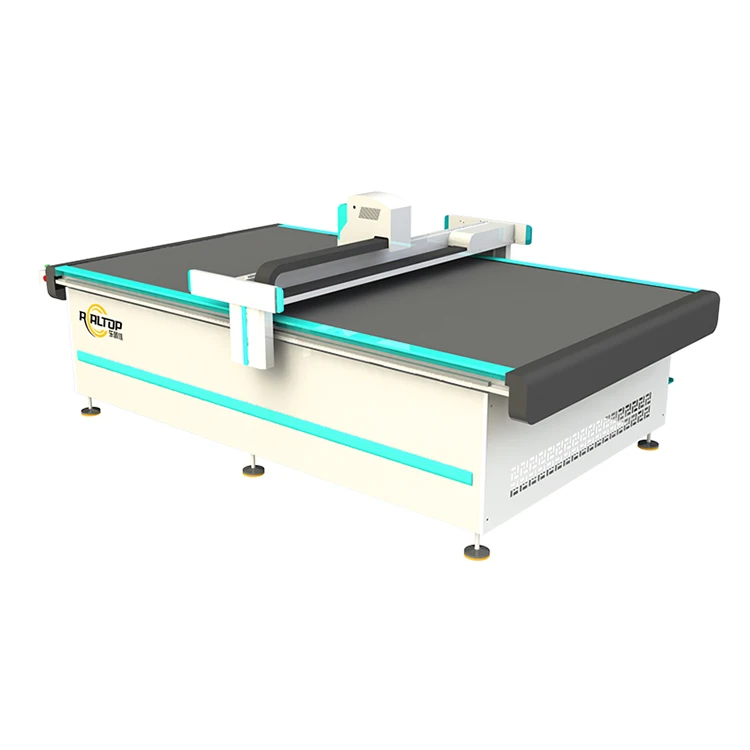
| Product Type | CNC Vibrating Knife Corrugated Box Cutting Machine |
| Working Area | 1600 × 2500 mm |
| Overall Dimensions (L × W × H) | 3450 × 2300 × 1250 mm |
| Rated Power | 9 kW |
| Voltage | 380V ± 10% |
| Vacuum Pump | 7.5 kW |
| Table Type | Flat working table with vacuum adsorption |
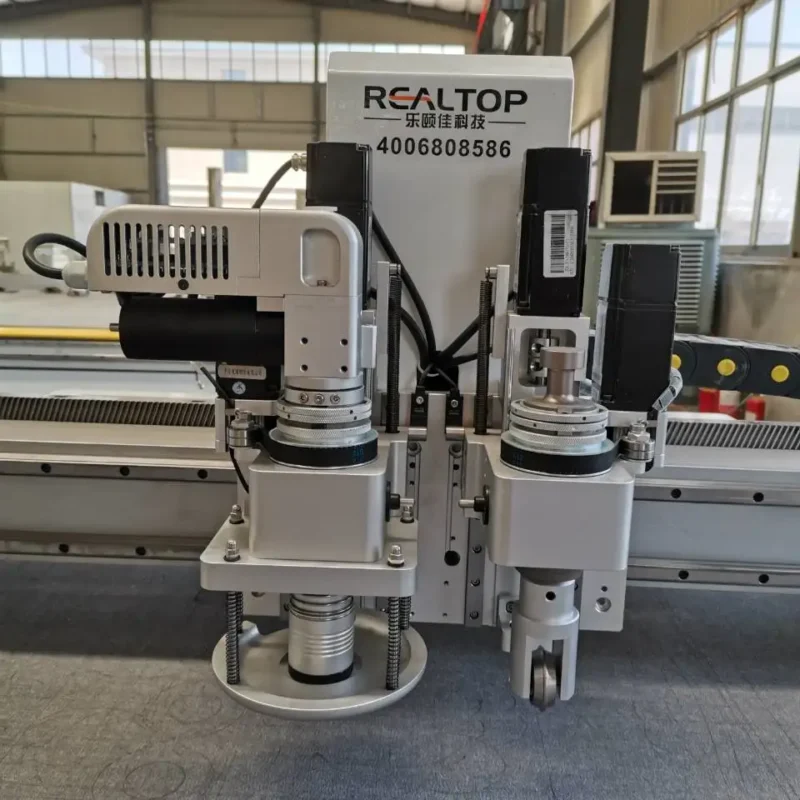
| Tool Head | Swiss imported knife with vibration full cutting, half cutting, and cursor location |
| Safety Device | Infrared sensors |
| Translational Velocity | 800–2000 mm/s |
| Cutting Speed | 200–800 mm/s (varies with material type and thickness) |
| Repeatability | ≤ 0.1 mm |
| Transmission System | Digital servo motor, linear guide, synchronous belt, ball screw |
| Servo Motor | Delta |
| Linear Guide | Taiwan Hiwin rail |
| Conveyor Belt | Germany imported |
| Instruction System | HP-GL compatible format |
| Software | Professional carton nesting software, free configuration |
| Language Options | English, Russian, Italian, Chinese, etc. (customizable) |
| Cutting Thickness | ≤ 100 mm (varies with material) |
| Key Features | Auto feeding, vacuum table, CCD camera positioning available |
Application Suitability
| Application | Material or Output |
|---|---|
| Corrugated box and carton sample making | Single, double, and triple-wall corrugated board up to 100 mm |
| Sticker and label contour cutting | Vinyl, adhesive-backed film, and printed label stock |
| Cardboard packaging for consumer goods | Greyboard, white card, and folding carton stock |
| Billboard and business card production | Foam board, PVC sheet, and coated card stock |
| Flexible material cutting | Leather, garment fabric, sponge composite, PVC, soft glass, silicone, rubber |
Why Software Compatibility Matters More Than Working Area
A cutting table is useless if it cannot open your files.
I have watched buyers spend weeks comparing working areas and vacuum pump ratings, only to discover on day one that the nesting software cannot read their existing DXF or PLT files. One South American packaging house had an entire library of carton dieline templates in a proprietary format. The machine they received could not import a single one. Their production floor sat idle while the operator manually redrew dozens of templates. With the RT-D2516/RT-S2516, the HP-GL compatible instruction system and bundled carton nesting software accept standard vector formats directly. We confirm file compatibility during the sample stage, not after shipment [NEED_CITE: HP-GL and vector file compatibility in digital cutting workflows].
The Full Range Question — Knife, Laser, or Both
Buyers surveying packaging CNC cutting equipment often start by comparing cutting methods. For corrugated board, folding carton stock, and flexible gasket materials, an oscillating or vibrating knife produces a clean edge without the heat-affected zone a laser leaves on organic fibers. For acrylic signage or textile edge-sealing, a CO2 laser is the appropriate tool. Our catalogue covers both families, so the decision rests on the material rather than the machine availability. A distributor evaluating options for multiple end-users benefits from sourcing both technologies from one manufacturer with a shared control architecture.
Oscillating Knife Mechanics on Multi-Wall Board
The Swiss imported knife head on this CNC corrugated box cutting machine performs full cutting, half cutting, and cursor location within a single work cycle. Full cutting penetrates the entire board stack for box outlines and internal cutouts. Half cutting scores the crease lines without severing the bottom liner, which is critical for folding carton samples that must hold structural integrity after creasing. The vibration action reduces lateral drag on the blade, keeping the kerf narrow and preventing the flute structure from crushing — a common failure mode when static drag knives attempt dense double-wall or triple-wall grades.
What the Specification Sheet Actually Tells You
The Delta servo motors paired with Taiwan Hiwin linear rails govern positional accuracy. The ≤ 0.1 mm repeatability figure means that when the software commands a crease line at a specific coordinate, the knife returns to that coordinate within one tenth of a millimeter on successive passes — essential for registration between cut and crease on complex dielines. The 7.5 kW vacuum pump generates sufficient negative pressure across the flat working table to hold corrugated sheets flat, but small die-cut parts near the edges of a nested layout may require strategic tab connections in the nesting software to prevent lift [NEED_CITE: vacuum hold-down requirements for small nested parts]. The translational velocity of 800–2000 mm/s refers to non-cutting rapid moves; actual cutting speed of 200–800 mm/s depends on the flute profile and board density you are processing.
When the Wrong Tool Head Reaches Your Floor
Specifying a machine by working area alone and neglecting the tool head is the most frequent mismatch in digital cutting procurement. A buyer cutting single-face E-flute for cosmetic boxes needs a different oscillation frequency and blade geometry than one processing BC-flute transit packaging. When the tool head is wrong, the symptoms appear immediately: ragged edges on printed sticker stock, crushed flutes visible in cross-section, or half-cut crease lines that tear through the bottom liner instead of folding cleanly. Resolving these issues on-site means days of parameter adjustment and blade experimentation — time that delays your first production run and erodes operator confidence in the equipment.
What Building Both Technologies Under One Roof Changes
Our design team engineers both knife and laser platforms in the same Jinan facility. This means a packaging sample maker can test corrugated board on the RT-D2516/RT-S2516 and acrylic on a CO2 laser during the same factory visit, comparing cut quality side by side. Every machine ships with a factory test record run on the buyer’s own material sample, a confirmed electrical schematic matching the destination voltage, and an operation manual in the operator’s language. The tool head and table configuration list is locked to the material specification provided at inquiry — not a generic default that leaves the buyer guessing which blade and pressure setting to use first [NEED_CITE: factory acceptance testing protocols for CNC cutting equipment].
Documentation & Verification
- Machine specification sheet listing confirmed tool head and vacuum table configuration per material
- Electrical schematic with voltage and frequency matched to your facility before production begins
- Sample cutting report on your corrugated grade with edge quality and crease depth photographs
- Software licence and file format compatibility note confirming HP-GL and nesting workflow acceptance
- Factory test record documenting positional accuracy and cutting speed on your specified board stock
- Spare parts list covering blades, vacuum cups, and wear items with part numbers for reordering
Installation, Commissioning & Support
- The 3450 × 2300 × 1250 mm frame requires a level concrete floor with clearance for auto-feeding conveyor access
- A dedicated 380V ± 10% three-phase circuit with appropriate breaker rating must be installed before the machine arrives
- The 9 kW rated power draw plus the 7.5 kW vacuum pump require separate circuit planning for simultaneous operation
- First commissioning includes vacuum table zoning calibration and knife depth adjustment against your board samples
- Operator training covers the carton nesting software interface, file import workflow, and language setting selection
- Consumable blade inventory and Hiwin rail lubrication schedule are reviewed before the service engineer departs
Before You Request a Quote
To recommend the correct configuration, we need your corrugated board type and flute profile, the maximum sheet size you process, and whether your workflow involves printed contour cutting or blank dieline work. Specify your facility voltage and the language your operators require on the control interface. If you have existing nesting files, send a sample so we can verify import compatibility before the quotation stage.
Frequently Asked Questions
Q: Should I choose a vibrating knife or a laser for corrugated packaging sample making?
A: Corrugated board, greyboard, and folding carton stock cut cleanly with a vibrating knife, which avoids the burn marks and sealed edges a laser produces on cellulose-based materials. Lasers are better suited to acrylic, wood, and synthetic textiles where edge sealing is desired. If your production mix includes both categories, evaluating samples on each technology at the factory is the most reliable way to decide.
Q: How do I choose between the RT-D2516 and RT-S2516 configurations?
A: The choice depends on your sheet size, material thickness range, and daily production volume. Both share the 1600 × 2500 mm working area, but the tool head and vacuum table configuration differ to match specific material families. We confirm the appropriate configuration after reviewing your material samples and production requirements during the inquiry stage.
Q: Will the nesting software import my existing carton dieline files?
A: The instruction system accepts HP-GL compatible formats, and the bundled professional carton nesting software handles standard vector file imports. Before order confirmation, we test your actual files on the machine to verify compatibility and confirm that your nesting workflow transfers without manual redrawing or format conversion.
Q: How is the knife head selected for different packaging materials?
A: The Swiss imported knife head supports vibration full cutting for outlines, half cutting for crease lines, and cursor location for registration marks — all in one work unit. Blade geometry and oscillation frequency are matched to your specific board grade, whether single-face E-flute for retail boxes or BC-flute for heavy-duty transit packaging.
Q: What electrical requirements should I confirm before ordering?
A: The standard voltage is 380V ± 10% three-phase, but your facility supply must be verified before production begins. We provide an electrical schematic showing circuit requirements for both the 9 kW machine and the 7.5 kW vacuum pump. Plug type, frequency, and control language are all confirmed and documented before the machine leaves the factory.
Precision Tooling Configuration — Every RT-D2516/RT-S2516 leaves our Jinan facility with the oscillating knife head, vacuum table zoning, and software language verified against your specific corrugated grade and file workflow before crate closure.
Technical Specifications
| Parameter | Value |
|---|---|
| Model | RT-D2516/RT-S2516 |
| Product Type | CNC Vibrating Knife Corrugated Box Cutting Machine |
| Working Area | 1600 × 2500 mm |
| Overall Dimensions (L × W × H) | 3450 × 2300 × 1250 mm |
| Rated Power | 9 kW |
| Voltage | 380V ± 10% |
| Vacuum Pump | 7.5 kW |
| Table Type | Flat working table with vacuum adsorption |
| Tool Head | Swiss imported knife with vibration full cutting, half cutting, and cursor location |
| Safety Device | Infrared sensors |
| Translational Velocity | 800–2000 mm/s |
| Cutting Speed | 200–800 mm/s (varies with material type and thickness) |
| Repeatability | ≤ 0.1 mm |
| Transmission System | Digital servo motor, linear guide, synchronous belt, ball screw |
| Servo Motor | Delta |
| Linear Guide | Taiwan Hiwin rail |
| Conveyor Belt | Germany imported |
| Instruction System | HP-GL compatible format |
| Software | Professional carton nesting software, free configuration |
| Language Options | English, Russian, Italian, Chinese, etc. (customizable) |
| Cutting Thickness | ≤ 100 mm (varies with material) |
| Key Features | Auto feeding, vacuum table, CCD camera positioning available |
Application Suitability
| Application | Material or Output |
|---|---|
| Corrugated box and carton sample making | Single, double, and triple-wall corrugated board up to 100 mm |
| Sticker and label contour cutting | Vinyl, adhesive-backed film, and printed label stock |
| Cardboard packaging for consumer goods | Greyboard, white card, and folding carton stock |
| Billboard and business card production | Foam board, PVC sheet, and coated card stock |
| Flexible material cutting | Leather, garment fabric, sponge composite, PVC, soft glass, silicone, rubber |
Why Software Compatibility Matters More Than Working Area
A cutting table is useless if it cannot open your files.
I have watched buyers spend weeks comparing working areas and vacuum pump ratings, only to discover on day one that the nesting software cannot read their existing DXF or PLT files. One South American packaging house had an entire library of carton dieline templates in a proprietary format. The machine they received could not import a single one. Their production floor sat idle while the operator manually redrew dozens of templates. With the RT-D2516/RT-S2516, the HP-GL compatible instruction system and bundled carton nesting software accept standard vector formats directly. We confirm file compatibility during the sample stage, not after shipment [NEED_CITE: HP-GL and vector file compatibility in digital cutting workflows].
The Full Range Question — Knife, Laser, or Both
Buyers surveying packaging CNC cutting equipment often start by comparing cutting methods. For corrugated board, folding carton stock, and flexible gasket materials, an oscillating or vibrating knife produces a clean edge without the heat-affected zone a laser leaves on organic fibers. For acrylic signage or textile edge-sealing, a CO2 laser is the appropriate tool. Our catalogue covers both families, so the decision rests on the material rather than the machine availability. A distributor evaluating options for multiple end-users benefits from sourcing both technologies from one manufacturer with a shared control architecture.
Oscillating Knife Mechanics on Multi-Wall Board
The Swiss imported knife head on this CNC corrugated box cutting machine performs full cutting, half cutting, and cursor location within a single work cycle. Full cutting penetrates the entire board stack for box outlines and internal cutouts. Half cutting scores the crease lines without severing the bottom liner, which is critical for folding carton samples that must hold structural integrity after creasing. The vibration action reduces lateral drag on the blade, keeping the kerf narrow and preventing the flute structure from crushing — a common failure mode when static drag knives attempt dense double-wall or triple-wall grades.
What the Specification Sheet Actually Tells You
The Delta servo motors paired with Taiwan Hiwin linear rails govern positional accuracy. The ≤ 0.1 mm repeatability figure means that when the software commands a crease line at a specific coordinate, the knife returns to that coordinate within one tenth of a millimeter on successive passes — essential for registration between cut and crease on complex dielines. The 7.5 kW vacuum pump generates sufficient negative pressure across the flat working table to hold corrugated sheets flat, but small die-cut parts near the edges of a nested layout may require strategic tab connections in the nesting software to prevent lift [NEED_CITE: vacuum hold-down requirements for small nested parts]. The translational velocity of 800–2000 mm/s refers to non-cutting rapid moves; actual cutting speed of 200–800 mm/s depends on the flute profile and board density you are processing.
When the Wrong Tool Head Reaches Your Floor
Specifying a machine by working area alone and neglecting the tool head is the most frequent mismatch in digital cutting procurement. A buyer cutting single-face E-flute for cosmetic boxes needs a different oscillation frequency and blade geometry than one processing BC-flute transit packaging. When the tool head is wrong, the symptoms appear immediately: ragged edges on printed sticker stock, crushed flutes visible in cross-section, or half-cut crease lines that tear through the bottom liner instead of folding cleanly. Resolving these issues on-site means days of parameter adjustment and blade experimentation — time that delays your first production run and erodes operator confidence in the equipment.
What Building Both Technologies Under One Roof Changes
Our design team engineers both knife and laser platforms in the same Jinan facility. This means a packaging sample maker can test corrugated board on the RT-D2516/RT-S2516 and acrylic on a CO2 laser during the same factory visit, comparing cut quality side by side. Every machine ships with a factory test record run on the buyer’s own material sample, a confirmed electrical schematic matching the destination voltage, and an operation manual in the operator’s language. The tool head and table configuration list is locked to the material specification provided at inquiry — not a generic default that leaves the buyer guessing which blade and pressure setting to use first [NEED_CITE: factory acceptance testing protocols for CNC cutting equipment].
Documentation & Verification
- Machine specification sheet listing confirmed tool head and vacuum table configuration per material
- Electrical schematic with voltage and frequency matched to your facility before production begins
- Sample cutting report on your corrugated grade with edge quality and crease depth photographs
- Software licence and file format compatibility note confirming HP-GL and nesting workflow acceptance
- Factory test record documenting positional accuracy and cutting speed on your specified board stock
- Spare parts list covering blades, vacuum cups, and wear items with part numbers for reordering
Installation, Commissioning & Support
- The 3450 × 2300 × 1250 mm frame requires a level concrete floor with clearance for auto-feeding conveyor access
- A dedicated 380V ± 10% three-phase circuit with appropriate breaker rating must be installed before the machine arrives
- The 9 kW rated power draw plus the 7.5 kW vacuum pump require separate circuit planning for simultaneous operation
- First commissioning includes vacuum table zoning calibration and knife depth adjustment against your board samples
- Operator training covers the carton nesting software interface, file import workflow, and language setting selection
- Consumable blade inventory and Hiwin rail lubrication schedule are reviewed before the service engineer departs
Before You Request a Quote
To recommend the correct configuration, we need your corrugated board type and flute profile, the maximum sheet size you process, and whether your workflow involves printed contour cutting or blank dieline work. Specify your facility voltage and the language your operators require on the control interface. If you have existing nesting files, send a sample so we can verify import compatibility before the quotation stage.
Frequently Asked Questions
Q: Should I choose a vibrating knife or a laser for corrugated packaging sample making?
A: Corrugated board, greyboard, and folding carton stock cut cleanly with a vibrating knife, which avoids the burn marks and sealed edges a laser produces on cellulose-based materials. Lasers are better suited to acrylic, wood, and synthetic textiles where edge sealing is desired. If your production mix includes both categories, evaluating samples on each technology at the factory is the most reliable way to decide.
Q: How do I choose between the RT-D2516 and RT-S2516 configurations?
A: The choice depends on your sheet size, material thickness range, and daily production volume. Both share the 1600 × 2500 mm working area, but the tool head and vacuum table configuration differ to match specific material families. We confirm the appropriate configuration after reviewing your material samples and production requirements during the inquiry stage.
Q: Will the nesting software import my existing carton dieline files?
A: The instruction system accepts HP-GL compatible formats, and the bundled professional carton nesting software handles standard vector file imports. Before order confirmation, we test your actual files on the machine to verify compatibility and confirm that your nesting workflow transfers without manual redrawing or format conversion.
Q: How is the knife head selected for different packaging materials?
A: The Swiss imported knife head supports vibration full cutting for outlines, half cutting for crease lines, and cursor location for registration marks — all in one work unit. Blade geometry and oscillation frequency are matched to your specific board grade, whether single-face E-flute for retail boxes or BC-flute for heavy-duty transit packaging.
Q: What electrical requirements should I confirm before ordering?
A: The standard voltage is 380V ± 10% three-phase, but your facility supply must be verified before production begins. We provide an electrical schematic showing circuit requirements for both the 9 kW machine and the 7.5 kW vacuum pump. Plug type, frequency, and control language are all confirmed and documented before the machine leaves the factory.
商品评价
There are no reviews yet.