

Fast Delivery
Quick, reliable shipping to any location.

Free & easy returns
Return this item by mail or in store within 90 days for a full refund.
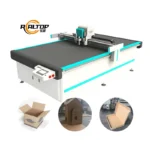
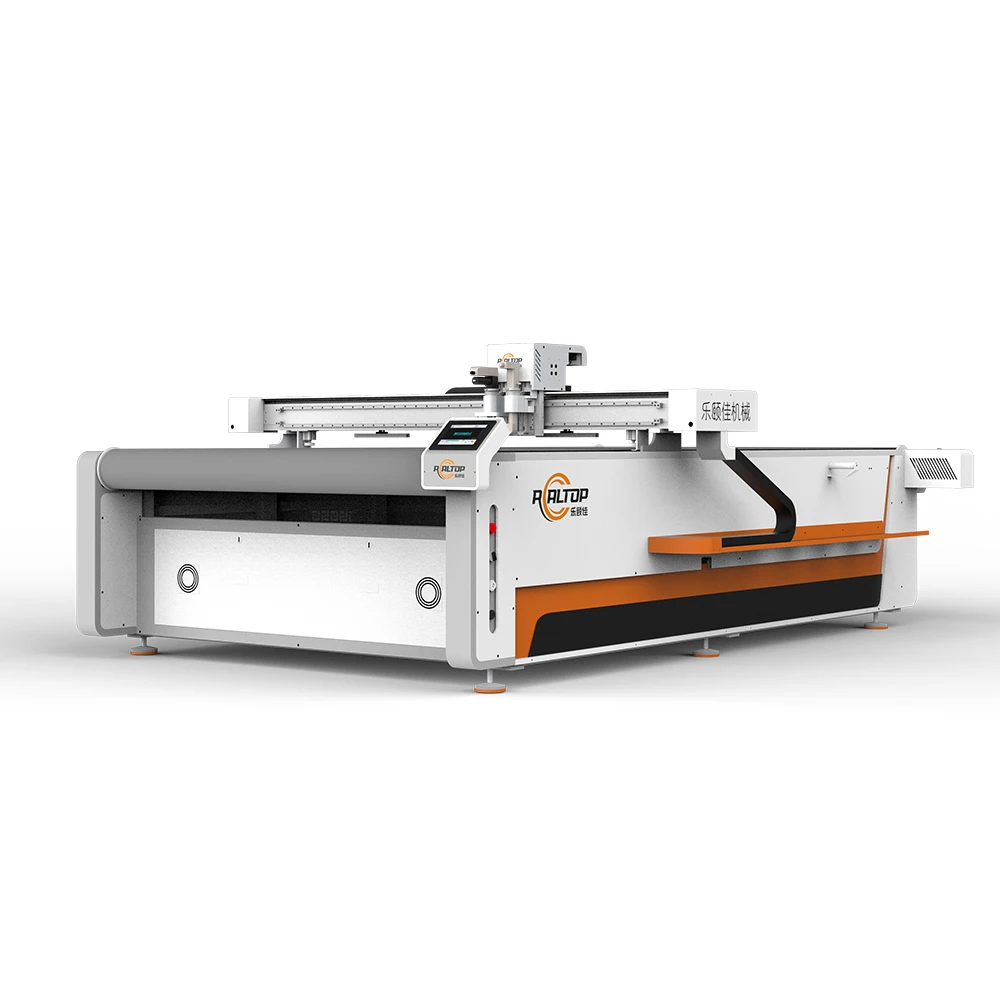
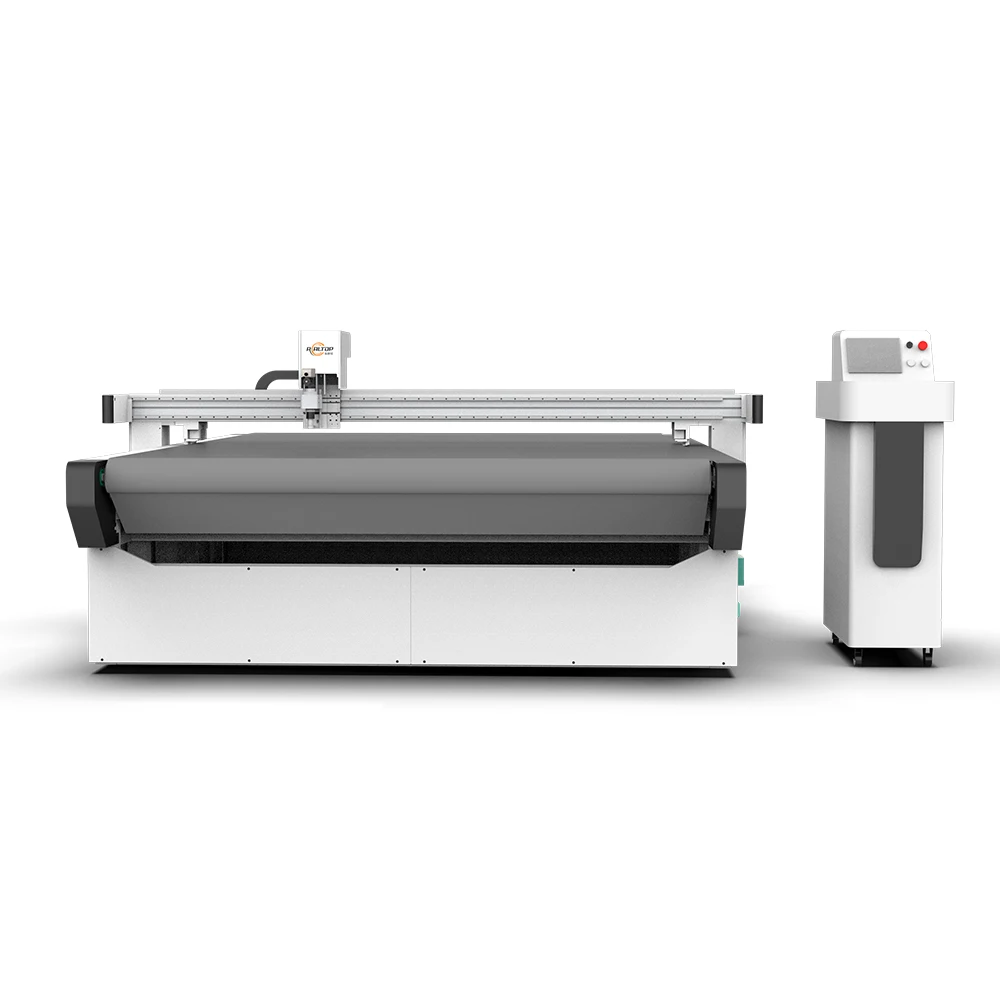
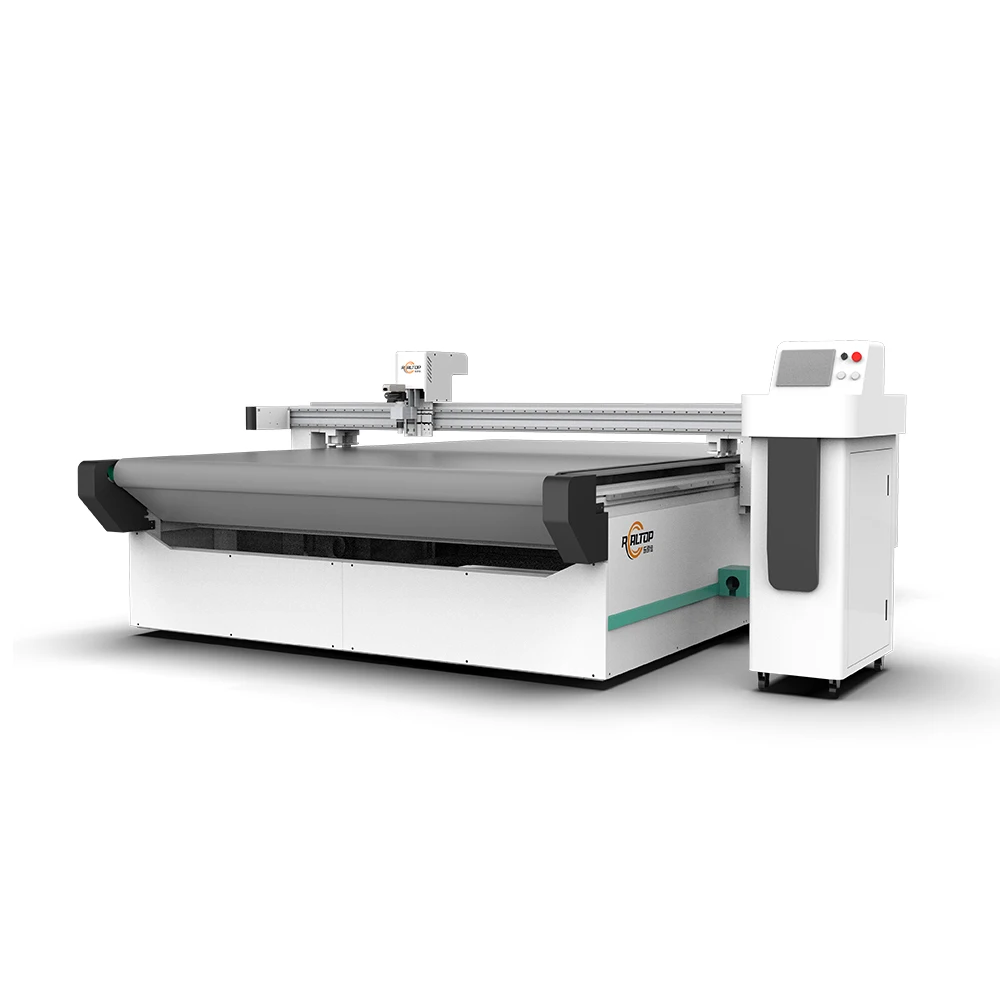
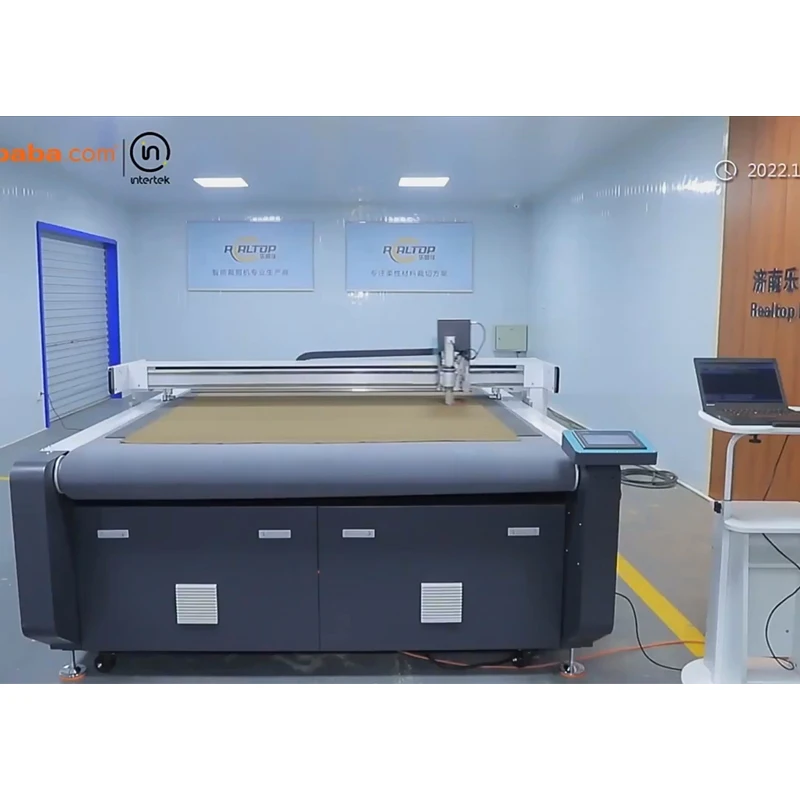
Complete CNC knife cutting machine range — in-house design and production covering oscillating knife, rotary knife and pneumatic tool heads, allowing buyers to match the cutting method to the actual fabric weight and layer count rather than guessing from a brochure.
Technical Specifications
| Parameter | Value |
|---|---|
| Product Type | CNC Oscillating Knife Cutting Machine |
| Working Area | 1600×2500 mm |
| Cutting Speed | 0–2000 mm/s |
| Cutting Thickness | ≤ 30 mm (basis not stated in source — confirm material type and layer count) |
| Cutting Accuracy | ±0.1 mm |
| Repeat Positioning Accuracy | ±0.1 mm |
| Tool Head Options | Oscillating knife, Driven rotary knife, Creasing wheel, Kiss cutting tool, Pneumatic knife, Milling tool, V groove knife |
| Vacuum Pump | 9 kW |
| Vacuum Table | Aluminum bellows vacuum table (zone count to be confirmed) |
| Voltage Options | 110V / 220V / 380V (frequency to be confirmed) |
| Control System | PLC control panel with optional display languages |
| Servo Motor Options | Panasonic, Delta, Dorna |
| File Format Compatibility | PLT, DXF, AI, PDF |
| Nesting Software | Intelligent nesting with automatic defect avoidance (included) |
| Safety Devices | Infrared sensor, Emergency stop |
| Machine Dimensions (L×W×H) | 3300×2100×1350 mm |
| Frame | Heavy-duty with precision-ground surface |
| Language Options | English, Russian, Italian, Chinese; special languages customizable |
| Certification | CE (implied) |
Application Suitability
| Application | Material or Output |
|---|---|
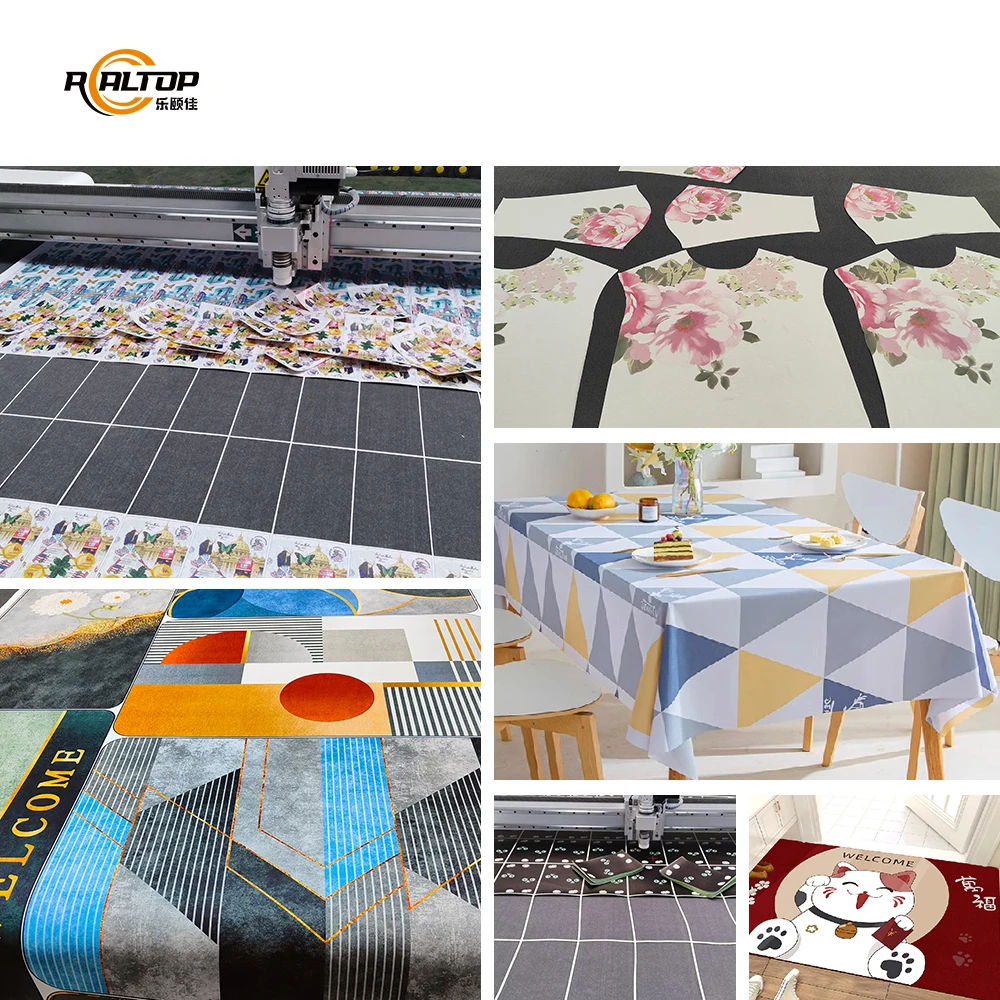
| Roller blind and window covering production | Coated blackout fabric, sunscreen textiles, patterned roller blind materials |
| Apparel manufacturing | Suits, knitwear, lace, complex woven fabrics requiring pattern-matching |
| Automotive interior trimming | Seat fabrics, carpets, PVC floor mats |
| Home textile fabrication | Sofa upholstery fabrics, curtains, area rugs |
| Composite material processing | Carbon fiber prepreg, aramid weaves, specialty laminates |
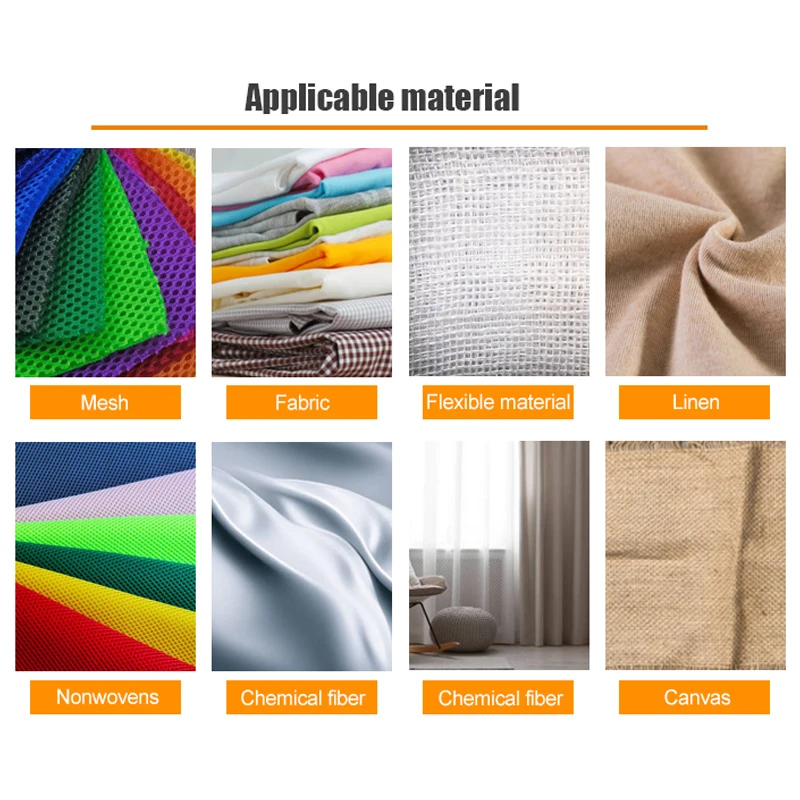
| General flexible material cutting | Knits, wovens, plush, leather, foam, PVC, EVA, cardboard, PTFE, rubber, acrylic |
Why Specifying a Roller Blind Cutter by Working Area Alone Leads to Costly Mistakes
A 1600×2500 mm bed tells you nothing about whether the knife will cleanly slice through three-layer coated blackout fabric without fraying.
When I first set up a CNC knife cutting machine manufacturer order for a curtain workshop in Vietnam, the spec sheet looked right on paper. The real problem appeared the moment the oscillating knife hit triple-layer coated polyester at production speed — every edge came out feathered. We spent four days on the floor adjusting pressure, blade depth and traverse rate before the cuts were acceptable. Roller blind fabrics sit in the same trap: a single-layer sunscreen cloth cuts entirely differently from a foam-backed blackout, and the wrong tool head turns a premium product into seconds [NEED_CITE: material-specific knife cutting parameters for coated textiles]. Buyers who skip sample cutting and rely only on the working area dimension often discover the mismatch only after the machine is bolted to their floor.
Navigating the Full Catalogue Before Narrowing Down
The REALTOP range covers oscillating knife, driven rotary, pneumatic and kiss cutting tool heads on a common flatbed platform. For roller blind and solar screen fabrics, the driven rotary knife typically handles single-layer woven sunscreen material, while the oscillating knife suits thicker foam-backed blackout cloths. This CNC knife cutting machine manufacturer builds each configuration to order, so a buyer comparing models can see exactly which tool head pairs with which fabric construction before committing to a purchase order.
Vacuum Hold-Down and Small-Part Behaviour
Roller blind panels are long and relatively narrow, but the off-cuts and sample swatches produced during a run are often small enough to lift under knife drag. The aluminum bellows vacuum table provides full-surface adsorption, and the 9 kW pump maintains suction across the 1600×2500 mm bed. Zone configuration should be confirmed with the factory so that small nesting pieces remain flat during high-speed traverses [NEED_CITE: vacuum table zoning practices for digital cutting systems].
How Core Parameters Translate on the Production Floor
Cutting speed ranges from 0 to 2000 mm/s, but usable speed depends on the fabric weight and the knife type selected. A lightweight sunscreen cloth may allow the upper end of that range, while a dense three-pass blackout demands a slower pass to prevent delamination. The ±0.1 mm cutting accuracy and repeat positioning accuracy keep pattern-matching tolerances tight across long blind panels. Servo drives from Panasonic, Delta or Dorna provide the motion control backbone; the choice among them affects acceleration behaviour and long-term parts availability in the buyer’s region. Intelligent nesting software accepts DXF, PLT, AI and PDF files, reducing the gap between the design office and the cutting table. The heavy-duty frame with a precision-ground surface limits vibration at higher speeds, which directly influences edge quality on delicate coated textiles.
The Hidden Cost of a Misconfigured Tool Head
Choosing the wrong knife for a coated roller blind fabric does not just produce a bad edge — it contaminates the coating layer with micro-fibre debris that shows up under direct sunlight. Re-cuts waste material and push delivery dates. In one case I observed, a workshop ran pneumatic knife on a PVC-backed blackout and the blade dragged the backing off the face cloth, scrapping an entire batch before the operator noticed [NEED_CITE: coated fabric cutting defects and material waste]. Re-tooling after delivery also means unplanned downtime while the correct head ships from the factory.
Why Source This Range from REALTOP
The design team engineers both knife and laser cutting platforms in-house, so a buyer evaluating roller blind fabric against acrylic signage can compare methods on one factory floor. Every tool head and vacuum table configuration is specified per material and production volume rather than sold as a default package. CCD camera positioning is available for printed contour work on patterned blind fabrics. Software compatibility and file format import are confirmed before the order is locked. Voltage, control language and plug type are customised to the destination market. Sample cutting on the buyer’s own roller blind fabric is standard practice before any commitment is made.
Documentation & Verification
- Machine specification sheet listing confirmed tool head and vacuum table configuration for roller blind fabric
- Electrical schematic with voltage, frequency and plug type verified before shipment
- Sample cutting report on buyer-supplied coated blackout and sunscreen fabric
- Software licence and file format compatibility note for nesting workflow
- Operation and maintenance manual in chosen control language
- CE declaration documentation where applicable to destination market
Installation, Commissioning & Support
- Floor space requirement based on 3300×2100 mm machine footprint plus operator clearance
- Dedicated power circuit matching confirmed 110V, 220V or 380V supply and 9 kW vacuum pump draw
- Machine arrives partially assembled; final levelling and belt tensioning on site
- First-run parameter tuning for buyer’s specific roller blind fabric thickness and coating type
- Operator training on tool head changeover, nesting software and PLC control panel
- Spare parts list covering oscillating knife blades, rotary knife discs and vacuum table seals
Preparing Your Enquiry
To move from catalogue browsing to a firm configuration, share the exact roller blind fabric types you run — including single-layer sunscreen, foam-backed blackout and any printed patterns. Confirm your local voltage and frequency, preferred control language, and whether you need CCD contour recognition for printed designs. Sending a roll sample to the factory for test cutting is the most reliable way to lock in the correct tool head and speed parameters before production begins.
Frequently Asked Questions
Q: How do I choose between an oscillating knife and a driven rotary knife for roller blind fabrics?
A: Single-layer woven sunscreen fabrics generally cut cleanly with a driven rotary knife at higher speeds. Foam-backed or triple-layer blackout materials require the oscillating knife to prevent delamination and fraying. The factory runs sample cuts on your actual fabric to confirm which tool head produces an acceptable edge before you place the order.
Q: Can the vacuum table hold small nesting pieces flat during cutting?
A: The aluminum bellows table with a 9 kW pump provides full-surface adsorption across the 1600×2500 mm bed. Zone configuration should be specified at order stage to ensure small off-cuts and sample swatches remain secured. Discuss your typical nesting layout so the factory can set appropriate zone boundaries for your roller blind panel sizes.
Q: Is CCD camera contour recognition available for printed roller blind patterns?
A: Yes, CCD positioning can be added for printed contour tracking on patterned fabrics. This option must be confirmed at order stage so the camera mount, lighting and software module are integrated during build. Sample cutting with your printed material verifies that the system tracks registration marks at your intended production speed.
Q: What voltage and language options are supported?
A: The control system supports 110V, 220V and 380V configurations with frequency confirmed per destination market. Display languages include English, Russian, Italian and Chinese as standard, with special languages available on request. Voltage, plug type and language are all verified before shipment to match your workshop infrastructure.
Q: How do I arrange sample cutting on my own roller blind fabric?
A: Send a representative roll or swatch of each fabric type to the factory. The cutting test covers tool head selection, blade depth, speed and vacuum hold-down. You receive a sample cutting report documenting the parameters and edge quality, forming the basis of the machine configuration in your final quotation.
Complete CNC knife cutting machine range — in-house design and production covering oscillating knife, rotary knife and pneumatic tool heads, allowing buyers to match the cutting method to the actual fabric weight and layer count rather than guessing from a brochure.
Technical Specifications
| Parameter | Value |
|---|---|
| Product Type | CNC Oscillating Knife Cutting Machine |
| Working Area | 1600×2500 mm |
| Cutting Speed | 0–2000 mm/s |
| Cutting Thickness | ≤ 30 mm (basis not stated in source — confirm material type and layer count) |
| Cutting Accuracy | ±0.1 mm |
| Repeat Positioning Accuracy | ±0.1 mm |
| Tool Head Options | Oscillating knife, Driven rotary knife, Creasing wheel, Kiss cutting tool, Pneumatic knife, Milling tool, V groove knife |
| Vacuum Pump | 9 kW |
| Vacuum Table | Aluminum bellows vacuum table (zone count to be confirmed) |
| Voltage Options | 110V / 220V / 380V (frequency to be confirmed) |
| Control System | PLC control panel with optional display languages |
| Servo Motor Options | Panasonic, Delta, Dorna |
| File Format Compatibility | PLT, DXF, AI, PDF |
| Nesting Software | Intelligent nesting with automatic defect avoidance (included) |
| Safety Devices | Infrared sensor, Emergency stop |
| Machine Dimensions (L×W×H) | 3300×2100×1350 mm |
| Frame | Heavy-duty with precision-ground surface |
| Language Options | English, Russian, Italian, Chinese; special languages customizable |
| Certification | CE (implied) |
Application Suitability
| Application | Material or Output |
|---|---|
| Roller blind and window covering production | Coated blackout fabric, sunscreen textiles, patterned roller blind materials |
| Apparel manufacturing | Suits, knitwear, lace, complex woven fabrics requiring pattern-matching |
| Automotive interior trimming | Seat fabrics, carpets, PVC floor mats |
| Home textile fabrication | Sofa upholstery fabrics, curtains, area rugs |
| Composite material processing | Carbon fiber prepreg, aramid weaves, specialty laminates |
| General flexible material cutting | Knits, wovens, plush, leather, foam, PVC, EVA, cardboard, PTFE, rubber, acrylic |
Why Specifying a Roller Blind Cutter by Working Area Alone Leads to Costly Mistakes
A 1600×2500 mm bed tells you nothing about whether the knife will cleanly slice through three-layer coated blackout fabric without fraying.
When I first set up a CNC knife cutting machine manufacturer order for a curtain workshop in Vietnam, the spec sheet looked right on paper. The real problem appeared the moment the oscillating knife hit triple-layer coated polyester at production speed — every edge came out feathered. We spent four days on the floor adjusting pressure, blade depth and traverse rate before the cuts were acceptable. Roller blind fabrics sit in the same trap: a single-layer sunscreen cloth cuts entirely differently from a foam-backed blackout, and the wrong tool head turns a premium product into seconds [NEED_CITE: material-specific knife cutting parameters for coated textiles]. Buyers who skip sample cutting and rely only on the working area dimension often discover the mismatch only after the machine is bolted to their floor.
Navigating the Full Catalogue Before Narrowing Down
The REALTOP range covers oscillating knife, driven rotary, pneumatic and kiss cutting tool heads on a common flatbed platform. For roller blind and solar screen fabrics, the driven rotary knife typically handles single-layer woven sunscreen material, while the oscillating knife suits thicker foam-backed blackout cloths. This CNC knife cutting machine manufacturer builds each configuration to order, so a buyer comparing models can see exactly which tool head pairs with which fabric construction before committing to a purchase order.
Vacuum Hold-Down and Small-Part Behaviour
Roller blind panels are long and relatively narrow, but the off-cuts and sample swatches produced during a run are often small enough to lift under knife drag. The aluminum bellows vacuum table provides full-surface adsorption, and the 9 kW pump maintains suction across the 1600×2500 mm bed. Zone configuration should be confirmed with the factory so that small nesting pieces remain flat during high-speed traverses [NEED_CITE: vacuum table zoning practices for digital cutting systems].
How Core Parameters Translate on the Production Floor
Cutting speed ranges from 0 to 2000 mm/s, but usable speed depends on the fabric weight and the knife type selected. A lightweight sunscreen cloth may allow the upper end of that range, while a dense three-pass blackout demands a slower pass to prevent delamination. The ±0.1 mm cutting accuracy and repeat positioning accuracy keep pattern-matching tolerances tight across long blind panels. Servo drives from Panasonic, Delta or Dorna provide the motion control backbone; the choice among them affects acceleration behaviour and long-term parts availability in the buyer’s region. Intelligent nesting software accepts DXF, PLT, AI and PDF files, reducing the gap between the design office and the cutting table. The heavy-duty frame with a precision-ground surface limits vibration at higher speeds, which directly influences edge quality on delicate coated textiles.
The Hidden Cost of a Misconfigured Tool Head
Choosing the wrong knife for a coated roller blind fabric does not just produce a bad edge — it contaminates the coating layer with micro-fibre debris that shows up under direct sunlight. Re-cuts waste material and push delivery dates. In one case I observed, a workshop ran pneumatic knife on a PVC-backed blackout and the blade dragged the backing off the face cloth, scrapping an entire batch before the operator noticed [NEED_CITE: coated fabric cutting defects and material waste]. Re-tooling after delivery also means unplanned downtime while the correct head ships from the factory.
Why Source This Range from REALTOP
The design team engineers both knife and laser cutting platforms in-house, so a buyer evaluating roller blind fabric against acrylic signage can compare methods on one factory floor. Every tool head and vacuum table configuration is specified per material and production volume rather than sold as a default package. CCD camera positioning is available for printed contour work on patterned blind fabrics. Software compatibility and file format import are confirmed before the order is locked. Voltage, control language and plug type are customised to the destination market. Sample cutting on the buyer’s own roller blind fabric is standard practice before any commitment is made.
Documentation & Verification
- Machine specification sheet listing confirmed tool head and vacuum table configuration for roller blind fabric
- Electrical schematic with voltage, frequency and plug type verified before shipment
- Sample cutting report on buyer-supplied coated blackout and sunscreen fabric
- Software licence and file format compatibility note for nesting workflow
- Operation and maintenance manual in chosen control language
- CE declaration documentation where applicable to destination market
Installation, Commissioning & Support
- Floor space requirement based on 3300×2100 mm machine footprint plus operator clearance
- Dedicated power circuit matching confirmed 110V, 220V or 380V supply and 9 kW vacuum pump draw
- Machine arrives partially assembled; final levelling and belt tensioning on site
- First-run parameter tuning for buyer’s specific roller blind fabric thickness and coating type
- Operator training on tool head changeover, nesting software and PLC control panel
- Spare parts list covering oscillating knife blades, rotary knife discs and vacuum table seals
Preparing Your Enquiry
To move from catalogue browsing to a firm configuration, share the exact roller blind fabric types you run — including single-layer sunscreen, foam-backed blackout and any printed patterns. Confirm your local voltage and frequency, preferred control language, and whether you need CCD contour recognition for printed designs. Sending a roll sample to the factory for test cutting is the most reliable way to lock in the correct tool head and speed parameters before production begins.
Frequently Asked Questions
Q: How do I choose between an oscillating knife and a driven rotary knife for roller blind fabrics?
A: Single-layer woven sunscreen fabrics generally cut cleanly with a driven rotary knife at higher speeds. Foam-backed or triple-layer blackout materials require the oscillating knife to prevent delamination and fraying. The factory runs sample cuts on your actual fabric to confirm which tool head produces an acceptable edge before you place the order.
Q: Can the vacuum table hold small nesting pieces flat during cutting?
A: The aluminum bellows table with a 9 kW pump provides full-surface adsorption across the 1600×2500 mm bed. Zone configuration should be specified at order stage to ensure small off-cuts and sample swatches remain secured. Discuss your typical nesting layout so the factory can set appropriate zone boundaries for your roller blind panel sizes.
Q: Is CCD camera contour recognition available for printed roller blind patterns?
A: Yes, CCD positioning can be added for printed contour tracking on patterned fabrics. This option must be confirmed at order stage so the camera mount, lighting and software module are integrated during build. Sample cutting with your printed material verifies that the system tracks registration marks at your intended production speed.
Q: What voltage and language options are supported?
A: The control system supports 110V, 220V and 380V configurations with frequency confirmed per destination market. Display languages include English, Russian, Italian and Chinese as standard, with special languages available on request. Voltage, plug type and language are all verified before shipment to match your workshop infrastructure.
Q: How do I arrange sample cutting on my own roller blind fabric?
A: Send a representative roll or swatch of each fabric type to the factory. The cutting test covers tool head selection, blade depth, speed and vacuum hold-down. You receive a sample cutting report documenting the parameters and edge quality, forming the basis of the machine configuration in your final quotation.










商品评价
There are no reviews yet.