

Fast Delivery
Quick, reliable shipping to any location.

Free & easy returns
Return this item by mail or in store within 90 days for a full refund.
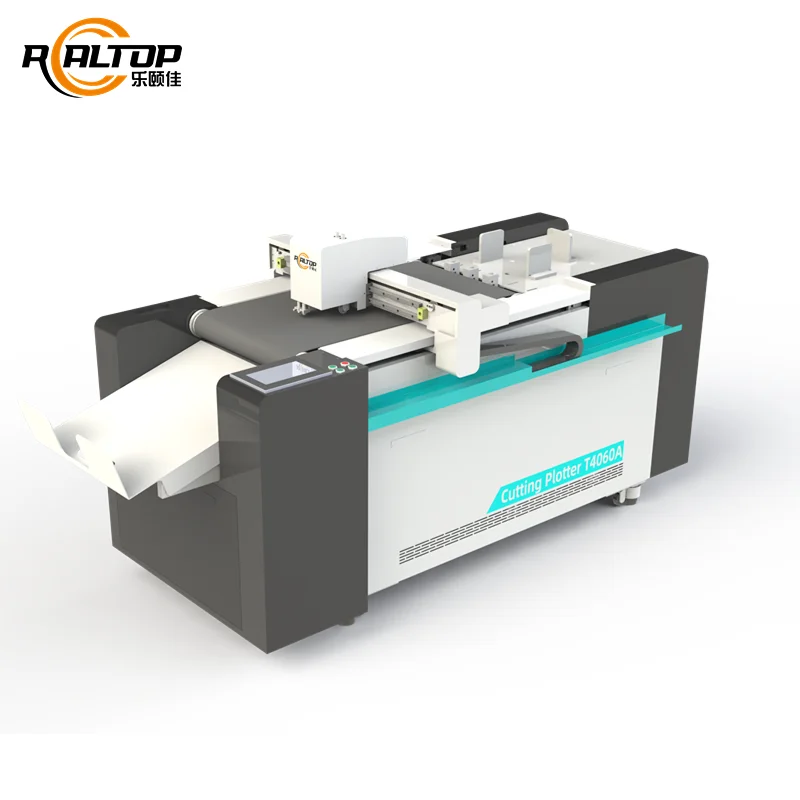
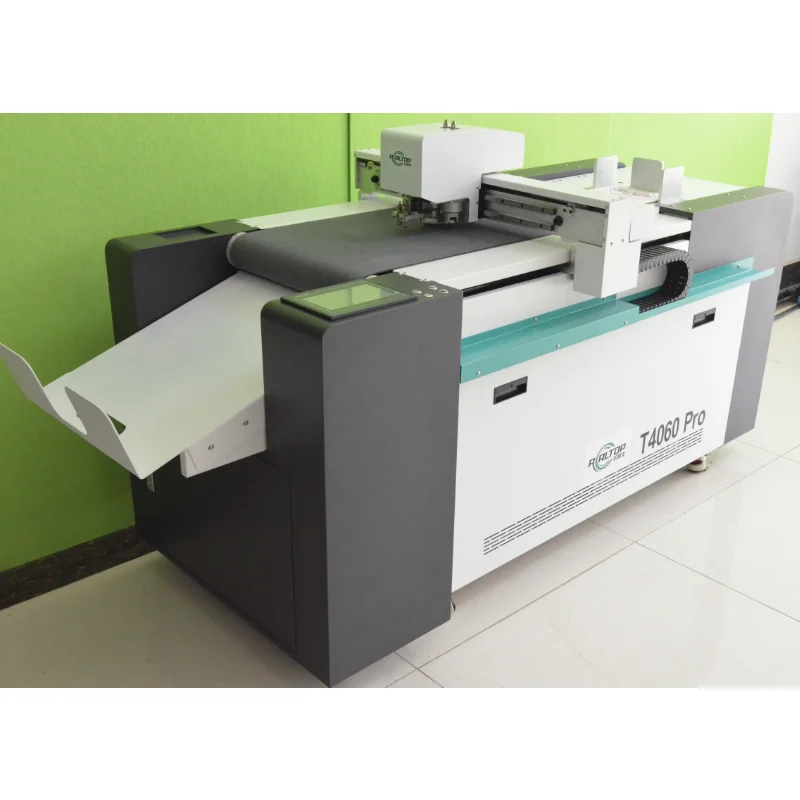
Complete Cutting Catalogue — The RTT-4060 Pro gives buyers a single source to survey knife and configuration options across small-format advertising, packaging and paper applications before narrowing to a method.
Technical Specifications
| Parameter | Value |
|---|---|
| Model | RTT-4060 Pro |
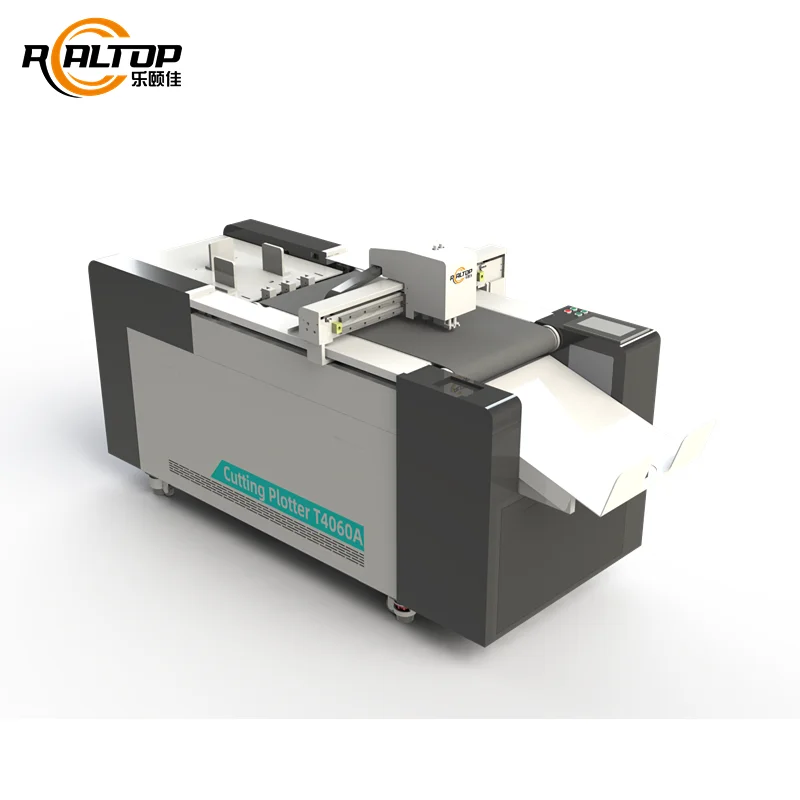
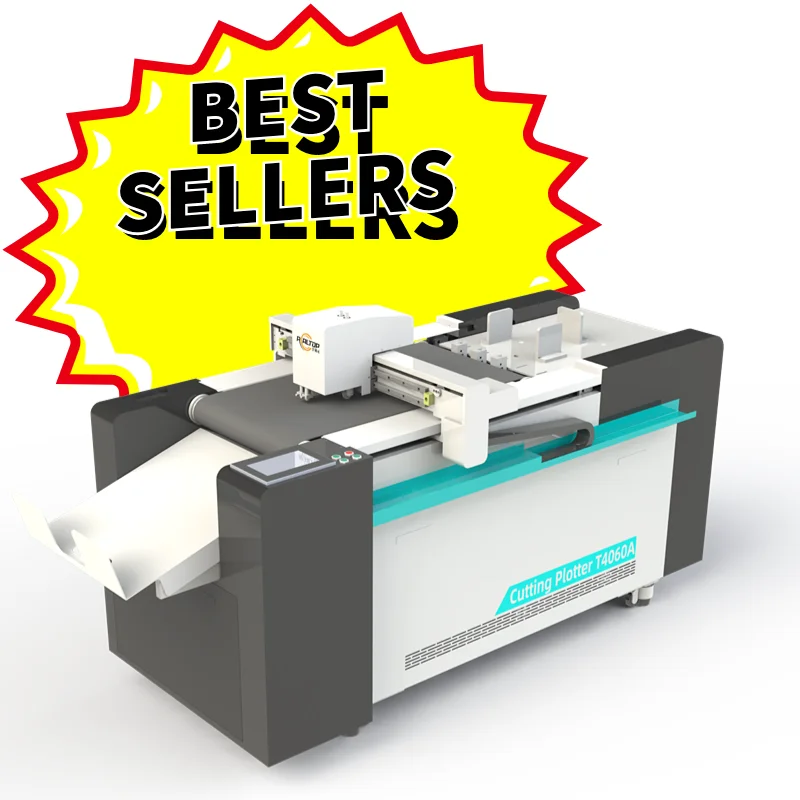
| Product Type | CNC Digital Cutting Plotter |
| Working Area | 400 × 600 mm |
| Tool Head Options | Oscillating knife, drag knife, creasing wheel, pen (configure per material) |
| Control System | CNC controller (basis not stated in source — confirm type) |
| Voltage & Frequency | Configurable per market (basis not stated in source — confirm voltage / phase / frequency) |
| Positioning Accuracy | To be confirmed (basis not stated in source) |
| Repeatability | To be confirmed (basis not stated in source) |
| Vacuum Table Zoning | To be confirmed (basis not stated in source — confirm zone count and small-part hold-down) |
| CCD Camera | Optional contour recognition (basis not stated in source — confirm availability) |
| Software & File Formats | To be confirmed (basis not stated in source — confirm license and import types) |
| Language Options | Control interface configurable (basis not stated in source) |
| Warranty | One year for whole machine |
Application Suitability
| Application | Material or Output |
|---|---|
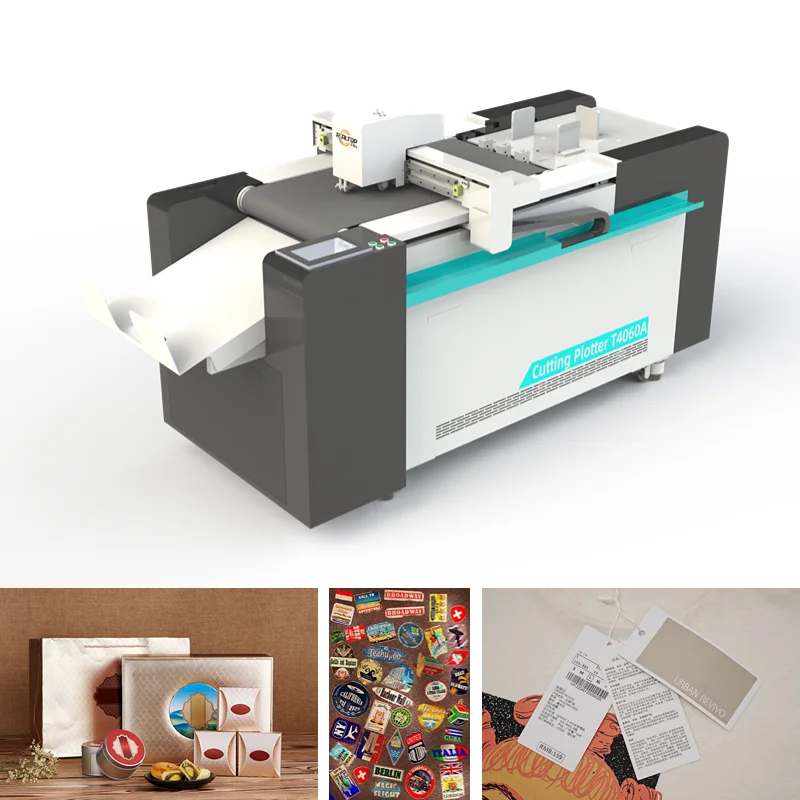
| Advertising board cutting | KT board, PVC foam board, corrugated plastic |
| Vinyl and signage finishing | Self-adhesive vinyl, magnetic sheet, reflective film |
| Packaging sample making | Corrugated carton, folding carton board, greyboard |
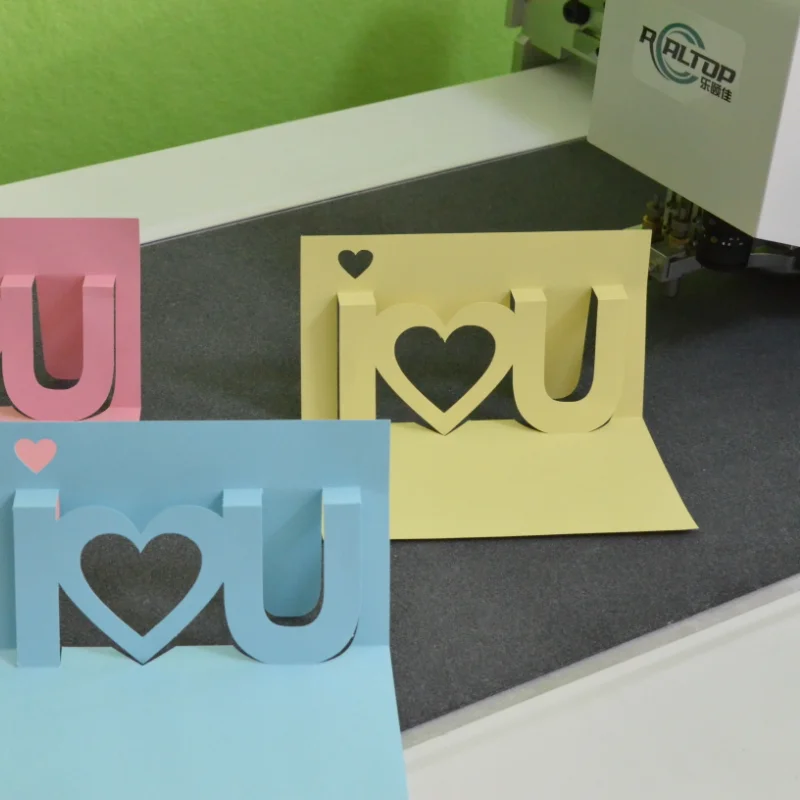
| Paper processing | Art paper, card stock, sticker sheets for short-run custom shapes |
Why Working Area Alone Is Not Enough to Specify a CNC Cutting Plotter for Sale
Cutting depth and tool head must match the material before the machine leaves the factory.
I once watched a buyer order a compact digital cutter based purely on its bed size. When high-density PVC foam board replaced the sample cardboard, the knife pressure and spindle speed could not keep up, leaving ragged edges across two full batches of display boards. I spent four days on site re-tuning parameters to rescue the production run. A small-format CNC cutting plotter for sale must be evaluated on what it actually cuts, not just where it cuts [NEED_CITE: common causes of cutting edge failure on PVC foam board].
Matching the Knife to the Board and Vinyl Stock
The RTT-4060 Pro supports oscillating knife, drag knife, creasing wheel and pen tool heads, allowing each material to be cut with the method that suits it. Oscillating action handles thicker foam and corrugated board without crushing the core, while a drag knife follows tight radii on thin vinyl. Specifying the tool head per material prevents the ragged-edge problem that forces rework downstream.
Holding Small Parts Flat on a Compact Bed
A 400 × 600 mm working area is efficient for carton prototypes and short-run sticker sheets, but small cut pieces can lift if the vacuum table zoning does not match the nest layout [NEED_CITE: vacuum hold-down requirements for small-format digital cutting]. Confirming zone count and suction level against your typical part size ensures the material stays flat from first pierce to final kiss-cut.
Reading the Specifications That Actually Matter
Working area tells you the maximum sheet, but positioning accuracy and repeatability determine whether contour-cut stickers align with pre-printed graphics. If your workflow relies on printed registration marks, CCD camera availability must be confirmed before order, along with the software’s ability to import your existing design files. Voltage, plug type and control language also need to match your local site before the crate is sealed [NEED_CITE: voltage and frequency standards by export market].
What Happens When Configuration Is Skipped
Choosing a tool head by price rather than material leads to crushed foam cores, delaminated vinyl edges and creasing wheels that score instead of fold. These defects rarely show up on a sample cut made from the supplier’s demo stock. They appear the first week of real production, when the schedule is already tight and the next order is waiting [NEED_CITE: cost of unplanned downtime in finishing departments].
Why Buyers Survey the Full Catalogue Here
Realtop designs and builds both knife and laser cutting systems under one roof, so the RTT-4060 Pro sits inside a wider range that lets you compare methods rather than force one. Tool head and table configuration are specified against your actual material, not a generic demo. Software compatibility is confirmed before the order is finalised, and voltage plus control language are locked in before shipment. Sample cuts on your own stock are available before commitment, giving you a physical reference rather than a brochure promise.
Documentation & Verification
- Machine specification sheet listing working area, confirmed tool head and cutting depth per material
- Electrical schematic with voltage, phase and frequency locked to your site
- Sample cutting report produced on your board or vinyl stock before order confirmation
- Software license and file format compatibility note matching your existing design workflow
- Factory test record showing positioning accuracy on your typical nest layout
- Operation and maintenance manual in your chosen control language
Installation, Commissioning & Support
- Confirm floor load and bench space for the 400 × 600 mm bed footprint before delivery
- Provide dedicated circuit matching confirmed voltage and frequency to avoid controller faults
- Machine arrives assembled; verify door and lift access for the full crate dimensions
- First-day commissioning includes knife pressure and vacuum zone calibration on your stock
- Operator training covers tool head changeover, file import and nest setup in your language
- Spare knife blades and vacuum cups listed in the included parts kit for early replacement
Sending the Right Details with Your Inquiry
Share the material type, thickness and maximum sheet size you run most often, plus the daily volume you need to clear. Include your local voltage and frequency, the control language your operators prefer, and any design software your artwork team already uses. If you have a printed contour job, attach a sample file so CCD capability can be checked before the quote is issued.
Frequently Asked Questions
Q: How do I choose between oscillating knife and drag knife for my board stock?
A: Oscillating knife suits thicker foam and corrugated board because the vertical stroke slices without crushing the core. Drag knife is better for thin vinyl and sticker sheets where tight radii and kiss-cutting are needed. Send a sample of your most common material so the correct tool head can be specified and tested before you commit.
Q: What voltage and control language options can be set before shipment?
A: Voltage, phase and frequency are configured to match your workshop supply, and the control interface is loaded in your preferred language. Both must be confirmed before the machine is crated, so provide your local electrical standard and operator language early in the inquiry.
Q: Can I receive a sample cut on my own material before ordering?
A: Yes. You can send a roll or sheet of your actual board, vinyl or carton stock, and a sample cutting report will be returned with the cut pieces. This lets you verify edge quality, crease depth and contour accuracy before the production machine is built.
Q: Which design file formats does the plotter software accept?
A: Format support depends on the software package selected. Confirm the exact file types your design team outputs — such as DXF, AI, PLT or PDF — during the inquiry so the license and compatibility note can be matched to your existing workflow before the order is placed.
Q: What does the one-year warranty cover?
A: The warranty covers the whole machine, including controller, drive components and tool head carriage. Consumables such as knife blades and vacuum cups are excluded. A spare parts list is provided with the documentation so you can plan routine replacements during the warranty period.










商品评价
There are no reviews yet.