

Fast Delivery
Quick, reliable shipping to any location.

Free & easy returns
Return this item by mail or in store within 90 days for a full refund.
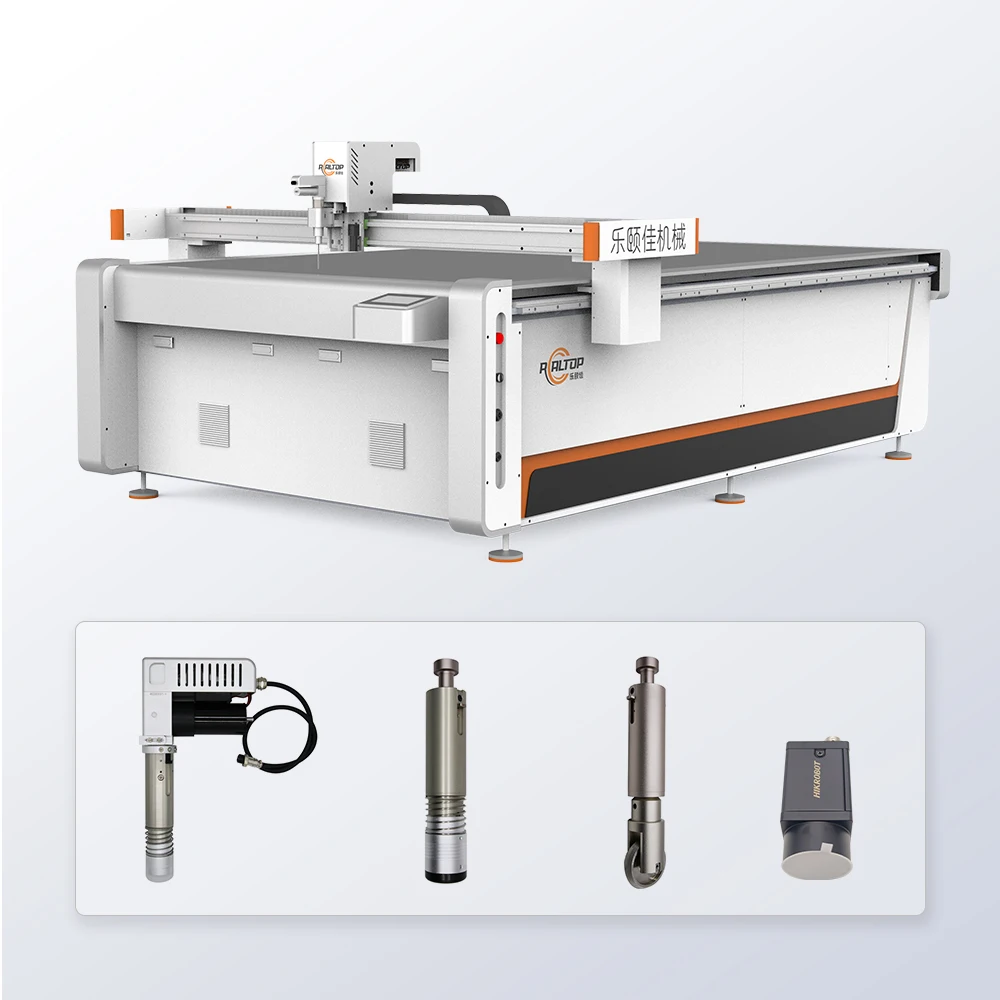
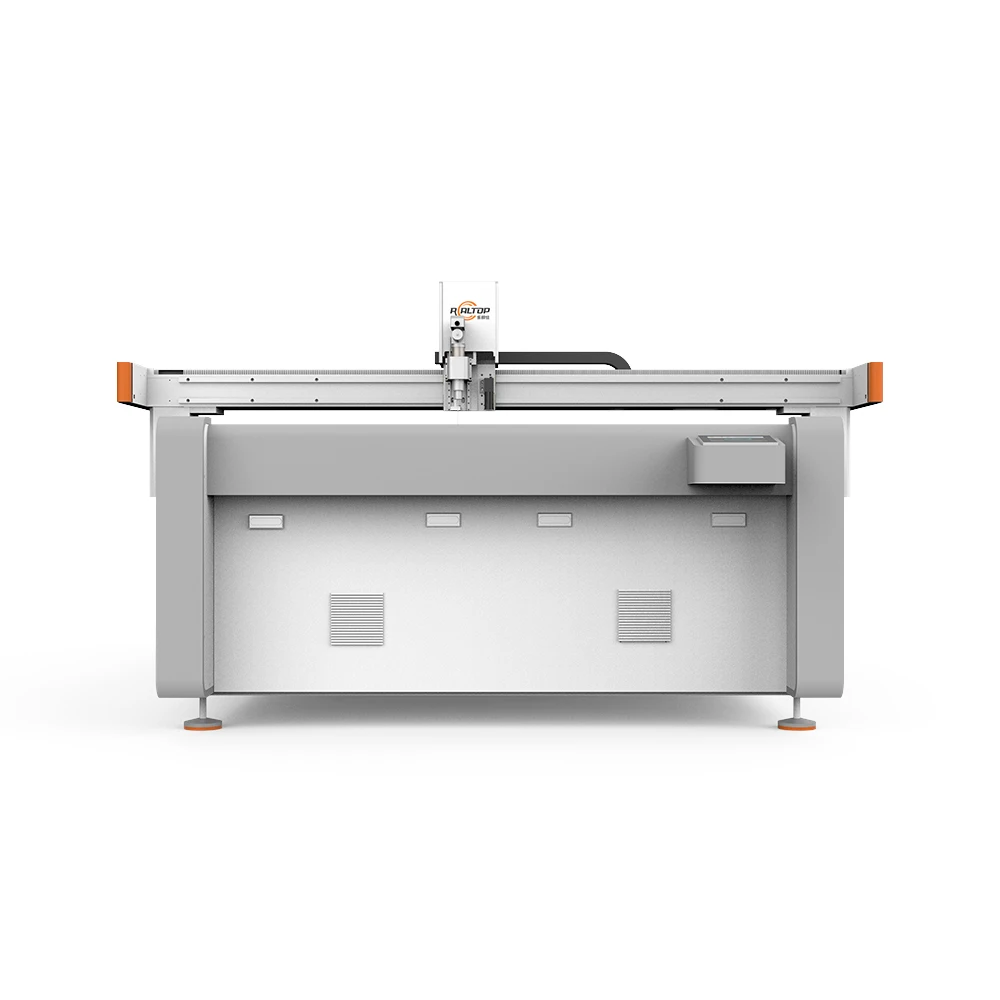
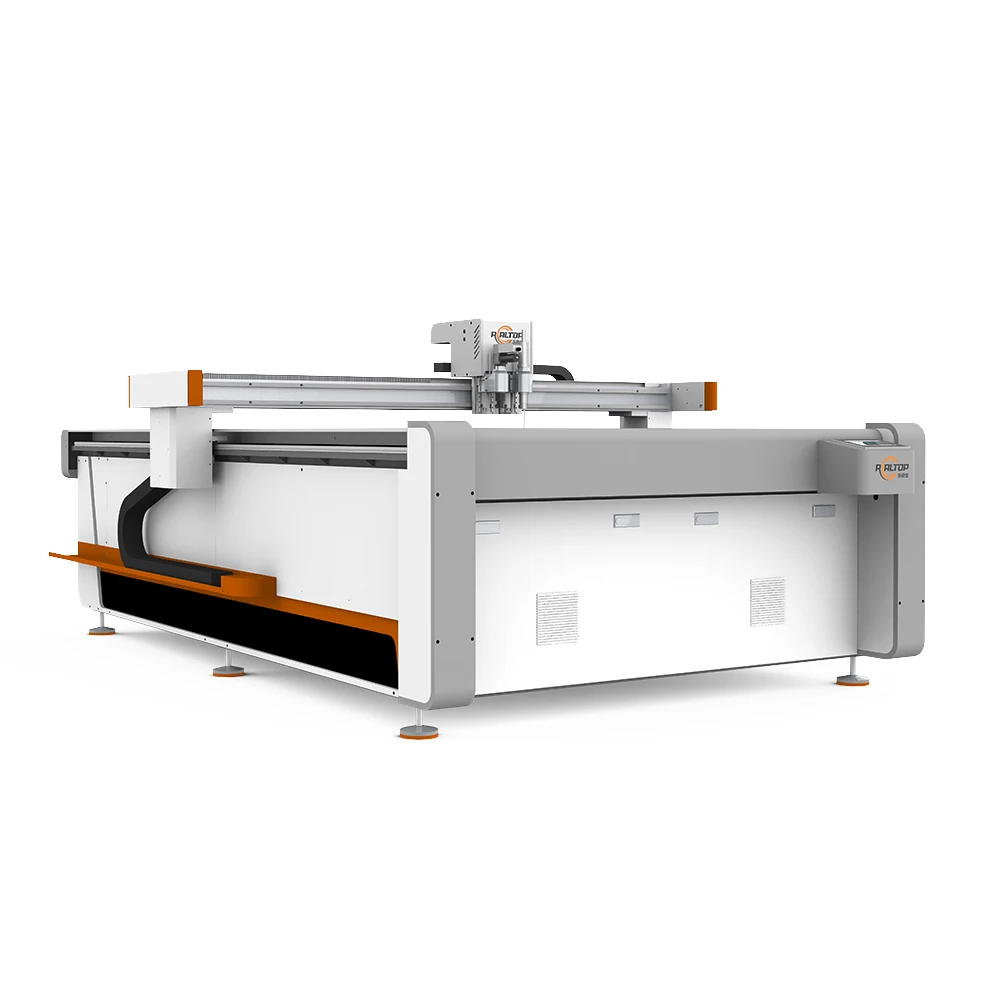
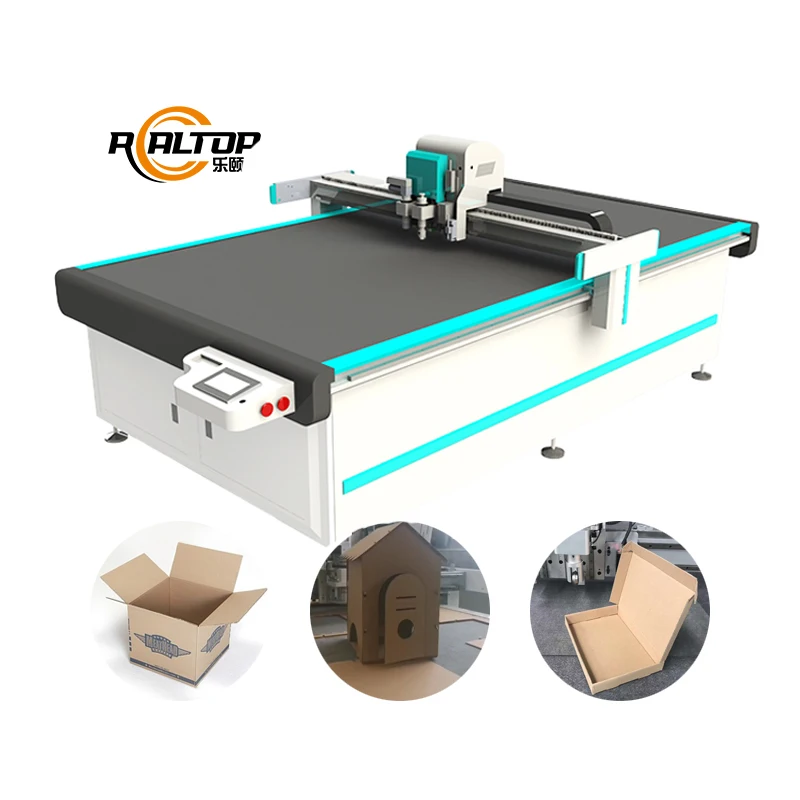
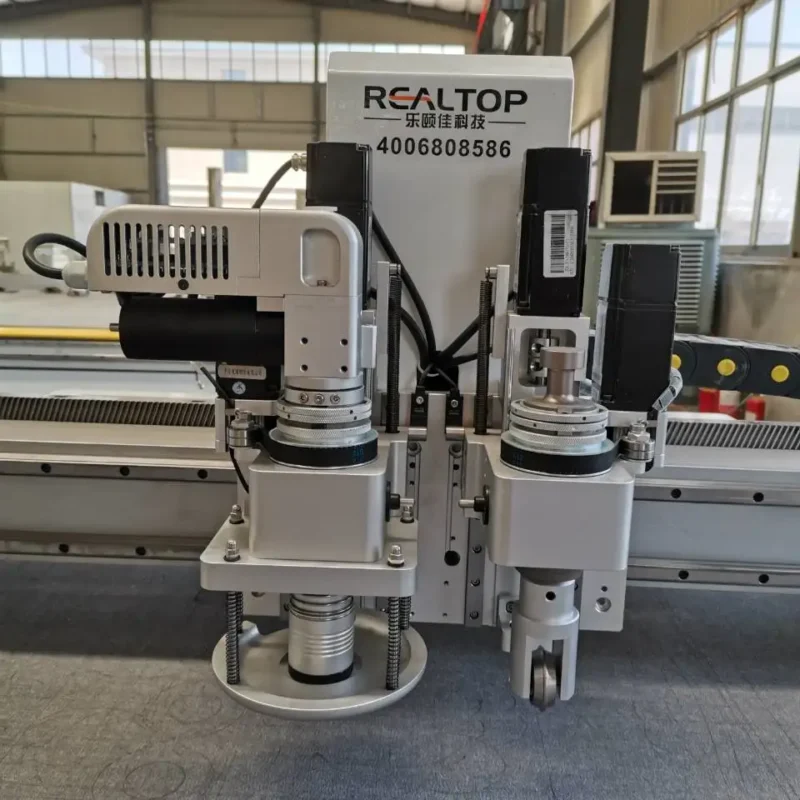
Seven Tool Heads — The 1625 platform lets packaging buyers swap between oscillating knife, driven rotary, creasing wheel, kiss cutting, pneumatic knife, milling, and V-groove heads rather than forcing one blade type through every board grade.
Technical Specifications
| Parameter | Value |
|---|---|
| Model | 1625 |
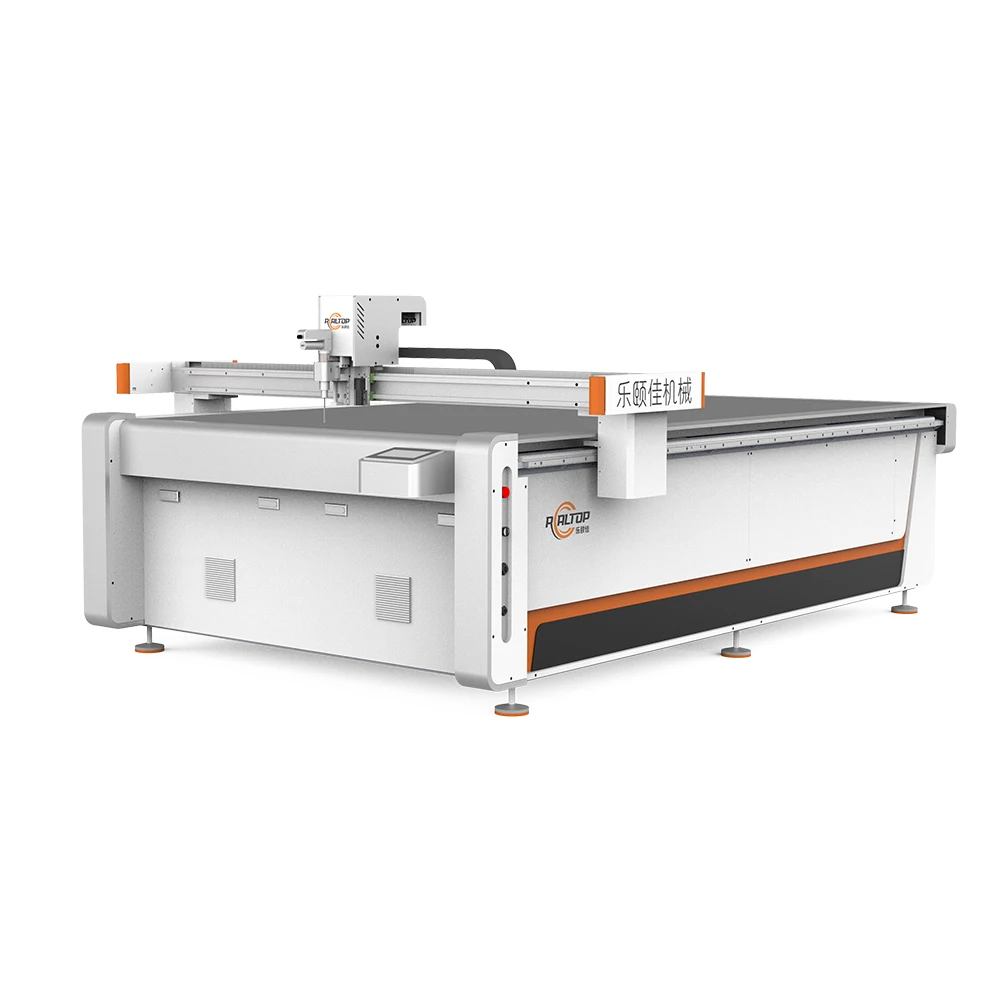
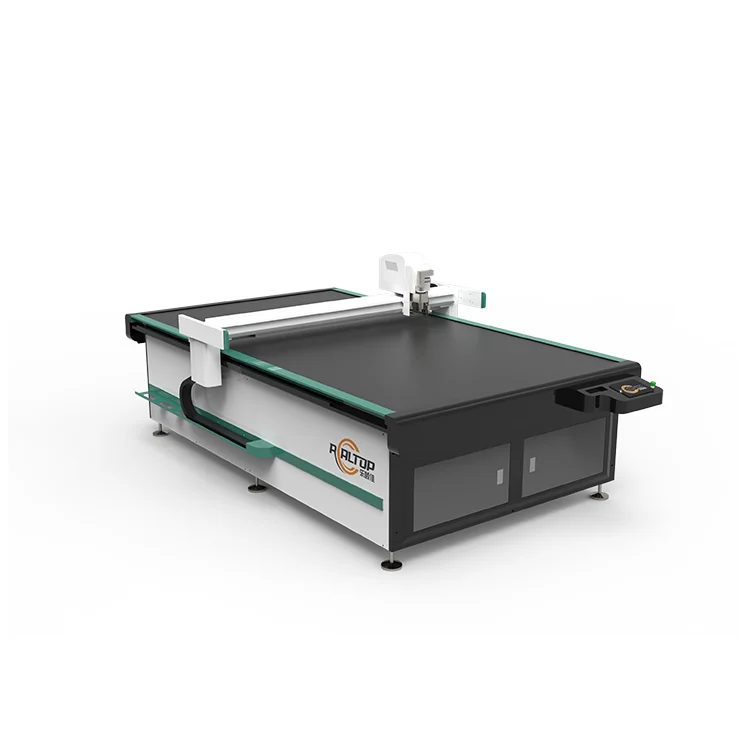
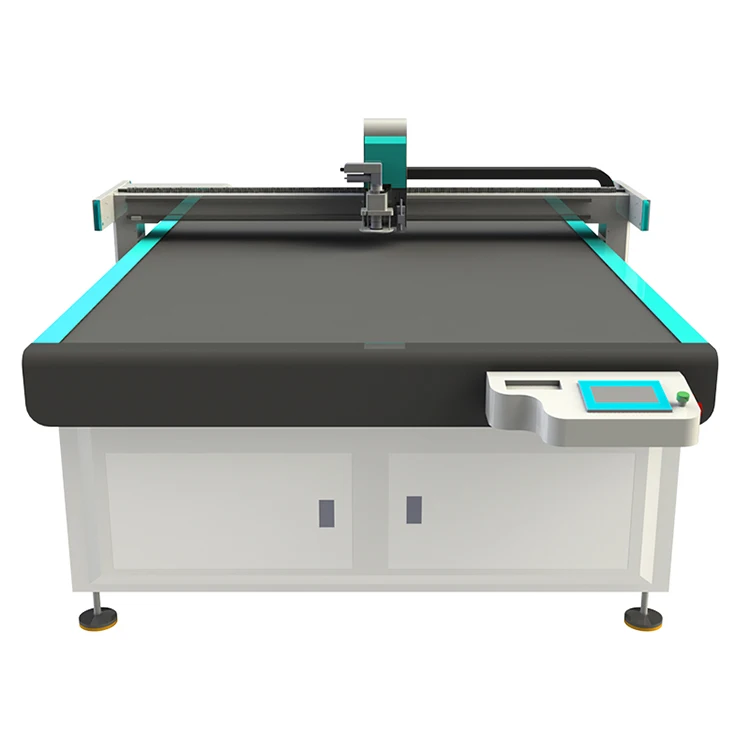
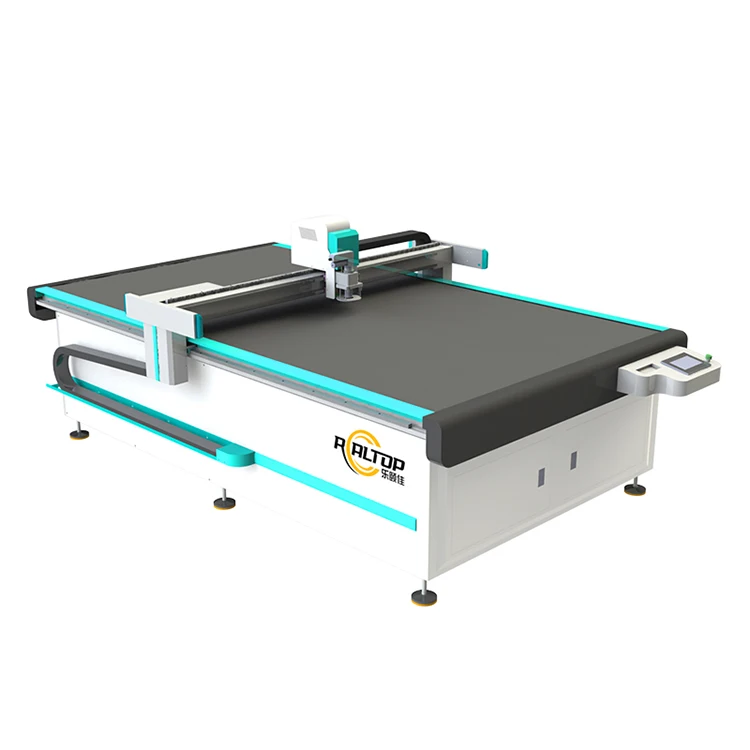
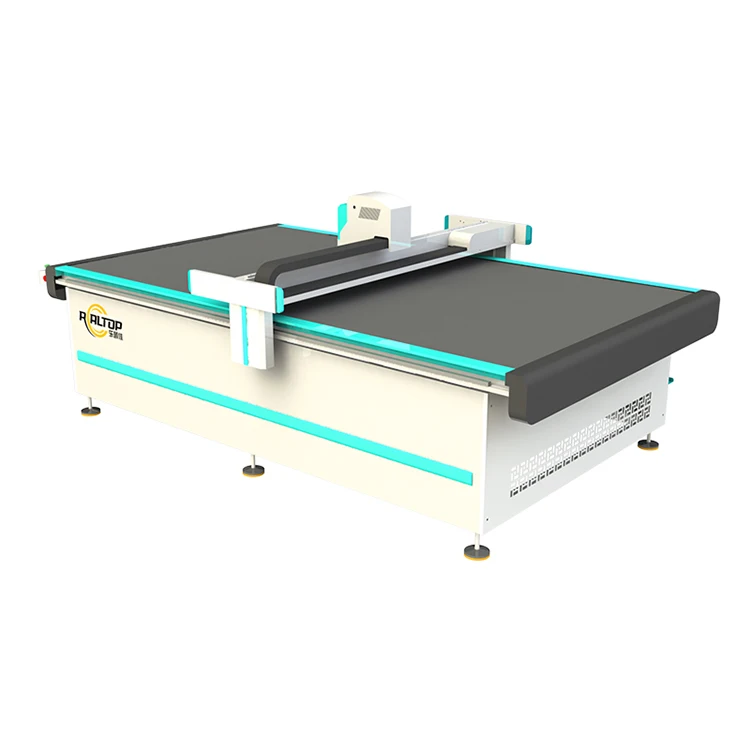
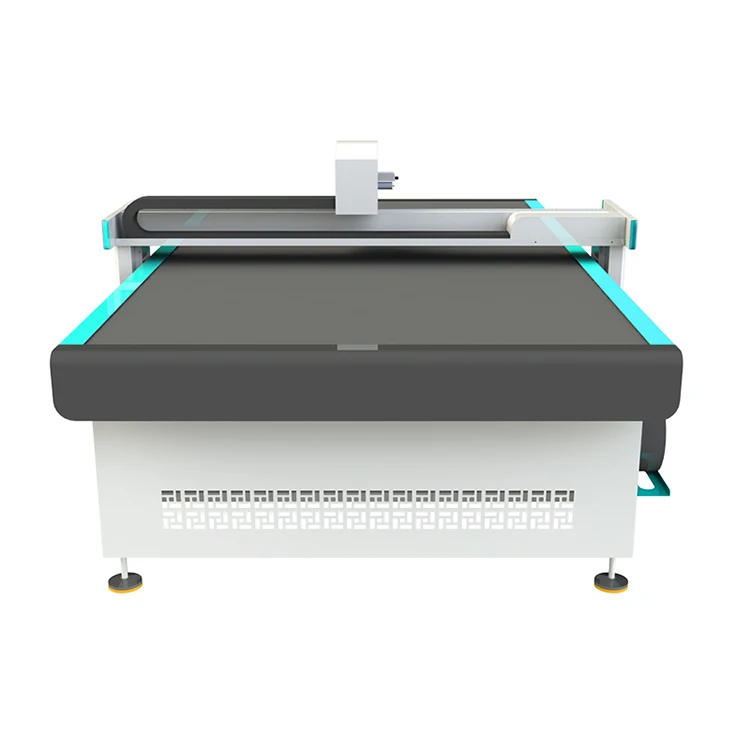
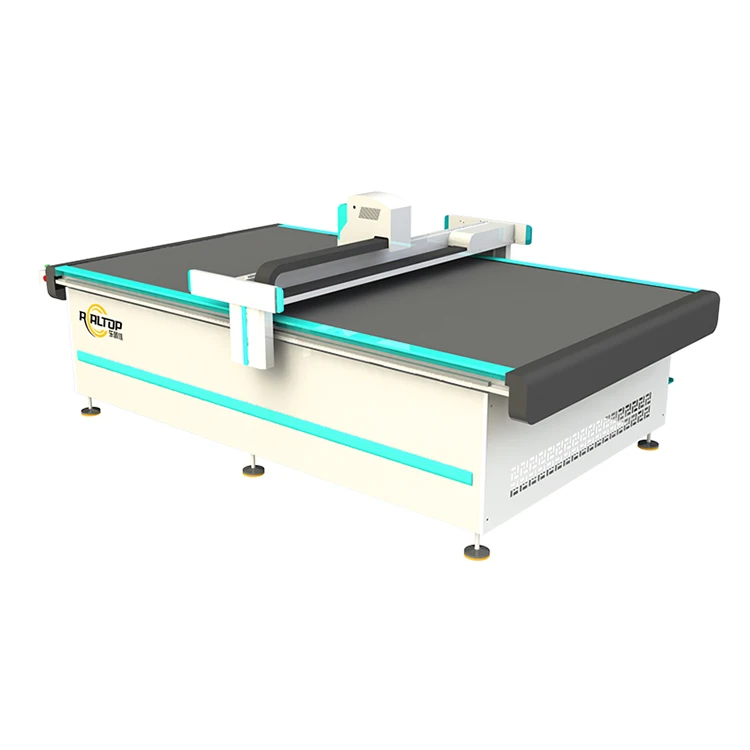
| Product Type | CNC Oscillating Knife Cutting Machine |
| Working Area | 1600×2500 mm |
| Tool Head Options | Oscillating knife, Driven rotary knife, Creasing wheel, Kiss cutting tool, Pneumatic knife, Milling tool, V-groove knife |
| Applicable Materials | Fabric, Cardboard, Carton, Mats, PVC, EVA, Leather, Acrylic, Foam, PTFE, Rubber |
| Cutting Speed | 0–1500 mm/s |
| Cutting Thickness | ≤ 40 mm (basis not stated in source) |
| Positioning Accuracy | ±0.1 mm |
| Vacuum Pump Power | 9 kW |
| Vacuum Table | Aluminum bellows vacuum table |
| Voltage Options | 110V, 220V, 380V (frequency to be confirmed) |
| Control System | PLC control panel |
| File Formats | PLT, DXF, AI, PDF |
| Servo Motors | Panasonic, Delta, Dorna options |
| Software Language | English, Russian, Italian, Chinese (special languages customizable) |
| Dedicated Software | Packaging box structure design software included |
| Safety Devices | Infrared sensor, Emergency stop |
| Machine Size (L×W×H) | 3300×2100×1350 mm |
| Certification | CE |
Application Suitability
| Application | Material or Output |
|---|---|
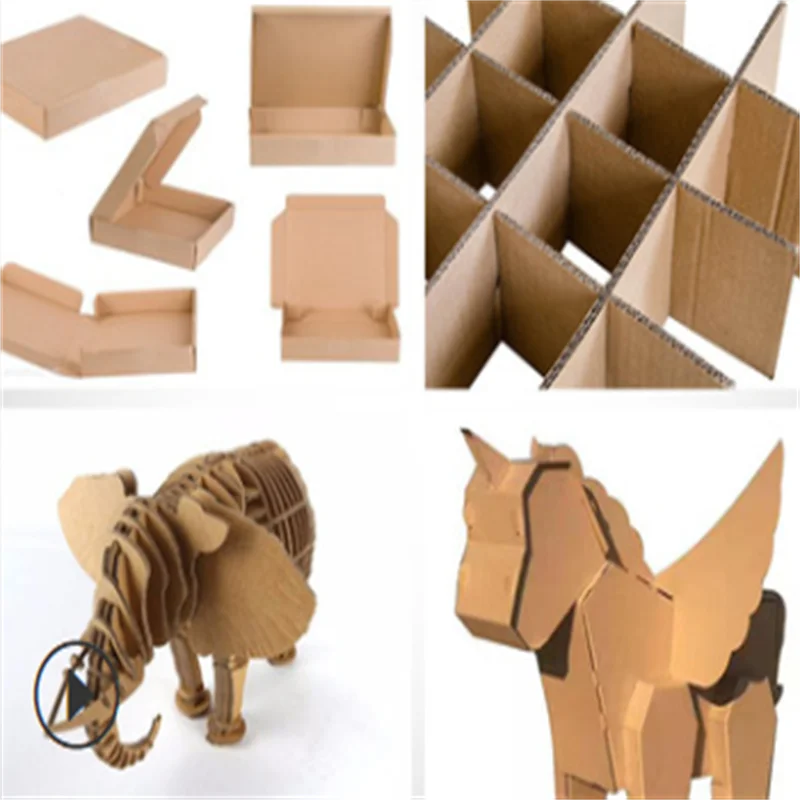
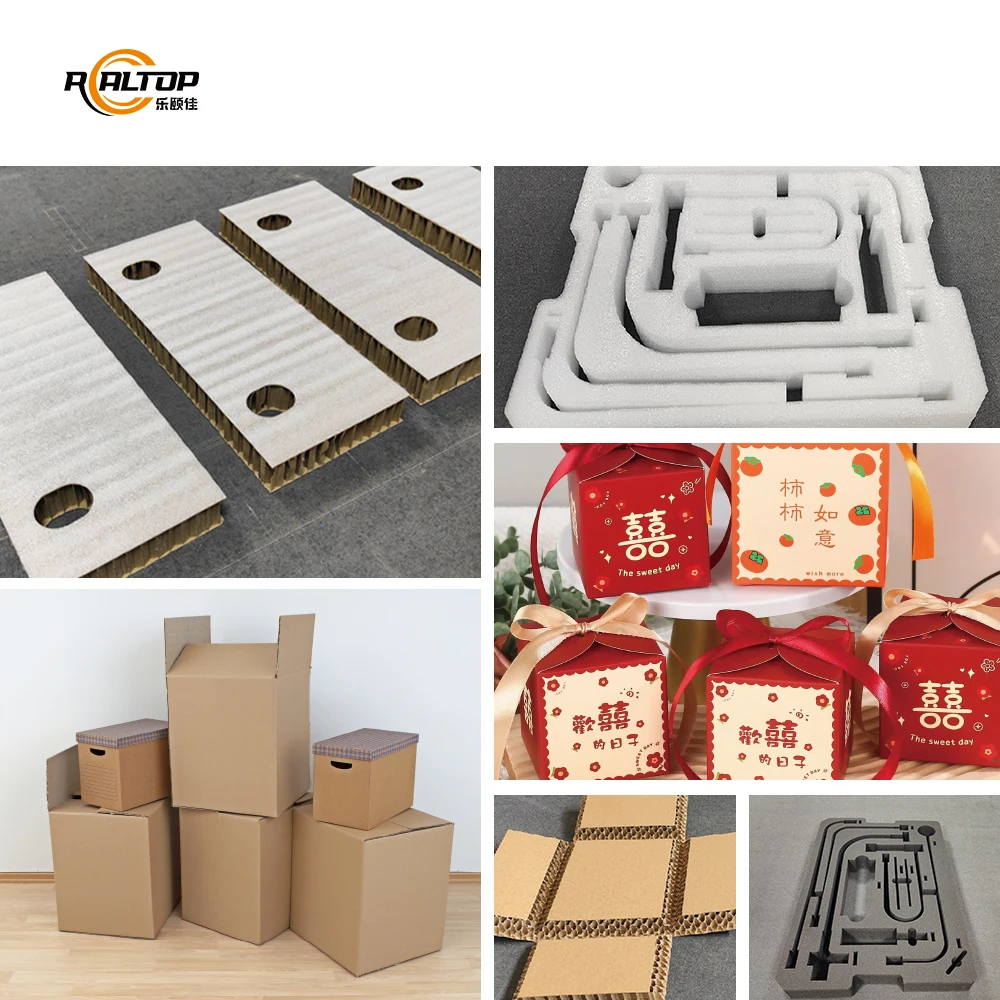
| Packaging sample making | Greyboard, cardstock, art paper, specialty paper |
| Corrugated board conversion | E-flute, B-flute, BC-flute custom box structures |
| Protective insert fabrication | EVA, EPE, PU foam profiles |
| Gasket and seal cutting | Rubber mats, PTFE sheets |
| Short-run carton production | Corrugated and folding carton without die tooling |
Why Specifying Working Area Alone Leaves Buyers Exposed
A CNC Oscillating Knife Cutting Machine for sale quoted only on bed size often fails the moment the buyer loads a heavier flute or denser board than the seller anticipated. The real specification is how the tool head, vacuum holding force, and cutting stroke combine to handle the exact material on the production floor. I have watched packaging shops discover this gap the hard way — a standard five-layer corrugated sample cuts cleanly at the factory, but the buyer’s actual stock contains high-moisture recycled liner that tears into ragged edges. Two days of parameter adjustment later, the line finally stabilized. That scenario repeats when the vacuum zoning cannot grip small nested parts or when the oscillating frequency is insufficient for the board density [NEED_CITE: common cutting defects on recycled corrugated materials]. The working area tells you how much sheet fits on the bed; the tool head and vacuum configuration tell you whether the cut will hold tolerance at speed.
Matching the Blade Type to the Board Grade
Choosing between an oscillating knife and a driven rotary knife is not a preference call — it is a material decision. The oscillating head vibrates at high frequency to slice through corrugated flutes without crushing the structure, making it the right pick for E-flute through BC-flute board. The driven rotary knife, by contrast, pulls through dense greyboard and thick cardstock with a continuous shearing action. When a packaging converter tries to run both board families on a single blade type, edge quality drops on at least one of them. This CNC Oscillating Knife Cutting Machine for sale supports both heads on the same gantry, so operators swap tools instead of compromising the cut.
Creasing, Kiss Cutting, and V-Groove in One Pass
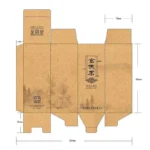
A complete packaging sample requires more than perimeter cuts. The creasing wheel scores fold lines without breaking the liner, the kiss cutting tool cuts the top layer of adhesive-backed labels without penetrating the backing, and the V-groove knife removes a channel for rigid box corners. Running these operations on separate machines doubles the handling time and introduces registration drift. The 1625 platform carries all seven tool positions, so a box structure moves from score to cut to groove in a single setup [NEED_CITE: multi-tool CNC cutting workflow for packaging sample making]. The dedicated packaging box structure design software generates the tool paths directly, keeping the digital file aligned with the physical tool positions.
Reading the Specification Sheet Beyond the Headline Numbers
The 9 kW vacuum pump paired with an aluminum bellows table delivers the suction needed to hold large corrugated sheets flat, but the zoning configuration determines whether small nested parts stay pinned during high-speed contour cuts. A full-sheet vacuum hold works for large carton blanks, while multi-zone segmentation prevents small inserts from lifting when the knife exits the material. Positioning accuracy of ±0.1 mm matters most on kiss cutting jobs where the blade must stop within the adhesive layer without scoring the release liner. The PLC control panel accepts PLT, DXF, AI, and PDF files, but the operator still needs to confirm that the nesting software exports paths in a compatible format before the first run [NEED_CITE: file format compatibility in CNC digital cutting workflows]. Servo motor selection between Panasonic, Delta, and Dorna options affects acceleration response and long-term maintenance parts availability rather than peak speed alone.
The Cost of Skipping Material Samples Before Order
When a buyer commits without sending actual production stock for a sample cut, the machine arrives configured for a generic board grade that may not match the workshop’s daily input. The oscillating knife frequency set for virgin kraft liner will crush recycled core paper with higher moisture content, producing delaminated edges that fail the customer’s quality check. Adjusting stroke depth, oscillation frequency, and vacuum pressure on the factory floor costs production days that a pre-shipment sample test would have eliminated. Voltage mismatches compound the problem — a machine wired for 380V at 50 Hz running on a 60 Hz supply alters the vacuum pump output and servo response, pushing the cutting accuracy outside the ±0.1 mm band. Every parameter shift cascades into the next, and the operator ends up chasing symptoms instead of running production [NEED_CITE: impact of voltage and frequency mismatch on CNC cutting accuracy].
Why Buyers Source This Platform Here
In-house design covers both knife and laser cutting technologies, so a packaging buyer can match the cutting method to the material instead of forcing one method across the entire product range. Tool head and table configuration are specified per material and production volume, documented before the order is locked. CCD camera positioning is available for printed contour work where registration marks must be tracked at production speed. Software compatibility is confirmed in writing — file formats, nesting workflow, and language options are agreed before the machine enters production. Voltage, plug type, and control panel language are customized per destination market. Sample cutting runs on the buyer’s own material and flute profile before any commitment is made, giving the buyer a physical report rather than a catalog promise.
Documentation & Verification
- Machine specification sheet confirming tool head and vacuum table configuration per material
- Electrical schematic with voltage and frequency match for destination market
- Sample cutting report on buyer’s own corrugated board or foam before dispatch
- CE declaration included with export documentation package
- Software licence and file format compatibility note covering PLT, DXF, AI, PDF
- Spare parts list matching the selected servo motor and tool head options
Installation, Commissioning & Support
- Floor space allocation for the 3300×2100×1350 mm footprint with clearance for sheet loading
- Dedicated electrical circuit matching confirmed voltage option — 110V, 220V, or 380V
- Vacuum pump commissioning and zoning test on the aluminum bellows table before production runs
- First-article cutting test on buyer’s material to verify tool head selection and stroke parameters
- Operator training on the PLC control panel in the confirmed software language
- Scheduled maintenance intervals for the oscillating knife mechanism and vacuum pump seals
What to Prepare Before Requesting a Quote
Send the exact material types, flute profiles, and board thicknesses the workshop runs most often, along with the maximum sheet size and the daily volume target. Confirm the local voltage and frequency, the preferred control panel language, and whether existing design software needs to feed tool paths directly into the machine. If printed contour cutting is part of the workflow, include sample sheets with registration marks so the CCD tracking can be validated before configuration is finalized.
Frequently Asked Questions
Q: How do I decide between oscillating knife and laser cutting for my packaging material?
A: Oscillating knife handles corrugated board, foam inserts, and thick greyboard without burning edges or generating fumes. Laser suits thin cardstock, paper lace, and adhesive films where sealed edges are needed. The platform supports both methods, so the decision follows the material rather than the machine. Send samples of each material for a comparative test before committing to one configuration.
Q: Which tool head handles my specific flute type and board thickness?
A: E-flute and B-flute corrugated board typically runs on the oscillating knife with a medium-frequency stroke, while BC-flute and double-wall grades need a longer stroke and lower speed. Greyboard above 2 mm benefits from the driven rotary knife. The creasing wheel pairs with either cutting head for fold lines. A sample cut on the buyer’s actual stock confirms the right combination.
Q: What vacuum zoning do I need for small packaging inserts?
A: Small nested parts require multi-zone vacuum segmentation so each zone holds only the area under active cutting. A single full-bed zone loses suction on small pieces as the knife exits the material, allowing the part to shift. The aluminum bellows table supports configurable zoning matched to the buyer’s typical nesting layout and part geometry.
Q: How are voltage, plug, and control language confirmed before the machine ships?
A: The buyer specifies the destination voltage, frequency, and plug type during the inquiry stage, and the manufacturer documents the confirmed electrical configuration in the machine specification sheet. The PLC control panel language is set to the buyer’s preference — English, Russian, Italian, Chinese, or a customized language — and verified during the factory test before packing.
Q: What file formats does the included packaging software support?
A: The dedicated packaging box structure design software exports tool paths that the PLC control reads natively. External design files in PLT, DXF, AI, and PDF formats import directly. The software licence and file format compatibility note are included in the documentation package, confirming that the buyer’s existing design workflow connects to the machine without intermediate conversion steps.
Seven Tool Heads — The 1625 platform lets packaging buyers swap between oscillating knife, driven rotary, creasing wheel, kiss cutting, pneumatic knife, milling, and V-groove heads rather than forcing one blade type through every board grade.
Technical Specifications
| Parameter | Value |
|---|---|
| Model | 1625 |
| Product Type | CNC Oscillating Knife Cutting Machine |
| Working Area | 1600×2500 mm |
| Tool Head Options | Oscillating knife, Driven rotary knife, Creasing wheel, Kiss cutting tool, Pneumatic knife, Milling tool, V-groove knife |
| Applicable Materials | Fabric, Cardboard, Carton, Mats, PVC, EVA, Leather, Acrylic, Foam, PTFE, Rubber |
| Cutting Speed | 0–1500 mm/s |
| Cutting Thickness | ≤ 40 mm (basis not stated in source) |
| Positioning Accuracy | ±0.1 mm |
| Vacuum Pump Power | 9 kW |
| Vacuum Table | Aluminum bellows vacuum table |
| Voltage Options | 110V, 220V, 380V (frequency to be confirmed) |
| Control System | PLC control panel |
| File Formats | PLT, DXF, AI, PDF |
| Servo Motors | Panasonic, Delta, Dorna options |
| Software Language | English, Russian, Italian, Chinese (special languages customizable) |
| Dedicated Software | Packaging box structure design software included |
| Safety Devices | Infrared sensor, Emergency stop |
| Machine Size (L×W×H) | 3300×2100×1350 mm |
| Certification | CE |
Application Suitability
| Application | Material or Output |
|---|---|
| Packaging sample making | Greyboard, cardstock, art paper, specialty paper |
| Corrugated board conversion | E-flute, B-flute, BC-flute custom box structures |
| Protective insert fabrication | EVA, EPE, PU foam profiles |
| Gasket and seal cutting | Rubber mats, PTFE sheets |
| Short-run carton production | Corrugated and folding carton without die tooling |
Why Specifying Working Area Alone Leaves Buyers Exposed
A CNC Oscillating Knife Cutting Machine for sale quoted only on bed size often fails the moment the buyer loads a heavier flute or denser board than the seller anticipated. The real specification is how the tool head, vacuum holding force, and cutting stroke combine to handle the exact material on the production floor. I have watched packaging shops discover this gap the hard way — a standard five-layer corrugated sample cuts cleanly at the factory, but the buyer’s actual stock contains high-moisture recycled liner that tears into ragged edges. Two days of parameter adjustment later, the line finally stabilized. That scenario repeats when the vacuum zoning cannot grip small nested parts or when the oscillating frequency is insufficient for the board density [NEED_CITE: common cutting defects on recycled corrugated materials]. The working area tells you how much sheet fits on the bed; the tool head and vacuum configuration tell you whether the cut will hold tolerance at speed.
Matching the Blade Type to the Board Grade
Choosing between an oscillating knife and a driven rotary knife is not a preference call — it is a material decision. The oscillating head vibrates at high frequency to slice through corrugated flutes without crushing the structure, making it the right pick for E-flute through BC-flute board. The driven rotary knife, by contrast, pulls through dense greyboard and thick cardstock with a continuous shearing action. When a packaging converter tries to run both board families on a single blade type, edge quality drops on at least one of them. This CNC Oscillating Knife Cutting Machine for sale supports both heads on the same gantry, so operators swap tools instead of compromising the cut.
Creasing, Kiss Cutting, and V-Groove in One Pass
A complete packaging sample requires more than perimeter cuts. The creasing wheel scores fold lines without breaking the liner, the kiss cutting tool cuts the top layer of adhesive-backed labels without penetrating the backing, and the V-groove knife removes a channel for rigid box corners. Running these operations on separate machines doubles the handling time and introduces registration drift. The 1625 platform carries all seven tool positions, so a box structure moves from score to cut to groove in a single setup [NEED_CITE: multi-tool CNC cutting workflow for packaging sample making]. The dedicated packaging box structure design software generates the tool paths directly, keeping the digital file aligned with the physical tool positions.
Reading the Specification Sheet Beyond the Headline Numbers
The 9 kW vacuum pump paired with an aluminum bellows table delivers the suction needed to hold large corrugated sheets flat, but the zoning configuration determines whether small nested parts stay pinned during high-speed contour cuts. A full-sheet vacuum hold works for large carton blanks, while multi-zone segmentation prevents small inserts from lifting when the knife exits the material. Positioning accuracy of ±0.1 mm matters most on kiss cutting jobs where the blade must stop within the adhesive layer without scoring the release liner. The PLC control panel accepts PLT, DXF, AI, and PDF files, but the operator still needs to confirm that the nesting software exports paths in a compatible format before the first run [NEED_CITE: file format compatibility in CNC digital cutting workflows]. Servo motor selection between Panasonic, Delta, and Dorna options affects acceleration response and long-term maintenance parts availability rather than peak speed alone.
The Cost of Skipping Material Samples Before Order
When a buyer commits without sending actual production stock for a sample cut, the machine arrives configured for a generic board grade that may not match the workshop’s daily input. The oscillating knife frequency set for virgin kraft liner will crush recycled core paper with higher moisture content, producing delaminated edges that fail the customer’s quality check. Adjusting stroke depth, oscillation frequency, and vacuum pressure on the factory floor costs production days that a pre-shipment sample test would have eliminated. Voltage mismatches compound the problem — a machine wired for 380V at 50 Hz running on a 60 Hz supply alters the vacuum pump output and servo response, pushing the cutting accuracy outside the ±0.1 mm band. Every parameter shift cascades into the next, and the operator ends up chasing symptoms instead of running production [NEED_CITE: impact of voltage and frequency mismatch on CNC cutting accuracy].
Why Buyers Source This Platform Here
In-house design covers both knife and laser cutting technologies, so a packaging buyer can match the cutting method to the material instead of forcing one method across the entire product range. Tool head and table configuration are specified per material and production volume, documented before the order is locked. CCD camera positioning is available for printed contour work where registration marks must be tracked at production speed. Software compatibility is confirmed in writing — file formats, nesting workflow, and language options are agreed before the machine enters production. Voltage, plug type, and control panel language are customized per destination market. Sample cutting runs on the buyer’s own material and flute profile before any commitment is made, giving the buyer a physical report rather than a catalog promise.
Documentation & Verification
- Machine specification sheet confirming tool head and vacuum table configuration per material
- Electrical schematic with voltage and frequency match for destination market
- Sample cutting report on buyer’s own corrugated board or foam before dispatch
- CE declaration included with export documentation package
- Software licence and file format compatibility note covering PLT, DXF, AI, PDF
- Spare parts list matching the selected servo motor and tool head options
Installation, Commissioning & Support
- Floor space allocation for the 3300×2100×1350 mm footprint with clearance for sheet loading
- Dedicated electrical circuit matching confirmed voltage option — 110V, 220V, or 380V
- Vacuum pump commissioning and zoning test on the aluminum bellows table before production runs
- First-article cutting test on buyer’s material to verify tool head selection and stroke parameters
- Operator training on the PLC control panel in the confirmed software language
- Scheduled maintenance intervals for the oscillating knife mechanism and vacuum pump seals
What to Prepare Before Requesting a Quote
Send the exact material types, flute profiles, and board thicknesses the workshop runs most often, along with the maximum sheet size and the daily volume target. Confirm the local voltage and frequency, the preferred control panel language, and whether existing design software needs to feed tool paths directly into the machine. If printed contour cutting is part of the workflow, include sample sheets with registration marks so the CCD tracking can be validated before configuration is finalized.
Frequently Asked Questions
Q: How do I decide between oscillating knife and laser cutting for my packaging material?
A: Oscillating knife handles corrugated board, foam inserts, and thick greyboard without burning edges or generating fumes. Laser suits thin cardstock, paper lace, and adhesive films where sealed edges are needed. The platform supports both methods, so the decision follows the material rather than the machine. Send samples of each material for a comparative test before committing to one configuration.
Q: Which tool head handles my specific flute type and board thickness?
A: E-flute and B-flute corrugated board typically runs on the oscillating knife with a medium-frequency stroke, while BC-flute and double-wall grades need a longer stroke and lower speed. Greyboard above 2 mm benefits from the driven rotary knife. The creasing wheel pairs with either cutting head for fold lines. A sample cut on the buyer’s actual stock confirms the right combination.
Q: What vacuum zoning do I need for small packaging inserts?
A: Small nested parts require multi-zone vacuum segmentation so each zone holds only the area under active cutting. A single full-bed zone loses suction on small pieces as the knife exits the material, allowing the part to shift. The aluminum bellows table supports configurable zoning matched to the buyer’s typical nesting layout and part geometry.
Q: How are voltage, plug, and control language confirmed before the machine ships?
A: The buyer specifies the destination voltage, frequency, and plug type during the inquiry stage, and the manufacturer documents the confirmed electrical configuration in the machine specification sheet. The PLC control panel language is set to the buyer’s preference — English, Russian, Italian, Chinese, or a customized language — and verified during the factory test before packing.
Q: What file formats does the included packaging software support?
A: The dedicated packaging box structure design software exports tool paths that the PLC control reads natively. External design files in PLT, DXF, AI, and PDF formats import directly. The software licence and file format compatibility note are included in the documentation package, confirming that the buyer’s existing design workflow connects to the machine without intermediate conversion steps.
商品评价
There are no reviews yet.