

Fast Delivery
Quick, reliable shipping to any location.

Free & easy returns
Return this item by mail or in store within 90 days for a full refund.
In-house cutting tech coverage — Realtop designs both oscillating knife and laser systems under one roof, letting rubber gasket producers match the cutting method to compound hardness rather than forcing a single process across all materials.
Technical Specifications
| Parameter | Value |
|---|---|
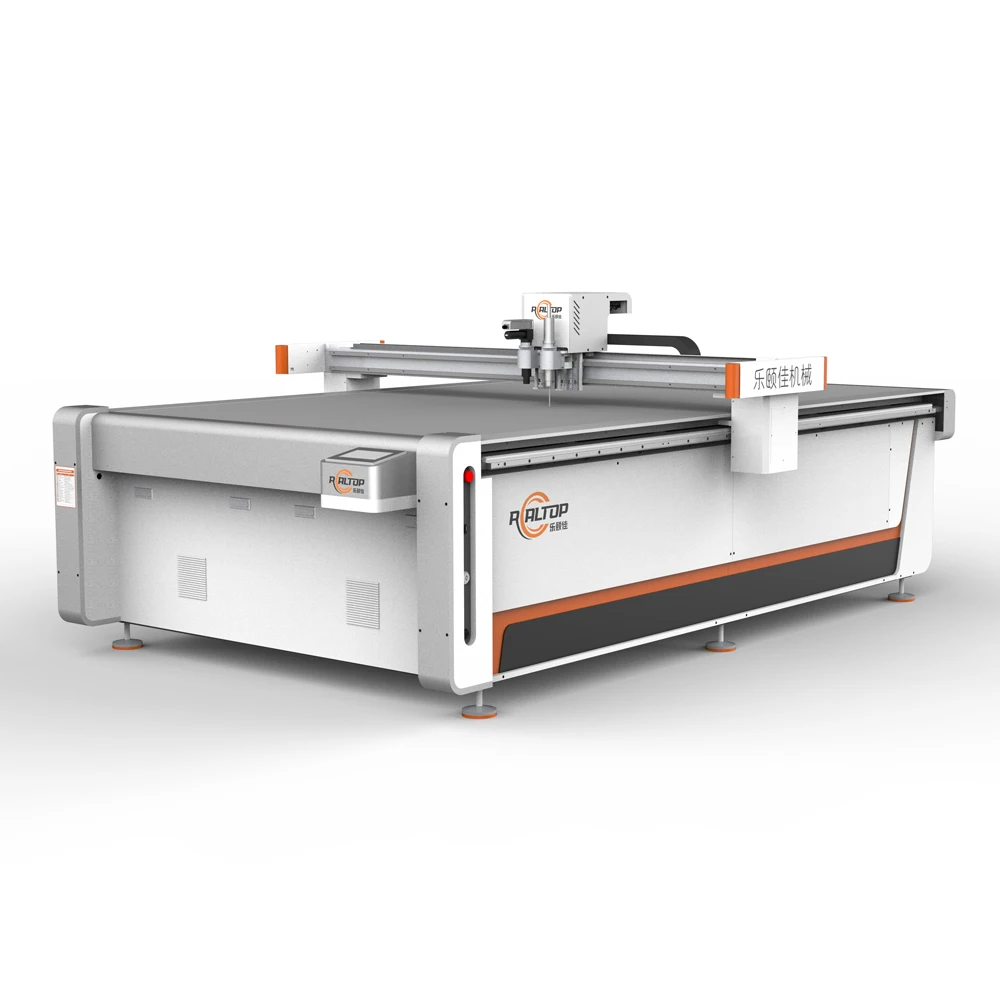
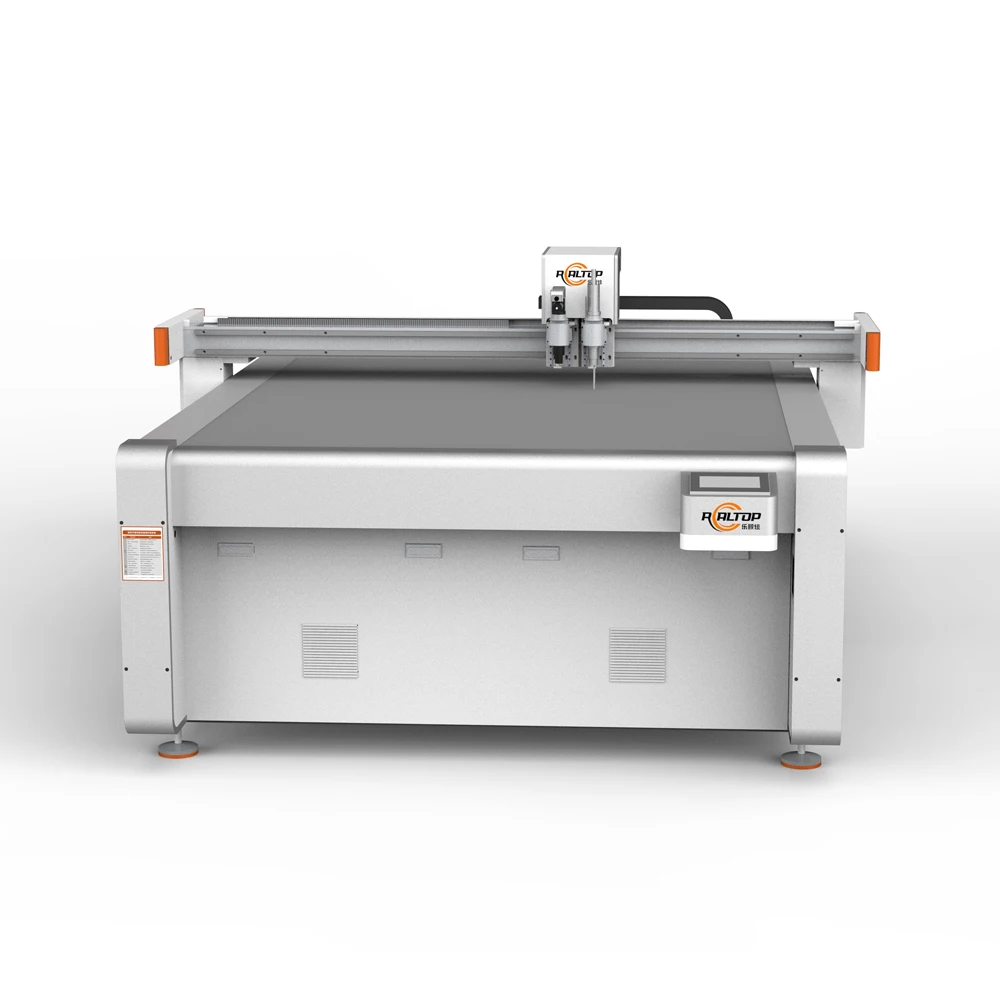
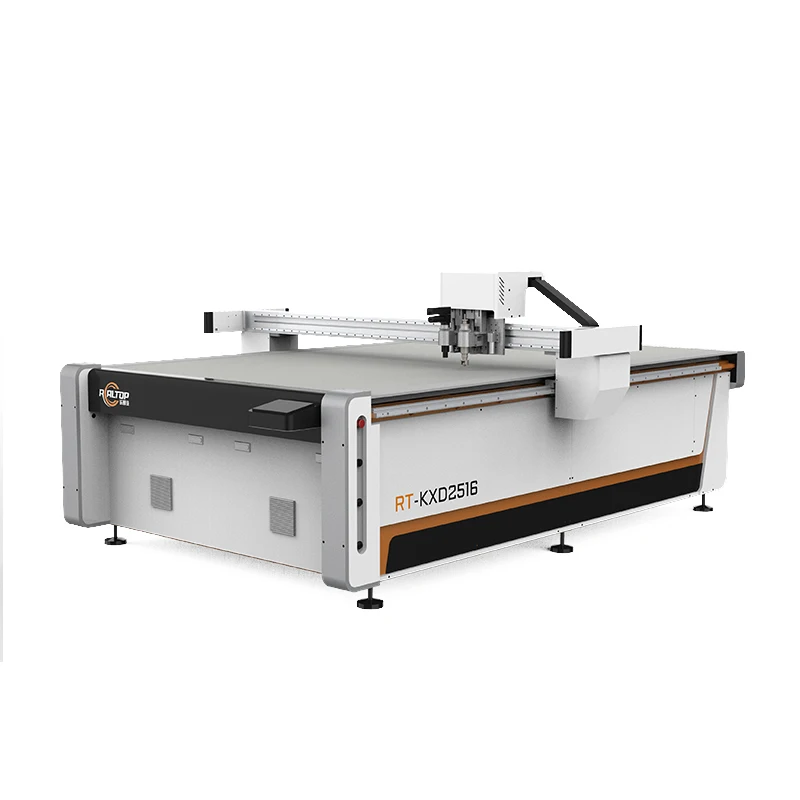
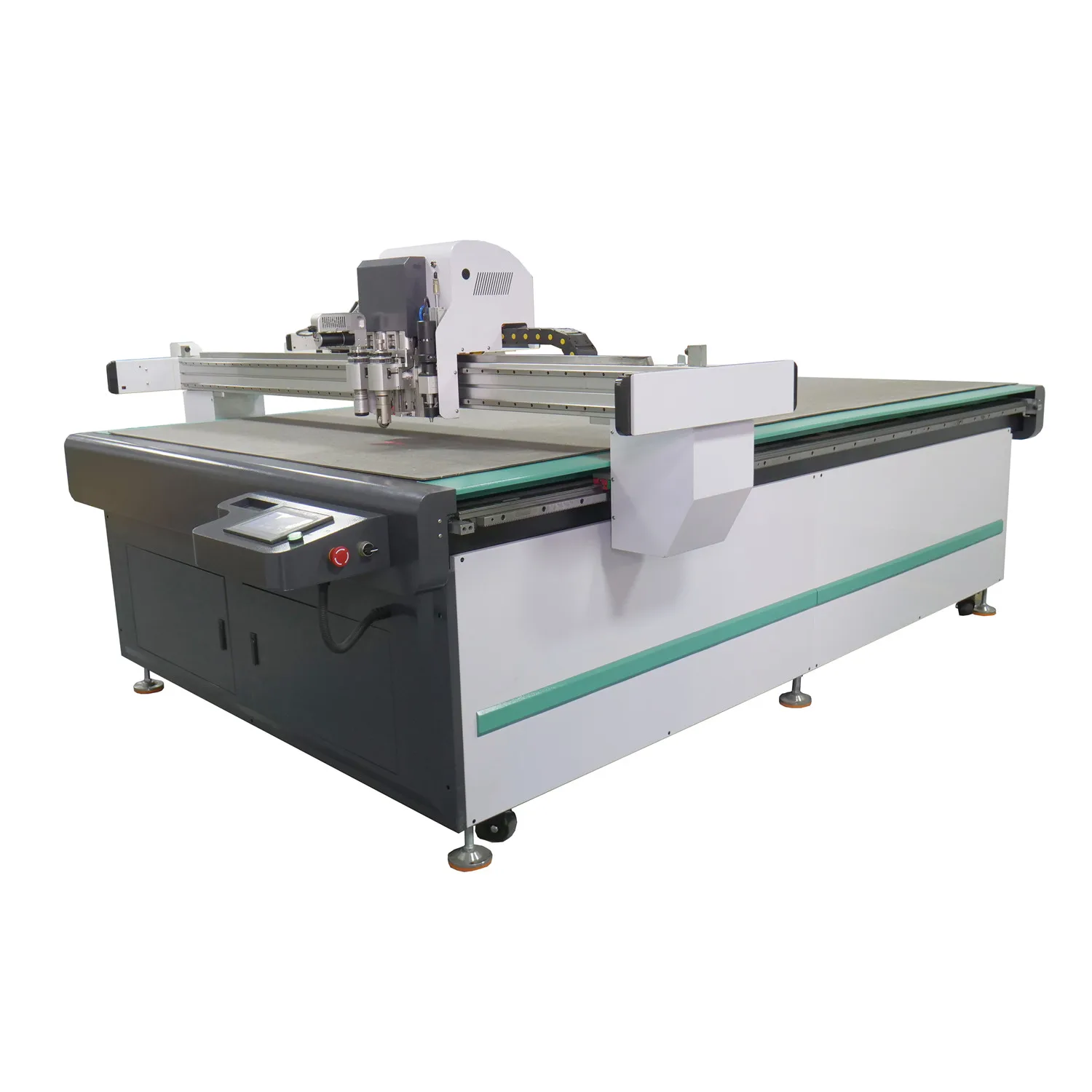
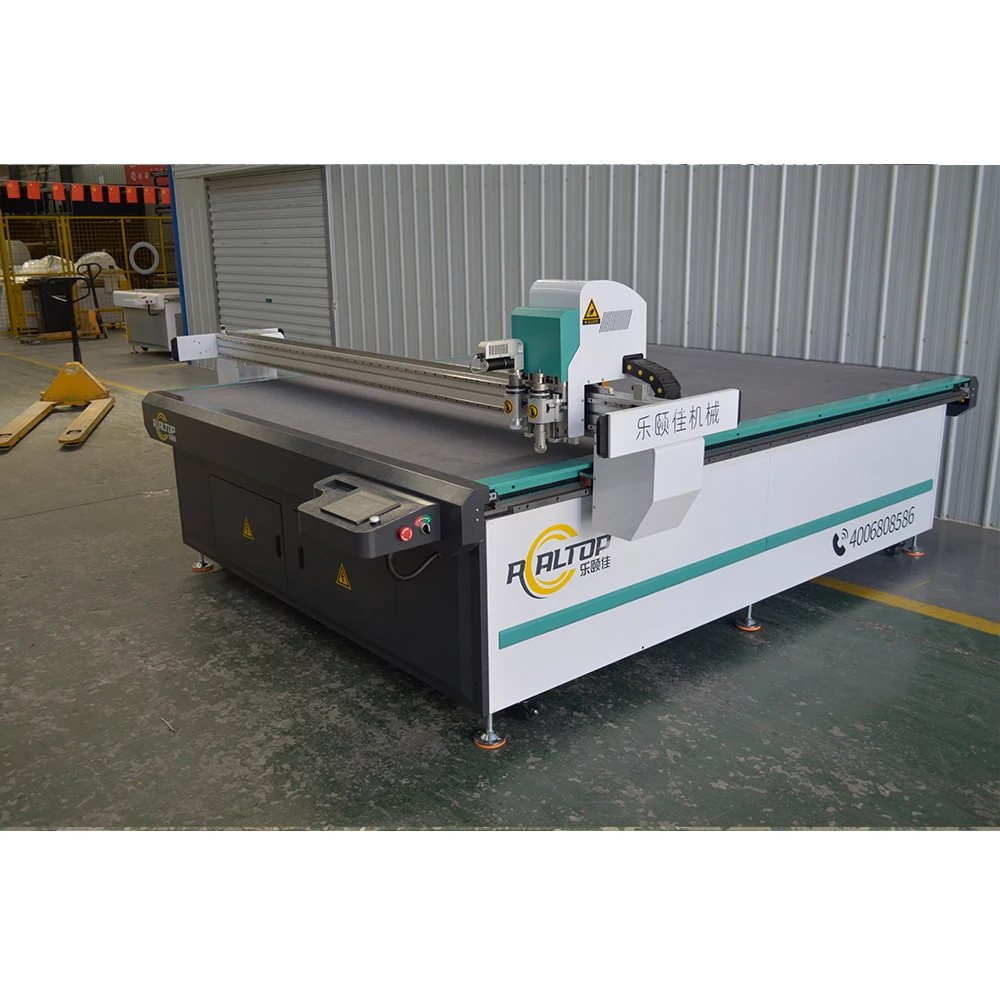
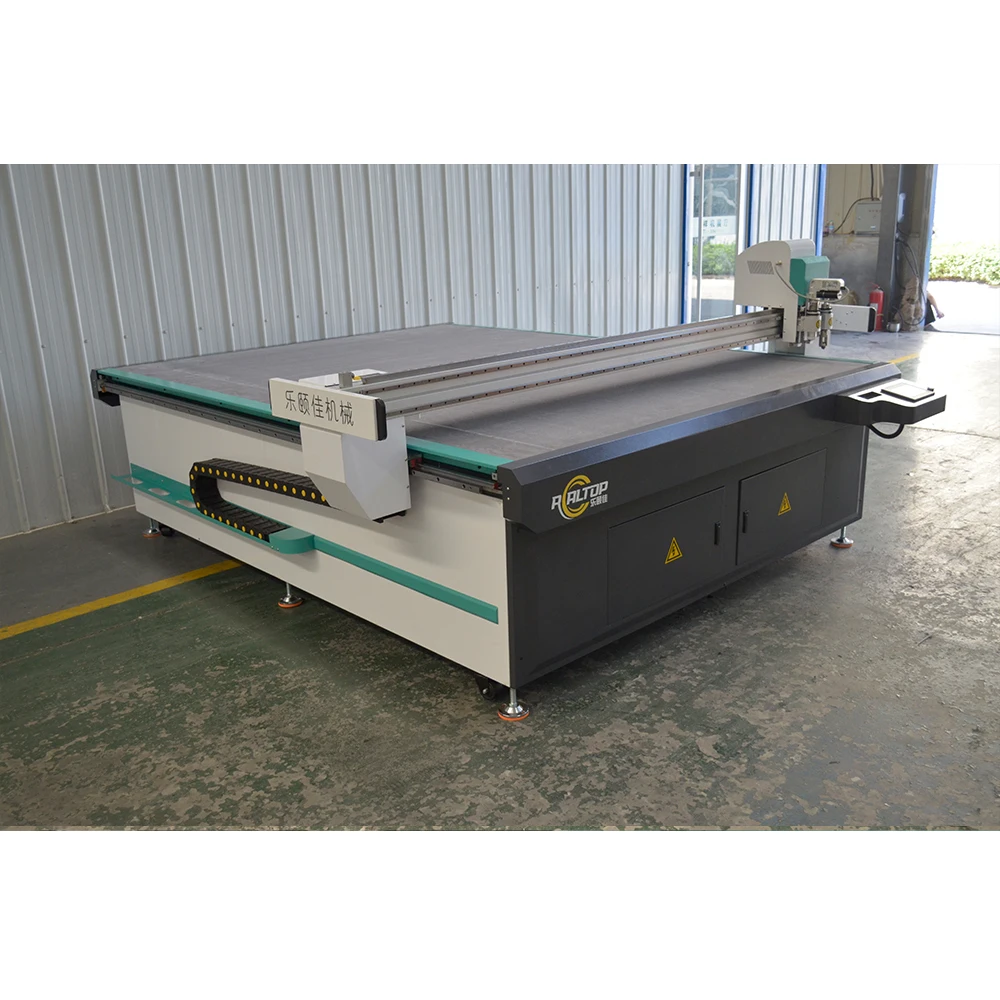
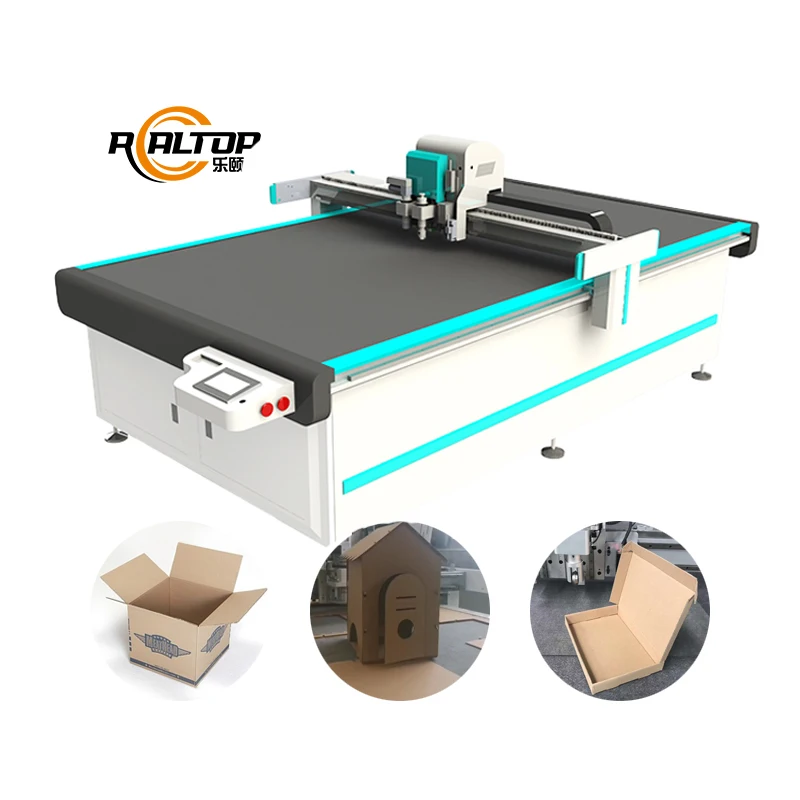
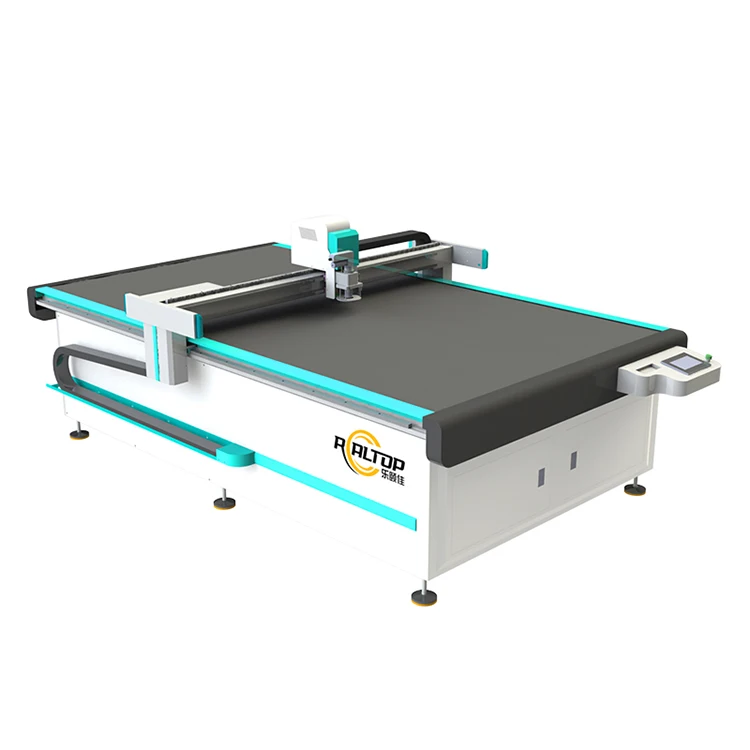
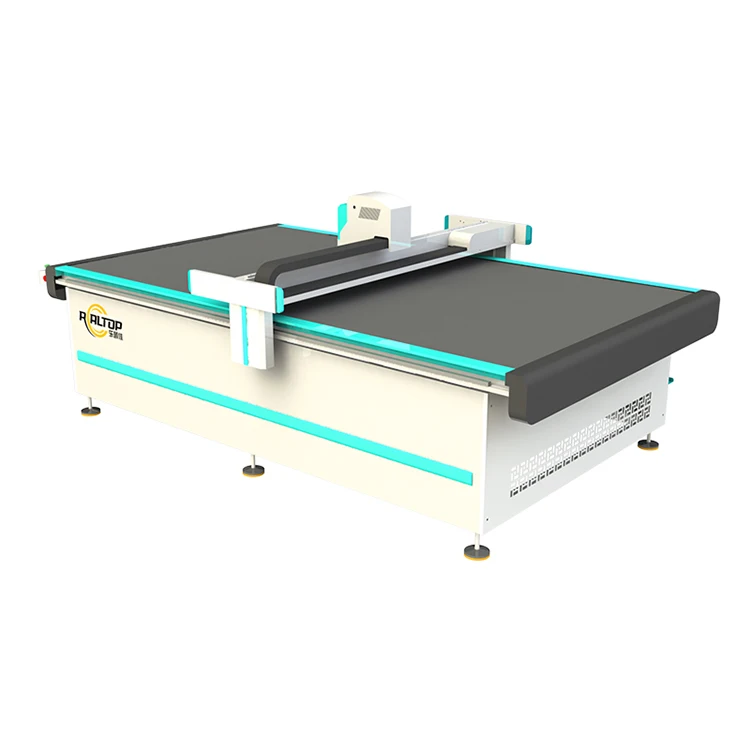
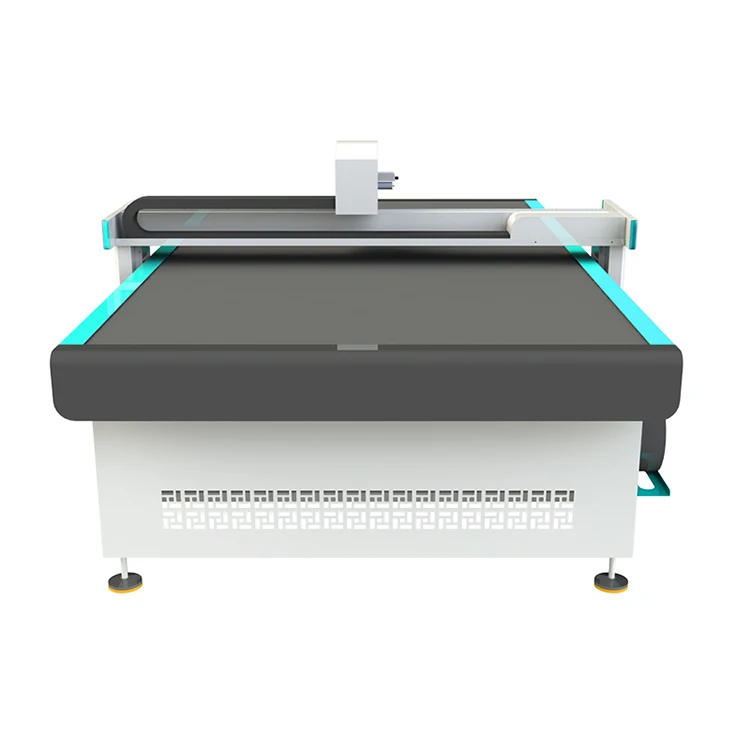
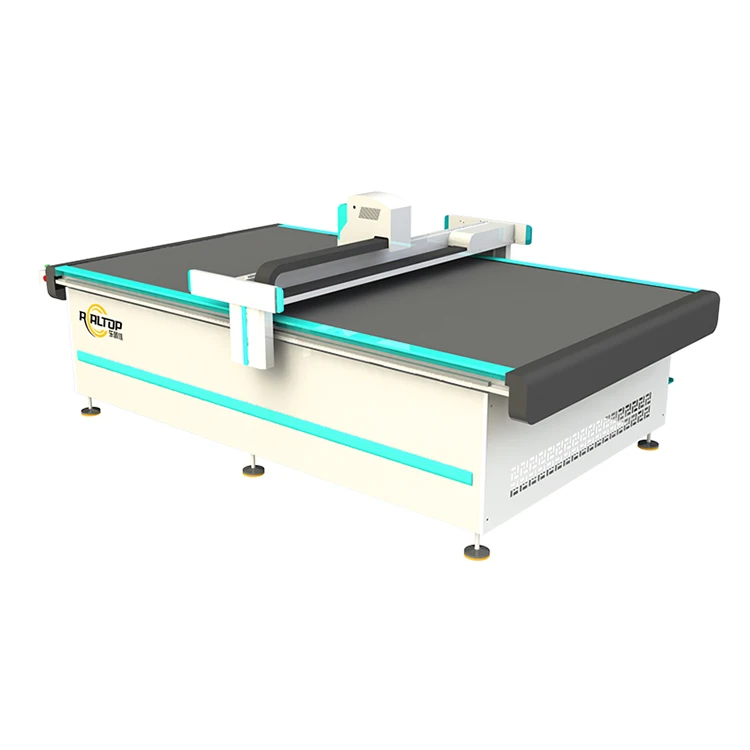
| Product Type | CNC Oscillating Knife Cutting Machine |
| Model | RT-D2516/RT-S2516 |
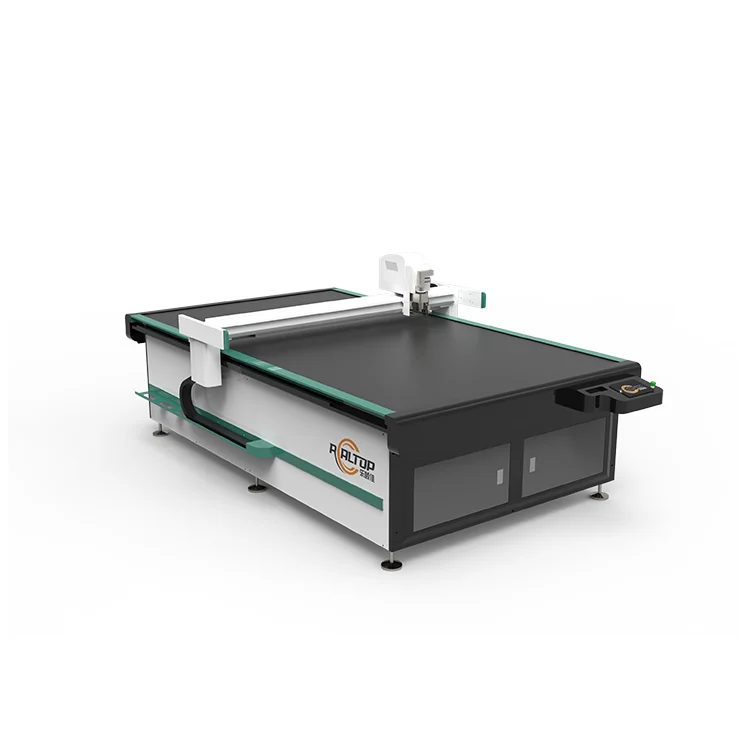
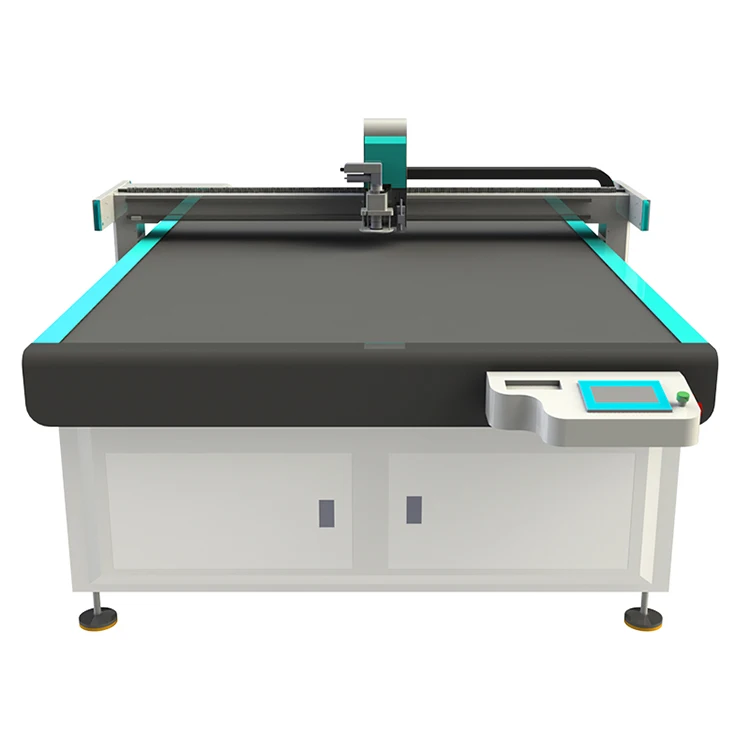
| Working Area | 1600 × 2500 mm |
| Machine Dimensions | 3450 × 2300 × 1250 mm |
| Rated Power | 9 kW |
| Table Type | Flat working table with vacuum hold-down |
| Vacuum Pump | 7.5 kW |
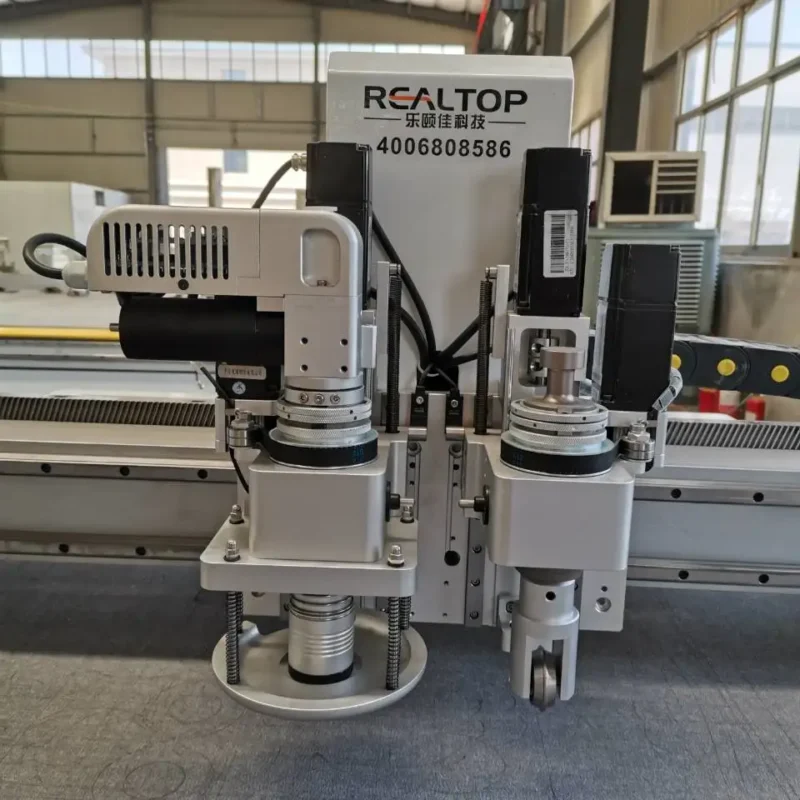
| Multifunctional Head | Swiss-imported oscillating knife with full-cut, half-cut and cursor positioning |
| Translational Velocity | 800–1200 mm/s |
| Cutting Thickness Range | 20–80 mm (basis not stated in source — confirm block format and material density) |
| Repeated Accuracy | ≤ 0.1 mm |
| Transmission System | Digital servo motor, linear guide, synchronous belt, ball screw |
| Servo Motor Brand | Delta |
| Guide Rail | Taiwan Hiwin |
| Conveyor Belt | Germany-imported, auto-feeding available |
| Instruction System | HP-GL compatible format |
| Voltage | 380 V ± 10 % |
| Safety Device | Infrared sensors |
| Applicable Materials | Leather, flexible fabrics, sponge composite, PVC, soft glass, silicone, rubber |
| Compliance | CE |
Application Suitability
| Application | Material or Output |
|---|---|
| Industrial gasket fabrication | Fluoroelastomer, nitrile, EPDM and neoprene sheet stock |
| Automotive sealing components | Silicone and rubber composite profiles for engine and body seals |
| Pipe flange and valve gaskets | Compressed fiber and non-asbestos fiber sheets |
| HVAC and plumbing seals | EPDM and closed-cell foam gasket blanks |
| Custom die-cut replacement parts | Short-run rubber and silicone pads cut directly from DXF files |
Why "Working Area" Is the Wrong First Question
Many buyers start the conversation by naming a table size, then discover weeks later that the chosen cutting head cannot push through the actual gasket compound on the production floor. Cutting capacity is defined by the combination of tool head, blade stroke, vacuum zoning and material hardness — not by table dimensions alone.
A 1600 × 2500 mm flat bed handles sheet area just fine, yet a high-durometer fluoroelastomer will dull a standard oscillating blade far sooner than a soft silicone sponge. The result is frequent blade swaps, ragged bevels on thick stock and throughput that never matches the sample run. I have watched gasket shops accept a machine on paper, then spend months re-scheduling production because the original specification skipped the material conversation entirely [NEED_CITE: oscillating knife blade wear rates across elastomer hardness scales].
Matching the Blade to the Compound
Every gasket compound behaves differently under an oscillating blade. Soft silicone yields to a standard 10-degree bevel edge, while filled nitrile and fluorocarbon sheets demand a reinforced tang and a higher stroke frequency to keep the cut wall perpendicular. The Swiss-imported oscillating head on the RT-D2516/RT-S2516 allows operators to swap blade profiles without re-calibrating the Z-axis zero, so a morning run of 3 mm EPDM and an afternoon run of 15 mm Viton can share the same fixture setup. This flexibility matters when a single CNC oscillating knife cutting machine manufacturer is asked to cover multiple gasket families on one floor.
Vacuum Zoning That Holds Small Blanks
Gasket nests often mix large flange rings with small O-rings and bolt-hole dots. A single-zone vacuum table will grip the ring but let the dot lift during the final pass, producing a tapered edge that fails the leak test. The flat working table on this system pairs with a 7.5 kW vacuum pump, and the bed can be sectioned so that only the active cutting zone pulls suction. Operators switch zones from the pendant, keeping small blanks flat without wasting pump capacity on empty table area.
Reading the Spec Sheet Beyond the Headline Numbers
The 800–1200 mm/s translational velocity figure describes unloaded travel; actual cutting speed through 20 mm nitrile is a fraction of that, governed by blade oscillation frequency and material resistance. Repeated accuracy of ≤ 0.1 mm is maintained by the Taiwan Hiwin linear guides and Delta digital servos, which together resist the lateral deflection that thick rubber imposes on the carriage. The HP-GL compatible instruction system accepts DXF and PLT files directly from most CAD nesting packages, so gasket shops do not need to re-draw profiles in proprietary software. Voltage at 380 V ± 10 % covers most three-phase industrial grids, yet buyers in 415 V or 220 V markets should confirm transformer options before the build slot is locked [NEED_CITE: three-phase voltage standards across export markets].
The Hidden Cost of Skipping the Sample Cut
A gasket producer once ordered an oscillating knife table rated for 20–80 mm cutting thickness, only to learn that the rating was established on open-cell foam. When their 40 Shore-A fluorocarbon arrived, blade life dropped to a third of the quoted figure and edge bevel exceeded the customer tolerance. The machine was not at fault; the material conversation simply never happened. Running a sample cut on the buyer’s actual compound reveals blade wear rate, required vacuum level and realistic cycle time before the purchase order is signed [NEED_CITE: importance of material-specific sample cutting in CNC procurement].
Why Source This Gasket Cutter Here
Realtop engineers both knife and laser cutting platforms in the same Jinan facility, so a buyer processing both rubber gaskets and thin PTFE film can evaluate both methods under one roof and choose on merit rather than sales pressure. Tool head and vacuum table configurations are written into the purchase contract line-by-line, preventing the "generic machine, surprise tooling" scenario common with trading-company shipments. Software compatibility is confirmed with the buyer’s nesting workflow before production starts. Every unit ships with a factory test record cut on the buyer’s own material sample, giving an objective baseline for blade life and edge quality. Voltage, plug type and control-panel language are locked in at the drawing stage, not improvised during packing.
Documentation & Verification
- Machine specification sheet listing RT-D2516/RT-S2516 working area, tool head options and vacuum pump rating
- Electrical schematic confirming 380 V ± 10 % wiring, breaker sizing and motor overload settings
- Sample cutting report produced on your gasket compound, recording blade type, stroke frequency and edge profile
- Tool head and table configuration list detailing oscillating knife, drag knife and vacuum zone layout
- HP-GL file format compatibility note matched to your existing nesting software version
- Packing photographs showing crate bracing, head locking and conveyor belt protection
Installation, Commissioning & Support
- Floor space of roughly 3450 × 2300 mm plus operator clearance; level concrete pad required under the 1250 mm machine height
- Dedicated 380 V three-phase circuit rated for the 9 kW machine load plus the 7.5 kW vacuum pump
- Gantry and cutting head arrive pre-assembled; conveyor belt tensioned and tracked at the factory
- First-run parameter setup covers blade offset, oscillation amplitude and vacuum zone mapping for your gasket material
- Operator training covers DXF import, nest layout on the 1600 × 2500 mm bed and blade change procedure
- Spare blade stock and Hiwin guide carriage grease schedule documented in the maintenance manual
What to Share With Your Next Inquiry
Send the gasket compound name, Shore hardness and sheet thickness you cut most often, along with the largest blank footprint your nesting software generates. Include your workshop’s three-phase voltage and frequency, plus the control-panel language your operators prefer. If you already run a nesting or ERP system, share the file format so software compatibility can be verified before the quotation is finalized.
Frequently Asked Questions
Q: How do I decide between oscillating knife and laser cutting for my gasket material?
A: Oscillating knife suits thick elastomers and fiber-filled sheets where a laser would leave a charred edge or fail to penetrate. Laser works better on thin PTFE or non-woven fiber gasket paper requiring sealed edges. The choice depends on compound, thickness and edge-quality requirement; running sample cuts on both platforms removes the guesswork.
Q: Which blade profile handles high-durometer fluorocarbon without excessive wear?
A: A reinforced tang with a steep bevel angle and higher oscillation frequency extends blade life in hard compounds like Viton. The Swiss-imported head on this machine accepts multiple blade profiles, and the sample cutting report documents which profile performed best on your specific Shore hardness and sheet thickness.
Q: Can the machine handle my daily volume of mixed gasket nests?
A: Daily throughput depends on nest density, compound hardness and required edge tolerance rather than table size alone. The 1600 × 2500 mm bed and auto-feeding conveyor reduce load-unload time, but realistic cycle figures come from the sample cutting report generated on your own material before order confirmation.
Q: Will the software accept my existing DXF nesting files?
A: The HP-GL compatible instruction system reads standard DXF and PLT exports. Compatibility with your specific nesting package is verified during the pre-order stage, and a file format note is included in the documentation package so your CAD team knows which export settings to use.
Q: Is the voltage and control language set before the machine ships?
A: Voltage, plug type and control-panel language are confirmed on the electrical schematic before production begins. The standard 380 V ± 10 % configuration covers many industrial grids, and transformer or breaker adjustments are arranged during the drawing-approval step to match your facility’s supply.
In-house cutting tech coverage — Realtop designs both oscillating knife and laser systems under one roof, letting rubber gasket producers match the cutting method to compound hardness rather than forcing a single process across all materials.
Technical Specifications
| Parameter | Value |
|---|---|
| Product Type | CNC Oscillating Knife Cutting Machine |
| Model | RT-D2516/RT-S2516 |
| Working Area | 1600 × 2500 mm |
| Machine Dimensions | 3450 × 2300 × 1250 mm |
| Rated Power | 9 kW |
| Table Type | Flat working table with vacuum hold-down |
| Vacuum Pump | 7.5 kW |
| Multifunctional Head | Swiss-imported oscillating knife with full-cut, half-cut and cursor positioning |
| Translational Velocity | 800–1200 mm/s |
| Cutting Thickness Range | 20–80 mm (basis not stated in source — confirm block format and material density) |
| Repeated Accuracy | ≤ 0.1 mm |
| Transmission System | Digital servo motor, linear guide, synchronous belt, ball screw |
| Servo Motor Brand | Delta |
| Guide Rail | Taiwan Hiwin |
| Conveyor Belt | Germany-imported, auto-feeding available |
| Instruction System | HP-GL compatible format |
| Voltage | 380 V ± 10 % |
| Safety Device | Infrared sensors |
| Applicable Materials | Leather, flexible fabrics, sponge composite, PVC, soft glass, silicone, rubber |
| Compliance | CE |
Application Suitability
| Application | Material or Output |
|---|---|
| Industrial gasket fabrication | Fluoroelastomer, nitrile, EPDM and neoprene sheet stock |
| Automotive sealing components | Silicone and rubber composite profiles for engine and body seals |
| Pipe flange and valve gaskets | Compressed fiber and non-asbestos fiber sheets |
| HVAC and plumbing seals | EPDM and closed-cell foam gasket blanks |
| Custom die-cut replacement parts | Short-run rubber and silicone pads cut directly from DXF files |
Why "Working Area" Is the Wrong First Question
Many buyers start the conversation by naming a table size, then discover weeks later that the chosen cutting head cannot push through the actual gasket compound on the production floor. Cutting capacity is defined by the combination of tool head, blade stroke, vacuum zoning and material hardness — not by table dimensions alone.
A 1600 × 2500 mm flat bed handles sheet area just fine, yet a high-durometer fluoroelastomer will dull a standard oscillating blade far sooner than a soft silicone sponge. The result is frequent blade swaps, ragged bevels on thick stock and throughput that never matches the sample run. I have watched gasket shops accept a machine on paper, then spend months re-scheduling production because the original specification skipped the material conversation entirely [NEED_CITE: oscillating knife blade wear rates across elastomer hardness scales].
Matching the Blade to the Compound
Every gasket compound behaves differently under an oscillating blade. Soft silicone yields to a standard 10-degree bevel edge, while filled nitrile and fluorocarbon sheets demand a reinforced tang and a higher stroke frequency to keep the cut wall perpendicular. The Swiss-imported oscillating head on the RT-D2516/RT-S2516 allows operators to swap blade profiles without re-calibrating the Z-axis zero, so a morning run of 3 mm EPDM and an afternoon run of 15 mm Viton can share the same fixture setup. This flexibility matters when a single CNC oscillating knife cutting machine manufacturer is asked to cover multiple gasket families on one floor.
Vacuum Zoning That Holds Small Blanks
Gasket nests often mix large flange rings with small O-rings and bolt-hole dots. A single-zone vacuum table will grip the ring but let the dot lift during the final pass, producing a tapered edge that fails the leak test. The flat working table on this system pairs with a 7.5 kW vacuum pump, and the bed can be sectioned so that only the active cutting zone pulls suction. Operators switch zones from the pendant, keeping small blanks flat without wasting pump capacity on empty table area.
Reading the Spec Sheet Beyond the Headline Numbers
The 800–1200 mm/s translational velocity figure describes unloaded travel; actual cutting speed through 20 mm nitrile is a fraction of that, governed by blade oscillation frequency and material resistance. Repeated accuracy of ≤ 0.1 mm is maintained by the Taiwan Hiwin linear guides and Delta digital servos, which together resist the lateral deflection that thick rubber imposes on the carriage. The HP-GL compatible instruction system accepts DXF and PLT files directly from most CAD nesting packages, so gasket shops do not need to re-draw profiles in proprietary software. Voltage at 380 V ± 10 % covers most three-phase industrial grids, yet buyers in 415 V or 220 V markets should confirm transformer options before the build slot is locked [NEED_CITE: three-phase voltage standards across export markets].
The Hidden Cost of Skipping the Sample Cut
A gasket producer once ordered an oscillating knife table rated for 20–80 mm cutting thickness, only to learn that the rating was established on open-cell foam. When their 40 Shore-A fluorocarbon arrived, blade life dropped to a third of the quoted figure and edge bevel exceeded the customer tolerance. The machine was not at fault; the material conversation simply never happened. Running a sample cut on the buyer’s actual compound reveals blade wear rate, required vacuum level and realistic cycle time before the purchase order is signed [NEED_CITE: importance of material-specific sample cutting in CNC procurement].
Why Source This Gasket Cutter Here
Realtop engineers both knife and laser cutting platforms in the same Jinan facility, so a buyer processing both rubber gaskets and thin PTFE film can evaluate both methods under one roof and choose on merit rather than sales pressure. Tool head and vacuum table configurations are written into the purchase contract line-by-line, preventing the "generic machine, surprise tooling" scenario common with trading-company shipments. Software compatibility is confirmed with the buyer’s nesting workflow before production starts. Every unit ships with a factory test record cut on the buyer’s own material sample, giving an objective baseline for blade life and edge quality. Voltage, plug type and control-panel language are locked in at the drawing stage, not improvised during packing.
Documentation & Verification
- Machine specification sheet listing RT-D2516/RT-S2516 working area, tool head options and vacuum pump rating
- Electrical schematic confirming 380 V ± 10 % wiring, breaker sizing and motor overload settings
- Sample cutting report produced on your gasket compound, recording blade type, stroke frequency and edge profile
- Tool head and table configuration list detailing oscillating knife, drag knife and vacuum zone layout
- HP-GL file format compatibility note matched to your existing nesting software version
- Packing photographs showing crate bracing, head locking and conveyor belt protection
Installation, Commissioning & Support
- Floor space of roughly 3450 × 2300 mm plus operator clearance; level concrete pad required under the 1250 mm machine height
- Dedicated 380 V three-phase circuit rated for the 9 kW machine load plus the 7.5 kW vacuum pump
- Gantry and cutting head arrive pre-assembled; conveyor belt tensioned and tracked at the factory
- First-run parameter setup covers blade offset, oscillation amplitude and vacuum zone mapping for your gasket material
- Operator training covers DXF import, nest layout on the 1600 × 2500 mm bed and blade change procedure
- Spare blade stock and Hiwin guide carriage grease schedule documented in the maintenance manual
What to Share With Your Next Inquiry
Send the gasket compound name, Shore hardness and sheet thickness you cut most often, along with the largest blank footprint your nesting software generates. Include your workshop’s three-phase voltage and frequency, plus the control-panel language your operators prefer. If you already run a nesting or ERP system, share the file format so software compatibility can be verified before the quotation is finalized.
Frequently Asked Questions
Q: How do I decide between oscillating knife and laser cutting for my gasket material?
A: Oscillating knife suits thick elastomers and fiber-filled sheets where a laser would leave a charred edge or fail to penetrate. Laser works better on thin PTFE or non-woven fiber gasket paper requiring sealed edges. The choice depends on compound, thickness and edge-quality requirement; running sample cuts on both platforms removes the guesswork.
Q: Which blade profile handles high-durometer fluorocarbon without excessive wear?
A: A reinforced tang with a steep bevel angle and higher oscillation frequency extends blade life in hard compounds like Viton. The Swiss-imported head on this machine accepts multiple blade profiles, and the sample cutting report documents which profile performed best on your specific Shore hardness and sheet thickness.
Q: Can the machine handle my daily volume of mixed gasket nests?
A: Daily throughput depends on nest density, compound hardness and required edge tolerance rather than table size alone. The 1600 × 2500 mm bed and auto-feeding conveyor reduce load-unload time, but realistic cycle figures come from the sample cutting report generated on your own material before order confirmation.
Q: Will the software accept my existing DXF nesting files?
A: The HP-GL compatible instruction system reads standard DXF and PLT exports. Compatibility with your specific nesting package is verified during the pre-order stage, and a file format note is included in the documentation package so your CAD team knows which export settings to use.
Q: Is the voltage and control language set before the machine ships?
A: Voltage, plug type and control-panel language are confirmed on the electrical schematic before production begins. The standard 380 V ± 10 % configuration covers many industrial grids, and transformer or breaker adjustments are arranged during the drawing-approval step to match your facility’s supply.
商品评价
There are no reviews yet.