

Fast Delivery
Quick, reliable shipping to any location.

Free & easy returns
Return this item by mail or in store within 90 days for a full refund.
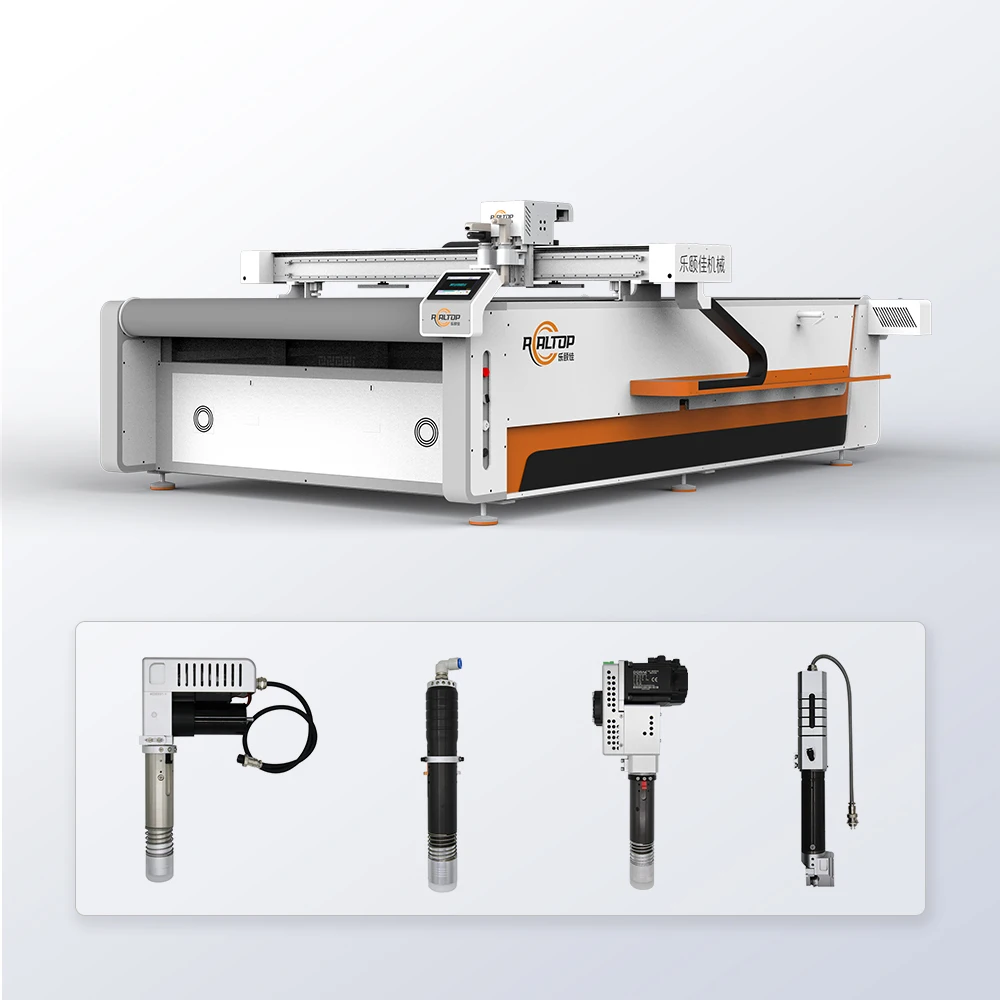
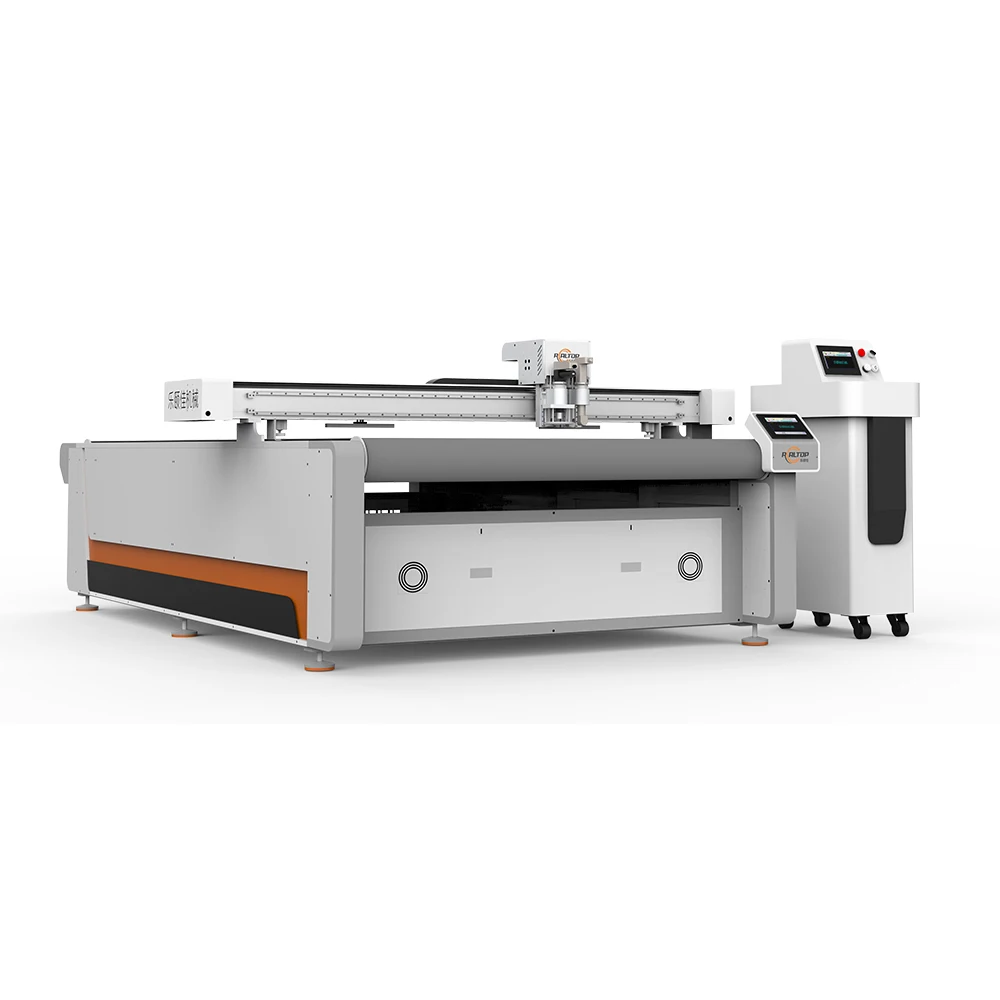
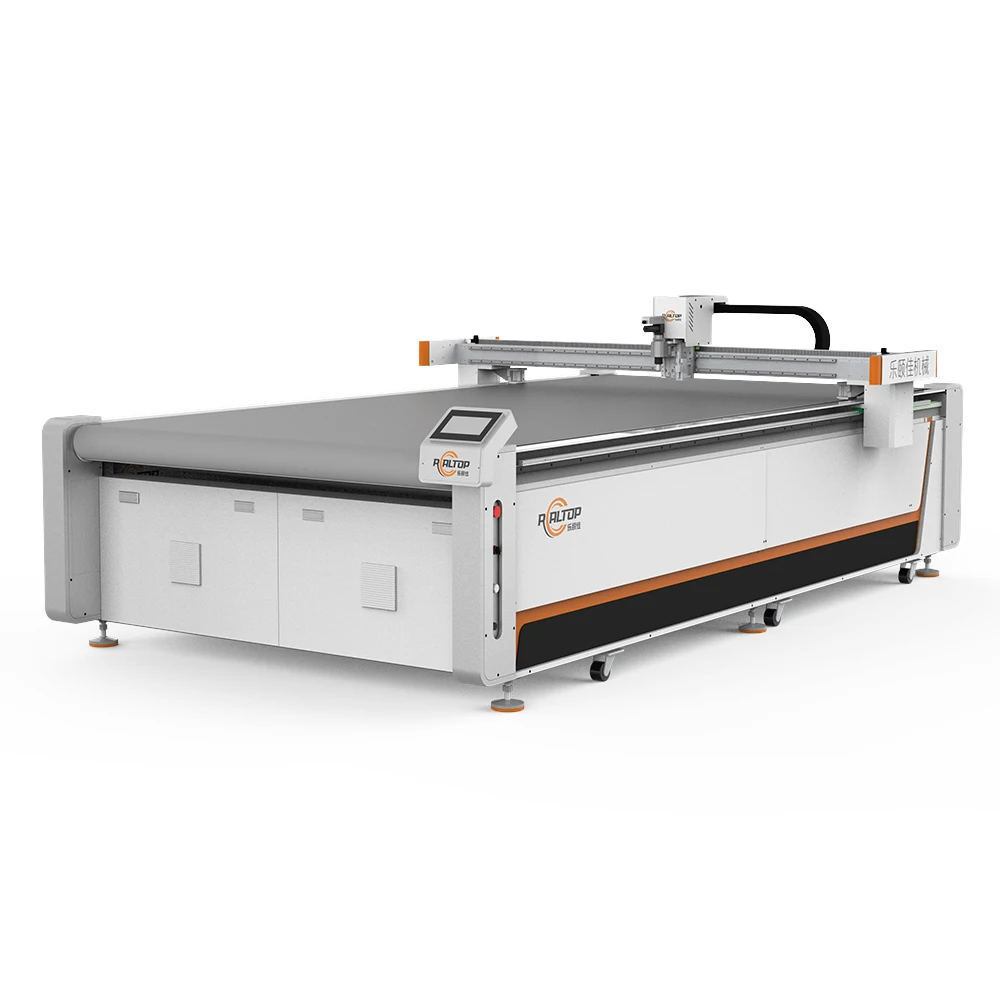
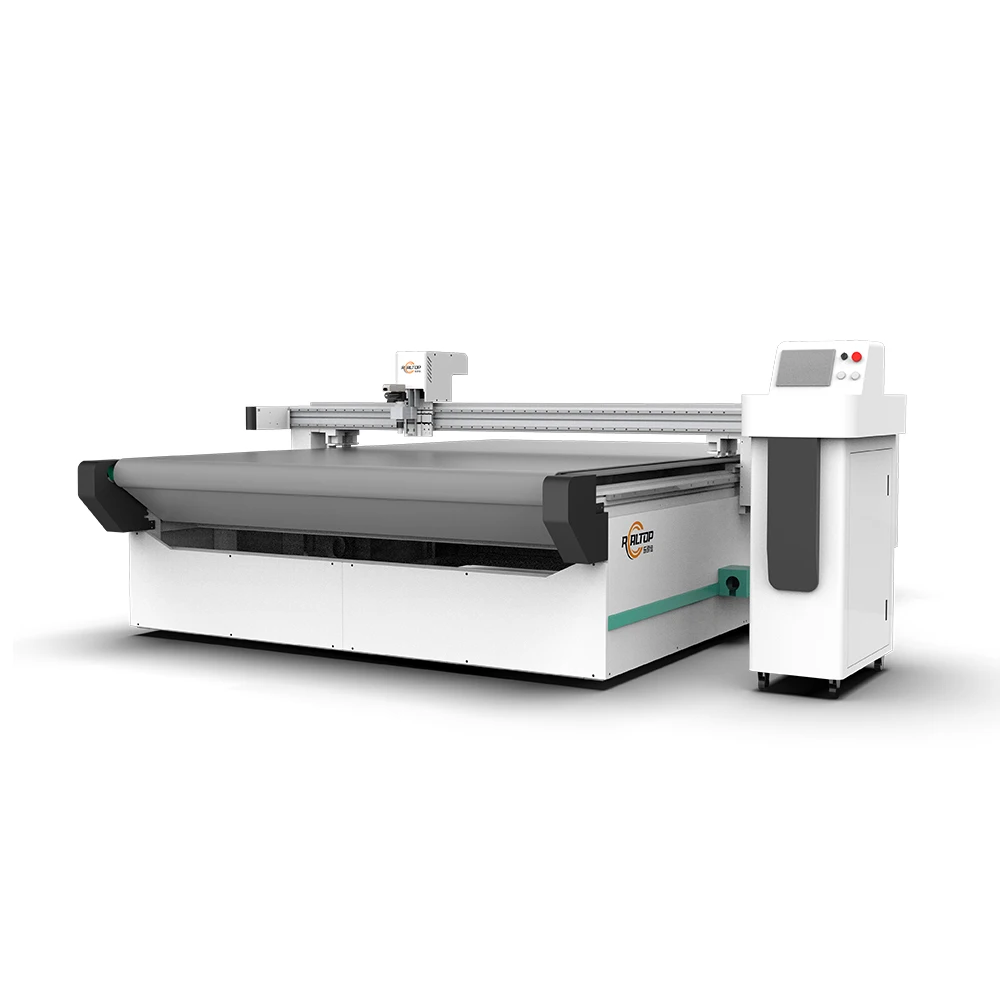
Configurable Tooling Suite — the 1625 platform supports seven interchangeable tool heads, letting fabric converters switch between oscillating knife, driven rotary, and pneumatic cutting on a single aluminum bellows vacuum table without forcing one method across every material.
Technical Specifications
| Parameter | Value |
|---|---|
| Model | 1625 |
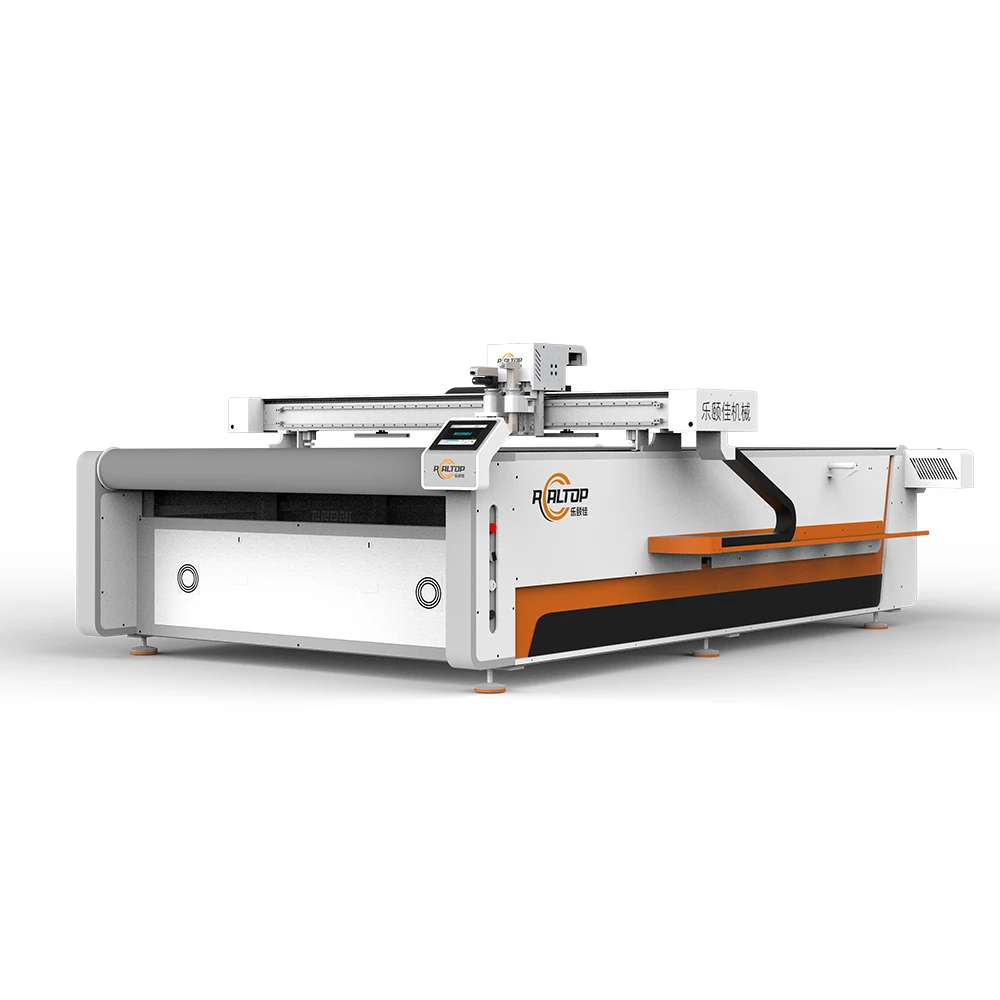
| Product Type | CNC Oscillating Knife Cutting Machine |
| Working Area | 1600×2500 mm |
| Tool Head Options | Oscillating knife, Driven rotary knife, Creasing wheel, Kiss cutting tool, Pneumatic knife, Milling tool, V groove knife |
| Applicable Materials | Fabric, Cardboard, Carton, Mats, PVC, EVA, Leather, Acrylic, Foam, PTFE, Rubber |
| Cutting Speed | 0–2000 mm/s |
| Cutting Thickness | ≤ 30mm (basis not stated in source — confirm material type and layer count) |
| Positioning Accuracy | ±0.1 mm |
| Vacuum Pump Power | 9 kW |
| Voltage Options | 110V, 220V, 380V (frequency to be confirmed per market) |
| File Format Compatibility | PLT, DXF, AI, PDF |
| Safety Devices | Infrared sensor device, emergency stop |
| Machine Dimensions (L×W×H) | 3300×2100×1350 mm |
| Control System | PLC control panel (source value — verify against manufacturer catalog) |
| Servo Motor Brands | Panasonic, Delta, Dorna (source value — verify against manufacturer catalog) |
| Vacuum Table Type | Aluminum bellows vacuum table |
| Language Options | English, Russian, Italian, Chinese (special languages customizable) |
| Nesting Software | Intelligent nesting system (included) |
| Certification | CE (specific scope to be verified) |
Application Suitability
| Application | Material or Output |
|---|---|
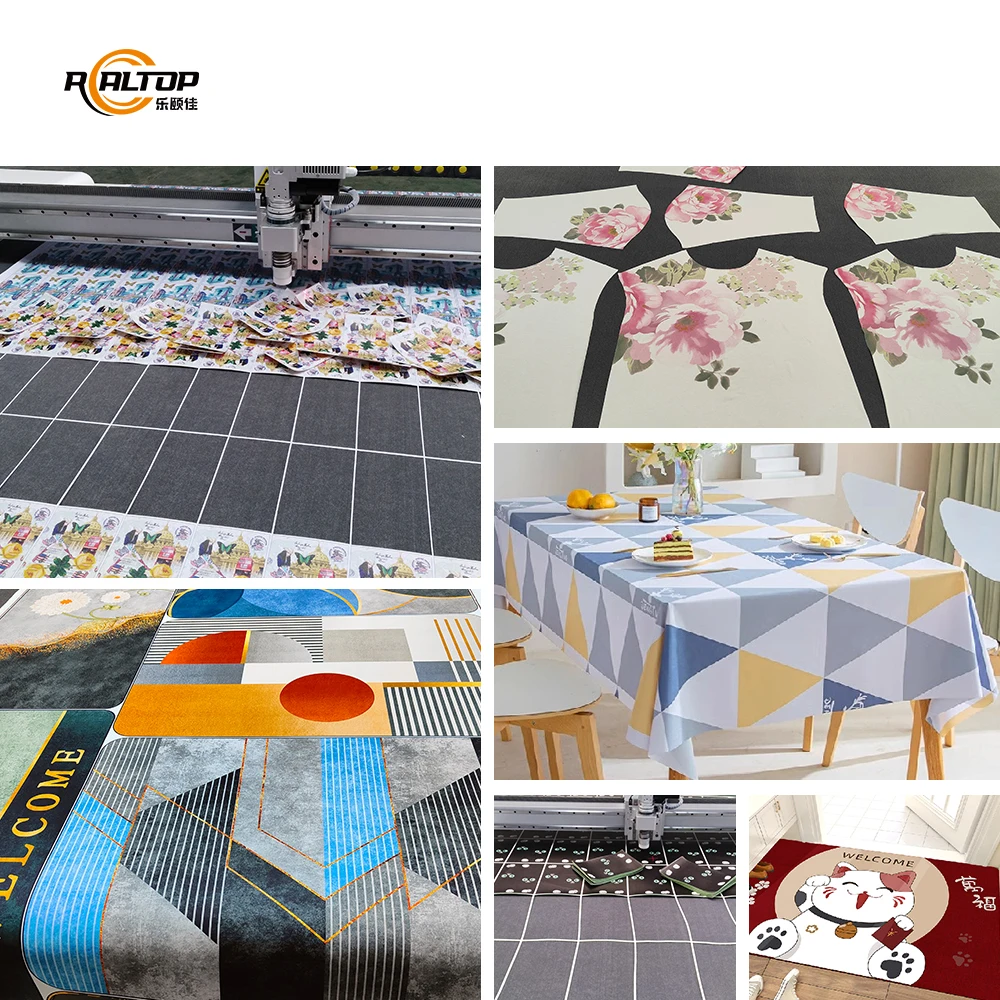
| Apparel manufacturing | Suits, knitwear, lace, complex fabrics requiring pattern-matching |
| Automotive interiors | Seat fabrics, carpets, PVC mats, composite headliner material |
| Home textiles | Sofa fabrics, curtains, rugs with multi-layer cutting |
| Composite material processing | Carbon fiber prepreg, aramid, specialty technical textiles |
When "Working Area" Becomes the Wrong Question to Ask First
A CNC oscillating knife cutting machine manufacturer that quotes working area without asking about material thickness, layer count, and coating type is solving the wrong problem. The real constraint is whether the tool head and vacuum zoning can hold and cut your specific lay-up cleanly at production speed.
I once watched a converter in Turkey lose an entire batch of PVC-coated automotive fabric because the trial was run on plain polyester — the oscillation frequency and downforce were completely wrong for the coated composite, and every edge came out frayed. That kind of mismatch does not show up in a spec sheet comparison; it only surfaces when someone runs your actual material across the table. [NEED_CITE: material-specific cutting parameters for coated technical textiles]
Matching the Tool Head to the Textile Structure
Woven suit fabrics, nonwoven interlinings, and PVC-coated upholstery materials each demand a different cutting action. The oscillating knife handles dense multi-layer lays with a reciprocating stroke that prevents the top plies from shifting, while the driven rotary knife suits single-ply or low-ply knits where a continuous slice keeps the edge sealed. For kiss-cutting adhesive-backed fabrics or gasket materials mounted on carrier paper, the kiss cutting tool scores the top layer without penetrating the backing — a distinction that matters when downstream operators need to peel parts by hand.
Vacuum Zoning Determines Whether Small Parts Stay Flat
The 9 kW vacuum pump on this CNC oscillating knife cutting machine pulls through an aluminum bellows table, but suction is only effective if the zones match the part geometry. A full-table zone layout works for large automotive carpet panels, yet small collar pieces in garment production can lift at the edges if the surrounding vacuum ports are pulling air through empty space. Configurable zoning lets operators close off unused sections so suction concentrates under the parts actually being cut. [NEED_CITE: vacuum hold-down requirements for small textile parts during CNC cutting]
Reading the Numbers That Actually Affect Your Floor
The 1600×2500 mm working area accommodates standard fabric roll widths and full hides, reducing the number of repositioning stops per shift. Positioning accuracy of ±0.1 mm matters most when cutting pattern-matched plaids or stripe-matched suit panels, where even minor drift accumulates across a multi-piece lay. Cutting speed ranges up to 2000 mm/s, though real throughput depends on corner density in the nest file and the ply count being sliced. The intelligent nesting system arranges pieces to reduce off-cuts, which directly affects material yield on expensive wool or aramid rolls. File format support for PLT, DXF, AI, and PDF means patterns from common apparel CAD and signage design software import without an intermediate conversion step that can distort curve geometry.
What Happens When the Configuration Guess Is Wrong
Choosing a drag knife for thick foam produces crushed edges because the blade drags rather than slices, and the material compresses ahead of the cut. Insufficient vacuum zoning on small gasket parts causes lift during high-speed passes, generating ragged contours that fail dimensional inspection. A language mismatch on the PLC panel slows operator response when an alarm triggers mid-run, extending unplanned downtime. These are not warranty claims — they are configuration errors that surface only after the machine is on the buyer’s floor. [NEED_CITE: common CNC knife cutting defects caused by incorrect tool head selection]
Why Converters Source This Range Here
In-house design covers both knife and laser cutting methods, so the recommendation starts from the material rather than from a single technology the factory happens to build. Tool head and table configuration are specified per material type and daily volume, not selected from a fixed menu. CCD camera positioning integrates with the platform for printed contour work where registration marks must be tracked at line speed. Software compatibility and file format support are confirmed before the order is booked, avoiding the discovery on day one that the nesting workflow will not accept the buyer’s existing pattern library. Sample cutting on the buyer’s own material runs before commitment, producing an edge quality report that removes guesswork from the purchase decision.
Documentation & Verification
- Machine specification sheet listing the exact tool heads and vacuum zones configured for your fabric type
- Electrical schematic confirming voltage, frequency, and plug type matched to your facility supply
- Sample cutting report generated from your own material, documenting edge quality and ply count
- Tool head and table configuration list itemizing every installed option at the time of dispatch
- Software licence and file format compatibility note covering PLT, DXF, AI, and PDF import verification
- Factory test record showing positioning accuracy and cut quality across the full working area
Installation, Commissioning & Support
- Floor space requirement of 3300×2100 mm with clearance on three sides for material loading and maintenance access
- Dedicated electrical circuit sized for the 9 kW vacuum pump plus servo loads at the confirmed voltage and frequency
- Machine ships as a single-frame assembly; table leveling and gantry alignment are completed on-site during commissioning
- PLC control panel language set to operator preference before first power-on, with menu navigation training included
- Intelligent nesting system configured with your existing pattern files to verify import fidelity and cut sequence logic
- Wear parts list covering oscillating knife blades, rotary knife discs, and vacuum table seals with recommended replacement intervals
Before You Request a Quote
Provide the fabric type, coating or lamination details, single-ply or multi-ply lay-up height, and maximum roll width you intend to process. Confirm your facility voltage, frequency, and the control language your operators need. If you have existing DXF or PLT pattern files, send a sample so software compatibility can be checked before the configuration is locked.
Frequently Asked Questions
Q: How do I decide between oscillating knife and laser cutting for my fabric?
A: Knife cutting suits multi-layer lays, technical textiles with coatings, and materials where heat would melt or seal edges undesirably. Laser cutting fits single-ply synthetics where a sealed edge prevents fraying. The decision starts with your material composition and the edge finish your downstream process requires.
Q: Which tool head should I use for coated automotive interior fabrics?
A: PVC-coated and composite automotive fabrics typically need an oscillating knife with adjusted stroke frequency and downforce. A driven rotary knife can crush the coating layer, while a pneumatic knife handles very thick insulation mats. Send a sample for a cutting test to confirm edge quality.
Q: How is the vacuum table zoned for small garment pieces?
A: The aluminum bellows table divides into selectable zones. For small collar or cuff pieces, unused zones are closed so suction concentrates under the active cutting area, preventing edge lift that causes dimensional errors at high travel speeds.
Q: What file formats does the nesting software accept?
A: The system imports PLT, DXF, AI, and PDF files. Before the order is finalized, a sample file from your existing design workflow is tested through the nesting engine to confirm that curves, notch marks, and grain-line annotations transfer without distortion.
Q: Can I send my own material for a test cut before ordering?
A: Yes. A sample cutting run is performed on your actual fabric or composite at the configured ply height. The resulting sample and edge quality report ship back to you so you can evaluate the cut against your production standard before committing to the machine configuration.










商品评价
There are no reviews yet.