



Fast Delivery
Quick, reliable shipping to any location.

Free & easy returns
Return this item by mail or in store within 90 days for a full refund.
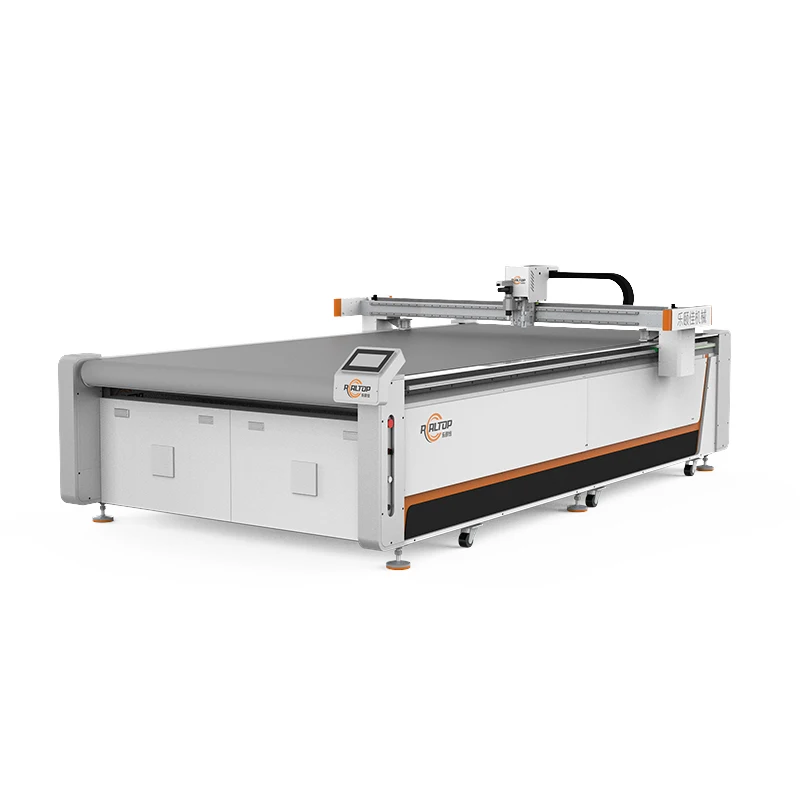
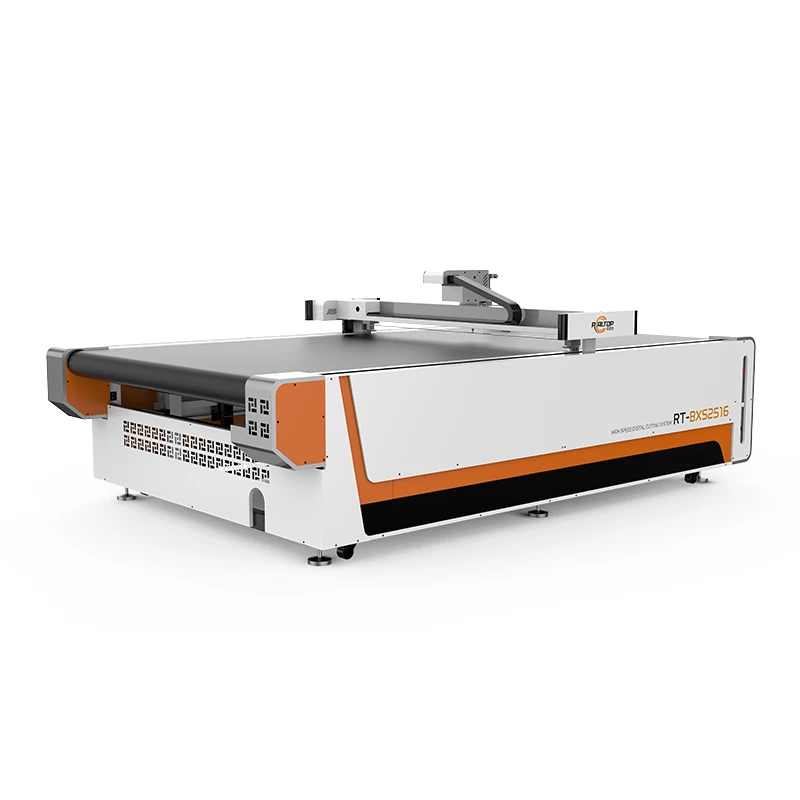
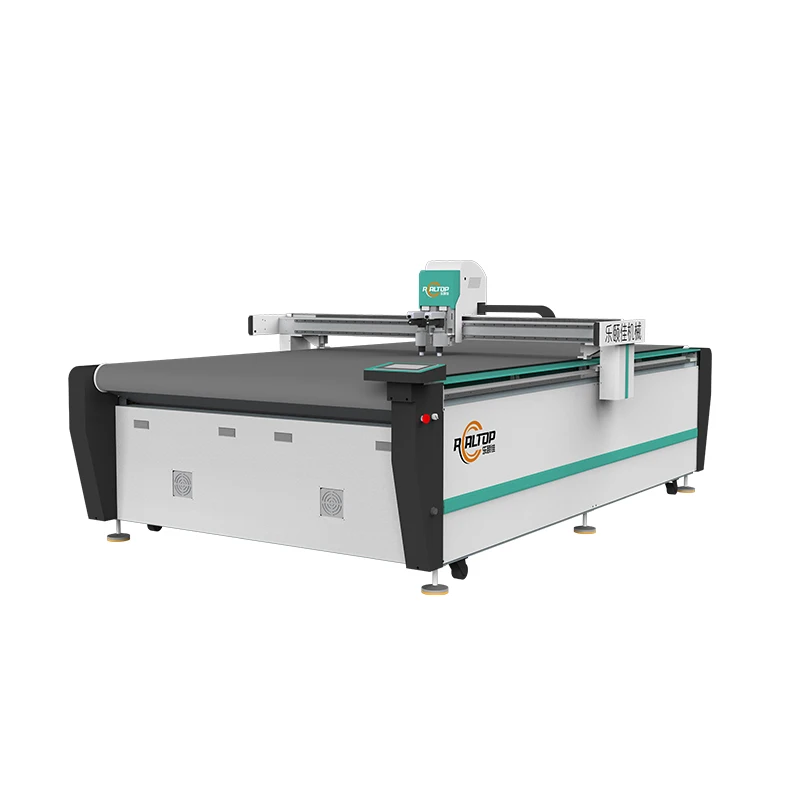
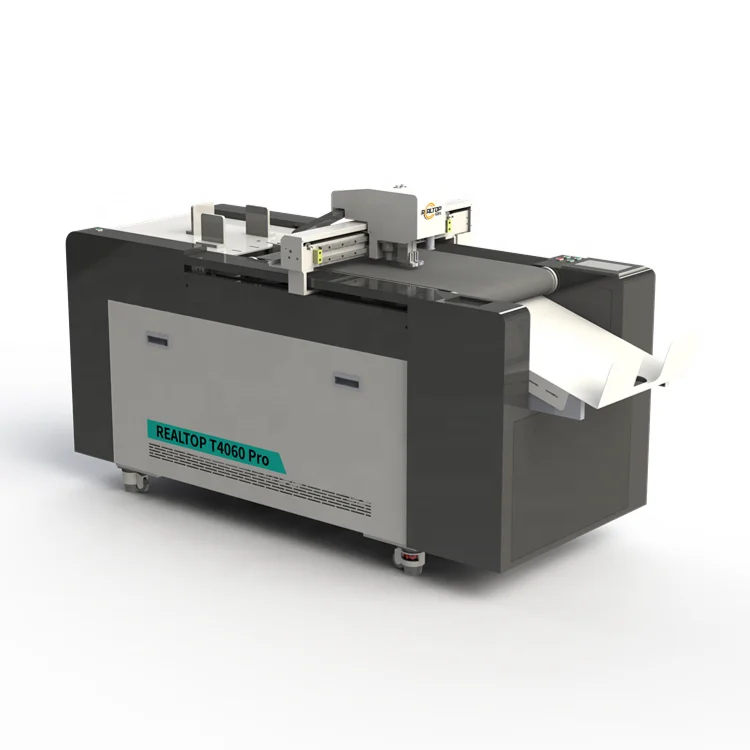
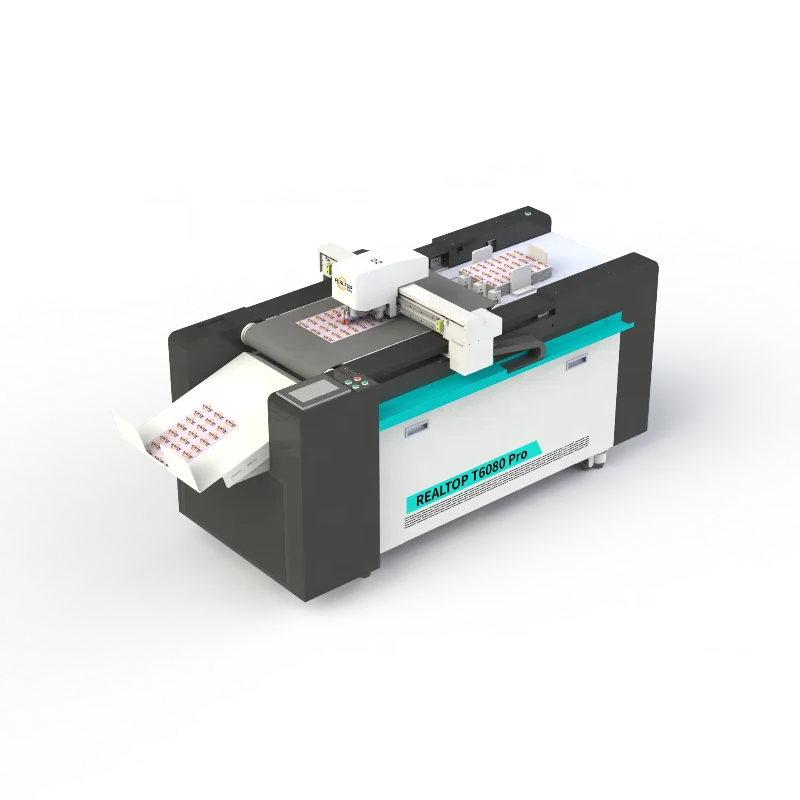
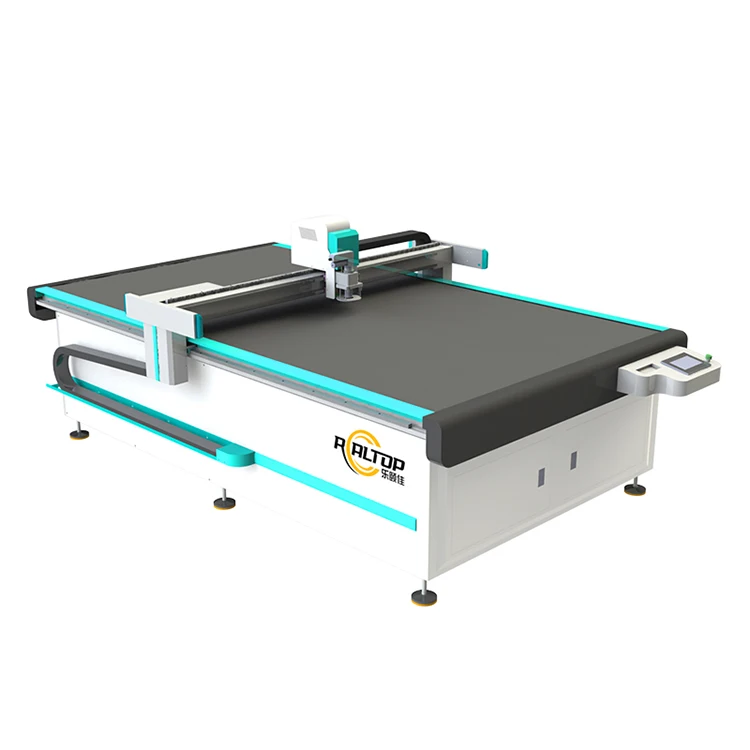
Complete Equipment Survey — in-house design covering both oscillating knife and laser platforms lets buyers compare cutting methods against their actual material before narrowing to one system.
Technical Specifications
| Parameter | Value |
|---|---|
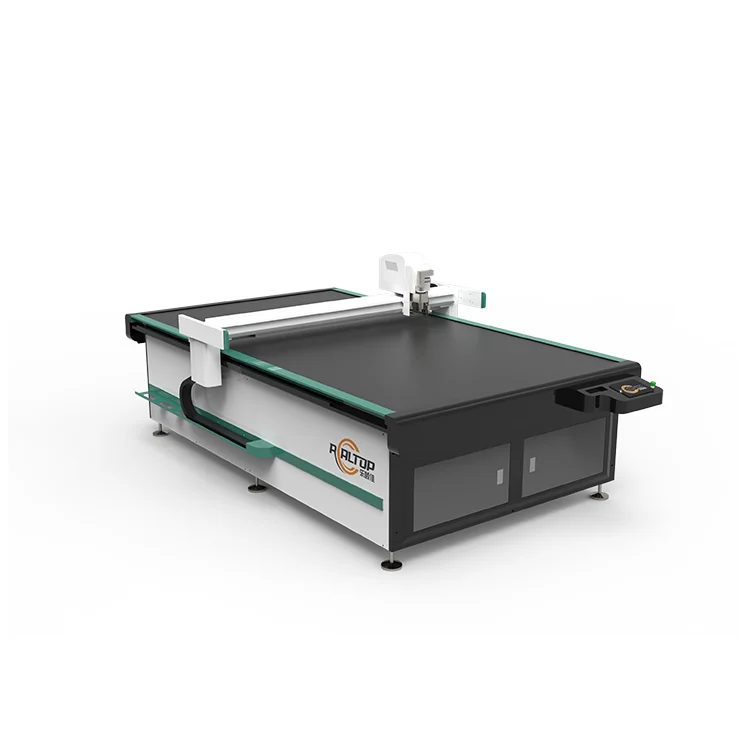
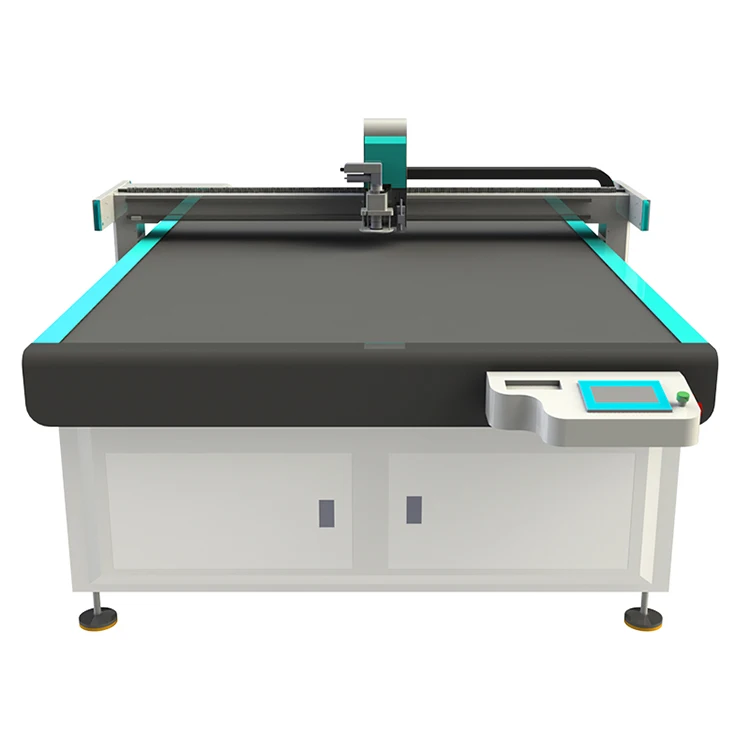
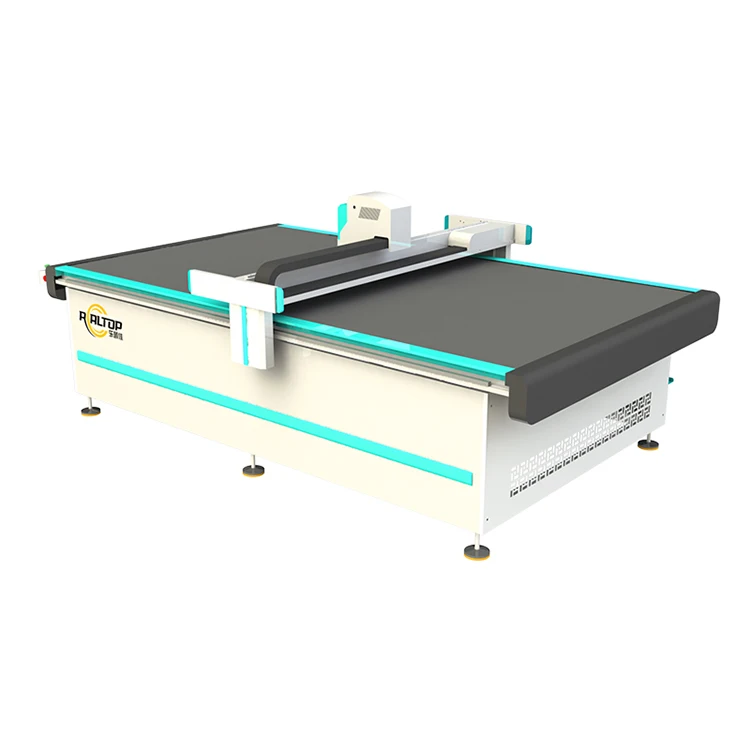
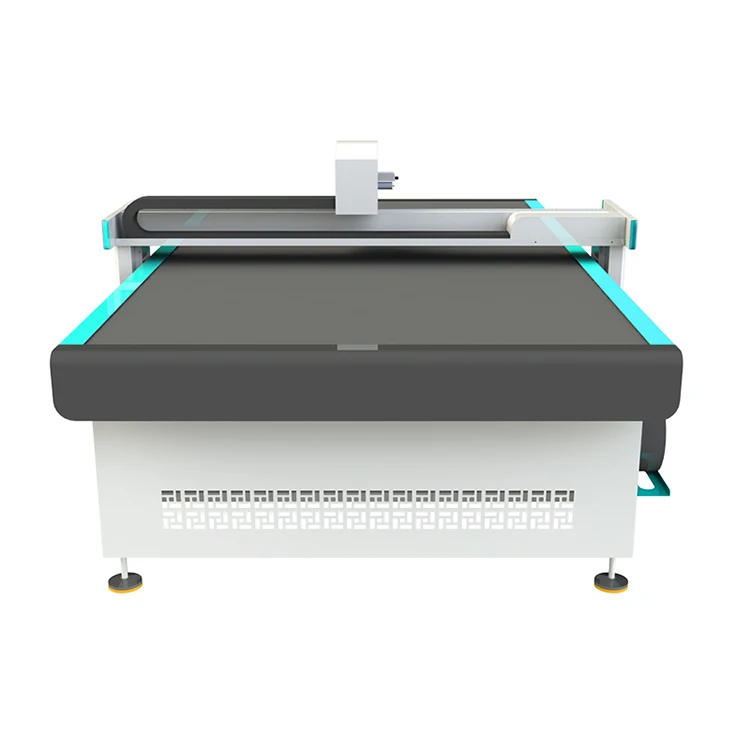
| Product Type | CNC Oscillating Knife Cutting Machine |
| Working Area | 1600 × 2500 mm |
| Machine Size | 3450 × 2300 × 1250 mm |
| Rated Power | 9 kW |
| Vacuum Pump | 7.5 kW |
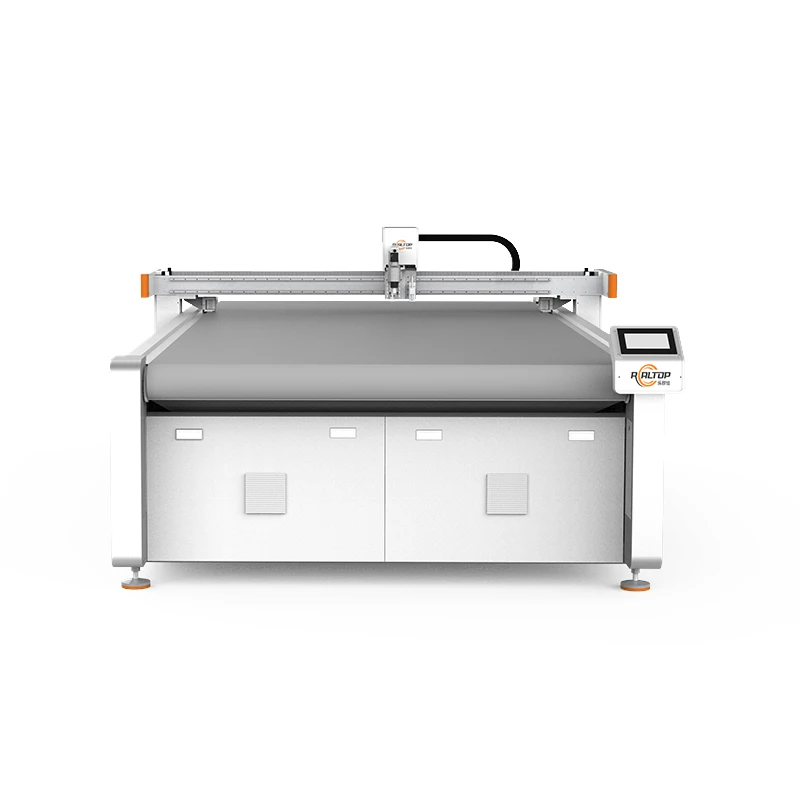
| Table Type | Flat working table or auto-feeding conveyor table |
| Cutting Thickness | Up to 100 mm depending on material density and layer count (basis to be confirmed) |
| Translational Velocity | 800–2000 mm/s |
| Cutting Speed | 200–800 mm/s depending on material |
| Repeated Accuracy | ≤ 0.1 mm |
| Transmission System | Digital servo motor, linear guide, synchronous belt, ball screw |
| Servo Motor | Delta (Panasonic optional) |
| Linear Guide | Taiwan Hiwin rail |
| Vacuum Table | Magnesium-aluminum alloy with PVDF powder spraying, anodic oxidation |
| Conveyor Belt | Germany imported belt (auto-feeding variant) |
| Control Panel | Touch screen with multiple language support |
| Software Compatibility | PLT, DXF, AI, HP-GL compatible formats |
| Visual Positioning | Small CCD mark-point, panoramic camera recognition, or projection positioning |
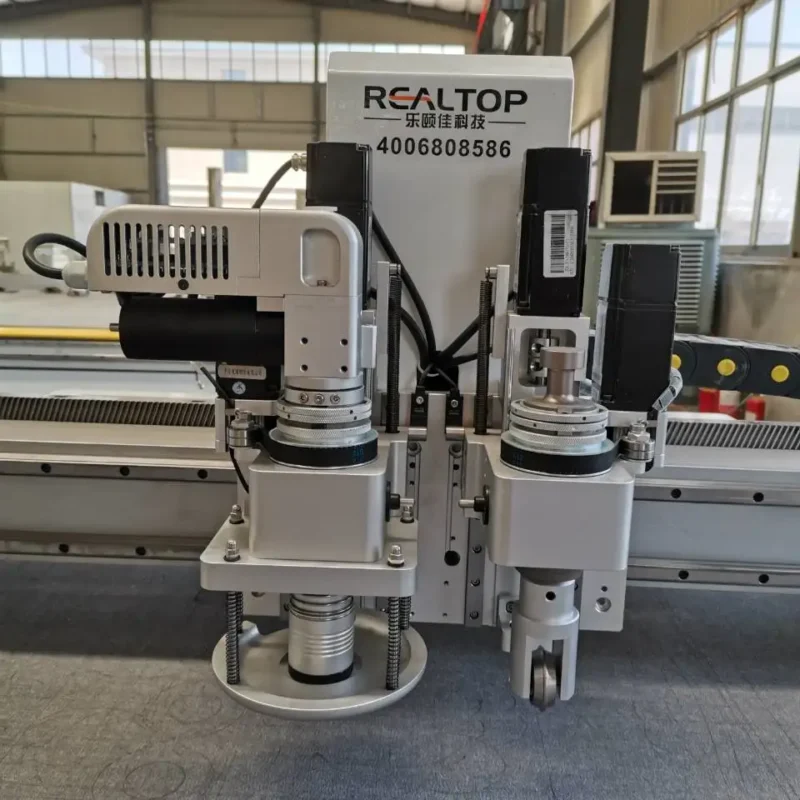
| Tool Head Options | Oscillating knife, pneumatic knife, high-power vibrating knife, circular knife, V-cutting knife, drag knife, creasing wheel, dotted line knife, punching, brush |
| Safety Device | Infrared sensors, anti-collision, emergency stop |
| Voltage | 380 V ± 10 % |
| Language Options | English, Russian, Italian, Chinese, custom languages available |
Application Suitability
| Application | Material or Output |
|---|---|
| Automotive interior and seat cover production | Leather, PU, EVA, composite fabrics, multi-layer synthetic upholstery |
| Garment and footwear manufacturing | Clothing cloth, shoe material, non-woven fabric, luggage textiles |
| Soft furnishing and carpet cutting | Carpet, sponge, foam board, home textile rolls |
| Gasket and sealing pad fabrication | Rubber, PTFE, ETFE, fiberglass, silicone sheet |
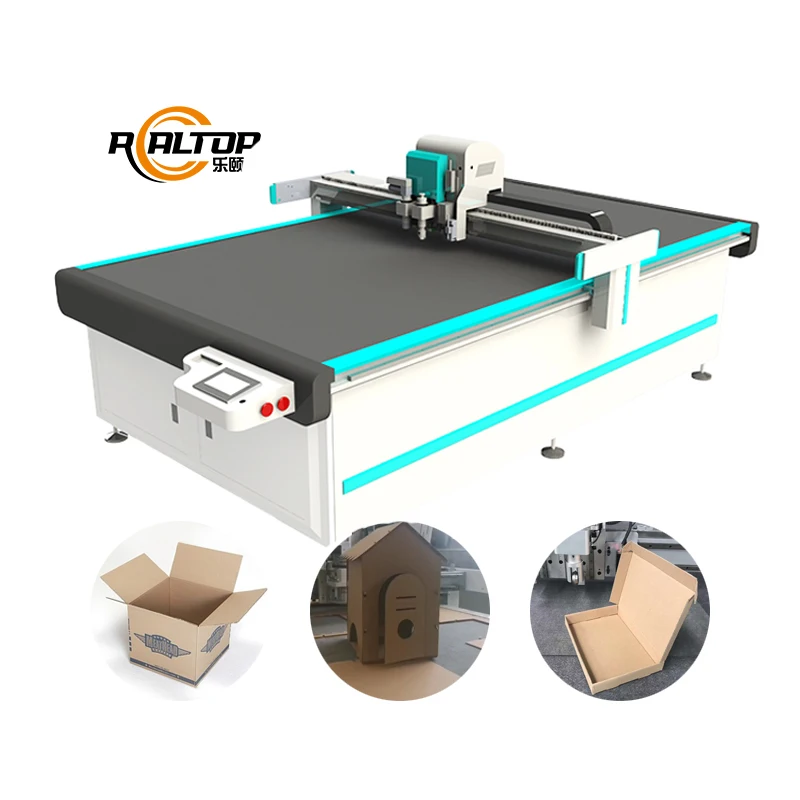
| Packaging and sample making | Cardboard, corrugated cardboard, plastic box, sticker, film |
| Advertising and signage | PVC board, vinyl, foam board, PP, PE sheet |
Why a Working-Area-Only Spec Fails Flexible Material Buyers
A cutting table chosen on bed size alone often cannot hold down the very material it was bought to cut.
I once configured a flatbed digital cutter for an automotive seat cover shop that ran multi-layer bonded leather. The machine area was generous, but the vacuum zoning was too coarse for their nested pattern pieces. Small off-cuts lifted during the final pass, ruining entire hides. The fix was not a bigger pump — it was a table with finer suction zones matched to their nesting layout. When sourcing a CNC oscillating knife cutting machine manufacturer, buyers should specify material stack height, part geometry, and daily volume before locking in a working area [NEED_CITE: vacuum zoning strategies for nested flexible material cutting].
Mapping Machine Families to Material and Volume
The catalogue spans oscillating knife platforms for soft and semi-rigid sheets alongside laser systems for acrylic, wood, and textile. Knife cutting handles layered fabric, foam, and gasket stock without the thermal edge effects that a CO2 beam produces on synthetics. Laser units, in turn, seal edges on woven textile and deliver fine engraving that a blade cannot replicate. Buyers evaluating a CNC digital cutting table for sale can compare both approaches against their specific material before committing to a single method.
Matching the Tool Head to the Material Stack
An oscillating knife slices through thick foam and composite panels cleanly, while a drag knife scores thin vinyl and sticker film without penetrating the backing. Pneumatic and high-power vibrating knife heads tackle dense rubber and multi-ply leather where a standard oscillating blade would deflect. Creasing wheels and dotted-line knives add fold and tear-line capability for carton sample work. Selecting the right head at the order stage avoids edge quality complaints and costly tooling swaps after delivery [NEED_CITE: oscillating versus drag knife cutting mechanics on layered flexible materials].
Reading the Spec Sheet Beyond the Headline Numbers
A 9 kW rated power figure covers the full machine including the 7.5 kW vacuum pump, so spindle and servo draw sit within the remaining capacity — important when sizing the workshop electrical feed. The Taiwan Hiwin linear guides and ball-screw transmission maintain the ≤ 0.1 mm repeated accuracy across the 1600 × 2500 mm stroke; cheaper rail systems introduce play that shows up first on long diagonal cuts. Magnesium-aluminum alloy table construction with PVDF coating resists the adhesive residue that builds up when cutting sticker and film stocks. CCD camera options — mark-point, panoramic, or projection — each suit different print registration workflows, and the choice should be confirmed against the buyer’s actual print mark size and press speed.
The Cost of Skipping a Sample Cut
I watched a fabric supplier ship a machine with a standard oscillating head to a customer cutting ten-layer XPE foam for sports padding. The blade deflected on the bottom layers, leaving ragged edges that the buyer only discovered during their first production run. A sample cut on the customer’s own material stack — filmed and measured — would have flagged the need for a high-power vibrating knife and adjusted vacuum zoning. Skipping that step cost both sides weeks of downtime and air-freight charges for replacement tooling [NEED_CITE: material test cutting best practices for flexible sheet processing].
Why Source the Full Range Here
Design and manufacturing sit under one roof for both knife and laser lines, so a buyer comparing cutting methods deals with a single engineering team rather than two unrelated suppliers. Tool head and table configurations are specified against the buyer’s actual material sample, not a generic catalogue recommendation. CCD camera positioning, software file-format compatibility, voltage, and control-panel language are all confirmed before the order enters production. Every machine ships with a factory test record run on the buyer’s material, providing documented proof of cutting depth and edge quality before the crate is sealed.
Documentation & Verification
- Machine specification sheet listing confirmed tool head and table zone layout
- Electrical schematic with voltage and frequency matching the destination market
- Sample cutting report filmed on buyer’s own fabric or foam stock
- Software licence and file-format compatibility note for PLT, DXF, AI workflows
- Factory test record showing repeated accuracy measurement before dispatch
- Spare parts list covering blades, vacuum seals, and guide-rail carriages
Installation, Commissioning & Support
- 9 kW total draw requires a dedicated 380 V three-phase circuit with earth leakage protection
- 3450 × 2300 mm footprint plus operator clearance needs a levelled concrete floor
- Auto-feeding conveyor variant requires downstream roller table alignment at install
- Touch-screen control panel loaded with buyer’s chosen language before crating
- First-run parameter tuning on buyer’s material conducted by remote video or on-site visit
- Wearing-part kit includes oscillating knife blades, vacuum seals, and belt segments
What to Include in Your Enquiry
Share your material type, maximum stack thickness, and typical sheet dimensions so the correct cutting method and tool head can be recommended. Confirm your workshop voltage, frequency, and preferred control-panel language. If you run an existing nesting or CAD workflow, send a sample file so software compatibility is verified before quotation.
Frequently Asked Questions
Q: Knife or laser — which method fits my material and output?
A: Oscillating knife handles thick foam, layered fabric, leather, and gasket stock without thermal edge effects. Laser suits acrylic, thin textile, and wood where sealed edges or fine engraving are required. Share your material type and daily volume so both options can be compared against your actual production scenario before a recommendation is made.
Q: How does table configuration affect small-part hold-down?
A: The magnesium-aluminum vacuum table offers zoned suction. Large zones suit full-sheet cutting, while finer zoning grips small nested parts that would otherwise lift. Specify your smallest pattern piece and nesting density at the enquiry stage so the correct zone layout is built into the table.
Q: Which tool head should I choose for my material thickness?
A: Standard oscillating knives cut fabric and thin foam cleanly. Multi-layer leather and dense XPE need a high-power vibrating or pneumatic head to prevent blade deflection. Drag knives score vinyl and sticker film. Share your exact material stack for a sample cut that confirms the right head before the order is finalised.
Q: How is CCD positioning calibrated for printed contour work?
A: Three camera options exist — small mark-point, panoramic recognition, and projection. Calibration depends on your print mark size, press speed, and registration tolerance. A test run on your printed sheet verifies tracking accuracy at production speed and confirms that the camera option matches your workflow.
Q: Can I test my material before choosing a machine?
A: Yes. Send a representative sample of your fabric, foam, or composite stock. A cutting test is run with the recommended tool head and vacuum setting, then documented in a report covering edge quality, cutting depth, and cycle observation — all before any purchase commitment is required.
Complete Equipment Survey — in-house design covering both oscillating knife and laser platforms lets buyers compare cutting methods against their actual material before narrowing to one system.
Technical Specifications
| Parameter | Value |
|---|---|
| Product Type | CNC Oscillating Knife Cutting Machine |
| Working Area | 1600 × 2500 mm |
| Machine Size | 3450 × 2300 × 1250 mm |
| Rated Power | 9 kW |
| Vacuum Pump | 7.5 kW |
| Table Type | Flat working table or auto-feeding conveyor table |
| Cutting Thickness | Up to 100 mm depending on material density and layer count (basis to be confirmed) |
| Translational Velocity | 800–2000 mm/s |
| Cutting Speed | 200–800 mm/s depending on material |
| Repeated Accuracy | ≤ 0.1 mm |
| Transmission System | Digital servo motor, linear guide, synchronous belt, ball screw |
| Servo Motor | Delta (Panasonic optional) |
| Linear Guide | Taiwan Hiwin rail |
| Vacuum Table | Magnesium-aluminum alloy with PVDF powder spraying, anodic oxidation |
| Conveyor Belt | Germany imported belt (auto-feeding variant) |
| Control Panel | Touch screen with multiple language support |
| Software Compatibility | PLT, DXF, AI, HP-GL compatible formats |
| Visual Positioning | Small CCD mark-point, panoramic camera recognition, or projection positioning |
| Tool Head Options | Oscillating knife, pneumatic knife, high-power vibrating knife, circular knife, V-cutting knife, drag knife, creasing wheel, dotted line knife, punching, brush |
| Safety Device | Infrared sensors, anti-collision, emergency stop |
| Voltage | 380 V ± 10 % |
| Language Options | English, Russian, Italian, Chinese, custom languages available |
Application Suitability
| Application | Material or Output |
|---|---|
| Automotive interior and seat cover production | Leather, PU, EVA, composite fabrics, multi-layer synthetic upholstery |
| Garment and footwear manufacturing | Clothing cloth, shoe material, non-woven fabric, luggage textiles |
| Soft furnishing and carpet cutting | Carpet, sponge, foam board, home textile rolls |
| Gasket and sealing pad fabrication | Rubber, PTFE, ETFE, fiberglass, silicone sheet |
| Packaging and sample making | Cardboard, corrugated cardboard, plastic box, sticker, film |
| Advertising and signage | PVC board, vinyl, foam board, PP, PE sheet |
Why a Working-Area-Only Spec Fails Flexible Material Buyers
A cutting table chosen on bed size alone often cannot hold down the very material it was bought to cut.
I once configured a flatbed digital cutter for an automotive seat cover shop that ran multi-layer bonded leather. The machine area was generous, but the vacuum zoning was too coarse for their nested pattern pieces. Small off-cuts lifted during the final pass, ruining entire hides. The fix was not a bigger pump — it was a table with finer suction zones matched to their nesting layout. When sourcing a CNC oscillating knife cutting machine manufacturer, buyers should specify material stack height, part geometry, and daily volume before locking in a working area [NEED_CITE: vacuum zoning strategies for nested flexible material cutting].
Mapping Machine Families to Material and Volume
The catalogue spans oscillating knife platforms for soft and semi-rigid sheets alongside laser systems for acrylic, wood, and textile. Knife cutting handles layered fabric, foam, and gasket stock without the thermal edge effects that a CO2 beam produces on synthetics. Laser units, in turn, seal edges on woven textile and deliver fine engraving that a blade cannot replicate. Buyers evaluating a CNC digital cutting table for sale can compare both approaches against their specific material before committing to a single method.
Matching the Tool Head to the Material Stack
An oscillating knife slices through thick foam and composite panels cleanly, while a drag knife scores thin vinyl and sticker film without penetrating the backing. Pneumatic and high-power vibrating knife heads tackle dense rubber and multi-ply leather where a standard oscillating blade would deflect. Creasing wheels and dotted-line knives add fold and tear-line capability for carton sample work. Selecting the right head at the order stage avoids edge quality complaints and costly tooling swaps after delivery [NEED_CITE: oscillating versus drag knife cutting mechanics on layered flexible materials].
Reading the Spec Sheet Beyond the Headline Numbers
A 9 kW rated power figure covers the full machine including the 7.5 kW vacuum pump, so spindle and servo draw sit within the remaining capacity — important when sizing the workshop electrical feed. The Taiwan Hiwin linear guides and ball-screw transmission maintain the ≤ 0.1 mm repeated accuracy across the 1600 × 2500 mm stroke; cheaper rail systems introduce play that shows up first on long diagonal cuts. Magnesium-aluminum alloy table construction with PVDF coating resists the adhesive residue that builds up when cutting sticker and film stocks. CCD camera options — mark-point, panoramic, or projection — each suit different print registration workflows, and the choice should be confirmed against the buyer’s actual print mark size and press speed.
The Cost of Skipping a Sample Cut
I watched a fabric supplier ship a machine with a standard oscillating head to a customer cutting ten-layer XPE foam for sports padding. The blade deflected on the bottom layers, leaving ragged edges that the buyer only discovered during their first production run. A sample cut on the customer’s own material stack — filmed and measured — would have flagged the need for a high-power vibrating knife and adjusted vacuum zoning. Skipping that step cost both sides weeks of downtime and air-freight charges for replacement tooling [NEED_CITE: material test cutting best practices for flexible sheet processing].
Why Source the Full Range Here
Design and manufacturing sit under one roof for both knife and laser lines, so a buyer comparing cutting methods deals with a single engineering team rather than two unrelated suppliers. Tool head and table configurations are specified against the buyer’s actual material sample, not a generic catalogue recommendation. CCD camera positioning, software file-format compatibility, voltage, and control-panel language are all confirmed before the order enters production. Every machine ships with a factory test record run on the buyer’s material, providing documented proof of cutting depth and edge quality before the crate is sealed.
Documentation & Verification
- Machine specification sheet listing confirmed tool head and table zone layout
- Electrical schematic with voltage and frequency matching the destination market
- Sample cutting report filmed on buyer’s own fabric or foam stock
- Software licence and file-format compatibility note for PLT, DXF, AI workflows
- Factory test record showing repeated accuracy measurement before dispatch
- Spare parts list covering blades, vacuum seals, and guide-rail carriages
Installation, Commissioning & Support
- 9 kW total draw requires a dedicated 380 V three-phase circuit with earth leakage protection
- 3450 × 2300 mm footprint plus operator clearance needs a levelled concrete floor
- Auto-feeding conveyor variant requires downstream roller table alignment at install
- Touch-screen control panel loaded with buyer’s chosen language before crating
- First-run parameter tuning on buyer’s material conducted by remote video or on-site visit
- Wearing-part kit includes oscillating knife blades, vacuum seals, and belt segments
What to Include in Your Enquiry
Share your material type, maximum stack thickness, and typical sheet dimensions so the correct cutting method and tool head can be recommended. Confirm your workshop voltage, frequency, and preferred control-panel language. If you run an existing nesting or CAD workflow, send a sample file so software compatibility is verified before quotation.
Frequently Asked Questions
Q: Knife or laser — which method fits my material and output?
A: Oscillating knife handles thick foam, layered fabric, leather, and gasket stock without thermal edge effects. Laser suits acrylic, thin textile, and wood where sealed edges or fine engraving are required. Share your material type and daily volume so both options can be compared against your actual production scenario before a recommendation is made.
Q: How does table configuration affect small-part hold-down?
A: The magnesium-aluminum vacuum table offers zoned suction. Large zones suit full-sheet cutting, while finer zoning grips small nested parts that would otherwise lift. Specify your smallest pattern piece and nesting density at the enquiry stage so the correct zone layout is built into the table.
Q: Which tool head should I choose for my material thickness?
A: Standard oscillating knives cut fabric and thin foam cleanly. Multi-layer leather and dense XPE need a high-power vibrating or pneumatic head to prevent blade deflection. Drag knives score vinyl and sticker film. Share your exact material stack for a sample cut that confirms the right head before the order is finalised.
Q: How is CCD positioning calibrated for printed contour work?
A: Three camera options exist — small mark-point, panoramic recognition, and projection. Calibration depends on your print mark size, press speed, and registration tolerance. A test run on your printed sheet verifies tracking accuracy at production speed and confirms that the camera option matches your workflow.
Q: Can I test my material before choosing a machine?
A: Yes. Send a representative sample of your fabric, foam, or composite stock. A cutting test is run with the recommended tool head and vacuum setting, then documented in a report covering edge quality, cutting depth, and cycle observation — all before any purchase commitment is required.
商品评价
There are no reviews yet.