


Fast Delivery
Quick, reliable shipping to any location.

Free & easy returns
Return this item by mail or in store within 90 days for a full refund.
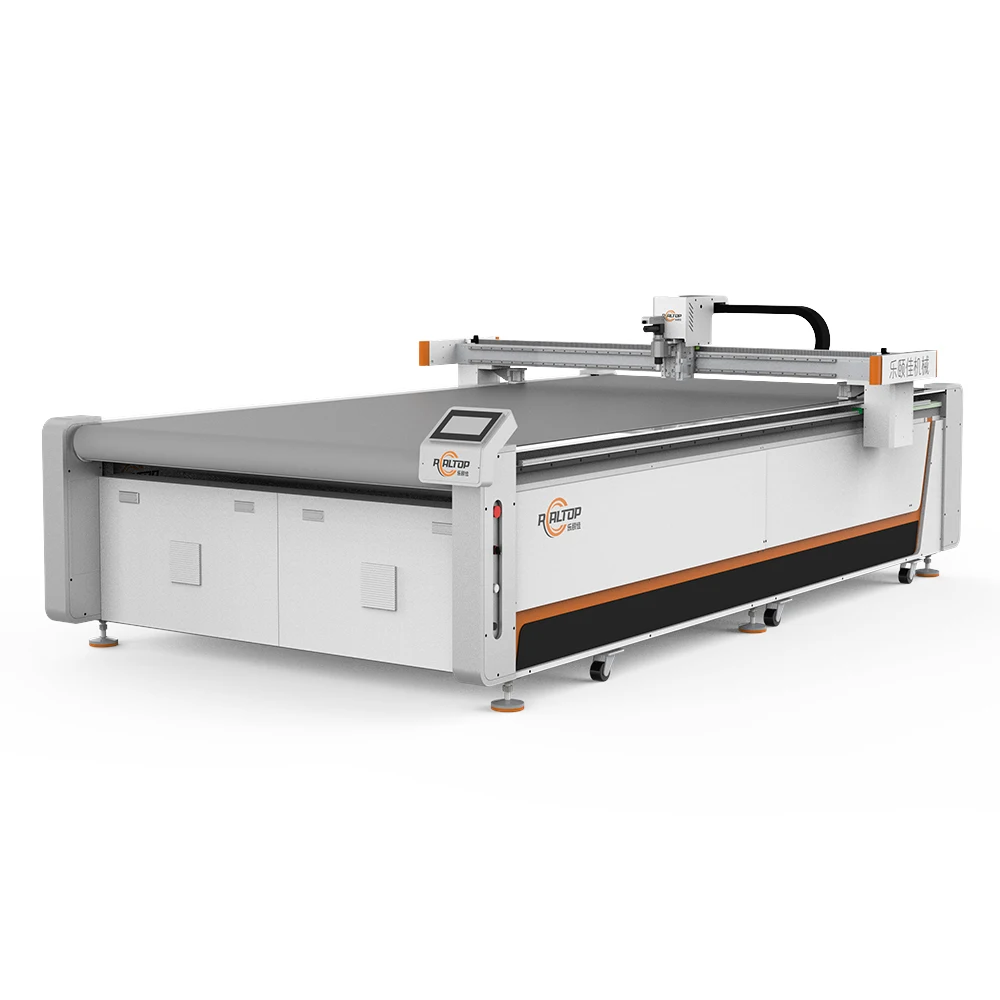
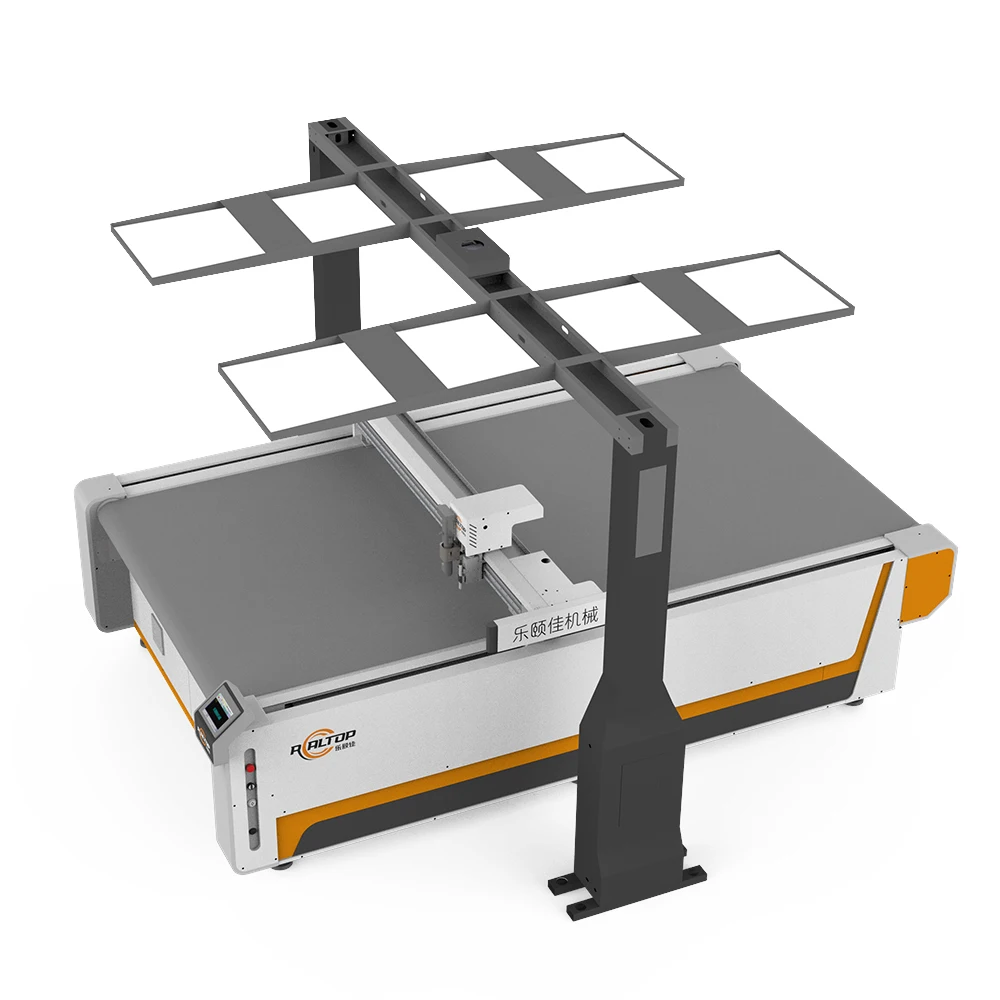
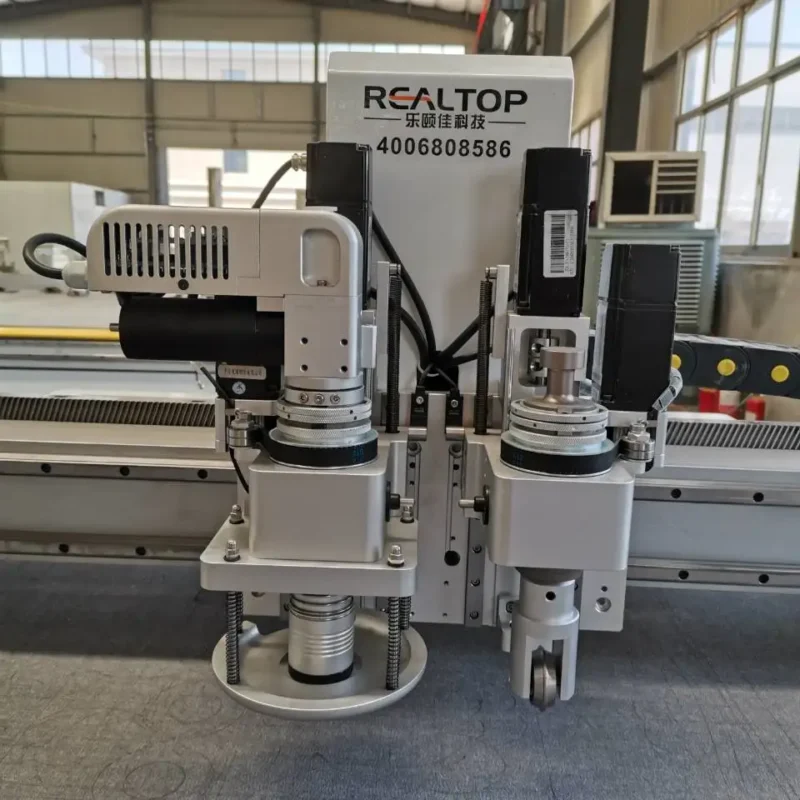
Configurable Tool Heads and Cutting Methods — our in-house engineering covers both oscillating knife and laser processes, so the cutting method is matched to leather density and production volume rather than forcing a single tool across every hide.
Technical Specifications
| Parameter | Value |
|---|---|
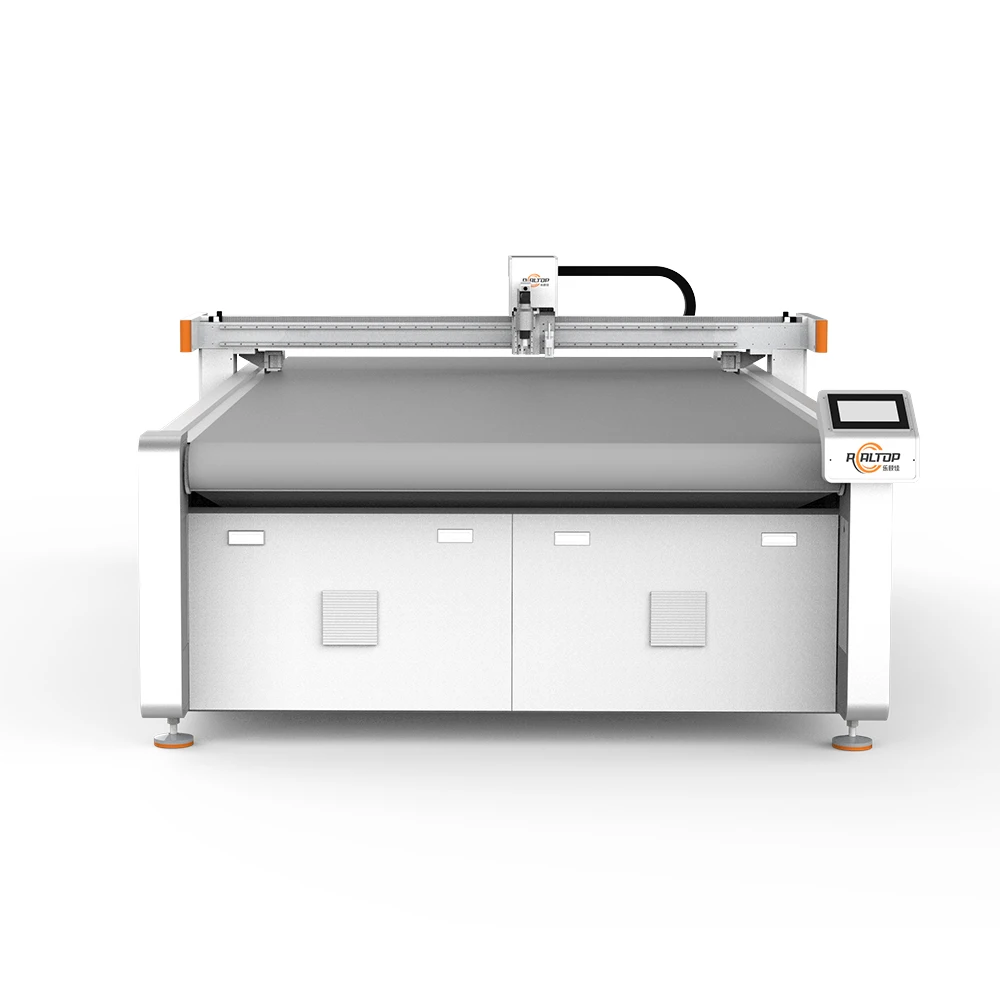
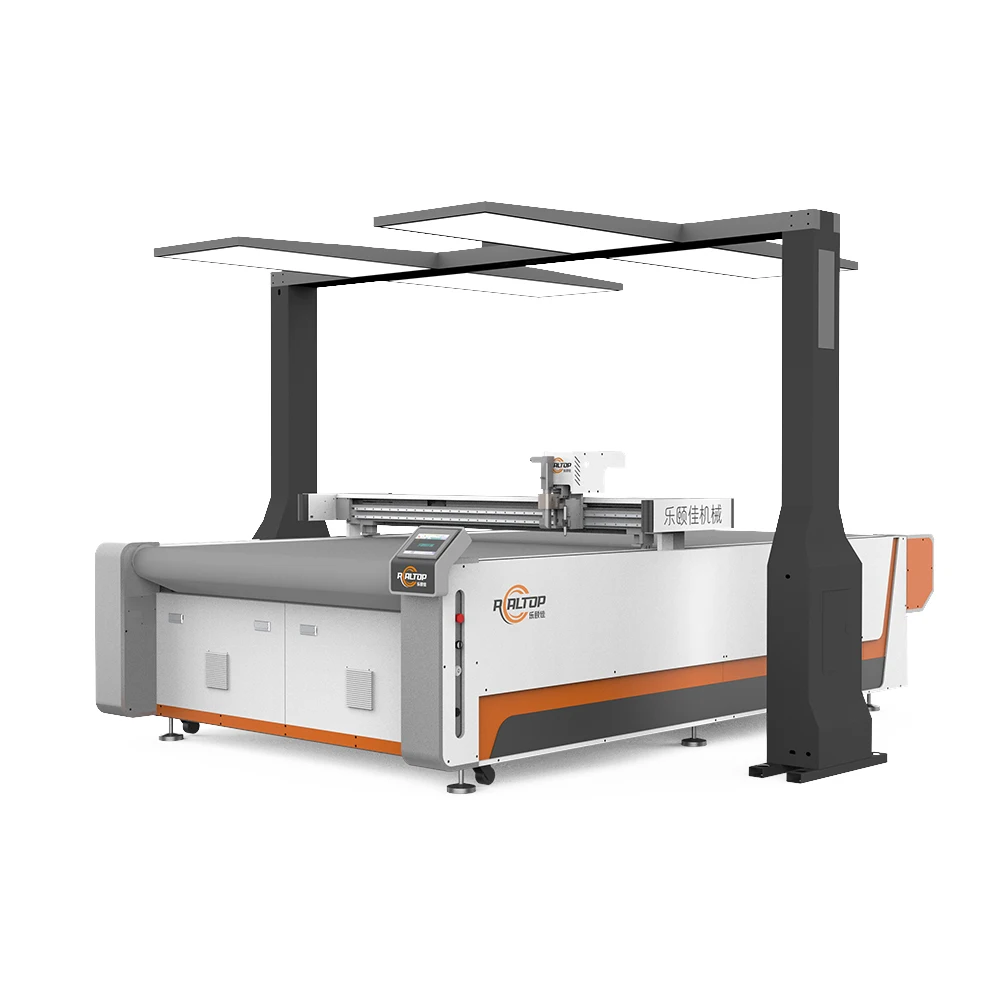
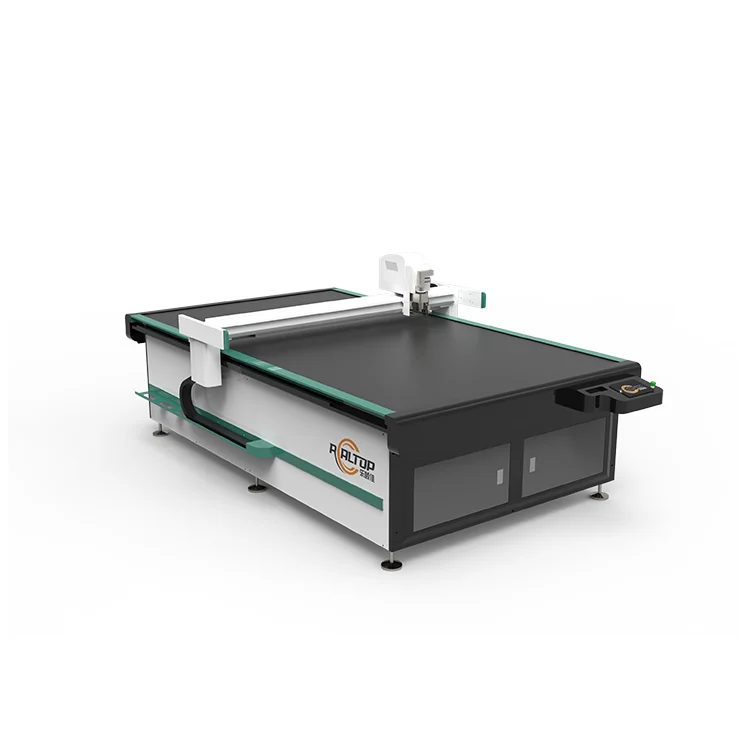
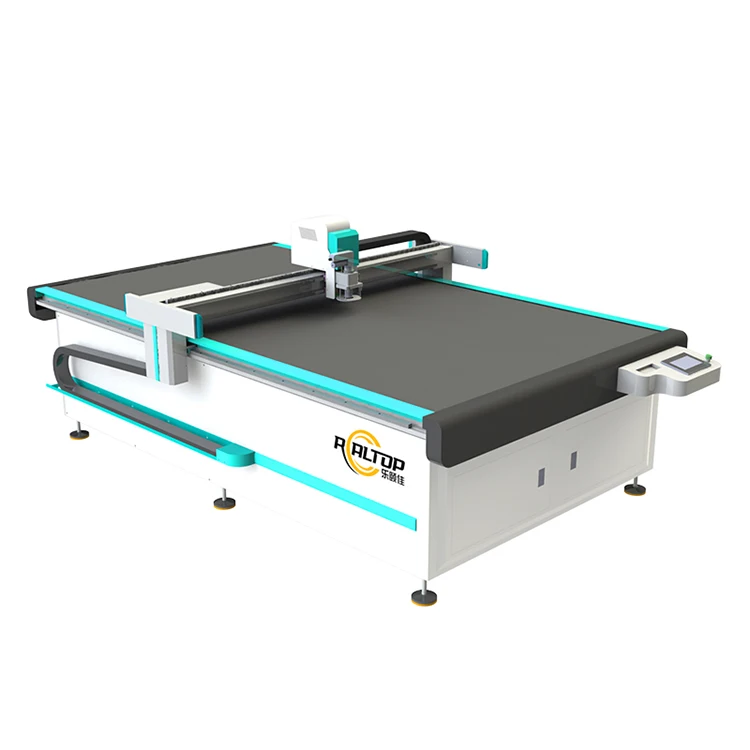
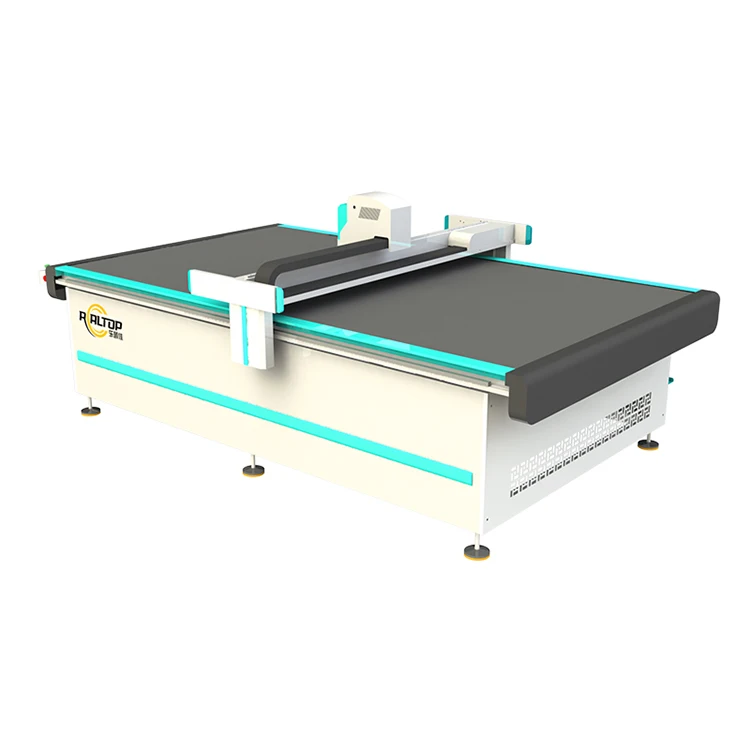
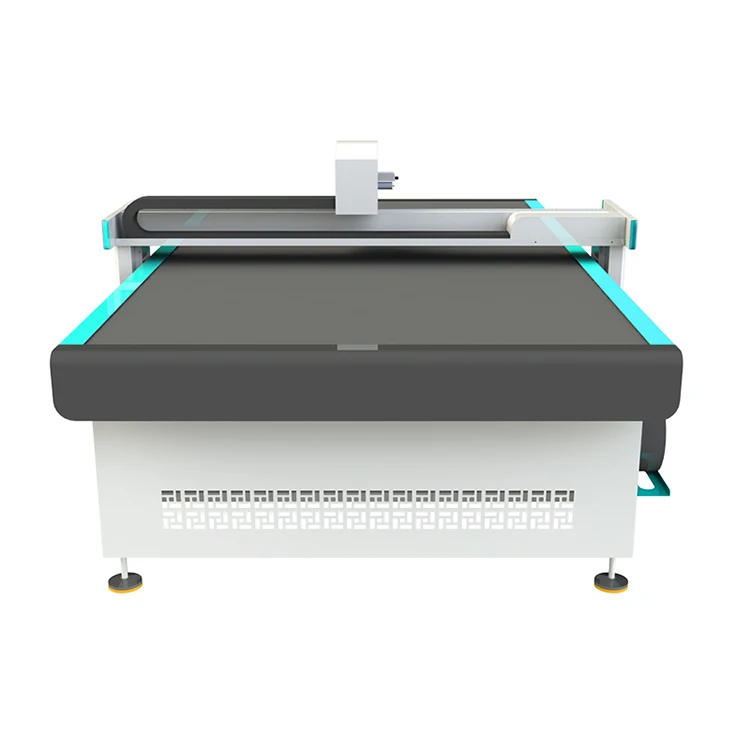
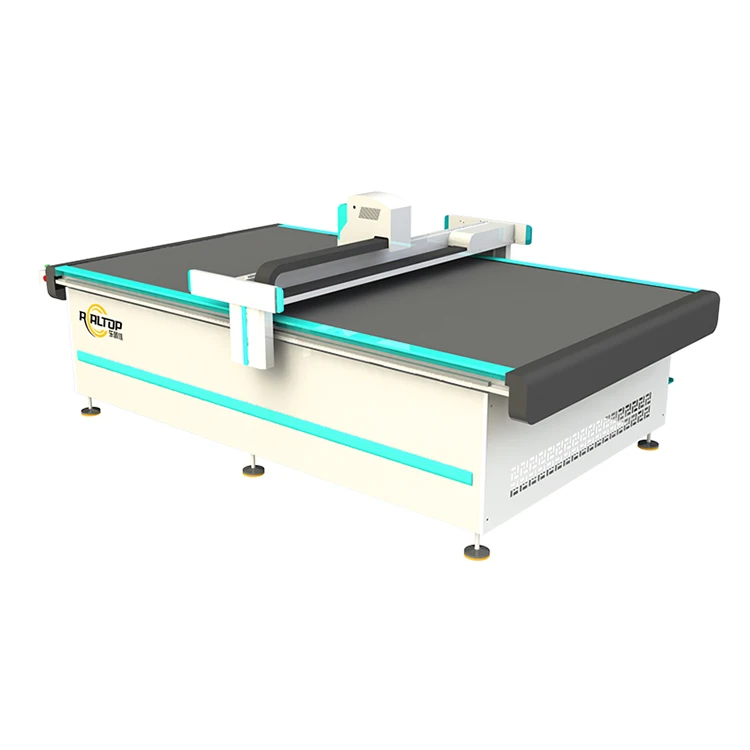
| Product Type | CNC Oscillating Knife Cutting Machine |
| Working Area | 1600 × 2500 mm |
| Tool Head Options | Oscillating knife, driven rotary knife, creasing wheel, kiss cutting tool, pneumatic knife, milling tool, V-groove knife |
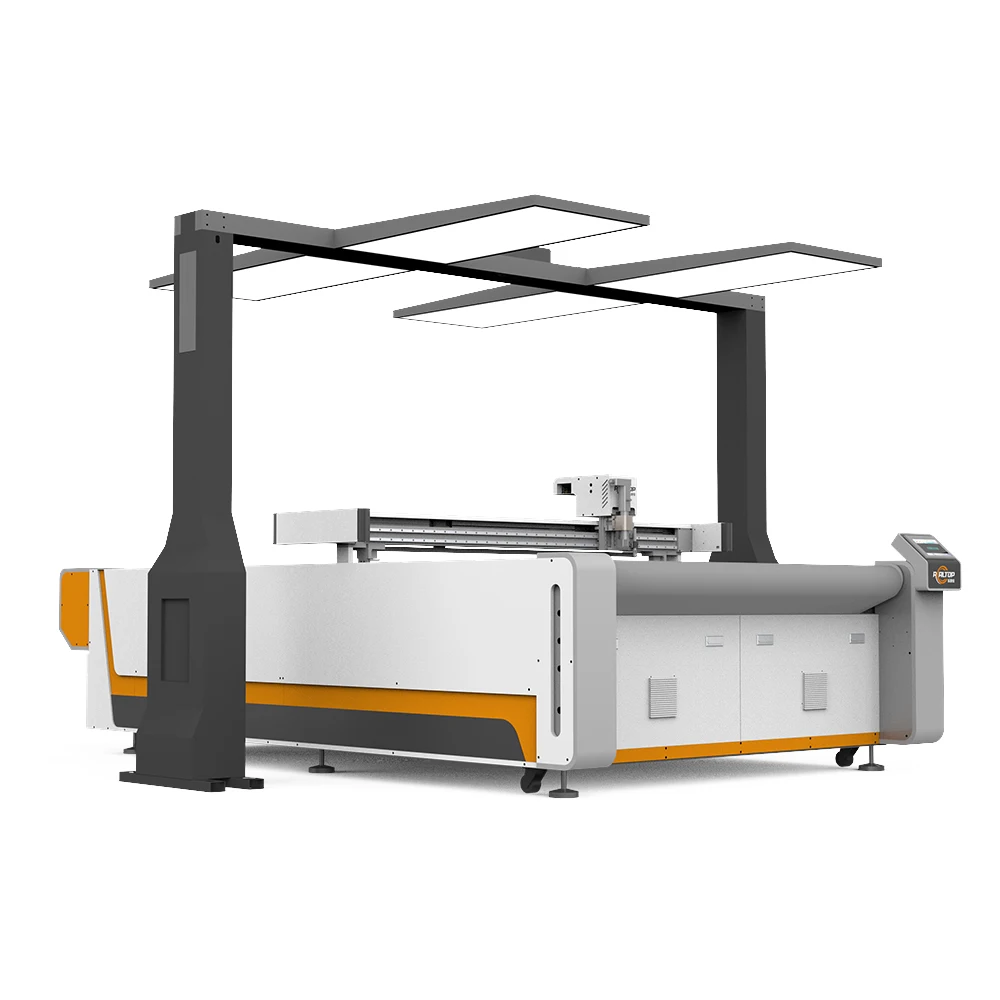
| Positioning System | CCD camera contour recognition |
| Cutting Speed | 0–1500 mm/s |
| Cutting Thickness | Up to 40 mm (basis not stated in source — confirm material type and density) |
| Cutting Accuracy | ±0.1 mm |
| Vacuum Table | Aluminum bellows vacuum table |
| Vacuum Pump | 9 kW |
| Voltage Options | 110V, 220V, 380V (frequency to be confirmed) |
| Control System | PLC control panel |
| Servo Motor Options | Panasonic, Delta, Dorna |
| File Format Support | PLT, DXF, AI, PDF |
| Safety Devices | Infrared sensor and emergency stop |
| Machine Dimensions | 3300 × 2100 × 1350 mm |
| Language Options | English, Russian, Italian, Chinese (special languages customizable) |
| Certification | CE |
Application Suitability
| Application | Material or Output |
|---|---|
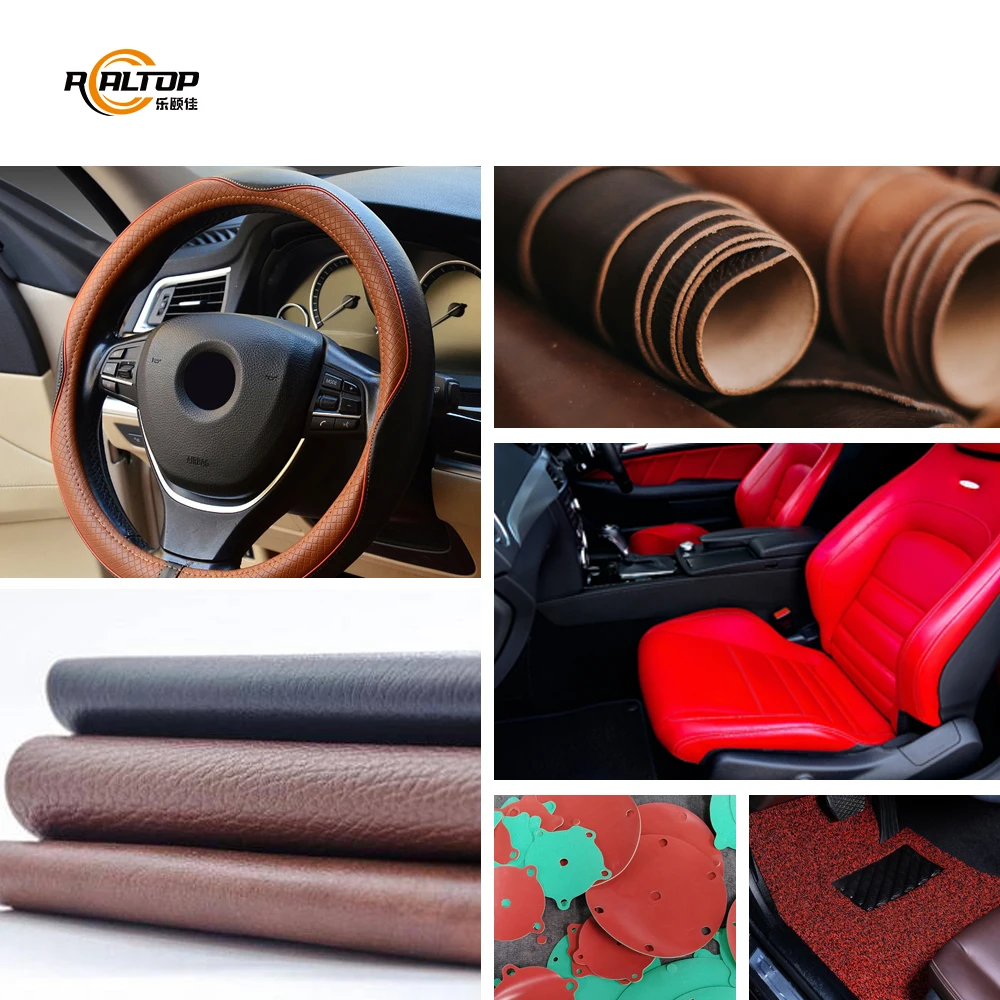
| Leather sofa upholstery cutting | Top-grain and corrected-grain cowhide, synthetic leather |
| Automotive interior trimming | Leather, Alcantara, PVC and PU trim panels |
| Footwear and bag production | Full-grain leather, split leather, suede, bonded leather |
| Garment pattern cutting | Textile, fabric, felt, woven and non-woven materials |
| Packaging sample making | Corrugated cardboard, greyboard, foam board |
| Composite and foam fabrication | EVA, PTFE, rubber, closed-cell foam |
Why Cutting Depth Specs Mislead Leather Buyers
A CNC oscillating knife cutting machine manufacturer must be honest about what the blade can actually handle on your specific hide, not just quote a maximum thickness on a data sheet. Real cutting depth depends on leather density, moisture content, and whether you are cutting single or stacked layers.
I once saw a sofa producer lose half a shift because the oscillating knife could not penetrate a batch of top-grain cowhide that was nearly two millimeters thicker than the sample used during machine selection. The machine was rated for the working area, but the tool head was specified for a lighter weight leather. After that experience, I started requiring every buyer to send actual production material before we finalize the tool head and vacuum configuration. Thickness gauges and sample cuts catch what spec sheets miss [NEED_CITE: material thickness variation in natural leather batches].
Matching the Tool Head to the Hide
Leather is not uniform. A thick, fibrous split behaves very differently from a soft, chrome-tanned upholstery hide. The oscillating knife handles most standard leathers cleanly, but a driven rotary knife may be necessary for very thick or heavily compressed material where a vibrating blade would drag. For kiss-cut applications — such as scoring synthetic leather without cutting through the backing — the dedicated kiss cutting tool protects the conveyor surface and maintains repeatable depth.
CCD Contour Recognition at Production Speed
Printed nesting layouts on leather or synthetic sheets save material yield by placing patterns around natural defects. The CCD camera reads printed registration marks and adjusts the cut path in real time. For this to work at line speed, the camera must track marks reliably even when the material surface has a slight grain texture or semi-gloss finish. Confirming the camera’s reading distance and lighting setup with your actual printed sheet avoids a situation where the system slows to half speed just to maintain accuracy [NEED_CITE: optical recognition limitations on textured surfaces].
What the Vacuum Table Actually Has to Do
A 9 kW vacuum pump sounds adequate on paper, but leather hides are irregular in shape and often leave large open areas on the table. An aluminum bellows vacuum table provides a flat, sealed surface, yet small cut pieces can still lift if the zoning is not set up for your typical nest layout. Multi-zone vacuum control lets the operator activate only the sections covered by the hide, concentrating suction where it matters. Without proper zoning, thin offcuts flutter during the final passes, producing ragged edges that require manual trimming downstream.
The Cost of Skipping the Sample Cut
When a buyer selects a machine based solely on working area and advertised speed, the first production run often reveals problems that a single sample cut would have caught. Wrong tool head geometry can crush foam instead of slicing it, or leave a burr on rubber gasket material that fails a seal test. In leather work, an underpowered oscillating stroke may leave partial-depth cuts on denser sections of the hide, forcing the operator to run the job twice. Each of these failures costs more in material waste and missed deadlines than a week of pre-order sample testing [NEED_CITE: rework costs in contract leather cutting operations].
Why Buyers Specify with Us
In-house design and production across both knife and laser platforms means we recommend the cutting method that fits the material, rather than pushing whichever machine happens to be in stock. Tool head and table configuration are specified per material type and daily volume, not taken from a default list. CCD camera positioning is validated on your printed sheet before the machine ships. Software file compatibility — PLT, DXF, AI, PDF — is confirmed during the quoting stage so there are no surprises when your nesting software exports the first job. Voltage, plug type, and control panel language are documented on the electrical schematic before production begins. Every order includes a sample cutting report produced on the buyer’s own material, providing a physical reference for edge quality and dimensional accuracy.
Documentation & Verification
- Machine specification sheet listing every configured tool head and table option
- Electrical schematic with confirmed voltage, frequency, and plug type for your facility
- Sample cutting report on your leather stock with measured accuracy and edge photographs
- Software license documentation and confirmed file format compatibility note
- Factory test record showing actual cutting passes on shipped configuration
Installation, Commissioning & Support
- Floor space assessment based on 3300 × 2100 mm machine footprint plus material handling clearance
- Dedicated power circuit confirmation for 9 kW vacuum pump and servo drives at your local voltage
- On-site leveling and aluminum bellows vacuum table sealing check during first startup
- PLC control panel parameter setup and tool head calibration with your production files
- Operator training covering tool changeover, CCD camera calibration, and vacuum zoning adjustment
- Spare parts list including oscillating knife blades, rotary knife consumables, and vacuum seals
What We Need to Quote Accurately
To recommend the right configuration, please share the leather type and thickness range you cut most often, the typical hide or sheet dimensions, and your daily cutting volume. Let us know your facility voltage and frequency, and which nesting software you currently use so we can verify file import compatibility. If possible, send a sample of your actual production material — we will run test cuts and include the results with the quotation.
Frequently Asked Questions
Q: How do I decide between oscillating knife and laser cutting for leather?
A: Oscillating knife is preferred for genuine leather because it avoids the burnt edge and odor that CO2 lasers produce on organic material. Laser cutting works well for synthetic leather and textiles where edge sealing is beneficial. We evaluate your specific material and production requirements before recommending the cutting method.
Q: Which tool head should I specify for thick sofa leather?
A: For top-grain cowhide above standard upholstery weight, the oscillating knife handles most jobs, but a driven rotary knife may be necessary for very dense or stacked layers. A sample cut on your actual leather confirms which tool produces the cleanest edge at your required speed.
Q: Can the CCD camera track printed marks on natural leather grain?
A: The CCD camera reads high-contrast printed registration marks, and it performs reliably on leather when the print quality and mark size meet the system’s recognition threshold. We test the camera on your printed nesting sheet during the sample cutting stage to verify tracking performance at production speed.
Q: What voltage and language options are available before shipment?
A: The machine is configurable for 110V, 220V, or 380V supply, with frequency confirmed to your local grid standard. The PLC control panel is available in English, Russian, Italian, and Chinese, with additional languages customizable. All electrical specifications are documented on the schematic before production starts.
Q: How can I verify cutting accuracy on my leather before placing the order?
A: Send us a sample of your production leather and your standard cutting file. We run the job on a configured machine, measure the finished pieces against your tolerances, and provide a sample cutting report with photographs and dimensional data so you can evaluate edge quality and accuracy before committing.
Configurable Tool Heads and Cutting Methods — our in-house engineering covers both oscillating knife and laser processes, so the cutting method is matched to leather density and production volume rather than forcing a single tool across every hide.
Technical Specifications
| Parameter | Value |
|---|---|
| Product Type | CNC Oscillating Knife Cutting Machine |
| Working Area | 1600 × 2500 mm |
| Tool Head Options | Oscillating knife, driven rotary knife, creasing wheel, kiss cutting tool, pneumatic knife, milling tool, V-groove knife |
| Positioning System | CCD camera contour recognition |
| Cutting Speed | 0–1500 mm/s |
| Cutting Thickness | Up to 40 mm (basis not stated in source — confirm material type and density) |
| Cutting Accuracy | ±0.1 mm |
| Vacuum Table | Aluminum bellows vacuum table |
| Vacuum Pump | 9 kW |
| Voltage Options | 110V, 220V, 380V (frequency to be confirmed) |
| Control System | PLC control panel |
| Servo Motor Options | Panasonic, Delta, Dorna |
| File Format Support | PLT, DXF, AI, PDF |
| Safety Devices | Infrared sensor and emergency stop |
| Machine Dimensions | 3300 × 2100 × 1350 mm |
| Language Options | English, Russian, Italian, Chinese (special languages customizable) |
| Certification | CE |
Application Suitability
| Application | Material or Output |
|---|---|
| Leather sofa upholstery cutting | Top-grain and corrected-grain cowhide, synthetic leather |
| Automotive interior trimming | Leather, Alcantara, PVC and PU trim panels |
| Footwear and bag production | Full-grain leather, split leather, suede, bonded leather |
| Garment pattern cutting | Textile, fabric, felt, woven and non-woven materials |
| Packaging sample making | Corrugated cardboard, greyboard, foam board |
| Composite and foam fabrication | EVA, PTFE, rubber, closed-cell foam |
Why Cutting Depth Specs Mislead Leather Buyers
A CNC oscillating knife cutting machine manufacturer must be honest about what the blade can actually handle on your specific hide, not just quote a maximum thickness on a data sheet. Real cutting depth depends on leather density, moisture content, and whether you are cutting single or stacked layers.
I once saw a sofa producer lose half a shift because the oscillating knife could not penetrate a batch of top-grain cowhide that was nearly two millimeters thicker than the sample used during machine selection. The machine was rated for the working area, but the tool head was specified for a lighter weight leather. After that experience, I started requiring every buyer to send actual production material before we finalize the tool head and vacuum configuration. Thickness gauges and sample cuts catch what spec sheets miss [NEED_CITE: material thickness variation in natural leather batches].
Matching the Tool Head to the Hide
Leather is not uniform. A thick, fibrous split behaves very differently from a soft, chrome-tanned upholstery hide. The oscillating knife handles most standard leathers cleanly, but a driven rotary knife may be necessary for very thick or heavily compressed material where a vibrating blade would drag. For kiss-cut applications — such as scoring synthetic leather without cutting through the backing — the dedicated kiss cutting tool protects the conveyor surface and maintains repeatable depth.
CCD Contour Recognition at Production Speed
Printed nesting layouts on leather or synthetic sheets save material yield by placing patterns around natural defects. The CCD camera reads printed registration marks and adjusts the cut path in real time. For this to work at line speed, the camera must track marks reliably even when the material surface has a slight grain texture or semi-gloss finish. Confirming the camera’s reading distance and lighting setup with your actual printed sheet avoids a situation where the system slows to half speed just to maintain accuracy [NEED_CITE: optical recognition limitations on textured surfaces].
What the Vacuum Table Actually Has to Do
A 9 kW vacuum pump sounds adequate on paper, but leather hides are irregular in shape and often leave large open areas on the table. An aluminum bellows vacuum table provides a flat, sealed surface, yet small cut pieces can still lift if the zoning is not set up for your typical nest layout. Multi-zone vacuum control lets the operator activate only the sections covered by the hide, concentrating suction where it matters. Without proper zoning, thin offcuts flutter during the final passes, producing ragged edges that require manual trimming downstream.
The Cost of Skipping the Sample Cut
When a buyer selects a machine based solely on working area and advertised speed, the first production run often reveals problems that a single sample cut would have caught. Wrong tool head geometry can crush foam instead of slicing it, or leave a burr on rubber gasket material that fails a seal test. In leather work, an underpowered oscillating stroke may leave partial-depth cuts on denser sections of the hide, forcing the operator to run the job twice. Each of these failures costs more in material waste and missed deadlines than a week of pre-order sample testing [NEED_CITE: rework costs in contract leather cutting operations].
Why Buyers Specify with Us
In-house design and production across both knife and laser platforms means we recommend the cutting method that fits the material, rather than pushing whichever machine happens to be in stock. Tool head and table configuration are specified per material type and daily volume, not taken from a default list. CCD camera positioning is validated on your printed sheet before the machine ships. Software file compatibility — PLT, DXF, AI, PDF — is confirmed during the quoting stage so there are no surprises when your nesting software exports the first job. Voltage, plug type, and control panel language are documented on the electrical schematic before production begins. Every order includes a sample cutting report produced on the buyer’s own material, providing a physical reference for edge quality and dimensional accuracy.
Documentation & Verification
- Machine specification sheet listing every configured tool head and table option
- Electrical schematic with confirmed voltage, frequency, and plug type for your facility
- Sample cutting report on your leather stock with measured accuracy and edge photographs
- Software license documentation and confirmed file format compatibility note
- Factory test record showing actual cutting passes on shipped configuration
Installation, Commissioning & Support
- Floor space assessment based on 3300 × 2100 mm machine footprint plus material handling clearance
- Dedicated power circuit confirmation for 9 kW vacuum pump and servo drives at your local voltage
- On-site leveling and aluminum bellows vacuum table sealing check during first startup
- PLC control panel parameter setup and tool head calibration with your production files
- Operator training covering tool changeover, CCD camera calibration, and vacuum zoning adjustment
- Spare parts list including oscillating knife blades, rotary knife consumables, and vacuum seals
What We Need to Quote Accurately
To recommend the right configuration, please share the leather type and thickness range you cut most often, the typical hide or sheet dimensions, and your daily cutting volume. Let us know your facility voltage and frequency, and which nesting software you currently use so we can verify file import compatibility. If possible, send a sample of your actual production material — we will run test cuts and include the results with the quotation.
Frequently Asked Questions
Q: How do I decide between oscillating knife and laser cutting for leather?
A: Oscillating knife is preferred for genuine leather because it avoids the burnt edge and odor that CO2 lasers produce on organic material. Laser cutting works well for synthetic leather and textiles where edge sealing is beneficial. We evaluate your specific material and production requirements before recommending the cutting method.
Q: Which tool head should I specify for thick sofa leather?
A: For top-grain cowhide above standard upholstery weight, the oscillating knife handles most jobs, but a driven rotary knife may be necessary for very dense or stacked layers. A sample cut on your actual leather confirms which tool produces the cleanest edge at your required speed.
Q: Can the CCD camera track printed marks on natural leather grain?
A: The CCD camera reads high-contrast printed registration marks, and it performs reliably on leather when the print quality and mark size meet the system’s recognition threshold. We test the camera on your printed nesting sheet during the sample cutting stage to verify tracking performance at production speed.
Q: What voltage and language options are available before shipment?
A: The machine is configurable for 110V, 220V, or 380V supply, with frequency confirmed to your local grid standard. The PLC control panel is available in English, Russian, Italian, and Chinese, with additional languages customizable. All electrical specifications are documented on the schematic before production starts.
Q: How can I verify cutting accuracy on my leather before placing the order?
A: Send us a sample of your production leather and your standard cutting file. We run the job on a configured machine, measure the finished pieces against your tolerances, and provide a sample cutting report with photographs and dimensional data so you can evaluate edge quality and accuracy before committing.
商品评价
There are no reviews yet.