


Fast Delivery
Quick, reliable shipping to any location.

Free & easy returns
Return this item by mail or in store within 90 days for a full refund.
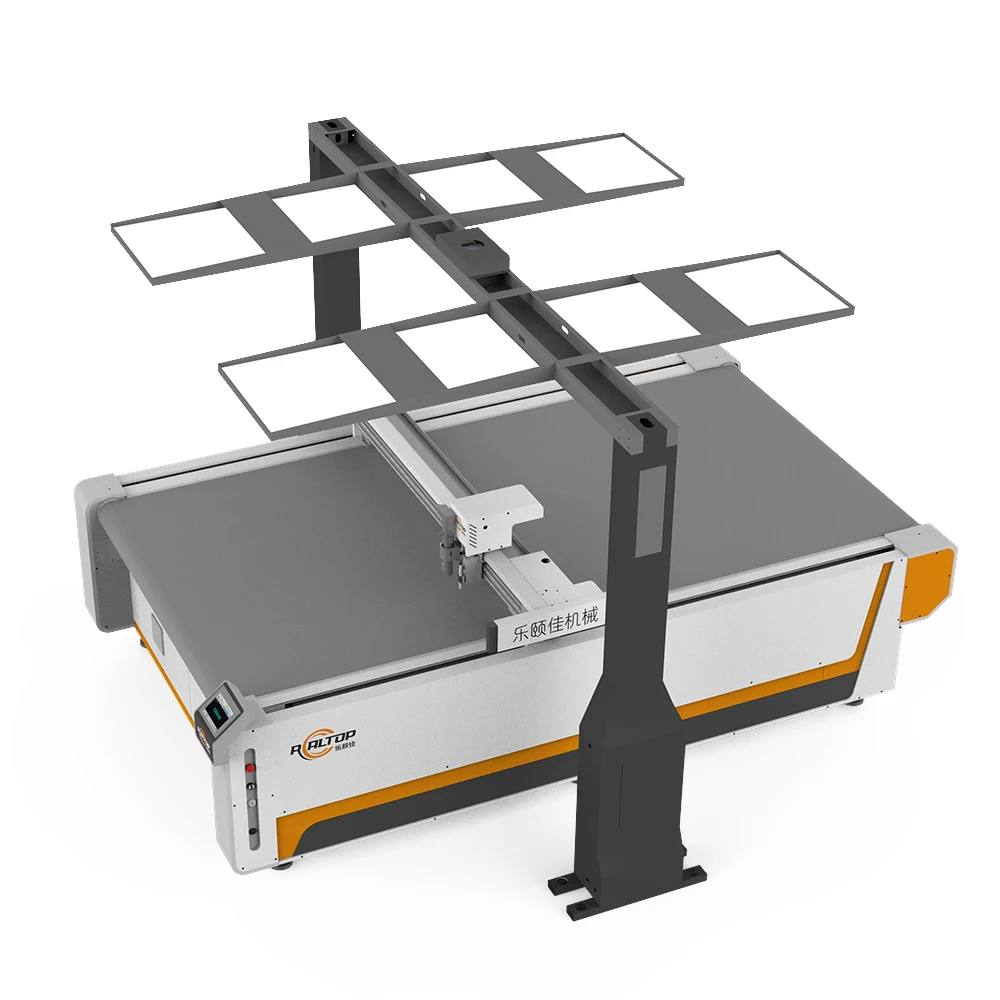
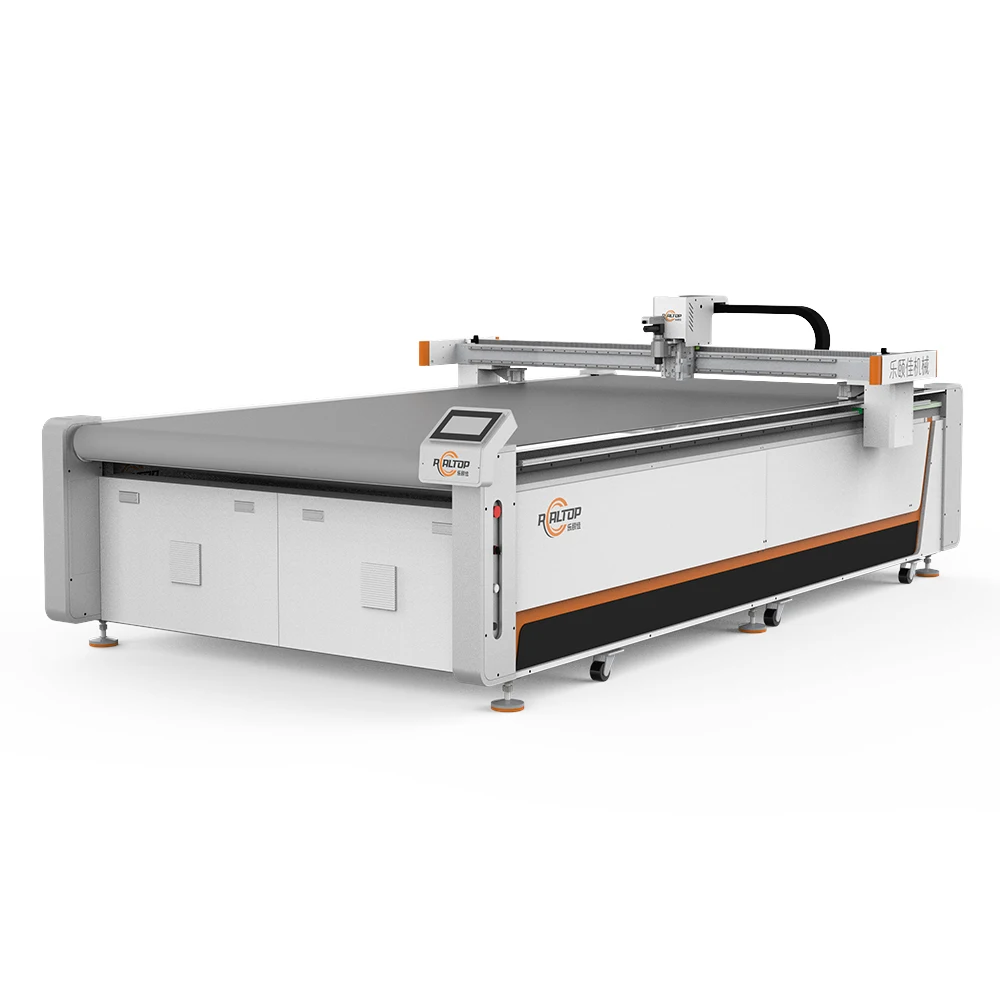
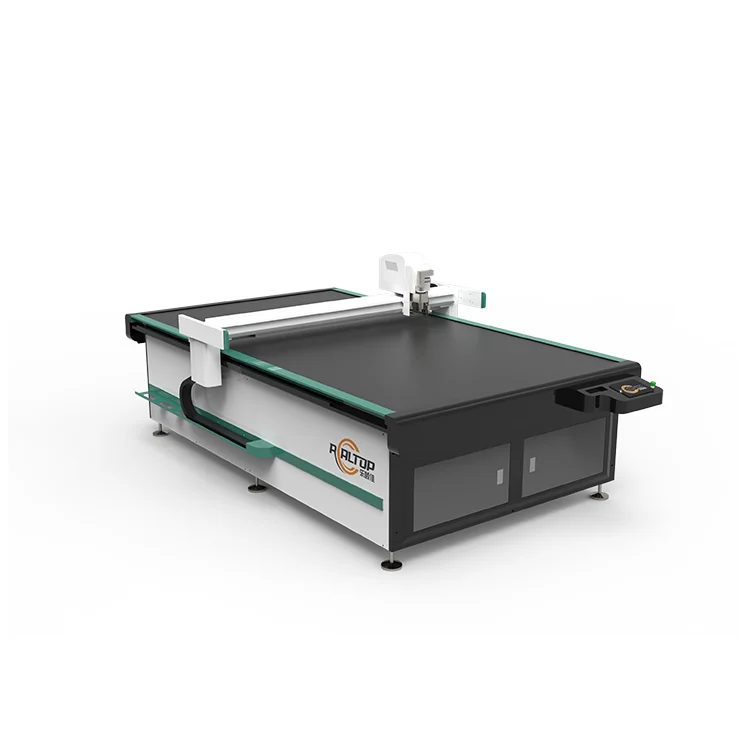
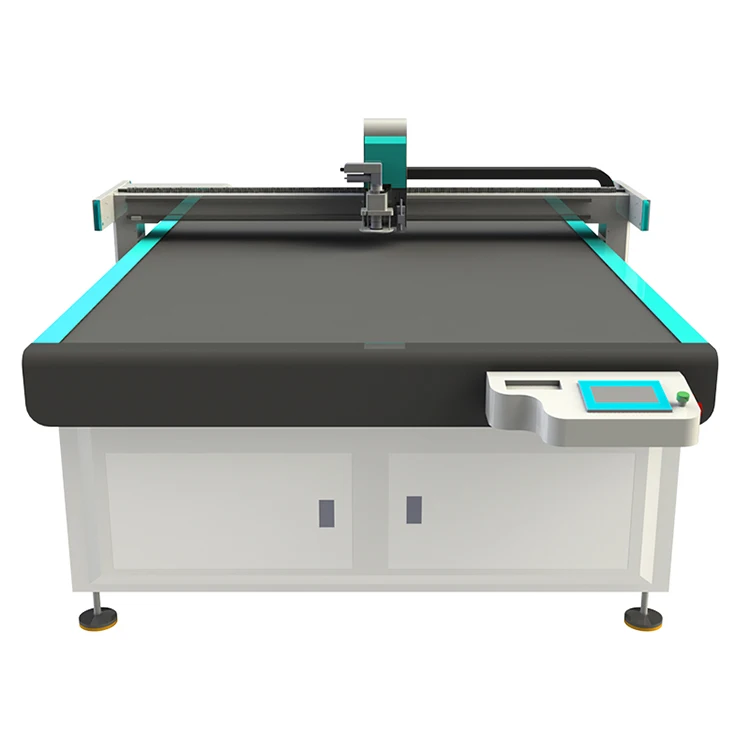
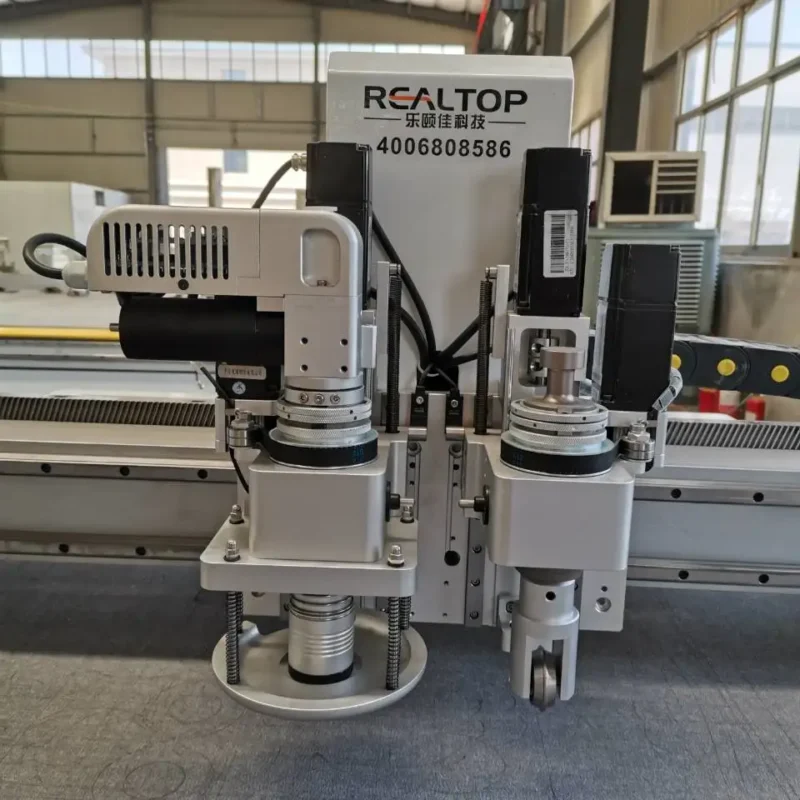
Interchangeable Tool Head Configurations — a single 1625 platform supports oscillating knife, driven rotary, creasing wheel, and milling tools, letting leather buyers swap methods to match material density and edge requirements instead of forcing one blade type across all jobs.
Technical Specifications
| Parameter | Value |
|---|---|
| Model | 1625 (Standard) |
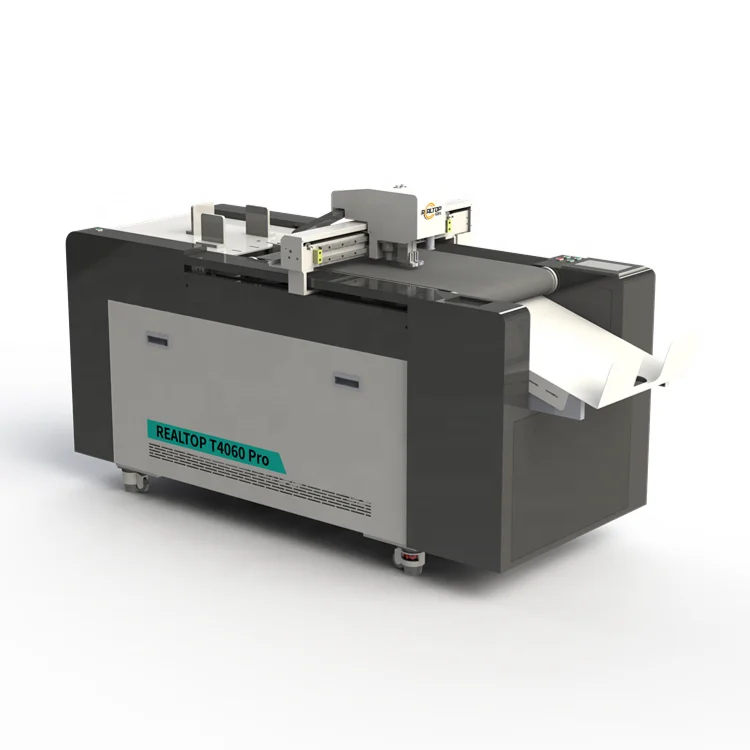
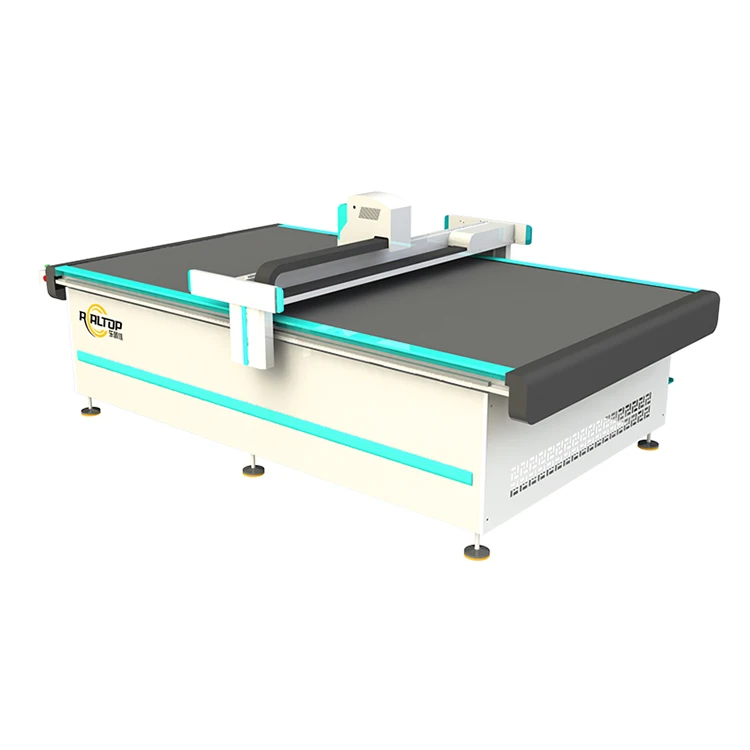
| Product Type | CNC Leather Cutting Machine with Oscillating Knife |
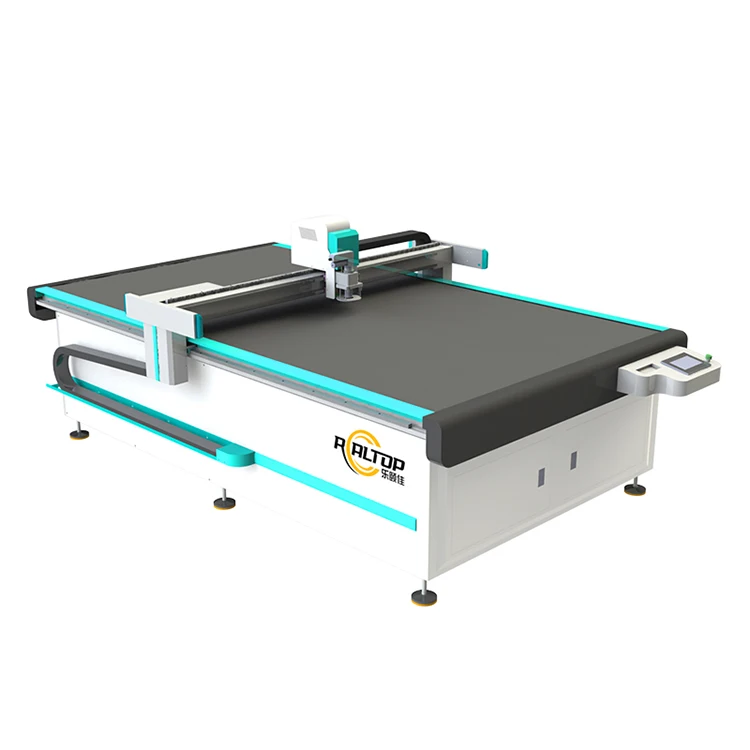
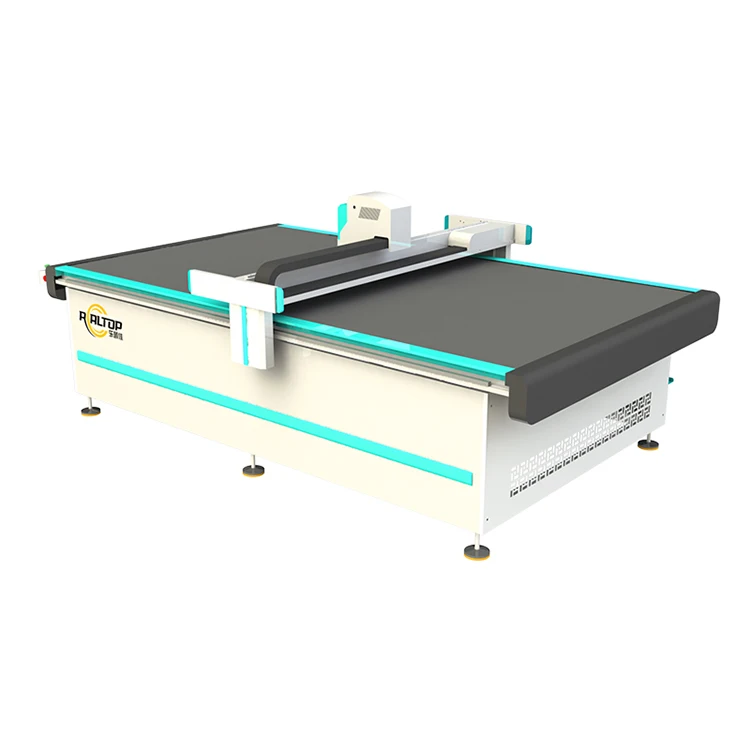
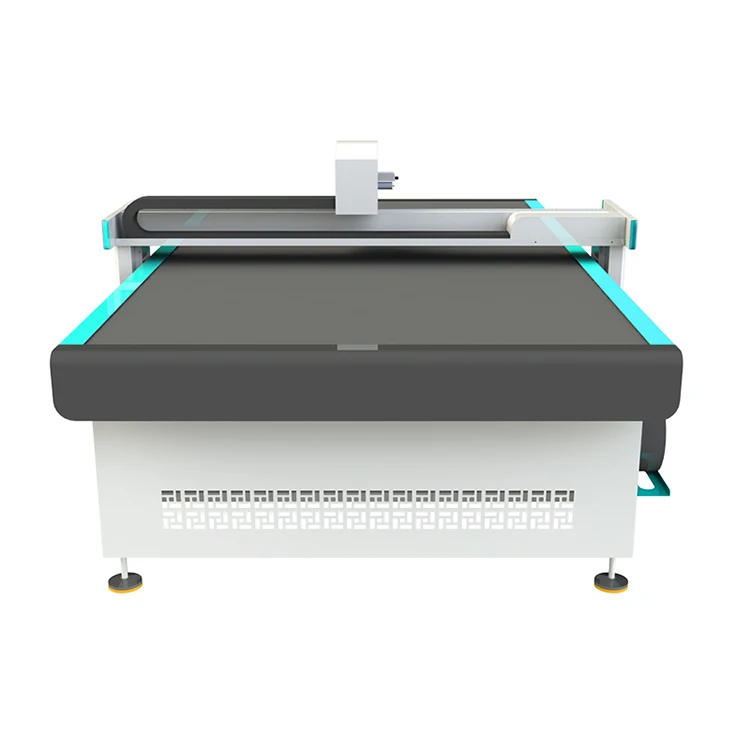
| Working Area | 1600 × 2500 mm |
| Tool Head Options | Oscillating knife, Driven rotary knife, Creasing wheel, Kiss cutting tool, Pneumatic knife, Milling tool, V groove knife |
| Cutting Speed | 0 – 2000 mm/s |
| Cutting Thickness | ≤ 30 mm (basis not stated in source) |
| Cutting Accuracy | ±0.1 mm |
| Vacuum Pump | 9 kW |
| Vacuum Table | Aluminum bellows, full-surface adsorption |
| CCD Camera | Yes — contour recognition and printed material positioning |
| Nesting Software | Included, auto-nesting with camera-based defect detection |
| Supported File Formats | PLT, DXF, AI, PDF |
| Control System | PLC control panel with intuitive interface |
| Software Language | English, Russian, Italian, Chinese (custom languages available) |
| Servo Motor Options | Panasonic, Delta, Dorna (source value — verify against manufacturer catalog) |
| Voltage Options | 110 V / 220 V / 380 V |
| Safety Devices | Infrared sensor device, emergency stop device |
| Machine Overall Dimensions (L × W × H) | 3300 × 2100 × 1350 mm |
| Standards | CE (source value — verify certificate scope) |
Application Suitability
| Application | Material or Output |
|---|---|
| Shoe upper and bag panel cutting | Genuine leather, synthetic leather, suede, split hides |
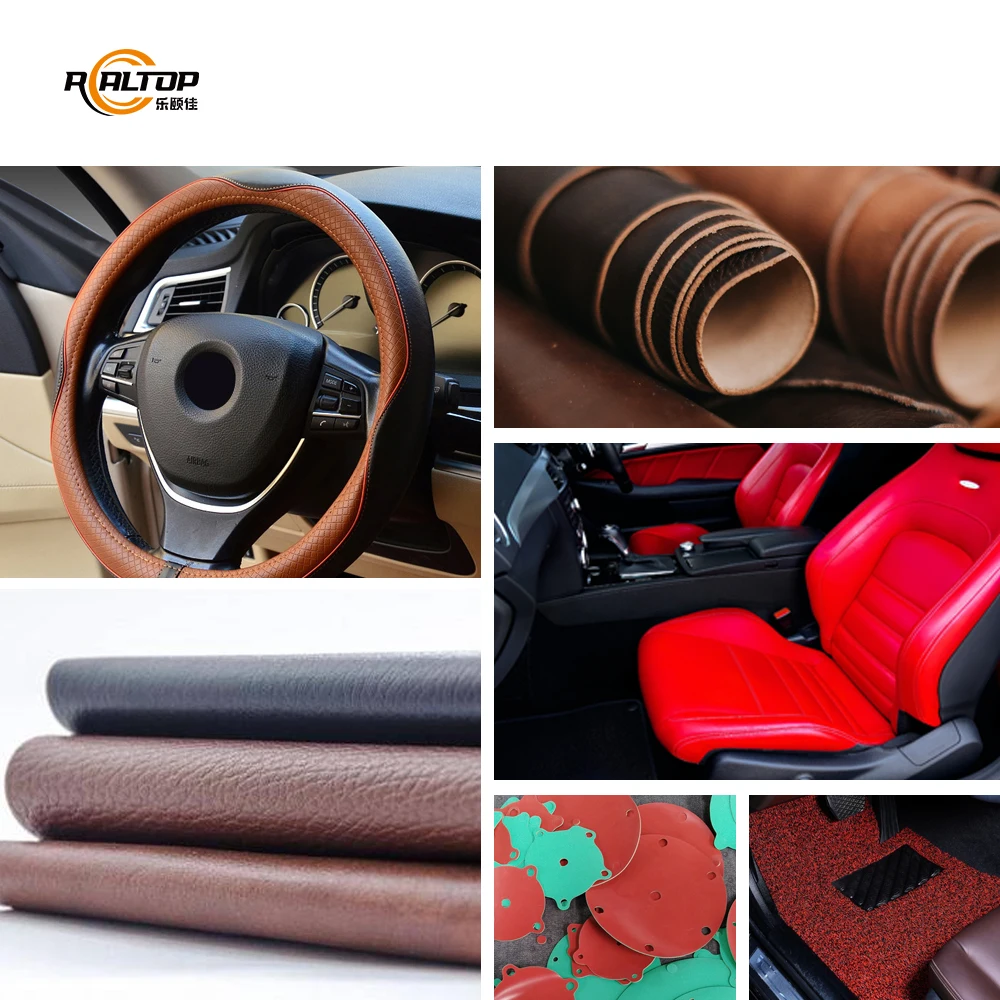
| Automotive seat cover production | Automotive-grade leather, perforated leather, Alcantara |
| Sofa and upholstery fabrication | Thick cowhide, bonded leather, multi-layer textile composites |
| Apparel and fashion accessories | Nappa, lambskin, embossed leather, patterned fabric rolls |
| Automotive interior components | Car mats, carpet composites, sound-deadening foam laminates |
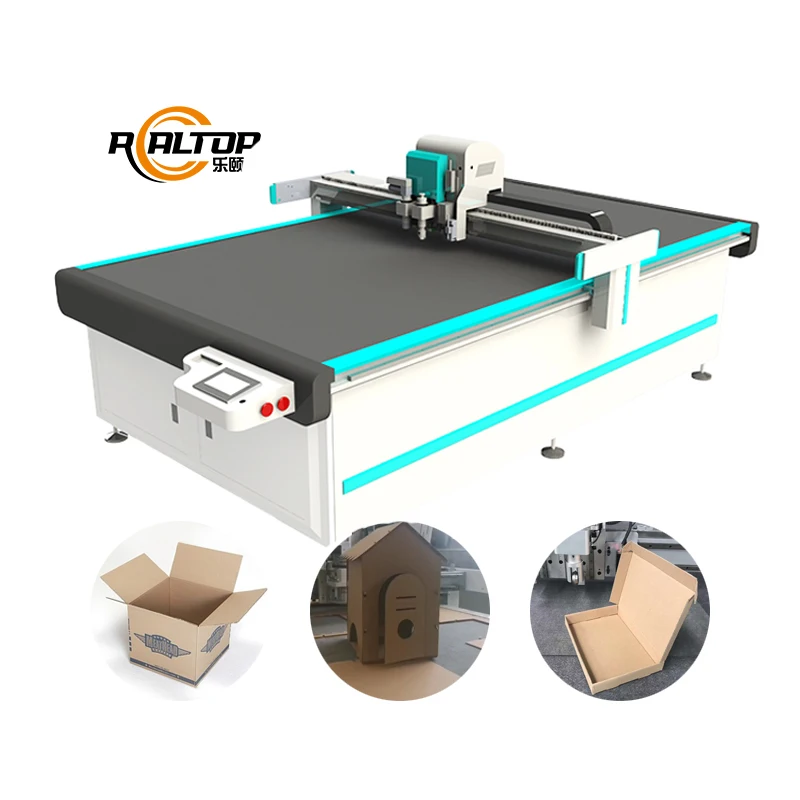
| Gift box and carton prototyping | PVC sheets, acrylic panels, adhesive stickers, corrugated board |
Why "Cutting Thickness 30 mm" Is Not the Full Story for Leather Buyers
Material density and hardness matter more than the headline number on the spec sheet. A CNC leather cutting machine manufacturer can list a 30 mm maximum, but that figure changes the moment you move from soft garment suede to dense vegetable-tanned saddle hide.
Leather is not a uniform substrate. Chrome-tanned upholstery hides behave differently under an oscillating knife than hard-tempered bridle leather. When a buyer specifies working area alone without confirming blade wear rate, tool deflection, and vacuum hold-down pressure for their exact hide type, the result is ragged edges on curved contours and premature blade failure. [NEED_CITE: oscillating knife blade wear rates on vegetable-tanned versus chrome-tanned leather]
How Oscillating Knife Action Handles Variable Leather Density
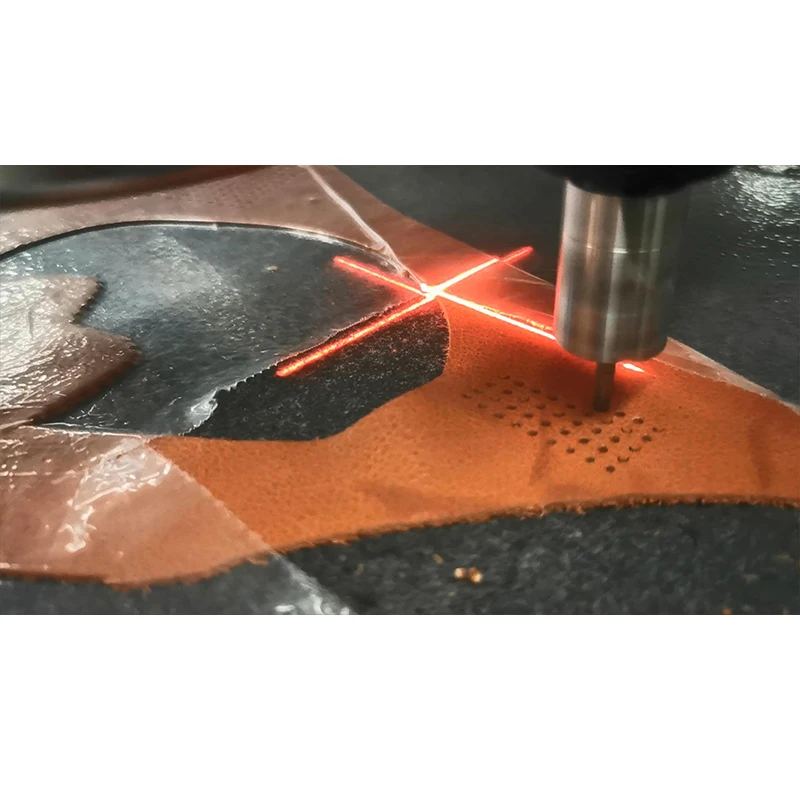
The oscillating knife head on the 1625 runs a high-frequency vertical vibration that shears through leather fibers rather than dragging them. This matters when cutting genuine leather because drag knives tend to pull the hide before severing it, leaving torn edges on curved shoe upper patterns. A CNC leather cutting machine manufacturer offering interchangeable tool heads lets the buyer match oscillating knife for contour work and creasing wheel for fold lines on bag panels, all on the same table.
Vacuum Zoning and Small Part Hold-Down During Contour Cuts
Full-surface aluminum bellows vacuum adsorption addresses a common problem in leather cutting: once the blade completes a closed contour, the finished small part can lift if vacuum pressure drops locally. The 9 kW pump feeding the bellows table maintains suction across the entire 1600 × 2500 mm bed. [NEED_CITE: vacuum table zoning requirements for small leather parts during digital cutting] For automotive seat cover panels with intricate cutouts for seat belt anchors and adjustment tracks, consistent hold-down prevents material shift mid-cut that would otherwise scrap a hide worth hundreds of dollars.
Reading the Specs Through a Leather Cutter’s Lens
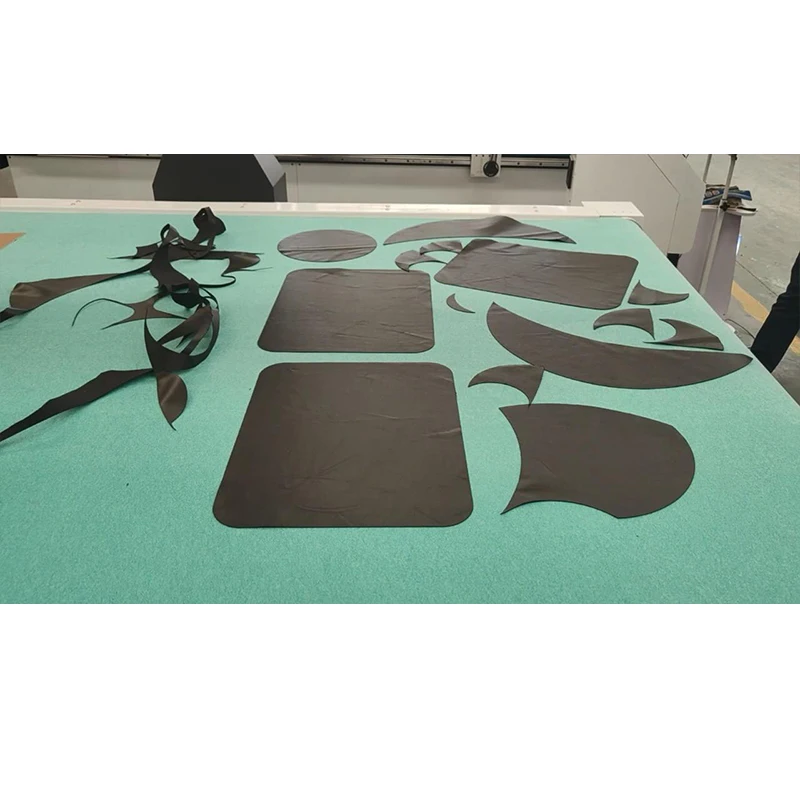
Cutting accuracy of ±0.1 mm means pattern pieces for shoe uppers will match the last design within tolerance, reducing trial-and-error during assembly. The PLC control panel paired with the included nesting software and CCD camera positioning lets operators import DXF or AI files, detect natural leather defects through camera scanning, and auto-nest patterns around those defects — this directly impacts yield when working with expensive full-grain hides. The supported file formats — PLT, DXF, AI, PDF — cover the workflows most leather goods designers already use, so no intermediate conversion software is needed. Servo motor selection from Panasonic, Delta, or Dorna (verify availability) affects long-term positioning repeatability, which matters in high-volume footwear production where the same upper pattern runs thousands of times.
What Happens When Blade Consumption Is Underestimated
I once shipped an oscillating knife cutter to an Italian workshop cutting hard vegetable-tanned leather for automotive seats. The standard blade pack lasted three days before every blade was dull, and the customer sat idle for a week waiting for replacements while a seat delivery deadline loomed. When the tool head and material mismatch is not caught before shipment, the cost is not the blade — it is the production downtime and the penalty clause. [NEED_CITE: typical oscillating knife blade consumption rates on dense vegetable-tanned leather versus standard chrome-tanned upholstery hide] Always request a sample cutting report on your exact hide stock before finalizing the blade spare parts list.
In-House Knife and Laser Range Under One Roof
Realtop builds both oscillating knife and laser cutting platforms in the same facility, so a buyer comparing edge sealing on synthetics versus clean mechanical cuts on genuine leather can evaluate both methods against their material before committing. Tool head configuration is specified per material sample, not pulled from a default list. CCD camera positioning is validated on the buyer’s printed or marked leather before order. Voltage, plug type, and control panel language are confirmed against the destination market, not assumed. Every machine ships with a factory test record run on the buyer’s own material, not a generic demo hide.
Documentation & Verification
- Machine specification sheet confirming 1600 × 2500 mm bed and selected tool heads for your leather type
- Electrical schematic with voltage, plug, and phase matched to your facility supply
- Sample cutting report run on your actual leather hide before order confirmation
- Software licence and file format compatibility note for your nesting workflow
- Factory test record with cutting accuracy and edge quality photos on your material
- Spare parts list with blade quantities calculated from your daily cutting volume
Installation, Commissioning & Support
- 3300 × 2100 × 1350 mm footprint requires level concrete floor with clearance for material loading on all sides
- 9 kW vacuum pump draws dedicated circuit — confirm amperage at 110 V, 220 V, or 380 V before wiring
- Machine arrives as single assembly; vacuum table and gantry require on-site alignment verification
- First-run parameter setting includes oscillation frequency tuning to your leather thickness and density
- Operator training covers PLC panel navigation, nesting software import, and CCD camera calibration for defect detection
- Blade replacement interval scheduled from sample cutting test — spare pack sized to your weekly volume
Before You Request a Quote, Prepare These Details
Share the specific leather type — chrome-tanned, vegetable-tanned, bonded, or synthetic — along with thickness range and typical hide dimensions. Confirm your daily cutting volume so blade consumption and nesting throughput can be calculated on real numbers. Let us know your facility voltage, frequency, and the control language your operators need. If you already run nesting software or have existing DXF and PLT pattern libraries, send a sample file so compatibility is verified before the machine is built.
Frequently Asked Questions
Q: How do I decide between oscillating knife and laser cutting for my leather products?
A: Oscillating knife is preferred for genuine leather because it produces clean mechanical cuts without the burnt edge that laser leaves on natural hides. Laser works better on synthetic leather and textile composites where edge sealing prevents fraying. The choice depends on your material mix — a CNC leather cutting machine manufacturer offering both technologies lets you test each on your actual stock before committing.
Q: What working area and tool head setup fits my leather cutting operation?
A: The 1625 platform provides a 1600 × 2500 mm bed suitable for full hides and multi-layer textile lays. Tool head selection — oscillating knife for contour cutting, creasing wheel for fold lines, milling tool for rigid substrates — is configured after reviewing your material samples and daily pattern mix.
Q: Is the nesting software compatible with my existing design files?
A: The bundled software imports PLT, DXF, AI, and PDF formats directly. CCD camera-based defect detection integrates with the auto-nesting function to route patterns around natural leather flaws. Compatibility with your current workflow is confirmed by testing a sample file before the order is placed.
Q: How are voltage, language, and safety standards handled for my market?
A: Voltage is configurable across 110 V, 220 V, and 380 V options, and the PLC control interface supports English, Russian, Italian, Chinese, and custom languages. CE documentation is available — confirm certificate scope covers your destination market requirements before shipment is arranged.
Q: What testing documentation do I receive before confirming the order?
A: A sample cutting report is produced on your own leather material, documenting edge quality, cutting accuracy, and blade wear rate. The factory test record includes photographs of cut pieces and confirms vacuum hold-down performance on your specific hide thickness and density.
Interchangeable Tool Head Configurations — a single 1625 platform supports oscillating knife, driven rotary, creasing wheel, and milling tools, letting leather buyers swap methods to match material density and edge requirements instead of forcing one blade type across all jobs.
Technical Specifications
| Parameter | Value |
|---|---|
| Model | 1625 (Standard) |
| Product Type | CNC Leather Cutting Machine with Oscillating Knife |
| Working Area | 1600 × 2500 mm |
| Tool Head Options | Oscillating knife, Driven rotary knife, Creasing wheel, Kiss cutting tool, Pneumatic knife, Milling tool, V groove knife |
| Cutting Speed | 0 – 2000 mm/s |
| Cutting Thickness | ≤ 30 mm (basis not stated in source) |
| Cutting Accuracy | ±0.1 mm |
| Vacuum Pump | 9 kW |
| Vacuum Table | Aluminum bellows, full-surface adsorption |
| CCD Camera | Yes — contour recognition and printed material positioning |
| Nesting Software | Included, auto-nesting with camera-based defect detection |
| Supported File Formats | PLT, DXF, AI, PDF |
| Control System | PLC control panel with intuitive interface |
| Software Language | English, Russian, Italian, Chinese (custom languages available) |
| Servo Motor Options | Panasonic, Delta, Dorna (source value — verify against manufacturer catalog) |
| Voltage Options | 110 V / 220 V / 380 V |
| Safety Devices | Infrared sensor device, emergency stop device |
| Machine Overall Dimensions (L × W × H) | 3300 × 2100 × 1350 mm |
| Standards | CE (source value — verify certificate scope) |
Application Suitability
| Application | Material or Output |
|---|---|
| Shoe upper and bag panel cutting | Genuine leather, synthetic leather, suede, split hides |
| Automotive seat cover production | Automotive-grade leather, perforated leather, Alcantara |
| Sofa and upholstery fabrication | Thick cowhide, bonded leather, multi-layer textile composites |
| Apparel and fashion accessories | Nappa, lambskin, embossed leather, patterned fabric rolls |
| Automotive interior components | Car mats, carpet composites, sound-deadening foam laminates |
| Gift box and carton prototyping | PVC sheets, acrylic panels, adhesive stickers, corrugated board |
Why "Cutting Thickness 30 mm" Is Not the Full Story for Leather Buyers
Material density and hardness matter more than the headline number on the spec sheet. A CNC leather cutting machine manufacturer can list a 30 mm maximum, but that figure changes the moment you move from soft garment suede to dense vegetable-tanned saddle hide.
Leather is not a uniform substrate. Chrome-tanned upholstery hides behave differently under an oscillating knife than hard-tempered bridle leather. When a buyer specifies working area alone without confirming blade wear rate, tool deflection, and vacuum hold-down pressure for their exact hide type, the result is ragged edges on curved contours and premature blade failure. [NEED_CITE: oscillating knife blade wear rates on vegetable-tanned versus chrome-tanned leather]
How Oscillating Knife Action Handles Variable Leather Density
The oscillating knife head on the 1625 runs a high-frequency vertical vibration that shears through leather fibers rather than dragging them. This matters when cutting genuine leather because drag knives tend to pull the hide before severing it, leaving torn edges on curved shoe upper patterns. A CNC leather cutting machine manufacturer offering interchangeable tool heads lets the buyer match oscillating knife for contour work and creasing wheel for fold lines on bag panels, all on the same table.
Vacuum Zoning and Small Part Hold-Down During Contour Cuts
Full-surface aluminum bellows vacuum adsorption addresses a common problem in leather cutting: once the blade completes a closed contour, the finished small part can lift if vacuum pressure drops locally. The 9 kW pump feeding the bellows table maintains suction across the entire 1600 × 2500 mm bed. [NEED_CITE: vacuum table zoning requirements for small leather parts during digital cutting] For automotive seat cover panels with intricate cutouts for seat belt anchors and adjustment tracks, consistent hold-down prevents material shift mid-cut that would otherwise scrap a hide worth hundreds of dollars.
Reading the Specs Through a Leather Cutter’s Lens
Cutting accuracy of ±0.1 mm means pattern pieces for shoe uppers will match the last design within tolerance, reducing trial-and-error during assembly. The PLC control panel paired with the included nesting software and CCD camera positioning lets operators import DXF or AI files, detect natural leather defects through camera scanning, and auto-nest patterns around those defects — this directly impacts yield when working with expensive full-grain hides. The supported file formats — PLT, DXF, AI, PDF — cover the workflows most leather goods designers already use, so no intermediate conversion software is needed. Servo motor selection from Panasonic, Delta, or Dorna (verify availability) affects long-term positioning repeatability, which matters in high-volume footwear production where the same upper pattern runs thousands of times.
What Happens When Blade Consumption Is Underestimated
I once shipped an oscillating knife cutter to an Italian workshop cutting hard vegetable-tanned leather for automotive seats. The standard blade pack lasted three days before every blade was dull, and the customer sat idle for a week waiting for replacements while a seat delivery deadline loomed. When the tool head and material mismatch is not caught before shipment, the cost is not the blade — it is the production downtime and the penalty clause. [NEED_CITE: typical oscillating knife blade consumption rates on dense vegetable-tanned leather versus standard chrome-tanned upholstery hide] Always request a sample cutting report on your exact hide stock before finalizing the blade spare parts list.
In-House Knife and Laser Range Under One Roof
Realtop builds both oscillating knife and laser cutting platforms in the same facility, so a buyer comparing edge sealing on synthetics versus clean mechanical cuts on genuine leather can evaluate both methods against their material before committing. Tool head configuration is specified per material sample, not pulled from a default list. CCD camera positioning is validated on the buyer’s printed or marked leather before order. Voltage, plug type, and control panel language are confirmed against the destination market, not assumed. Every machine ships with a factory test record run on the buyer’s own material, not a generic demo hide.
Documentation & Verification
- Machine specification sheet confirming 1600 × 2500 mm bed and selected tool heads for your leather type
- Electrical schematic with voltage, plug, and phase matched to your facility supply
- Sample cutting report run on your actual leather hide before order confirmation
- Software licence and file format compatibility note for your nesting workflow
- Factory test record with cutting accuracy and edge quality photos on your material
- Spare parts list with blade quantities calculated from your daily cutting volume
Installation, Commissioning & Support
- 3300 × 2100 × 1350 mm footprint requires level concrete floor with clearance for material loading on all sides
- 9 kW vacuum pump draws dedicated circuit — confirm amperage at 110 V, 220 V, or 380 V before wiring
- Machine arrives as single assembly; vacuum table and gantry require on-site alignment verification
- First-run parameter setting includes oscillation frequency tuning to your leather thickness and density
- Operator training covers PLC panel navigation, nesting software import, and CCD camera calibration for defect detection
- Blade replacement interval scheduled from sample cutting test — spare pack sized to your weekly volume
Before You Request a Quote, Prepare These Details
Share the specific leather type — chrome-tanned, vegetable-tanned, bonded, or synthetic — along with thickness range and typical hide dimensions. Confirm your daily cutting volume so blade consumption and nesting throughput can be calculated on real numbers. Let us know your facility voltage, frequency, and the control language your operators need. If you already run nesting software or have existing DXF and PLT pattern libraries, send a sample file so compatibility is verified before the machine is built.
Frequently Asked Questions
Q: How do I decide between oscillating knife and laser cutting for my leather products?
A: Oscillating knife is preferred for genuine leather because it produces clean mechanical cuts without the burnt edge that laser leaves on natural hides. Laser works better on synthetic leather and textile composites where edge sealing prevents fraying. The choice depends on your material mix — a CNC leather cutting machine manufacturer offering both technologies lets you test each on your actual stock before committing.
Q: What working area and tool head setup fits my leather cutting operation?
A: The 1625 platform provides a 1600 × 2500 mm bed suitable for full hides and multi-layer textile lays. Tool head selection — oscillating knife for contour cutting, creasing wheel for fold lines, milling tool for rigid substrates — is configured after reviewing your material samples and daily pattern mix.
Q: Is the nesting software compatible with my existing design files?
A: The bundled software imports PLT, DXF, AI, and PDF formats directly. CCD camera-based defect detection integrates with the auto-nesting function to route patterns around natural leather flaws. Compatibility with your current workflow is confirmed by testing a sample file before the order is placed.
Q: How are voltage, language, and safety standards handled for my market?
A: Voltage is configurable across 110 V, 220 V, and 380 V options, and the PLC control interface supports English, Russian, Italian, Chinese, and custom languages. CE documentation is available — confirm certificate scope covers your destination market requirements before shipment is arranged.
Q: What testing documentation do I receive before confirming the order?
A: A sample cutting report is produced on your own leather material, documenting edge quality, cutting accuracy, and blade wear rate. The factory test record includes photographs of cut pieces and confirms vacuum hold-down performance on your specific hide thickness and density.
商品评价
There are no reviews yet.