


Fast Delivery
Quick, reliable shipping to any location.

Free & easy returns
Return this item by mail or in store within 90 days for a full refund.
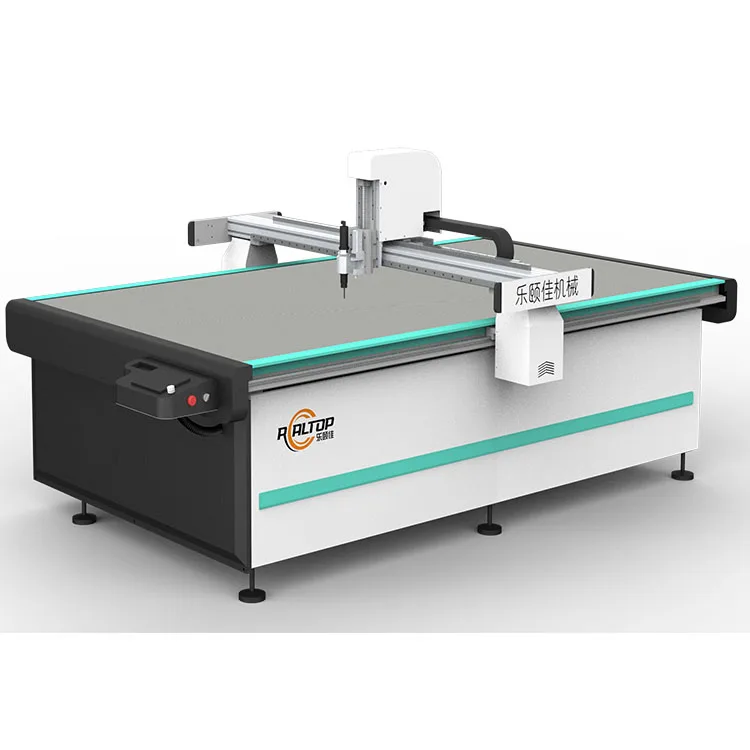
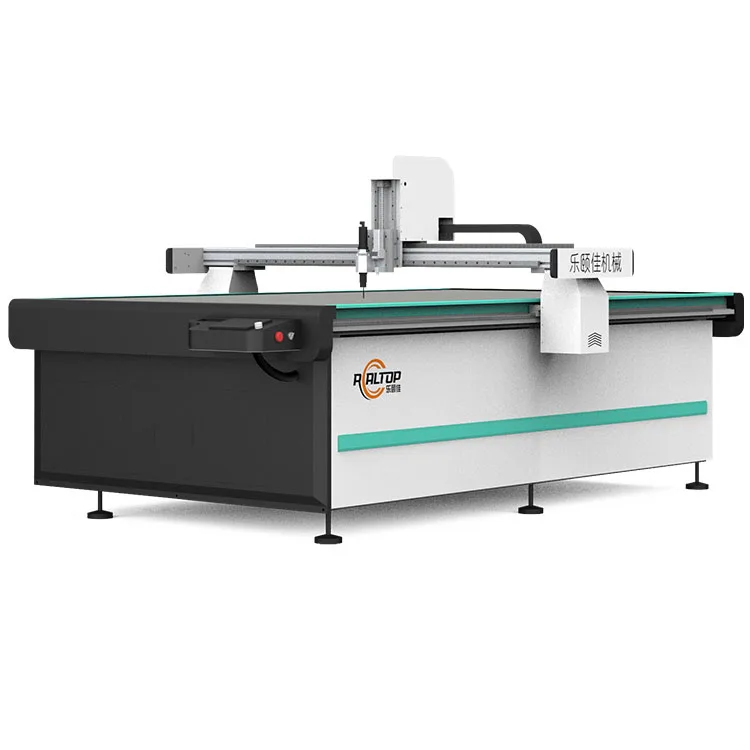
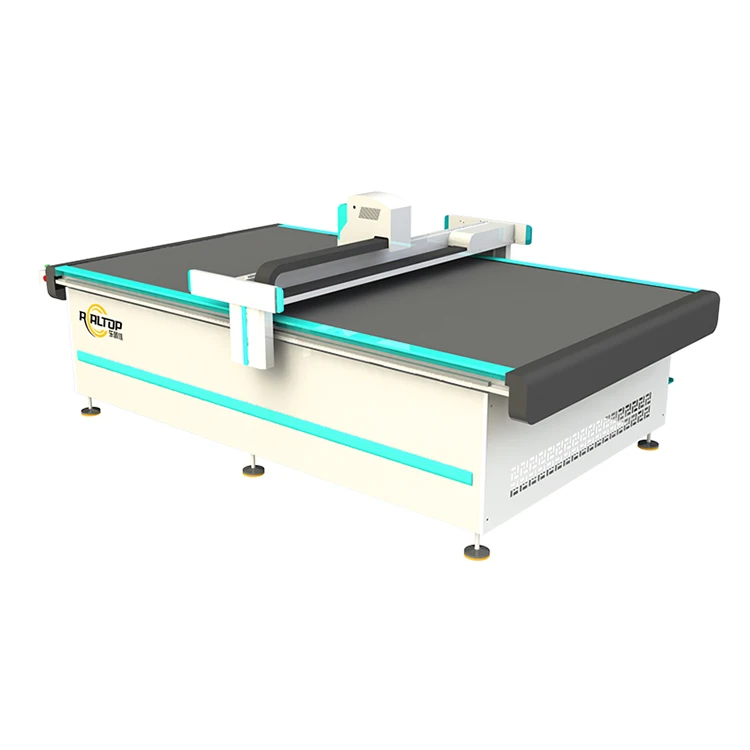
RT-D2516/RT-S2516: Full Catalogue Entry for Automotive and Flexible Material Cutting
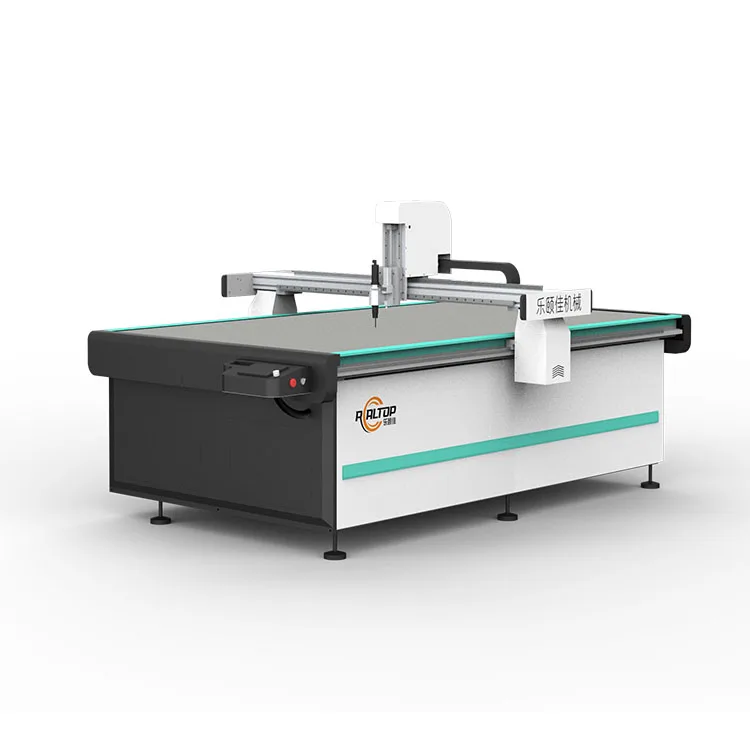
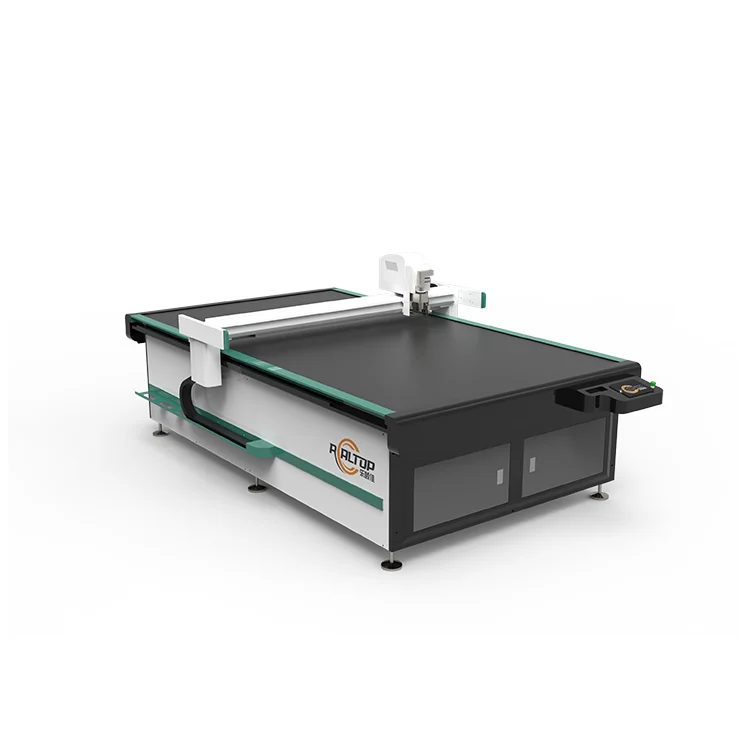
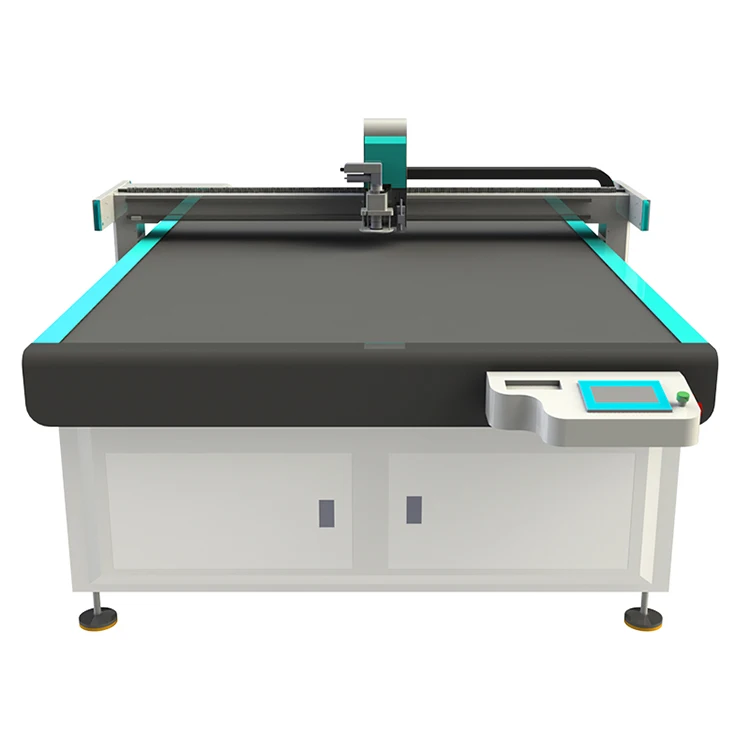
Configurable Knife Platform — The RT-D2516 and RT-S2516 models let buyers select from oscillating, drag, and circular knife heads based on actual material behavior rather than locking into a single cutting method.
Technical Specifications
| Parameter | Value |
|---|---|
| Product Type | CNC Oscillating Knife Cutting Machine |
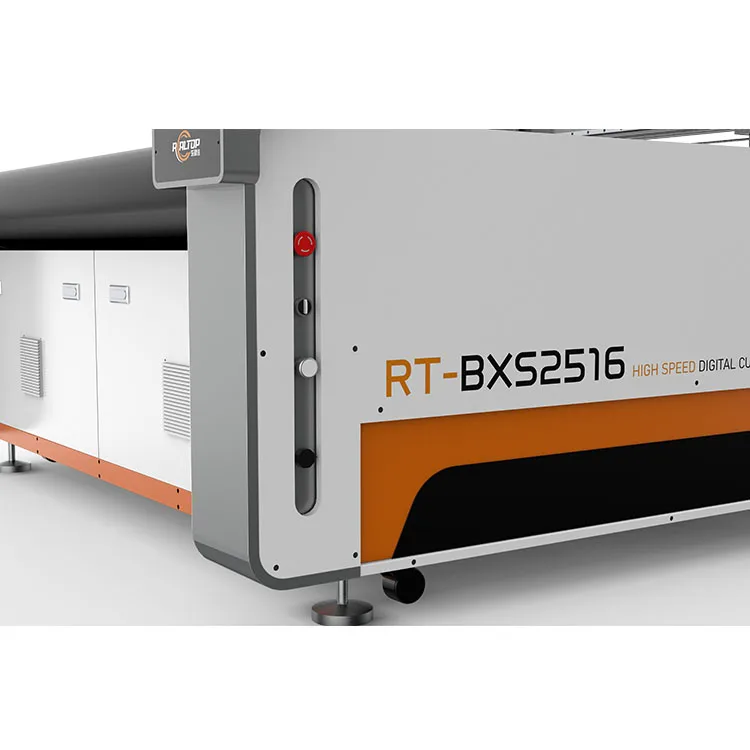
| Model | RT-D2516 / RT-S2516 |
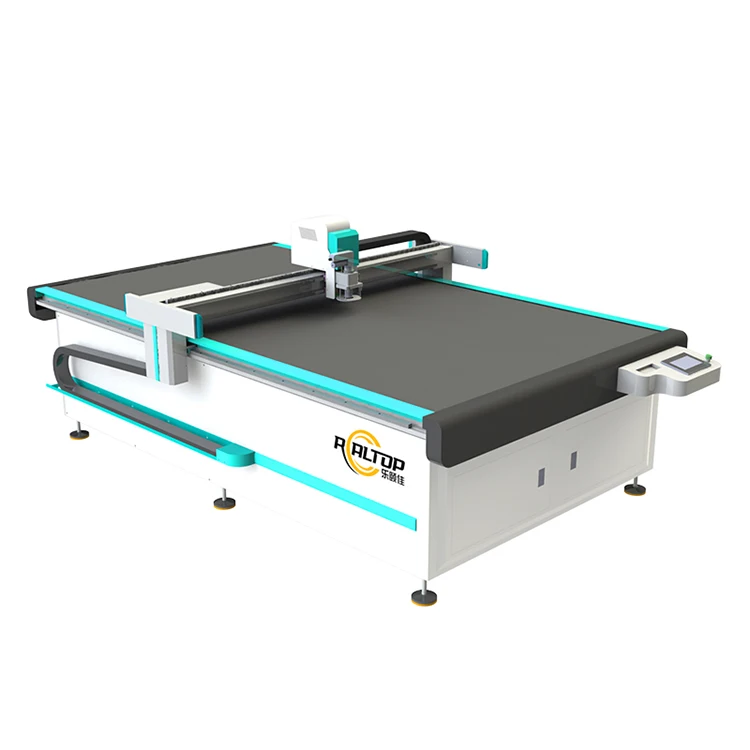
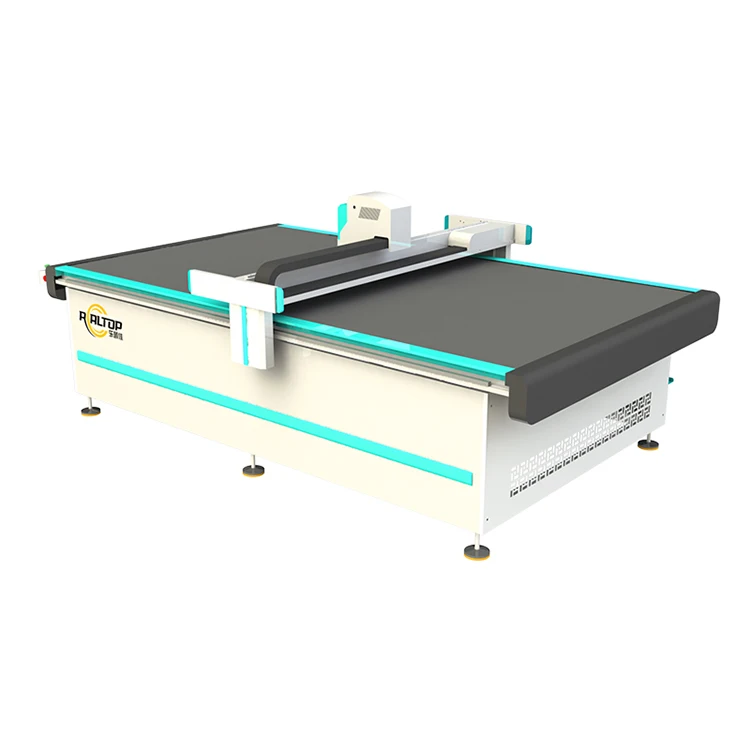
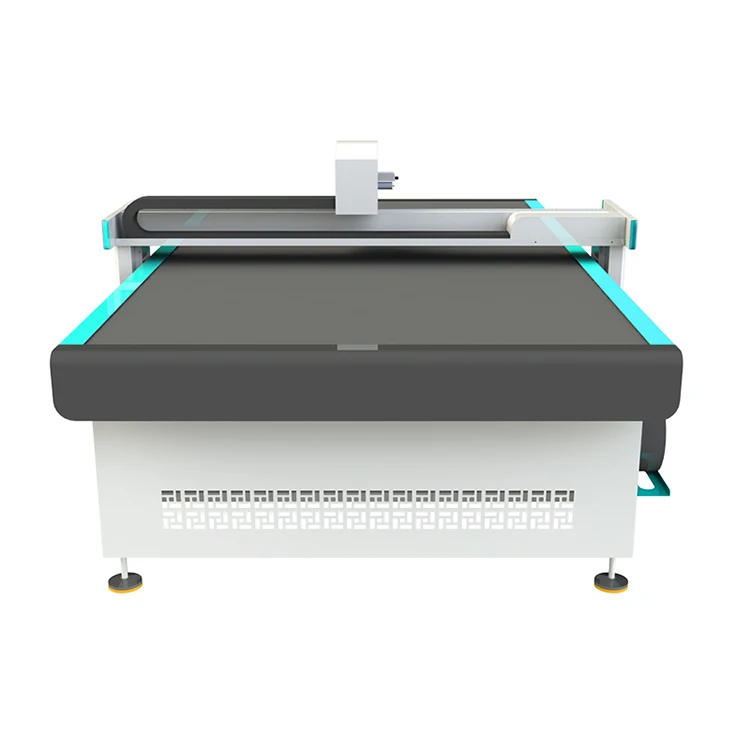
| Working Area | 1600 × 2500 mm |
| Machine Size | 3450 × 2300 × 1250 mm |
| Rated Power | 9 kW |
| Vacuum Pump | 7.5 kW |
| Translational Velocity | 800–1200 mm/s |
| Cutting Thickness | 20–80 mm (basis to be confirmed) |
| Repeated Accuracy | ≤0.1 mm |
| Transmission System | Digital servo motor, linear guide, synchronous belt, ball screw |
| Servo Motor | Delta |
| Vacuum Table | Aluminum alloy vacuum adsorption |
| Conveyor Belt | Germany imported |
| Visual Positioning | Small CCD camera mark point, panoramic camera recognition, projection positioning |
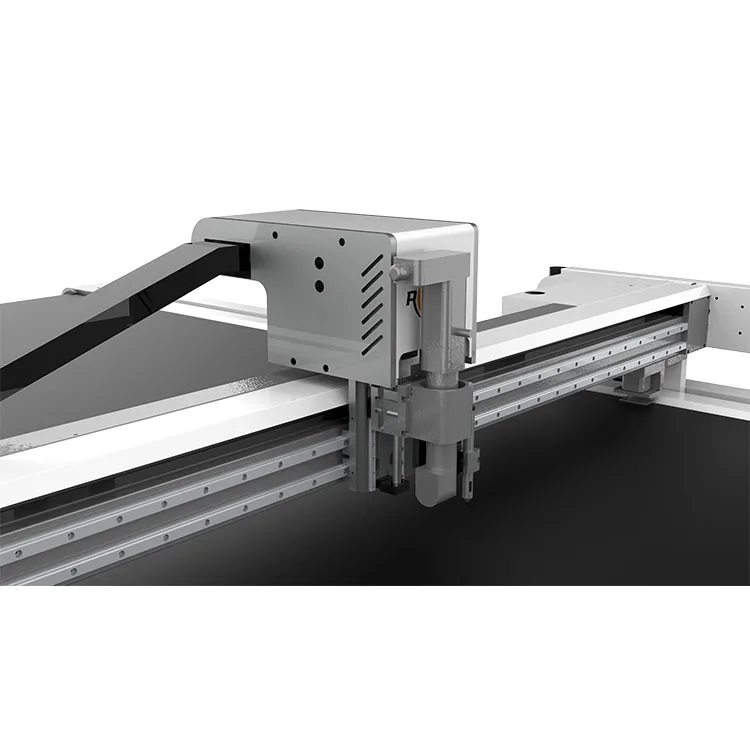
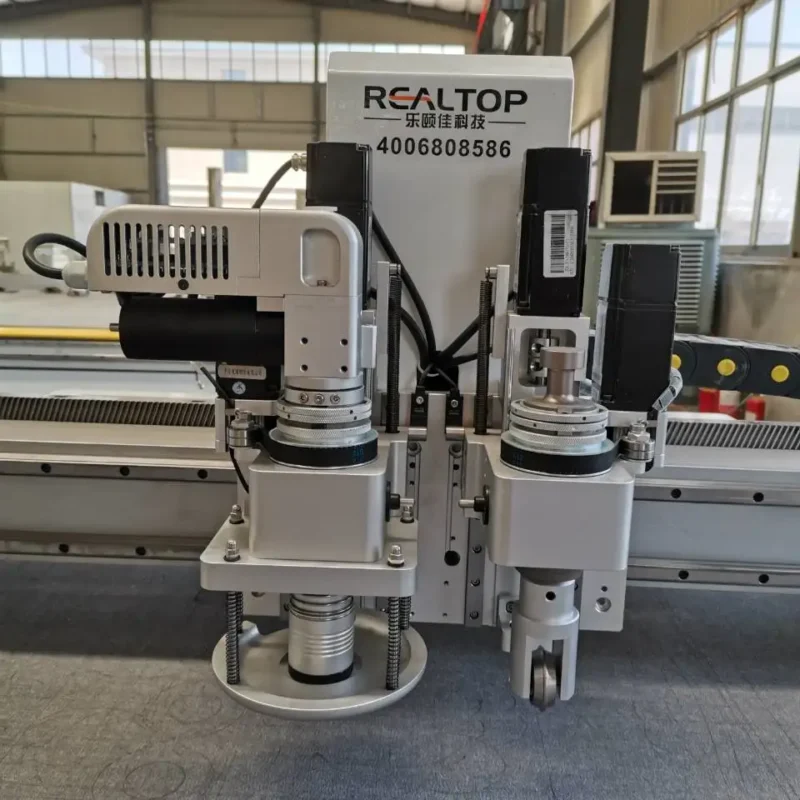
| Multifunctional Head | Swiss imported knife with vibration full/half cutting; pneumatic knife, circular knife, V cutting, drag knife, creasing wheel, dotted line knife, punching, brush |
| Safety Device | Infrared sensors |
| Voltage | 380V ±10% |
| Instruction System | HP-GL compatible format |
| Software | Pattern cutting design; supports carton, car foot pad, seat sleeve, clothing fabric workflows |
| Language Options | English, Russian, Italian, Chinese; special languages customizable |
| Auto Feeding | Yes |
| Fixed Model | Flat working table |
Application Suitability
| Application | Material or Output |
|---|---|
| Automotive seat covers and interiors | Leather, composite leather, PU, fabric |
| Car foot pads and floor mats | EVA, XPE, rubber, carpet |
| Soft home furnishings and upholstery | Sponge, foam board, non-woven fabric |
| Bags, luggage, and shoe materials | PVC, textile, shoe material |
| Gasket and sealing pads | PTFE, ETFE, rubber, fiberglass |
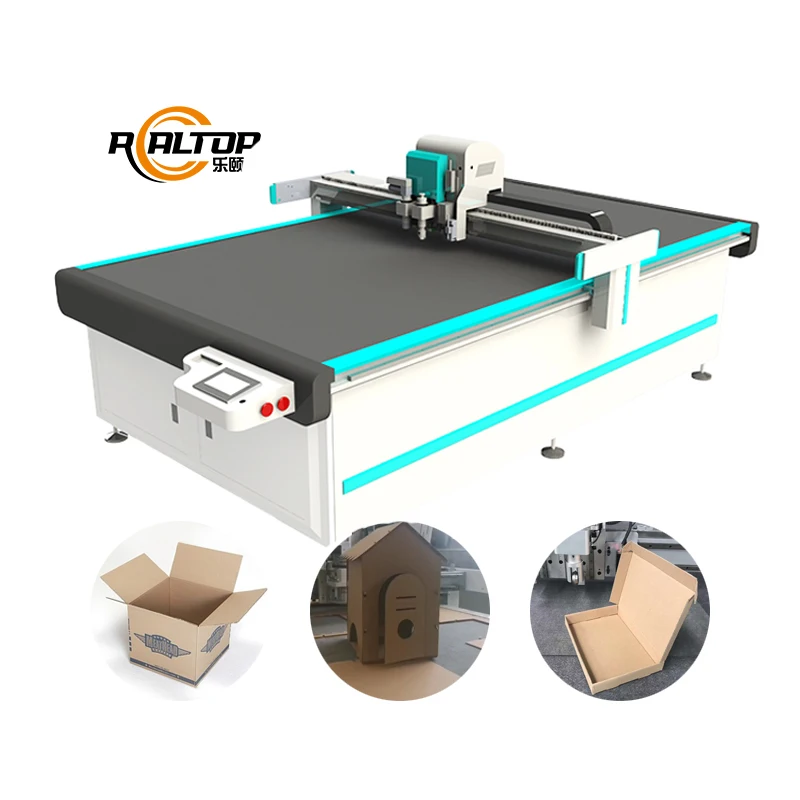
| Corrugated packaging and carton samples | Cardboard, corrugated cardboard, sticker, film |
Why Voltage Confirmation Must Happen Before the Quotation
A CNC oscillating knife cutting machine manufacturer should ask about your facility’s power supply before discussing working area — because a misquoted voltage stalls the entire production line while you wait for a transformer.
I worked with an automotive seat cover plant where the cutting table arrived rated for 380V three-phase, but the workshop only had a 220V supply on that circuit. The electrician rewired the feed, which took weeks, and the sewing operators downstream sat idle [NEED_CITE: voltage and frequency standards by export market]. The cutting thickness the machine was specified to handle was never the problem — the electrical mismatch was. That is why every RT-D2516 and RT-S2516 order includes a voltage confirmation step before production begins, matching the 380V ±10% rating to the buyer’s actual panel.
Matching the Tool Head to Your Material Stack
The RT-D2516 and RT-S2516 carry a multifunctional head that accepts a Swiss imported oscillating knife alongside drag knife, circular knife, creasing wheel, and punching tools. A leather cutter producing seat covers needs clean full-cut edges on 3 mm hide, while a foot pad maker cutting 30 mm XPE foam requires a high-amplitude oscillating stroke to avoid crushing the cell structure. Selecting the right tool head at the order stage prevents the ragged edges and material waste that appear when a single blade type is forced across different substrates. This is where a CNC oscillating knife cutting machine manufacturer with in-house design capability separates configuration from guesswork.
Contour Cutting with Camera Positioning
For printed materials like advertising vinyl, carton mock-ups, or textile panels with sublimation graphics, the panoramic camera recognition system on these models tracks registration marks and adjusts the cut path in real time. The small CCD camera handles mark point positioning for simpler jobs, while projection positioning assists the operator during manual loading. On a busy shop floor cutting hundreds of printed seat cover panels daily, the difference between a system that reads marks at production speed and one that loses tracking mid-sheet shows up in scrap rate and operator intervention.
Reading the Specs That Actually Matter
The Delta servo system paired with Taiwan Hiwin linear guides delivers the ≤0.1 mm repeatability that matters when nesting dozens of pattern pieces across the 1600 × 2500 mm working area. A cumulative positioning drift of even half a millimeter over a long sheet of leather wastes expensive material at the edges. The 7.5 kW vacuum pump and aluminum alloy vacuum table hold thin films and flexible textiles flat during the 800–1200 mm/s traverse, preventing the lift and shifting that ruin cut accuracy on small parts. The HP-GL compatible instruction system integrates with the pattern design software, which supports carton, automotive seat sleeve, and clothing fabric workflows without requiring operators to learn a proprietary language.
What Happens When Zoning and Thickness Are Wrong
A buyer once specified a flatbed cutter purely on working area dimensions, then discovered the vacuum table lacked sufficient zoning to hold small gasket pieces flat during cutting. The 7.5 kW pump was adequate, but without sectional control, the suction spread across the entire 1600 × 2500 mm surface left small parts lifting at the edges. On the RT-D2516 and RT-S2516, confirming vacuum zone configuration against your typical part size is part of the pre-order specification. Equally, the 20–80 mm cutting thickness range must be validated against your actual block format and material density before the machine is built [NEED_CITE: material density and compressibility in oscillating knife cutting].
Why Source This Range from One Manufacturer
The Realtop design team covers both knife and laser cutting technologies under one roof, so a buyer producing automotive interiors can evaluate whether oscillating knife or CO2 laser suits each material in the seat cover bill of materials — rather than being sold whichever machine a single-technology vendor happens to build. The in-house core factory handles frame fabrication, motion assembly, and tool head integration, keeping build quality consistent across the full catalogue. Sample cutting on your own material before commitment lets you verify edge quality and dimensional accuracy against your production standard. Electrical schematics, voltage confirmation, and control language customization are documented before the machine enters production, not discovered at the dock [NEED_CITE: CE machinery directive requirements for industrial equipment]. The pattern design software ships with your language preference — English, Russian, Italian, Chinese, or a custom option — confirmed at the order stage.
Documentation & Verification
- Machine specification sheet listing each tool head and table option configured for your material
- Electrical schematic confirming voltage, phase, and frequency for your facility
- Factory test record run on your material sample before dispatch approval
- Sample cutting report documenting edge quality and dimensional accuracy on your substrate
- Software licence note confirming file format compatibility with your existing nesting workflow
- Packing photographs showing machine condition and crate integrity before shipment
Installation, Commissioning & Support
- The 3450 × 2300 mm footprint requires a level floor section with clearance for the auto-feeding conveyor entry
- A dedicated 380V ±10% circuit with appropriate breaker rating must be available before the 9 kW machine is energized
- The Delta servo drives and Hiwin rails are calibrated at the factory; on-site commissioning verifies repeatability across the 1600 × 2500 mm table
- Operator training covers tool head changeover between oscillating knife, drag knife, and creasing wheel for mixed-material shifts
- The 7.5 kW vacuum pump requires periodic filter inspection based on the dust load from your specific material
- Software language and HP-GL file import settings are verified during commissioning against your production files
How to Scope Your Inquiry
To get an accurate configuration recommendation, share the material types you cut, the maximum thickness and sheet dimensions, and your typical daily panel count. Specify your facility voltage and frequency so the electrical system is matched before build. If your workflow involves printed contour cutting, note the registration mark style and software file formats currently in use so the camera system and instruction compatibility can be validated upfront.
Frequently Asked Questions
Q: How do I decide between oscillating knife and laser cutting for my material?
A: Oscillating knife suits thick, compressible, or layered materials like foam, leather, and composites where a laser would melt or discolor the edge. Laser works well for thin synthetics needing sealed edges. A CNC oscillating knife cutting machine manufacturer covering both technologies can recommend based on your specific material test rather than defaulting to one method.
Q: What does the cutting thickness range actually mean for my production?
A: The 20–80 mm range depends on material density, compressibility, and the selected tool head. A dense rubber gasket at 20 mm may cut cleanly, while open-cell foam at 60 mm requires validation. Request a sample cut on your own material to confirm depth and edge quality before ordering.
Q: Can the camera system handle my printed registration marks?
A: The panoramic camera and small CCD camera handle different mark styles and production speeds. Share a sample of your printed sheet with mark positions and the ink type so the recognition system can be tested against your actual artwork before the machine ships.
Q: What configuration options affect the final price and lead time?
A: Tool head selection, vacuum table zoning, single or multi-head setup, conveyor inclusion, and software language all influence the build. Confirming these options during the quotation stage ensures the specification sheet matches your production requirements without mid-build changes.
Q: What documentation arrives with the machine?
A: You receive the machine specification sheet, electrical schematic, factory test record, sample cutting report, operation manual, spare parts list, and software licence note. Voltage and language confirmations are documented before production, not after delivery.
RT-D2516/RT-S2516: Full Catalogue Entry for Automotive and Flexible Material Cutting
Configurable Knife Platform — The RT-D2516 and RT-S2516 models let buyers select from oscillating, drag, and circular knife heads based on actual material behavior rather than locking into a single cutting method.
Technical Specifications
| Parameter | Value |
|---|---|
| Product Type | CNC Oscillating Knife Cutting Machine |
| Model | RT-D2516 / RT-S2516 |
| Working Area | 1600 × 2500 mm |
| Machine Size | 3450 × 2300 × 1250 mm |
| Rated Power | 9 kW |
| Vacuum Pump | 7.5 kW |
| Translational Velocity | 800–1200 mm/s |
| Cutting Thickness | 20–80 mm (basis to be confirmed) |
| Repeated Accuracy | ≤0.1 mm |
| Transmission System | Digital servo motor, linear guide, synchronous belt, ball screw |
| Servo Motor | Delta |
| Vacuum Table | Aluminum alloy vacuum adsorption |
| Conveyor Belt | Germany imported |
| Visual Positioning | Small CCD camera mark point, panoramic camera recognition, projection positioning |
| Multifunctional Head | Swiss imported knife with vibration full/half cutting; pneumatic knife, circular knife, V cutting, drag knife, creasing wheel, dotted line knife, punching, brush |
| Safety Device | Infrared sensors |
| Voltage | 380V ±10% |
| Instruction System | HP-GL compatible format |
| Software | Pattern cutting design; supports carton, car foot pad, seat sleeve, clothing fabric workflows |
| Language Options | English, Russian, Italian, Chinese; special languages customizable |
| Auto Feeding | Yes |
| Fixed Model | Flat working table |
Application Suitability
| Application | Material or Output |
|---|---|
| Automotive seat covers and interiors | Leather, composite leather, PU, fabric |
| Car foot pads and floor mats | EVA, XPE, rubber, carpet |
| Soft home furnishings and upholstery | Sponge, foam board, non-woven fabric |
| Bags, luggage, and shoe materials | PVC, textile, shoe material |
| Gasket and sealing pads | PTFE, ETFE, rubber, fiberglass |
| Corrugated packaging and carton samples | Cardboard, corrugated cardboard, sticker, film |
Why Voltage Confirmation Must Happen Before the Quotation
A CNC oscillating knife cutting machine manufacturer should ask about your facility’s power supply before discussing working area — because a misquoted voltage stalls the entire production line while you wait for a transformer.
I worked with an automotive seat cover plant where the cutting table arrived rated for 380V three-phase, but the workshop only had a 220V supply on that circuit. The electrician rewired the feed, which took weeks, and the sewing operators downstream sat idle [NEED_CITE: voltage and frequency standards by export market]. The cutting thickness the machine was specified to handle was never the problem — the electrical mismatch was. That is why every RT-D2516 and RT-S2516 order includes a voltage confirmation step before production begins, matching the 380V ±10% rating to the buyer’s actual panel.
Matching the Tool Head to Your Material Stack
The RT-D2516 and RT-S2516 carry a multifunctional head that accepts a Swiss imported oscillating knife alongside drag knife, circular knife, creasing wheel, and punching tools. A leather cutter producing seat covers needs clean full-cut edges on 3 mm hide, while a foot pad maker cutting 30 mm XPE foam requires a high-amplitude oscillating stroke to avoid crushing the cell structure. Selecting the right tool head at the order stage prevents the ragged edges and material waste that appear when a single blade type is forced across different substrates. This is where a CNC oscillating knife cutting machine manufacturer with in-house design capability separates configuration from guesswork.
Contour Cutting with Camera Positioning
For printed materials like advertising vinyl, carton mock-ups, or textile panels with sublimation graphics, the panoramic camera recognition system on these models tracks registration marks and adjusts the cut path in real time. The small CCD camera handles mark point positioning for simpler jobs, while projection positioning assists the operator during manual loading. On a busy shop floor cutting hundreds of printed seat cover panels daily, the difference between a system that reads marks at production speed and one that loses tracking mid-sheet shows up in scrap rate and operator intervention.
Reading the Specs That Actually Matter
The Delta servo system paired with Taiwan Hiwin linear guides delivers the ≤0.1 mm repeatability that matters when nesting dozens of pattern pieces across the 1600 × 2500 mm working area. A cumulative positioning drift of even half a millimeter over a long sheet of leather wastes expensive material at the edges. The 7.5 kW vacuum pump and aluminum alloy vacuum table hold thin films and flexible textiles flat during the 800–1200 mm/s traverse, preventing the lift and shifting that ruin cut accuracy on small parts. The HP-GL compatible instruction system integrates with the pattern design software, which supports carton, automotive seat sleeve, and clothing fabric workflows without requiring operators to learn a proprietary language.
What Happens When Zoning and Thickness Are Wrong
A buyer once specified a flatbed cutter purely on working area dimensions, then discovered the vacuum table lacked sufficient zoning to hold small gasket pieces flat during cutting. The 7.5 kW pump was adequate, but without sectional control, the suction spread across the entire 1600 × 2500 mm surface left small parts lifting at the edges. On the RT-D2516 and RT-S2516, confirming vacuum zone configuration against your typical part size is part of the pre-order specification. Equally, the 20–80 mm cutting thickness range must be validated against your actual block format and material density before the machine is built [NEED_CITE: material density and compressibility in oscillating knife cutting].
Why Source This Range from One Manufacturer
The Realtop design team covers both knife and laser cutting technologies under one roof, so a buyer producing automotive interiors can evaluate whether oscillating knife or CO2 laser suits each material in the seat cover bill of materials — rather than being sold whichever machine a single-technology vendor happens to build. The in-house core factory handles frame fabrication, motion assembly, and tool head integration, keeping build quality consistent across the full catalogue. Sample cutting on your own material before commitment lets you verify edge quality and dimensional accuracy against your production standard. Electrical schematics, voltage confirmation, and control language customization are documented before the machine enters production, not discovered at the dock [NEED_CITE: CE machinery directive requirements for industrial equipment]. The pattern design software ships with your language preference — English, Russian, Italian, Chinese, or a custom option — confirmed at the order stage.
Documentation & Verification
- Machine specification sheet listing each tool head and table option configured for your material
- Electrical schematic confirming voltage, phase, and frequency for your facility
- Factory test record run on your material sample before dispatch approval
- Sample cutting report documenting edge quality and dimensional accuracy on your substrate
- Software licence note confirming file format compatibility with your existing nesting workflow
- Packing photographs showing machine condition and crate integrity before shipment
Installation, Commissioning & Support
- The 3450 × 2300 mm footprint requires a level floor section with clearance for the auto-feeding conveyor entry
- A dedicated 380V ±10% circuit with appropriate breaker rating must be available before the 9 kW machine is energized
- The Delta servo drives and Hiwin rails are calibrated at the factory; on-site commissioning verifies repeatability across the 1600 × 2500 mm table
- Operator training covers tool head changeover between oscillating knife, drag knife, and creasing wheel for mixed-material shifts
- The 7.5 kW vacuum pump requires periodic filter inspection based on the dust load from your specific material
- Software language and HP-GL file import settings are verified during commissioning against your production files
How to Scope Your Inquiry
To get an accurate configuration recommendation, share the material types you cut, the maximum thickness and sheet dimensions, and your typical daily panel count. Specify your facility voltage and frequency so the electrical system is matched before build. If your workflow involves printed contour cutting, note the registration mark style and software file formats currently in use so the camera system and instruction compatibility can be validated upfront.
Frequently Asked Questions
Q: How do I decide between oscillating knife and laser cutting for my material?
A: Oscillating knife suits thick, compressible, or layered materials like foam, leather, and composites where a laser would melt or discolor the edge. Laser works well for thin synthetics needing sealed edges. A CNC oscillating knife cutting machine manufacturer covering both technologies can recommend based on your specific material test rather than defaulting to one method.
Q: What does the cutting thickness range actually mean for my production?
A: The 20–80 mm range depends on material density, compressibility, and the selected tool head. A dense rubber gasket at 20 mm may cut cleanly, while open-cell foam at 60 mm requires validation. Request a sample cut on your own material to confirm depth and edge quality before ordering.
Q: Can the camera system handle my printed registration marks?
A: The panoramic camera and small CCD camera handle different mark styles and production speeds. Share a sample of your printed sheet with mark positions and the ink type so the recognition system can be tested against your actual artwork before the machine ships.
Q: What configuration options affect the final price and lead time?
A: Tool head selection, vacuum table zoning, single or multi-head setup, conveyor inclusion, and software language all influence the build. Confirming these options during the quotation stage ensures the specification sheet matches your production requirements without mid-build changes.
Q: What documentation arrives with the machine?
A: You receive the machine specification sheet, electrical schematic, factory test record, sample cutting report, operation manual, spare parts list, and software licence note. Voltage and language confirmations are documented before production, not after delivery.
商品评价
There are no reviews yet.