

Fast Delivery
Quick, reliable shipping to any location.

Free & easy returns
Return this item by mail or in store within 90 days for a full refund.
Tool-Head Configuration First — A buyer cutting fiberglass-reinforced composites for automotive interiors needs a different knife and vacuum zoning than one slicing single-layer PVC mats, so the cutting method must match the material before the machine is built.
Technical Specifications
| Parameter | Value |
|---|---|
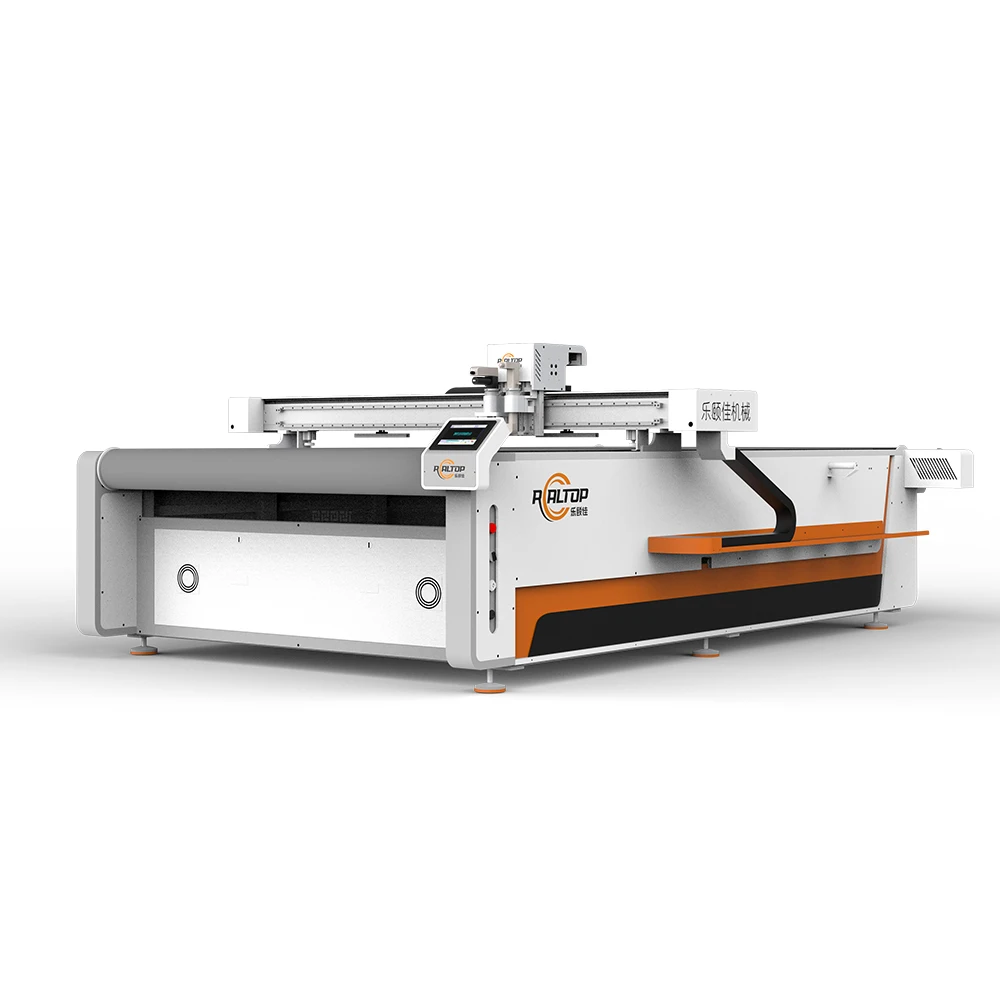
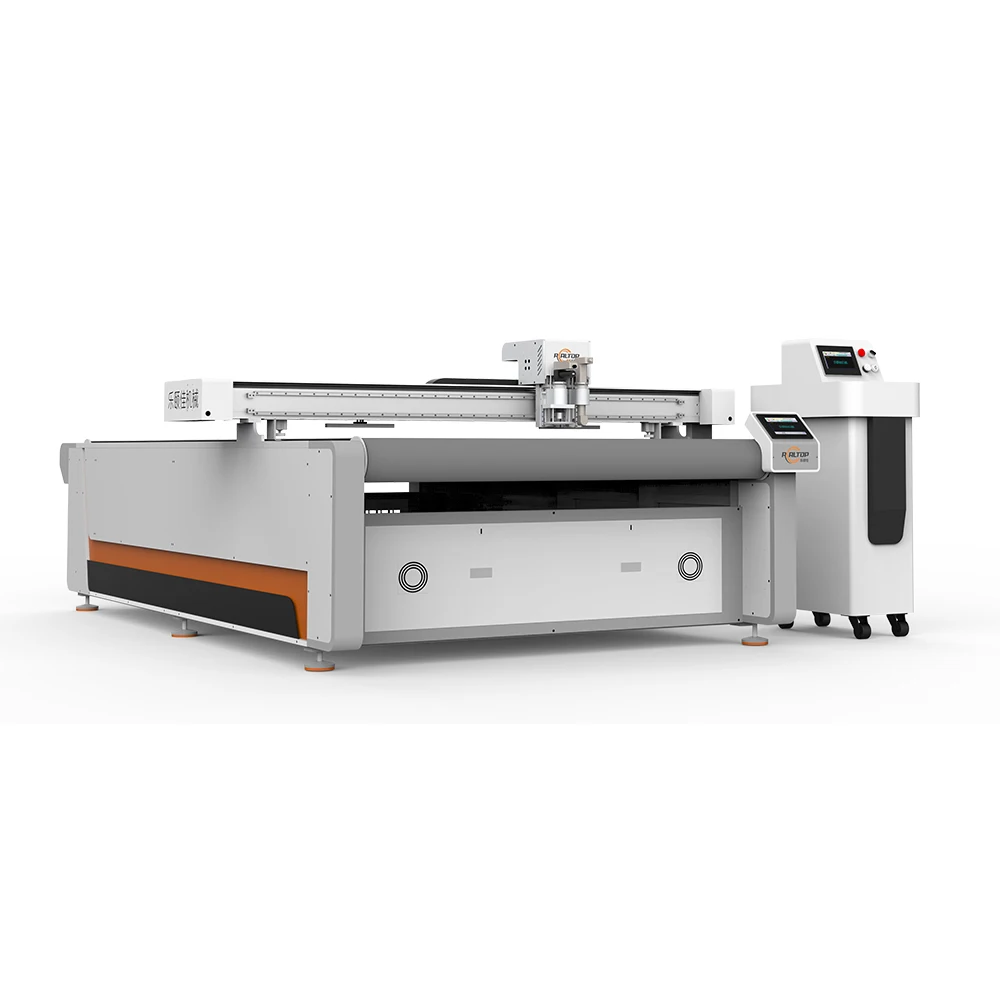
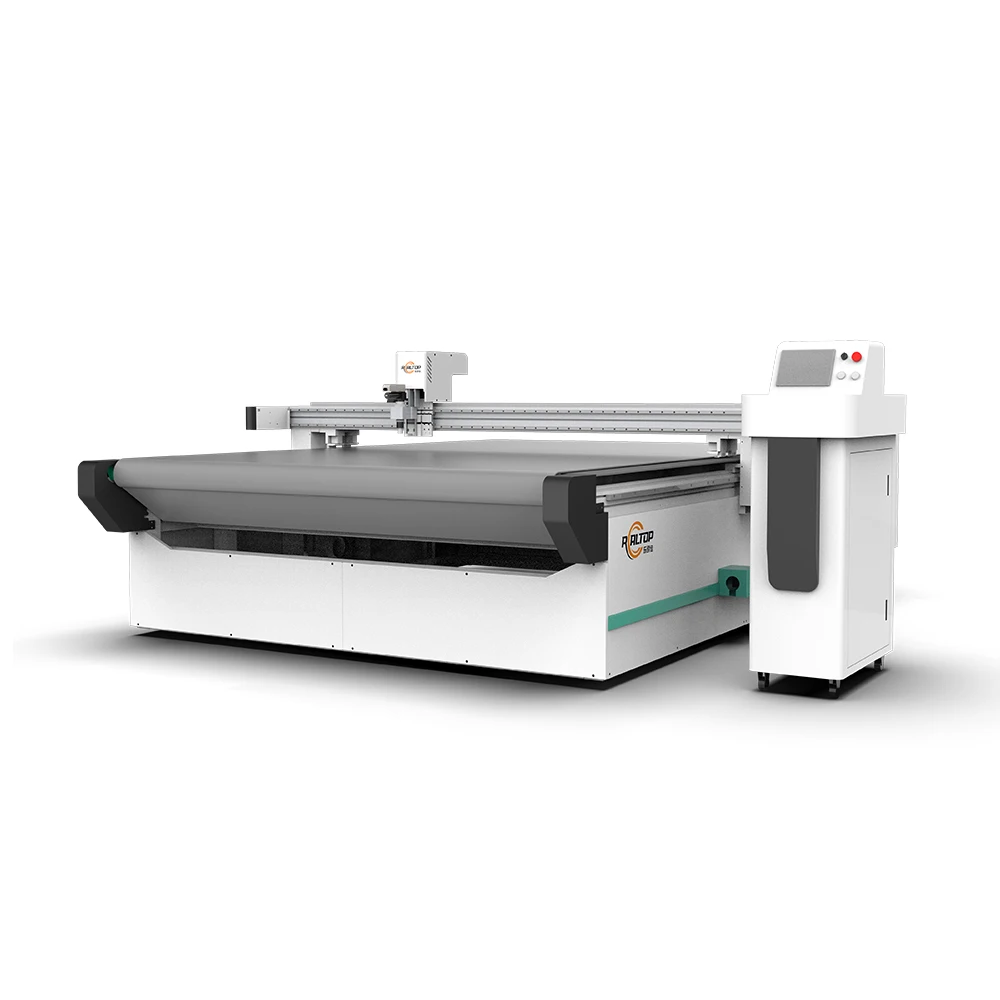
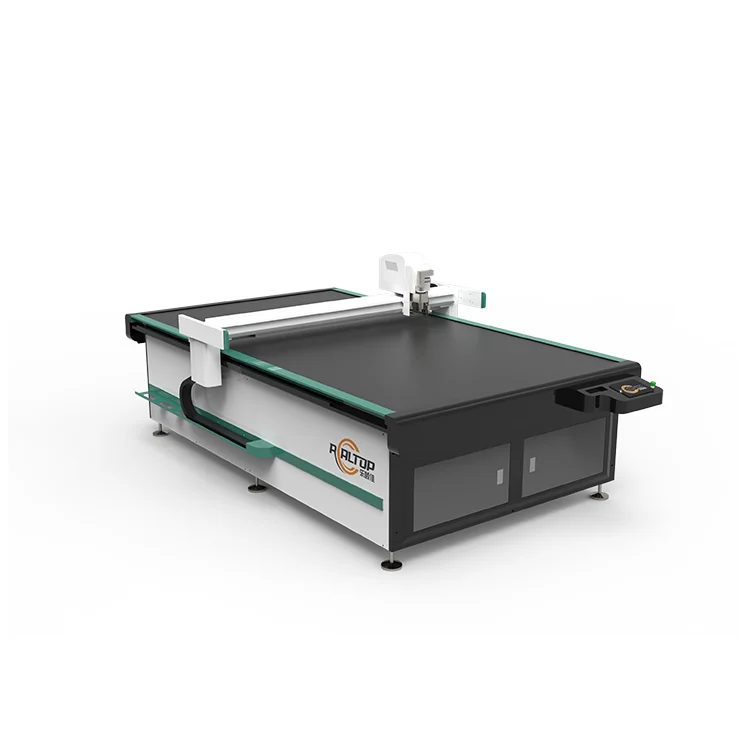
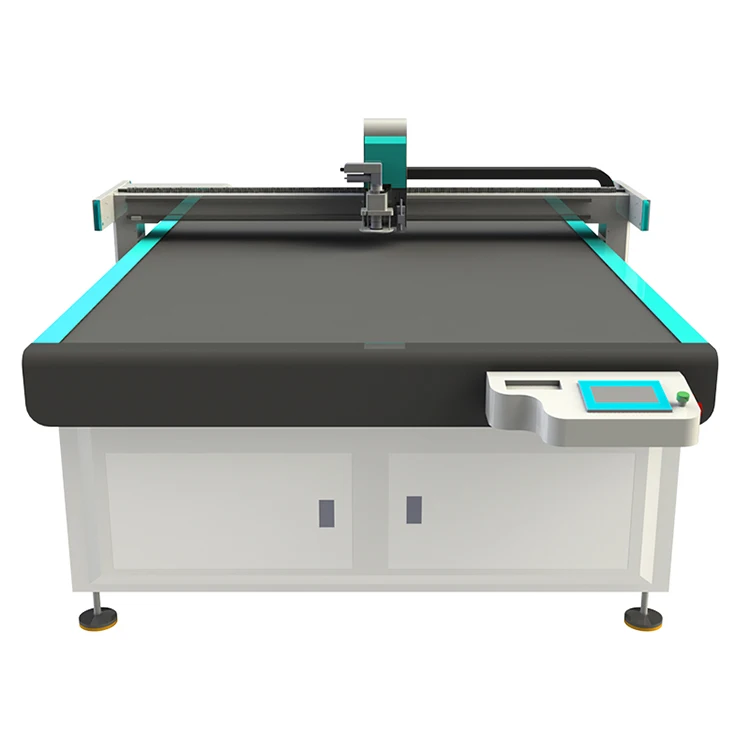
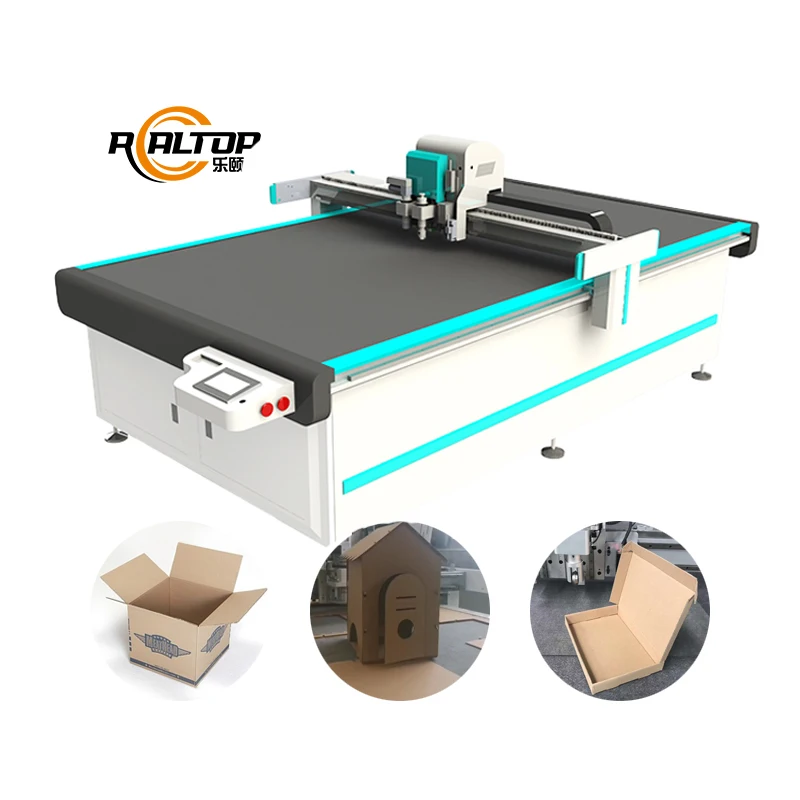
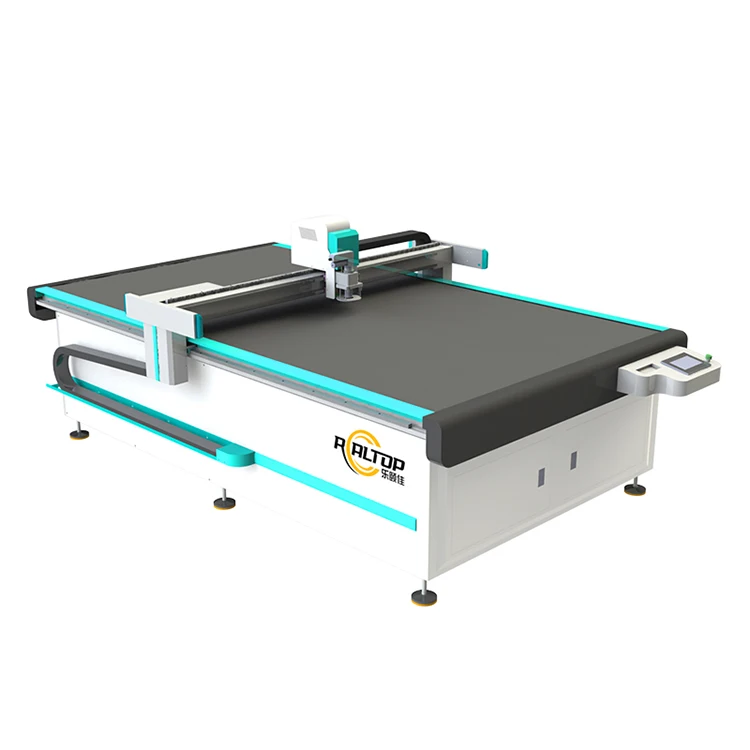
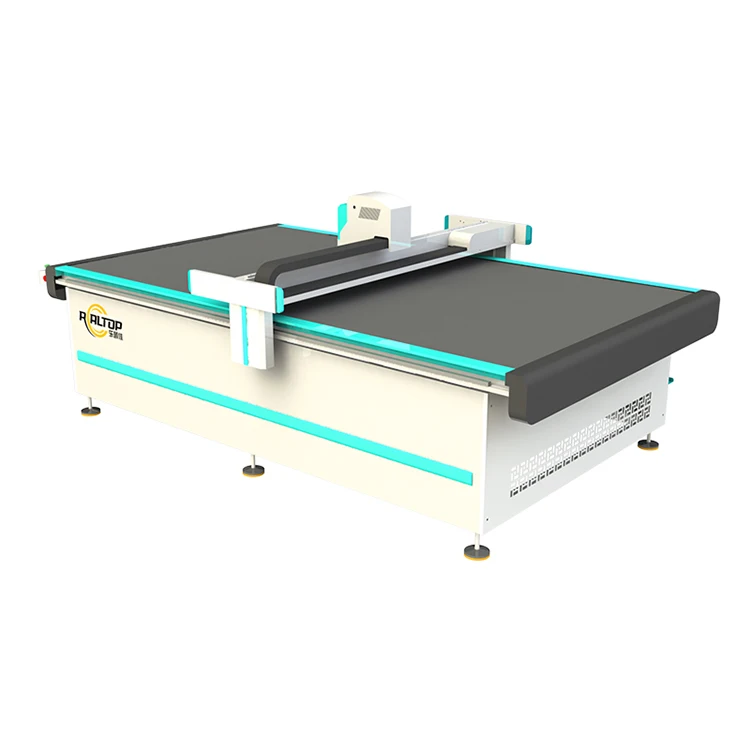
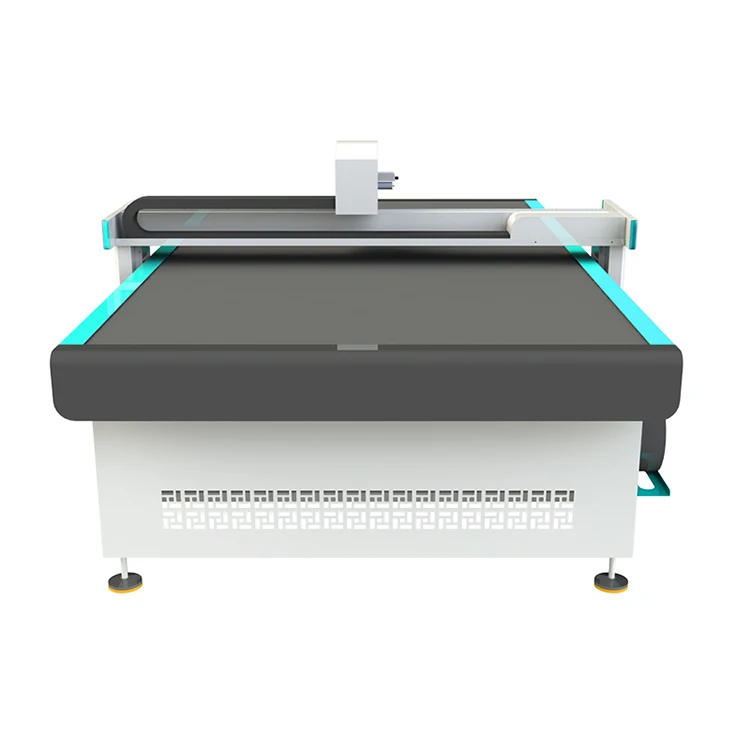
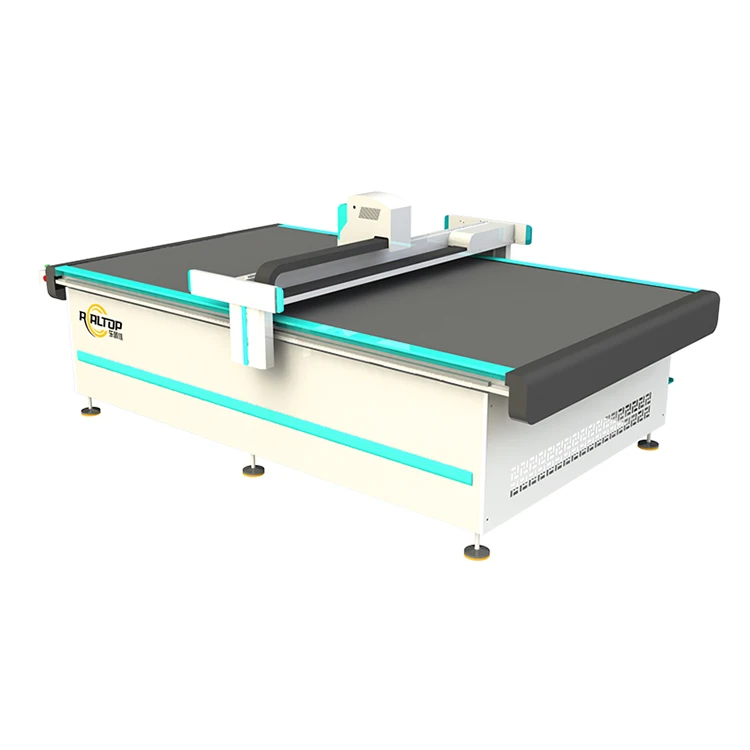
| Product Type | CNC Oscillating Knife Flatbed Cutting Machine |
| Working Area | 1600 × 2500 mm |
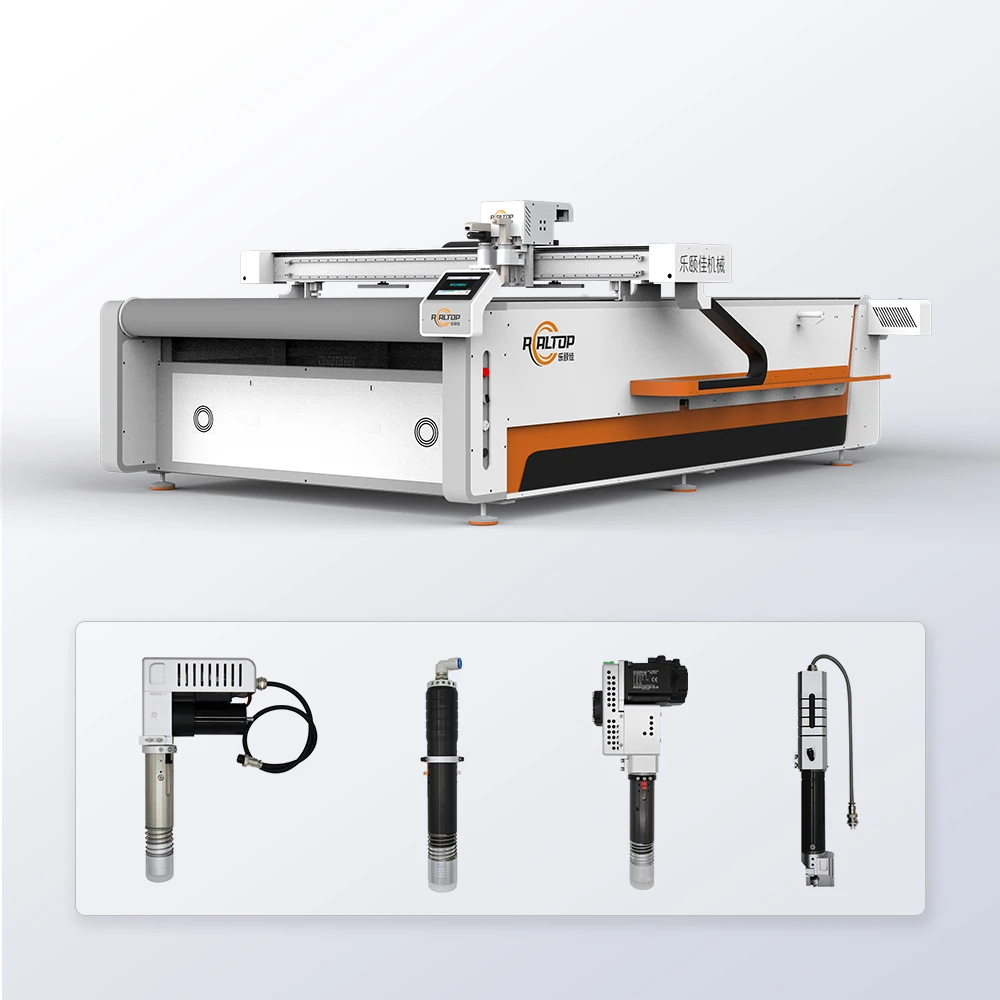
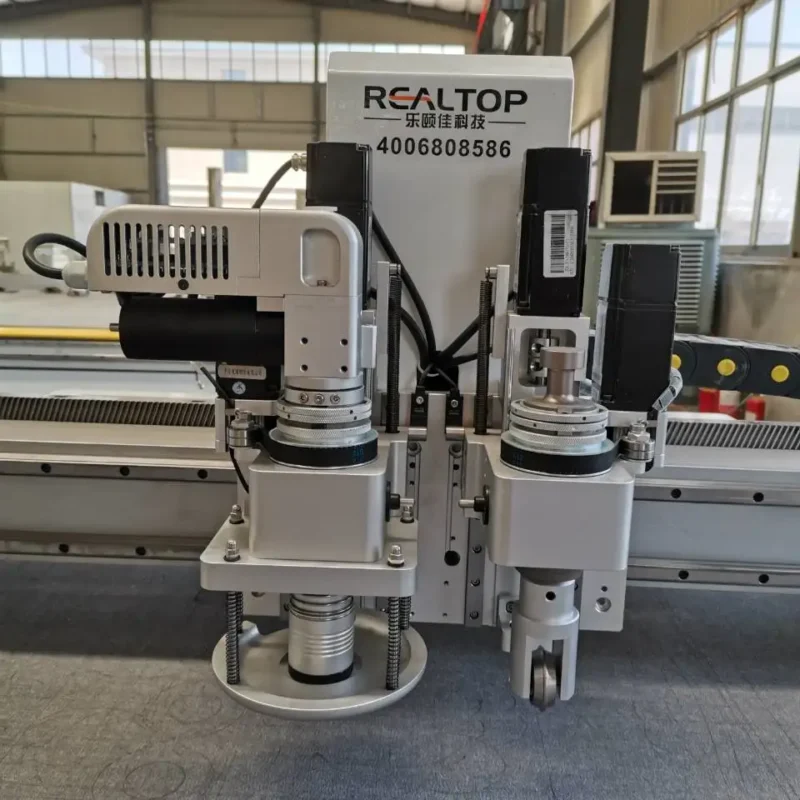
| Tools Available | Oscillating knife, Driven rotary knife, Creasing wheel, Kiss cutting tool, Pneumatic knife, Milling tool, V-groove knife |
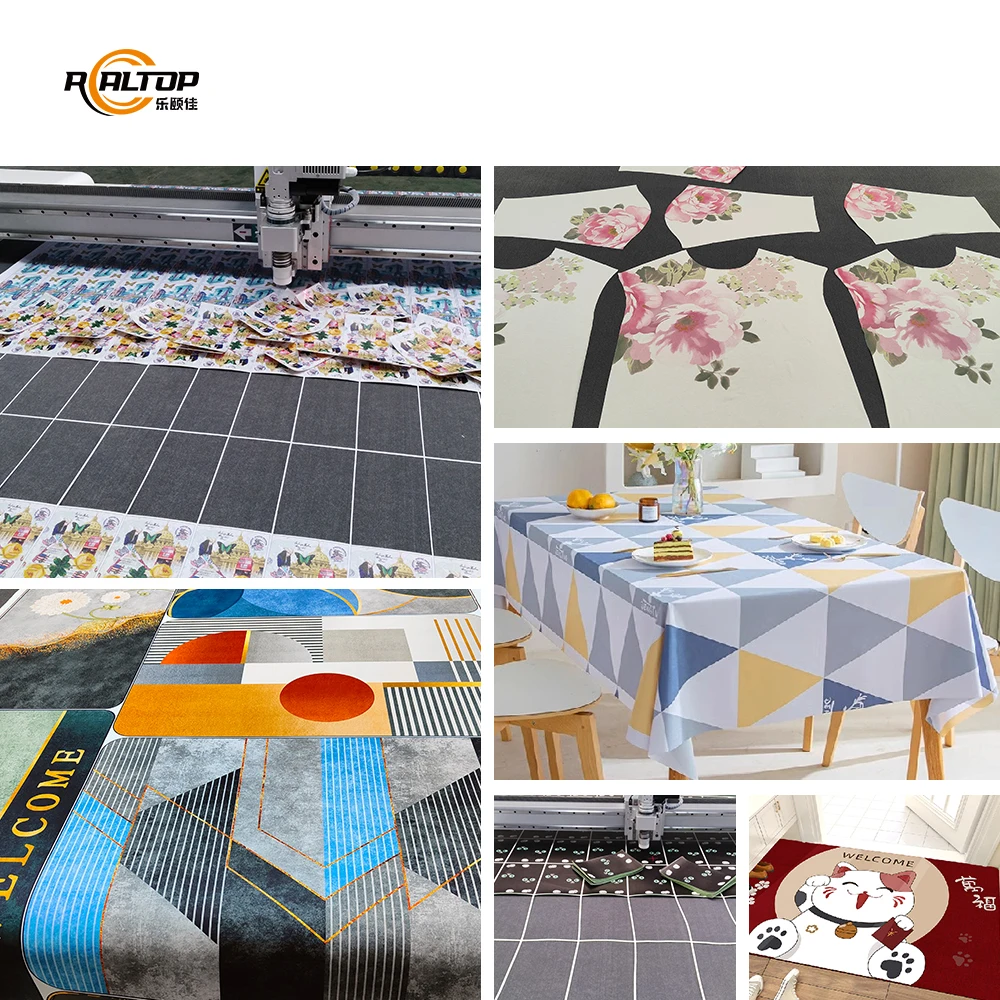
| Applicable Materials | Fabric, Cardboard, Carton, Mats, PVC, EVA, Leather, Acrylic, Foam, PTFE, Rubber |
| Cutting Speed | 0 – 2000 mm/s |
| Cutting Thickness | ≤ 30 mm (basis to be confirmed — depends on material type and density) |
| Cutting Accuracy | ±0.1 mm |
| Vacuum Pump Power | 9 kW |
| Vacuum Table Type | Aluminum bellows vacuum table |
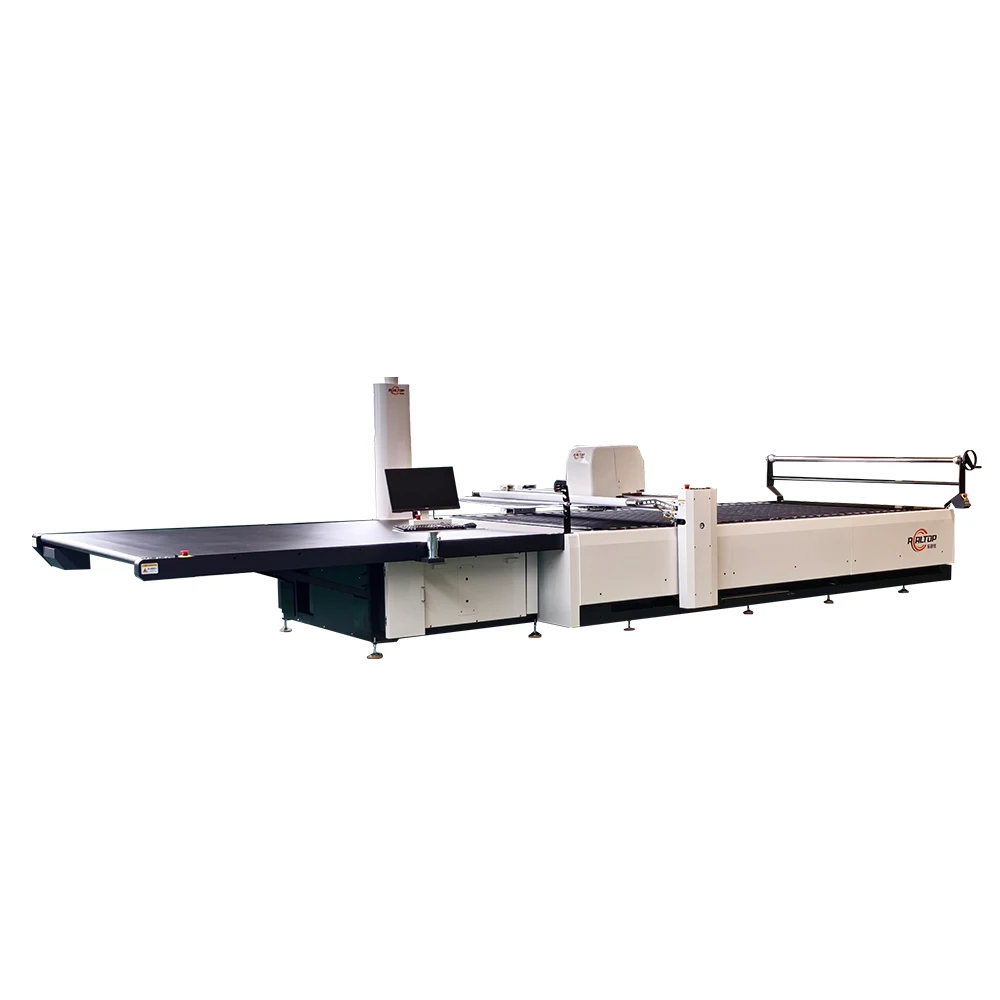
| Multi-layer Cutting Capability | 30 – 50 mm thickness (basis to be confirmed — depends on material and layer count) |
| Voltage Options | 110 V, 220 V, 380 V (frequency to be confirmed per market) |
| Control System | PLC control panel with optional display languages |
| Servo Motor Brands | Panasonic, Delta, Dorna (verify against current catalog) |
| Supported File Formats | PLT, DXF, AI, PDF |
| Language Options | English, Russian, Italian, Chinese (additional languages customizable) |
| Safety Devices | Infrared sensor, Emergency stop |
| Machine Dimensions (L × W × H) | 3300 × 2100 × 1350 mm |
| Software Features | Intelligent nesting system, dedicated packaging box structure design software |
| Assembly State | Fully assembled |
| Certification | CE |
Application Suitability
| Application | Material or Output |
|---|---|
| Automotive seat fabric cutting | Multi-layer woven and non-woven seat textiles, leather, synthetic suede |
| Automotive floor carpet trimming | Tufted and needle-punch carpets, molded carpet blanks |
| PVC and EVA floor mat production | PVC coil mats, EVA foam mats, thermoplastic rubber mats |
| Automotive door panel trimming | Soft-touch foam laminates, vinyl-wrapped substrates |
| Headliner and parcel shelf shaping | Composite fiber boards, thermoformed non-woven panels |
| Gasket and seal cutting for interior assemblies | Rubber, PTFE, closed-cell foam sheets |
Why Working Area Alone Fails Car Interior Producers
A 1600 × 2500 mm bed tells you nothing about whether the machine will hold a 2 mm fiberglass-reinforced composite flat while the knife passes through it.
Many automotive interior buyers specify a CNC flatbed cutting machine by bed size and price, then discover on commissioning that the vacuum table has too few zones to grip small offcuts, or that the standard oscillating knife leaves ragged edges on layered composite stock. The machine runs, but scrap rates climb and cycle times slip. I have watched a seat-fabric supplier lose an entire week because the trial material was standard PU leather while their production stock contained a fiberglass scrim layer that changed every cutting parameter [NEED_CITE: material-specific tooling requirements for automotive composite textiles].
Matching the Knife to the Automotive Material
A driven rotary knife cleanly slices woven seat textiles without fraying, while a pneumatic knife handles thicker EVA and foam inserts used in armrests and headrests. The oscillating knife remains the default for most PVC mats and single-layer leathers, but it struggles on composites that contain reinforcing fibers. Selecting the correct tool head from the seven available options — before the machine is assembled — prevents edge-quality rework after delivery. A CNC flatbed cutting machine manufacturer that lets you lock tooling to your actual stock, not a brochure sample, removes the most common cause of post-installation disputes.
Vacuum Zoning and Small-Part Behavior on the Interior Line
Automotive interior nests often mix large carpet panels with small gasket and clip-mount pieces. If the vacuum table treats the entire surface as one zone, small parts lift when surrounding material is cut away, producing dimensional drift or jamming the knife. The aluminum bellows table on this system allows targeted suction, keeping offcuts stable until the nest is fully stripped. This matters most on multi-layer lays where a lifted part in layer three can pull the next two layers out of register [NEED_CITE: vacuum zoning impact on small-part accuracy in nested production].
Reading the Specs That Actually Matter
The 9 kW vacuum pump must generate enough suction across the full 1600 × 2500 mm table to hold low-permeability materials like closed-cell foam and PVC coil mats. Cutting speed reaches 2000 mm/s on straight runs, but contour-heavy automotive nests spend more time decelerating and turning, so effective throughput depends on nesting strategy and contour density. The ±0.1 mm accuracy is meaningful only when the servo system — here available with Panasonic, Delta, or Dorna drives — maintains position under the lateral load of a knife pushing through 30 mm of layered material. Voltage must be confirmed as 110 V, 220 V, or 380 V with the correct frequency for the destination country before the electrical cabinet is wired.
What Happens When Configuration Is Skipped
Choosing a single-knife setup to save on the initial order often leads to edge-quality complaints once production begins on mixed materials. A buyer cutting both seat leather and headliner foam needs at least two tool heads; swapping manually mid-shift introduces downtime and alignment error. Insufficient vacuum zoning shows up weeks later, when the production manager notices that small interior trim pieces drift by a millimeter or two, pushing assemblies out of tolerance on the car line. These issues are avoidable if the tool head and table configuration list is reviewed against the real material stack before the order is placed [NEED_CITE: cost of post-shipment configuration changes in CNC cutting equipment].
Why Buyers Source This Line Here
In-house design covers both knife and laser platforms, so an automotive interior producer can evaluate which cutting method suits each material instead of being steered toward one technology. Tool head and vacuum table configuration are specified per material type and production volume, not offered as a one-size package. CCD camera positioning is available for printed-contour work on door-panel vinyl and instrument-panel wraps. Software file-format compatibility — PLT, DXF, AI, PDF — is confirmed against the buyer’s existing nesting workflow before order. Voltage, plug type, and PLC display language are set for the destination market, not left as factory defaults. Sample cutting on the buyer’s own automotive stock is conducted and documented before shipment, so edge quality and cycle time are verified on real material.
Documentation & Verification
- Machine specification sheet with confirmed tool-head and vacuum table configuration for your automotive material stack
- Electrical schematic showing voltage and frequency matched to your facility supply
- Sample cutting report on your seat fabric, carpet, or PVC mat stock with edge-quality photos
- Software license and file-format compatibility note for your nesting system
- Factory test record documenting accuracy and cycle time on your submitted material
- Packing photographs showing full assembly state and protective crating before dispatch
Installation, Commissioning & Support
- Requires a level concrete floor with clearance around the 3300 × 2100 × 1350 mm footprint for material loading access
- Dedicated electrical circuit matching confirmed voltage option (110 V, 220 V, or 380 V) with correct frequency and plug
- Machine arrives fully assembled; commissioning covers table flatness calibration and vacuum zone mapping
- First-run parameter setting includes knife oscillation frequency, feed speed, and vacuum suction per material
- Operator training on PLC control panel in confirmed display language with nesting software workflow
- Spare-parts list covering knife blades, vacuum seals, and servo-compatible consumables for first-year operation
Before You Request a Quote
Share the specific automotive interior materials you cut — type, thickness, and whether layers include reinforcing scrims or foam cores — along with your typical nest layout and daily volume. Tell us your facility voltage and frequency, preferred PLC language, and the file formats your design team currently outputs. If possible, send a roll or sheet sample so the cutting test runs on your actual stock.
Frequently Asked Questions
Q: How do I decide between oscillating knife and laser for automotive interior materials?
A: Oscillating knife is standard for fabrics, foams, and composites where sealed edges are not required. Laser suits thin synthetics that benefit from edge sealing during cut. The decision depends on material composition, thickness, and whether fume extraction is feasible in your shop. Requesting a sample cut on both methods using your own stock is the fastest way to confirm.
Q: Why does vacuum table zoning matter for small automotive trim parts?
A: Small parts lose suction when surrounding material is removed in a single-zone table, causing drift. Multi-zone vacuum directs airflow only where material still covers the table, maintaining hold-down pressure on remaining pieces. This keeps dimensional accuracy tight across the entire nest, especially on multi-layer lays.
Q: Which tool head should I specify for fiberglass-reinforced composite mats?
A: Standard oscillating knives tend to produce frayed edges on fiberglass scrim layers. A driven rotary knife or high-frequency oscillating knife with a hardened blade typically delivers cleaner results. The correct choice depends on scrim weight and resin content, which is why a sample cut on your exact material is essential before final tooling selection.
Q: What software compatibility should I confirm before ordering?
A: Confirm that the machine accepts your current file formats — PLT, DXF, AI, or PDF — and that the intelligent nesting system integrates with your existing design workflow. If you use third-party nesting software, verify post-processor output compatibility. Language settings on the PLC panel should also match your operator team’s preference.
Q: How does cutting speed translate to real throughput on automotive nests?
A: The 0–2000 mm/s speed applies to straight-line travel. Actual throughput depends on contour complexity, material thickness, and number of layers in the lay-up. A nest with many small interior cutouts will run slower than one dominated by long straight edges. Sample cutting on your production nest file provides a realistic cycle-time estimate.
Tool-Head Configuration First — A buyer cutting fiberglass-reinforced composites for automotive interiors needs a different knife and vacuum zoning than one slicing single-layer PVC mats, so the cutting method must match the material before the machine is built.
Technical Specifications
| Parameter | Value |
|---|---|
| Product Type | CNC Oscillating Knife Flatbed Cutting Machine |
| Working Area | 1600 × 2500 mm |
| Tools Available | Oscillating knife, Driven rotary knife, Creasing wheel, Kiss cutting tool, Pneumatic knife, Milling tool, V-groove knife |
| Applicable Materials | Fabric, Cardboard, Carton, Mats, PVC, EVA, Leather, Acrylic, Foam, PTFE, Rubber |
| Cutting Speed | 0 – 2000 mm/s |
| Cutting Thickness | ≤ 30 mm (basis to be confirmed — depends on material type and density) |
| Cutting Accuracy | ±0.1 mm |
| Vacuum Pump Power | 9 kW |
| Vacuum Table Type | Aluminum bellows vacuum table |
| Multi-layer Cutting Capability | 30 – 50 mm thickness (basis to be confirmed — depends on material and layer count) |
| Voltage Options | 110 V, 220 V, 380 V (frequency to be confirmed per market) |
| Control System | PLC control panel with optional display languages |
| Servo Motor Brands | Panasonic, Delta, Dorna (verify against current catalog) |
| Supported File Formats | PLT, DXF, AI, PDF |
| Language Options | English, Russian, Italian, Chinese (additional languages customizable) |
| Safety Devices | Infrared sensor, Emergency stop |
| Machine Dimensions (L × W × H) | 3300 × 2100 × 1350 mm |
| Software Features | Intelligent nesting system, dedicated packaging box structure design software |
| Assembly State | Fully assembled |
| Certification | CE |
Application Suitability
| Application | Material or Output |
|---|---|
| Automotive seat fabric cutting | Multi-layer woven and non-woven seat textiles, leather, synthetic suede |
| Automotive floor carpet trimming | Tufted and needle-punch carpets, molded carpet blanks |
| PVC and EVA floor mat production | PVC coil mats, EVA foam mats, thermoplastic rubber mats |
| Automotive door panel trimming | Soft-touch foam laminates, vinyl-wrapped substrates |
| Headliner and parcel shelf shaping | Composite fiber boards, thermoformed non-woven panels |
| Gasket and seal cutting for interior assemblies | Rubber, PTFE, closed-cell foam sheets |
Why Working Area Alone Fails Car Interior Producers
A 1600 × 2500 mm bed tells you nothing about whether the machine will hold a 2 mm fiberglass-reinforced composite flat while the knife passes through it.
Many automotive interior buyers specify a CNC flatbed cutting machine by bed size and price, then discover on commissioning that the vacuum table has too few zones to grip small offcuts, or that the standard oscillating knife leaves ragged edges on layered composite stock. The machine runs, but scrap rates climb and cycle times slip. I have watched a seat-fabric supplier lose an entire week because the trial material was standard PU leather while their production stock contained a fiberglass scrim layer that changed every cutting parameter [NEED_CITE: material-specific tooling requirements for automotive composite textiles].
Matching the Knife to the Automotive Material
A driven rotary knife cleanly slices woven seat textiles without fraying, while a pneumatic knife handles thicker EVA and foam inserts used in armrests and headrests. The oscillating knife remains the default for most PVC mats and single-layer leathers, but it struggles on composites that contain reinforcing fibers. Selecting the correct tool head from the seven available options — before the machine is assembled — prevents edge-quality rework after delivery. A CNC flatbed cutting machine manufacturer that lets you lock tooling to your actual stock, not a brochure sample, removes the most common cause of post-installation disputes.
Vacuum Zoning and Small-Part Behavior on the Interior Line
Automotive interior nests often mix large carpet panels with small gasket and clip-mount pieces. If the vacuum table treats the entire surface as one zone, small parts lift when surrounding material is cut away, producing dimensional drift or jamming the knife. The aluminum bellows table on this system allows targeted suction, keeping offcuts stable until the nest is fully stripped. This matters most on multi-layer lays where a lifted part in layer three can pull the next two layers out of register [NEED_CITE: vacuum zoning impact on small-part accuracy in nested production].
Reading the Specs That Actually Matter
The 9 kW vacuum pump must generate enough suction across the full 1600 × 2500 mm table to hold low-permeability materials like closed-cell foam and PVC coil mats. Cutting speed reaches 2000 mm/s on straight runs, but contour-heavy automotive nests spend more time decelerating and turning, so effective throughput depends on nesting strategy and contour density. The ±0.1 mm accuracy is meaningful only when the servo system — here available with Panasonic, Delta, or Dorna drives — maintains position under the lateral load of a knife pushing through 30 mm of layered material. Voltage must be confirmed as 110 V, 220 V, or 380 V with the correct frequency for the destination country before the electrical cabinet is wired.
What Happens When Configuration Is Skipped
Choosing a single-knife setup to save on the initial order often leads to edge-quality complaints once production begins on mixed materials. A buyer cutting both seat leather and headliner foam needs at least two tool heads; swapping manually mid-shift introduces downtime and alignment error. Insufficient vacuum zoning shows up weeks later, when the production manager notices that small interior trim pieces drift by a millimeter or two, pushing assemblies out of tolerance on the car line. These issues are avoidable if the tool head and table configuration list is reviewed against the real material stack before the order is placed [NEED_CITE: cost of post-shipment configuration changes in CNC cutting equipment].
Why Buyers Source This Line Here
In-house design covers both knife and laser platforms, so an automotive interior producer can evaluate which cutting method suits each material instead of being steered toward one technology. Tool head and vacuum table configuration are specified per material type and production volume, not offered as a one-size package. CCD camera positioning is available for printed-contour work on door-panel vinyl and instrument-panel wraps. Software file-format compatibility — PLT, DXF, AI, PDF — is confirmed against the buyer’s existing nesting workflow before order. Voltage, plug type, and PLC display language are set for the destination market, not left as factory defaults. Sample cutting on the buyer’s own automotive stock is conducted and documented before shipment, so edge quality and cycle time are verified on real material.
Documentation & Verification
- Machine specification sheet with confirmed tool-head and vacuum table configuration for your automotive material stack
- Electrical schematic showing voltage and frequency matched to your facility supply
- Sample cutting report on your seat fabric, carpet, or PVC mat stock with edge-quality photos
- Software license and file-format compatibility note for your nesting system
- Factory test record documenting accuracy and cycle time on your submitted material
- Packing photographs showing full assembly state and protective crating before dispatch
Installation, Commissioning & Support
- Requires a level concrete floor with clearance around the 3300 × 2100 × 1350 mm footprint for material loading access
- Dedicated electrical circuit matching confirmed voltage option (110 V, 220 V, or 380 V) with correct frequency and plug
- Machine arrives fully assembled; commissioning covers table flatness calibration and vacuum zone mapping
- First-run parameter setting includes knife oscillation frequency, feed speed, and vacuum suction per material
- Operator training on PLC control panel in confirmed display language with nesting software workflow
- Spare-parts list covering knife blades, vacuum seals, and servo-compatible consumables for first-year operation
Before You Request a Quote
Share the specific automotive interior materials you cut — type, thickness, and whether layers include reinforcing scrims or foam cores — along with your typical nest layout and daily volume. Tell us your facility voltage and frequency, preferred PLC language, and the file formats your design team currently outputs. If possible, send a roll or sheet sample so the cutting test runs on your actual stock.
Frequently Asked Questions
Q: How do I decide between oscillating knife and laser for automotive interior materials?
A: Oscillating knife is standard for fabrics, foams, and composites where sealed edges are not required. Laser suits thin synthetics that benefit from edge sealing during cut. The decision depends on material composition, thickness, and whether fume extraction is feasible in your shop. Requesting a sample cut on both methods using your own stock is the fastest way to confirm.
Q: Why does vacuum table zoning matter for small automotive trim parts?
A: Small parts lose suction when surrounding material is removed in a single-zone table, causing drift. Multi-zone vacuum directs airflow only where material still covers the table, maintaining hold-down pressure on remaining pieces. This keeps dimensional accuracy tight across the entire nest, especially on multi-layer lays.
Q: Which tool head should I specify for fiberglass-reinforced composite mats?
A: Standard oscillating knives tend to produce frayed edges on fiberglass scrim layers. A driven rotary knife or high-frequency oscillating knife with a hardened blade typically delivers cleaner results. The correct choice depends on scrim weight and resin content, which is why a sample cut on your exact material is essential before final tooling selection.
Q: What software compatibility should I confirm before ordering?
A: Confirm that the machine accepts your current file formats — PLT, DXF, AI, or PDF — and that the intelligent nesting system integrates with your existing design workflow. If you use third-party nesting software, verify post-processor output compatibility. Language settings on the PLC panel should also match your operator team’s preference.
Q: How does cutting speed translate to real throughput on automotive nests?
A: The 0–2000 mm/s speed applies to straight-line travel. Actual throughput depends on contour complexity, material thickness, and number of layers in the lay-up. A nest with many small interior cutouts will run slower than one dominated by long straight edges. Sample cutting on your production nest file provides a realistic cycle-time estimate.
商品评价
There are no reviews yet.