

Fast Delivery
Quick, reliable shipping to any location.

Free & easy returns
Return this item by mail or in store within 90 days for a full refund.
Tool-to-Material Match — rather than forcing one cutting method onto every fabric, the configuration is built around the buyer’s specific layer count, thickness and edge-quality requirement before the order is placed.
Technical Specifications
| Parameter | Value |
|---|---|
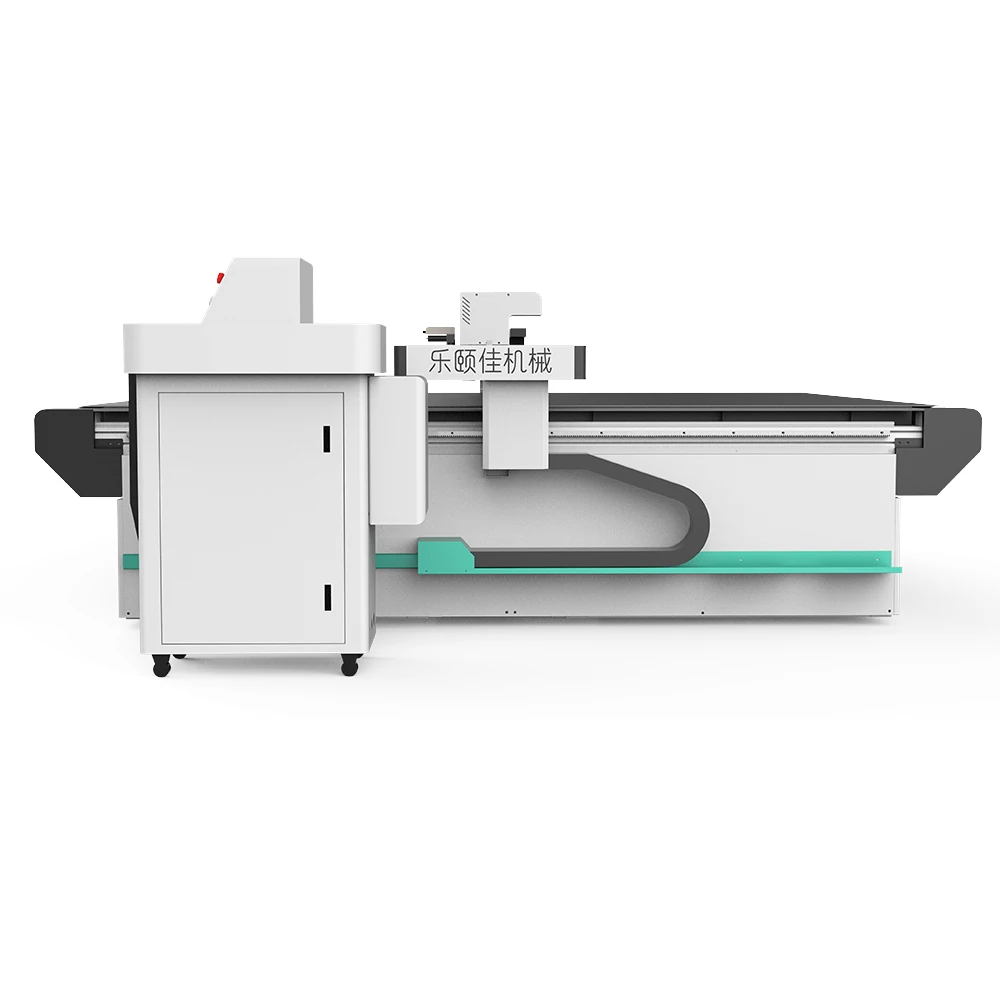
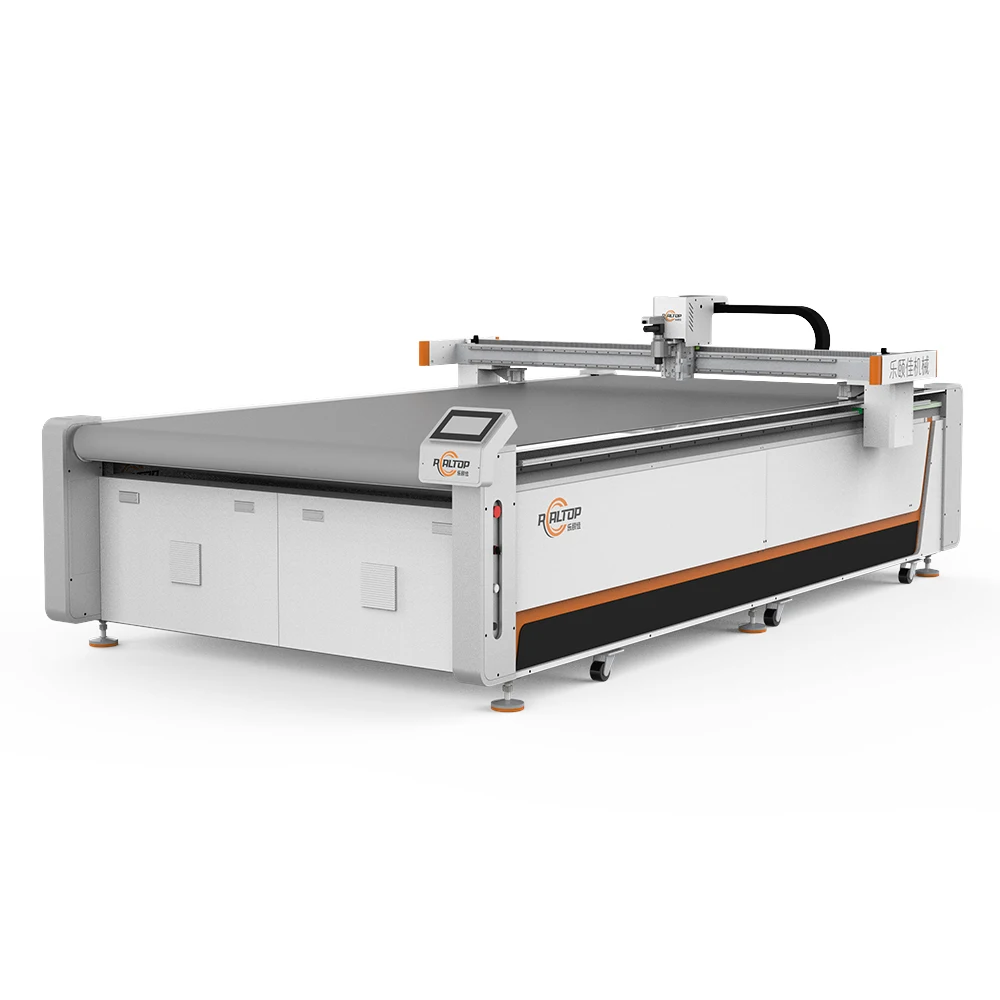
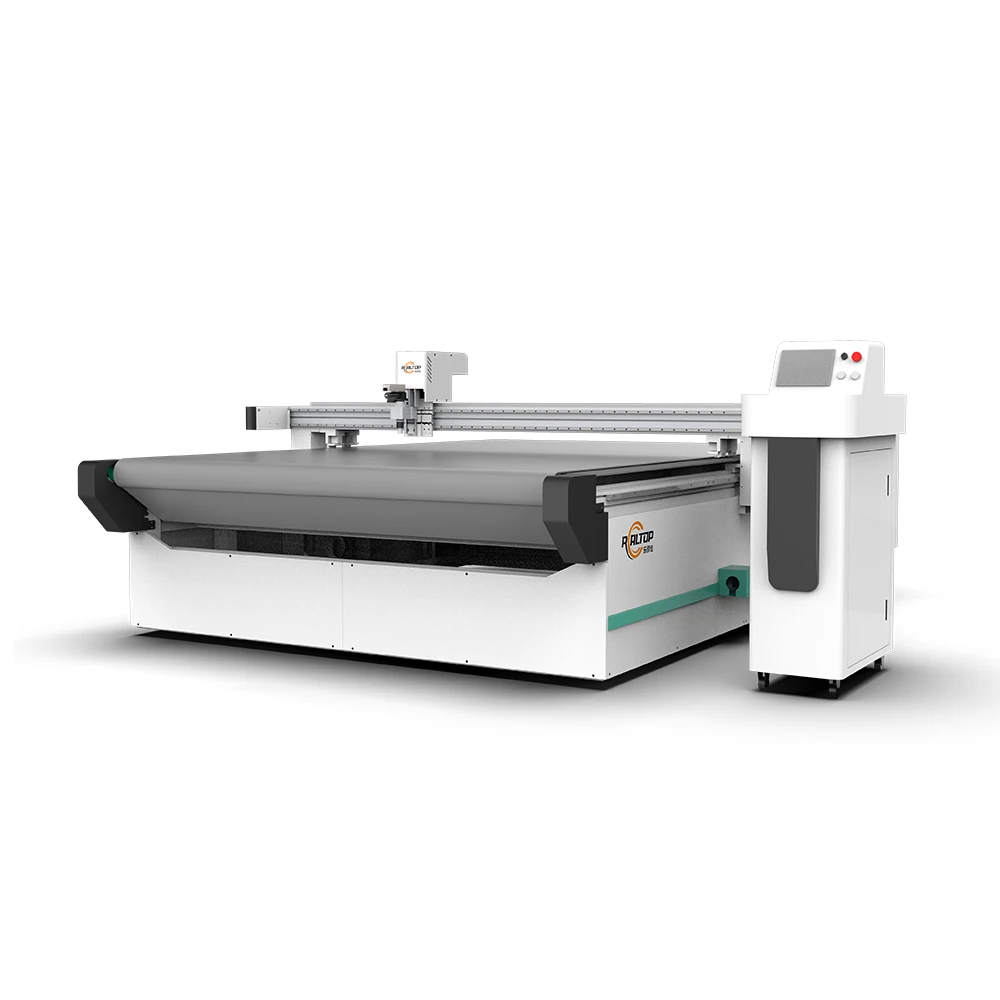
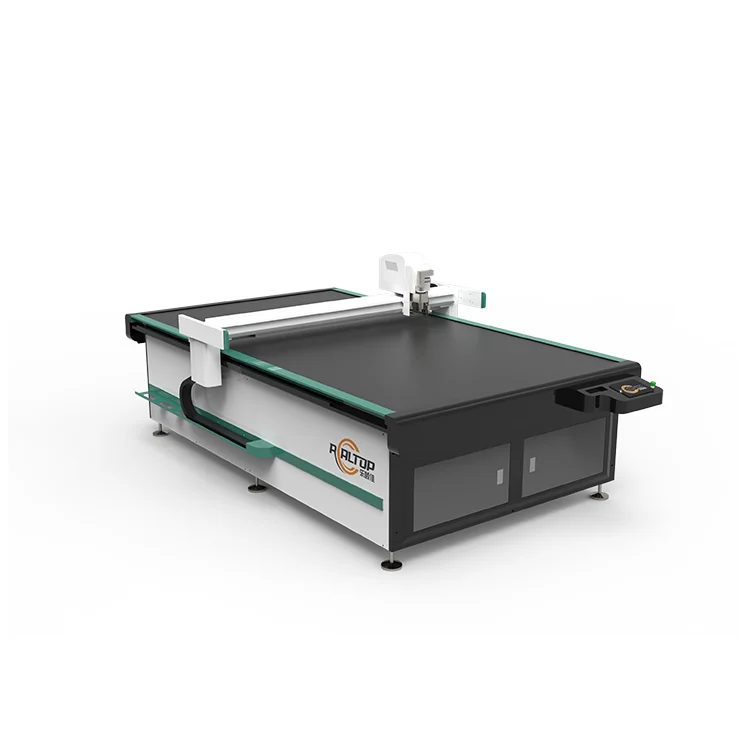
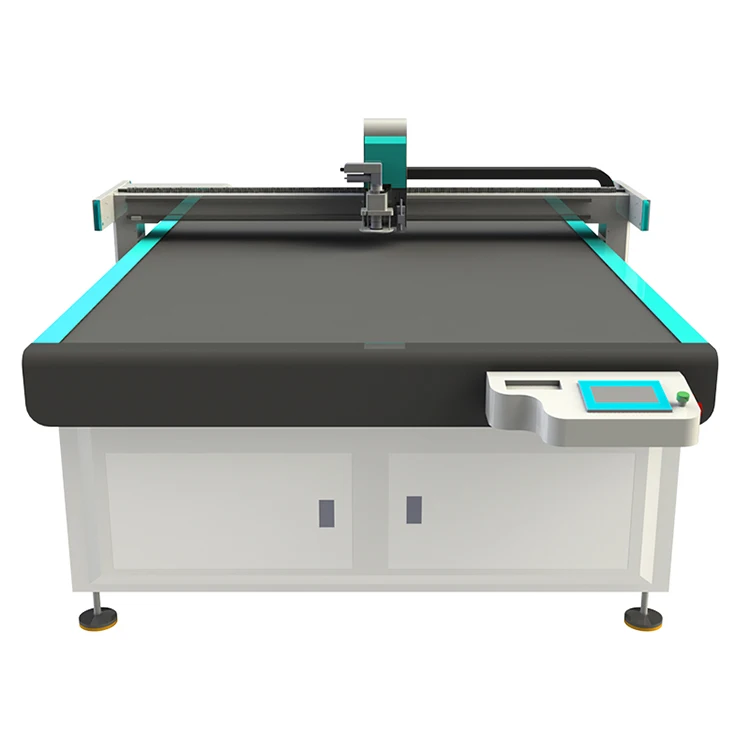
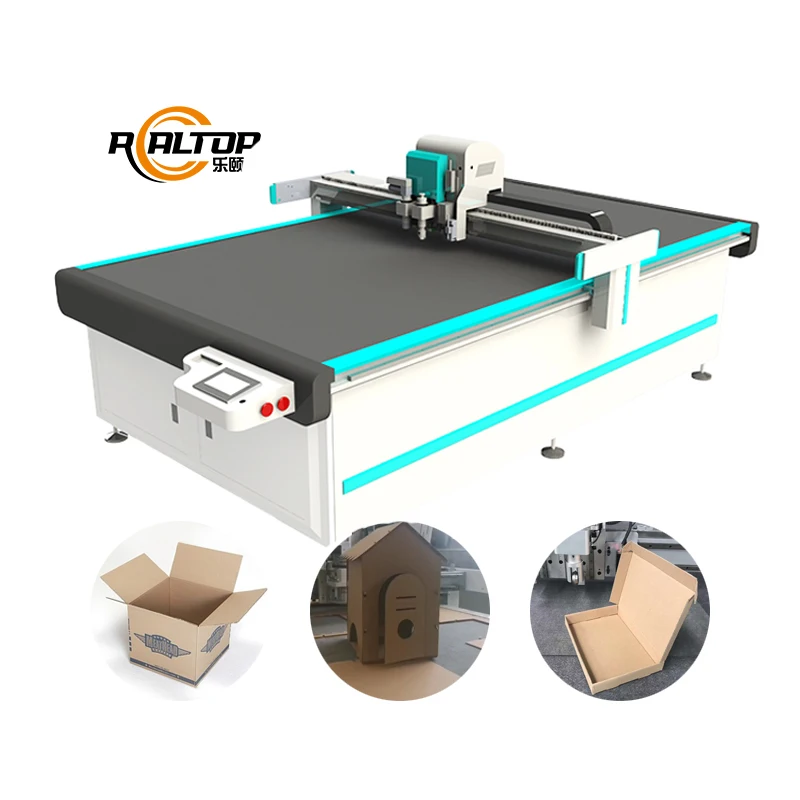
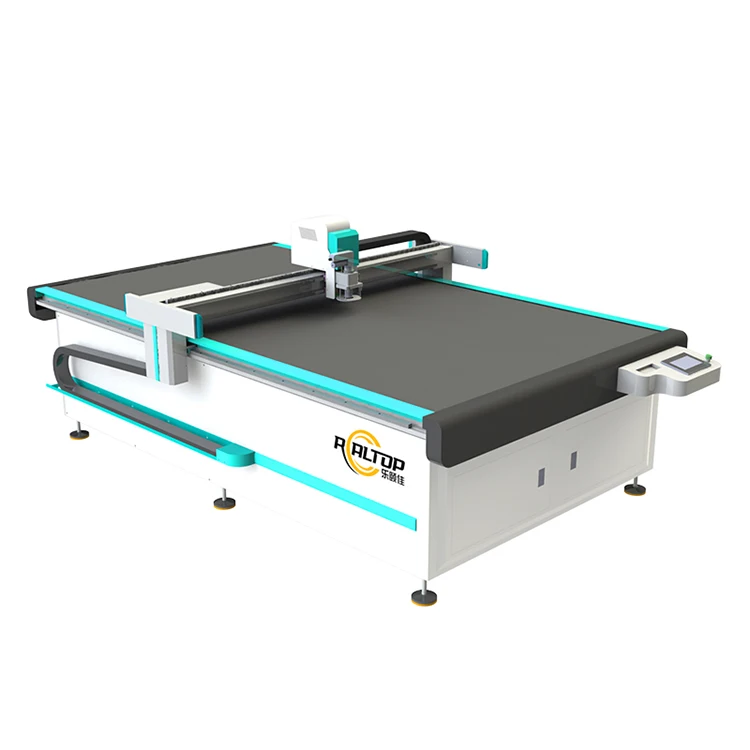
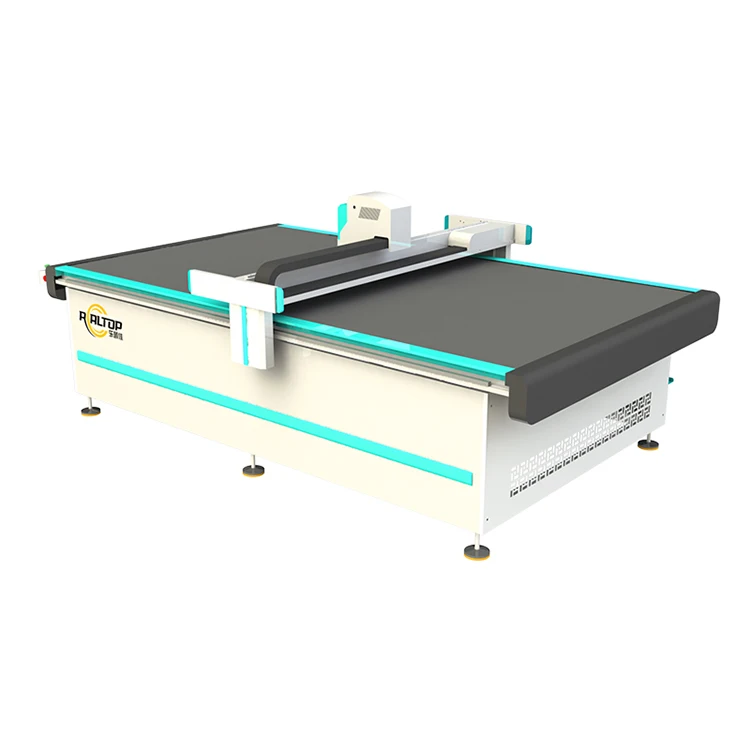
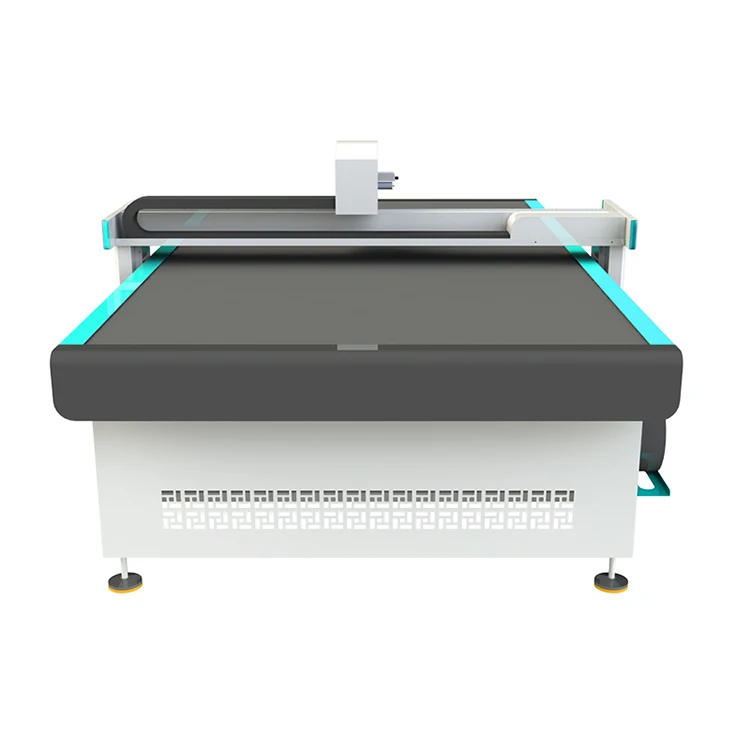
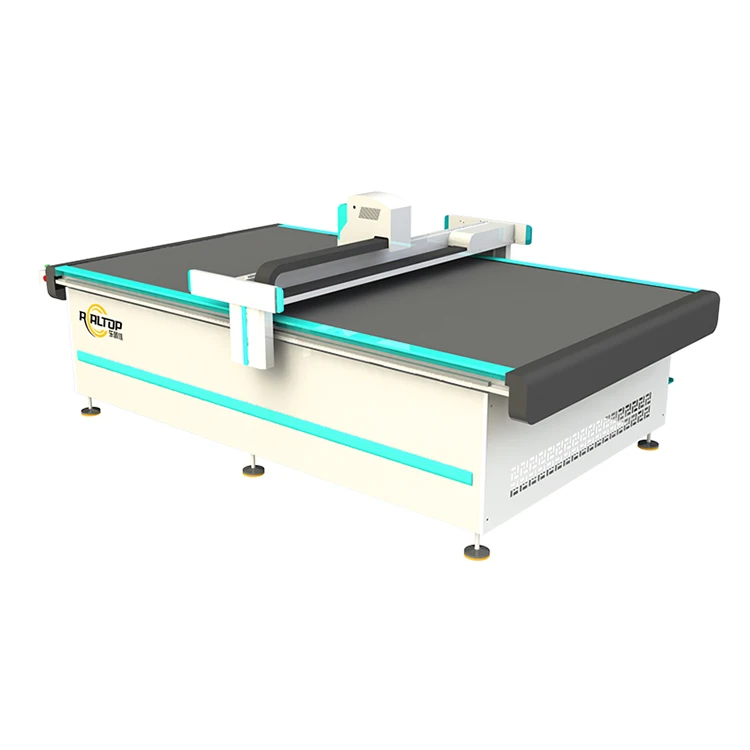
| Product Type | CNC Oscillating Knife Cutting Machine |
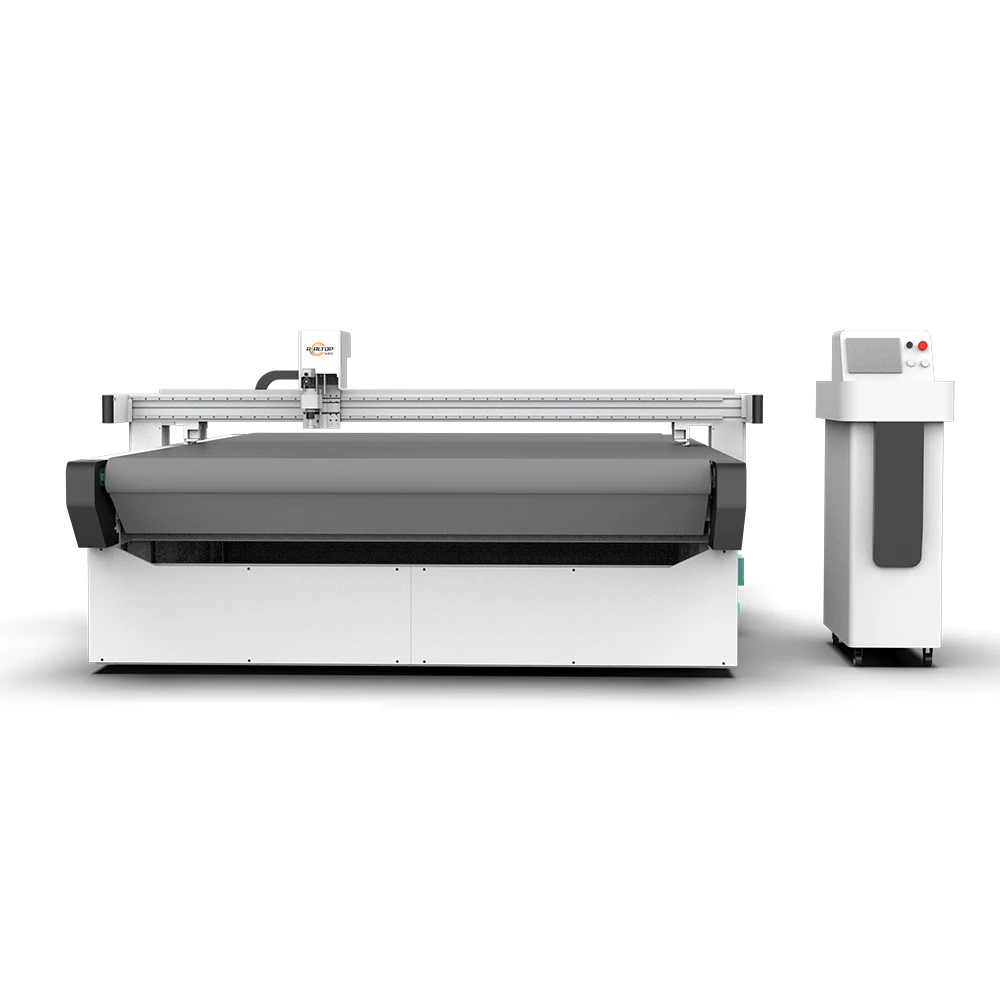
| Working Area | 1600 × 2500 mm |
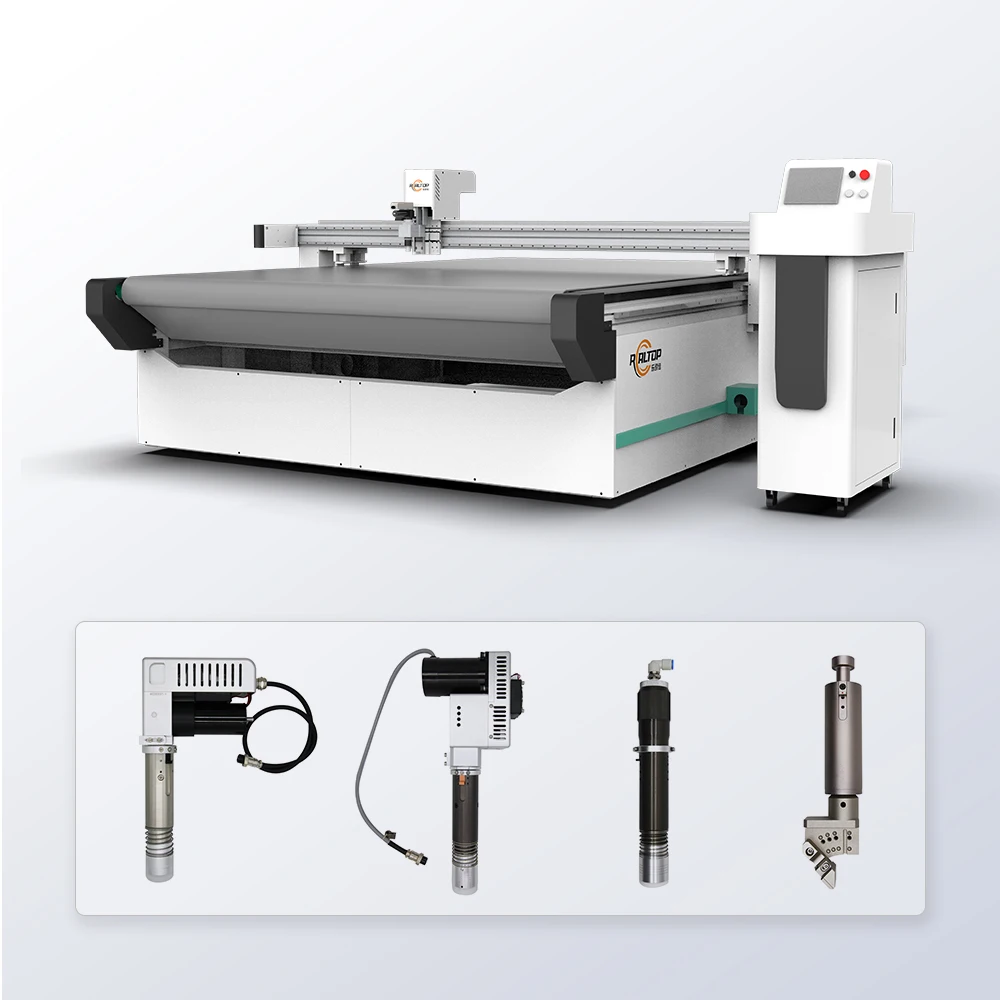
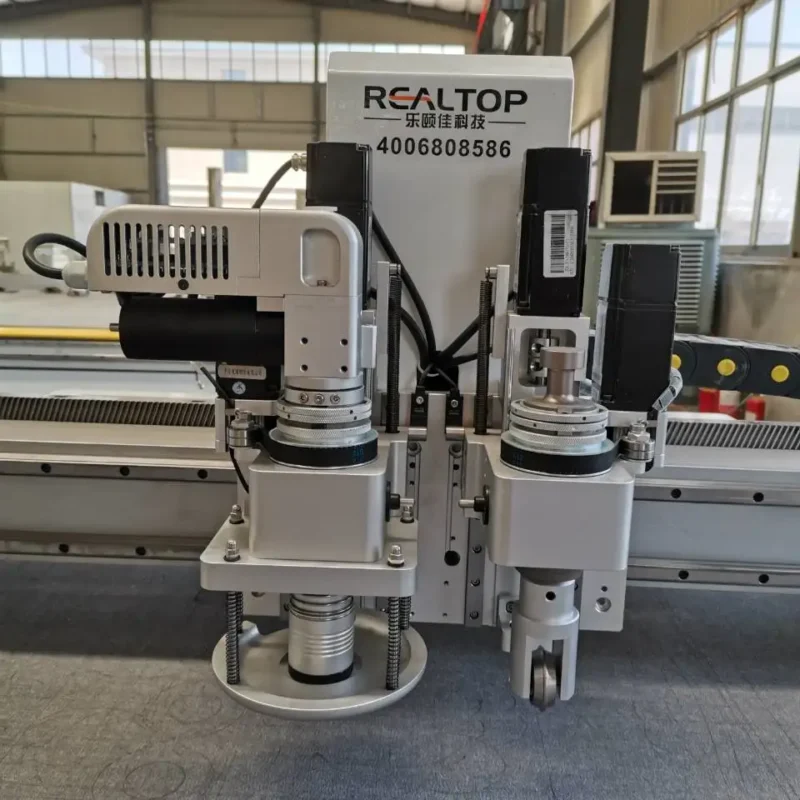
| Tool Head Options | Oscillating knife, Driven rotary knife, Creasing wheel, Kiss cutting tool, Pneumatic knife, Milling tool, V-groove knife |
| Cutting Speed Range | 0 – 2000 mm/s |
| Maximum Cutting Thickness | Up to 30 mm (basis to be confirmed on buyer’s material type and layer count) |
| Positioning Accuracy | ± 0.1 mm |
| Vacuum Table | Aluminum bellows vacuum table |
| Vacuum Pump Power | 9 kW |
| Servo Motor Options | Panasonic, Delta, Dorna |
| Control System | PLC control panel with optional display languages |
| Supported File Formats | PLT, DXF, AI, PDF |
| Nesting Software | Intelligent nesting system with automatic defect avoidance |
| Safety Features | Infrared sensor device, emergency stop |
| Machine Dimensions (L × W × H) | 3300 × 2100 × 1350 mm |
| Voltage Options | 110 V / 220 V / 380 V (frequency to be confirmed for target market) |
| Language Options | English, Russian, Italian, Chinese; additional languages customizable |
| Certification | CE (declaration available where applicable) |
Application Suitability
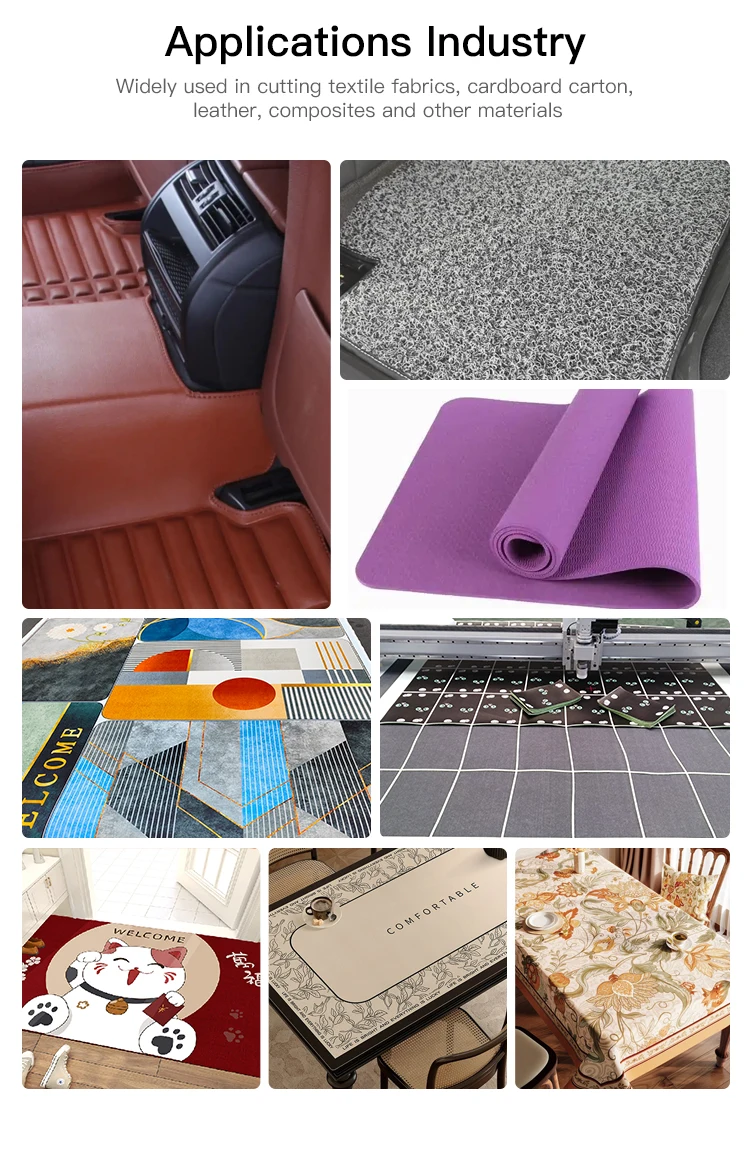
| Application | Material or Output |
|---|---|
| Apparel manufacturing | Suits, knitwear, lace, complex woven fabrics requiring pattern-matching |
| Automotive interiors | Seat fabrics, carpet sets, PVC floor mats cut to burr-free edge standards |
| Home textiles | Sofa upholstery, curtain panels, multi-layer rug composites |
| Composite processing | Carbon fiber prepreg, aramid fabrics, specialty layered materials |
Why Specified Working Area Is Not Enough to Guarantee a Clean Cut
The tool head must be matched to the material before the frame size is locked in.
A CNC fabric cutting machine manufacturer may quote a large-format table that fits the buyer’s sheet dimensions, yet the edge quality still fails on the production floor. I have walked into workshops where oscillating knives were cutting multi-layer synthetic leather at production speed — the top layers were clean, but the bottom plies showed torn fibers and ragged edges because the blade stroke and frequency were never matched to the actual stack height. When that happens, operators slow the machine down to salvage quality, and the throughput the quotation promised simply disappears [NEED_CITE: material hold-down and blade stroke relationship in multi-ply cutting].
Interchangeable Tool Heads Across Fabric Types
The range covers oscillating knife, driven rotary knife, creasing wheel, kiss cutting, pneumatic knife, milling and V-groove tool heads, each suited to a different material behavior. Knitwear and stretch wovens typically need a high-frequency oscillating stroke to prevent fiber pull, while tightly woven technical fabrics respond better to a driven rotary blade. Selecting the correct tool head at the quotation stage avoids the costly swap after installation.
Vacuum Zoning and Small-Pattern Hold-Down
The 9 kW vacuum pump feeds an aluminum bellows table designed to maintain consistent suction across the full 1600 × 2500 mm surface. When cutting small pattern pieces — collar stays, gussets, automotive armrest covers — inadequate zoning allows the material to lift as the knife exits the cut, producing dimensional drift and re-cutting scrap. Properly configured vacuum zones keep even lightweight nonwovens flat at full traverse speed [NEED_CITE: vacuum zoning requirements for small pattern CNC cutting].
Reading the Specification Sheet Beyond the Brochure Numbers
Positioning accuracy of ± 0.1 mm matters most on contour work where printed registration marks guide the cut path; any accumulated backlash over a long toolpath shows up as mis-matched plaids on suit fronts. The 0 – 2000 mm/s speed range is achievable on single-ply light fabrics, while multi-layer stacks of automotive carpet demand slower traverse to* The PLC control panel accepts PLT, DXF, AI and PDF files directly, so buyers running established nesting workflows do not have to convert geometry through an intermediate CAD package. Voltage is configurable across 110 V, 220 V and 380 V, but the frequency — 50 Hz or 60 Hz — must be confirmed for the destination market to avoid servo drive faults on first power-up.
The Hidden Cost of a Mis-specified Configuration
When the vacuum table zoning is insufficient for the buyer’s typical piece size, operators resort to mechanical clamps that slow loading cycles and leave witness marks on visible fabric faces. A tool head chosen for cost rather than material compatibility produces frayed edges that downstream sewing lines reject, pushing rework labor into a process that was supposed to eliminate it. Software incompatibility discovered after delivery forces the factory to rebuild its nesting library in an unfamiliar package, delaying first-article approval and straining relationships with the brands waiting on sample submissions [NEED_CITE: downstream rework costs from cutting edge defects in garment production].
Why Source This Range Through a Direct Manufacturing Channel
The design team handles both knife and laser cutting platforms in-house, so a buyer evaluating woven fabric alongside acrylic signage can compare methods without being steered toward whichever machine happens to be in stock. Every tool head and table configuration is specified per material test rather than quoted from a fixed catalog page. CCD camera positioning is available for printed contour work where registration accuracy is non-negotiable. Sample cutting runs on the buyer’s own fabric roll before the purchase order is signed, providing a physical edge-quality benchmark. Voltage, plug type and control panel language are confirmed against the destination market’s electrical standards before production begins, not discovered at the port of entry.
Documentation & Verification
- Machine specification sheet listing tool head and table zone configuration matched to your fabric type
- Sample cutting report produced on your own material roll before order confirmation
- Electrical schematic and voltage-frequency confirmation for your local grid standard
- Software licence with file format compatibility note covering PLT, DXF, AI and PDF workflows
- Factory test record showing positioning accuracy verification at full working-area travel
- Packing photographs documenting crating condition prior to container loading
Installation, Commissioning & Support
- Floor area of approximately 3300 × 2100 mm plus operator clearance and material staging space required
- Dedicated electrical circuit sized to the confirmed voltage option and 9 kW vacuum pump draw
- Machine arrives with tool head and vacuum table assembled; gantry and gantry covers fitted on site
- First-run parameter setting covers blade depth, oscillation frequency and vacuum zone mapping for your material
- Operator training addresses tool head changeover, nesting software import and daily blade inspection routines
- Spare parts list covers oscillating blades, rotary knife discs, vacuum seals and drive belts by part number
What to Prepare Before Requesting a Quotation
Send a sample roll or swatch set showing the exact fabric construction, weight and any backing laminate you run in production. Note your typical sheet dimensions, the number of plies you cut simultaneously and the daily volume target so the configuration can be matched to your workflow rather than a generic catalog page. Confirm the voltage and frequency at your facility along with the preferred control panel language to avoid rewiring or software re-licensing after delivery.
Frequently Asked Questions
Q: How do I choose between oscillating knife and rotary knife for my fabric?
A: Oscillating knives use a rapid vertical stroke that suits knitwear, multi-layer stacks and materials prone to fraying, while driven rotary knives slice cleanly through tightly woven single-ply fabrics and vinyl. The choice depends on your material construction and layer count. We confirm the correct tool head by cutting your own sample material before the order is finalized.
Q: What vacuum table configuration do I need for small pattern pieces?
A: Small pieces like collar stays or automotive trim covers require tightly spaced vacuum zones so suction is maintained right up to the cut edge. The aluminum bellows table on this system is zoned to match typical pattern sizes. We review your nesting layout during the sample phase to confirm that no zone boundary falls under a critical small piece.
Q: Which tool head handles thick multi-layer fabric without ragged edges?
A: Thick stacks of carpet or multi-layer composites usually need a pneumatic knife or a high-stroke oscillating knife with adjustable frequency. If the stroke is too short for the stack height, the blade drags through the bottom plies and tears fibers. We test your exact stack during sample cutting to set the depth and frequency parameters before quoting the configuration.
Q: What file formats does the nesting software accept?
A: The system imports PLT, DXF, AI and PDF files directly, which covers most garment and automotive cutting workflows. The intelligent nesting engine includes automatic defect avoidance for fabrics with visible flaws. If your current software outputs a different format, we confirm compatibility during the pre-order technical review so no conversion step is needed on the shop floor.
Q: How are voltage and control language confirmed before shipment?
A: We collect your facility voltage, frequency and plug standard at the inquiry stage and record them on the electrical schematic. The PLC control panel language is set to your preference — English, Russian, Italian or Chinese as standard, with other languages available. Both are verified during the factory test and documented in the pre-shipment report.
Tool-to-Material Match — rather than forcing one cutting method onto every fabric, the configuration is built around the buyer’s specific layer count, thickness and edge-quality requirement before the order is placed.
Technical Specifications
| Parameter | Value |
|---|---|
| Product Type | CNC Oscillating Knife Cutting Machine |
| Working Area | 1600 × 2500 mm |
| Tool Head Options | Oscillating knife, Driven rotary knife, Creasing wheel, Kiss cutting tool, Pneumatic knife, Milling tool, V-groove knife |
| Cutting Speed Range | 0 – 2000 mm/s |
| Maximum Cutting Thickness | Up to 30 mm (basis to be confirmed on buyer’s material type and layer count) |
| Positioning Accuracy | ± 0.1 mm |
| Vacuum Table | Aluminum bellows vacuum table |
| Vacuum Pump Power | 9 kW |
| Servo Motor Options | Panasonic, Delta, Dorna |
| Control System | PLC control panel with optional display languages |
| Supported File Formats | PLT, DXF, AI, PDF |
| Nesting Software | Intelligent nesting system with automatic defect avoidance |
| Safety Features | Infrared sensor device, emergency stop |
| Machine Dimensions (L × W × H) | 3300 × 2100 × 1350 mm |
| Voltage Options | 110 V / 220 V / 380 V (frequency to be confirmed for target market) |
| Language Options | English, Russian, Italian, Chinese; additional languages customizable |
| Certification | CE (declaration available where applicable) |
Application Suitability
| Application | Material or Output |
|---|---|
| Apparel manufacturing | Suits, knitwear, lace, complex woven fabrics requiring pattern-matching |
| Automotive interiors | Seat fabrics, carpet sets, PVC floor mats cut to burr-free edge standards |
| Home textiles | Sofa upholstery, curtain panels, multi-layer rug composites |
| Composite processing | Carbon fiber prepreg, aramid fabrics, specialty layered materials |
Why Specified Working Area Is Not Enough to Guarantee a Clean Cut
The tool head must be matched to the material before the frame size is locked in.
A CNC fabric cutting machine manufacturer may quote a large-format table that fits the buyer’s sheet dimensions, yet the edge quality still fails on the production floor. I have walked into workshops where oscillating knives were cutting multi-layer synthetic leather at production speed — the top layers were clean, but the bottom plies showed torn fibers and ragged edges because the blade stroke and frequency were never matched to the actual stack height. When that happens, operators slow the machine down to salvage quality, and the throughput the quotation promised simply disappears [NEED_CITE: material hold-down and blade stroke relationship in multi-ply cutting].
Interchangeable Tool Heads Across Fabric Types
The range covers oscillating knife, driven rotary knife, creasing wheel, kiss cutting, pneumatic knife, milling and V-groove tool heads, each suited to a different material behavior. Knitwear and stretch wovens typically need a high-frequency oscillating stroke to prevent fiber pull, while tightly woven technical fabrics respond better to a driven rotary blade. Selecting the correct tool head at the quotation stage avoids the costly swap after installation.
Vacuum Zoning and Small-Pattern Hold-Down
The 9 kW vacuum pump feeds an aluminum bellows table designed to maintain consistent suction across the full 1600 × 2500 mm surface. When cutting small pattern pieces — collar stays, gussets, automotive armrest covers — inadequate zoning allows the material to lift as the knife exits the cut, producing dimensional drift and re-cutting scrap. Properly configured vacuum zones keep even lightweight nonwovens flat at full traverse speed [NEED_CITE: vacuum zoning requirements for small pattern CNC cutting].
Reading the Specification Sheet Beyond the Brochure Numbers
Positioning accuracy of ± 0.1 mm matters most on contour work where printed registration marks guide the cut path; any accumulated backlash over a long toolpath shows up as mis-matched plaids on suit fronts. The 0 – 2000 mm/s speed range is achievable on single-ply light fabrics, while multi-layer stacks of automotive carpet demand slower traverse to* The PLC control panel accepts PLT, DXF, AI and PDF files directly, so buyers running established nesting workflows do not have to convert geometry through an intermediate CAD package. Voltage is configurable across 110 V, 220 V and 380 V, but the frequency — 50 Hz or 60 Hz — must be confirmed for the destination market to avoid servo drive faults on first power-up.
The Hidden Cost of a Mis-specified Configuration
When the vacuum table zoning is insufficient for the buyer’s typical piece size, operators resort to mechanical clamps that slow loading cycles and leave witness marks on visible fabric faces. A tool head chosen for cost rather than material compatibility produces frayed edges that downstream sewing lines reject, pushing rework labor into a process that was supposed to eliminate it. Software incompatibility discovered after delivery forces the factory to rebuild its nesting library in an unfamiliar package, delaying first-article approval and straining relationships with the brands waiting on sample submissions [NEED_CITE: downstream rework costs from cutting edge defects in garment production].
Why Source This Range Through a Direct Manufacturing Channel
The design team handles both knife and laser cutting platforms in-house, so a buyer evaluating woven fabric alongside acrylic signage can compare methods without being steered toward whichever machine happens to be in stock. Every tool head and table configuration is specified per material test rather than quoted from a fixed catalog page. CCD camera positioning is available for printed contour work where registration accuracy is non-negotiable. Sample cutting runs on the buyer’s own fabric roll before the purchase order is signed, providing a physical edge-quality benchmark. Voltage, plug type and control panel language are confirmed against the destination market’s electrical standards before production begins, not discovered at the port of entry.
Documentation & Verification
- Machine specification sheet listing tool head and table zone configuration matched to your fabric type
- Sample cutting report produced on your own material roll before order confirmation
- Electrical schematic and voltage-frequency confirmation for your local grid standard
- Software licence with file format compatibility note covering PLT, DXF, AI and PDF workflows
- Factory test record showing positioning accuracy verification at full working-area travel
- Packing photographs documenting crating condition prior to container loading
Installation, Commissioning & Support
- Floor area of approximately 3300 × 2100 mm plus operator clearance and material staging space required
- Dedicated electrical circuit sized to the confirmed voltage option and 9 kW vacuum pump draw
- Machine arrives with tool head and vacuum table assembled; gantry and gantry covers fitted on site
- First-run parameter setting covers blade depth, oscillation frequency and vacuum zone mapping for your material
- Operator training addresses tool head changeover, nesting software import and daily blade inspection routines
- Spare parts list covers oscillating blades, rotary knife discs, vacuum seals and drive belts by part number
What to Prepare Before Requesting a Quotation
Send a sample roll or swatch set showing the exact fabric construction, weight and any backing laminate you run in production. Note your typical sheet dimensions, the number of plies you cut simultaneously and the daily volume target so the configuration can be matched to your workflow rather than a generic catalog page. Confirm the voltage and frequency at your facility along with the preferred control panel language to avoid rewiring or software re-licensing after delivery.
Frequently Asked Questions
Q: How do I choose between oscillating knife and rotary knife for my fabric?
A: Oscillating knives use a rapid vertical stroke that suits knitwear, multi-layer stacks and materials prone to fraying, while driven rotary knives slice cleanly through tightly woven single-ply fabrics and vinyl. The choice depends on your material construction and layer count. We confirm the correct tool head by cutting your own sample material before the order is finalized.
Q: What vacuum table configuration do I need for small pattern pieces?
A: Small pieces like collar stays or automotive trim covers require tightly spaced vacuum zones so suction is maintained right up to the cut edge. The aluminum bellows table on this system is zoned to match typical pattern sizes. We review your nesting layout during the sample phase to confirm that no zone boundary falls under a critical small piece.
Q: Which tool head handles thick multi-layer fabric without ragged edges?
A: Thick stacks of carpet or multi-layer composites usually need a pneumatic knife or a high-stroke oscillating knife with adjustable frequency. If the stroke is too short for the stack height, the blade drags through the bottom plies and tears fibers. We test your exact stack during sample cutting to set the depth and frequency parameters before quoting the configuration.
Q: What file formats does the nesting software accept?
A: The system imports PLT, DXF, AI and PDF files directly, which covers most garment and automotive cutting workflows. The intelligent nesting engine includes automatic defect avoidance for fabrics with visible flaws. If your current software outputs a different format, we confirm compatibility during the pre-order technical review so no conversion step is needed on the shop floor.
Q: How are voltage and control language confirmed before shipment?
A: We collect your facility voltage, frequency and plug standard at the inquiry stage and record them on the electrical schematic. The PLC control panel language is set to your preference — English, Russian, Italian or Chinese as standard, with other languages available. Both are verified during the factory test and documented in the pre-shipment report.
商品评价
There are no reviews yet.