

Fast Delivery
Quick, reliable shipping to any location.

Free & easy returns
Return this item by mail or in store within 90 days for a full refund.
Knife and laser options under one roof — matching cutting method to material rather than forcing a single technology, so the buyer selects the process that actually fits the substrate.
Technical Specifications
| Parameter | Value |
|---|---|
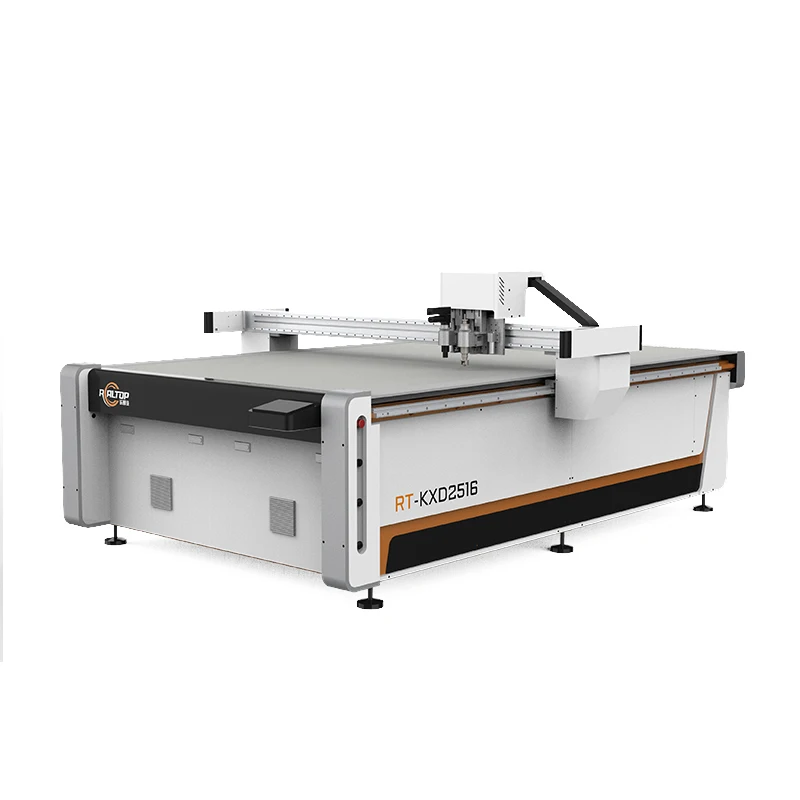
| Model | RT-D2516/RT-S2516 |
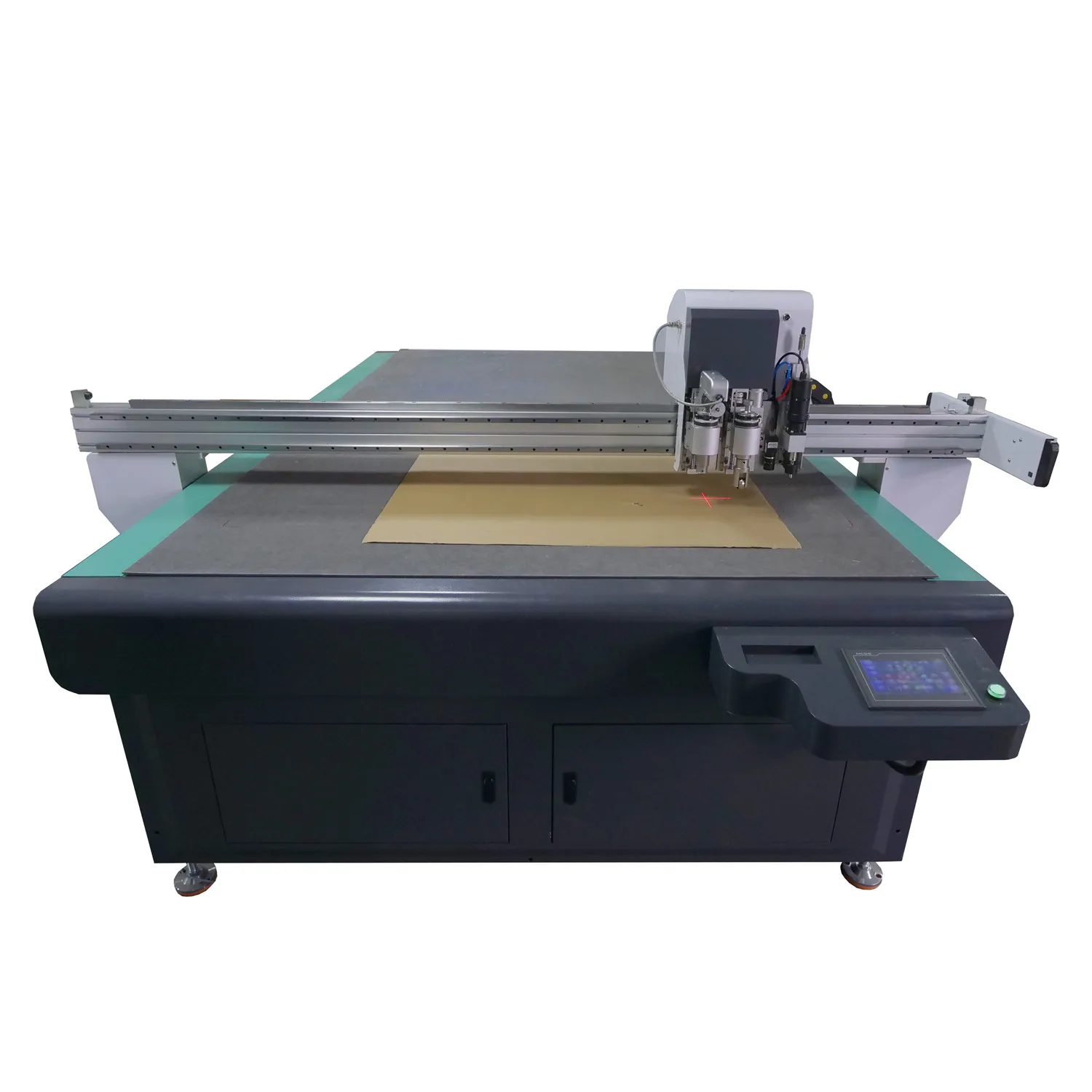
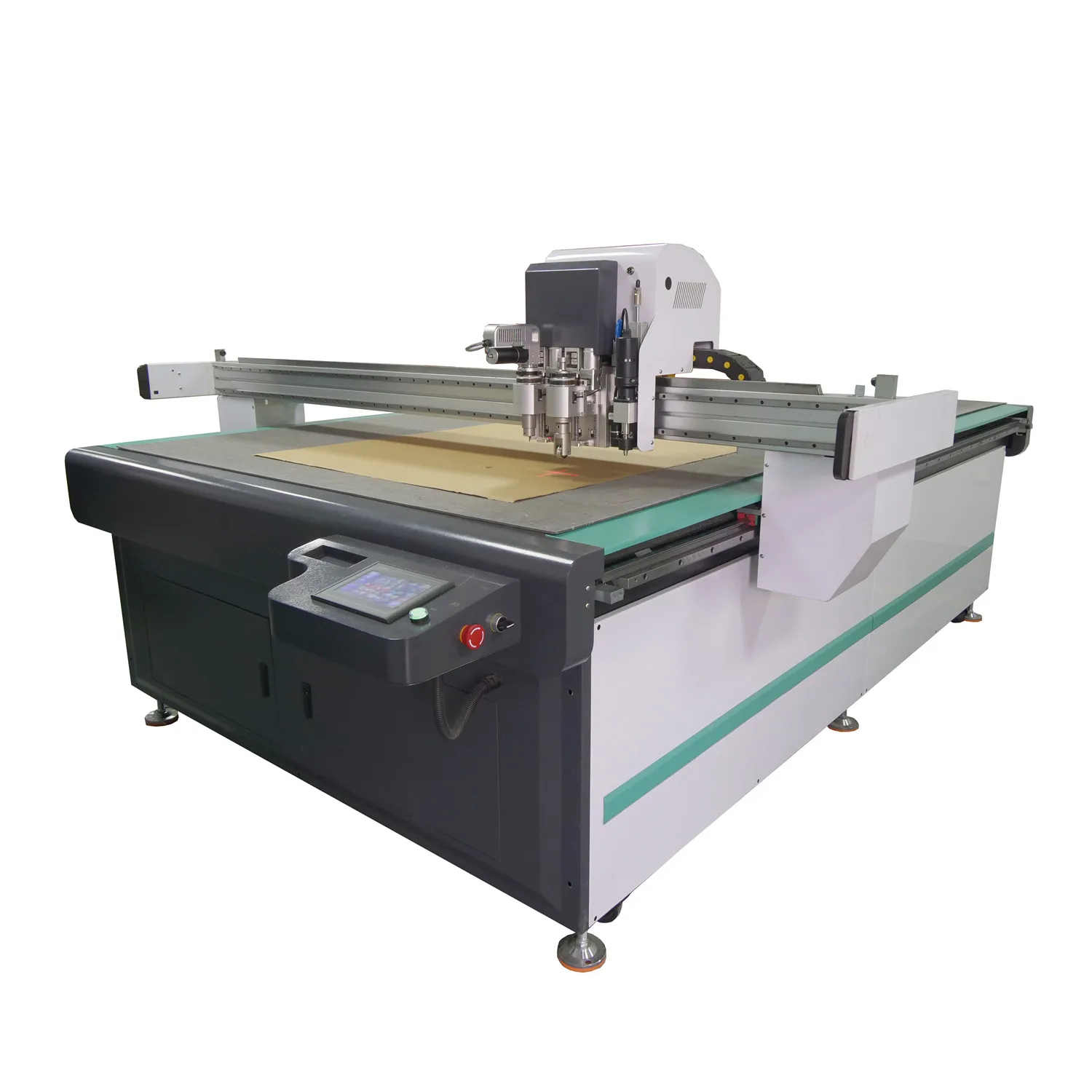
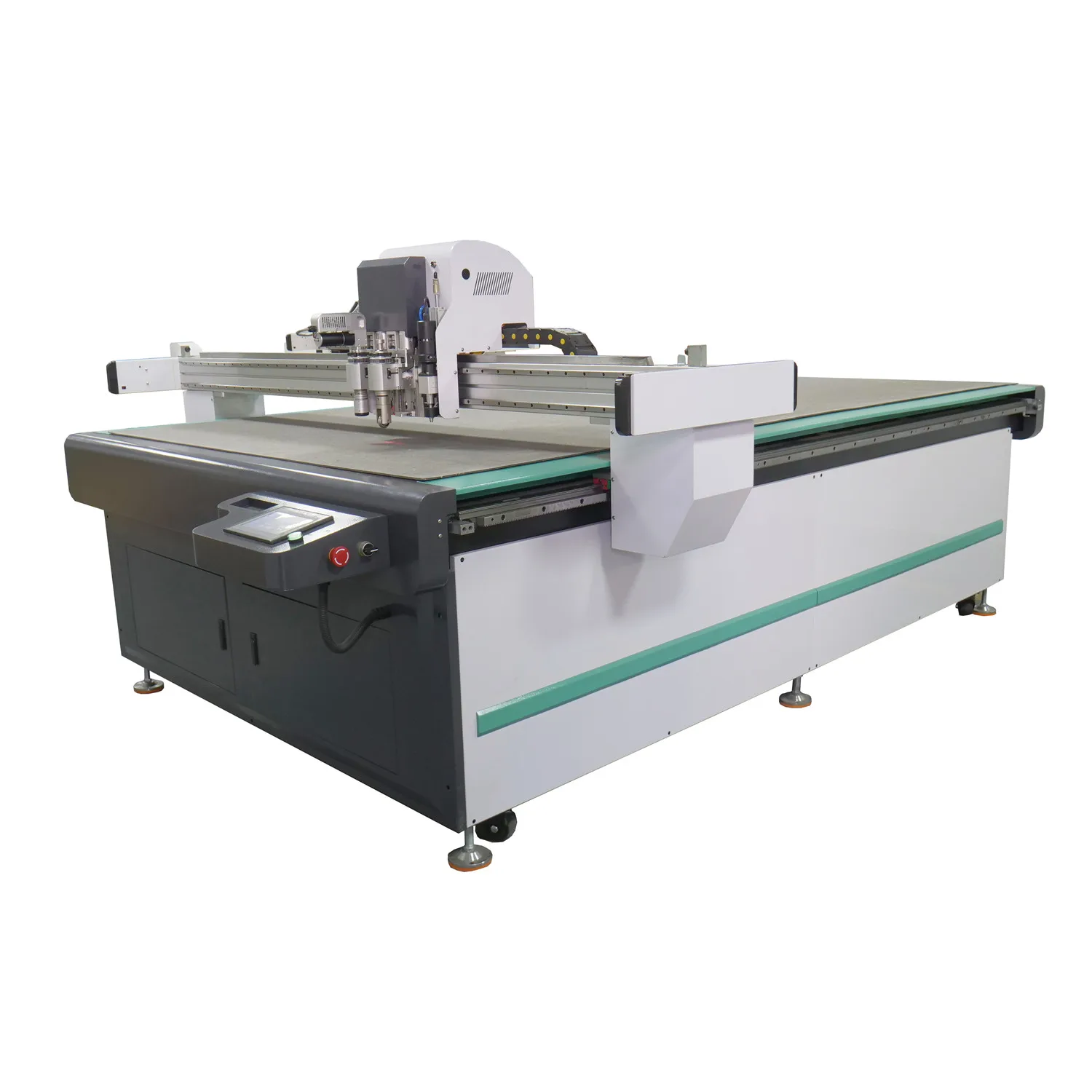
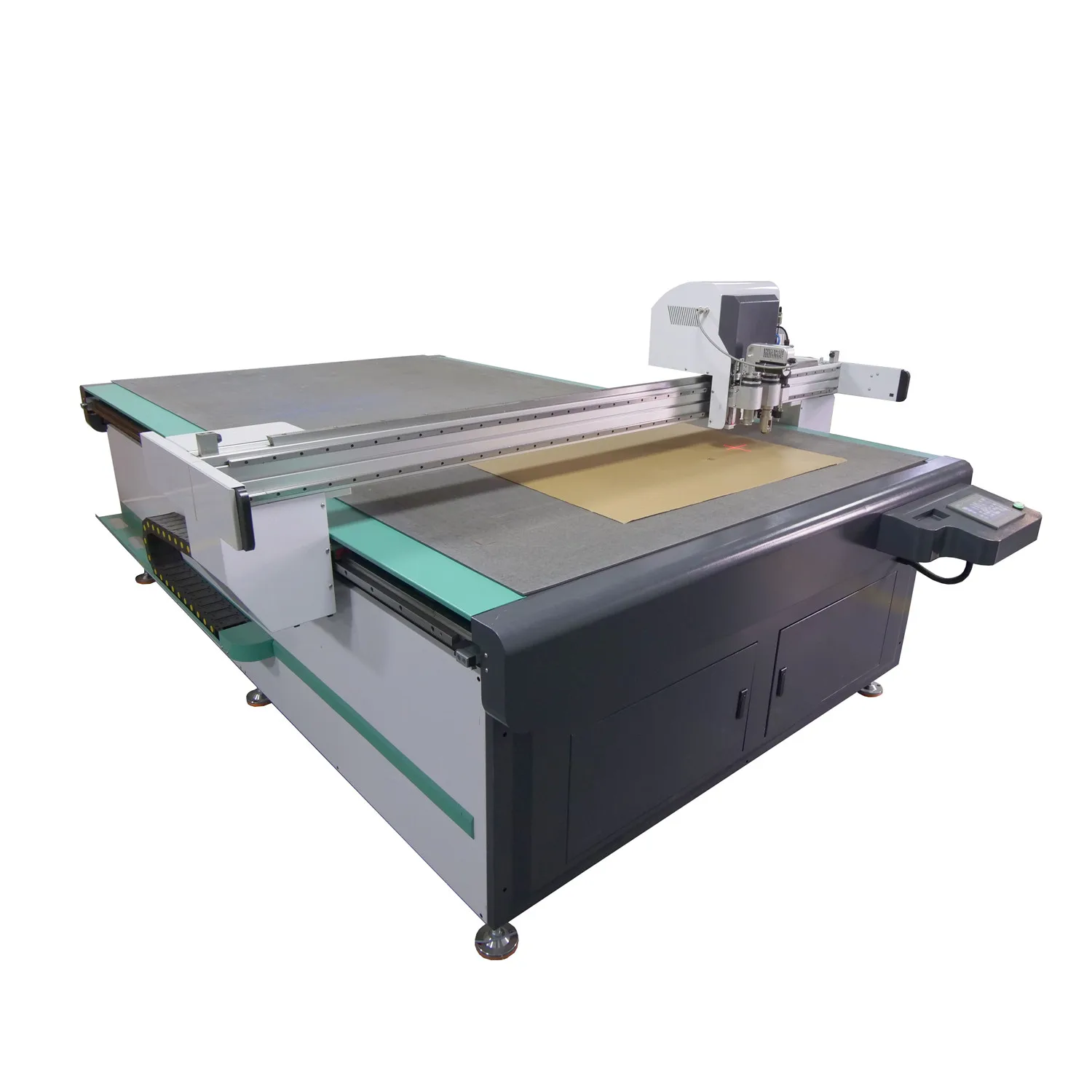
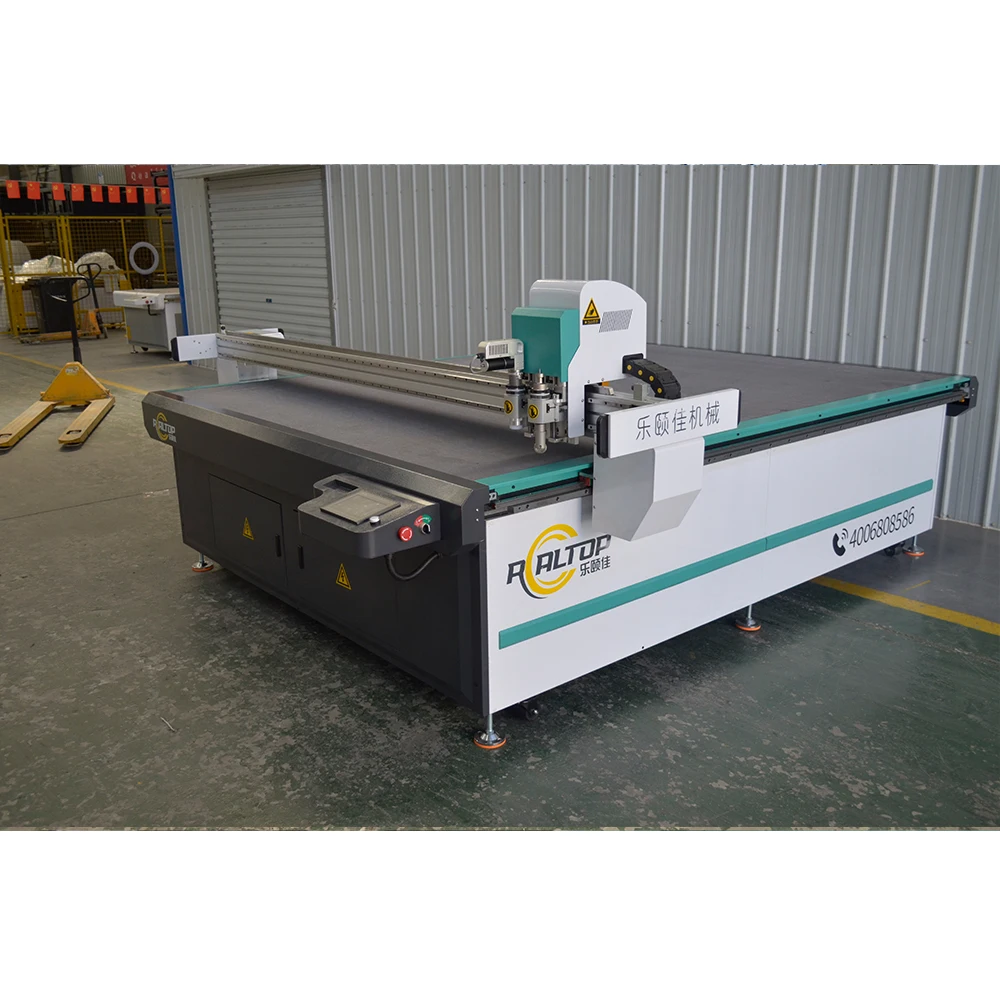
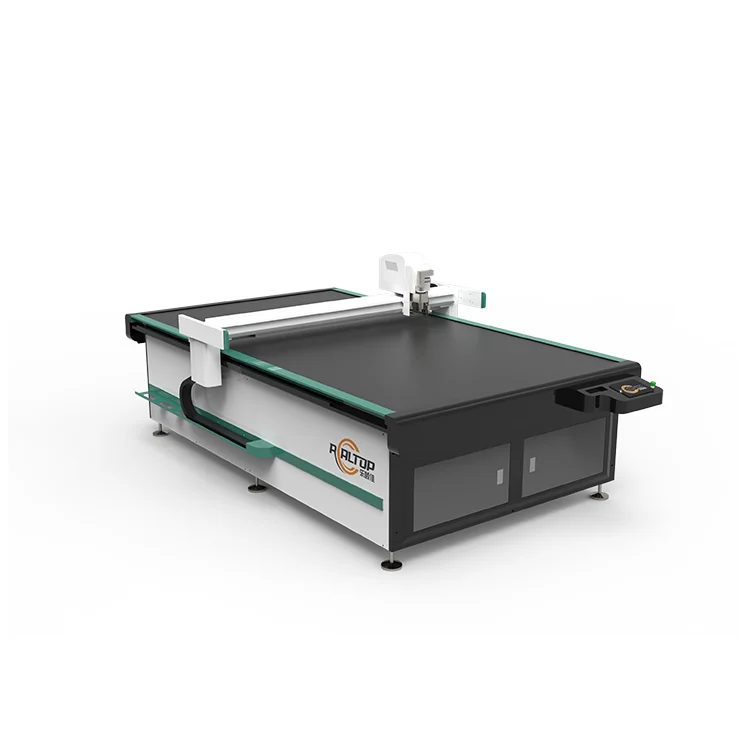
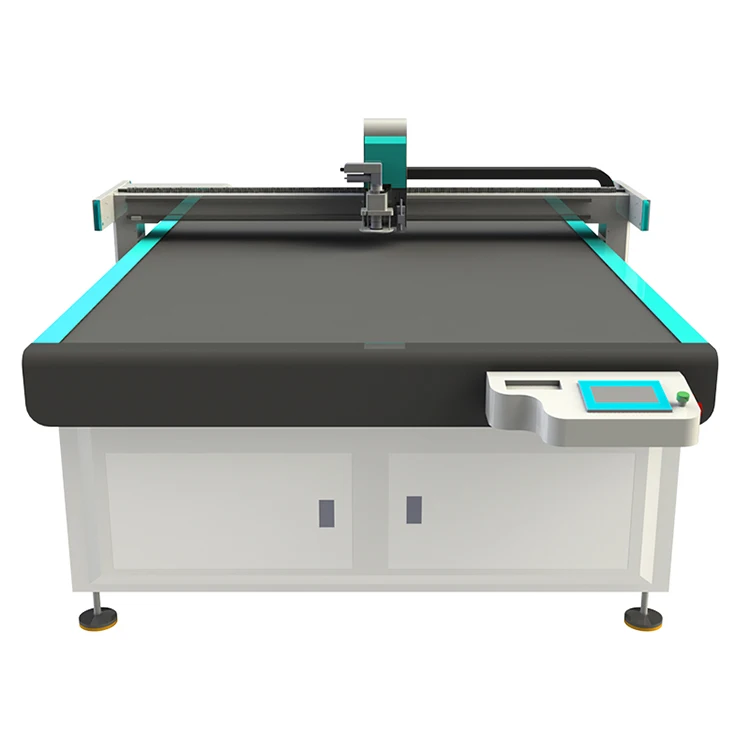
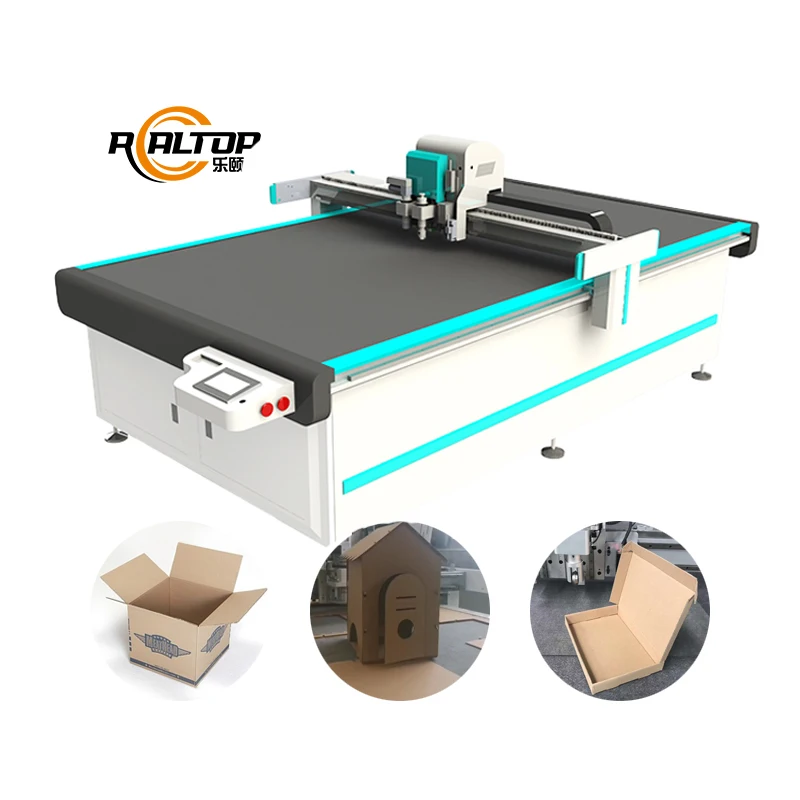
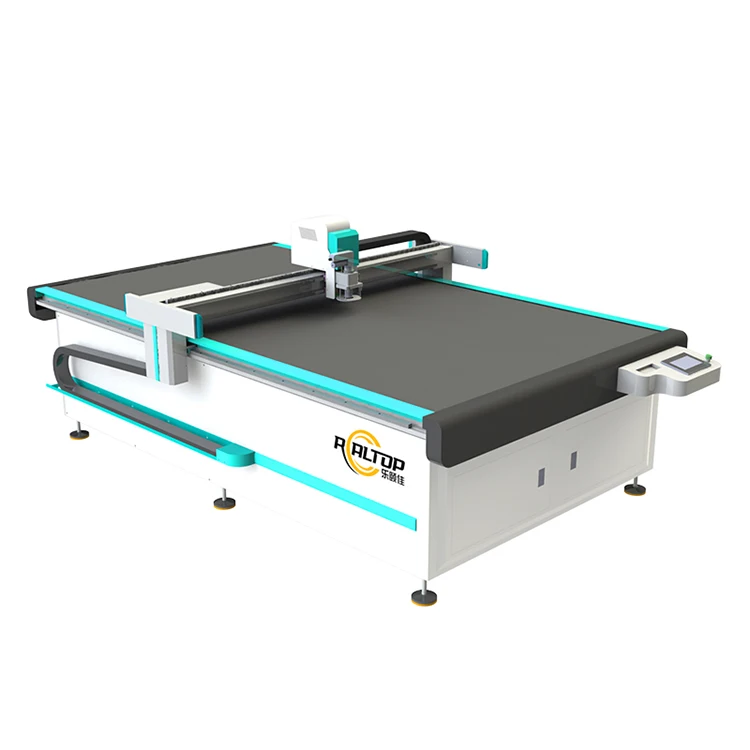
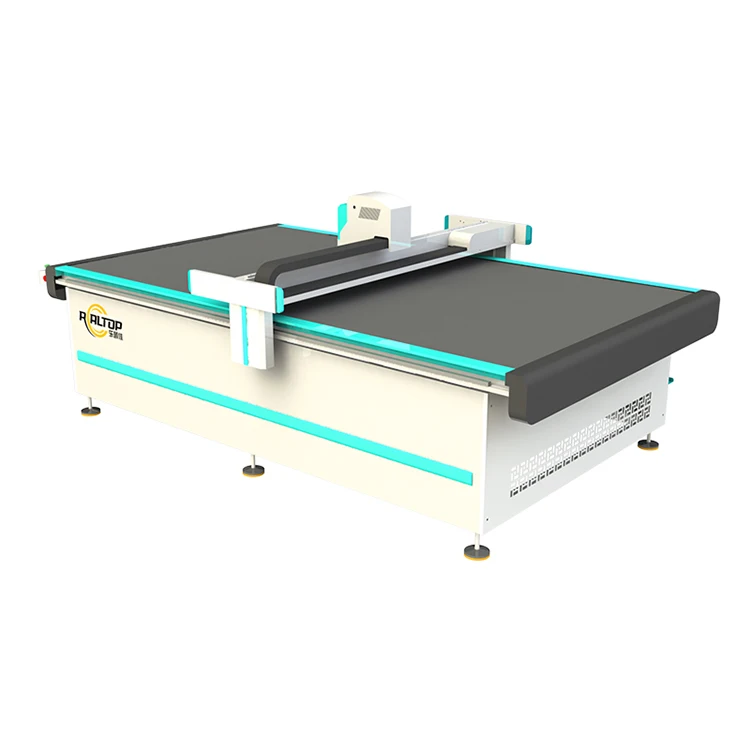
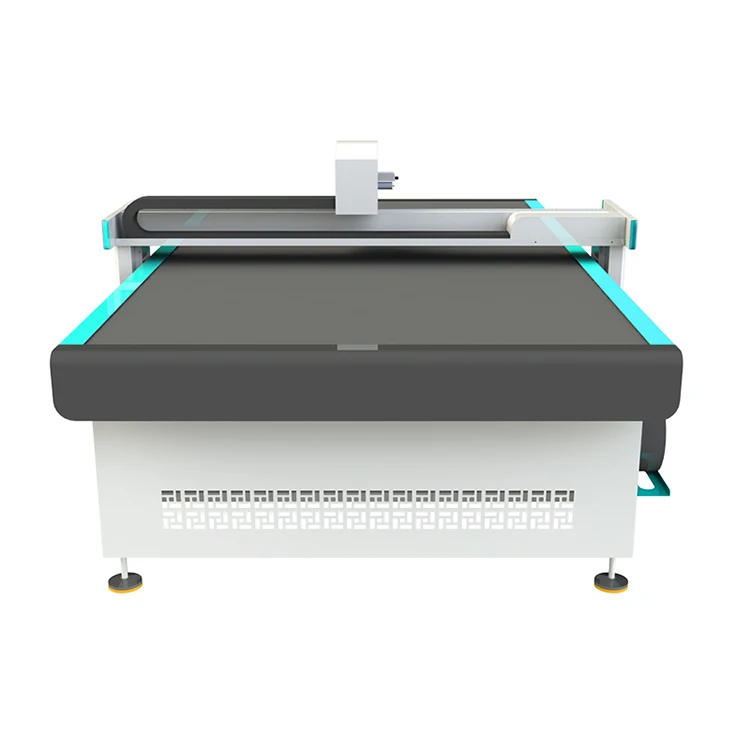
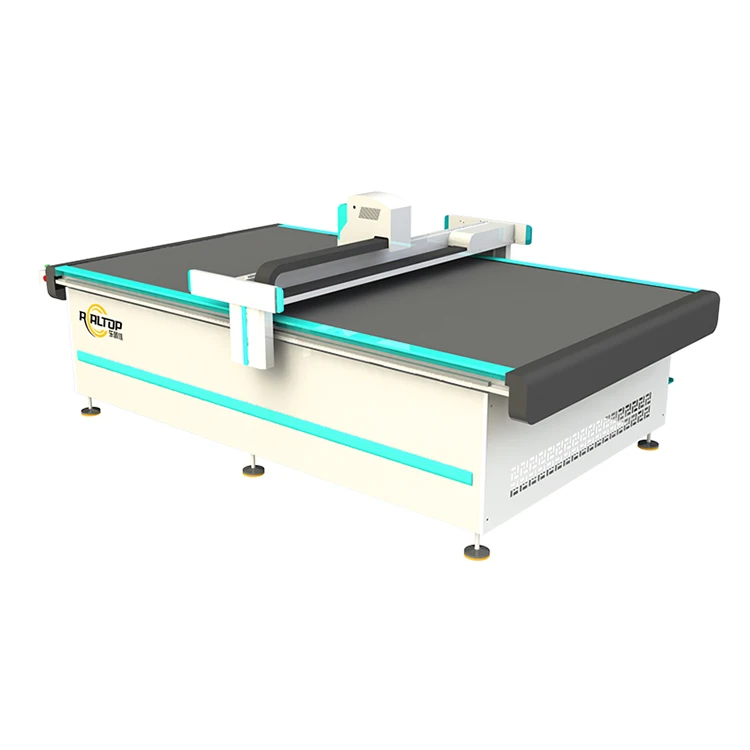
| Product Type | CNC Digital Flatbed Oscillating Knife Cutting Machine |
| Working Area | 1600 × 2500 mm |
| Machine Size | 3450 × 2300 × 1250 mm |
| Rated Power | 9 kW |
| Vacuum Pump | 7.5 kW |
| Table Type | Aluminum alloy honeycomb structure vacuum adsorption platform |
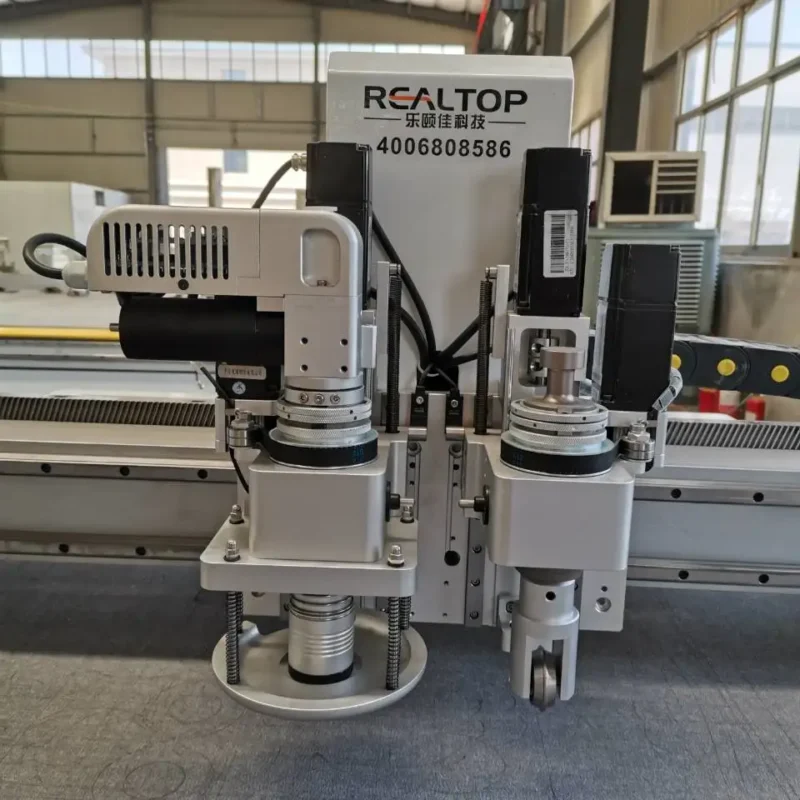
| Multifunctional Head | Swiss imported knife with vibration full cutting, half cutting and cursor location |
| Translational Velocity | 800–2000 mm/s |
| Cutting Speed | 200–800 mm/s (varies according to material type and thickness) |
| Cutting Thickness | ≤100 mm (varies with material density; basis to be confirmed per stock) |
| Repeated Accuracy | ≤0.1 mm |
| Transmission System | Digital servo motor, linear guide, synchronous belt, ball screw |
| Servo Motor | Taiwan Delta Servo Motors and Drivers |
| Linear Guide | Taiwan Hiwin rail |
| Conveyor Belt | Germany imported |
| Instruction System | HP-GL compatible format |
| Voltage | 380V ± 10% |
| Safety Device | Infrared sensors, emergency stop devices |
| Software | Professional carton nested software with multi-format file import |
| Language Options | English, Russian, Italian, Chinese; custom languages available |
| Standards | CE (referenced; verify against specific shipment documentation) |
Application Suitability
| Application | Material or Output |
|---|---|
| Carton and packaging sample making | Corrugated cardboard, greyboard, folding carton stock |
| Large electrical and express paper box packaging | Heavy-duty corrugated and honeycomb paperboard |
| Snack food and high-end gift box packaging | Coated paperboard, specialty card stock |
| Sticker and label production | Vinyl, self-adhesive films, sticker sheets |
| Signage and billboard production | PVC foam board, printed graphics on flatbed substrate |
| Garment and footwear cutting | Leather, flexible fabrics, sponge composite materials |
| Gasket and seal cutting | Rubber, silicon, soft glass, composite sheets |
What "Working Area" Alone Leaves Out When Choosing a CNC Digital Flatbed Cutting Machine
Specifying a cutting table by bed size without confirming tool head, vacuum zoning and material thickness is the most common mismatch I see in packaging equipment procurement.
A 1600 × 2500 mm working area means nothing if the vacuum table lacks zoned adsorption for the small carton blanks you actually run. Small parts lift off the bed at high translational speeds, the knife drags the material, and you lose an entire sheet to skewed cuts. I watched this happen at a packaging sample room in Jakarta — they bought on working area alone, then discovered their 80 × 50 mm label blanks were useless on a full-table vacuum setup. [NEED_CITE: vacuum adsorption zoning requirements for small-format die-cutting]
This CNC digital flatbed cutting machine manufacturer addresses that gap by offering zoned follow-cutting adsorption on the honeycomb platform, so only the active cutting zone draws vacuum, holding small parts flat while reducing overall pump load.
Where Knife Cutting Sits in the Full Equipment Range
The RT-D2516/RT-S2516 occupies the oscillating knife segment of the catalogue, purpose-built for non-metal materials that require clean edge finishing without thermal sealing. When a buyer compares this CNC oscillating knife cutting table for sale against laser alternatives, the distinction is material-driven: knife cutting handles corrugated board, foam, leather and composite fabrics without melting edges or producing burn marks, while laser systems serve acrylic, wood and textile edge-sealing applications. This CNC digital flatbed cutting machine manufacturer structures the catalogue so buyers can identify the correct process before narrowing down to a specific model.
Matching the Tool Head to Your Substrate Stack
A single multifunctional head carrying a Swiss imported oscillating knife, drag knife, creasing wheel and cursor marker means the machine switches between full cutting, half cutting, creasing and positioning within one job cycle. For packaging sample makers, that translates to cutting the carton outline, scoring the fold lines and marking registration points without manual tool changes. The oscillating knife handles dense corrugated and honeycomb board up to the machine’s rated thickness, while the drag knife suits thin vinyl and sticker films. Selecting the correct tool head from the available options prevents the crushed foam and ragged edge problems that appear when a buyer defaults to one blade type across every material. [NEED_CITE: oscillating knife versus drag knife cutting mechanics for composite materials]
Reading the Specs That Actually Affect Your Daily Output
The 9 kW rated power and 7.5 kW vacuum pump define the machine’s electrical footprint — confirm your facility delivers 380V ± 10% on a dedicated circuit before scheduling shipment. Taiwan Delta servo motors paired with Hiwin linear guides deliver the ≤0.1 mm repeated positioning accuracy that keeps crease lines aligned with cut paths across the full 1600 × 2500 mm bed, which matters when a carton blank requires multiple tool passes. The HP-GL compatible instruction system and included professional carton nesting software accept multiple file formats, so your existing DXF or PLT artwork imports without intermediate conversion. Cutting speed ranges from 200 to 800 mm/s depending on the material, meaning dense corrugated board runs slower than thin sticker stock — a reality no specification sheet should obscure.
The Hidden Cost of Skipping the Material Test
A buyer who commits to a configuration without running sample cuts on their actual production stock risks discovering mid-installation that the chosen tool head cannot handle their material density, or that the vacuum zoning fails to hold their smallest blank flat. The cost is not just the wrong blade — it is the weeks of downtime while replacement tooling ships, the wasted substrate, and the production backlog that follows. [NEED_CITE: material-specific cutting trials for industrial flatbed procurement] Every packaging and signage operation I have supported in Southeast Asia runs a different substrate mix, and ink reflectivity, coating thickness, and board density all affect how the knife engages.
Why Source This Machine Through a Combined Knife and Laser Catalogue
In-house design covering both oscillating knife and laser cutting technologies means a buyer can match the method to the material rather than being pushed toward one process. Tool head and table configuration are specified per material and production volume, not quoted as a fixed package. CCD camera positioning is available for printed contour work where registration marks must be tracked at production speed. Software compatibility is confirmed against the buyer’s existing file format before the order is placed. Voltage, plug type and control language are customized and verified before shipment, preventing the arrival-day surprises that disrupt factory floor commissioning.
Documentation & Verification
- Machine specification sheet confirming working area, tool head selection and voltage matched to your stock
- Sample cutting report on your own corrugated or flexible material before order commitment
- Electrical schematic and 380V ± 10% voltage confirmation for your facility’s supply standard
- Software licence with file format compatibility note for your DXF, PLT or AI workflow
- Tool head and vacuum table configuration list detailing zoned adsorption layout
- Factory test record on your specified material thickness before dispatch
Installation, Commissioning & Support
- Dedicated 380V ± 10% circuit with sufficient capacity for the combined 9 kW machine and 7.5 kW vacuum pump
- Floor space clearance for the 3450 × 2300 × 1250 mm machine footprint plus operator access on all sides
- Fully assembled delivery condition verified against shipping documentation before dispatch scheduling
- First-run calibration of Delta servo parameters and Hiwin guide alignment on your production material
- Operator training on tool head changeover between oscillating knife, drag knife and creasing wheel
- Spare parts list covering Swiss knife blades, vacuum seals and conveyor belt sections
What to Prepare Before Requesting a Quotation
Share your primary material types with exact thickness ranges and daily sheet volume so the tool head and vacuum zoning can be matched correctly. Confirm your facility voltage, frequency and plug standard, along with the preferred control interface language. If you run existing nesting software or specific file formats, provide sample files so import compatibility is verified before the order. Request a sample cut on your actual substrate — it is the only reliable way to confirm edge quality and throughput on the stock you will produce.
Frequently Asked Questions
Q: How do I decide between oscillating knife and laser cutting for my packaging material?
A: Oscillating knife suits corrugated board, cardboard, foam and flexible composites where clean mechanical cuts are needed without thermal edge effects. Laser cutting serves acrylic, wood and textiles requiring edge sealing. The catalogue covers both technologies, so the decision follows your material rather than the machine. Submit a sample for test cutting on both systems to compare edge quality directly.
Q: Which tool head configuration should I specify for mixed carton and sticker work?
A: A multifunctional head carrying both an oscillating knife for dense corrugated board and a drag knife for thin vinyl stickers covers both applications in one setup. The creasing wheel adds fold-line scoring for carton prototypes. The correct combination depends on your thickest and thinnest materials — confirm both before finalizing configuration.
Q: What file formats does the nesting software accept?
A: The professional carton nesting software supports multiple format imports compatible with HP-GL instruction sets, including common DXF and PLT files. Compatibility with your specific design workflow should be confirmed by sending sample files before the order is placed, ensuring clean import without manual redraw or layer reassignment.
Q: How are voltage and control language confirmed before shipment?
A: Your facility voltage, plug type and frequency are documented in the electrical schematic and confirmed against the machine’s 380V ± 10% supply requirement. Control language options include English, Russian, Italian and Chinese, with custom languages available on request. Both are locked in writing before production begins.
Q: Can I request a sample cut on my own material before ordering?
A: Yes. Send your actual production substrate — including any printed surfaces or coatings — for a test cut on the configured tool head. The sample cutting report documents edge quality, cutting depth and cycle time on your exact material, giving you verified data before commitment rather than a generic demonstration.
Knife and laser options under one roof — matching cutting method to material rather than forcing a single technology, so the buyer selects the process that actually fits the substrate.
Technical Specifications
| Parameter | Value |
|---|---|
| Model | RT-D2516/RT-S2516 |
| Product Type | CNC Digital Flatbed Oscillating Knife Cutting Machine |
| Working Area | 1600 × 2500 mm |
| Machine Size | 3450 × 2300 × 1250 mm |
| Rated Power | 9 kW |
| Vacuum Pump | 7.5 kW |
| Table Type | Aluminum alloy honeycomb structure vacuum adsorption platform |
| Multifunctional Head | Swiss imported knife with vibration full cutting, half cutting and cursor location |
| Translational Velocity | 800–2000 mm/s |
| Cutting Speed | 200–800 mm/s (varies according to material type and thickness) |
| Cutting Thickness | ≤100 mm (varies with material density; basis to be confirmed per stock) |
| Repeated Accuracy | ≤0.1 mm |
| Transmission System | Digital servo motor, linear guide, synchronous belt, ball screw |
| Servo Motor | Taiwan Delta Servo Motors and Drivers |
| Linear Guide | Taiwan Hiwin rail |
| Conveyor Belt | Germany imported |
| Instruction System | HP-GL compatible format |
| Voltage | 380V ± 10% |
| Safety Device | Infrared sensors, emergency stop devices |
| Software | Professional carton nested software with multi-format file import |
| Language Options | English, Russian, Italian, Chinese; custom languages available |
| Standards | CE (referenced; verify against specific shipment documentation) |
Application Suitability
| Application | Material or Output |
|---|---|
| Carton and packaging sample making | Corrugated cardboard, greyboard, folding carton stock |
| Large electrical and express paper box packaging | Heavy-duty corrugated and honeycomb paperboard |
| Snack food and high-end gift box packaging | Coated paperboard, specialty card stock |
| Sticker and label production | Vinyl, self-adhesive films, sticker sheets |
| Signage and billboard production | PVC foam board, printed graphics on flatbed substrate |
| Garment and footwear cutting | Leather, flexible fabrics, sponge composite materials |
| Gasket and seal cutting | Rubber, silicon, soft glass, composite sheets |
What "Working Area" Alone Leaves Out When Choosing a CNC Digital Flatbed Cutting Machine
Specifying a cutting table by bed size without confirming tool head, vacuum zoning and material thickness is the most common mismatch I see in packaging equipment procurement.
A 1600 × 2500 mm working area means nothing if the vacuum table lacks zoned adsorption for the small carton blanks you actually run. Small parts lift off the bed at high translational speeds, the knife drags the material, and you lose an entire sheet to skewed cuts. I watched this happen at a packaging sample room in Jakarta — they bought on working area alone, then discovered their 80 × 50 mm label blanks were useless on a full-table vacuum setup. [NEED_CITE: vacuum adsorption zoning requirements for small-format die-cutting]
This CNC digital flatbed cutting machine manufacturer addresses that gap by offering zoned follow-cutting adsorption on the honeycomb platform, so only the active cutting zone draws vacuum, holding small parts flat while reducing overall pump load.
Where Knife Cutting Sits in the Full Equipment Range
The RT-D2516/RT-S2516 occupies the oscillating knife segment of the catalogue, purpose-built for non-metal materials that require clean edge finishing without thermal sealing. When a buyer compares this CNC oscillating knife cutting table for sale against laser alternatives, the distinction is material-driven: knife cutting handles corrugated board, foam, leather and composite fabrics without melting edges or producing burn marks, while laser systems serve acrylic, wood and textile edge-sealing applications. This CNC digital flatbed cutting machine manufacturer structures the catalogue so buyers can identify the correct process before narrowing down to a specific model.
Matching the Tool Head to Your Substrate Stack
A single multifunctional head carrying a Swiss imported oscillating knife, drag knife, creasing wheel and cursor marker means the machine switches between full cutting, half cutting, creasing and positioning within one job cycle. For packaging sample makers, that translates to cutting the carton outline, scoring the fold lines and marking registration points without manual tool changes. The oscillating knife handles dense corrugated and honeycomb board up to the machine’s rated thickness, while the drag knife suits thin vinyl and sticker films. Selecting the correct tool head from the available options prevents the crushed foam and ragged edge problems that appear when a buyer defaults to one blade type across every material. [NEED_CITE: oscillating knife versus drag knife cutting mechanics for composite materials]
Reading the Specs That Actually Affect Your Daily Output
The 9 kW rated power and 7.5 kW vacuum pump define the machine’s electrical footprint — confirm your facility delivers 380V ± 10% on a dedicated circuit before scheduling shipment. Taiwan Delta servo motors paired with Hiwin linear guides deliver the ≤0.1 mm repeated positioning accuracy that keeps crease lines aligned with cut paths across the full 1600 × 2500 mm bed, which matters when a carton blank requires multiple tool passes. The HP-GL compatible instruction system and included professional carton nesting software accept multiple file formats, so your existing DXF or PLT artwork imports without intermediate conversion. Cutting speed ranges from 200 to 800 mm/s depending on the material, meaning dense corrugated board runs slower than thin sticker stock — a reality no specification sheet should obscure.
The Hidden Cost of Skipping the Material Test
A buyer who commits to a configuration without running sample cuts on their actual production stock risks discovering mid-installation that the chosen tool head cannot handle their material density, or that the vacuum zoning fails to hold their smallest blank flat. The cost is not just the wrong blade — it is the weeks of downtime while replacement tooling ships, the wasted substrate, and the production backlog that follows. [NEED_CITE: material-specific cutting trials for industrial flatbed procurement] Every packaging and signage operation I have supported in Southeast Asia runs a different substrate mix, and ink reflectivity, coating thickness, and board density all affect how the knife engages.
Why Source This Machine Through a Combined Knife and Laser Catalogue
In-house design covering both oscillating knife and laser cutting technologies means a buyer can match the method to the material rather than being pushed toward one process. Tool head and table configuration are specified per material and production volume, not quoted as a fixed package. CCD camera positioning is available for printed contour work where registration marks must be tracked at production speed. Software compatibility is confirmed against the buyer’s existing file format before the order is placed. Voltage, plug type and control language are customized and verified before shipment, preventing the arrival-day surprises that disrupt factory floor commissioning.
Documentation & Verification
- Machine specification sheet confirming working area, tool head selection and voltage matched to your stock
- Sample cutting report on your own corrugated or flexible material before order commitment
- Electrical schematic and 380V ± 10% voltage confirmation for your facility’s supply standard
- Software licence with file format compatibility note for your DXF, PLT or AI workflow
- Tool head and vacuum table configuration list detailing zoned adsorption layout
- Factory test record on your specified material thickness before dispatch
Installation, Commissioning & Support
- Dedicated 380V ± 10% circuit with sufficient capacity for the combined 9 kW machine and 7.5 kW vacuum pump
- Floor space clearance for the 3450 × 2300 × 1250 mm machine footprint plus operator access on all sides
- Fully assembled delivery condition verified against shipping documentation before dispatch scheduling
- First-run calibration of Delta servo parameters and Hiwin guide alignment on your production material
- Operator training on tool head changeover between oscillating knife, drag knife and creasing wheel
- Spare parts list covering Swiss knife blades, vacuum seals and conveyor belt sections
What to Prepare Before Requesting a Quotation
Share your primary material types with exact thickness ranges and daily sheet volume so the tool head and vacuum zoning can be matched correctly. Confirm your facility voltage, frequency and plug standard, along with the preferred control interface language. If you run existing nesting software or specific file formats, provide sample files so import compatibility is verified before the order. Request a sample cut on your actual substrate — it is the only reliable way to confirm edge quality and throughput on the stock you will produce.
Frequently Asked Questions
Q: How do I decide between oscillating knife and laser cutting for my packaging material?
A: Oscillating knife suits corrugated board, cardboard, foam and flexible composites where clean mechanical cuts are needed without thermal edge effects. Laser cutting serves acrylic, wood and textiles requiring edge sealing. The catalogue covers both technologies, so the decision follows your material rather than the machine. Submit a sample for test cutting on both systems to compare edge quality directly.
Q: Which tool head configuration should I specify for mixed carton and sticker work?
A: A multifunctional head carrying both an oscillating knife for dense corrugated board and a drag knife for thin vinyl stickers covers both applications in one setup. The creasing wheel adds fold-line scoring for carton prototypes. The correct combination depends on your thickest and thinnest materials — confirm both before finalizing configuration.
Q: What file formats does the nesting software accept?
A: The professional carton nesting software supports multiple format imports compatible with HP-GL instruction sets, including common DXF and PLT files. Compatibility with your specific design workflow should be confirmed by sending sample files before the order is placed, ensuring clean import without manual redraw or layer reassignment.
Q: How are voltage and control language confirmed before shipment?
A: Your facility voltage, plug type and frequency are documented in the electrical schematic and confirmed against the machine’s 380V ± 10% supply requirement. Control language options include English, Russian, Italian and Chinese, with custom languages available on request. Both are locked in writing before production begins.
Q: Can I request a sample cut on my own material before ordering?
A: Yes. Send your actual production substrate — including any printed surfaces or coatings — for a test cut on the configured tool head. The sample cutting report documents edge quality, cutting depth and cycle time on your exact material, giving you verified data before commitment rather than a generic demonstration.
商品评价
There are no reviews yet.