

Fast Delivery
Quick, reliable shipping to any location.

Free & easy returns
Return this item by mail or in store within 90 days for a full refund.
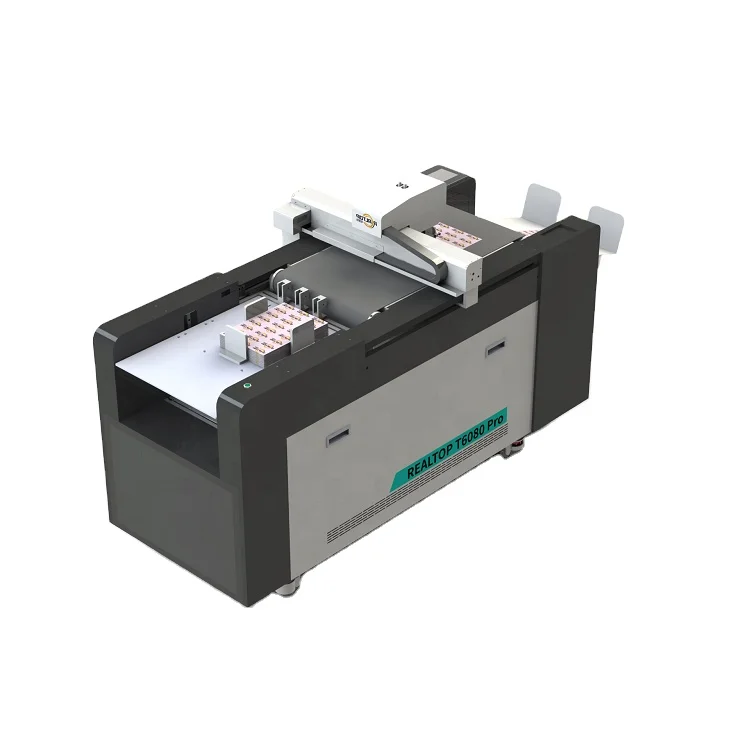
Material-matched tooling selection — In-house design and production covering both knife and laser cutting technologies, enabling buyers to match the cutting method precisely to their material rather than forcing one method across all applications.
Technical Specifications
| Parameter | Value |
|---|---|
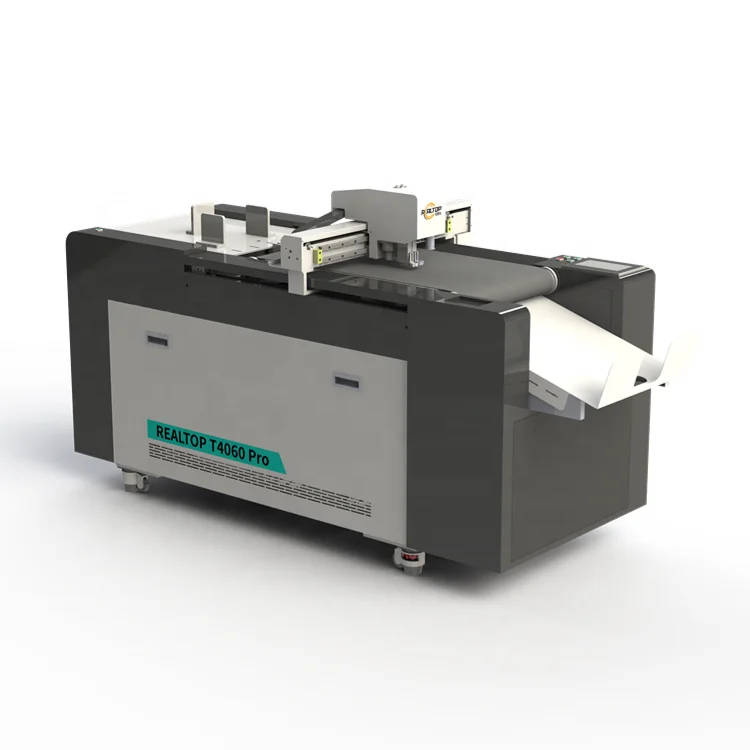
| Product Type | CNC Oscillating Knife Cutting Machine |
| Working Area | A3 / A4 format (exact dimensions to be confirmed) |
| Tool Head Type | Vibrating / oscillating knife |
| Cutting Method | Digital tool-free die cutting |
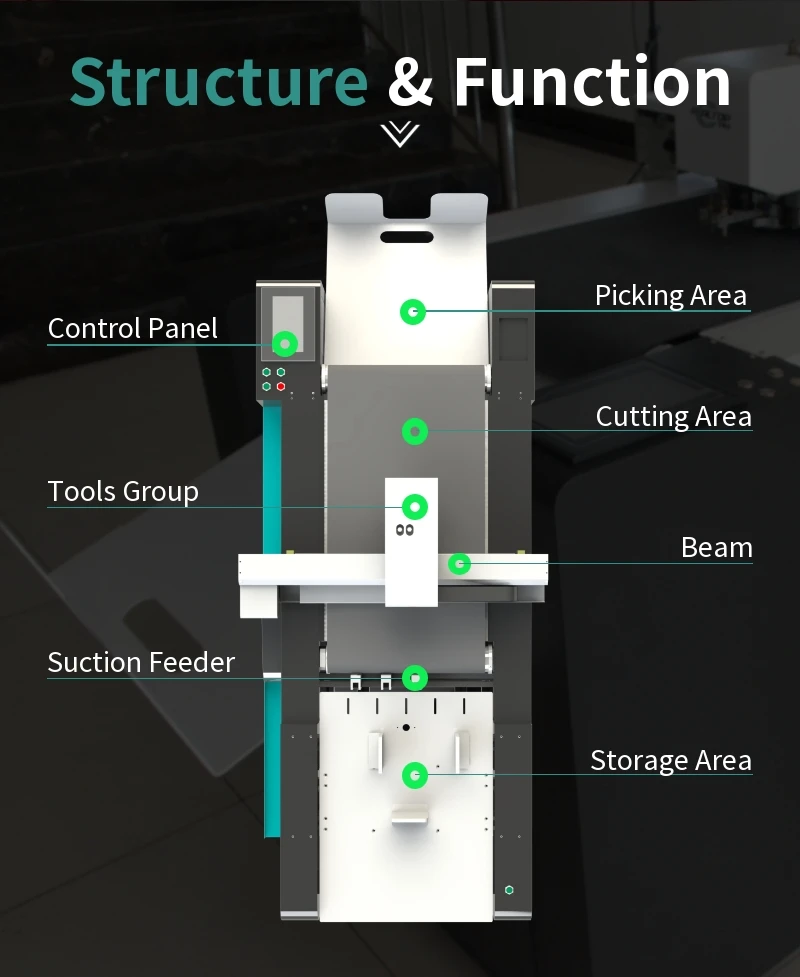
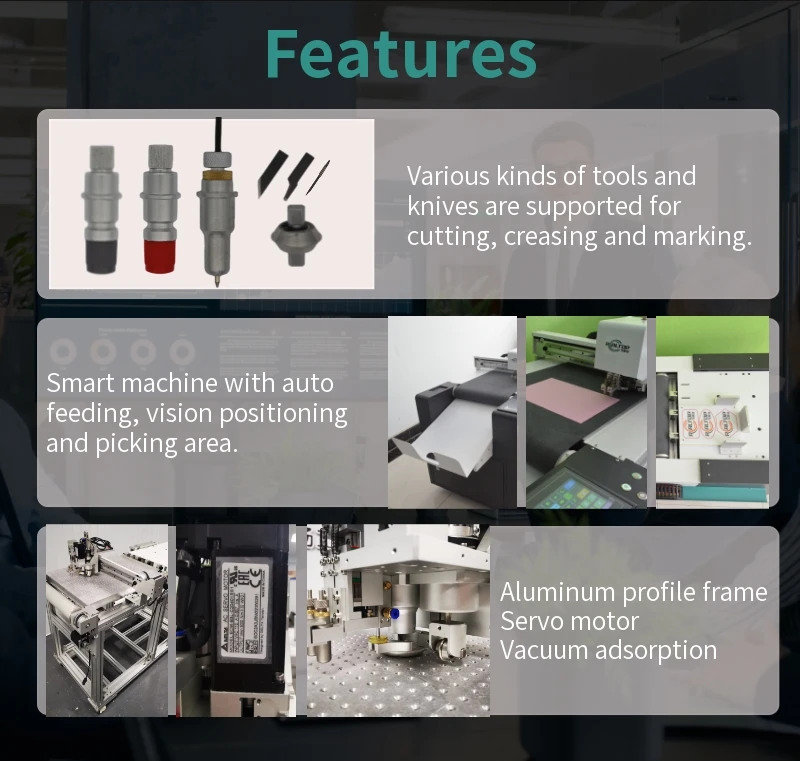
| Functionality | Cutting, punching, marking (multi-functional cutting head) |
| Control System | Computer programmed operation with automatic layout and calculation system |
| Software Capability | Automatic nesting, accurate cost calculation, material distribution control |
| Cutting Thickness by Material | (basis to be confirmed) |
| Positioning Accuracy | (basis to be confirmed) |
| Repeatability | (basis to be confirmed) |
| CCD Camera | (basis to be confirmed) |
| Vacuum Zones | (basis to be confirmed) |
| File Formats | (basis to be confirmed) |
| Rated Power | (basis to be confirmed) |
| Voltage & Frequency | (basis to be confirmed) |
| Language Options | (basis to be confirmed) |
Application Suitability
| Application | Material or Output |
|---|---|
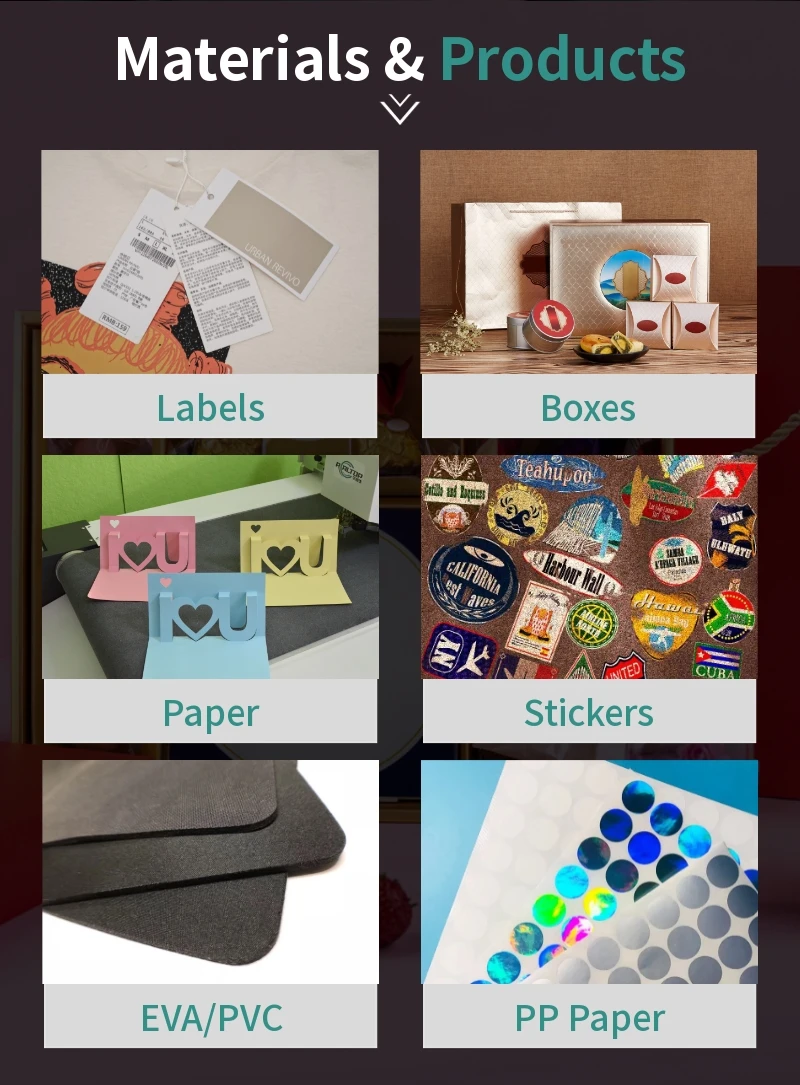
| Leather goods cutting | Natural and synthetic leather for footwear, bags and upholstery |
| Fabric cutting | Technical textiles, garment fabrics and multi-layer composite cloth |
| Packaging sample making | Cardboard, corrugated board and folding carton stock |
| Digital die-free processing | Short-run and fast-changing design production without physical dies |
Why the Thickness Question Must Come Before the Working Area
A machine specified on working area alone, then found unable to handle the actual material thickness — this is the most common mismatch we see across the full catalogue of CNC oscillating knife cutting machine manufacturer options. Confirm cutting depth capability on your exact material before narrowing down by table size.
Buyers often focus on the footprint first, assuming that if a sheet fits on the bed, the knife will handle the rest. I have watched leather workshops discover mid-production that their vibrating knife stalls on 4mm sole leather when the machine was only validated on 1.5mm lining splits. The same pattern repeats with corrugated board: a sample cut on single-wall passes easily, but the customer’s daily work is double-wall, and the oscillation stroke simply does not reach [NEED_CITE: cutting stroke requirements by corrugated board grade].
Matching the Knife to the Stock
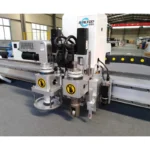
The multi-functional cutting head on this CNC digital cutting machine supports cutting, punching and marking within a single workstation. For leather operations, that means one fixturing pass covers the outline cut, the stitch hole punch and the grain-side score line. Fabric processors benefit from the oscillating knife action, which shears through woven and knitted textiles without the fraying that a static drag knife tends to leave on loose-weave materials.
Nesting Intelligence and Material Yield
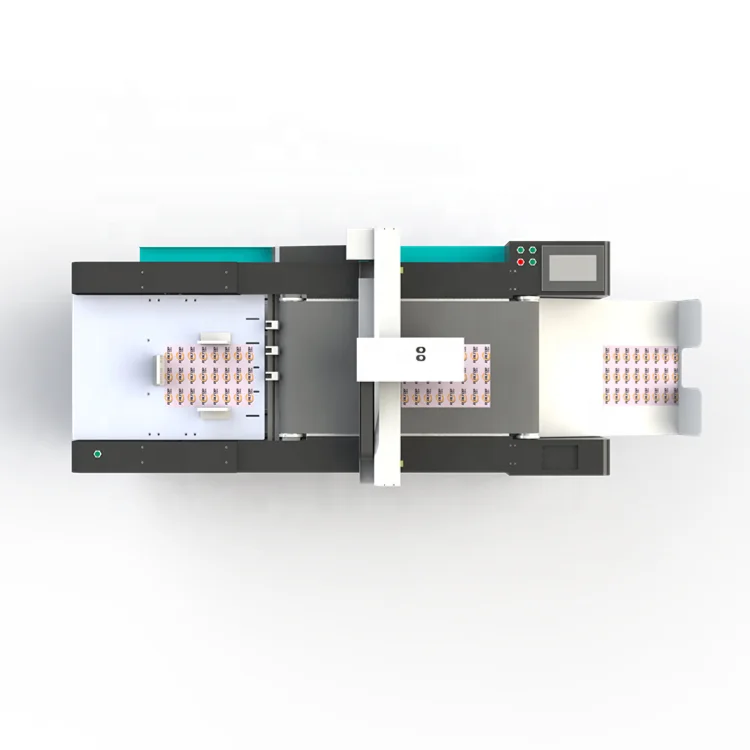
The automatic layout and calculation system addresses one of the costliest wastes in leather and fabric shops: poor hide utilization. The software runs nesting algorithms that rotate and mirror pattern pieces across the irregular outline of a natural hide or a rectangular fabric lay, then produces a material distribution report before the first cut is made. This lets production managers verify yield figures and adjust marker strategy while the stock is still on the roll [NEED_CITE: nesting software yield optimization in garment cutting].
Reading the Spec Sheet Against Real Production Needs
Working area defines the maximum sheet you can load, but cutting stroke depth determines what you can actually part through. A3 and A4 format machines suit sample rooms and short-run packaging shops where the stock thickness stays moderate. The oscillating knife’s vertical stroke must exceed the material thickness by a safe margin to achieve a clean through-cut, so specifying by material type and measured thickness — not by sheet dimension alone — prevents the most frequent post-delivery complaint. The computer programmed control with automatic cost calculation ties directly into quoting workflows, letting sample makers price a carton or leather component before committing to the cut.
The Hidden Cost of Skipping the Sample Cut
When a buyer commits without seeing their own material cut, the first production run becomes the real test. Ragged edges on foam, crushed corrugated flutes, or incomplete cuts through leather splits all surface only after the machine is installed and the production clock is running. We have seen shops lose entire days re-cutting orders because the tool head was specified for a thinner gauge than what arrived on the loading dock [NEED_CITE: tool head selection errors in contract cutting shops]. Running a sample cut on the buyer’s actual stock before shipment eliminates that gap between expectation and reality.
Why Buyers Source This Range Here
The catalogue covers both oscillating knife and laser cutting families, so a buyer evaluating leather, fabric and cardboard applications can compare methods side by side instead of being steered toward whichever technology a single-method supplier happens to build. Tool head and table configurations are specified per material and production volume, not locked into a default package. Software compatibility is confirmed against the buyer’s existing file format before the order is placed, avoiding the discovery that a nesting workflow will not import. Voltage, control language and specification customization are handled in-house, reducing the back-and-forth that delays shipment.
Documentation & Verification
- Machine specification sheet with cutting method matched to your material type and thickness
- Tool head and table configuration list specified per your production volume
- Sample cutting report run on your own leather, fabric or cardboard stock
- Software licence and file format compatibility note confirmed before order placement
- Factory test record documenting performance across your specified material range
Installation, Commissioning & Support
- Floor loading check for the A3/A4 format table footprint and vacuum pump placement
- Dedicated circuit sized to the machine’s rated power and confirmed voltage and frequency
- Assembly of vacuum bed sections and tool head carriage at your facility on arrival
- First-run parameter tuning on your actual leather or cardboard stock with operator present
- Software training covering nesting layout, file import and cost calculation functions
- Oscillating knife blade replacement schedule and spare tool head inventory recommendation
What to Prepare Before Requesting a Quote
Send the material types you cut most often, with measured thickness and maximum sheet size. Include your typical daily volume so the configuration can match production pace. Note your local voltage, frequency and preferred control language. If you work with printed contours or specific nesting software, share a sample file so compatibility is verified before commitment.
Frequently Asked Questions
Q: How do I choose between knife and laser cutting for my material?
A: Knife cutting suits materials that fray, melt or emit fumes under laser heat — natural leather, woven fabrics, corrugated board and foam. Laser cutting works well for acrylic, sealed-edge synthetics and engraving applications. We cover both methods across our catalogue, so the recommendation is based on your material behaviour, not on pushing one technology.
Q: How can I confirm the machine handles my material thickness?
A: Request a sample cut on your own stock before committing. We run your material through the CNC oscillating knife cutting machine manufacturer test process and share the cut report showing edge quality, through-cut completeness and cycle time so you see real performance rather than a brochure figure.
Q: What machine families are available and where does each fit?
A: The full catalogue spans oscillating knife machines for soft and semi-rigid materials, CO2 laser machines for non-metal cutting and engraving, and fiber laser machines for sheet metal and tube. Each family is matched to material type and production volume so buyers can narrow from the complete range to the method that fits their workload.
Q: Can the control system and software be customized for my market?
A: Voltage, frequency, plug type and control interface language are configurable before shipment. Software compatibility with your existing file formats and nesting workflow is confirmed during the specification stage, so the machine integrates with your current production process without conversion workarounds.










商品评价
There are no reviews yet.