

Fast Delivery
Quick, reliable shipping to any location.

Free & easy returns
Return this item by mail or in store within 90 days for a full refund.
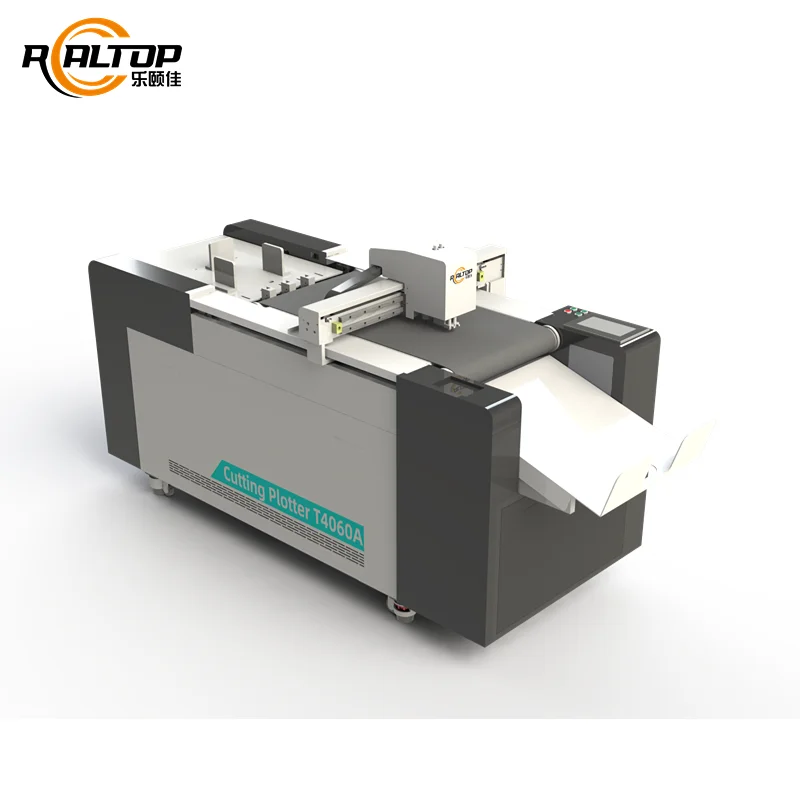
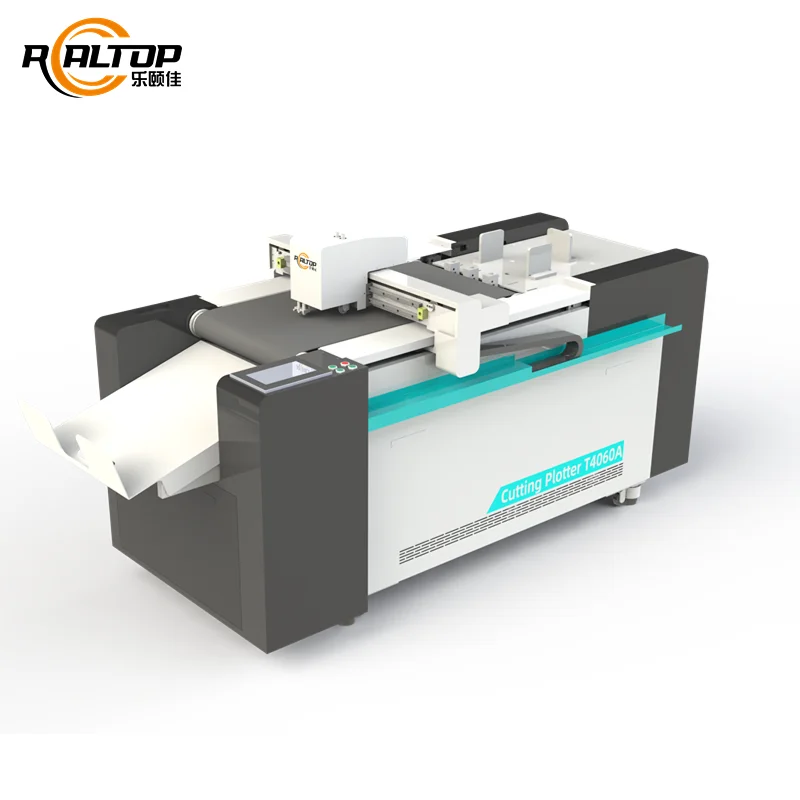
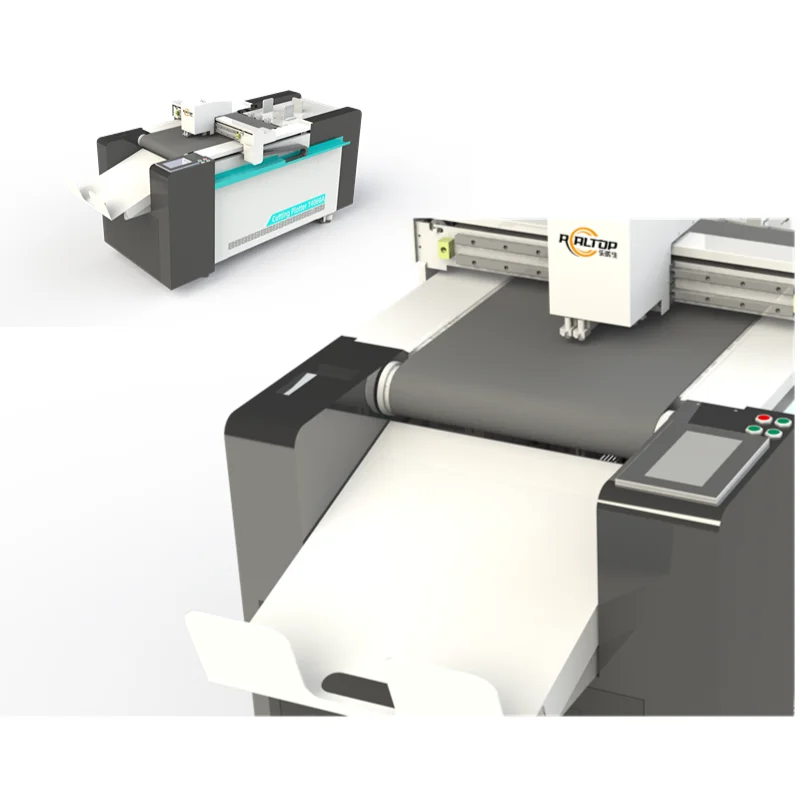
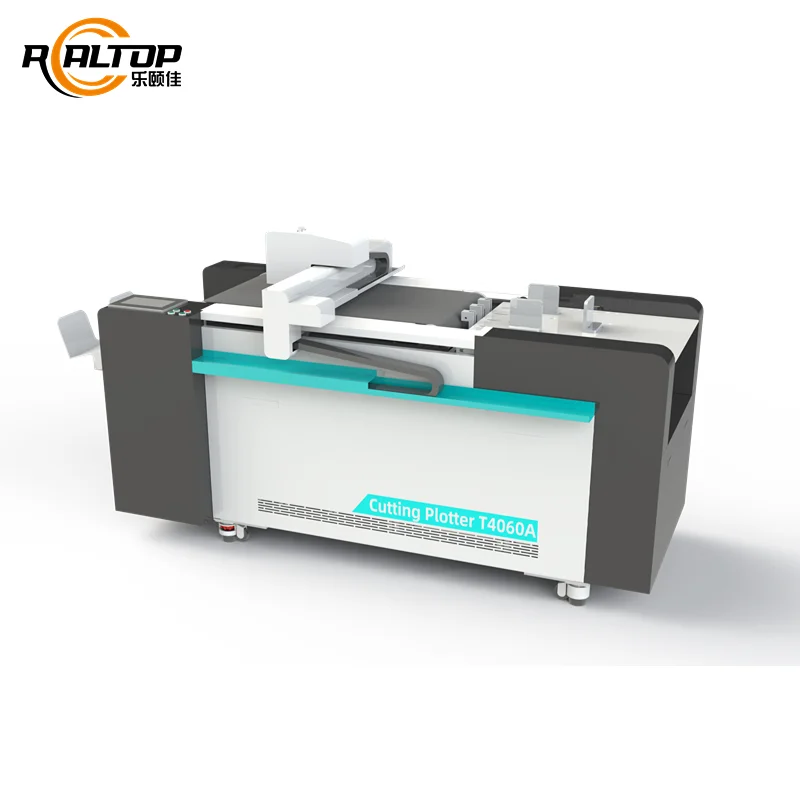
Material-Matched Configuration — Every RTT-4060 Pro is configured against the buyer’s actual board, vinyl or paper stock, preventing the common mismatch between a machine’s nominal working area and its real cutting capability.
Technical Specifications
| Parameter | Value |
|---|---|
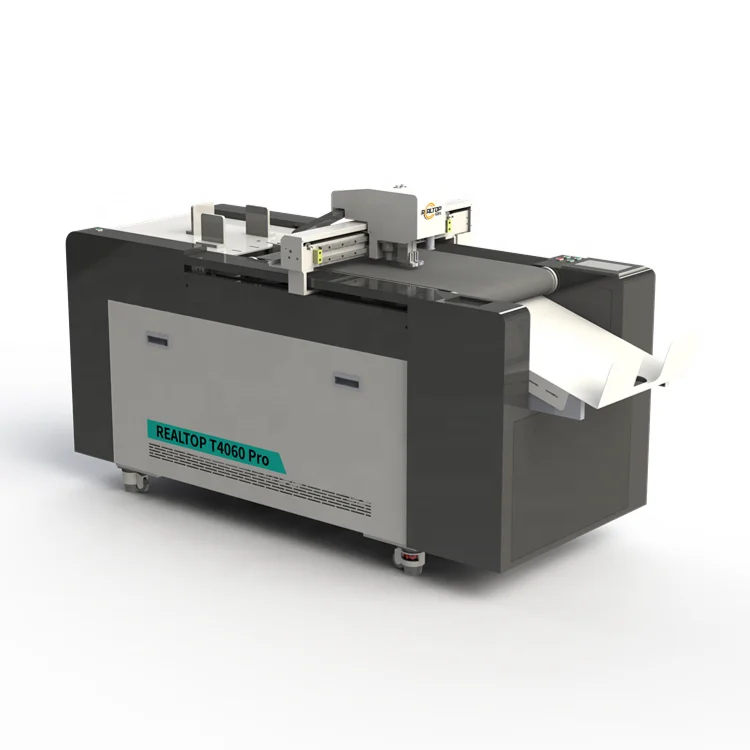
| Model | RTT-4060 Pro |
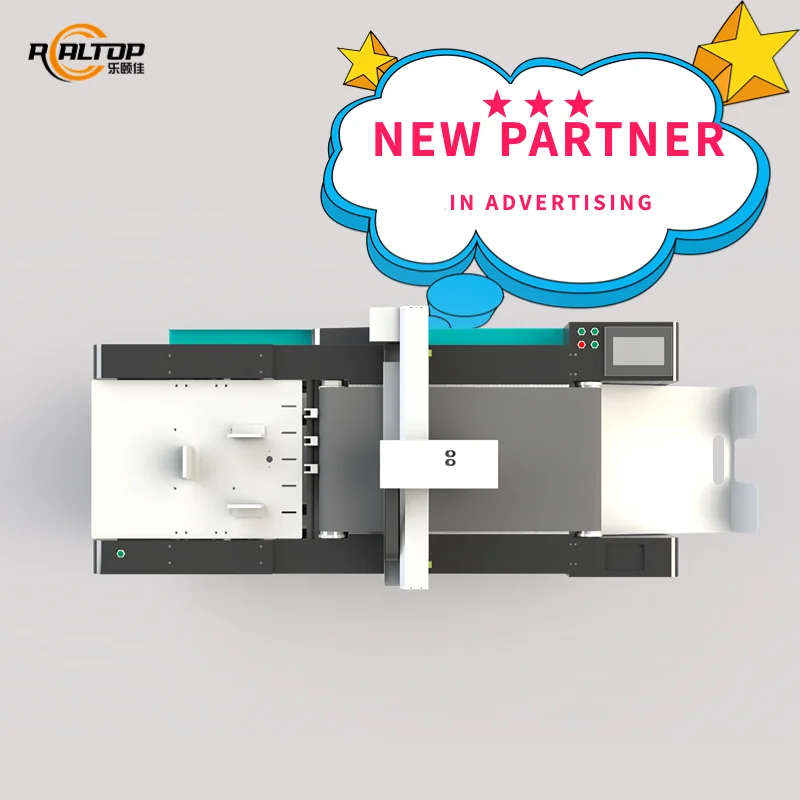
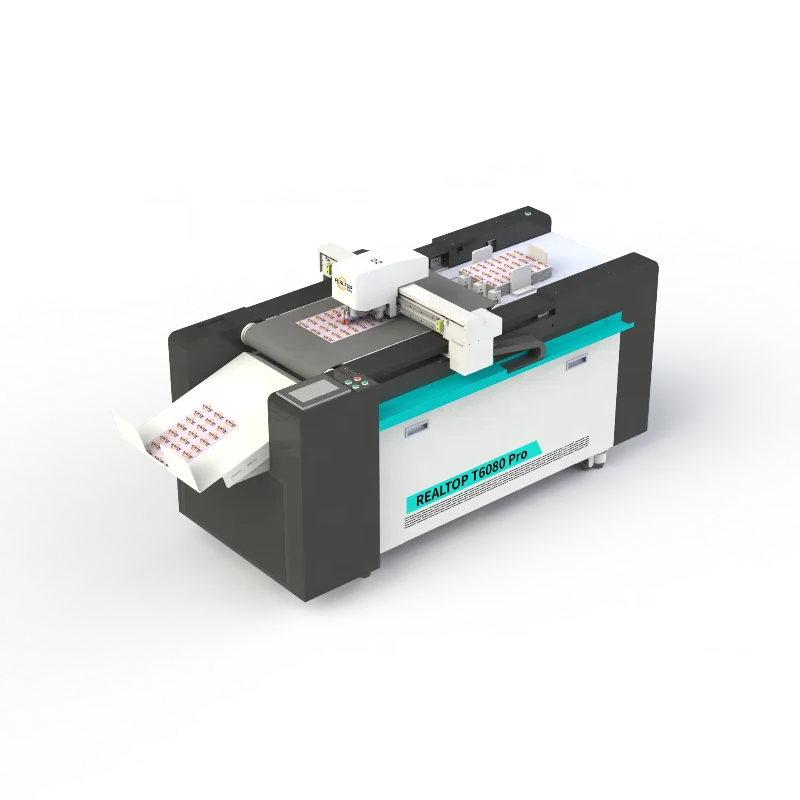
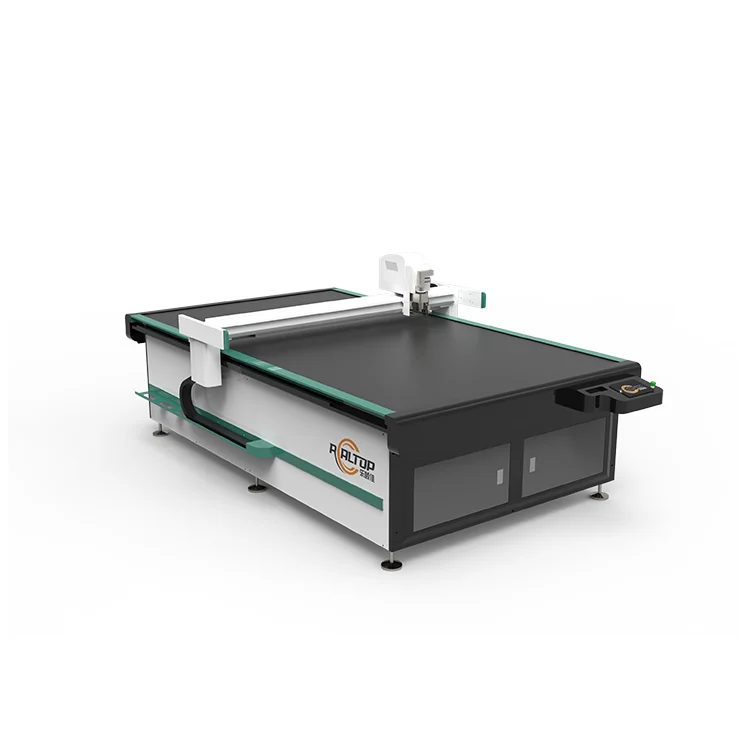
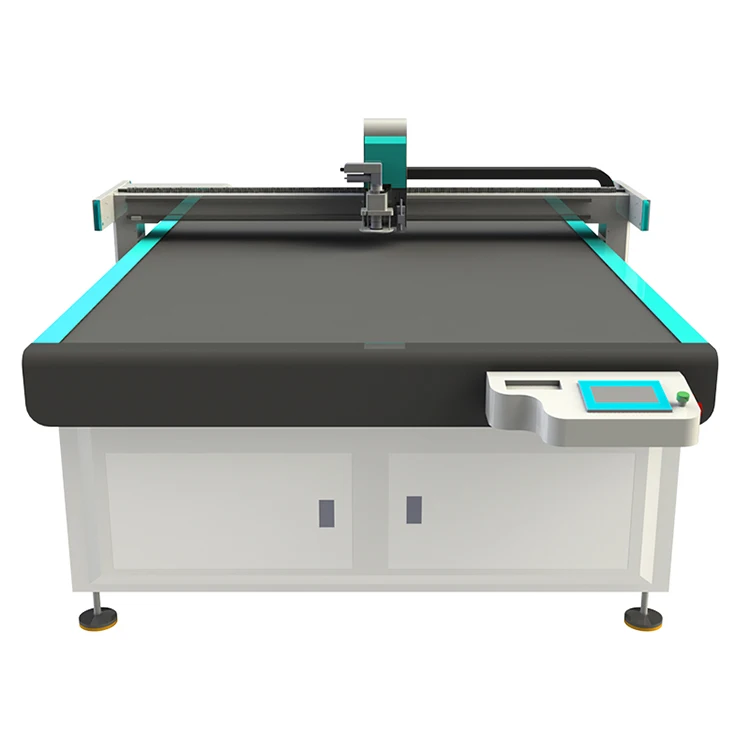
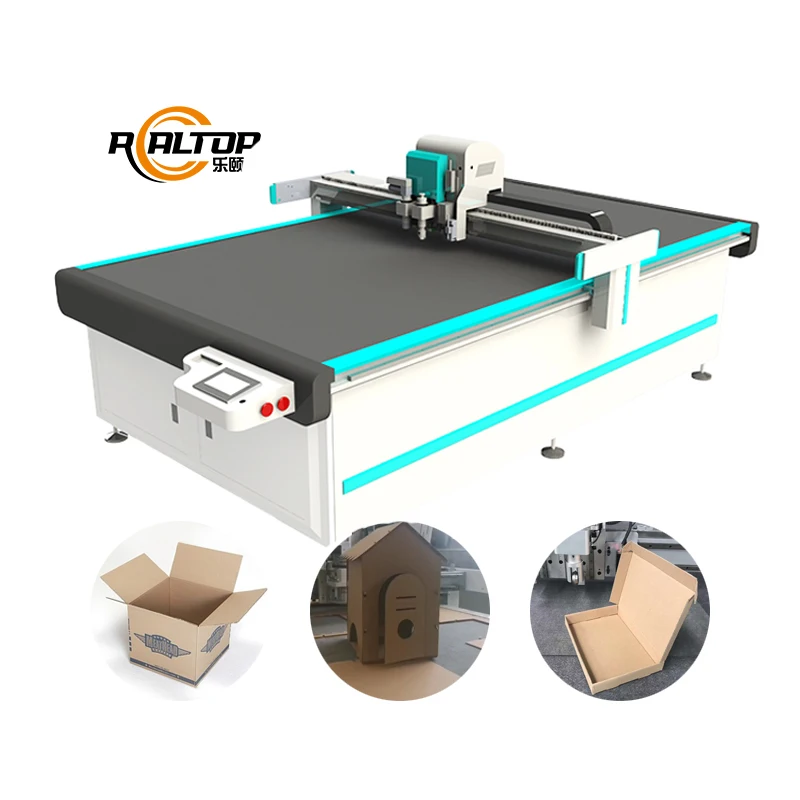
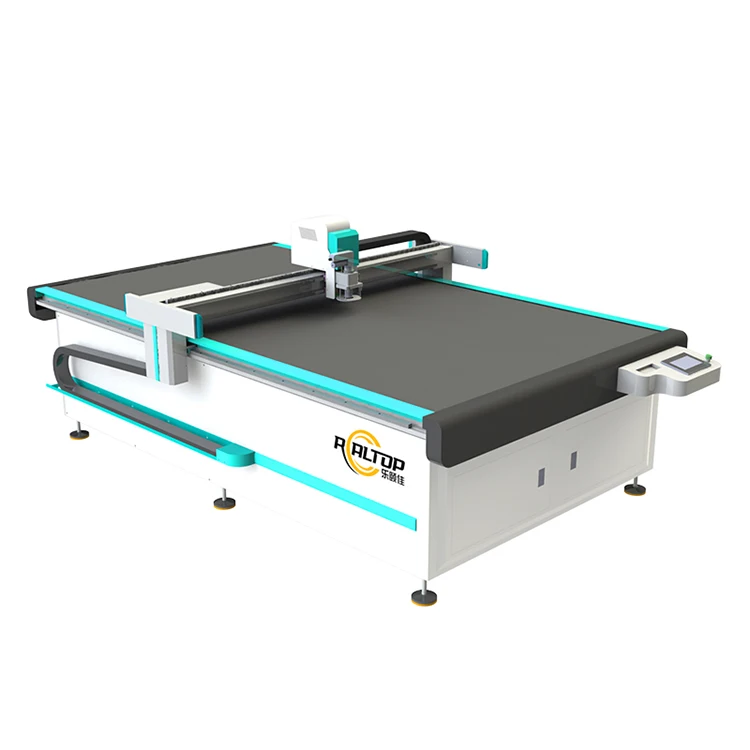
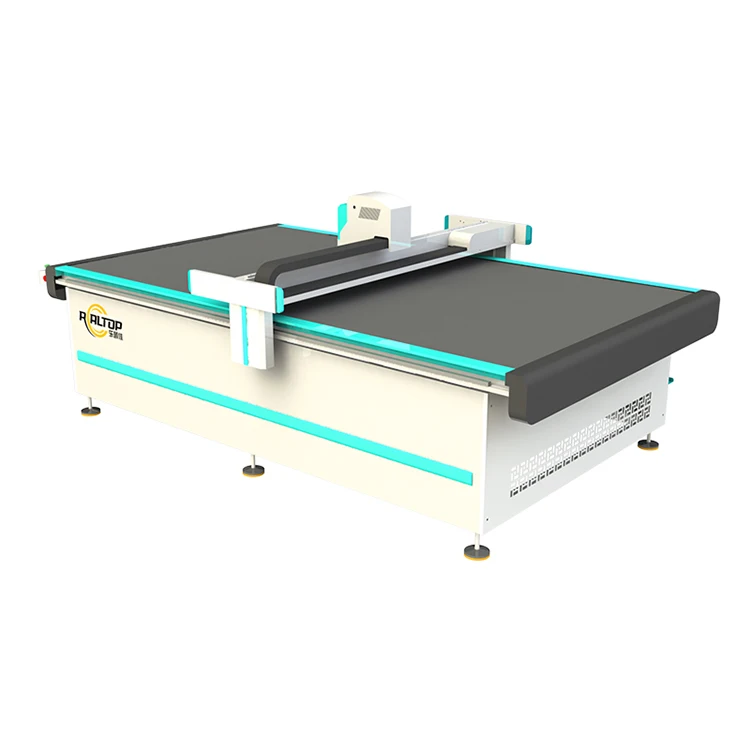
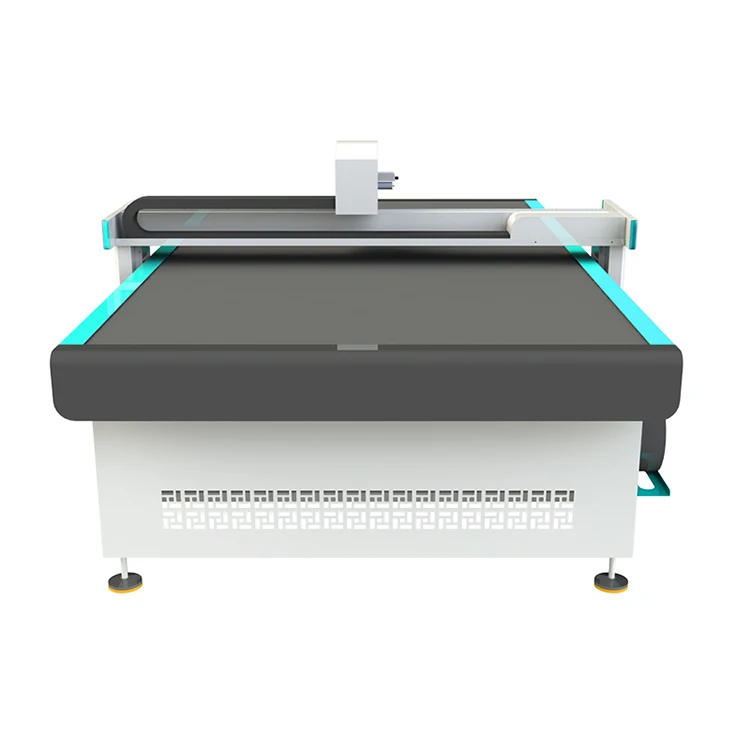
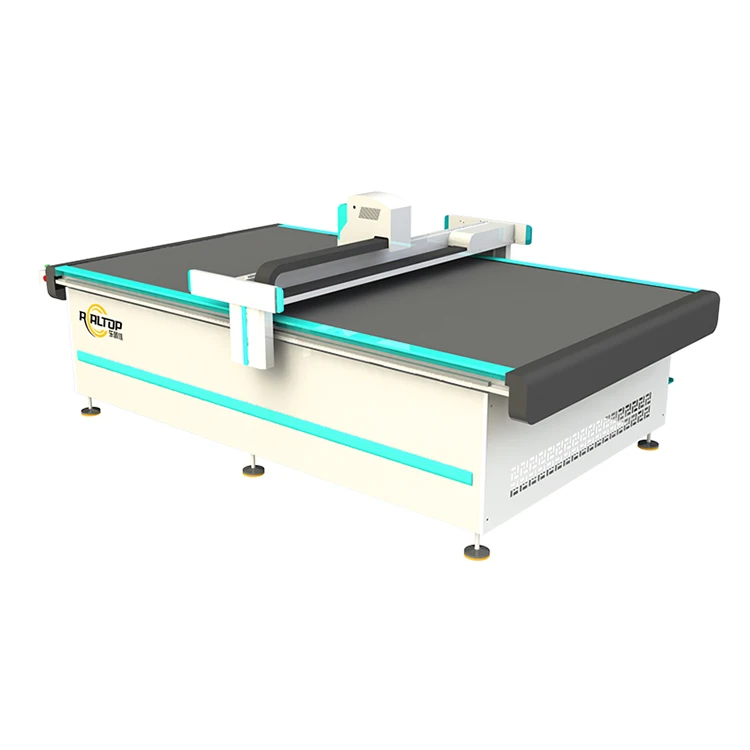
| Product Type | CNC Cardboard Flatbed Plotter Cutter |
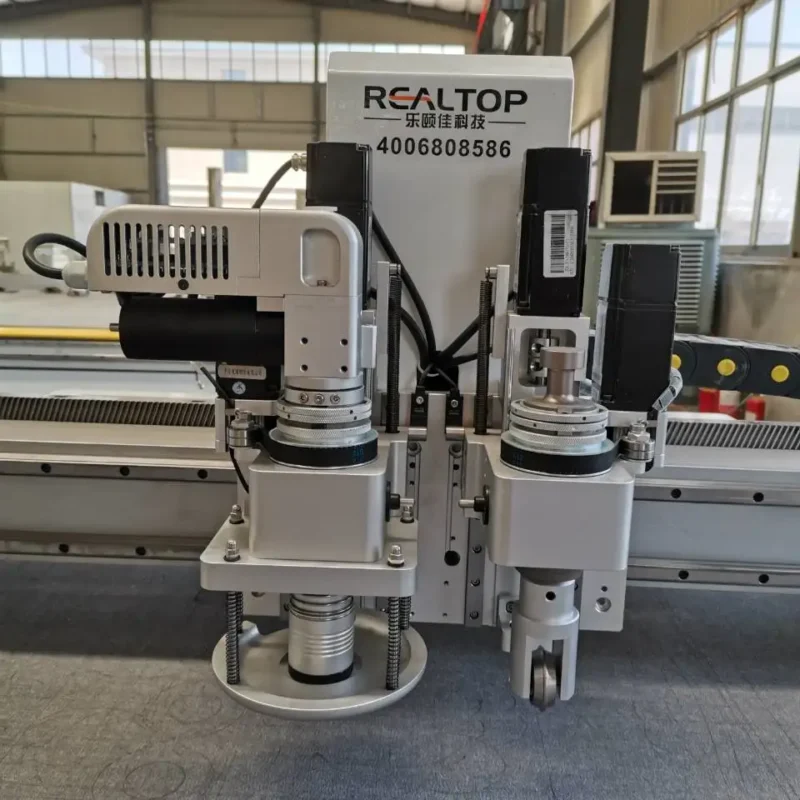
| Tool Head Type | Cutting plotter head |
| Cutting Method | Flatbed digital cutting |
| Applications | Advertising signage, packaging sample making, paper processing |
| Voltage & Frequency | Configurable per market (basis to be confirmed) |
| Control Language | Customizable per operator requirement (basis to be confirmed) |
| Software Compatibility | To be confirmed against buyer’s existing design workflow |
| Warranty | One year for whole machine |
Application Suitability
| Application | Material or Output |
|---|---|
| Advertising and signage production | PVC foam board, corrugated plastic, adhesive vinyl, acrylic sheets |
| Packaging and carton sample making | Single and double-wall corrugated cardboard, grey board, folding carton stock |
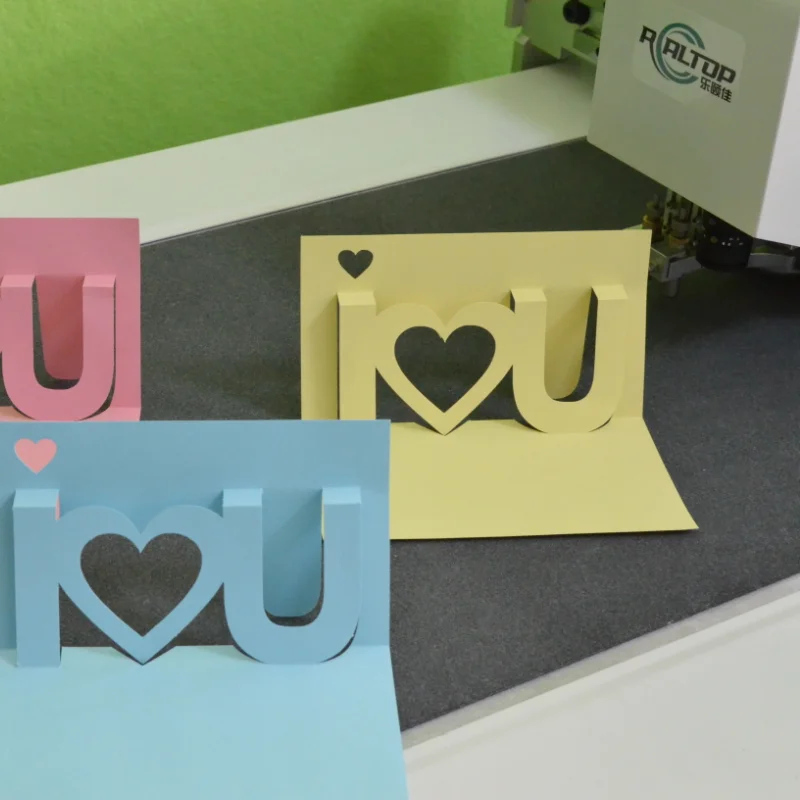
| Paper processing and prototyping | Cardstock, art paper, thin paper laminates, paper-based composites |
Why Specifying Working Area Alone Leads to Cutting Failures
A CNC flatbed plotter cutter manufacturer sees the same mistake repeatedly: a buyer chooses a machine based purely on sheet dimensions, only to discover the plotter head cannot penetrate the actual material thickness on the production floor. The cutting capacity depends on the tool head configuration, not just the table size.
I once supplied a flatbed cutter to a packaging sample shop based on their stated corrugated board specification. When the machine arrived, their daily production had shifted to three-layer grey board, a denser material that the original plotter head could not cleanly penetrate. Edges came out crushed and fibred, and we spent a full week on-site swapping to an oscillating knife head and recalibrating the Z-axis pressure. That kind of field correction is avoidable if the material sample arrives before the machine ships [NEED_CITE: material density variations in packaging board grades].
Matching the Cutting Method to Your Stock
The RTT-4060 Pro sits within a broader catalogue where knife-based and plotter-based cutting methods coexist. For thin vinyl and paper substrates, a drag knife or plotter head tracks intricate contours without tearing the material. For thicker corrugated board or dense grey board, an oscillating knife delivers the vertical stroke needed to shear through fibres cleanly. The distinction matters because forcing a plotter head through material beyond its depth capacity produces ragged edges that reject at the folding or laminating stage. A CNC flatbed plotter cutter manufacturer should confirm the cutting method against your thickest regular stock, not just the average.
Confirming What the Software Actually Accepts
File format incompatibility is a quiet production killer. A designer exports a packaging dieline in a native vector format, and the machine software refuses to import it without manual redraw. Before an order is placed, the software licence and its accepted file formats should be documented in writing against the buyer’s existing design workflow. Whether the shop runs DXF, AI, PLT or proprietary packaging CAD output, the machine must ingest those files without a conversion step that introduces dimensional drift [NEED_CITE: common vector file format compatibility in digital cutting].
Reading the Specification Sheet Against Real Production
The tool head type defines what the machine can actually cut. A cutting plotter head handles thin, flexible materials well but lacks the vertical force for dense board stock. The working area must accommodate not just the nominal sheet size but also the clamping or vacuum margin around the perimeter. Voltage and frequency need to match the destination market’s industrial supply, and the control language must be readable by the operators who will run the machine daily. Each of these parameters appears on the specification sheet, but their production consequences only surface when the machine is running under real conditions.
The Hidden Cost of Wrong Configuration Choices
When vacuum zoning is insufficient for small cut parts, those pieces lift off the table mid-cut and ruin the sheet. When the software cannot import a nesting file, operators lay out parts manually and waste material yield. When voltage is assumed rather than confirmed, a machine wired for 380V three-phase arrives at a workshop running 220V single-phase and sits idle until a transformer is sourced. These are not rare edge cases; they appear across a significant share of equipment disputes in the cutting machinery sector [NEED_CITE: common causes of CNC cutting machine downtime in small workshops].
Why Source This Range Here
The catalogue covers both knife and plotter cutting methods, so a buyer compares them against the same material rather than guessing from separate supplier quotes. Tool head and table configuration are specified per material type and daily volume, not sold as a fixed package. Software compatibility is confirmed in writing before the order enters production, preventing file format surprises at commissioning. Voltage, plug type and control language are locked to the destination market. And a sample cutting run on the buyer’s own material can be arranged before commitment, so edge quality and cutting depth are verified rather than promised.
Documentation & Verification
- Machine specification sheet confirming working area and tool head configuration
- Sample cutting report produced on your board or vinyl stock before dispatch
- Electrical schematic with voltage, frequency and phase confirmed for your market
- Software licence with accepted file formats documented against your design workflow
- Operation and maintenance manual in your specified control language
- Packing photographs showing the machine secured for export transit
Installation, Commissioning & Support
- Floor space allocation based on the RTT-4060 Pro overall footprint and operator clearance zones
- Dedicated electrical circuit matching the confirmed voltage and frequency specification
- Assembly and levelling of the flatbed table on-site with vacuum zone calibration
- First-run parameter tuning against your specific board thickness and cutting contour
- Operator training on software import, tool head changes and daily maintenance routines
- Spare parts list covering plotter blades, vacuum seals and consumable wear items
What We Need to Match the Right Machine
Send a sample of the material you cut most often, including the thickest board in your regular rotation. Tell us your standard sheet dimensions, the file formats your designers export, and the voltage supply at your workshop. If you run a specific nesting software upstream, name it so we can confirm import compatibility before the machine is built.
Frequently Asked Questions
Q: How do I verify the working area actually fits my sheet size with margin?
A: Provide your largest standard sheet dimension and we confirm the usable cutting zone after accounting for vacuum seal and clamp margins. The RTT-4060 Pro working area is documented in the specification sheet, and we flag any borderline fit before the order proceeds so there is no clearance surprise at installation.
Q: Which tool head handles cardboard versus vinyl without crushing edges?
A: Thin vinyl and paper generally run on a plotter or drag knife head, while corrugated cardboard and dense grey board need an oscillating knife to shear through fibres cleanly. We recommend the head based on a sample cutting test of your actual stock, and the configuration is recorded on your specification sheet before production.
Q: Will the software accept my existing packaging design files?
A: We confirm accepted file formats in writing against your design workflow before the order is placed. Whether you export DXF, AI, PLT or a proprietary packaging CAD format, the compatibility is tested and documented so operators are not redrawing dielines manually on the shop floor.
Q: How are voltage and control language confirmed before shipment?
A: Your destination market’s voltage, frequency and plug type are recorded at the inquiry stage and shown on the electrical schematic. The control language is specified alongside the software licence, so the interface matches your operators’ working language when the machine powers on for the first time.
Q: Can I see a sample cut on my own material before I commit?
A: Yes. Send a sheet of your regular production material and we run a cutting test, then provide a sample cutting report documenting edge quality, cutting depth achieved and the tool head used. This report accompanies your quotation so the decision is based on evidence rather than a catalogue promise.
Material-Matched Configuration — Every RTT-4060 Pro is configured against the buyer’s actual board, vinyl or paper stock, preventing the common mismatch between a machine’s nominal working area and its real cutting capability.
Technical Specifications
| Parameter | Value |
|---|---|
| Model | RTT-4060 Pro |
| Product Type | CNC Cardboard Flatbed Plotter Cutter |
| Tool Head Type | Cutting plotter head |
| Cutting Method | Flatbed digital cutting |
| Applications | Advertising signage, packaging sample making, paper processing |
| Voltage & Frequency | Configurable per market (basis to be confirmed) |
| Control Language | Customizable per operator requirement (basis to be confirmed) |
| Software Compatibility | To be confirmed against buyer’s existing design workflow |
| Warranty | One year for whole machine |
Application Suitability
| Application | Material or Output |
|---|---|
| Advertising and signage production | PVC foam board, corrugated plastic, adhesive vinyl, acrylic sheets |
| Packaging and carton sample making | Single and double-wall corrugated cardboard, grey board, folding carton stock |
| Paper processing and prototyping | Cardstock, art paper, thin paper laminates, paper-based composites |
Why Specifying Working Area Alone Leads to Cutting Failures
A CNC flatbed plotter cutter manufacturer sees the same mistake repeatedly: a buyer chooses a machine based purely on sheet dimensions, only to discover the plotter head cannot penetrate the actual material thickness on the production floor. The cutting capacity depends on the tool head configuration, not just the table size.
I once supplied a flatbed cutter to a packaging sample shop based on their stated corrugated board specification. When the machine arrived, their daily production had shifted to three-layer grey board, a denser material that the original plotter head could not cleanly penetrate. Edges came out crushed and fibred, and we spent a full week on-site swapping to an oscillating knife head and recalibrating the Z-axis pressure. That kind of field correction is avoidable if the material sample arrives before the machine ships [NEED_CITE: material density variations in packaging board grades].
Matching the Cutting Method to Your Stock
The RTT-4060 Pro sits within a broader catalogue where knife-based and plotter-based cutting methods coexist. For thin vinyl and paper substrates, a drag knife or plotter head tracks intricate contours without tearing the material. For thicker corrugated board or dense grey board, an oscillating knife delivers the vertical stroke needed to shear through fibres cleanly. The distinction matters because forcing a plotter head through material beyond its depth capacity produces ragged edges that reject at the folding or laminating stage. A CNC flatbed plotter cutter manufacturer should confirm the cutting method against your thickest regular stock, not just the average.
Confirming What the Software Actually Accepts
File format incompatibility is a quiet production killer. A designer exports a packaging dieline in a native vector format, and the machine software refuses to import it without manual redraw. Before an order is placed, the software licence and its accepted file formats should be documented in writing against the buyer’s existing design workflow. Whether the shop runs DXF, AI, PLT or proprietary packaging CAD output, the machine must ingest those files without a conversion step that introduces dimensional drift [NEED_CITE: common vector file format compatibility in digital cutting].
Reading the Specification Sheet Against Real Production
The tool head type defines what the machine can actually cut. A cutting plotter head handles thin, flexible materials well but lacks the vertical force for dense board stock. The working area must accommodate not just the nominal sheet size but also the clamping or vacuum margin around the perimeter. Voltage and frequency need to match the destination market’s industrial supply, and the control language must be readable by the operators who will run the machine daily. Each of these parameters appears on the specification sheet, but their production consequences only surface when the machine is running under real conditions.
The Hidden Cost of Wrong Configuration Choices
When vacuum zoning is insufficient for small cut parts, those pieces lift off the table mid-cut and ruin the sheet. When the software cannot import a nesting file, operators lay out parts manually and waste material yield. When voltage is assumed rather than confirmed, a machine wired for 380V three-phase arrives at a workshop running 220V single-phase and sits idle until a transformer is sourced. These are not rare edge cases; they appear across a significant share of equipment disputes in the cutting machinery sector [NEED_CITE: common causes of CNC cutting machine downtime in small workshops].
Why Source This Range Here
The catalogue covers both knife and plotter cutting methods, so a buyer compares them against the same material rather than guessing from separate supplier quotes. Tool head and table configuration are specified per material type and daily volume, not sold as a fixed package. Software compatibility is confirmed in writing before the order enters production, preventing file format surprises at commissioning. Voltage, plug type and control language are locked to the destination market. And a sample cutting run on the buyer’s own material can be arranged before commitment, so edge quality and cutting depth are verified rather than promised.
Documentation & Verification
- Machine specification sheet confirming working area and tool head configuration
- Sample cutting report produced on your board or vinyl stock before dispatch
- Electrical schematic with voltage, frequency and phase confirmed for your market
- Software licence with accepted file formats documented against your design workflow
- Operation and maintenance manual in your specified control language
- Packing photographs showing the machine secured for export transit
Installation, Commissioning & Support
- Floor space allocation based on the RTT-4060 Pro overall footprint and operator clearance zones
- Dedicated electrical circuit matching the confirmed voltage and frequency specification
- Assembly and levelling of the flatbed table on-site with vacuum zone calibration
- First-run parameter tuning against your specific board thickness and cutting contour
- Operator training on software import, tool head changes and daily maintenance routines
- Spare parts list covering plotter blades, vacuum seals and consumable wear items
What We Need to Match the Right Machine
Send a sample of the material you cut most often, including the thickest board in your regular rotation. Tell us your standard sheet dimensions, the file formats your designers export, and the voltage supply at your workshop. If you run a specific nesting software upstream, name it so we can confirm import compatibility before the machine is built.
Frequently Asked Questions
Q: How do I verify the working area actually fits my sheet size with margin?
A: Provide your largest standard sheet dimension and we confirm the usable cutting zone after accounting for vacuum seal and clamp margins. The RTT-4060 Pro working area is documented in the specification sheet, and we flag any borderline fit before the order proceeds so there is no clearance surprise at installation.
Q: Which tool head handles cardboard versus vinyl without crushing edges?
A: Thin vinyl and paper generally run on a plotter or drag knife head, while corrugated cardboard and dense grey board need an oscillating knife to shear through fibres cleanly. We recommend the head based on a sample cutting test of your actual stock, and the configuration is recorded on your specification sheet before production.
Q: Will the software accept my existing packaging design files?
A: We confirm accepted file formats in writing against your design workflow before the order is placed. Whether you export DXF, AI, PLT or a proprietary packaging CAD format, the compatibility is tested and documented so operators are not redrawing dielines manually on the shop floor.
Q: How are voltage and control language confirmed before shipment?
A: Your destination market’s voltage, frequency and plug type are recorded at the inquiry stage and shown on the electrical schematic. The control language is specified alongside the software licence, so the interface matches your operators’ working language when the machine powers on for the first time.
Q: Can I see a sample cut on my own material before I commit?
A: Yes. Send a sheet of your regular production material and we run a cutting test, then provide a sample cutting report documenting edge quality, cutting depth achieved and the tool head used. This report accompanies your quotation so the decision is based on evidence rather than a catalogue promise.
商品评价
There are no reviews yet.