


Fast Delivery
Quick, reliable shipping to any location.

Free & easy returns
Return this item by mail or in store within 90 days for a full refund.
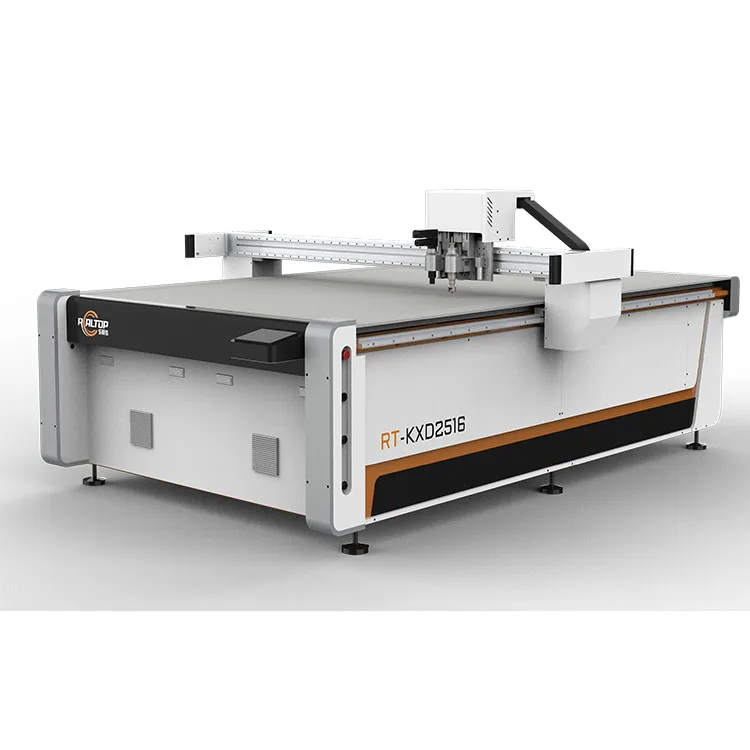
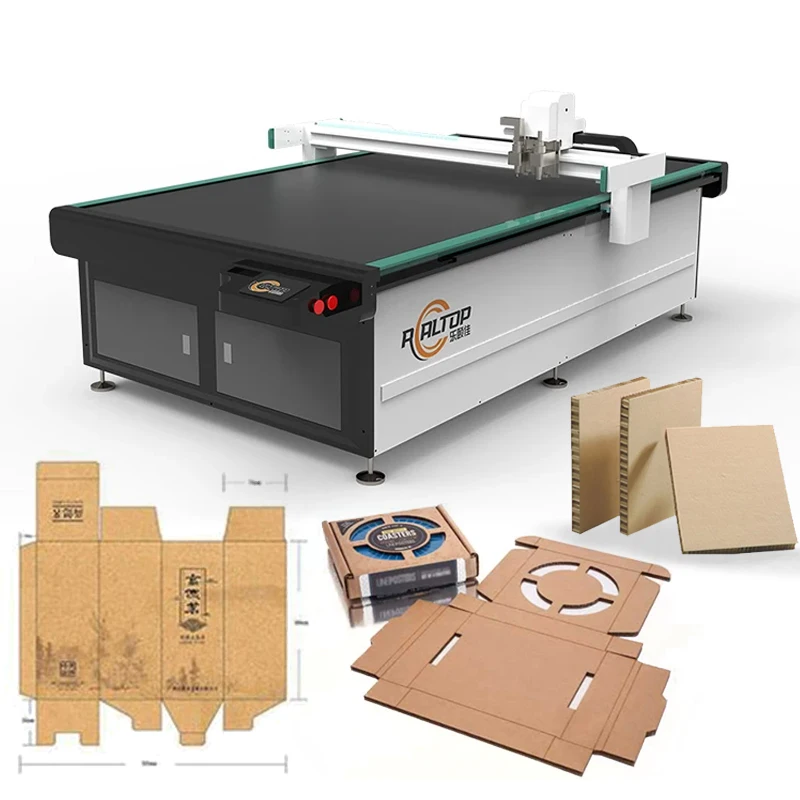
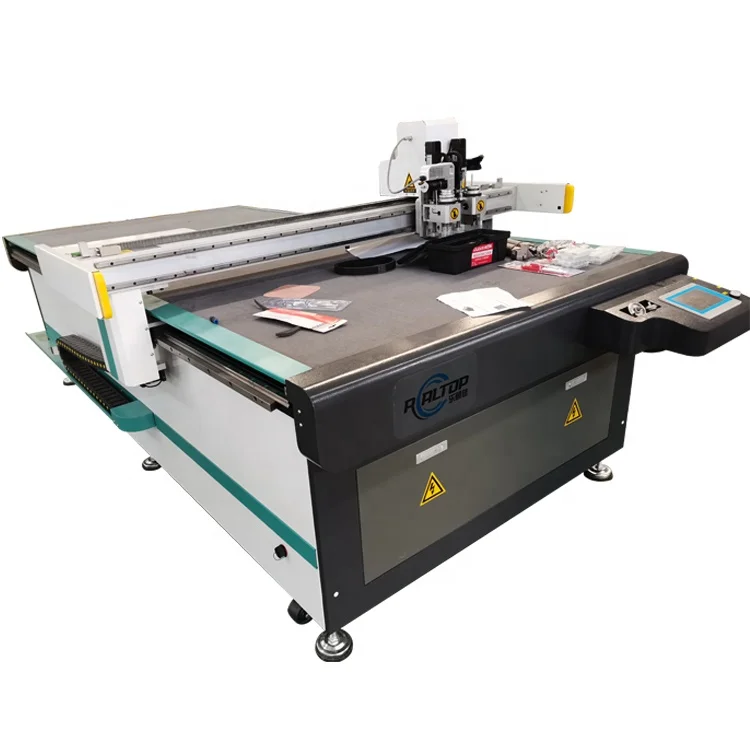
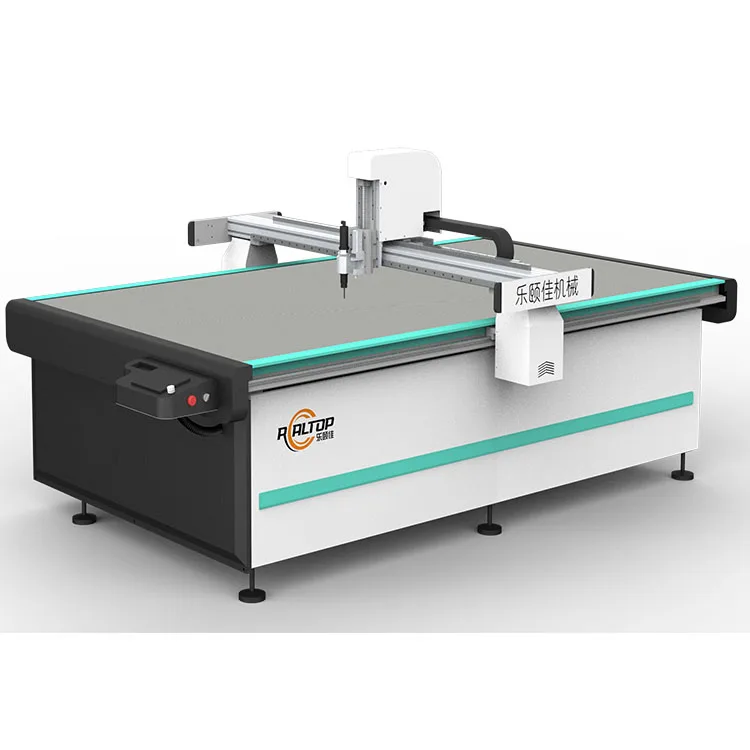
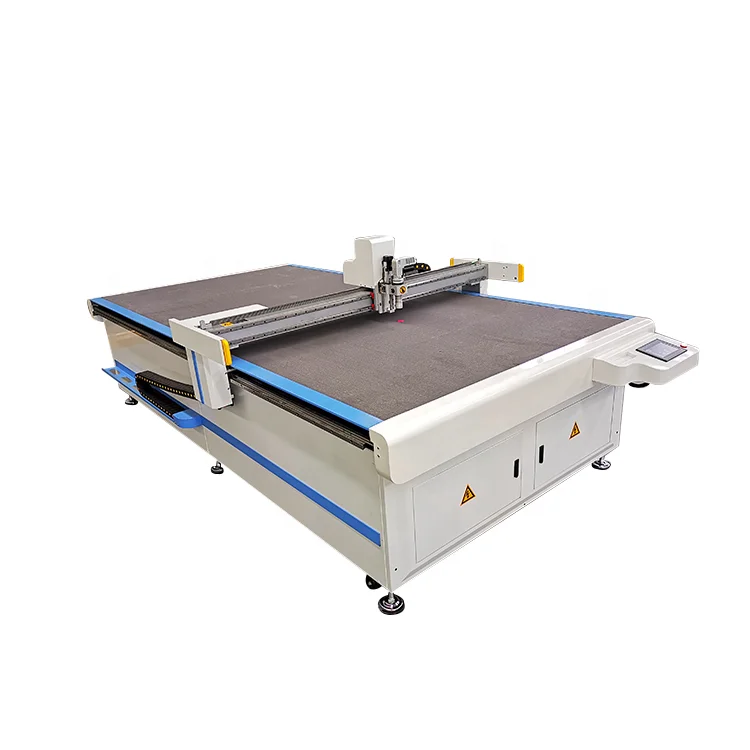
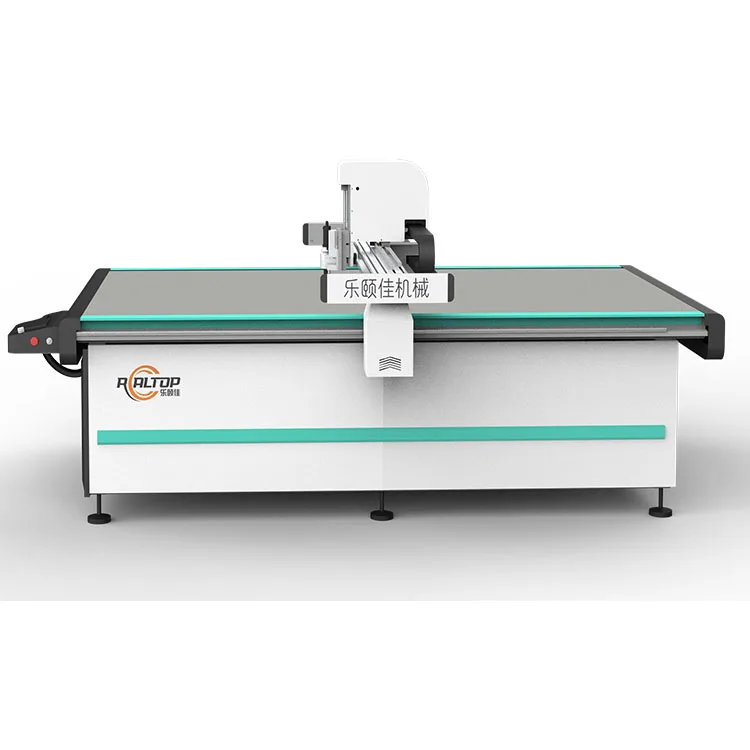
Tool Head & Table Matched to Material — every RT–R2513 / RT-D2516 / RT-S2516 configuration is specified against the buyer’s actual sheet stock, cutting thickness and daily format mix before the order is locked.
Technical Specifications
| Parameter | Value |
|---|---|
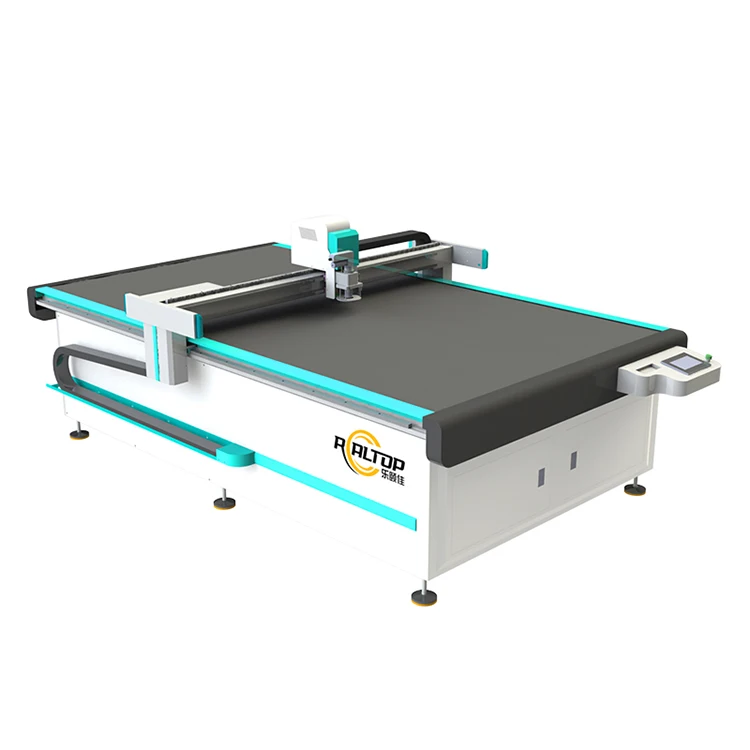
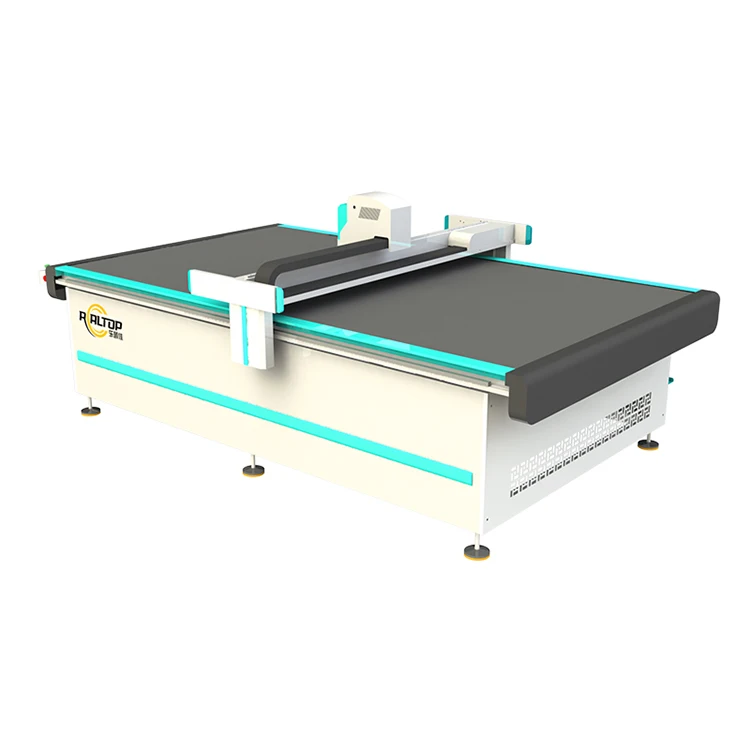
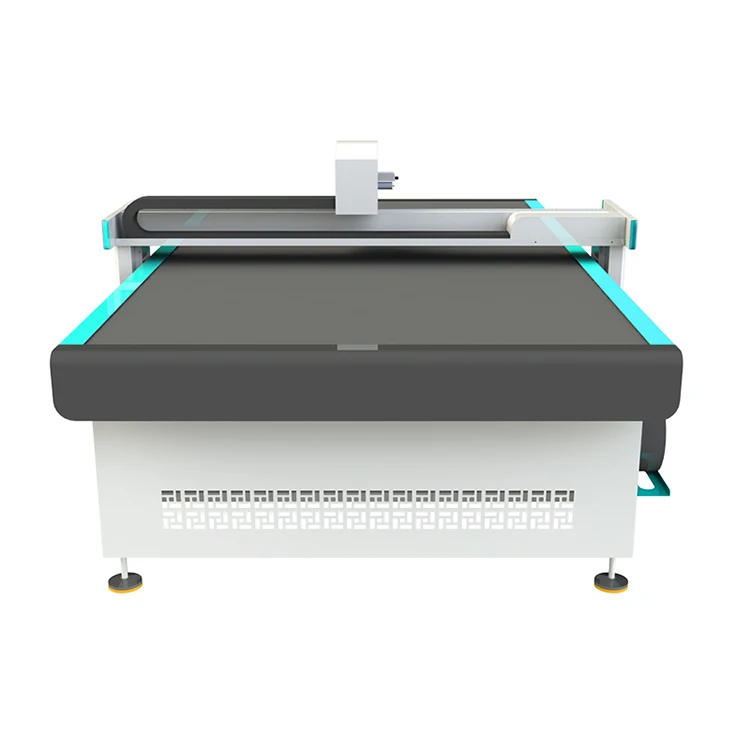
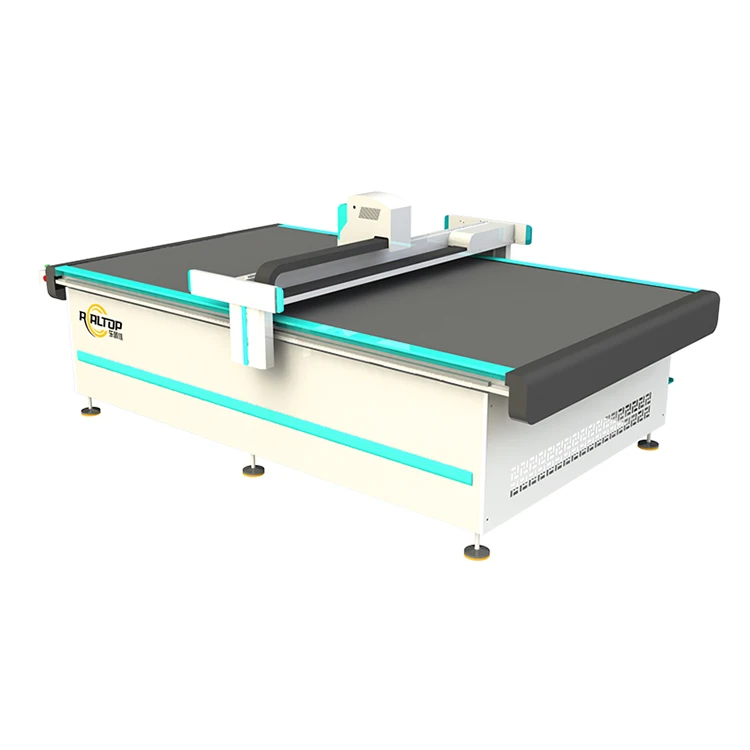
| Product Type | CNC Oscillating Knife Cutting Table |
| Model | RT–R2513 / RT-D2516 / RT-S2516 |
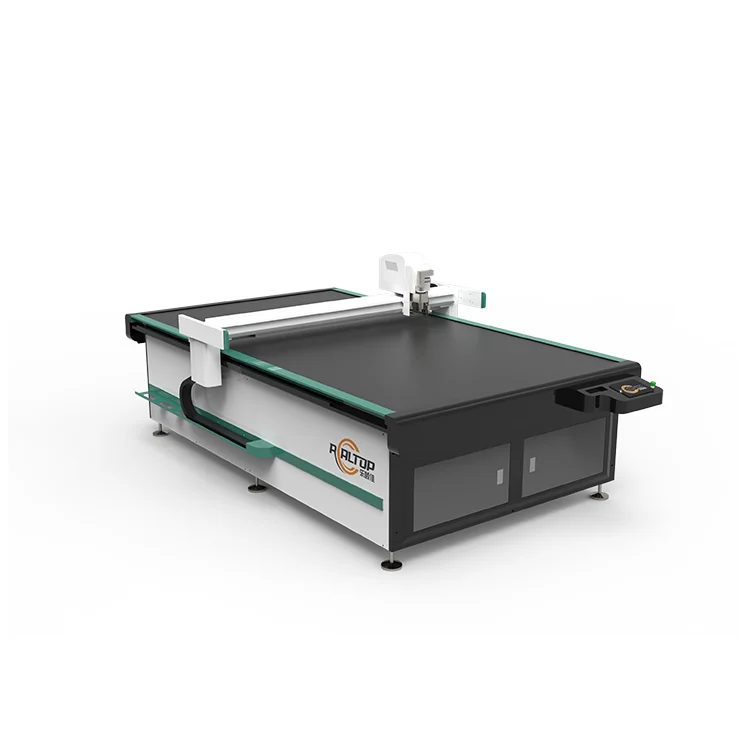
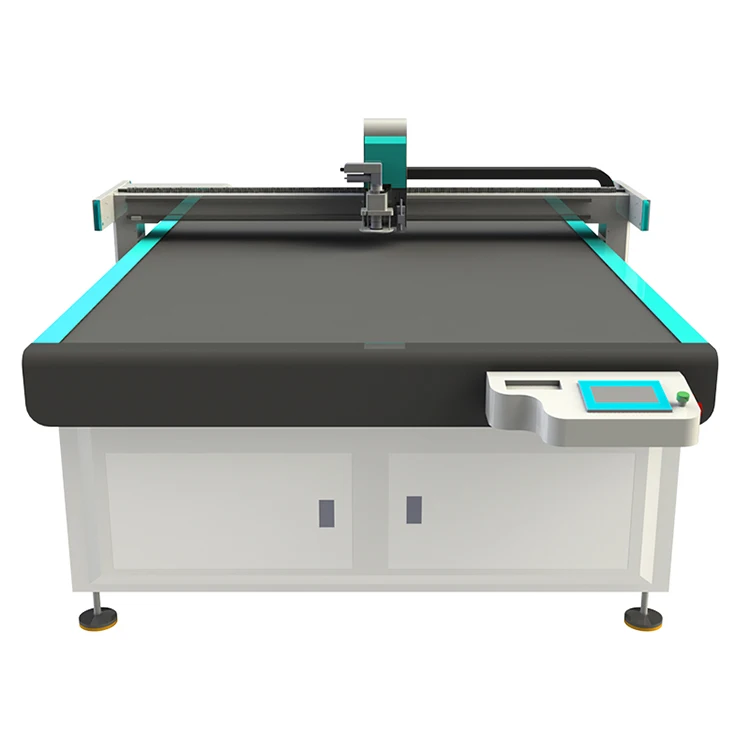
| Working Area | 2500×1300 mm (RT–R2513) / 1600×2500 mm (RT-D2516 / RT-S2516) |
| Machine Size | 3550×1910×1400 mm (RT–R2513) / 3450×2300×1250 mm (RT-D2516 / RT-S2516) |
| Cutting Tools | Oscillating knife, creasing tool, kiss-cut knife, round punch |
| Cutting Thickness | ≤18 mm |
| Fixing Method | Vacuum system with 7.5 kW vacuum pump |
| Rated Power | 9 kW |
| Voltage | 380 V (frequency and plug type configurable) |
| Servo Drive | Delta servo motor |
| Linear Guide | Taiwan Hiwin rail |
| Belt | Germany imported conveyor belt |
| Profile Format | DXF, OLT, PDF, AI |
| Transmission | Ethernet port |
| Repeated Accuracy | <0.05 mm |
| Safety Device | Infrared sensors |
| Included Blades | 10 pieces of oscillating blades |
| Warranty | 1 year (excluding felt and knife blades) |
| Delivery Time | <30 working days |
| Standards | CE |
Application Suitability
| Application | Material or Output |
|---|---|
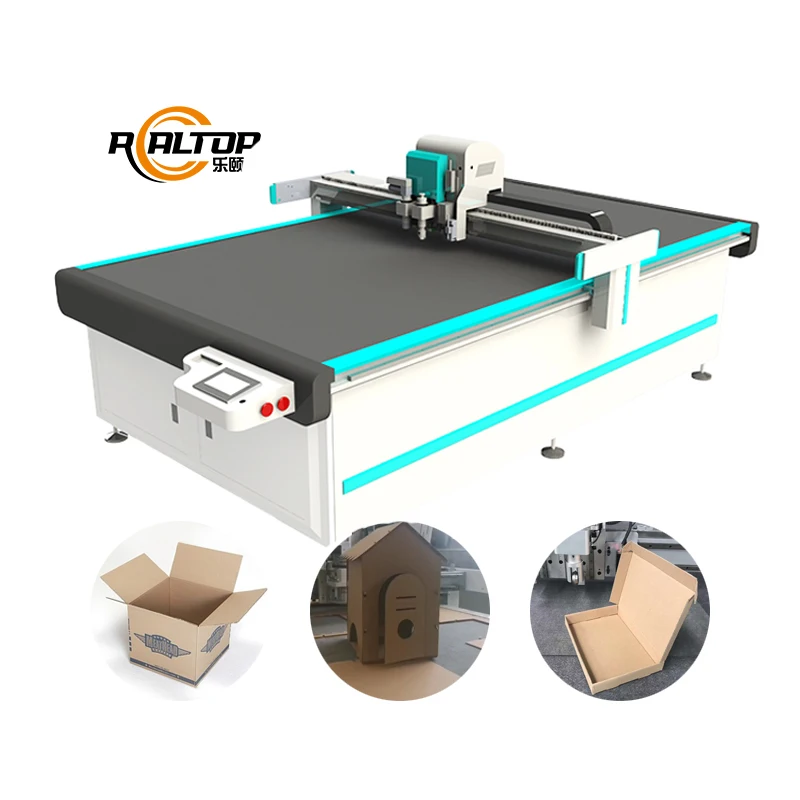
| Packaging carton sample making | Single, double and triple-wall corrugated board, greyboard, honeycomb paper up to 18 mm |
| Sticker and label contour cutting | Self-adhesive vinyl, PP paper, coated paper stock on kiss-cut or through-cut |
| Advertising and signage board | Foam board, KT board, PP corrugated sheet for short-run display formats |
| Business card and paper product | Coated card stock, laminated paper, laminated board in gang-run layouts |
| Gasket and industrial sheet | Non-metal gasket material, rubber sheet, felt within the thickness envelope |
Why a Working Area Quote Is Not Enough for Cardboard
Choosing a CNC Oscillating Knife Cutting Table manufacturer on table size alone is the most common mistake I see in packaging equipment inquiries. The cutting head, blade stroke, vacuum zoning and blade type must all be matched to the board grade before the machine is built.
I once quoted a standard corrugated configuration for a South American carton sample shop. The buyer was actually running five-layer high-density board. The oscillating head pressure could not hold the cut through the dense flutes, the edges frayed on every crease line, and the spindle had to be swapped back at the factory. Their production schedule slipped by two weeks while we rebuilt the head. Since that job I do not release a configuration sheet until I have the buyer’s own material sample on the table. [NEED_CITE: material density variation in corrugated and solid board grades]
Matching the Tool Head to the Board Grade
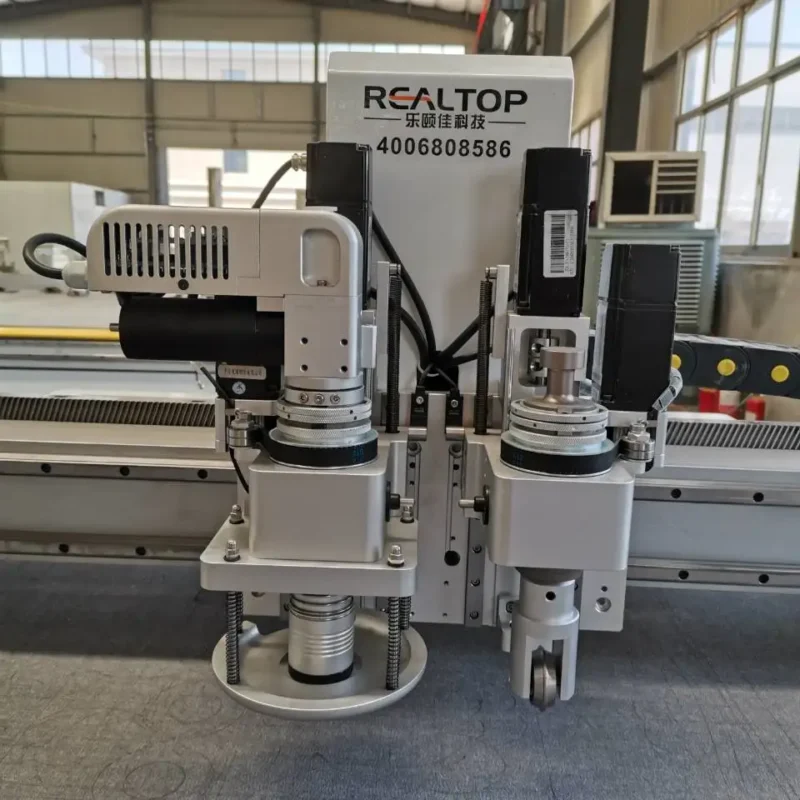
Packaging board is not a single material. A three-layer E-flute sheet cuts cleanly with a standard oscillating blade at moderate stroke, while a 16 mm greyboard demands a longer stroke, a stiffer blade and a slower traverse to keep the edge square. The RT–R2513 / RT-D2516 / RT-S2516 range offers oscillating knife, creasing tool, kiss-cut knife and round punch heads that can be combined on one carriage. A CNC Oscillating Knife Cutting Table manufacturer that only shows one head on the brochure is asking the buyer to force one method across every job.
Vacuum Zoning for Small Cartons and Large Sheets
Holding a full 1600×2500 mm sheet flat is straightforward; holding a nest of small carton blanks in the centre of that same table is not. The aluminum honeycomb vacuum platform on these tables is divided into independently valved zones so suction concentrates only under the workpiece area actually being cut. Without zoning, air leaks around the edges of a small blank pull the sheet up off the felt, the blade catches the lift and the edge tears. [NEED_CITE: vacuum hold-down principles for flatbed digital cutting]
What the Spec Sheet Numbers Mean on the Shop Floor
The 9 kW rated power figure covers the spindle, vacuum pump and drive system together, so the buyer knows the total connected load for panel sizing rather than guessing from separate motor plates. The Delta servo motors and Taiwan Hiwin rails give the repeated accuracy of <0.05 mm, which matters when a crease line has to land inside a pre-printed score on a sticker sheet. The 7.5 kW vacuum pump is sized to pull through the porous face of honeycomb board without losing suction at the far end of a 2500 mm table. Ethernet transmission means the file moves from the design room PC to the table without USB sticks walking across the workshop floor.
What Happens When the Wrong Head Meets the Wrong Board
A kiss-cut blade on a 12 mm double-wall board will bottom out before it penetrates the lower liner, leaving the blank tethered and forcing the operator to snap every piece by hand. A creasing wheel set for B-flute pressed into N-flute will crush the top liner and leave a visible groove on the printed face. These are not warranty claims; they are configuration errors that show up on the first sheet and waste an entire shift before anyone calls the factory. [NEED_CITE: tooling selection errors in digital flatbed cutting]
Why Buyers Specify With Us
The design team and core factory sit under one roof in Jinan, so a tool head change during the sample test is a drawing revision, not a negotiation with a third-party integrator. Both knife and laser cutting technologies are built in-house, which means a buyer can move a sticker job to CO2 laser if knife cutting leaves a visible witness mark, without shopping at a second supplier. Every RT–R2513 / RT-D2516 / RT-S2516 leaves the line with a factory test record cut on the buyer’s own sheet stock. Voltage, plug type and control language are confirmed in writing before the crate is closed. The CCD camera contour option is quoted only when the buyer actually runs printed material, not bundled as a default line item.
Documentation & Verification
- Machine specification sheet matched to your exact working area and tool head combination
- Electrical schematic with voltage, frequency and plug type confirmed for your market
- Tool head and table configuration list tied to your board grade and thickness
- Sample cutting report on your own material run before dispatch
- Factory test record showing repeated accuracy and edge quality on your file
- Software licence and DXF, OLT, PDF, AI file format compatibility note
Installation, Commissioning & Support
- Floor space and level slab requirement checked against the 3550×1910 mm or 3450×2300 mm footprint before delivery
- Dedicated 380 V circuit sized for the 9 kW rated load with correct breaker rating
- Table delivered in bolted sub-assemblies for container loading, reassembled on site
- First-run parameter setting on your board grade with oscillating stroke and vacuum zone tuning
- Operator training on tool change between creasing wheel and oscillating knife
- Spare blade and felt stock list matched to your weekly cutting volume
What to Send With Your Inquiry
Send a physical sample of the thickest board and the thinnest sticker stock you plan to run, together with the largest sheet size and your daily blank count. Confirm your workshop voltage and frequency, the control language your operators read, and whether you need the CCD camera for printed contour work. With that in hand I can build a tool head and vacuum zone plan that actually fits the job.
Frequently Asked Questions
Q: How do I choose the right tool head for different cardboard thicknesses?
A: The oscillating knife handles through-cuts on board up to 18 mm, the creasing tool scores fold lines without cutting through, and the kiss-cut knife cuts the top layer of sticker stock without damaging the release liner. We match the blade length, stroke frequency and head pressure to a physical sample of your board before finalizing the configuration.
Q: Which file formats does the software accept?
A: The control software imports DXF, OLT, PDF and AI files directly. We confirm compatibility with your existing design and nesting workflow before the order is placed, and supply a software licence note listing the supported formats so there is no surprise when your designer sends the first job across.
Q: How is vacuum table zoning set up for small packaging blanks?
A: The honeycomb vacuum platform is divided into independent zones with separate valves. For a small carton blank the operator opens only the zone under the workpiece, concentrating suction and preventing edge lift. Zone layout is matched to your typical blank sizes during the factory test.
Q: Can voltage, plug type and control language be customized?
A: Yes. The standard 380 V supply is configurable for your local frequency and plug standard, and the control interface language is set before shipment. We confirm all three items in writing during the specification stage so the machine arrives ready to plug in.
Q: What is the difference between oscillating knife and drag knife on packaging board?
A: An oscillating knife vibrates at high frequency to slice cleanly through thick corrugated and solid board without tearing the liner. A drag knife is dragged through thinner materials like vinyl and card stock. Choosing between them depends on your board density and the edge finish your customer expects on the finished carton.
Tool Head & Table Matched to Material — every RT–R2513 / RT-D2516 / RT-S2516 configuration is specified against the buyer’s actual sheet stock, cutting thickness and daily format mix before the order is locked.
Technical Specifications
| Parameter | Value |
|---|---|
| Product Type | CNC Oscillating Knife Cutting Table |
| Model | RT–R2513 / RT-D2516 / RT-S2516 |
| Working Area | 2500×1300 mm (RT–R2513) / 1600×2500 mm (RT-D2516 / RT-S2516) |
| Machine Size | 3550×1910×1400 mm (RT–R2513) / 3450×2300×1250 mm (RT-D2516 / RT-S2516) |
| Cutting Tools | Oscillating knife, creasing tool, kiss-cut knife, round punch |
| Cutting Thickness | ≤18 mm |
| Fixing Method | Vacuum system with 7.5 kW vacuum pump |
| Rated Power | 9 kW |
| Voltage | 380 V (frequency and plug type configurable) |
| Servo Drive | Delta servo motor |
| Linear Guide | Taiwan Hiwin rail |
| Belt | Germany imported conveyor belt |
| Profile Format | DXF, OLT, PDF, AI |
| Transmission | Ethernet port |
| Repeated Accuracy | <0.05 mm |
| Safety Device | Infrared sensors |
| Included Blades | 10 pieces of oscillating blades |
| Warranty | 1 year (excluding felt and knife blades) |
| Delivery Time | <30 working days |
| Standards | CE |
Application Suitability
| Application | Material or Output |
|---|---|
| Packaging carton sample making | Single, double and triple-wall corrugated board, greyboard, honeycomb paper up to 18 mm |
| Sticker and label contour cutting | Self-adhesive vinyl, PP paper, coated paper stock on kiss-cut or through-cut |
| Advertising and signage board | Foam board, KT board, PP corrugated sheet for short-run display formats |
| Business card and paper product | Coated card stock, laminated paper, laminated board in gang-run layouts |
| Gasket and industrial sheet | Non-metal gasket material, rubber sheet, felt within the thickness envelope |
Why a Working Area Quote Is Not Enough for Cardboard
Choosing a CNC Oscillating Knife Cutting Table manufacturer on table size alone is the most common mistake I see in packaging equipment inquiries. The cutting head, blade stroke, vacuum zoning and blade type must all be matched to the board grade before the machine is built.
I once quoted a standard corrugated configuration for a South American carton sample shop. The buyer was actually running five-layer high-density board. The oscillating head pressure could not hold the cut through the dense flutes, the edges frayed on every crease line, and the spindle had to be swapped back at the factory. Their production schedule slipped by two weeks while we rebuilt the head. Since that job I do not release a configuration sheet until I have the buyer’s own material sample on the table. [NEED_CITE: material density variation in corrugated and solid board grades]
Matching the Tool Head to the Board Grade
Packaging board is not a single material. A three-layer E-flute sheet cuts cleanly with a standard oscillating blade at moderate stroke, while a 16 mm greyboard demands a longer stroke, a stiffer blade and a slower traverse to keep the edge square. The RT–R2513 / RT-D2516 / RT-S2516 range offers oscillating knife, creasing tool, kiss-cut knife and round punch heads that can be combined on one carriage. A CNC Oscillating Knife Cutting Table manufacturer that only shows one head on the brochure is asking the buyer to force one method across every job.
Vacuum Zoning for Small Cartons and Large Sheets
Holding a full 1600×2500 mm sheet flat is straightforward; holding a nest of small carton blanks in the centre of that same table is not. The aluminum honeycomb vacuum platform on these tables is divided into independently valved zones so suction concentrates only under the workpiece area actually being cut. Without zoning, air leaks around the edges of a small blank pull the sheet up off the felt, the blade catches the lift and the edge tears. [NEED_CITE: vacuum hold-down principles for flatbed digital cutting]
What the Spec Sheet Numbers Mean on the Shop Floor
The 9 kW rated power figure covers the spindle, vacuum pump and drive system together, so the buyer knows the total connected load for panel sizing rather than guessing from separate motor plates. The Delta servo motors and Taiwan Hiwin rails give the repeated accuracy of <0.05 mm, which matters when a crease line has to land inside a pre-printed score on a sticker sheet. The 7.5 kW vacuum pump is sized to pull through the porous face of honeycomb board without losing suction at the far end of a 2500 mm table. Ethernet transmission means the file moves from the design room PC to the table without USB sticks walking across the workshop floor.
What Happens When the Wrong Head Meets the Wrong Board
A kiss-cut blade on a 12 mm double-wall board will bottom out before it penetrates the lower liner, leaving the blank tethered and forcing the operator to snap every piece by hand. A creasing wheel set for B-flute pressed into N-flute will crush the top liner and leave a visible groove on the printed face. These are not warranty claims; they are configuration errors that show up on the first sheet and waste an entire shift before anyone calls the factory. [NEED_CITE: tooling selection errors in digital flatbed cutting]
Why Buyers Specify With Us
The design team and core factory sit under one roof in Jinan, so a tool head change during the sample test is a drawing revision, not a negotiation with a third-party integrator. Both knife and laser cutting technologies are built in-house, which means a buyer can move a sticker job to CO2 laser if knife cutting leaves a visible witness mark, without shopping at a second supplier. Every RT–R2513 / RT-D2516 / RT-S2516 leaves the line with a factory test record cut on the buyer’s own sheet stock. Voltage, plug type and control language are confirmed in writing before the crate is closed. The CCD camera contour option is quoted only when the buyer actually runs printed material, not bundled as a default line item.
Documentation & Verification
- Machine specification sheet matched to your exact working area and tool head combination
- Electrical schematic with voltage, frequency and plug type confirmed for your market
- Tool head and table configuration list tied to your board grade and thickness
- Sample cutting report on your own material run before dispatch
- Factory test record showing repeated accuracy and edge quality on your file
- Software licence and DXF, OLT, PDF, AI file format compatibility note
Installation, Commissioning & Support
- Floor space and level slab requirement checked against the 3550×1910 mm or 3450×2300 mm footprint before delivery
- Dedicated 380 V circuit sized for the 9 kW rated load with correct breaker rating
- Table delivered in bolted sub-assemblies for container loading, reassembled on site
- First-run parameter setting on your board grade with oscillating stroke and vacuum zone tuning
- Operator training on tool change between creasing wheel and oscillating knife
- Spare blade and felt stock list matched to your weekly cutting volume
What to Send With Your Inquiry
Send a physical sample of the thickest board and the thinnest sticker stock you plan to run, together with the largest sheet size and your daily blank count. Confirm your workshop voltage and frequency, the control language your operators read, and whether you need the CCD camera for printed contour work. With that in hand I can build a tool head and vacuum zone plan that actually fits the job.
Frequently Asked Questions
Q: How do I choose the right tool head for different cardboard thicknesses?
A: The oscillating knife handles through-cuts on board up to 18 mm, the creasing tool scores fold lines without cutting through, and the kiss-cut knife cuts the top layer of sticker stock without damaging the release liner. We match the blade length, stroke frequency and head pressure to a physical sample of your board before finalizing the configuration.
Q: Which file formats does the software accept?
A: The control software imports DXF, OLT, PDF and AI files directly. We confirm compatibility with your existing design and nesting workflow before the order is placed, and supply a software licence note listing the supported formats so there is no surprise when your designer sends the first job across.
Q: How is vacuum table zoning set up for small packaging blanks?
A: The honeycomb vacuum platform is divided into independent zones with separate valves. For a small carton blank the operator opens only the zone under the workpiece, concentrating suction and preventing edge lift. Zone layout is matched to your typical blank sizes during the factory test.
Q: Can voltage, plug type and control language be customized?
A: Yes. The standard 380 V supply is configurable for your local frequency and plug standard, and the control interface language is set before shipment. We confirm all three items in writing during the specification stage so the machine arrives ready to plug in.
Q: What is the difference between oscillating knife and drag knife on packaging board?
A: An oscillating knife vibrates at high frequency to slice cleanly through thick corrugated and solid board without tearing the liner. A drag knife is dragged through thinner materials like vinyl and card stock. Choosing between them depends on your board density and the edge finish your customer expects on the finished carton.
商品评价
There are no reviews yet.