



Fast Delivery
Quick, reliable shipping to any location.

Free & easy returns
Return this item by mail or in store within 90 days for a full refund.
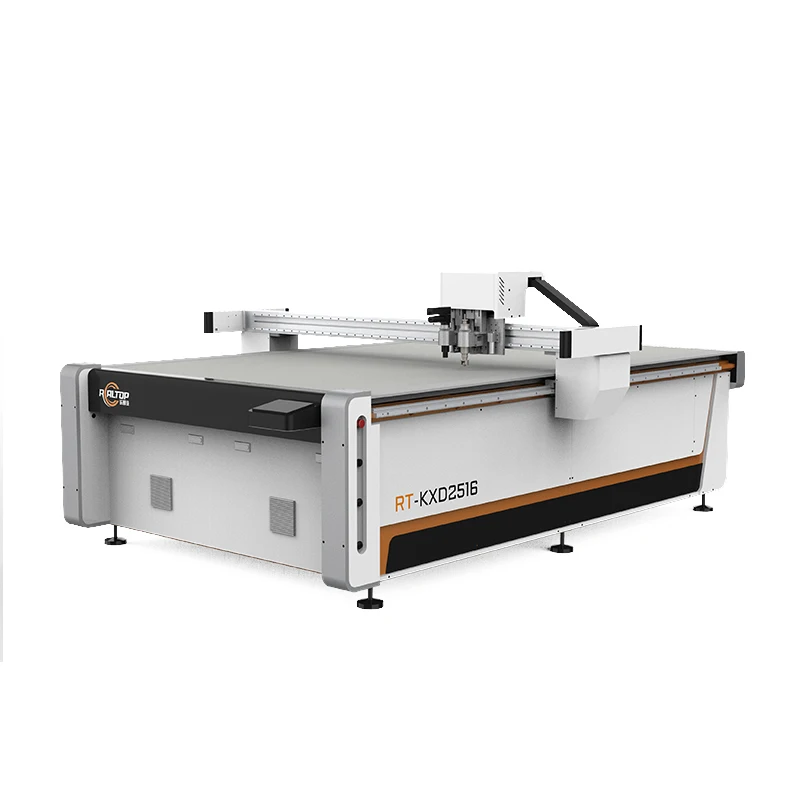
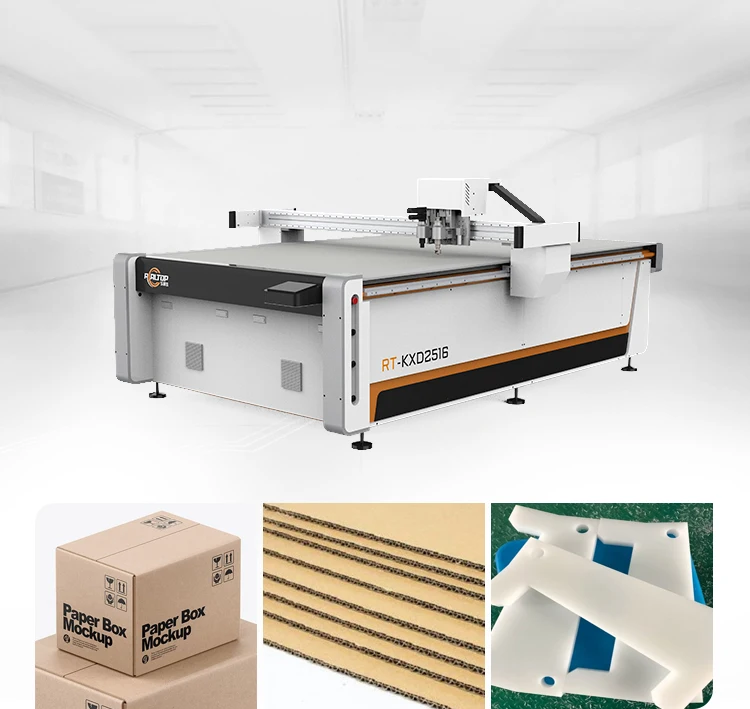
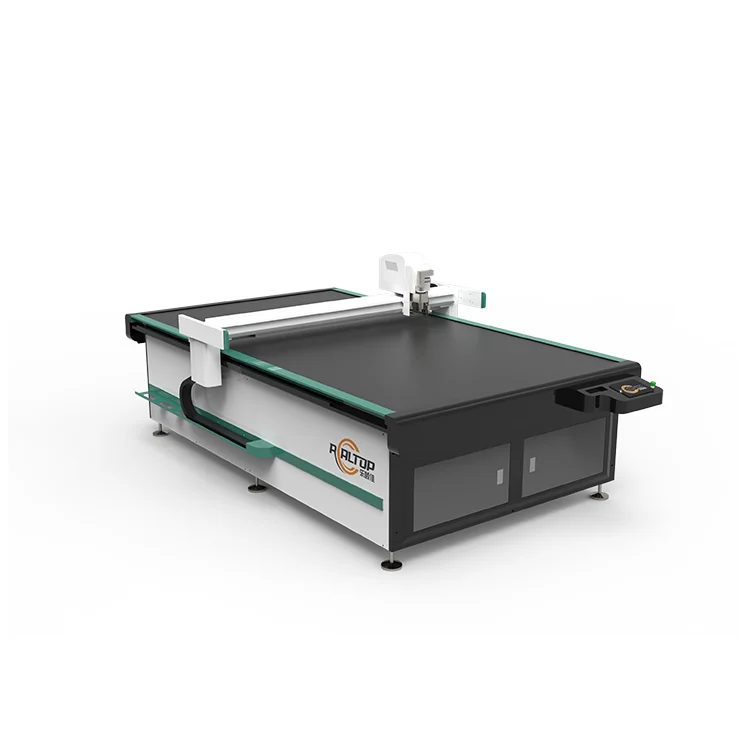
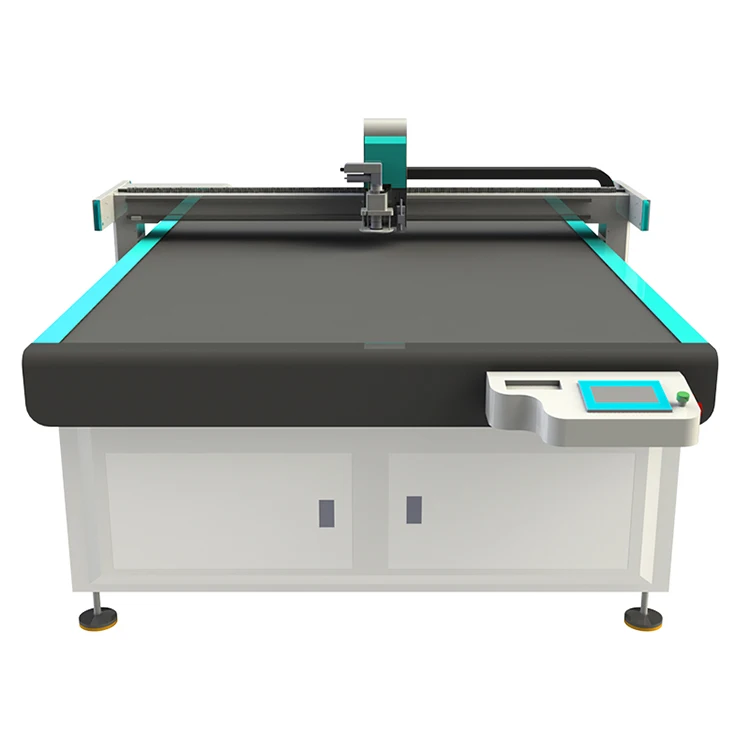
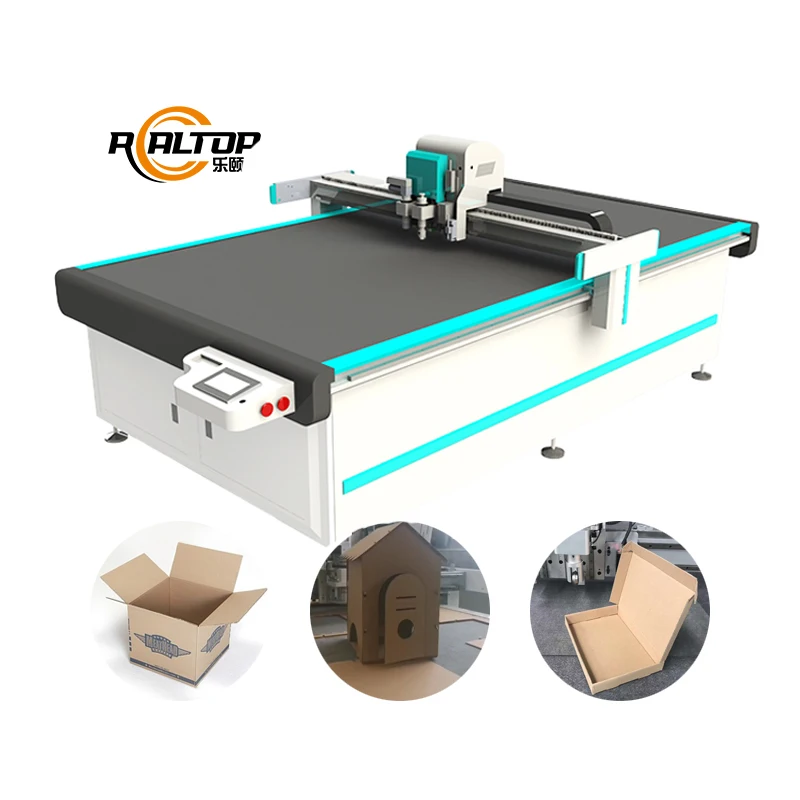
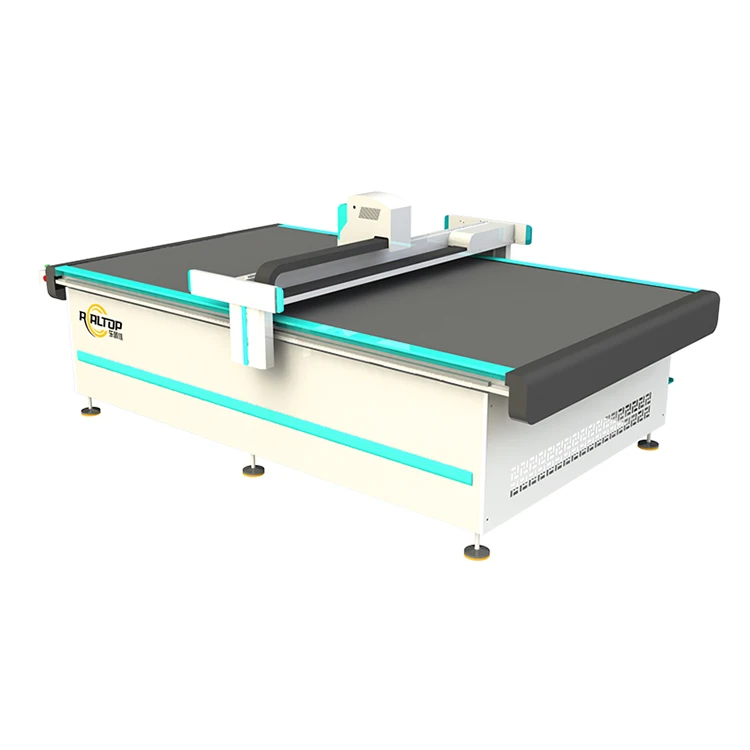
Tool Head and Table Configuration — matched to the buyer’s material and production volume, not just working area, with sample cutting verification before commitment.
Technical Specifications
| Parameter | Value |
|---|---|
| Model | RT-D2516/RT-S2516 |
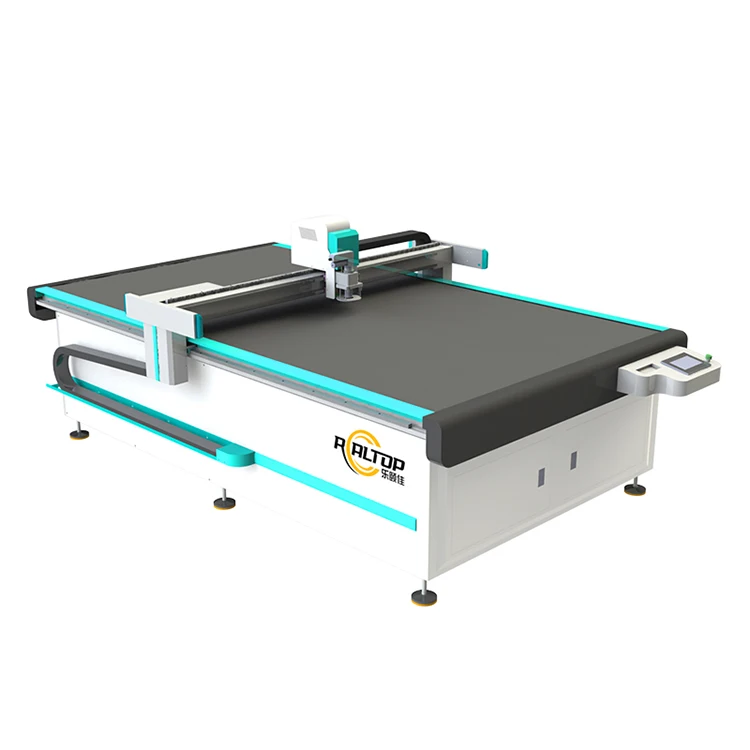
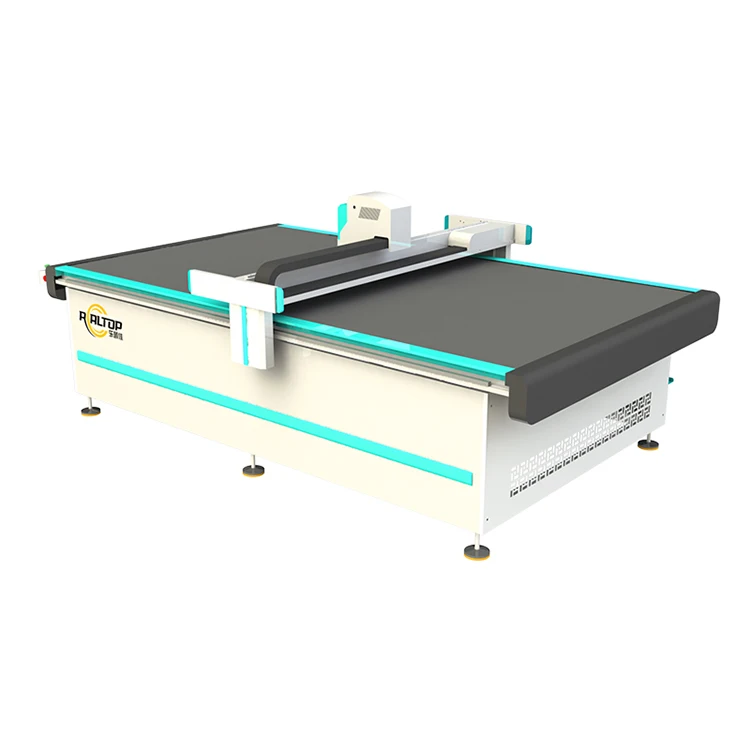
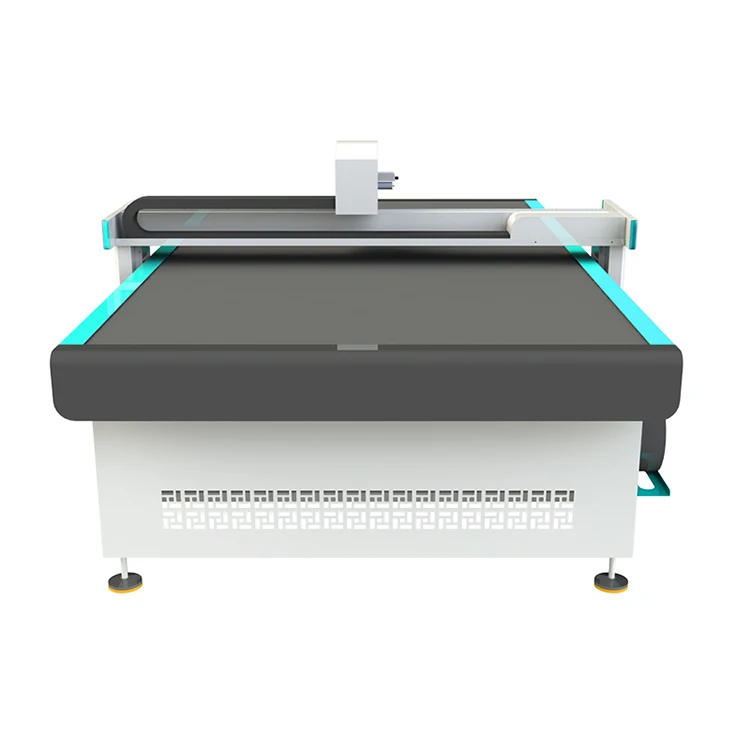
| Product Type | CNC Oscillating Knife Cutting Machine |
| Working Area | 1600 × 2500 mm |
| Machine Size | 3450 × 2300 × 1250 mm |
| Rated Power | 9 kW |
| Vacuum Pump | 7.5 kW |
| Table Type | Flat working table / auto feeding table (configurable) |
| Vacuum Table Material | Magnesium-aluminum alloy, fluorocarbon PVDF powder spraying, anodic oxidation, hard oxidation |
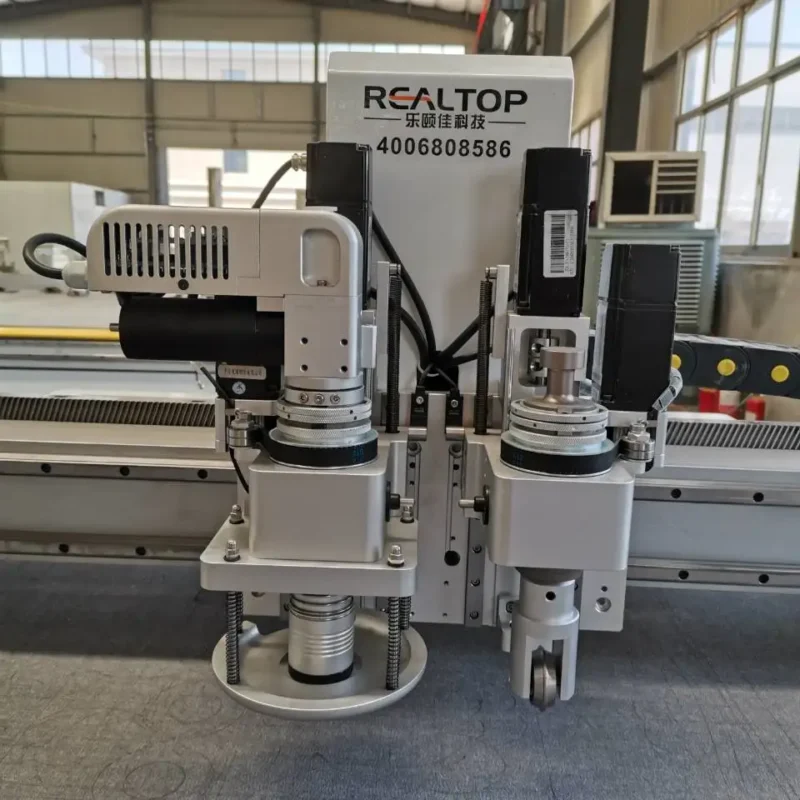
| Multifunctional Head | Swiss imported knife with vibration full cutting, vibration half cutting, and cursor location |
| Tool Head Options | Oscillating knife, pneumatic knife, high-power vibrating knife, circular knife, V-cutting knife, drag knife, creasing wheel, dotted line knife, punching, brush |
| Visual Positioning | Small CCD camera mark point positioning, panoramic camera recognition, projection positioning |
| Translational Velocity | 800–2000 mm/s |
| Cutting Speed | 200–800 mm/s (varies with material) |
| Cutting Thickness | Up to 100 mm (source value — verify against actual material) |
| Repeated Accuracy | ≤0.1 mm |
| Transmission System | Digital servo motor, linear guide, synchronous belt, ball screw |
| Servo Motor Options | Delta (China) or Panasonic (Japan) |
| Instruction System | HP-GL compatible format |
| Software File Formats | PLT, DXF, AI |
| Voltage | 380V ± 10% (customizable) |
| Safety Device | Infrared sensors, anti-collision, emergency stop |
| Language Options | English, Russian, Italian, Chinese (special languages customizable) |
| Control Panel | Touch screen, multiple language supported |
Application Suitability
| Application | Material or Output |
|---|---|
| Carton and packaging sample making | Corrugated cardboard, foam board, plastic box materials |
| Advertising and signage production | Board, vinyl, sticker films |
| Garment and footwear cutting | Fabric, textile, leather, shoe material, luggage material |
| Automotive interior components | Carpet, sponge, PU, EVA, XPE, non-woven fabric |
| Gasket and sealing pad fabrication | Rubber, PTFE, ETFE, fiberglass, gasket material |
| Composite and foam fabrication | PVC, PP, PE, XPE, foam board, sponge |
Why Working Area Alone Cannot Drive the Purchase Decision
A machine specified on working area alone, then found unable to handle the material thickness — this remains one of the most common failures in CNC oscillating knife cutting machine procurement. Configuration must match the material, not just the sheet size.
I once saw a packaging shop order a flatbed cutter based purely on bed dimensions. Their sample ran fine on standard E-flute corrugated. When they switched to double-wall board for an industrial client, the knife deflected, edges crushed, and the vacuum table lost grip on smaller offcuts. The machine was not wrong — the specification process was. [NEED_CITE: vacuum hold-down requirements for corrugated board cutting at varying flute profiles]
Knife Versus Laser: Matching the Method to the Material
Choosing between an oscillating knife and a laser is not about which technology is newer. It is about what the material does when heat meets it. Synthetic textiles and films often seal cleanly under a CO2 beam, while foam and multi-layer composites tend to melt or produce fumes that require substantial extraction. A CNC oscillating knife cutting machine manufacturer typically offers both paths because the buyer’s material dictates the answer, not the other way around.
On the RT-D2516/RT-S2516 platform, the knife side handles everything from single-ply sticker film to thick foam board up to the machine’s rated cutting depth. The Swiss imported blade delivers vibration full cutting and half cutting, which matters when you need a clean through-cut on one job and a kiss-cut on the next without changing tools.
Full Tool Head Range for Packaging and Beyond
The ten available tool heads — oscillating knife, pneumatic knife, high-power vibrating knife, circular knife, V-cutting knife, drag knife, creasing wheel, dotted line knife, punching, and brush — exist because no single blade geometry cuts every packaging substrate cleanly. Corrugated cardboard needs an oscillating action to sever fibres without crushing the flute structure. Folding carton stock needs a creasing wheel to score without breaking the surface. Adhesive-backed vinyl needs a drag knife with minimal downward force to avoid cutting through the liner. [NEED_CITE: tool head selection criteria for packaging sample making machines]
When a buyer sends actual production material for sample cutting, the correct head combination becomes clear within a few test runs. Guessing from a data sheet rarely works.
Reading the Specification Sheet Like an Engineer
The 9 kW rated power covers the spindle drive, vacuum pump load, and motion axes together. The separate 7.5 kW vacuum pump is significant: underpowered vacuum is the number one reason small packaging parts lift during high-speed cutting. The magnesium-aluminum alloy table with PVDF coating and multi-zone adsorption addresses this by allowing operators to activate only the zones under the workpiece, concentrating hold-down force where it matters.
Repeated accuracy of ≤0.1 mm across the 1600 × 2500 mm working area depends on the linear guide and ball screw transmission working in concert with the digital servo motors. Buyers choosing between Delta and Panasonic servo options should consider local service availability — a Panasonic servo is excellent, but only if a replacement drive is obtainable in the destination market. The HP-GL compatible instruction system and PLT/DXF/AI file support mean most existing design workflows connect without additional conversion software.
The Hidden Cost of Skipping Configuration Verification
Choosing the wrong tool head for a given material produces ragged edges on corrugated or crushed cells in foam board. Underspecified vacuum zoning lets small nesting parts drift mid-cut, destroying registration on an entire sheet. A CCD camera that cannot track printed marks at production speed forces operators back to manual alignment, removing the throughput advantage of digital contour recognition entirely. These problems surface only after the machine is installed and the first real production order is running. [NEED_CITE: CNC cutting edge quality defects caused by incorrect tool head selection]
Why Source This Platform Here
In-house design covers both knife and laser cutting technologies on the same factory floor, so the buyer selects the cutting method that fits the material rather than being pushed toward whichever technology the seller prefers to ship. Every tool head and table configuration is specified per material type and confirmed through sample cutting on the buyer’s own stock before the order is finalized.
CCD camera positioning — both mark point and panoramic — is tested against the buyer’s actual print registration marks, not a generic test chart. Software compatibility is confirmed before the contract is signed, with file format and nesting workflow validated against the buyer’s existing PLT, DXF, or AI output. Voltage, plug type, and control panel language are locked in during the specification stage, not discovered at uncrating. [NEED_CITE: CE machinery directive requirements for industrial cutting equipment]
Documentation & Verification
- Machine specification sheet listing every configured tool head and table zone
- Electrical schematic with voltage and frequency confirmed for destination market
- Sample cutting report produced on your corrugated, foam, or film stock
- Factory test record showing repeated accuracy across the full working area
- Software licence with PLT, DXF, AI format compatibility documented
- Spare parts list matched to the specific tool heads in your configuration
Installation, Commissioning & Support
- 3450 × 2300 mm footprint requires a level concrete floor with clearance for material loading on at least two sides
- 380V ± 10% three-phase supply with dedicated circuit for the 9 kW machine load and 7.5 kW vacuum pump
- Machine ships in sections; the magnesium-aluminum table is assembled and leveled on site
- First-run parameter tuning performed on your material with cutting speed, oscillation frequency, and vacuum zone mapping set to production values
- Touch screen control panel configured in your chosen language during commissioning
- Oscillating knife blades, creasing wheels, and drag knife tips identified as primary consumables with initial spare set included
What We Need to Specify Your Machine
Send us the exact material type, thickness range, and maximum sheet size you will run. Tell us your daily volume target and whether you need the flat table or auto feeding configuration. Confirm your local voltage, frequency, and preferred control language. If you already have nesting software, share a sample output file so we can verify format compatibility before quoting.
Frequently Asked Questions
Q: How do I match the tool head to my material thickness and edge quality requirement?
A: Oscillating knife suits thick or fibrous materials like corrugated board and foam, where the vibrating action severs fibres cleanly. Drag knife works for thin vinyl and sticker film. Creasing wheel scores folding carton without breaking the surface. We test your actual material to confirm which head delivers the edge quality you need before finalizing configuration.
Q: Can the CCD camera track printed marks at full production speed?
A: The small CCD camera handles mark point positioning for standard registration marks, while the panoramic camera covers larger printed contours. We verify tracking performance against your specific print quality and mark contrast during sample cutting, because faded ink or low-contrast marks can reduce recognition reliability at higher translational speeds.
Q: Will the vacuum table hold small packaging parts without lifting?
A: The magnesium-aluminum alloy table supports multi-zone adsorption, meaning you activate only the zones beneath your nested parts. This concentrates the 7.5 kW vacuum pump output on the actual cutting area rather than wasting suction on empty table surface, which is critical when cutting small carton components from a full sheet.
Q: Should I choose the flat working table or the auto feeding table?
A: Flat table suits batch work where operators load and unload manually, common in sample making and short runs. Auto feeding table supports continuous roll or sheet-fed production with higher daily volume. The choice depends on your throughput requirement and whether your material arrives in sheets or rolls.
Q: Knife or laser — which fits my packaging operation?
A: Knife cutting handles corrugated, foam board, and thick composites without heat-affected edges or fume extraction requirements. Laser cutting seals edges on synthetics and cuts intricate shapes in thin film. A CNC oscillating knife cutting machine manufacturer offering both methods lets you match the process to your dominant material rather than adapting your material to one technology.
Tool Head and Table Configuration — matched to the buyer’s material and production volume, not just working area, with sample cutting verification before commitment.
Technical Specifications
| Parameter | Value |
|---|---|
| Model | RT-D2516/RT-S2516 |
| Product Type | CNC Oscillating Knife Cutting Machine |
| Working Area | 1600 × 2500 mm |
| Machine Size | 3450 × 2300 × 1250 mm |
| Rated Power | 9 kW |
| Vacuum Pump | 7.5 kW |
| Table Type | Flat working table / auto feeding table (configurable) |
| Vacuum Table Material | Magnesium-aluminum alloy, fluorocarbon PVDF powder spraying, anodic oxidation, hard oxidation |
| Multifunctional Head | Swiss imported knife with vibration full cutting, vibration half cutting, and cursor location |
| Tool Head Options | Oscillating knife, pneumatic knife, high-power vibrating knife, circular knife, V-cutting knife, drag knife, creasing wheel, dotted line knife, punching, brush |
| Visual Positioning | Small CCD camera mark point positioning, panoramic camera recognition, projection positioning |
| Translational Velocity | 800–2000 mm/s |
| Cutting Speed | 200–800 mm/s (varies with material) |
| Cutting Thickness | Up to 100 mm (source value — verify against actual material) |
| Repeated Accuracy | ≤0.1 mm |
| Transmission System | Digital servo motor, linear guide, synchronous belt, ball screw |
| Servo Motor Options | Delta (China) or Panasonic (Japan) |
| Instruction System | HP-GL compatible format |
| Software File Formats | PLT, DXF, AI |
| Voltage | 380V ± 10% (customizable) |
| Safety Device | Infrared sensors, anti-collision, emergency stop |
| Language Options | English, Russian, Italian, Chinese (special languages customizable) |
| Control Panel | Touch screen, multiple language supported |
Application Suitability
| Application | Material or Output |
|---|---|
| Carton and packaging sample making | Corrugated cardboard, foam board, plastic box materials |
| Advertising and signage production | Board, vinyl, sticker films |
| Garment and footwear cutting | Fabric, textile, leather, shoe material, luggage material |
| Automotive interior components | Carpet, sponge, PU, EVA, XPE, non-woven fabric |
| Gasket and sealing pad fabrication | Rubber, PTFE, ETFE, fiberglass, gasket material |
| Composite and foam fabrication | PVC, PP, PE, XPE, foam board, sponge |
Why Working Area Alone Cannot Drive the Purchase Decision
A machine specified on working area alone, then found unable to handle the material thickness — this remains one of the most common failures in CNC oscillating knife cutting machine procurement. Configuration must match the material, not just the sheet size.
I once saw a packaging shop order a flatbed cutter based purely on bed dimensions. Their sample ran fine on standard E-flute corrugated. When they switched to double-wall board for an industrial client, the knife deflected, edges crushed, and the vacuum table lost grip on smaller offcuts. The machine was not wrong — the specification process was. [NEED_CITE: vacuum hold-down requirements for corrugated board cutting at varying flute profiles]
Knife Versus Laser: Matching the Method to the Material
Choosing between an oscillating knife and a laser is not about which technology is newer. It is about what the material does when heat meets it. Synthetic textiles and films often seal cleanly under a CO2 beam, while foam and multi-layer composites tend to melt or produce fumes that require substantial extraction. A CNC oscillating knife cutting machine manufacturer typically offers both paths because the buyer’s material dictates the answer, not the other way around.
On the RT-D2516/RT-S2516 platform, the knife side handles everything from single-ply sticker film to thick foam board up to the machine’s rated cutting depth. The Swiss imported blade delivers vibration full cutting and half cutting, which matters when you need a clean through-cut on one job and a kiss-cut on the next without changing tools.
Full Tool Head Range for Packaging and Beyond
The ten available tool heads — oscillating knife, pneumatic knife, high-power vibrating knife, circular knife, V-cutting knife, drag knife, creasing wheel, dotted line knife, punching, and brush — exist because no single blade geometry cuts every packaging substrate cleanly. Corrugated cardboard needs an oscillating action to sever fibres without crushing the flute structure. Folding carton stock needs a creasing wheel to score without breaking the surface. Adhesive-backed vinyl needs a drag knife with minimal downward force to avoid cutting through the liner. [NEED_CITE: tool head selection criteria for packaging sample making machines]
When a buyer sends actual production material for sample cutting, the correct head combination becomes clear within a few test runs. Guessing from a data sheet rarely works.
Reading the Specification Sheet Like an Engineer
The 9 kW rated power covers the spindle drive, vacuum pump load, and motion axes together. The separate 7.5 kW vacuum pump is significant: underpowered vacuum is the number one reason small packaging parts lift during high-speed cutting. The magnesium-aluminum alloy table with PVDF coating and multi-zone adsorption addresses this by allowing operators to activate only the zones under the workpiece, concentrating hold-down force where it matters.
Repeated accuracy of ≤0.1 mm across the 1600 × 2500 mm working area depends on the linear guide and ball screw transmission working in concert with the digital servo motors. Buyers choosing between Delta and Panasonic servo options should consider local service availability — a Panasonic servo is excellent, but only if a replacement drive is obtainable in the destination market. The HP-GL compatible instruction system and PLT/DXF/AI file support mean most existing design workflows connect without additional conversion software.
The Hidden Cost of Skipping Configuration Verification
Choosing the wrong tool head for a given material produces ragged edges on corrugated or crushed cells in foam board. Underspecified vacuum zoning lets small nesting parts drift mid-cut, destroying registration on an entire sheet. A CCD camera that cannot track printed marks at production speed forces operators back to manual alignment, removing the throughput advantage of digital contour recognition entirely. These problems surface only after the machine is installed and the first real production order is running. [NEED_CITE: CNC cutting edge quality defects caused by incorrect tool head selection]
Why Source This Platform Here
In-house design covers both knife and laser cutting technologies on the same factory floor, so the buyer selects the cutting method that fits the material rather than being pushed toward whichever technology the seller prefers to ship. Every tool head and table configuration is specified per material type and confirmed through sample cutting on the buyer’s own stock before the order is finalized.
CCD camera positioning — both mark point and panoramic — is tested against the buyer’s actual print registration marks, not a generic test chart. Software compatibility is confirmed before the contract is signed, with file format and nesting workflow validated against the buyer’s existing PLT, DXF, or AI output. Voltage, plug type, and control panel language are locked in during the specification stage, not discovered at uncrating. [NEED_CITE: CE machinery directive requirements for industrial cutting equipment]
Documentation & Verification
- Machine specification sheet listing every configured tool head and table zone
- Electrical schematic with voltage and frequency confirmed for destination market
- Sample cutting report produced on your corrugated, foam, or film stock
- Factory test record showing repeated accuracy across the full working area
- Software licence with PLT, DXF, AI format compatibility documented
- Spare parts list matched to the specific tool heads in your configuration
Installation, Commissioning & Support
- 3450 × 2300 mm footprint requires a level concrete floor with clearance for material loading on at least two sides
- 380V ± 10% three-phase supply with dedicated circuit for the 9 kW machine load and 7.5 kW vacuum pump
- Machine ships in sections; the magnesium-aluminum table is assembled and leveled on site
- First-run parameter tuning performed on your material with cutting speed, oscillation frequency, and vacuum zone mapping set to production values
- Touch screen control panel configured in your chosen language during commissioning
- Oscillating knife blades, creasing wheels, and drag knife tips identified as primary consumables with initial spare set included
What We Need to Specify Your Machine
Send us the exact material type, thickness range, and maximum sheet size you will run. Tell us your daily volume target and whether you need the flat table or auto feeding configuration. Confirm your local voltage, frequency, and preferred control language. If you already have nesting software, share a sample output file so we can verify format compatibility before quoting.
Frequently Asked Questions
Q: How do I match the tool head to my material thickness and edge quality requirement?
A: Oscillating knife suits thick or fibrous materials like corrugated board and foam, where the vibrating action severs fibres cleanly. Drag knife works for thin vinyl and sticker film. Creasing wheel scores folding carton without breaking the surface. We test your actual material to confirm which head delivers the edge quality you need before finalizing configuration.
Q: Can the CCD camera track printed marks at full production speed?
A: The small CCD camera handles mark point positioning for standard registration marks, while the panoramic camera covers larger printed contours. We verify tracking performance against your specific print quality and mark contrast during sample cutting, because faded ink or low-contrast marks can reduce recognition reliability at higher translational speeds.
Q: Will the vacuum table hold small packaging parts without lifting?
A: The magnesium-aluminum alloy table supports multi-zone adsorption, meaning you activate only the zones beneath your nested parts. This concentrates the 7.5 kW vacuum pump output on the actual cutting area rather than wasting suction on empty table surface, which is critical when cutting small carton components from a full sheet.
Q: Should I choose the flat working table or the auto feeding table?
A: Flat table suits batch work where operators load and unload manually, common in sample making and short runs. Auto feeding table supports continuous roll or sheet-fed production with higher daily volume. The choice depends on your throughput requirement and whether your material arrives in sheets or rolls.
Q: Knife or laser — which fits my packaging operation?
A: Knife cutting handles corrugated, foam board, and thick composites without heat-affected edges or fume extraction requirements. Laser cutting seals edges on synthetics and cuts intricate shapes in thin film. A CNC oscillating knife cutting machine manufacturer offering both methods lets you match the process to your dominant material rather than adapting your material to one technology.
商品评价
There are no reviews yet.