

Fast Delivery
Quick, reliable shipping to any location.

Free & easy returns
Return this item by mail or in store within 90 days for a full refund.
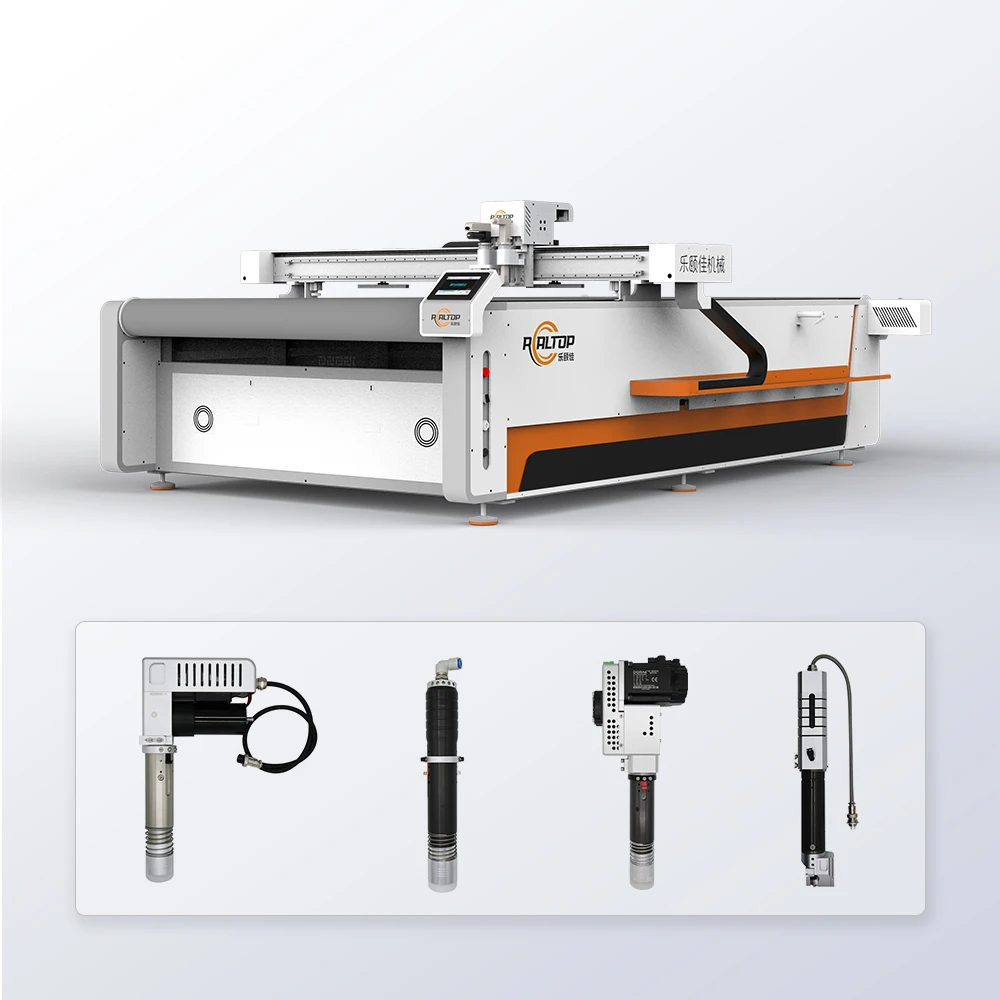
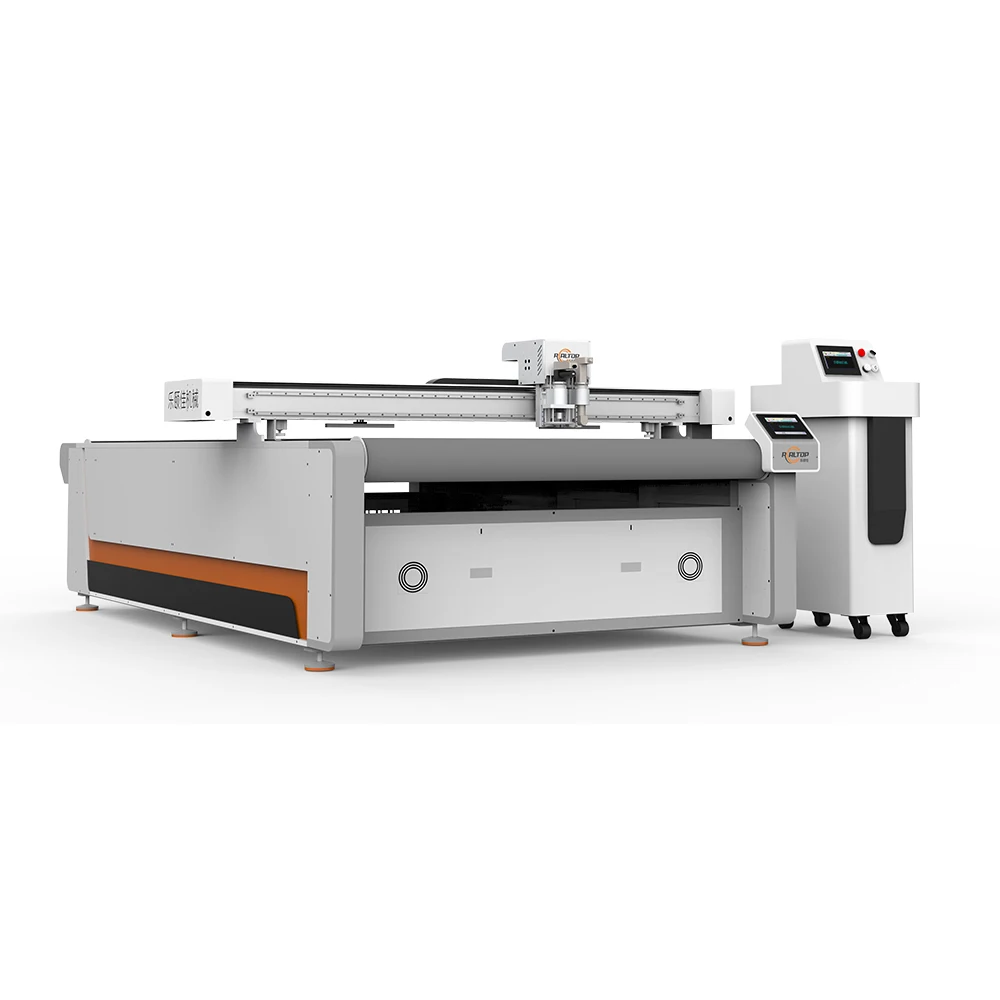
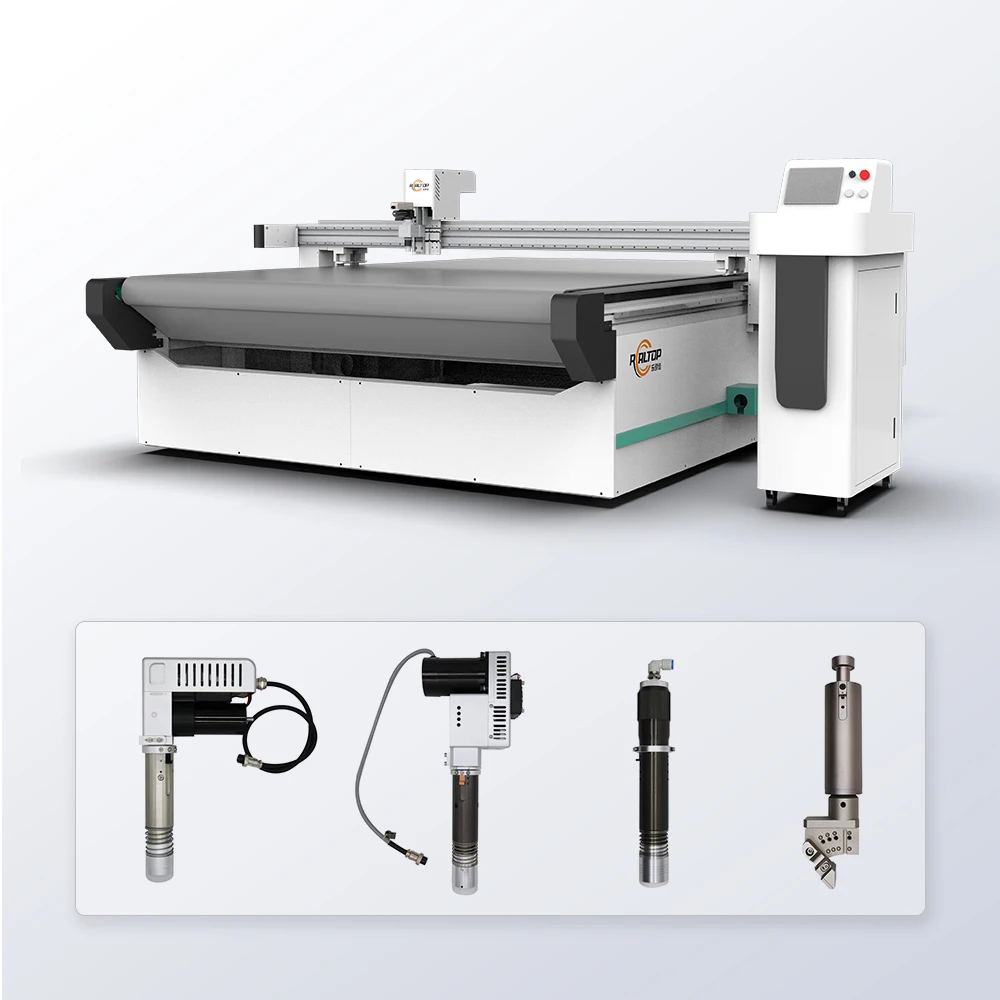
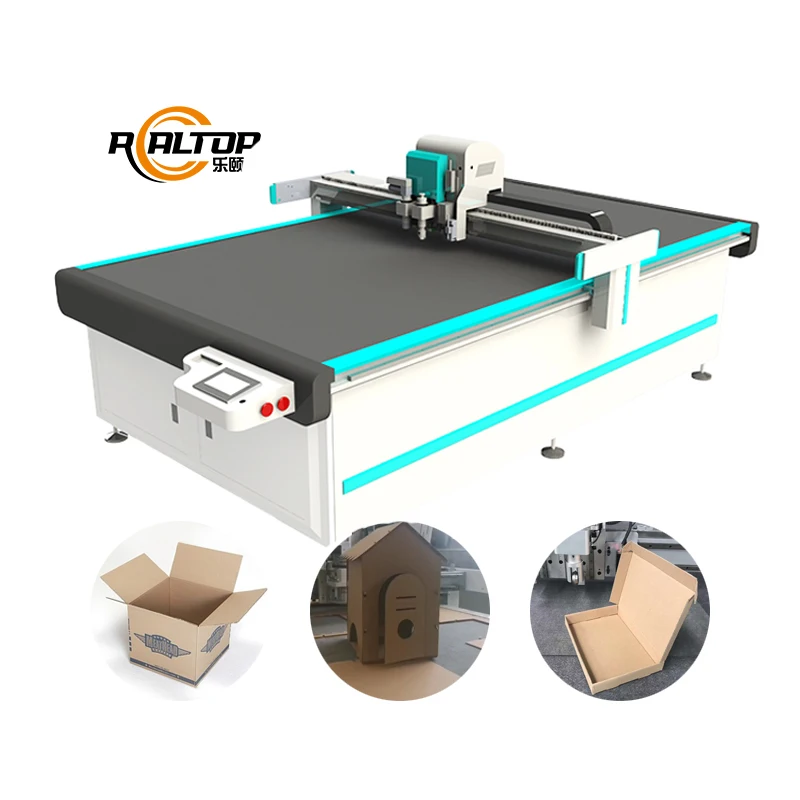
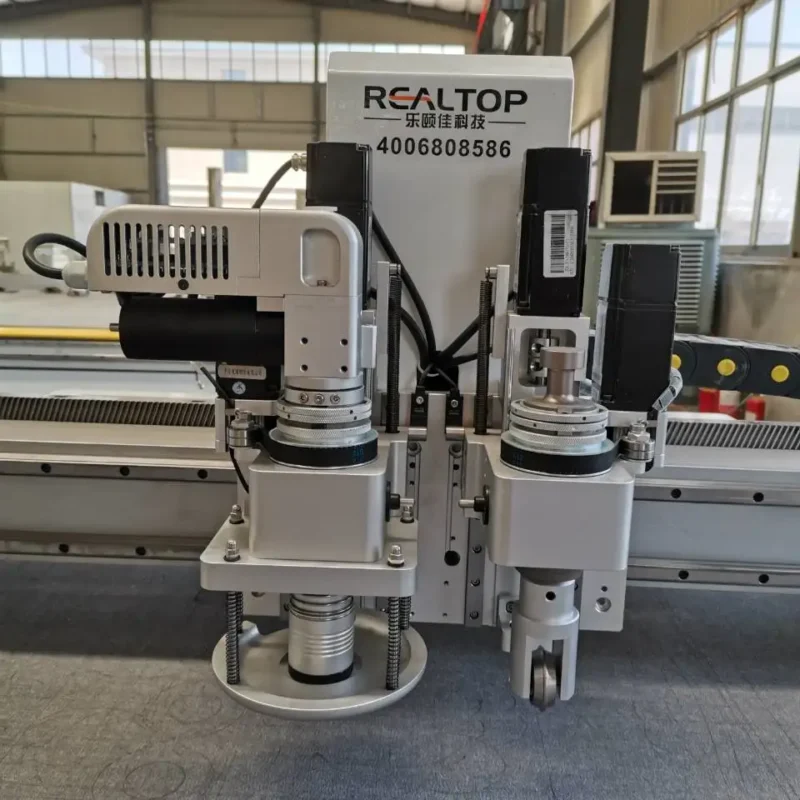
Full Tool Head Matrix — oscillating knife, driven rotary knife, creasing wheel, kiss cutting, pneumatic knife, milling, and V-groove tools are specified per material and thickness before a single machine leaves the factory, so fabric and textile buyers match the cutting method to the job rather than force one tool through incompatible layers.
Technical Specifications
| Parameter | Value |
|---|---|
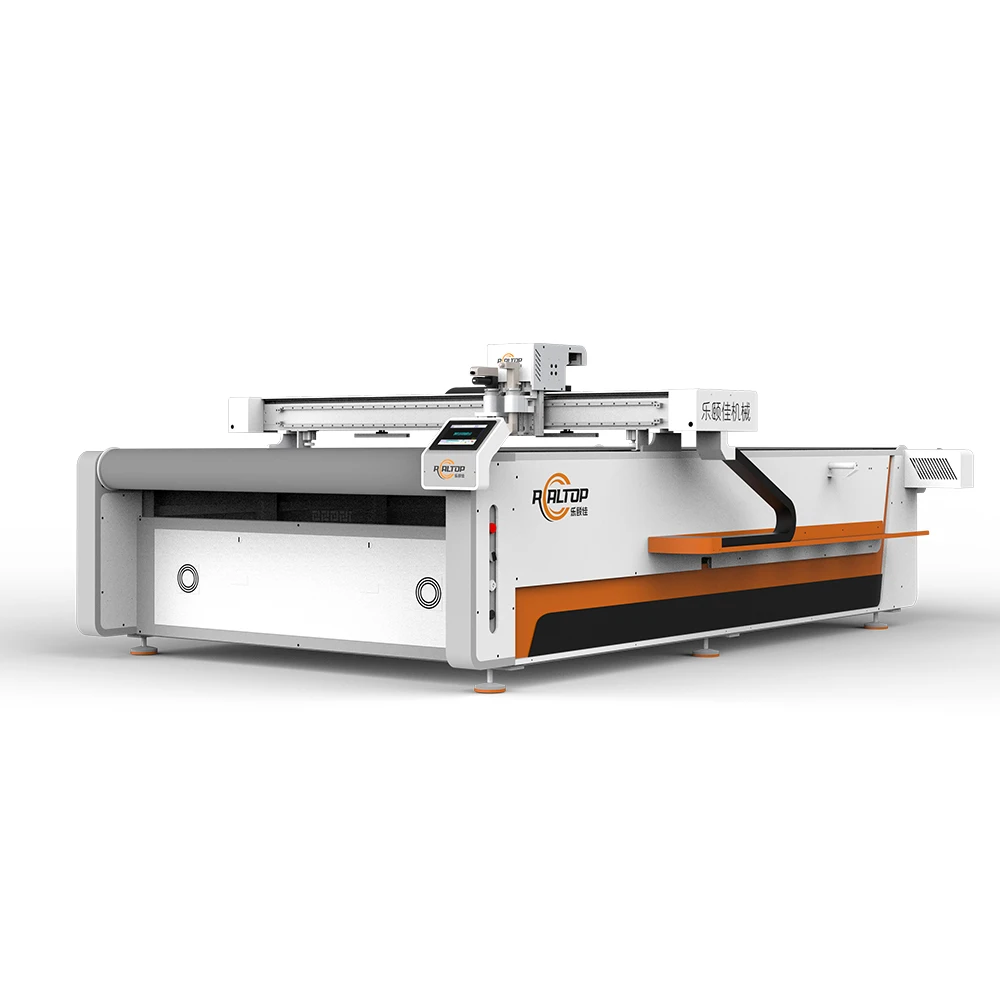
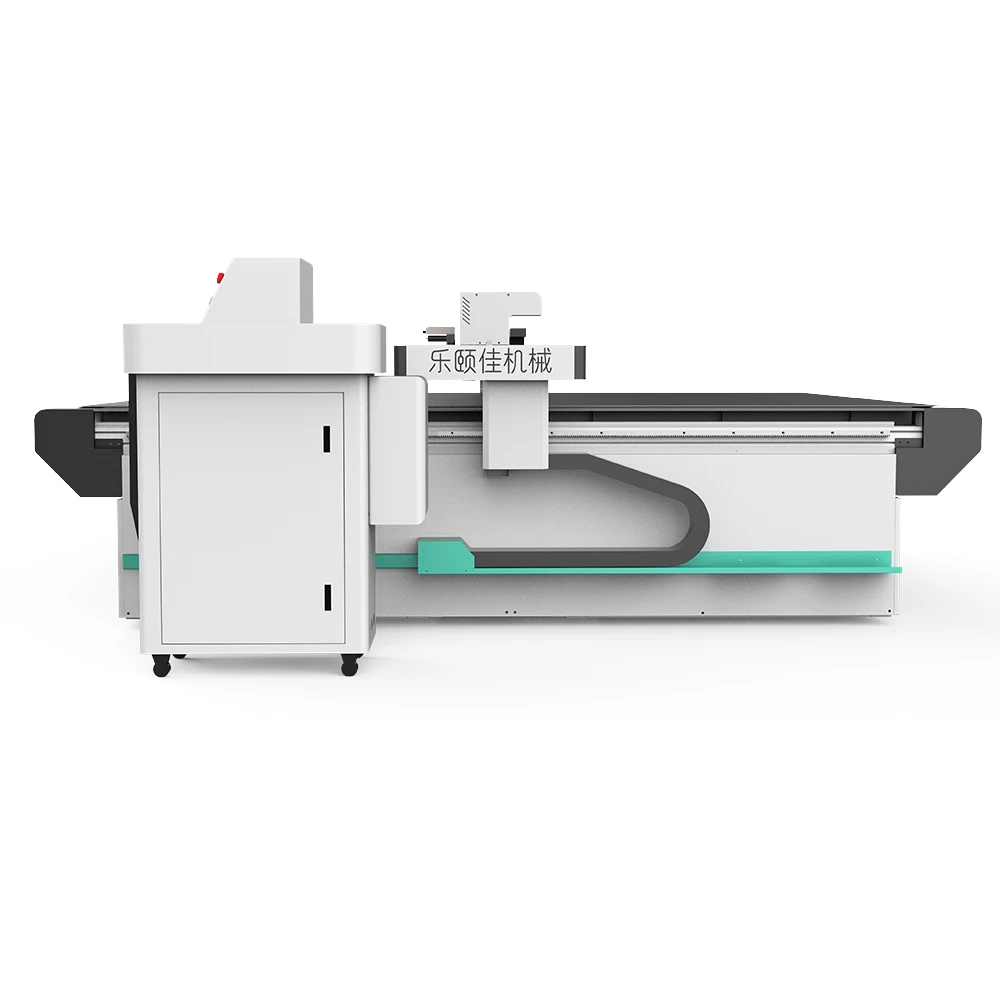
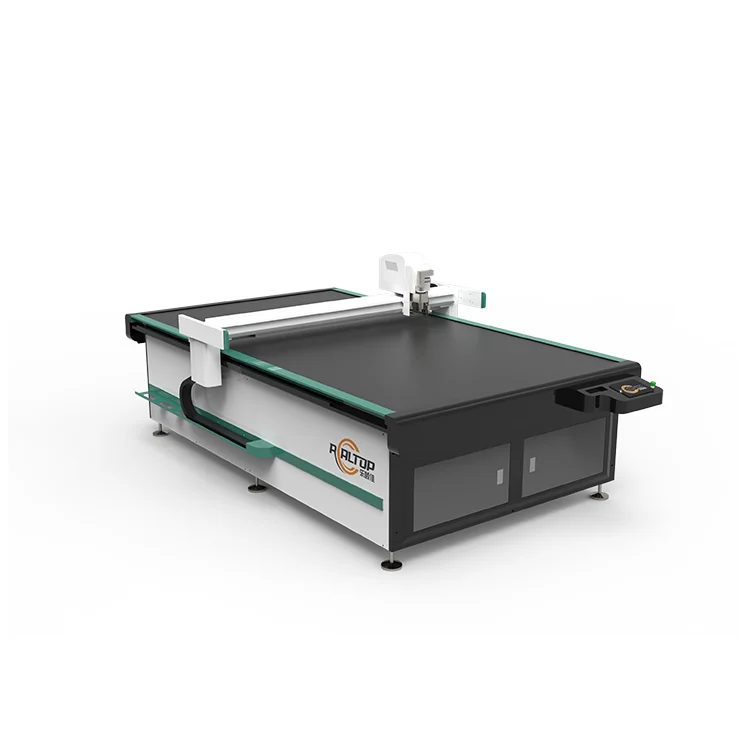
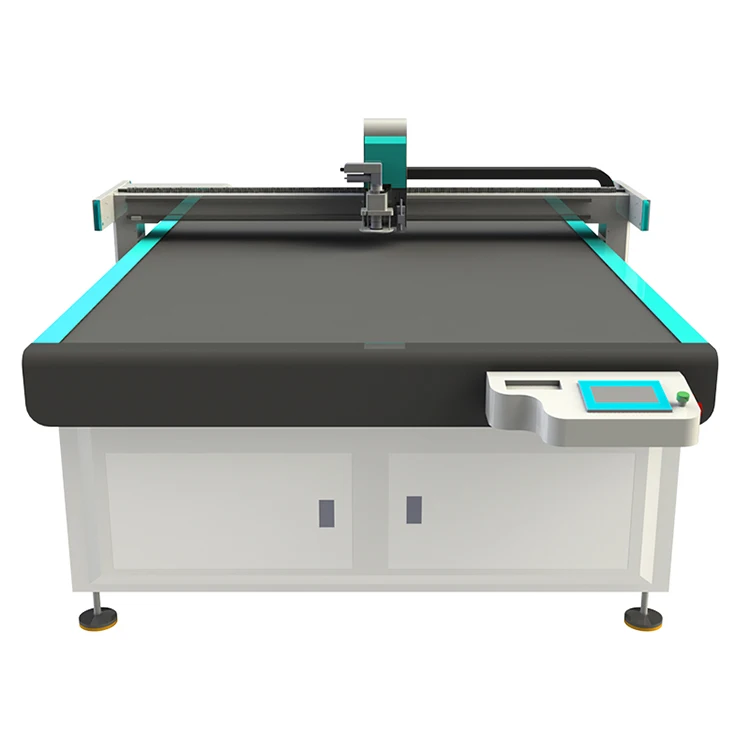
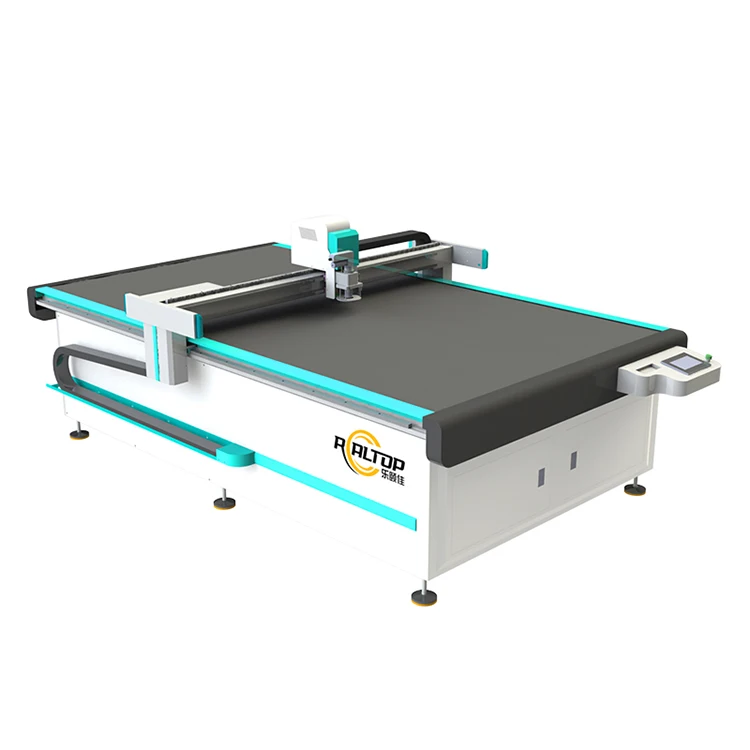
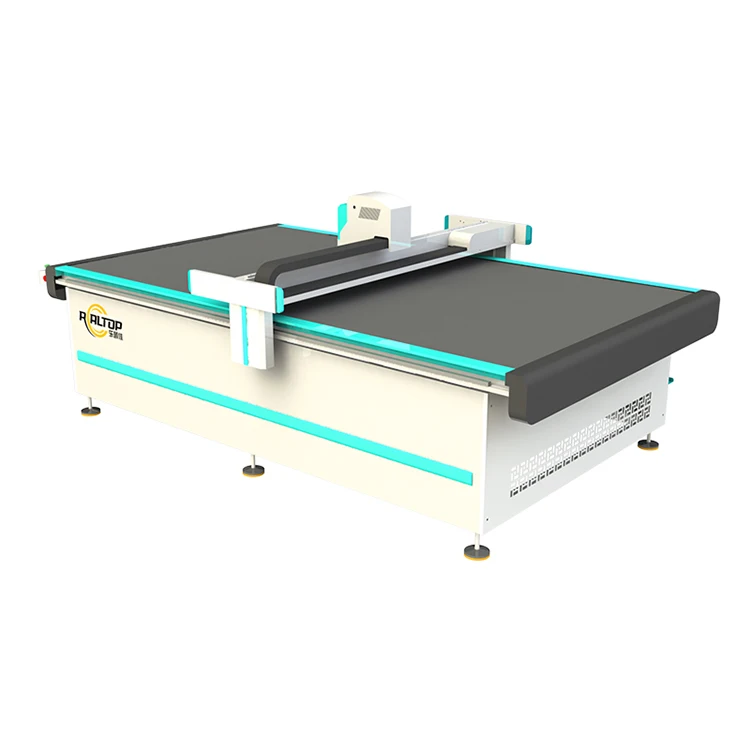
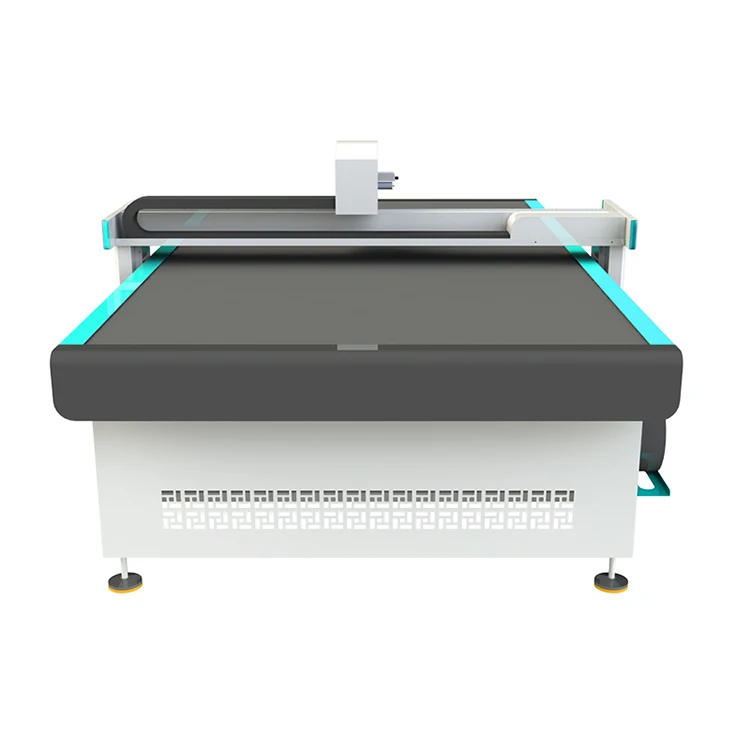
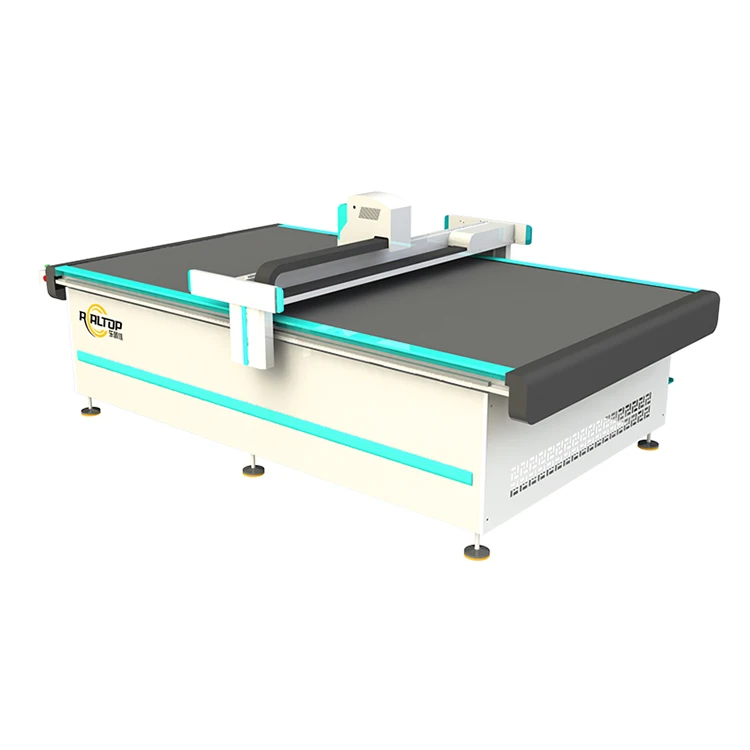
| Product Type | CNC Oscillating Knife Cutting Machine |
| Working Area | 2500 × 2200 mm |
| Cutting Speed | 0 – 1500 mm/s |
| Cutting Thickness | ≤ 30 mm (basis not stated in source — confirm material type / density) |
| Cutting Accuracy | ±0.1 mm |
| Repeat Positioning Accuracy | ±0.1 mm |
| Tool Head Options | Oscillating knife, Driven rotary knife, Creasing wheel, Kiss cutting tool, Pneumatic knife, Milling tool, V-groove knife |
| Vacuum Pump | 9 kW |
| Vacuum Table | Aluminum bellows vacuum table |
| Control System | PLC control panel |
| Servo Drive Options | Panasonic, Delta, Dorna (rated or peak not specified in source) |
| Software File Formats | PLT, DXF, AI, PDF |
| Nesting Software | Included for material yield optimization |
| Packaging Box Structure Design Software | Dedicated software included |
| Voltage Options | 110V, 220V, 380V (frequency not specified in source) |
| Display Language Options | English, Russian, Italian, Chinese (special languages customizable) |
| Safety Device | Infrared sensor device and emergency stop device |
| Machine Frame | Heavy-duty frame with precision-ground surface |
| Machine Dimensions (L × W × H) | 3300 × 2700 × 1350 mm |
| Key Features | CCD camera contour recognition, multi-zone vacuum holding, CE conformity |
Application Suitability
| Application | Material or Output |
|---|---|
| Automotive floor mats and full-coverage car mats | Loop mats, rubber-backed composite textiles, multi-layer automotive interior fabric |
| Home floor mats and non-slip pads | Coral fleece carpets, PVC mats with geometric contour cuts |
| Yoga and fitness mats | Custom-shaped edges, cut-out designs in EVA and foam-backed materials |
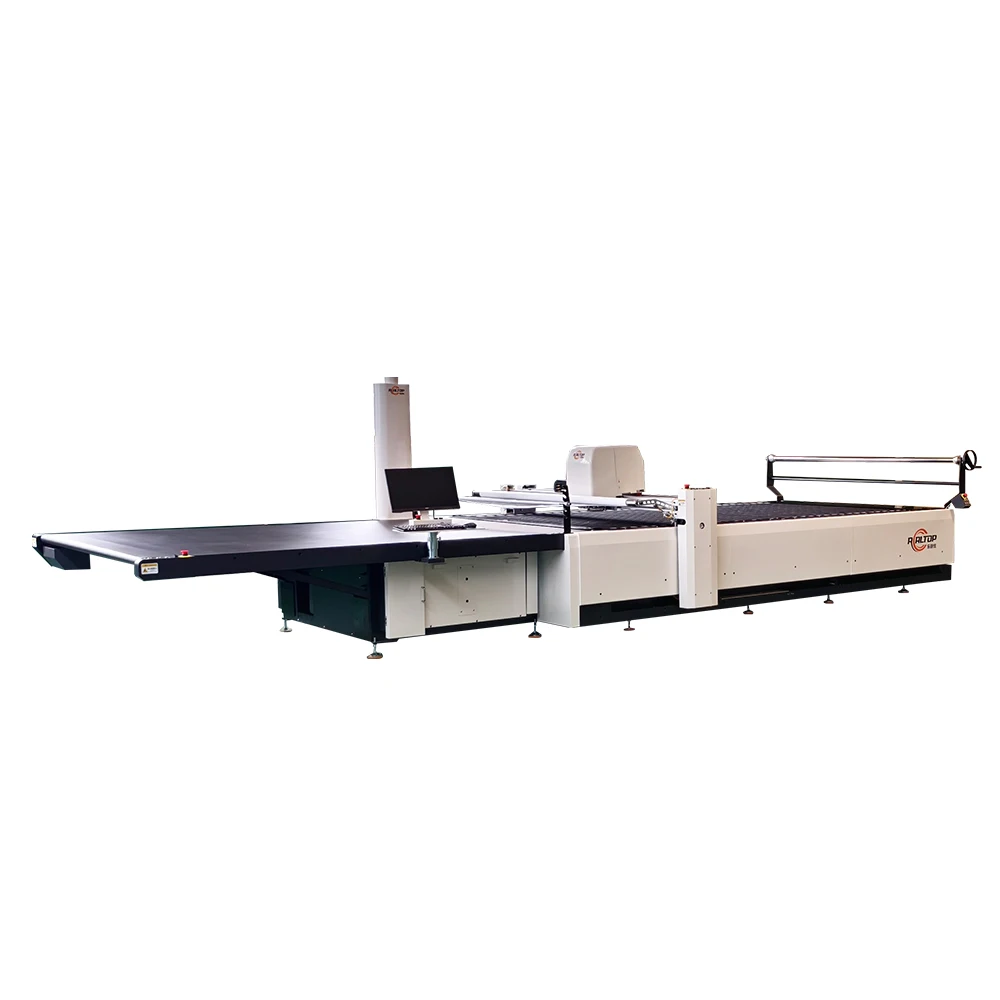
| Garment and footwear cutting | Multi-layer fabric, leather, and synthetic textile stacks |
| Signage and soft signage contour cutting | Printed vinyl, banner fabric, and flexible board with CCD tracking |
| Gasket and seal production | PTFE, rubber, and non-metallic composite sheets |
Why the Tool Head Question Matters More Than the Working Area
A CNC oscillating knife cutting machine manufacturer is often chosen on table size alone, then the buyer discovers the tool head cannot handle the actual material stack. The cutting method must be locked to the material before the model is selected.
I once shipped a unit to Lagos where the sample cutting used standard composite fabric, but the customer’s real production ran multi-layer automotive interior textile with a foam underlay. The vacuum zones were not segmented for small nested parts, edges lifted mid-cut, and the entire batch was scrapped. Since that job, every machine is trial-run on the buyer’s own material before crating [NEED_CITE: common causes of cutting edge delamination in multi-layer textile stacks]. Specifying oscillating knife versus driven rotary knife versus kiss cutting tool up front eliminates the mismatch that no amount of operator adjustment can fix on the shop floor.
Mapping Seven Tool Heads to Real Material Stacks
The oscillating knife handles rigid and semi-rigid sheets up to the stated cutting thickness, making it the default for gasket, foam, and dense composite panels. The driven rotary knife takes over on woven and knitted fabric where a vibrating blade would fray the yarn, producing a sealed edge on synthetics and a clean shear on natural fibers. For packaging sample work, the creasing wheel and V-groove knife score fold lines without penetrating the substrate, while the kiss cutting tool scores adhesive-backed vinyl down to the liner without cutting through it. A CNC oscillating knife cutting machine manufacturer that stocks all seven heads lets the buyer swap tooling as the order book changes rather than invest in a second machine.
Vacuum Zoning and the Small-Part Problem
The aluminum bellows vacuum table paired with the 9 kW pump holds large sheets flat, but small nested parts in garment or gasket production experience lift at the cut boundary once the surrounding skeleton is released. Segmenting the table into independently valved zones directs suction only where material remains, preventing the drift that throws off ±0.1 mm positioning accuracy. When the buyer’s nesting layout contains a mix of large panels and small inserts, zone configuration should be confirmed before the table is machined [NEED_CITE: vacuum hold-down requirements for nested small-part cutting on flatbed tables]. This is a configuration decision, not a field adjustment.
Reading the Specs That Actually Govern Cut Quality
Cutting speed of 0 – 1500 mm/s is the traverse ceiling; actual feed rate depends on material density and the number of layers in the stack. Repeat positioning accuracy of ±0.1 mm is measured on the linear guide system and governs how well the second pass of a kiss cut aligns with the first — critical for adhesive gaskets and printed contour work tracked by the CCD camera. The PLC control panel processes DXF, PLT, AI, and PDF files directly, which means a buyer’s existing CAD nesting output can drive the machine without an intermediate conversion step that introduces geometry errors. The included nesting software optimizes part placement across the 2500 × 2200 mm working area to reduce fabric waste on high-volume runs. Servo drive selection across Panasonic, Delta, and Dorna options allows matching motion performance to the buyer’s maintenance ecosystem and local spare parts availability.
The Cost of Skipping the Configuration Conversation
When vacuum zoning is left at factory default for a production mix of large mats and small gaskets, parts shift during the final passes and the ±0.1 mm accuracy is lost on the shop floor regardless of what the specification sheet promised. Choosing the wrong tool head for layered foam-backed textile produces crushed edges that fail automotive OEM visual inspection, and the scrap cost compounds across every shift [NEED_CITE: scrap rate drivers in CNC knife cutting of automotive interior textiles]. Software that cannot import the buyer’s nesting files forces manual re-drawing, adding hours per order before the first cut is made.
Why Source This Range Through the Full Catalogue
In-house design covers both knife and laser cutting technologies, so a buyer processing fabric today and acrylic tomorrow can match the method to each material from one supplier. Tool head and table configuration are specified per material and production volume rather than offered as a fixed package. CCD camera positioning is validated on the buyer’s printed media before shipment to confirm contour tracking at production speed. Software compatibility is confirmed at the order stage, not discovered during commissioning. Sample cutting on the buyer’s own material provides a physical report that accompanies the machine documentation. Voltage, control language, and safety configuration are locked to the destination market before production begins.
Documentation & Verification
- Machine specification sheet confirming working area, tool head list, and vacuum zone layout per material
- Sample cutting report produced on buyer’s own fabric or textile stock before commitment
- Electrical schematic and voltage confirmation matched to 110V, 220V, or 380V destination supply
- Software licence and file format compatibility note for PLT, DXF, AI, and PDF workflows
- Factory test record showing positional accuracy verification across the full 2500 × 2200 mm travel
- Packing photographs documenting crating condition prior to dispatch
Installation, Commissioning & Support
- Floor space of at least 3300 × 2700 mm with clearance for material loading on the 2500 × 2200 mm table
- Dedicated circuit matching the confirmed 9 kW vacuum pump plus servo and PLC load at the specified voltage
- Table re-leveling on the precision-ground frame after transport to restore ±0.1 mm positioning accuracy
- First-run parameter tuning on buyer’s material to set oscillating knife frequency and vacuum zone balance
- Operator training covering tool head changeover, nesting software import, and PLC alarm response
- Spare oscillating and rotary knife blades plus vacuum seal strips included in the initial parts kit
What to Share Before the Quotation
Send a sample or detailed description of the material stack, including layer count, backing type, and maximum thickness. Confirm the typical sheet size and the daily volume the line must sustain. Specify the local voltage and frequency, the preferred control language, and whether your existing design files are in DXF, PLT, AI, or PDF format so software compatibility can be verified before the order is placed.
Frequently Asked Questions
Q: How do I choose between oscillating knife, driven rotary knife, and laser for my textile products?
A: Oscillating knife suits rigid and semi-rigid sheets like foam, gasket, and dense composites. Driven rotary knife produces clean edges on woven and knitted fabric without fraying. Laser seals synthetic edges but is unsuitable for PVC or chlorine-containing materials. A CNC oscillating knife cutting machine manufacturer that offers both knife and laser options lets you match the method to each material rather than compromise on one.
Q: How do working area, cutting thickness, and vacuum zoning interact for my part geometry?
A: The 2500 × 2200 mm table accommodates large sheets, but cutting thickness capability depends on material density and the specific tool head selected. Small nested parts require segmented vacuum zones to prevent lift once the surrounding skeleton is removed. Confirming part size range and nesting density before the table is built ensures the vacuum layout matches the actual production mix.
Q: Which tool head handles my material without ragged edges or crushed layers?
A: Multi-layer fabric with foam backing typically needs a driven rotary knife to avoid crushing the underlay, while single-layer PVC mats cut cleanly with the oscillating knife. Kiss cutting is reserved for adhesive-backed materials where the liner must remain intact. Requesting a sample cutting report on your exact material stack before commitment is the only way to verify edge quality.
Q: Is my existing nesting workflow compatible with the included software?
A: The PLC control system imports PLT, DXF, AI, and PDF files directly, and the included nesting software optimizes layout across the working area. If your current workflow uses a proprietary format, a file conversion test should be run before the order is finalized to confirm geometry accuracy and tool path assignment without manual re-drawing.
Q: What voltage and language customization is available for my market?
A: The machine is configurable for 110V, 220V, or 380V supply with frequency matched to the destination market. Display language options include English, Russian, Italian, and Chinese, with special languages available on request. Voltage, plug type, and control language are confirmed at the order stage and documented in the electrical schematic before production.
Full Tool Head Matrix — oscillating knife, driven rotary knife, creasing wheel, kiss cutting, pneumatic knife, milling, and V-groove tools are specified per material and thickness before a single machine leaves the factory, so fabric and textile buyers match the cutting method to the job rather than force one tool through incompatible layers.
Technical Specifications
| Parameter | Value |
|---|---|
| Product Type | CNC Oscillating Knife Cutting Machine |
| Working Area | 2500 × 2200 mm |
| Cutting Speed | 0 – 1500 mm/s |
| Cutting Thickness | ≤ 30 mm (basis not stated in source — confirm material type / density) |
| Cutting Accuracy | ±0.1 mm |
| Repeat Positioning Accuracy | ±0.1 mm |
| Tool Head Options | Oscillating knife, Driven rotary knife, Creasing wheel, Kiss cutting tool, Pneumatic knife, Milling tool, V-groove knife |
| Vacuum Pump | 9 kW |
| Vacuum Table | Aluminum bellows vacuum table |
| Control System | PLC control panel |
| Servo Drive Options | Panasonic, Delta, Dorna (rated or peak not specified in source) |
| Software File Formats | PLT, DXF, AI, PDF |
| Nesting Software | Included for material yield optimization |
| Packaging Box Structure Design Software | Dedicated software included |
| Voltage Options | 110V, 220V, 380V (frequency not specified in source) |
| Display Language Options | English, Russian, Italian, Chinese (special languages customizable) |
| Safety Device | Infrared sensor device and emergency stop device |
| Machine Frame | Heavy-duty frame with precision-ground surface |
| Machine Dimensions (L × W × H) | 3300 × 2700 × 1350 mm |
| Key Features | CCD camera contour recognition, multi-zone vacuum holding, CE conformity |
Application Suitability
| Application | Material or Output |
|---|---|
| Automotive floor mats and full-coverage car mats | Loop mats, rubber-backed composite textiles, multi-layer automotive interior fabric |
| Home floor mats and non-slip pads | Coral fleece carpets, PVC mats with geometric contour cuts |
| Yoga and fitness mats | Custom-shaped edges, cut-out designs in EVA and foam-backed materials |
| Garment and footwear cutting | Multi-layer fabric, leather, and synthetic textile stacks |
| Signage and soft signage contour cutting | Printed vinyl, banner fabric, and flexible board with CCD tracking |
| Gasket and seal production | PTFE, rubber, and non-metallic composite sheets |
Why the Tool Head Question Matters More Than the Working Area
A CNC oscillating knife cutting machine manufacturer is often chosen on table size alone, then the buyer discovers the tool head cannot handle the actual material stack. The cutting method must be locked to the material before the model is selected.
I once shipped a unit to Lagos where the sample cutting used standard composite fabric, but the customer’s real production ran multi-layer automotive interior textile with a foam underlay. The vacuum zones were not segmented for small nested parts, edges lifted mid-cut, and the entire batch was scrapped. Since that job, every machine is trial-run on the buyer’s own material before crating [NEED_CITE: common causes of cutting edge delamination in multi-layer textile stacks]. Specifying oscillating knife versus driven rotary knife versus kiss cutting tool up front eliminates the mismatch that no amount of operator adjustment can fix on the shop floor.
Mapping Seven Tool Heads to Real Material Stacks
The oscillating knife handles rigid and semi-rigid sheets up to the stated cutting thickness, making it the default for gasket, foam, and dense composite panels. The driven rotary knife takes over on woven and knitted fabric where a vibrating blade would fray the yarn, producing a sealed edge on synthetics and a clean shear on natural fibers. For packaging sample work, the creasing wheel and V-groove knife score fold lines without penetrating the substrate, while the kiss cutting tool scores adhesive-backed vinyl down to the liner without cutting through it. A CNC oscillating knife cutting machine manufacturer that stocks all seven heads lets the buyer swap tooling as the order book changes rather than invest in a second machine.
Vacuum Zoning and the Small-Part Problem
The aluminum bellows vacuum table paired with the 9 kW pump holds large sheets flat, but small nested parts in garment or gasket production experience lift at the cut boundary once the surrounding skeleton is released. Segmenting the table into independently valved zones directs suction only where material remains, preventing the drift that throws off ±0.1 mm positioning accuracy. When the buyer’s nesting layout contains a mix of large panels and small inserts, zone configuration should be confirmed before the table is machined [NEED_CITE: vacuum hold-down requirements for nested small-part cutting on flatbed tables]. This is a configuration decision, not a field adjustment.
Reading the Specs That Actually Govern Cut Quality
Cutting speed of 0 – 1500 mm/s is the traverse ceiling; actual feed rate depends on material density and the number of layers in the stack. Repeat positioning accuracy of ±0.1 mm is measured on the linear guide system and governs how well the second pass of a kiss cut aligns with the first — critical for adhesive gaskets and printed contour work tracked by the CCD camera. The PLC control panel processes DXF, PLT, AI, and PDF files directly, which means a buyer’s existing CAD nesting output can drive the machine without an intermediate conversion step that introduces geometry errors. The included nesting software optimizes part placement across the 2500 × 2200 mm working area to reduce fabric waste on high-volume runs. Servo drive selection across Panasonic, Delta, and Dorna options allows matching motion performance to the buyer’s maintenance ecosystem and local spare parts availability.
The Cost of Skipping the Configuration Conversation
When vacuum zoning is left at factory default for a production mix of large mats and small gaskets, parts shift during the final passes and the ±0.1 mm accuracy is lost on the shop floor regardless of what the specification sheet promised. Choosing the wrong tool head for layered foam-backed textile produces crushed edges that fail automotive OEM visual inspection, and the scrap cost compounds across every shift [NEED_CITE: scrap rate drivers in CNC knife cutting of automotive interior textiles]. Software that cannot import the buyer’s nesting files forces manual re-drawing, adding hours per order before the first cut is made.
Why Source This Range Through the Full Catalogue
In-house design covers both knife and laser cutting technologies, so a buyer processing fabric today and acrylic tomorrow can match the method to each material from one supplier. Tool head and table configuration are specified per material and production volume rather than offered as a fixed package. CCD camera positioning is validated on the buyer’s printed media before shipment to confirm contour tracking at production speed. Software compatibility is confirmed at the order stage, not discovered during commissioning. Sample cutting on the buyer’s own material provides a physical report that accompanies the machine documentation. Voltage, control language, and safety configuration are locked to the destination market before production begins.
Documentation & Verification
- Machine specification sheet confirming working area, tool head list, and vacuum zone layout per material
- Sample cutting report produced on buyer’s own fabric or textile stock before commitment
- Electrical schematic and voltage confirmation matched to 110V, 220V, or 380V destination supply
- Software licence and file format compatibility note for PLT, DXF, AI, and PDF workflows
- Factory test record showing positional accuracy verification across the full 2500 × 2200 mm travel
- Packing photographs documenting crating condition prior to dispatch
Installation, Commissioning & Support
- Floor space of at least 3300 × 2700 mm with clearance for material loading on the 2500 × 2200 mm table
- Dedicated circuit matching the confirmed 9 kW vacuum pump plus servo and PLC load at the specified voltage
- Table re-leveling on the precision-ground frame after transport to restore ±0.1 mm positioning accuracy
- First-run parameter tuning on buyer’s material to set oscillating knife frequency and vacuum zone balance
- Operator training covering tool head changeover, nesting software import, and PLC alarm response
- Spare oscillating and rotary knife blades plus vacuum seal strips included in the initial parts kit
What to Share Before the Quotation
Send a sample or detailed description of the material stack, including layer count, backing type, and maximum thickness. Confirm the typical sheet size and the daily volume the line must sustain. Specify the local voltage and frequency, the preferred control language, and whether your existing design files are in DXF, PLT, AI, or PDF format so software compatibility can be verified before the order is placed.
Frequently Asked Questions
Q: How do I choose between oscillating knife, driven rotary knife, and laser for my textile products?
A: Oscillating knife suits rigid and semi-rigid sheets like foam, gasket, and dense composites. Driven rotary knife produces clean edges on woven and knitted fabric without fraying. Laser seals synthetic edges but is unsuitable for PVC or chlorine-containing materials. A CNC oscillating knife cutting machine manufacturer that offers both knife and laser options lets you match the method to each material rather than compromise on one.
Q: How do working area, cutting thickness, and vacuum zoning interact for my part geometry?
A: The 2500 × 2200 mm table accommodates large sheets, but cutting thickness capability depends on material density and the specific tool head selected. Small nested parts require segmented vacuum zones to prevent lift once the surrounding skeleton is removed. Confirming part size range and nesting density before the table is built ensures the vacuum layout matches the actual production mix.
Q: Which tool head handles my material without ragged edges or crushed layers?
A: Multi-layer fabric with foam backing typically needs a driven rotary knife to avoid crushing the underlay, while single-layer PVC mats cut cleanly with the oscillating knife. Kiss cutting is reserved for adhesive-backed materials where the liner must remain intact. Requesting a sample cutting report on your exact material stack before commitment is the only way to verify edge quality.
Q: Is my existing nesting workflow compatible with the included software?
A: The PLC control system imports PLT, DXF, AI, and PDF files directly, and the included nesting software optimizes layout across the working area. If your current workflow uses a proprietary format, a file conversion test should be run before the order is finalized to confirm geometry accuracy and tool path assignment without manual re-drawing.
Q: What voltage and language customization is available for my market?
A: The machine is configurable for 110V, 220V, or 380V supply with frequency matched to the destination market. Display language options include English, Russian, Italian, and Chinese, with special languages available on request. Voltage, plug type, and control language are confirmed at the order stage and documented in the electrical schematic before production.
商品评价
There are no reviews yet.