


Fast Delivery
Quick, reliable shipping to any location.

Free & easy returns
Return this item by mail or in store within 90 days for a full refund.
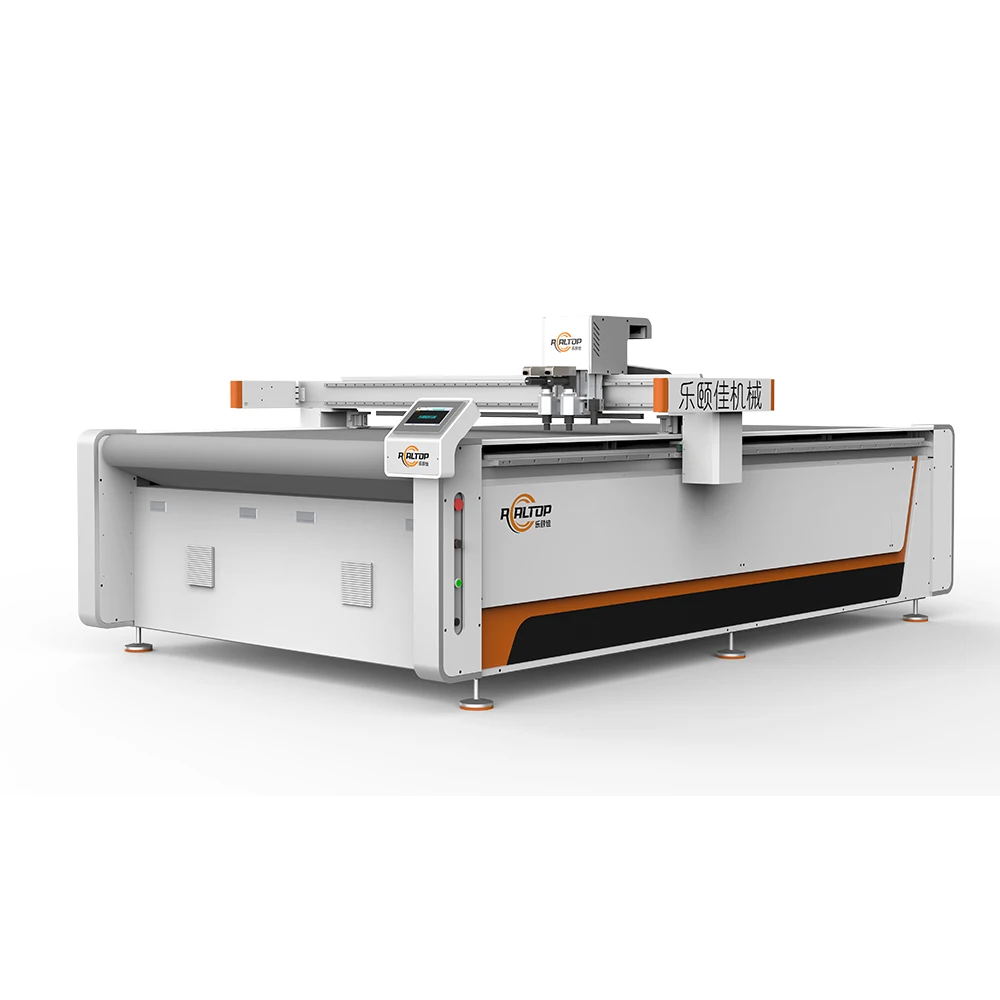
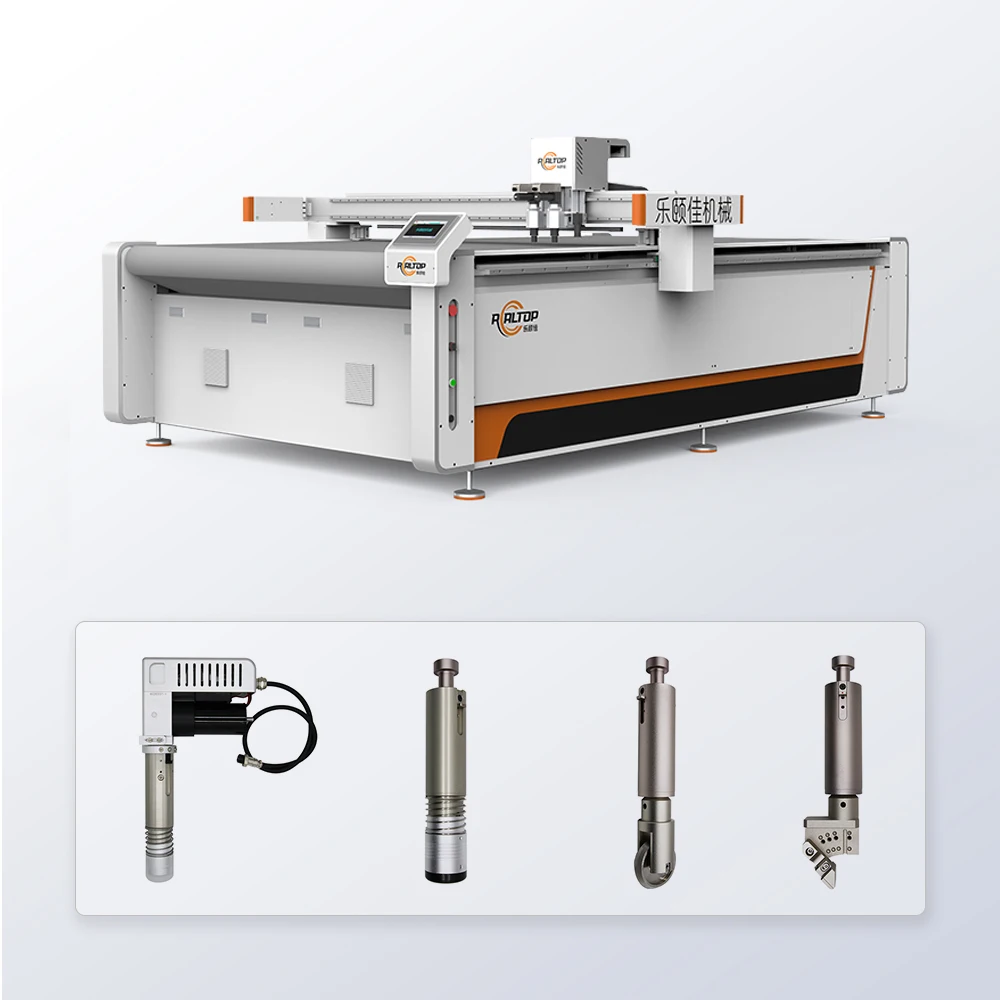
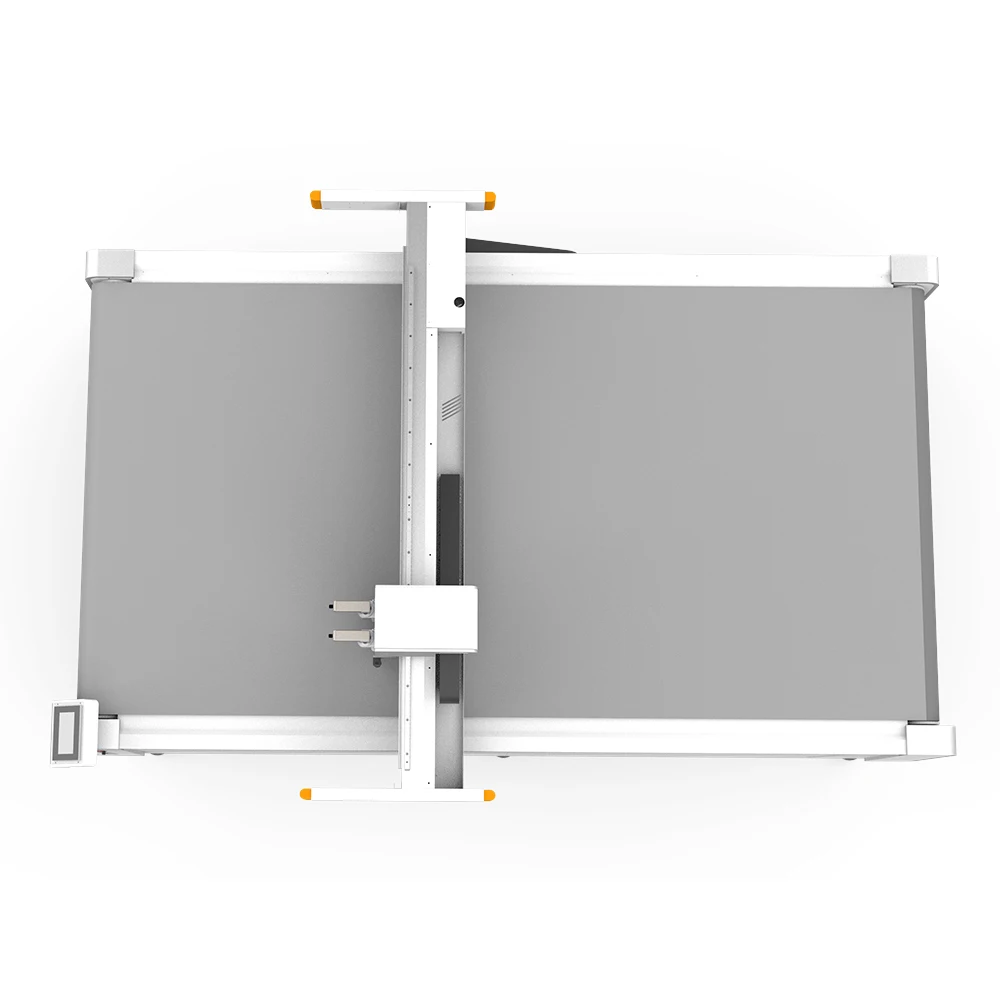
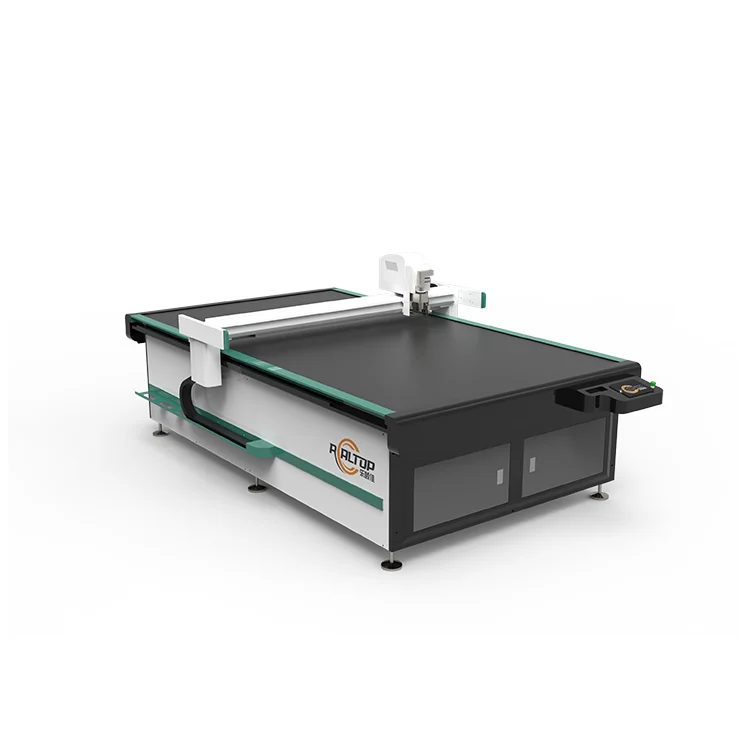
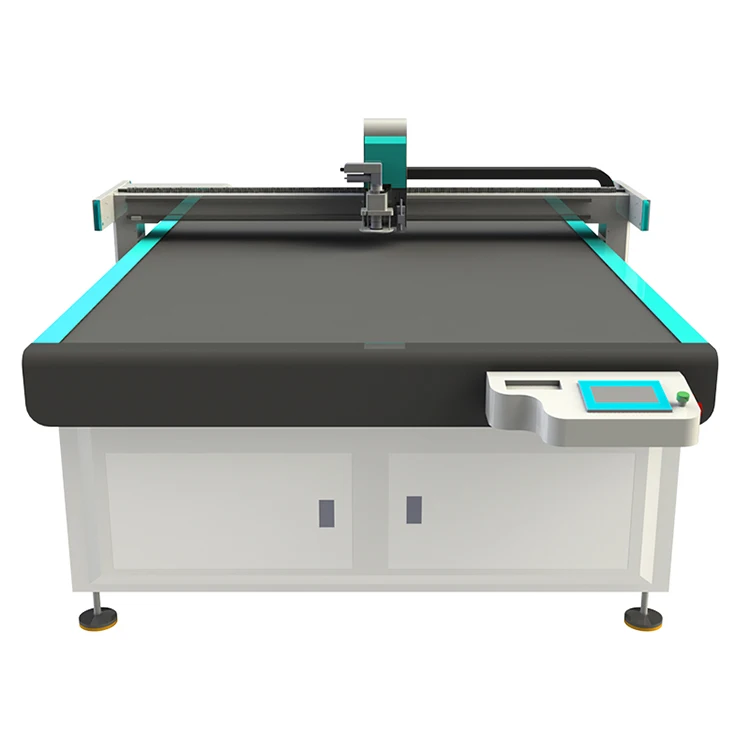
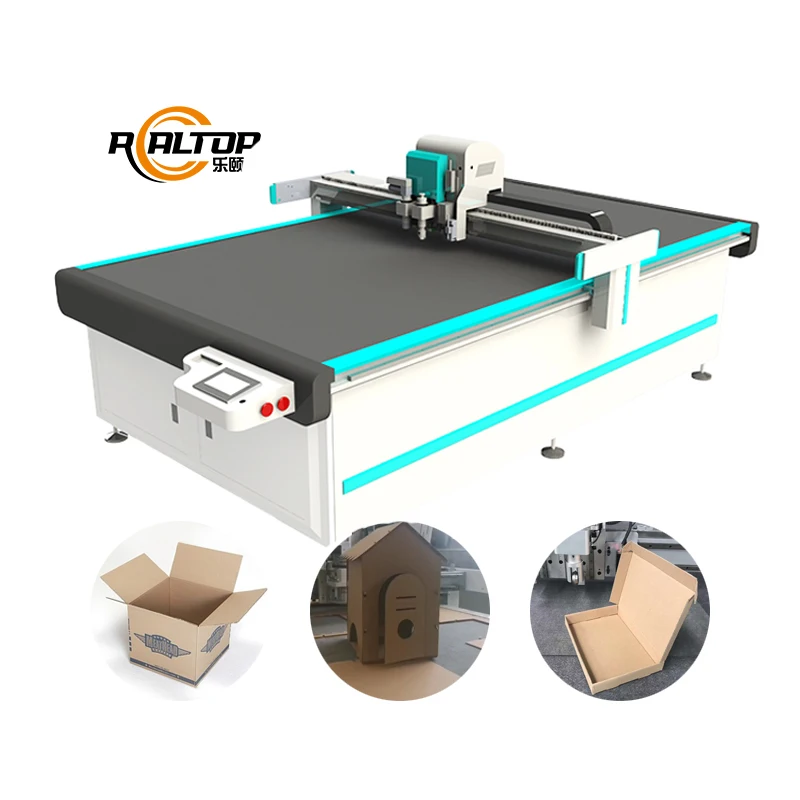
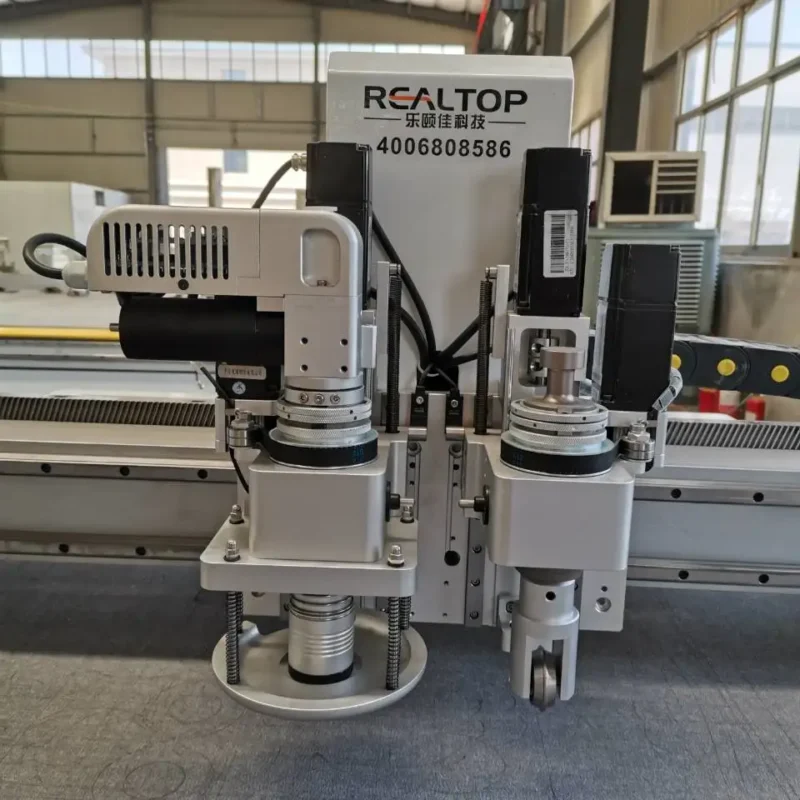
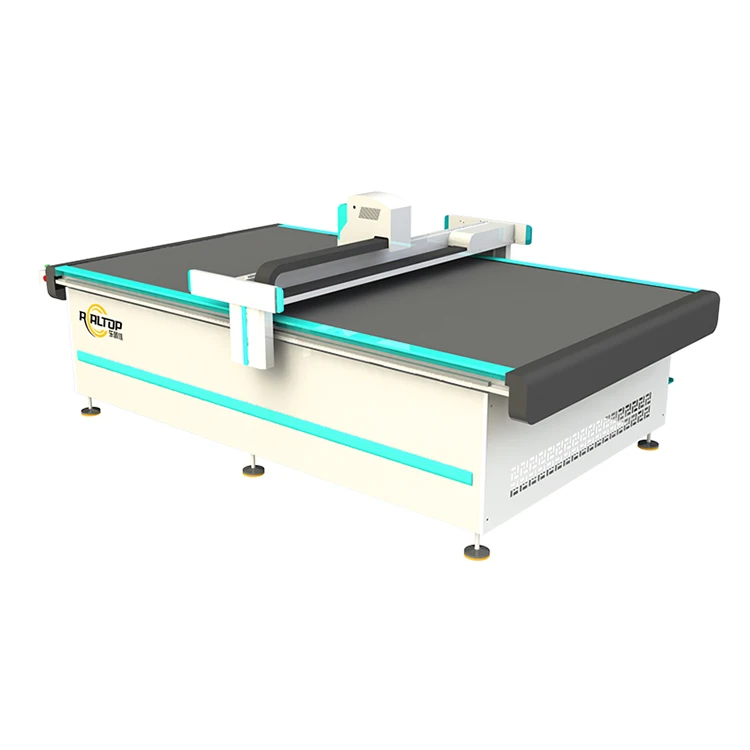
Material-matched tool head configuration — seven interchangeable heads let packaging buyers cut corrugated board, foam and vinyl on a single platform without forcing one method across different jobs.
Technical Specifications
| Parameter | Value |
|---|---|
| Model | 1625(std.) |
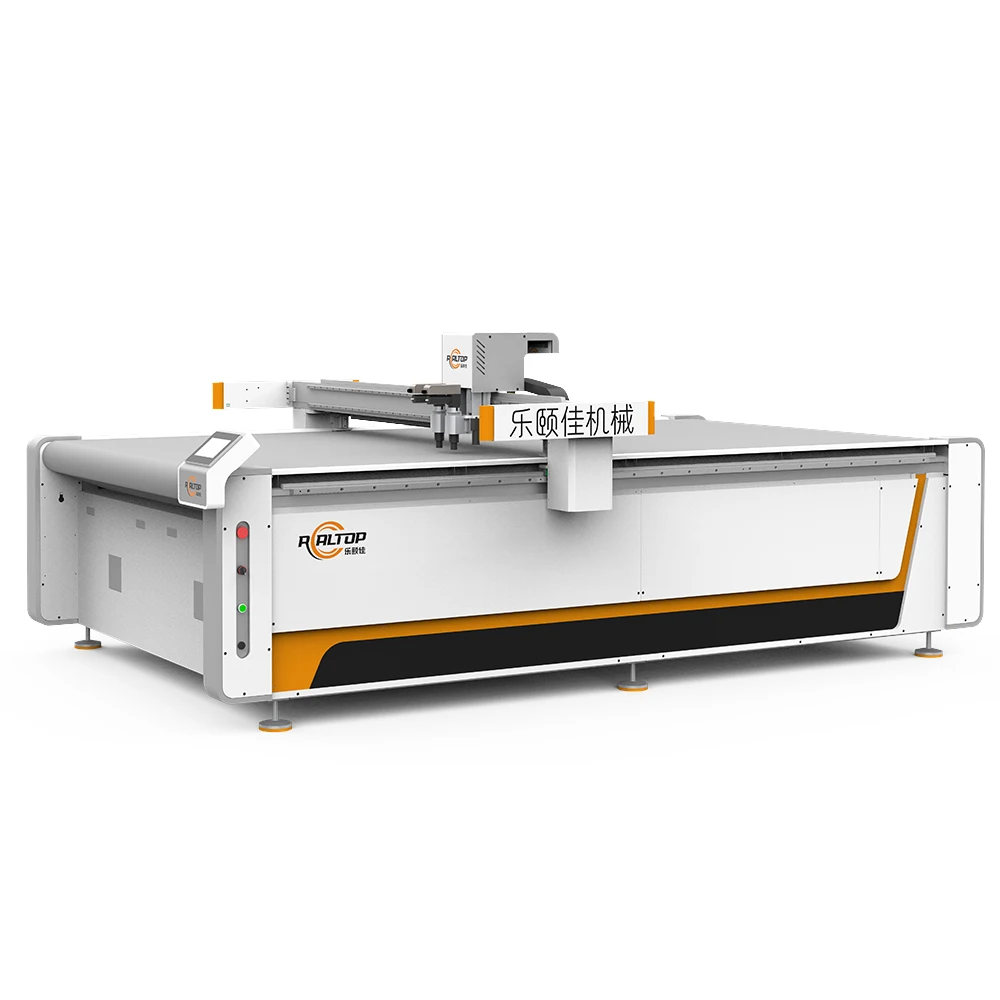
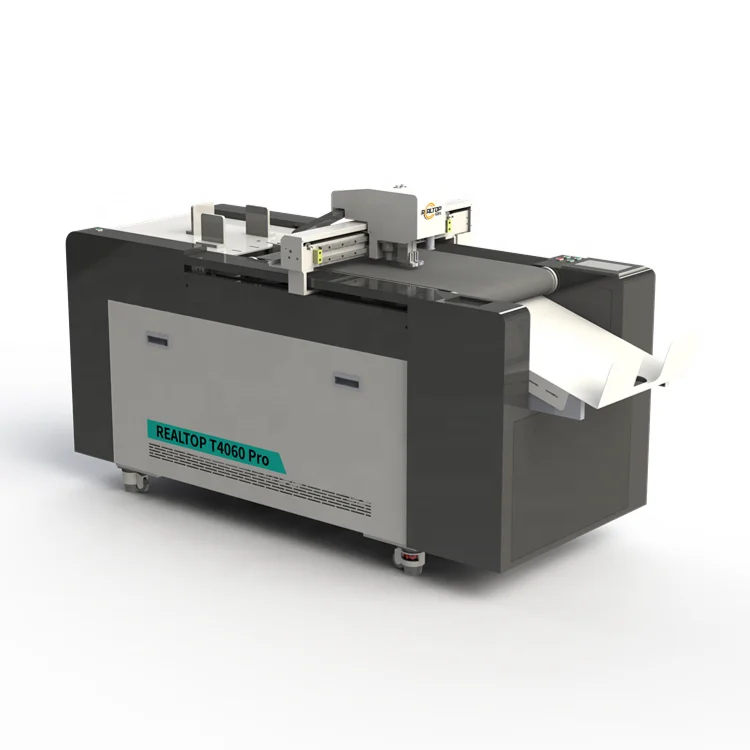
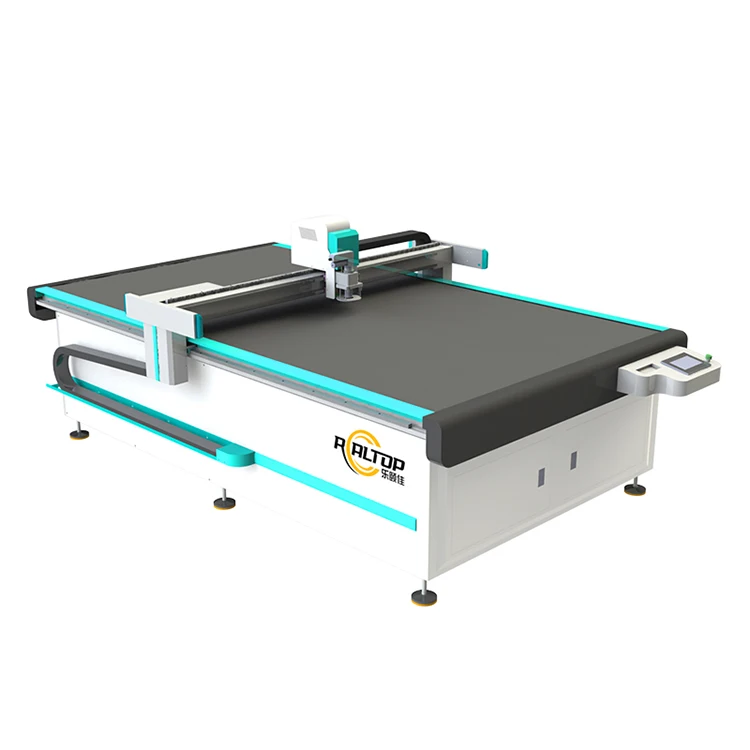
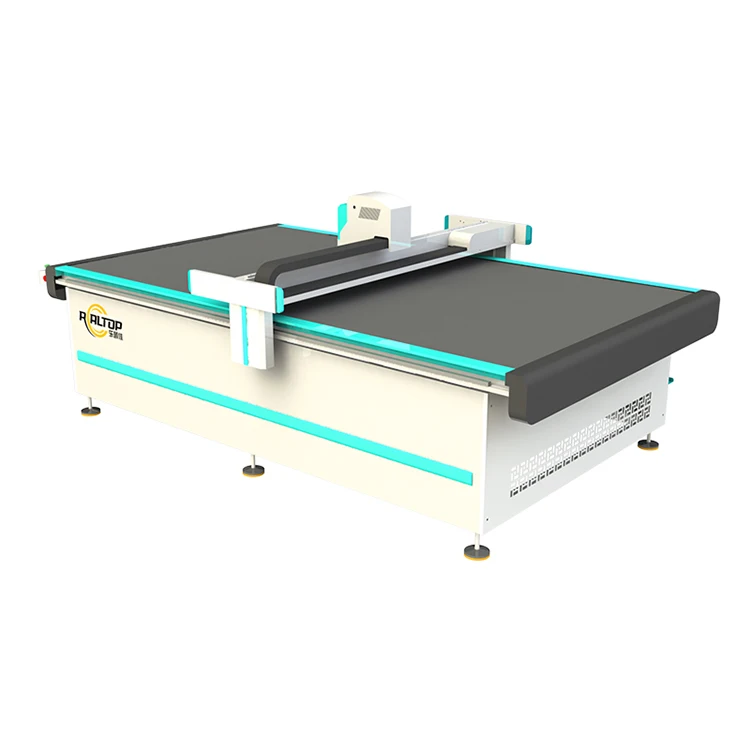
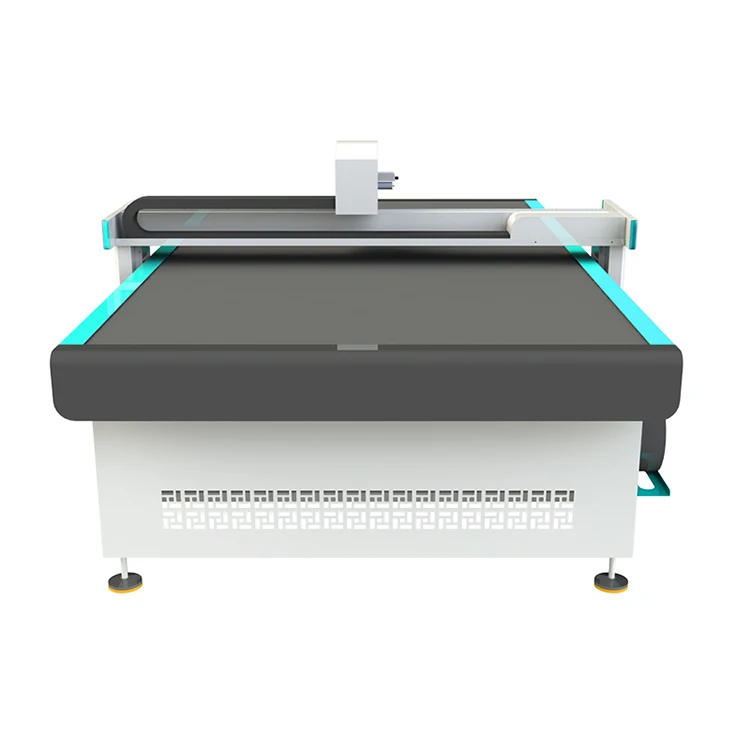
| Product Type | CNC Oscillating Knife Cutting Machine |
| Working Area | 1600×2500 mm |
| Tool Head Options | Oscillating knife, Driven rotary knife, Creasing wheel, Kiss cutting tool, Pneumatic knife, Milling tool, V groove knife |
| Cutting Speed | 0–1500 mm/s |
| Cutting Thickness | ≤ 40mm (basis not stated in source — confirm material type and density) |
| Cutting Accuracy | ±0.1 mm |
| Vacuum Pump Power | 9 kW |
| Vacuum Table | Aluminum bellows vacuum table (zoning configuration to be confirmed) |
| Servo Motor Options | Panasonic, Delta, Dorna |
| Control System | PLC control panel with optional display languages |
| Voltage Options | 110V, 220V, 380V (frequency to be confirmed) |
| Supported File Formats | PLT, DXF, AI, PDF |
| Software | Dedicated packaging box structure design software included |
| Safety Devices | Infrared sensor, emergency stop |
| Overall Dimensions (L×W×H) | 3300×2100×1350 mm |
| Language Options | English, Russian, Italian, Chinese (special languages customizable) |
| Certification | CE |
Application Suitability
| Application | Material or Output |
|---|---|
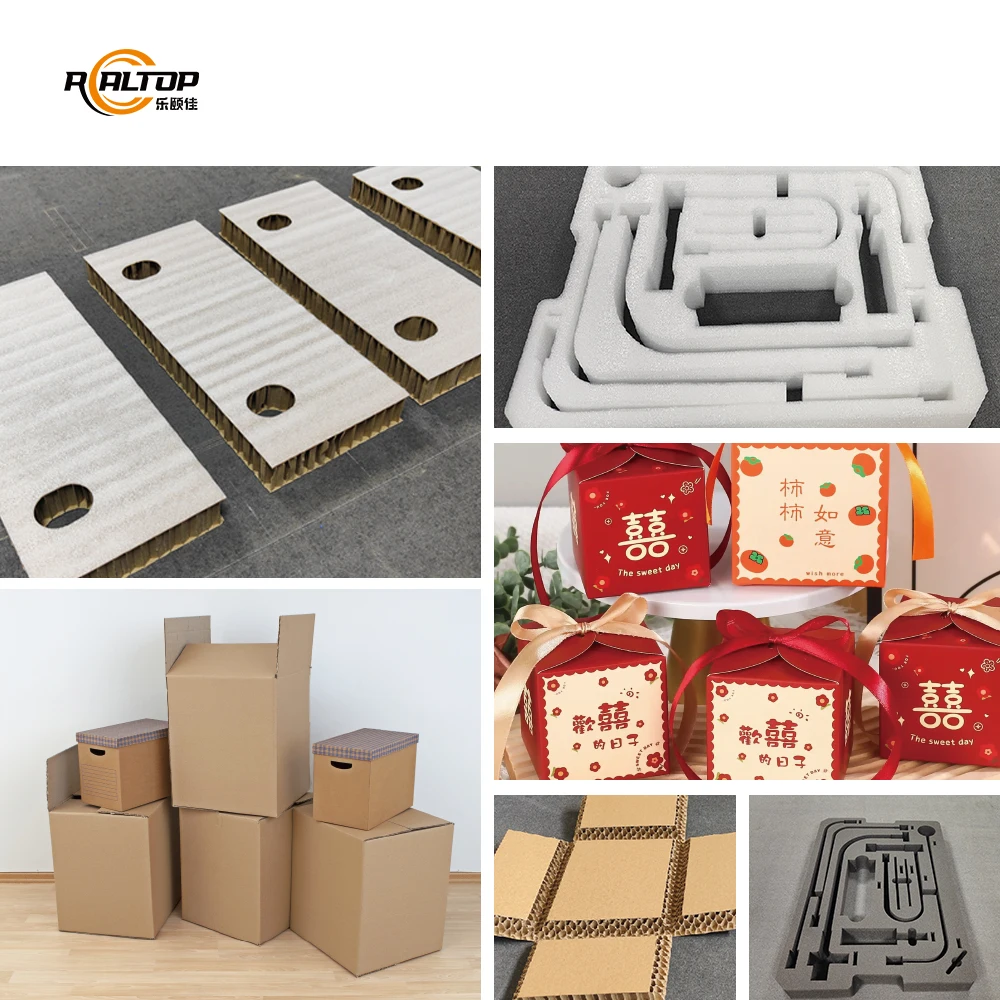
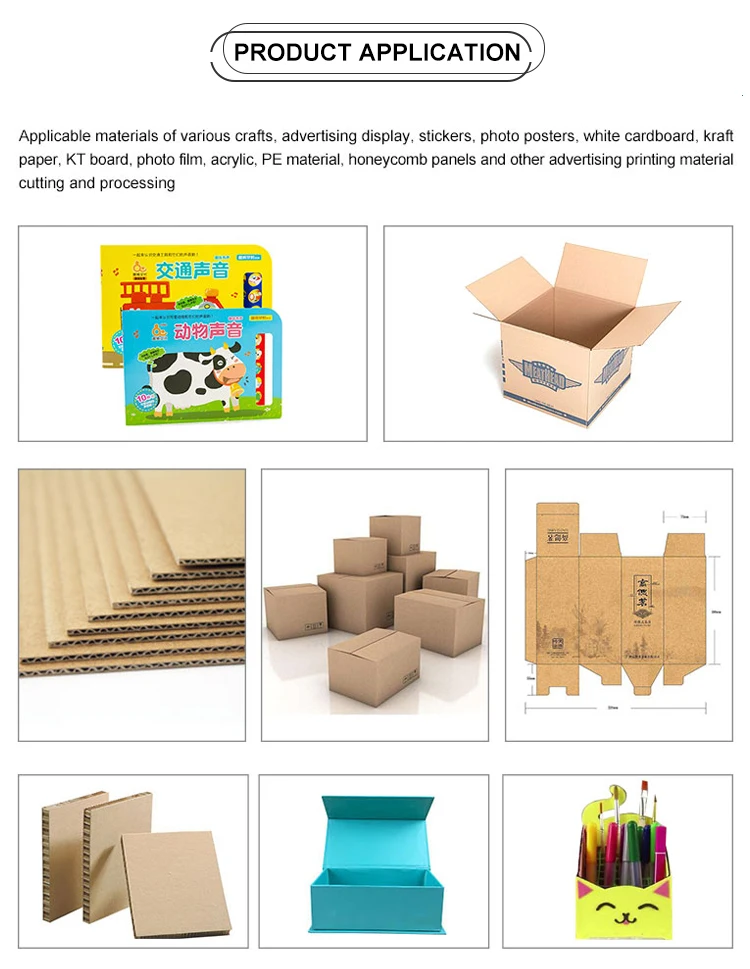
| Packaging sample making | E-flute, B-flute and BC-flute corrugated cardboard, greyboard, art paper |
| Carton short-run production | Cardstock, specialty paper, adhesive-backed board |
| Protective insert cutting | EVA, EPE, PU foam sheets |
| Signage and display | PVC, PET thin plastic sheets, vinyl |
| Gasket and seal prototyping | Rubber mats, PTFE, composite sheets |
| Textile and leather sampling | Velvet, fleece, non-woven fabric, synthetic leather |
Why Working Area Alone Cannot Define Machine Capability
A buyer who specifies only table size often discovers, after the machine arrives, that the configured tool head cannot push through the actual material stack. The 1625(std.) solves this by offering seven tool heads matched to material, not a single fixed head sized to a working area. When I configured a carton sample machine years ago based on table dimensions and lowest price, the customer ran three-layer corrugated with greyboard backing. The knife head lacked the downforce to cut through, leaving operators to finish edges by hand and stalling the line. That job made it clear: a CNC cutting machine manufacturer must confirm material structure and daily volume before locking the configuration. Selecting the oscillating knife versus the pneumatic knife for heavy flute, or the driven rotary for continuous textile runs, changes the machine from a specification sheet into a working production asset [NEED_CITE: CNC knife cutting tool head selection criteria by material type].
Mapping Tool Heads to Packaging Workflows
The 1625(std.) carries up to seven tool heads, and the correct combination depends entirely on what crosses the table each shift. An oscillating knife handles standard corrugated flute and greyboard cleanly. A creasing wheel scores fold lines on cardstock and art paper without tearing the face stock. For kiss cutting adhesive-backed vinyl and label material, the dedicated kiss cutting tool maintains liner integrity — something a standard oscillating blade cannot do reliably at production speed. When a packaging house runs both corrugated boxes and foam inserts on the same machine, the CNC cutting machine manufacturer must specify which heads ship with the unit and which mount later, so the buyer plans the changeover into workflow rather than discovering it on the shop floor.
Vacuum Hold-Down and Small-Part Stability
The aluminum bellows vacuum table on this model pairs with a 9 kW pump, providing full-surface suction across the 1600×2500 mm bed. In packaging sample making, small die-cut shapes — think carton locking tabs, gasket seals, or foam spacer inserts — tend to lift during the final pass if the vacuum zoning does not isolate the cutting zone from the rest of the bed. Zoning configuration on this table is configurable and must be confirmed before shipment based on the buyer’s typical part size. A board with large carton blanks behaves differently from a sheet nested with dozens of small gaskets. The vacuum requirement is not a single number but a match between pump capacity, table zoning and part geometry [NEED_CITE: vacuum table zoning effect on small part hold-down during CNC knife cutting].
Reading the Specifications Beyond the Brochure
Cutting accuracy of ±0.1 mm matters most when packaging prototypes move to short-run production, where a scored crease that drifts by half a millimetre on a 300 mm flap causes the finished carton to skew on the automatic folding and gluing line. The 0–1500 mm/s speed range is wide, but actual traverse speed on corrugated board is typically far below the upper limit because the oscillating knife must maintain stroke frequency to shear through dense flute media cleanly. Voltage options span 110V, 220V and 380V, yet frequency — 50 Hz or 60 Hz — determines servo motor tuning and vacuum pump performance. The dedicated packaging box structure design software imports DXF, AI, PLT and PDF files, which covers most CAD outputs a packaging designer generates. The buyer should still verify that the software opens their existing nesting files and that the nesting workflow supports their current pre-press chain.
The Hidden Cost of Skipping Material Trials
A machine that cuts E-flute perfectly may crush BC-flute if the pneumatic knife head is swapped for a standard oscillating knife without adjusting stroke length and downward pressure. I have seen this exact mismatch result in ragged edges that fail structural box testing, forcing the customer to reject the entire sample batch. When the vacuum table zoning is set for large panels and the buyer later runs small foam inserts, parts shift mid-cut and scrap rates climb noticeably. Software incompatibility surfaces only when the operator loads a PDF from the design department and the nesting module refuses to recognise the cut-line layers. These failures do not appear in a specification comparison but they shut down a packaging line within the first week [NEED_CITE: packaging sample cutting edge quality testing standards].
Why Sourcing From a Single-Source Catalogue Matters
REALTOP designs and builds both knife and laser cutting platforms in-house, so a buyer evaluating corrugated board, acrylic signage and foam inserts can compare cutting methods against actual material rather than accepting whatever one technology offers. The tool head and table configuration on the 1625(std.) is specified per material type and daily volume, not quoted from a default build sheet. CCD camera positioning is available across the machine family for printed contour work, though it is not standard on every configuration and must be requested during specification. Voltage, plug type and control language are confirmed before the machine enters production, eliminating the arrival-day mismatch that delays commissioning. Every configuration ships with sample cutting performed on the buyer’s own material, so the decision is based on cut quality evidence rather than a parameter table.
Documentation & Verification
- Machine specification sheet listing all seven tool head options with assigned materials
- Electrical schematic confirming voltage and frequency for the target installation site
- Tool head and vacuum table zoning configuration list matched to buyer material profile
- Sample cutting report on buyer-supplied corrugated and foam stock before dispatch
- Software licence file with DXF, AI, PLT and PDF format compatibility confirmation
- CE declaration of conformity with machinery directive reference
Installation, Commissioning & Support
- Floor space of 3300×2100 mm plus clearance for material loading on the 1600×2500 mm bed
- Dedicated electrical circuit matching confirmed 110V, 220V or 380V supply with verified frequency
- Machine ships as a single assembled frame; rigging plan required for the 2100 mm width through workshop doors
- PLC control panel boots in confirmed language; first-run calibration covers all active tool heads
- Operator training covers tool head changeover, vacuum zoning adjustment and nesting software workflow
- Spare parts list includes oscillating knife blades, creasing wheels and vacuum table seals
What to Prepare Before Requesting a Quotation
Send the exact material types and thicknesses you cut today — corrugated flute grade, greyboard GSM, foam density — along with typical sheet size and daily part count. Confirm the workshop voltage and frequency at the installation point, and specify the control panel language your operators need. If you already run nesting software, provide sample files so we verify format compatibility before building the machine. A sample cutting trial on your own stock is the final gate before order confirmation.
Frequently Asked Questions
Q: Should I choose knife or laser cutting for corrugated packaging prototypes?
A: Knife cutting handles corrugated flute, greyboard and foam inserts without burning edges or producing fumes, which matters for food-contact packaging. Laser cutting suits thin cardstock and paper where sealed edges are acceptable. The 1625(std.) platform is knife-based, but comparing both methods against your specific material stack before committing avoids forcing one technology across incompatible jobs.
Q: How do I confirm the correct tool head for my material mix?
A: Provide samples of every material you plan to cut — flute grade, board thickness, foam density. Each tool head on the 1625(std.) targets a specific material family, and the configuration is locked only after sample cutting confirms edge quality and cutting depth. Shipping with the wrong head installed is a preventable cause of line stoppage.
Q: Can the control system run in our local language?
A: The PLC panel ships with English, Russian, Italian or Chinese by default, and other languages are configurable before production. Confirming the language during the specification phase ensures the operator manual, on-screen prompts and software interface all match. Changing language after shipment often requires a separate software update cycle.
Q: Is CCD camera contour recognition available on this model?
A: CCD positioning is available across the REALTOP machine family for printed contour cutting, but it is not standard on every 1625(std.) build. If your workflow involves cutting around pre-printed registration marks, request this option during the specification stage so the camera, lighting and software module are integrated and tested at the factory.
Material-matched tool head configuration — seven interchangeable heads let packaging buyers cut corrugated board, foam and vinyl on a single platform without forcing one method across different jobs.
Technical Specifications
| Parameter | Value |
|---|---|
| Model | 1625(std.) |
| Product Type | CNC Oscillating Knife Cutting Machine |
| Working Area | 1600×2500 mm |
| Tool Head Options | Oscillating knife, Driven rotary knife, Creasing wheel, Kiss cutting tool, Pneumatic knife, Milling tool, V groove knife |
| Cutting Speed | 0–1500 mm/s |
| Cutting Thickness | ≤ 40mm (basis not stated in source — confirm material type and density) |
| Cutting Accuracy | ±0.1 mm |
| Vacuum Pump Power | 9 kW |
| Vacuum Table | Aluminum bellows vacuum table (zoning configuration to be confirmed) |
| Servo Motor Options | Panasonic, Delta, Dorna |
| Control System | PLC control panel with optional display languages |
| Voltage Options | 110V, 220V, 380V (frequency to be confirmed) |
| Supported File Formats | PLT, DXF, AI, PDF |
| Software | Dedicated packaging box structure design software included |
| Safety Devices | Infrared sensor, emergency stop |
| Overall Dimensions (L×W×H) | 3300×2100×1350 mm |
| Language Options | English, Russian, Italian, Chinese (special languages customizable) |
| Certification | CE |
Application Suitability
| Application | Material or Output |
|---|---|
| Packaging sample making | E-flute, B-flute and BC-flute corrugated cardboard, greyboard, art paper |
| Carton short-run production | Cardstock, specialty paper, adhesive-backed board |
| Protective insert cutting | EVA, EPE, PU foam sheets |
| Signage and display | PVC, PET thin plastic sheets, vinyl |
| Gasket and seal prototyping | Rubber mats, PTFE, composite sheets |
| Textile and leather sampling | Velvet, fleece, non-woven fabric, synthetic leather |
Why Working Area Alone Cannot Define Machine Capability
A buyer who specifies only table size often discovers, after the machine arrives, that the configured tool head cannot push through the actual material stack. The 1625(std.) solves this by offering seven tool heads matched to material, not a single fixed head sized to a working area. When I configured a carton sample machine years ago based on table dimensions and lowest price, the customer ran three-layer corrugated with greyboard backing. The knife head lacked the downforce to cut through, leaving operators to finish edges by hand and stalling the line. That job made it clear: a CNC cutting machine manufacturer must confirm material structure and daily volume before locking the configuration. Selecting the oscillating knife versus the pneumatic knife for heavy flute, or the driven rotary for continuous textile runs, changes the machine from a specification sheet into a working production asset [NEED_CITE: CNC knife cutting tool head selection criteria by material type].
Mapping Tool Heads to Packaging Workflows
The 1625(std.) carries up to seven tool heads, and the correct combination depends entirely on what crosses the table each shift. An oscillating knife handles standard corrugated flute and greyboard cleanly. A creasing wheel scores fold lines on cardstock and art paper without tearing the face stock. For kiss cutting adhesive-backed vinyl and label material, the dedicated kiss cutting tool maintains liner integrity — something a standard oscillating blade cannot do reliably at production speed. When a packaging house runs both corrugated boxes and foam inserts on the same machine, the CNC cutting machine manufacturer must specify which heads ship with the unit and which mount later, so the buyer plans the changeover into workflow rather than discovering it on the shop floor.
Vacuum Hold-Down and Small-Part Stability
The aluminum bellows vacuum table on this model pairs with a 9 kW pump, providing full-surface suction across the 1600×2500 mm bed. In packaging sample making, small die-cut shapes — think carton locking tabs, gasket seals, or foam spacer inserts — tend to lift during the final pass if the vacuum zoning does not isolate the cutting zone from the rest of the bed. Zoning configuration on this table is configurable and must be confirmed before shipment based on the buyer’s typical part size. A board with large carton blanks behaves differently from a sheet nested with dozens of small gaskets. The vacuum requirement is not a single number but a match between pump capacity, table zoning and part geometry [NEED_CITE: vacuum table zoning effect on small part hold-down during CNC knife cutting].
Reading the Specifications Beyond the Brochure
Cutting accuracy of ±0.1 mm matters most when packaging prototypes move to short-run production, where a scored crease that drifts by half a millimetre on a 300 mm flap causes the finished carton to skew on the automatic folding and gluing line. The 0–1500 mm/s speed range is wide, but actual traverse speed on corrugated board is typically far below the upper limit because the oscillating knife must maintain stroke frequency to shear through dense flute media cleanly. Voltage options span 110V, 220V and 380V, yet frequency — 50 Hz or 60 Hz — determines servo motor tuning and vacuum pump performance. The dedicated packaging box structure design software imports DXF, AI, PLT and PDF files, which covers most CAD outputs a packaging designer generates. The buyer should still verify that the software opens their existing nesting files and that the nesting workflow supports their current pre-press chain.
The Hidden Cost of Skipping Material Trials
A machine that cuts E-flute perfectly may crush BC-flute if the pneumatic knife head is swapped for a standard oscillating knife without adjusting stroke length and downward pressure. I have seen this exact mismatch result in ragged edges that fail structural box testing, forcing the customer to reject the entire sample batch. When the vacuum table zoning is set for large panels and the buyer later runs small foam inserts, parts shift mid-cut and scrap rates climb noticeably. Software incompatibility surfaces only when the operator loads a PDF from the design department and the nesting module refuses to recognise the cut-line layers. These failures do not appear in a specification comparison but they shut down a packaging line within the first week [NEED_CITE: packaging sample cutting edge quality testing standards].
Why Sourcing From a Single-Source Catalogue Matters
REALTOP designs and builds both knife and laser cutting platforms in-house, so a buyer evaluating corrugated board, acrylic signage and foam inserts can compare cutting methods against actual material rather than accepting whatever one technology offers. The tool head and table configuration on the 1625(std.) is specified per material type and daily volume, not quoted from a default build sheet. CCD camera positioning is available across the machine family for printed contour work, though it is not standard on every configuration and must be requested during specification. Voltage, plug type and control language are confirmed before the machine enters production, eliminating the arrival-day mismatch that delays commissioning. Every configuration ships with sample cutting performed on the buyer’s own material, so the decision is based on cut quality evidence rather than a parameter table.
Documentation & Verification
- Machine specification sheet listing all seven tool head options with assigned materials
- Electrical schematic confirming voltage and frequency for the target installation site
- Tool head and vacuum table zoning configuration list matched to buyer material profile
- Sample cutting report on buyer-supplied corrugated and foam stock before dispatch
- Software licence file with DXF, AI, PLT and PDF format compatibility confirmation
- CE declaration of conformity with machinery directive reference
Installation, Commissioning & Support
- Floor space of 3300×2100 mm plus clearance for material loading on the 1600×2500 mm bed
- Dedicated electrical circuit matching confirmed 110V, 220V or 380V supply with verified frequency
- Machine ships as a single assembled frame; rigging plan required for the 2100 mm width through workshop doors
- PLC control panel boots in confirmed language; first-run calibration covers all active tool heads
- Operator training covers tool head changeover, vacuum zoning adjustment and nesting software workflow
- Spare parts list includes oscillating knife blades, creasing wheels and vacuum table seals
What to Prepare Before Requesting a Quotation
Send the exact material types and thicknesses you cut today — corrugated flute grade, greyboard GSM, foam density — along with typical sheet size and daily part count. Confirm the workshop voltage and frequency at the installation point, and specify the control panel language your operators need. If you already run nesting software, provide sample files so we verify format compatibility before building the machine. A sample cutting trial on your own stock is the final gate before order confirmation.
Frequently Asked Questions
Q: Should I choose knife or laser cutting for corrugated packaging prototypes?
A: Knife cutting handles corrugated flute, greyboard and foam inserts without burning edges or producing fumes, which matters for food-contact packaging. Laser cutting suits thin cardstock and paper where sealed edges are acceptable. The 1625(std.) platform is knife-based, but comparing both methods against your specific material stack before committing avoids forcing one technology across incompatible jobs.
Q: How do I confirm the correct tool head for my material mix?
A: Provide samples of every material you plan to cut — flute grade, board thickness, foam density. Each tool head on the 1625(std.) targets a specific material family, and the configuration is locked only after sample cutting confirms edge quality and cutting depth. Shipping with the wrong head installed is a preventable cause of line stoppage.
Q: Can the control system run in our local language?
A: The PLC panel ships with English, Russian, Italian or Chinese by default, and other languages are configurable before production. Confirming the language during the specification phase ensures the operator manual, on-screen prompts and software interface all match. Changing language after shipment often requires a separate software update cycle.
Q: Is CCD camera contour recognition available on this model?
A: CCD positioning is available across the REALTOP machine family for printed contour cutting, but it is not standard on every 1625(std.) build. If your workflow involves cutting around pre-printed registration marks, request this option during the specification stage so the camera, lighting and software module are integrated and tested at the factory.
商品评价
There are no reviews yet.