

Fast Delivery
Quick, reliable shipping to any location.

Free & easy returns
Return this item by mail or in store within 90 days for a full refund.
Specified by material, not catalog page — the 1625 sits in a broader cutting family that includes CO2 laser, fiber laser and multi-head knife platforms, so packaging buyers match the process to the actual board stock rather than force a single method.
Technical Specifications
| Parameter | Value |
|---|---|
| Model | 1625 |
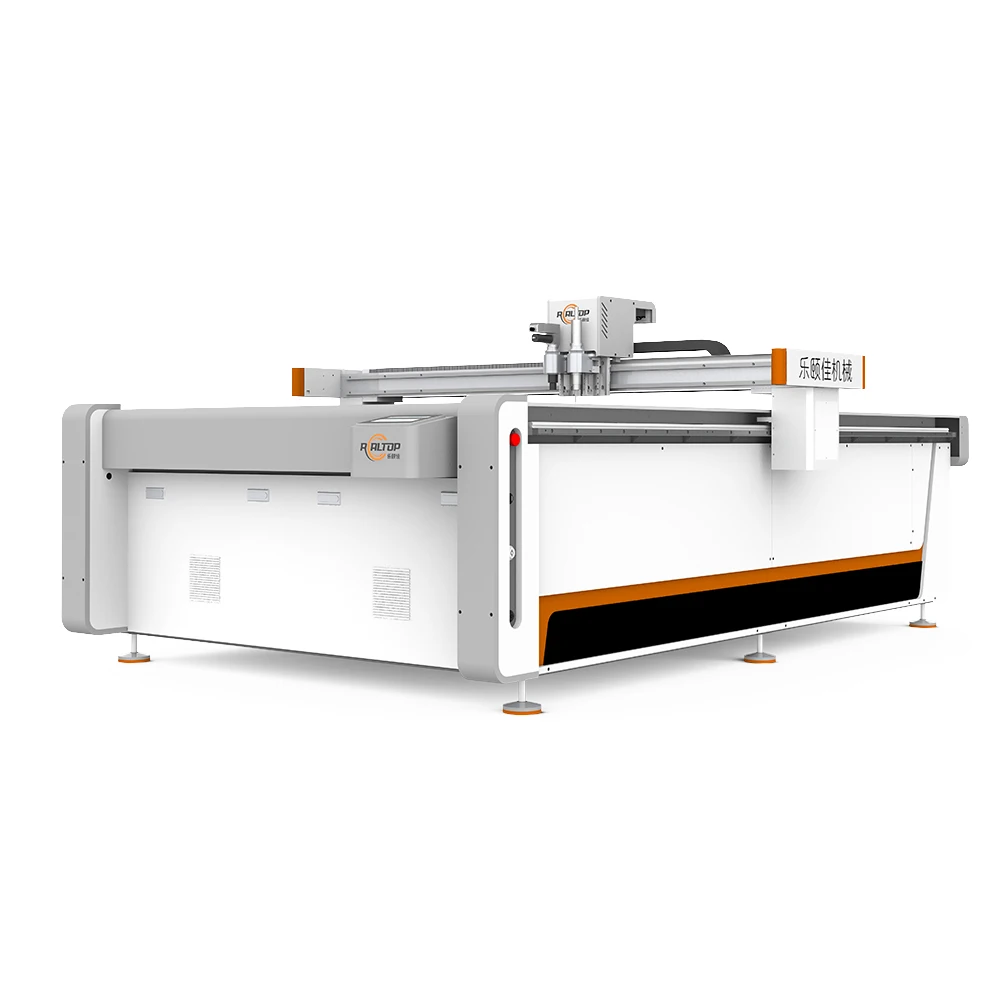
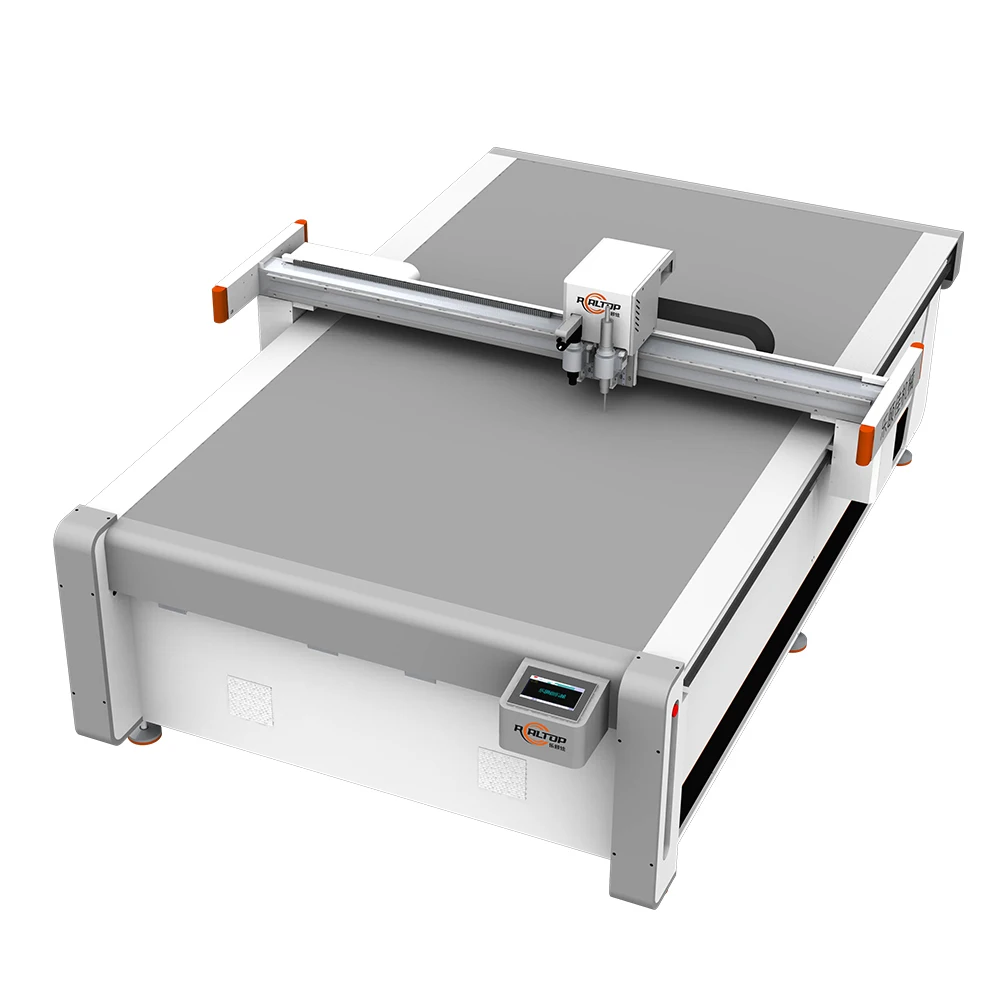
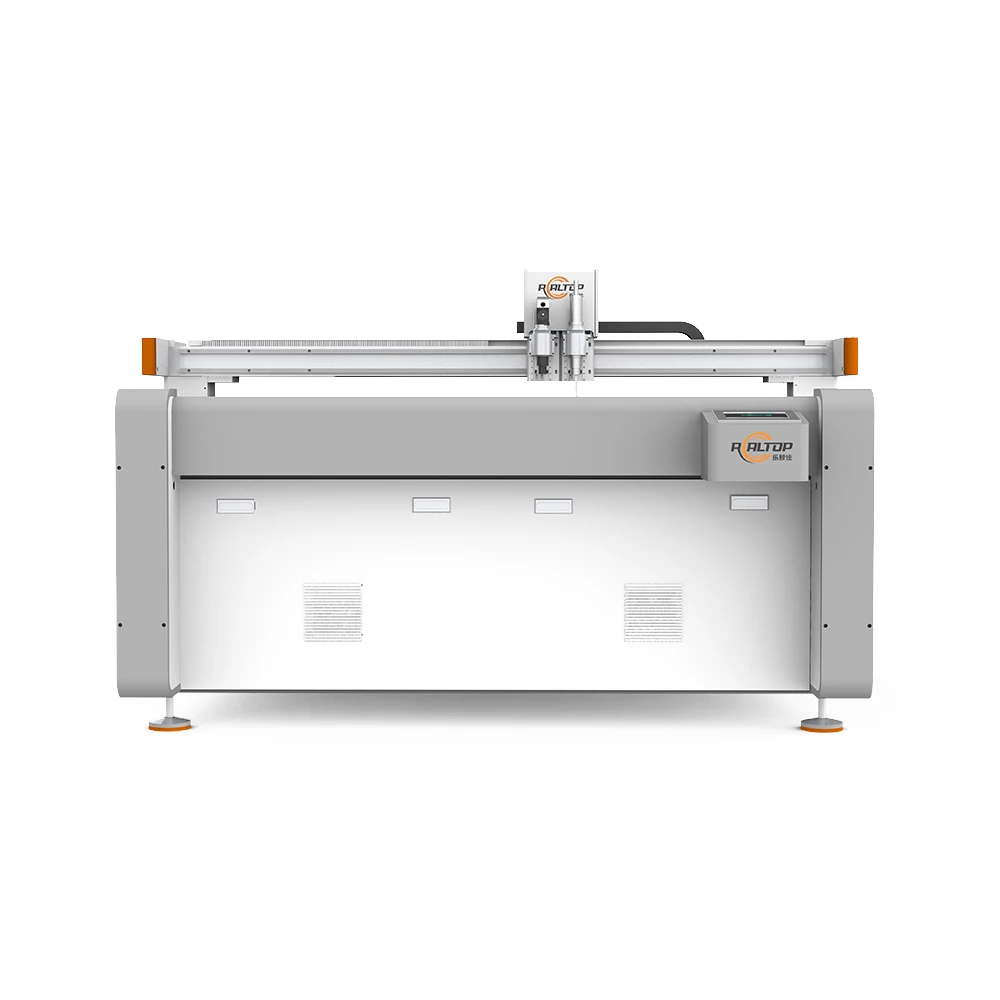
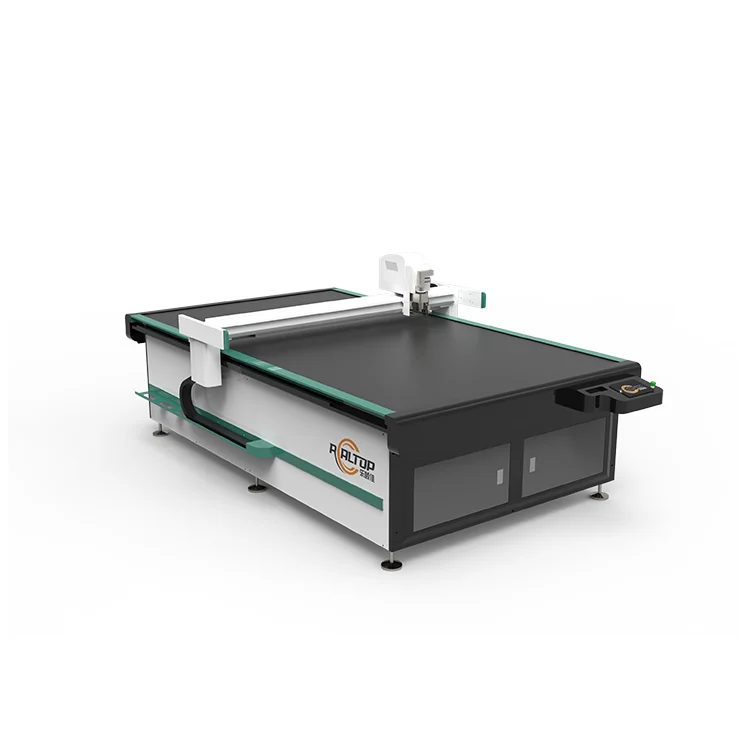
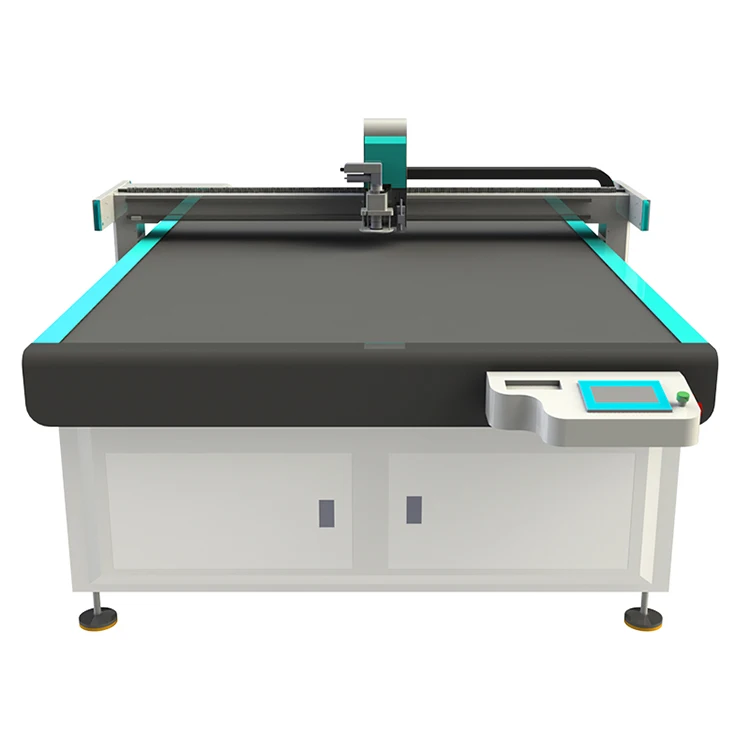
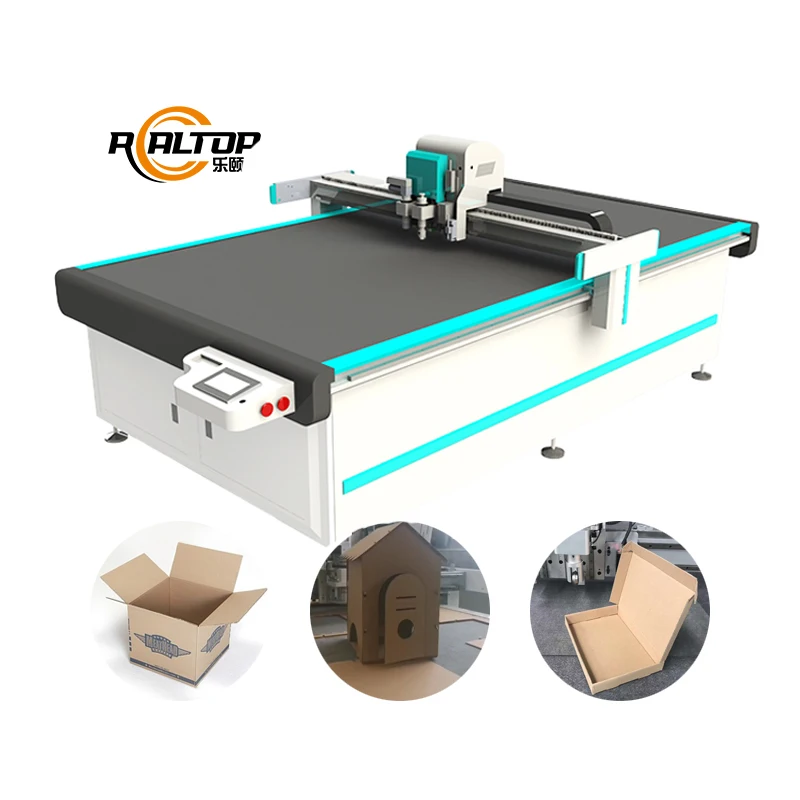
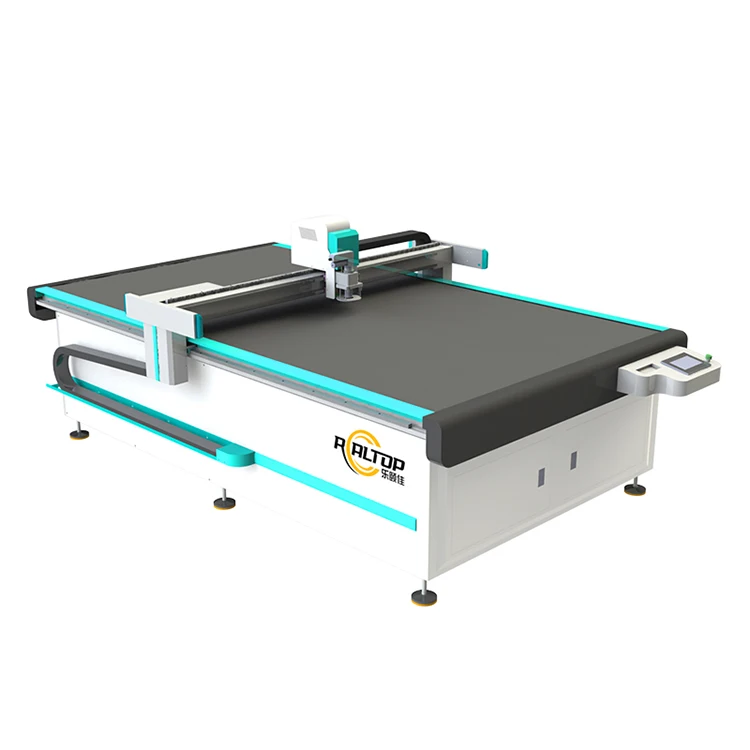
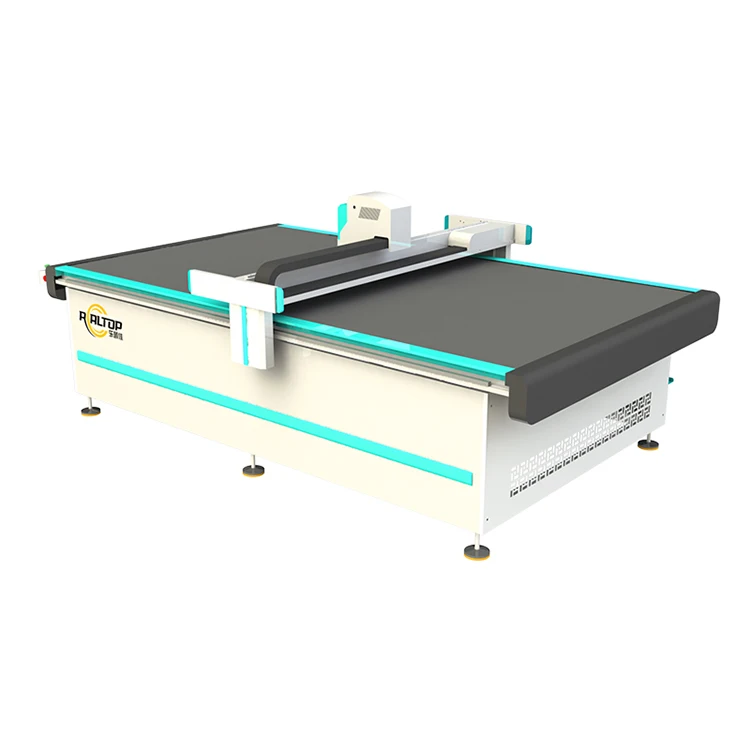
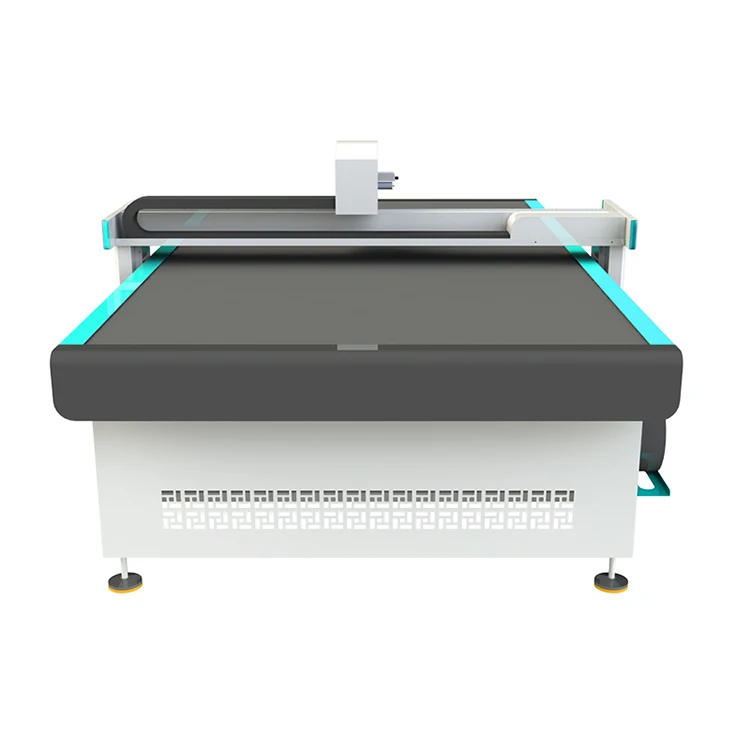
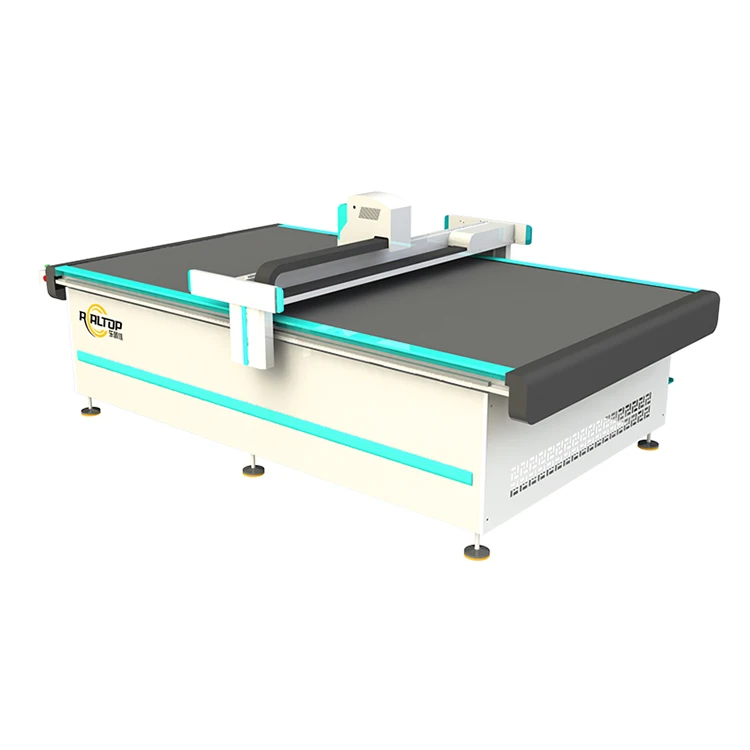
| Product Type | CNC Oscillating Knife Cutting Machine |
| Working Area | 1600×2500 mm |
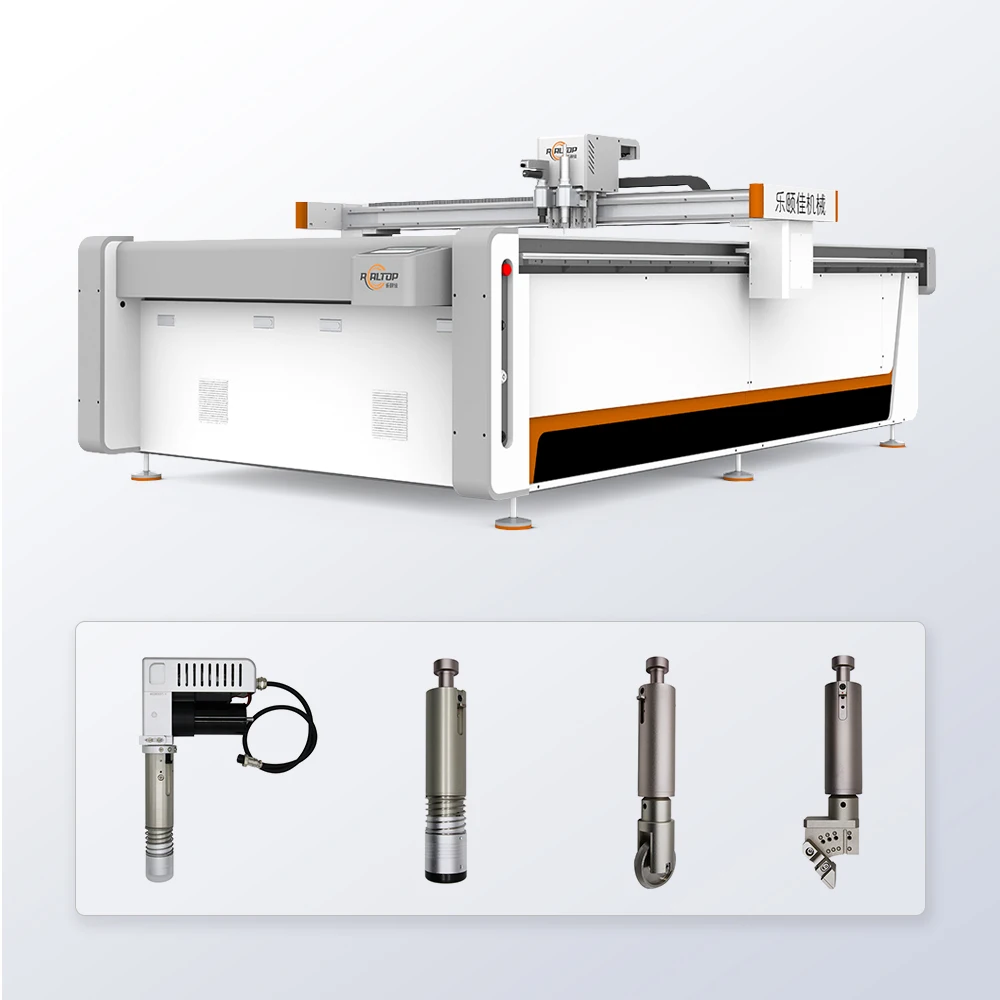
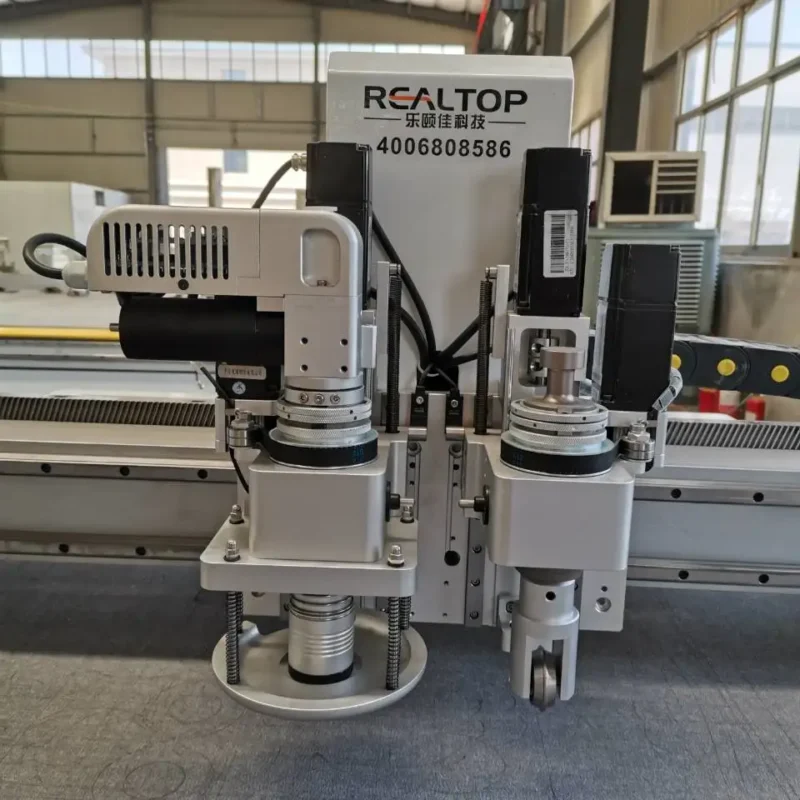
| Tool Head Options | Oscillating knife, Driven rotary knife, Creasing wheel, Kiss cutting tool, Pneumatic knife, Milling tool, V-groove knife |
| Applicable Materials | Fabric, Cardboard, Carton, Mats, PVC, EVA, Leather, Acrylic, Foam, PTFE, Rubber |
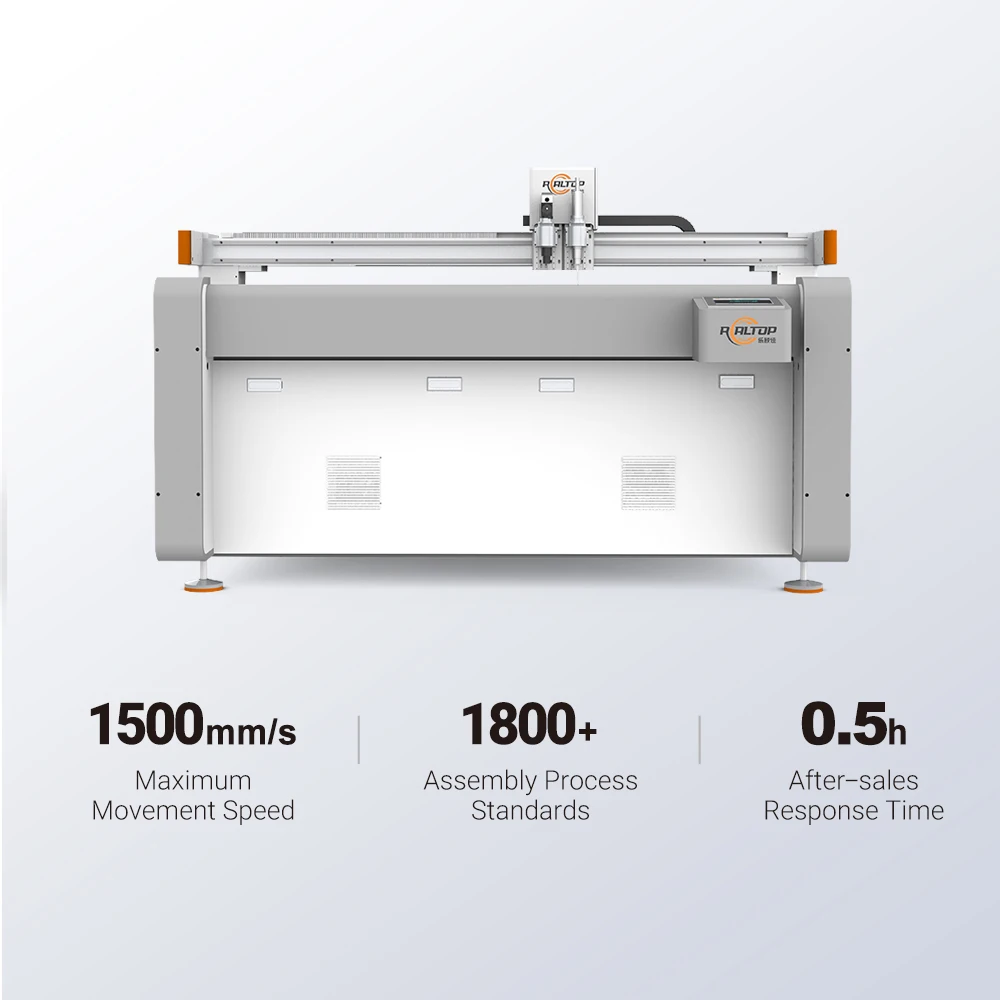
| Cutting Speed | 0-1500 mm/s (basis to be confirmed with specific material and thickness) |
| Cutting Thickness | ≤ 40 mm (basis not stated in source) |
| Cutting Accuracy | ±0.1 mm |
| Vacuum Pump | 9 kW |
| Vacuum Table | Aluminum bellows vacuum table |
| Voltage Options | 110V, 220V, 380V |
| Control System | PLC control panel |
| Servo Motor Options | Panasonic, Delta, Dorna |
| Supported File Formats | PLT, DXF, AI, PDF |
| Safety Devices | Infrared sensor, emergency stop |
| Machine Dimensions | 3300×2100×1350 mm |
| Language Options | English, Russian, Italian, Chinese, custom languages available |
| Standards | CE |
Application Suitability
| Application | Material or Output |
|---|---|
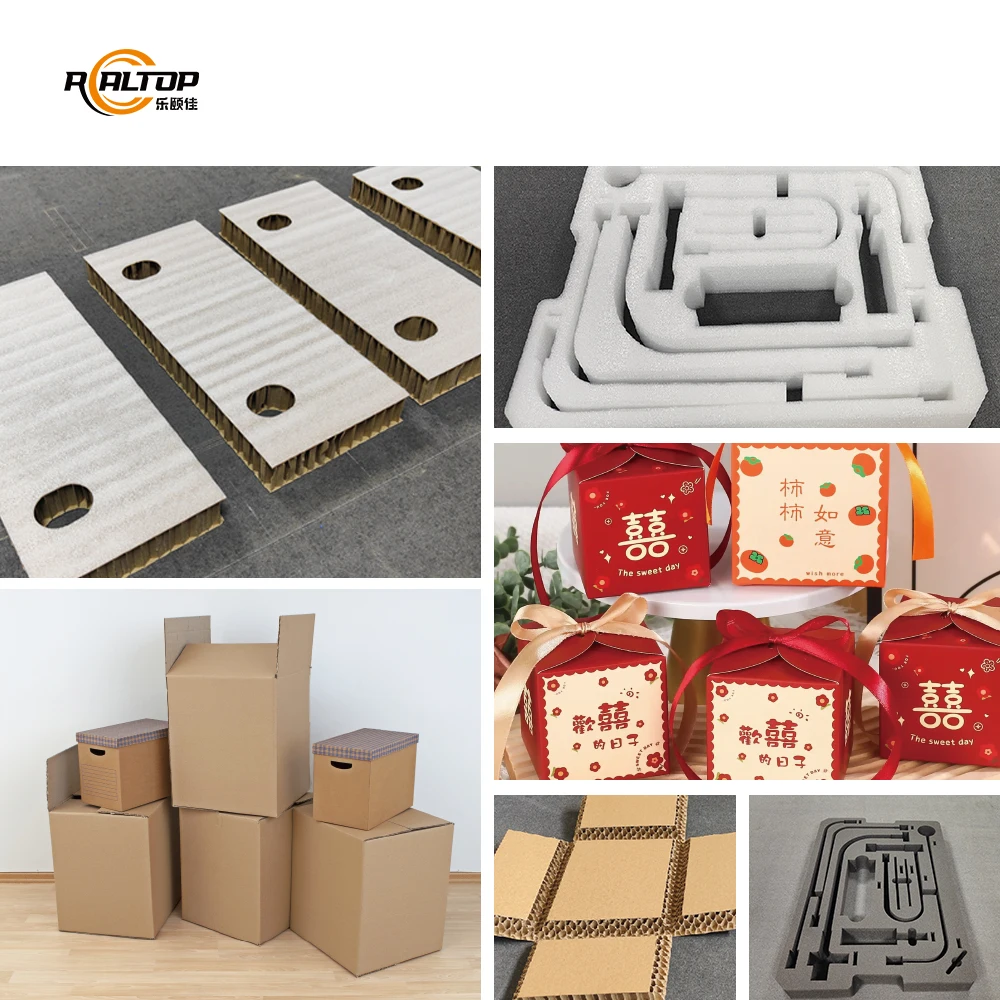
| Carton and box prototyping | E-flute, B-flute, BC-flute corrugated board, greyboard |
| Packaging sample making | Cardstock, art paper, specialty paper, adhesive-backed sheets |
| Foam insert and cushion cutting | EVA, EPE, PU foam at varying densities |
| Gasket and seal prototyping | Rubber, PTFE, composite sheet |
| Signage and display board | PVC, thin acrylic, foam core |
| Textile and leather short-run cutting | Velvet, fleece, non-woven fabric, synthetic leather |
Why a 1600×2500 Bed Alone Does Not Guarantee Your Board Will Cut Clean
Tool head selection, vacuum zoning and blade stroke must be matched to the actual flute profile and board density before the machine ships.
I once stood in a carton plant watching a brand-new oscillating knife table struggle through a high-density greyboard that was nowhere on the test coupon list. The 1625-format CNC oscillating knife cutting machine manufacturer had shipped exactly what was ordered, but the tooling was dialed for standard single-wall corrugated. Two days of blade swaps and pressure tuning followed before the creasing wheel produced a clean fold line. That gap between quoted working area and real cutting result is the single most common complaint I see on packaging lines across South Asia and East Africa [NEED_CITE: common misconfiguration issues on CNC flatbed knife cutters in export markets].
Matching the Tool Head to the Packaging Workflow
A packaging sample table rarely runs a single material all day. Monday might be E-flute carton stock, Wednesday could be 2 mm greyboard for luxury boxes, and Friday a short run of EVA foam inserts. The 1625 addresses this through its interchangeable head system — oscillating knife for straight cuts through corrugated, creasing wheel for fold lines, kiss cutting for adhesive labels, V-groove knife for rigid box corners, and milling tool for thicker foam or rubber. Switching heads on the gantry takes minutes rather than hours, and the PLC control panel stores the pressure and speed profile for each tool so operators do not re-enter parameters from memory. This CNC oscillating knife cutting machine manufacturer approach keeps prototype turnaround inside a single shift.
How the Full Catalogue Informs One Machine Decision
The lyjcut.com range covers oscillating knife, drag knife, CO2 laser and fiber laser platforms side by side. That breadth matters because some packaging jobs are better served by laser — kiss-cutting adhesive films or sealing synthetic textile edges — while corrugated and greyboard almost always belong on a knife table. Rather than sell one process to every buyer, the equipment line lets you compare cutting depth, edge quality and cycle characteristics across methods before narrowing to a configuration. A distributor sourcing for multiple end-users can evaluate which models fit their market mix without being locked into a single technology [NEED_CITE: cutting method selection criteria for packaging and signage materials].
What the Specification Sheet Actually Means on the Shop Floor
The 9 kW vacuum pump paired with the aluminum bellows table is sized to hold thin films and lightweight corrugated flat without edge lift — a persistent problem when cutting small carton blanks where vacuum pull-through is weak. The ±0.1 mm accuracy figure is achievable on rigid board; on compressible foam or fabric the real tolerance depends on material compression under the hold-down foot. Cutting thickness of up to 40 mm is listed, but that figure assumes low-density foam — dense greyboard at 40 mm would require multiple passes or a different tool head entirely. Servo motor options spanning Panasonic, Delta and Dorna allow buyers to align motion components with their local service network, which matters when a drive fault means waiting weeks for a specific brand of replacement part [NEED_CITE: servo motor brand availability across export markets]. File format compatibility with PLT, DXF, AI and PDF means existing packaging design files can be imported without conversion software, though nesting workflow integration should be verified on your specific files before order confirmation.
The Cost of Skipping a Material Trial
A machine that cuts standard B-flute perfectly in the factory demo can fail on the high-density greyboard or recycled corrugated stock that a packaging plant actually runs daily. Blade wear accelerates, edge crush appears on the cut face, and creasing wheels leave ragged fold lines that weaken the finished box. Without a pre-shipment sample cut on the buyer’s own material, these problems surface only after installation — when the machine is bolted down, powered up and already behind schedule on customer orders [NEED_CITE: impact of material variability on CNC knife cutting edge quality].
What Separates This Equipment Range from a Single-Model Catalogue
In-house design covering both knife and laser platforms means the cutting method is chosen for the material, not forced by catalog limitations. Tool head and table configuration are specified per material type and production volume rather than offered as a fixed package. CCD camera positioning is available for printed contour work where registered graphics must be cut to outline. Software compatibility is confirmed against the buyer’s existing PLT, DXF, AI or PDF workflow before the order is placed. Voltage, language and specification customization — including control panel language in English, Russian, Italian or Chinese — are resolved during the quoting stage, not discovered at uncrating. Sample cutting on the buyer’s own corrugated stock, greyboard or foam runs before commitment, producing a physical report on edge quality and cycle time.
Documentation & Verification
- Sample cutting report produced on your specific corrugated or greyboard stock before dispatch
- Electrical schematic confirming voltage, plug type and phase match for your facility supply
- Tool head and table configuration list tied to your material thickness and daily volume
- Software licence and file format compatibility note for PLT, DXF, AI and PDF integration
- Factory test record documenting cutting accuracy and vacuum hold-down on your material
- CE declaration and operation manual in the selected control language
Installation, Commissioning & Support
- Machine dimensions of 3300×2100×1350 mm require clear floor space plus operator access on three sides
- 9 kW vacuum pump and servo drives may need a dedicated circuit matched to your 110V, 220V or 380V supply
- Aluminum bellows vacuum table arrives assembled; gantry and tool heads are mounted and calibrated on site
- PLC control panel configured to selected language during commissioning with stored profiles per tool head
- Oscillating knife and creasing wheel parameters tuned on your production board during first-run testing
- Spare parts list covers blades, creasing wheels, vacuum seals and hold-down foot consumables
What to Send Before Requesting a Quote
Provide the exact board grades, flute profiles and foam densities you run most often, along with typical sheet sizes and daily cut volumes. Specify your facility voltage and frequency so the electrical package can be confirmed before production. Share two or three sample files in your preferred format — PLT, DXF, AI or PDF — so software compatibility and nesting behavior can be verified against the 1625 platform before you commit.
Frequently Asked Questions
Q: How do I decide between knife cutting and laser for my packaging material?
A: Corrugated board, greyboard and dense foam are almost always better on an oscillating knife table because laser heat chars the cut edge and weakens flute structure. Thin adhesive films, textile with sealed-edge requirements and some PVC signage materials favor CO2 laser. The full catalogue allows side-by-side comparison of both methods on your actual material before you select a platform.
Q: What working area should I choose beyond the 1600×2500 mm format?
A: The 1625 handles most standard carton and packaging sample sheets. If your production runs use full-size board stock or require high-volume nesting across multiple sheets, a larger-format or multi-head configuration within the same equipment family reduces re-sheeting time and improves material yield.
Q: Which electrical and language details need confirming before the machine ships?
A: Voltage, phase, plug type and frequency must match your facility supply — options cover 110V, 220V and 380V. The PLC control panel language should be specified at order stage, with English, Russian, Italian and Chinese available as standard, plus custom languages on request. These details are locked in during quotation, not adjusted at delivery.
Q: Will my existing design files work with this CNC oscillating knife cutting machine?
A: The system accepts PLT, DXF, AI and PDF formats. Before order confirmation, sample files from your design team are imported and run through the nesting and cutting workflow to verify compatibility. If your workflow uses a proprietary format or third-party nesting software, integration is tested and documented in the compatibility note before shipment.
Q: Where does the 1625 fit in the full catalogue range?
A: It is the mid-format knife cutting platform suited to packaging sample making, carton prototyping and short-run production. Buyers needing higher throughput step up to larger-format or multi-head systems; those cutting thin films or sealed-edge textiles may move to a CO2 laser platform within the same range. The catalogue approach keeps the cutting method matched to the job.
Specified by material, not catalog page — the 1625 sits in a broader cutting family that includes CO2 laser, fiber laser and multi-head knife platforms, so packaging buyers match the process to the actual board stock rather than force a single method.
Technical Specifications
| Parameter | Value |
|---|---|
| Model | 1625 |
| Product Type | CNC Oscillating Knife Cutting Machine |
| Working Area | 1600×2500 mm |
| Tool Head Options | Oscillating knife, Driven rotary knife, Creasing wheel, Kiss cutting tool, Pneumatic knife, Milling tool, V-groove knife |
| Applicable Materials | Fabric, Cardboard, Carton, Mats, PVC, EVA, Leather, Acrylic, Foam, PTFE, Rubber |
| Cutting Speed | 0-1500 mm/s (basis to be confirmed with specific material and thickness) |
| Cutting Thickness | ≤ 40 mm (basis not stated in source) |
| Cutting Accuracy | ±0.1 mm |
| Vacuum Pump | 9 kW |
| Vacuum Table | Aluminum bellows vacuum table |
| Voltage Options | 110V, 220V, 380V |
| Control System | PLC control panel |
| Servo Motor Options | Panasonic, Delta, Dorna |
| Supported File Formats | PLT, DXF, AI, PDF |
| Safety Devices | Infrared sensor, emergency stop |
| Machine Dimensions | 3300×2100×1350 mm |
| Language Options | English, Russian, Italian, Chinese, custom languages available |
| Standards | CE |
Application Suitability
| Application | Material or Output |
|---|---|
| Carton and box prototyping | E-flute, B-flute, BC-flute corrugated board, greyboard |
| Packaging sample making | Cardstock, art paper, specialty paper, adhesive-backed sheets |
| Foam insert and cushion cutting | EVA, EPE, PU foam at varying densities |
| Gasket and seal prototyping | Rubber, PTFE, composite sheet |
| Signage and display board | PVC, thin acrylic, foam core |
| Textile and leather short-run cutting | Velvet, fleece, non-woven fabric, synthetic leather |
Why a 1600×2500 Bed Alone Does Not Guarantee Your Board Will Cut Clean
Tool head selection, vacuum zoning and blade stroke must be matched to the actual flute profile and board density before the machine ships.
I once stood in a carton plant watching a brand-new oscillating knife table struggle through a high-density greyboard that was nowhere on the test coupon list. The 1625-format CNC oscillating knife cutting machine manufacturer had shipped exactly what was ordered, but the tooling was dialed for standard single-wall corrugated. Two days of blade swaps and pressure tuning followed before the creasing wheel produced a clean fold line. That gap between quoted working area and real cutting result is the single most common complaint I see on packaging lines across South Asia and East Africa [NEED_CITE: common misconfiguration issues on CNC flatbed knife cutters in export markets].
Matching the Tool Head to the Packaging Workflow
A packaging sample table rarely runs a single material all day. Monday might be E-flute carton stock, Wednesday could be 2 mm greyboard for luxury boxes, and Friday a short run of EVA foam inserts. The 1625 addresses this through its interchangeable head system — oscillating knife for straight cuts through corrugated, creasing wheel for fold lines, kiss cutting for adhesive labels, V-groove knife for rigid box corners, and milling tool for thicker foam or rubber. Switching heads on the gantry takes minutes rather than hours, and the PLC control panel stores the pressure and speed profile for each tool so operators do not re-enter parameters from memory. This CNC oscillating knife cutting machine manufacturer approach keeps prototype turnaround inside a single shift.
How the Full Catalogue Informs One Machine Decision
The lyjcut.com range covers oscillating knife, drag knife, CO2 laser and fiber laser platforms side by side. That breadth matters because some packaging jobs are better served by laser — kiss-cutting adhesive films or sealing synthetic textile edges — while corrugated and greyboard almost always belong on a knife table. Rather than sell one process to every buyer, the equipment line lets you compare cutting depth, edge quality and cycle characteristics across methods before narrowing to a configuration. A distributor sourcing for multiple end-users can evaluate which models fit their market mix without being locked into a single technology [NEED_CITE: cutting method selection criteria for packaging and signage materials].
What the Specification Sheet Actually Means on the Shop Floor
The 9 kW vacuum pump paired with the aluminum bellows table is sized to hold thin films and lightweight corrugated flat without edge lift — a persistent problem when cutting small carton blanks where vacuum pull-through is weak. The ±0.1 mm accuracy figure is achievable on rigid board; on compressible foam or fabric the real tolerance depends on material compression under the hold-down foot. Cutting thickness of up to 40 mm is listed, but that figure assumes low-density foam — dense greyboard at 40 mm would require multiple passes or a different tool head entirely. Servo motor options spanning Panasonic, Delta and Dorna allow buyers to align motion components with their local service network, which matters when a drive fault means waiting weeks for a specific brand of replacement part [NEED_CITE: servo motor brand availability across export markets]. File format compatibility with PLT, DXF, AI and PDF means existing packaging design files can be imported without conversion software, though nesting workflow integration should be verified on your specific files before order confirmation.
The Cost of Skipping a Material Trial
A machine that cuts standard B-flute perfectly in the factory demo can fail on the high-density greyboard or recycled corrugated stock that a packaging plant actually runs daily. Blade wear accelerates, edge crush appears on the cut face, and creasing wheels leave ragged fold lines that weaken the finished box. Without a pre-shipment sample cut on the buyer’s own material, these problems surface only after installation — when the machine is bolted down, powered up and already behind schedule on customer orders [NEED_CITE: impact of material variability on CNC knife cutting edge quality].
What Separates This Equipment Range from a Single-Model Catalogue
In-house design covering both knife and laser platforms means the cutting method is chosen for the material, not forced by catalog limitations. Tool head and table configuration are specified per material type and production volume rather than offered as a fixed package. CCD camera positioning is available for printed contour work where registered graphics must be cut to outline. Software compatibility is confirmed against the buyer’s existing PLT, DXF, AI or PDF workflow before the order is placed. Voltage, language and specification customization — including control panel language in English, Russian, Italian or Chinese — are resolved during the quoting stage, not discovered at uncrating. Sample cutting on the buyer’s own corrugated stock, greyboard or foam runs before commitment, producing a physical report on edge quality and cycle time.
Documentation & Verification
- Sample cutting report produced on your specific corrugated or greyboard stock before dispatch
- Electrical schematic confirming voltage, plug type and phase match for your facility supply
- Tool head and table configuration list tied to your material thickness and daily volume
- Software licence and file format compatibility note for PLT, DXF, AI and PDF integration
- Factory test record documenting cutting accuracy and vacuum hold-down on your material
- CE declaration and operation manual in the selected control language
Installation, Commissioning & Support
- Machine dimensions of 3300×2100×1350 mm require clear floor space plus operator access on three sides
- 9 kW vacuum pump and servo drives may need a dedicated circuit matched to your 110V, 220V or 380V supply
- Aluminum bellows vacuum table arrives assembled; gantry and tool heads are mounted and calibrated on site
- PLC control panel configured to selected language during commissioning with stored profiles per tool head
- Oscillating knife and creasing wheel parameters tuned on your production board during first-run testing
- Spare parts list covers blades, creasing wheels, vacuum seals and hold-down foot consumables
What to Send Before Requesting a Quote
Provide the exact board grades, flute profiles and foam densities you run most often, along with typical sheet sizes and daily cut volumes. Specify your facility voltage and frequency so the electrical package can be confirmed before production. Share two or three sample files in your preferred format — PLT, DXF, AI or PDF — so software compatibility and nesting behavior can be verified against the 1625 platform before you commit.
Frequently Asked Questions
Q: How do I decide between knife cutting and laser for my packaging material?
A: Corrugated board, greyboard and dense foam are almost always better on an oscillating knife table because laser heat chars the cut edge and weakens flute structure. Thin adhesive films, textile with sealed-edge requirements and some PVC signage materials favor CO2 laser. The full catalogue allows side-by-side comparison of both methods on your actual material before you select a platform.
Q: What working area should I choose beyond the 1600×2500 mm format?
A: The 1625 handles most standard carton and packaging sample sheets. If your production runs use full-size board stock or require high-volume nesting across multiple sheets, a larger-format or multi-head configuration within the same equipment family reduces re-sheeting time and improves material yield.
Q: Which electrical and language details need confirming before the machine ships?
A: Voltage, phase, plug type and frequency must match your facility supply — options cover 110V, 220V and 380V. The PLC control panel language should be specified at order stage, with English, Russian, Italian and Chinese available as standard, plus custom languages on request. These details are locked in during quotation, not adjusted at delivery.
Q: Will my existing design files work with this CNC oscillating knife cutting machine?
A: The system accepts PLT, DXF, AI and PDF formats. Before order confirmation, sample files from your design team are imported and run through the nesting and cutting workflow to verify compatibility. If your workflow uses a proprietary format or third-party nesting software, integration is tested and documented in the compatibility note before shipment.
Q: Where does the 1625 fit in the full catalogue range?
A: It is the mid-format knife cutting platform suited to packaging sample making, carton prototyping and short-run production. Buyers needing higher throughput step up to larger-format or multi-head systems; those cutting thin films or sealed-edge textiles may move to a CO2 laser platform within the same range. The catalogue approach keeps the cutting method matched to the job.
商品评价
There are no reviews yet.