

Fast Delivery
Quick, reliable shipping to any location.

Free & easy returns
Return this item by mail or in store within 90 days for a full refund.
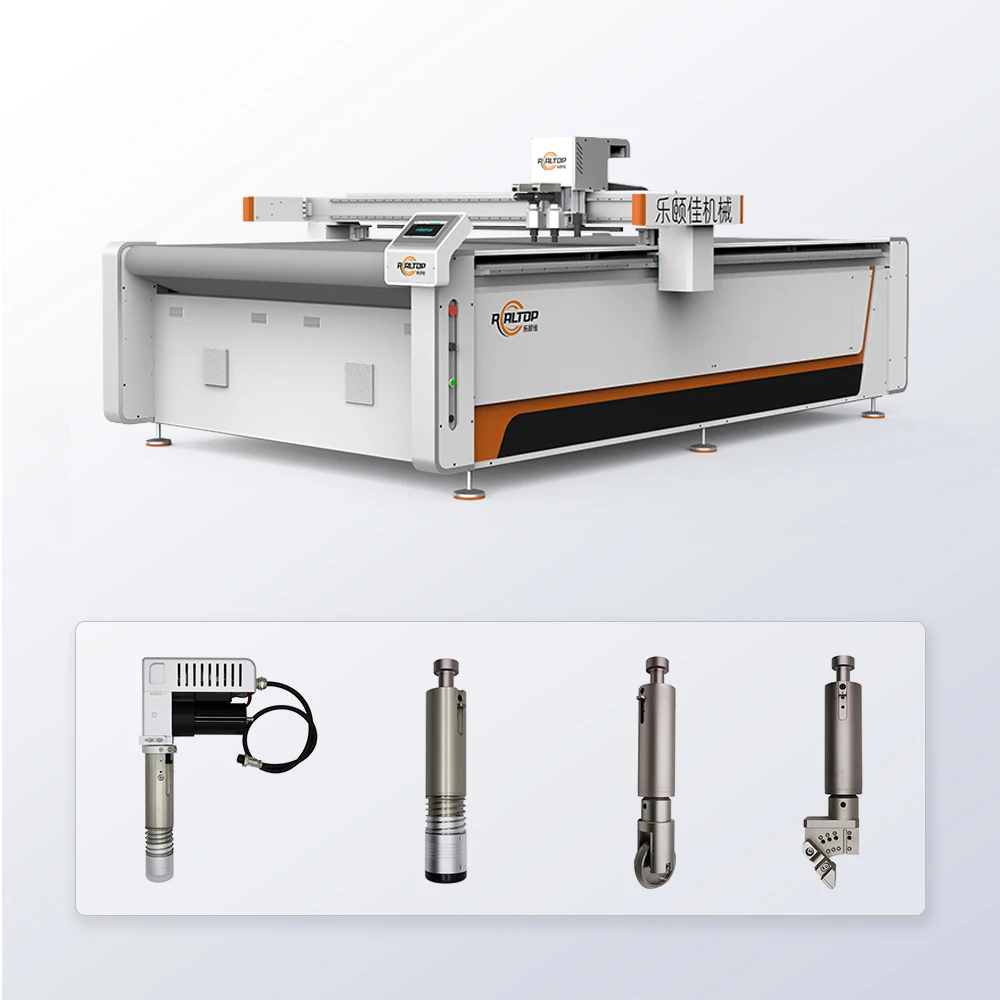
Tool-Head Matching — Every cutting tool specified against your thickest flute and smallest nested part before the order is confirmed.
Technical Specifications
| Parameter | Value |
|---|---|
| Model | 1625 |
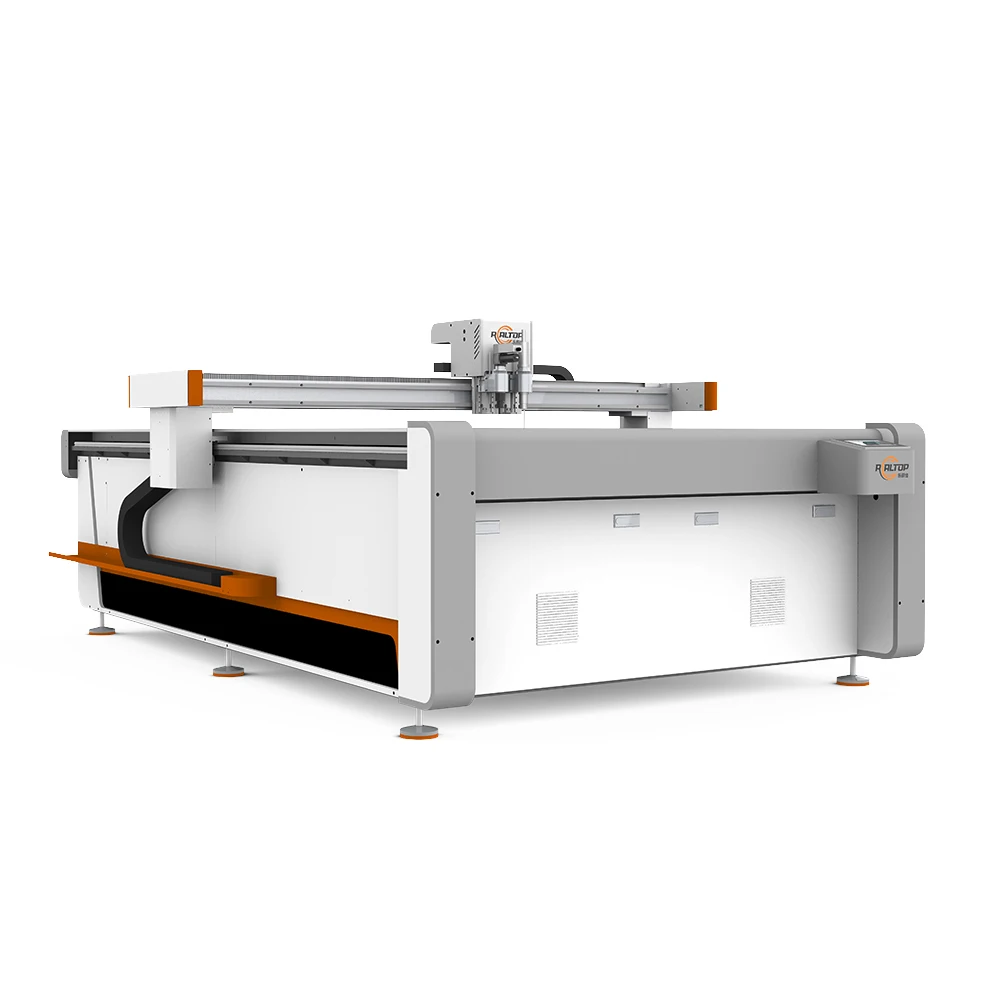
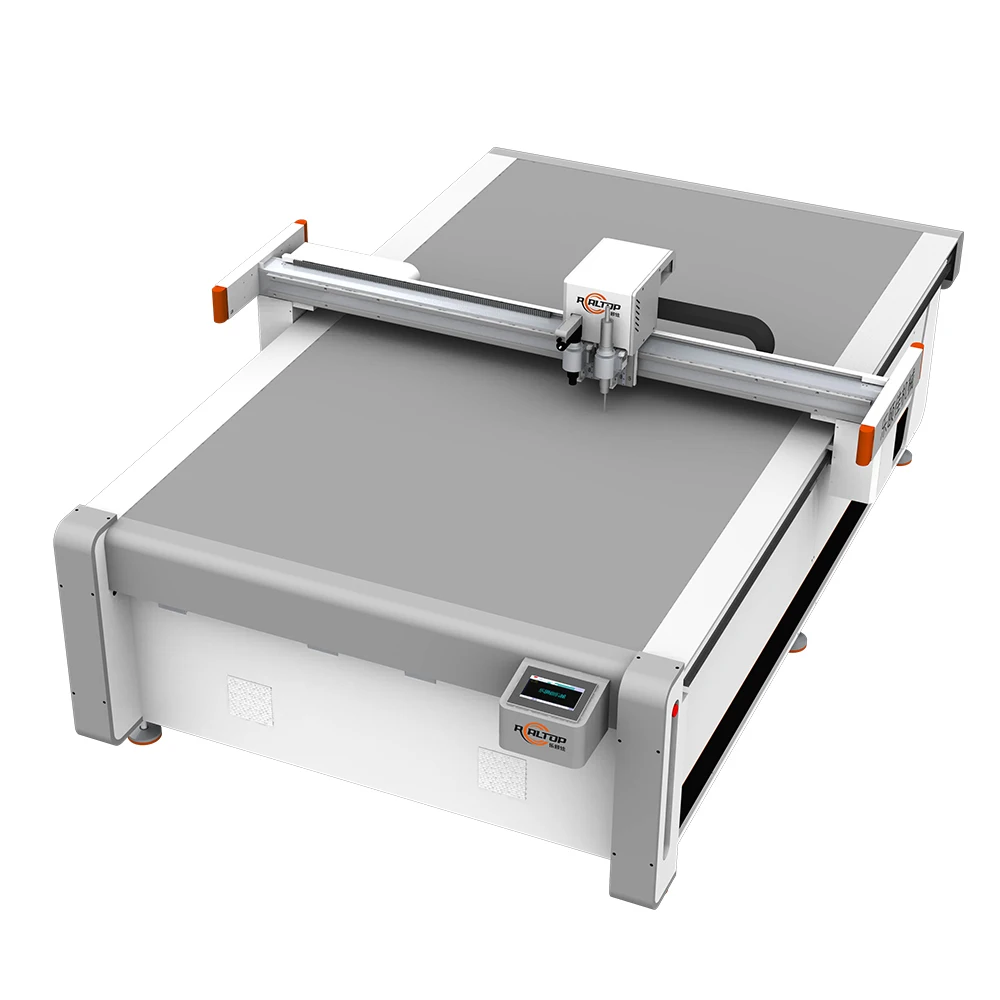
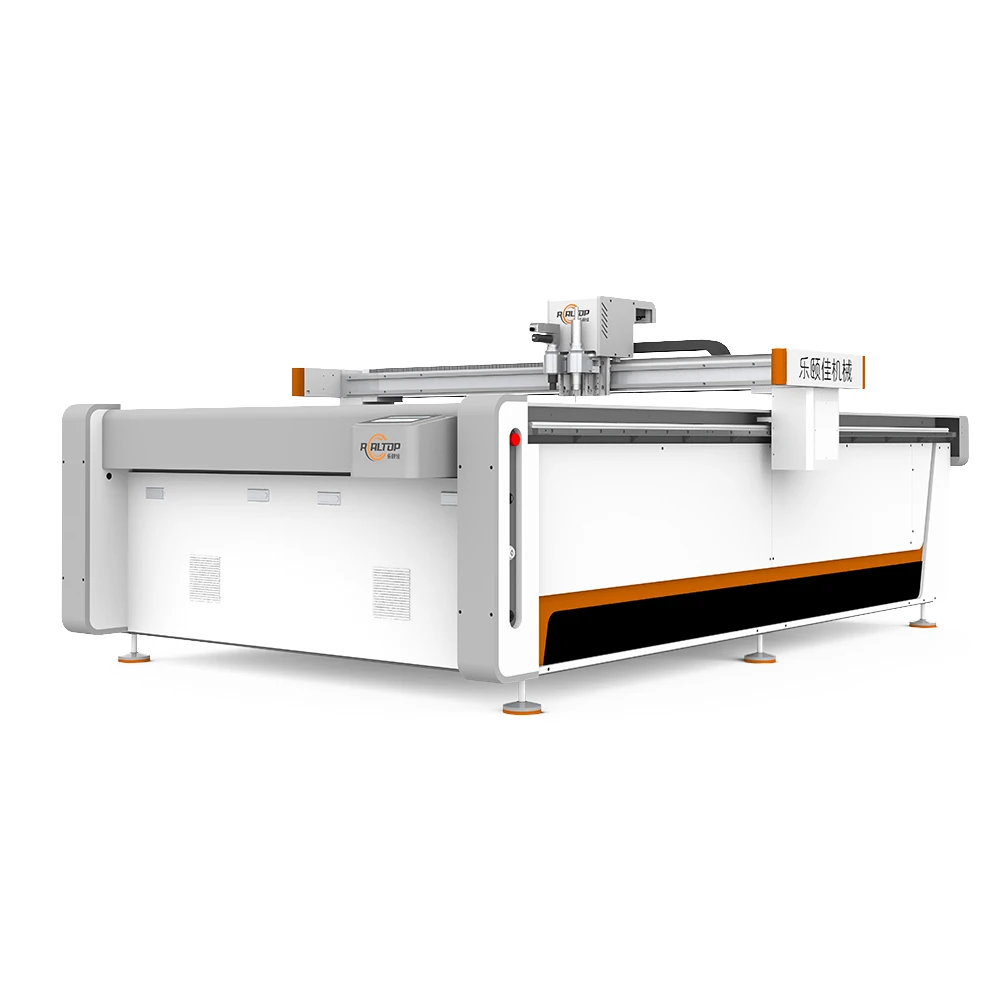
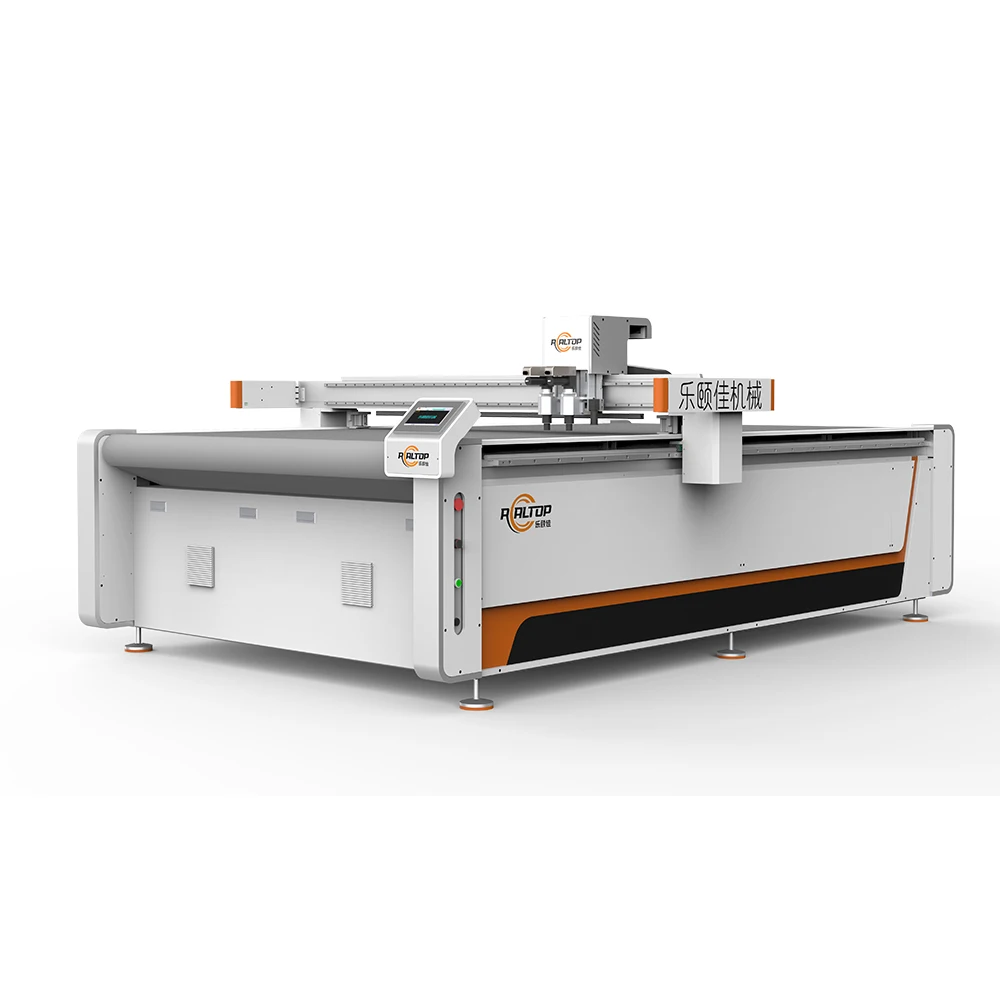
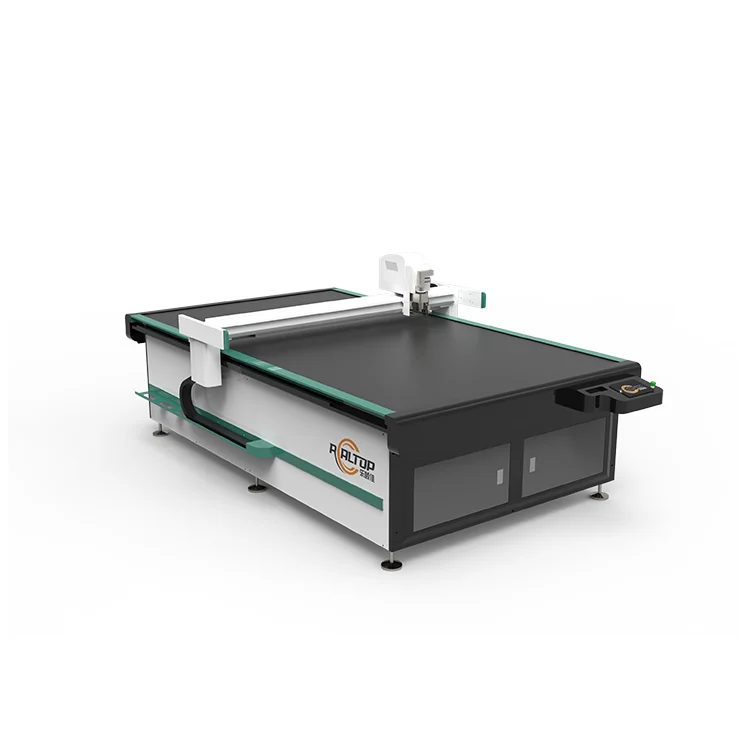
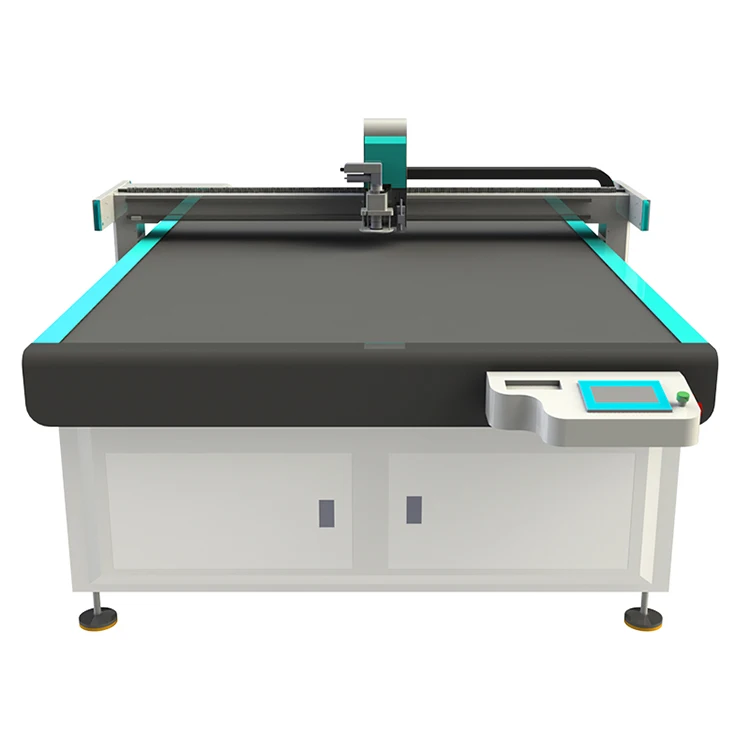
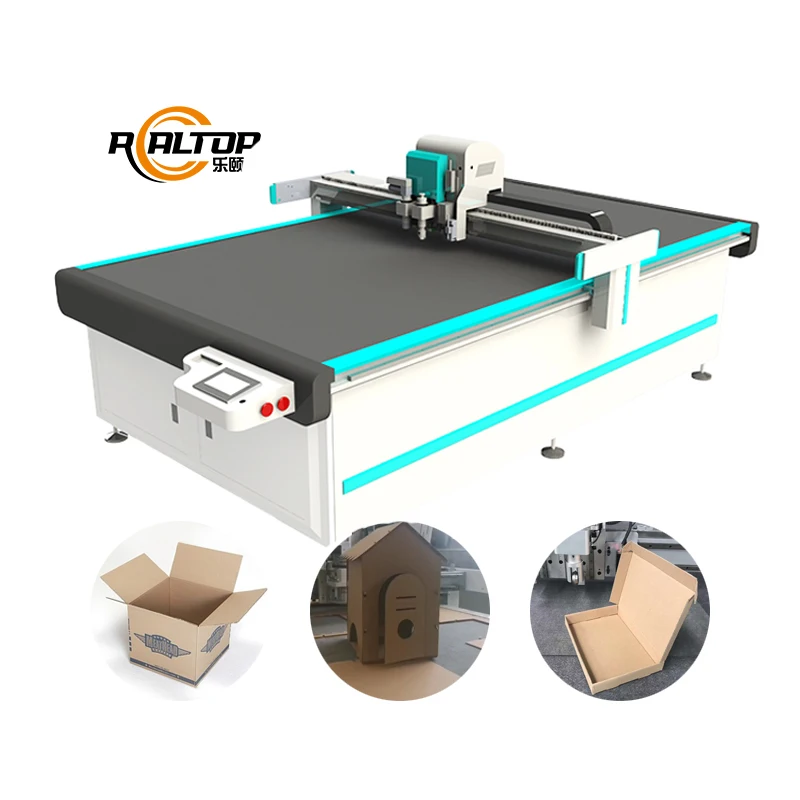
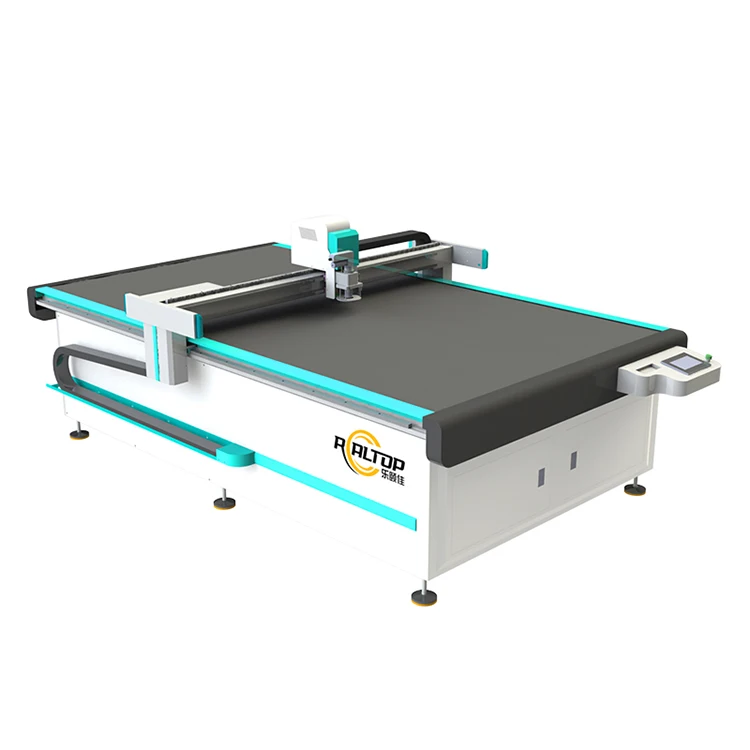
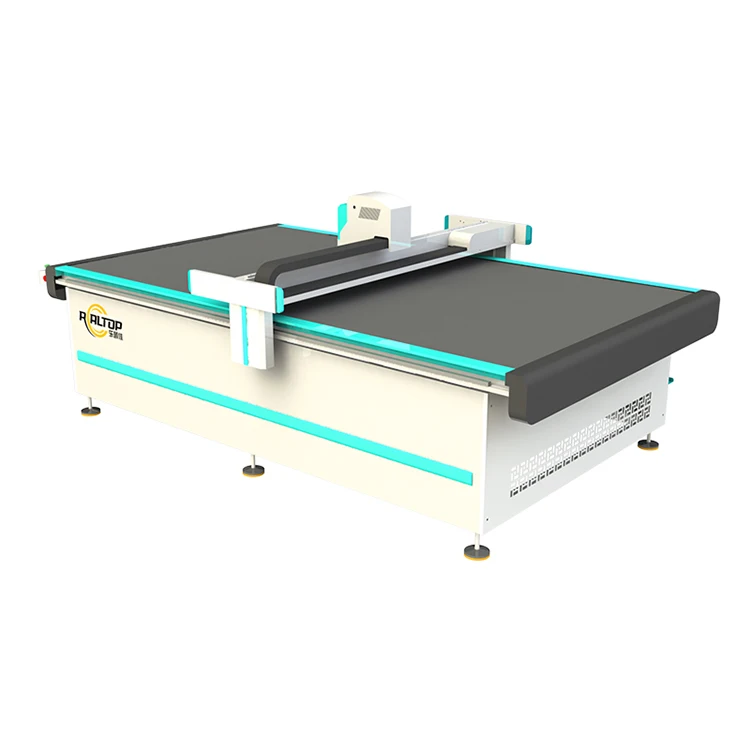
| Product Type | CNC Oscillating Knife Cutting Machine |
| Working Area | 1600×2500 mm |
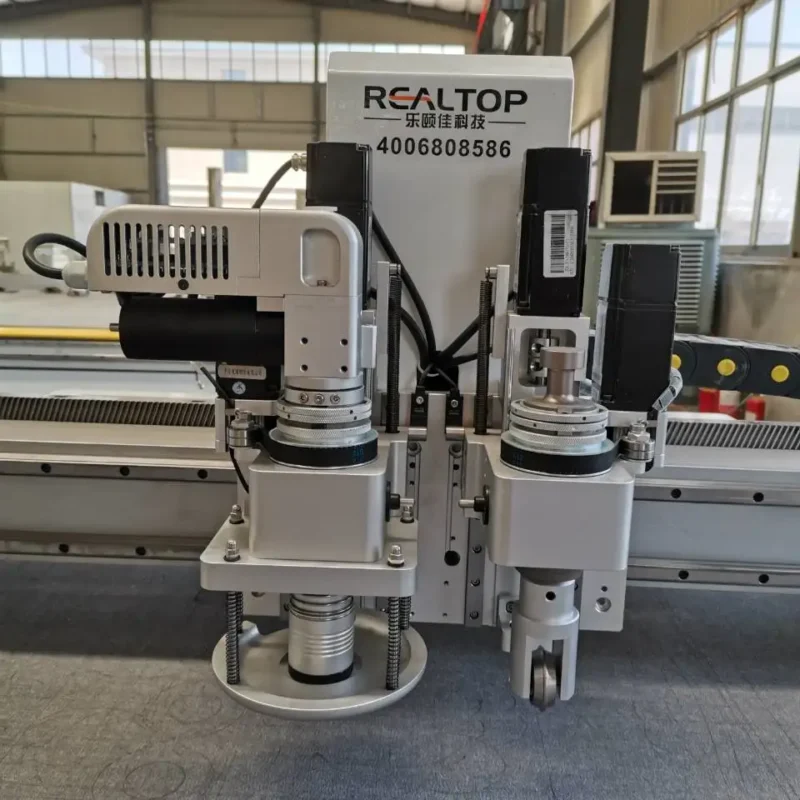
| Tool Head Options | Oscillating knife, Driven rotary knife, Creasing wheel, Kiss cutting tool, Pneumatic knife, Milling tool, V groove knife |
| Cutting Speed | 0–1500 mm/s |
| Cutting Thickness | ≤ 40 mm (basis not stated in source — confirm material / density / tool configuration) |
| Positioning Accuracy | ±0.1 mm |
| Vacuum Pump Power | 9 kW |
| Vacuum Table | Aluminum bellows type, full-surface adsorption |
| Machine Frame | Heavy-duty, precision-ground surface |
| Control System | PLC with dedicated packaging box structure design software |
| Compatible File Formats | PLT, DXF, AI, PDF |
| Servo Drive Options | Panasonic, Delta, Dorna (source value — verify against manufacturer catalog) |
| Voltage Options | 110V / 220V / 380V (frequency not stated in source) |
| Software Languages | English, Russian, Italian, Chinese (custom languages available) |
| Safety Devices | Infrared sensor, Emergency stop |
| Overall Dimensions | 3300×2100×1350 mm |
| Standards | CE declared |
Application Suitability
| Application | Material or Output |
|---|---|
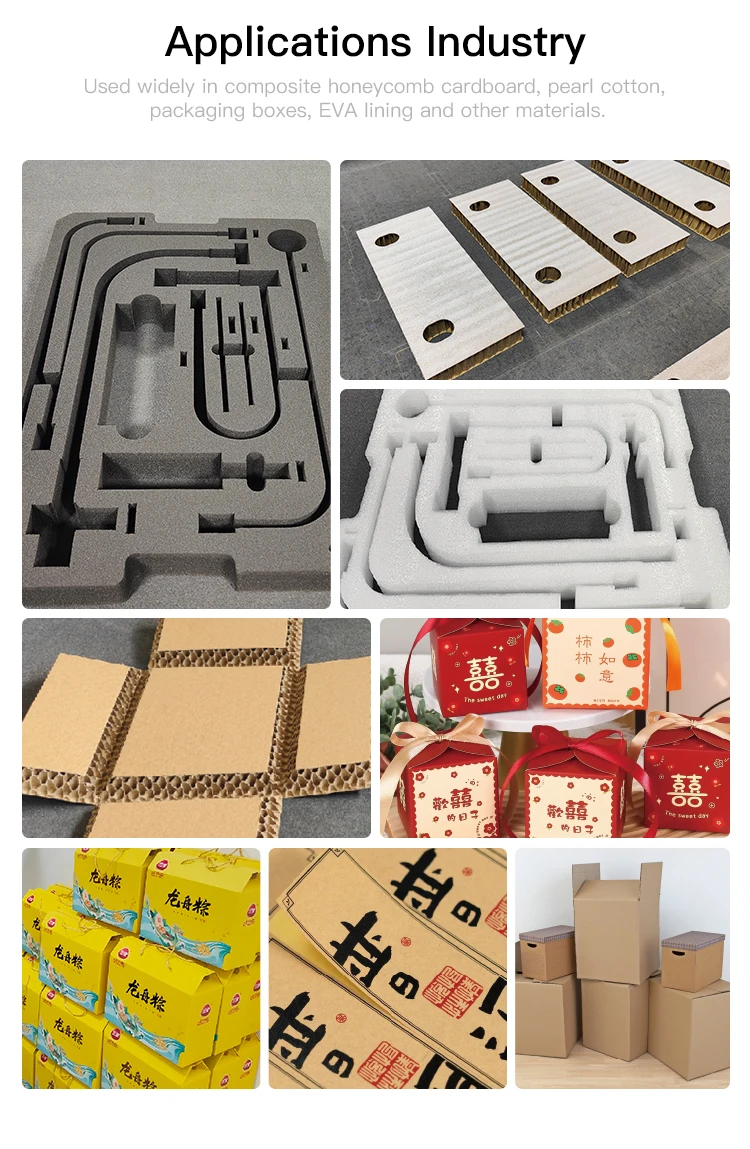
| Packaging sample making and short-run production | Corrugated cardboard (E/B/BC flute), greyboard, cardstock, art paper, specialty paper |
| Foam insert and protective packaging | EVA, EPE, PU foam |
| Soft material gasket and liner cutting | Rubber mats, velvet/fleece fabric, non-woven fabric, leather, synthetic leather |
| Thin plastic display and packaging components | PVC, PET sheets |
| Composite and adhesive-backed material conversion | Multi-layer laminates and self-adhesive stocks |
Why "Working Area" Is the Wrong First Question for Packaging Buyers
Buyers who lead with table size often discover the machine cannot hold down small nested carton parts or cut through their densest BC-flute board at acceptable speed.
A 1600×2500 mm bed covers most standard carton sheets, but working area alone tells you nothing about vacuum zoning, knife stroke length, or oscillation frequency against your specific flute profile. I have walked into packaging workshops where the machine sat idle because the vacuum table could not grip small die-cut inserts, or the oscillating knife left ragged edges on double-wall corrugated. Before discussing footprint, the conversation must start with your heaviest board grade, thickest foam insert, and smallest finished piece. A CNC oscillating knife cutting machine manufacturer that skips this step is selling you a table, not a cutting solution. [NEED_CITE: vacuum hold-down requirements for corrugated board digital cutting]
Mapping Tool Heads to Your Packaging Stock
The 1625 platform supports seven interchangeable tool heads, each addressing a distinct packaging operation. The oscillating knife handles standard corrugated flutes and greyboard up to the rated thickness. The driven rotary knife suits continuous cuts on thinner cardstock and art paper where edge sealing matters. The creasing wheel scores fold lines without penetrating the sheet, and the V groove knife produces clean chamfers on foam inserts and rigid board. Kiss cutting and pneumatic knife options cover adhesive-backed labels and thicker foam profiles respectively. Selecting the right head per material eliminates the crushed edges and delamination that plague single-tool setups.
Vacuum Table Design and Small-Part Hold-Down
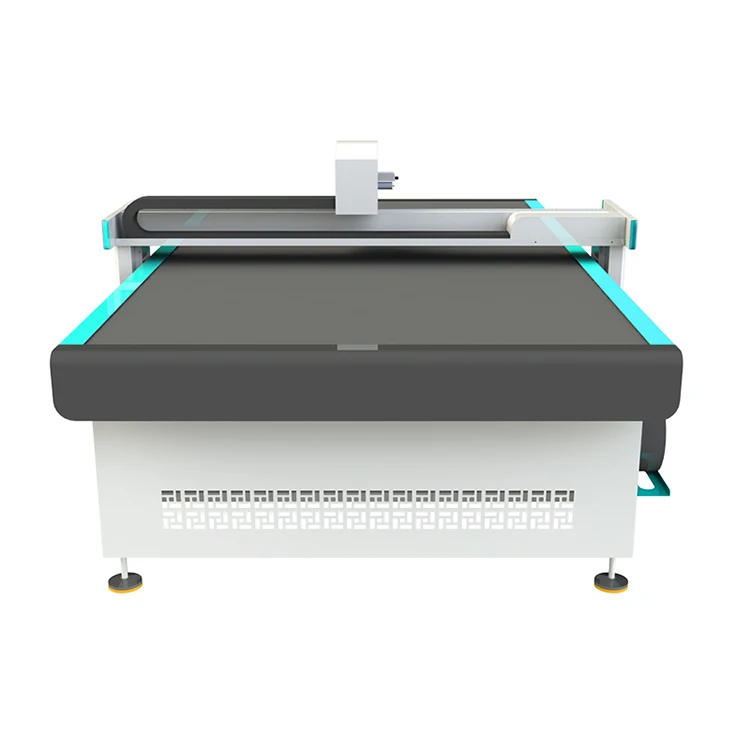
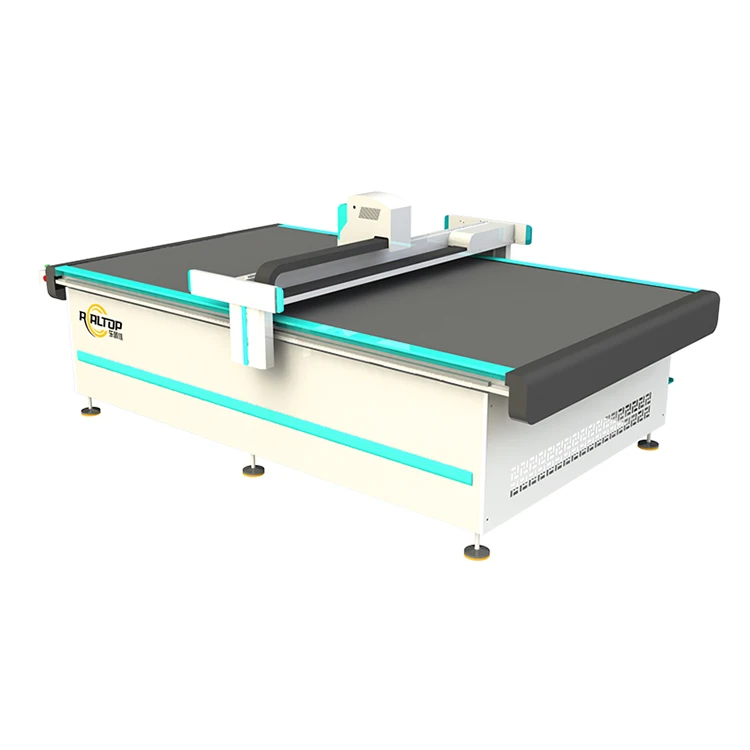
The aluminum bellows vacuum table on this CNC oscillating knife cutting machine delivers full-surface adsorption across the entire 1600×2500 mm bed. This matters most when nesting small carton components — cosmetic boxes, dividers, or insert trays — where edge lift at the knife exit point ruins the batch. A 9 kW vacuum pump maintains suction across the zone, though zoning configuration must match your typical nest layout. If your production mix runs large corrugated sheets in the morning and small cardstock boxes in the afternoon, confirm whether the table supports independent zone valving before shipment. [NEED_CITE: vacuum table zoning impact on digital die-cutting accuracy]
Reading the Specification Sheet Like a Production Manager
Cutting speed rated at 0–1500 mm/s describes the carriage travel range, not your actual throughput on triple-wall corrugated. Real cutting pace depends on material density, knife oscillation frequency, and the complexity of the cut path — tight radii on carton lock tabs force the servo drives to decelerate. The ±0.1 mm positioning accuracy keeps crease lines aligned with print registration across long runs, which is critical when your downstream folder-gluer expects consistent blank geometry. The PLC control system runs dedicated packaging box structure design software and imports PLT, DXF, AI, and PDF files directly, avoiding the file-conversion errors that add setup minutes to every job changeover.
The Cost of Skipping Material Trials
I once reviewed a line where the buyer specified a machine on working area and motor power, then discovered on delivery day that the oscillating knife could not cleanly shear their 3 mm EVA foam — the foam compressed rather than cut, leaving compressed ridges on every edge. The fix required a pneumatic knife head and recalibrated vacuum zones, plus weeks of lost production. When a CNC oscillating knife cutting machine manufacturer ships without running your actual corrugated board, foam, or cardstock through the configured tool head, you absorb that risk. Request sample cuts on your heaviest flute and thickest foam before confirming the purchase order. [NEED_CITE: material-specific tool head selection for digital cutting systems]
What Sets This Procurement Path Apart
In-house design and production span both knife and laser cutting technologies, so you select the method that fits your material rather than forcing one platform to cover everything. Tool head and vacuum table configurations are specified per your exact packaging stock and production volume, not pulled from a default list. CCD camera positioning is available for printed contour work where registration to pre-printed graphics matters. Software compatibility with your existing PLT, DXF, AI, or PDF workflow is confirmed before the order enters production. Voltage, plug type, control panel language, and software language are all locked in during the specification review, eliminating the arrival-day surprises that delay commissioning. Sample cutting on your own corrugated, foam, or cardstock runs before commitment, so edge quality and cycle time are verified on your actual material.
Documentation & Verification
- Machine specification sheet listing every tool head and voltage option confirmed for your order
- Electrical schematic matching your facility voltage and frequency before dispatch
- Factory test record cut on your corrugated board grade and foam thickness
- Sample cutting report documenting edge quality and dimensional accuracy on your material
- Software licence and file format compatibility note for PLT, DXF, AI, PDF workflows
- Spare parts list covering blades, creasing wheels, and vacuum table seals
Installation, Commissioning & Support
- Floor space planning for 3300×2100×1350 mm overall dimensions with access clearance on all sides
- Dedicated circuit sized to the 9 kW vacuum pump plus servo and control load at your confirmed voltage
- Machine arrives assembled on heavy-duty frame; vacuum table and tool head carriage checked on site
- First-run parameter tuning on your corrugated flute profile and foam density during commissioning
- Operator training covering tool head changeover, nest layout, and PLC packaging software operation
- Wear parts schedule for oscillating knife blades, creasing wheels, and vacuum table bellows seals
What to Include in Your Inquiry
Send your thickest corrugated flute profile, densest foam grade, and smallest finished carton dimension along with typical daily sheet volume. Confirm your facility voltage and frequency, preferred control panel language, and whether your design team works in PLT, DXF, AI, or PDF. If your workflow includes printed contour cutting, note the registration mark style and print-to-cut tolerance your downstream process requires.
Frequently Asked Questions
Q: How do I match tool head selection to my corrugated and foam materials?
A: Provide samples of your thickest flute board and densest foam insert. The oscillating knife handles standard corrugated, while the pneumatic knife suits thicker EVA and EPE foam. Creasing wheels score fold lines without cutting through. Each head is tested on your material before order confirmation, so you see actual edge quality before committing.
Q: What voltage and language options need confirming before shipment?
A: The 1625 supports 110V, 220V, and 380V configurations, but frequency must also match your local grid. Control panel language is selectable from English, Russian, Italian, Chinese, or custom options. These details are locked during specification review, not left for arrival-day discovery.
Q: Will the packaging design software import my existing file formats?
A: The PLC-based system natively reads PLT, DXF, AI, and PDF files. If your current workflow uses other formats, confirm compatibility during the inquiry stage so any conversion requirements are identified before the machine enters production, avoiding setup delays at commissioning.
Q: How does sample cutting on my own material work?
A: Ship representative sheets of your corrugated board, foam, and cardstock to the factory. The configured tool head cuts your actual stock, and a sample cutting report documents edge quality, dimensional accuracy, and achievable speed. Review the report before confirming the final order specification.
Tool-Head Matching — Every cutting tool specified against your thickest flute and smallest nested part before the order is confirmed.
Technical Specifications
| Parameter | Value |
|---|---|
| Model | 1625 |
| Product Type | CNC Oscillating Knife Cutting Machine |
| Working Area | 1600×2500 mm |
| Tool Head Options | Oscillating knife, Driven rotary knife, Creasing wheel, Kiss cutting tool, Pneumatic knife, Milling tool, V groove knife |
| Cutting Speed | 0–1500 mm/s |
| Cutting Thickness | ≤ 40 mm (basis not stated in source — confirm material / density / tool configuration) |
| Positioning Accuracy | ±0.1 mm |
| Vacuum Pump Power | 9 kW |
| Vacuum Table | Aluminum bellows type, full-surface adsorption |
| Machine Frame | Heavy-duty, precision-ground surface |
| Control System | PLC with dedicated packaging box structure design software |
| Compatible File Formats | PLT, DXF, AI, PDF |
| Servo Drive Options | Panasonic, Delta, Dorna (source value — verify against manufacturer catalog) |
| Voltage Options | 110V / 220V / 380V (frequency not stated in source) |
| Software Languages | English, Russian, Italian, Chinese (custom languages available) |
| Safety Devices | Infrared sensor, Emergency stop |
| Overall Dimensions | 3300×2100×1350 mm |
| Standards | CE declared |
Application Suitability
| Application | Material or Output |
|---|---|
| Packaging sample making and short-run production | Corrugated cardboard (E/B/BC flute), greyboard, cardstock, art paper, specialty paper |
| Foam insert and protective packaging | EVA, EPE, PU foam |
| Soft material gasket and liner cutting | Rubber mats, velvet/fleece fabric, non-woven fabric, leather, synthetic leather |
| Thin plastic display and packaging components | PVC, PET sheets |
| Composite and adhesive-backed material conversion | Multi-layer laminates and self-adhesive stocks |
Why "Working Area" Is the Wrong First Question for Packaging Buyers
Buyers who lead with table size often discover the machine cannot hold down small nested carton parts or cut through their densest BC-flute board at acceptable speed.
A 1600×2500 mm bed covers most standard carton sheets, but working area alone tells you nothing about vacuum zoning, knife stroke length, or oscillation frequency against your specific flute profile. I have walked into packaging workshops where the machine sat idle because the vacuum table could not grip small die-cut inserts, or the oscillating knife left ragged edges on double-wall corrugated. Before discussing footprint, the conversation must start with your heaviest board grade, thickest foam insert, and smallest finished piece. A CNC oscillating knife cutting machine manufacturer that skips this step is selling you a table, not a cutting solution. [NEED_CITE: vacuum hold-down requirements for corrugated board digital cutting]
Mapping Tool Heads to Your Packaging Stock
The 1625 platform supports seven interchangeable tool heads, each addressing a distinct packaging operation. The oscillating knife handles standard corrugated flutes and greyboard up to the rated thickness. The driven rotary knife suits continuous cuts on thinner cardstock and art paper where edge sealing matters. The creasing wheel scores fold lines without penetrating the sheet, and the V groove knife produces clean chamfers on foam inserts and rigid board. Kiss cutting and pneumatic knife options cover adhesive-backed labels and thicker foam profiles respectively. Selecting the right head per material eliminates the crushed edges and delamination that plague single-tool setups.
Vacuum Table Design and Small-Part Hold-Down
The aluminum bellows vacuum table on this CNC oscillating knife cutting machine delivers full-surface adsorption across the entire 1600×2500 mm bed. This matters most when nesting small carton components — cosmetic boxes, dividers, or insert trays — where edge lift at the knife exit point ruins the batch. A 9 kW vacuum pump maintains suction across the zone, though zoning configuration must match your typical nest layout. If your production mix runs large corrugated sheets in the morning and small cardstock boxes in the afternoon, confirm whether the table supports independent zone valving before shipment. [NEED_CITE: vacuum table zoning impact on digital die-cutting accuracy]
Reading the Specification Sheet Like a Production Manager
Cutting speed rated at 0–1500 mm/s describes the carriage travel range, not your actual throughput on triple-wall corrugated. Real cutting pace depends on material density, knife oscillation frequency, and the complexity of the cut path — tight radii on carton lock tabs force the servo drives to decelerate. The ±0.1 mm positioning accuracy keeps crease lines aligned with print registration across long runs, which is critical when your downstream folder-gluer expects consistent blank geometry. The PLC control system runs dedicated packaging box structure design software and imports PLT, DXF, AI, and PDF files directly, avoiding the file-conversion errors that add setup minutes to every job changeover.
The Cost of Skipping Material Trials
I once reviewed a line where the buyer specified a machine on working area and motor power, then discovered on delivery day that the oscillating knife could not cleanly shear their 3 mm EVA foam — the foam compressed rather than cut, leaving compressed ridges on every edge. The fix required a pneumatic knife head and recalibrated vacuum zones, plus weeks of lost production. When a CNC oscillating knife cutting machine manufacturer ships without running your actual corrugated board, foam, or cardstock through the configured tool head, you absorb that risk. Request sample cuts on your heaviest flute and thickest foam before confirming the purchase order. [NEED_CITE: material-specific tool head selection for digital cutting systems]
What Sets This Procurement Path Apart
In-house design and production span both knife and laser cutting technologies, so you select the method that fits your material rather than forcing one platform to cover everything. Tool head and vacuum table configurations are specified per your exact packaging stock and production volume, not pulled from a default list. CCD camera positioning is available for printed contour work where registration to pre-printed graphics matters. Software compatibility with your existing PLT, DXF, AI, or PDF workflow is confirmed before the order enters production. Voltage, plug type, control panel language, and software language are all locked in during the specification review, eliminating the arrival-day surprises that delay commissioning. Sample cutting on your own corrugated, foam, or cardstock runs before commitment, so edge quality and cycle time are verified on your actual material.
Documentation & Verification
- Machine specification sheet listing every tool head and voltage option confirmed for your order
- Electrical schematic matching your facility voltage and frequency before dispatch
- Factory test record cut on your corrugated board grade and foam thickness
- Sample cutting report documenting edge quality and dimensional accuracy on your material
- Software licence and file format compatibility note for PLT, DXF, AI, PDF workflows
- Spare parts list covering blades, creasing wheels, and vacuum table seals
Installation, Commissioning & Support
- Floor space planning for 3300×2100×1350 mm overall dimensions with access clearance on all sides
- Dedicated circuit sized to the 9 kW vacuum pump plus servo and control load at your confirmed voltage
- Machine arrives assembled on heavy-duty frame; vacuum table and tool head carriage checked on site
- First-run parameter tuning on your corrugated flute profile and foam density during commissioning
- Operator training covering tool head changeover, nest layout, and PLC packaging software operation
- Wear parts schedule for oscillating knife blades, creasing wheels, and vacuum table bellows seals
What to Include in Your Inquiry
Send your thickest corrugated flute profile, densest foam grade, and smallest finished carton dimension along with typical daily sheet volume. Confirm your facility voltage and frequency, preferred control panel language, and whether your design team works in PLT, DXF, AI, or PDF. If your workflow includes printed contour cutting, note the registration mark style and print-to-cut tolerance your downstream process requires.
Frequently Asked Questions
Q: How do I match tool head selection to my corrugated and foam materials?
A: Provide samples of your thickest flute board and densest foam insert. The oscillating knife handles standard corrugated, while the pneumatic knife suits thicker EVA and EPE foam. Creasing wheels score fold lines without cutting through. Each head is tested on your material before order confirmation, so you see actual edge quality before committing.
Q: What voltage and language options need confirming before shipment?
A: The 1625 supports 110V, 220V, and 380V configurations, but frequency must also match your local grid. Control panel language is selectable from English, Russian, Italian, Chinese, or custom options. These details are locked during specification review, not left for arrival-day discovery.
Q: Will the packaging design software import my existing file formats?
A: The PLC-based system natively reads PLT, DXF, AI, and PDF files. If your current workflow uses other formats, confirm compatibility during the inquiry stage so any conversion requirements are identified before the machine enters production, avoiding setup delays at commissioning.
Q: How does sample cutting on my own material work?
A: Ship representative sheets of your corrugated board, foam, and cardstock to the factory. The configured tool head cuts your actual stock, and a sample cutting report documents edge quality, dimensional accuracy, and achievable speed. Review the report before confirming the final order specification.
商品评价
There are no reviews yet.